

Europeans long believed that natural mineral waters held medicinal qualities, and favored the beverages over often polluted common drinking water. British chemist Joseph Priestley invented a means of carbonating water in 1772. Jacob Schweppe’s Geneva, Switzerland company was bottling the stuff by the 1780s. The first soda water manufacturer in the US was Yale University chemist Benjamin Silliman in 1807, though it was Joseph Hawkins of Baltimore who secured the first US patent in 1809.
At first sold for their therapeutic value, consumers increasingly bought carbonated beverages for refreshment. By the time of the Civil War, “soft drinks” were flavored with ginger, vanilla, fruits, roots, herbs, and countless other flavorings. The first cola drink appeared in 1881.
Confederate Cavalry officer John Stith Pemberton was wounded by a saber slash across his chest at the Battle of Columbus, Georgia. Like many wounded veterans, he became addicted to the morphine given him to help ease the pain. A chemist in civil life, Pemberton experimented with painkillers to take the place of opiates, landing on a combination of the coca plant and kola nut in 1886. Vicksburg, Mississippi pharmacist Joseph Biedenharn installed bottling equipment in the back of his soda fountain, selling the first bottles of Coca Cola on March 12, 1894.
 The most famous rivalry in the soft drink business began in the 1930s, when Pepsi offered a 12oz bottle for the same 5¢ as Coca Cola’s six ounces.
The Coca Cola Company’s flagship brand had a 60% share by the end of WWII, but that declined to less than 24% by the early 80s, most of the difference lost to Pepsi and their “Pepsi challenge” blind taste test promotions of the late 70s.
By the 80s, market analysts believed that baby boomers were likely to switch to diet drinks as they aged, and any growth in the full calorie segment was going to come from younger consumers who preferred the sweeter taste of Pepsi.
Roberto Goizueta came on board as Coca Cola Company CEO in 1980, saying that there would be “no sacred cows” among their products. He meant it. The company launched the top secret “Project Kansas”, to test and perfect the flavor for a new version of Coke. The company’s marketing department fanned out, holding taste tests, surveys, and focus groups.
Early results were favorable, the newer, sweeter mixture overwhelmingly beating both Pepsi and Coke itself. Most tasters said that they would buy the product, but a small minority of 10–12% were angry and alienated at the very thought of it. This small percentage was adamant. They would stop drinking Coke products altogether, and they frequently swayed other members of their focus groups.
The way things turned out, the company should have listened to this group a little more carefully.
 On an April Friday in 1985, Coke let the media know that a major announcement was coming the following Tuesday. Coca Cola officials spent a busy weekend preparing for the re-launch, while Pepsi Executives announced a company-wide holiday, taking out a full page New York Times ad proclaiming that “Pepsi had Won the Cola Wars”.
Skepticism was high on the day of the Big Announcement. Reporters were fed questions by Pepsi officials, and Goizueta fumbled, refusing to state the reason for the change. He certainly wasn’t going to give Pepsi any credit for their performance in taste tests, explaining “[It’s] smoother, uh, uh, rounder yet, uh, yet bolder…a more harmonious flavor”.
The backlash was soon in coming, and closely tracked earlier focus group results. Atlanta based Coca Cola’s southern customers described the change as another surrender to the “Yankees”. Over 400,000 calls and letters came into company headquarters, including one addressed to “Chief Dodo, The Coca-Cola Company”. Another letter asked for Goizueta’s autograph, since the signature of “one of the dumbest executives in American business history” would probably become valuable in the future. A psychiatrist hired by Coke to listen in on calls, told executives some people sounded as if they were discussing the death of a family member.
Even Max Headroom and his “C-c-c-catch the wave!” couldn’t save the company. Ads for “New Coke” were booed at the Houston Astrodome, while Pepsi ran ads in which a smiling first-time Pepsi drinker said “Now I know why Coke did it!”
Even Fidel Castro weighed in, calling the change a sign of capitalist decadence. Company President Donald Keough realized it was over, on a visit to the Mediterranean Principality of Monaco. A small restaurant owner proudly said that he had “the real thing, it’s a real Coke,” offering Keough’s party a bottle of the old stuff.
And so it was that, in 1985, Coca Cola announced that they’d bring back their 91-year old formula. A reporter asked Keough if the whole thing had been a publicity stunt. Keough’s answer is itself, a classic. “We’re not that dumb,” he said, “and we’re not that smart”.


 On the morning of March 11, 1918, most of the recruits at Fort Riley, Kansas, were turning out for breakfast. Private Albert Gitchell reported to the hospital, complaining of cold-like symptoms of sore throat, fever and headache. By noon, more than 100 more had reported sick with similar symptoms.
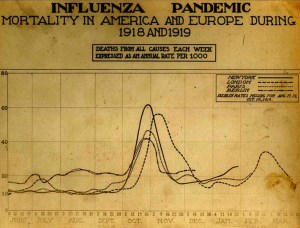 within hours of the first symptoms. There’s a story about four young, healthy women playing bridge well into the night. By morning, three were dead of influenza.
 Around the planet, the Spanish flu infected 500 million people. A third of the population of the entire world, at that time. Estimates run as high 50 to 100 million killed. For purposes of comparison, the “Black Death” of 1347-51 killed 20 million Europeans.
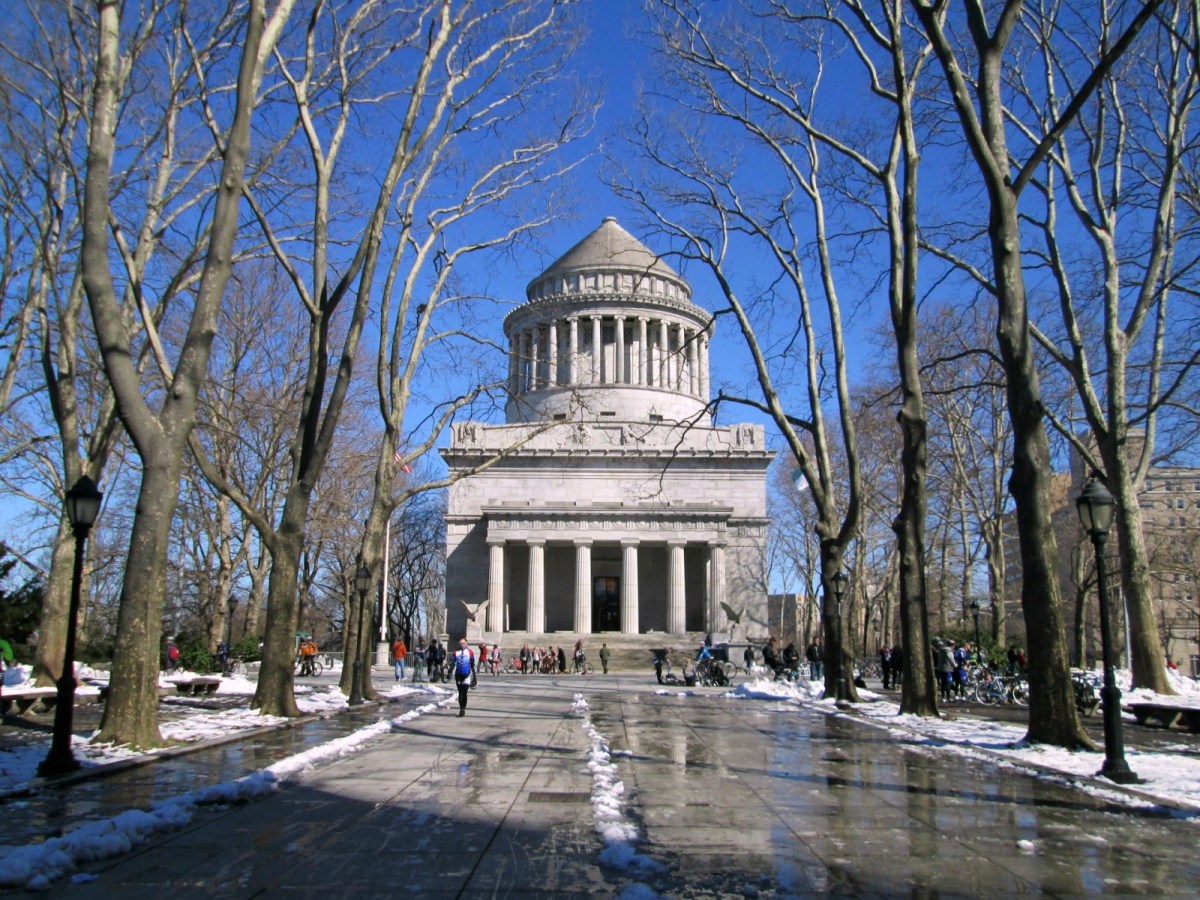
 The 1862 Civil War Battle of Fort Donelson secured the name, when then-Brigadier General Ulysses S. Grant received a request for terms from the fort’s commanding officer, Confederate Brigadier General Simon Bolivar Buckner. Grant’s reply was that “no terms except an unconditional and immediate surrender can be accepted. I propose to move immediately, upon your works.” The legend of “Unconditional Surrender” Grant, was born.
 later, going on to serve two terms after becoming, at that time, the youngest man ever so elected.
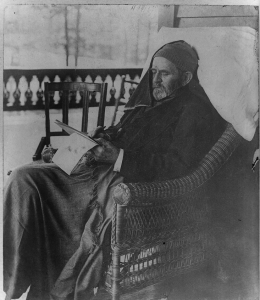 In June 1885, as the cancer spread through his body, the family moved to Mount MacGregor, New York, to make him more comfortable. Propped up on chairs and too weak to walk, Grant worked to finish the book as friends, admirers and even former Confederate adversaries, made their way to Mount MacGregor to pay their respects.

 The Alaska Territory was particularly vulnerable. The Aleutian Island chain was only 750 miles from the nearest Japanese base, and there were only 12 medium bombers, 20 pursuit planes, and fewer than 22,000 troops in the entire territory. An area four times the size of Texas.
 equipment to Dawson Creek, the last stop on the Northern Alberta Railway. At the other end, 10,670 American troops arrived in Alaska that spring, to begin what their officers called “the biggest and hardest job since the Panama Canal.”
 A route through the Rockies hadn’t even been identified yet.
 On October 25, Refines Sims Jr. of Philadelphia, with the all-black 97th Engineers was driving a bulldozer 20 miles east of the Alaska-Yukon line, when the trees in front of him toppled to the ground. He slammed his machine into reverse as a second bulldozer came into view, driven by Kennedy Texas Private Alfred Jalufka. North had met south, and the two men jumped off their machines, grinning. Their triumphant handshake was photographed by a fellow soldier and published in newspapers across the country, becoming an unintended first step toward desegregating the US military.


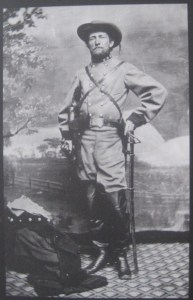 Mosby participated in the 1st Battle of Manassas (1st Bull Run) as a member of the Virginia Volunteers Mounted Rifles, later joining James Ewell Brown “Jeb” Stuart as a Cavalry Scout. A natural horseman and gifted tactician, information gathered by Mosby aided Stuart in his humiliating ride around McLellan’s Army of the Potomac in June, 1862.
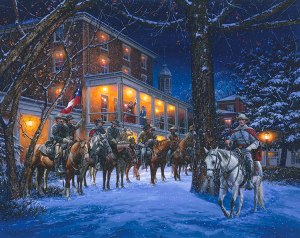 Courthouse, Virginia. Union Brigadier General Edwin H. Stoughton was sleeping in his headquarters there, some sources say he was “sleeping it off”. The Gray Ghost entered the Union General’s headquarters in the small hours of March 9, his rangers quickly overpowering a handful of sleepy guards.


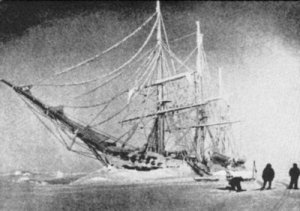
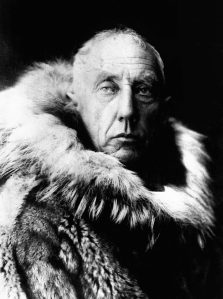

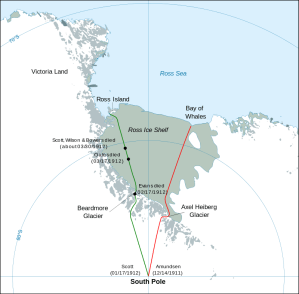


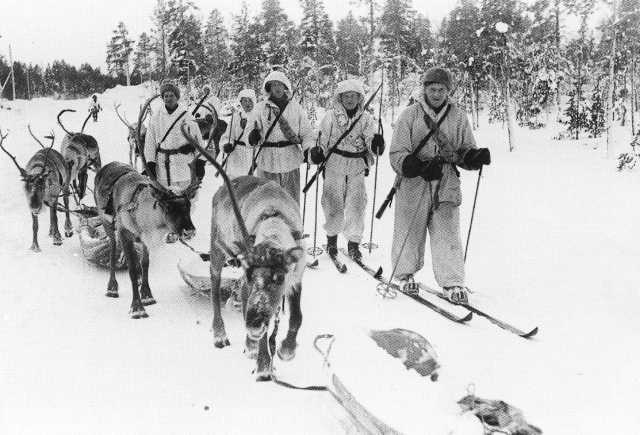
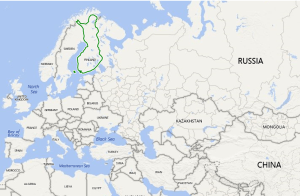 With Sweden to the west and Russia to the east, the region has been a zone of conflict since the early 12th century, finally gaining independence as the result of the first World War and collapse of the Russian Empire.
 The Battle of Kollaa took place in temperatures ranging from −4° to −40°, Fahrenheit. In February, the temperature averages only 18.5°. Dressed in white camouflage, Häyhä would surround himself with hard-packed snow, his mouth filled with snow so no one would see his breath.
 take several years to recover from his wound, but Häyhä went on to become a successful dog breeder and moose hunter, once hunting with Finnish President Urho Kekkonen.

 In one of the earliest known debt issues in history, Prime Minister Henry Pelham converted the entire national debt into consolidated annuities known as “consols”, in 1752. Consols paid interest like regular bonds, with no requirement that the government ever repay the face value. 18th century British debt soared as high as 74.6%, and never dropped below 55%.
 On March 5, wigmaker’s apprentice Edward Garrick taunted British Captain-Lieutenant John Goldfinch, claiming he had not paid a bill owed to his master. The officer had paid the bill and ignored the insult, but Private Hugh White, on guard outside the State House on King Street, said the boy should be more respectful, striking him with his musket. Garrick’s companion Bartholomew Broaders argued with White, as an angry crowd began to gather.

 Twelve of the original thirteen states ratified these “Articles of Confederation” by February, 1779. Maryland would hold out for another two years, over land claims west of the Ohio River. In 1781, seven months before Cornwallis’ surrender at Yorktown, the 2nd Continental Congress formally ratified the Articles of Confederation. The young nation’s first governing document.
 Philadelphia’s Pennsylvania State House. The building is now known as Independence Hall, the same place where the Declaration of Independence and the Articles of Confederation were drafted.
 The Constitution was signed by 38 of the 41 delegates on September 17, 1787. As dictated by Article VII, the document would not become binding until it was ratified by nine of the 13 states.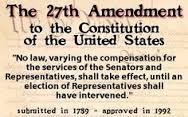


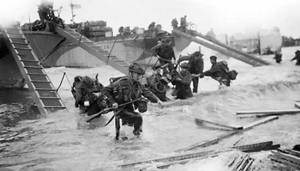
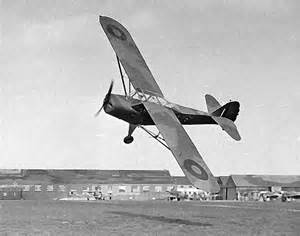
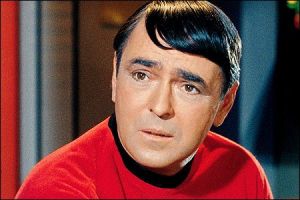
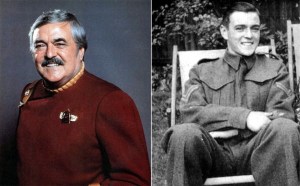 Doohan’s health declined in his later years. He developed Parkinson’s disease and diabetes, along with fibrosis of the lung, blamed on his exposure to noxious chemicals during WWII. He was experiencing symptoms of Alzheimer’s by 2004, though he was able to attend the ceremony held in his honor after receiving a star on the Hollywood Walk of Fame, that August.

 Historical Easter Eggs - Today in History
You must be logged in to post a comment.