
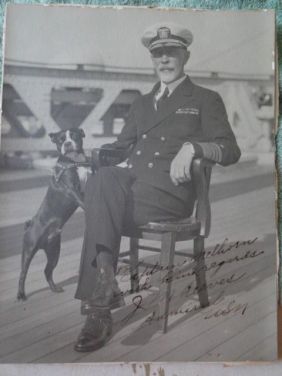
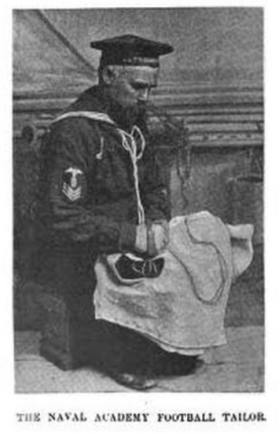
Sometime during the 1893 football season, a navy doctor told Midshipman Joseph Reeves that another kick to the head could result in “instant insanity”, even death.
Reeves commissioned an Annapolis-area shoemaker to build him a leather covering, thus making himself the father of the modern football helmet. Years later, this man of the battleship era became an ardent supporter of naval air power. Today, Admiral “Bull” Reeves is widely known as the “Father of Carrier Aviation”.
The naval academy’s football program is one of the oldest in the country, dating back to 1879.
The Army got into the game in November 1890, when Navy challenged Army cadets in what was then a relatively new sport.
That first Army-Navy game was played on November 29, when the Midshipmen humiliated the Army cadets at West Point, 24-0.
The Black Knights had their revenge the following year, defeating Navy at Annapolis, 32-16.
The two teams met some 30 times between 1890 and 1930, when the game became an annual event.
More than inter-service “bragging rights” are at stake. Only 17 schools can boast Heisman Trophy winners. Army and Navy, combine for five.
West Point and Annapolis fielded some of the best teams in college football, during the first half of the 20th century. In 1944 and ’45 with the country at war, Army and Navy both entered that final game of the season,with perfect records. Army finished both seasons, undefeated.
Today, size and weight restrictions combine with a five-year military service commitment, while dreams of NFL careers draw some of the best football talent in college ball away from the service academies. Since 1963, only four seasons have seen both teams enter the Army-Navy game with winning records. Yet, the game remains a college football institution, receiving radio coverage every year since the late ’20s, and broadcast on national television, since 1945.
The first instant replay in American football history, made its debut during the 1963 Army–Navy game.
Arguably, the Army-Navy game may be the purest such event, in all of college sports. These are the kids who play for the love of the game, knowing that their next years are unlikely to lead to careers in sports, business, or academia. These young men have given the next few years of their lives, to the United Sates military.
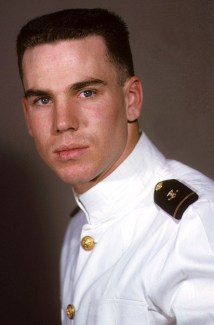
Five-year post-graduation military service commitments preclude the NFL career aspirations of most Army-Navy game veterans, but not all. Notable exceptions include Dallas Cowboys Quarterback Roger Staubach (Navy, 1965), New York Giants Wide Receiver and Return Specialist Phil McConkey (Navy, 1979), and (then) LA Raiders Running back Napoleon McCallum (Navy, 1985).
President Dwight Eisenhower earned the distinction of being the only future President in history to play the Army-Navy game in 1912, alongside future General of the Army, Chairman of the Joint Chiefs of Staff and teammate, Omar Bradley.
Most games are played in a neutral city, almost always on the east coast. Most often in Philadelphia. The Army-Navy game has appeared west of the Mississippi only twice, first for the national dedication of Chicago’s Soldier Field, in 1926. The second was in 1983, when the Department of Defense earned Wisconsin Democratic Senator William Proxmire’s not-so-coveted “Golden Fleece” award, for spending $100,000 to transport cadets, midshipmen and mascots, to play in Pasadena, California’s Rose Bowl.
 Oh, for the days when the government pretended to look out for our money.
With capacities of only 38,000 and 34,000 respectively, Army’s Michie Stadium and Navy’s Navy–Marine Corps Memorial Stadium are far too small, to hold the assembled crowd. Out of 117 games, only six have been played on either campus. Two of those (1942-’43), were due to WWII travel restrictions.
In 1963, the Army-Navy game was canceled in observation of a 30-day period of mourning, following the assassination of president John Fitzgerald Kennedy. Knowing her now-deceased husband to be a big fan, First Lady Jacqueline Kennedy requested that the game go on, and so it was, quarterback Roger Staubach leading his #2 nationally ranked team in a 34-14 Navy romp.
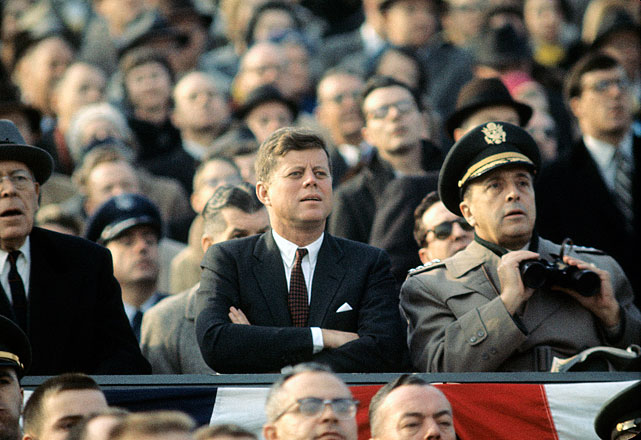
For most seniors, the “First Classmen” of either academy, the Army-Navy game carries special meaning. Some may go on to play in a bowl game, but for most, this is the last regular season football game, each will ever play. In times of war, they and others like themselves will be among the first to go, in defense of the country. Some will not return home, alive.
 The game is particularly emotional for this reason. Despite intense rivalry, it would be hard to find a duel in all of sports, where the two sides hold the other in higher respect and esteem.
The game is steeped in tradition. As their opposites cheer them on, each side takes the field in a spectacle of precision drill, unmatched in any venue outside of the military. After the game, both teams assemble to sing the almae matres (‘On Brave Old Army Team’ and ‘Anchors Aweigh’) of each institution, to the assembled students and fans.
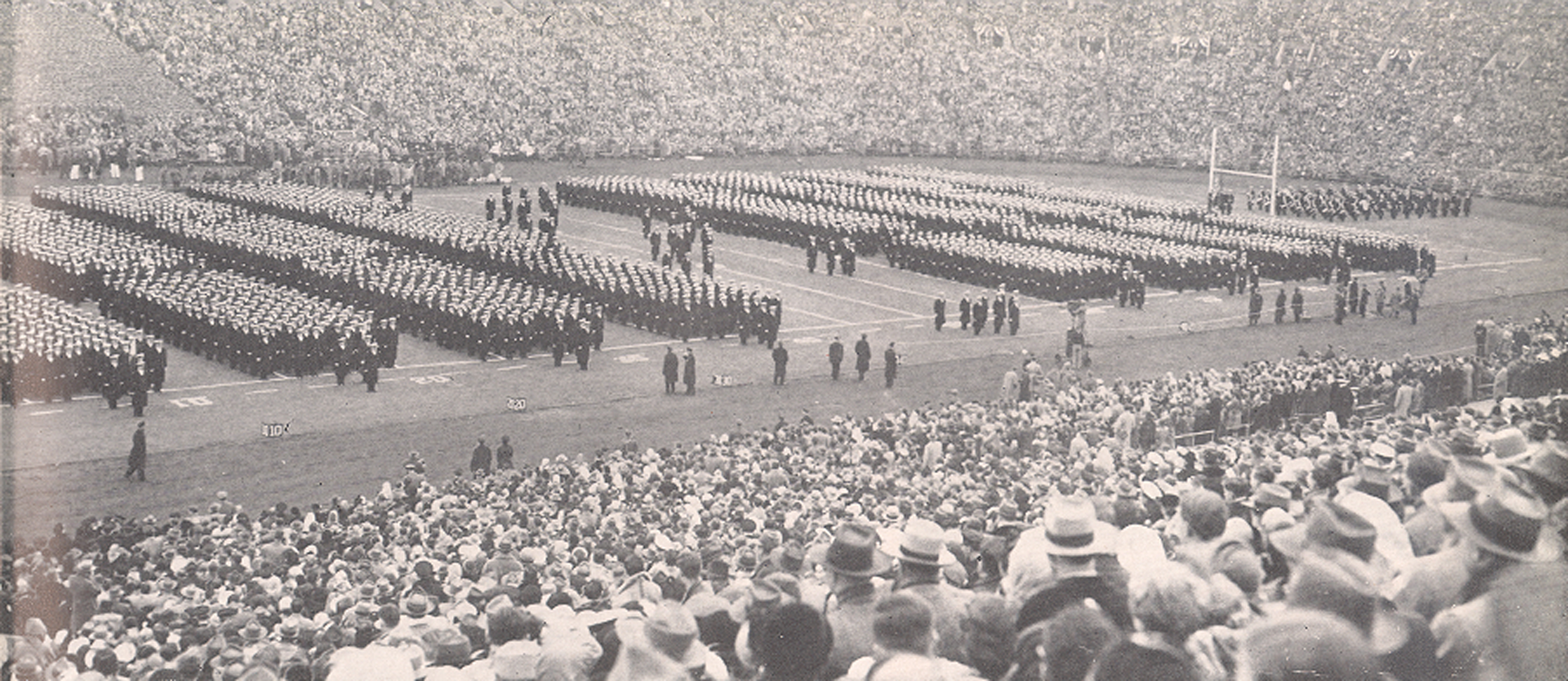
The first such serenade is always performed for those of the losing academy, hence the coveted position of “singing second”, signifying the victor of this, the oldest sports rivalry in service academy history.
Respect and tradition is all well and good, but such rivalries do not come without a share of debauchery. During junior year, selected “Middies” and Cadets attend courses with the opposite military academy. On game day, each is restored in a “prisoner exchange”, returning from their semester in “enemy territory”.
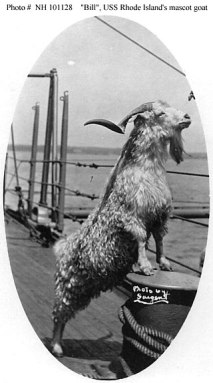
Goats have a long history with all things maritime, having gone to sea since the age of sail and eating all manner of garbage and other undesirable food, in exchange for which, usually “she”, provided companionship, milk and butter. Sir Joseph Bank’s nanny goat was the first creature two-legged or four, to circumnavigate the planet, twice.
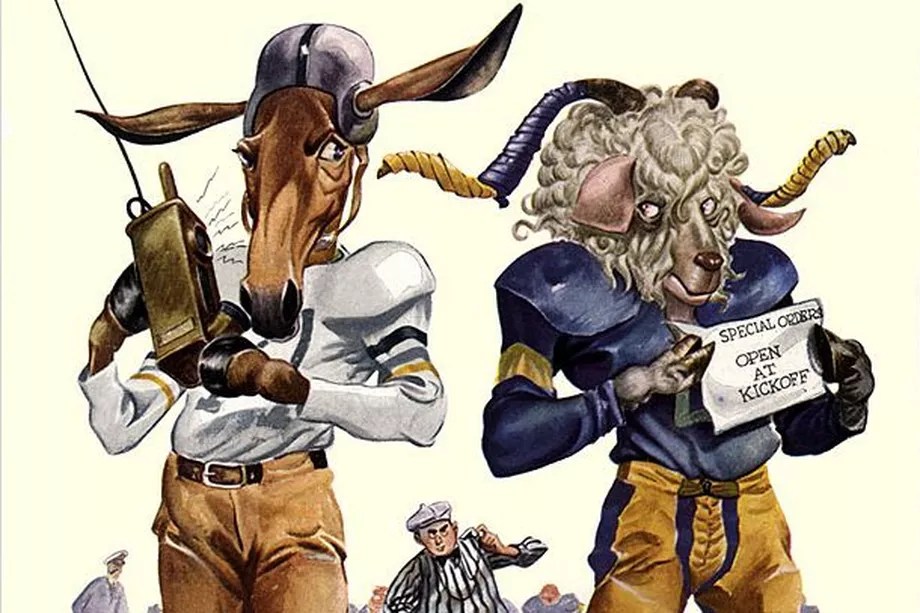
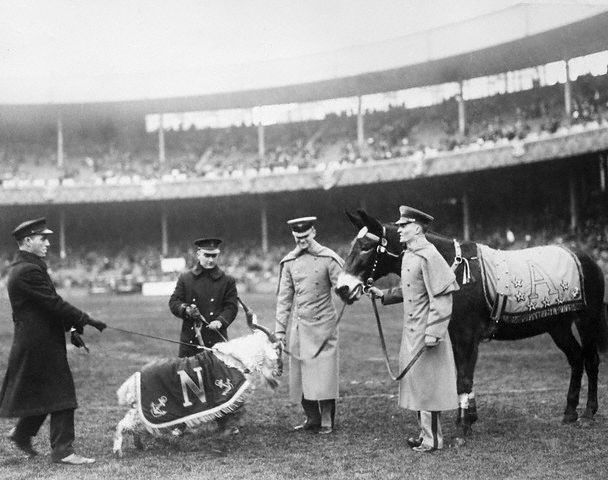
Navy had multiple mascots during the early years, including a gorilla, two cats, a bulldog, and a carrier pigeon. Legend has it that a beloved goat once died aboard a Navy cruise, and two ensigns cavorted about wearing the skin during half-time, before making their way to the taxidermist.
Navy won that game, and a live goat named “El Cid” (The Chief) appeared at the fourth Army-Navy game, in 1893. Navy won that game too, its third victory of those first four games. Small wonder that Billy goats have been the Navy mascot, since 1904.
The 2016 matchup was attended by “Bill” the Goat #XXXVI and his backup, Bill #XXXVII.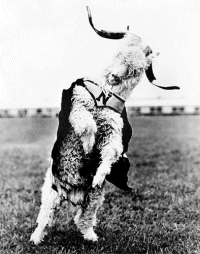
Small wonder too, why Army cadets will go to any length, to kidnap that goat. The first such kidnapping of the modern era, took place in 1953.
On November 5, 1995, US Military Academy cadets staged a pre-dawn raid at the Naval Academy Dairy Farm in Gambrills, Maryland, kidnapping Bill the Goat #s XXVI, XXVII and XXIX. The Pentagon was notified, and the goats were returned under a joint Army/Navy policy, stipulating that the “kidnapping of cadets, midshipmen or mascots will not be tolerated”.
Cadets pulled off the caper in 2002, disguised in Grateful Dead T-shirts. “Operation Good Shepherd” launched in 2007, to kidnap Bill #XXXII, XXXIII, and XXXIV. The whole thing was posted, on You Tube.
It’s been said that only the Army, would mount a military operation to kidnap a goat, and only the Navy would involve the Pentagon, to get him back.
 The Philadelphia Quartermaster Depot decided in 1899, that Army needed a mascot in response to the Navy’s goat. Mules have a long history with the United Sates Army, going back to George Washington, the “Father of the American Mule“. The question was self-answering. Little is known of the “official” Army mules prior to 1936, when former pack mule “Mr. Jackson” (named for Thomas Jonathan “Stonewall” Jackson), arrived from Front Royal, Virginia.
Mr. Jackson served twelve years, the first of seventeen “official” Army mules. Only one, “Buckshot”, was a female. Currently, the “Mule Corps” consists of “Ranger III”, the son of a Percheron mare standing at 16.2 hands (66″) high, his only slightly shorter half-brother “Stryker”, and “Paladin”, a half-thoroughbred, standing a full two hands shorter than either of his counterparts
 Always the last regular-season game in Division I-A football, the next four Army-Navy games are scheduled in Philadelphia. The game site will then move to Metlife Stadium in East Rutherford New Jersey, to mark the twenty-year anniversary of the Islamist terror attacks on the World Trade Center. The 2022 game moves back to Philadelphia, marking the 91st time Army and Navy have played there.
To date, Navy leads Army in the series 60-50-7, with Army’s Black Knights ending Navy’s 14-game winning streak in 2016. The 2017 edition is scheduled for Saturday, December 9, at Philadelphia’s Lincoln Financial Field.
This son and grandson of Army veterans going back to the Revolution and beyond, is compelled to say, ‘Beat Navy’.


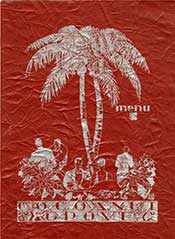
 Welansky was a tough boss, maniacally determined not to be cheated out of a tab or a cover charge. He locked exit doors, concealed others with draperies, and even bricked up one emergency exit. Nobody was going to leave Cocoanut Grove without paying up.
 The decorations ignited immediately, fire racing so fast along the satin canopy, that wooden strips suspending it from the ceiling remained unscathed.
 Today, fire codes require revolving doors to be flanked by doors on either side, but that wasn’t the case in 1942. Desperate to escape, patrons packed the single revolving door, their bodies jamming it so tightly that firefighters later had to dismantle the entire frame.
 The most striking story of survival that night, was that of 21-year old Coast Guardsman Clifford Johnson, who returned to the nightclub no fewer than four times in search of his date, Estelle Balkan. He didn’t know that she had safely escaped, and each time Johnson returned with another unconscious smoke victim in his arms. Johnson himself was on fire his last time out, when he collapsed onto the sidewalk, still ablaze.
 Barney Welansky was tried and convicted on 19 counts of manslaughter, and sentenced to 12-15 years. Maurice Tobin, by then Governor, released him after four, his body ravaged with cancer. Welansky died 9 weeks later. Stanley Tomaszewski was exonerated. It wasn’t he who had placed all those flammable decorations, but the bus boy was treated like a Jonah, for the rest of his life.

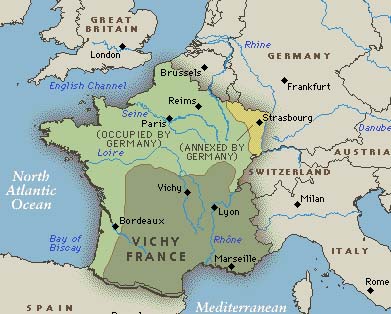 Germany installed a Nazi-approved French government in the south of France, headed by WW1 hero Henri Pétain. Though mostly toothless, the self-described “French state” in Vichy was left relatively free to run its own affairs, compared with the Nazi occupied regions to the west and north.
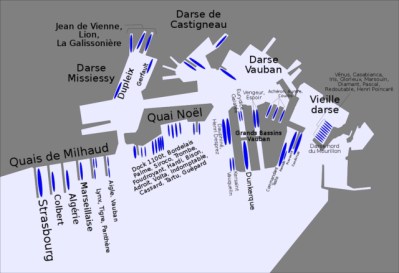 With the armistice of June 1940, much of the French naval fleet was confined to the Mediterranean port of Toulon. Confined but not disarmed, and the French fleet possessed some of the most advanced naval technologies of the age, enough to shift the balance of military power in the Mediterranean.
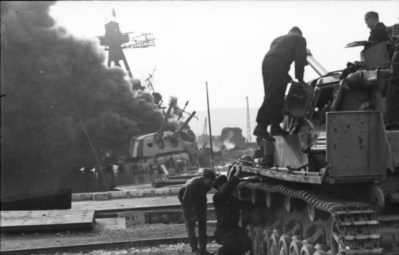 In November 1942, the Nazi government came to take control of that fleet. The motorized 7th Panzer column of German tanks, armored cars and armored personnel carriers descended on Toulon with an SS motorcycle battalion, taking over port defenses to either side of the harbor. German officers entered fleet headquarters and arrested French officers, but not before word of what was happening was relayed to French Admiral Jean de Laborde, aboard the flagship Strasbourg.
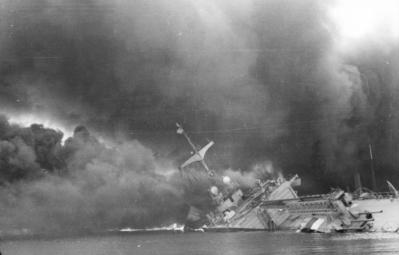 Under orders to take the harbor without bloodshed, the Nazi commander was dismayed. Was he being denied access by this, his defeated adversary? Minutes seemed like hours in the tense wrangling which followed. Germans gesticulated and argued with French guards, who stalled and prevaricated at the closed gate.
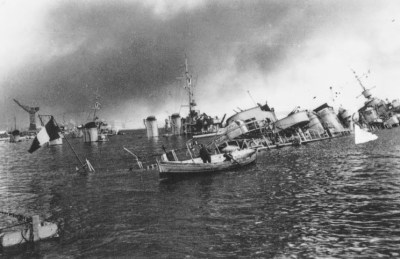 Finally, the Panzer column could be stalled no more. German tanks rumbled through the main gate at 5:25am, even as the order to scuttle passed throughout the fleet. Dull explosions sounded across the harbor, as fighting broke out between the German column, and French sailors pouring out of their ships in the early dawn light. Lead German tanks broke for the Strasbourg, even now pouring greasy, black smoke from its superstructure, as she settled to the bottom.

 Ten years into the Great Depression with unemployment standing at 17.2%, the Federal government was afraid of the same thing. Never afraid to tinker with precedent, President Franklin Roosevelt decided to deviate from the customary last Thursday, and declared the fourth Thursday, November 23, to be a national day of prayer and thanksgiving.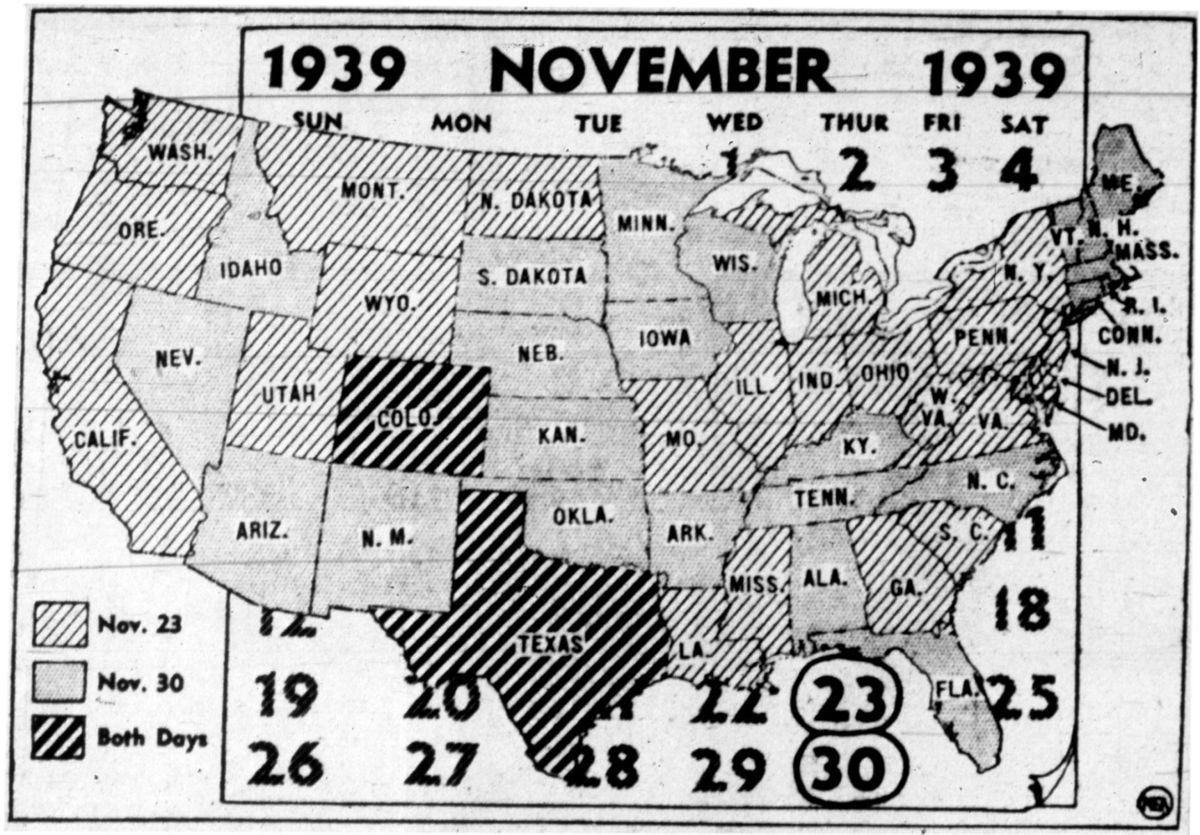
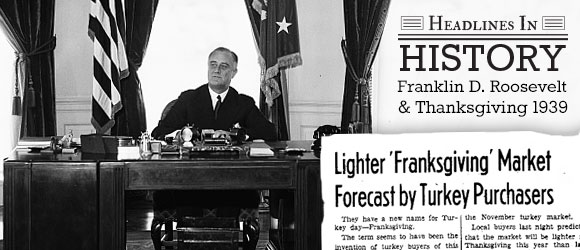
 Popular comedians of the day got a lot of laughs out of it, including Burns & Allen and Jack Benny.

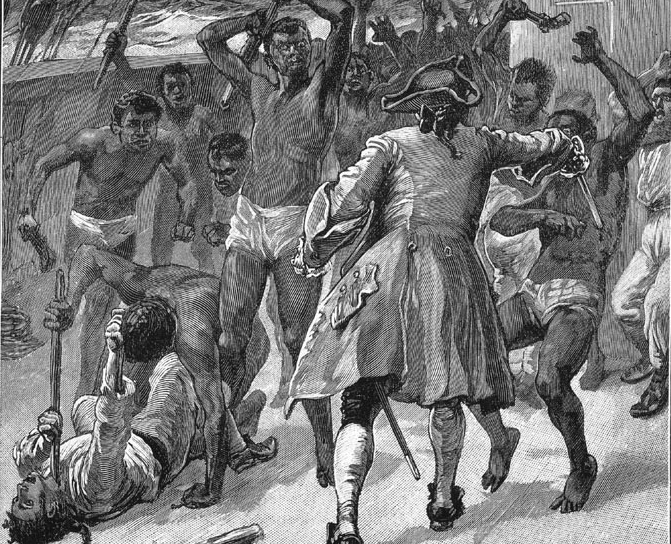
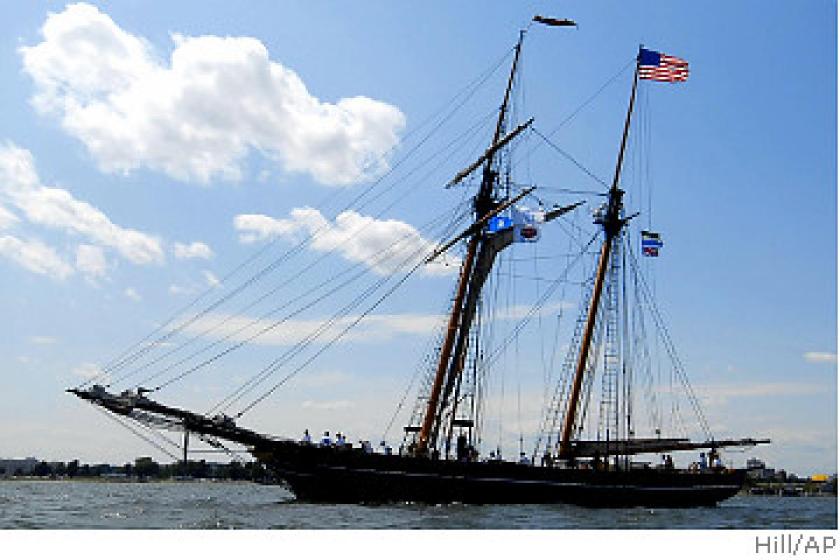
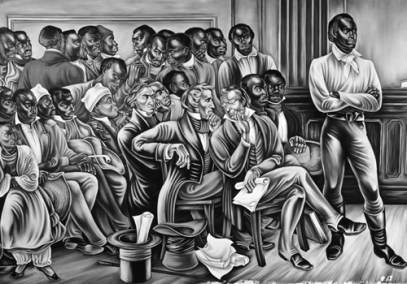 The district court trial which followed in Hartford determined that the Mendians’ papers were forged, and they should be returned to Africa. The cabin boy was ruled to be a slave and ordered returned to the Cubans, however he fled to New York with the help of abolitionists. He would live out the rest of his life as a free man.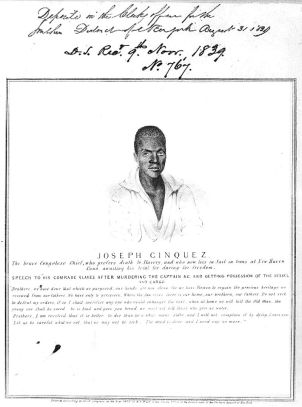

 Necessity became the mother of invention, and the needs of war led to prodigious increases in speed. No sooner was USS Massachusetts launched, than the keel of USS Vincennes began to be laid. By the end of the war, Fore River had completed ninety-two vessels of eleven different classes.


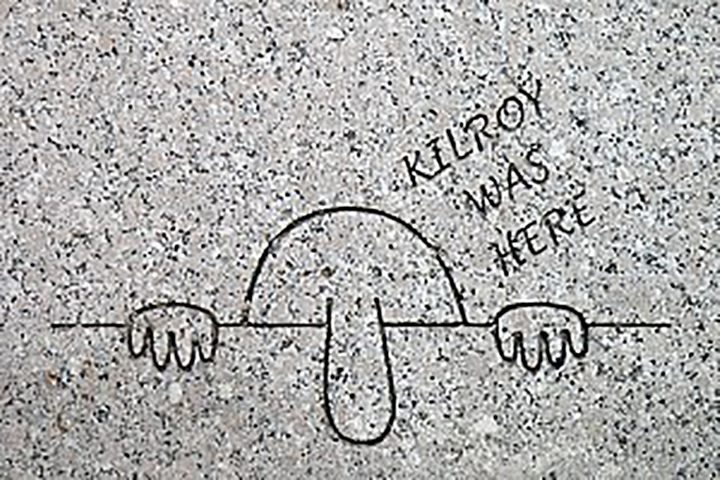
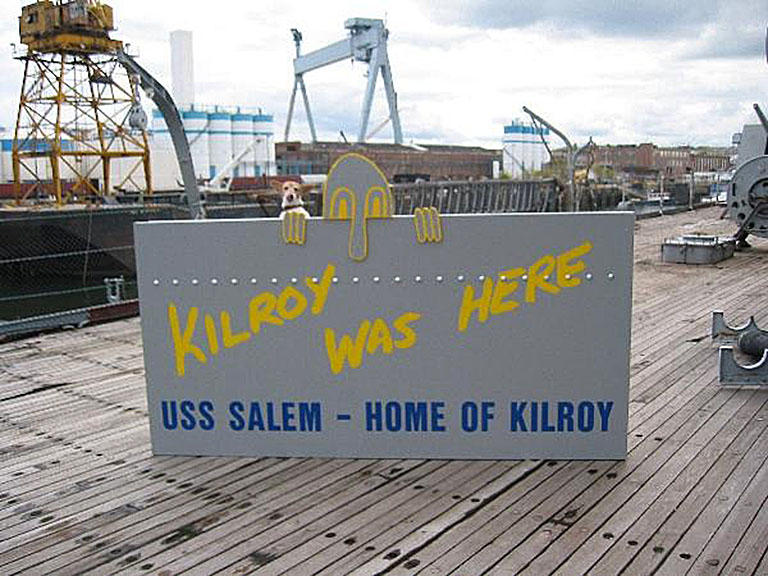
 Kilroy was Here became a kind of protective talisman, and soldiers began to write it on newly captured areas and landings. He was the “Super GI”, showing up for every combat, training and occupation operation of the WW2 and Korean war era. The scribbled cartoon face was there before you arrived, and he was still there when you left.
 The challenge became, who could put the Kilroy graffiti in the most difficult and surprising place. I’ve never been there, but I’ve heard that Kilroy occupies the top of Mt. Everest. His likeness is scribbled in the dust of the moon. There’s one on the Statue of Liberty, and another on the underside of the Arc of Triumph, in Paris. There are two of them engraved in the granite of the WW2 Memorial, in Washington, DC.
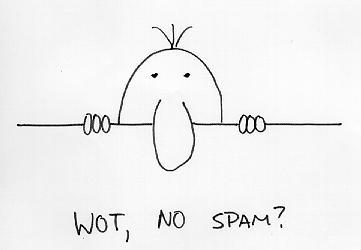 A Brit will tell you that “Mr. Chad” came first, cartoonist George Chatterton’s response to war rationing. “Wot, no tea”?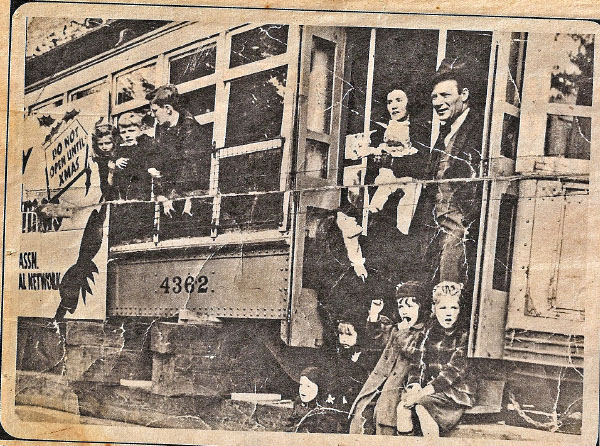


 In the “Killing Fields” of 1975-’79 Cambodia, Pol Pot and a cadre of nine or so individuals, the Ang-Ka, led the Khmer Rouge in the extermination of between 1.7 and 2.5 million, in a country of barely 8 million.
 Many Ukrainian farmers refused to join the collectives, regarding them as a return to the serfdom of earlier centuries. Stalin introduced “class warfare”, that age old bugaboo of the Left, to break down resistance to collectivization.
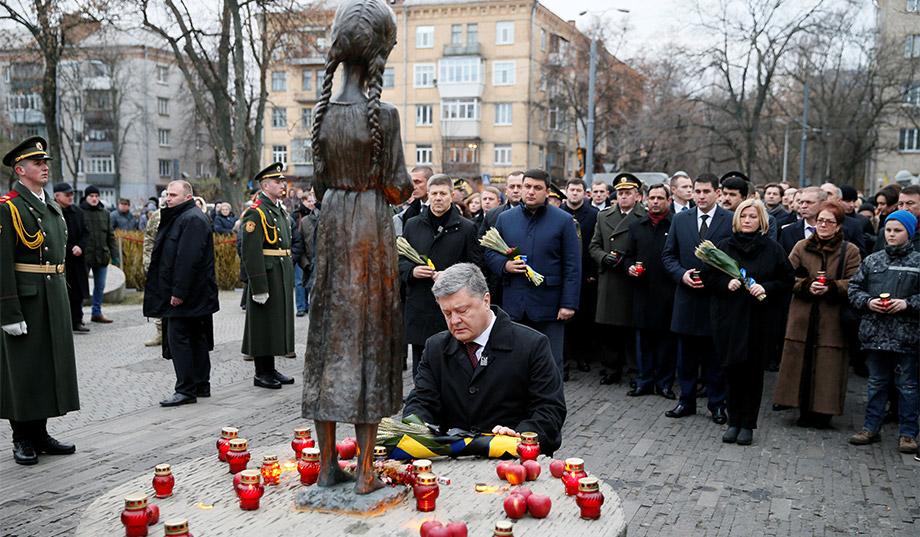
 Eventually all food was confiscated from farmers’ homes, as Stalin determined to “teach a lesson through famine” to the backbone of the region, the rural population of Ukraine.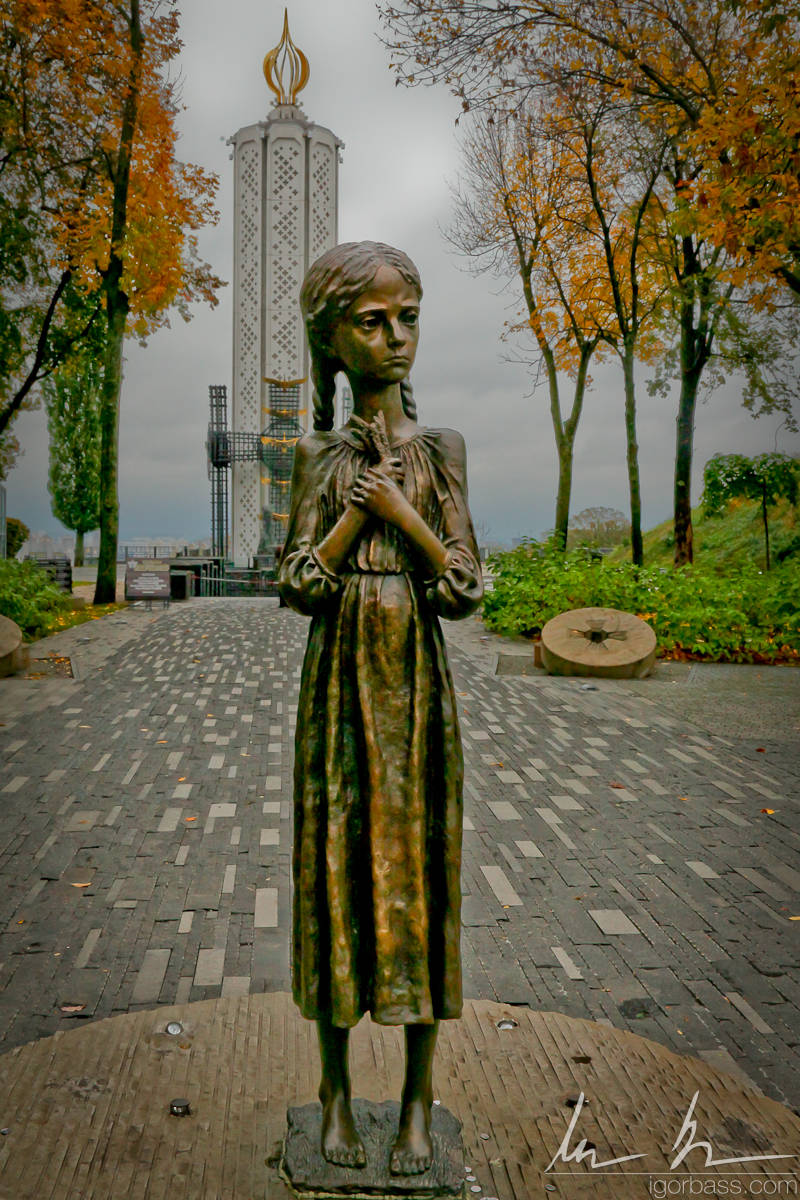


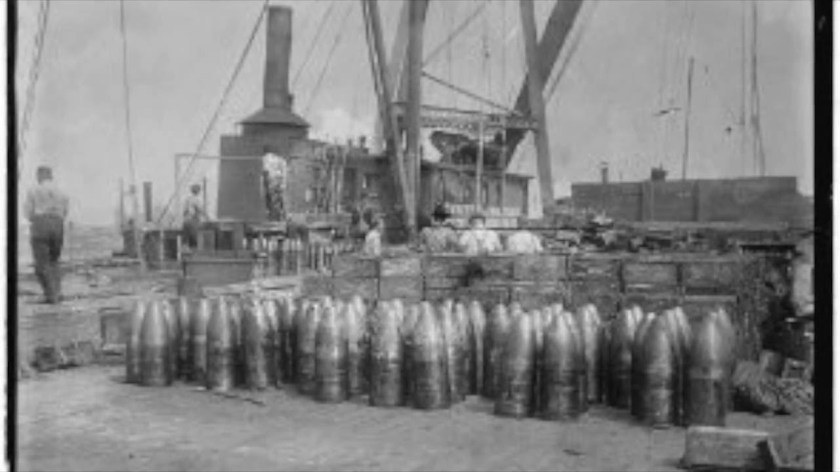 The blockade made it impossible for the Central Powers of Germany and Austria-Hungary to import war materiel from overseas, while Great Britain, France, and Russia continued to buy products from US farms and factories. American businessmen were happy to sell to any foreign customer who had the cash, but for all intents and purposes, such trade was limited to the allies.


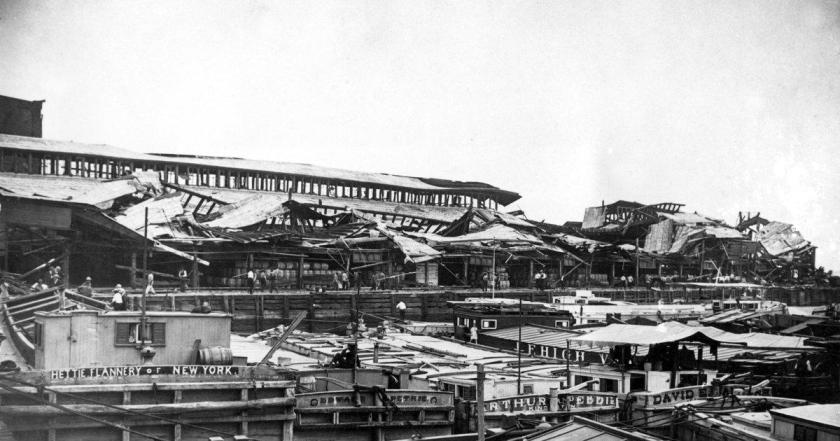 The explosion at Black Tom was the most spectacular, but by no means the only such attack. The archives at cia.gov reports that “[B]etween 1915 and spring 1917, 43 American factories suffered explosions or fires of mysterious origin, in addition to the bombs set on some four dozen ships carrying war supplies to the Allies”.

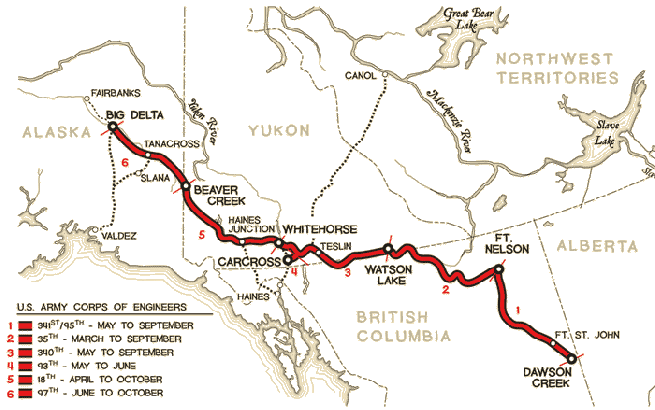
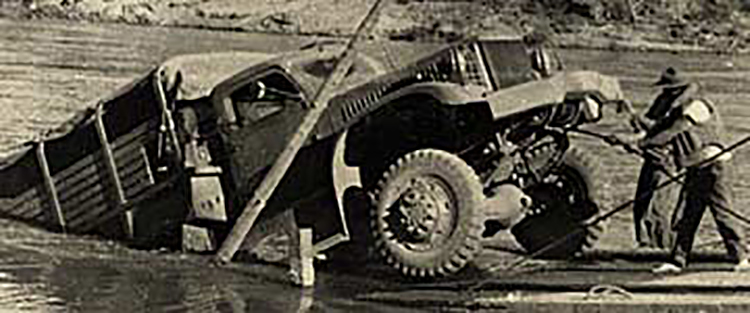
 Construction began in March as trains moved hundreds of pieces of construction equipment to Dawson Creek, the last stop on the Northern Alberta Railway. At the other end, 10,670 American troops arrived in Alaska that spring, to begin what their officers called “the biggest and hardest job since the Panama Canal.”
 The project had a new sense of urgency in June, when Japanese forces landed on Kiska and Attu Islands, in the Aleutian chain. Adding to that urgency was that there is no more than an eight month construction window, before the return of the deadly Alaskan winter.
 Engines had to run around the clock, as it was impossible to restart them in the cold. Engineers waded up to their chests building pontoons across freezing lakes, battling mosquitoes in the mud and the moss laden arctic bog. Ground that had been frozen for thousands of years was scraped bare and exposed to sunlight, creating a deadly layer of muddy quicksand in which bulldozers sank in what seemed like stable roadbed.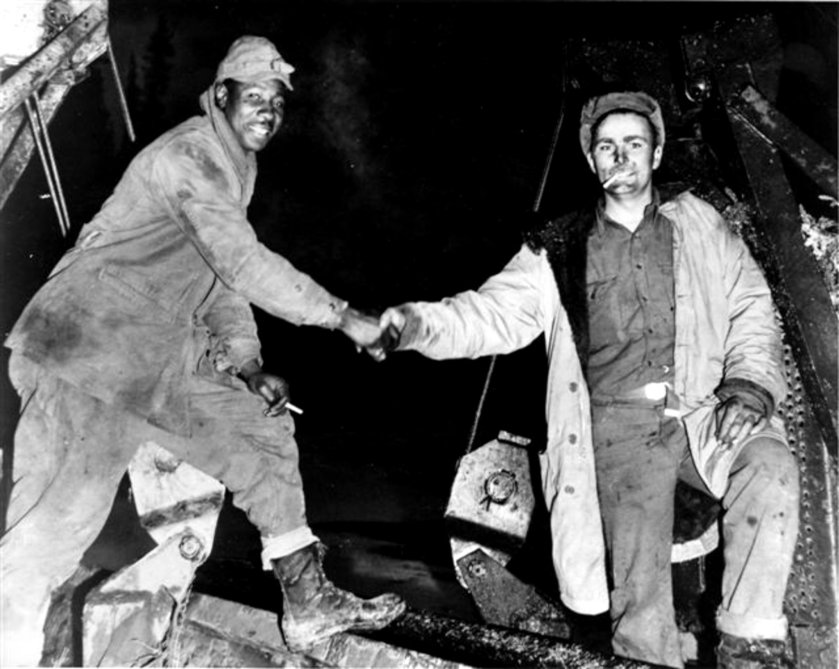

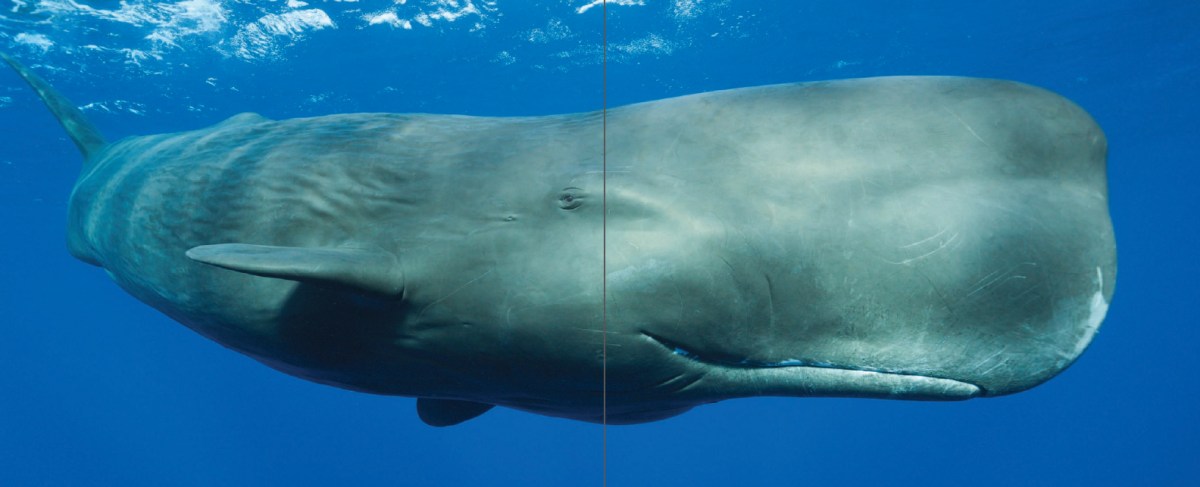
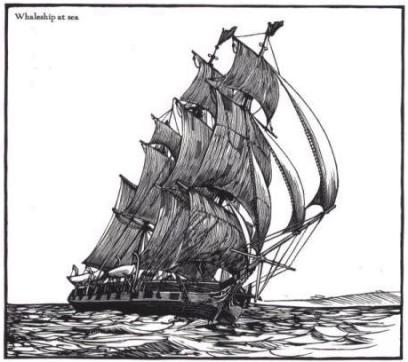 Essex sailed down the coast of South America, rounding the Horn and entering the Pacific Ocean. They heard that the whaling grounds near Chile and Peru were exhausted, so they sailed for the “offshore grounds”, almost 2,000 miles from the nearest land.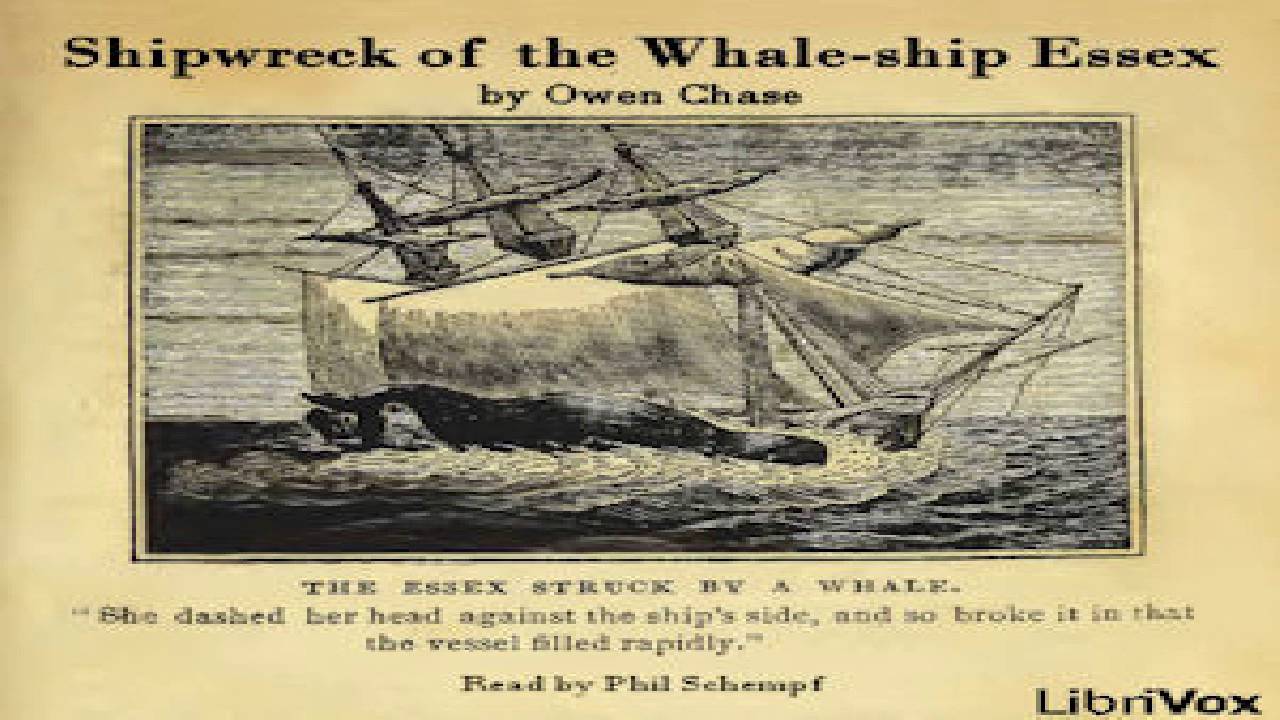
 Captain George Pollard’s boat was the first to make it back, and he stared in disbelief. “My God, Mr. Chase, what is the matter?” he asked. “We have been stove by a whale” came the reply.
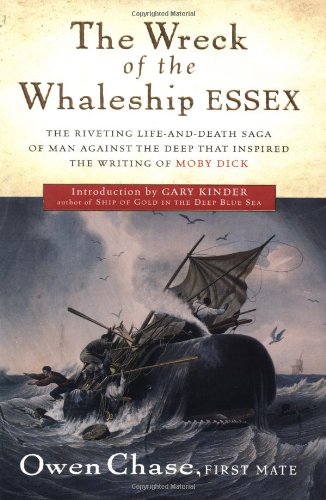 They never knew that this was Henderson Island, only 104 miles from Pitcairn Island, where survivors from the 1789 Mutiny on HMS Bounty had managed to survive for the past 36 years.
 Historical Easter Eggs - Today in History
You must be logged in to post a comment.