

A few days short ago, a Christmas tree was erected on Boston Commons. Symbolizing as it does the friendship between the people of two nations, this is no ordinary tree. This tree stands in solemn remembrance of catastrophe, 100 years ago, today.
As “The Great War” dragged to the end of its third year in Europe, Halifax harbor in Nova Scotia was the bustling scene of supply, munition, and troop ships destined for “over there”. With a population of 50,000 at the time, Halifax was the busiest port in Atlantic Canada.
The Norwegian vessel Imo left its mooring in Halifax harbor on December 6, 1917, destined for New York City. The French ship Mont Blanc was entering the harbor at this time, intending to join the convoy which would form her North Atlantic escort.
In her holds, Mont Blanc carried 200 tons of Trinitrotoluene (TNT), and 2,300 tons of TNP – Trinitrophenol or “Picric Acid”, a substance used as a high explosive. In addition, the freighter carried 35 tons of high octane gasoline and 20,000 lbs of gun cotton.
Not wanting to draw the attention of pro-German saboteurs, the freighter flew no flags warning of her dangerous cargo. Mont Blanc was a floating bomb.
Somehow, signals became crossed as the two ships passed, colliding in the narrows at the harbor entrance and igniting TNP onboard Mont Blanc. French sailors abandoned ship as fast as they could, warning everyone who would listen of what was about to happen.
As might be expected, the pyrotechnic spectacle put on by the flaming ship was too much to resist, and crowds gathered around the harbor. The high-pitched scream emitted by picric acid under combustion is a principal feature of fireworks displays, to this day. You can only imagine the scene as the burning freighter brushed the harbor pier setting that ablaze as well, before running itself aground.
That was when Mont Blanc exploded.
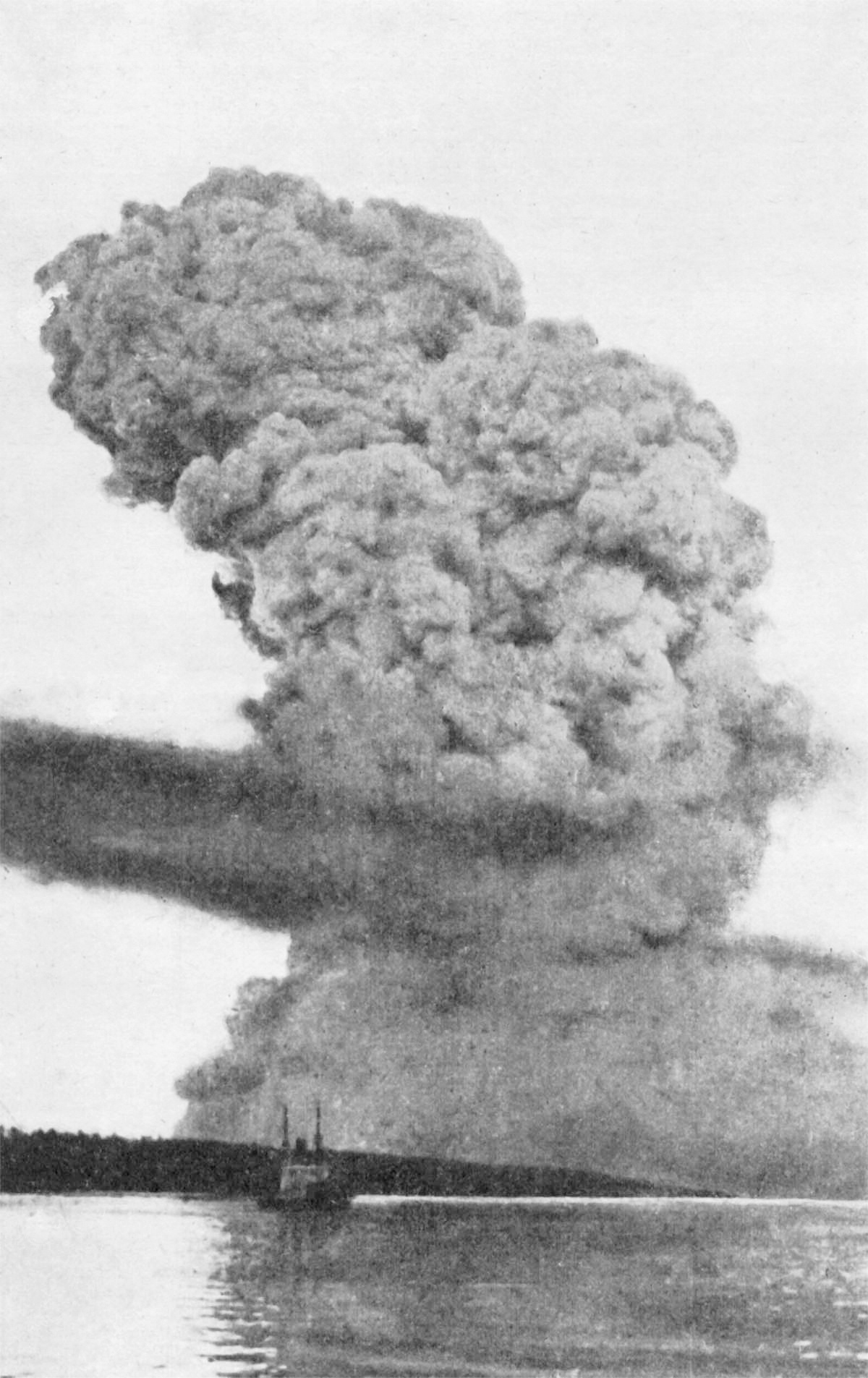
The detonation and resulting fires killed over 1,800 and wounded another 9,000, flattening the north end of Halifax and shattering windows as far as 50 miles away.
It was one of the largest man made, non-nuclear explosions in history. Mont Blanc’s anchor landed two miles away, one of her gun barrels, three. Later analysis estimated the output at 2.9 kilotons, an explosive force greater than some tactical nuclear weapons.
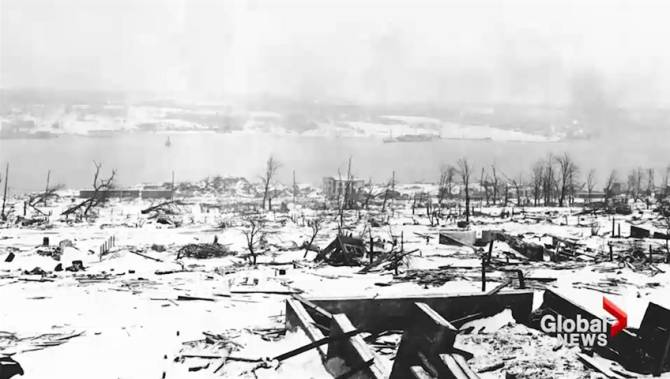
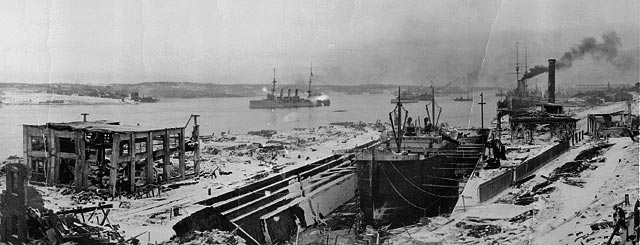
The first ray of light the morning of December 7 revealed some 1,600 homes destroyed in the blast, as a blizzard descended across Nova Scotia.
Boston Mayor James Michael Curley wrote to the US Representative in Halifax “The city of Boston has stood first in every movement of similar character since 1822, and will not be found wanting in this instance. I am, awaiting Your Honor’s kind instruction.”
The man was as good as his word. Mayor Curley and Massachusetts Governor Samuel McCall composed a Halifax relief Committee to raise funds and organize aid. McCall reported that the effort raised $100,000 in its first hour, alone. President Woodrow Wilson authorized a $30,000 carload of Army blankets sent to Halifax.
Within 12 hours of the explosion, the Boston Globe reported on the first train leaving North Station, with “30 of Boston’s leading physicians and surgeons, 70 nurses, a completely equipped 500-bed base hospital unit and a vast amount of hospital supplies”.
Delayed by deep snow drifts, the train arrived on the morning of December 8, the first non-Canadian relief train on the scene.
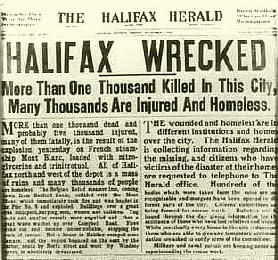 There was strong sentiment at the time, that German sabotage lay behind the disaster. A front-page headline on the December 10 Halifax Herald Newspaper proclaimed “Practically All the Germans in Halifax Are to Be Arrested”.
$750,000 in relief aid would arrive from Massachusetts alone, equivalent to more than $15 million today. Canadian Prime Minister Robert Borden would write to Governor McCall on December 9, “On behalf of the Government of Canada, I desire to convey to Your Excellency our very sincere and warm thanks for your sympathy and aid in the appalling calamity which has befallen Halifax”.
The following year, Nova Scotia sent the city of Boston a gift of gratitude. A very large Christmas tree.
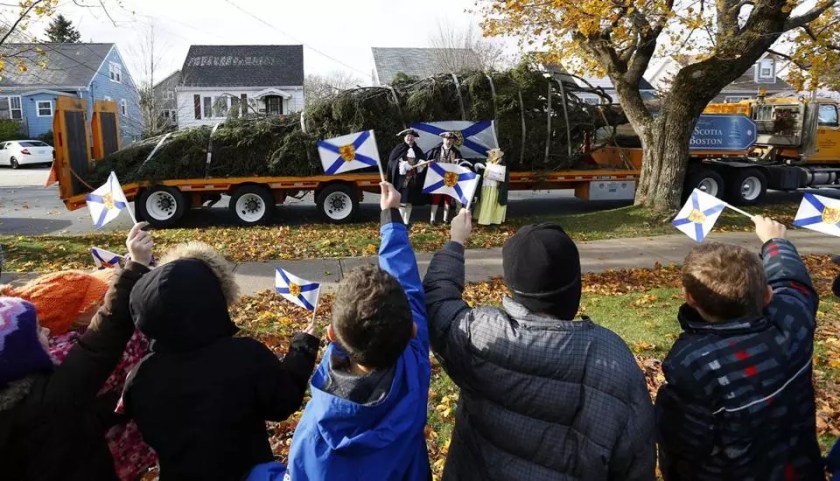
In 1971, the Lunenburg County Christmas Tree Producers Association sent another tree to Boston, to promote Christmas tree exports, and to once again acknowledge the support of the people and government of Boston after the 1917 disaster. The Nova Scotia government later took over the annual gift of the Christmas tree, to promote trade and tourism.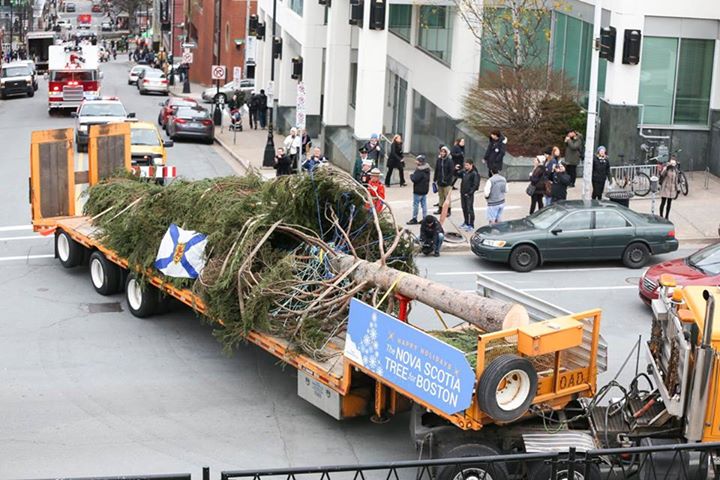
So it is that, every year, the people of Nova Scotia send the official Christmas tree to the people of Boston. More recently, the principle tree is joined by two smaller trees, donated to Rosie’s Place and the Pine Street Inn, two Boston homeless shelters.
 This is no Charlie Brown shrub we’re talking about. The 1998 tree required 3,200 man-hours to decorate: 17,000 lights connected by 4½ miles of wire, and decorated with 8,000 bulbs.
In 2013, the tree was accompanied by a group of runners, in recognition of the Boston Marathon bombing earlier that year.
This year’s tree stands 53′ tall, marking 100 years since the Halifax exlosion. It takes two men a day and a half to prepare for cutting, a crane holding the tree upright while the chainsaw does its work. It’s a major media event, as the tree is paraded through Halifax on a 53’ flatbed, before boarding the ferry across the Bay of Fundy to begin its 750-mile journey south.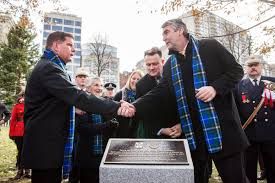
For a small Canadian province, it’s been no small commitment. In 2015 Nova Scotia spent $242,000 on the program, including transportation cutting & lighting ceremonies, and the promotions that went with it.
On November 30, a monument was unveiled on Boston Commons, commemorating the 100th anniversary of the Halifax explosion. The official 2017 Christmas tree lit up for the first time, that night.
Last year, Premier Stephen McNeil explained the program and why it was worth the expense: “(It) gives us a chance to showcase our beautiful part of the world to a global community”. Premier McNeil may have had the last word this year, at the tree lighting ceremony. “We had massive deaths and injuries,” McNeil said of the 1917 catastrophe. “It would have been far worse if the people of Boston hadn’t come and supported us.”






 In 1928, Al Capone purchased a Cadillac 341A Town Sedan with 3,000 pounds of armor and inch-thick bulletproof windows. It was green and black, matching the Chicago police cars of the era, and equipped with a siren and flashing lights hidden behind the grill.
 The internet can be a wonderful thing, if you don’t mind taking your water from a fire hose. The reader of history quickly finds that some tales are true as written, some are not, and some stories are so good you want them to be true.


 For Imperial Japan, Yamamoto’s worst nightmare would prove correct. In terms of GDP, the Tokyo government had attacked an adversary, nearly six times its own size. The Japanese economy reached its high point in 1942 and declined steadily throughout the war years, while that of the United States exploded at a rate unseen in human history.


 Lieutenant Commander Joseph O’Callahan, a Jesuit priest from Boston and former Holy Cross track star was a Chaplain aboard the Franklin. O’Callahan was everywhere, hurling bombs overboard and administering last rites, shouting encouragement and fighting fires. Father O’Callahan would be the only Chaplain of WW2, to be awarded the Medal of Honor.

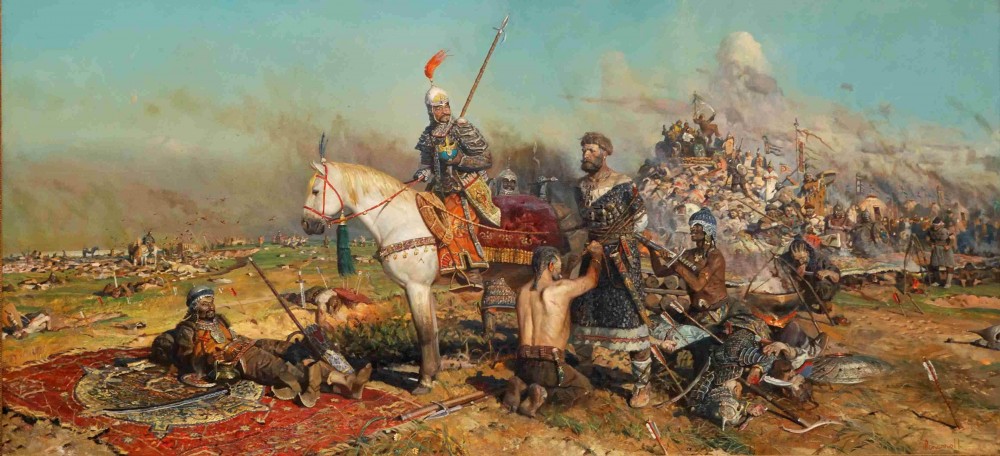
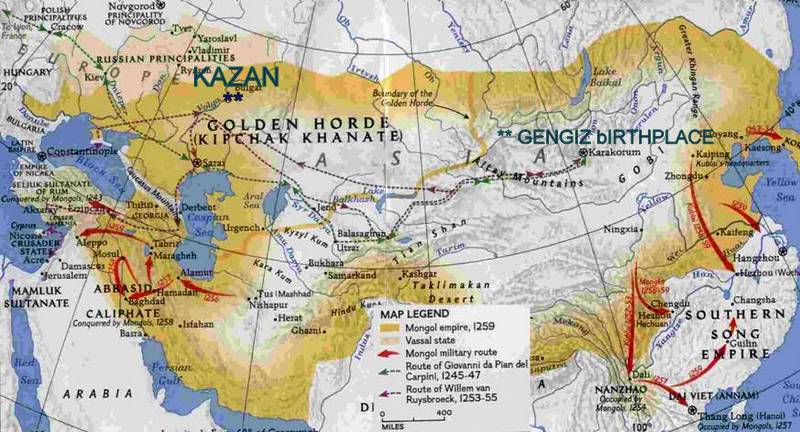
 The Steppes have long been a genetic crossroad, the physical features of its inhabitants as diverse as any in the world. The word “Rus”, from which we get Russia, was the name given to Viking invaders from earlier centuries. History does not record what Genghis himself looked like, though he’s often depicted with Asian features. There is evidence suggesting he had red hair and green eyes. Think of that beautiful young Afghan girl, the one with those killer eyes on that National Geographic cover, a few years back.
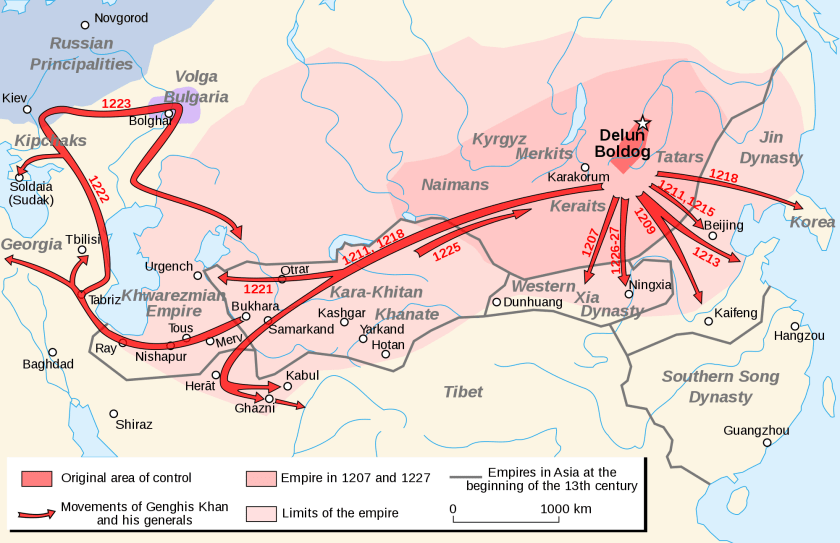
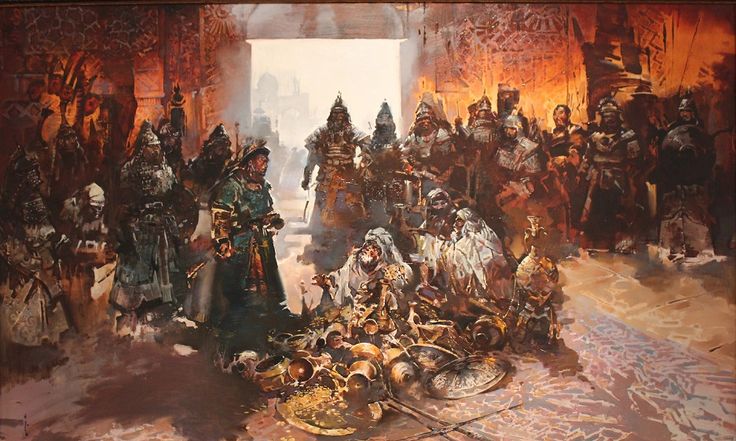
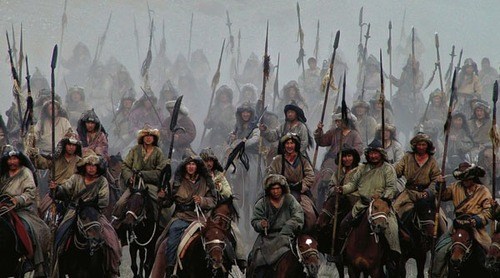
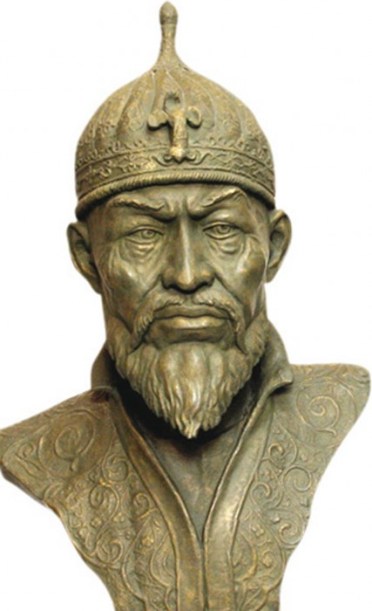
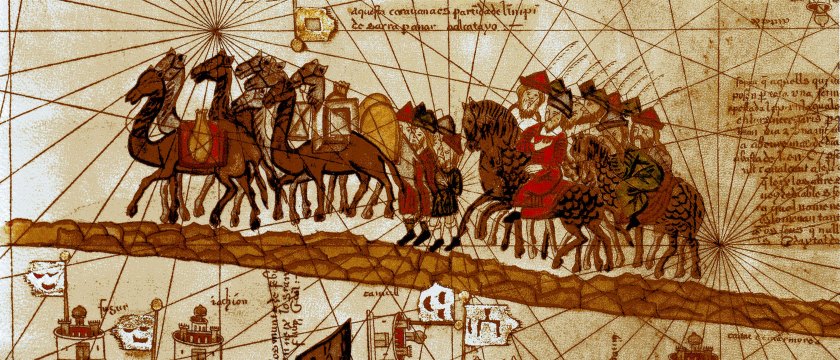
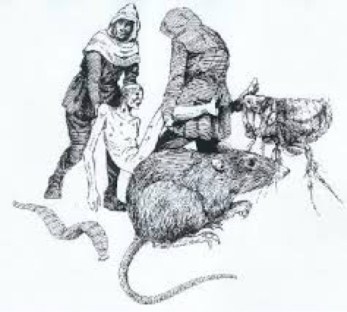 The Mongols would never regain the lost high ground of December 1241, as chieftains fell to squabbling over bloodlines.
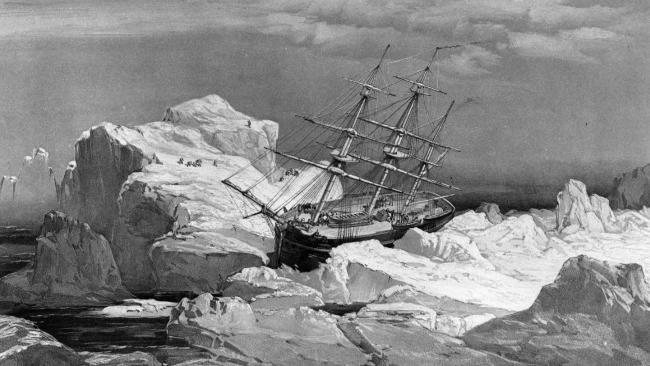
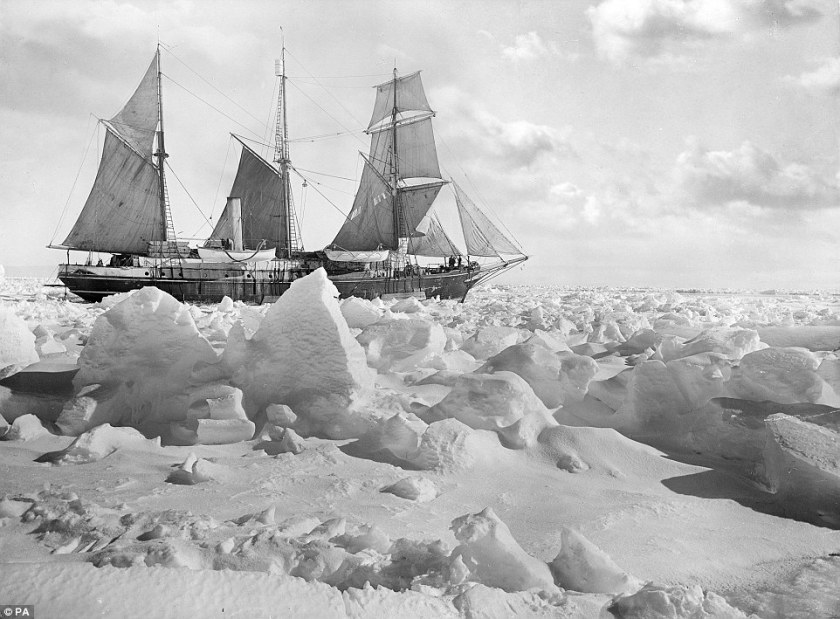
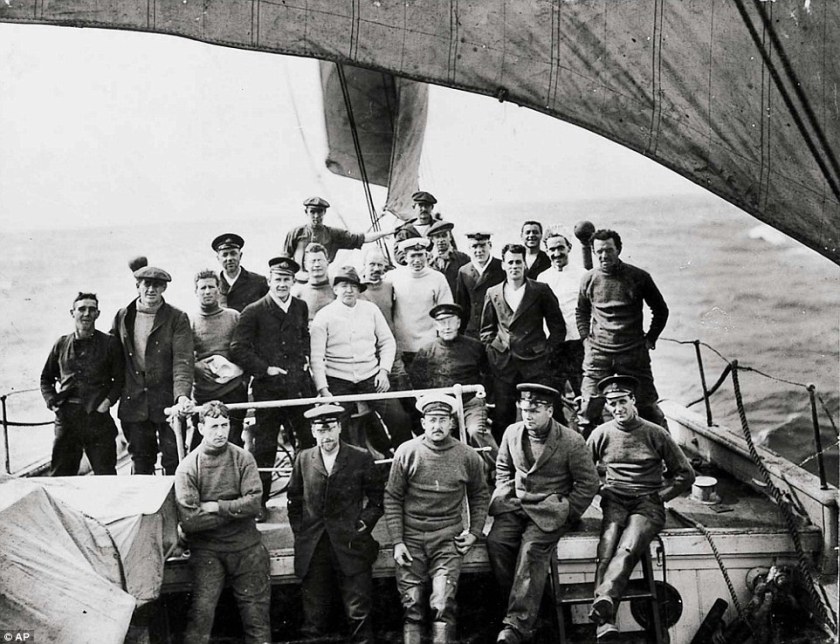
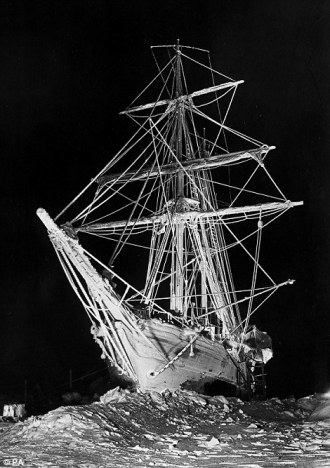


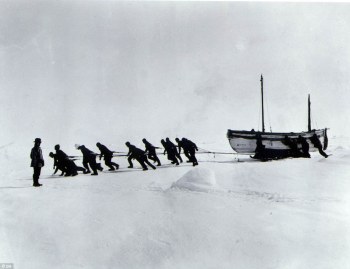
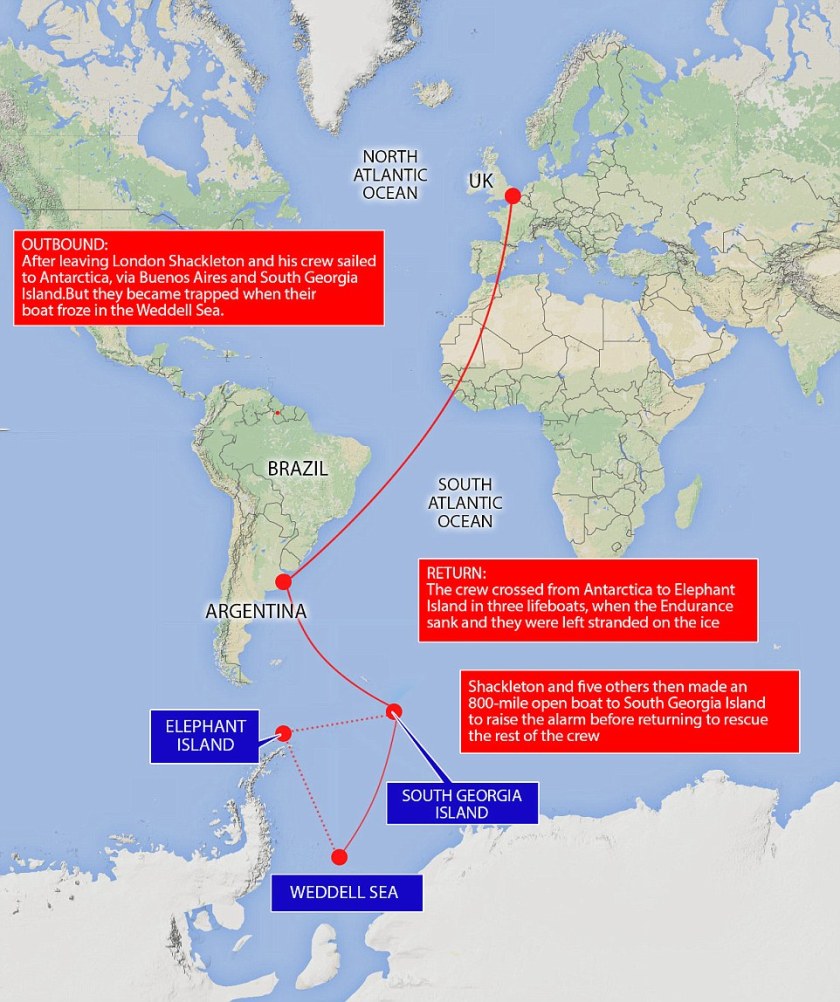 The trio arrived at the Stromness whaling station on May 20. They must have been a sight, with thick ice encrusting their long, filthy beards, and saltwater-soaked sealskin clothing rotting from their bodies. The first people they came across were children, who ran in fright at the sight of them.


 Four additional Vietcong were discovered hiding underground, as quick reaction teams scoured the area. They found Nemo and Thornburg, both seriously wounded, together on the ground. Both would survive, though Thorneburg was shot a second time, while returning to base.
 The vast majority of MWDs who served in Vietnam, were left behind as “surplus equipment”. Left to succumb to tropical disease, to be euthanized by the South Vietnamese Army, or worse. Nemo was one of the few lucky ones. He came home.

 Wild potatoes contain toxins to defend themselves against fungi and bacteria, toxins unaffected by the heat of cooking. In the Andes, mountain people learned to imitate the wild guanaco and vicuña, licking clay before eating the poisonous plants. In this manner, toxins pass harmlessly through the digestive system. Mountain people dunk wild potatoes in “gravy” made of clay and water, accompanied with coarse salt. Eventually, growers developed less toxic tubers, though the poisonous varieties are still favored for their frost resistance. Clay dust is sold in Peruvian and Bolivian markets, to this day.
 Calamity struck Ireland in 1845, in the form of a blight so horrific that US military authorities once considered stockpiling the stuff as a biological weapon. Seemingly overnight, Ireland’s staple food crop was reduced to a black, stinking ooze.
 The Innate potato produces less acrylamide, a known carcinogen produced by normal potatoes in the high heat of fryers.



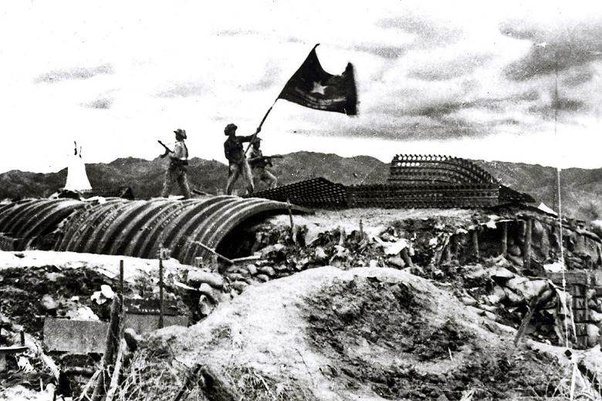
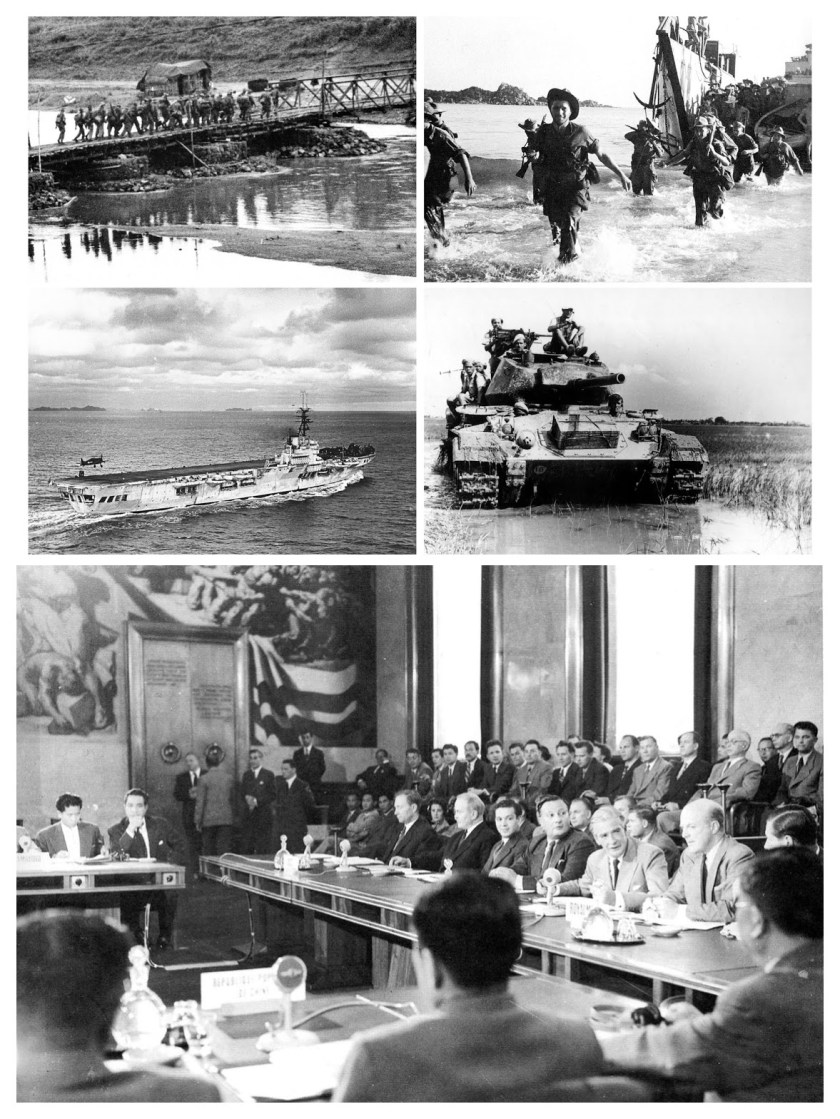 What historians call the First Indochina War, many contemporaries called “la sale guerre”, or “dirty war”. The government forbade the use of metropolitan recruits, fearing that that would make the war more unpopular than it already was. Instead, French professional soldiers and units of the French Foreign Legion were augmented with colonial troops, including Moroccan, Algerian, Tunisian, Laotian, Cambodian, and Vietnamese ethnic minorities.
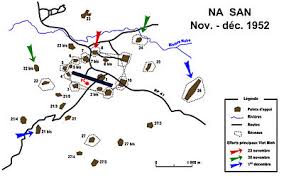 The war went poorly for the French. By 1952 they were looking for a way out. Premier René Mayer appointed Henri Navarre to take command of French Union Forces in May of that year, with a single order. Navarre was to create military conditions which would lead to an “honorable political solution”.
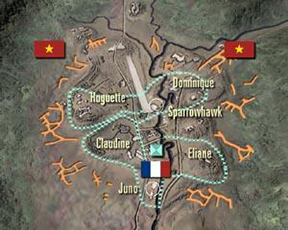 In June, Major General René Cogny proposed a “mooring point” at Dien Bien Phu, creating a lightly defended point from which to launch raids. Navarre wanted to replicate the Na San strategy, and ordered that Dien Bien Phu be taken and converted into a heavily fortified base.
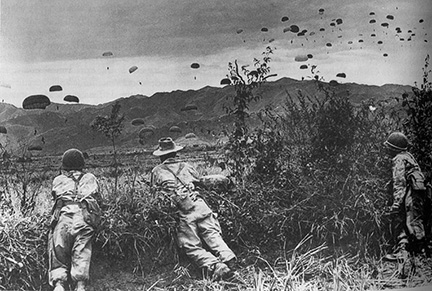 The French staff made their battle plan, based on the assumption that it was impossible for the Viet Minh to place enough artillery on the surrounding high ground, due to the rugged terrain. The communists didn’t possess enough artillery to do serious damage anyway, or so they thought.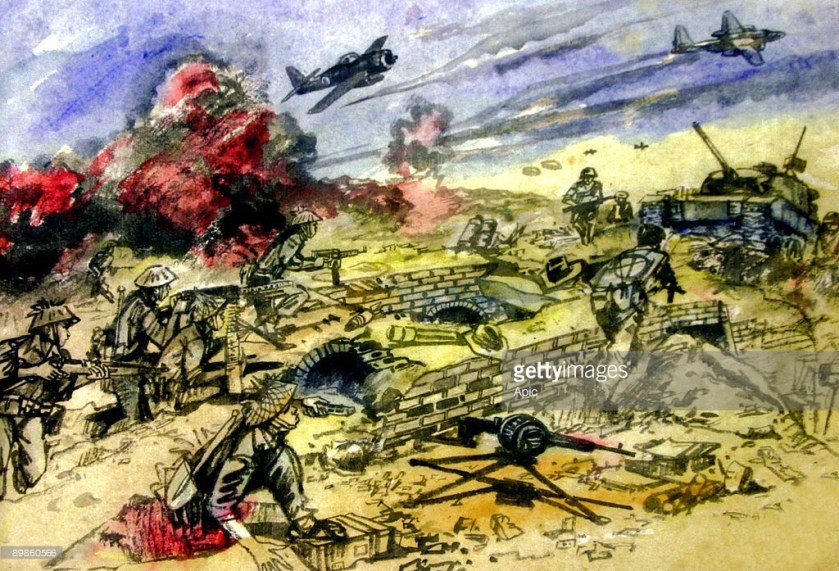

 Historical Easter Eggs - Today in History
You must be logged in to post a comment.