July 31, 1917 Passchendaele

“My wound was slight,
And I was hobbling back; and then a shell
Burst slick upon the duck-boards: so I fell
Into the bottomless mud, and lost the light”
Siegfried Sassoon, Memorial Tablet

The “War to end all Wars” exploded across the European continent in the summer of 1914, devolving into the stalemate of trench warfare, by October.

The ‘Great War’ became Total War, the following year.  1915 saw the first use of asphyxiating gas, first at Bolimow in Poland, and later (and more famously) near the Belgian village of Ypres.  Ottoman deportation of its Armenian minority led to the systematic extermination of an ethnic minority, resulting in the death of ¾ of an estimated 2 million Armenians living in the Empire at that time. For the first time and far from the last an unsuspecting world heard the term, genocide‘.

Battle-of-Passchendaele
Battle of Passchendaele

Kaiser Wilhelm responded to the Royal Navy’s near-stranglehold on surface shipping with a policy of unrestricted submarine warfare, as the first zeppelin raids were carried out against the British mainland.  German forces adopted a defensive strategy on the western front, developing the most sophisticated defensive capabilities of the war and determined to “bleed France white”, while concentrating on defeating Czarist Russia.

Russian Czar Nicholas II took personal command that September, following catastrophic losses in Galicia and Poland.  Austro-German offensives resulted in 1.4 million Russian casualties by September with another 750,000 captured, spurring a “Great Retreat” of Russian forces in the east and resulting in political and social unrest which would topple the Imperial government, fewer than two years later.   In December 1915, British and ANZAC forces broke off a meaningless stalemate on the Gallipoli peninsula, beginning the evacuation of some 83,000 survivors.  The disastrous offensive produced some 250,000 casualties.  The Gallipoli campaign was remembered as a great Ottoman victory, a defining moment in Turkish history.  For now, Turkish troops held their fire in the face of the allied withdrawal, happy to see them leave.

The-third-battle-of-Ypres-1917-9
Passchendaele, 1917

A single day’s fighting in the great battles of 1916 could produce more casualties than every European war of the preceding 100 years, civilian and military, combined. Over 16 million were killed and another 20 million wounded while vast stretches of the Western European countryside were literally torn to pieces.

1917 saw the resumption of unrestricted submarine warfare, and a German invitation to bring Mexico into the war, against the United States.  As expected, these policies brought America into the war on the allied side.  The President who won re-election for being ‘too proud to fight’ asked for a congressional declaration of war, that April.

Sealed Train

Massive French losses stemming from the failed Nivelle offensive of that same month (French casualties were fully ten times what was expected) combined with irrational expectations that American forces would materialize on the western front led to massive unrest in the French lines.  Fully one-half of all French forces on the western front mutinied.  It’s one of the great miracles of WW1 that the German side never knew, else the conflict may have ended, very differently.

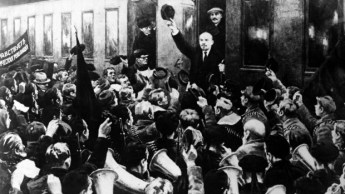
The sealed train carrying the plague bacillus of communism had already entered the Russian body politic.  Nicholas II, Emperor of all Russia, was overthrown and murdered that July, along with his wife, children, servants and a few loyal friends, and their dogs.

This was the situation in July 1917.

third-battle-of-ypres-passchendaele-ww1-007For eighteen months, British miners worked to dig tunnels under Messines Ridge, the German defensive works laid out around the Belgian town of Ypres.  Nearly a million pounds of high explosive were placed in some 2,000′ of tunnels, dug 100′ deep.  10,000 German soldiers ceased to exist at 3:10am local time on June 7, in a blast that could be heard as far away, as London.
Buoyed by this success and eager to destroy the German submarine bases on the Belgian coast, General Sir Douglas Haig planned an assault from the British-held Ypres salient, near the village of Passchendaele.

general

British Prime Minister David Lloyd George opposed the offensive, as did the French Chief of the General Staff, General Ferdinand Foch, both preferring to await the arrival of the American Expeditionary Force (AEF).  Historians have argued the wisdom of the move, ever since.

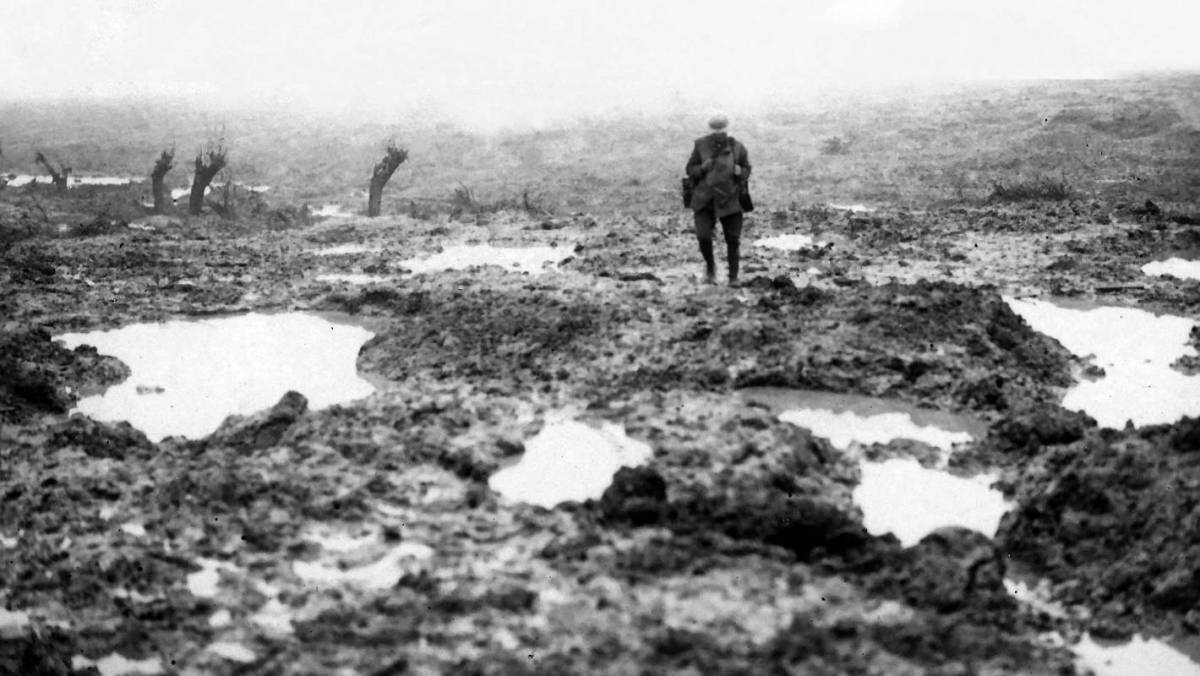
The third Battle of Ypres, also known as the Battle of Passchendaele, began in the early morning hours of July 31, 1917. The next 105 days would be fought under some of the most hideous conditions, of the entire war.

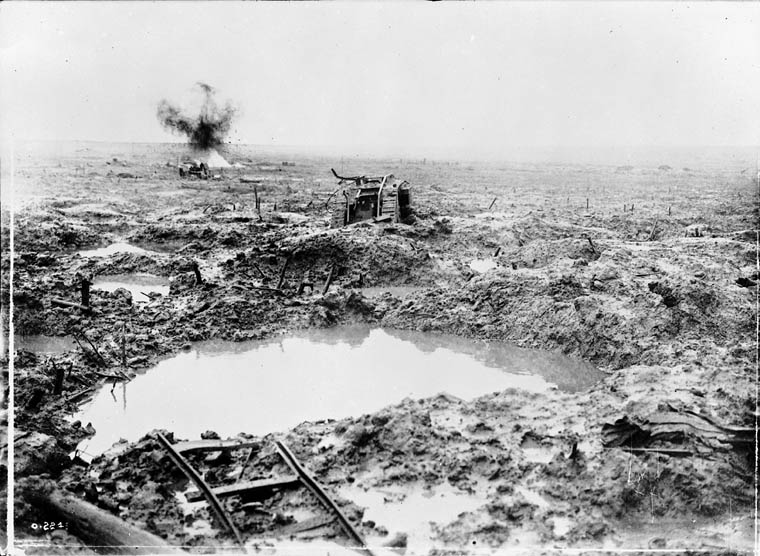
In the ten days leading up to the attack, some 3,000 guns fired an estimated 4½ million shells into German lines, pulverizing whole forests and smashing water control structures in the lowland plains.  Several days into the attack, Ypres suffered the heaviest rainfall, in thirty years.

pillbox
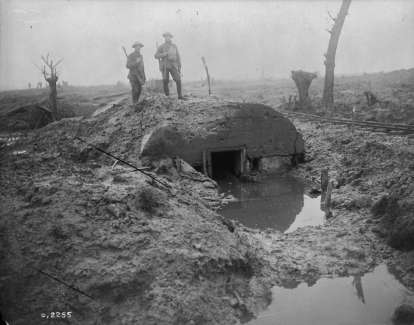
German pillbox, following capture by Canadian soldiers.

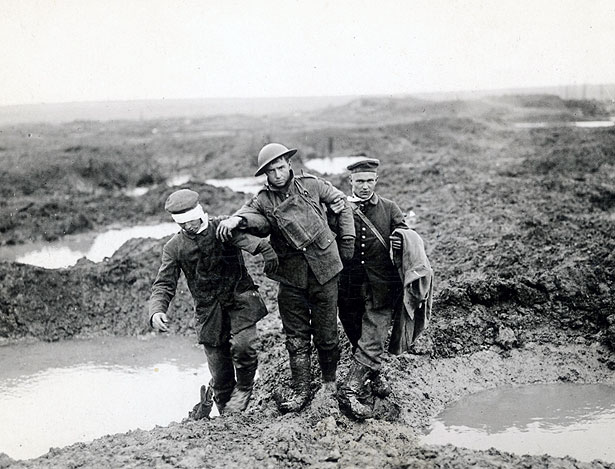
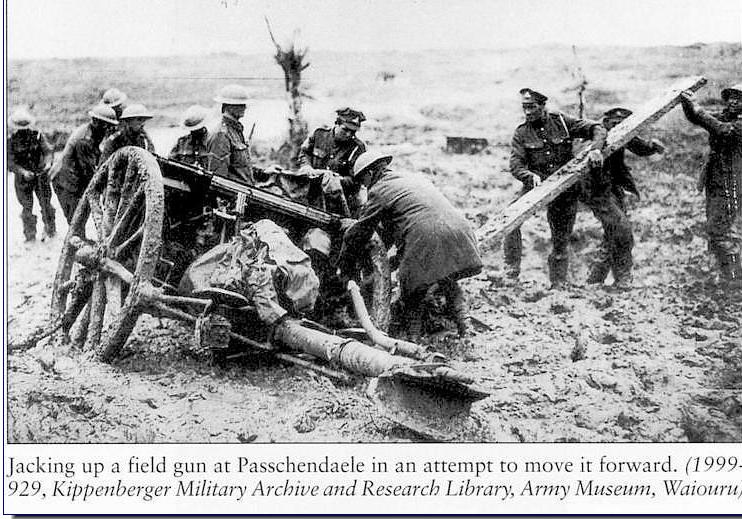
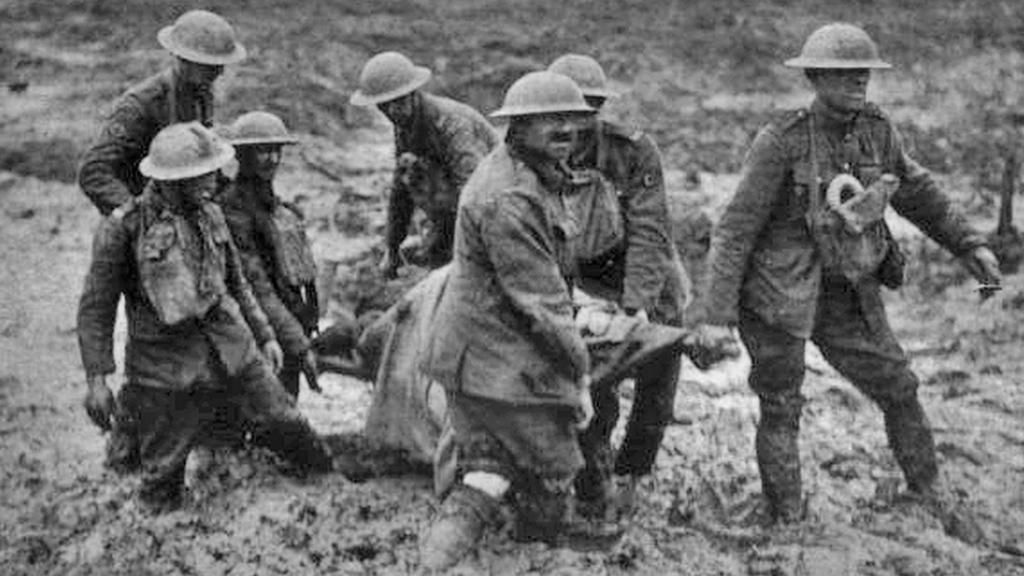
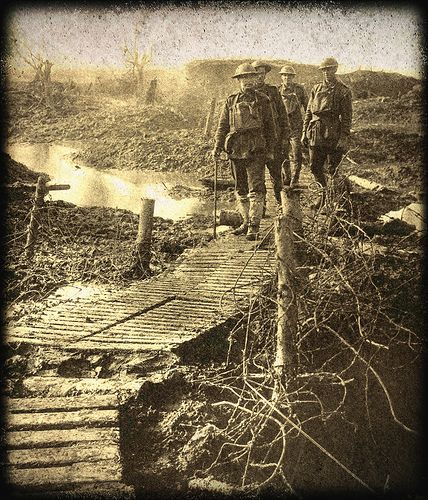
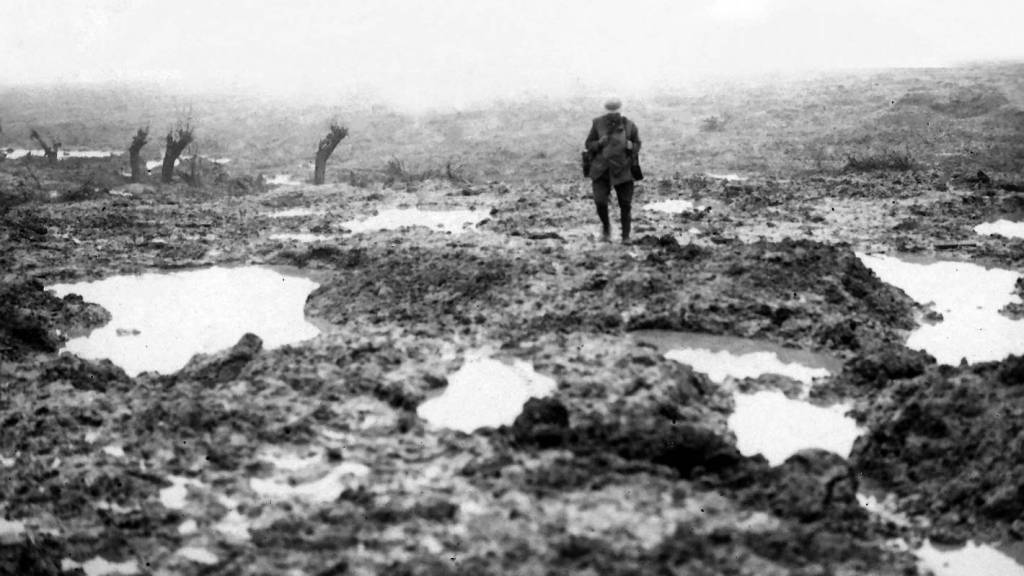
Conditions defy description. Time and again the clay soil, the water, the shattered remnants of once-great forests and the bodies of the slain were churned up and pulverized by shellfire.  You couldn’t call the stuff these people lived and fought in mud – it was more like a thick slime, a clinging, sucking ooze, capable of swallowing grown men, even horses and mules.  Most of the offensive took place across a broad plain formerly crisscrossed with canals, but now a great, sucking mire in which the only solid ground seemed to be German positions, from which machine guns cut down sodden commonwealth soldiers, as with a scythe.

Soldiers begged for their friends to shoot them, rather than being left to sink in that muck. One sank up to his neck and slowly went stark raving mad, as he died of thirst. British soldier Charles Miles wrote “It was worse when the mud didn’t suck you down; when it yielded under your feet you knew that it was a body you were treading on.”

Passchendaele, aerial
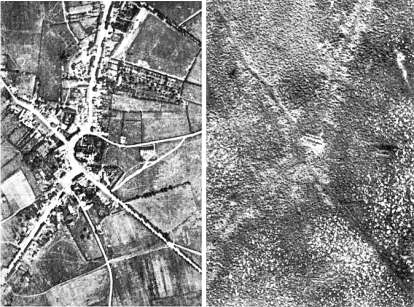
Passchendaele, before and after the offensive. H/T Imperial War Museums/Wikimedia Commons

In 105 days of this hell, Commonwealth forces lost 275,000 killed, wounded and missing.  The German side another 200,000.  90,000 bodies were never identified.  42,000 were never recovered and remain there, to this day.  All for five miles of mud and a village barely recognizable, following capture.

Following the battle of Passchendaele, staff officer Sir Launcelot Kiggell is said to have broken down in tears.  “Good God”, he said, “Did we really send men to fight in That”?! 

The soldier-turned war poet Siegfried Sassoon reveals the bitterness of the average “Joe Squaddy”, sent by his government to fight and die, at Passchendaele.  The story is told in the first person by a dead man, in all the bitterness of which a poet decorated for bravery and later shot in the head by his own side, is capable.  It’s called:

Memorial Tablet

Squire nagged and bullied till I went to fight,  
(Under Lord Derby’s Scheme). I died in hell—  
(They called it Passchendaele). My wound was slight,  
And I was hobbling back; and then a shell  
Burst slick upon the duck-boards: so I fell
Into the bottomless mud, and lost the light.  

At sermon-time, while Squire is in his pew,  
He gives my gilded name a thoughtful stare:  
For, though low down upon the list, I’m there;  
‘In proud and glorious memory’… that’s my due.
Two bleeding years I fought in France, for Squire:  
I suffered anguish that he’s never guessed.  
Once I came home on leave: and then went west…  
What greater glory could a man desire?

July 27, 1890 A Starry Night

“No great mind has ever existed without a touch of madness”. — Aristotle

In his 72 years on this earth Herman Melville wrote more than 90 books and short stories. He was no stranger to some small fame but it was only after death that the man’s magnum opus Moby Dick, came to be seen as one of the finest works of literature ever written. Edgar Allen Poe struggled as a writer. The Raven was sold for only $9 during his lifetime. Now a towering figure in the literary world Poe’s fame too, would only come after death. Shy and introverted in life, Emily Dickinson published only 8 poems during her lifetime. Her remaining body of work she hid carefully away, some 1,800 poems coming to light, only after she was gone.

Such a list could be long and include the likes of Franz Kafka, Henry David Thoreau and Jane Austen. Artists who became famous only in death contain a who’s who of painters including Monet, Gaugin, Cezanne and more but none so tragic, as Vincent van Gogh.

Vincent Willem Van Gogh was born and died on March 30, 1852, a stillbirth. The artist with the same name was born one year later, to the day. Confusingly, the church register even assigned the infant the same number, as his dead brother. Vincent van Gogh, #29. It wasn’t unusual in those days for grieving parents to give the same name as a child who had died. What it’s like to grow up a replacement, to visit a grave marked with your own name and birthdate minus a year, is something the rest of us can only guess at.

Vincent was close with his brother Theodorus, all but inseparable.

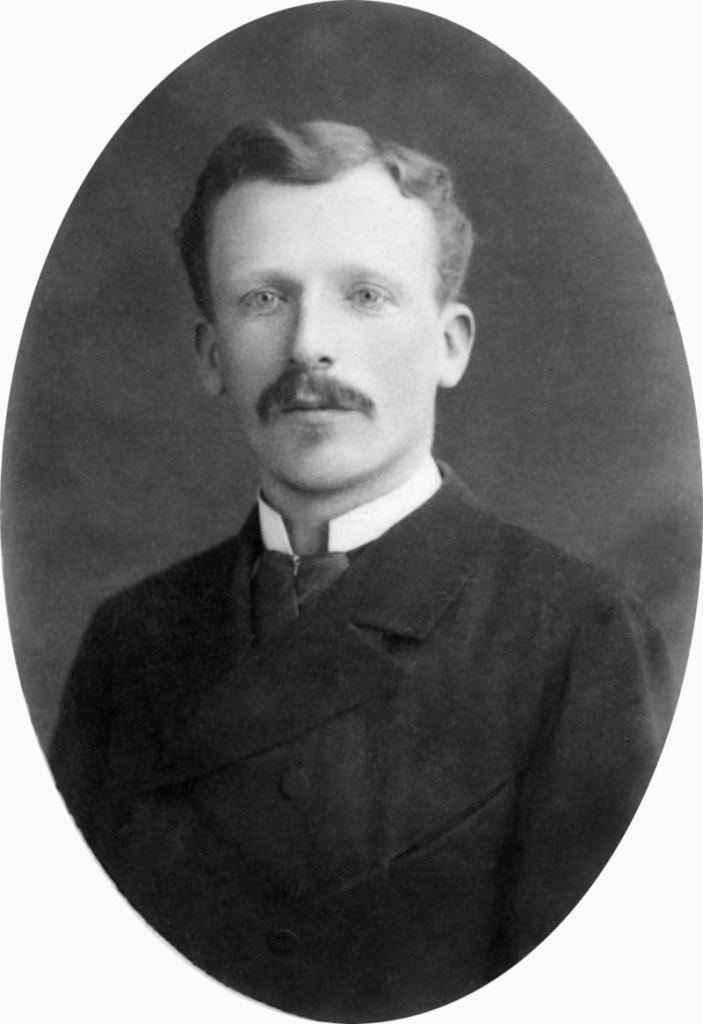
A successful Dutch art dealer, Van Gogh’s younger brother Theodorus (“Theo”) had an important impact on the world of French and Dutch art. Thanks to Theo van Gogh and his financial and emotional support of his older brother, that we’re able to enjoy much of the artist’s work.

Four years his junior it was Theo who encouraged his brother to paint in the first place. Vincent could always draw but he didn’t pick up a brush, until he was 27.

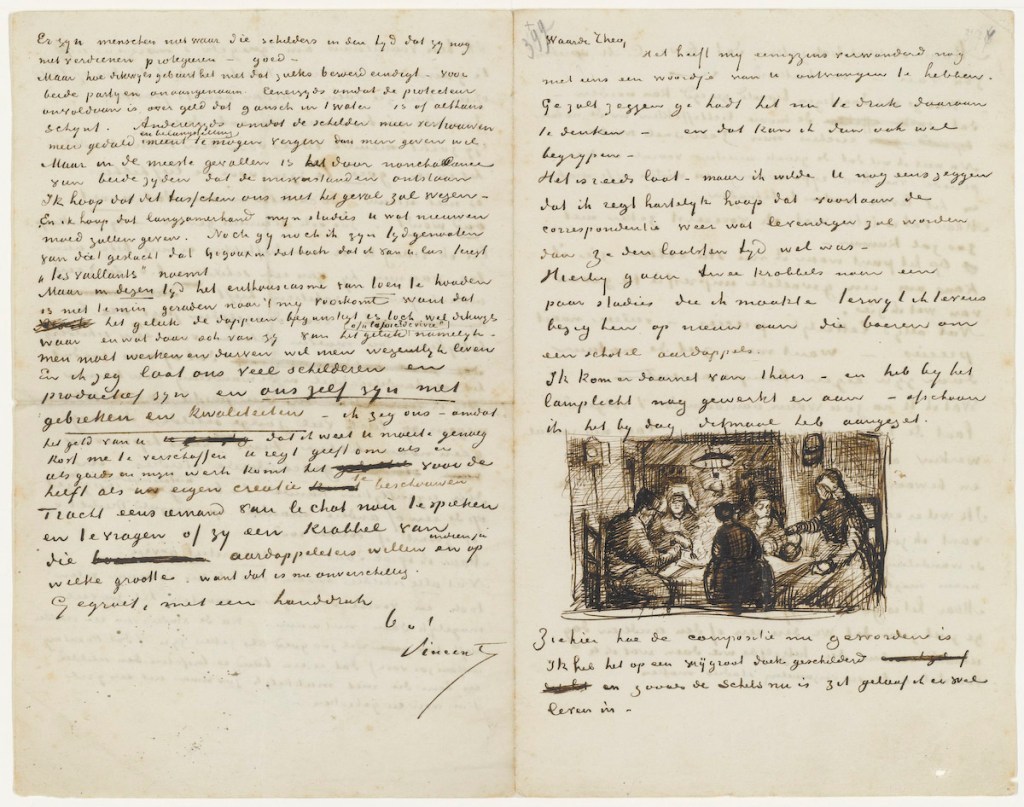
Vincent Van Gogh began to write letters in 1872, an average of one every ten days. He would continue this practice for the rest of his life, some 903 in all. His sister Wil was a frequent recipient as were the artists Paul Gauguin, Anthon van Rappard and Émile Bernard, but none so much as his brother Theo. 663 of these letters are known to survive including this 1885 note describing the artist’s first masterpiece, “The Potato Eaters”. It is through these letters we know much of the life, of Vincent van Gogh.

2,300 years ago, Aristotle spoke of the confluence of Greatness and mental illness. Even now that place where genius meets darkness, is imperfectly understood. Definitive diagnoses of historical figures are elusive and yet, history abounds with stories pointing toward mental illness in some of the great figures of the past. Michelangelo displayed signs of autism, as did Isaac Newton. The famous “scream” painting by Edvard Munch may be autobiographical of a man, prone to panic attacks. Ludwig von Beethoven suffered mood swings likely amounting to bipolar disorder as did Winston Churchill, Abraham Lincoln, and Vincent van Gogh.

Vincent tried his hand at dealing art but suffered depression during visits to London. There followed a period as Christian missionary in the south of Belgium before, feeling ill and depressed, van Gogh moved in with his parents. Theo, always the source of encouragement and support both financial and emotional convinced his brother, to take up the brush.
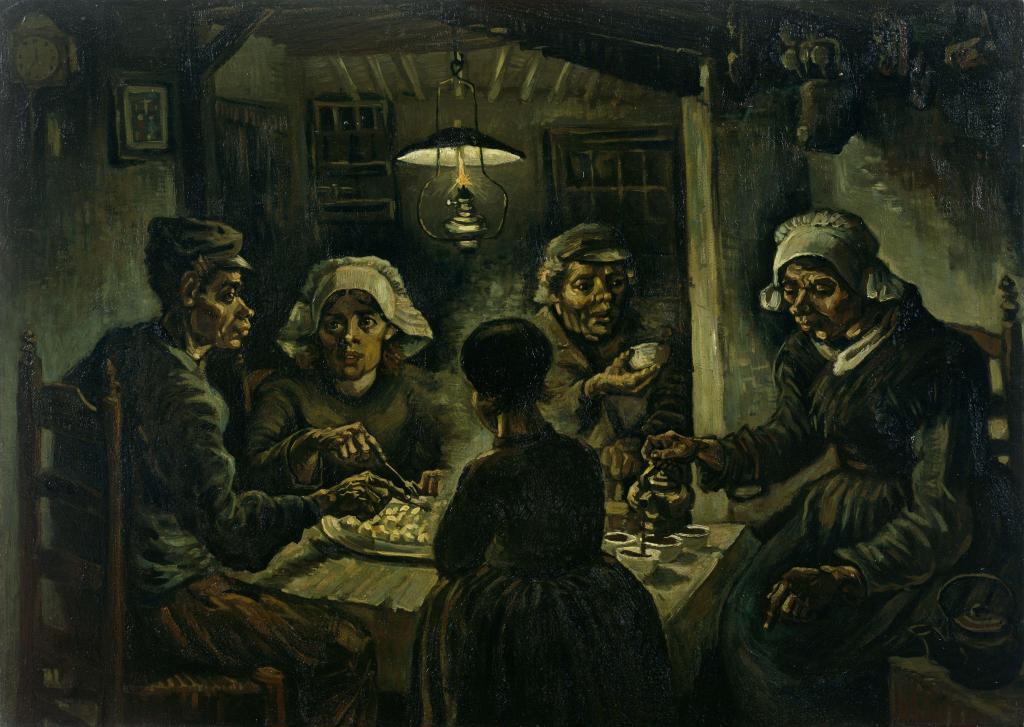
Vincent van Gogh had but ten years to live when he started to paint. In that time the man produced 2,100 artworks including 860 oil paintings, most of those, in the last two years of his life. First there were the dark colors of the “Dutch period” seen in peasant scenes, portraits and still life.

The Potato Eaters painted in April 1885 in Nuenen, Netherlands

Vincent moved to Paris in 1886 where he met members of the avant-garde art world, including Émile Bernard and Paul Gauguin. These were the iconoclasts, the radicals, the unorthodox who opened a whole new vision. Here we see the burst of bright colors and bold brush strokes for which Vincent is now known.
This too was a period of depression, of mental instability and psychotic episodes. The confrontation ending Vincent’s friendship with Paul Gaugin culminated in van Gogh cutting off his own ear, with a razor.
Still Life with Irises, Café Terrace at Night, The Starry Night

Thus began a period of mental decline. A period spent in and out of psychiatric hospitals, of heavy drinking, poor diet and declining health. One day, this tortured soul would be recognized as one of the finest artists who ever lived. For now he was just another madman, a failure in work, and in life.

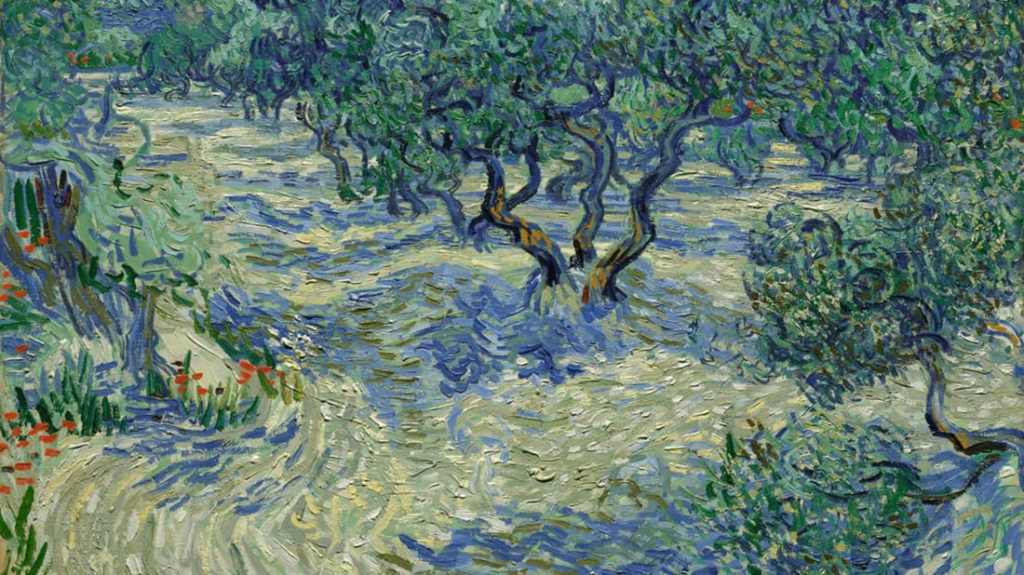
Fun Fact: Following the self-mutilation episode in which Vincent removed his own ear, van Gogh spent time in an asylum outside Saint-Rémy-de-Provence, in France. There he was fond of painting outdoors where he painted olive groves, and other pastoral scenes. If you look very closely just to the right of this 1889 portrait you will find the remains of a dead grasshopper, blown by the wind and trapped in wet paint. There are no signs of struggle, indicating the insect was deceased before hitting the canvas. As for the Master he either didn’t notice, or did not care.

Olive Trees, 1889

For the man, the last two years were a downward spiral from which there would be no return. For Vincent’s art this was the most productive, the most brilliant period of a short career.

Theo alone understood his brother. His talent. His madness. For Vincent, Theo was the only person he could open up to. Vincent received a never-ending stream of letters from his brother, words of love, of encouragement, and always the painting supplies, and the money. Theo received a stream of letters in return with day-to-day news, plans for upcoming works but all the while, it wasn’t enough.

Around this time, Vincent set out on foot to visit the French naturalist Jules Breton, a walk of some 80 kilometers. Unlike van Gogh, Breton achieved considerable success in his lifetime. Perhaps Vincent was intimidated by the high walls. The large estates. Nobody knows. After all that he turned and walked home. The man he intended to visit never knew he was there.

In Paris, Theo fell in love with one Johanna Bonger. The couple was married on April 17, 1889. Ten months later came a son, Vincent Willem van Gogh. The name was intended to honor his brother but, to Vincent, who knows? Perhaps in his madness the replacement felt that he himself, was now replaced. Theo had always been there with money, with painting materials and words of encouragement but to Vincent, he himself was nothing but a burden on a brother, now responsible for a family of three.

Visit allwallpapersfree.blogspot.com

In May of 1890, Vincent moved to a small attic room in the village of Ouvers-sur-Oisne. To be closer to Theo, and to Dr Paul Gachet, the quack homeopathic doctor Vincent himself described as “iller than I am, it seemed to me, or let’s say just as much.”

On July 27, 1890, Vincent departed his small apartment for the countryside. This time he carried no paints or brushes. Sick in body and mind and bereft of the Christian faith which had once buoyed his thoughts, Vincent had nothing to believe in anymore but his paintings and those, he couldn’t sell. No one knows where Vincent shot himself. The 7mm Lefaucheux à broche revolver. One bullet. In the stomach or the chest, depending on which version you happen to read. Vincent managed to stagger back to his lodgings. He lit up his pipe and lay down in his bed, to die. Gachet was called but the bullet was too deep.

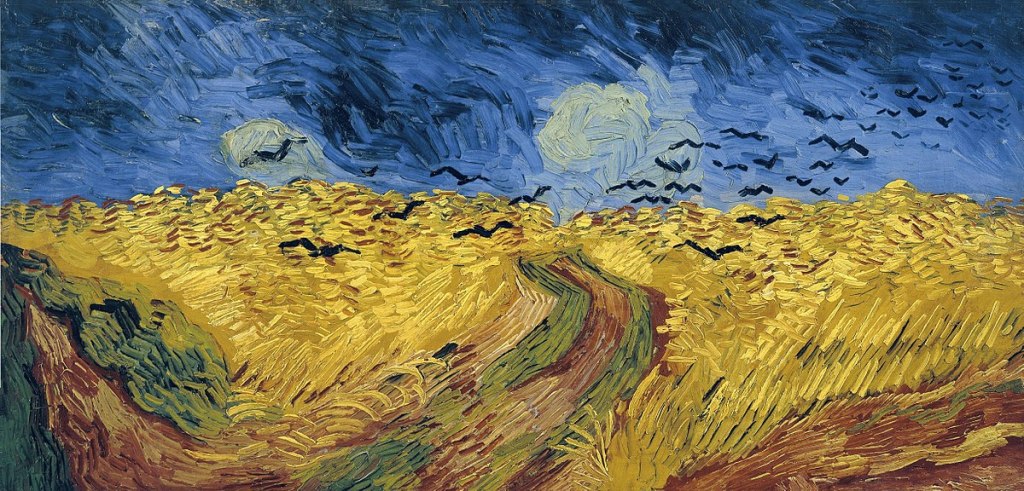
Wheatfield, with crows.

Infection set in as Theo was called and rushed to catch a train, to be there. Vincent van Gogh died in the arms of the brother to whom a last, unposted letter was found in his pocket. In it, Vincent describes a recently finished painting, called Wheatfield with crows. The letter said it depicted “vast fields of wheat beneath troubled skies,” adding “I did not have to go out of my way to express sadness and extreme loneliness.”

Vincent van Gogh, a self portrait

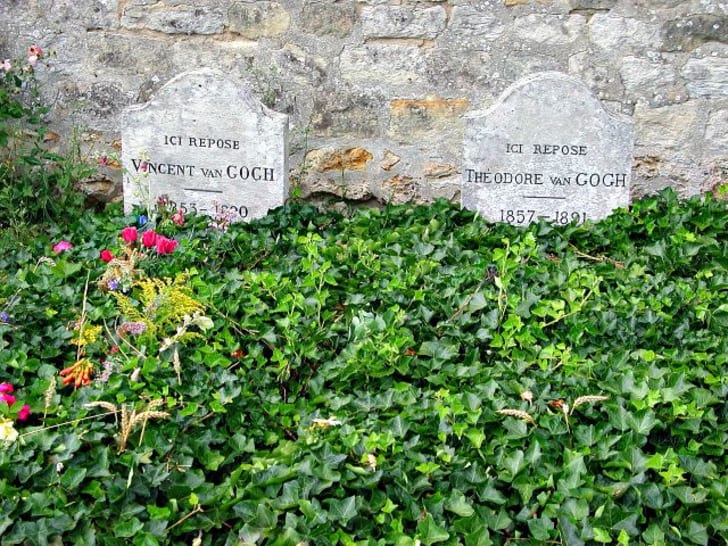
Theo van Gogh was destroyed over his brother’s death both physically, and mentally. A sharp decline ended six months later with the younger man’s death, at the age of 33. The cause of death was ruled dementia paralytica caused by “heredity, chronic disease, overwork, sadness.” He was buried in Utrecht and later exhumed at the request of his widow to be re-interred, next to his brother

As for Johanna herself, she inherited the vast bulk of her husband’s paintings and drawings and spent the rest of her life, promoting his work.

On March 17, 1901, eleven years after his death, 71 van Gogh paintings were shown at the Bernheim-Jeune gallery, in Paris. A failure in life, Vincent’s work hit the art world, like an electric shock. Today some of the artist’s works number among the most expensive paintings, ever sold.

Post script: Theo’s great-grandson, also called Theo van Gogh, was a Dutch film and television director, producer, actor and author. Working from a script provided by Somali-born Dutch-American activist, feminist and former politician Ayaan Hirsi Ali, van Gogh produced a ten-minute short film called Submission, concerning the plight of women in Islam. Both van Gogh and Hirsi Ali received death threats to which Theo responded “nobody kills the village idiot”. He often used that term in describing himself. On November 2, 2004, Islamist Mohammed Bouyeri shot and stabbed the director while bicycling to work, leaving a note pinned with a knife to his dead chest, containing threats against Jews, the west, and Ayaan Hirsi Ali.

July 21, 1865 Aces and Eights

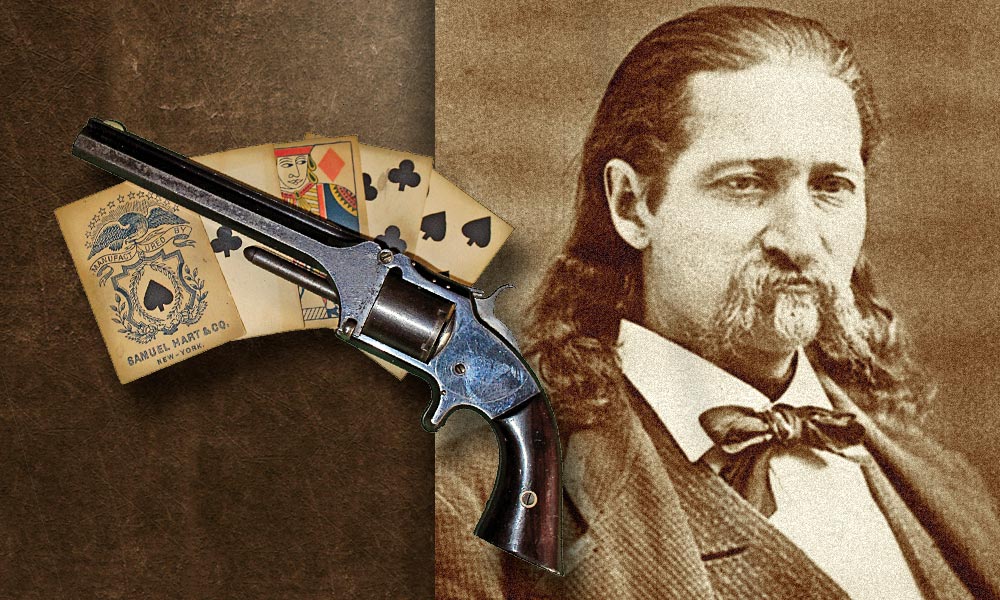
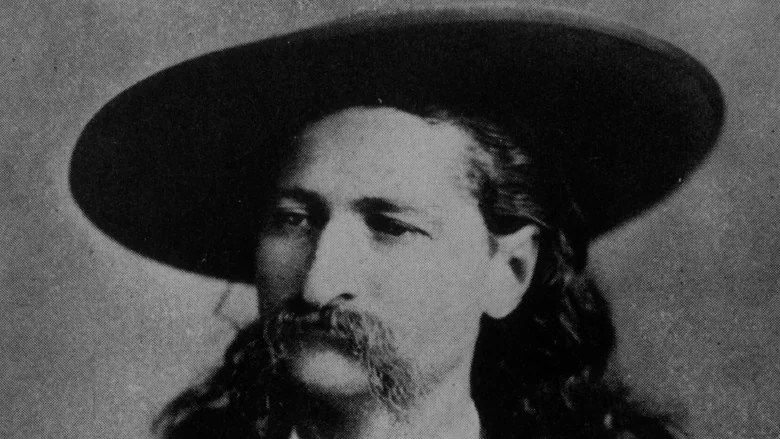
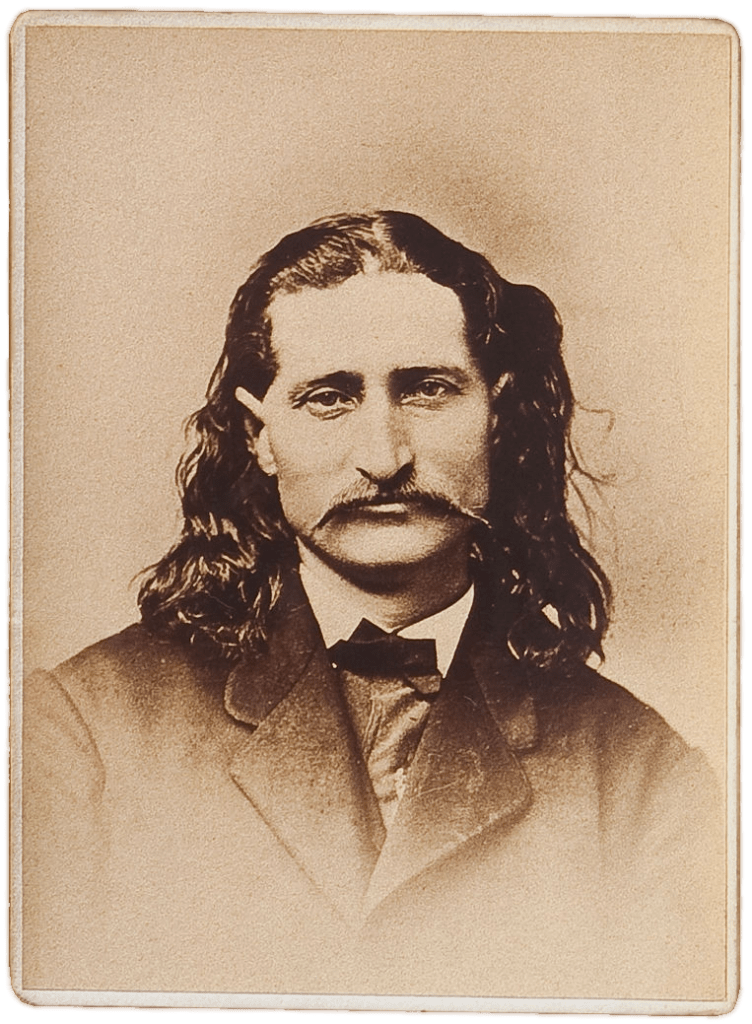
Wild Bill Hickok lived in an age when the good guys and the bad guys, were hard to tell apart.

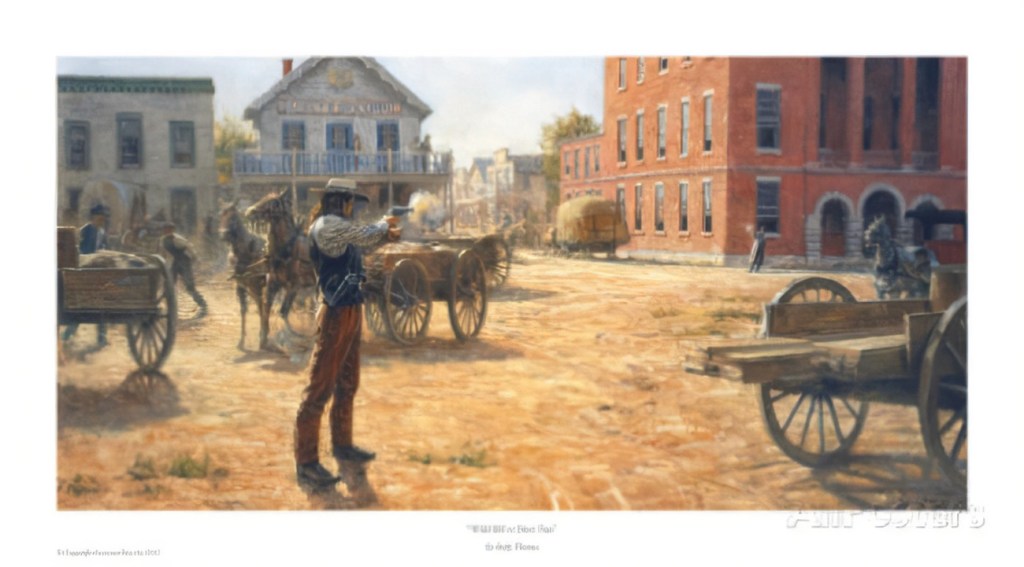
The Wild West gunfight is the stuff of American legend. A lone gunslinger rides down a dusty street. Townsfolk dive for shelter leaving two men standing. Only one can be the quickest draw. One man will walk away and another will die.

And yet these are movie images. If anything, the real gunfights of the wild west were uglier, more violent and less heroic than anything we ever saw on film. It was often hard to tell the good guys, from the bad.

So step aside Clint Eastwood, John Wayne. We’re here to talk about a real-life gunslinger, called “Wild Bill” Hickok.

James Butler Hickok was born in Homer Illinois in the present-day town of Troy Grove, the 4th of 6 children of William “Bill” Hickok and his wife, Pamelia “Polly” Butler Hickok. The family home is gone now but believed to be a stop on the “underground railroad”, a network of households offering refuge and assistance, to runaway slaves.

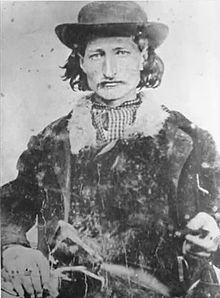
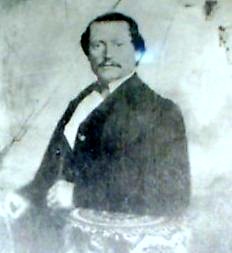
James learned from an early age to shoot a pistol. He was good at it. Photographs of the era depict him with dark hair but the age of photography, was in its infancy. Those who knew Hickok described the man, with red hair.

He was fifteen when his father died. At 18 he fled the Illinois territory after a fight, with one Charles Hudson. Both fell into a canal and believed (wrongly) he had killed the other man. He was attracted to the “Banditti of the prairie” lifestyle and took up with Jim Lane’s violently abolitionist Free State Army known as Jayhawkers, during the Bleeding Kansas era. There he met a 12-year-old who, despite his young age became a scout for the US Army, only two years later. We remember the boy today for the soldier, showman and bison hunter he would later become, Buffalo Bill Cody.

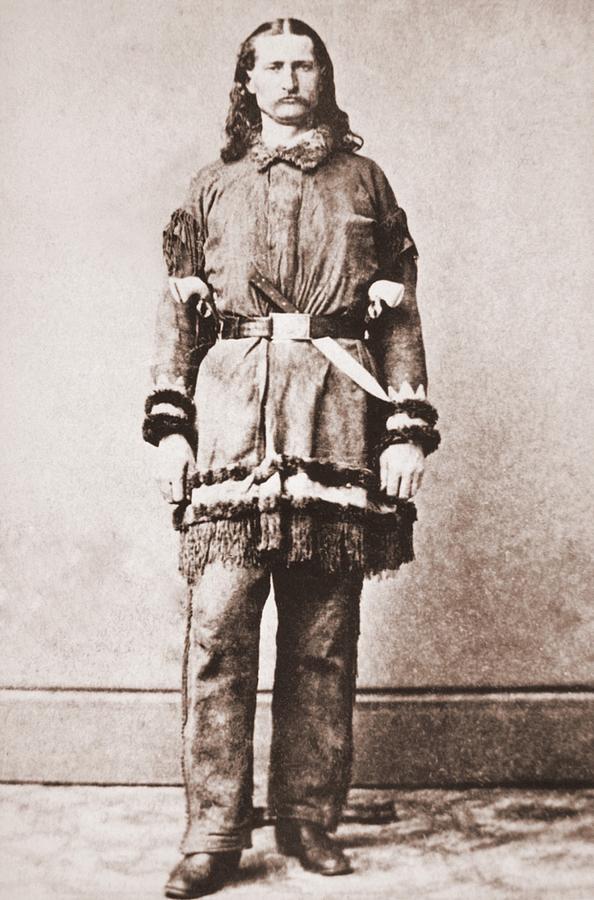
A young James Hickok in the 1860s, before his gunfighting days

Hired as a stagecoach driver by the Russell, Majors and Waddell freight company, Hickok was driving a team from Independence, Missouri, to Santa Fe, New Mexico, when an incident with a cinnamon bear resulted in one dead bear, and four months in bed recovering from a crushed chest and a shoulder and arm, mangled in the melee.

Recovering from the bear incident, Hickok was sent to become a stable hand at the Rock Creek station, a stagecoach and Pony Express stop in the Nebraska territory.

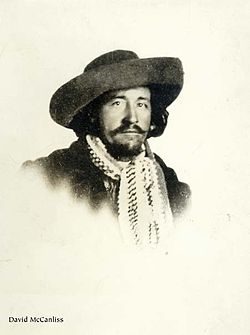
David Colbert McCanles leased a well and a cabin to Hickok’s employer. The former sheriff of Watauga County, North Carolina, McCanles was a bully who didn’t like this newcomer, Hickok. He called the younger man “Duck Bill” for his large nose and protruding lips and derided the man’s slender, almost girlish build. McCanles’ mistress Sarah (Kate) Shull didn’t seem to mind any of it and became romantically involved, with Hickok.

David C. McCanles

You know where this is going, right?

 McCanles arrived at the station with his cousin James Woods, another employee called James Gordon and his 12-year-old son, Monroe. Accounts vary but soon, there was a brawl. Hickok stepped from behind a curtain where he was hiding and shot McCanles, dead. He shot Gordon and Woods as well, one of whom was finished off with a shotgun blast by station employee J. W. “Doc” Brink and the other hacked to death with a garden hoe, either by Horace Wellman, or Wellman’s wife.

I did say these things could be ugly, right? As for 12-year-old Monroe, he managed to get away.

The trial lasted all of 15 minutes and ended in acquittal, based on self-defense. Hickok rode out to the McCanles home and told the widow he was sorry, he had killed her man. He gave her all the money in his pocket saying ‘This is all I have, sorry I do not have more to give you”. It was $35, equivalent to $1,056 today.

After the McCanles episode Hickok grew a moustache, to hide that protruding lip. He encouraged people to call him “Wild Bill”.

Surprising though it may seem to the modern reader, the “news” media, couldn’t always be trusted. According to George Ward Nichols of Harper’s New Monthly Magazine, “Hundreds” of men lay dead at the smoking barrel of Hickok’s gun. Never mind that, everywhere Hickok was actually known his supposed death counts, were often disputed.

Like the rest of Wild Bill’s life his civil War service is shrouded in mystery. No scion of stout abolitionists would have missed an opportunity to serve, with the federal cause. He seems to have begun as a teamster, later rejoining now-General James Henry Lane’s Kansas brigade as provost marshal, basically military police. Some say he managed to infiltrate the other side as a spy. Buffalo Bill Cody claimed to have seen the man in 1964, wearing Confederate gray.

Hickok lived in an age when the good guys and the bad guys, were hard to tell apart. In 1869 the good folks of Ellis Kansas appointed Hickok, interim Sheriff. Tall, hard and imposing this was no longer the scrawny youth of his younger days. One cowboy described Hickok standing “with his back to the wall, looking at everything and everybody under his eyebrows — just like a mad old bull”.

As for “keeping the peace”, Hickok managed to kill two men in his first five weeks. He lost the election to his own deputy after three months on the job.

In Springfield Missouri, Hickok had several run-ins with a local gambler, called Davis Tutt. The two men had affection for some of the same women as well, and that’s never a good place to start. By 1865, gambling disputes had upped the ante to lethal levels.

Hickok was sentimental about a gold watch and lost it in a poker game, to Davis Tutt. He asked the man not to wear the thing in public but Tutt couldn’t resist, rubbing his nose in the loss. Hickok warned Tutt to stay away. That came to an end on July 21 in a scene, right out of the spaghetti western. The two men stopped in the street glaring, ever so slowly turning to the side, to provide a smaller target. Tutt drew first, and missed his target. Hickok’s bullet struck right through the heart. Tutt clutched his chest and cried out, “Boys, I’m killed” before he collapsed, and died. The “quick draw” duel has become the stuff of legend, but this was the first.

Judge Sempronius Boyd (how do you not love that name) instructed the jury they could not acquit, if there had been reasonable opportunity to avoid the fight. The unwritten doctrine of the “fair fight” however did apply, and the jury voted to acquit.

Wild Bill Hickok fought and won the first “quick draw” duel in history, killing Davis Tutt with a bullet through the heart, at 75 yards

Wild Bill Hickok was the best gunfighter of his time but not always, the fastest draw. Tom Clavin’s book WILD BILL: The True Story of the American Frontier’s First Gunfighter claims Tutt drew first but Hickok…he didn’t miss.

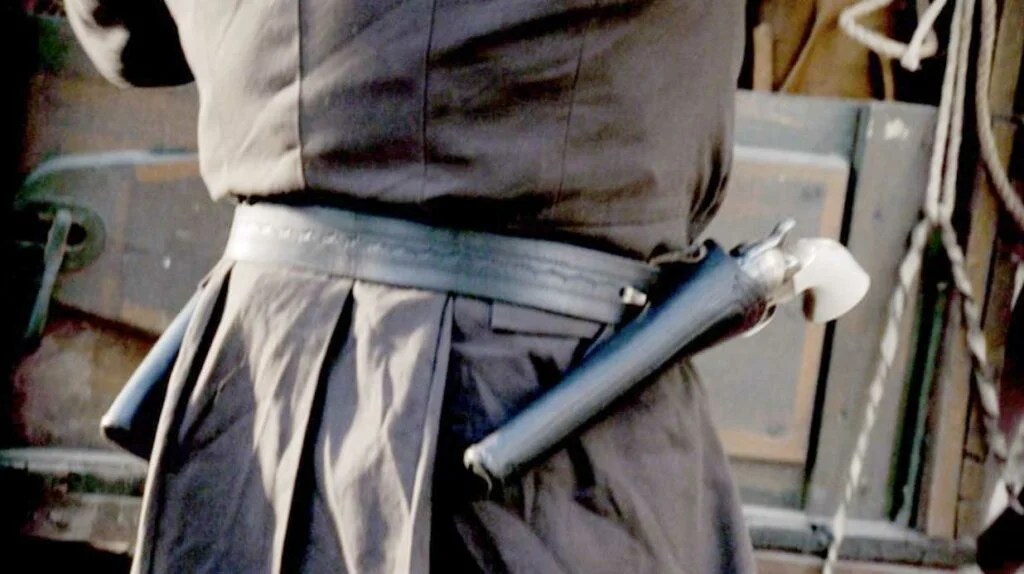
His favorite weapons were a pair of 1851 twin cap & ball navy revolvers he’d wear butt first and cross-draw, cavalry style. In an age when weapons were not always on target Hickok was cold as ice and took a moment to steady his aim. On top of that the man was ambidextrous and aimed as well with one eye, as the other.

Nothing lasts forever. For Wild Bill Hickok the beginning of the end came in 1871. As Marshall for Abilene Kansas Hickok’s methods were tried and familiar and understood if not liked, by all. It is said that Hickok had but three options for troublemakers. They could leave on the train going east or the one heading west. Or they could go north. If they didn’t already know they would find out soon enough. The town cemetery was located to the north.

On October 5, 1871 he had a terrible shootout with local saloon owner, Phil Coe. Hickok managed to kill Coe but turned like a flash and fired at a third man, sprinting toward him. Both bullets hit their mark, mortally wounding Hickok’s deputy and good friend, Mike Williams. Hardened as he was it’s said that he cried, as they carried his friend away to die.

James Hickok was a gambler, a gunfighter and a part-time law man, what the History of Greene County, Missouri later described as “by nature a ruffian … a drunken, swaggering fellow, who delighted when ‘on a spree’ to frighten nervous men and timid women.”

Mike Williams was the last man he would ever kill.

On August 1, 1876, Hickok was playing poker at Nuttal & Mann’s saloon in Deadwood, in the Dakota territory. A seat opened up and John “Broken Nose Jack” McCall joined the game. McCall started out drunk and he lost. Badly. Hickok encouraged McCall to quit the game until he could cover his losses and he gave the man money, for breakfast. McCall accepted the money but felt insulted. Next day he returned, intending to settle the score.

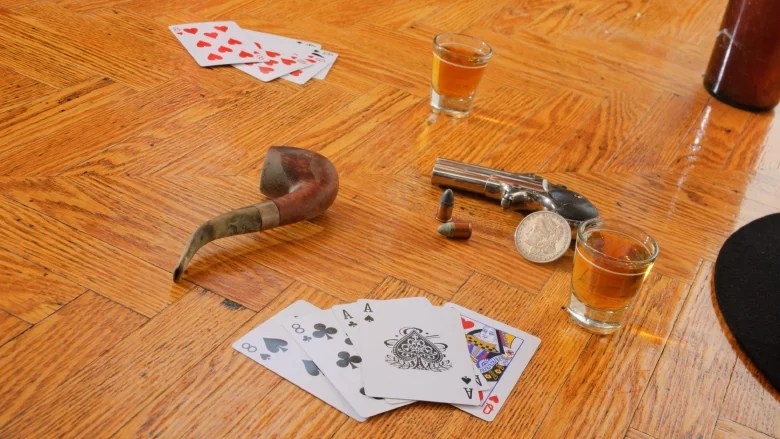
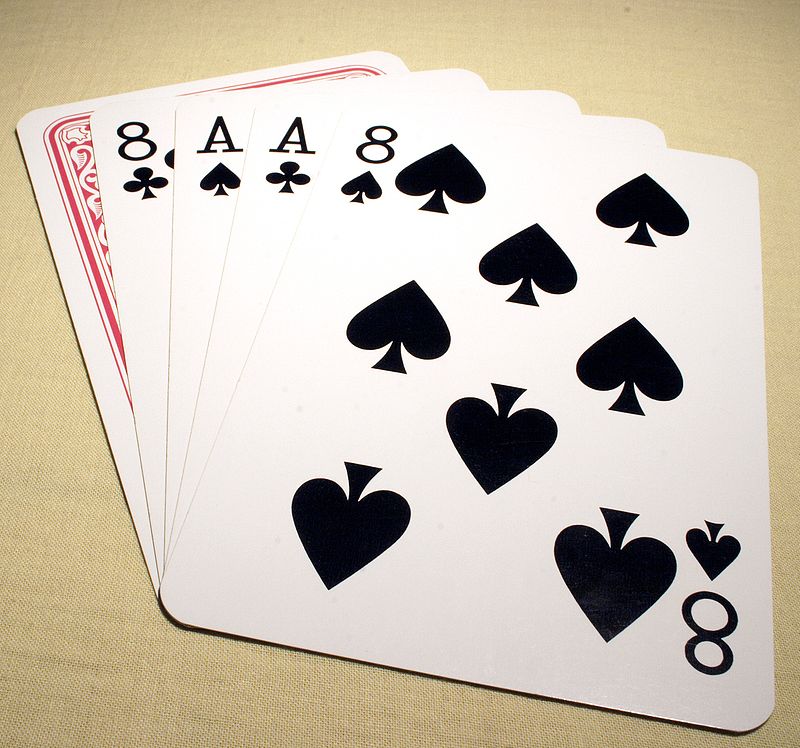
Dead man’s hand

Hickok was once again at the table but this time, with his back to the door. Wild Bill Hickok always sat with his back to the wall but this time Charles Rich had that seat, and wouldn’t give it up. McCall strode into the saloon and drew his .45-caliber revolver shouting “Damn you, take that!”. The bullet entered the back of Hickok’s head from point-blank range and came out his right cheek before striking another player on the wrist. Wild Bill Hickok was dead before his head hit the table. He held two pair in his hand. Aces and eights, remembered from that day to this, as the “dead man’s hand”.

The 5th card hand is disputed and remains unknown, to this day.

Jack McCall

Jack McCall was “tried” and acquitted by a loose collection of miners and local businessmen. He claimed to be avenging the death of his brother but there is no way to verify the story. McCall was re-arrested and re-tried, the second trial was held in Yankton, capital of the Dakota territory. Deadwood was at the time part of unorganized Indian territory and for that reason, the 2nd trial wasn’t considered double jeopardy.

Jack McCall was convicted that second time and sentenced to death, his hanging carried out on March 1, 1877. The cemetery was moved nearly five years later. When McCall was exhumed the noose was still tied, around his neck.

July 20, 1969 Holy Communion

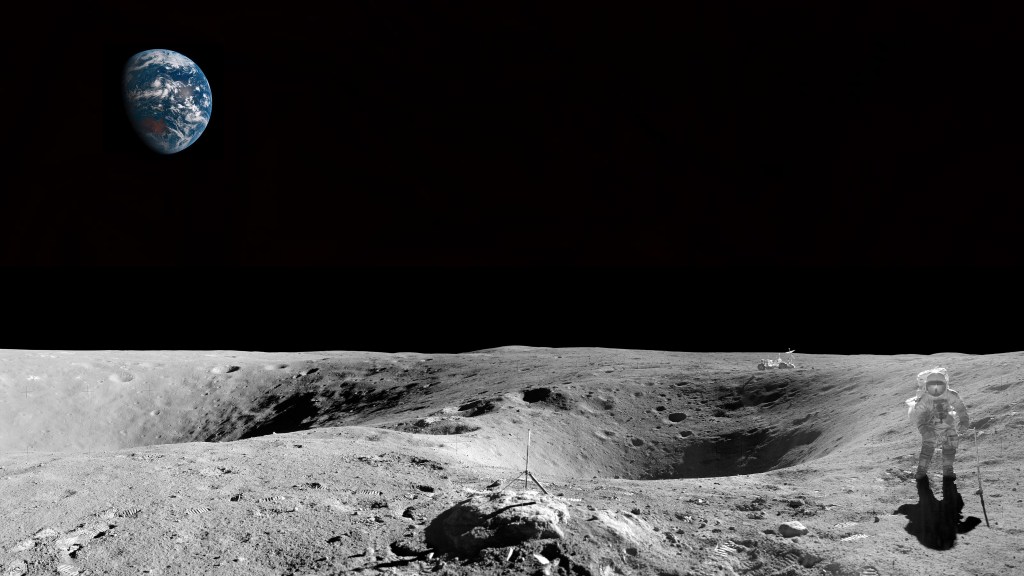
Is there anyone alive that day who doesn’t remember Neil Armstrong’s words, as he stepped onto the lunar surface “There’s one small step for [a] man, and one great leap for mankind”. Yet something else happened up there only hours earlier, and most of us never heard about it.

On May 25, 1961, American President John F. Kennedy delivered a message before an audience at Rice University in Houston, articulating a goal of “landing a man on the moon and returning him safely to the earth” by the end of the decade.

The president wouldn’t live to see it, but his pledge would come to life 53 years ago, today. July 20, 1969.

42194_space-shuttle

The accomplishments of the Apollo series seem almost foreordained to us, the massive complexities of the undertaking, all but forgotten.

In the modern era, the most powerful supercomputers on earth put space telescopes into orbit, albeit sometimes with “vision” needing to be corrected with “glasses”, as in the case of the Hubbell space telescope.

In 1969, these guys were sending human beings 240,000 miles into space to land on the moon and come back again, on less computing “horsepower” than your cellphone.

Any one of countless calculations could have misfired, slinging three astronauts into the black void of space, there to spend eternity, in a flying tomb.

The Apollo spacecraft consisted of three components: a Command Module (CM) with a cabin for the three astronauts, a Service Module (SM) supporting the CM with propulsion, electrical power, oxygen and water; and a Lunar Module (LM) for the actual landing.

105338411-1531944151153nasamoonimage.530x298
The moon as seen from the International Space Station on July 9, 2018 H/T Alexander Gerst, NASA

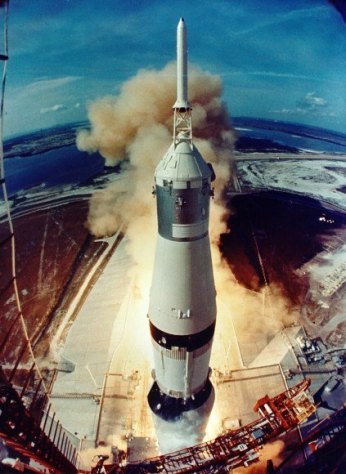
The vehicle was launched into space by a Saturn V rocket, designed to break apart as each of a series of rocket stages were exhausted, and separated from the main craft.

The 363-foot, nearly seven million pound Saturn V launch vehicle lifted off from the John F. Kennedy Space Center on Merritt Island Florida on July 16, carrying mission commander Neil Armstrong, Lunar module pilot Edwin “Buzz” Aldrin, and Command Module pilot, Michael Collins.

The Command/Service Module passed behind the moon at 12:21 Eastern Standard Time on July 19, firing its service propulsion engine and inserting the craft into lunar orbit.

Aldrin and Armstrong next moved into the LM, the only component to actually land on the lunar surface, with Collins remaining to orbit the moon in the CM.

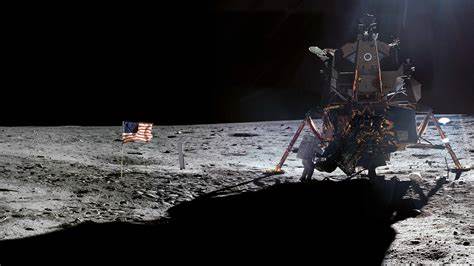
Apollo_11_Lunar_Module_Eagle

The pair landed on a flat plain called the “Sea of Tranquility” on this day in 1969, three-foot probes touching the lunar surface at 4:18pm eastern standard time followed within seconds, by the LM itself. There were fifteen seconds of fuel left, in the “gas tank”. 

Two men had landed in the 1/6th gravity of the moon, in a vehicle so delicate that the thing couldn’t support its own weight, back on earth. Half the world heard the words “Tranquility base, the eagle has landed”.

Back in Houston, controllers joked about turning blue. Now at last, they could breathe.

The schedule called for a break. A few hours to rest before that now-famous walk, on the surface of the moon.

Is there anyone alive that day who doesn’t remember Neil Armstrong’s words, as he stepped onto the lunar surface “There’s one small step for [a] man, and one great leap for mankind“. Yet something else happened up there only hours earlier, and most of us never heard about it.

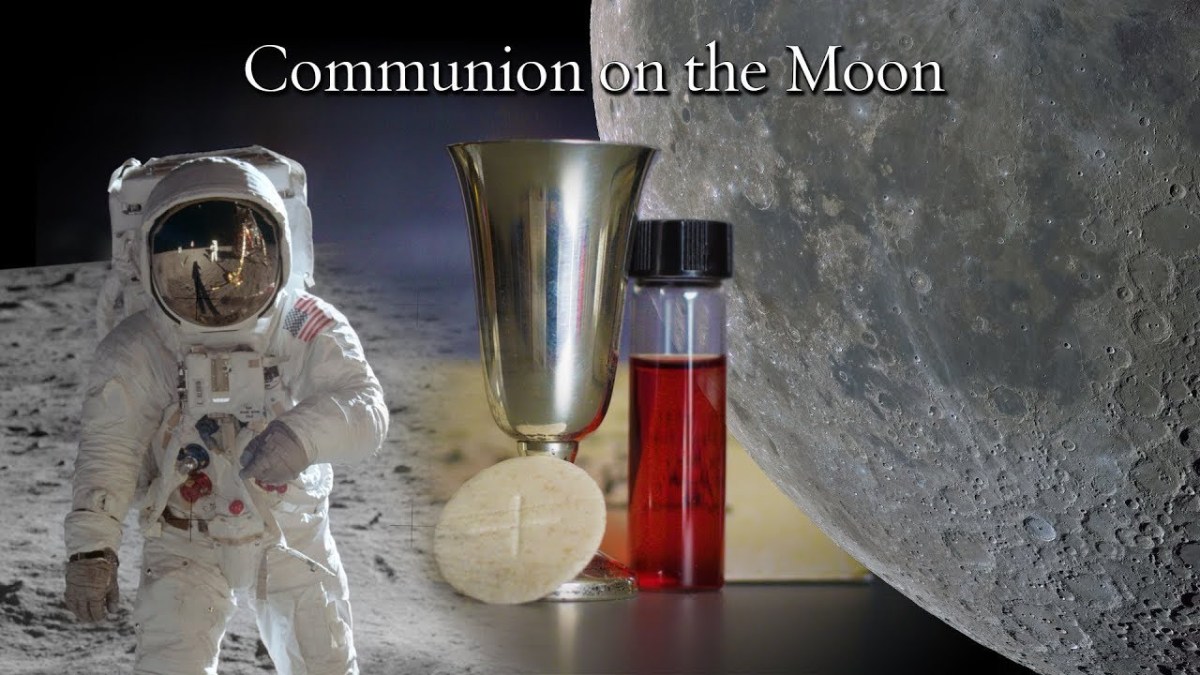
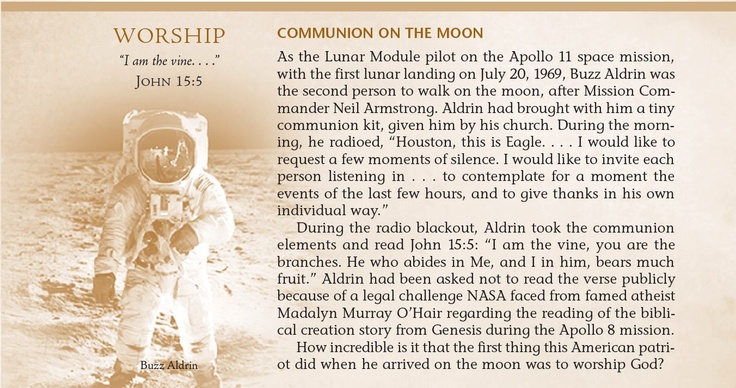
Buzz Aldrin was a Christian. An elder in the Presbyterian church. He wanted to mark this momentous occasion and so he discussed it, with his pastor. The two agreed. He would bring with him the bread and the wine of Christian sacrament. He would receive holy communion, on the surface of the moon.

Conscious that this was a moment for all mankind and not only Christians, Aldrin invited listeners to pause, to reflect on the significance of the moment and to give thanks, in their own way. Then he opened the bread and the wine. Let him tell this part of the story, himself:

“In the radio blackout, I opened the little plastic packages which contained the bread and the wine. I poured the wine into the chalice our church had given me. In the one-sixth gravity of the moon, the wine slowly curled and gracefully came up the side of the cup. Then I read the Scripture, “I am the vine, you are the branches. Whosoever abides in me will bring forth much fruit. Apart from me you can do nothing.” I had intended to read my communion passage back to earth, but at the last minute [they] had requested that I not do this. NASA was already embroiled in a legal battle with Madelyn Murray O’Hare [sic], the celebrated opponent of religion, over the Apollo 8 crew reading from Genesis while orbiting the moon at Christmas. I agreed reluctantly. I ate the tiny Host and swallowed the wine. I gave thanks for the intelligence and spirit that had brought two young pilots to the Sea of Tranquility. It was interesting for me to think: the very first liquid ever poured on the moon, and the very first food eaten there, were the communion elements. And of course, it’s interesting to think that some of the first words spoken on the moon were the words of Jesus Christ, who made the Earth and the moon — and Who, in the immortal words of Dante, is Himself the “Love that moves the Sun and other stars”.

Buzz Aldrin

At 10:39 Eastern Daylight Time, Neil Armstrong opened the door. And stepped onto the surface of the moon.

July 19, 1916 The Red Zone

“The Zone Rouge is a 42,000-acre territory that, nearly a century after the conflict, has no human residents and only allows limited access”. – National Geographic

In an alternate history, the June 1914 assassination of the heir-apparent to the Habsburg Empire may have led to nothing more than a regional squabble.  Little more than a policing action, in the Balkans.  As it was, mutual distrust and entangling alliances drew the Great Powers of Europe into the vortex.  On August 3, the “War to End Wars” exploded across the European continent.

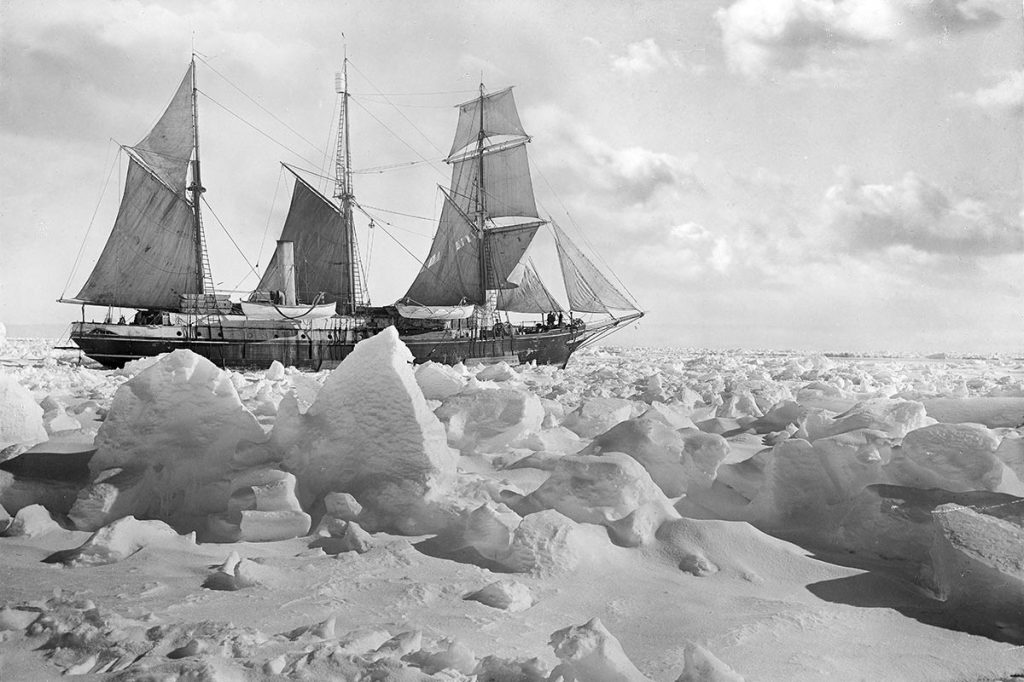
The early 20th century has been called the “Heroic Age of Antarctic Exploration”, and for good reason.   As the diplomatic wrangling, mobilizations and counter-mobilizations of the “period preparatory to war” advanced through July, 1914, Sir Ernest Shackleton made the final arrangements for his third expedition into the Antarctic.   Despite the outbreak of war, 1st Lord of the Admiralty Winston Churchill ordered Shackleton to proceed.  The “Endurance” expedition” departed British waters on August 8.

The German invasion of France ground to a halt that September.  The first entrenchments were being dug as Shackleton himself remained in England, departing on September 27 to meet up with the Endurance expedition in Buenos Aires.

Endurance was destined to be stuck in the ice, stranding the men of the Shackleton Expedition floating on pack ice, in open ocean.

As the unofficial Christmas Truce descended over the trenches of Europe, Shackleton’s expedition slowly picked their way through the ice floes of the Weddell Sea.

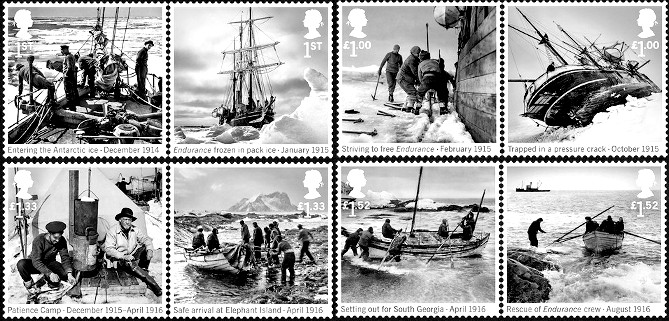
The disaster of WWI became “Total War” with the zeppelin raids of January, as Endurance met with disaster of her own.  The ship was frozen fast, with no hope of escape.  As the nine-month battle unfolded across the Gallipoli Peninsula, Shackleton’s men abandoned ship’s routine and converted to winter station.  Finally, camps were set up across the drifting ice.  On November 21, the wreck of the Endurance slipped below the surface.

shackleton_stamps

In December 1915, Allies began preparations for a summer offensive along the upper reaches of the river Somme.  In February, Erich von Falkenhayn began an offensive in Verdun designed to “bleed France white”. The Shackleton party was at this time camped on an ice pack, adrift in open ocean. 

The ice began to break up that April, forcing Shackleton and his party into three small lifeboats.  Five brutal days would come and go in those open boats, the last of 457 days spent at sea before finally reaching the desolate shores of Elephant Island.

The whaling station at South Georgia Island some 720 miles distant, was the nearest outpost of civilization. The only hope for survival. Shackleton and a party of five set out on April 24 in a 20-foot lifeboat.  They shouldn’t have made it, but somehow did.  In hurricane-force winds, the cliffs of South Georgia Island came into view four weeks later.

Scaling those terrible cliffs alone was a survival epic, worthy of its own story. Somehow, not a man was lost. They must have been a sight, with thick ice encrusting long, filthy beards, saltwater-soaked sealskin clothing rotting from their bodies.  The first people they came across were children, who ran in fright at the sight of them.  At last, on May 20, 1916, the Shackleton expedition was saved.

Like a latter-day Robinson Crusoe emerged from the frozen wastes of the Antarctic, Shackleton asked for news on the war. How it had all ended.  The response came back as if every word of it, was a hammer blow.  

“The war isn’t over.  Millions are dead.  Europe is mad.  The world is mad”.

Preparatory bombardment for the Somme offensive began that June, 1,500 guns firing 1.7 million shells into a twelve-mile front.  27 shells for every foot of the front.  Allies went “over the top” on July 1, the single worst day in British military history.  19,240 British soldiers were killed in that single day, along with 1,590 French.  German losses numbered 10,000–12,000.  By July 19, 1916, the Somme offensive was just getting started.  The battle would last another 122 days.

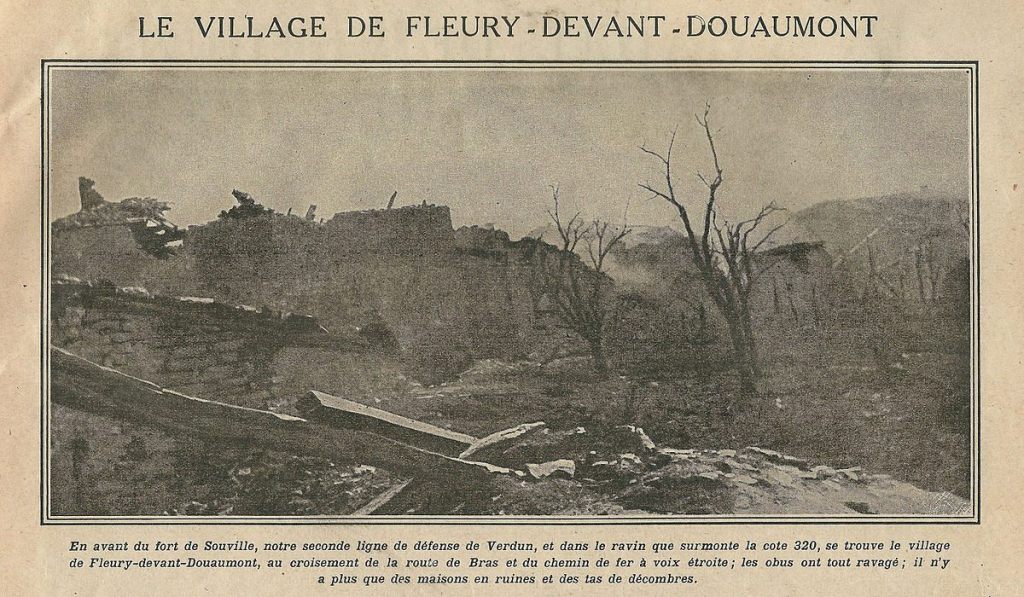
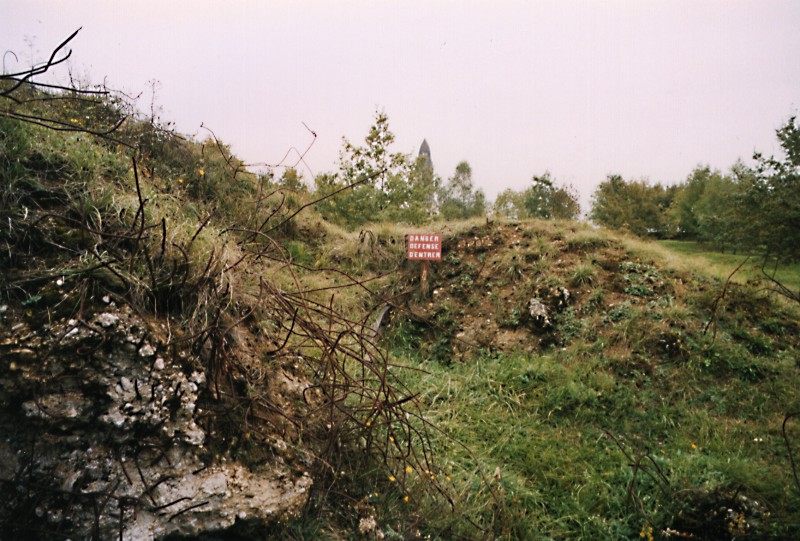
Former battlefield at Dououmont. The sign reads “Danger Access Forbidden”

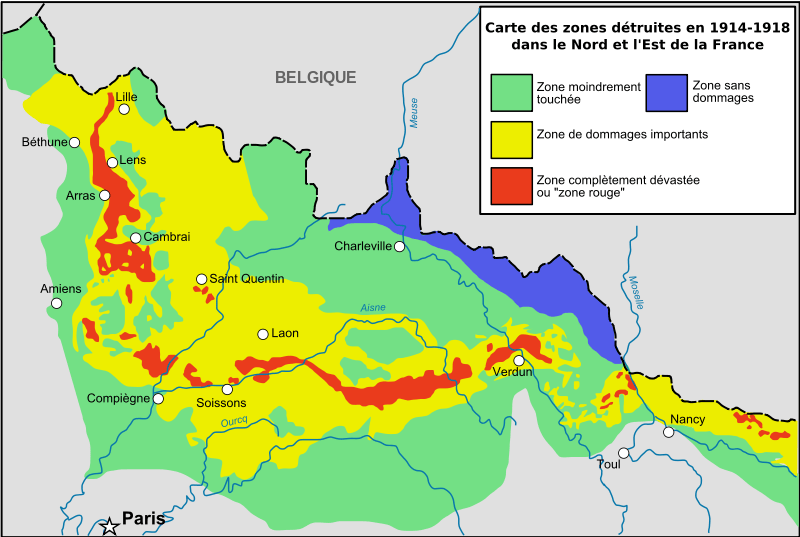
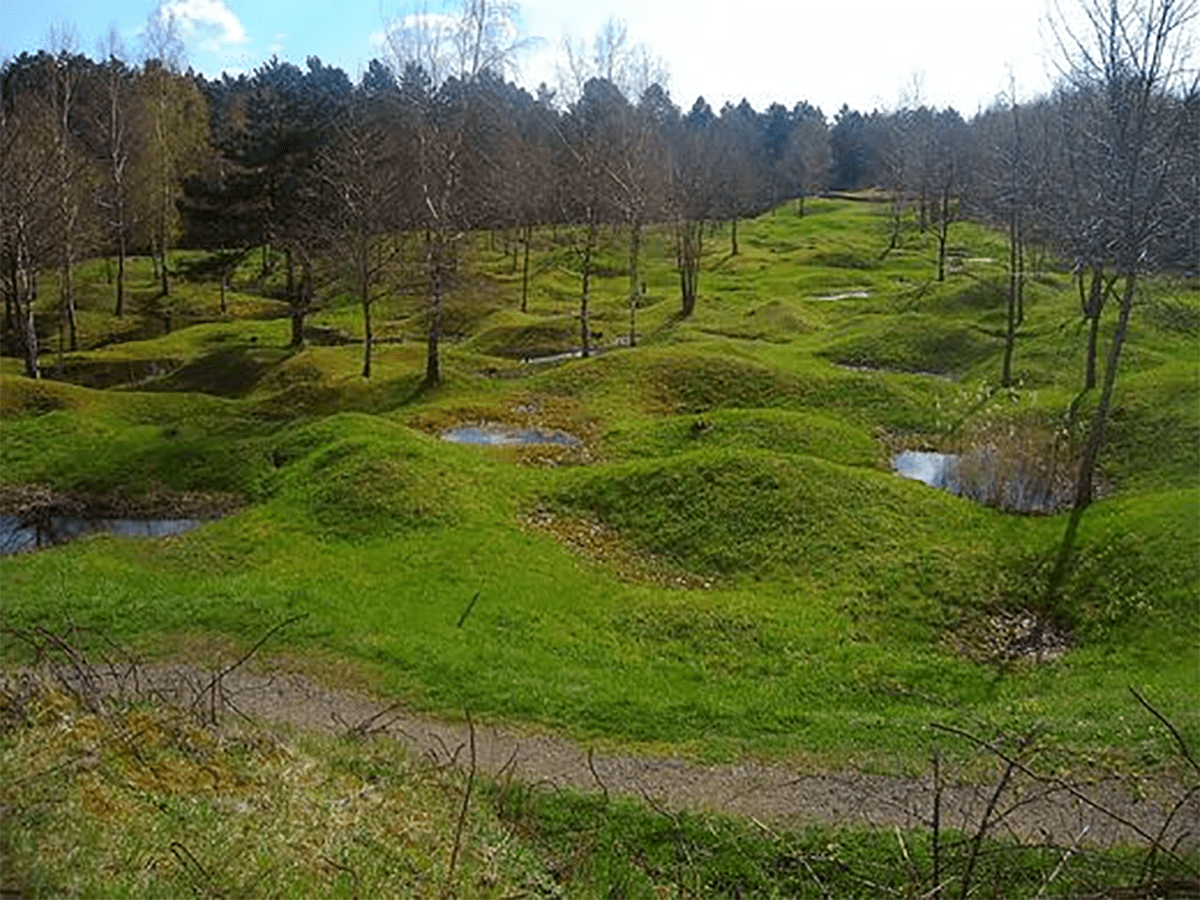
The toll exacted by the 1st World War was cataclysmic in human, economic and environmental terms.  After the war, hundreds of square miles along the north of France were identified, thusly:

“Completely devastated. Damage to properties: 100%. Damage to Agriculture: 100%. Impossible to clean. Human life impossible”.

Vast quantities of human and animal remains permeate this “Zone Rouge”, an area saturated with unexploded shells and munitions of all sizes and types:  gas, high explosive, anti-personnel.  There are hand grenades and bombs, small arms and rusted ammunition, by the truckload.

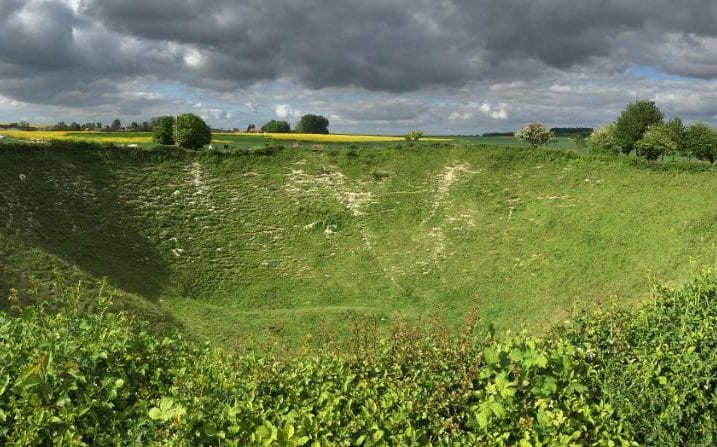
Lochnagar Crater
Lochnagar bomb crater in the Somme Photo Credit Telegraph Newspaper: HENRY SAMUEL

Lead, mercury, chlorine, arsenic and other toxins permeate the soil.  In two areas near Ypres and Woëvre, arsenic constitutes up to 17% of some soil samples.  The Red Zone is smaller today than it once was but, to this day, 99% of all plants still die in some of these places.

During World War 1 the two sides fired an estimated ton of explosives at each other, for every square meter of the western Front. As many as one in three shells failed to explode. The Ypres salient alone was believed to contain as many as 300 million unexploded shells at the war’s end. 87 years after the cessation of hostilities, one “Red Zone” survey uncovered up to 150 shells per 5,000 square meters in the top six inches of soil, alone.  

By means of comparison, an American football field covers 5,351.215 square meters.

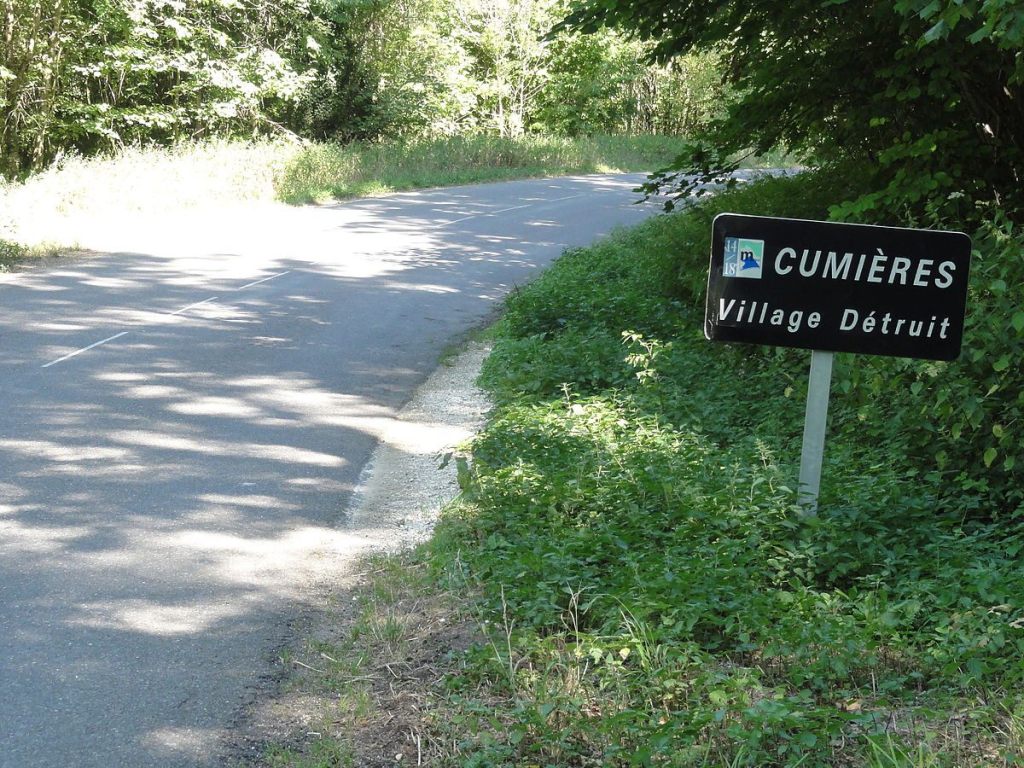
Signs like this dot the landscape in parts of France and Belgium: “Village Destroyed”

100 years after WW1, more than 20 members of Belgian Explosive Ordnance Disposal (DOVO) were killed in 1998, alone.

In June 2016, head of the bomb disposal unit at Amiens Michel Colling, said: “Since the start of the year we’ve been called out 300 times to dispose of 25 tons of bombs.  As soon as you start turning the earth up”, Colling said, “you find them. At this rate, we have another 500 years to clear the area, so the work is far from over.

The rotor blades from farmers’ tractors sometimes set them off.   In June 2016, farmer Claude Samain plowed up a Lee-Enfield rifle. Last held in all probability by a British infantryman, the rifle was now seeing the sun for the first time, in 100 years. He placed it on a pile rusted old shells and ironworks. As a farm kid of the 1930s, Claude remembered turning up bodies in his fields.  ‘We find shells every time we turn the earth over for potatoes or sugar beet.” he explained.

French farmers call the stuff, récolte de fer. Iron harvest.

800px-Red_Zone_Map-fr
By derivative work: Tinodela (talk)Zone_rougeRed_Zone_Map.jpg: Lamiot – Zone_rougeRed_Zone_Map.jpg, CC BY-SA 2.5, https://commons.wikimedia.org/w/index.php?curid=4798391

That part about Claud Samain comes from a Mirror story published July 1, 2016 and written, by Andy Lines. “As Claude, 76, passed me the gun” Lines writes, “he smiled: “You Brits are so respectful of what happened here on the Somme. “Three coachloads of children arrive every single day to learn what happened 100 years ago – you never see any French children.””

Nor I would guess, any American children, and that’s a damned shame.

July 18, 1969 When Hell was in Session

“After a period of time, pain becomes an all‑encompassing entity, a fiery, blinding devil that courses into every part of the brain until you would literally do anything to escape it. After three cycles, the rig became too much. It had driven me to the point where I would have happily committed suicide to escape it. I would have run my own mother down with a truck if the price was freedom from pain, but I could do nothing. I felt my heart pumping mightily to force the blood through my strangled limbs and hoped that it would give out.

I prayed to die”.

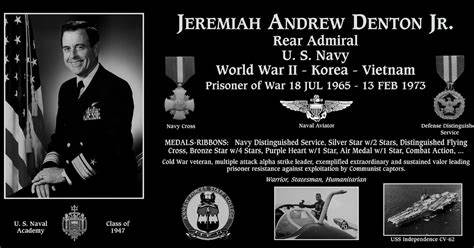
POW, Commander Jeremiah Denton

A lot can happen in eight years. Like when your preschooler comes home one day, and he’s ready for high school. Eight years after that your little bundle of joy is a college graduate and headed for medical school. It’ll take another eight years or so to become a doctor, depending on the specialty.

As a POW, Jeremiah Denton endured eight years in a brutally harsh captivity punctuated by daily abuse and frequent torture sessions, and went on to become a United states Senator.

His story deserves to be told.

Jeremiah Denton had already compiled an impressive resume when he slid into the cockpit of the A-6A Intruder attack aircraft on July 18, 1965.

Entering the United States Naval Academy in 1943, Denton joined an “accelerated class” to graduate in June 1946, along with future President of the United Sates, Jimmy Carter. Then came Armed Forces Staff College, a Master of Arts in International Affairs from George Washington University and the Naval War College, where Denton’s thesis revolutionized naval tactics earning top honors, including the prestigious President’s Award, in 1964.

Get an education or you’ll get stuck…how was that again…Mister Kerry?

Then it was July 18, 1965. For Jeremiah Denton, that was the day when everything changed.

While serving as a naval aviator, Commander Denton was leading a 28-aircraft bombing mission over North Vietnam, along with Bombardier/Navigator LTJG Bill Tschudy. The pair was forced to bail out when one of their own Mark 82 bombs exploded prematurely, sending the A-6A Intruder spinning out of control.

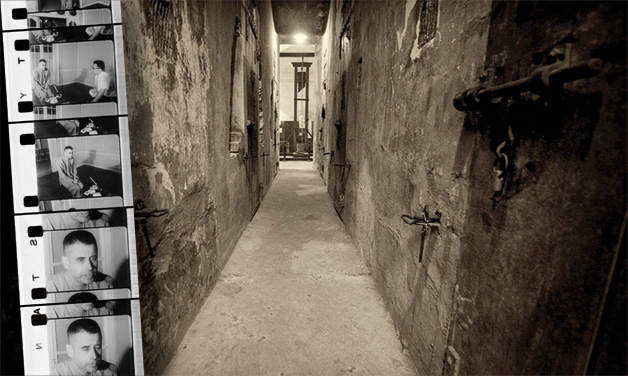
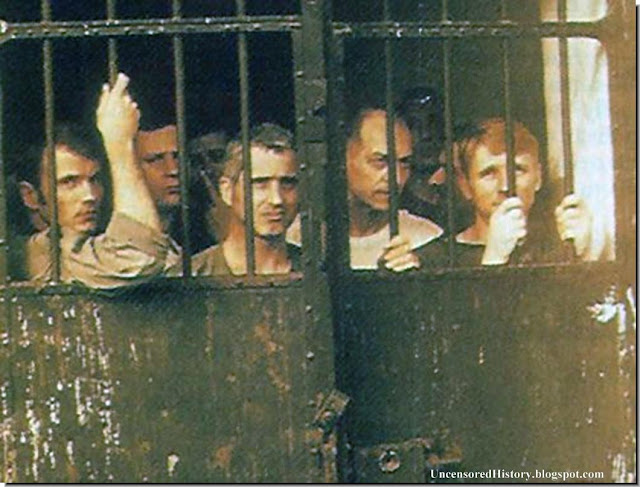
The two were quickly captured and brought to a colonial prison the French used to call, La Maison Centrale. The Vietnamese called this place Hỏa Lò, the name translating as “fiery furnace”. Some Americans called it the Hell Hole but for most, mocking their captors was a technique that helped them survive. They called this place, the “Hanoi Hilton”.

“They beat you with fists and fan belts. They warmed you up and threatened you with death. Then they really got serious and gave you something called the rope trick.”

Jeremiah Denton

Over nearly eight years of captivity, Denton, Tschudy and others endured daily abuse up to and including outright torture. Torments unimaginable but for the most sadistic among us. Shackles on the floor meant for far smaller men caused Americans’ hands to turn black. Lice and cockroaches joined with rats and all manner of vermin to prey on men shackled to the floor, forced to live in their own excrement as they slowly, starved.

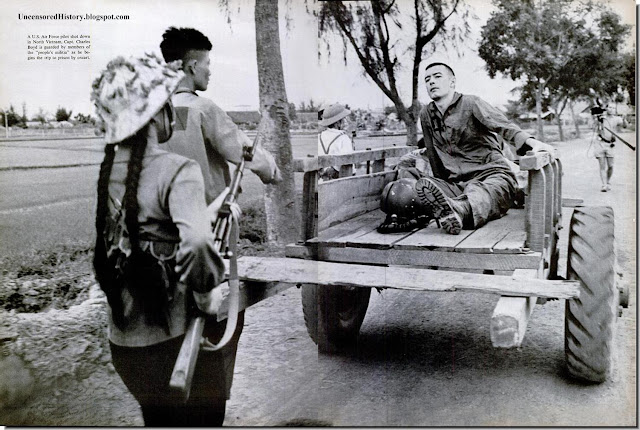
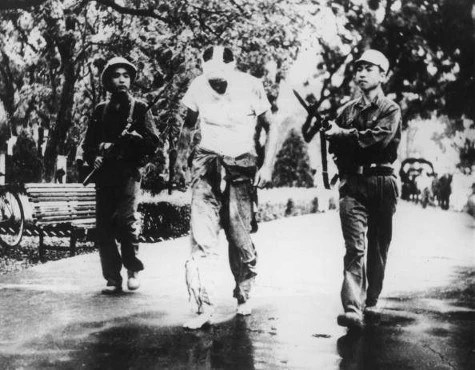
American POW is escorted by North Vietnamese militia

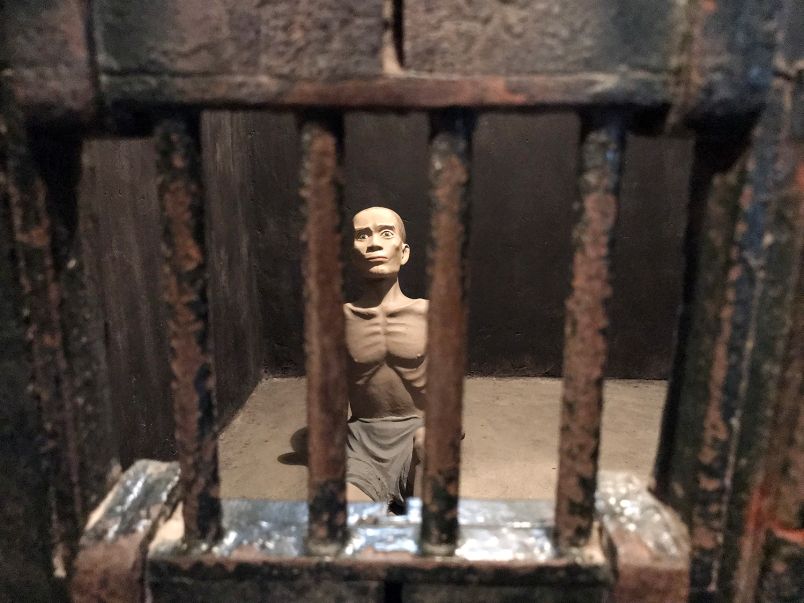
Denton endured eight years of these stinking, fetid cells including periods of solitary confinement, locked day and night in a sweltering box and shackled to the floor of an iron box, measuring 3-feet by nine..

Over 700 Americans were held captive by enemy forces over roughly ten years during the war in Vietnam. 114 did not survive. One of them went on to run unsuccessfully, for President. He can tell you better than I can, what it was like.

And then there were the torture sessions. Let Denton tell his own story about an episode with one guard, he and his fellow POWs called Mickey Mouse.

“Having beaten them in my last two torture sessions in 1966, I thought I could do it again. In an effort to deter the punishment, I wrote Mickey Mouse a note reminding him of my previous success, and said that if they were determined to torture me, they would have to torture me to death. That was a mistake. It was a pledge I couldn’t keep.

The next stage was rear cuffs and leg irons. A guard dragged me around the rough cement floor until the leg cuffs began tearing into my ankles. He jerked me left and right, lifted me by the rear handcuffs – the same mess all over again for hours. Then I was left on the floor for a day.

Mickey Mouse gave me one more chance to write the letter, and again I refused.

In the months since my last torture, the Vietnamese had developed a rig that was unknown to me, and it was the perfect answer to my ability to take pain until passing out. As soon as Mickey Mouse left the room, a guard slammed open the door, and held out a rope and a four-and-a-half-foot pole, pointed at one end.

Two more guards came into the room, and the three of them began tying my wrists and lower forearms together in front of me. They forced my elbows apart and forced my knees between them, and pushed the pole through the hole created by my elbows and knees. Then they tipped me back on my spine and propped my feet on an overturned stool so that my feet were raised about a foot off the ground.

In essence, I was in the fetal position, my thighs pressed against my chest so tightly that I could hardly breathe. My body was tipped at such an angle that most of my weight was on the tip of my spine. The pole was the key to the rig. If the rig was properly tied, I would pass out eventually and fall on my side; the end of the pole would hit the floor and slide out of the rig, easing the pressure on my arms and restoring circulation. The pain that came with the blood circulation would bring me back to consciousness; thus the prisoner couldn’t beat the rig by passing out.

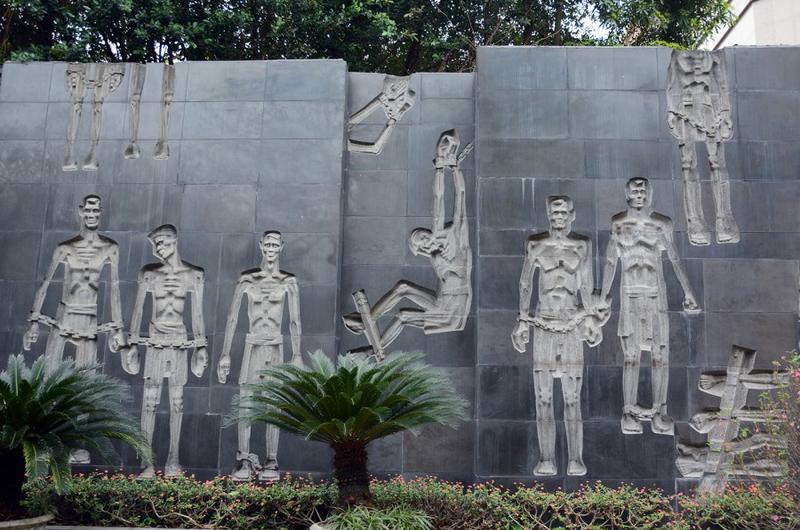
“A stone mural memorializes inmates who were tortured and killed at the former Hoa Lo prison, otherwise known as the Hanoi Hilton, which held Vietnamese revolutionaries and later American prisoners of war”. Hat tip KIM GAMEL/STARS AND STRIPES

“As a POW in the Hanoi Hilton, I could recall nothing from military survival training that explained the use of a meat hook suspended from the ceiling. It would hang above you in the torture room like a sadistic tease — you couldn’t drag your gaze from it. During a routine torture session with the hook, the Vietnamese tied a prisoner’s hands and feet, then bound his hands to his ankles — sometimes behind the back, sometimes in front. The ropes were tightened to the point that you couldn’t breathe. Then, bowed or bent in half, the prisoner was hoisted up onto the hook to hang by ropes. Guards would return at intervals to tighten them until all feeling was gone, and the prisoner’s limbs turned purple and swelled to twice their normal size. This would go on for hours, sometimes even days on end.”

ex-POW, Sam Johnson

Over time, camaraderie became the key to survival. POWs learned to communicate. During his first four months in solitary confinement, Lt. Cmdr. Bob Shumaker noticed one particular inmate, regularly dumping his slop bucket. In a note scribbled out on a scrap of toilet paper and slipped under the door, Shumaker wrote, “Welcome to the Hanoi Hilton. If you get note, scratch balls as you are coming back.” The soldier did as asked and even wrote his own note, identifying himself as Air Force Captain Ron Storz.

“A diorama shows an inmate in solitary confinement at the former Hoa Lo prison, otherwise known as the Hanoi Hilton, which held Vietnamese revolutionaries and later American prisoners of war”. Hat tip KIM GAMEL/STARS AND STRIPES

POWs developed a tap code to warn about particularly sadistic guards, what to expect during interrogations and a hundred other things. They even tapped out jokes. A kick on the wall meant laughter. Air Force pilot Ron Bliss once said the Hanoi Hilton “sounded like a den of runaway woodpeckers.”

In this place each other, was all they had. “I guess they thought if they had a Southern white boy taking care of a black man” Porter Halyburton once told the Washington Post, “it would be the worst place for both of us,” Fred Vann Cherry turned out to be tougher than either man realized, at the time. “It turned out to be the best thing that ever happened to me, said Halyburton”.

Halyburton looked after his injured cellmate, changing the dressings on his infected wounds, feeding him, bathing him and watching over him. “He said I saved his life, and he saved my life. . . . Taking care of my friend gave my life some meaning that it had not had before.

Humbert Roque “Rocky” Versace was a US Army Ranger who planned to become a priest of the Roman Catholic faith , who planned to come back to Vietnam to help the many orphans who had touched his heart. It was a bright and shining future, never meant to be.

Despite terrible injuries and incessant beatings Rocky would crawl away and escape, only to be beaten, yet again. So fluent was he in the tongue of his captors he would berate them and their communist ideology in their own language, humiliating his captors in front of villagers.

Rocky Versace was captured, but never defeated.

Even from solitary confinement Rocky would belt out words of inspiration to his fellow prisoners, sung to the tune of popular songs. Finally his guards had had enough. Rocky Versace was murdered in cold blood and later earned the Medal of Honor, for his defiance.

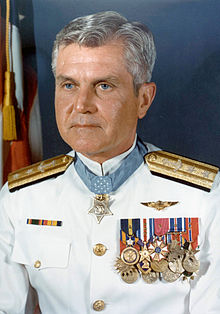
Vice Admiral James Stockdale

In July 1966, Denton and 50 fellow POWs were bound and paraded through the streets of Saigon, beaten and kicked by North Vietnamese civilians, along the way.

And yet some acts of defiance, astonishing even to contemplate. Summoned to appear to appear in a propaganda film to attest to his “good treatment”, Vice Admiral James Stockdale battered his own face with a stool and cut his hands and wrists, rather than appear in such a production. The man was a leader and an inspiration to his fellow captives, for which he too was awarded the Medal of honor.

“We had a war to fight and were committed to fighting it from lonely concrete boxes. Our very fiber and sinew were the only weapons at our disposal. Each man’s values from his own private sources provided the strength enabling him to maintain his sense of purpose and dedication. They placed unity above self. Self-indulgence was a luxury that could not be afforded.”

Vice Admiral James Stockdale

Jeremiah Denton was summoned to produce such a video. Feigning trouble with the bright lights, he blinked out the word T-O-R-T-U-R-E in Morse code.

The stunt earned him no end of abuse when his communist captors figured out what he had done but by that time, it was too late. Somehow the tape made it out. It was the first confirmation of long-standing rumors that American POWs were in fact, being tortured.

Civilian pilot Ernest Cary Brace was the longest serving POW, at 7 years, 10 months and 7 days. Brace’s wife Patricia assumed he was dead and remarried, a fact he learned at the processing station, following his release.

With the war winding to a close, Tschudy and Denton were released on February 12, 1973. The release was part of “Operation Homecoming”, the return of some 591 POWs following the Paris Peace Accords.

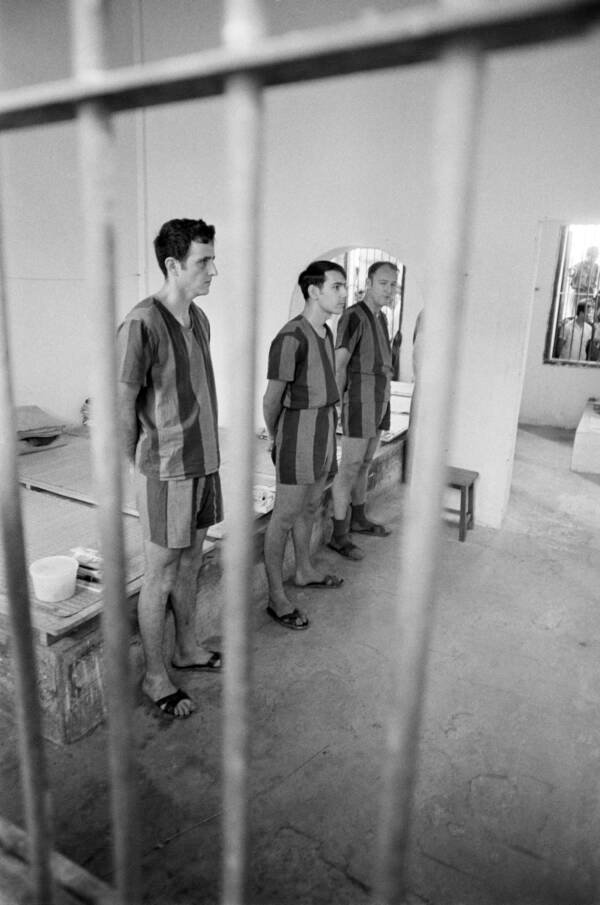
POWs in their cell awaiting release, March 29, 1973

How you or I would endure even a day of such a place is a question, without an answer. Many of them are gone now, those years of abuse surely robbing many of their later years. And yet endure they did.

Jeremiah Denton wrote a book about his experiences called When Hell was in Session, if you want to learn more. James Stockdale, John McCain, Denton and others went on to further service, to the nation. There are those who will tell you some of our POWs, Never came home. All of them, every one, have earned the right to be remembered.

July 16, 1979 Yellow Dirt

To this day the spill at Church Rock remains the US’ worst nuclear disaster, and best kept secret.

They call themselves Diné, (din neh) meaning literally, “the people”. Originally a hunter/gatherer culture, the Diné are believed to have migrated from northwestern Canada and eastern Alaska long before there were such place names, around the year 1400. Mostly hunters and gatherers at this time, they lived in a region known as Dinétah, occupying parts of the modern American states of Utah, Colorado, Arizona and New Mexico.

Over time, the Diné adopted the farming methods of the Pueblo peoples, mainly the “three sisters” of corn, squash and beans. They acquired livestock, sheep and goats mostly, the animals becoming not only food sources but also symbols of wealth, and status. Tewa-speaking pueblo groups called them Navahu, meaning large areas of cultivated land. Spanish settlers knew them as, Navajo.

In the 21st century, many Navajos live a traditional lifestyle including language, religious practices a social structure based on kinship, and locality of residence. Despite the legacy of bitterness resulting from 19th century conflicts between first nations and relative newcomers to the North American continent, Navajos have volunteered for military service in numbers disproportionate to their population.

Shiprock (Navajo: Tsé Bitʼaʼí, “rock with wings” ), located in traditional Dinétah territory (northwestern New Mexico). – H/T Wikipedia

During World War 1 some 10,000 “Indians” including Navajo served the United States armed services both as volunteers, and conscripts. Navajo “code talkers” served a pivotal role during World War 2, building on the work of the Choctaw during the “Great War” and producing secret communications based on native languages, indecipherable to the adversary.

The number four is sacred to the Navajo people. The four cardinal directions of north, south, east and west. The four seasons. The four original clans and the creation story, of four worlds. Four mountains mark the land given to the people of Navajo lore, by the creator. The four day-parts of dawn, day, dusk and night. Four colors correspond to each of four mountains marking the land: the color white for shell, the blue of turquoise, the shimmering black of obsidian and the color yellow, representing but one shade of the multi-colored abalone.

A yellow that most assuredly DOES NOT symbolize, Uranium.

In August 1939, a letter written by physicist Leó Szilárd and signed by Albert Einstein warned President Franklin Roosevelt that Nazi Germany was working to develop a war-winning super weapon. A bomb, capable of obliterating entire cities in a single blast. The American-led effort to produce such a weapon began in 1942, the US Army component of the team at first headquartered in Manhattan. So began the ultra-secret “Manhattan Project” culminating in the Trinity test blast of July 16, 1945 and that famous line from the “father of the atomic bomb” J. Robert Oppenheimer, quoting from the Bhagavad Gita:

“Now I am become death, the destroyer of worlds“.

First used during WW1 to harden the steel hulls of ocean-going vessels, vanadium is often bound with oxygen and other substances in a lemon yellow, radioactive mineral called carnotite. One of the substances contained in this “yellow dirt”, is Uranium.

First identified by German chemist Martin Klaproth in 1789, Uranium is 40 times as common as silver but only rarely found, in concentration. The ancient Romans used the stuff in its natural oxide form as early as the year 79, to add a yellow hue to ceramic glazes.

credit: Getty Images

The Navajo were no strangers to the yellow rocks of the Dinetah, possessed as it is of one of the highest concentrations of such minerals, on the planet. Fed by the need to defeat Nazi Germany, the 1942 “discovery” of yellow dirt on Navajo lands set off a feeding frenzy from which the people, have yet to recover.

Such concentrations were well suited to the work of men and wheelbarrows and Navajo men went to work, as miners. That the stuff was dangerous in high concentrations was well known to mining corporations, military and government officials alike, but no matter. There was a war going on.

The squared-off contours of blasted rock it turned out, made for very fine building material. The by-products of Uranium mines could be used in a cement nearly the equal of concrete, so these unstable, mildly radioactive minerals were concentrated not only in the lives of Navajo miners but also in their homes, in which they built masonry additions. The ovens in which they cooked their bread were often built, using yellow rocks. The clothing of Navajo children playing outside were stained by yellow dust.

Even among those not in daily contact with dangerous minerals many lacked running water, on the reservation. Water resources themselves were often contaminated.

Susan Black, who lost her son Sylvester Stanley to Navajo neuropathy, drank from the open pits during her pregnancy while sheep herding. The grazing territory had been so parched at times they drank from puddles in depressions of the sandstone less than a mile from the mine where uranium residue was everywhere”. Hat tip TeenVogue, and Gail Fisher

World War 2 gave way to the “cold war” but the need for uranium, seemed without end. Sickness and death occurred among the Navajo in numbers disproportionate, to their population. Cancers of the liver, kidney, stomach and lungs. A mélange of symptoms affecting mostly (but not entirely) children received a name, hitherto unheard of: “Navajo Neuropathy“.

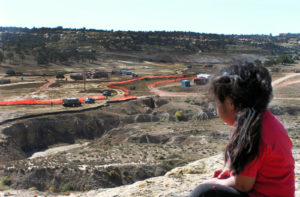
William McCray, 4, overlooks a clean up operation of radium and uranium contaminated soils near his home on Oct. 9, 2009. Uranium mining from the mid-1900s left over 500 unregulated mines scattered once mining stopped in 1986. Photo by Teddy Nez” – H/T indiearizona.com

Helen Nez is but one person, among many. For most of her adult life she drank from a spring located on Navajo lands, in northeastern Arizona. Uranium levels were at least five times greater than safe drinking water standards, but who knew? The stuff has no odor. It has no taste. Helen Nez gave birth, ten times. Four of her children died, as toddlers. Three died as young adults, their bellies bloated, their eyes, turned gray. The last three are all adults now. All of them have serious health problems.

There is barely a parent alive who doesn’t dread the death of their child. Helen Nez lost seven. Thanks to Helen Nez herself and northcountrypublicradio.org for this image

Four generations of Navajo have come and gone since that first discovery, in 1942. Activist types have come, and they went home. Mining company commitments to restore the land to its original form, failed to materialize. Elected officials conducted hearings. Congressmen with familiar names like Waxman and Udall showed seemingly genuine concern, but little came of it. Bureaucratic Washington offered bland and infuriatingly meaningless responses to pointed questions. The EPA even refused assistance to one family whose hilltop home was the victim of “natural” radiation. Until their “hill” was demonstrated to be a pile of mine waste.

By 1977, the discarded by-products of Uranium mines formed piles large enough climb and enjoy the view, but I wouldn’t recommend it. That was the year United Nuclear Corporation took a different approach. A pond.

Mining and crushing up to 4,000 tons of ore daily leaves a prodigious amount of waste. “Yellowcake” is extracted leaving a sandy sludge, called tailings. These may contain up to 85% of the radioactivity, of the original ore. Another byproduct of the acid leach solvent extraction process is called “liquor”, a witches brew containing Thorium-230, Radium-222, Lead-210 and other isotopes.

A 20-foot breach in the Church Rock tailings dam opened around 5:30 on the morning of July 16, 1979 H/T Wikipedia

At 5:30am on July 16, 1979, the dam holding back the Church Rock tailings pond, gave way . A thousand tons of Uranium mill waste and 93 million gallons of acidic, radioactive tailings solution gushed through an ever-widening breach in the dam, down the pipeline arroyo and into the Puerco River, a tributary to the Little Colorado River.

A little perspective on what 93 million gallons looks like.

Was there anyone alive on March 28, 1979, who didn’t hear about Three Mile Island? The New York-Washington media corridor went wall to wall with coverage as they tend to do, with stories that effect them personally.

And yet, the Church Rock nuclear release four months later far exceeded that of Three Mile Island. Ever hear of Church Rock? Don’t feel bad if the answer is no. The “News” just wasn’t that into it. The Navajo Nation requested a disaster declaration from New Mexico Governor Bruce King, in order to facilitate federal assistance with the cleanup. For reasons which remain unclear, the governor refused such a declaration.

Between 1944 and 1986 some 521 mines extracted 30 million tons of Uranium ore from Navajo lands. Most of that was sold to the United States Atomic Energy Commission, until 1966, the only customer.

To this day the spill at Church Rock remains the US’ worst nuclear disaster, and best kept secret.

In 1990, the Radiation Exposure Compensation Act (RECA) was passed into law establishing an administrative framework for compensating victims of radiation, whether from atmospheric nuclear testing or employment in uranium mining. As of April 20 2018, 34,372 claims have been approved with total compensation amounting to $2,243,205,380. On June 7, 2022, the president signed into law the RECA Extension Act of 2022. This law extends the termination of the RECA Trust Fund and the filing deadline for all claims for two years from its date of enactment.

Thus far, several Navajo have received the maximum compensation allowed under the act, of $100,000. Even so. It’s difficult to understand how something like this remains to torment so few, for so many years. All that really matters is results. Everything else is excuses.

Afterward

“The 2020-2029 Ten-Year Plan continues the effort of the previous Five-Year Plans and identifies the next steps in addressing the human health and environmental risks associated with the legacy of uranium mining on the Navajo Nation. The Ten-Year Plan was developed in cooperation with multiple federal partner agencies including Bureau of Indian Affairs, Department of Energy, Nuclear Regulatory Commission, Navajo Area Indian Health Service, and the Agency for Toxic Substances and Disease Registry to incorporate goals and milestones for achieving assessment and cleanup actions”.

EPA.gov

Special hat tip to LA Times journalist Judy Pasternak for her disturbing and important new book, Yellow Dirt. Much of the material in this essay is based on her work.

July 15, 1799 Rosetta Stone

Two centuries after its discovery, the term Rosetta Stone is still used to describe that first clue, leading to new levels of human understanding.

In geologic time, the Holocene epoch refers roughly to the last 11,700 years, a time delineated by the retreat of massive formations which, together, constitute the last of eight glacial periods to occur over the last 740,000 years.

The north of Africa was once wetter than it is now, a vast, green savannah of grasses, lakes and trees with abundant herds of ungulates. The geologic record reflects some of the earliest attempts at agriculture and animal husbandry in this region sometime around the sixth millennium, BC.

The gradual end of this “African humid period” led great numbers of small nomadic and tribal cultures to settle in the fertile Nile River valley where predictable, seasonal flooding supported a cessation of hunter/gatherer sustenance and increased reliance on the growing of food and the raising of domesticated livestock.

This inevitably led to trade among and competition between the various tribes and the growth of some, often at the expense of others. And then at last, there were two.

In the third century BC the Egyptian priest Manetho grouped a long succession of Kings over a period of thirty dynasties, beginning with the mythical King Menes. It is he who united what was then the two kingdoms of upper and lower Egypt.

This early dynastic period gave way to the first of three relatively stable periods in ancient Egypt, separated by long intermediate periods of chaos. These were the Old, Middle and New Kingdoms.

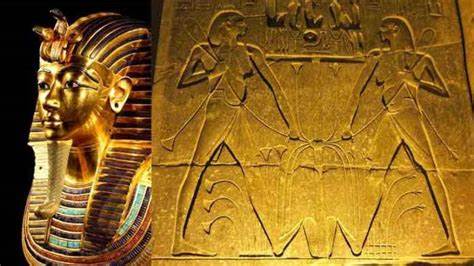
Taken as a whole, ancient Egypt created a system of mathematics, the earliest known peace treaty and a lasting legacy of art, and literature. Innovations in quarrying and construction led to monumental temples, pyramids and statuary inspiring scientific and archeological investigation which lasts, to this day.

It is often forgotten or overlooked in the modern era that, since the time of Alexander, the Ptolemaic rulers of ancient Egypt, were Greek. Ptolemy V rose to power at the age of six (r. 205-180BC) on the death of his father, Ptolemy IV.

The most successful of several violent uprisings against this foreign rule began in upper Egypt in 206BC and lasted for 20 years under the leadership of the last of the Egyptian Pharoahs, Hyrgonaphor (Haronnophris) and Chaonnophris.

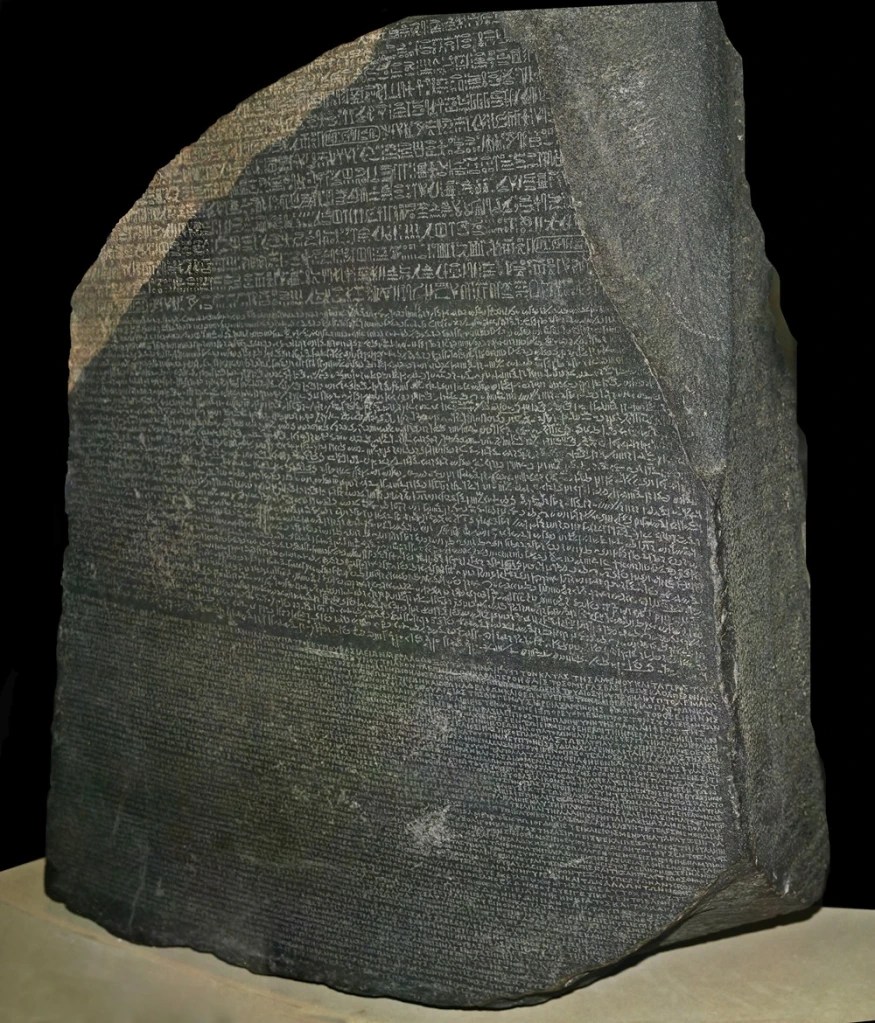
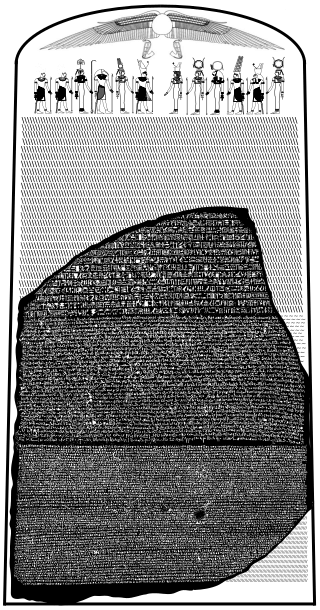
Full restoration of the Ptolomaic dynasty occurred around 196BC, when Ptolomy V was only fourteen. A royal decree was issued by the high priests of Memphis, proclaiming the glorious victory of the young ruler and proclaiming the royal cult of King Ptolomy V Epiphanes. This Memphis Decree was inscribed on a black stone slab believed to measure some 4-feet 11-inches in length, one of several such carved stone stelas erected throughout the region, of the late revolt. Three renditions of the proclamation were carved into the granodiorite stela, the same text rendered in Hieroglyphic, Greek and Demotic script, the ‘language of the people’ itself derived from the much older, Hieratic script.

The Ptolomaic dynasty came to an end with the death of Cleopatra, the Macedonian queen who spoke Egyptian, along with several other languages. There followed in Egypt nearly 700 years of Roman and later Byzantine rule, ending with the Arab Conquests of 639 – 646.

Within three hundred years or so the old language, was dead. These were the Heiratic cursive script most often drawn out with brush and ink on papyrus and the Hieroglyphic system comprising some 900 symbols representing words and sentences most often used for permanent inscription, on stone. The scholar viewing the ancient texts throughout much of the first 2,000 years of the modern era, had no idea what he was looking at.

Rosetta stone superimposed on an artist’s conception of what the original, may have looked like.

French forces led by Napoleon Bonaparte invaded the Ottoman territories of Egypt and Syria in 1798, with an ultimate intention of joining forces with the Indian ruler Tipu Sultan to drive the British from the Indian subcontinent. It was the French Captain Pierre-François Bouchard who discovered this first among a handful of bilingual Hieroglyphic scripts on July 15, 1799 near the ancient city of Rashid (Rosetta) from which the stele derives its name.

The long work of translation began with that of Antoine Isaac Silvestre de Sacy who first deciphered the 32 lines of Demotic script, in the middle.

The work was performed thanks to a knowledge of the Coptic language derived from the ancient Egyptian tongue, and fortified by reference to readily identifiable aspects of the ancient Greek text.

In the ancient city of Thmuis, at Tell Timai in the Nile Delta of northern Egypt, archaeologists have encountered the first tangible evidence corresponding to the time and events of the Great Revolt alluded to on the Rosetta Stone. There, in a layer characterized by broad devastation, a number of pottery kilns (left) were systematically destroyed and later built over. This unburied male human skeleton (right) was discovered lying amid the rubble. It bears unmistakable signs of a violent death“. – Hat tip archaeology.org

On September 27, 1822, French scholar Jean-François Champollion announced the successful translation, of the Rosetta Stone.

Today, large pieces of the original stele are broken away. Much of the original text is lost. Other bilingual and even trilingual inscriptions have since been discovered but this was the first time western scholars were able to peep through that small keyhole into one of the great civilizations, of antiquity.

The Rosetta Stone by The British Museum on Sketchfab – H/T Archaeology.org

Two centuries later the term “Rosetta Stone“ still describes that first clue, leading to new levels of human understanding.

July 8, 1776 The Liberty Bell

In Denver, a group of blind girls were allowed to touch the Bell. One of them wanted to read the letters. You could have heard a pin drop, as a hushed crowd heard a small, sightless girl, pronounce these words:  “Proclaim…Liberty…throughout…all…the…land.”

For thousands of years, bells have rung out to announce religious and civic occasions, weddings, funerals and other public announcements. The rich tones of a well-cast bell is capable of carrying for miles. Great Britain has so many bells, the place has been called the “Ringing Isle”.

The first bell in the city of Philadelphia would ring out to alert citizens of civic events and proclamations, and to the occasional public danger.  Originally hung from a tree near the Pennsylvania State House, (now known as Independence Hall), that first bell  dates back as far as the city itself, around 1682.

Sesqui-bellpostcard001-501x800
Eighty-foot-high replica of the Liberty Bell, built for the Sesquicentennial International Exposition in 1926

The “Liberty Bell” was ordered from the London bell foundry of Lester and Pack in 1752, (today the Whitechapel Bell Foundry), though that name wouldn’t come around until much later.   Weighing in at 2,080 lbs, the bell arrived in August of that year.  Written upon it was a passage from the Book of Leviticus, the third book of the Hebrew Bible; the third of five books of the Torah. “Proclaim LIBERTY throughout all the land unto all the inhabitants thereof”.

Mounted to a stand to test the sound, the first strike of the clapper cracked the bell’s rim. Authorities attempted to return it, but the ship’s master couldn’t take it on board.  The bell was broken into pieces, melted down and re-cast by two local workmen, John Pass and John Stow.

The recast bell used 10% copper, making the metal less brittle.  Pass and Snow bragged that the bell’s lettering was clearer on this second casting than the original. The newly re-cast bell was ready in March 1753, when City officials scheduled a public celebration to test the sound. There was free food and drink all around, but the crowd gasped and started to laugh when the bell was struck. It didn’t break this time, it was worse.  Somebody said the thing sounded like two coal scuttles, banging together.

Humiliated, Pass and Stow hurriedly took the bell away, and once again broke it into pieces, and melted it down.

The whole performance was repeated, three months later. This time, most thought the sound to be satisfactory, and the bell was hung in the steeple of the State House. One who did not like the sound was Isaac Norris, speaker of the Pennsylvania Provincial Assembly.  Norris ordered a second bell in 1754 and attempted to return the old one for credit, but his efforts proved unsuccessful.

157d02a0f0a37536d64b750a91cce3b6
Chief Little Bear with Liberty Bell, 1915

The new bell was attached to the tower clock, while the old one was, by vote of the Assembly, devoted “to such Uses as this House may hereafter appoint.”  One of the earliest documented uses of the old bell comes to us in a letter from Benjamin Franklin to Catherine Ray, dated October 16, 1755: “Adieu. The Bell rings, and I must go among the Grave ones, and talk Politiks.

Legends have grown around the bell, ringing in the public reading of the Declaration of independence on July 4, 1776.  The story is a myth.  There was no such reading on that day.  The 2nd Continental Congress’ Declaration was announced to the public four days later on July 8, to a great ringing of bells.  Whether the old bell itself rang on this day, remains uncertain. John C. Paige, author of an historical study of the bell for the National

Liberty bell, 1908
Liberty Bell, 1908

Park Service, wrote “We do not know whether or not the steeple was still strong enough to permit the State House bell to ring on this day. If it could possibly be rung, we can assume it was. Whether or not it did, it has come to symbolize all of the bells throughout the United States which proclaimed Independence.”

Bells are easily melted down and recast as bullets, and the bell was removed for safekeeping before the British occupation of Philadelphia, in 1777. The distinctive large crack began to develop sometime in the early 19th century, around the time when abolitionist societies adopted the symbol and began calling it “The Liberty Bell”.

The Philadelphia Public Ledger reported the last clear note ever sounded by the Liberty Bell, in its February 26, 1846 edition:

“The old Independence Bell rang its last clear note on Monday last in honor of the birthday of Washington and now hangs in the great city steeple irreparably cracked and dumb. It had been cracked before but was set in order of that day by having the edges of the fracture filed so as not to vibrate against each other … It gave out clear notes and loud, and appeared to be in excellent condition until noon, when it received a sort of compound fracture in a zig-zag direction through one of its sides which put it completely out of tune and left it a mere wreck of what it was.”

The bell would periodically travel to expositions and celebrations, but souvenir hunters would break off pieces from the rim.  Additional cracking developed after several of these trips, and the bell’s travels were sharply curtailed after its return from Chicago, in 1893.

passandstow

With the 1915 World’s Fair about to open in San Francisco, there were discussions of sending the Liberty Bell to California.  The bell had never been west of St. Louis at that time, and the Philadelphia establishment balked. Former Pennsylvania governor Samuel Pennypacker complained that “The Bell is injured every time it leaves…children have seen this sacred Metal at fairs associated with fat pigs and fancy furniture. They lose all the benefit of the associations that cling to Independence Hall, and the bell should, therefore, never be separated from [Philadelphia].”

With the California tour off for now, Philadelphia Mayor Rudolph Blankenburg offered the next best thing. Bell Telephone had just completed a new transcontinental line, 3,400 miles of wire suspended from 130,000 poles. Three hundred dignitaries gathered at Bell offices in Philadelphia and San Francisco on February 11, 1915. With Alexander Graham Bell himself listening in from his own private line in Washington DC, the Liberty bell was sounded at 5pm, with all of them listening in on candlestick phones.

The California trip gained fresh impetus following the May 7 sinking ofn the British liner Lusitania.  A cross-country whistle stop tour was planned for the bell, using the “best cushioned” rail car, in history.

As the nation’s most prominent German-American, Mayor Blankenburg himself came along, delivering “loyalty lectures” to immigrant groups on the importance of devotion to their adopted home country.  “It is important to prepare against a possible foe abroad“, he would say, “….Let us, therefore, abolish all distinctions that may lead to ill feeling and let us call ourselves, before the whole world, Americans, first, last and all the time.”

apr2017_k13_libertybell
“A quarter of the U.S. population (including a girl in Moline, Illinois) turned out for the Liberty Bell”. H/T Smithsonian

The Liberty Bell drew crowds beyond anyone’s wildest expectations.  Fully one- quarter of the American population turned out to see the liberty bell, a generator rigged so the bell could be seen by day or night.  In many cities, those on the train couldn’t see where the crowd ended.

“Big Jim” Quirk, one of the police officers assigned to the train, recalled “In Kansas City, an old colored man who had been a slave came to touch it—he was 100 years old.” When the train pulled into another town, “an aged Mammie hobbled to the door of her cabin near the tracks, raised her hands and with her eyes streaming tears called out, ‘God Bless the Bell! God Bless the Dear Bell!’  It got to us somehow.”

In Denver, a group of blind girls were allowed to touch the Bell. One of them wanted to read the letters. You could have heard a pin drop, as a hushed crowd heard a small, sightless girl, pronounce these words:  “Proclaim…Liberty…throughout…all…the…land.”

Liberty Bell, Atchison, Kansas
Liberty Bell 1915, Atchison, Kansas. H/T Smithsonian Magazine, for this image

The Liberty Bell was enlisted once again in 1917 as the United States prepared to send her soldiers “over there” in the first democratically financed war, in history. Americans hurried to buy up war bonds, far exceeding the national goal of $2 Billion.

Today, two other bells join the Liberty Bell in the Independence National Historical Park in Philadelphia, PA. Weighing in at 13,000lbs, a half-ton for every original colony, the Centennial Bell was cast for America’s 100th birthday in 1876. To this day, this enormous bell rings once an hour, in the tower at Independence Hall.

In 1976, the people of Great Britain presented a gift to the people of the United States, in recognition of the friendship between the former adversaries.  Weighing in at six tons and cast at the same foundry which produced the original bell, the “Bicentennial Bell” was dedicated by her Royal Highness, Queen Elizabeth, II, on July 6, 1976.  On the side of the bell are inscribed these words:

FOR THE
PEOPLE OF THE UNITED STATES
FROM THE
PEOPLE OF BRITAIN
4 JULY 1976
LET FREEDOM RING

Back in 1893, the Liberty Bell passed through Indianapolis.  Former President Benjamin Harrison may have had the last word on the subject, a sentiment fit to be inscribed on the old bell itself, below that verse from the Torah. “This old bell was made in England”, Harrison said, “but it had to be re-cast in America before it was attuned to proclaim the right of self-government and the equal rights of men.

liberty-bell-museum

July 1, 1863 Gettysburg

The “North” came up from the south that day, the “South” approached from the north.  No one wanted the fight to be in Gettysburg, it was more of an accident.

After two years of civil war, the man his soldiers called “Marse Robert” sought to take the war to his adversary. Robert E. Lee intended to do enough damage to create overwhelming political pressure in the North, to end the war and let the South go its own way. Lee had his best cartographers draw up maps of the Pennsylvania countryside, all the way to Philadelphia.  

One hundred and fifty-nine years ago today, the Union and the Confederacy met in the south central Pennsylvania town of Gettysburg.

Joseph “Fighting Joe” Hooker, to whom Lee contemptuously referred as “Mr. F.J. Hooker”, wanted to attack Richmond, but Lincoln ordered him to intercept Lee’s army to protect Washington DC.  Hooker was replaced on the 28th by Major General George Gordon Meade, “that damn old goggle eyed snapping turtle” to his men, in a move that so surprised the general that he thought he was being arrested over army politics, when the messenger came to his tent.

Gettysburg_Battle_Map_Day1
Gettysburg_Battle_Map_Day2
Gettysburg_Battle_Map_Day3

The “North” came up from the south that day, the “South” approached from the north.  No one wanted the fight to be in Gettysburg, it was more of an accident.

What started out as a skirmish turned into a general engagement as fighting cascaded through the town. Confederate forces held the town at the end of the day, with the two armies’ taking parallel positions along a three-mile-long “fishhook” from Cemetery Hill and Culp’s Hill to the north, toward two prominences known as Big and Little Round Top to the south.

Fighting would continue and prove inconclusive at Culp’s Hill on day two, as the two armies stretched their positions toward the Round Tops.

Dan Sickles, the Tammany Hall politician best known for murdering the nephew of Francis Scott Key (he would be the first in American legal history to plead temporary insanity), had been ordered to move his corps into position on cemetery ridge, anchored at Little Round Top. Instead he took his corps a mile forward, into a Peach Orchard, only to be torn apart in the Confederate assault. Some of the most savage fighting of the Civil War took place that day in places like Devil’s Den, the Wheat Field, and bloody run. Sickles himself lost a leg to a cannonball. There was a foot race to the top of Little Round Top, leading to as many as 15 attacks and counterattacks for control of this small prominence at the Union’s extreme left. At the end of the day, the positions of the Armies had not changed.

Picketts Charge

On day 3, the last day, Lee came up the middle. 13,000 Confederate soldiers came across 1¼ miles of open field, to attack the Union Center. The target was a position between a small copse of trees and a corner in a stone fence called the angle. Cannon fire from their left, right and center tore them apart as they pressed on. A battered remnant actually penetrated Union lines: the “high water mark” of the Confederacy. It’s anyone’s guess what would have happened, had 4,000 Confederate cavalry smashed into the Union rear at that point, as Lee seems to have intended. But a 23-year-old general named George Armstrong Custer had waded into them with his 450 Union cavalry, routing the much larger force and very possibly changing history.

Lee withdrew in the rain of the 4th, ending the largest battle of the civil war. Lincoln was convinced that the time had come to destroy the Army of Northern Virginia, but Meade and his battered army did not follow. Lee and his army slipped back across the line and returned to Confederate territory. The most lethal war in American history would continue for two more years.

Years before, then-Secretary of War Jefferson Davis brought some 75 camels into West Texas, to try the creatures out as pack animals. Davis’ camel experiment had been a flop but the King of Siam, (now Thailand), didn’t know that. Seeing the military advantage to the Confederacy, the King wrote to President Abraham Lincoln, proposing to send elephants to help the Union war effort. This “animal arms race” appears to have gotten no further than the King’s one letter to Lincoln but, the imagination runs wild, doesn’t it? What would war elephants have looked like, at Gettysburg?