November 4, 1781 Divas

Händel himself was no slouch when it came to being the Temperamental Artist. He was lucky even to be alive following a furious argument in 1704 when a button was all that stood in the way of the skewering blade of fellow composer, Johann Mattheson.

George III King of Great Britain and Ireland ascended to the throne in 1760 declaring that, “Born and educated in this country, I glory in the name of Britain”. It was his reassurance that, unlike his father and grandfather before him, George III would rule, as an English King.
Kings George I and II were in fact Hanoverian and as such, did not speak English. At least not, fluently. Queen Victoria, that most quintessentially British of monarchs was in fact of German ancestry and spoke German, as a first language. George I, Elector of Brunswick-Lüneburg ascended to the throne of Great Britain and Ireland in August 1714, the first of the British Kings, from the House of Hanover.

The German composer George Frideric Händel was well known by this time, in German and Italian opera. He became Kapellmeister to the German prince in 1710, “Master of the Chapel Choir”. Chorale works Händel composed around this time for Queen Anne and the young and wealthy “Apollo of the Arts” Richard Boyle made it almost natural, that Händel would settle in England.

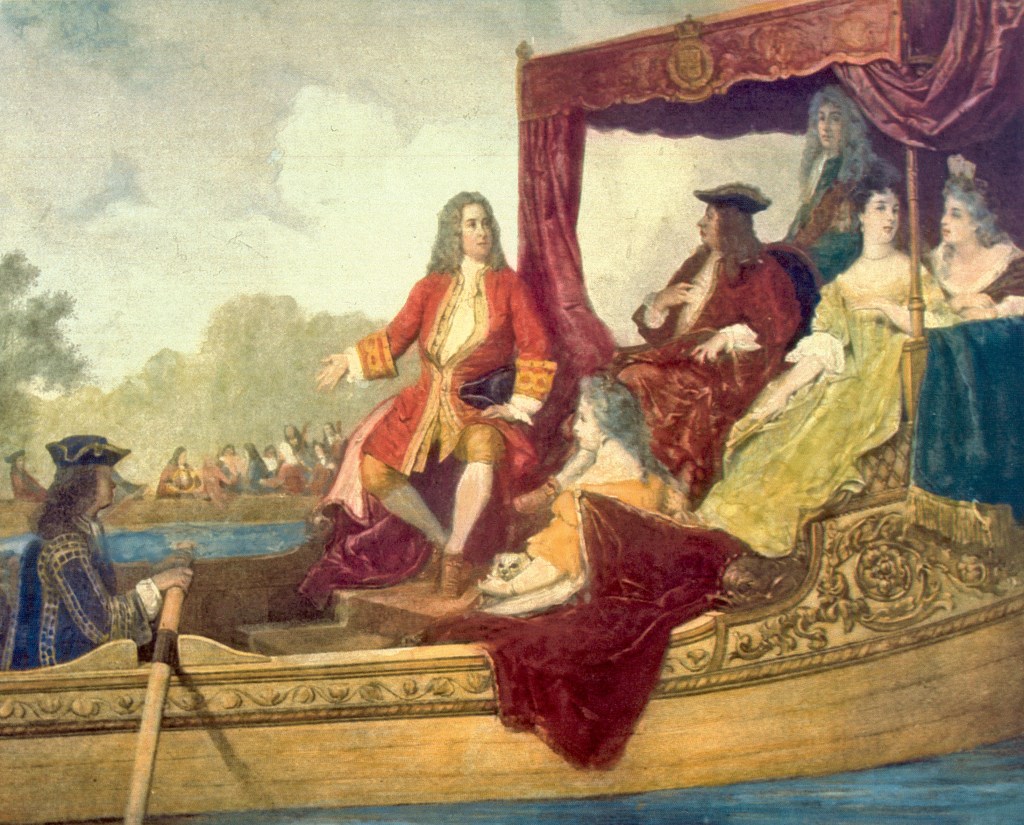
George I enjoys the River Thames with George Frideric Händel, in 1717

In Italian opera, a prima donna is the leading female singer in the company, the “first lady” opposite the male lead or primo uomo. Usually (but not always) a soprano, prima donne could be demanding of their colleagues with grand and sometime insufferable personae both on- and off-stage. Opera enthusiasts would divide into opposing “clubs” supporting or opposing one singer, over the other. The 19th century rivalry between fans of Maria Callas and Renata Tebaldi is an infamous example despite a personal friendship, between the two singers. When prima donne detest one another pandemonium, is sure to follow.

Händel’s work was popular in Georgian era society, so much so he was given free reign to hire his own performers. One such was Francesca Cuzzoni, a fiery soprano with the reputation as being among the greatest, of 18th century divas. Unkindly described by one opera historian as “doughy” and plain, a “short, squat” performer she nevertheless sang, with the voice of the angels. Widely regarded as one of the finest Sopranos in all Europe Händel hired Cuzzoni, in 1722.

Händel himself was no slouch when it came to being the Temperamental Artist. He was lucky even to be alive following a furious argument in 1704 when a button was all that stood in the way of the skewering blade of fellow composer, Johann Mattheson.

On rehearsal for her London debut, Cuzzoni became furious over one aria claiming the role was written, for someone else. She refused even to perform when Händel, a great bear of a man physically picked the woman off the ground by her waist, and threatened to throw her out a window.

Problem solved.

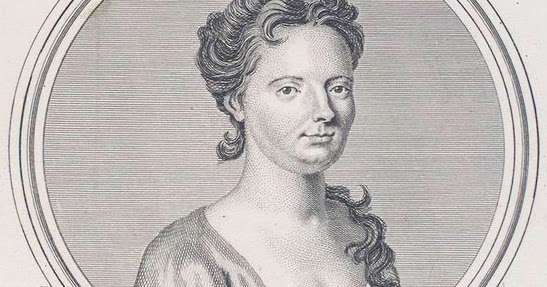
Francesca Cuzzoni, by James Caldwall

Francesca Cuzzoni went on to become a smashing success, for four years the undisputed Queen, of the London opera. In 1726, Händel sought to capitalize on this success and reached out to his Italian agents, for a second Star. So it was the mezo-soprano Faustina Bordoni was hired, for the following season.

Younger and considerably more attractive than the older Cuzzoni the pair had been rivals, back in Italy. Notwithstanding, Händel and other composers wrote a series of operas featuring a two-female lead taking great care to give the two, equal prominence.

You know where this is going, right?

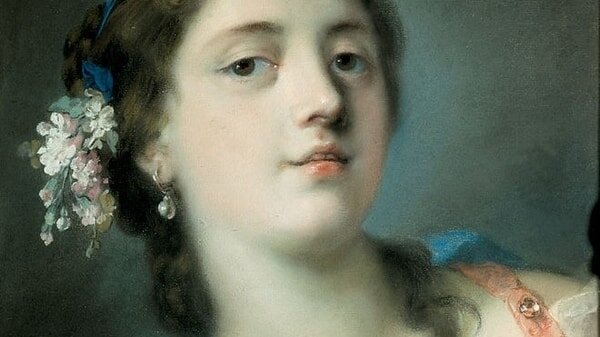
Faustina Bordoni pastel, in 1724

Baroque opera loved nothing more than a love triangle and the two were often cast, as rivals for the affections of one man. The degree to which the two divas’ professional rivalry bled into their personal lives is a matter of some discussion but the behavior of their fans, is not.

The “clash” between the two soon became public knowledge. Opera-going aristocrats began to take up sides enthusiastically egged on, by the press. Society ladies would dress in the respective fashion of their particular heroine and hiss and catcall, at the appearance of the other.

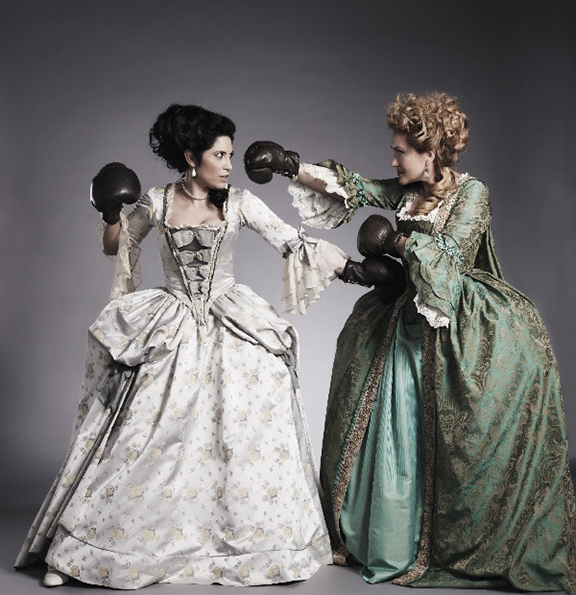
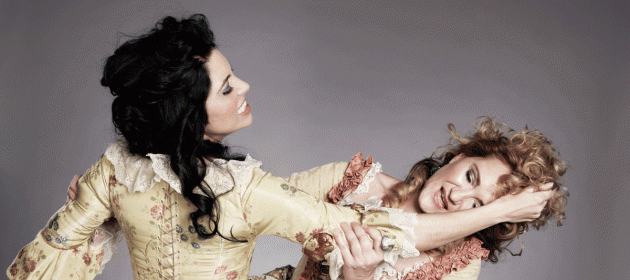
Things got out of hand during a performance of Bononcini’s Astianatte. Fights broke out among the audience when Cuzzoni turned and unleashed a torrent of Italian invective, at her rival. The pair hurled insults at one another. You know the words. These two, knew ALL of them them. Verbal combat soon became physical the performance, be damned. The scene beggars the imagination. A wild west bar fight in stalls and stage alike as two divas tore at each other’s costumes, and pulled each other’s hair.

In the end, the two were physically dragged from the stage their performance, abandoned.

Theater management canceled Cuzzoni’s contract. King George would have none of that and threatened to withdraw their allowance, and that was the end of that. The two divas kept an uneasy truce for the following season, but something had to give.

In the end, Faustina Bordoni was offered a guinea more for the 1728 season. One schilling, one pence. Predictably, Francesca Cuzzoni threw a tantrum and immediately resigned, and returned to Italy.

Faustina Bordoni lived on to a happy and prosperous old age and died on November 4, 1781. No so Francesca Cuzzoni who faded into poverty and obscurity eking out a living it is said, making and selling, buttons.

Back in 1728, theater management dearly wished the whole sorry mess would just go away. No such luck. John Gay’s Beggar’s Opera was a smash hit that season, “the most popular play of the eighteenth century” satirizing Italian opera with its perpetually feuding heroines Polly Peachum, and Lucy Lockit.

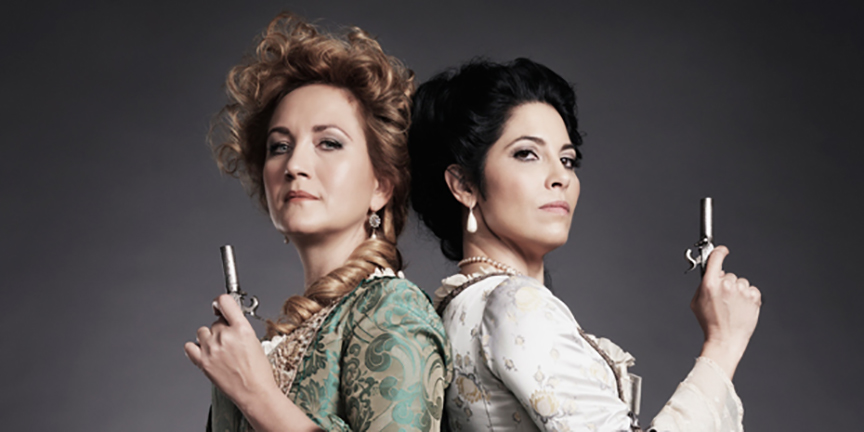
Hat tip “Rival Queens” featuring Simone Kermes, and Vivica Genaux

November 3, 1752 Quacks

As for the man who blinded Händel and all but murdered Bach, he worked most of his 72 years blinding hundreds of unfortunates before he himself, lost his sight. The English writer Samuel Johnson later described the man’s life as “an instance of how far impudence may carry ignorance.”

From Brahms to Beethoven, Mendelssohn to Mozart, German composers have formed the core and the nucleus, of western music. And not just the classical stuff. Frankfurt-born Hans Zimmer has composed scores for over 150 different films including The Lion King, the Pirates of the Caribbean series, Gladiator, and the Dark Knight trilogy. The German-born Persian composer Ramin Djawadi may not be a household name but we know his scores for the 2008 Marvel film Iron Man and season 7 of Game of Thrones, both nominated, for Grammy Awards. The German-American singer/songwriter Henry John Deutschendorf Jr. may not be a household name but his stage name certainly is. We remember him, as John Denver.

1685 was a good year for German composers, George Frideric Händel born on February 23 in Halle and Johann Sebastian Bach barely a month later, in Eisenbach. Bach’s father Johann Ambrosius was a 7th generation musician and encouraged the boy, to learn the violin. Not so Händel ‘s father. A respected barber-surgeon aged 63 at the time of Händel’s birth to his second wife Dorothea, Georg expected his son to study civil law.

Little George found means to smuggle a clavichord into an attic room where he would steal away to practice, while his parents slept.

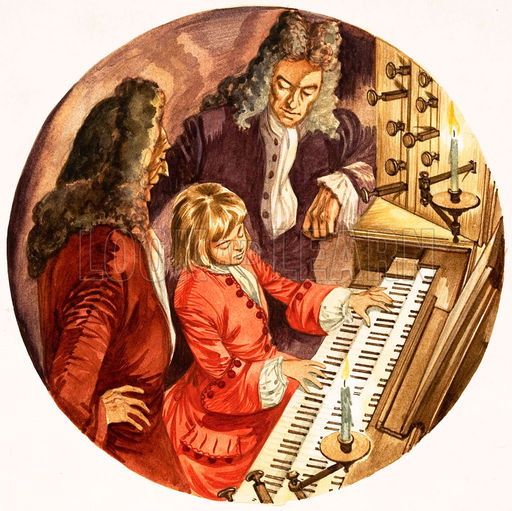
The boy was yet to turn ten when he accompanied his father to the court of the Duke of Johann, Adolf I. Somehow, George found himself on the organ stool and, when he began to play, Georg could only wonder where THAT came from. The Duke was so impressed he persuaded his father to allow him to study music and the rest, is history.

J.S. Bach was only ten when he lost both of his parents, only eight months apart. It was an uncle, Johann Christoph, who introduced the boy to the organ. Like Händel , Bach went on to become one of the most prolific composers of the Baroque era.

From 1727 to this day the anthem Zadok the Priest is performed at coronation ceremonies, of British royalty. The magnificent strains of George Frideric Händel’s “Messiah” and Johann Sebastian Bach’s “Christmas Oratorio” are favorites, of the Christmas season.  And yet there is another, darker connection between the two men. While the two never met both composers were blinded, by the same quack physician.

In the Dutch language a kwakzalver is a seller of cures, nostrums and potions of dubious origin, and little efficacy.   In 1665 an outbreak of Bubonic Plague ravaged London causing doctors to flee by the score leaving quacksalvers and charlatans to pray on the vulnerable, and the fearful.

So bad was it Daniel Defoe, author of Robinson Crusoe, penned the following: 

“Infallible preventive pills against the plague.” “Neverfailing preservatives against the infection.” “Sovereign cordials against the corruption of the air.” “Exact regulations for the conduct of the body in case of an infection.” “Anti-pestilential pills.” “Incomparable drink against the plague, never found out before.” “An universal remedy for the plague.” “The only true plague water.” “The royal antidote against all kinds of infection”;—and such a number more that I cannot reckon up; and if I could, would fill a book of themselves to set them down.

Daniel Defoe

British surgeon Dale Ingram remarked: “Every one [of the quacks in London] was at liberty to prescribe what nostrum he pleased, and there was scarce a street in which some antidote was not sold, under some pompous title.”

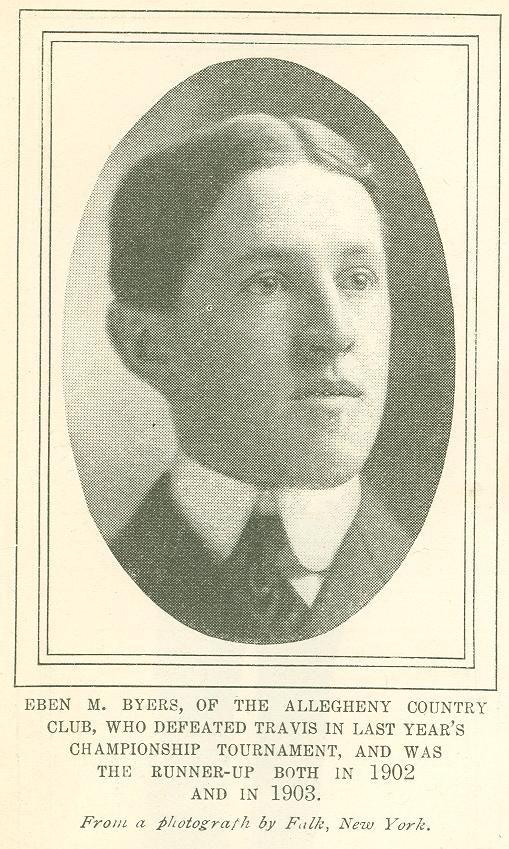
Clark Stanley claimed to have studied with native Hopi shaman and learned the medicinal benefits, of snake oil. The original snake oil salesman made a tidy sum until the US Congress passed the Pure Food and Drug Act, in 1906. In 1917, investigators discovered that Stanley’s elixir was nothing but ordinary mineral oil and beef fat flavored with red pepper, and turpentine. William Bailey’s RadiThor, a nostrum for the cure of erectile dysfunction was basically radium, dissolved in water. Ebenezer Byers, the wealthy Pittsburgh industrialist who won the 1906 US Amateur golf tournament was so enamored of the stuff he drank two to three bottles, every day. The federal government shut RadiThor down in 1932 but not before Byers met a horrible end, his skeleton destroyed and much of his skull eaten away, his jawless body buried, in a lead lined coffin. In 1822, British businessman James Morrison cured his own “inexpressible suffering” with a home made vegetable pill said to cure, whatever ails you. Morrison’s “vegetable universal medicines” were roundly criticized by the medical establishment of the time, but that didn’t seem to hurt business. In 1836 one of Morrison’s resellers was convicted of manslaughter when the post-mortem of one unfortunate revealed a belly full of Morrison’s pills, to be the cause of death.

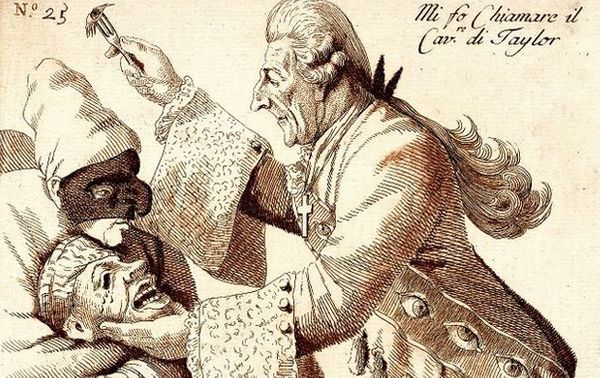
Which brings us to John Taylor and no, I’m not talking about the founding member, of Duran Duran. The self-styled “Chevalier” (knight) John Taylor was an oculist, Royal Eye Surgeon to none other than Britain’s King George, II.

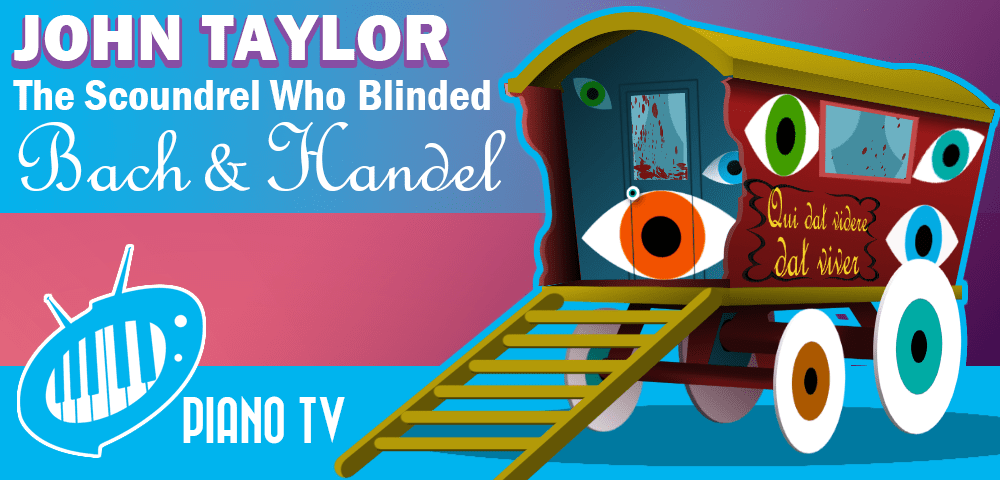
Flamboyant, egotistical and utterly without principle, Taylor would ride into town in a horse drawn carriage painted with images of eyes and the words qui dat videre dat vivere (giving sight is giving life), painted on the side. Victims err, I mean patients of this Baroque era ShamWow pitchman were instructed to leave the bandage on for seven days, plenty long enough for the good doctor to get paid, and leave town. When he wasn’t busy writing his two-volume autobiography “The Life and Extraordinary History of the Chevalier John Taylor”, Taylor would ride into town and deliver a speech on a street corner before performing surgery. On the street corner. In an age before anesthesia with little conception of bacteria the idea was to get in and out, as quickly as possible.

Bach was losing his sight when he underwent the first of two unsuccessful surgeries. After the second, the composer developed a painful post-operative eye infection. Unsurprisingly, a ‘cure’ of laxatives and bleeding did little to relieve the symptoms. Johann Sebastian Bach died of his infection, just a few months later.

Händel was suffering with cataracts when he met the good doctor. Taylor performed a “couching” of the lens on this day in 1752, the insertion of a sharp hook to dislodge the lens and push it down, to emit light. On those few occasions where the procedure succeeded the patient would wear enormous, thick glasses to compensate, for the rest of his life. The other 70 percent including Mr. Händel …went blind.

The man who blinded Händel and all but murdered Bach worked most of his 72 years blinding hundreds of unfortunates before he himself, lost his sight. The English writer Samuel Johnson described the man’s life as “an instance of how far impudence may carry ignorance.” Today the name of John Taylor is all but forgotten, while the works of Bach and Händel live on, after all these centuries.

There’s a reason they call this stuff…Classical.

November 2, 1985 The Curse of Harlan Sanders

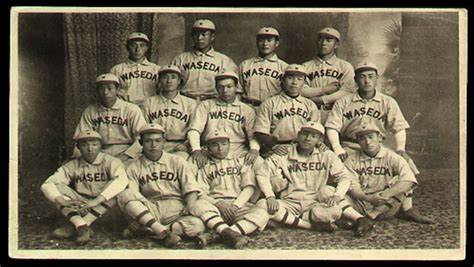
Much has been written of the rise of imperial Japan and the military officers, who brought the nation to war. How different the 20th century might have turned out had those guys picked up baseball, instead.

Baseball as we know it was introduced to the nation, in 1872. To this day, the game remains the most popular sport in the country for participants and spectators, alike. In 1907, Ambassador to the United States Tsuneo Matsudaira commented: “the game spread, like a fire in a dry field, in summer, all over the country, and some months afterwards, even in children in primary schools in the country far away from Tōkyō were to be seen playing with bats and balls“.

Did I neglect to mention? The nation we’re talking about, is Japan.

Professional baseball got off to a rocky start in 1920s Japan and continued to flounder, until 1934. That’s when media bigwig Matsutarō Shōriki pulled off a “goodwill tour” with an all-star American team.

“The [1934] party included future Hall of Famers Earl Averill, Lou Gehrig, Charlie Gehringer, Lefty Gomez, Connie Mack, Foxx and Ruth, along with several other American Leaguers (asked to accompany the tour when the National League forbade its stars from coming along). Even Moe Berg, the big league catcher who would eventually work as a United States government spy, was a member of the ball playing entourage”.

H/T baseballhall.org

Much has been written of the rise of imperial Japan and the military officers, who brought the nation to war. How different the 20th century might have turned out had those guys picked up baseball, instead.

The first Japanese professional league was formed in 1936, becoming large enough to split into two leagues in 1950, the Central and Pacific.

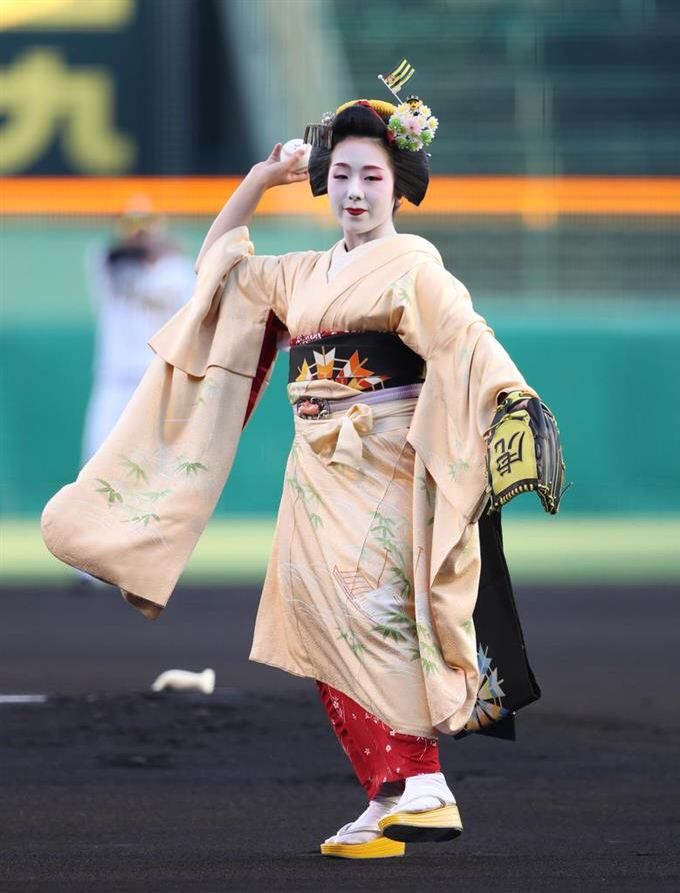
Today, the Kansai region of Honshu is the 2nd largest metropolis, in all Japan. That’s where you’ll find the Hanshin Tigers, those perennial underdogs of Nippon Professional Baseball and arch-rival to the Yomiuri Giants of Tokyo, widely regarded as the kings, of Japanese baseball.

As a life-long Red Sox fan, this story is beginning to sound familiar.

November 2, 1985 was a time of unbridled joy for delirious Tigers fans, following Hanshin’s 6-2 drubbing of the Seibu Lions to win the ultimate prize, the Japan series pennant, of 1985.

Now you may not know this, but the Japanese people are crazy, about Kentucky Fried Chicken. Japan is the third largest market on the planet for the Colonel’s yard bird, #3 only behind the United States and China. Not bad for a fast food outfit that opened its first Japanese franchise on July 4, 1970.

Which brings us back, to baseball.

The Boston baseball fan is well acquainted with the “Curse of the Bambino”, the 86-year World Series championship drought, second only to the “Curse of the Billy Goat” denying victory to long-suffering Cubbies fans, for 106 years.

Since 1985, Japanese mothers have scared wayward children into acting right with the curse, of Colonel Sanders.

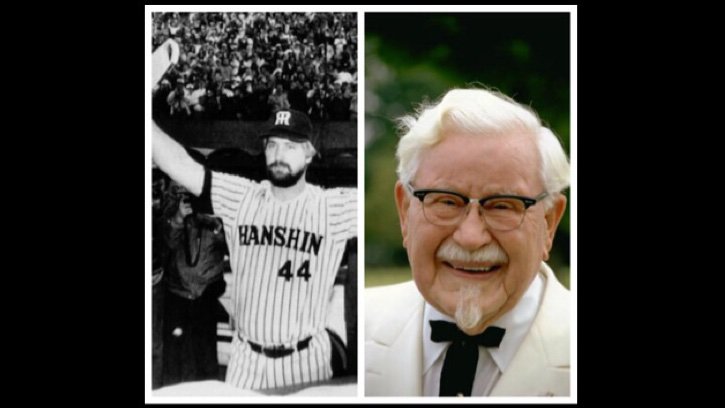
The Hanshin club emerged victorious in 1985, due in large part to the efforts of American slugger, Randy Bass. Delirious after unexpected victory in game one and superstitious as baseball fans the world over, Hanshin supporters gathered at the Ebisu Bridge over the Dōtonbori river in Osaka, to partake in one of the most bizarre spectacles, in the history of sports.

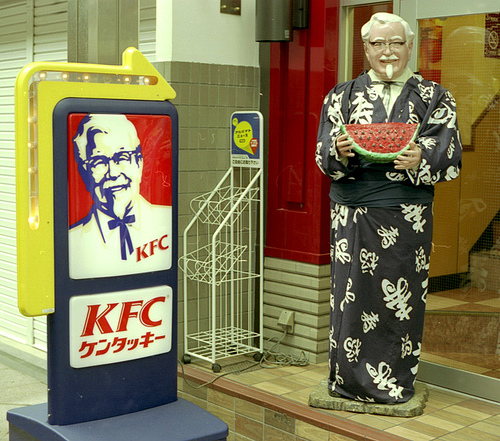
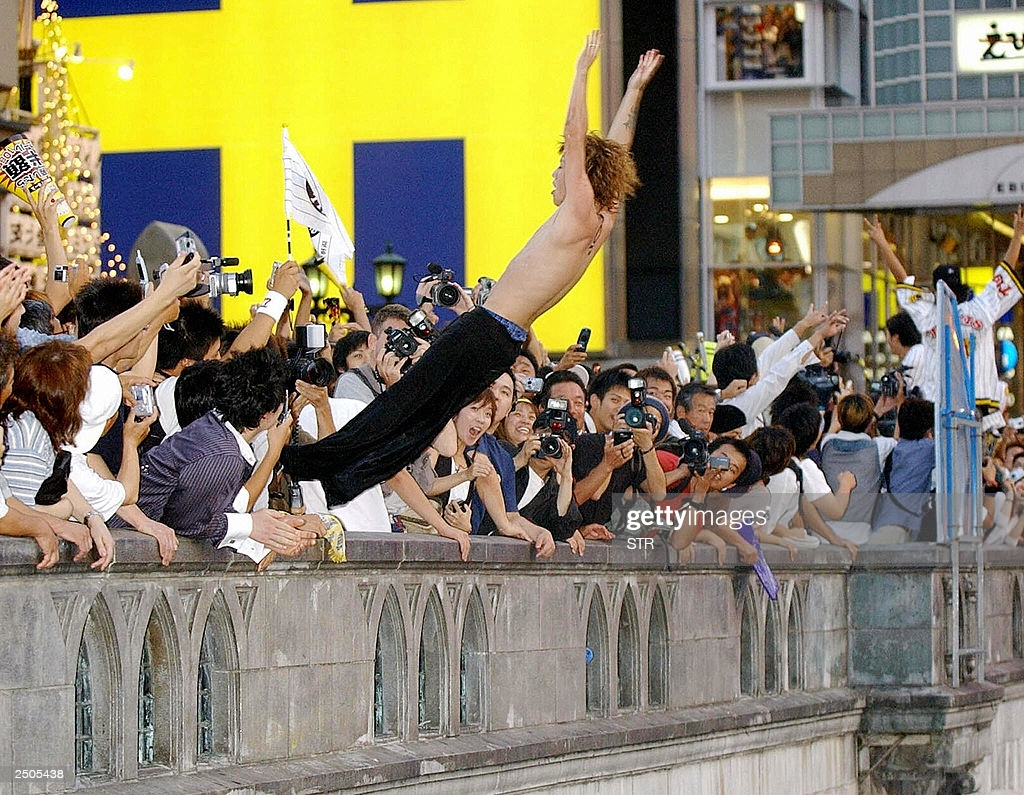
Fans would shout out the names of Tigers players and someone who resembled that player, even vaguely, would jump into the river. There being no Caucasians in attendance to represent Mr. Bass, the crowd took hold of a storefront statue of Harlan Sanders, and threw it into the River.

A young fan of the Hanshin Tigers dives into the Osaka river to celebrate the team’s first league championship win in 18 years 15 September 2003. Tigers defeated Hiroshima Carp 3-2. AFP PHOTO/JIJI PRESS (Photo credit should read STR/AFP via Getty Images)

What the hell. They were both white guys and they both wore beards, right?

Thus began the curse of Colonel Sanders, a losing streak brought on by the ghost of a man who didn’t appreciate being tossed, into a river. Brief rallies in 1992 and again in ’99 brought hope once again to the Hanshin faithful, (gosh, this story sounds Really familiar now), only to have cruel fate, block the way. Repeated efforts were made to retrieve the Colonel from the river, only to be met, with failure.

The curse, dragged on.

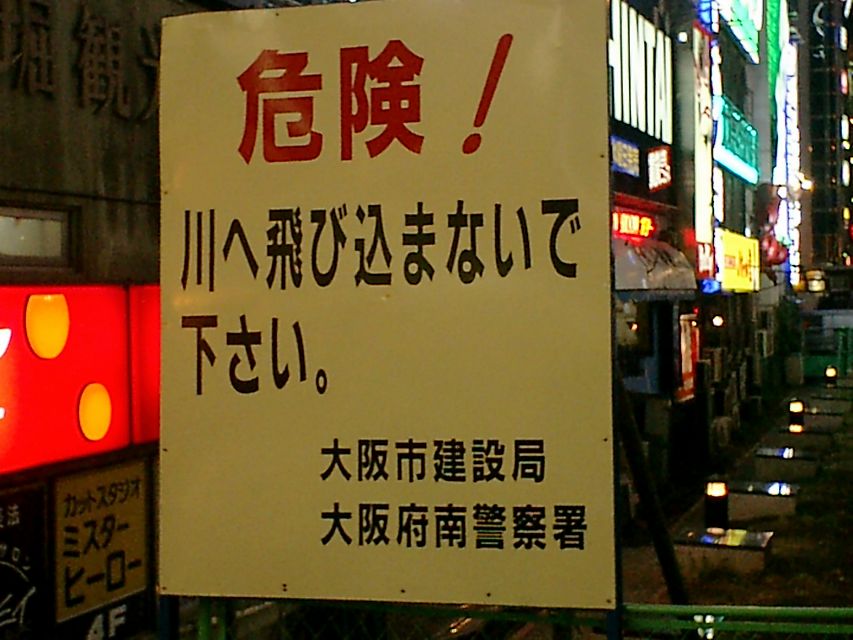
“Dangerous! Do not dive into this river. Osaka Regional Development Bureau and Osaka-Minami Police station” sign at the new Ebisubashi bridge H/T Wikipedia

The joy of victory smiled upon the land of Hanshin once again in 2003, when Yomiuri Giants MVP Hideki Matsui was traded to the New York Yankees, clearing the way to a Central League pennant for Hanshin. Even so, final victory remained elusive. The Japan series went to the Fukuoka Daiei Hawks that year, in 7 games.

Celebration turned to tragedy that year, when thousands of Tigers fans jumped into the river. 24-year-old Masaya Shitababa, drowned. The Osaka city council ordered construction of a new bridge over the Dōtonbori beginning in 2004, making further such jumps, next to impossible.

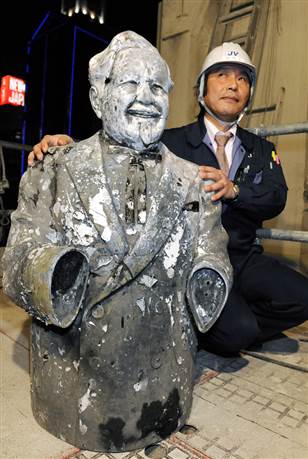
Divers discovered the upper part of Harlan Sanders’ statue on March 10, 2009 and the lower piece, the following day. And yet one hand and the Colonel’s eyeglasses, were nowhere to be found.

Colonel Sanders’ left hand and spectacles remain missing to this day and the KFC where it all started, is closed and gone forever. The October 26, 2021 English language edition of thehanshintigers.com blog mournfully reports: “Game 143 vs. Dragons: Lifeless Last Game, Pennant Lost”. So it is for long suffering fans of the Hanshin Tigers. The curse of Colonel Sanders, lives on.

Image.jpeg

November 1, 1945 X-Day

For years, everyone believed that semi-submersible craft in Fall River must have been a kamikaze vessel, from World War 2. The story that funny little boat had to tell was very different. The tale of a history, that never was.

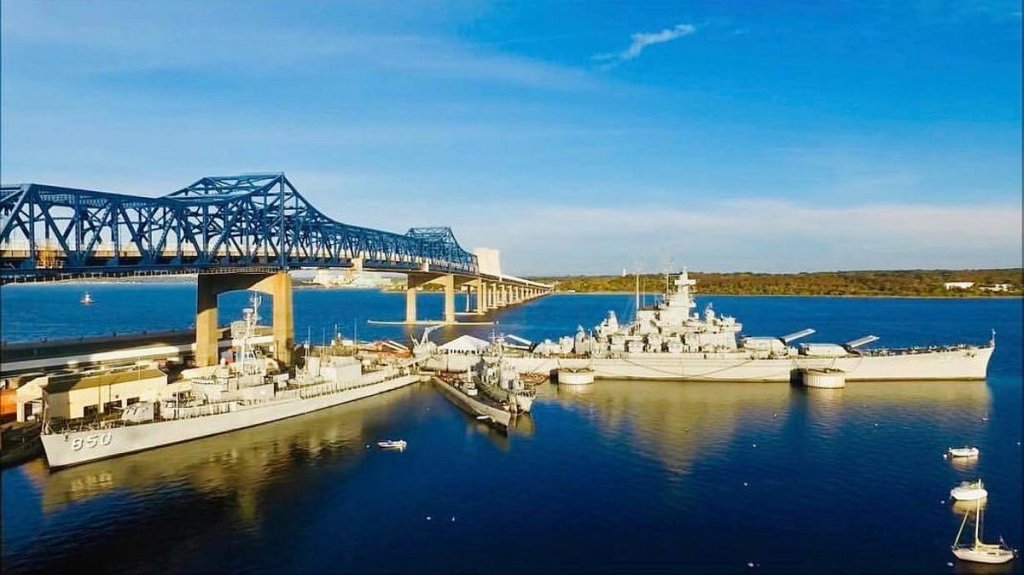
If you’re ever in southeastern Massachusetts, be sure to visit Battleship Cove in Fall River, the largest collection of World War 2 naval craft, in the world. The Battleship Cove museum sports some sixty exhibits, preserving the naval heritage of these iconic vessels and the veterans who served them.

To inspect battle damage visible to this day on the decks of USS Massachusetts is to realize United States armed forces once exchanged shots in anger with our French ally, at a place called Casablanca. The attack sub USS Lionfish once performed “lifeguard duty”, the rescue of downed fliers, off the coast of Japan. Her captain was Lieutenant Commander Edward D. Spruance, son of Admiral Raymond Spruance who commanded US naval forces during one of the most significant naval battles of the Pacific, the battle of the Philippine Sea.

To walk aboard USS Massachusetts or USS Lionfish, is to experience a side of WW2, fast disappearing from living memory.

Battleship Cove

Walk among the wooden-hulled PT boats of the Pacific war, and there you will find a strange little craft. One of three planned for and only two, ever built. Closed at the top and semi-submersible, a Japanese kamikaze boat perhaps, designed for suicide missions against allied warships. Museum management believed just that and mislabeled the display, for years.

The other it turns out is on display at Central Intelligence headquarters, at Langley, Virginia. Years later a retired CIA employee visiting Battleship cove spotted the error. CIA files declassified in 2011 added detail to a very different story, from that of Japanese suicide vessels.  To the tale of a history, that never was.

On August 2, 1939, Hungarian physicist Leó Szilárd delivered a letter which would change history, to President Franklin Delano Roosevelt. Written in consultation with fellow Hungarian physicists Edward Teller and Eugene Wigner and signed by Albert Einstein, the letter warned that Nazi Germany was working to develop atomic weapons, and urged the American government to develop a nuclear program of its own.  Immediately, if not sooner.

The Einstein–Szilárd letter spawned the super-secret Manhattan project, culminating in the atomic bombs “Little Boy” and “Fat Man”, and ending the war in the Pacific in August, 1945.

At the time, precious few were aware of even the possibility of such a weapon.  Fewer still, the existence of a program dedicated to building one.  Vice President Harry Truman, second only to the Commander in Chief himself, was entirely ignorant of the Manhattan project and only read in following the death of the President in April, 1945.

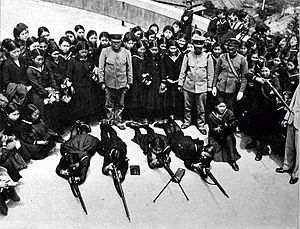
Female students with the Kokumin Giyū Sentōtai, the Volunteer Fighting Corps, prepare for the Allied projected invasion

The battle for the Japanese home islands was expected to be a fight like no other. Casualties of a million or more were expected, and for good reason. Japanese soldiers fought with such fanaticism, that hundreds continued to resist, years after the war was ended. The last holdout wouldn’t lay down his arms until 1974. 29 years, 3 months, and 16 days after the war had ended.

Such frenzied resistance would not be isolated to Japanese military forces, either. Japanese government propaganda warned of “American devils raping and devouring Japanese women and children.” American GIs looked on in horror in 1944, as hundreds if not thousands of Japanese soldiers and civilians hurled themselves to their death, at Laderan Banadero and “Banzai Cliff” on the northern Mariana island of Saipan. One correspondent wrote with admiration of such mass suicides, praising “the finest act of the Shōwa period”… “the pride of Japanese women.”

This is what their government, had taught these people to believe.

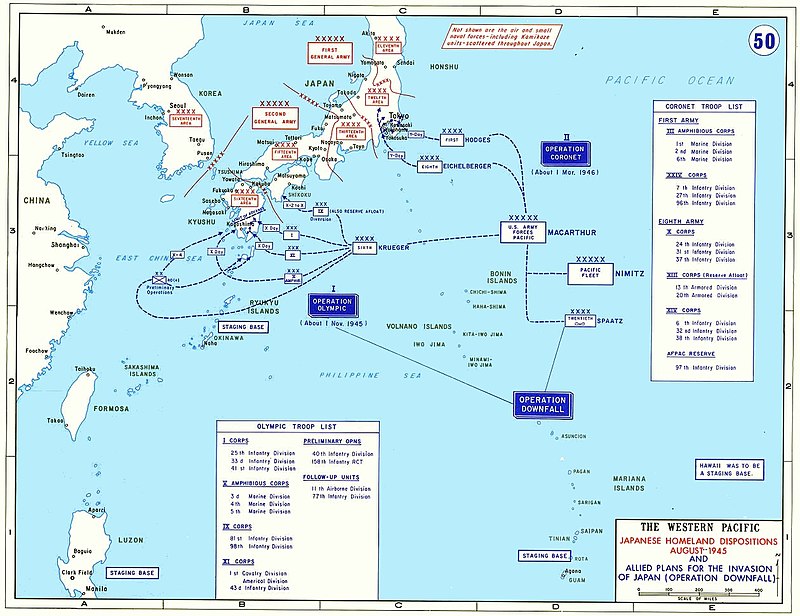
Plans for the final defeat of the Imperial Japanese Empire all but wrote themselves, phase one launched from the south against the main island of Kyūshū, and using the recently captured island of Okinawa, as staging area.  Phase two was the planned invasion of the Kantō Plain toward Tokyo, on the island of Honshu.

Adobe ImageReady
Operation Downfall

The story of the D-Day invasion begins with deception, a massive head fake intended to draw German defenders away from intended landing zones. “Operation Downfall” offered no such opportunities, for deceit. Geography dictated the method of attack, and everybody knew it. Virtually everything left of Japanese military might would be assembled for the all-out defense of Kyūshū, against what would be the largest amphibious invasion, in history.

This was to be a full frontal assault with no subterfuge and nowhere, to hide.

American military planners ordered half a million Purple Hearts, in preparation for the final invasion of the Japanese home islands. To this day, military forces have yet to use them all. As of 2003 some 120,000 Purple Heart medals still remained, in inventory.

The whole thing would begin on “X-Day”.  November 1, 1945.

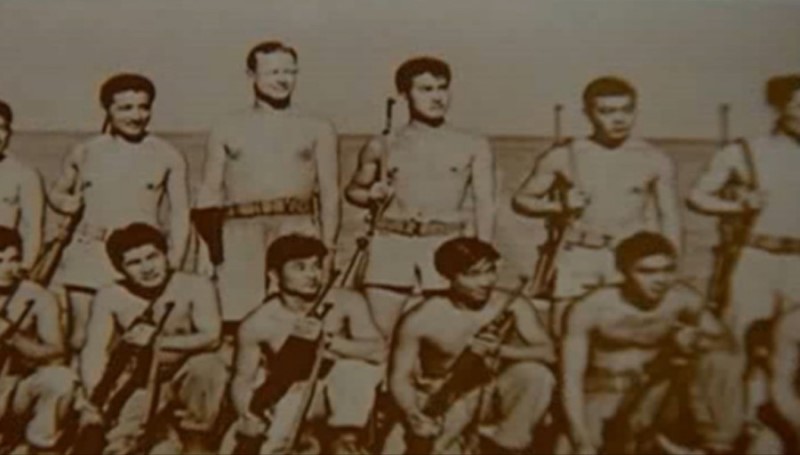
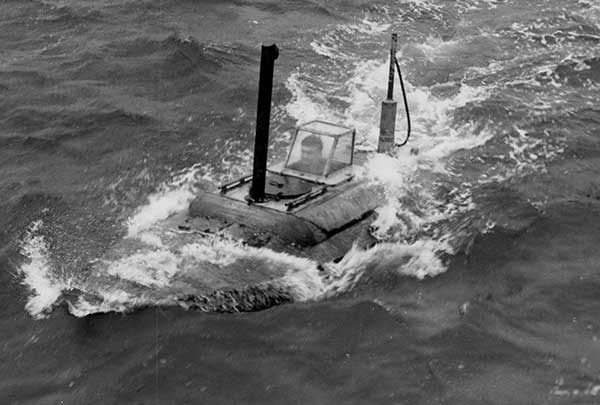
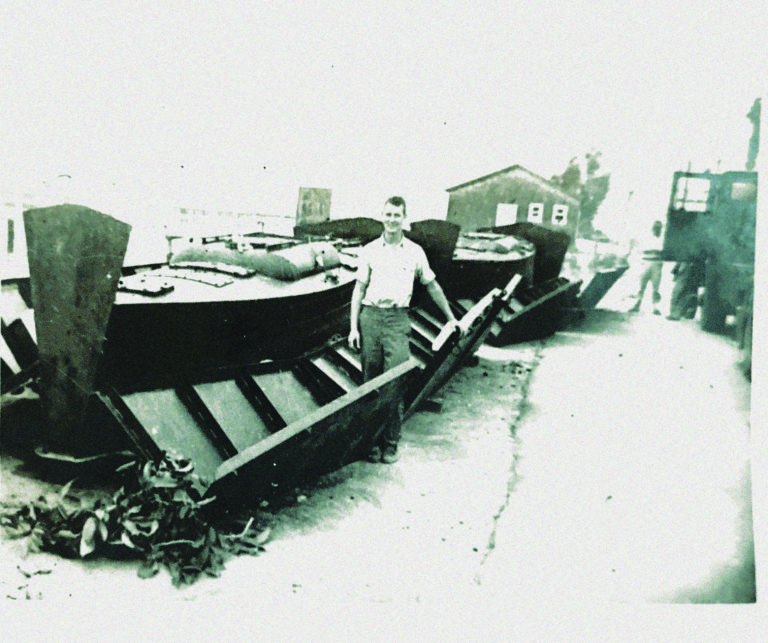
Which brings us back to that funny-looking boat, in Fall River. The Office of Strategic Services (OSS), predecessor to the modern CIA, built two of these semi-submersibles. The vessel was called “Gimik”, part of a top-secret operation code named “NAPKO”.

GIMIK, underway

Ten teams were envisioned varying from five to a single individual. 55 Korean-Americans and Korean prisoners freed from Japanese prison labor camps were trained to infiltrate Japanese occupied Korea and possibly Japan itself, to collect intelligence and carry out sabotage against military targets in advance of Operation Downfall. None were aware even of the existence of the other teams lest any, were to fall into Japanese hands.

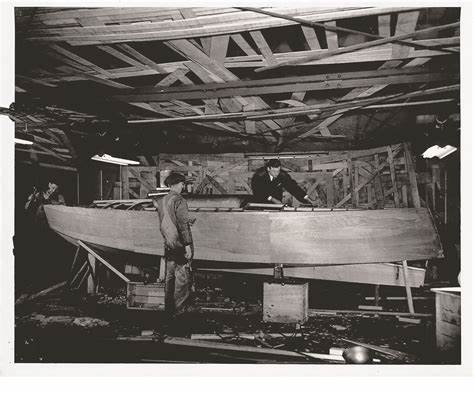
The GIMIK craft were built by John Trumpy and sons yacht yard of Annapolis Maryland, builders of the presidential yacht, Sequoia

Operated by a single OSS officer with two Korean operatives and up to 1,000-pounds of equipment secured inside, the GIMIK craft would be their means of insertion. 19-feet long and built of plywood to avoid radar and sonar detection, the snorkel was wrapped in steel wool to confound discovery. The craft were to be delivered on theater via submarine in large metal boxes called “coffins’. After insertion, the vessels would go fully submerged and anchor to the bottom where they were equipped to operate, for up to four weeks.

Operated by a single OSS officer with two Korean operatives and up to 1,000-pounds of equipment secured inside, the GIMIK craft would be their means of insertion. 19-feet long and built of plywood to avoid radar and sonar detection, the snorkel was wrapped in steel wool to confound discovery. The craft were to be delivered on theater via submarine in large metal boxes called “coffins’. After insertion, the vessels would go fully submerged and anchor to the bottom where they were equipped to operate, for up to four weeks.

The NAPKO operation was conceived and run by OSS Colonel Carl Eifler, who hope to have as many as seven teams, operational. Tactical focus would then be placed on those best positioned, for ultimate success. As it turned out only two teams were ever ready, for the operational stage.

“Code-named ‘Kinec’ and ‘Charo.’ Both were very similar in concept, differing primarily in intended points of penetration and operating areas. Kinec envisioned landing five agents at Chemulpo Bay, about 20 miles outside Seoul on the country’s west coast; Charo was focused on Pyongyang following penetration via Wonsan and utilized three, rather than five, Korean agents. Typical of NAPKO missions, the teams were to carry minimal equipment and supplies: 100,000 yen, a radio, appropriate clothing for passing as locals, and a Japanese-manufactured shovel for burying the team’s equipment after landing.”

Hat tip former Special Forces NCO Steve Balestrieri, writing for SOFREP.com

The mission was extremely dangerous for obvious reasons.  Training was carried out during the summer of 1945 on Catalina Island, off the California coast.  The two boats, nicknamed “Gizmos”, were tested at night against the US Naval base in Los Angeles. Even this part was dangerous, since no one was told about the trials. Should such a vessel be detected entering the American installation, it would be treated as an enemy vessel, and destroyed.

In the end, the Gizmo teams never left American waters.  Several such tests were carried out without detection, leading to a scheduled departure date of August 26, 1945.  It was never meant to be.

A parallel and equally secret plan to end the war literally burst on the scene on August 6, 1945.  The war would be over, in another nine days.

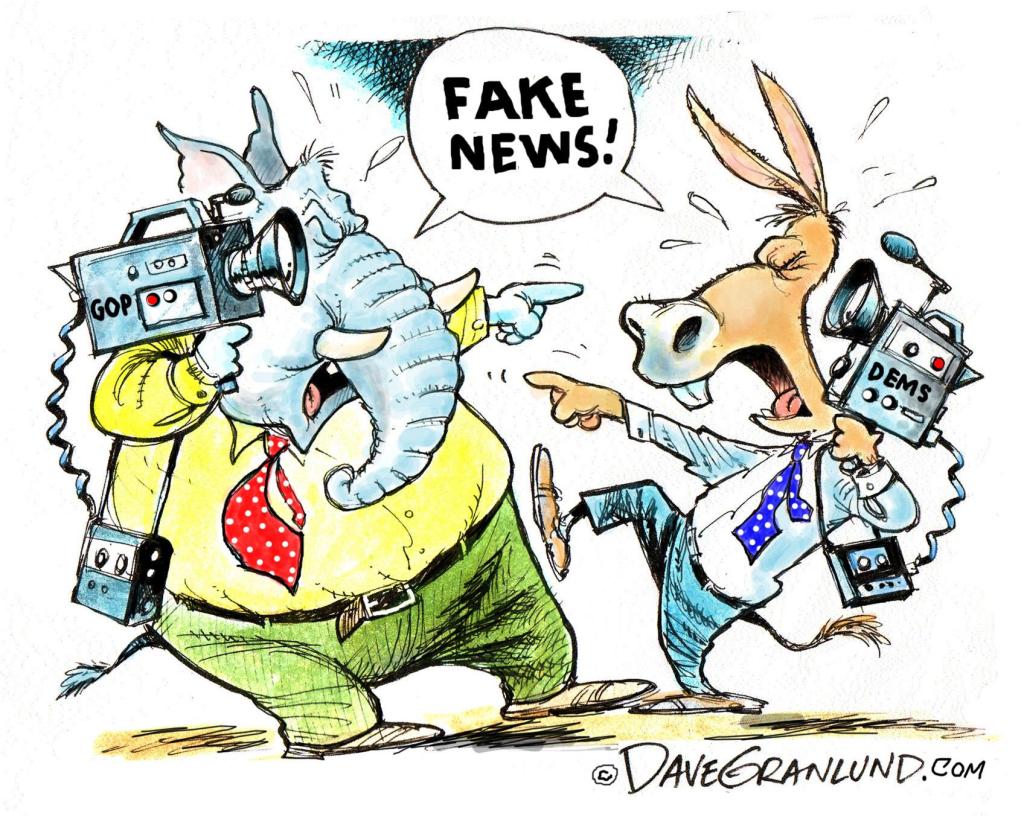
October 30, 1938 Fake News

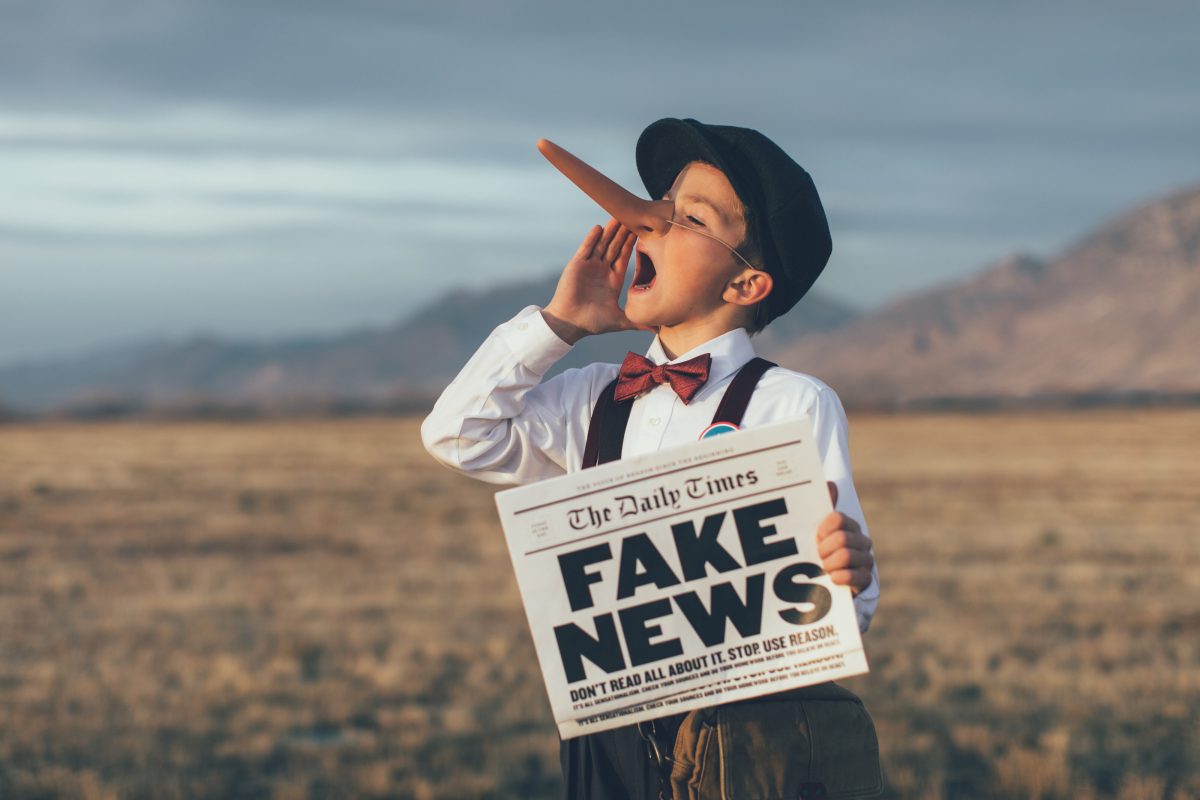
“We know now that in the early years of the twentieth century this world was being watched closely by intelligences greater than man’s and yet as mortal as his own. We know now that as human beings busied themselves about their various concerns they were scrutinized and studied, perhaps almost as narrowly as a man with a microscope might scrutinize the transient creatures that swarm and multiply in a drop of water.” – Orson Welles

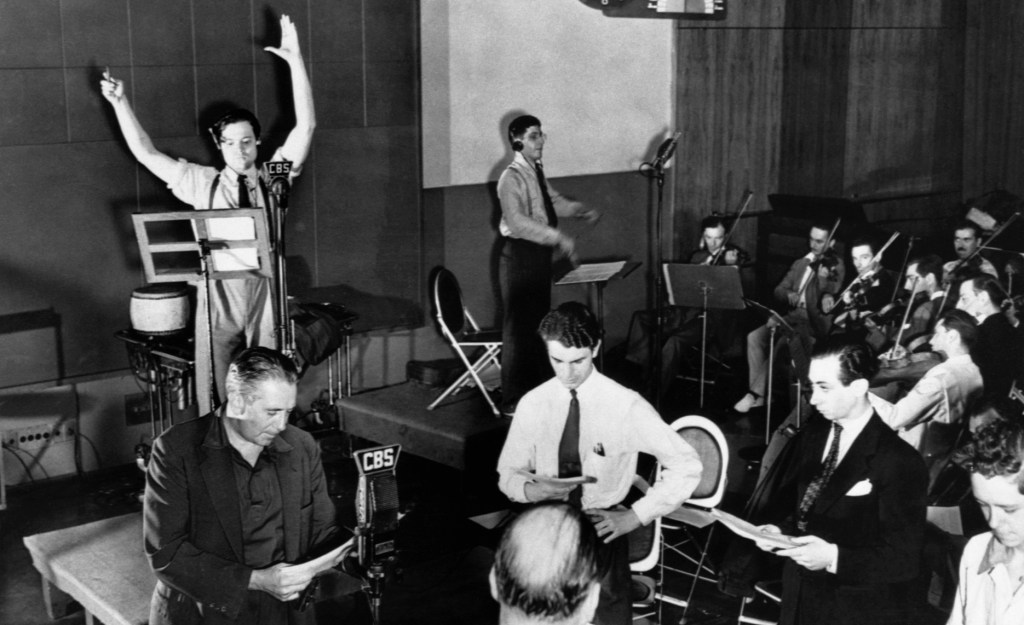
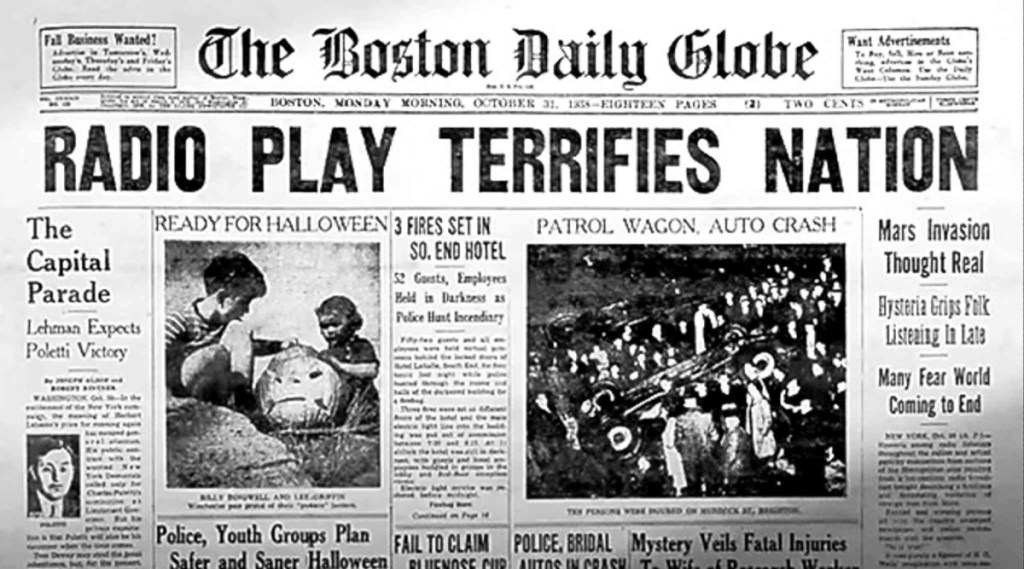
October 30, 1938 was a Sunday. The 8:00pm (eastern) broadcast of the Mercury Theater of the Air began with a weather report and then went to a dance band remote featuring “Ramon Raquello and his orchestra”. The music was periodically interrupted by live “news” flashes, beginning with strange explosions on Mars. Producer Orson Welles made his debut as the “famous” (but non-existent) Princeton Professor Dr. Richard Pierson, who dismissed speculation about life on Mars.

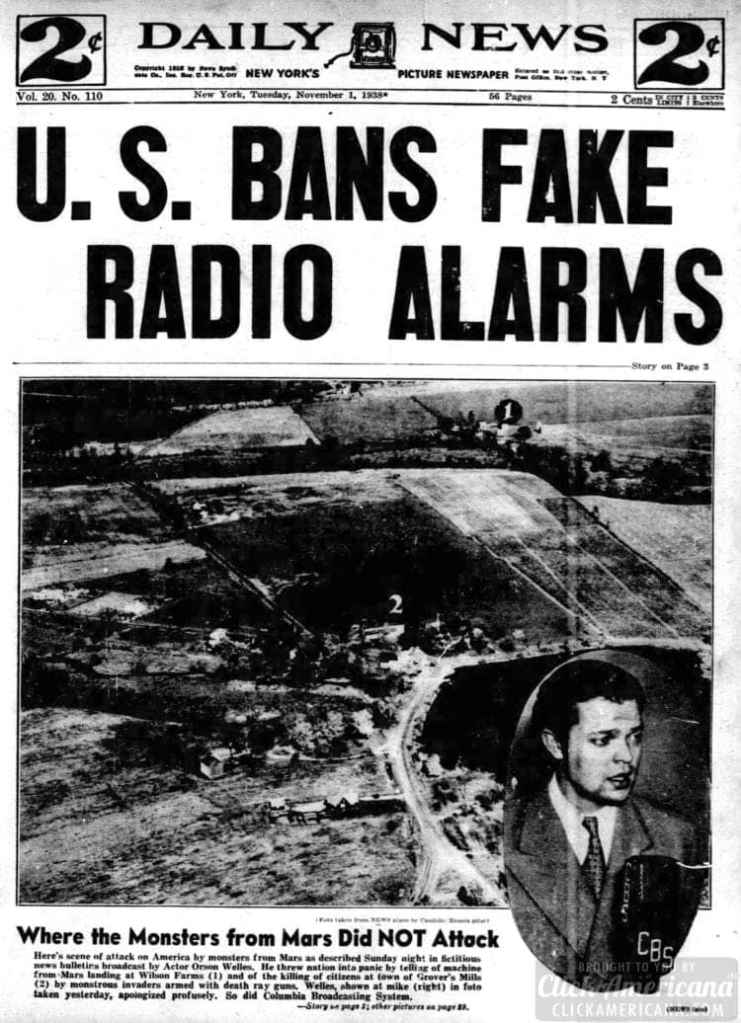
A short time later, another “news flash” reported a fiery crash in Grovers Mill, New Jersey. What was believed a meteorite turned out to be a rocket capsule as a tentacled, pulsating Martian unscrewed the hatch and incinerated the gathering crowd of onlookers, with a death ray.

The story is great fun, a Halloween classic telling and retelling the story of a radio broadcast leading untold thousands, perhaps hundreds of thousands to take up their families and their shotguns and flee into the night, to escape the Martian menace.

1 million Americans or more according to some news outlets, members of a generation who survived the Great Depression and went on to win World War II, actually believed Martian killing machines had blasted off and traveled across interplanetary space and attacked New Jersey, only to be destroyed themselves by microorganisms, all in the space of a sixty minute broadcast.

Umm…OK.

To be fair I wrote as much myself in this space, four years ago. Then as now the healthy skeptic might have begun, by following the money.

In 1899, the obscure Brazilian priest and inventor Father Roberto Landell de Moura successfully transmitted audio over a distance, of 7 kilometers (4.3 miles). That same year an Italian inventor called Guglielmo Marconi successfully broadcast, across the English Channel. Twenty years later, Westinghouse engineer Frank Conrad began to broadcast music, in the Pittsburg, Pennsylvania area. Conrad’s broadcasts stimulated demand for crystal sets. A year later, Westinghouse started the radio station, KDKA. Within two years, KDKA was broadcasting prize fights and Major League Baseball games. By early 1927 there were 737 stations nationwide, and growing.
In the 19th century, newspapers alone carried the journalistic heft, to go toe-to-toe with the corruption of Tammany Hall and other such political machines. Books could be written about the newspaper wars of the turn-of-the-century and the Yellow Journalism which helped goad the nation, to war. A week after the Spanish-American War broke out in 1898 William Randolph Hearst’s American Journal ran the headline “How do you like the Journal’s war?” 

The “stunt journalism” of Nellie Bly and her Ten Days in a Madhouse opened the door to an era of Muckraking, journalists reporting on waste, fraud and abuse in public and private life, alike.

In depression-era America, radio was not only the cheapest form of entertainment but a source for high quality programming. By the late 1930’s radio was not only the center of household entertainment but also, a center for news and information.
It was the Golden Age of radio. By 1934 some 60 percent of American households had radio sets as did 1½ million, of the nation’s automobiles. Many theaters didn’t bother to open their doors during the Amos & Andy program and those who did shut off the projectors while the show was on and hauled out, a radio.

To the news reader of the Great War period the newspaper was equal to the entire print and electronic media of our time, in all its forms.

Such was the media landscape in the inter-war years. A new and novel form of news and entertainment gaining ground almost daily, at the expense of a centuries-old competitor. Small wonder it is then that such an industry would find threat in this upstart, called radio.

And then came October 30, 1938. The War of the Worlds.

With memories of the Great War still painfully fresh and the Nazi threat looming in Europe an excitable few did indeed, take to the streets. Most had heard the repeated warnings that this was only entertainment though, or figured it out for themselves. Others did what rational people would do and picked up the phone, in search of information.

Friends and family called each other to see if they had heard anything. New York phone switchboards experienced a geometric increase in traffic, that night. New Jersey phone traffic jumped 39 percent during the broadcast. The New York Times received 875 calls about the program. The Newark Evening News logged over a thousand. Some called CBS, to congratulate them for the show. Others complained that the program was too realistic.

Then as now Sunday night newsrooms, are all but cold and dark. With few reporters working that night and little original reporting many papers relied on the Monday morning recap from organizations, like AP. And who was this irresponsible upstart in any case when the public already had a far more trusted source, for news and information?

The Associated Press reported Monday morning, a man in Pittsburgh returned home to find his wife with a bottle of poison saying “I’d rather die this way“. A woman in Indianapolis ran into a church screaming “New York is destroyed… It’s the end of the world!“. The Washington Post reported the story of one Baltimore man who died of a heart attack but somehow didn’t bother to follow up, for any of the details. The New York Times piled on with the October 31 headline “Radio listeners in panic, Taking Radio drama as fact”. The Times went on to inform its readers, “In Newark, in a single block at Heddon Terrace and Hawthorne Avenue, more than 20 families rushed out of their houses with wet handkerchiefs and towels over their faces to flee from what they believed was to be a gas raid. Some began moving household furniture”.

Long on anecdote and egregiously short on details, the print media went with the narrative blaming the entire radio industry. It was the first clue, that something wasn’t right.

“For at least a couple hours or more and really into the next morning, we believed we were mass murderers, because the press which was very hostile to radio was delighted for this opportunity to piss on radio and say they were irresponsible, and so on”.

War of the Worlds producer, John Housman

Not a single one of multiple purported deaths was ever tied directly to the War of the Worlds and yet, 83 years later the panic narrative remains, alive and well. For the 75th anniversary in 2013 USA Today reported, that “The broadcast … disrupted households, interrupted religious services, created traffic jams and clogged communications systems.”

NPR’s Morning Edition reported as recently as 2005, that “”listeners panicked, thinking the story was real. Many jumped in their cars according to the broadcast, to flee from the “invasion.” ‘Radiolab’, a program produced by New York Public Radio from 2002 to the present day reported that some 12 million people listened to that original broadcast, in 1938. 1 in 12 according to Radiolab believed the story, to be true.

The Truly Terrified likely numbered in the tens of dozens and not the tens of thousands but the narrative was already being set. What better tools to apply but fear and mockery, techniques we see in common use, to this day.

The War of the Worlds broadcast was, in the end, what it described itself to be. A Halloween concoction. The equivalent of dressing up in a sheet, jumping out of a bush and saying, ‘Boo!’. Instead, the story remains one of our great and enduring media hoaxes giving proof where little is required, of Winston Churchill’s wise and timeless advice: “A lie gets halfway around the world before the truth has a chance to get its pants on“.

October 28, 1945 Re-Union

It may be the greatest trivia question that ever was: “Who was last to rejoin the Union, following the Civil War?“ It wasn’t who you think…

By the early 1830s, cotton exceeded the value of all other American exports, combined. As secession loomed over the Union, one Chicago Daily Times editorial warned that if the South left “in one single blow, our foreign commerce must be reduced to less than one half of what it is now”.

fernando_wood_(1812-1881)

South Carolina was the first to leave, formally departing the Union in December 1860. The world waited to see who would be next.

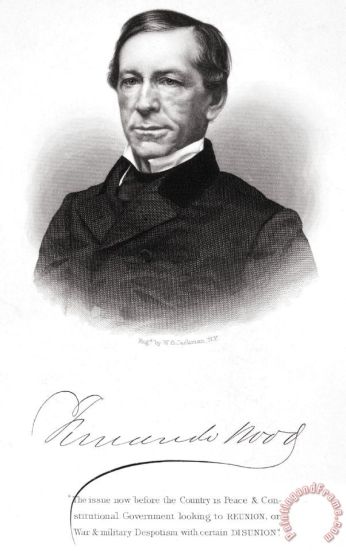
Anyone can tell you it was Mississippi who actually did it but the next to openly discuss secession was New York City, when Mayor Fernando Wood addressed the city’s governing body on January 6: When Disunion has become a fixed and certain fact”, Wood began, “why may not New York disrupt the bands which bind her to a venal and corrupt master…and destroyed the Confederacy of which she was the proud Empire City?”

Economic ties with the south ran deep in New York city and New York state, alike. 40¢ of every dollar paid for southern cotton stayed in New York in the form of insurance, shipping, warehouse fees and profits.

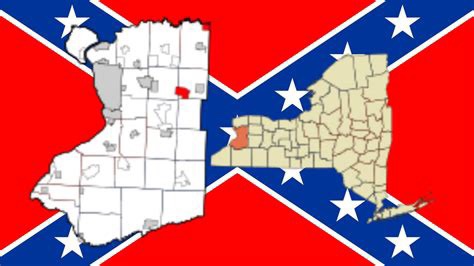
30 minutes’ east of Buffalo, the village of Lancaster contemplated staying with the Union. 500 miles from the nearest Confederate state, George Huber remembered the time. “When war was declared, Lancaster seethed with the news, and many were the nights we stayed up as late as 12 o’clock to talk things out. I was twelve years old at the time, but I remember the stern faces of the elders and the storm of passionate and angry discussion. Soon the town split into two factions, it was a very tense situation…Often the excitement ran so high that if a man in either group had made the slightest sign, neighbors would have been at each other’s throats and fists would have taken the place of words.

town line courthouse
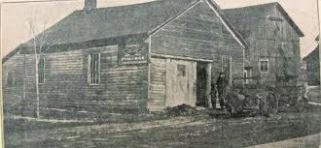
The old blacksmith shop

“Town Line”, a hamlet on the village’s eastern boundary, put the matter to a vote. In the fall of 1861, residents gathered in the old schoolhouse-turned blacksmith’s shop. By a margin of 85 to 40, Town Line voted to secede from the Union.

There was angry talk of arresting “Copperheads” for sedition, as casualty reports came back from the front. “Seceders” became quiet, afraid to meet in public amidst angry talk of lynching. A half-dozen or so more ardent secessionists went south to fight for the Confederacy. Others quietly moved north, to Canada. Outside of Lancaster, no one seemed to notice. Taxes continued to be paid. No federal force ever arrived to enforce the loyalty of the small village.

A rumor went around in 1864 that a large Confederate army was building in Canada, poised to invade from the north. Town Line became a dangerous place for the few southern sympathizers left. Most of those remaining moved to Canada and, once again, Lancaster became the quiet little village in upstate New York, that nobody ever heard of.

Impatient to get on with it, Dade County “symbolically” seceded both from Georgia as well as the Union back in 1860. Officially, Dade County seceded with Georgia in 1861, and rejoined with the rest of the state in 1870, but the deal was sealed on July 4, 1945, when a telegram from President Harry S. Truman was read at a celebration marking the County’s “rejoining”, of the Union.

The “Confederate Gibraltar”, Vicksburg Mississippi, fell on July 4, 1863.  The city wouldn’t celebrate another Independence Day for 80 years.

86C8E1D8-4085-47BE-B54D-C3FB11BF0363_w1023_r1_s
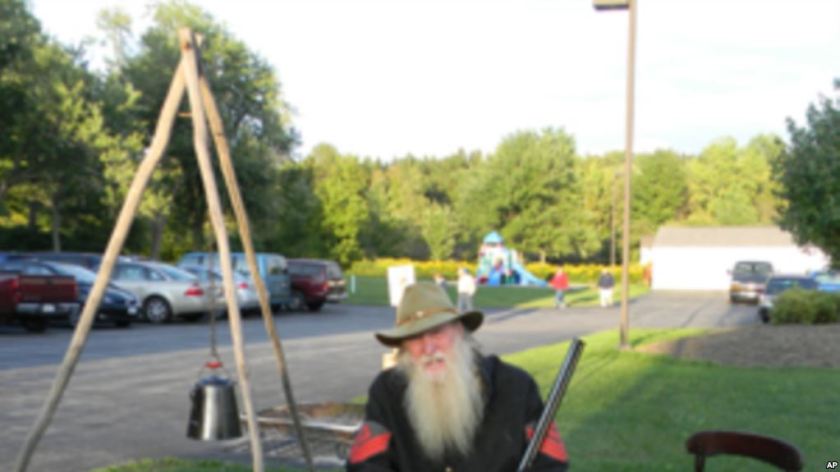
In 2011, the residents of Town Line, New York dressed up to mark the town’s sesquicentennial of secession from the Union

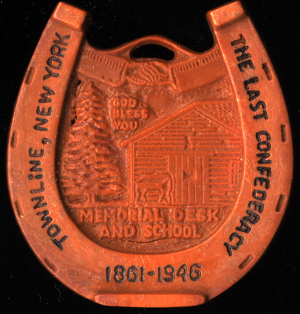
By October 1945 there legally remained but one part of the former Confederate States of America. The tiny little hamlet of Town Line, New York.

Even Georgians couldn’t help themselves, from commenting. 97-year-old Confederate General T.W. Dowling said: “We been rather pleased with the results since we rejoined the Union. Town Line ought to give the United States another try“. Judge A.L. Townsend of Trenton Georgia commented “Town Line ought to give the United States a good second chance“.

Townline-the_last_conferderacy

A courier express note arrived on October 7, 1945. “There are few controversies that are not susceptible to a peace time resolution” read the note, “if examined in an atmosphere of tranquility and calm rather than strife and turmoil. I would suggest the possibility of roast veal as a vehicle of peace. Why don’t you run down the fattest calf in Erie County, barbecue it and serve it with fixin’s in the old blacksmith shop where the ruckus started? Who can tell? The dissidents might decide to resume citizenship.”

The note was signed “Very Sincerely Yours, Harry Truman”.

Fireman’s Hall was the site of the barbecue, “The old blacksmith shop where the ruckus started” being too small for the assembled crowd. On October 28, 1945 residents adopted a resolution suspending the 1861 ordinance of secession by a vote of 90-23. The Stars and Bars of the Confederate States of America was lowered for the last time, outside the old blacksmith shop.

Alabama member of the United States House of Representatives John Jackson Sparkman, may have had the last word when he quipped: “As one reconstructed rebel to another, let me say that I find much comfort in the fact that you good people so far up in Yankee land have held out during the years. However, I suppose we grow soft as we grow older.”

4b4cf0f864c3dabcdb_IMG_7326[1]

October 27, 1810 The Bonnie Blue Flag, of West Florida

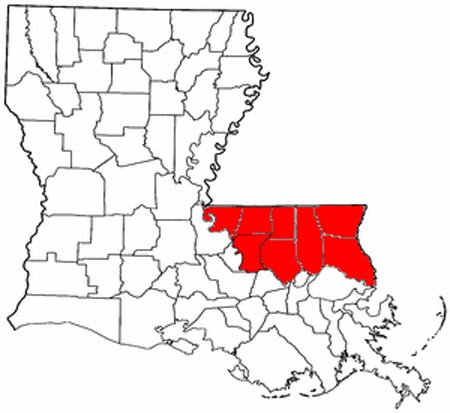
To this day, eight parishes in East Louisiana (“Counties” to the rest of us), are called the “Florida Parishes”.

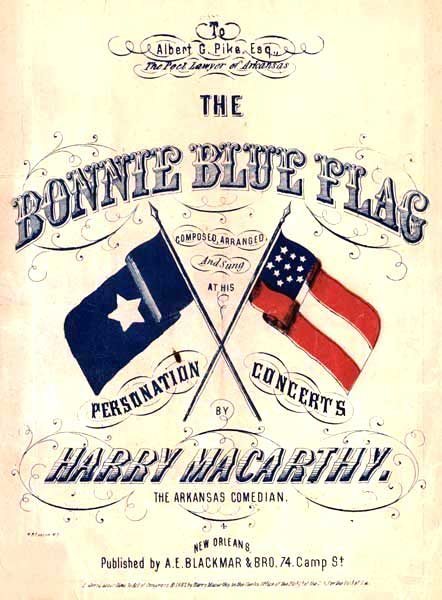
This is a story of Independence, of Revolution. Of overthrowing a Spanish-speaking government and creating an Independent Republic in the American South. About a banner bearing a symbol recognizable to this day, depicting a single, five-pointed white star on a blue field. The Bonnie Blue Flag of the original, Lone Star Republic.

The Republic of West Florida.

Wait…What?

Spanish colonization of the Americas began when the Crown of Castille, Ferdinand and Isabella, sent an Italian explorer this way in 1492.

Motivated by the promotion of trade and of the Catholic faith throughout indigenous populations, the Spanish Empire expanded across South and Central America and much of North America including the Caribbean, Florida and a strip running through modern day Mexico to the Pacific Southwest.

image

The French first came to America in 1524, colonizing vast expanses from Quebec to Green Bay in the north, Baton Rouge to Biloxi in the south. They sought wealth, territory and a route to the Pacific Ocean. What they got was endless conflict.

Following the French and Indian War in 1762, Louis XV signed the secret Treaty of Fountainebleu with King Carlos III, ceding “la Louisiane” to Spain.

The Treaty of Paris was signed the following year, ending the Seven Years War in Europe. There lies the crux of the problem. French colonists poured into Louisiana, wanting no part of the Brits. They wouldn’t learn until 1764 they had placed themselves under Spanish rule.

Rebellion was immediate and ongoing. Colonists expelled their first Spanish governor Alejandro O’Reilly (I love that name) in the Rebellion of 1768, and had to be put down by force.

The American colonies were soon convulsed in Revolution, after which both East and West Florida reverted to Spanish control. European Colonial Powers would have their turn ten years later, with the French Revolution and the rise of the Napoleonic Empire. Spain would cede much of the Louisiana Territory back to France during this period, but not all of it.

spnfla

President Jefferson purchased 828,000 square miles from the French in 1803, doubling the size of the United States, but the exact borders remained, unclear.

Spain claimed title to what they called “West Florida, a territory bounded by the Perdido River in the east, the modern border of Florida and Alabama, south of the 31st parallel, and running west to the Mississippi River.

What followed may be the shortest Revolution in history. Revolutionary War veteran Philemon Thomas led fifty “Americanos” through the early morning darkness of September 23, 1810, through the open gate of Fort San Carlos in Baton Rouge, while another 25 men on horseback rode through a hole in the fort’s wall. Soldados fired their muskets, and Thomas’ men responded with a single volley, killing or wounding five Spaniards.

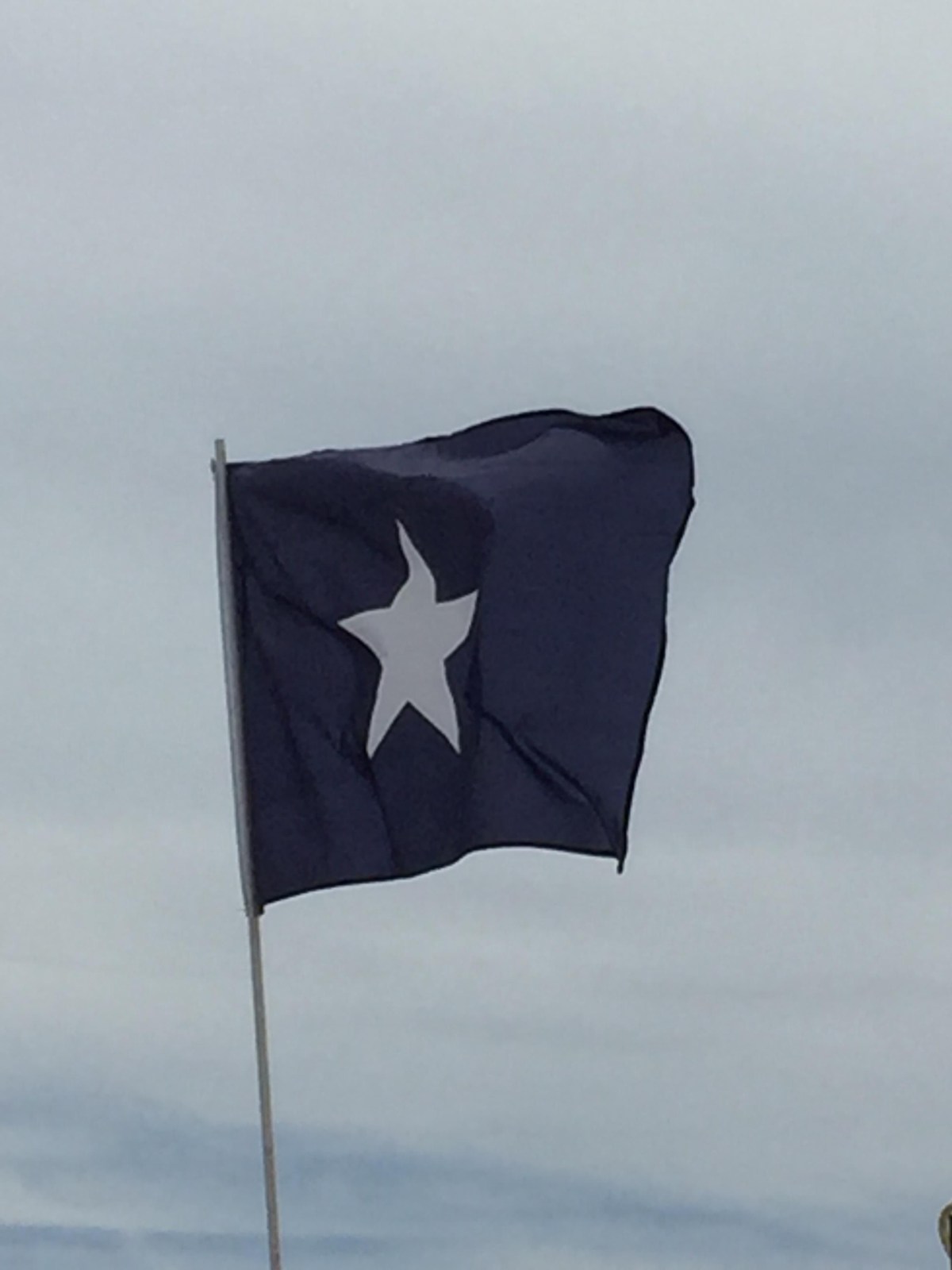
Bonnie Blue Flag

That was about it. Surviving soldados fled, as the flag of the new Republic was unfurled over the fort: a dark blue field with a single white star. The whole thing was over, in about a minute.

Americanos had revolted back in 1804 without success. This time they would make it stick. Sort of.

The constitution of the Republic of West Florida was patterned on that of the United States, with government divided into three branches, Executive, Legislative and Judiciary.

The first and only Governor was Fulwar Skipwith, whose inaugural address seemed to make room for Union with the United States. “[T] he blood which flows in our veins”, he said, “like the tributary streams which form and sustain the father of rivers, encircling our delightful country, will return if not impeded, to the heart of our parent country”.

Skipwith’s overtures seemed to have been met with a yawn by the Madison administration, soon the new Republic was launching a raid, unsuccessfully, against the Spanish garrison at Mobile.

The Republic soon became accustomed to its newfound independence, a state of affairs President James Madison had no intention of recognizing.

President Madison proclaimed the territory annexed on October 27, 1810, and made part of the Territory of Orleans. William Claiborne, military governor of the Orleans Territory, was sent to take possession.

FloridaParishes
Florida Parishes of East Louisiana

Governor Skipwith proclaimed himself ready to “die in defense of the Lone Star flag,” though his stance softened considerably when military forces entered the capital of St. Francisville on December 6 and Baton Rouge, four days later.

Florida itself, along with the eastern expanses of West Florida, reverted to United States control with the Onís-Adams Treaty of 1819.

To this day, eight parishes in East Louisiana (“Counties” to the rest of us), are called the “Florida Parishes”.

The taking stood on questionable legal grounds, but it was complete on December 10, when the legislature voted to accept annexation and dissolve the Republic. Twenty-Six years later to the day, the Republic of Texas adopted the “Burnet” or “Bonnie Blue” Flag, all but indistinguishable from that of the original Lone Star Republic.

October 26, 1918 Code Talkers

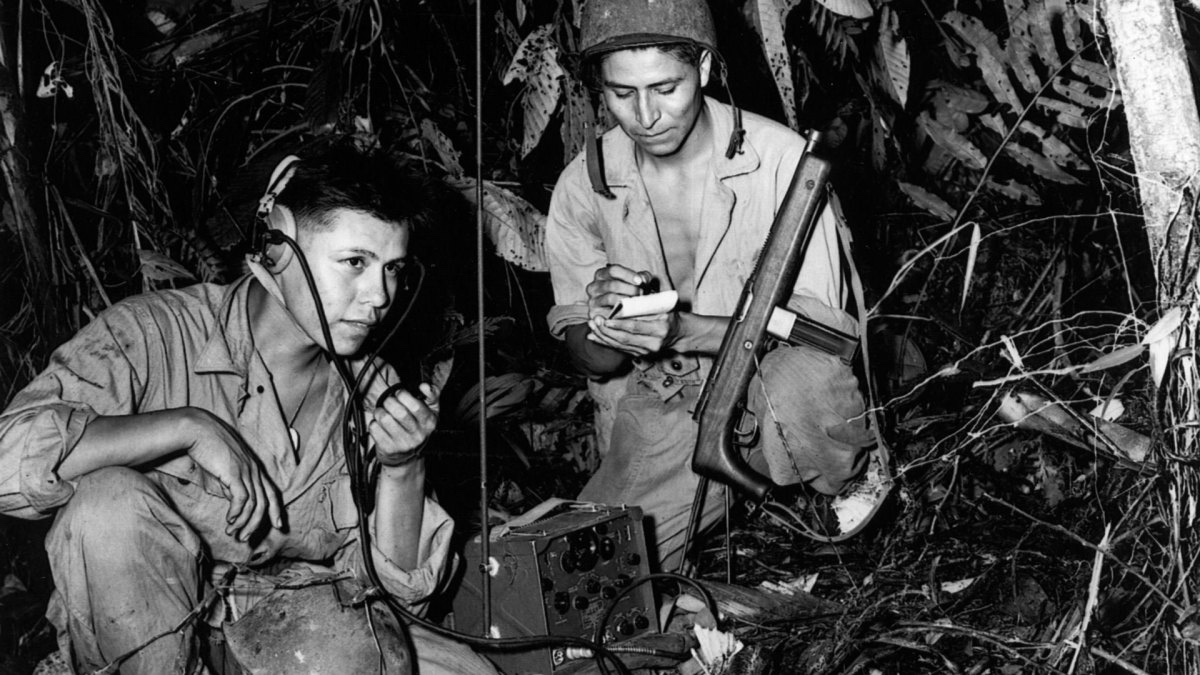
The history of the Navajo code talkers of World War 2 is well known but by no means, unique.  Indigenous Americans of other nations served as code talkers during WW2 including Assiniboine, Lakota and Meskwaki soldiers serving in the Pacific, North African, and European theaters of the war.

During the twentieth century, the United States and others specially recruited bilingual speakers of obscure languages, applying those skills in secret communications based on those languages.  Among these, the story of the Navajo “Code Talkers” are probably best known.   Theirs was a language with no alphabet or symbols, a language with such complex syntax and tonal qualities as to be unintelligible to the non-speaker. The military code based on such a language proved unbreakable in WWII. Japanese code breakers never got close.

The United States Marine Corps recruited some 400-500 Navajo speakers who served in all six Marine divisions in the Pacific theater.  Guadalcanal, Tarawa, Peleliu, Iwo Jima:  Navajo code talkers took part in every assault conducted by the United States Marine Corps from 1942, to ‘45.

160907143620-navajo-code-talkers-3-exlarge-169.jpgThe history of the Navajo code talkers of WWII is well known but by no means, unique.  Indigenous Americans of other nations served as code talkers during WW2 including Assiniboine, Lakota and Meskwaki soldiers who did service in the Pacific, North African, and European theaters of the war.
Fourteen Comanche soldiers took part in the Normandy landings.  As with the Navajo, these soldiers substituted phrases when their own language lacked a proper term.  Thus, “tank” became “turtle”.  “Bombers” became “pregnant airplanes”.  Adolf Hitler was “Crazy White Man”.

The information is contradictory, but Basque may also have been used, in areas where no native speakers were believed to be present.  Native Cree speakers served with Canadian Armed Services, though oaths of secrecy have all but blotted their contributions, from the pages of history.

The first documented use of military codes based on native American languages took place during the Second Battle of the Somme in September 1918, employing on the language skills of a number of Cherokee troops.

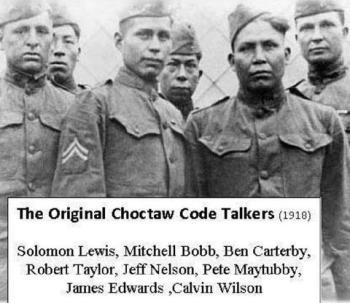
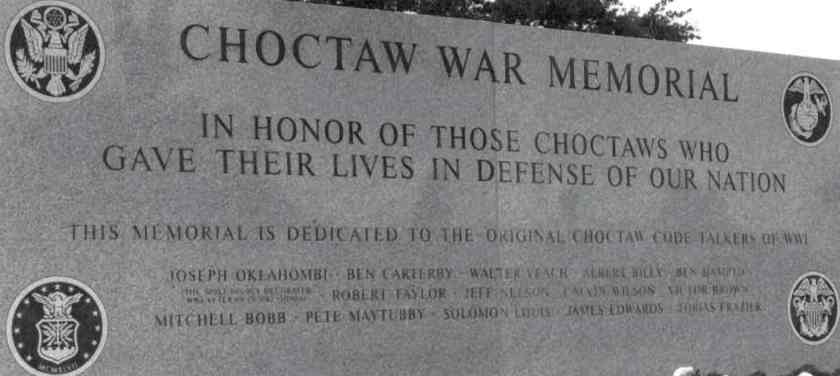
The government of Choctaw nation will tell you otherwise, contending that Theirs was the first native language, used in this way.  Late in 1917, Colonel Alfred Wainwright Bloor was serving in France with the 142nd Infantry Regiment. They were a Texas outfit, constituted in May of that year and including a number of Oklahoma Choctaws.

The Allies had already learned the hard way that their German adversaries spoke excellent English, and had already intercepted and broken several English-based codes. Colonel Bloor heard two of his Choctaw soldiers talking to each other, and realized he didn’t have the foggiest notion of what they were saying. If he didn’t understand their conversation, the Germans wouldn’t have a clue.

ChoctawCoders
Choctaw soldiers in training in World War I for coded radio and telephone transmissions

The first test under combat conditions took place on October 26, 1918, as two companies of the 2nd Battalion performed a “delicate” withdrawal from Chufilly to Chardeny, in the Champagne sector. One captured German officer later confirmed the Choctaw code to have been a complete success. We were “completely confused by the Indian language”, he said, “and gained no benefit whatsoever” from wiretaps.

Choctaw soldiers were embedded within multiple companies of infantry. Messages were transmitted via telephone, radio and by runner, many of whom were themselves native Americans.

As in the next war, Choctaw would improvise when their language lacked the proper word or phrase. When describing artillery, they used the words for “big gun”. Machine guns were “little gun shoot fast”.

Choctaw code talkers

The Choctaw themselves didn’t use the term “Code Talker”, that phrase wouldn’t come about, until WWII. At least one member of the group, Tobias W. Frazier, simply described what they did as, “talking on the radio”.  Of the 19 who served in WWI, 18 were native Choctaw from southeast Oklahoma. The last was a native Chickasaw. The youngest was Benjamin Franklin Colbert, Jr., the son of Benjamin Colbert Sr., one of Teddy Roosevelt’s “Rough Riders” of the Spanish American War. Born September 15, 1900 in the Durant Indian Territory, he was all of sixteen, the day he enlisted.

Another was Choctaw Joseph Oklahombi, whose name translates as “man killer” in the Choctaw language. Six days before Sergeant York’s famous capture of 132 Germans in the Argonne Forest, Joseph Oklahombi charged a strongly held German position, single-handed. Let Private Oklahombi‘s Croix de Guerre citation, personally awarded him by Marshall Petain, tell his story:

“Under a violent barrage, [Pvt. Oklahombi] dashed to the attack of an enemy position, covering about 210 yards through barbed-wire entanglements. He rushed on machine-gun nests, capturing 171 prisoners. He stormed a strongly held position containing more than 50 machine guns, and a number of trench mortars. Turned the captured guns on the enemy, and held the position for four days, in spite of a constant barrage of large projectiles and of gas shells. Crossed no man’s land many times to get information concerning the enemy, and to assist his wounded comrades”.

Unconfirmed eyewitness accounts report that 250 Germans occupied the position, and that Oklahombi killed 79 of them before their comrades decided it was wiser to surrender. Some guys are just not to be trifled with.

choctawwarmemorial

October 23, 1943 The Last Great Act of Defiance

You may take my freedom, she might have said. You may take my life but you will not take away, my free will.

Before the age of the internet, sight gags were copied and re-copied and passed around from hand to hand, much the same as we text each other amusing memes, today. One stands out after all these years, as worth remembering. A “Last Great Act of Defiance”, in the face of certain destruction.

I considered whether such an image trivialized the death of a human being, because that’s what this story is about. But no, silly as it is this cartoon works just fine, as a symbol. A symbol of a small woman, naked, defenseless and yet defiant, in the face of the Nazi death camp. A ballerina barely 100 pounds soaking wet by the look of her photographs and yet, a woman who, in her last moments of life managed to take one of the Nazi sons of bitches, with her.

Franceska Mann

They say if you do what you love, you’ll never work a day in your life. Franceska Mann was born to dance. Any mother or father of such a child would smile at the thought of what she must have been like, growing up. By the time Franceska had come of age she had mastered classical and several forms of popular dance.

Mann studied dance at Irena Prusicka’s School of Gymnastics and Artistic Dance, one of three major studios, in pre-war Warsaw. She competed in 1939 in an international dance competition in Brussels placing fourth, out of 125 ballerinas. She was the pride of Poland considered by many to be the most beautiful and most talented, of her generation.

When the Nazi war machine invaded Poland in 1939, she was performing at the Melody Nightclub in Warsaw

For a time, Franceska’s physical features allowed her passage on the “Aryan” side of the city while up to 460,000 fellow Jews and not a few Romani people were rounded up in the “Residential District”, the infamous Warsaw Ghetto.

The Warsaw Ghetto and others like it were little more than waiting rooms, for the death camps. Even before ultimate deportation conditions, were grisly. The daily food ration for Jews in the ghetto was a scant 184 calories compared with 699 for Polish gentiles and 2,613, for Germans. Disease and starvation quickly set in to begin a process the waiting “showers”, were built to complete.

The human being is a funny critter. We’re capable of believing anything, we want to believe. For two years under these conditions, residents clung to the desperate hope that the “resettlement” promised by Nazi authorities, meant something better. By the end of 1942 it was clear nearly to all that the transports out of this place, meant only death.

Irena Sendler

Books have been written about the ghetto uprising and the desperate attempts of Irena Sendler and others, to save these people. Using her work as nurse for cover this “Angel of the Ghetto” would smuggle children out of that place with the help of a small dog trained to bark, at Nazi soldiers.

Irena would be ratted out and savagely tortured by the Gestapo but never did give up the names of countless children written on slips of paper and buried for safekeeping, in her garden.

Weapons’ and ammunition were smuggled through the sewers of Warsaw throughout much, of 1942. Nazi soldiers entered the ghetto on January 18, 1943 bent on yet another roundup. Some 600 were summarily shot and 5,000 removed from their homes when all hell broke loose from Jewish underground members, and resistance fighters.

Armed only with handguns and Molotov cocktails, resistance fighters kept the Nazis at bay for nearly four months but the end, was never in doubt. 2,000 Waffen-SS soldiers began the final assault on April 19 systematically burning or blowing up ghetto buildings, block by block. Some 56,065 people were murdered on the spot or rounded up, for extermination. Major resistance came to an end on April 28. The May 16 demolition of the Great Synagogue of Warsaw little more, than symbolic.

The “Jewish Residential District” of Warsaw, after the uprising.

Today, the Nożyk Synagogue is the only pre-war Jewish house of worship left standing, in the Polish capital. The building was used as a horse stable for the German Wehrmacht, during the war.

At this point, the Nazi government turned its attention to rooting out those left in hiding, outside the ghetto. Since 1941, Jewish and Polish diplomats worked with certain South American nations to send documents into the Warsaw ghetto. Such documents it was believed, may help Jews and others “prove” to be nationals of neutral nations and thus eligible, for safe transfer.

Passports both real and forged flooded into the region often, through the Hotel Polski. Many if not all such documents were intercepted by the Gestapo. With the help of Jewish collaborators, thousands left in hiding were lured to the Hotel Polski in hopes, of escape. Nations from Paraguay, Honduras and El Salvador to Peru and Chile beckoned, or so it was imagined. Genuine passports of Jews no longer alive sold on the black market for the equivalent, of up to a million 2021 dollars.

As many as 3,500 came out of hiding and moved to the Hotel Polski. The Polish Underground warned Jews it was probably a trap but we all believe what we want to believe, don’t we? Franceska Mann most likely received her own passport, in this manner.

Some 1,700 were rounded up at this place arriving on the trains to Auschwitz-Birkenau, on October 23. You can find a dozen or more versions of what happened next since it all comes out, of the death camp rumor mill. What is certain is that women were separated from men and made to disrobe for “delousing”. It was all prior to final deportation to Switzerland, they were told.

Fit, young and attractive as she was Franceska Mann drew the attention of two of her guards, Josef Schillinger and Wilhelm Emmerich. Using her considerable gifts she drew them in close and, with the speed of an athlete knocked Schillinger in the face with her shoe, drew the man’s gun and shot him twice in the belly. Emmerich was shot once, in the leg. Pandemonium broke out near the showers as hundreds of women in all states of dress and undress, turned on their tormenters. One SS man had his nose bitten off. Another was scalped by the desperate, angry mob.

This fanciful artist’s rendition is anything but accurate but, we get the picture.

Reinforcements arrived within moments. The gas was turned on killing those trapped, inside the chamber. Women in the changing area were machine gunned while those few caught outside were summarily, murdered.

On this day in 1943 it was all over, in minutes. Josef Schillinger died a painful death from those two gunshots. Emmerich recovered from his wounds.

Dark rumors may be found on the internet as to whether Mann herself was a Nazi collaborator. Witnesses who were there tell a different story, their stories recorded in transcripts, of the Nuremberg trials. The tales told by foreign professors born decades after the fact may be accepted or dismissed as you wish but one thing is left to contemplate. How would the chattering classes have behaved had they themselves lived in such a time, and such a place.

The Nazi extermination machine ground on for nearly two more years but one thing was certain. One terrified, desperate ballerina disarmed and about to die had rendered the beasts short, one of their own number.

October 20, 1977 That Other day, the Music Died

As for that so-called feud with Neil Young it never was anything more, than a good-natured brushback pitch. “I think “Sweet Home Alabama” is a great song” Young would later say, “I’ve actually performed it live a couple of times myself”.

If you’d like to start an argument, find yourself a pair of music enthusiasts and ask them, about the origins of rock ‘n’ roll. And then sit back because I guarantee you, hours of entertainment.

If you’d permit me a gross oversimplification, the answer may be found in the collision of black and white culture of the 1940s and 50s, an amalgamation of style and instrumentation exceeding the sum of its parts and resulting in nothing short, of cultural revolution.

Religious leaders, government officials and parents’ groups decried the new style, as the “devils music. The FBI launched a year-long obscenity investigation directed at the Jamaican sailor’s ballad “Louie Louie”, as performed by an obscure Portland Oregon outfit, called the Kingsmen. The G-Men could have saved themselves a lot of trouble and asked lead singer Jack Ely about those lyrics, but that would have made sense. As it is, the FBI’s archival website contains no fewer than 119 pages, covering the investigation.

Witnesses were interviewed and Louie Louie played forward, backward and at varying speed. In the end, the song was ruled “unintelligible at any speed”.

Rock ‘n’ roll music, was here to stay.

Before the “British invasion“ of the 1960s, rock ‘n’ roll music remained largely a product, of the American south. Artists such as Bo Diddley, Elvis Presley, Little Richard, Buddy Holly, Fats Domino and Jerry Lee Lewis all hailed, from the deep South.

Popular music changed in the 1960’s from the “Land of Cotton” to large cities like Liverpool, New York, London, Toronto, Los Angeles and San Francisco. A generation of youth the world over “turned on, tuned in and dropped out” in the words of Timothy Leary while bands like Creedence Clearwater Revival, Canned Heat and a Canadian folk rock group called The Band featuring Arkansas’s own Levon Helm preserved a Southern blues, boogie woogie and country music heritage which would come to be known, as Southern rock..

For a man tragically taken from among us at the age of 24, few have brought about the tectonic cultural shift of a man called “Skydog” by his friends, Howard Duane Allman, by the rest of us. As a session musician with established artists such as Aretha Franklin, King Curtis and Derek and the Dominoes, Rolling Stone ranked Allman #2 guitar player of all time in 2003 second only, to Jimi Hendrix.

The Allman Brothers Band established in 1968 never played so much as a single gig before cutting their first album and yet, went on to become “the best damn rock and roll band this country has produced in the past five years,” according to George Kimball of Rolling Stone. Following session work on Layla and Other Assorted Love Songs, Eric Clapton himself described Allman as the “musical brother I’d never had but wished I did.”

On October 29, 1971, a motorcycle crash on the streets of Macon Georgia ended the life of Duane Allman. A year later, bassist Berry Oakley was himself killed in a motorcycle crash only three blocks from the spot, where Allman had perished. He too, was only 24.

“You can’t help the revolution, because there’s just evolution … Every time I’m in Georgia, I eat a peach for peace”

Duane Allman

Up to this point, the Allman Brothers’ sound may be described, as blues rock. The 1972 double album “Eat a Peach” turned the corner to a more “Southern Fried” sound led by guitarist Dickey Betts’ epic, “Blue Sky“. The band led the 1970’s Southern rock phenomenon with hits like “Ramblin’ Man” and “Jessica“, both from the Brothers and Sisters album. Groups like Marshall Tucker, ZZ Top and Molly Hatchet rocketed to stardom during this period but none so much, as Lynyrd Skynyrd.

In the insanity that was the summer of 2021, the Robert E. Lee High School of Jacksonville Florida was renamed, Riverside High. Back in 1969, five Lee High school buddies, were in a band. Ronnie Van Zant (guitar), Bob Burns (drums), Gary Rossington (guitar), Allen Collins (guitar) and Larry Junstrom (bass) went through several band names from ’64 on, including The Noble Five, The One Percent, and My Backyard. In 1969, the boys took a backhanded swipe at a flat-topped gym teacher who didn’t care for all that hair. Forby Leonard Skinner was his name, the band at first calling itself Leonard Skinnerd and later morphing into, Lynyrd Skynyrd.

“It seems a physical education teacher named Leonard Skinner didn’t cotton to long hair or loud music. A run-in with him helped get the boys suspended. As a way of getting back, they named the band for Skinner, changing the vowels to avoid a lawsuit and becoming famous enough to make the story a rock legend.

Associated Press
Leonard Skinner, in later life

Skinner went on to sell real estate and even had his sign and phone number (for which he gave permission) included in the cover art for the band’s third album. Fans would call him up at all hours to ask “who’s speaking”? What followed was invariably “far out” at the response “Leonard Skinner”, but the retired PE teacher said such calls at 4:00am tended to be, anything but.

In 1972, songwriter, musician and record producer Al Kooper of Blood, Sweat and Tears saw the band on performance in Atlanta and signed them to his “Sounds of the South” label to produce their first album: “Pronounced ‘Lĕh-‘nérd ‘Skin-‘nérd” featuring the hit song “free bird“ debuted in August 1973. The band never looked back.

An opening slot on the Who’s Quadrophenia tour of late 1973 cemented the band’s popularity proceeding to the follow-up album “Second Helping”, in 1974. Much was made at the time (and since), of the so-called “feud” between Neil Young and these sons of the south but that drama may be a wee bit, overblown. Everyone concerned describes themselves as fans of the other’s work. Neil Young later described his own lyrics in “Alabama” and “Southern Man” as overly accusatory. Ronnie van Zant said the man was shooting all the ducks when he only wanted to kill, one or two. The song “Sweet Home Alabama” they claimed, started out as a joke and was, after all, just a song.

Well, I heard Mister Young sing about her
Well, I heard ol’ Neil put her down
Well, I hope Neil Young will remember
A Southern man don’t need him around anyhow

Be that as it may, the song rocketed up the charts scoring Gold and/or Platinum certifications in Denmark, Italy, the US and the UK. Lynyrd Skynyrd was on the way to becoming one of the most popular Southern rock bands of all time, but such popularity does not come, without a cost.

There were brushes with the law and band defections much of it steeped, in drugs and alcohol. Allen Collins and Gary Rossington were involved in serious car crashes only hours apart over Labor Day weekend 1976, prompting Ronnie van Zant’s ominous warning in a song called, “That Smell”.

Angel of darkness is upon you
Stuck a needle in your arm (Ya fool you)
So take another toke have a blow for your nose
One more drink fool would drown you (Hell yeah)

Guitarist Ed King left the band in 1975. Looking to restore the signature three-guitar front-end Lynyrd Skynyrd, went looking for a replacement. Back up singer Cassie Gaines recommended her younger brother, Steve. Steve Gaines proved to be a prodigiously talented singer, songwriter and musician. The band was headed for greatness, in 1977. The Street Survivors tour brought the band to sold-out concerts throughput Europe and all the way to Asia and a first-ever appearance for a Southern rock band, in Japan. The same group who had once opened for the Who was now playing the same venues, as headliners.

With the release of the Street Survivors album on October 17, Lynyrd Skynyrd rebranded the next leg of the tour with the ominous name, “Tour of the Survivors“. The October 19 show in Greenville South Carolina followed a three day run through their native Florida and ended with a 20 minute rendition of the now famous rock anthem, “Free Bird“. A bright future lay in wait. A future, never meant to be.

26 people boarded the Convair CV-240 chartered from South Carolina on October 20, bound for Baton Rouge and the next concert, at LSU.

“Whiskey bottles, and brand new cars, Oak tree you’re in my way / There’s too much coke and too much smoke / Look what’s going on inside you / Ooooh that smell / Can’t you smell that smell … The smell of death surrounds you.”

Lynyrd Skynyrd

Realizing the aircraft was running out of fuel, the pilots attempted to reach the airport outside McComb, Mississippi. Visibly distressed and losing altitude, pilot  Walter McCreary instructed passengers, to strap in.  Gary Rossington describes a sound like baseball bats on the aircraft’s aluminum skin as tree branches began to strike  the fuselage.

Keyboard player Billy Powell, deeply lacerated with his nose all but torn from his face later described Van Zant being hurled from the plane, his head striking a tree as the aircraft, broke apart. Despite broken ribs, former United States Marine-turned drummer Artimus Pyle extricated himself from the wreckage and walked to a nearby home to notify the inhabitants.

Ronnie Van Zant, Steve Gaines and his sister Cassie, road manager Dean Kilpatrick, pilot McCreary and co-pilot William Gray were all killed in the crash.  Everyone else on the aircraft, all 20 of them, were seriously injured.

This was to be the band’s last flight in this particular aircraft. Everyone agreed the Convair was well past its prime, unbefitting a band some have called, the best in the world. Pyle said the thing looked like it belonged to the Clampett family, referring to the Beverly hillbillies. Aerosmith had previously looked at the same aircraft and flight crew and rejected it for the 1977 American tour, despite objections from Steven Tyler and Joe Perry.

Lynyrd Skynyrd went on hiatus for over a decade after the crash but eventually, reformed. The band remains on tour to this day including original member Gary Rossington and now featuring Van Zant’s brother Johnny, as a lead singer and lead guitarist.

I don’t like my words when I listen to it today. They are accusatory and condescending, not fully thought out, too easy to misconstrue.”

Neil Young in his 2012 book, “Alabama”

As for that so-called feud with Neil Young it never was anything more, than a good-natured brushback pitch. “I think “Sweet Home Alabama” is a great song” Young would later say, “I’ve actually performed it live a couple of times myself. My own song “Alabama” richly deserved the shot Lynyrd Skynyrd gave me with their great record. I don’t like my words when I listen to it today.” There were even plans to collaborate on Young’s upcoming song “Powderfinger” recorded on the 1979 “Rust never sleeps: album, but it wasn’t meant to be.

In later life, Leonard Skinner opened a bar in Jacksonville called “The Still” and his namesake rock group, played there. Skinner died in 2010 leaving a New York Times obituary to call him, “Arguably the most influential high school gym teacher in American popular culture“. Other music fads of the 1970s would come and go. Today, the Funk and Punk movements of the period make for good trivia questions. The disco craze is more of a punchline.

Ain’t nobody making fun of Sweet Home Alabama…