April 30, 1900 An Ordinary Man

Driving that train,
high on cocaine.
Casey Jones you better,
watch your speed.
It’s a nice rhyme but the cocaine part is a lie, told and retold across generations, of popular culture. For most of us it’s all we will ever know of a hero, called Casey Jones.

Acts of heroism have a way of popping up in the most unexpected places. Ordinary people rising to the occasion, in the most extraordinary of circumstances.

Temar Boggs and Chris Garcia were two teenage boys who chased down a kidnapper – on their bicycles no less – to free a little girl. Eight-months pregnant mother-to-be Lauren Prezioso dove into an Australian undertow to save two boys, being swept out to sea. Six-year-old Bridger Walker threw himself in the path of a vicious dog to take the mauling directed at his little sister, only seconds earlier.

This is one of those stories.

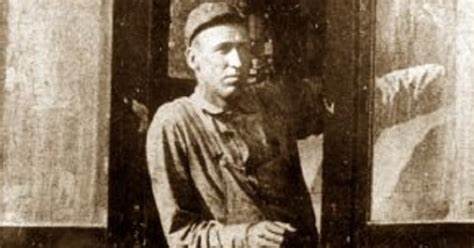
Jonathon Luther Jones lived near Cayce Kentucky as a boy, and the nickname stuck. For reasons which remain unclear he preferred to spell it, “Casey”.

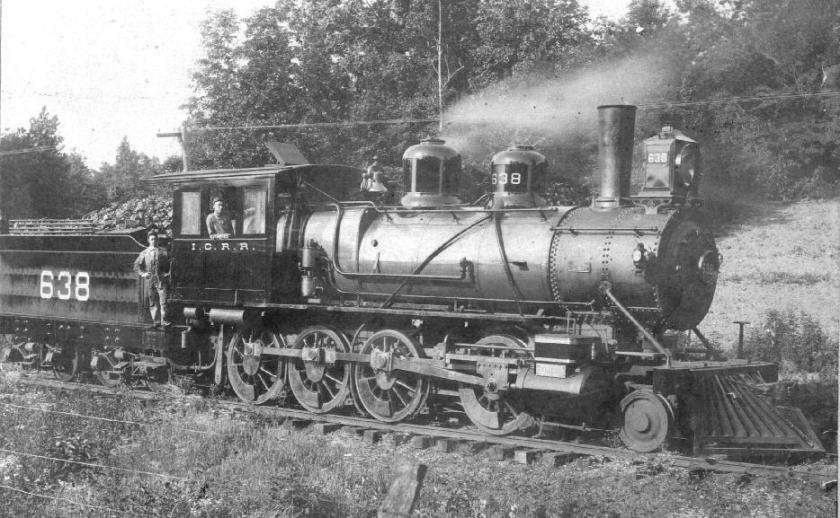
Casey Jones was a train man, working on the I.C.R.R. The Illinois Central Railroad.

155700_max

An example of the man’s character comes to us from 1895, when Jones was thirty-two. Outside Michigan City Mississippi, a group of children darted across the tracks, fewer than sixty yards from a speeding train.  Most made it across except one little girl, who froze in terror before the oncoming locomotive.

With fellow engineer Bob Stevenson hauling back on the emergency brakes and buying precious extra seconds, Jones ran across the running boards and inched his way down the pilot, better known as the “cow catcher”.

CaseyJonesPortrait
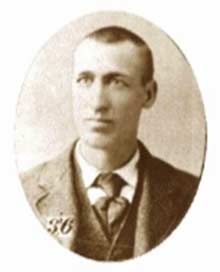
Jonathon Luther “Casey” Jones

He was no trick rider.  No circus acrobat.  Casey Jones worked on the railroad and yet, bracing himself with his legs, Jones reached out and scooped up the terrified little girl, at the last possible fraction of a second. 

On this occasion, the man had every hope and expectation of remaining alive.  Five years later Casey Jones’ last act of heroism came in the face of certain, and violent death.

Casey Jones went to work for the Mobile & Ohio Railroad where he performed well, receiving first a promotion to brakeman, and then to fireman. He met Mary Joanna (“Janie”) Brady around this time, whose father owned the boarding house, where Jones lived. The pair fell in love and married on November 11, 1886, buying a house in Jackson Alabama where the couple raised their three children. By all accounts the man was sober and devoted to his work, a dedicated family man.

casey01

Several crews from the Illinois Central Railroad (IC) were down with yellow fever in the summer of 1887. Fireman Jones went to work for the IC the following year, firing a freight run between Jackson, Tennessee, and Water Valley, Mississippi.

Casey Jones had a knack for these complex and powerful machines. He was good at what he did and an aggressive risk taker. Ambitious for advancement, Jones was issued nine citations for rules infractions over the course of his career, resulting in 145 days’ suspension.  He was well liked by fellow railroaders but widely regarded, as just this side of reckless.

6880095_orig

Jones achieved his lifelong goal of becoming an engineer in 1891.  He was well  known, for being on time. Jones insisted he’d never “fall down” and get behind schedule. People learned to set their watches by his train whistle, knowing he would always “get her there on the advertised” (time).

Jones moved his family to Memphis in 1900, transferring to the “cannonball run” between Chicago and New Orleans. The run was a four train passenger relay, advertising the fastest travel times in the history of the American railroad. Experienced engineers were worried about the ambitious schedule and some even quit. Jones saw the new itinerary as an opportunity for advancement.

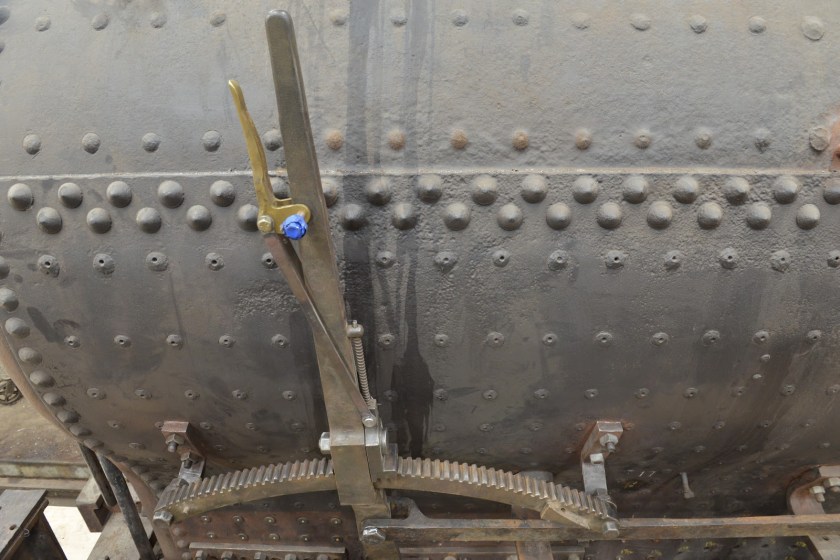
How a steam locomotive, works

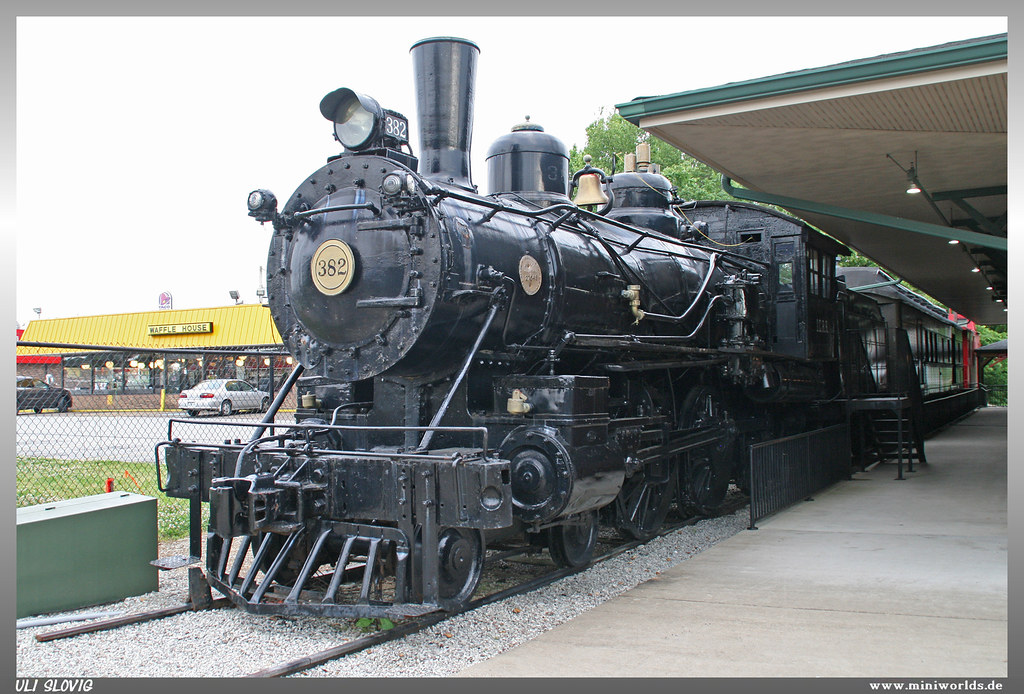
On this day in 1900, Engine #382 departed Memphis at 12:05am, ninety-five minutes behind schedule due to the late arrival of the first leg, of the relay. The Memphis to Canton, Mississippi run was 190 miles long and normally took 4 hours, 50 minutes at an average speed of 39 MPH. 95 minutes was a lot of time to make up but #382 was a fast engine and traveling “light” that night, with only six cars.

155710_max
Fireman Simeon “Sim” T. Webb

Fireman Simeon Taylor “Sim” Webb was one of the best. He would have to be. This would be a record breaking run.

Jones hit the Johnson bar, throttling #382 up to 80 MPH despite sharp turns and visibility reduced, by fog. There were two stops for water and a brief halt on a side track, to let another engine through. Despite all that, #382 made up most of those 95 minutes by the 155-mile mark. On leaving the side track in Goodman, Mississippi, Jones was only five minutes behind the advertised arrival, of 4:05am.

Jones was well acquainted with those last 25 miles into Vaughn Mississippi.  There were few turns and the engineer throttled his engine up to breakneck speed. He  was thrilled with his time, saying “Sim, the old girl’s got her dancing slippers on tonight!”

Unknown to both men there was a problem, up ahead. Three trains were in the station at Vaughn with a combined length of ten cars longer, than the main siding. Rail yard workers performed a “saw by” maneuver, backing #83 onto the main line and switching overlapping cars onto the “house track”. Then there was that problem with an air hose. Four cars remained stranded on the main line.

#382 sped through the final curve at 75MPH, only two minutes behind schedule. Clinging to the side board, Sim Webb was the first to see the red lights, of the caboose. “Oh my Lord”, he yelled, “there’s something on the main line!”

DSC_6955

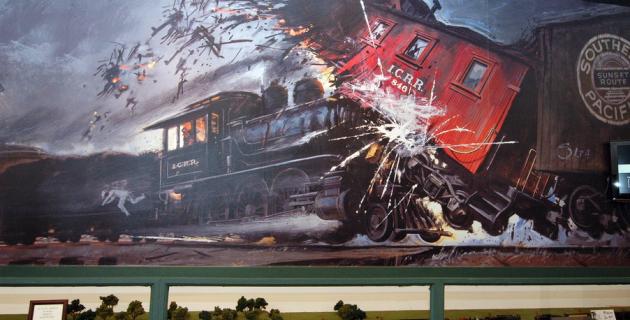
Jones didn’t have a prayer of stopping in time. He was moving too fast. He reversed throttle and slammed the air brakes into emergency stop, screaming “Jump Sim, jump!” Sim Webb jumped clear with only 300 feet to go as the piercing shriek of the engine’s whistle, split the air.

Jones could have jumped. Having ordered Webb to do so demonstrated, the man understood the situation.  Casey Jones stayed on the train as “Ole 382” plowed through the red wooden caboose and three freight cars, before leaving the track.

By the moment of impact, Jones frantic efforts had slowed the engine down to 35 miles per hour. Untold numbers of passengers were saved from serious injury, or death. As the pieces came to a stop Jones himself, was the only fatality. His watch was stopped at 3:52am, only two minutes behind schedule.

tennessee-tennesseetourism-tennessee-jackson-casey-jones-museum-crash-1900-painting

Adam Hauser of the New Orleans Times-Democrat was a passenger in a sleeper car, at the time of the wreck: “The passengers did not suffer” he said, “and there was no panic. I was jarred a little in my bunk, but when fairly awake the train was stopped and everything was still. Engineer Jones did a wonderful as well as a heroic piece of work, at the cost of his life”.

Legend has it that, when Jones’ body was removed his dead hands still clutched the whistle cord, and the brake.

Since that day Casey Jones has achieved mythological status, alongside the likes of Pecos Bill and Paul Bunyan. “The Ballad of Casey Jones” was recorded by Mississippi John Hurt, Johnny Cash and the Grateful Dead, among others.

Jones’ son Charles was 12 at the time of  his father’s death at age 37. Jones’ daughter Helen, was 10.  The  youngest, John Lloyd (“Casey Junior”) was 4.  Janie received two life insurance payments totaling $3,000 as Casey was “Double Heading” at that time, as a member of two unions.   Casey Jones widow would receive no other compensation.  The Railroad Retirement Fund wouldn’t come about, for another 37 years.

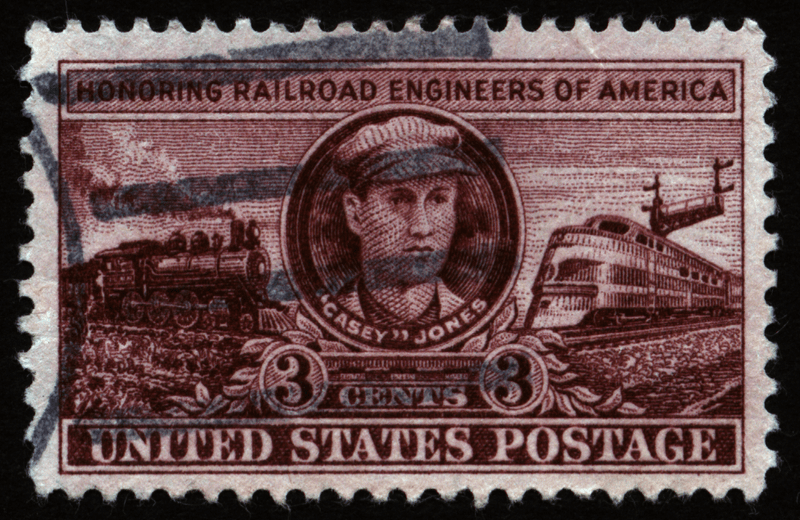
800px-CaseyJonesStamp

Mary Joanna “Janie” Brady Jones lived another 58 years and never had so much as a thought, of remarrying. The idea that the hero she married was intoxicated at the time of the accident was a thorn in her side, for the rest of her life. What’s more there were allegations that she herself, was an unfaithful wife. According to one version of the song she told her heartbroken children to stop crying. They had “another papa on the Salt Lake Line.”

One particularly snotty article in Time Magazine informed the reader the “Widow Jones” … “looks well and buxom,” in a piece that couldn’t so much as get Jones’ engine number right. To their credit, Time Magazine itself criticized their tone, in 2015. 57 years after Janie died, at the age of 92.
Janie Jones lived another 58 years. She wore black every day, for the rest of her life.
A Trivial Matter

In 1907, brakeman Jesus Garcia stuck to the controls to drive a flaming train away from the small mining town of Nacozari, in the Mexican state of Sonora. The train was carrying dynamite, and blew up,  Killing Garcia.  His quick actions had saved the town where Jesus Garcia is remembered as a hero, to this day.

April 29, 1944 The White Mouse

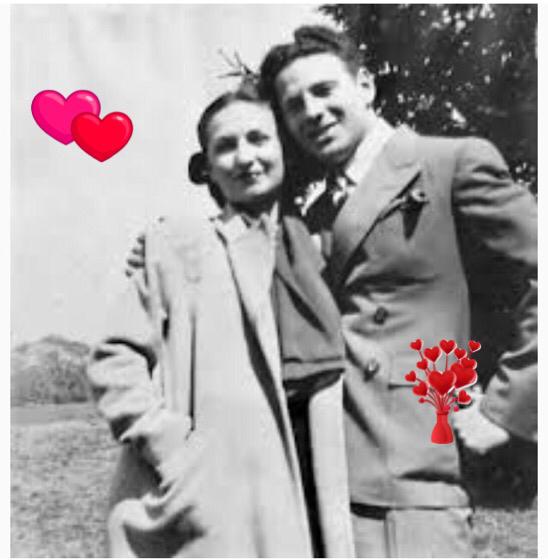
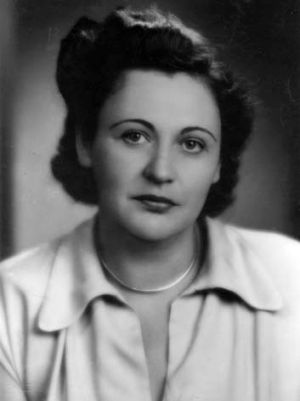
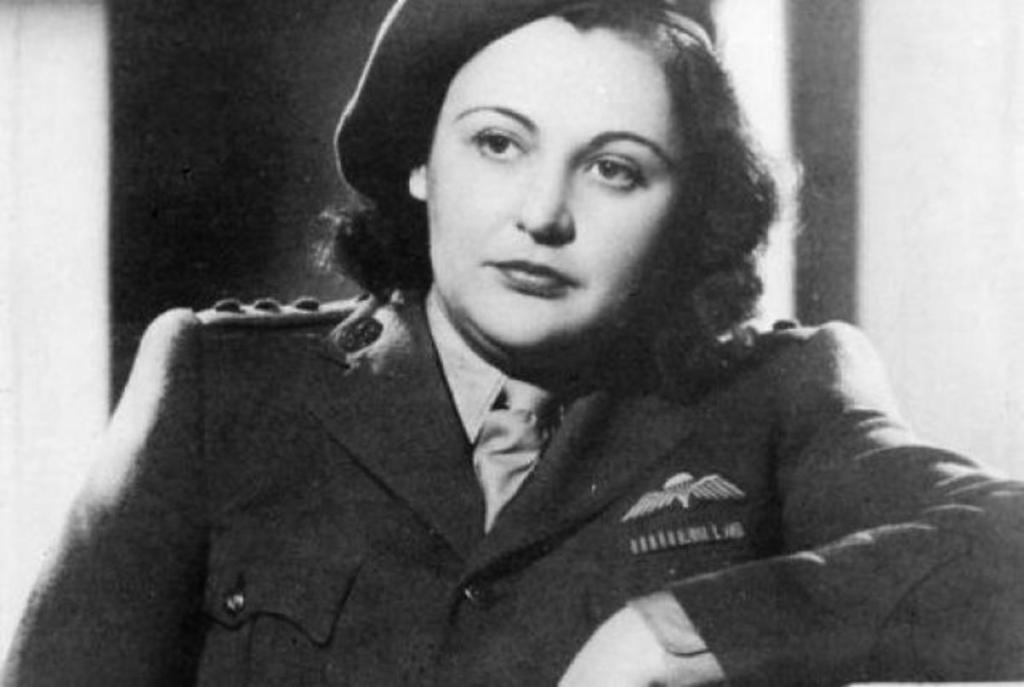
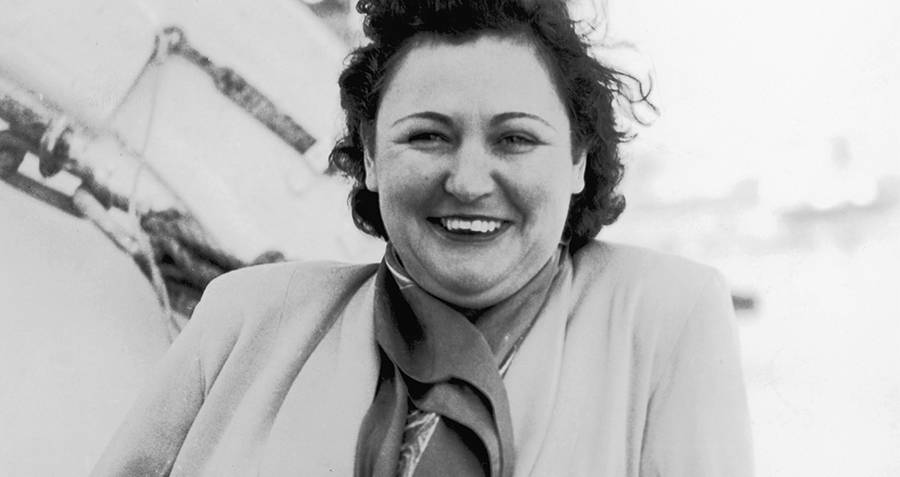
To WW2-era British Special Operations she was Hélène.  To the Maquis she was Andrée. Her New York Times obituary called her “The socialite who killed a Nazi, with her bare hands”. To the Gestapo who wanted her dead, she was the “White Mouse.”

It was March 1944 in occupied France, when the French Resistance leader Henri Tardivat found her, dangling from a tree. Her name was Nancy Wake, and she had just jumped from a B24 bomber, with a pocketful of classified documents. Tardivat couldn’t help himself. “I hope that all the trees in France bear such beautiful fruit this year”. “Don’t give me that French shit” she snapped, as she cut herself out of the tree.

Nancy Wake was not a woman to be trifled with.

Nancy Grace Augusta Wake was born in New Zealand and moved to Australia as a young girl. She later moved to Paris where she met her future husband, the wealthy French industrialist, Henri Fiocca.

As a freelance journalist, a Parisian newspaper sent Wake to Vienna in 1933 to interview a German politician, by the name of Adolf Hitler. There she witnessed firsthand the wretched treatment meted out to Austrian Jews by followers of the future dictator. She vowed she would oppose this man, by any means necessary.

She would get her chance in 1940 when the German Blitzkrieg tore through Belgium, the Netherlands and France.

The couple had the means to leave but chose to stay in France, to help the Maquis. The French Resistance. For two years, Nancy and her husband Henri worked to hide downed allied flyers and get them out, of Nazi occupied France.

With the Gestapo reading their mail and staking out the Fiocca home the writing was on the wall. Nancy fled while Henri remained in Paris, to continue the couples work with the resistance.

Henri would be captured and tortured before execution, to reveal the whereabouts of his wife. Nancy would not learn until after the war, the man never gave up her whereabouts.

The British SOE called her by the code name, Hélène. To the Maquis she was Andrée. It was during her flight from France that Wake earned the name which would stick, given by the Gestapo who wanted her dead. “White Mouse,” they called her, for her ability to hide in plain sight and to disappear, without a trace. “A little powder and a little drink on the way” she later explained “and I’d pass their (German) posts and wink and say, ‘Do you want to search me? God”, she said, “what a flirtatious little bastard I was.”

Once picked up on a train outside of Toulouse she spun a wild tale about being the mistress, of one of the guards. She pleaded with her captors that her husband could never know. Astonishingly, they let her go.

Wake eventually escaped occupied France moving first through the Pyrenees into Spain and then, to England. There she joined the British Special Operatives Executive (SOE). The training was intense: infiltration/exfiltration techniques, tradecraft, weapons, even hand-to-hand combat. Her trainers called her as competent, as the men in her class.

On April 29, 1944, Wake parachuted into the Auvergne-Rhône-Alpes region of occupied France, part of a three-person team sent to support three Maquis organizations, operating in the region. She participated in a major combat operation pitting resistance members against the German wehrmacht. It was a major defeat for the Marquee. She later said she bicycled 500 km to bring a situation report, to her SOE handlers.

One day she found herself on an SOE team, on the inside of a German munitions factory. An SS guard nearly gave up the whole operation when he arrived, to investigate. Wake killed the man, with her bare hands. “They’d taught this judo-chop stuff” she later explained, “with the flat of the hand at SOE, and I practiced away at it. But this was the only time I used it – whack – and it killed him all right. I was really surprised.”

SOE official historian M. R. D. Foot said “her irrepressible, infectious, high spirits were a joy to everyone who worked with her”. Henri Tardivat may have given her the ultimate compliment, after the war. “She is the most feminine woman I know, until the fighting starts” he recalled. “Then, she is like five men.”

She was the most decorated woman of World War 2, awarded the George Medal by Great Britain, the United States Medal of Freedom, the Médaille de la Résistance by her adopted home nation, and three times, the Croix de Guerre. 

After the war

She worked for a time with the intelligence department at the British Air Ministry and dabbled in politics, after the war. She remarried, the union with RAF officer John Forward lasting 40 years until his death but producing, no children.

The White Mouse died of a chest infection on August 7, 2011, after a brief hospitalization. She was 98. Her New York Times obituary called her “The socialite who killed a Nazi, with her bare hands”.

She sold her medals along the way, because she needed the money. “There was no point in keeping them,” she said. “I’ll probably go to hell and they’d melt anyway.”

April 26, 1336 Because it’s There

Not being blessed with the luxury of surplus time and resources our forebears were more interested in survival, the mountains being more the object of religious veneration and supernatural terror.

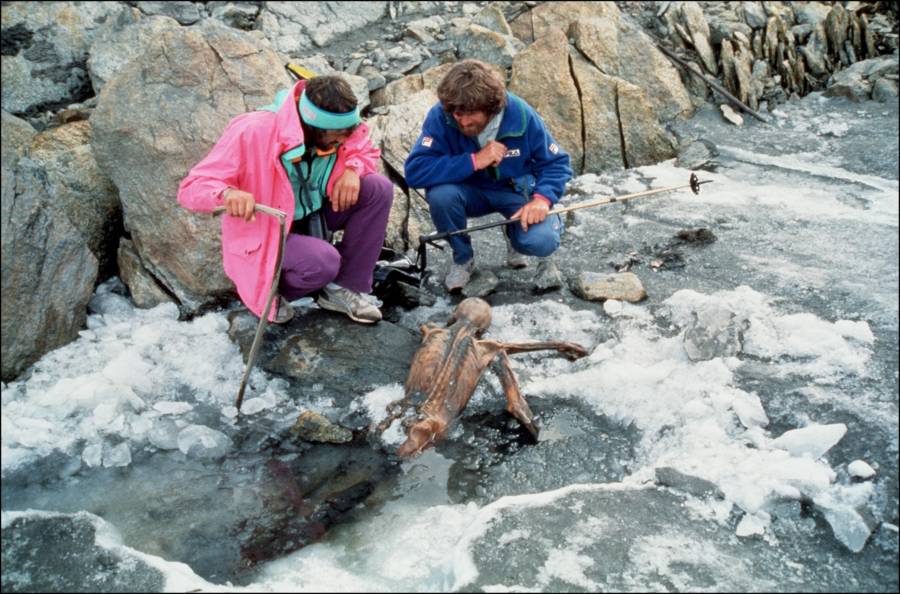
Helmut and Erika Simon were visiting that day they found the body, German tourists hiking the mountains of the South Tyrol where the Austrian border, meets the Italian. On September 19, 1991, the couple was climbing the east ridge of the Fineilspitze in the Ötztal Alps, when they found him.

A fellow mountaineer perhaps, injured and succumbed to the cold? Who else would be up here at 3,210 meters above sea level (10,530 ft) but a fellow mountaineer.  The couple returned the following day, with a mountain gendarme.

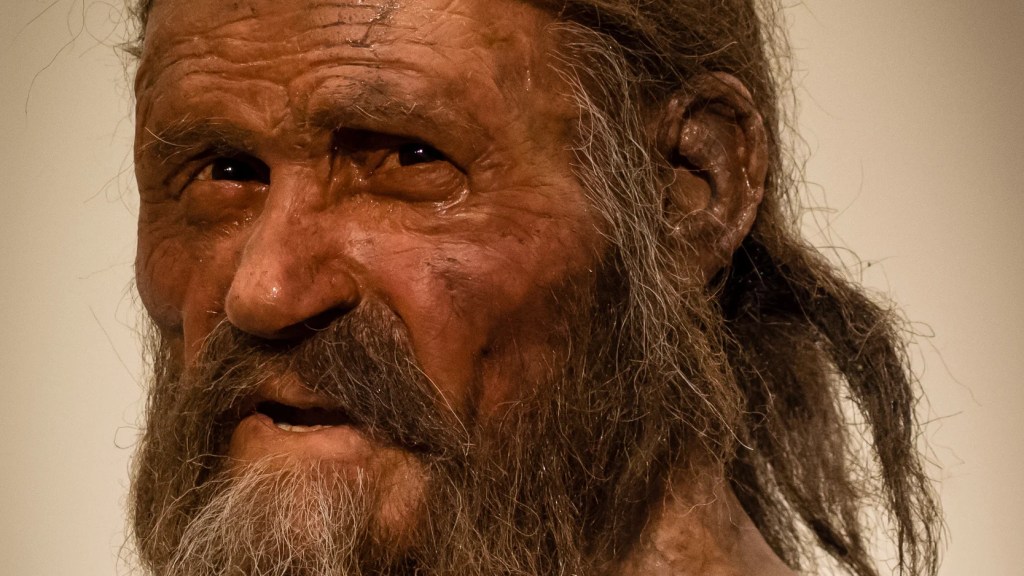
Ötzi the Ice Man, as he may have looked

Eight groups would visit the site in the following days struggling with ice axe and pneumatic drill, to free the corpse from his ice tomb.

Among these were some of the modern-day royalty of the mountaineering community. There was Hans Kammerlander who, along with fellow climber Reinhold Messner, became the first in 1984 to traverse two 8000m peaks without descending to base camp. Messner himself was the first to ascend Mt. Everest without supplemental oxygen, the first to climb all 14 of the world’s “eight-thousanders” – mountains with peaks above the 8,000 meter “death zone”, of 26,000-feet.

The body was freed from the ice on September 22 and extracted, the following day. Subsequent analysis revealed not a modern climber but the stunning realization that this man breathed his last, before the Old Kingdom of Egypt moved the first rock to build the first pyramid. This relic of the Chalcolithic (Copper Age) turned out to be Europe’s oldest known mummy, preserved in the ice since the day he died sometime, around 3230 BC.

Artist’s interpretation of Ötzi the Ice Man as he may have
looked, in life.

The media called him Ötzi for the Ötztal Alps, in which he was found. Forensic analysis uncovered a nearly bone-deep defensive wound on the man’s hand between the thumb and forefinger. Not yet fully healed the injury suggests a days-long flight from attackers, until the arrow which would take his life was released by unknown pursuers to find its way, deep inside of Ötzi’s back.

Mountaineering is enjoyed today by any number of enthusiasts. There’s rock climbing and ski touring, trekking, spelunking and more. For the truly adventurous there are the hulking massifs of the world’s greatest peaks. The eight-thousanders. To the purists the sport has become little more than adventure tourism, but it wasn’t always that way.

Mountain climbers ascending Mount Rainier looking at Little Tahoma Peak. H/T Wikipedia

Humans have lived on and among the mountains since the dawn of time but the peaks were rarely visited. Ötzi himself had good reason to find himself at 10,530 feet and it wasn’t, “because it’s there”. Not being blessed with the luxury of surplus time and resources our forebears were more interested in survival, the mountains being more the object of religious veneration and supernatural terror than an object to be enjoyed, for its own sake.

Such was the case throughout the early history of our kind, through the rise and fall of the Roman republic and subsequent, empire. A timeline of the middle ages is pockmarked with conflict great and small from the early 5th century until the dawn of the Renaissance, a thousand years later.

The fourteenth century, the “calamitous 14th century” in the words of historian Barbara Tuchman, was a time of tectonic shift in the old order. The three horses of the apocalypse converged in the 14th century to form the “crisis of the late middle ages”. The Great Famine of 1315-’17 was followed a generation later by the Black Death, a calamity resulting in the death of half or more, of all Europe. Political and religious chaos followed demographic collapse, all of it set against the end of the Medieval Warm Period and the advent, of the “Little Ice age”.

This was the world of Francesco Petrarch, a man many consider the first of the modern alpinists.

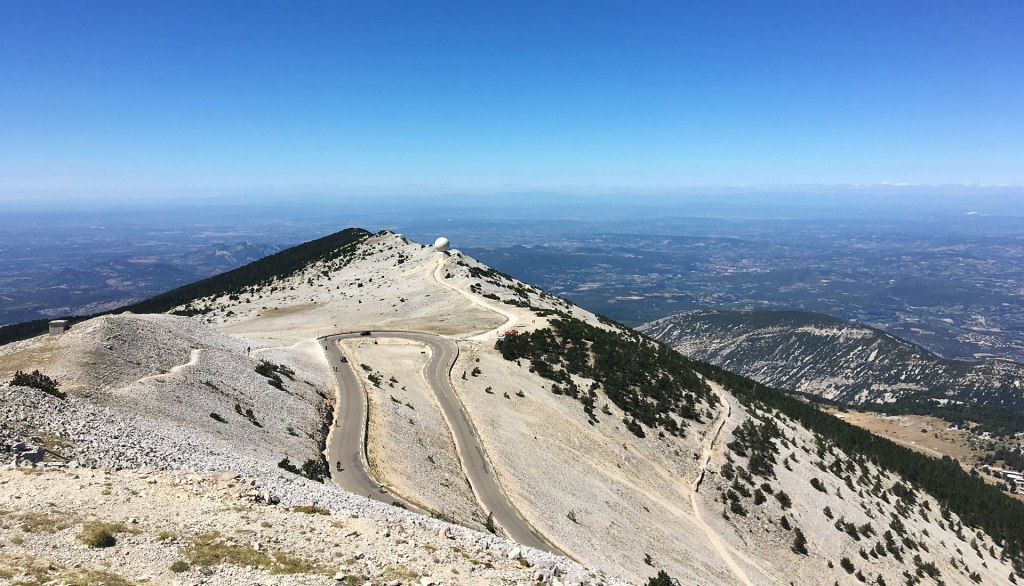
Today no fewer than three paved roads and a network of walking trails crisscross the face of Mont Ventoux, a landmark in the southeastern French province, of Provence. French and foreign tourists alike climb the 6,263 limestone summit to munch on brie and baguette and to take in the views of the Calanque range all the way down the Mediterranean coast, to the Rhone Valley.

Mont Ventoux

It was all different this day in 1336 when the Italian poet Francesco Petrarch first scaled the heights of Mont Ventoux, because it was there.

In 1350, Petrarch wrote of his ascent of Mont Ventoux “My only motive was the wish to see what so great an elevation had to offer.” While certainly not the first human being to climb a mountain for fun we remember the man today as the first modern tourist and the spiritual father of untold women and men who take to the outdoors to fix a broken soul, to take in the magnificence of nature or simply to take on the challenge of climbing a mountain, because it is there.

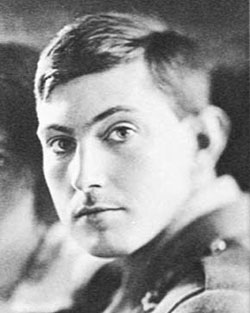
George Mallory

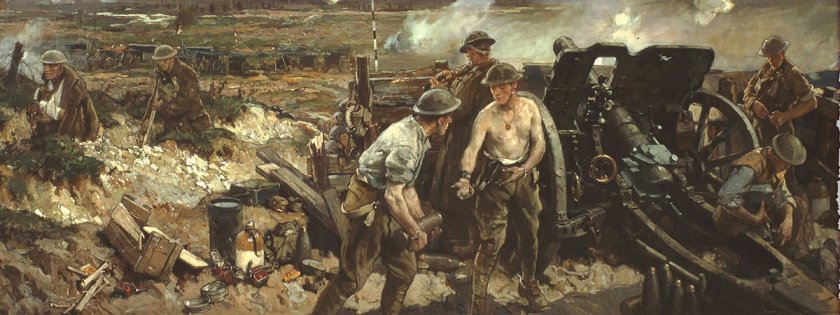
Once asked by a reporter why he wished to climb Mt. Everest, the British adventurer George Mallory famously replied, “Because it’s there”. Left out of Mallory’s facile response was the cataclysm of World War 1, a war so awful as to destroy a generation and leave a continent for the first time, in ruin. Mallory himself enlisted in the artillery in December 1915 and helped to fight out that whole terrible ordeal in the rat filled trenches, of France.

No list of the great and terrible battles of the war they thought would “end all wars” would be complete, without the horrors of the Somme. George Mallory was there throughout and might as well have answered that reporter, because I may at last find peace in that place, for my soul.

Did George Mallory find the peace he sought on the slopes of Mount Everest?

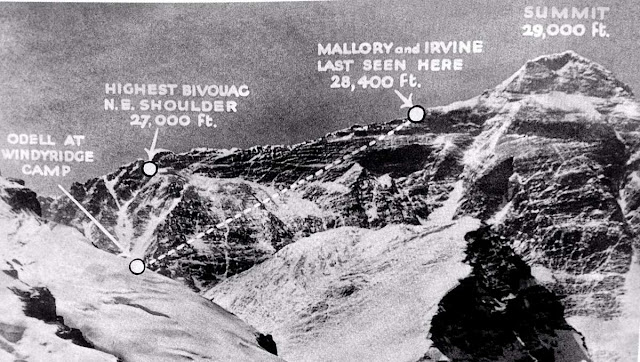
On June 8, 1924, expedition member Noel Odell last witnessed George Mallory and Andrew Irvine traverse what may have been the then-unknown “third step” at 26,000 feet on the way, to the peak. Cloud cover then obscured the pair and the two men disappeared, for the next 75 years. Was George Mallory the first to summit the world’s tallest mountain? Tantalizing clues exist that maybe he did, or maybe not.

Sir Edmund Hillary and Tenzing Norgay are credited with being the first to summit Mount Everest nearly twenty years later, in 1953. In 1999, the Mallory and Irvine Research Expedition discovered the frozen corpse of George Leigh Mallory at 26,760 feet, 2,271.7 feet short, of the summit.

No helicopter will ever visit the summit of mount Everest. The human form is barely capable of survival at so great a height let alone the attempted salvage, of the body of a fellow climber. So it is that George Mallory and Andrew Irvine remain to this day on the slopes of the world’s greatest mountain, two among some 200 who died in the attempt and lie still on those towering heights, because it’s there.

April 14, 1912 A Penny, to Remember

Warm and dry in our rooms we can only wonder what went through the minds, of those lowering the lifeboats. Among them was Thomas Millar who must have wondered why. He had wanted to give little Tommy and Ruddock, a better life. He was about to leave his sons, orphans.

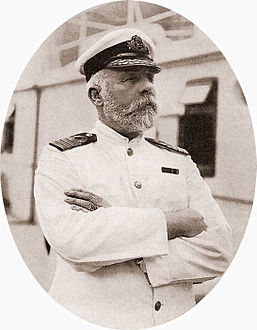
Edward Smith
Captain Edward Smith

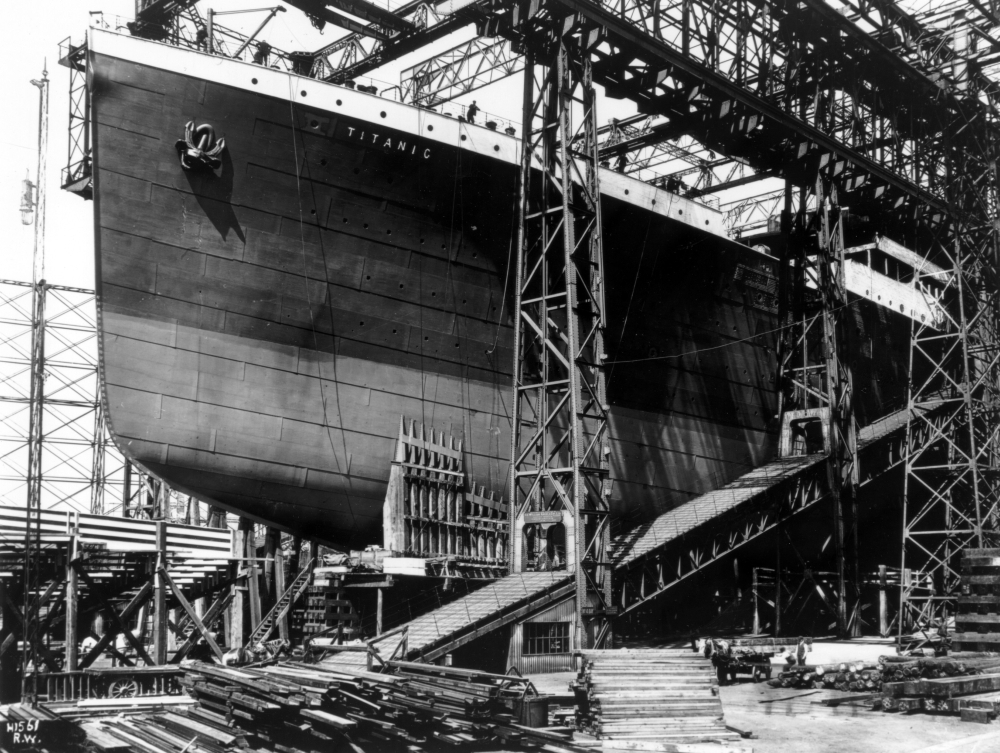
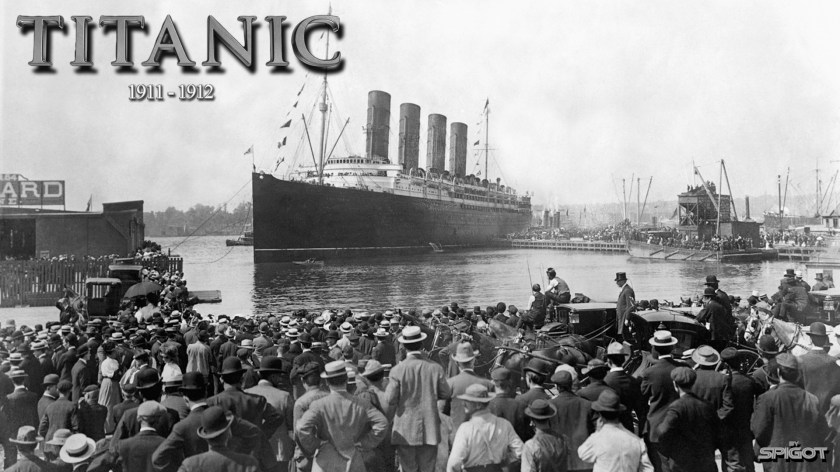
The great ship left the port of Southampton, England on April 10, 1912, narrowly averting an accident only minutes into her maiden voyage. 

The largest liner in the world at this time, the bow wave of the RMS Titanic lifted the liners SS City of New York and Oceanic at their moorings.  Dropping into the trough, New York’s mooring cables snapped with a sound like a rifle shot as the vessel swung about, stern-first. The crew of the tugboat Vulcan struggled frantically to bring New York under tow as Titanic’s Captain Edward Smith ordered starboard engines hard astern. Collision was averted, by a scant four feet.

The liner to the left is the Oceanic. The stern of the New York edges towards the Titanic” H/T http://www.encyclopedia-titanica.org

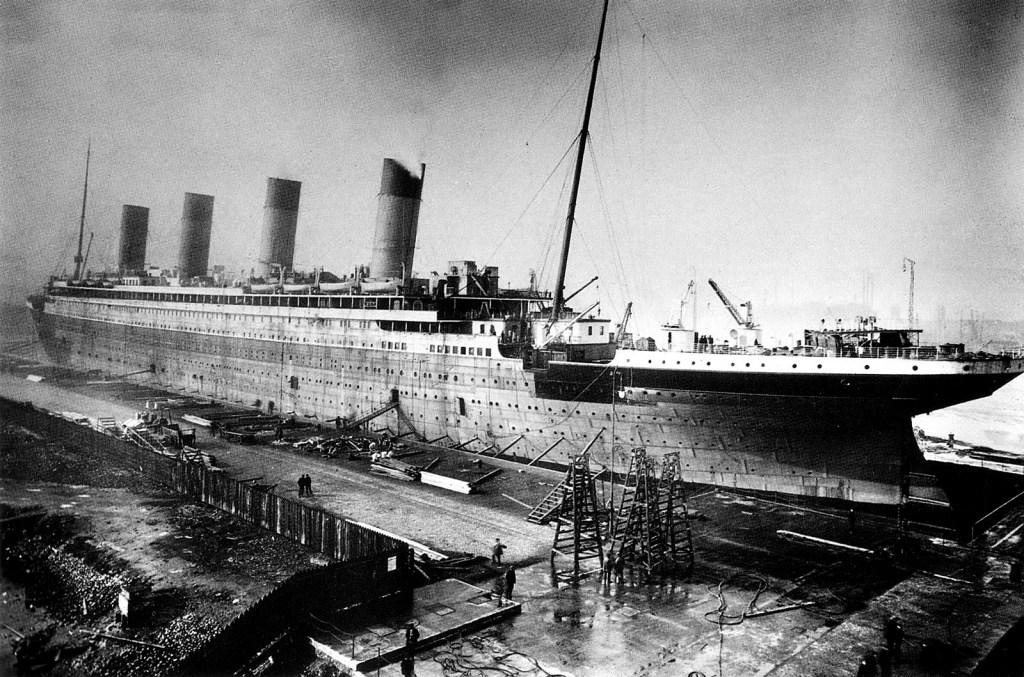
The idea for this largest of all luxury liners came about in 1907, construction beginning on March 31, 1909 at the Harland and Wolff shipyards of Belfast, Ireland.

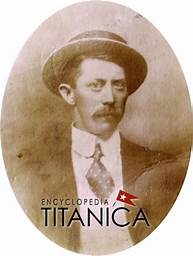
Thomas Millar

In its prime Harland and Wolff was the largest shipyard in the world with some 40,000 workmen tramping to work across the cobblestone paved streets, of Belfast.

Thomas Millar was one of those workers. The son of a sailor Millar grew up in the shadow of the great vessels of northern Ireland and all but destined, for the shipbuilding industry. First came the apprenticeship with Harland & Wolff and later work at Vickers of Barrow, Workman, Clark & Co. of Belfast before returning to work, at Harland & Wolff.

Along the way, “Tommy” married Jane “Jennie” Ruddock, the marriage producing two sons, Thomas born February 9, 1901 and William Ruddock born March 5, 1907.

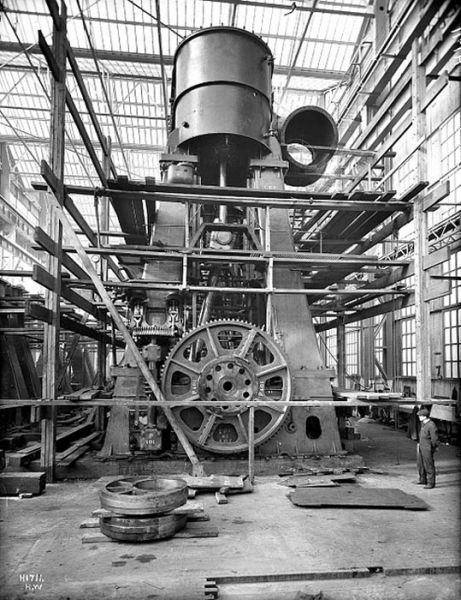
Millar took pride in his work, assigned to help build the great engines of RMS Titanic and proud to take some small part in the technological wonder, of the age. At night Millar would tell the boys about his work, wanting to instill in them the same pride he felt, in seeing the great liner take form.

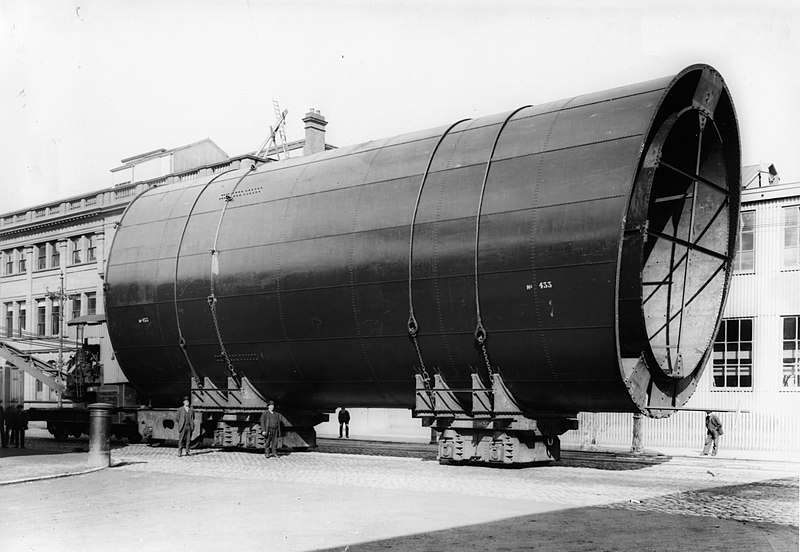
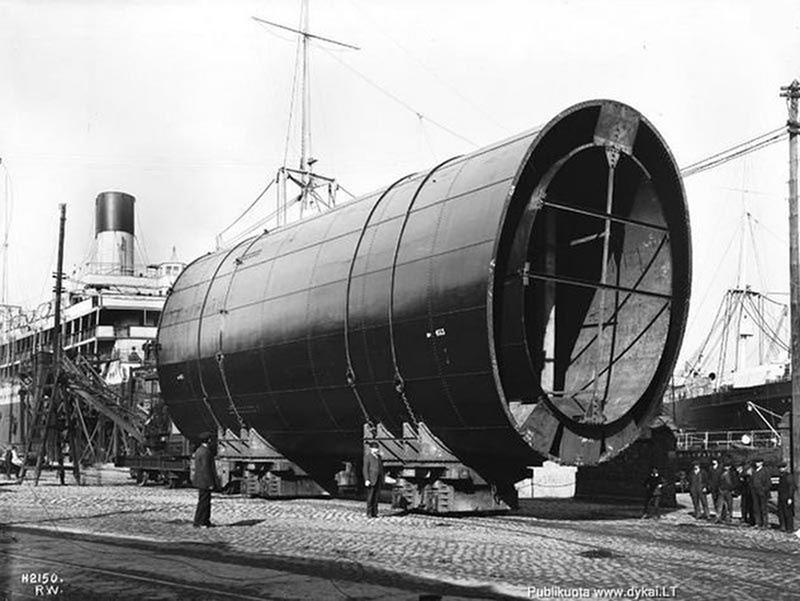
800px-Britannic_Funnel_in_transport
One of Britannic’s funnels, in transit to the ship

Disaster struck the family in January 1912 when Jennie died suddenly, of tuberculosis. With work now nearing completion on Titanic, the grieving father thought about a fresh start. He would improve his lot and that of his small family. So it was he left the dockyards to work, for the White Star Line. He would get himself settled and, when the time was right, he would reunite with his boys to pursue their new life. In America.

Thomas accepted work as assistant deck engineer for the White Star Line responsible for the upkeep of cranes, davits and the like. As things turned out he was assigned to the maiden voyage of the vessel he had helped to build. RMS Titanic.

With 16 transverse bulkheads Titanic could survive the breach, of as many as four. Shipbuilder Magazine dubbed the vessel “unsinkable”. The name was never officially sanctioned by her builders, but no matter. From that day, to this the name lives on, in the public imagination.

At last came the day. Time to leave. The work would be constant, and Thomas knew this was no place for children. He left the boys with his aunt Mary bidding the two, goodbye. “Be good to your aunt” he told the boys, “and try not to fight with your cousins”. He reached in his pocket and pulled out two new pennies. “Don’t spend these” he told his sons, “until we’re together again”.

Later that day the boys stood on the shores of Belfast Loch watching the liner, steam away. So tightly did each grip his penny the date imprinted into the palm of his small hand. 1912.

titanic-01-wallpaper

The story from here, is familiar. On Sunday April 14, Titanic was 400 miles off the coast of Newfoundland. Conditions were clear, calm and cold, just a few degrees above freezing. There had been warnings of drifting ice from other ships in the area, but no ice was believed to pose a danger, to such a ship as Titanic. Captain Smith said it himself, that he “[couldn’t] imagine any condition which would cause a ship to founder. Modern shipbuilding has gone beyond that.”

Lookout Frederick Fleet alerted the bridge. Iceberg dead ahead at 11:40pm. First Officer William Murdoch ordered the engines in reverse, veering the ship to port. Lookouts were relieved, thinking that collision was averted. Below the surface, the starboard side ground into the iceberg, opening a gash the length of a football field.

The ship was built to survive flooding in four watertight compartments. The iceberg had opened five. As Titanic began to lower at the bow, it soon became clear. The great ship was doomed.

Those aboard were poorly prepared for such an emergency. The vessel was built for 64 wooden lifeboats but only carried, 16. Based as they were on ship size and not the number of passengers and crew, regulations required enough for 990. Titanic carried enough for 1,178.

There was room for over half of those on board, provided that each boat was filled to capacity. And yet, many boats were launched only half-full. Confused and still sleepy in the midnight air many refused the small boats, reluctant to leave the “safety” of the 40,000-ton ship. In other cases so strictly did some adhere to the “women and children first” directive, that evacuation included women and children, only. The first lifeboat in the water, rated at 65 passengers, launched with only 28 aboard. Lifeboat #1 rated for 60, contained 12.

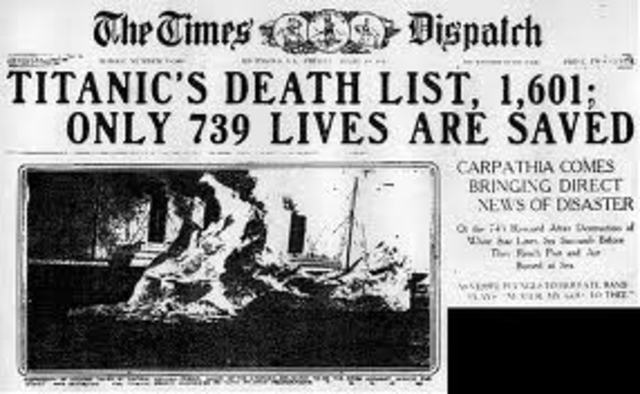
Only 20 miles away the crewmen of the SS Californian saw distress rockets but dismissed them, as fireworks. Titanic’s wireless operator pleaded for help but the dits and dahs fell on deaf ears. Californian’s wireless operator, had gone to bed. 57 miles away the steamship Carpathia turned and dashed to the rescue but, too late.

In the hour and ½ it took to lower the lifeboats Titanic’s enormous propellers were visible above the water. Warm and dry in our rooms we can only wonder what went through the minds, of those lowering the lifeboats. Thomas Millawas one of those. Did he wonder in those last hours of his life…why? He had left to seek a better life for little Tommy and Ruddock. He was about to leave them orphans.

1,496 died that night of 2,223 passengers and crew. Mostly from hypothermia. Thomas Millar’s body if it was ever recovered, was never identified. Tommy and Ruddock never did spend those pennies. The coins remain treasured family heirlooms from that day to this. You can still see those two pennies if you like, on the streets of Belfast. There Thomas’ Great-Granddaughter Susie Millar directs “the original & ONLY Titanic themed tour in Belfast guided by the direct descendant of a crew member”. http://www.titanictours-belfast.co.uk/

April 13, 1917 A Sealed Train

Leaving Zurich Station amid the jeers and the insults of 100 or so assembled Russians shouting “Spies!” “Traitors!” “Pigs!” “Provocateurs!” Lenin turned to a friend and said. “Either we’ll be swinging from the gallows in three months, or we shall be in power.”

The “War to End all Wars” dragged into its third dismal year in 1917, seeming as though it would go on forever.   Like two exhausted prize fighters, neither side could muster the strength to deliver the killing blow.  Many single days of the great battles of 1916 alone  produced more casualties than every European war of the preceding 100 years, combined.  At home, the social fabric of the combatant nations was unraveling.

WW1-Timeline-1917

By 1916 it was widely understood that the German war effort was “shackled to a corpse”, referring the Austro-Hungarian Empire where the war had started, in the first place.  Italy, the third member of the “Triple Alliance”, was little better.  On the “Triple Entente” side, the French countryside was literally torn to pieces, the English economy close to collapse. The Russian Empire, the largest nation on the planet, was teetering on the edge of the precipice.

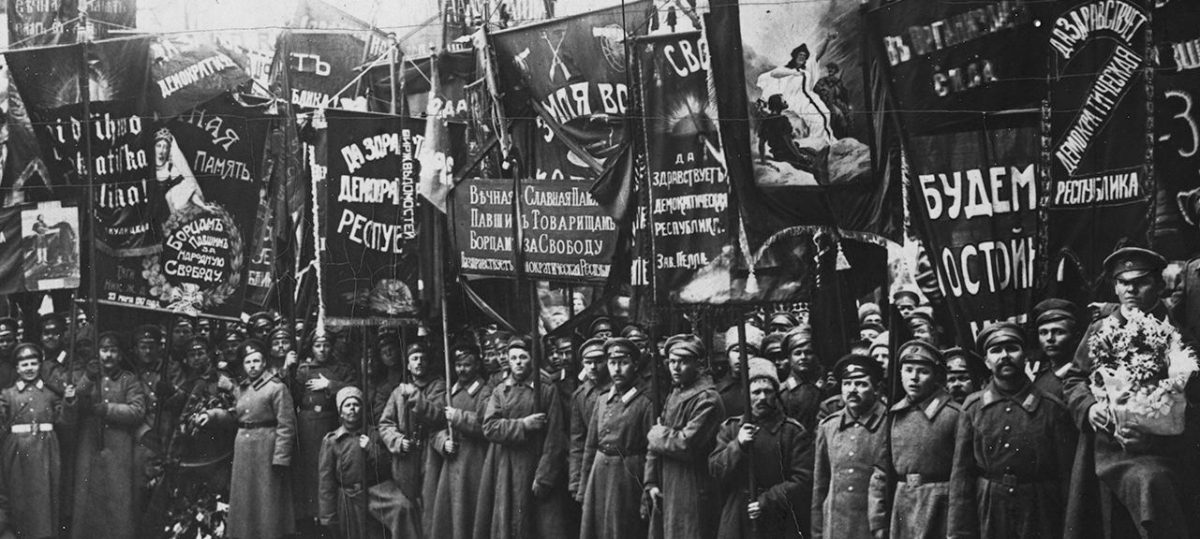
The first of two Revolutions that year began on February 23 according the “Old Style” calendar, March 8, “New Style”. Long-standing resentments over food rationing turned to mass protests in and around the Russian capital of Petrograd (modern-day Saint Petersburg). Eight days of violent demonstrations pitted Revolutionaries against police and “gendarmes”, that medieval remnant combining military units with the power of law enforcement.

By March 12 (new style), mutinous units of the Russian military had switched sides and joined with the revolutionaries. Three days later, Car Nicholas abdicated the Imperial throne.

ww1-d-727-russians.jpg
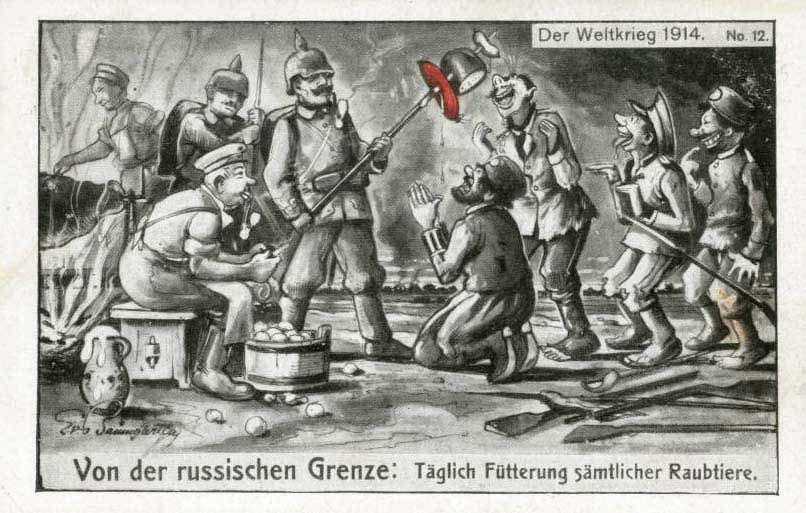
German propaganda postcard depicting Russian peasants begging for food. With the size of the Russian empire and the difficulty in transportation, the propaganda wasn’t far from the truth.

Amidst all this chaos, Kaiser Wilhelm calculated that all he had to do was “kick the door in” and his largest adversary would collapse. He was right.

Following the overthrow of the Romanov dynasty, the more moderate Menshevik “Whites” vowed to continue the war effort. The split which had begun with the failed revolution of 1905 was more pronounced by this time with the radical Bolsheviks (“Reds”) taking the more extreme road. While Reds and Whites both wanted to bring socialism to the Russian people, Mensheviks argued for predominantly legal methods and trade union activism, while Bolsheviks favored armed violence.

March 8, 1917 A Political Plague

In 1901, Vladimir Ilyich Ulyanov adopted the pseudonym “Lenin” after the River Lena, the easternmost of the three great Siberian rivers flowing into the arctic ocean. The middle-class son of a professor of mathematics and physics and the daughter of a well-to-do physician, Ulyanov became radicalized after the 1887 execution of his brother, for plotting to murder the Czar.Vladimir Ilyich Lenin

images (61)
Lenin

The man was soon convinced that capitalist society was bound to give way to socialist society with a natural transition to communism, not far behind.

Lenin was in exile when the war broke out, arrested and briefly imprisoned for his Russian citizenship. The radical revolutionary was released due to his anti-czarist sentiments when he and his wife, settled in Switzerland.

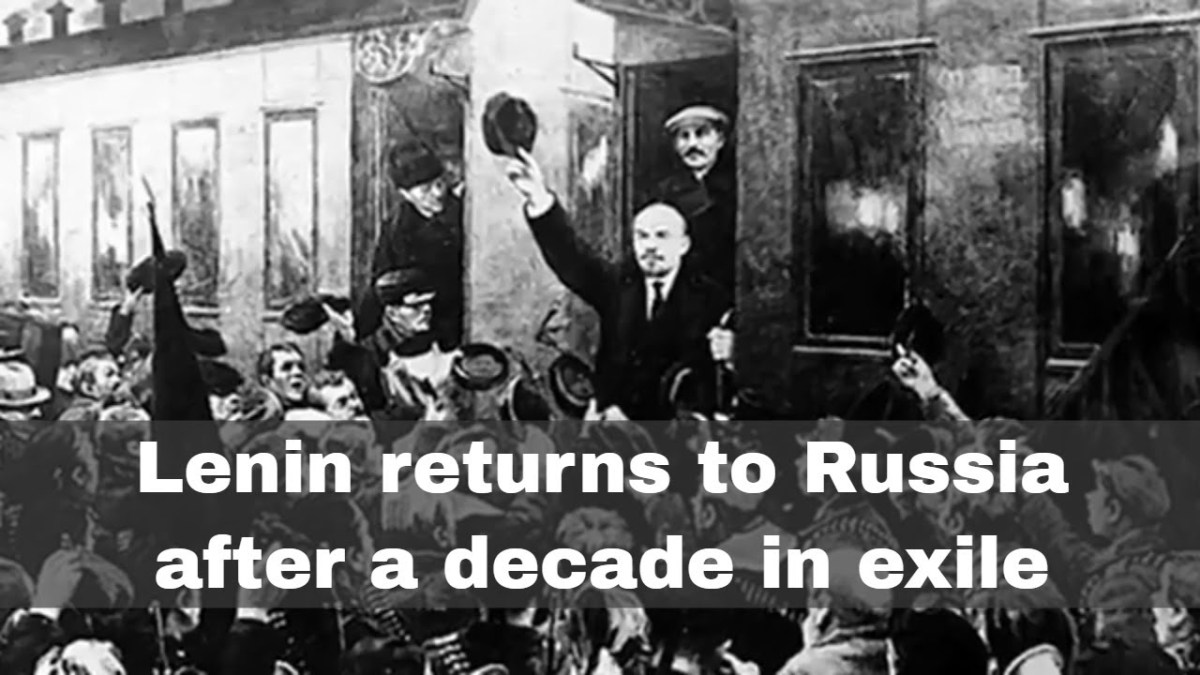
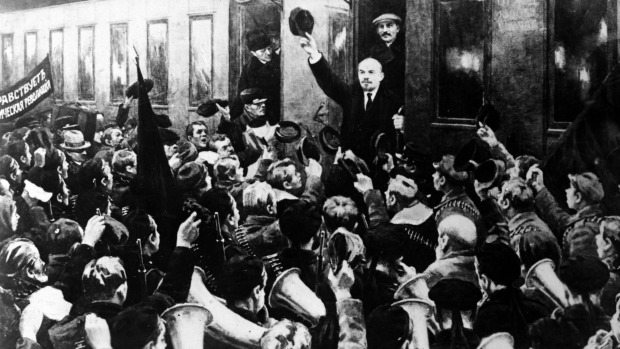
Lenin makes his way to the sealed train which would take him out of exile.

British historian Edward Crankshaw writes, the German government saw “in this obscure fanatic one more bacillus to let loose in tottering and exhausted Russia to spread infection”.

Lurching toward food riots of his own and loathe to unleash such a bacterium against his own homeland, a “Sealed Train” carrying Vladimir Ilyich Lenin and 31 dissidents departed from exile in Switzerland on April 9, complements of the Kaiser. Leaving Zurich Station amid the jeers and the insults of 100 or so assembled Russians shouting “Spies!” “Traitors!” “Pigs!” “Provocateurs!” Lenin turned to a friend and said. “Either we’ll be swinging from the gallows in three months, or we shall be in power.”

North through Germany and across the Baltic Sea, this political plague bacillus traveled the length of Sweden arriving in Petrograd on the evening of April 16, 1917. Like the handful of termites destined to bring down the mighty oak, this small faction inserted into the body politic that April, would help to radicalize the population and consolidate Bolshevik power.

Sealed Train

By October, Russia would experience its second revolution of the year. The German Empire could breathe easier. The “Russian Steamroller” was out of the war, and none too soon. With the United States entering the war that April, Chief of the General Staff Paul von Hindenburg and his deputy Erich Ludendorff could now move their divisions westward, in time to face the American Expeditionary Force.

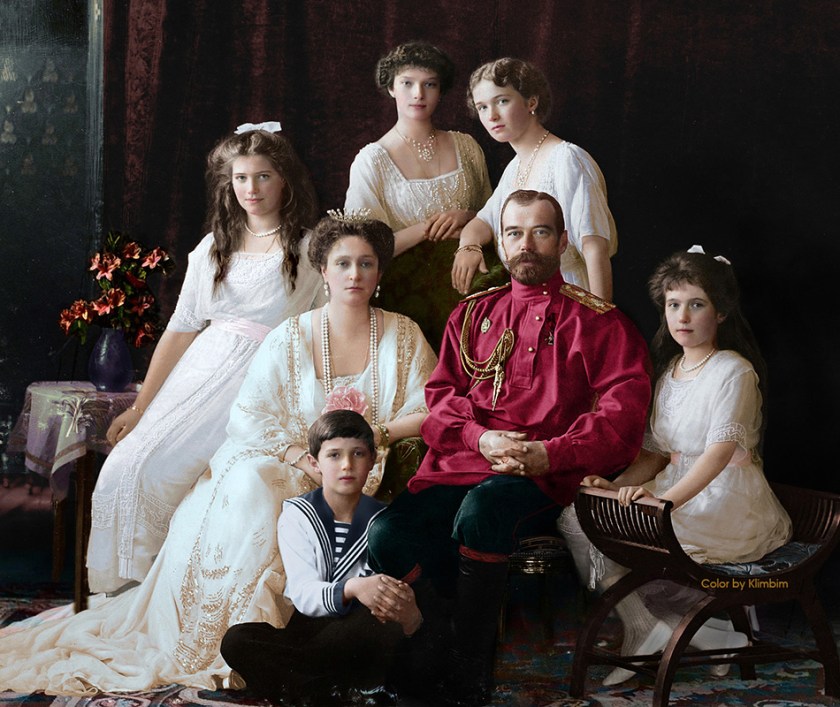
On July 17, 1918, an assassination squad from the Ural Soviet of Workers’ Deputies murdered Czar Nicholas along with his wife and children, family physician, servants and dogs. The Romanov Dynasty was no more. It was the end of Czarist Russia. The death toll of human beings murdered by the totalitarian state which would rise to take its place, has been estimated as high as sixty million.

Romanov
Czar Nicholas II & family, colorized by the Russian artist Olga Shirnina, also known as ‘klimbim’

April 11, 1970 Apollo 13

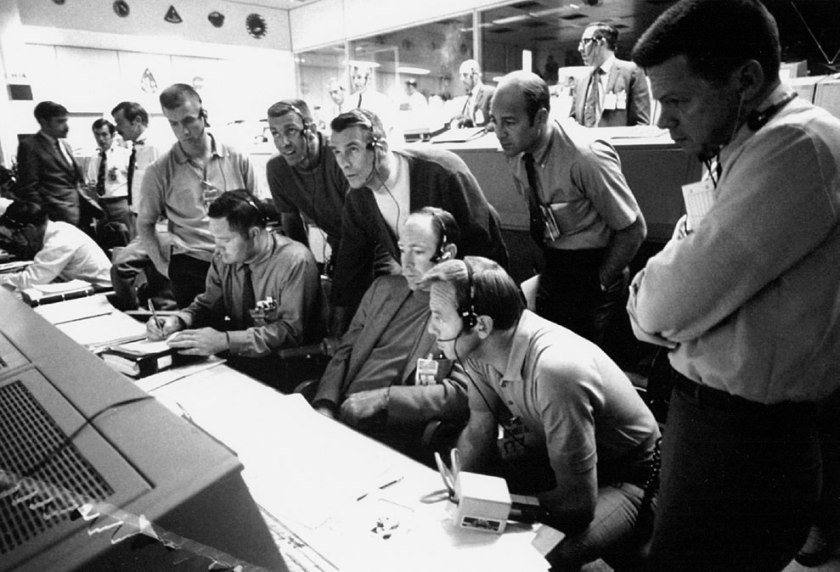
 With communications being impossible, TV commentators used models and illustrations, to describe the unfolding drama.  On board Odyssey, power was so low that voice-only transmissions became difficult. Visual communications with Mission Control were as impossible as the idea that the stranded astronauts could get out and walk home.

Apollo 13 liftoff

The seventh manned mission in the Apollo space program was scheduled to be the third moon landing, launching at 13:13 Central Standard Time from the Kennedy Space Center in Florida.

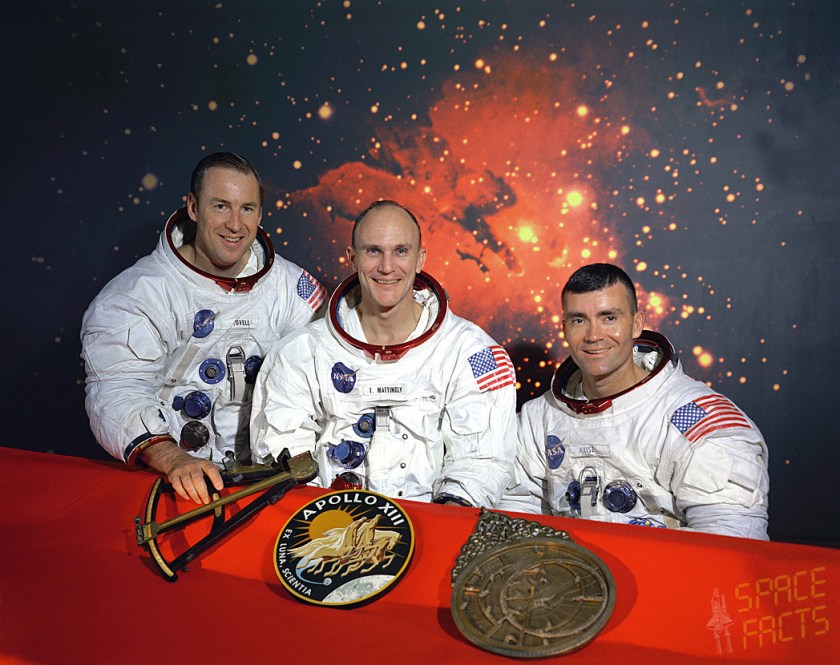
Jack Swigert was the backup pilot for the Command Module (CM), officially joining the Apollo 13 mission only 48 hours earlier, when prime crew member Ken Mattingly was grounded, following exposure to German measles.

Jim Lovell was the most seasoned astronaut in the world at that time, a veteran of two Gemini missions and Apollo 8.  By launch day, April 11, 1970, Lovell had racked up 572 space flight hours. For Fred Haise, backup crew member on Apollo 8 and 11, this would be his first spaceflight.

apollo-13_2
Apollo 13, original crew photo, Left to right: Commander, James A. Lovell Jr., CM pilot Ken Mattingly, LM pilot, Fred W. Haise Jr.

Two separate vessels were joined to form the Apollo spacecraft, separated by an airtight hatch. The crew lived in a Command/Service module called “Odyssey”.  The Landing Module (LM) dubbed “Aquarius”, would perform the actual moon landing.

56 hours into the mission and 5½ hours from the Moon’s sphere of gravitational influence, Apollo crew members had just finished a live TV broadcast.  Haise was powering the LM down while Lovell stowed the TV camera.  Mission Control asked Swigert to activate stirring fans in the Service Module’s hydrogen and oxygen tank. Two minutes later, the astronauts heard a “loud bang”.

Apollo 13 Schematic

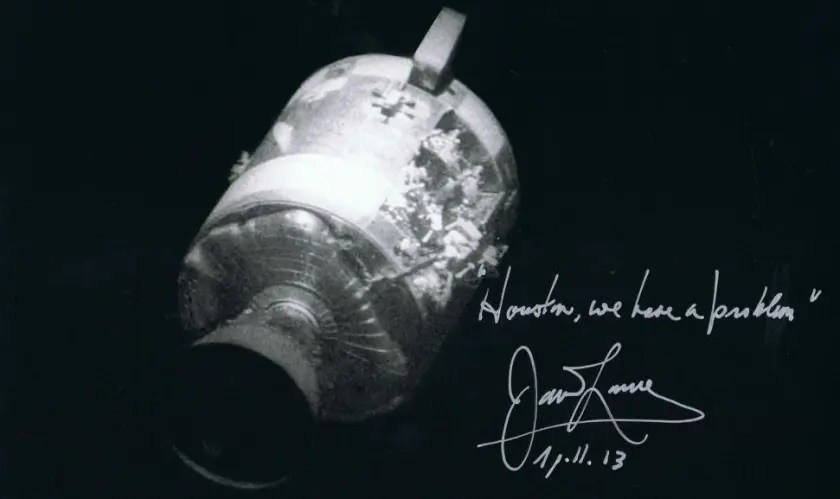
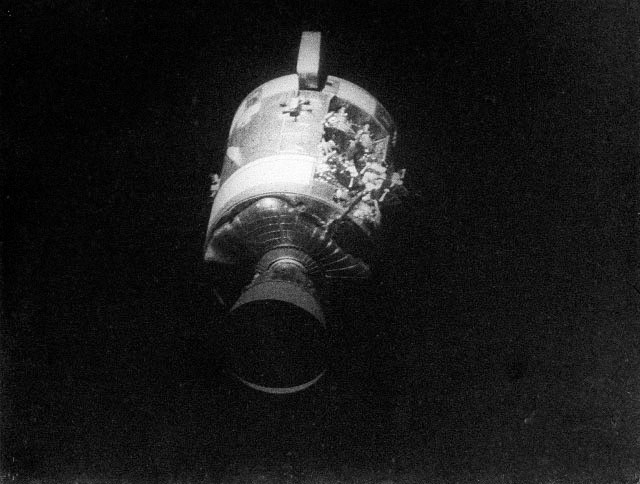
Manufacturing and testing of the vessel had both missed an exposed wire in an oxygen tank.  Swigert had flipped the switch for a routine procedure, causing a spark to set the oxygen tank on fire. Alarm lights lit up all over Odyssey and in Mission Control.  The entire spacecraft shuddered as one oxygen tank tore itself apart and damaged another.  Power began to fluctuate.  Attitude control thrusters fired, and communications temporarily went dark.

The crew could not have known at the time.  The entire Sector 4 panel had just blown off.

apollo-13-damage

The movie takes creative license with Commander James Lovell saying “Houston, we have a problem”.  On board the real Apollo 13 it was Jack Swigert who spoke:  “Houston, we’ve had a problem”.

205,000 miles into deep space with life support systems shutting down, the Lunar Module became the only means of survival.  There was no telling if the explosion had damaged Odyssey’s heat shields.  It didn’t matter. For now, the challenge was to remain alive.  Haise and Lovell frantically worked to boot up Aquarius, while Swigert shut down systems aboard Odyssey.   Power needed to be preserved for splashdown.

The situation had been suggested during an earlier training simulation, but considered unlikely. As it happened, the accident would have been fatal without access to the Lunar Module.

annexe6 A13-S70-34986 Fifteen years before Angus “Mac” MacGyver hit your television screen, mission control teams, spacecraft manufacturers and the crew itself worked around the clock to “MacGyver” life support, navigational and propulsion systems. For four days and nights, the three-man crew lived aboard the cramped, freezing Aquarius, a landing module intended to support a crew of 2 for only a day and one-half.


With heat plummeting to near freezing food inedible and an acute shortage of water, this tiny, claustrophobic “lifeboat” would have to do what it was never intended to do.

Apollo_13_timeline
Apollo XIII timeline

Atmospheric re-entry alone presented near-insurmountable challenges. The earth’s atmosphere is a dense fluid medium. If you reenter at too steep an angle, you may as well be jumping off a high bridge. As it is, the human frame can withstand deceleration forces no higher than 12 Gs, equivalent to 12 individuals identical to yourself, piled on top of you.  Even at that, you’re only going to survive a few minutes, at best.

We all know what it is to skip a stone off the surface of a pond.  If you hit the atmosphere at too shallow an angle, the result is identical to that stone. There is no coming down a second time. You get one bounce and then there is nothing but the black void of space.

800px-Apollo13_apparatus
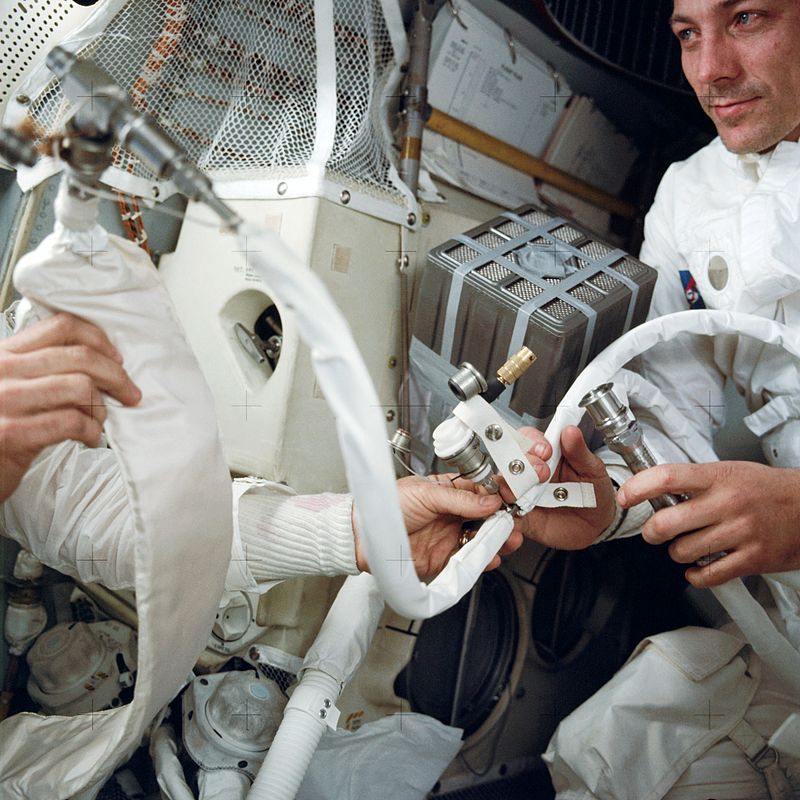
“Astronaut John L. Swigert, at right, with the “mailbox” rig improvised to adapt the command module’s square carbon dioxide scrubber cartridges to fit the lunar module, which took a round cartridge”. /T Wikipedia

The world held its breath it seemed for seventy-eight hours, waiting for the latest update from newspaper and television news.  With communications being impossible, TV commentators used models and illustrations, to describe the unfolding drama.  On board Odyssey, power was so low that voice-only transmissions became difficult. Visual communications with Mission Control were as impossible as the idea that the stranded astronauts could get out and walk home.

As Odyssey neared earth, engineers and crew jury-rigged a means of jettisoning the spent Service Module, to create enough separation for safe re-entry.

night-sky-shooting-star_njz-fhpbe__F0001-1
Shooting star as seen by night, H/T contentbuket.com

One last problem to be solved, was the crew’s final transfer from Lunar Module back to Command Module, prior to re-entry.  With the “reaction control system” dead, University of Toronto engineers had only slide rules and six hours in which to devise a way to “blow” the LM, by pressurizing the tunnel connecting it with the CM.  Too much pressure might damage the hatch and seal.  Too little wouldn’t provide enough separation between the two bodies.  Either failure would result in one of those “shooting stars” you see at night, as the searing heat of re-entry incinerated the Command Module and everything in it.

By this time, the Command Module had been in “cold soak” for days.  No one knew for certain, if the thing would come back to life.

Apollo 13 after it came back to Earth.
Apollo 13 landing

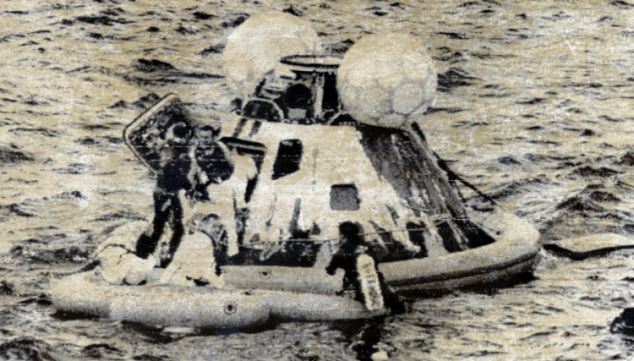
Crashing into the atmosphere at over 24,000mph, the capsule had 14 minutes in which to come to a full stop, splashing down in the waters of the Pacific Ocean. External temperatures on the Command Module reached 2,691° Fahrenheit, as the kinetic energy of re-entry converted to heat.

The Apollo 13 mission ended safely with splashdown southeast of American Samoa on April 17, 1970, at 18:07:41 local time.  Exhausted and hungry, the entire crew had lost weight.  Haise had developed a kidney infection.  Total duration was 142 hours, 54 minutes and 41 seconds.

April 11, 1970  Houston, we Have a Problem

April 7, 451 Attila the Hun

The Roman alliance had stopped the Hunnic invasion in Gaul, but it was a Pyrrhic victory. The military might of Roman and Visigoth alike, was no more.

In the 5th century, the migration of warlike Germanic tribes across northern Europe culminated in the destruction of the Roman Empire in the west.  That much is relatively well known, but the “why”, is not.  What would a people so fearsome as to bring down an empire, have been trying to get away from?

The Roman Empire was split in two in the 5th century and ruled by two separate governments.  Ravenna, in northern Italy, became capital to the Western Roman Empire in 402 and would remain so until the final collapse, in 476.  In the east was Constantinople, seat of the Byzantine empire and destined to go on another thousand years. That would come to an end in 1453 at the hands of the 21-year-old Mehmed “The Conqueror’, 7th sultan of the ottoman Empire. Today we know this crossroads between east and west as Istanbul, but that must be a story, for another day.

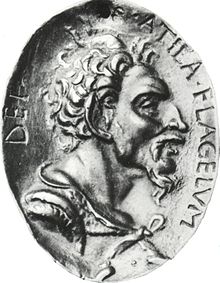
Attila Bronze

Back to the 5th century vast populations moved westward from Germania, into Roman territories in the west and south. They were Alans and Vandals, Suebi, Goths and Burgundians. There were others as well, crossing the Rhine and the Danube and entering Roman Gaul. They came not in conquest:  that would come later. These tribes were fleeing a people so terrifying that whole tribes agreed to be disarmed, in exchange for the protection of Rome.

The Huns.

Rome itself had mostly friendly relations with the Hunnic Empire, which stretched from modern day Germany in the west to Turkey and most of Ukraine, in the east. They were a nomadic people, mounted warriors all but born to the saddle whose main weapons were the bow, and the javelin. Often, Huns acted as mercenary soldiers, paid to fight on behalf of Rome.

Atilla_fléau_de_dieu

Rome looked at such payments as just compensation for services rendered.  To the Huns this was tribute. Tokens of Roman submission to the Hunnic Empire.

Nestorius, Patriarch of Constantinople, described Rome’s problems with the Hun, succinctly.  “They have become both masters and slaves of the Romans”.

Relations became strained between the two powers during the time of the Hunnic King Rugila, as his nephew the future King Attila, came of age.

Attila

Rugila’s death in 434 left the sons of his brother Mundzuk, Attila and Bleda, in control of the united Hunnic tribes. The following year, the brothers negotiated a treaty with Emperor Theodosius of Constantinople, giving the Byzantines time to strengthen the city’s defenses. This included the first sea wall, a structure the city would be forced to defend a thousand years later when even the Theodosian Wall could not stem the Islamic conquest of 1453.

The priest of the Greek church Callinicus wrote what happened next, in his “Life of Saint Hypatius”. “The barbarian nation of the Huns, which was in Thrace, became so great that more than a hundred cities were captured and Constantinople almost came into danger and most men fled from it. … And there were so many murders and blood-lettings that the dead could not be numbered. Ay, for they took captive the churches and monasteries and slew the monks and maidens in great numbers“.

Bleda died sometime in 445 leaving Attila the sole King of the Huns.  Relations with the Western Roman Empire had been relatively friendly, for a time.  That changed in 450 when Justa Grata Honoria, sister of Emperor Valentinian, sought to escape a forced marriage to the former consul Herculanus.  Honoria sent the eunuch Hyacinthus with a note to Attila, asking the king to intervene on her behalf.  She enclosed her ring in token of the message’s authenticity. Attila took this to be an offer of marriage.

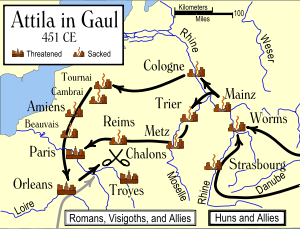
Attila_in_Gaul_451

Valentinian was furious with his sister.  Only the influence of their mother Galla Placidia convinced him to exile rather than have her put to death while he frantically wrote to Attila saying it was all, nothing more than a misunderstanding.

The King of the Huns wasn’t buying it and sent an emissary to Ravenna, to claim what was his.  Attila demanded delivery of his “bride” along with a modest half of the empire, as dowry.

In 451, Attila gathered his vassals and began a march to the west. The Hunnic force was estimated to be half a million strong though that number is almost certainly exaggerated. The Romans hurriedly gathered an army to oppose them while the Huns sacked the cities of Mainz, Worms, Strasbourg and Trier.

Some 1,500 years later the headlines announced the impregnable city of Metz, had fallen to US 95th Infantry.

On April 7, 451 the streets of Metz ran red with the blood of the slain followed in quick succession by those of Cologne, Cambrai, and Orleans.

The Roman army, allied with the Visigothic King Theodoric I, finally stopped the army of Attila at the Battle of the Catalaunian Plains, near Chalons.   Some sources date the Battle of Chalons at June 20, 451, others at September 20.  Even the outcome of the battle is open to interpretation.  Sources may be found to support the conclusion that the battle was a Roman, a Gothic or a Hunnic victory.

Be that as it may it was a Pyrrhic victory in the end. Chalons was one of the last major military operations of the Roman Empire in the west. The Roman alliance had stopped the Hunnic invasion in Gaul, but the military might of Roman and Visigoth alike, was no more.

Attila would return to sack much of Italy in 452, this time razing Aquileia so completely that no trace of it was left behind. Legend has it that Venice was founded at this time when local residents fled the Huns, taking refuge in the marshes and islands of the Venetian Lagoon.

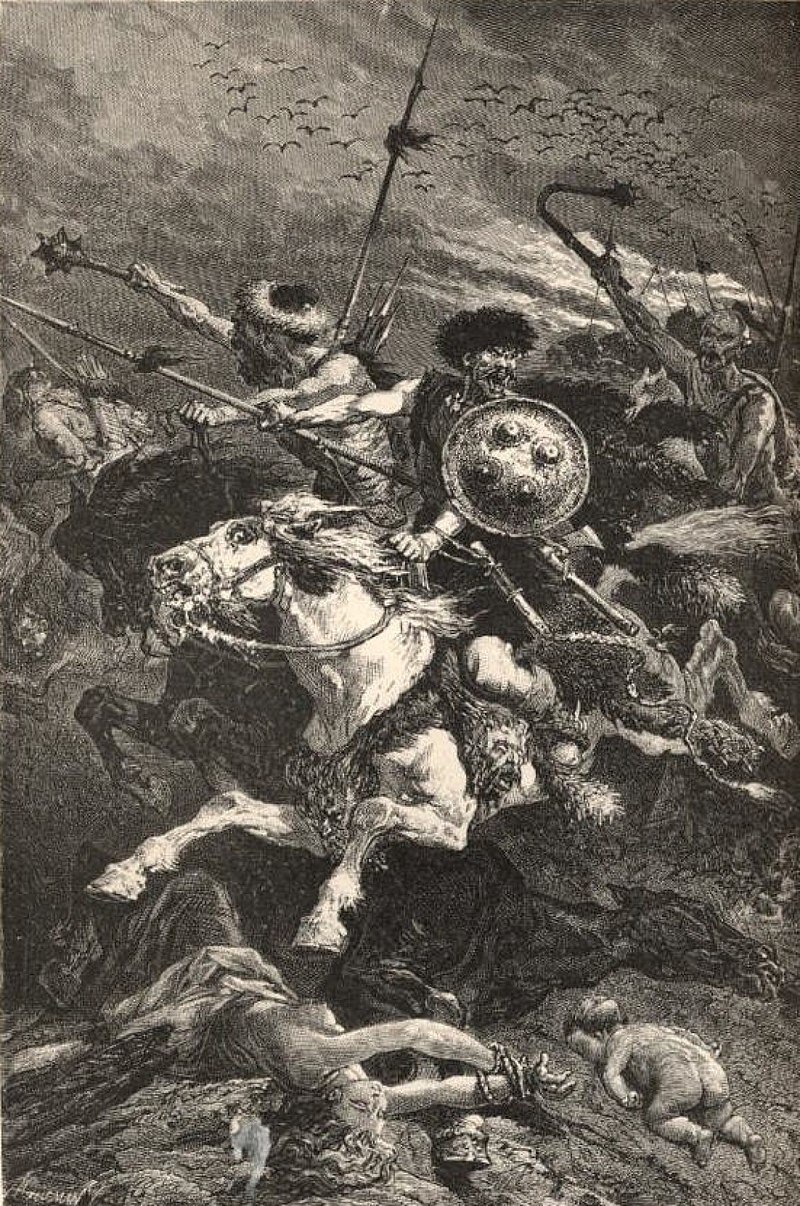
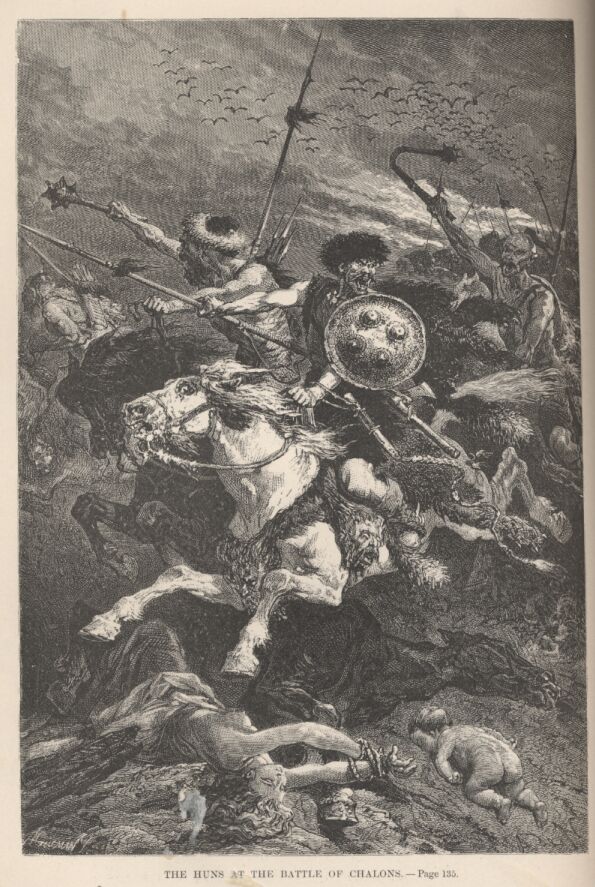
800px-De_Neuville_-_The_Huns_at_the_Battle_of_Chalons
“The Huns at the Battle of Chalons” from page 135 of A Popular History of France From The Earliest Times Volume I of VI (en:Project Gutenberg e-text). Illustration by A. De Neuville (1836-1885). img url: http://www.gutenberg.org/dirs/1/1/9/5/11951/11951-h/images/135.jpg

Attila himself died the following year at a wedding feast, celebrating his marriage to the beautiful young Ostrogoth, Ildico.  She may have been yet another alliance bride weeping in her innocence, at the death of her newly wed husband. Or perhaps she was the assassin, come to settle some ancient blood feud between the Germanic peoples, and the Hun. The King of the Huns died in a drunken stupor as the result of a massive nosebleed, or possibly esophageal bleeding.  This was not the first such event.

The last of the Hunnic Empire died with King Attila as he choked to death on his own blood. In 454 the Hunnic Empire was dismantled by a coalition of Germanic vassals following the Battle of Nedau.

March 19, 1916 Chasing Pancho

During three months of active operations inside Mexico, American forces killed or captured 292 Villistas. Pancho Villa remained elusive.

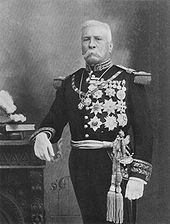
170px-Porfirio_Diaz_in_uniform
Porfirio Diaz

In thirty-five years as President of Mexico, the administration of José de la Cruz Porfirio Díaz Mori had yet to figure out the question of Presidential succession. Popular at first following his seizure of power in the coup of 1876, the Porfirian regime soon began to stagnate. Diaz’ policies benefitted ‘el jefe’ cronies and supporters, the wealthy estate-owning “haciendados”, while rural agricultural “campesinos” were unable to make a living.

Following the turn of the century, the aging President expressed support for a return to democracy and an intention to step down from office.

An unlikely opponent stepped forward in the person of UC-Berkeley educated lawyer and wealthy hacienda owner, Francisco Madero.  Madero wanted a return to democratic elections, but Diaz would have none of it.

madero
Francisco Madero

Perhaps the octogenarian President expected that his country would beg him to stay, or maybe he changed his mind, but anyone stepping into Diaz’ path, did so at his own risk.  Madero fled to the United States, but later returned and faced arrest.  Meanwhile, the 80-year old Porfirio Diaz won re-election to an eighth term by a margin that would make Saddam Hussein blush.  Voters were outraged by what was clearly a massively corrupt election.

Madero escaped prison and produced the Plan de San Luis Potosí to nullify the elections and overthrow Díaz by force.  The table was set for the Mexican Revolution.

Armed conflict ousted Diaz from office the following year, when a free and fair election put Francisco Madero into office. Opposition was quick to form, from both sides of the political spectrum. Conservatives and land owners saw Madero as too weak, his policies too liberal. Former revolutionary fighters and the economically dispossessed saw him as too conservative. In February 1913 both Madero and his vice president Pino Suárez were run out of office and murdered by order of military officer, Victoriano Huerta.

images (33)
Pancho Villa

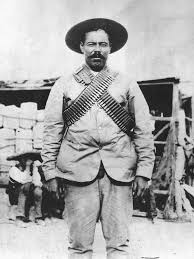
Francisco “Pancho” Villa was a Mexican constitutionalist and a Madero supporter. As commander of the División del Norte (Division of the North), Villa fought on behalf of Primer Jefe (“First Chief”) of the Constitutionalist army Venustiano Carranza, but later turned on his erstwhile leader.

American newspaperman and commentator Ambrose Bierce, author of The Devil’s Dictionary and my favorite curmudgeon, joined Pancho Villa’s army in December 1913, as an observer. And then he vanished. Most likely the Hearst columnist faced a firing squad in Chihuahua but his story remains, unknown.

Trouble began between Villistas and the American government when the US declared its support for Villa’s former ally, providing rail transport from Texas to Arizona for 5,000 Carrancista forces.

In July 1915 the Division del Norte was badly defeated by forces loyal to Carranza, and again in November. Villa’s army ceased to exist as a military fighting force, reduced to foraging the countryside while conducting local skirmishes and cross-border raids.

A three-way fight broke out on November 26 when Villa’s forces attacked the border town of Nogales, Sonora, and fired across the border at American troops in Nogales, Arizona. On January 11, sixteen American employees of the American Smelting and Refining Company were taken from a train near Santa Isabel Chihuahua, stripped naked, and executed.

310px-Columbus

In early March, a force of some 1,500 Villistas were camped along the border three miles south of Columbus New Mexico, when Villa sent spies into Camp Columbus (later renamed Camp Furlong). Informed that Camp Columbus’ fighting strength numbered only thirty or so, a force of 600 crossed the border around midnight on March 8.

Villa divided his force into two columns, launching a two-pronged assault in the early morning darkness of March 9. Townspeople were asleep at first but soon awakened to the sounds of burning buildings, and shouts of “Viva Villa! Viva Mexico!”

What began as a pre-dawn raid soon erupted into full-scale battle, as residents poured from homes with hunting rifles and shotguns.  The Camp Columbus garrison was taken by surprise but recovered quickly, as barefoot soldiers scrambled into position. Four Hotchkiss M1909 machine guns fired 5,000 rounds apiece before the shooting died down, joined by another 30 troopers with M1903 Springfield rifles.

Pancho Villa proclaimed the raid a success, having captured over 300 rifles and shotguns, 80 horses, and 30 mules. Strategically, the raid was a disaster. The Mexicans had lost 90 to 170 dead they could barely afford out of a raiding force, of 484 men. Official American reports indicate 8, 10 or 11 soldiers killed, plus another 7 or 8 civilians, depending on which report you choose to believe.

download (20)

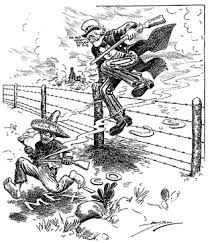
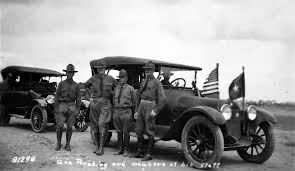
The United States government wasted no time in responding. That same day, the President who would win re-election in eight months on the slogan “He kept us out of war” appointed Newton Diehl Baker, Jr. to fill the previously vacant position of Secretary of War. The following day, Woodrow Wilson ordered General John Pershing to capture Pancho Villa, dead or alive.

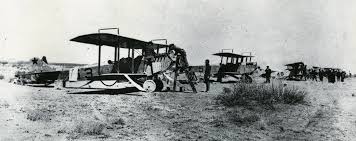
7,000 American troops crossed into Mexico on March 13. It was the first American military expedition to employ mechanized vehicles including trucks and automobiles to carry supplies and personnel and Curtiss Jenny aircraft, used for reconnaissance.

On March 5, 1913, President William Howard Taft ordered the formation of the 1st Aero squadron, nine aircraft divided into two companies.  ‘Aviation’ at that time was not what is, today.  Aircraft were highly experimental, many built by the pilots themselves.  Crashes were commonplace, and flight lessons all but unheard of.  Frequently, general guidelines were given on the ground, and pilots were left to their own devices.  One of the early pilots, Captain Benjamin D. Foulois, sent away and received written instruction from Orville Wright, by mail!

download (21)

The 1st Aero Squadron arrived in New Mexico on March 15 with 8 aircraft, 11 pilots and 82 enlisted men. The first reconnaissance sortie was flown the following day, the first time that American aircraft were used in actual military operations.

Five aircraft departed on the evening of March 19 with orders to report ‘without delay’ to Pershing’s headquarters in Casas Grandes, Mexico. One made it that night, another two straggled in the next morning. One returned to Columbus and 2 others went missing. The problems, it turned out, were insurmountable. 90 HP engines were unable to bring them across 10,000 – 12,000’ mountain peaks, nor could they handle the turbulent winds of mountain passes. Dust storms wrought havoc with engines and, making things worse, the unrelenting heat of the Sonoran Desert de-laminated wooden propellers.

download (22)

On May 14, a young 2nd Lieutenant in charge of a force of fifteen and three Dodge touring cars got into a running gunfight in Chihuahua, while foraging for corn,. It was the first motorized action in American military history. Three Villistas were killed and strapped to the hoods of the cars and driven back to General Pershing’s headquarters. General Pershing nicknamed that 2nd Lt. “The Bandito”. History remembers his name as George S. Patton.

During three months of active operations inside Mexico, American forces killed or captured 292 Villistas. Pancho Villa evaded capture. Pershing publicly proclaimed the operation a success, but privately complained that Wilson imposed too many restrictions, making it impossible to fulfill the mission. “Having dashed into Mexico with the intention of eating the Mexicans raw”, Pershing complained, “we turned back at the first repulse and are now sneaking home under cover, like a whipped cur with its tail between its legs.”

WAR & CONFLICT BOOKERA:  MEXICAN PUNITIVE EXPEDITION
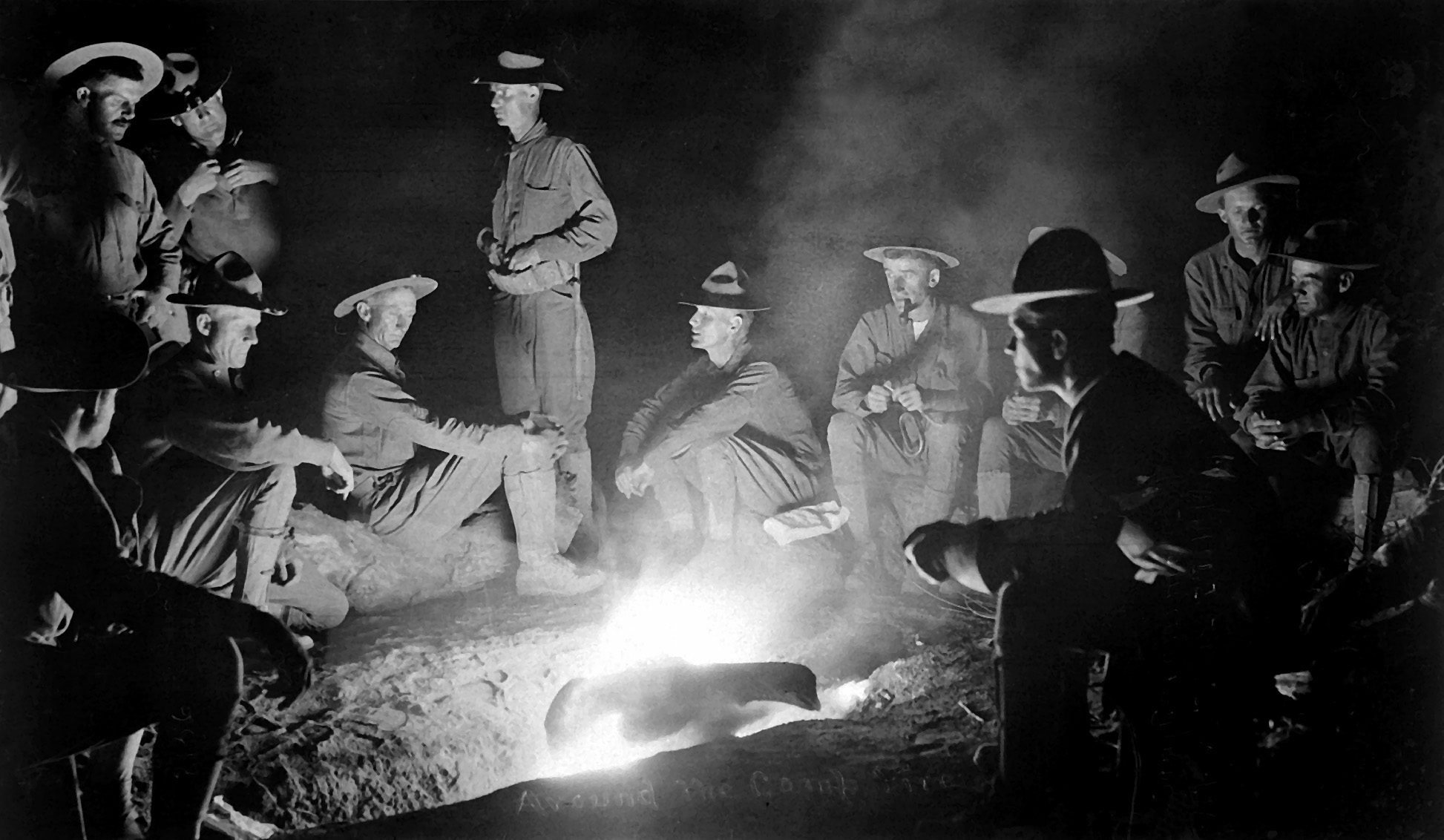
Pancho Villa Expedition, “Around the Campfire”

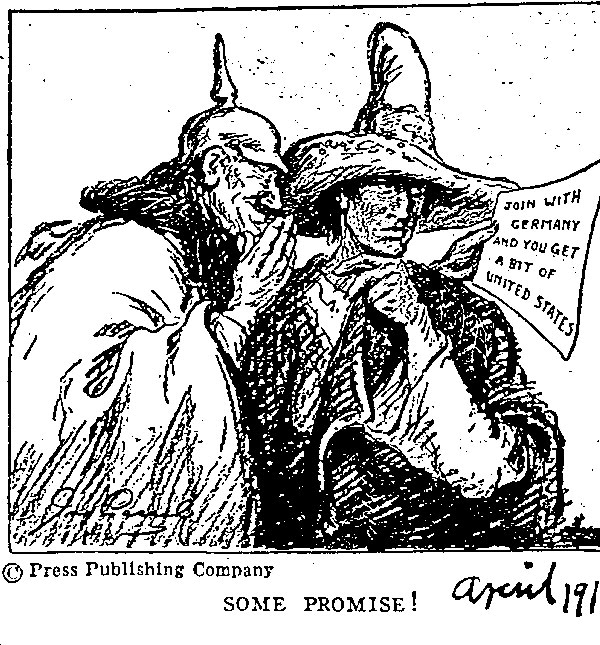
American forces were withdrawn by January 1917, as the European war loomed over American politics. German Foreign Secretary Arthur Zimmermann observed political opposition to American operations inside of Mexico, and concluded that a military alliance was possible between the two countries.

The ‘Zimmermann note‘ proposing such an alliance between Germany and Mexico and promising the “restoration of its former territories of Texas, New Mexico and Arizona“, may be seen as the ‘last straw’ that brought the United States into WW1.

Zimmerman note

March 18, 1917 The Concrete Fleet

Steel was in critically short supply by the time the US entered the war with the need for new ships, greater than ever. Something had to be done. One answer, was concrete.

The last third of the nineteenth century was a period of unprecedented technological advancement, an industrial revolution of international proportion.

The war borne of the second industrial revolution, would be like none before.

From the earliest days of the “War to end all Wars”, the Triple Entente powers imposed a surface blockade on the Central Powers of Germany, Austria-Hungary and the Ottoman Empire, throttling the maritime supply of goods and crippling the capacity to make war. A 1928 academic study put the death toll by starvation at 424,000, in Germany alone.

The Kaiser responded with a blockade of his own, a submarine attack on the supply chain to the British home islands. It was a devastating incursion against an island adversary dependent on prodigious levels of imports.

barque
Joseph Louis Lambot’s first prototype, built 1848

1915 saw the first German attacks on civilian shipping. Total losses for that year alone came to 370 vessels against a loss of only 16 U-Boats.

The US was a late arrival to the “War to End All Wars”, as yet nominally neutral. On this day in 1917 President Woodrow Wilson’s request for a declaration of war and the Congress’ affirmative response, was a scant three weeks away.

Steel was in critically short supply by the time the US entered the war with the need for new ships, greater than ever. Something had to be done. One answer, was concrete.

The idea of concrete boats was nothing new.  In the south of France, Joseph Louis Lambot experimented with steel-reinforced “ferrocement”, building his first dinghy in 1848.

By the outbreak of WW1, Lambot’s creation had sunk to the bottom of a lake, where it remained for 100 years, buried deep in anaerobic mud. Today you can see the thing at the Museum of Brignoles, in the south of France.

Italian engineer Carlo Gabellini built barges and small ships of concrete in the 1890s.  British boat builders experimented with the stuff, in the first decade of the 20th century.  The Violette, built in Faversham in 1917, is now a mooring hulk in Kent, the oldest concrete vessel still afloat.

Violette 1
VIOLETTE 2
Violette 3

The Violette built in 1917, is the oldest concrete ship, still afloat.

The American government contracted with Norwegian boat builder N.K. Fougner to create a prototype, the 84-foot Namsenfjord launched in August, 1917. The test was judged a success. President Wilson approved a twenty-four ship fleet consisting of steamers and tankers to aid the war effort. The first and largest of the concrete fleet, the SS Faith was launched on this day in 1918, thirty days ahead of schedule.

W-Ordnance-1-2
“Constructed by the San Francisco Shipbuilding Company in 1918, the SS Faith was the first concrete ship built in the United States”. – H/T warfarehistorynetwork.com

The New York Times was ecstatic:

98260463

‘”When the first steel vessels were built people said they would not float, or if they did they would be too heavy to be serviceable,” said W. Leslie Comyn, President of the concern which built the boat. “Now they say the same about concrete. But all the engineers we have taken over this boat, including many who said it was an impossible undertaking, now agree that it was a success”‘.

All that from a west coast meadow with two tool sheds, a production facility 1/20th the cost of a conventional steel shipyard.

The Great War ended eight months later with only half the concrete fleet, actually begun.  None were completed.  All were sold off to commercial shippers or for storage, or scrap.

For all its advantages as a building material, ferrocement has numerous drawbacks. Concrete is a porous material, and chunks tend to spall off from rusting steel reinforcements. We’ve all seen what that looks like, on bridge abutments. Worst of all, the stuff is brittle. On October 30, 1920, the SS Cape Fear collided with a cargo ship in Narragansett Bay Rhode Island and “shattered like a teacup”, killing 19 crewmen.

SS Palo Alto was a tanker-turned restaurant and dance club, before breaking up in heavy waves, in Monterey Bay.

imrs
SS Palo Alto

SS San Pasqual was damaged in a storm in 1921 and became a warehouse for the Old Times Molasses Company of Havana. She was converted to a coastal defense installation during WW2 and outfitted with machine guns and cannon, then becaming a prison, during the Cuban revolution. The wreck was later converted to a 10-room hotel before closing, for good.  That was some swanky joint, I’m sure.

ebf8e74d80a6015db77f3178ec937bf23bf8c407
SS San Pasquale

The steamer SS Sapona was sold for scrap and converted to a floating liquor warehouse during Prohibition, later grounding off the shore of Bimini during a hurricane.  All the liquor, was lost.

1920px-Sapona_Panoramic
SS Sapone as she looked, in 2009.  H/T Compsciscubadive

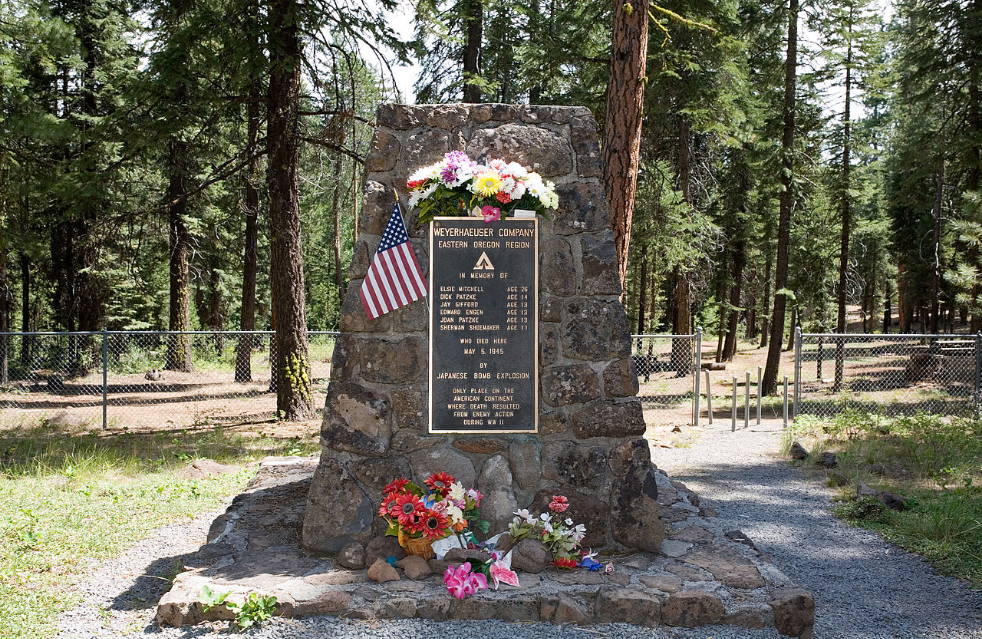
The SS Atlantus was destined to be sunk in place as a ferry dock in Cape May New Jersey in 1926, until she broke free in a hurricane and ran aground, 150-feet from the beach. Several attempts were made to free the hulk, but none successful. At one time, the wreck bore a billboard. Advertising a marine insurance outfit, no less. Kids used to swim out and dive off, until one drowned. The wreck began to split up in the late 1950s. If you visit sunset beach today, you might see something like the image, at the top of this page.

postcard_insurance
SS Atlantus, Insurance billboard

In 1942, the world once again descended into war.  With steel again in short supply, the Roosevelt administration contracted for another concrete fleet of 24 ships.  The decades had come and gone since that earlier fleet.  This time, the new vessels came off the production line at the astonishing rate of one a month featuring newer and stronger aggregates, lighter than those of years past. Like the earlier concrete fleet, most would be sold off after the war.  Two of the WW2 concrete fleet actually saw combat service, the SS David O. Saylor and the SS Vitruvius.  

In March 1944, an extraordinary naval convoy departed the port of Baltimore. including the concrete vessels, SS David O. Saylor and SS Vitruvius.  It was the most decrepit procession to depart an American city since Ma and Pa Joad left Oklahoma, for California.  A one-way voyage with Merchant Marines promised a return trip, aboard Queen Mary.

Merchant mariner Richard Powers , described the scene:

“We left Baltimore on March 5, and met our convoy just outside Charleston, South Carolina,” Powers recalled. “It wasn’t a pretty sight: 15 old ‘rustpots.’ There were World War I-era ‘Hog Islanders’ (named for the Hog Island shipyard in Philadelphia where these cargo and transport ships were built), damaged Liberty Ships.”

1,154 U-boats were commissioned into the German navy before and during WW2, some 245 of which were lost in 1944.  The majority of those, in the North Atlantic.  The allied crossing took a snail’s pace at 33 days and, despite the massive U-boat presence, passed unmolested into Liverpool.  Powers figured, “The U-Boats were not stupid enough to waste their torpedoes on us.”

Herr Hitler’s Kriegsmarine should have paid more attention.

55fda32fbd86ef15008bb8a3-750-433

On June 1, Seaman Powers’ parade of misfit ships joined a procession of 100 British and American vessels.  Old transports and battered warships, under tow or limping across the English channel at the stately pace of five knots.  These were the old and the infirm, the combat damaged and obsolete.  There were gaping holes from mine explosions, and the twisted and misshapen evidence of collisions at sea. Some had superstructures torn by some of the most vicious naval combat, of the European war.  Decrepit as they were, each was bristling with anti-aircraft batteries, Merchant Mariners joined by battle hardened combat troops.

Their services would not be required.  The allies had complete air supremacy over the English channel.

1122x900
A line of U.S. Liberty ships deliberately sunk off the coast at Omaha beach to form a breakwater for the Mulberry harbor there.(U.S. Army) H/T wearethemighty.com

These were the “gooseberries” and “blockships”.   Part of the artificial “Mulberry” harbors intended to form breakwaters and landing piers in support of the D-Day landing, charged with the difficult and dangerous task of scuttling under fire at five points along the Norman coast.  Utah.  Omaha.  Gold.  Juneau.  Sword.

Later on, thousands more merchant vessels would arrive in support of the D-Day invasion.  None more important than those hundred or so destined to advance and die, the living breakwater without which the retaking of continental Europe, would not have been possible.

A Trivial Matter
The British Army lost 19,240 killed on the first Day of the WW1 Battle of the Somme. French and German forces suffered a whopping 975,000 casualties on one single day of the ten-month Battle of Verdun. Imperial Russia lost five million soldiers, in the first two years of WW1. Many single day’s fighting of the great battles of 1916 produced more casualties than every European war of the previous 100 years. Combined.

March 17, 1968 Pandora’s Box

“The god Prometheus stole fire from heaven to give to the human race, which originally consisted only of men. To punish humanity, the other gods created the first woman, the beautiful Pandora. As a gift, Zeus gave her a box, which she was told never to open. However, as soon as he was out of sight she took off the lid, and out swarmed all the troubles of the world, never to be recaptured. Only Hope was left in the box, stuck under the lid. Anything that looks ordinary but may produce unpredictable harmful results can thus be called a Pandora’s box”. – Merriam-Webster.com

On March 4, 2018, a father and daughter enjoyed a meal at the Zizzi restaurant in the cathedral city of Salisbury, ninety miles southwest of London. Two hours before sunset, the two took ill.  A passing doctor and nurse found the couple unresponsive, on a park bench.

Skripal
Sergei and Yulia Skripal

Sergei Skripal, age 66, and his daughter Yulia (33) were slipping in and out of consciousness, foaming at the mouth with eyes wide open, but entirely white.  The Skripals were weeks in intensive care before regaining consciousness. In a May 23 interview with CBS News, Yulia said “I don’t want to describe the details, but the clinical treatment was invasive, painful and depressing.”

Like the Russian State Security operative turned defector Alexander Litvinenko before them, Sergei Skripal knew his former boss had a very long reach. In 2006, Litvinenko took ill on the streets of England, poisoned by the radioactive element Pollonium-210, slipped into his tea. Skripal it turns out was a former Russian military officer and double agent for British intelligence. Twelve years earlier Litvinenko suffered a long and terrible death. Skripal and his daughter recovered. The former spy is rumored to be living in New Zealand, under an assumed name.

British Prime Minister Theresa May expelled 23 Russian “diplomats” following the 2018 incident. While Vladimir Putin’s government vehemently denies the charge, the Skripal matter has been classified as an attempted assassination using the military grade nerve agent, Novichok.

The terrifying history of nerve agents began in 1936, when the German biochemist Dr. Gerhard Schrader was working on pesticides.  Dr. Schrader first experienced problems with his eyesight, and soon had difficulty breathing. Symptoms included involuntary muscular spasms. Within days the scientist’s arm was fully paralyzed.

Dr. Schrader had discovered a class of chemical compounds known as organo-phosphates.

Nerve agent final

Organo-phosphates are a class of organic chemical which block nerve signals to bodily organs. Nerve agents are generally clear to a golden amber in color, tasteless liquids which may be evaporated, into a gas. The Sarin gas used in the 1995 Aum Shinrikio attack on the Tokyo subway was odorless as was the VX used to assassinate the brother of Kim Jong-un, in 2017.

Symptoms of nerve agent poisoning begin with constriction of pupils and convulsions, leading to involuntary urination and defecation. Death follows within minutes caused by asphyxiation, or cardiac arrest.

In the 1950s, British chemist Dr. Ranajit Ghosh discovered the “V”series of organophosphate, sold as a pesticide in 1954 under the trade name Amiton. The stuff was soon judged too dangerous for safe use and taken off the market. British Armed Forces took control of the compound at Porton Downs and traded it to the United States in 1958, for information on thermo-nuclear weapons.

In 1961, the American military went into full-scale production of VX gas as a chemical weapon of war. The Soviet military developed an analog called VR in 1963 later developed into the Novichok group, including the most toxic molecules ever developed.

800px-Dugway_Proving_Ground
Dugway Proving Ground

The Dugway Proving Ground near Salt lake City Utah was established in 1941 and used for hundreds if not thousands of open-air tests of nuclear, biological and chemical (NBC) compounds.

A 1994 the US GAO (General Accounting Office) reported:

“From 1951 through 1969, hundreds, perhaps thousands of open-air tests using bacteria and viruses that cause disease in human, animals, and plants were conducted at Dugway … It is unknown how many people in the surrounding vicinity were also exposed to potentially harmful agents used in open-air tests at Dugway”.

Skull Valley is a geologic formation bordering the Great Salt Lake Desert near Dugway, in the south of Utah. On March 17, 1968, the manager of a Skull Valley livestock company phoned the department of ecology and epidemiology at Dugway to report the unexplained death of 3,000 sheep.

The Dugway safety office compiled a count of 3,843 dead animals. Exact cause of death was at first difficult to determine, since “no other animals of any type, including cows, horses, dogs, rabbits, or birds, appeared to have suffered any ill effects, a circumstance that was hard to explain if VX had in fact caused the sheep deaths.”

gettyimages-595692841_master
View of two farmers checking the corpses of dead sheep on a farm ranch near the Dugway Proving Ground in Utah. (Rolls Press/Popperfoto/Getty Images) H/T Smithsonian.com

Necropsies revealed the presence of VX nerve agent, as did grass and snow samples taken, some three weeks after the incident.  Total sheep fatalities were counted at 6,000-6,400 including those humanely euthanized.  With even a suspicion of VX nerve agent, the animals had no market value whatsoever either for meat, or for wool.

Military Accidentally Ships Anthrax To Labs In Nine States

A report which remained classified for thirty years blamed a faulty nozzle left open as the test aircraft, gained altitude.

Public backlash was vehement against the US Army Chemical Corps, and nearly lead to its disbanding.  President Richard Nixon ordered a halt to open air testing of “NBC” agents, in 1969.

Few nations possess stockpiles of nerve agents, a hellish weapon of war which may, with a mere puff of wind, turn on those who would use it. The use of such an agent would almost certainly lead to nuclear retaliation should any nation so attacked, possess the capability.

Today on the morning news we hear of “scum” and “insects” who must be “purged” from the Russian nation. These are the pronouncements of the dictator Vladimir Putin, words we haven’t heard since the days of the Third Reich or the terrible monstrosity of Stalin’s USSR, words directed this time at Putin’s own countrymen, objectors to the war of aggression being carried out even now, against their neighbors in Ukraine.

The nations of the world release statements but stand at bay, fearful of the horrors as yet locked away in the darkness, of Pandora’s box. Like the hideous three-headed dog Cerberus standing guard at the gates of hell we shrink in horror at that terrible and yet benign sounding term, NBC. We hold a wolf by the ears, desperately afraid to hang on yet unable, to let go.