
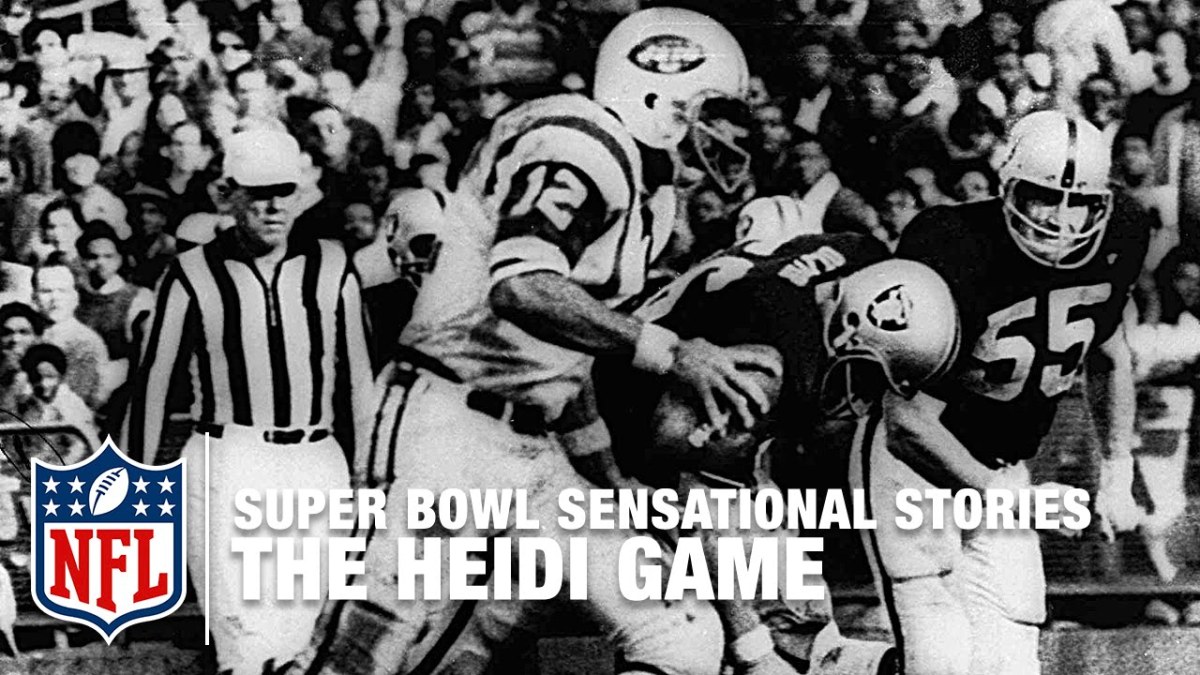
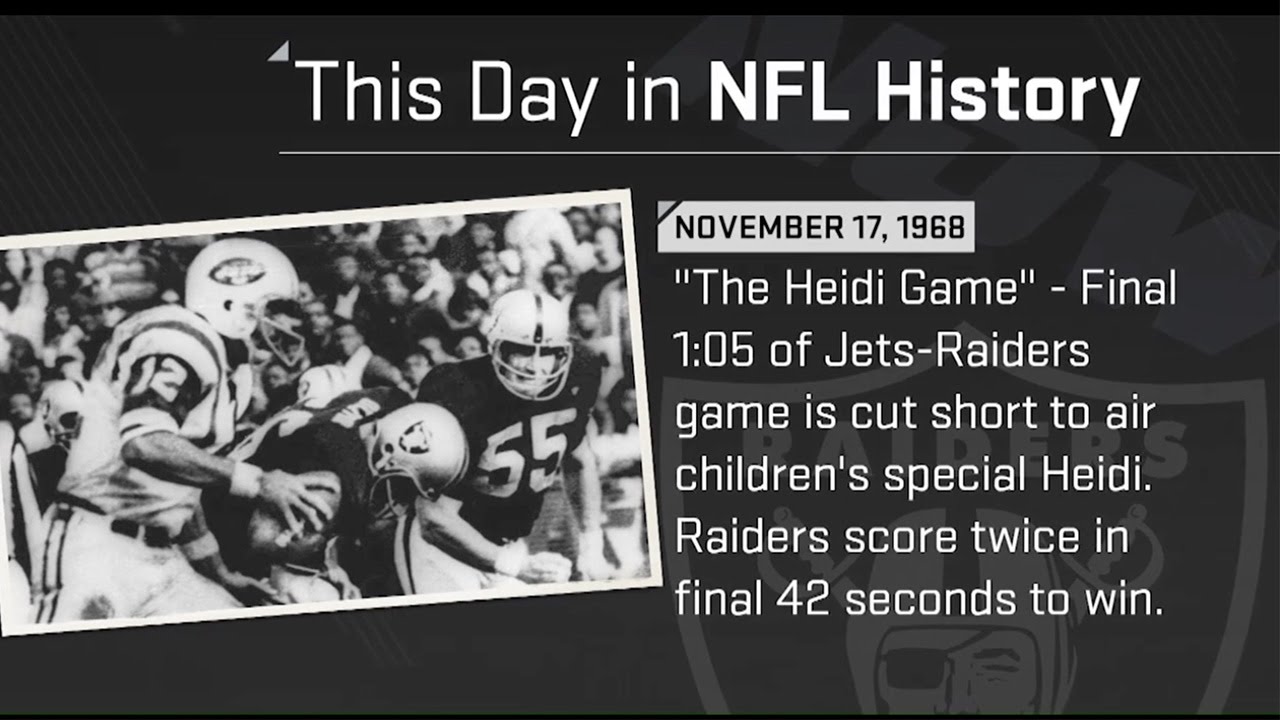
For a football fan, November 17, 1968 was shaping up to be one hell of a game. The second-best team in the world Oakland Raiders if the results of Super Bowl II were any indication, against the future American Football League champion and Super Bowl III winner, New York Jets.
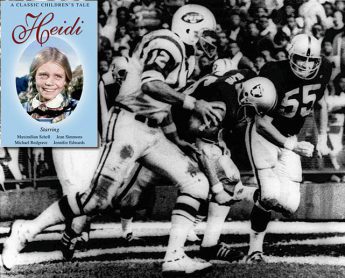 NBC executives, were thrilled. The AFL was only eight years old in 1968 and as yet unproven compared with the older league, the NFL/AFL merger still two years in the future.
This game was expected to keep viewers in their seats, adding to the already large audience expected for the 7:00pm presentation of Heidi, a modern remake of the children’s classic story from 1880.
Most pro football games were played in 2½ hours in those days, and league executives scheduled this one, for three. The contract with Heidi prime sponsor Timex specified a 7:00 start and so the order went down. There would be no delays.
The game did not disappoint, voted among the ten most memorable games in professional football history in 1997, and the most memorable regular season contest, ever. The rivalry between the two clubs was intense, a high-scoring game where the lead changed, no fewer than eight times.
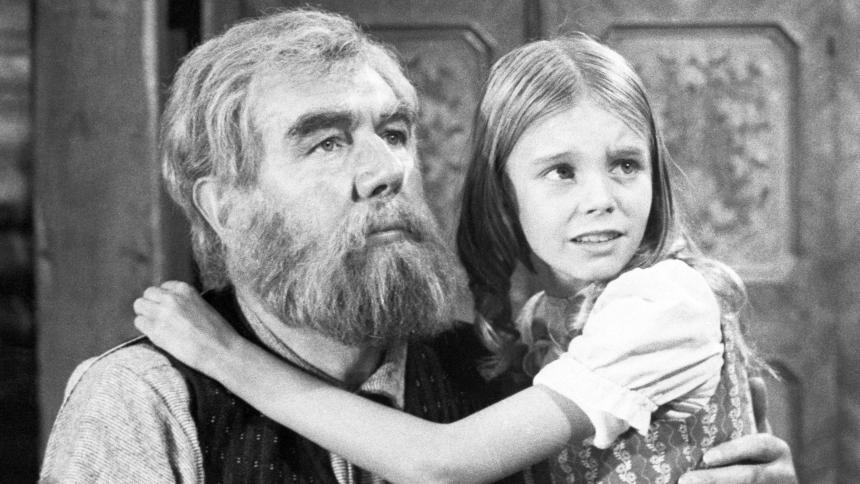
Network brass began to worry as early as 6:20 E.T., that the game wouldn’t end on time. 7:00 arrived with a minute & five seconds left to play and the Jets ahead, 32-29.
Network and affiliate switchboards began to light up, fans demanding the game be broadcast in its entirety, while others asked if Heidi would begin, on time.
NBC Sports executive producer Don “Scotty” Connal and network president Julian Goodman had by this time agreed to “slide the network”, to begin Heidi as soon as Curt Gowdy signed off from the game.
By this time phone switchboards were jammed, solid. NBC’s CIrcle-7 phone exchange blew twenty-six fuses, in an hour. Broadcast Operations Control (BOC) supervisor Dick Cline nervously watched the clock as Connal frantically tried to call, but couldn’t get through.
The television audience watched Oakland running back Charlie Smith return the kickoff from the end zone to the Oakland 22-yard line with 1:01 remaining on the clock, when the feed was broken.
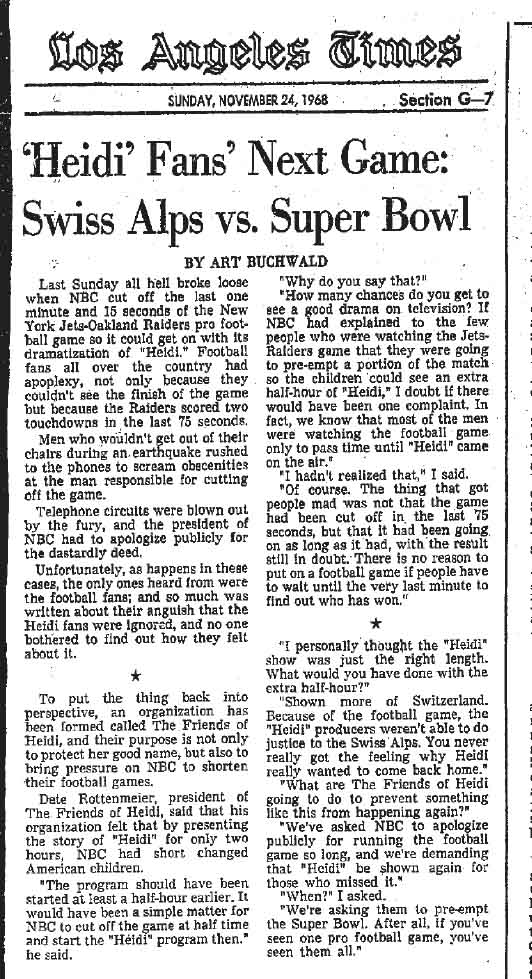
Heads exploded across the nation as callers reached out to newspapers and television stations, even local police departments, to demand the score. And to bitch. Humorist Art Buchwald wrote “Men who wouldn’t get out of their chairs in an earthquake rushed to the phone to scream obscenities [at the network].”
Meanwhile, the Oakland Raiders staged the most amazing come-from-behind rally in the history of sport, scoring two touchdowns in nine seconds. Gamblers were apoplectic on learning the news, that the Raiders had beat the 7½ point spread.
The film was just reaching a most tear-jerking moment as Heidi’s paralyzed cousin Clara was taking her first halting steps, as NBC broke in: “SPORTS BULLETIN: RAIDERS DEFEAT JETS 43-32”.
If half the nation hated NBC at that moment, now the other half did, as well. Sportswriter Jack Clary quipped, “The football fans were indignant when they saw what they had missed. The Heidi audience was peeved at having an ambulatory football score intrude on one of the story’s more touching moments. Short of pre-empting Heidi for a skin flick, NBC could not have managed to alienate more viewers that evening.”
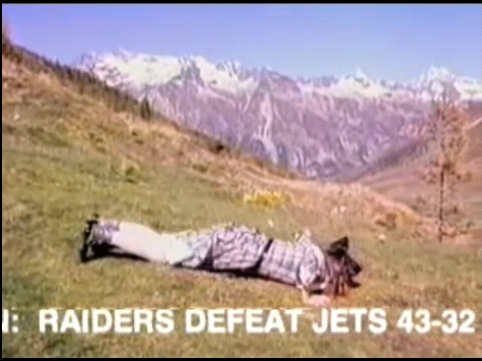 The “Heidi Bowl” was prime time news the following night, on all three networks. NBC’s Huntley-Brinkley Report aired the last sixty seconds while ABC Evening News anchor Frank Reynolds read excerpts from the movie, with clips of the Raiders’ two touchdowns cut in. CBS Evening News’ Harry Reasoner announced the “result” of the game: “Heidi married the goat-herder“.
NBC had no option but self-mockery, to redeem itself from the fiasco. One testimonial read “I didn’t get a chance to see it, but I hear it was great”. It was signed by Joe Namath.
A special “Heidi phone” was installed in the BOC, to prevent future such disasters. In 2005, TV Guide listed the Heidi Bowl at #6 of the “100 Most Unexpected TV Moments” in television history.
Actress Jennifer Edwards in the title role of the film, may have had the final word: “My gravestone is gonna say, ‘She was a great moment in sports'”.
If you enjoyed this “Today in History”, please feel free to re-blog, “like” & share on social media, so that others may find and enjoy it as well. Please click the “follow” button on the right, to receive email updates on new articles. Thank you for your interest, in the history we all share.





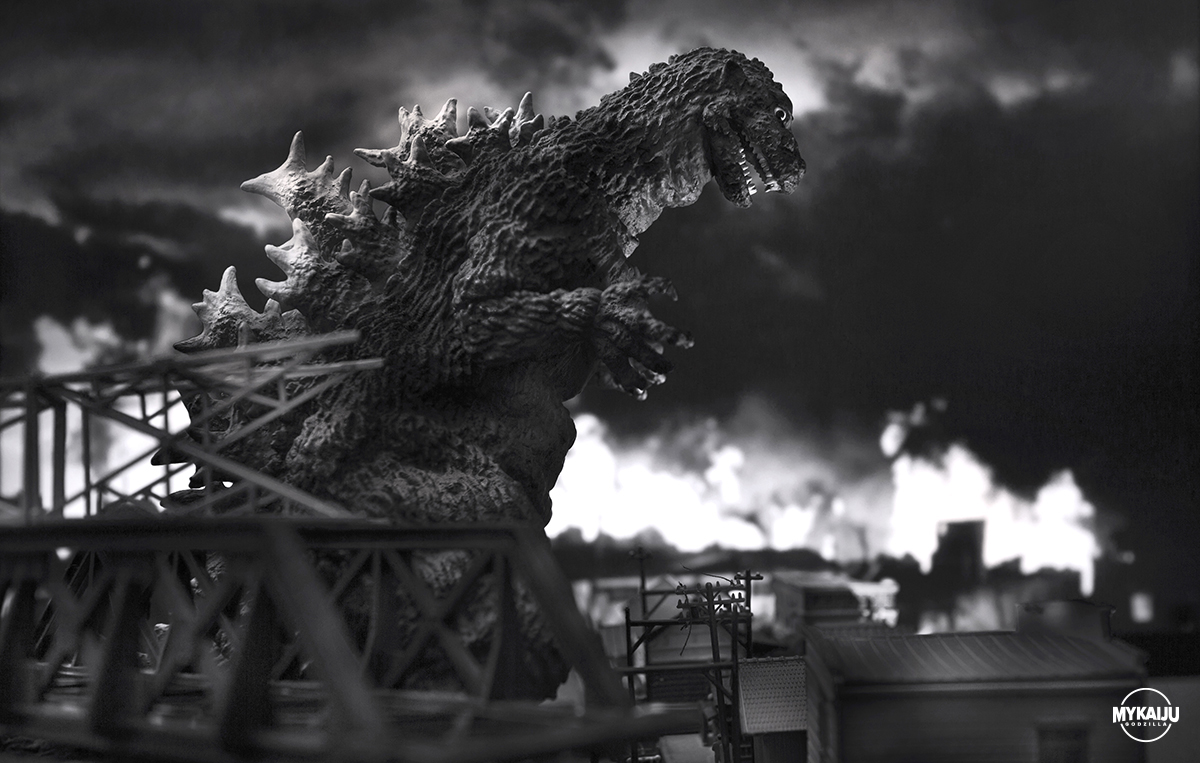
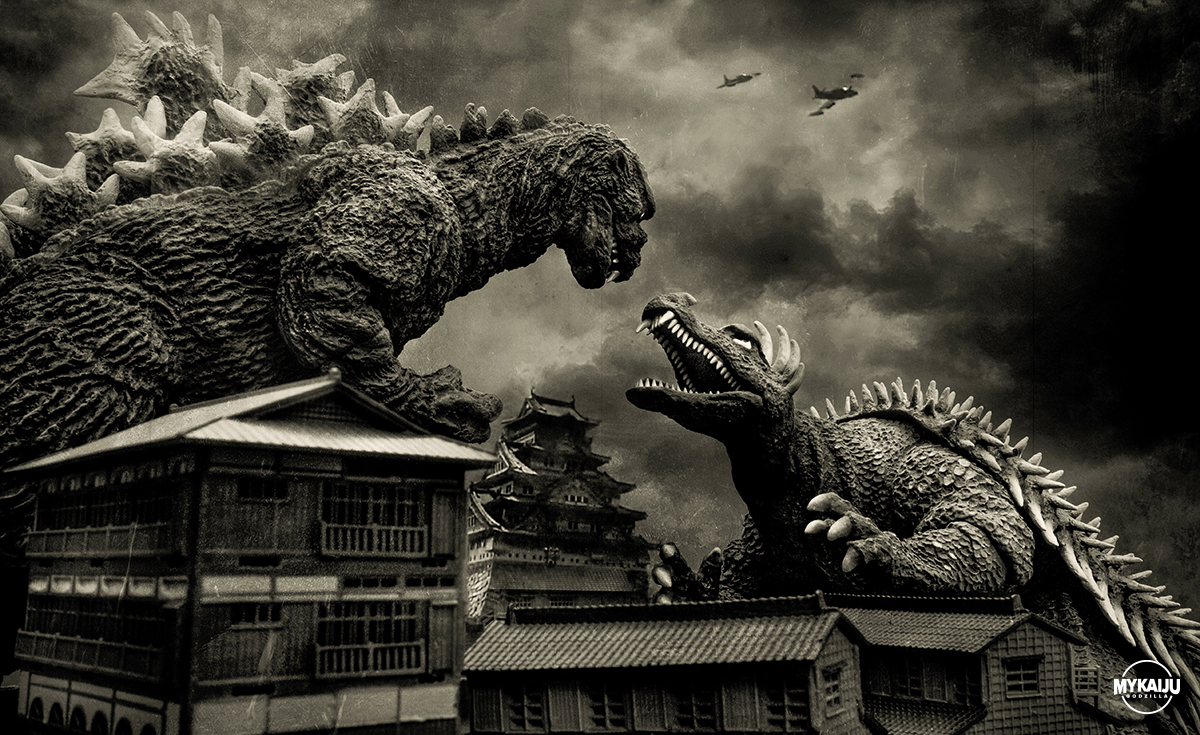


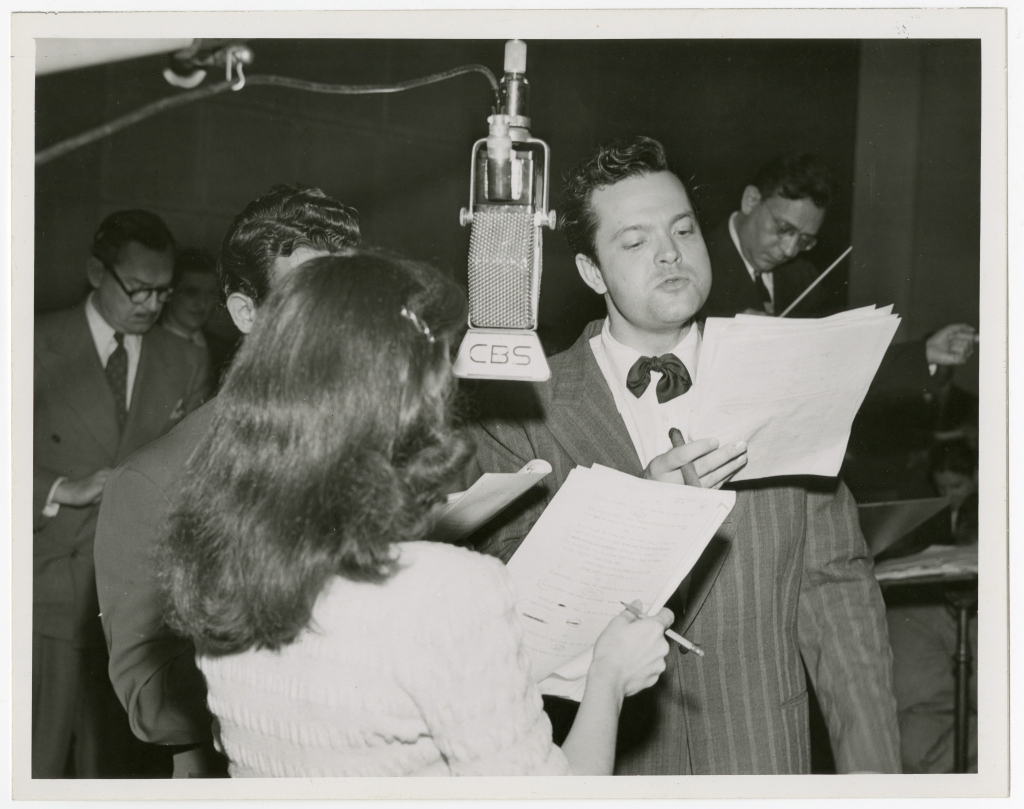 The radio drama began with a statement that, what followed, was fictional. The warning was repeated at the 40 and 55-minute mark, and again at the end of the broadcast. It began with a weather report, and then went to a dance band remote, featuring “Ramon Raquello and his orchestra”. The music was periodically interrupted by live “news” flashes, beginning with strange explosions on Mars. Producer Orson Welles made his first radio appearance as the “famous” (but non-existent) Princeton Professor Dr. Richard Pierson, who dismissed speculation about life on Mars.
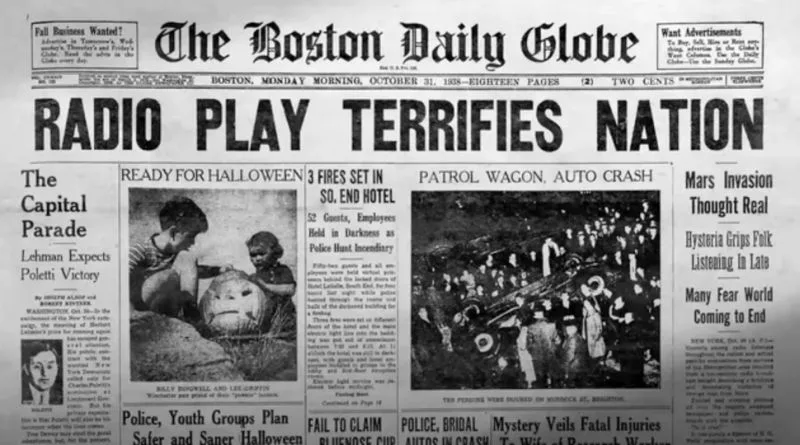
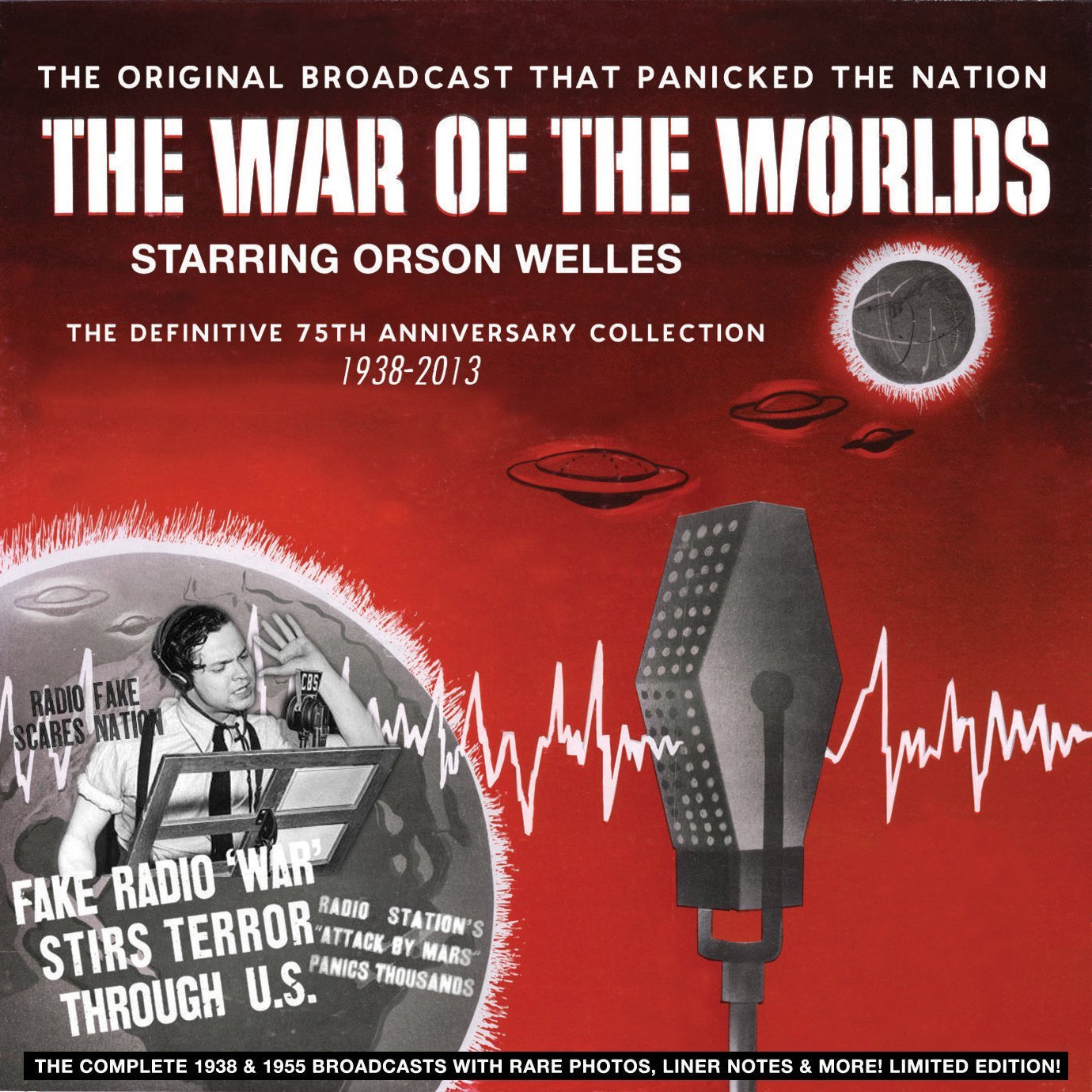 A short time later, another “news flash” reported a fiery crash in Grovers Mill, NJ. What was originally thought to be a meteorite was revealed to be a rocket machine as a tentacled, pulsating Martian unscrewed the hatch and incinerated the crowd with a death ray.


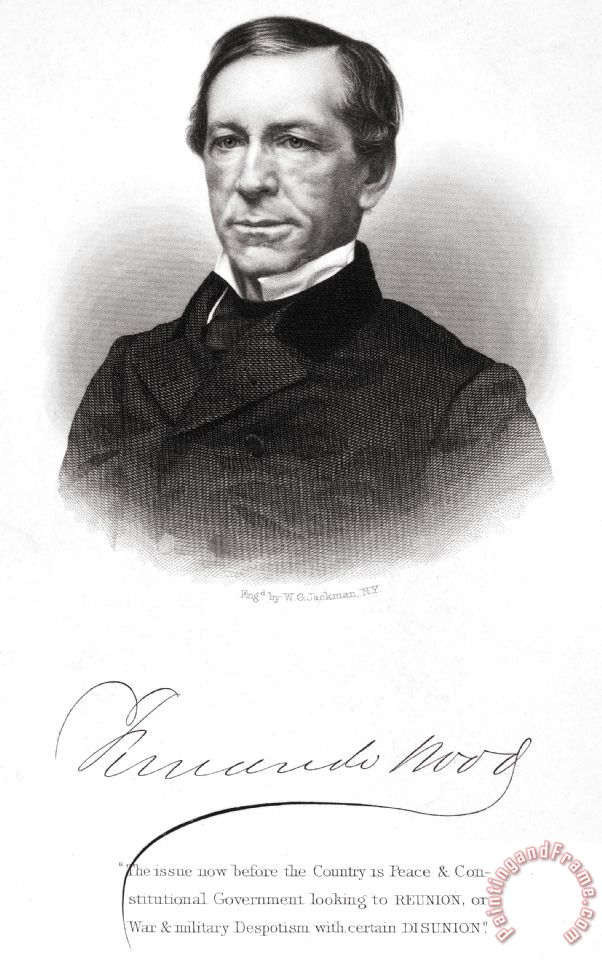 South Carolina seceded in December 1860, and the world waited to see who’d follow. New York City became the next to call for secession on January 6, when Mayor Fernando Wood addressed the city’s governing body. “When Disunion has become a fixed and certain fact”, he said, “why may not New York disrupt the bands which bind her to a venal and corrupt master…and destroyed the Confederacy of which she was the proud Empire City?”
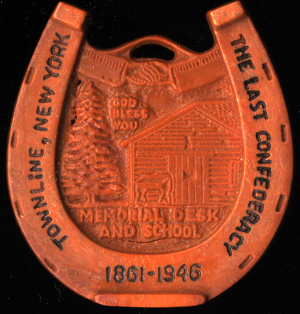 A courier express note arrived on October 7, 1945. “There are few controversies that are not susceptible to a peace time resolution” read the note, “if examined in an atmosphere of tranquility and calm rather than strife and turmoil. I would suggest the possibility of roast veal as a vehicle of peace. Why don’t you run down the fattest calf in Erie County, barbecue it and serve it with fixin’s in the old blacksmith shop where the ruckus started? Who can tell? The dissidents might decide to resume citizenship.” The note was signed “Very Sincerely Yours, Harry Truman”.
![4b4cf0f864c3dabcdb_IMG_7326[1]](https://todayinhistory.blog/wp-content/uploads/2018/10/4b4cf0f864c3dabcdb_img_73261.jpg)


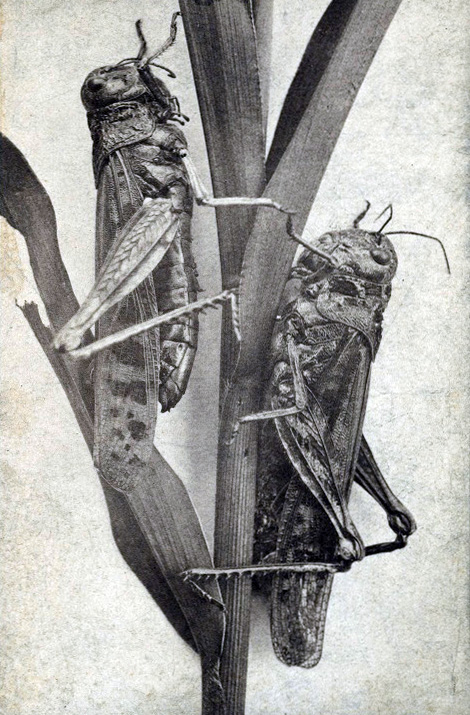
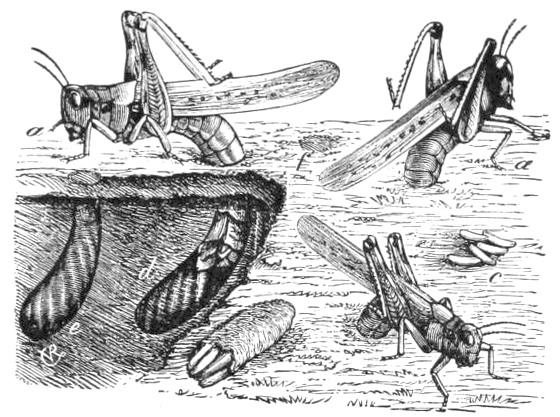

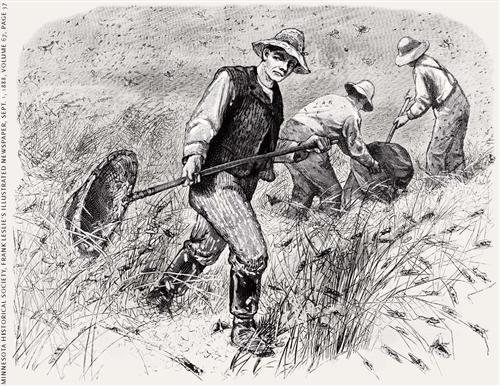 Farmers used gunpowder, fire and water, anything they could think of, to destroy what could only be seen as a plague of biblical proportion. They smeared them with “hopperdozers”, a plow-like device pulled behind horses, designed to knock jumping locusts into a pan of liquid poison or fuel, or even sucking them into vacuum cleaner-like contraptions.
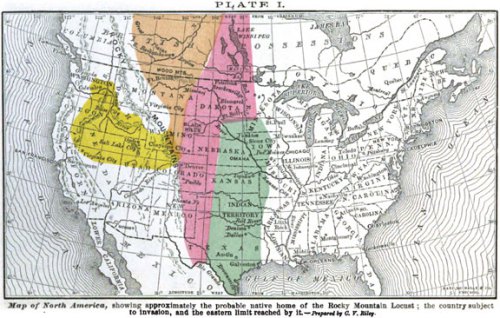 And then the locust went away, and no one is entirely certain, why. It is theorized that plowing, irrigation and harrowing destroyed up to 150 egg cases per square inch, in the years between swarms. Great Plains settlers, particularly those alongside the Mississippi river, appear to have disrupted the natural life cycle. Winter crops, particularly wheat, enabled farmers to “beat them to the punch”, putting away stockpiles of food before the pestilence reached the swarming phase.
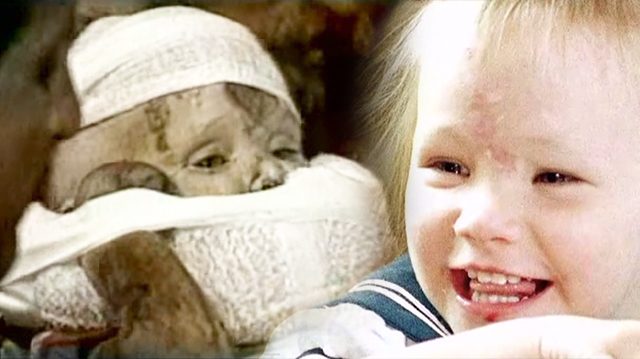
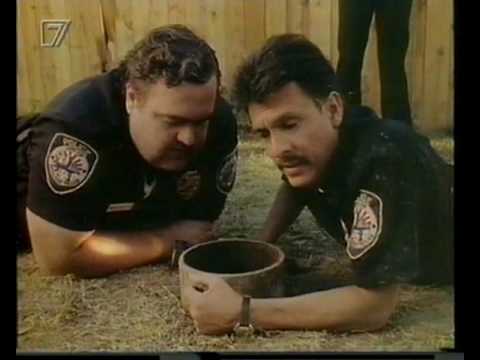 On this day in 1987, Jessica McClure’s life was anything but normal. Frightened and alone, “Baby Jessica” was stuck twenty-two feet down, at the bottom of a well.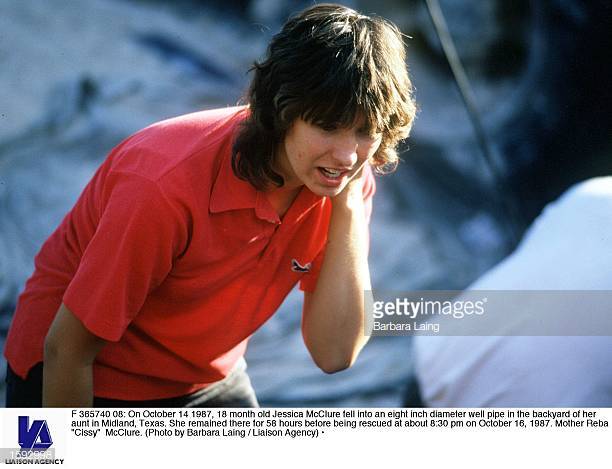

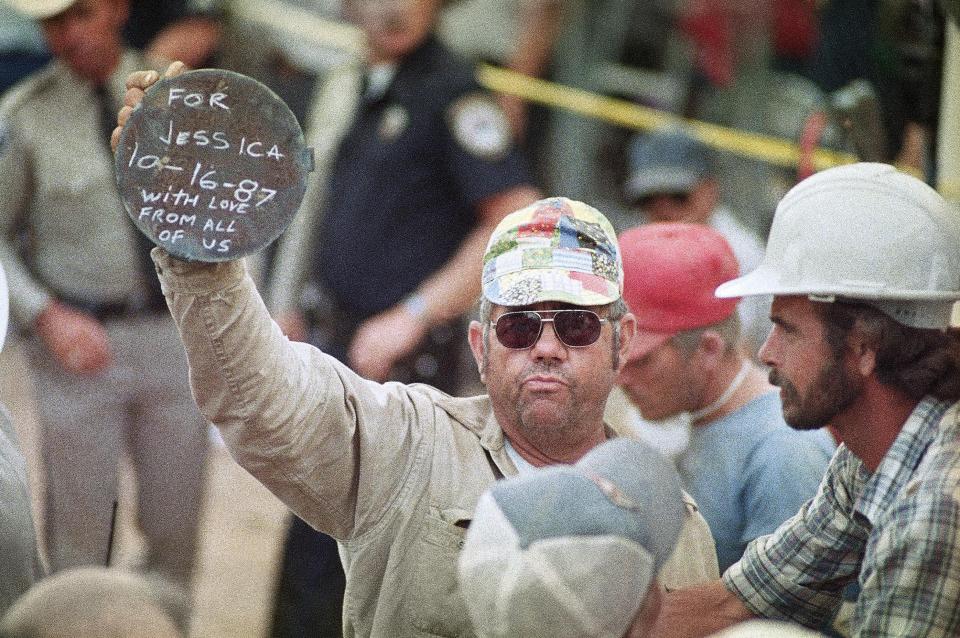
 The sun went down that Wednesday and rose the following day and then it set, and still, the nightmare dragged on.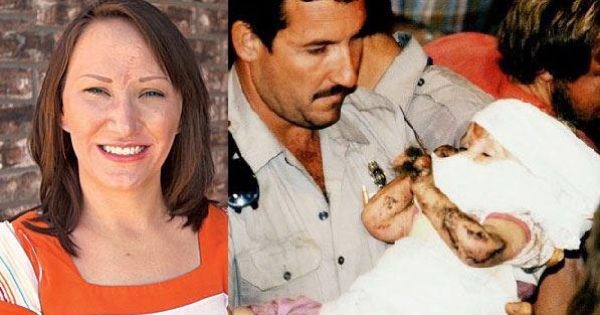


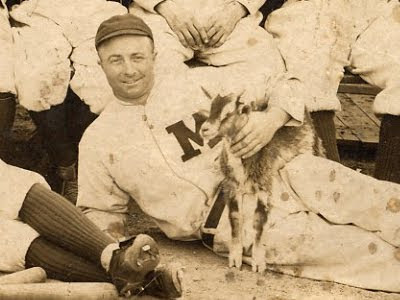
 Yet, the suffering inflicted by the curse of the Black Sox and that of the Bambino, pales in comparison with the 108-year drought afflicting the Chicago Cubs since back-to-back championships in 1907/1908. And they say it’s the fault of a Billy goat.
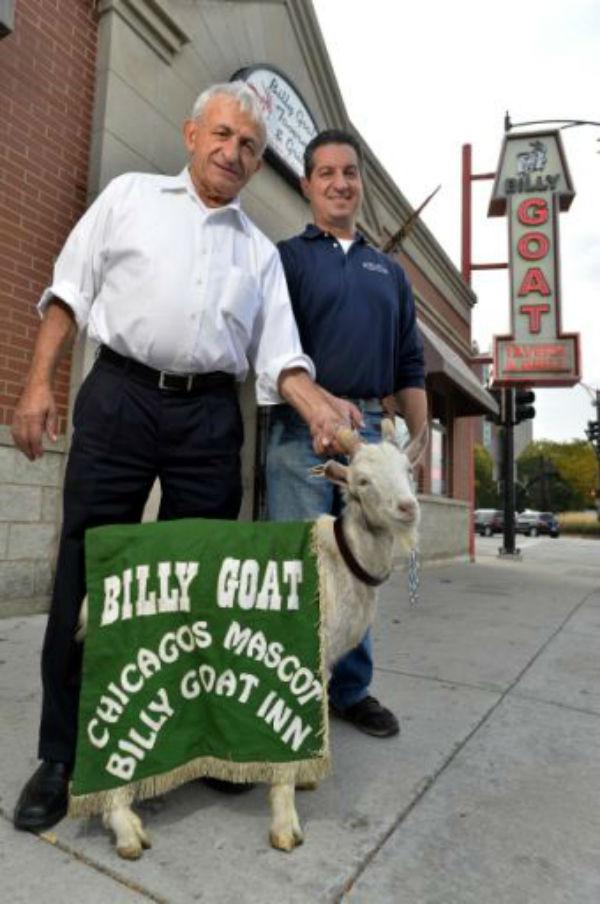 Billy Sianis himself is gone now, but they brought his nephew Sam onto the field with a goat in 1984, to help break the curse. They did it again in 1989, 1994 and 1998, and always the same result.
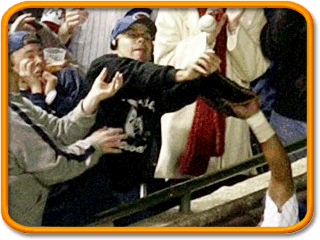 For fourteen years, Chicago mothers frightened wayward children into behaving, with the name of Steve Bartman.
 The cookies pictured above were baked in 2016, and that might’ve finally done it. That’s right. The Mother of all Droughts came to a halt in extra innings of game seven, following a 17-minute rain delay. At long last, Steve Bartman could emerge from Chicago’s most unforgiving doghouse, his way now lit by his own World Series ring. The ghost of Billy Sianis’ goat, may finally rest in peace.

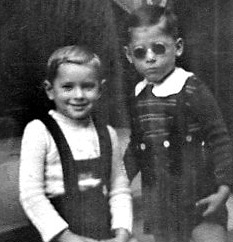 Elsbeth had to flee with her infant son in the harsh winter of 1945, as the oncoming Soviet Red Army destroyed all in its path. The two would escape the Iron Curtain once again in 1948, this time in a dangerous nighttime dash which the then-four year old remembers, to this day.
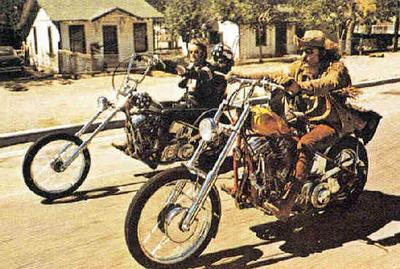 By this time, Joachim Krauledat had taken to calling himself John Kay. The band added a couple new members in 1967, changing their name to a character from a Herman Hesse novel. “Steppenwolf”.
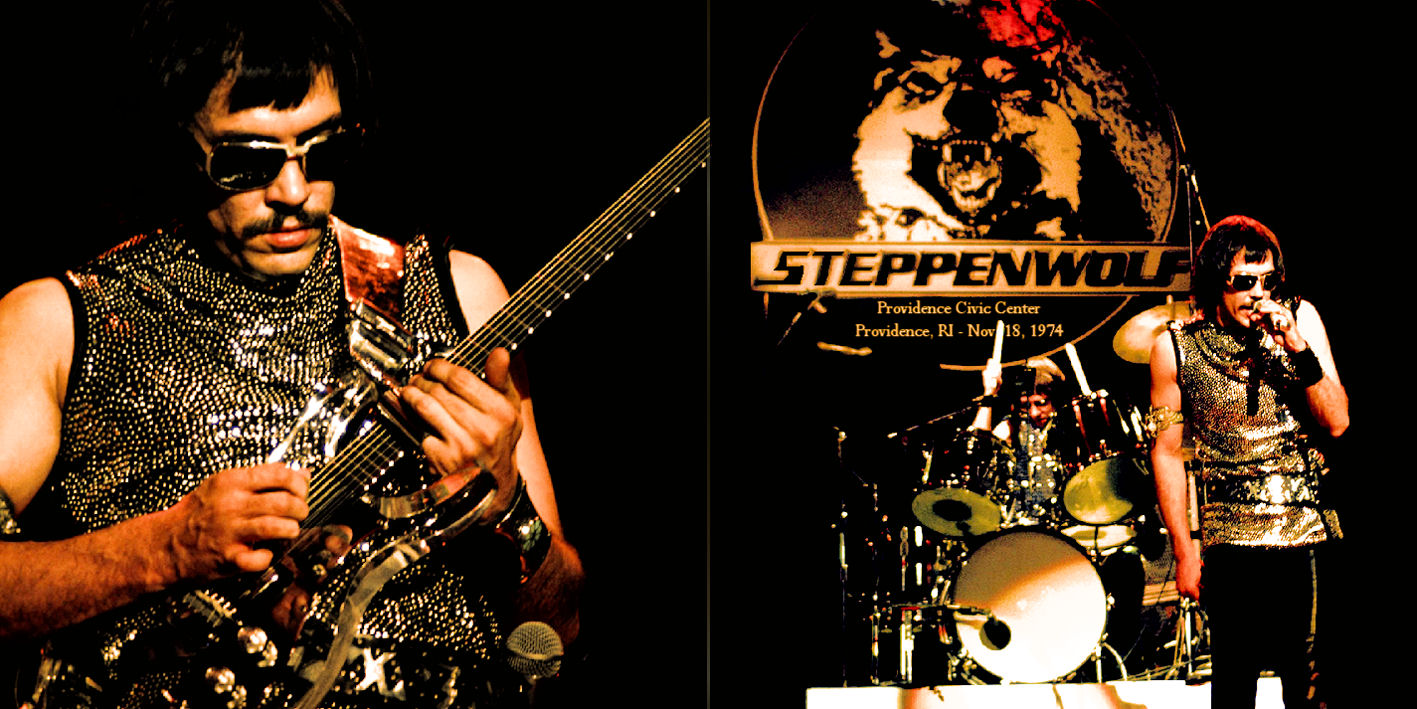 Steppenwolf gave us 22 albums, and we all know them in one way or another. Yet, the lead singer’s escape from the horrors of the Iron Curtain, is all but unknown. That, as Paul Harvey used to say, is the Rest of the Story.
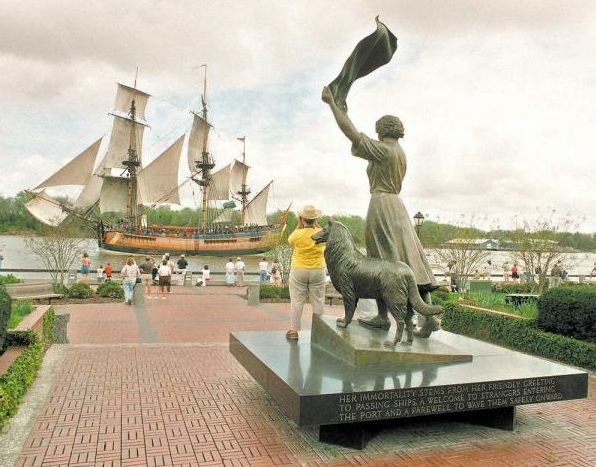
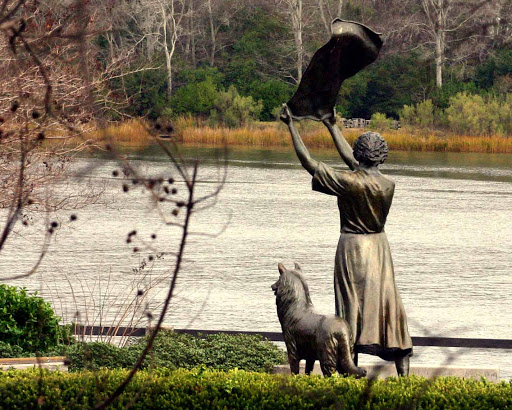
 Florence Margaret Martus was born there in 1868, where her father worked as an ordnance sergeant. Martus spent her childhood on the south channel of the Savannah River, moving in with her brother, keeper of the Cockspur Island Lighthouse, when she was 17.
 So it was that Miss Martus would take out her handkerchief by day or light her lantern by night, and she would greet every vessel that came or went from the Port of Savannah. Every one of them. Some 50,000 vessels, over 44 years.

 The Southeastern Shipbuilding Corporation of Savannah built 88 Liberty ships during the course of World War II, the light, low-cost cargo ship which came to symbolize the industrial output of the American economy.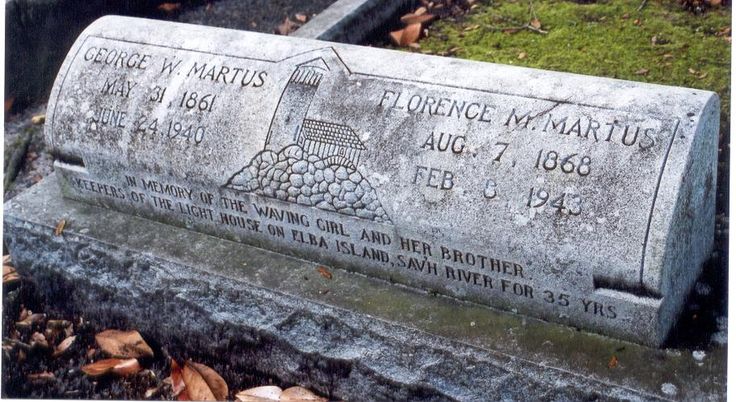


You must be logged in to post a comment.