

In 1863, President Abraham Lincoln declared a general day of Thanksgiving to be observed on the last Thursday of November. The date seemed to work out OK and the tradition stuck, until 1939.
Roughly two in seven Novembers contain five Thursdays, and that year was one.
In those days, it was considered poor form for retailers to put up Christmas displays or run Christmas sales, before Thanksgiving. Lew Hahn, General Manager of the Retail Dry Goods Association, was afraid that extra week was going to cut into Christmas sales.
 Ten years into the Great Depression with unemployment standing at 17.2%, the Federal government was afraid of the same thing. Never afraid to tinker with precedent, President Franklin Roosevelt decided to deviate from the customary last Thursday, and declared the fourth Thursday, November 23, to be a national day of prayer and thanksgiving.
Opposition to the plan was quick in forming. Alf Landon, Roosevelt’s Republican challenger in the earlier election, complained of Roosevelt’s impulsiveness, and the confusion resulting from it. “more time should have been taken working it out” Landon complained, “instead of springing it upon an unprepared country with the omnipotence of a Hitler.”
In Plymouth Massachusetts, home of the first Thanksgiving, Chairman of the Board of Selectmen James Frasier, “heartily disapproved”. The headline from the New York Times, trumpeted “Roosevelt to Move Thanksgiving: Retailers for It, Plymouth Is Not.”
The short-notice change in holiday schedule disrupted the holiday plans of millions of Americans, to say nothing of traditional high school and college Thanksgiving day football rivalries, across the nation.
Unsurprisingly, support for Roosevelt’s plan split across ideological lines. A late 1939 Gallup poll reported Democrats favoring the change 52% to 48%, with Republicans opposing it 79% to 21%.
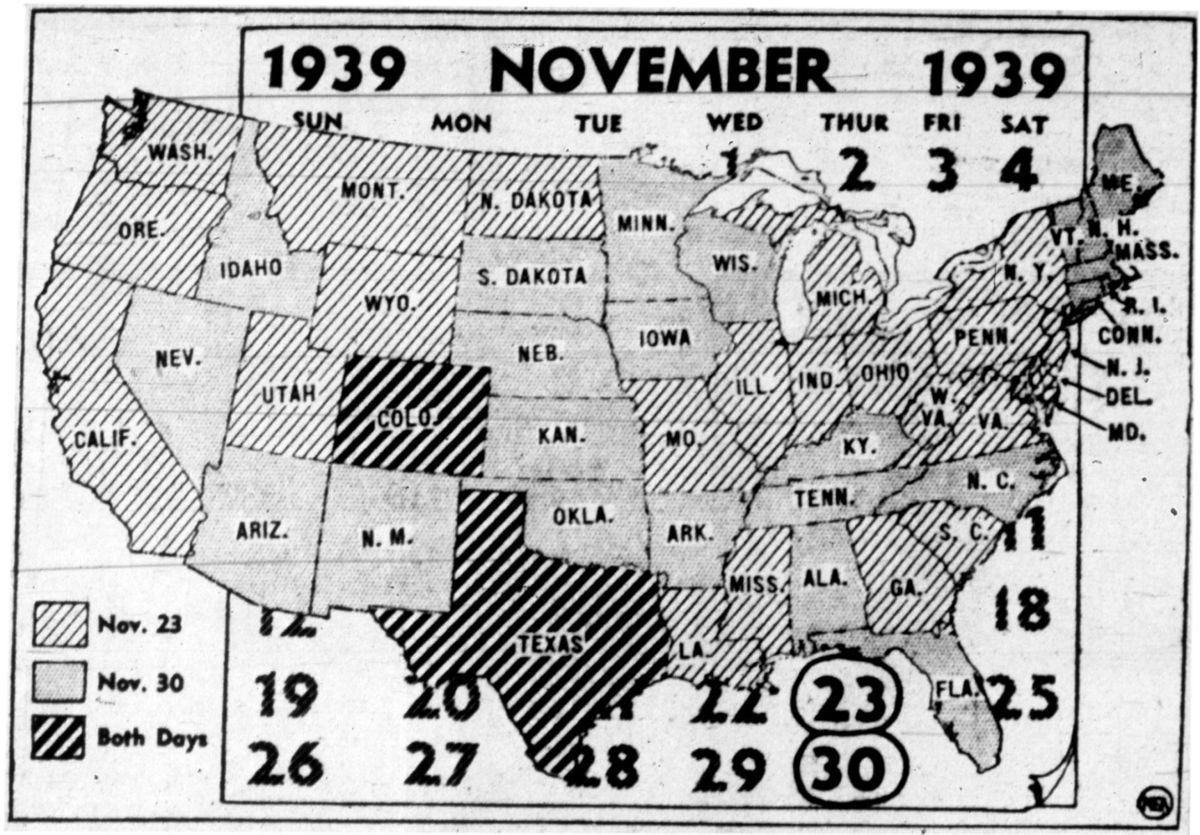
Such proclamations represent little more than the “’moral authority” of the Presidency, and states are free to do as they pleased. Twenty-three states and the District of Columbia observed Thanksgiving day on the non-traditional date, and twenty-two kept Thanksgiving on the 27th. Colorado, Mississippi and Texas, did both.
The next two years, thirty-two states and the District of Columbia celebrated what came to be called “Franksgiving” on the third Thursday of the month, while the remainder observed a more traditional “Republican Thanksgiving”, on the last. FDR quipped “Two years ago, or three years ago, I discovered I was particularly fond of turkey! So we started two Thanksgivings. I don’t know how many we ought to have next year. I’m open to suggestion.”
In 1941, a Commerce Department survey demonstrated little difference in Christmas sales between those states observing Franksgiving, and those observing the more traditional date. A joint resolution of Congress declared the fourth Thursday beginning the following year to be a national day of Thanksgiving, President Roosevelt signing the measure into law November 26.
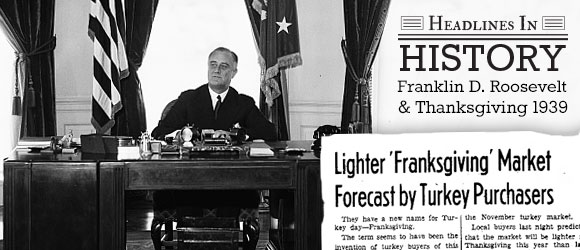
Interestingly, the phrase “Thanksgiving Day” had been used only once in the 20th century prior to the 1941 resolution, that in President Calvin Coolidge’s first of six such proclamations.
Most state legislatures followed suit with the Federal fourth-Thursday approach, but not all. In 1945, the next year with five Thursdays in November, Arkansas, Florida, Georgia, Idaho, Nebraska, Tennessee, Texas, and Virginia reverted to the last Thursday. Texas would hold out the longest, celebrating its fifth-Thursday Thanksgiving for the last time in 1956.
To this day, the years 1939, ’40 and ’41 remain the only outliers, outside the fourth-Thursday tradition.
 Popular comedians of the day got a lot of laughs out of it, including Burns & Allen and Jack Benny.
One 1940 Warner Brothers cartoon shows two Thanksgivings, one “for Democrats” and one a week later “for Republicans.”
The Three Stooges short film “No Census, No Feeling” of the same year, has Moe questioning Curly, why he put the fourth of July in October. Larry: Where is everybody? Curly: Maybe it’s the Fourth of July. Moe: The Fourth of July in October? Curly: You never can tell… Look what they did to Thanksgiving!
Joe Toye, the “Easy Company” character in the 2001 HBO miniseries “A Band of Brothers”, may have had the last word on Franksgiving. Explaining his plan to get the war over quickly, the paratrooper quips “Hitler gets one of these [knives] right across the windpipe, Roosevelt changes Thanksgiving to Joe Toye Day, [and] pays me ten grand a year for the rest of my f*****g life.”
Sounds like a plan.


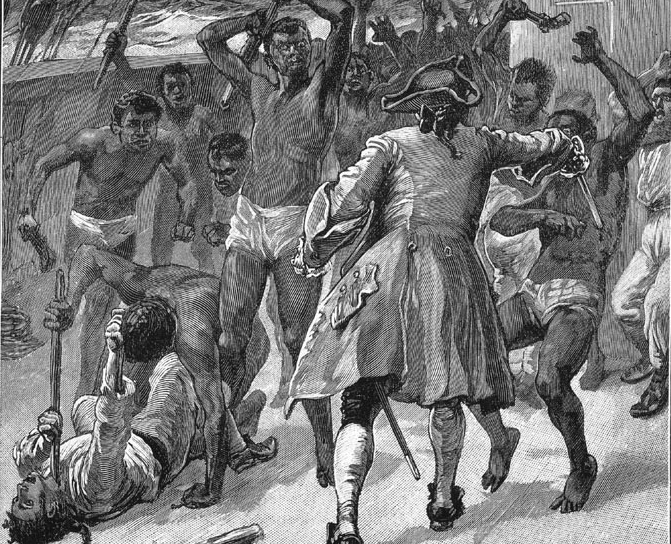
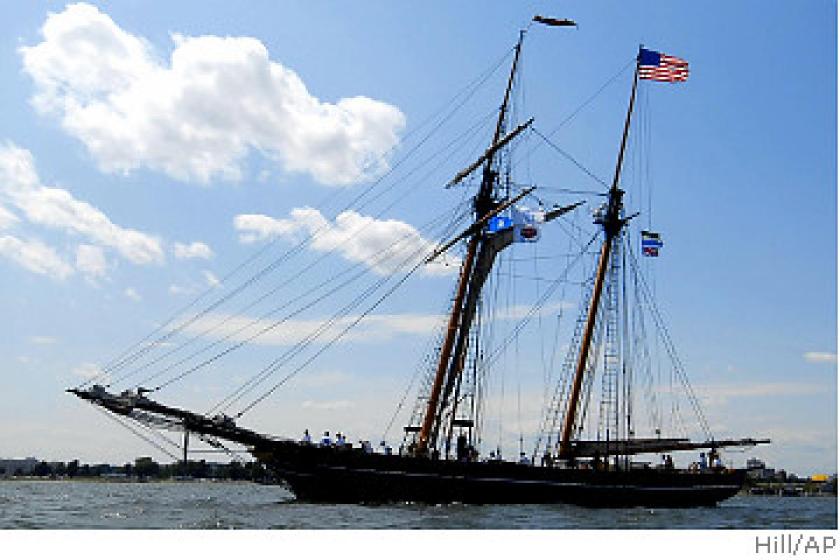
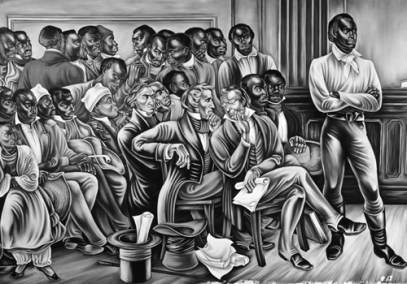 The district court trial which followed in Hartford determined that the Mendians’ papers were forged, and they should be returned to Africa. The cabin boy was ruled to be a slave and ordered returned to the Cubans, however he fled to New York with the help of abolitionists. He would live out the rest of his life as a free man.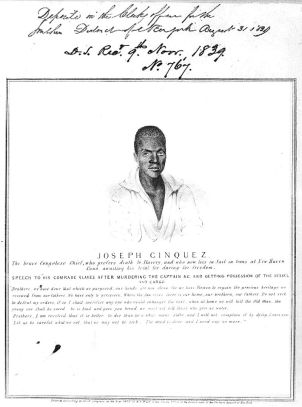


 In the “Killing Fields” of 1975-’79 Cambodia, Pol Pot and a cadre of nine or so individuals, the Ang-Ka, led the Khmer Rouge in the extermination of between 1.7 and 2.5 million, in a country of barely 8 million.
 Many Ukrainian farmers refused to join the collectives, regarding them as a return to the serfdom of earlier centuries. Stalin introduced “class warfare”, that age old bugaboo of the Left, to break down resistance to collectivization.
 Eventually all food was confiscated from farmers’ homes, as Stalin determined to “teach a lesson through famine” to the backbone of the region, the rural population of Ukraine.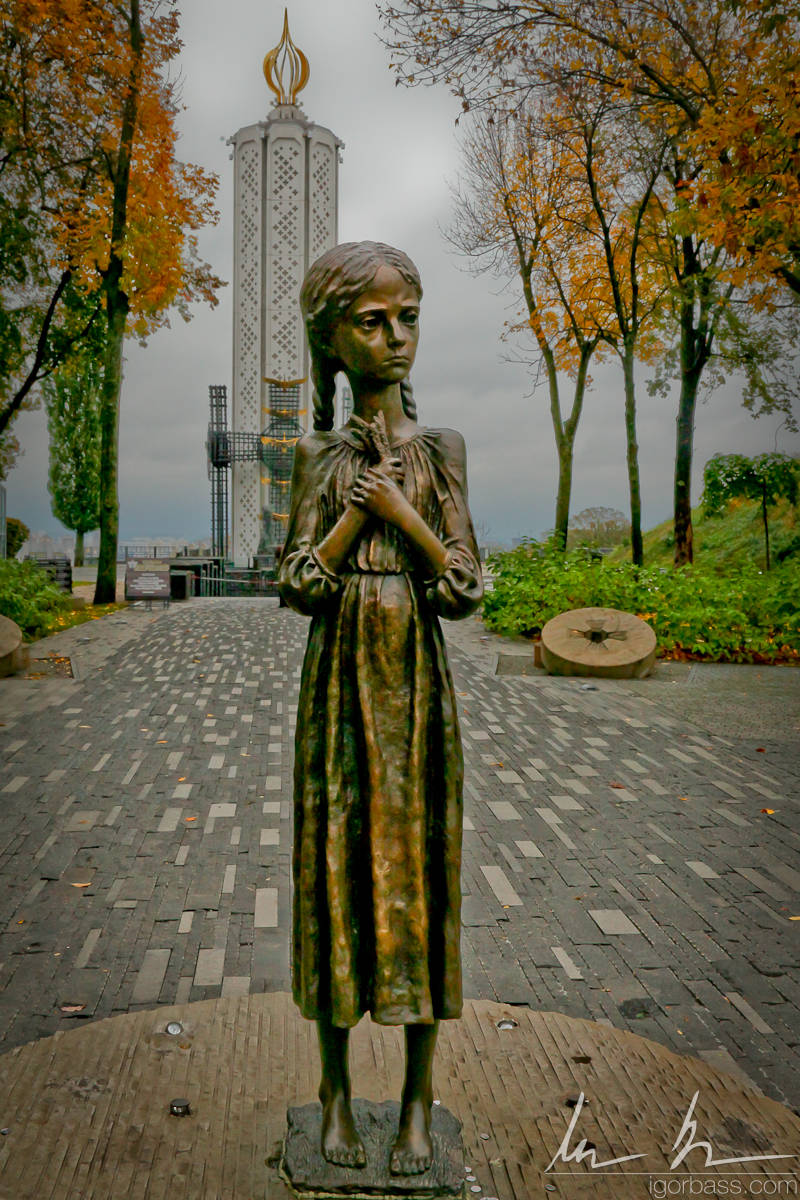



 In New York city and “upstate” alike, economic ties with the south ran deep. 40¢ of every dollar paid for southern cotton stayed in New York, in the form of insurance, shipping, warehouse fees and profits.
 “Town Line”, a hamlet on the village’s eastern boundary, put it to a vote. In the fall of 1861, residents gathered in the old schoolhouse-turned blacksmith’s shop. By a margin of 85 to 40, Town Line, New York voted to secede from the Union.
 A rumor went around in 1864, that a
  Even Georgians couldn’t help themselves from commenting. 97-year-old Confederate General T.W. Dowling said: “We been rather pleased with the results since we rejoined the Union. Town Line ought to give the United States another try“. Judge A.L. Townsend of Trenton Georgia commented “Town Line ought to give the United States a good second chance“.
 Fireman’s Hall became the site of the barbecue, “The old blacksmith shop where the ruckus started” being too small for the assembled crowd. On October 28, 1945, residents adopted a resolution suspending its 1861 ordinance of secession, by a vote of 90-23. The Stars and Bars of the Lost Cause was lowered for the last time, outside the old blacksmith shop.

 This is a story of Independence, of Revolution. Of overthrowing a Spanish-speaking government, and creating an Independent Republic in the American South. Its banner was a single, five-pointed white star on a blue field. It was the original Lone Star Republic. The Republic of West Florida.
 The French first came to America in 1524, colonizing vast expanses from Quebec to Green Bay in the north, Baton Rouge to Biloxi in the south. They sought wealth, territory and a route to the Pacific Ocean. What they got was endless conflict.
 President Jefferson bought 828,000 square miles from the French in 1803, doubling the size of the United States, but the exact borders were unclear.
 That was about it. Surviving soldados fled, as the flag of the new Republic was unfurled over the fort: a dark blue field with a single white star. The whole thing had taken about a minute.


 Great believers in the perfectibility of the public sphere, Progressives eschewed old methods as wasteful and inefficient, leaning instead toward the advice of academics and “experts”, looking for that “one best way” to get things done.
 Roosevelt retired from politics after two terms to go on African safari, backing William Howard Taft for the Republican nomination.


 The incoming Jefferson administration sought to block the appointments. Jefferson ordered then-Secretary of State James Madison to hold those commissions as yet undelivered, thus invalidating the appointments. One of the appointees, William Marbury, took the matter to Court.
 Intimidated by the Roosevelt administration’s aggressive and illegal “
 The framers gave us a Constitutional Republic with co-equal branches of government, with power diffused and limited by a comprehensive set of checks and balances.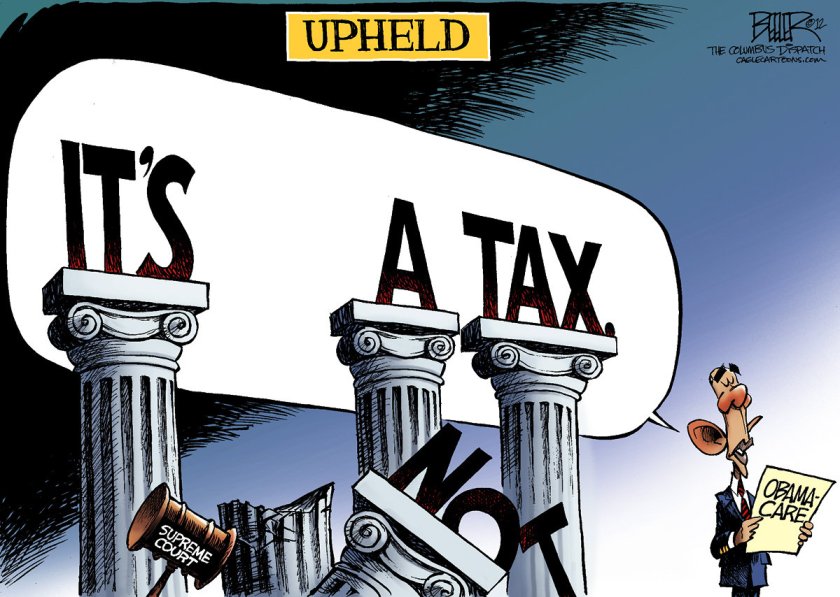


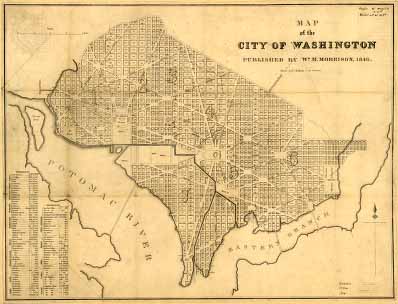 The “Residence Act” of July 1790 established the Federal government along the banks of the Potomac River. The specific site had been up for debate, before Alexander Hamilton brokered a compromise. Several delegates switched support in favor of the current location, in exchange for the Federal government assuming their states’ war debt.
 Funding problems and design squabbles plagued the project from the beginning. The building was incomplete when Congress held its first session there on November 17, 1800.
 By the 1850s, the number of new states’ representatives threatened to exceed the building’s designed capacity. President Millard Fillmore held a design competition, resulting in the House and Senate wings as you see them today.


 The documents came from Lt. Col. Bill Burkett, a former Texas Army National Guard officer who had received publicity back in 2000, when he claimed to have been transferred to Panama after refusing to falsify then-Governor Bush’s personnel records. He later retracted the claim, but popped up again during the 2004 election cycle. Many considered Burkett to be an “anti-Bush zealot”.
 The New York Times interviewed Marian Carr Knox who’d been secretary to the squadron in 1972, running a story dated September 14 under the bylines of Maureen Balleza and Kate Zernike. The headline read “Memos on Bush Are Fake but Accurate, Typist Says“.
 Public confidence in the “Mainstream Media” plummeted. Many saw the episode as a news network lying, and the “Newspaper of Record” swearing to it.


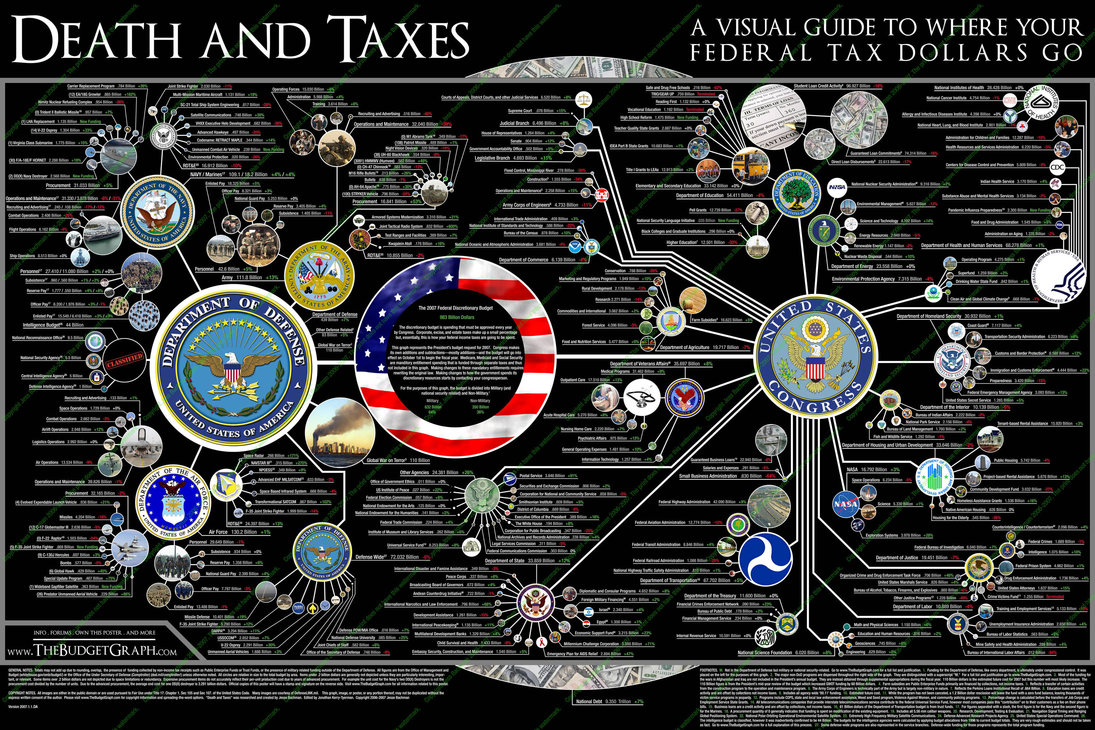


 glazed at some future date.

 In 1862, the California legislature passed a tax on Chinese residents, entitled “An Act to Protect Free White Labor against Competition with Chinese Coolie Labor, and to Discourage the Immigration of Chinese into the State of California.”
 In the first century AD, Roman Emperors Nero and Vespasian levied a tax on piss. Honest. In those days, the lower classes pee’d into pots which were emptied into cesspools.


You must be logged in to post a comment.