

Former Boston Braves pitcher Max Surkont once said “Baseball was never meant to be taken seriously — if it were, we would play it with a javelin instead of a ball”.
I’m not sure about javelins, but I know how much we all love to see home runs when we go see a ballgame.
That’s not always how the game was played. The “Hitless Wonders” of the Chicago White Sox won the 1906 World Series with a .230 club batting average. Manager Fielder Jones said “This should prove that leather is mightier than wood”. Fielder Allison Jones, that’s the man’s real name. Is that the greatest baseball name ever, or what?
 It was the “dead-ball” era, when an “inside baseball” style of play relied on stolen bases, hit-and-run plays and, more than anything else, speed.
That’s not to say there were no power hitters. In some ways, a triple may be more difficult than a home run, requiring a runner to cover three bases in the face of a defense still in possession of the ball. Pittsburgh Pirates outfielder Owen “Chief” Wilson set a record of 36 triples in 1912. “Wahoo” Sam Crawford hit a career record 309 triples in his 18 years in Major League Baseball, playing for the Cincinnati Reds and Detroit tigers between 1899 and 1917. 100 years later, it’s unlikely that either record will ever be broken.
In his 1994 television miniseries “Baseball”, Ken Burns said that “Part of every pitcher’s job was to dirty up a new ball the moment it was thrown onto the field… They smeared it with dirt, licorice, and tobacco juice; it was deliberately scuffed, sandpapered, scarred… and as it came over the plate, [the ball] was very hard to see.”
Spitballs lessened the natural friction with a pitcher’s fingers, reducing backspin and causing the ball to drop. Sandpapered, cut or scarred balls tended to “break” to the side of the scuff mark. Balls were rarely replaced in those days. By the end of a game, the ball was scarred, misshapen and entirely unpredictable. Major League Baseball outlawed “doctored” pitches on February 10, 1920, though it remained customary to play an entire game with the same ball.
The first ever game to be played “under the lights” was forty years in the past in 1920, but it would be another 15 before the practice became widespread.
Late afternoon on August 16, the Cleveland Indians were playing the New York Yankees at the Polo Grounds. Cleveland shortstop Ray Chapman took the plate in the top of the 5th, 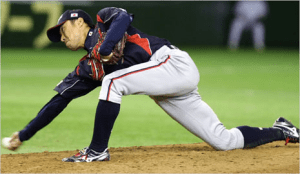 facing “submarine” pitcher Carl Mays. These are not to be confused with the windmill underhand pitches we see in softball. Submarine pitchers throw side-arm to under-handed, their upper bodies so low that some of them scuff their hands on the ground, the ball rising as it approaches the strike zone.
Chapman never moved, he seems not to have seen it coming. The crack of the ball hitting his head was so loud that Mays thought he had hit the end of the bat, fielding the ball and throwing to first for the out. Wally Pipp, the first baseman better known for losing his starting position to Lou Gehrig because of a headache, immediately knew something was wrong. The batter made no effort to run, slowly collapsing to the ground with blood streaming out of his left ear.
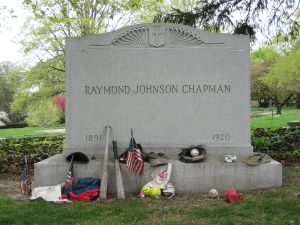 29-year-old Ray Chapman had said this was his last year playing ball. He wanted to spend more time in the family business he had just married into. The man was right. Raymond Johnson Chapman died 12 hours later, the only player in the history of Major League Baseball, to die from injuries sustained during a game.
The age of one-ball-per-game died with Ray Chapman, and with it the era of the dead ball. The lively ball era, had begun. Batters loved it, but pitchers complained about having to handle all those shiny new balls.
MLB rule #3.01(c) states that “Before the game begins the umpire shall…Receive from the home club a supply of regulation baseballs, the number and make to be certified to the home club by the league president. The umpire shall inspect the baseballs and ensure they are regulation baseballs and that they are properly rubbed so that the gloss is removed. The umpire shall be the sole judge of the fitness of the balls to be used in the game”.
Umpires would “prep” the ball using a mixture of water and dirt from the field, but this resulted in too-soft covers, vulnerable to tampering. Something had to take the shine off the ball without softening the cover.
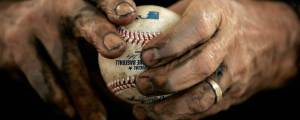 Philadelphia Athletics third base coach Lena Blackburne took up the challenge in 1938, scouring the riverbanks of New Jersey for just the right mud. Blackburne found his mud hole, describing the stuff as “resembling a cross between chocolate pudding and whipped cold cream”. By his death in the late fifties, Blackburne was selling his “Baseball Rubbing Mud” to every major league ball club in the country, and most minor league teams.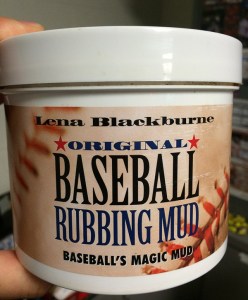
In a world where classified information is kept on personal email servers, there are still some secrets so pinky-swear-double-probation-secret that the truth may Never be known. Among them Facebook “Community Standards” algorithms, the formula for Coca Cola, and the Secret Swamp where Lena Blackburne’s Baseball Rubbing Mud comes from.
Nobody knows, but one thing is certain. The first pitchers will show up to the first spring training camp, a few short days short days from now. Every baseball thrown from pre-season to the 2017 World Series, will first have been de-glossed with Lena Blackburne’s famous, Baseball Rubbing Mud.
Go Sox.


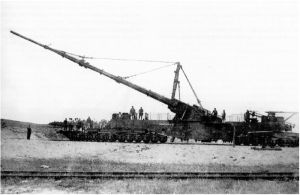 At 256 tons with a barrel of 111′ 7″, the “Paris Gun” hurled 38″ shells into the city from a range of 75 miles. If you were in Paris in 1918, you may never have heard of the German “super gun”. You’d have been well acquainted with the damage it caused. You never knew you were under attack until the explosion. The lucky ones were those who lived to see the 4’ deep, 10’-12’ wide crater.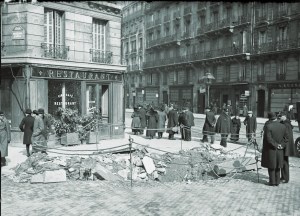
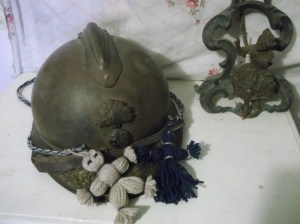 These little yarn dolls had names. They were Nénette and Rintintin.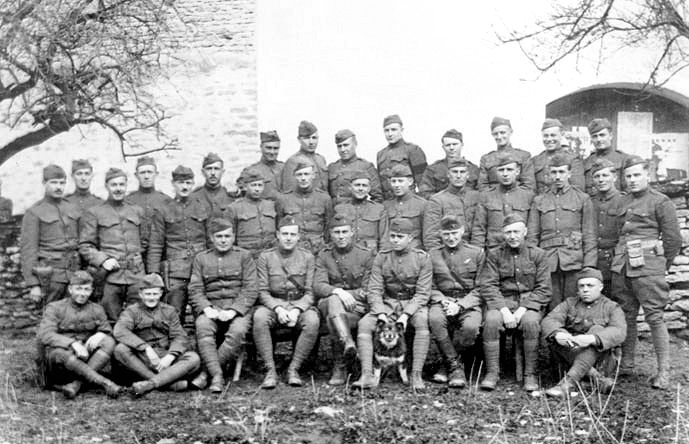
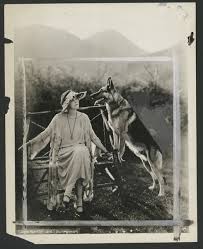
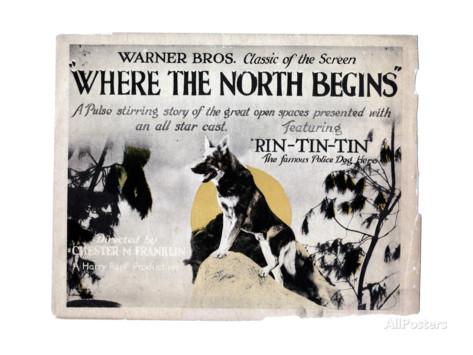 Walking the dog on “Poverty Row”, 1920s slang for B movie studios, did the trick. Rin Tin Tin got his first film break in 1922, replacing a camera shy wolf in “The Man from Hell’s River”. His first starring role in the 1923 “Where the North begins”, is credited with saving Warner Brothers Studios from bankruptcy.
 Rin Tin Tin appeared in 27 feature length silent films, 4 “talkies”, and countless commercials and short films. Regular programming was interrupted to announce his passing on August 10, 1932, at the age of 13. An hour-long program about his life was broadcast the following day.
 bloodlines. Rin Tin Tin and Nanette II produced at least 48 puppies. Duncan may have been obsessive about it, at least according to Mrs. Duncan. When she filed for divorce, she named Rin Tin Tin as co-respondent.
 On March 24, 2000, the New England Patriots broke ground on their new stadium home in Foxborough, Massachusetts. The internet company CMGI won naming rights, agreeing to pay $114 million over 15 years for the privilege. The 2002 season opened on September 9 in the Patriots’ new home, tickets bearing the name, CMGI Stadium.
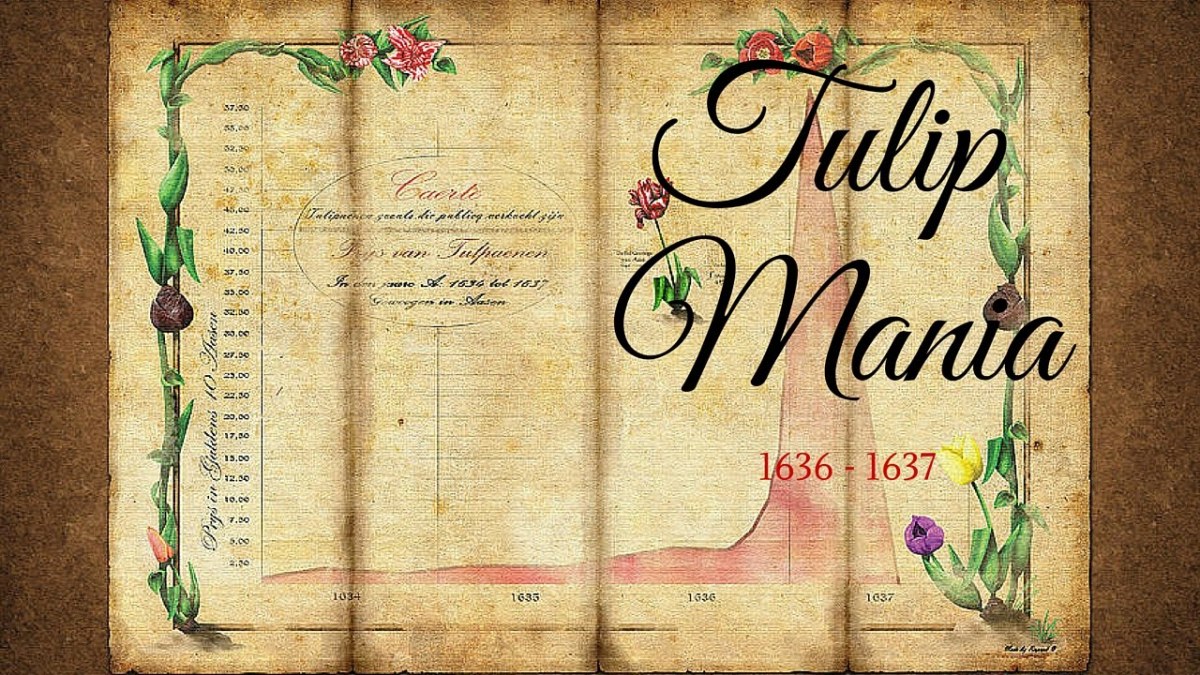
 produced single voyage profits of 400% and more, as merchants built grand estates surrounded by flower gardens. The hyacinth enjoyed early popularity, but the plant at the center of it all was the spectacular, magnificent, tulip.
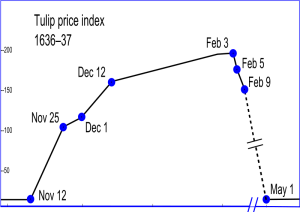 the vivid streaks of yellow or white on the red, brown or purple backgrounds of the “Bizarden” (Bizarres). Ironically, these were the most sickly specimens, victims of a “Tulip breaking virus” which “broke” petals into two or more hues.
 guidelines that year, imposing a 30% quota and raising it to 50% by the end of the Clinton era. By 2007 under President Bush, 55% of all mortgages purchased by the mortgage giants were “sub-prime”.
 2003: “I want to roll the dice a little bit more in this situation toward subsidized housing.”
 That was the year when gas first hit $4/gallon. Those living closest to the financial cliff began to fall off, and foreclosures went through the roof. Highest risk mortgage holders were the first to default, people with $20,000 incomes and multiple investment properties. We all remember 2009. I myself lost a job of 15 years when my employer went under, briefly making my family part of the “zero percent”. Some will tell you that we haven’t emerged from the “Great Recession”, to this day.


 be related to her previous employment in US Radium’s Orange, New Jersey factory. By that time she was seriously ill, yet Columbia University “Specialist” Frederick Flynn and a “Colleague” pronounced her to be in “fine health”. It was only later that the two were revealed to be company executives.
 Attorney Raymond Berry filed suit on Fryer’s behalf in 1927, the lawsuit joined by four other dial painters seeking $250,000 apiece in damages. Soon, the newspapers were calling them “radium girls”. The health of all five plaintiffs was deteriorating rapidly, while one stratagem after another was used to delay proceedings. By their first courtroom appearance in January 1928, none could raise their arm to take the oath. Grace Fryer was altogether toothless by this time, unable to walk, requiring a back brace even to sit up.




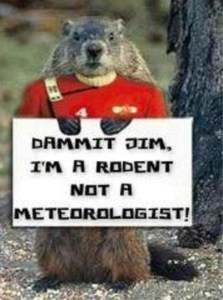 crowd and their claims to Punxsutawney Phil’s weather forecasting prowess. Alabama has “Birmingham Bill”, and Canada has Shubenacadie Sam. New York can’t seem to decide between Staten Island Chuck and New York City’s very own official groundhog, “Pothole Pete”.


 with what he first diagnosed as tonsillitis. More came down with sore throats, early sufferers beginning to die as Welch observed the white pseudo membrane of diphtheria. He had ordered fresh antitoxin the year before, but the shipment hadn’t arrived by the time the ports froze over. By January, all the serum in Nome was expired.
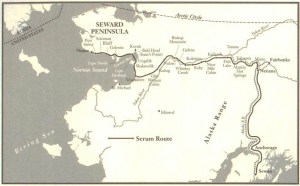 The 300,000 units shipped as far as they could by rail, arriving at Nenana, 674 miles from Nome. Three vintage biplanes were available, but all were in pieces, and none would start in the sub-arctic cold. The antitoxin would have to go the rest of the way by dog sled.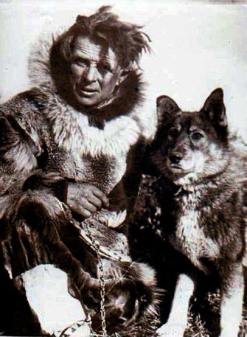
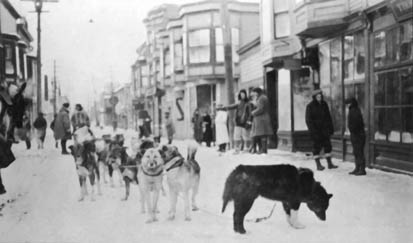
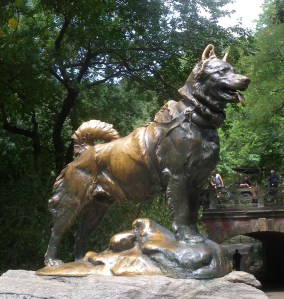 becoming the most popular canine celebrity in the country after Rin Tin Tin. It was a source of considerable bitterness for Leonhard Seppala, who felt that Kaasen’s 53 mile run was nothing compared with his own 261, Kaasen’s lead dog little more than a “freight dog”.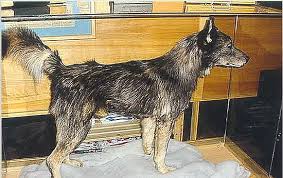


 In all the annals of warfare, there may be nothing more ironic, than the time a naval force was defeated by men mounted on horseback.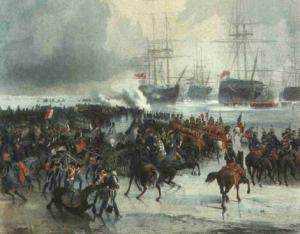
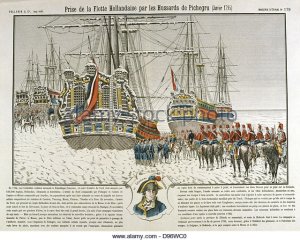 At least one source will tell you that this event never occurred, or at least it’s an embellished version, as retold by the hussars themselves. I guess you can take your pick. A number of 19th century authors have portrayed the episode as unvarnished history, as have a number of paintings and sketches.

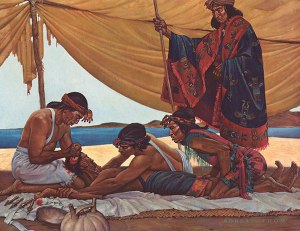 head, and seems to have begun sometime in the Neolithic, or “New Stone Age” period. One archaeological dig in France uncovered 120 skulls, 40 of which showed signs of trepanning. Another such skull was recovered from a 5th millennium BC dig in Azerbaijan. A number of 2nd millennium BC specimens have been unearthed in pre-Colombian Mesoamerica; the area now occupied by the central Mexican highlands through Belize, Guatemala, El Salvador, Honduras, Nicaragua, and northern Costa Rica.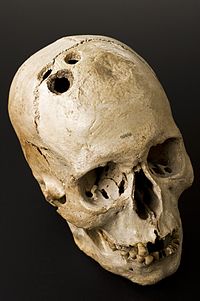
 Trepanation took on airs of pseudo-science, many would say “quackery”, when the Dutch librarian Hugo Bart Huges (Hughes) published “The Mechanism of Brainbloodvolume (‘BBV’)” in 1964. In it, Hughes contends that our brains drained of blood and cerebrospinal fluid when mankind began to walk upright, and that trepanation allows the blood to better flow in and out of the brain, causing a permanent “high”.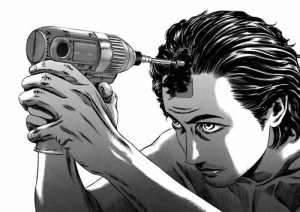


 south after a brief stay in Charleston, South Carolina. Landing at Yamacraw bluff, they were greeted by Chief Tomochichi of the Yamacraws, along with two Indian traders, John and Mary Musgrove.
 originally come from its native Southeast Asia to West Africa, where the same strains were grown by European colonists. The rice industry failed in Africa, but the combination of English agricultural technology and African labor made the crop a mainstay of the early colonial economy.
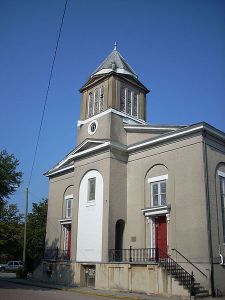 On January 20, 1788, Bryan brought official recognition to the First African Baptist Church and its 67 members, five years before the first “white” Baptist Church in Savannah. In 1802, Bryan founded the “Second Colored Baptist Church”, renamed the “Second African Baptist Church” in 1823.
 he called “I have a Dream”. Two years later, the same speaker would deliver his speech from the steps of the Lincoln memorial in Washington.
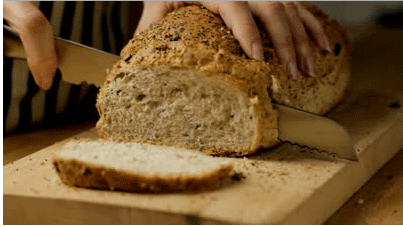
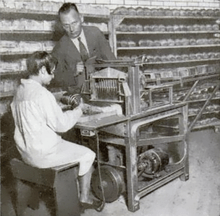 The project almost ended in a fire in 1917, when the prototype was destroyed along with the blueprints. Rohwedder soldiered on, by 1927 he had scraped up enough financing to rebuild his bread slicer.
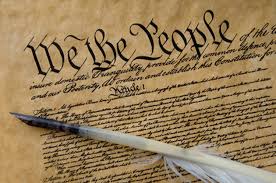 Article 1, Section 8 of the Constitution includes the “Commerce Clause”, permitting the Congress “To regulate Commerce with foreign Nations, and among the several States, and with the Indian Tribes”. That’s it. The Federal District Court sided with the farmer, but the Federal government appealed to the US Supreme Court, arguing that, by withholding his surplus from the interstate wheat market, Filburne was effecting that market, and therefore fell under federal government jurisdiction under the commerce clause.
 government had a billion bushels of wheat stockpiled at the time, about two years’ supply, and the amount of steel saved by not making bread slicers has got to be marginal, at best.


You must be logged in to post a comment.