

The fourth son of a family of Norwegian shipowners and captains, Roald Amundsen always wanted to go to sea. His mother wanted no such thing and made him promise he’d go to school to become a doctor. Amundsen was 21 when his mother died. He kept his promise until that day. There would be no more school after that.

Amundsen wanted to become an explorer, taking inspiration from the doomed Franklin Arctic Expedition of 1848, and Fridtjof Nansen’s crossing of Greenland in 1888.
It’s been called the “Heroic Age” of polar exploration.
Amundsen was drawn to it as much as he helped create it. He was part of the Antarctic expedition of 1897-99 aboard the RV Belgica, the first to winter in Antarctica. He led the first expedition to successfully navigate Canada’s Northwest Passage between the Atlantic and Pacific Oceans, in 1903–06.
Amundsen’s attempt to reach the South Pole set out on September 8, 1911. Using skis and dog sleds, Amundsen and his men created supply depots at 80°, 81° and 82° south, along a direct line to the Pole. The effort proved to be premature and had to be abandoned due to extreme cold.
A second attempt departed on October 19 with four sledges and 52 dogs, along the previously unknown Axel Heiberg Glacier. The team of five men and 16 dogs arrived at 90° 0′ S on December 14, 1911, the first team in history to reach the South Pole.

Amundsen expedition plants the Norwegian flag on the South Pole, December 14, 1911.
English explorer Robert Falcon Scott had attempted the South Pole in 1901–04, and was doing so once again in 1911. Though he’d had to turn back, the earlier expedition had established the southernmost record for that time, at 88° 23′ S. 97 miles short of the pole.
Unlike Amundsen who adopted the lighter fur-skins of the Inuit, the Scott expedition wore heavy wool clothing, depending on motorized and horse-drawn transport, and man-hauling sledges for the final drive across the polar plateau. Dog teams were expected to meet them only on the way out, on March 1.

Weak, poorly acclimated ponies slowed the depot-laying part of the Scott expedition, four horses dying of cold or having to be shot because they slowed the team. When Scott decided to locate “One-Ton Depot” 35 miles short of its planned location at 80°, expedition member Lawrence Oates warned “Sir, I’m afraid you’ll come to regret not taking my advice.”
Routes taken by Scott (green) and Amundsen (red) expeditions to the South Pole.
Unlike the previous attempt, Scott made it this time, only to find that Amundsen’s Norwegian expedition had beat him by five weeks. The anguish in Scott’s diary entry for January 17, 1912, is clear: “The worst has happened. All the day dreams must go. Great God! This is an awful place”.
Roald Amundsen returned safely and publicly announced his attainment of the South Pole on March 7, 1912.

Routes taken by Scott (green) and Amundsen (red) expeditions to the South Pole.
Defeated, the five-man Scott party began the 800-mile, frozen slog back from the Pole on January 19. Team member Edgar Evans’ condition was visibly deteriorating as early as the 23rd. A bad fall on Beardmore Glacier on February 4 left him “dull and incapable”. Another fall on the 17th left him dead at the foot of the glacier.
Dog teams failed to materialize at the appointed time. By March 16, Lawrence Oates was severely frostbitten. He left his tent for the last time in a valiant act of suicide, in the forlorn hopes that his comrades, might live. Oates stepped into the maelstrom, saying “I am just going outside and may be some time”. He never returned.

The last three made their final camp on March 19, with 400 miles to go. A howling blizzard descended on camp the following day and lasted for days, as Scott and his companions wrote good-bye letters to mothers, wives, and others. The last words in his diary, were: “Last entry. For God’s sake look after our people”.
The frozen corpses of Scott and his comrades were found 8 months later, the last diary entry dated March 29, 1912. A high cairn of snow was erected over it all, that final camp becoming their tomb. Ship’s carpenters built a wooden cross, inscribing on it the names of those lost: Scott, Edward Wilson, Henry Bowers, Lawrence Oates and Edgar Evans. A line from Alfred Lord Tennyson’s poem, Ulysses, appears on the cross:
“To strive, to seek, to find, and not to yield”.
The team was eleven miles from the next supply depot.
 Satellites measured the coldest temperature in recorded history on August 10, 2010 at −93.2 °C (−135.8 °F), in East Antarctica. The Amundsen-Scott weather station at the South Pole reports the average daily temperature for March, at -50.3°C (-58.54°F).
A century of ice and snow have covered bodies, camp and the cross alike. Now encased 75′ down in the Ross Ice Shelf and inching their way outward, the bodies are expected to reach the Ross Sea sometime around 2276, perhaps to float away in an iceberg.
In 1926, Amundsen and a team of 15 reached the North Pole in the airship Norge. Three previous claims to have attained the North Pole: Frederick Cook (1908), Robert Peary (1909), and Richard E. Byrd (1926), have all been disputed as being of dubious accuracy or downright frauds, leaving Amundsen the undisputed first to have reached both poles.

Roald Amundsen and a crew of five disappeared into the Arctic on June 18, 1928, lost in the search for survivors following the crash of the Airship Italia.
Despite efforts to find them as late as August 2009, neither aircraft nor bodies were ever found.On hearing the details of Scott’s end, Roald Engelbregt Gravning Amundsen is quoted as saying “I would gladly forgo any honour or money if thereby I could have saved Scott his terrible death”.
Peter Markham Scott, the only child produced by the marriage of Robert Falcon and Kathleen Bruce Scott, went on to found the World Wide Fund for Nature, which operates to this day as the World Wildlife Fund (WWF).




 “Filled with mingled cream and amber


 My fellow children of the cold war will remember. A favorite complaint of the era was the semi-professional status of Soviet bloc athletes. Particularly those from East Germany and the Union of Soviet Socialist Republics.
 The Soviet attack was relentless, but Craig let nothing past. Team USSR took 39 shots on goal to the Americans’ 16, but the score held.


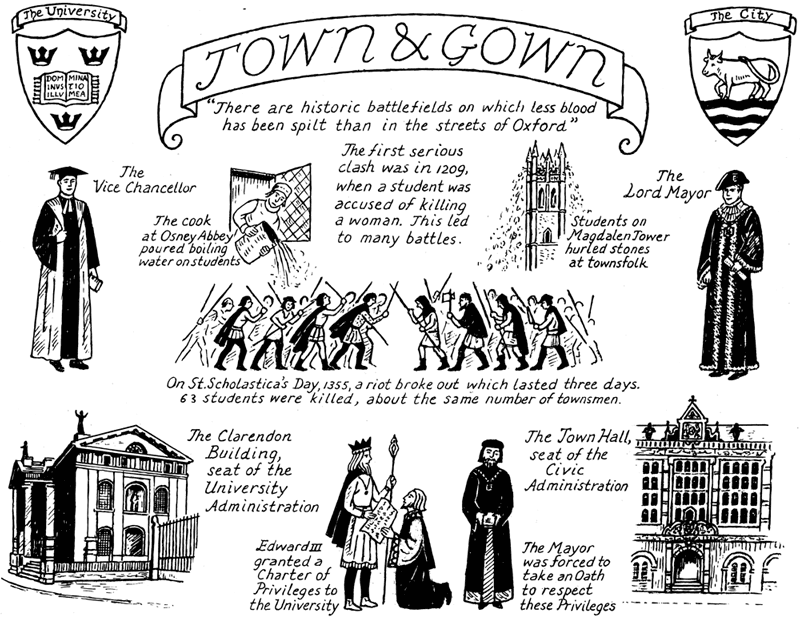
 The Mayor rode to Woodstock to enlist the help of the King. Back in Oxford, the violence went on for two days, coming to an end on Thursday, February 12.


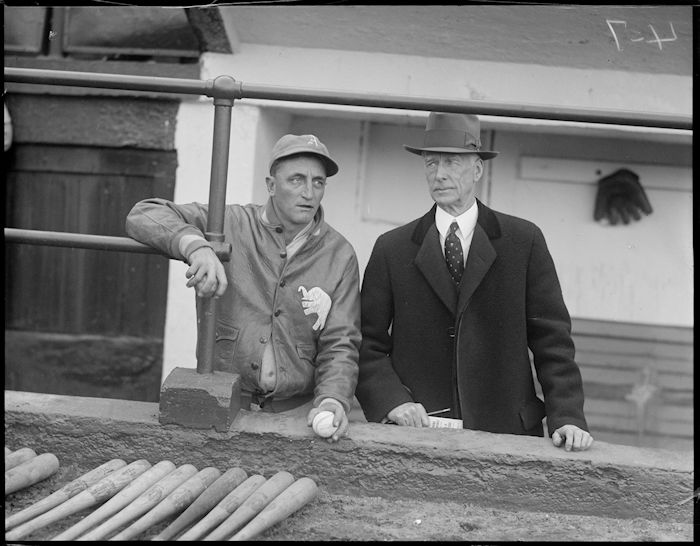
 This was the “dead-ball” era of the Major Leagues, an “inside baseball” style relying on stolen bases, hit-and-run plays and, more than anything, speed.
 Spitballs lessened the natural friction with a pitcher’s fingers, reducing backspin and causing the ball to drop. Sandpapered, cut or scarred balls tended to “break” to the side of the scuff mark. Balls were rarely replaced in those days. By the end of a game, the ball was scarred, misshapen and entirely unpredictable. Major League Baseball outlawed “doctored” pitches on February 10, 1920, though it remained customary to play an entire game with the same ball.
 A submarine pitch is not to be confused with the windmill underhand pitch we see in softball. Submarine pitchers throw side-arm to under-handed, with upper bodies so low that some scuff their hands on the ground, the ball rising as it approaches the strike zone.


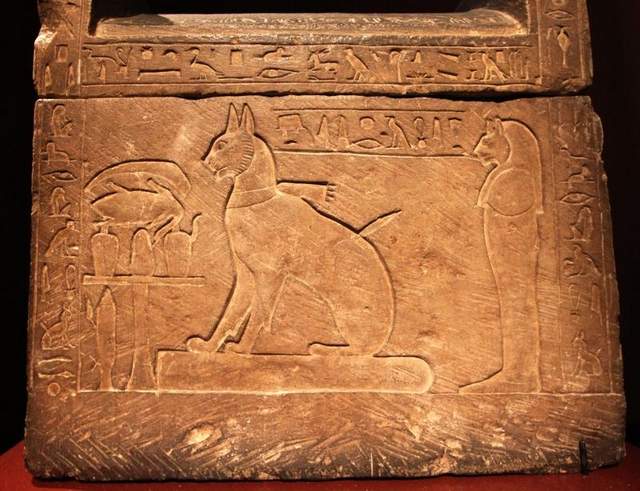


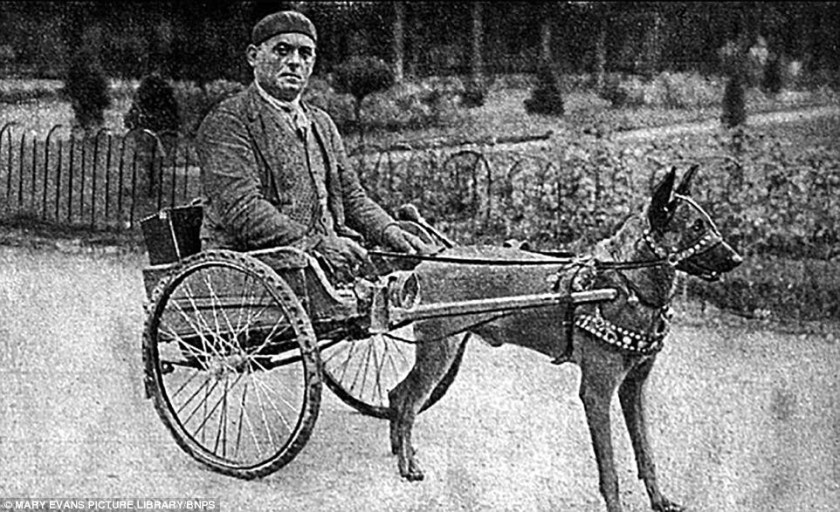


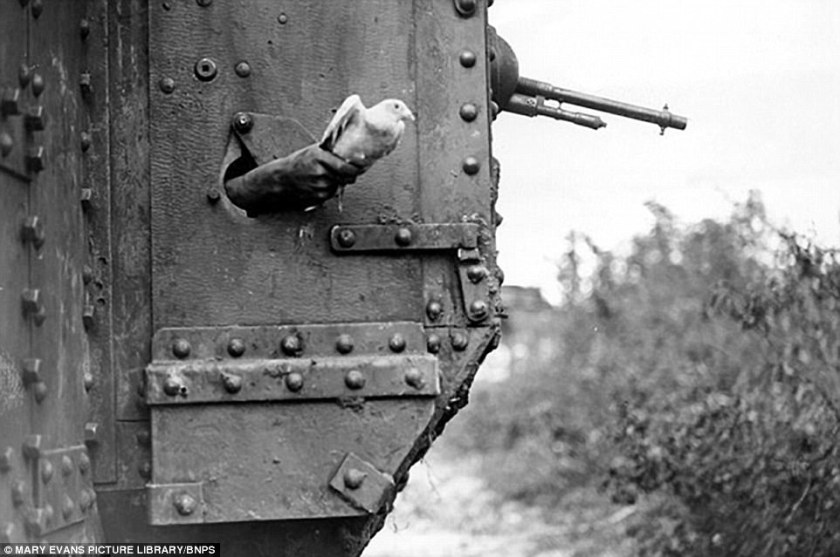
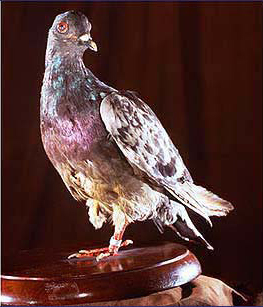
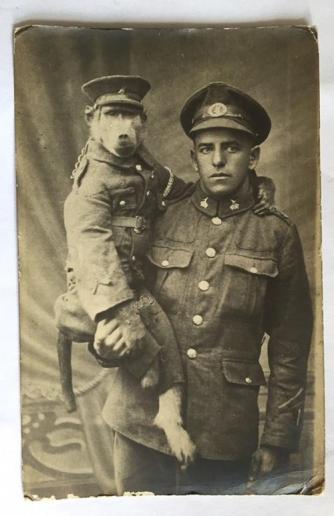 Private Albert Marr’s Chacma baboon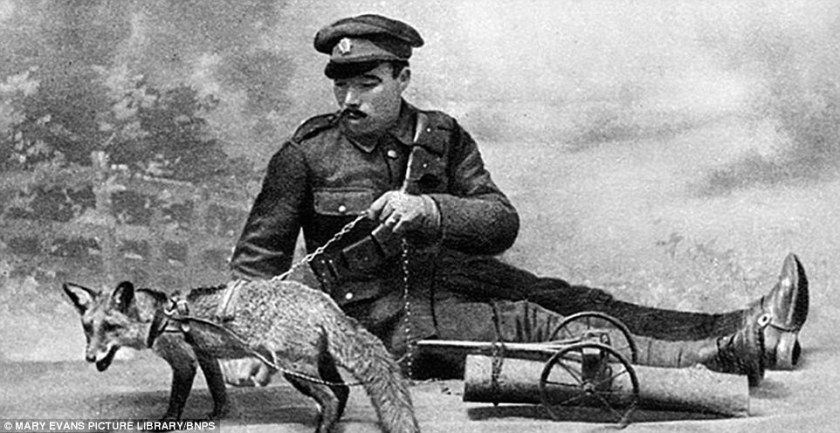


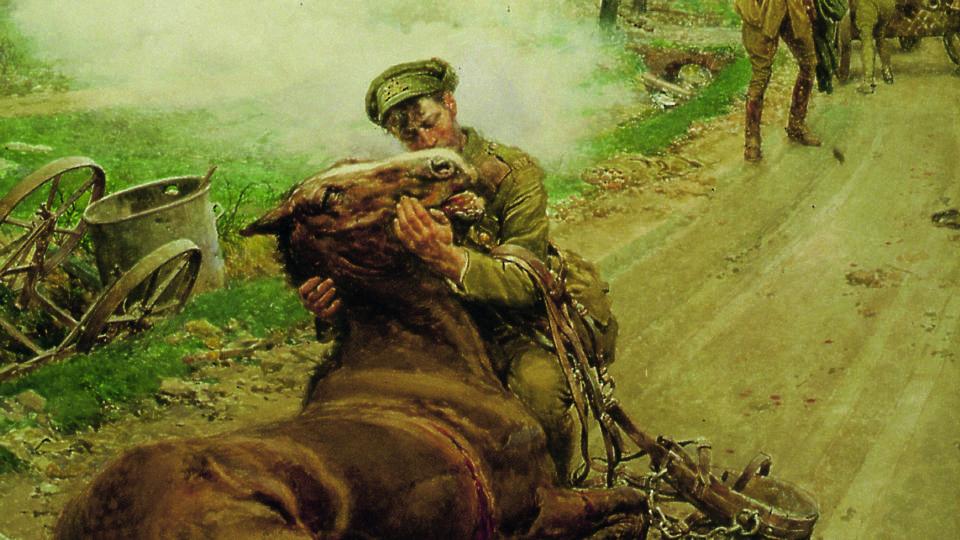
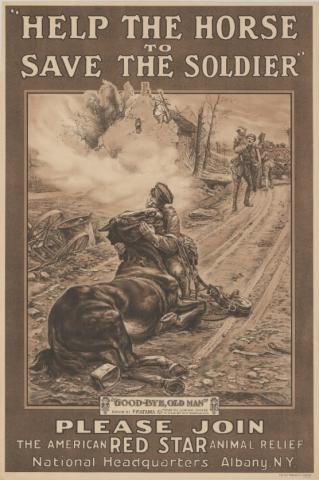
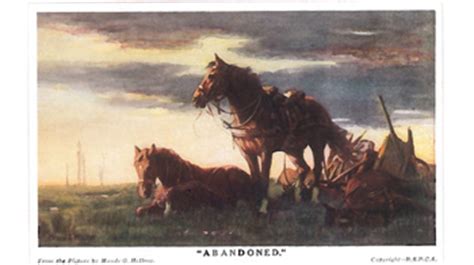 Horsepower was indispensable throughout the war from cavalry and mounted infantry to reconnaissance and messenger service, as well as pulling artillery, ambulances, and supply wagons. With the value of horses to the war effort and difficulty in their replacement, the loss of a horse was a greater tactical problem in some areas, than the loss of a man.
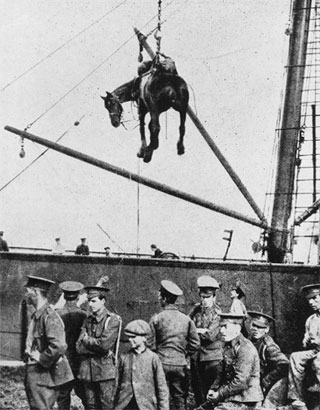 Few ever returned. An estimated three quarters died of wretched working conditions. Exhaustion. The frozen, sucking mud of the western front. The mud-borne and respiratory diseases. The gas, artillery and small arms fire. An estimated eight million horses were killed on all sides, enough to line up in Boston and make it all the way to London four times, if such a thing were possible.


 On December 21, 1898, Marie and Pierre Curie discovered the 88th element of the Periodic Table. This new and radioactive element was Radium, one of the ‘alkaline earth metals’.
 Serious physicians had early success killing cancer cells, driving a quack medicine craze where charlatans sold radium creams, salts and suppositories claiming to to cure everything from impotence to acne to insanity, rickets, tooth decay, and warts.


 Reports of illness among other women came flooding in. US Radium took to assassinating the character of these women, claiming that their symptoms resulted from syphilis.


 In the middle ages, a French soldier once saw fit to mouth off to an
 In 585BC, the battle between the Medes and Lydians was stopped in its tracks, on account of a
  So, yes, there is irony when men make war, if not always humor. Yet, in all the annals of warfare, there may be no episode more amusing, than the time a naval force was defeated by men on horseback.


 Historical Easter Eggs - Today in History
You must be logged in to post a comment.