
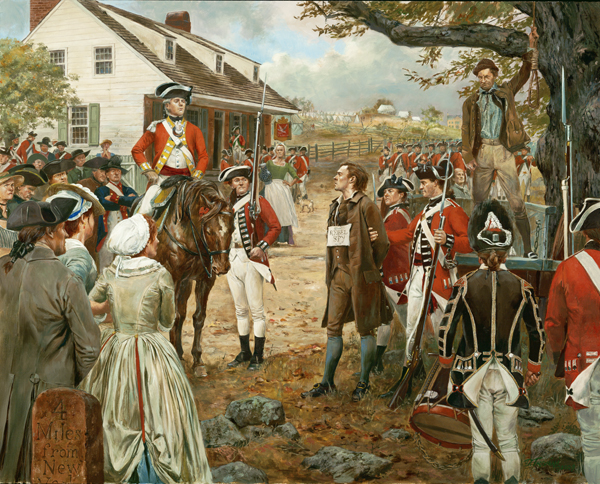
From the earliest days of the American Revolution, the Hale brothers of Coventry Connecticut, fought for the Patriot side. Five of them helped to fight the battles at Lexington and Concord. The youngest and most famous brother was home in New London at the time, finishing the terms of his teaching contract.
Nathan Hale’s unit would participate in the siege of Boston, Hale himself joining George Washington’s army in the spring of 1776, as the army moved to Long Island to block the British move on the strategically important port city of New York.

General Howe appeared at Staten Island on June 29 with a fleet of 45 ships. By the end of the week, he’d assembled an overwhelming fleet of 130.
There was an attempt at peaceful negotiation on July 13, when General Howe sent a letter to General Washington under flag of truce. The letter was addressed “George Washington, Esq.”, intentionally omitting Washington’s rank of General. Washington declined to receive the letter, saying that there was no one there by that address. Howe tried the letter again on the 16th, this time addressing it to “George Washington, Esq., etc., etc.”. Again, Howe’s letter was refused.
The next day, General Howe sent Captain Nisbet Balfour in person, to ask if Washington would meet with Howe’s adjutant, Colonel James Patterson. A meeting was scheduled for the 20th.
Patterson told Washington that General Howe had come with powers to grant pardons. Washington refused, saying “Those who have committed no fault want no pardon”.

Patriot forces were comprehensively defeated at the Battle of Brooklyn, fought on August 27, 1776. With the Royal Navy in command on the water, Howe’s army dug in for a siege, confident that his adversary was trapped and waiting to be destroyed at his convenience.
On the night of August 29-30, Washington withdrew his army to the ferry landing and across the East River, to Manhattan.
With horse’s hooves and wagon wheels muffled and oarlocks stuffed with rags, the Patriot army withdrew as a rearguard tended fires, convincing the redcoats in their trenches that the Americans were still in camp.
The surprise was complete for the British side, on waking for the morning of the 30th. The Patriot army, had vanished.

The Battle of Long Island would almost certainly have ended in disaster for the cause of Liberty, but for that silent evacuation over the night of August 29-30.
Following evacuation, the Patriot army found itself isolated on Manhattan island, virtually surrounded. Only the thoroughly disagreeable current conditions of the Throg’s Neck-Hell’s Gate segment of the East River, prevented Admiral Sir Richard Howe (William’s brother), from enveloping Washington’s position, altogether.
Expecting a British assault in September, General Washington was desperate for information on the movements of his adversary. Washington asked for volunteers for a dangerous mission, to go behind enemy lines, as a spy. One volunteer stepped up, on September 10. His name was Nathan Hale.
Hale set out the same day, disguised as a Dutch schoolmaster. He was successful for about a week but appears to have been something less than “street smart”. The young Patriot, untrained and unskilled in the ways of deception, placed his trust where it did not belong.

Major Robert Rogers was an old British hand, a leader of Rangers during the earlier French and Indian War. Rogers must have suspected that this Connecticut schoolteacher was more than he pretended to be, and intimated that he himself, was a spy in the Patriot cause.
Hale took Rogers into his confidence, believing the two to be playing for the same side. Barkhamsted Connecticut shopkeeper Consider Tiffany, a British loyalist and himself a sergeant of the French and Indian War, recorded what happened next, in his journal: “The time being come, Captain Hale repaired to the place agreed on, where he met his pretended friend” (Rogers), “with three or four men of the same stamp, and after being refreshed, began [a]…conversation. But in the height of their conversation, a company of soldiers surrounded the house, and by orders from the commander, seized Captain Hale in an instant. But denying his name, and the business he came upon, he was ordered to New York. But before he was carried far, several persons knew him and called him by name; upon this he was hanged as a spy, some say, without being brought before a court martial.”

The Irish tailor Hercules Mulligan had far greater success reporting on British goings-on, and twice saved General Washington himself, from capture. This Patriot who converted Alexander Hamilton from Tory to Patriot. The secret member of the Sons of Liberty who, for seven years worked behind enemy lines. Yet today, we barely remember the man’s name.. Hercules Mulligan earned the right to be remembered, as a hero of American history. His will be a story for another day.
Nathan Hale, the schoolteacher-turned-spy who placed his trust where it didn’t belong, was brought to the gallows on September 22, 1776, and hanged. He was 21. CIA.gov describes him as “The first American executed for spying for his country”.
 There was no official record taken of Nathan Hale’s last words, yet we know from eyewitness statement, that the man died with the same clear-eyed personal courage, with which he had lived.
British Captain John Montresor was present at the hanging, and spoke with American Captain William Hull the following day, under flag of truce. He gave the following account:
“‘On the morning of his execution, my station was near the fatal spot, and I requested the Provost Marshal to permit the prisoner to sit in my marquee, while he was making the necessary preparations. Captain Hale entered: he was calm, and bore himself with gentle dignity, in the consciousness of rectitude and high intentions. He asked for writing materials, which I furnished him: he wrote two letters, one to his mother and one to a brother officer.’ He was shortly after summoned to the gallows. But a few persons were around him, yet his characteristic dying words were remembered. He said, ‘I only regret, that I have but one life to lose for my country‘.


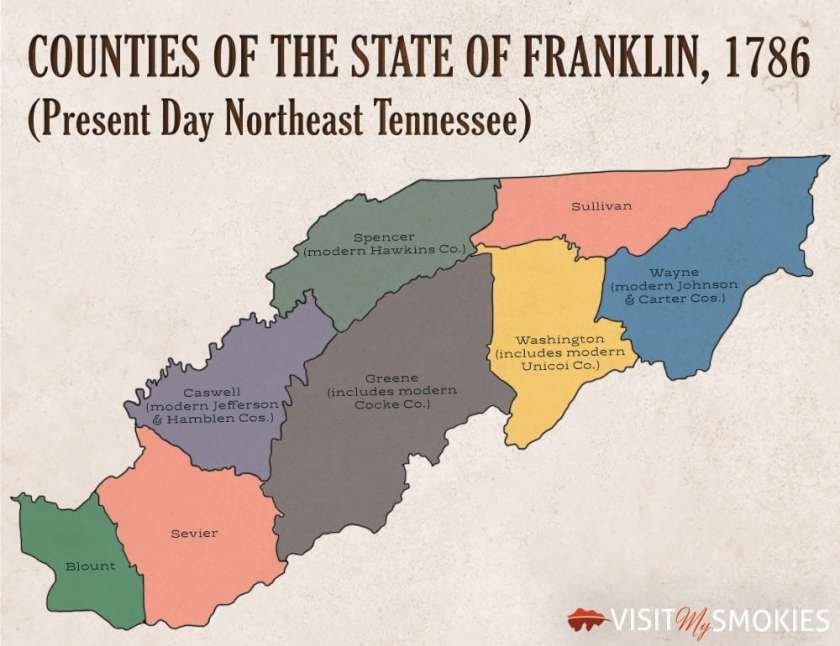 For ten years or more, settlers in the area known as the Cumberland River Valley operated their own independent government, along the western frontiers of North Carolina. With its new-found independence, settlers to the Western Counties found themselves alone in dealing with the area Cherokee, who were at that time anything but peaceful.
 The Western counties petitioned the United States Congress for statehood the following May as the 14th state in the Union, the independent state of “Frankland”. Seven states voted in the affirmative, short of the two-thirds majority required by the Articles of Confederation, for full statehood.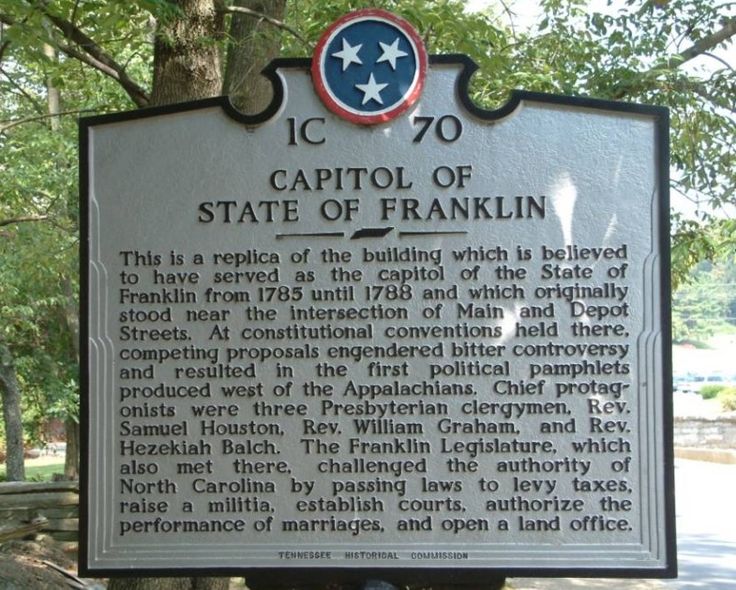
 As Franklin expanded westward, the state met resistance from the Chickamauga and “Overhill Cherokee” of war chief Dragging Canoe, a man often referred to as the “Savage Napoleon”. With the protection of neither a federal army nor a state militia, Sevier sought a loan from the Spanish government, who then attempted to assert control over the territory.

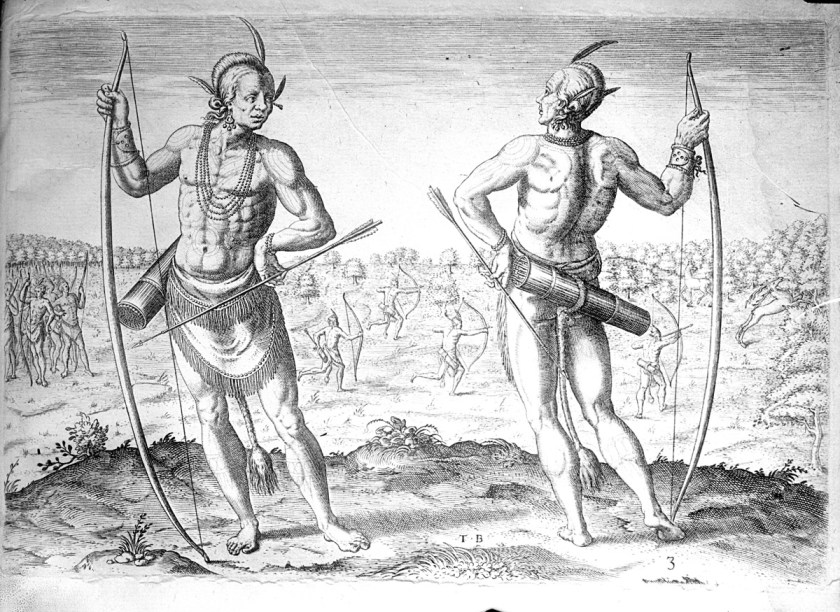 Raleigh believed that the Chesapeake afforded better opportunities for his new settlement, but Portuguese pilot Simon Fernandes, had other ideas. The caravan stopped at Roanoke Island in July, 1587, to check on the 15 men left behind a year earlier. Fernandes was a Privateer, impatient to resume his hunt for Spanish shipping. He ordered the colonists ashore on Roanoke Island.


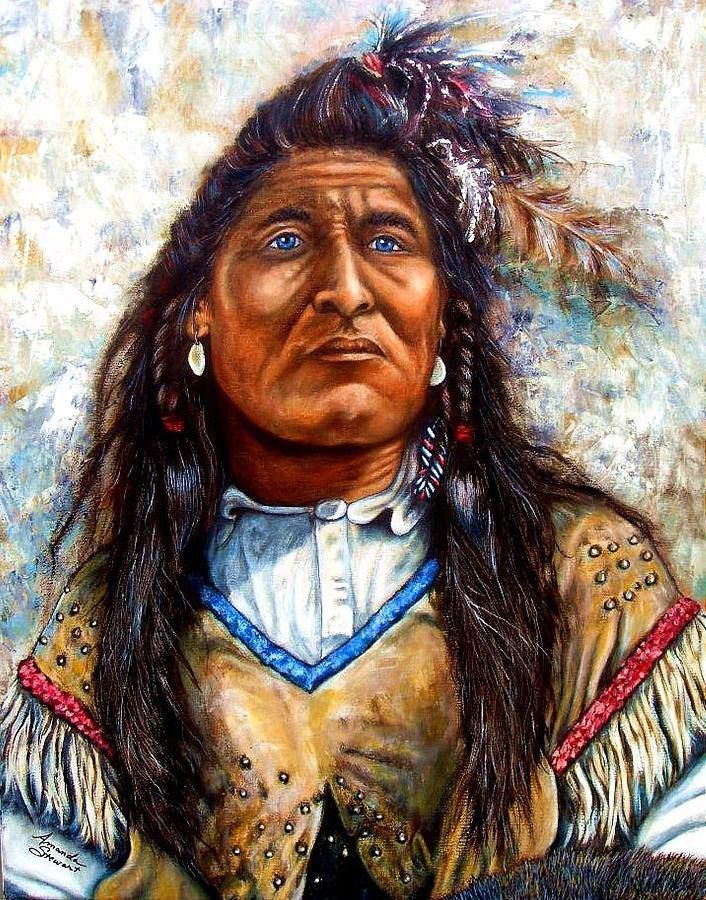
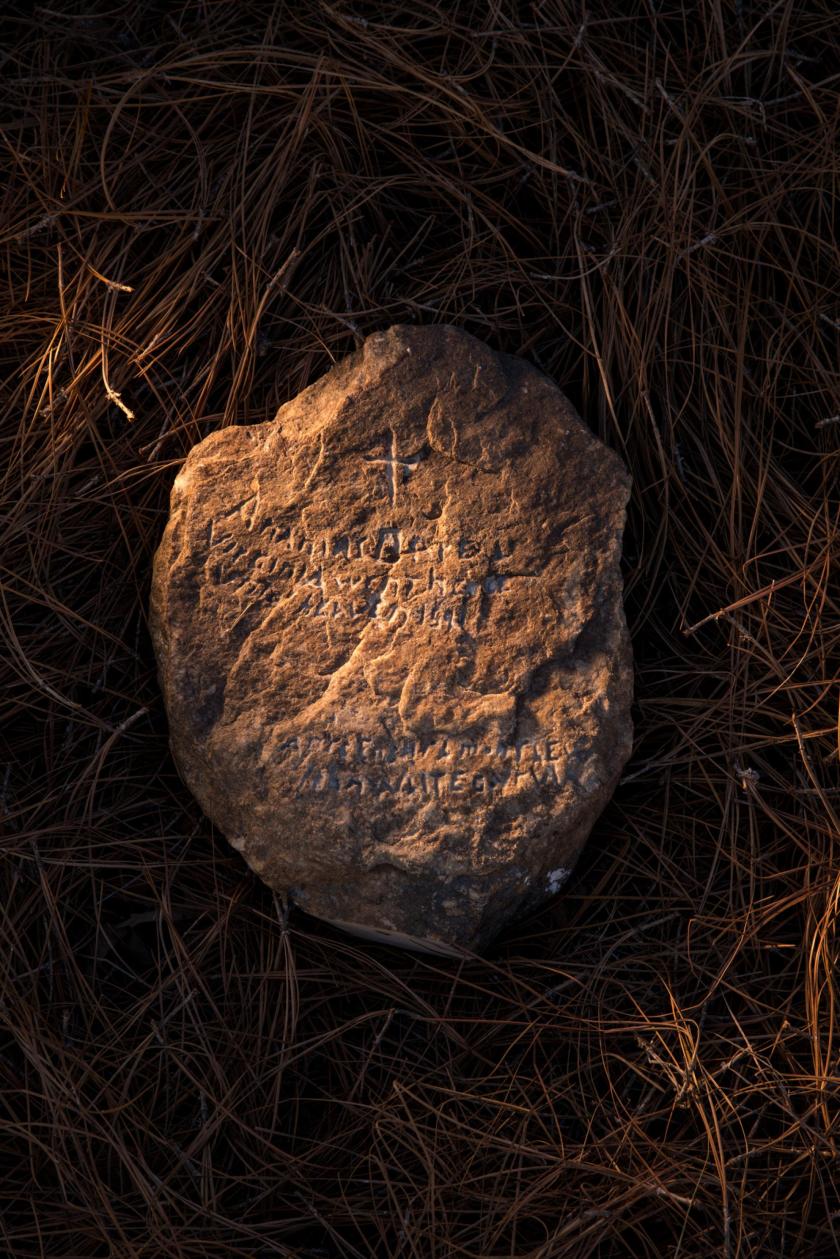
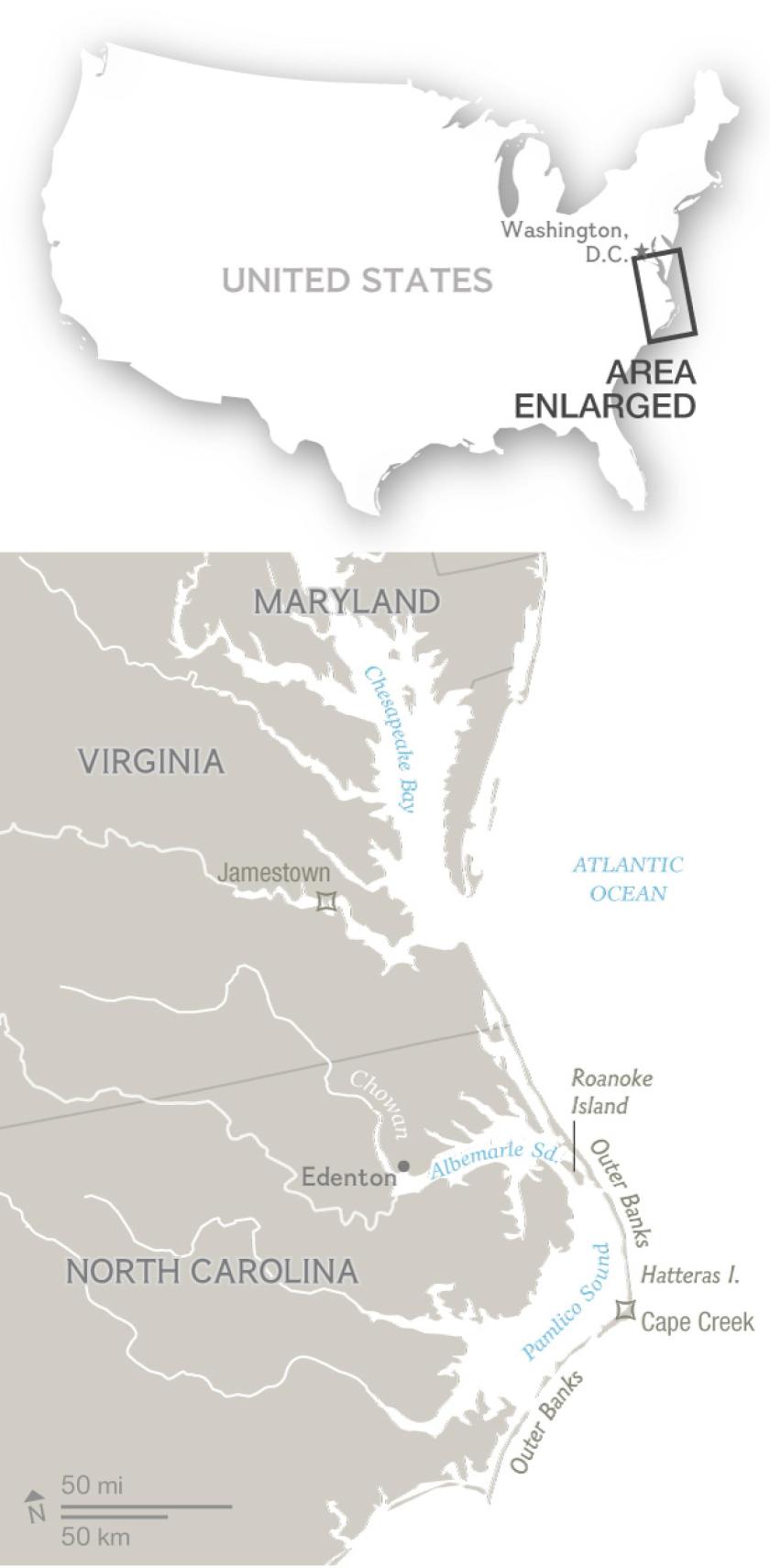 Research concluded at “Site X” in 2017, the cloak & dagger moniker given to deter thieves and looters. The mystery of the lost Colony of Roanoke, remains unsolved. “We don’t know exactly what we’ve got here,” admitted one archaeologist. “It remains a bit of an enigma.”

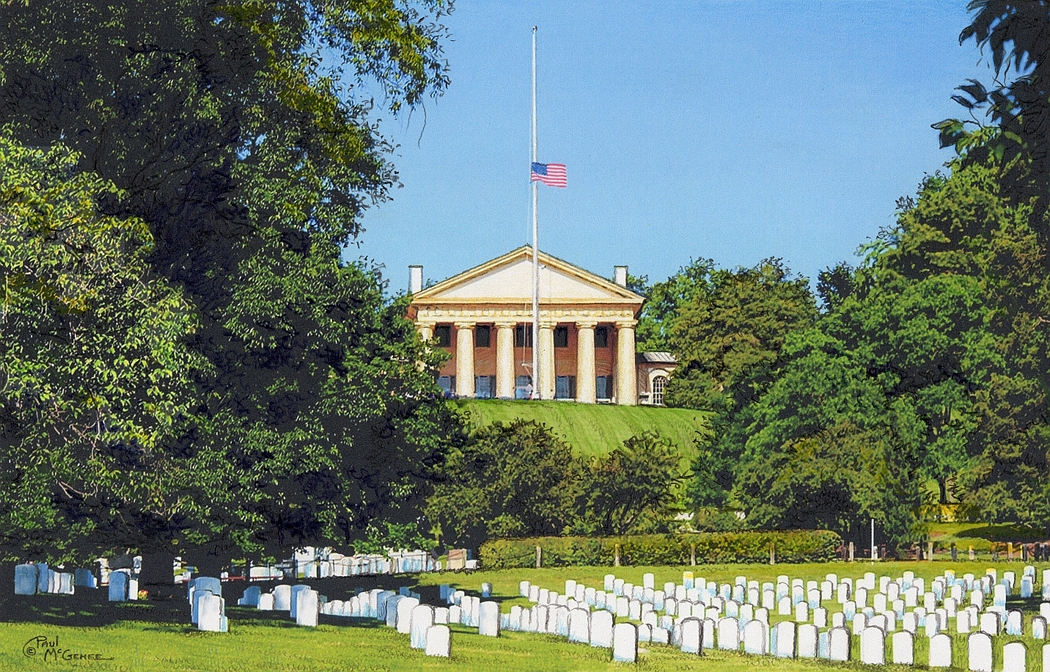
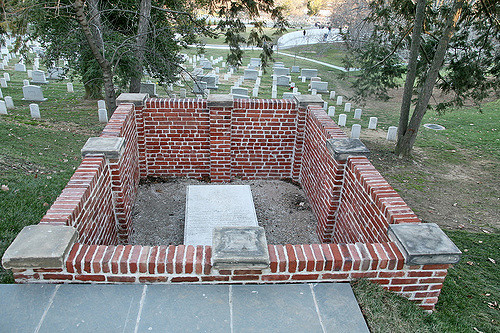
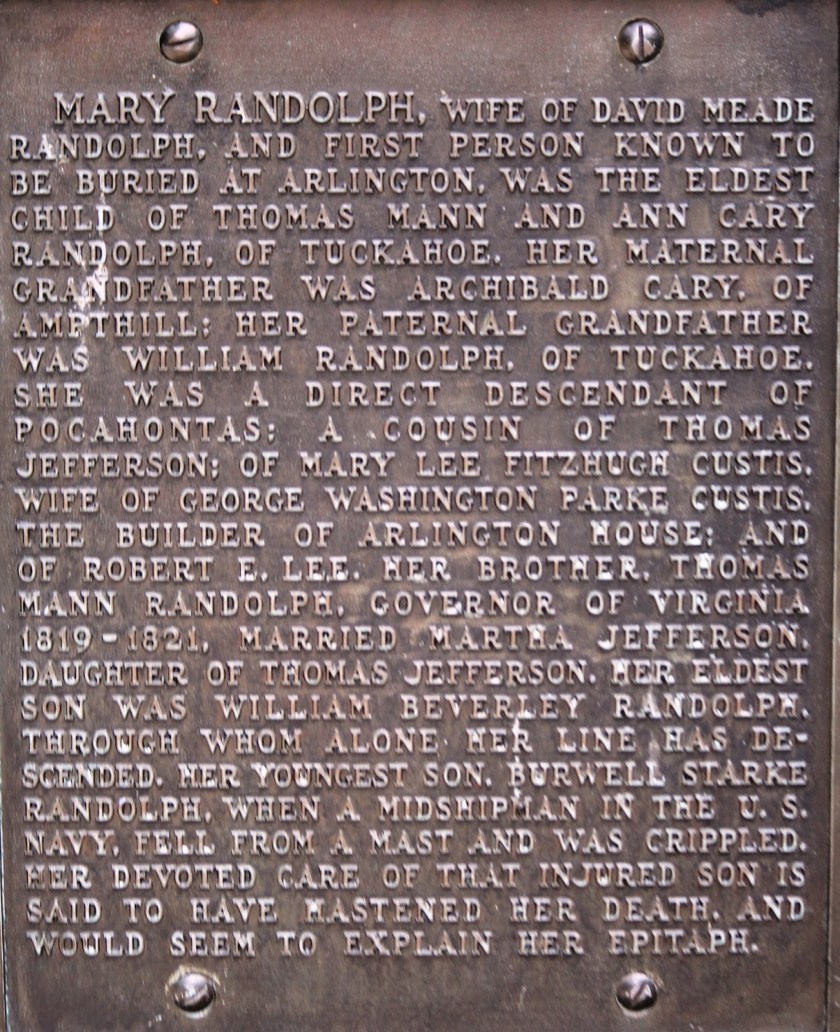
 The last line of the inscription, “a victim to maternal love and duty” refers to her youngest surviving son, Midshipman Burwell Starke Randolph, who suffered a fall from a high mast in 1817, while serving in the Navy. Both of his legs were broken and never healed properly. When Mary passed away in 1828, Randolph remarked that his mother had sacrificed her own life in care of his.
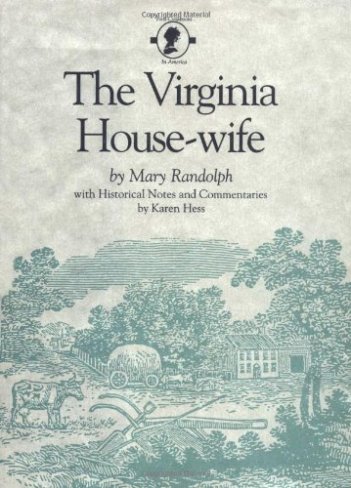 Mrs. Randolph was an early advocate of the now-common use of herbs, spices and wines in cooking. Her recipe for apple fritters calls for slices of apple marinated in a combination of brandy, white wine, sugar, cinnamon, and lemon rind.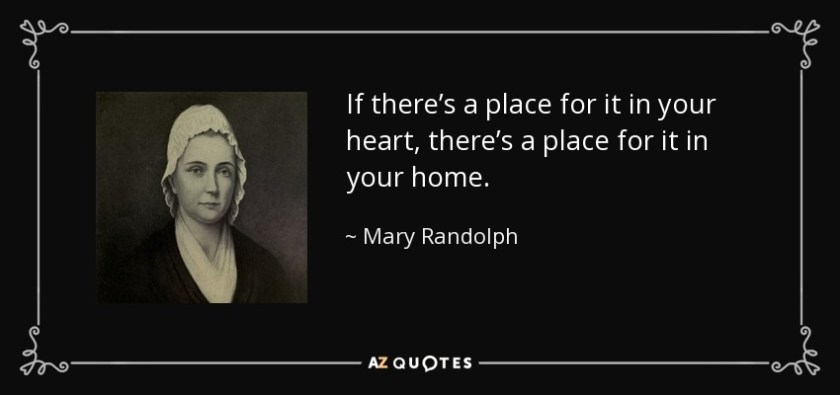





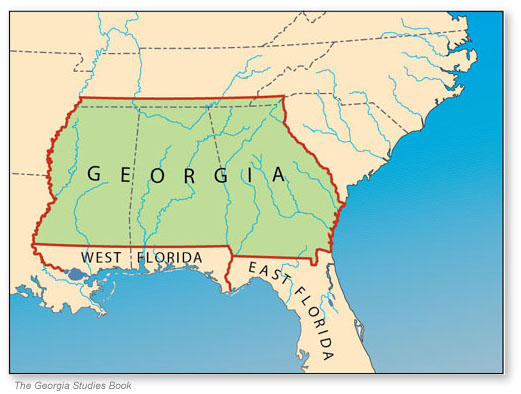
 The territory which would come to be occupied by the colony of Georgia was a subject for dispute between Great Britain and Spain, since long before the state became a colony.
 off the ear of Commander Robert Jenkins, informing the unfortunate ship’s master that he could “Go, and tell your King that I will do the same”, to him.



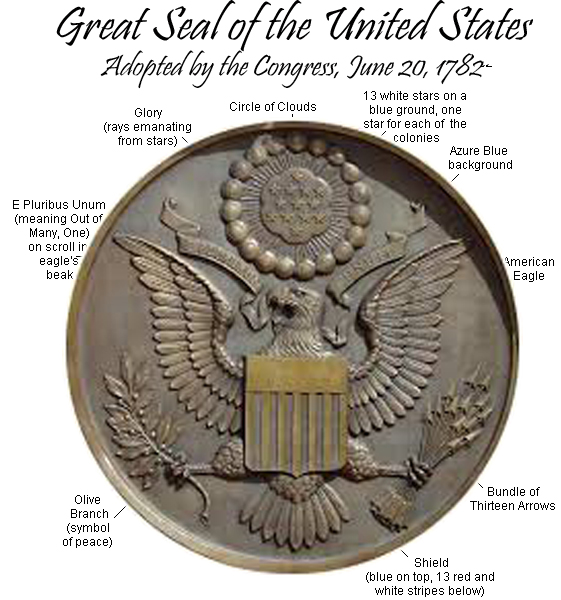
 Finally, a constellation of thirteen stars breaks out of the clouds above, signifying a new people, now ready to take its place among the sovereign nations of earth.
 The militant atheist type wishing to divest himself of all that “church & state” stuff may, at his convenience, feel free to send those dollar bills, to me. I’m in the book.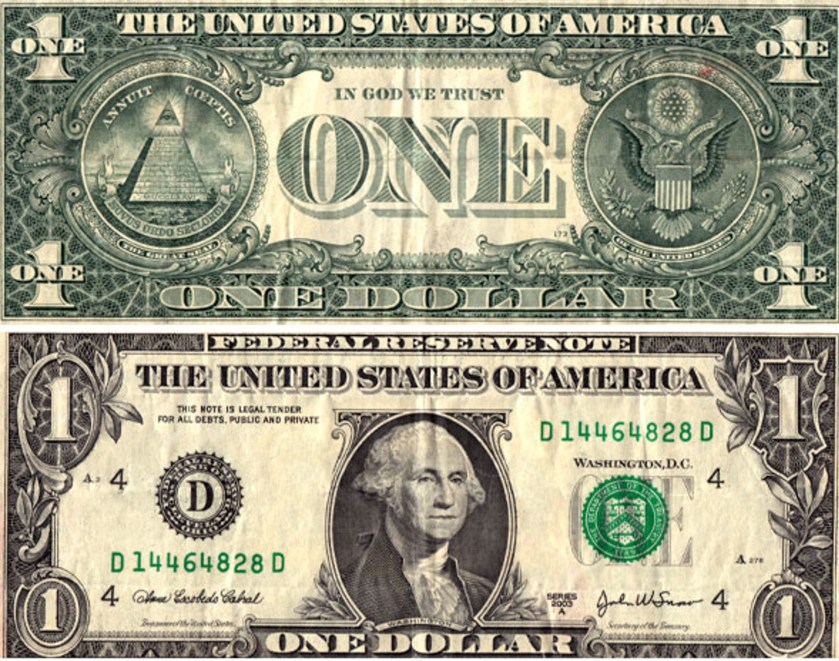


 Indigenous nations of the time divided more along ethnic and linguistic rather than political lines, so there was no monolithic policy among the tribes. At least one British fort was taken with profuse apologies by the Indians, who explained that it was the other nations making them do it.


 Some sixty to eighty Ohio valley Indians died of the disease following the Fort Pitt episode, but the outbreak appears isolated. Meanwhile, Indian warriors had looted clothing from some 2,000 outlying settlers they had killed or abducted.

 The British Royal Proclamation of October 7, 1763, drew a line between the British colonies and Indian lands, creating a vast Indian Reserve stretching from the Appalachians to the Mississippi River and from Florida to Newfoundland. For the Indian Nations, this was the first time that a multi-tribal effort had been launched against British expansion, the first time such an effort had not ended in defeat.
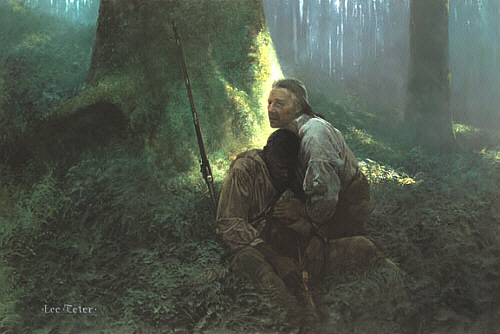
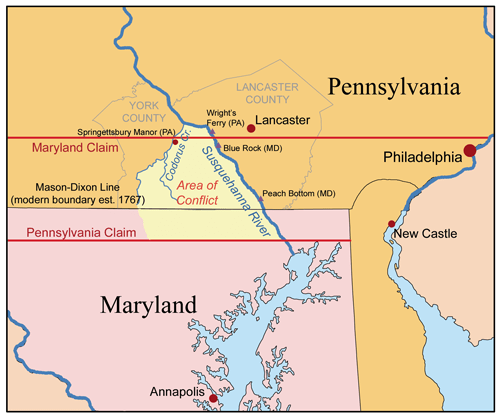
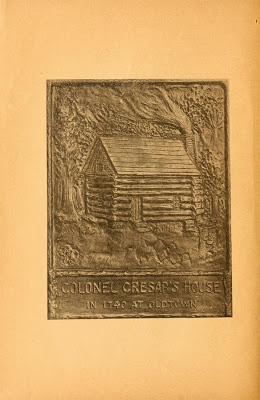 Business was good. By 1730, Wright had applied for a ferry license. With Lord Baltimore fearing a loss of control in the area (read – taxes), Maryland resident Thomas Cresap established a second ferry service up the river. Maryland granted Cresap some 500 acres along the west bank, serenely unconcerned that much of the area was already inhabited by Pennsylvania farmers.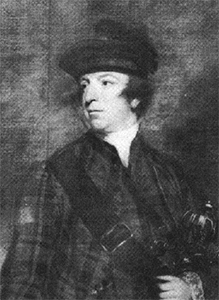
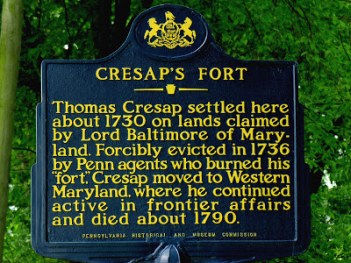 Maryland authorities petitioned George II, King of Great Britain and Ireland, imploring the King to restore order among his subjects. King George’s proclamation of August 18, 1737 instructed the governments of both colonies to cease hostilities. When that failed to stop the fighting, the Crown organized direct negotiations between the two. Peace was signed in London on May 25, 1738, the agreement providing for an exchange of prisoners and a provisional boundary to be drawn fifteen miles south of the southernmost home in Philadelphia, and mandating that neither Maryland nor Pennsylvania “permit or suffer any Tumults Riots or other Outragious Disorders to be committed on the Borders of their respective Provinces.”

 Historical Easter Eggs - Today in History
You must be logged in to post a comment.