

With his father suffering tuberculosis and often hospitalized, Otis Ray Redding Jr. quit school at the age of fifteen to help support the family. He worked at a gas station, but it was the occasional musical gig that got him noticed. From Macon (Georgia) talent contests to local bands, Redding later joined Little Richard’s band “The Upsetters” when the singer abandoned rock & roll music, for gospel.
Redding began his musical career touring the “chitlin circuit” at a time of racial segregation: a string of venues hospitable to black musicians, comedians and entertainers throughout the American south, northeast and upper Midwest. Harlem’s Apollo Theater, the Regal Theater in Chicago, the Howard Theater in Washington, D.C, the Royal Peacock in Atlanta, and others.
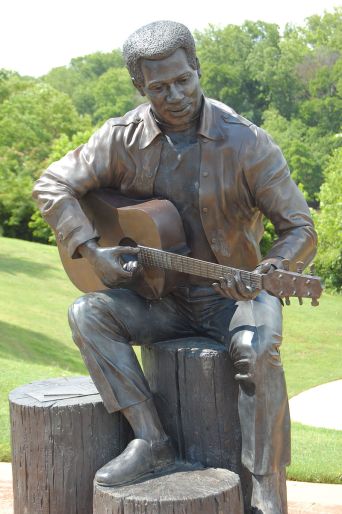
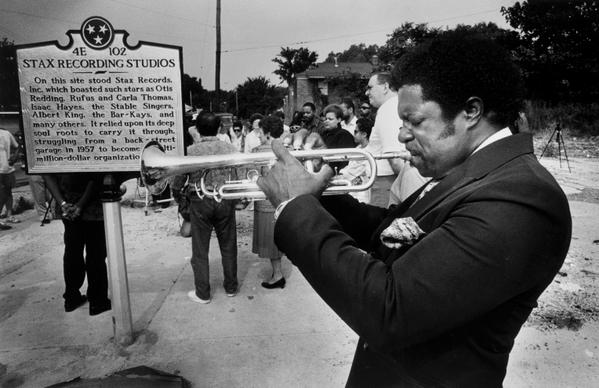
Redding joined STAX Records in 1962, a portmanteau of the founding partners and siblings Jim Stewart and his sister Estelle Axton (STewart/AXton = Stax).
The label’s use of a single studio and a small stable of musicians and songwriters produced a readily identifiable sound based on black gospel and rhythm & blues which came to be known as Southern soul, or Memphis soul.
Singer-songwriter-musician Otis Redding became STAX Records’ biggest star in the five years before the plane crash that took his life: the “Big O”, the “King of Soul”.
Musicians from Led Zeppelin to Lynyrd Skynyrd to Janis Joplin and virtually every soul and R&B musician of the era have taken musical influence from Otis Redding. It was he who wrote the ballad R-E-S-P-E-C-T made famous by the “Queen of Soul”, Aretha Franklin.
His initial recordings were mainly popular with black audiences, but Redding and others crossed the “color barrier”, performing at “white owned” venues like Whisky a Go Go in LA, the Monterey Pop Festival of 1967, and venues throughout Paris, London and other European cities.
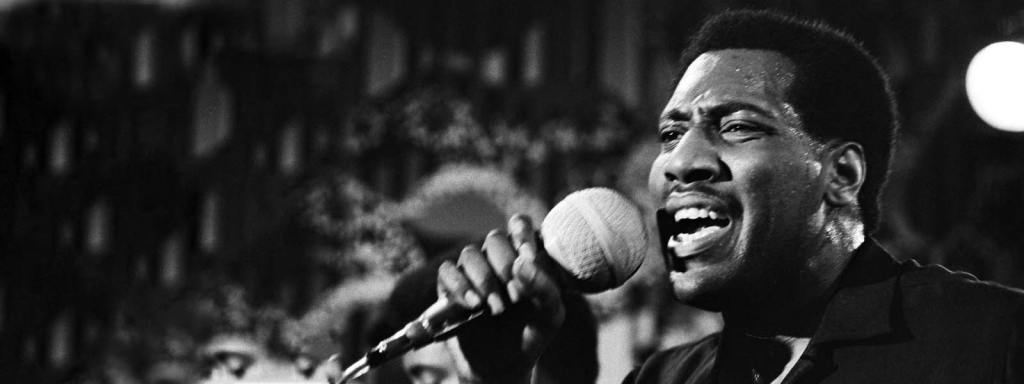
Redding’s iconic song and #1 hit, “Sittin’ on the Dock of the bay“, became the first posthumous number-one record on both the Billboard Hot 100 and R&B charts. The album by the same name was the first posthumous album to reach number one on the UK Albums Chart.
The song wasn’t intended to turn out the way it did.
Redding wanted to expand his musical footprint beyond the soul and R&B genre and took strong influence from the Beatles, particularly the layered sounds of Sgt. Pepper’s Lonely Hearts Club Band. If you listen to the song – the seagulls, the sound of lapping waves – that’s what he was going for. Redding remembered those sounds from the rented houseboat in Sausalito where he wrote the first lines and asked Stax producer and guitarist Steve Cropper, to dub them in.
The “outro”, the twenty-five seconds’ whistling at the end, were nothing but a place holder. Cropper explains there’s “this little fadeout rap he was gonna do, an ad-lib. He forgot what it was so he started whistling.” No trouble, it could all be fixed an a second recording session session, after the tour.
That second session was never meant to be.
The kid who once pumped gas to help support the family boarded his own Beechcraft H-18 aircraft on December 10, 1967 along with Bar-Kays guitarist Jimmy King, tenor saxophonist Phalon Jones, organist Ronnie Caldwell, trumpet player Ben Cauley, drummer Carl Cunningham, their valet Matthew Kelly and the pilot, Richard Fraser.
The band had played two nights in Cleveland. The next stop was Madison, Wisconsin. The plane took off despite warnings of foul weather. The show must go on. Ben Cauley remembers waking from a nap to see band-mate Phalon Jones look out a window and cry out “Oh No!” He then found himself alone, clutching a seat cushion in the 34-degree waters of Lake Monona. He was the only survivor.

True to his word, Cropper mixed Dock of the Bay as he said he would, adding in the crashing waves and the seagulls and keeping the outro, the way Otis had left it.
Rhythm & Blues stations were quick to add the song to playlists already saturated, with Otis Redding. The song shot to the top of R&B charts and pop charts, weren’t far behind. Dock of the Bay reached #1 on the billboard Hot 100 on March 16, 1968 and stayed there, for four weeks.
Since that time an impressive list of musical talent has joined Otis Redding, for producing # 1 songs released after the artist was gone. David Bowie. Biggie Smalls. Janis Joplin. Tupac Shakour. John Lennon.
It must be some kind of band they’ve got going up there.

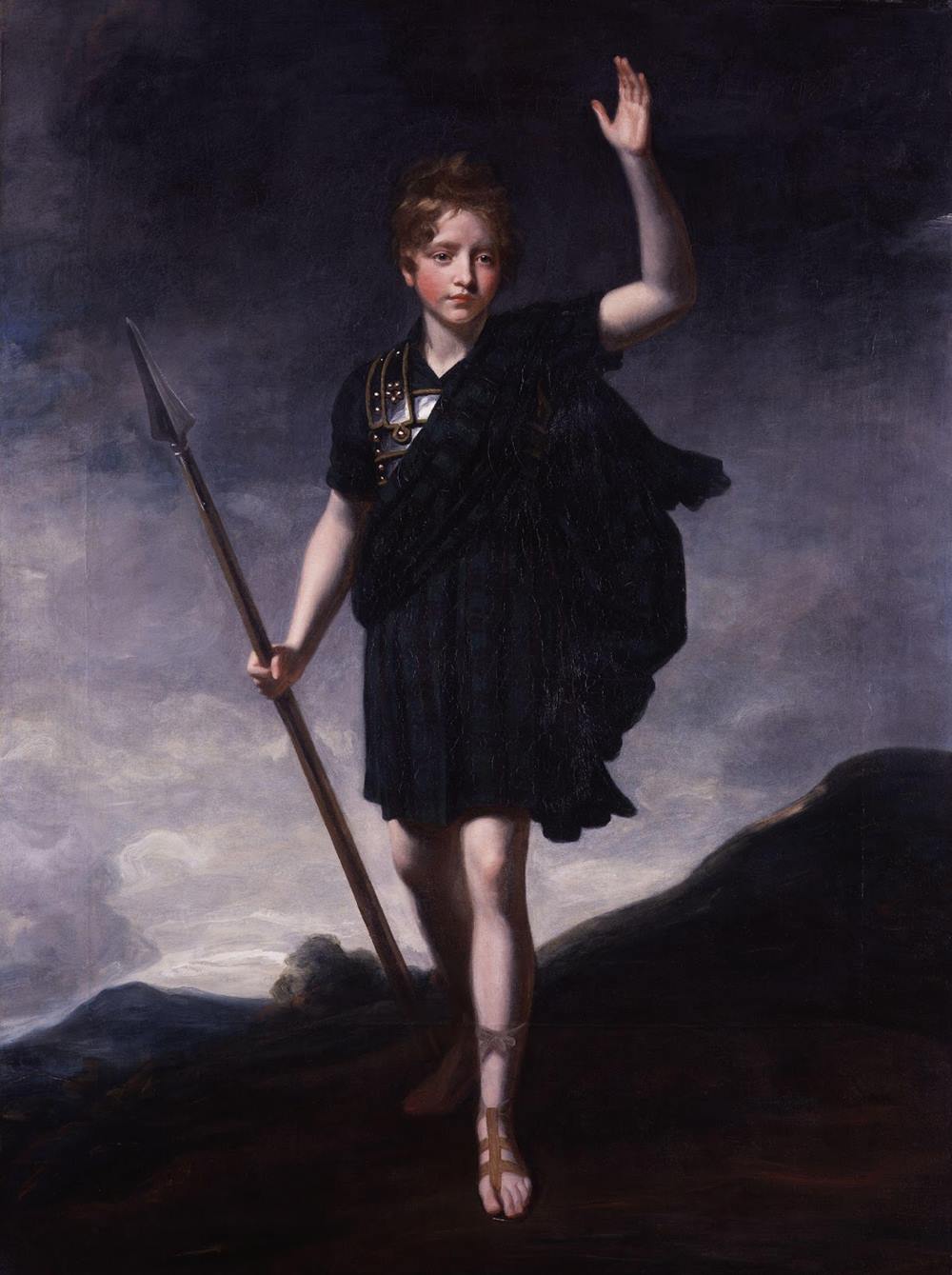


















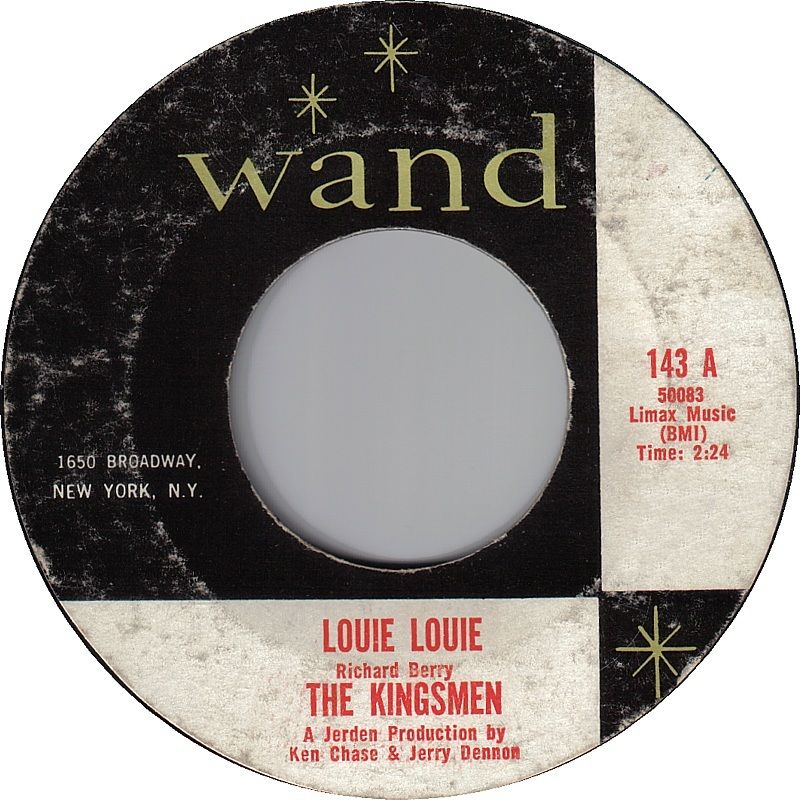
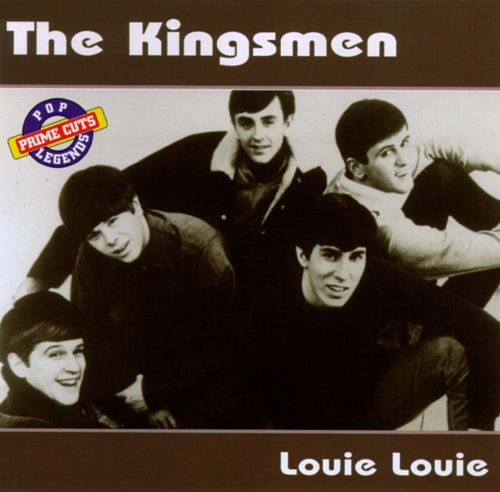 In 1955, singer-songwriter Richard Berry wrote a tune about a Jamaican sailor returning home to see his lady love. It’s a ballad, a Caribbean-flavored conversation in the first person singular, with a bartender. The bartender’s name is Louie.
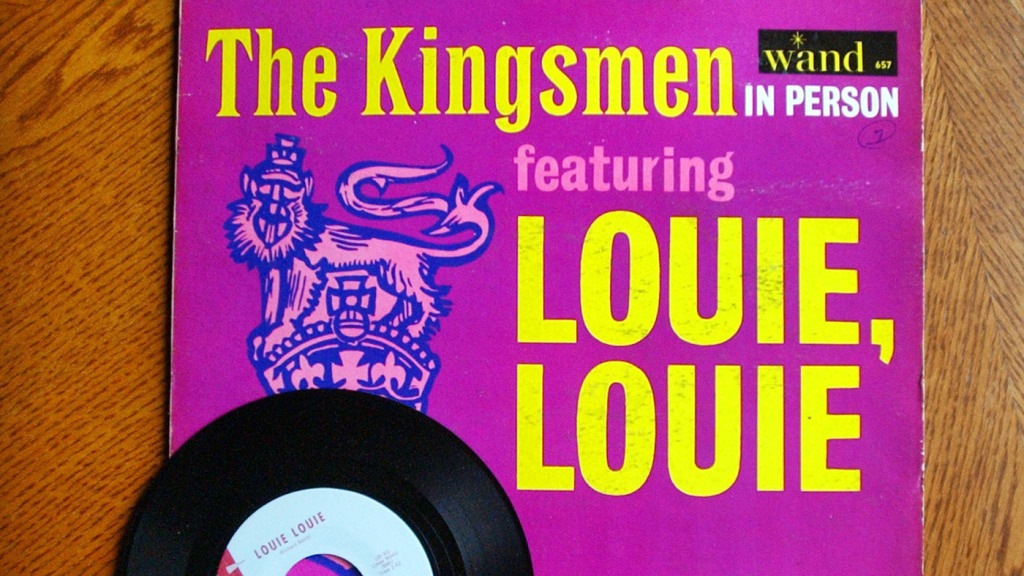 It all went downhill from there. “Louie Louie, me gotta go,” became in the fevered imagination, “Louie Louie, grab her way down low.” Invented lyrics ranging from mildly raunchy to downright pornographic were written out on slips of paper and exchanged between teenagers, spurring interest in the song and driving record sales, through the roof.
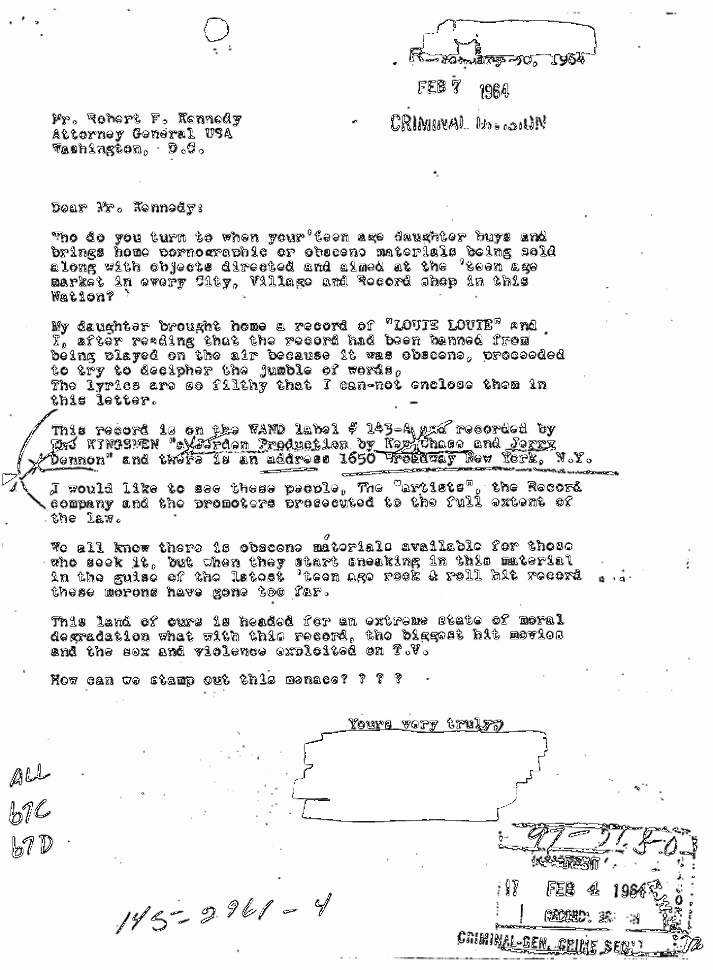 Dad might have taken a breath. The pop culture scene was not so steeped in filth, as he imagined. The top television program of the time was the Beverly Hillbillies. The top movie the Disney animated production, “The Sword and the Stone”.
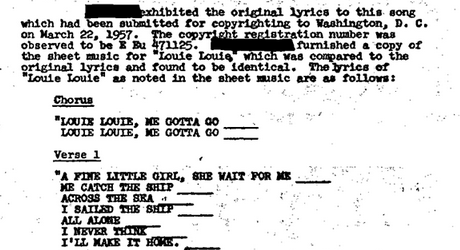 The FBI took up an investigation under the ITOM statute in 1964, a federal law regulating the Interstate Transportation of Obscene Material. Investigators interviewed witnesses. They listened to the song at varying speeds, backward and forward. The relentless search for lascivious material lasted two years and in the end, came up empty.

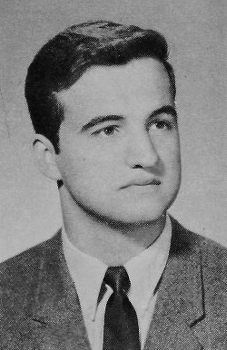
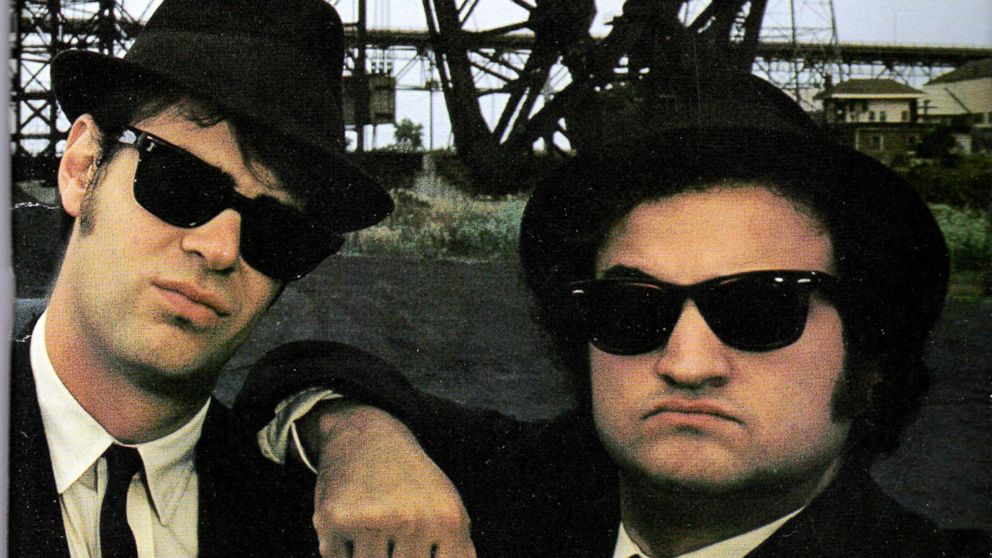
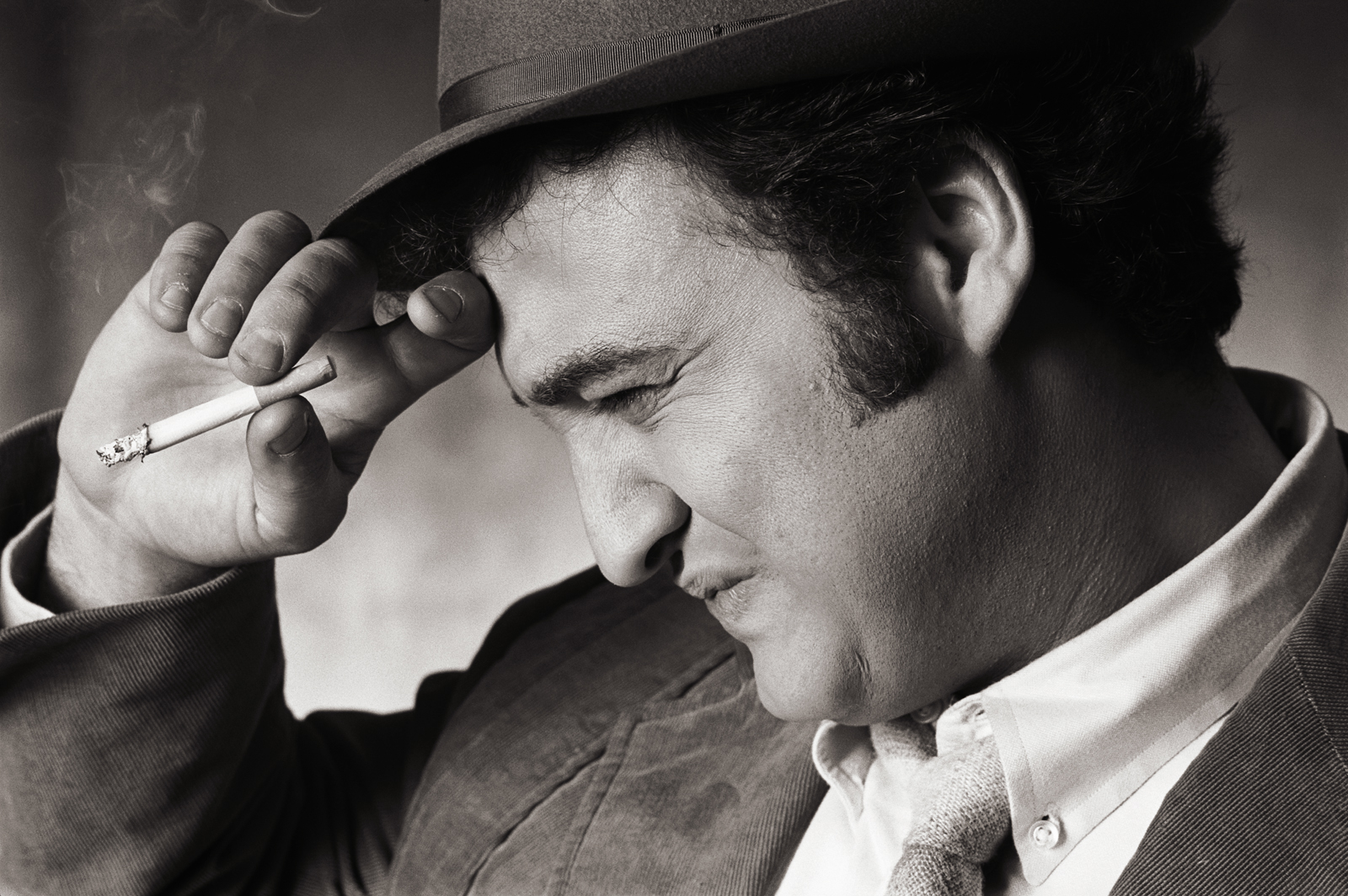
 He appeared from 1973 – ’75 on The National Lampoon Radio Hour, along with future SNL regulars Gilda Radner, Chevy Chase and Bill Murray. A number of radio segments went on to become SNL sketches in the show’s first couple of seasons.
 Animal House, the film that launched Belushi’s career on the big screen, almost didn’t happen.
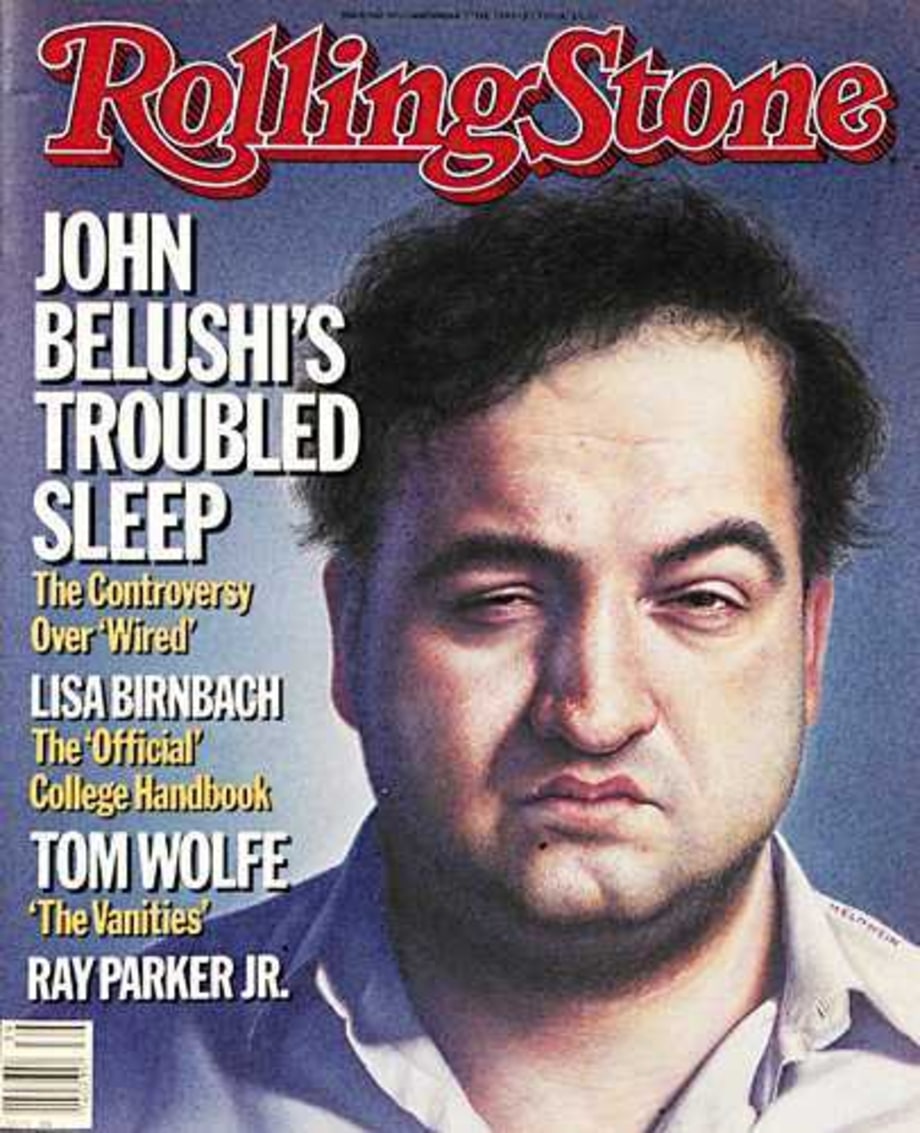 John Belushi was found dead the following morning. The cause of death was originally thought to be an accidental overdose. Cathy Smith was extradited from Canada and tried on first degree murder charges following a National Enquirer interview in which she admitted giving Belushi eleven speedballs. A plea bargain reduced the charge to involuntary manslaughter. She served fifteen months in prison.


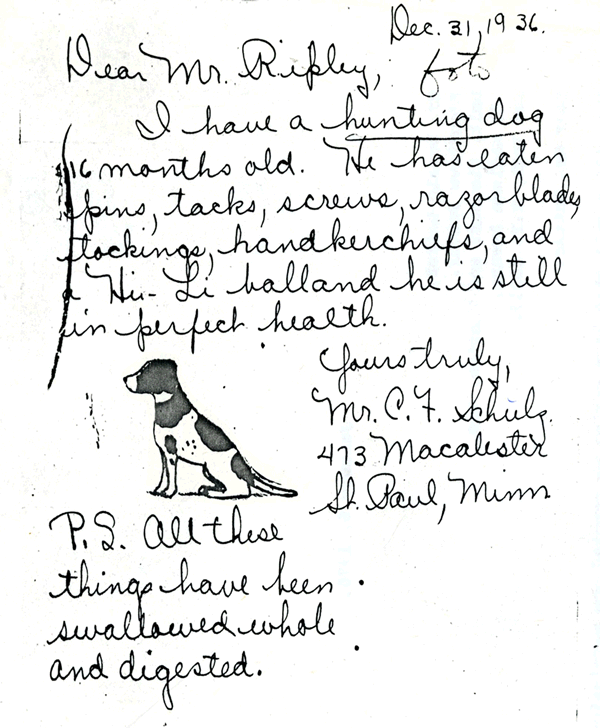 Charles Monroe Schulz was one of the brighter kids at Central High School in Saint Paul, Minnesota, but that didn’t help his social life. He was already a shy boy and skipped two half-grades, graduating as the youngest student in the class of 1940.
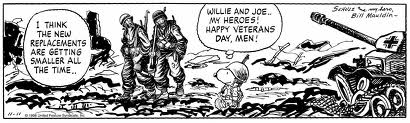
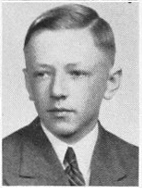 weed out those who merely claimed to know him, if they called him “Charles”, or “Chuck”. Schulz’ uncle called him “Sparky” as a boy, after the horse Spark Plug in Billy DeBeck’s comic strip, Barney Google. He always signed the strip “Schulz”, but friends and family knew him as Sparky, until the day he died.






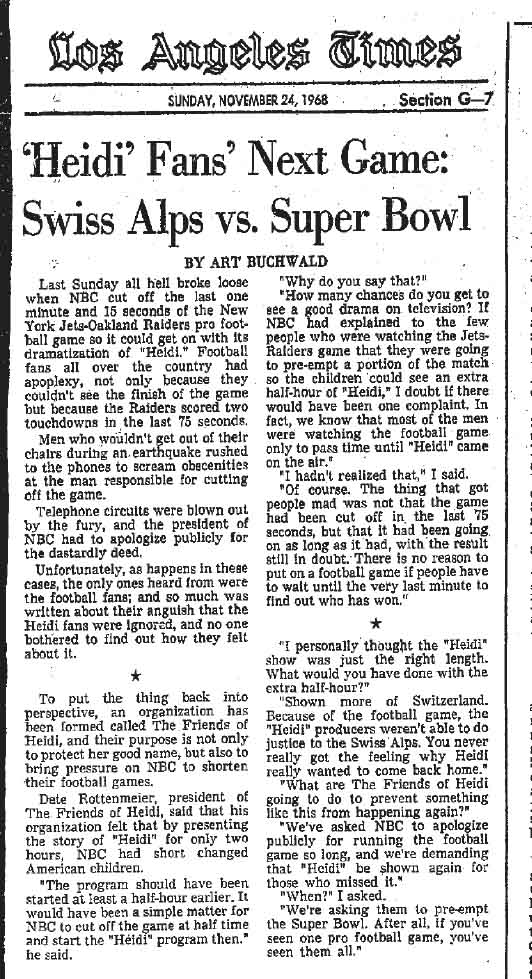
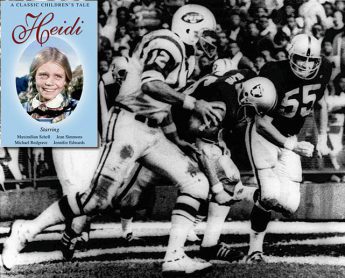
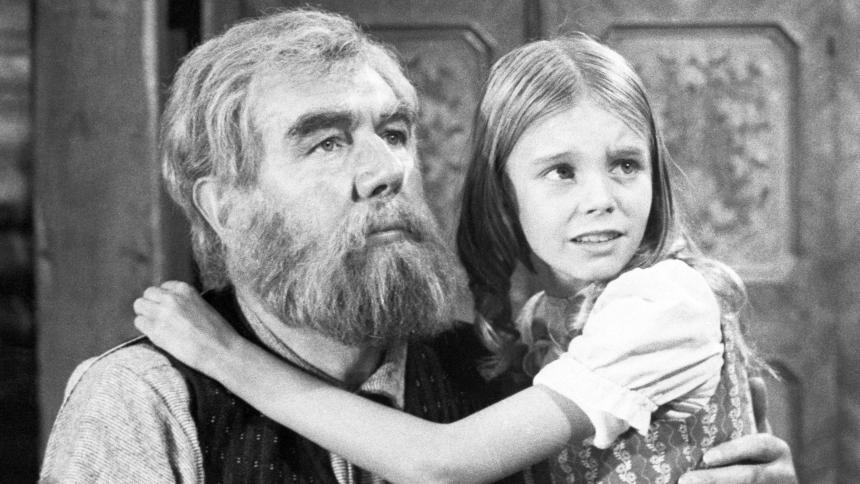
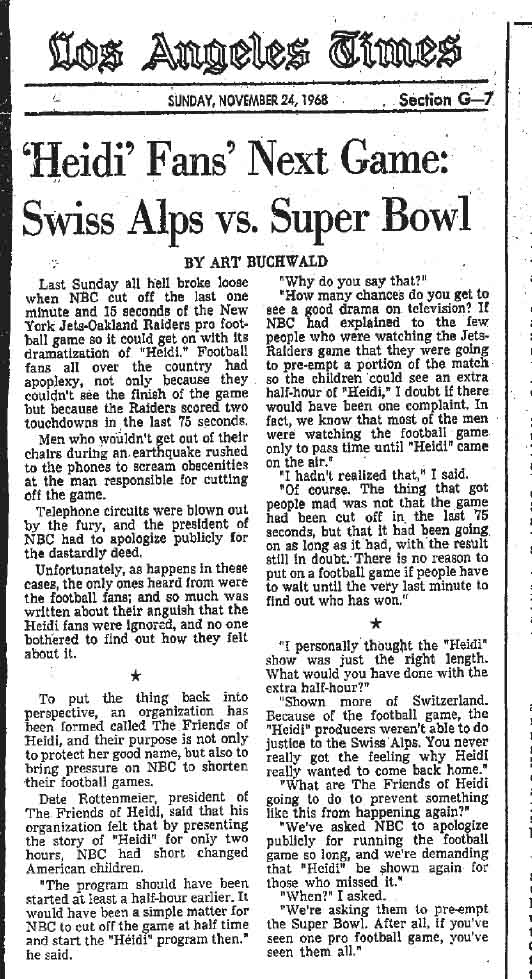
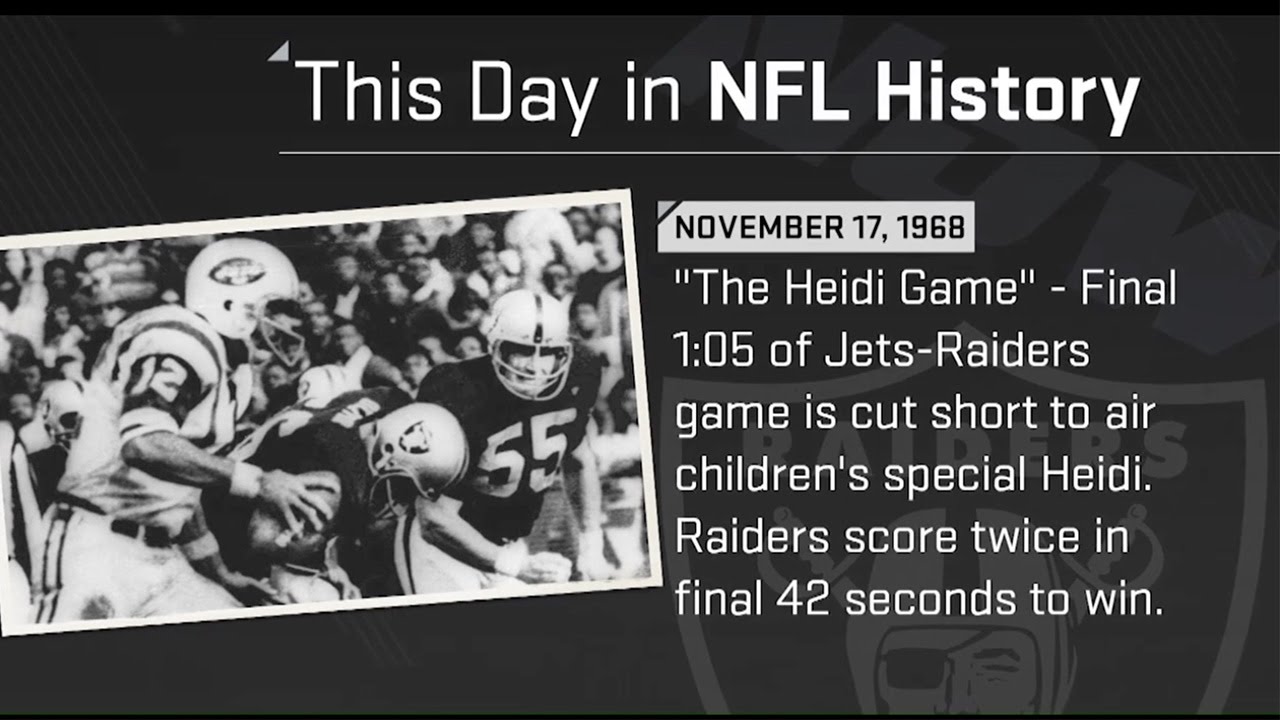
 The “Heidi Bowl” was prime time news the following night, on all three networks. NBC’s Huntley-Brinkley Report aired the last sixty seconds while ABC Evening News anchor Frank Reynolds read excerpts from the movie, with clips of the Raiders’ two touchdowns cut in. CBS Evening News’ Harry Reasoner announced the “result” of the game: “Heidi married the goat-herder“.
 Historical Easter Eggs - Today in History
You must be logged in to post a comment.