

The city of Charlestown, Massachusetts occupies a hilly peninsula to the north of Boston, at the point where the Mystic River meets the Charles. Like Boston itself, much of what is now Charlestown was once Boston Harbor. In 1775 the town was a virtual island, joined to the mainland only by a thin “neck” of land.

Thousands of Patriot Militia poured into the area following the April battles of Lexington and Concord, blocking British forces in control of Boston and its surrounding waterways.
The Massachusetts Provincial Congress received word on June 13 that a massive assault was planned for the 18th, intending to take the high ground at Dorchester Heights to the south, and Charlestown to the north. Major General Israel Putnam was directed to set up defenses on Bunker Hill, on the northwest end of Charlestown.
Col. William Prescott led 1,200 men onto the peninsula on the night of the 16th, with orders to construct fortifications on Bunker Hill. Some work was performed on the hill which gives the battle its name, but it was farmer Ephraim Breed’s land 1/3rd of a mile closer to Boston, which offered the more tenable hill from which to defend the peninsula.
Shovels could be heard throughout the night. The sun rose on the morning of June 17 to reveal a six-foot-high defensive earthwork running the length of Breed’s hill. Peering through the early morning fog, General Howe was astonished at what he saw. “The rebels,” he said, “have done more work in one night than my whole army would have done in one month.”
The warship HMS Lively opened fire on the redoubt shortly after 4am, with little effect, as Prescott’s men continued work on the entrenchment. 128 guns joined in as the morning bore on, including incendiary shot, setting fire to the town.

Ten miles to the south, a 7-year-old future President of the United States stood atop a hill with his mother Abigail, listening to the thunder of the guns and watching the smoke rise above Charlestown. John Quincy Adams would later write that he “witnessed the tears of my mother and mingled with them my own.”
Militia continued to reinforce the high ground throughout the morning hours, as Regulars commanded by Major General William Howe and Brigadier General Robert Pigot crossed the Charles River and assembled for the assault.
 The British line advanced up Breed’s Hill twice that afternoon, Patriot fire decimating their number and driving the survivors back down the hill to reform and try again.
Militia supplies of powder and shot began to give out as the Redcoats advanced up the hill for the third assault. “Don’t fire until you see the whites of their eyes”. The quote is attributed to Prescott, but the order seems to have originated with General Putnam and passed along by Prescott, Seth Pomeroy, John Stark and others, in a desperate attempt to conserve ammunition.

Finally, there was nothing left with which to oppose the British bayonets. In desperate hand to hand fighting, the Militia was forced to retreat.
Most of the colonists’ casualties occurred at this time, including Boston physician and President of Massachusetts’ Provincial Congress, Dr. Joseph Warren. Warren had been appointed Major General on June 14, but declined command, believing Putnam and Prescott to be more experienced soldiers. On this day, Dr. Warren fought as a private soldier.
Two months before the battle, Joseph Warren had spoken to his men. “On you depend the fortunes of America”, he said. “You are to decide the important question, on which rest the happiness and liberty of millions yet unborn. Act worthy of yourselves.”
That they did. The Americans had gone toe-to-toe with the most powerful military of its time, suffering 452 killed and wounded. Lieutenant Lord Rawdon recognized Dr. Warren on the third assault, and killed him with a musket ball to the head. Warren’s body was bayoneted beyond recognition and thrown into a ditch.
Dr. Warren’s body was exhumed some ten months later after the British evacuation of Boston, and identified by a false tooth made for him by the amateur dentist, Paul Revere. It may be the first instance of forensic dentistry, in American history.

The Battle of Bunker Hill was a military victory for the British side, but it was a Pyrrhic victory. Howe lost 226 men killed and 828 wounded, over a third of his number and over twice that of the Militia. One-eighth of all the British officers killed and one-sixth of those injured during the entire Revolution, occurred on Breed’s Hill.
General Thomas Gage wrote after battle, “The loss we have sustained is greater than we can bear.” Private Nathanael Greene, destined to become one of the Continental Army’s most important Generals, quipped “I wish [we] could sell them another hill at the same price.”


 Lafayette’s wife Adrienne gave birth to their first child on one such visit, a baby boy the couple would name Georges Washington Lafayette.



 Boston was all but an island in those days, connected to the mainland only be a narrow “neck” of land. A Patriot force some 20,000 strong took positions in the days and weeks that followed, blocking the city and trapping four regiments of British troops (about 4,000 men) inside of the city.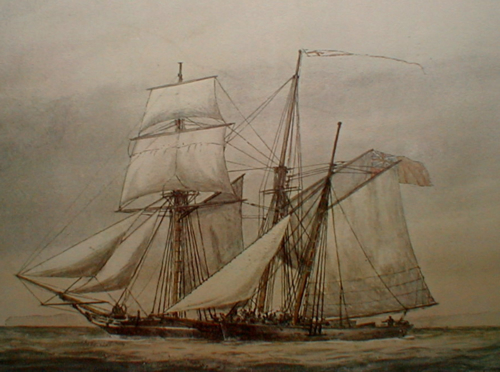
 A group of Machias men approached Margaretta from the land and demanded her surrender, but Moore lifted anchor and sailed off in attempt to recover the Polly. A turn of his stern through a brisk wind resulted in a boom and gaff breaking away from the mainsail, crippling the vessel’s navigability. Unity gave chase followed by Falmouth.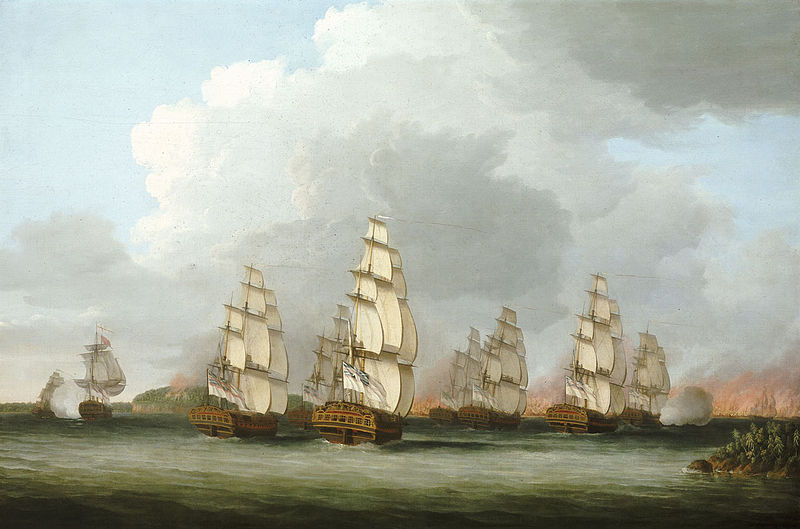


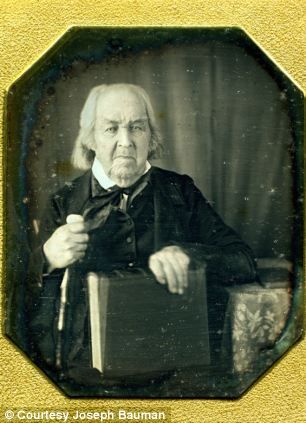
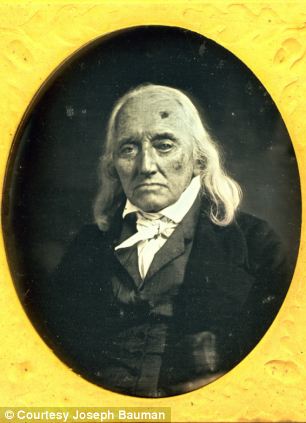

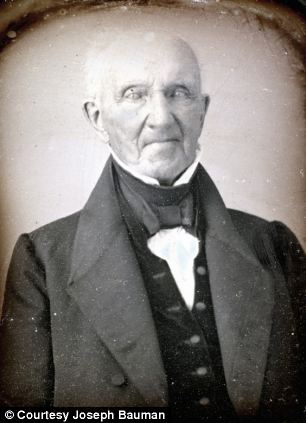

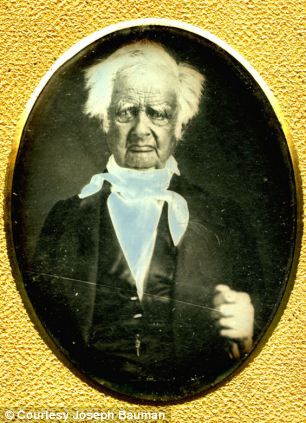
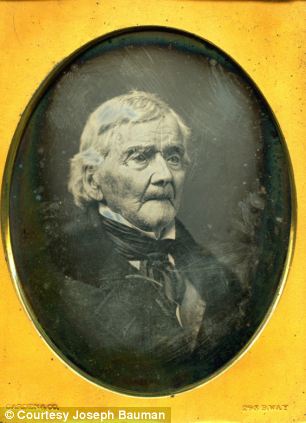


 Gold Selleck Silliman, himself a widower, merged his household with that of Mary on May 24, 1775, in a marriage described as “rooted in lasting friendship, deep affection, and mutual respect”. The two would have two children together, who survived into adulthood: Gold Selleck (called Sellek) born in October 1777, and Benjamin, born in August 1779.


 Two years later, Patriot forces maintained a similar supply depot, in the southwest Connecticut town of Danbury.


 Mary Silliman was left to run the farm, and negotiate for the release of her husband. The 1993 made-for-TV movie “Mary Silliman’s War” tells a story of non-combatants, pregnant mothers and farm wives, during the Revolution.


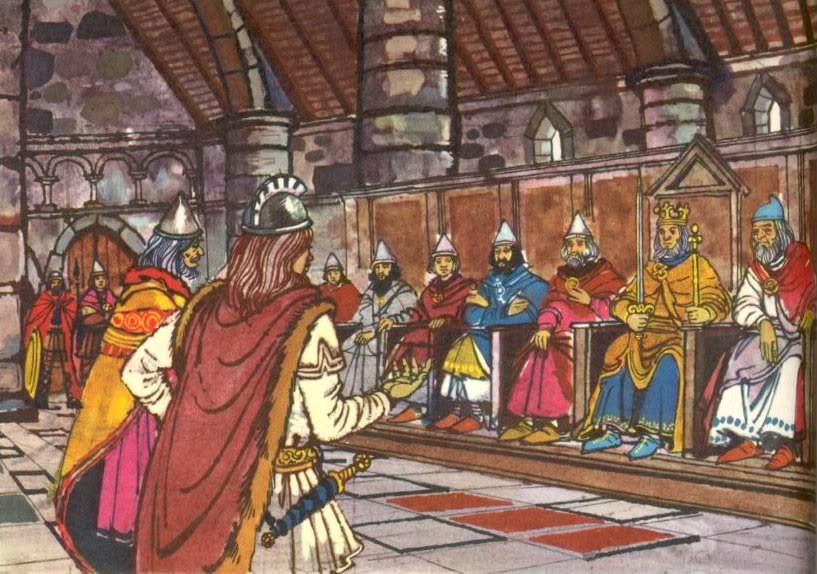
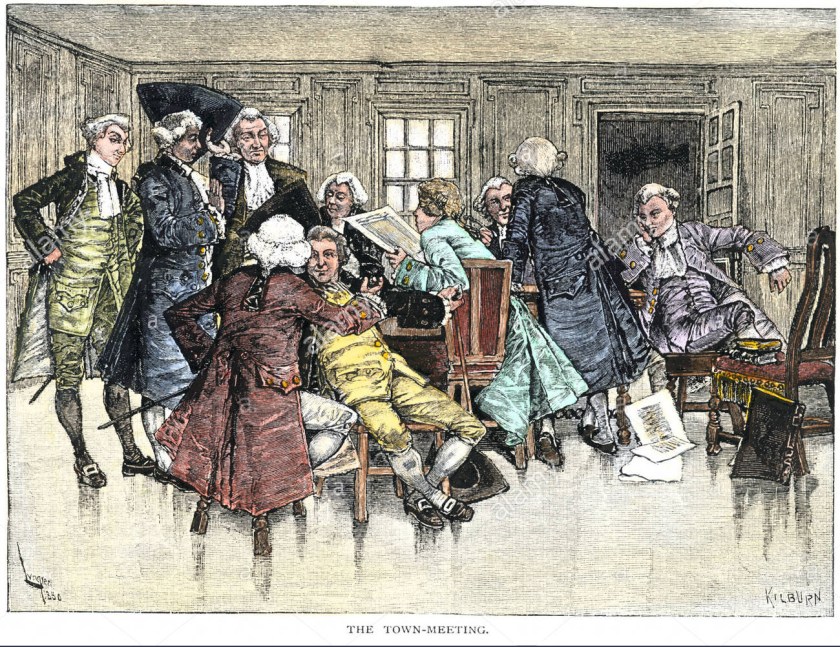
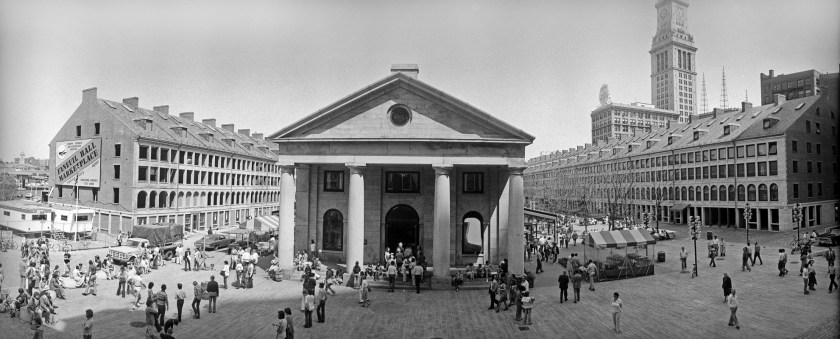
 Town meetings have been more prevalent in New England states, but not exclusively. Michigan was the first Midwestern state to adopt the system, and Minnesota townships of more than 25 regularly hold town meeting.

 In those days, Boston was a virtual island, connected to the mainland by a narrow “neck” of land. More than 20,000 armed men converged from all over New England in the weeks that followed, gathering in buildings and encampments from Cambridge to Roxbury.


 An unnamed British military officer felt the need to run his mouth before the Parliament, at the expense of his fellow British subjects in the American colonies. “Americans are unequal to the People of this Country”, he said, “in Devotion to Women, and in Courage, and worse than all, they are religious”.

 Historical Easter Eggs - Today in History
You must be logged in to post a comment.