
Thomas Corbett was born in London England in 1832, immigrating with his family to the United States at age 7, and settling in Troy, New York. There he apprenticed to a hat maker, a profession he would hold off and on for the rest of his life.
19th century hat makers used an orange colored mercury solution to treat fur, and to make felt in a process called “carroting”. Mercury attacks the nervous system, causing drooling, hair loss, a lurching gait, difficulty in speaking, “brain fog” and a convulsive shaking called “hatter’s shakes”.
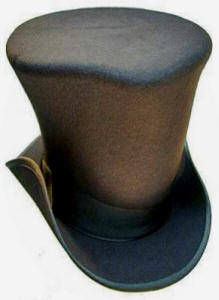
There were plenty of “Mad hatters,” in Lewis Carroll’s time, long before Alice’s Wonderland. Danbury Connecticut was once the hat making capital of the world, with 56 factories producing five million hats a year. By the time of the Civil War, mercury poisoning had reduced countless numbers of factory workers, to physical wrecks. Everybody knew the “Danbury shakes”.
Erethism mercurialis or “Mad hatter’s Disease”, goes a long way to understanding Thomas Corbett.
As a young man, Corbett married. It nearly broke him to lose his young wife in childbirth. He moved to Boston and continued to work as a hatter, but heavy drinking left him unable to keep a job for long and eventually, homeless. One night, Corbett was confronted by a street preacher, who changed his life.
He immediately quit drinking and became fanatically, religious. He was “the Glory to God man,” growing his hair long to emulate Jesus. The “local eccentric’ who took up his own street ministry and changed his name to “Boston” after the city of his re-birth.
“God has called on you to preach, my son, about four blocks, that way”.
Corbett was propositioned by two prostitutes in 1858, while walking home from a church meeting. Deeply troubled by his own temptation, he returned to his boardinghouse room and took up the Gospel, according to Matthew: “And if thy right eye offend thee, pluck it out and cast it from thee….and there be eunuchs, which have made themselves eunuchs for the kingdom of heaven’s sake“. He knew what he needed to do. He castrated himself, with a pair of scissors. Then he ate dinner and went to a prayer meeting before seeking medical attention.
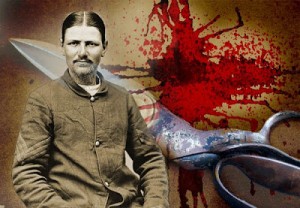 In the first months of the Civil War, Boston Corbett enlisted as a private in the 12th Regiment of the New York state militia. Eccentric behavior quickly got him into trouble. He would carry a bible with him at all times, reading passages aloud and holding unauthorized prayer meetings. He would argue with superior officers, once reprimanding Colonel Daniel Butterfield for using profane language and using the Lord’s name, in vain. That got him a stay in the guardhouse, where he continued to argue.
Corbett decided an arbitrary date, on which his enlistment would end. When that day arrived, he laid down his gun at midnight, and walked away. That got him court-martialled and sentenced to be shot, but the sentence was reduced. He was discharged in August, 1863, and re-enlisted the same month.
Harper’s Weekly of May 13, 1865 described the annoying habit of adding “er” to his words, as in “O Lord-er, hear-er our prayerer.” His shrill, sharp voice would shout out “Amen,” and “Glory to God,” whenever anything pleased him. He was often thrown in the guard-house, with a knapsack full of bricks as punishment. There he would be, Testament in hand, “preaching temperance, and calling upon his wild companions to “seek the Lord.””
 On June 24, 1864, fifteen members of Corbett’s company were hemmed in and captured, by Confederate Colonel John Singleton Mosby’s men in Culpeper Virginia.
They were sent to the notorious prison camp in Andersonville Georgia, where he escaped once, but the bloodhounds put an end to that. Only two, ever returned. Starved and skeletal, his body wracked with scurvy, Boston Corbett was paroled on November 19, 1864.
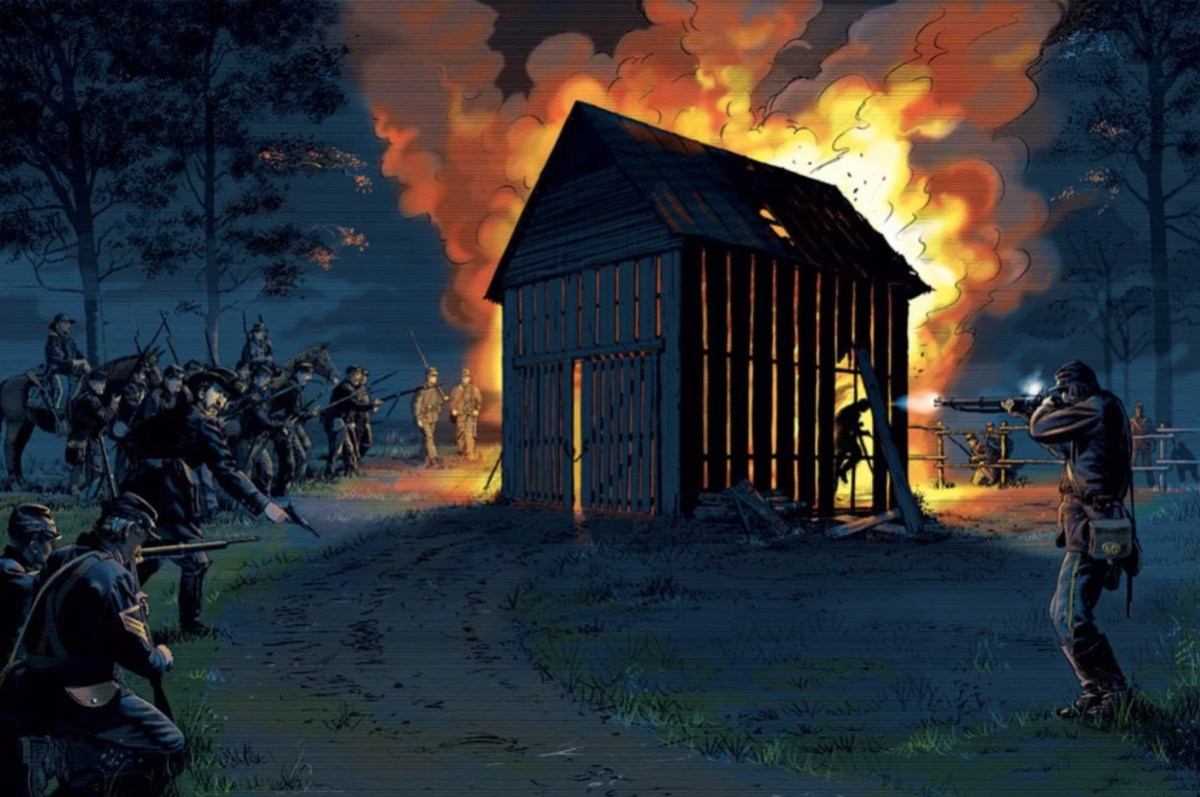
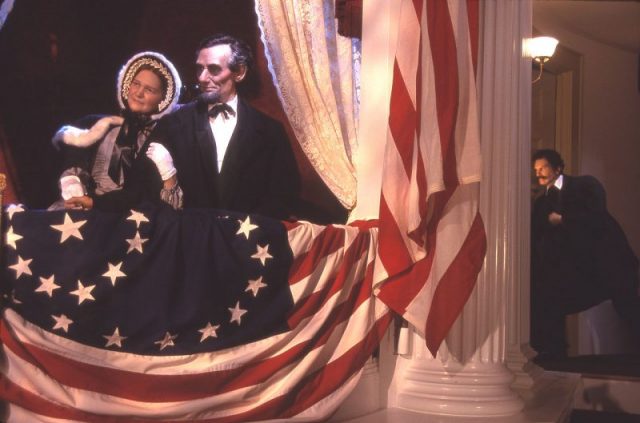
Following the Lincoln assassination, a twelve-day manhunt led to the farm of Richard Henry Garrett near Port Royal, Virginia. The life of John Wilkes Booth came to an end in a burning tobacco barn in the pre-dawn hours of April 26, the bullet fired through a crack in the boards and entering his spine, just below the point where his own bullet had entered the President’s head.
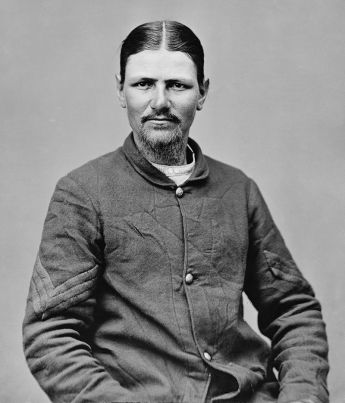
The paralyzed, dying man was dragged from the barn, and onto the porch of the Garrett farmhouse. In his dying moments he asked that his hands be lifted where he could see them. John Wilkes Booth uttered his last words. “Useless. Useless”.
In his report to Secretary of War Edwin Stanton, Lieutenant Colonel Everton Conger recommended that Sergeant Boston Corbett be punished for disobeying orders that Booth be taken alive, stating that Corbett had fired “without order, pretext or excuse.”
Corbett was treated like a conquering hero, despite Conger’s recommendation. He returned to making hats after the war, returning first to Boston and then to Danbury and finally, Camden New Jersey. He could never hold a job for long. Frequent pauses to pray for co-workers, did little to endear him to supervisors.
Women’s groups, tent meetings and Sunday schools clamored to hear from “Lincoln’s avenger”, but his speeches were wandering and incoherent. Nobody ever clamored to hear the man speak, a second time.
Corbett became increasingly paranoid over time, convinced that important men in Washington, were out to “get him”. Hate mail directed to Wilkes Booth’s killer, didn’t help. At a Blue & Gray reunion in 1878, Corbett pulled a gun on several former soldiers, during an argument over whether Booth still lived. He was hustled off before he could fire, but this was only one of several such episodes.
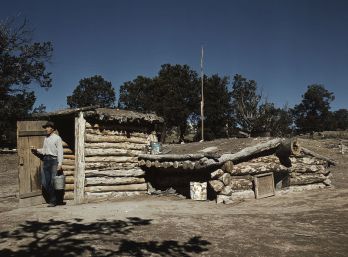
He moved to Kansas in 1878 and built a dugout home, and tried his hand at homesteading. That didn’t work out, either.
Corbett received an invalid’s pension in 1880 and the Grand Army of the Republic made him a doorman to the Kansas state legislature, seven years later. The man’s mental status was questionable before the war and put beyond dispute in 1887, when he entered the legislative chamber, with two loaded revolvers. Lawmakers dove for the exits and hid behind garbage cans and doors, as Corbett shot up the Kansas House of Representatives. Two guns, twelve bullets. It was a miracle that no one was hit.
The following day, a judge declared Corbett to be out of his mind, and remanded him to the Topeka Asylum for the Insane. On May 26, 1888, Corbett was marching along a road with other inmates, when he spotted a horse, tied to a post. Corbett dashed from the line and jumped into the saddle, and rode off into history.
Boston Corbett is believed to have died in the Great Hinckley Fire on September 1, 1894, a conflagration which killed more than 400 and destroyed over 200,000 acres of Minnesota pine forest, but there is no proof. The fate of the man who shot the man who shot Abraham Lincoln, remains unknown.


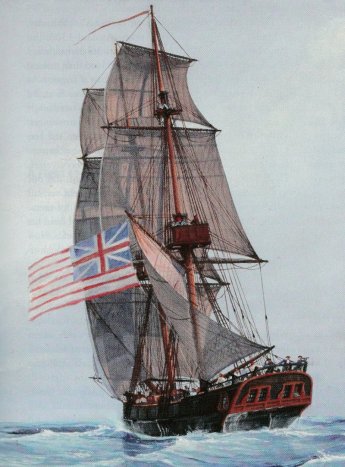

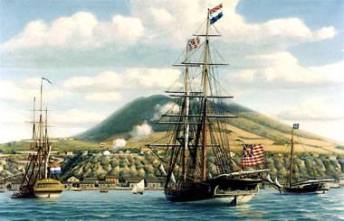
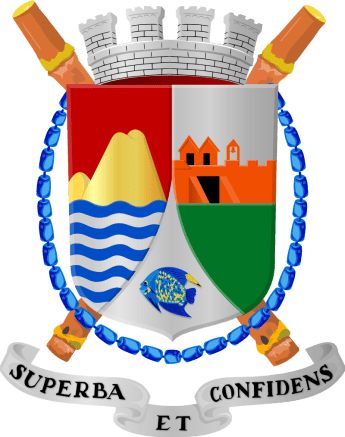 Admiral Rodney pretty much had his way. The census of 1790 shows 8,124 on the Dutch island nation. In 1950, the population stood at only 790. It would take 150 years from Rodney’s departure, before tourism even began to restore the economic well-being of the tiny island.

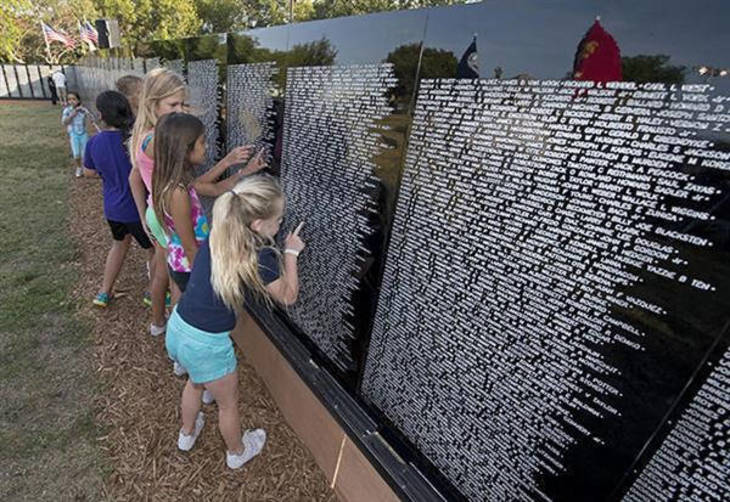
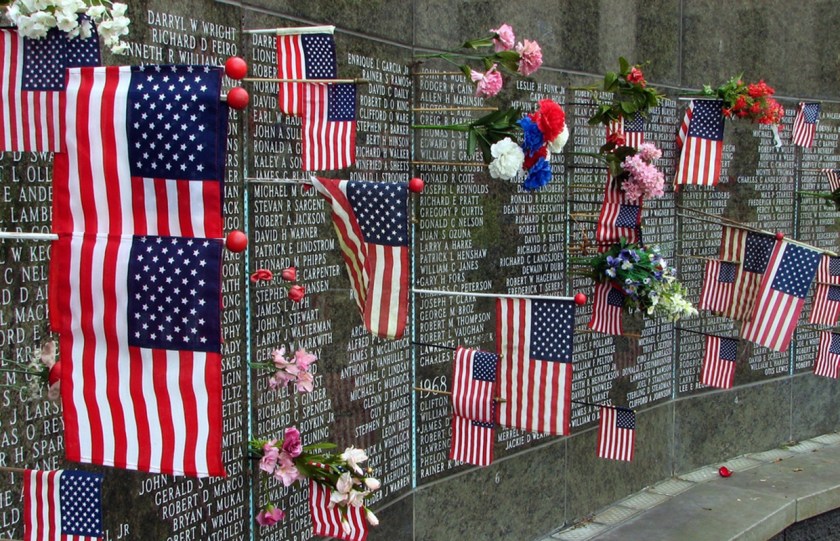
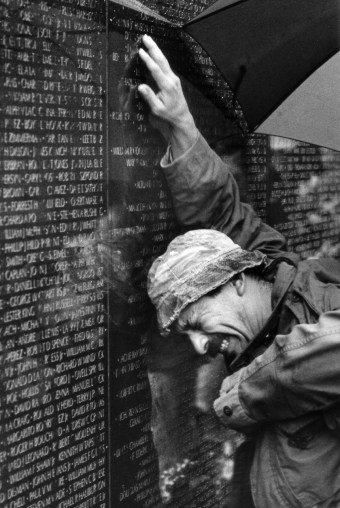 “The Wall” was dedicated on this day, November 13, 1982. Thirty-one years later, we had come to pay a debt of honor to Uncle Gary’s shipmates, the 134 names inscribed on panel 24E, victims of the 1967 disaster aboard the Supercarrier, USS Forrestal.




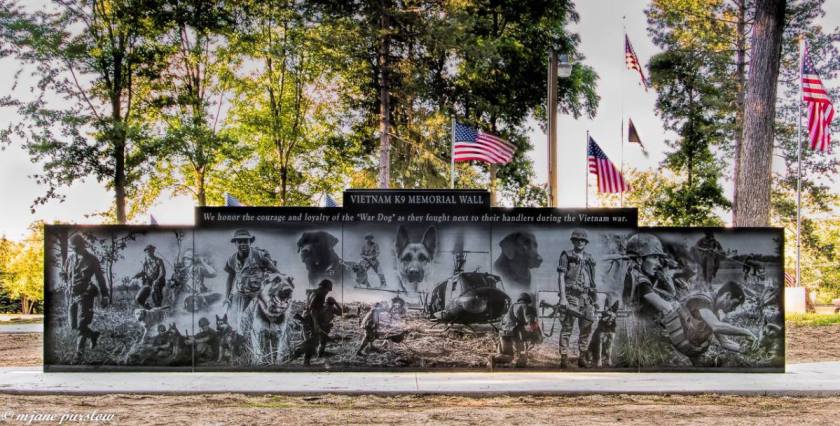









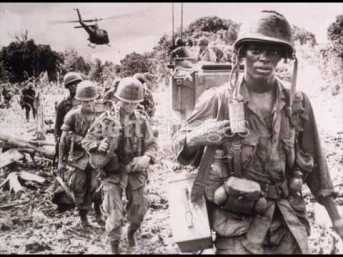 There had been little contact through the evening of the 7th, when B and C Companies of the 1/503rd took up a night defensive position in the triple canopied jungle near Hill 65.
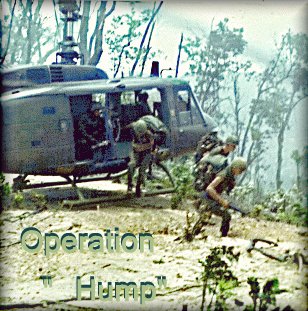 Outnumbered in some places six to one, it was a desperate fight for survival as parts of B and C companies were isolated in shoulder to shoulder, hand to hand fighting.
 “For conspicuous gallantry and intrepidity at the risk of life above and beyond the call of duty. Specialist 5 Joel demonstrated indomitable courage, determination, and professional skill when a numerically superior and well-concealed Viet Cong element launched a vicious attack which wounded or killed nearly every man in the lead squad of the company. After treating the men wounded by the initial burst of gunfire, he bravely moved forward to assist others who were wounded while proceeding to their objective. While moving from man to man, he was struck in the right leg by machine gun fire. Although painfully wounded his desire to aid his fellow soldiers transcended all personal feeling. He bandaged his own wound and self-administered morphine to deaden the pain enabling him to continue his dangerous undertaking. Through this period of time, he constantly shouted words of encouragement to all around him. Then, completely ignoring the warnings of others, and his pain, he continued his search for wounded, exposing himself to hostile fire; and, as bullets dug up the dirt around him, he held plasma bottles high while kneeling completely engrossed in his life saving mission. Then, after being struck a second time and with a bullet lodged in his thigh, he dragged himself over the battlefield and succeeded in treating 13 more men before his medical supplies ran out. Displaying resourcefulness, he saved the life of one man by placing a plastic bag over a severe chest wound to congeal the blood. As 1 of the platoons pursued the Viet Cong, an insurgent force in concealed positions opened fire on the platoon and wounded many more soldiers. With a new stock of medical supplies, Specialist 5 Joel again shouted words of encouragement as he crawled through an intense hail of gunfire to the wounded men. After the 24 hour battle subsided and the Viet Cong dead numbered 410, snipers continued to harass the company. Throughout the long battle, Specialist 5 Joel never lost sight of his mission as a medical aid man and continued to comfort and treat the wounded until his own evacuation was ordered. His meticulous attention to duty saved a large number of
  lives and his unselfish, daring example under most adverse conditions was an inspiration to all. Specialist 5. Joel’s profound concern for his fellow soldiers, at the risk of his life above and beyond the call of duty are in the highest traditions of the U.S. Army and reflect great credit upon himself and the Armed Forces of his country“.
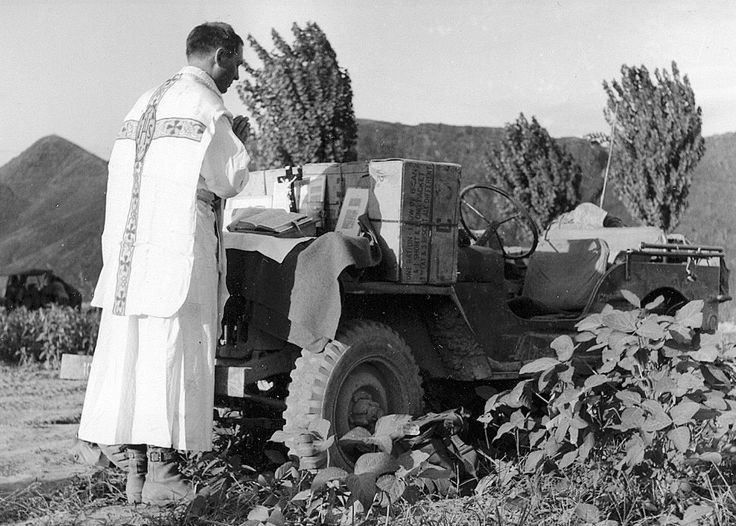
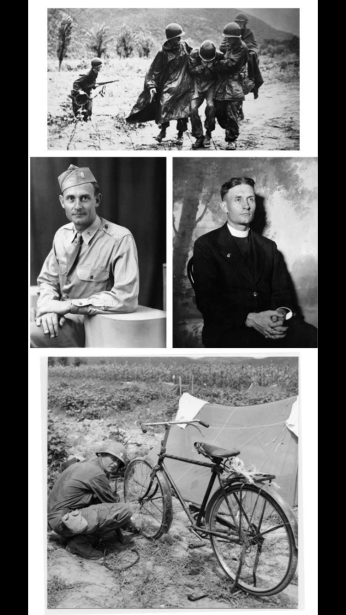 Emil Joseph Kapaun was the son of Czech immigrants, a farm kid who grew up in 1920s Kansas. Graduating from Pilsen High, class of 1930, he spent much of the 30s in theological seminary, becoming an ordained priest of the Roman Catholic faith on June 9, 1940.
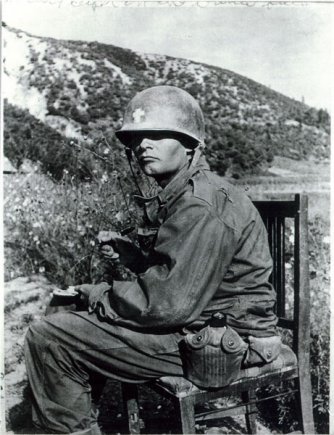 A single regiment was attacked by the 39th Chinese Corps on November 1, and completely overrun the following day. For the 8th Cav., the battle of Unsan was one of the most devastating defeats of the Korean War. Father Kapaun was ordered to evade, an order he defied. He was performing last rites for a dying soldier, when he was seized by Chinese communist forces.
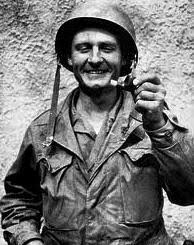 Chinese Communist guards would taunt him during daily indoctrination sessions, “Where is your god now?” Before and after these sessions, he would move through the camp, ministering to Catholic and non-Catholic alike. Kapaun would slip in behind every work detail, cleaning latrines while other prisoners argued over who’d get the job. He’d wash the filthy laundry of those made weak and incontinent with dysentery.
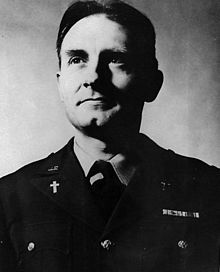 In the end, he was too weak to lift the plate that held the meager meal the guards left for him. US Army records report that he died of pneumonia on May 6, 1951, but his fellow prisoners will tell you that he died on May 23, of malnutrition and starvation. He was 35.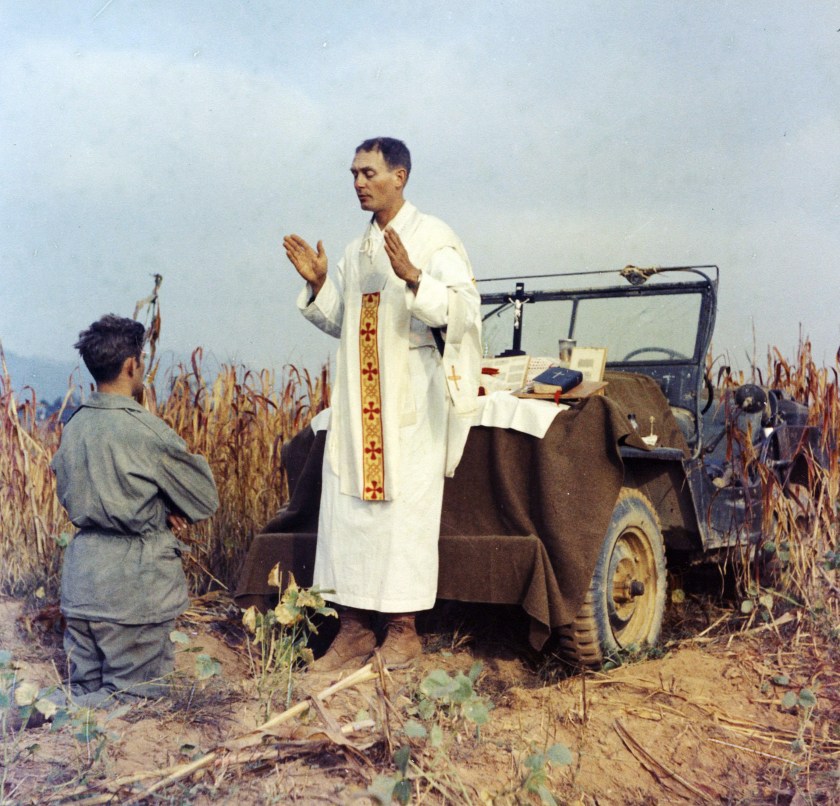


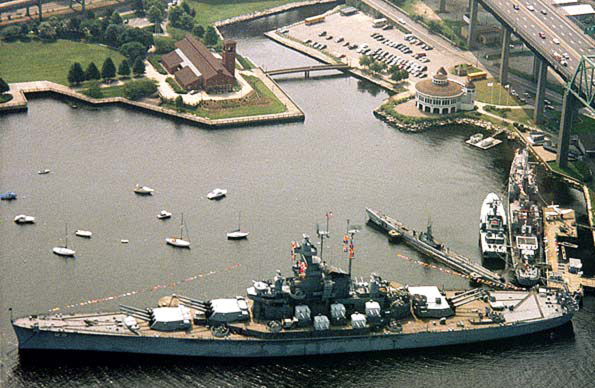

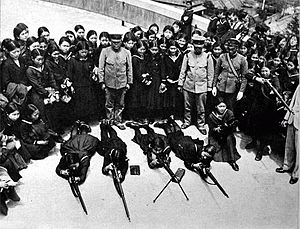
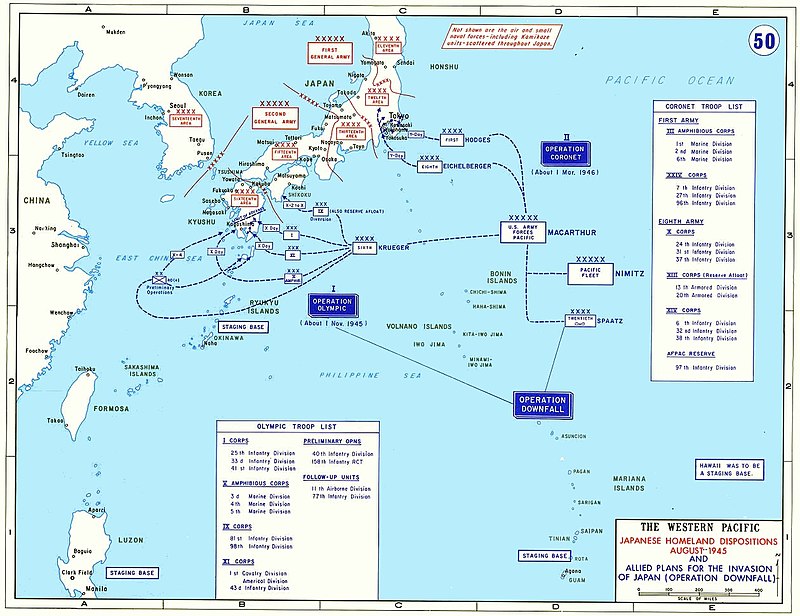
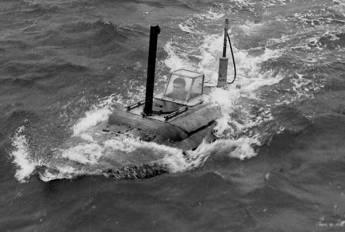 Which brings us back to that funny-looking boat. The Office of Strategic Services (OSS), predecessor to the modern Central Intelligence Agency (CIA), built two of these semi-submersibles, code named “Gimik”, part of a top-secret operation code named “NAPKO”.



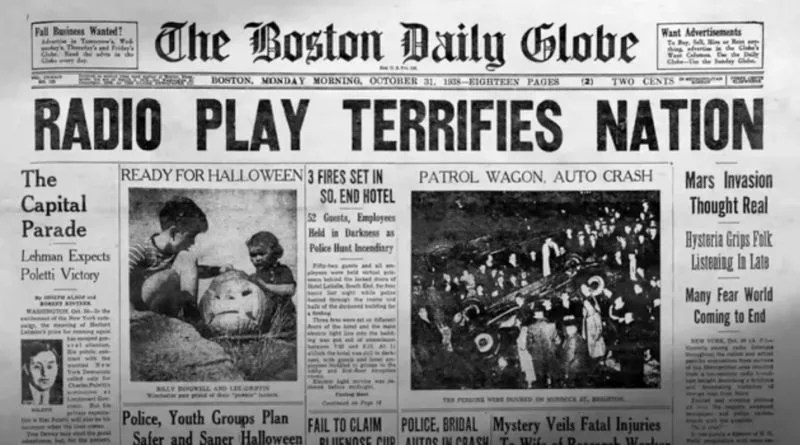
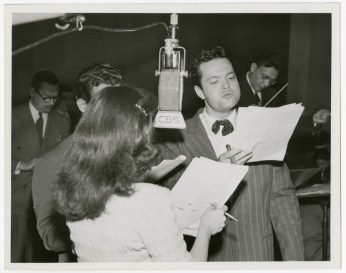 The radio drama began with a statement that, what followed, was fictional. The warning was repeated at the 40 and 55-minute mark, and again at the end of the broadcast. It began with a weather report, and then went to a dance band remote, featuring “Ramon Raquello and his orchestra”. The music was periodically interrupted by live “news” flashes, beginning with strange explosions on Mars. Producer Orson Welles made his first radio appearance as the “famous” (but non-existent) Princeton Professor Dr. Richard Pierson, who dismissed speculation about life on Mars.
 A short time later, another “news flash” reported a fiery crash in Grovers Mill, NJ. What was originally thought to be a meteorite was revealed to be a rocket machine as a tentacled, pulsating Martian unscrewed the hatch and incinerated the crowd with a death ray.

 Historical Easter Eggs - Today in History
You must be logged in to post a comment.