"Tell me a factand I'll learn. Tell me a truth, and I'll believe. But tell me a story, and it will live in my heart forever." – Steve Sabol, NFL Films
Author: Cape Cod Curmudgeon
I'm not an academic "Historian". I'm a father, a son and a grandfather. A history geek and sometimes curmudgeon who still likes to learn new things. I make every effort to get my facts straight but I'm as good at being wrong as the next guy. I offer these stories hoping you'll enjoy them as much as I do. This is the history we all share. I'm glad you're here.
Rick Long, the “Cape Cod Curmudgeon”
There are 13 steps leading to the gallows, where the condemned meets the 13 knots of the hangman’s noose. The guillotine’s blade falls 13 feet. Diana hit the 13th pillar at Place d’Alma. Tupac was shot on Friday the 13th, and Fidel Castro was born on one.
From the dawn of Christianity, faithful believers have traveled from the length and breadth of Europe to the Holy City of Jerusalem, to renew and affirm a lifelong faith in scripture.
The Rashidun Caliphate captured the Holy City in 637, following a long siege. Except for an 88-year period following the first crusade in 1099, the Temple Mount in the old city has been under Islamic administration, from that day to this.
Nevertheless, the number of these pilgrims increased over time. Many suffered robbery and even murder at the hands of Muslim fanatics, who considered it their Islamic duty to kill the “Infidel”.
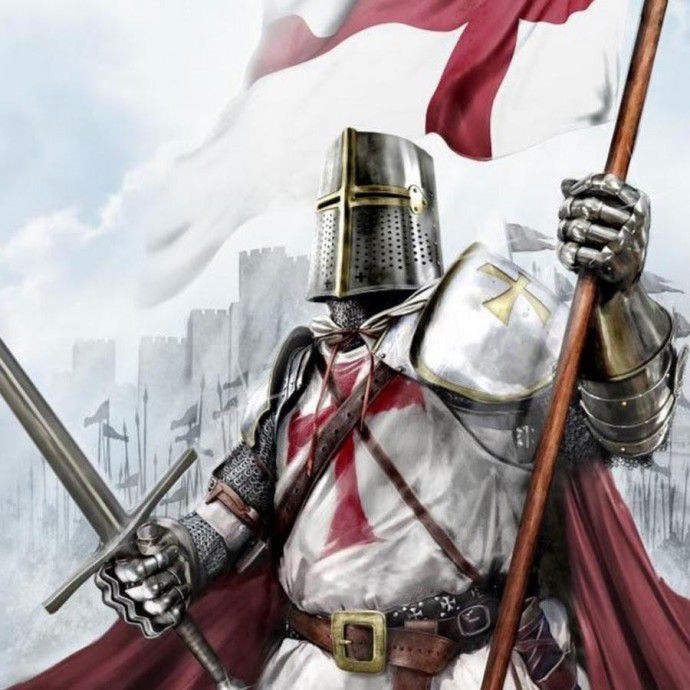
The French knight Hugues de Payens approached King Baldwin II of Jerusalem and Warmund, Patriarch of Jerusalem in 1119, with a proposal. He would create a monastic order of warrior knights to protect these pilgrims, to be headquartered in a wing of the recaptured Al Aqsa Mosque, built on the ruins of the Temple of Solomon.
They were monks and they were warriors, “Poor Fellow-Soldiers of Christ and of the Temple of Solomon”. For 200 years, these “Knights Templar” provided for the safe passage of Christian pilgrims.
The original nine knights of the order lived up to the “poor knights” part of their name, relying on financial donations for their survival. So destitute were they that their emblem showed two knights riding a single horse.
That would come to change.
In time, the Templars gained favored charity status, their new-found wealth helping them to found an early banking system. Pilgrims to the holy land could deposit gold coins in Paris and take them out in Jerusalem, or vice-versa. The knights Templar achieved vast wealth in this manner, at their height running over 800 castles, every one of which ran as a full service banking institution, financing military campaigns and shoring up the treasuries of Kings.
Following what must have seemed a never ending series of wars with the English King, Philip IV of France found himself deeply in debt to the Templars. In 1307, he needed to wriggle out of it.
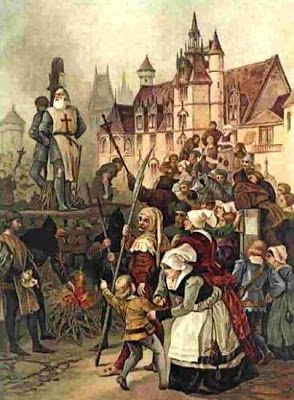
It was Friday the 13th of October that year, when Philip sent out his arrest warrant. Templar Grand Master Jacques de Molay and scores of other French Templars were simultaneously arrested. Charges included everything from obscene secret rituals to financial fraud. “Confessions” were extracted by torture.
Under pressure from the French King, Pope Clement issued the bull “Pastoralis praeeminentiae” on November 22, instructing Christian monarchs throughout Europe to arrest Templar officials and seize their assets.
Thousands of knights fled to areas outside Papal control. Some were burned at the stake, or absorbed into the rival Knights Hospitaller. Within a couple of years, the order had ceased to exist.
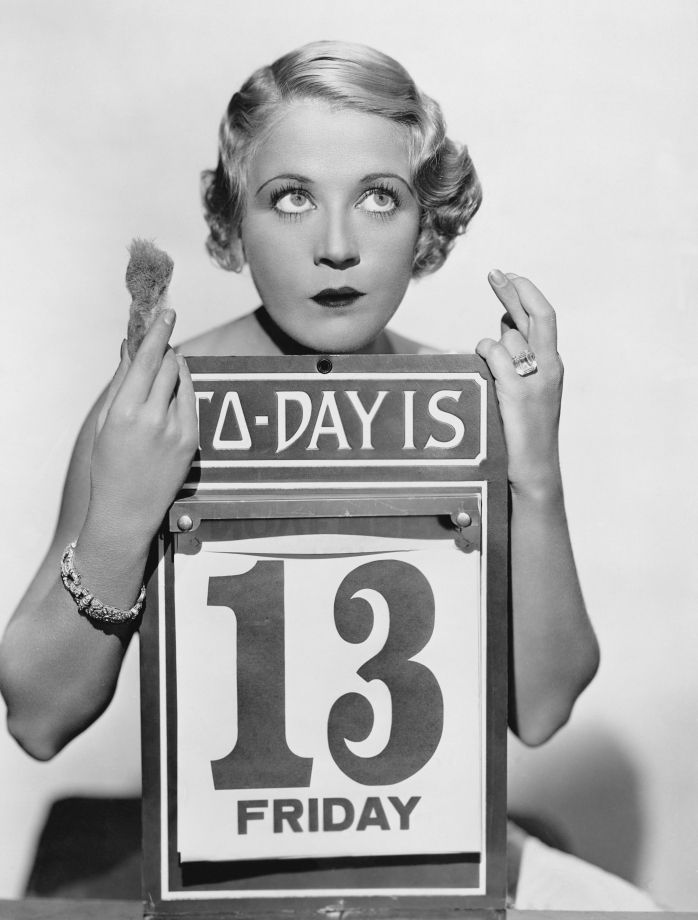
Some will tell you that’s where the Friday 13th superstition began. Others say it goes back to the Friday when Eve offered Adam that forbidden apple, or the Friday crucifixion of Jesus Christ.
Ancient Egyptians and Chinese believed the number 13 brought good luck, but some actually fear Friday the 13th. It’s called “Friggatriskaidekaphobia”.
People in Spanish-speaking countries will tell you it’s the 13-part that brings bad luck, but for most, it’s Friday. At least one psychotherapist asserts that 21 million Americans are afraid of Friday the 13th.
Smithsonian Magazine reports that fear of the number 13 costs the United States a Billion dollars a year in absenteeism, train and plane cancellations and related commerce on the 13th of the month.
FDR avoided dinner parties with 13 guests. In France, there are professional 14th party guests called “quatorzieme“. I wonder how I get that job.
Who knows, maybe thirteen really is bad luck. There are 13 steps leading to the gallows, where the condemned meets the 13 knots of the hangman’s noose. The guillotine’s blade falls 13 feet. Diana hit the 13th pillar at Place d’Alma. Tupac was shot on Friday the 13th, and Fidel Castro was born on one.
So knock on wood and cross your fingers. Watch out for black cats. Don’t look at the full moon through a pane of glass, and be sure to throw salt over your shoulder. You’ll be fine.
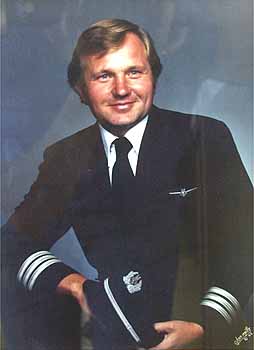
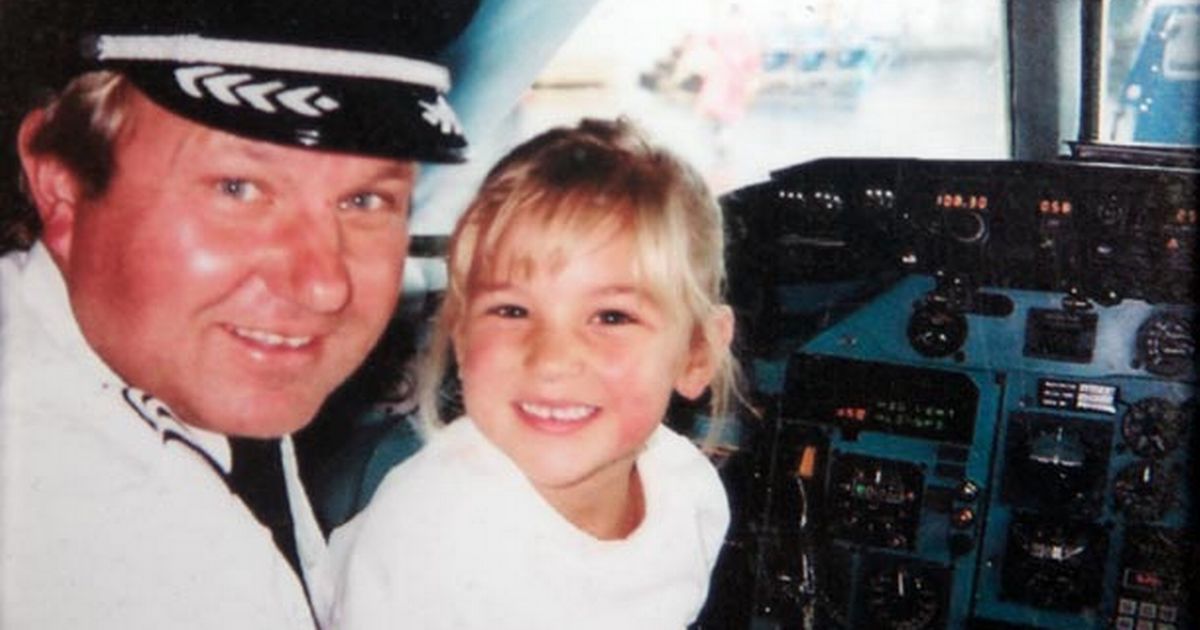
Twelve days a month, John Ogonowski would leave the farm in his Captain’s uniform, flying jumbo jets out of Logan Airport. He’d always return to the land that he loved.
A great wave of immigrants came to the United States around the turn of the 20th century, 20 million Europeans or more making the long journey to become Americans.
Among them was the Ogonowski family, emigrating from Poland to make their home in Massachusetts’ Merrimack Valley, along the New Hampshire line.
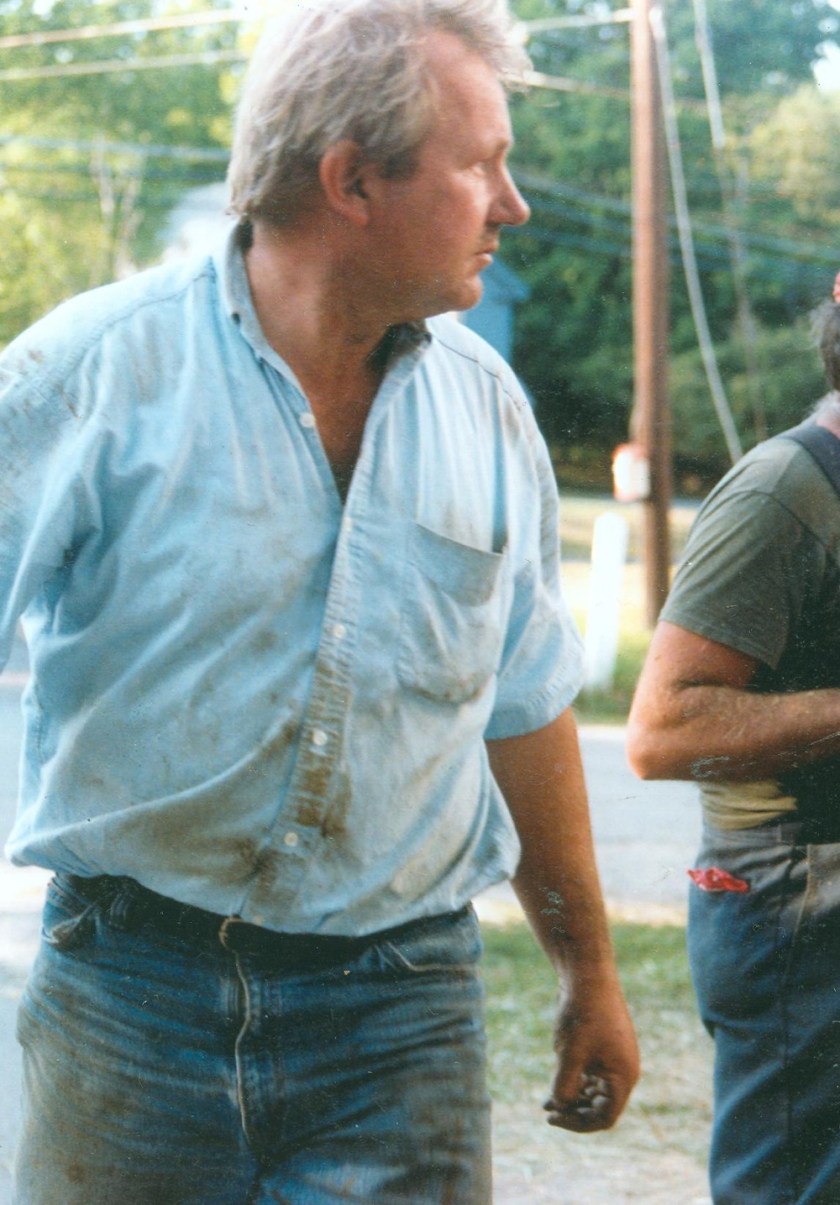
The earliest members of the family received invaluable assistance from Yankee farmers, well acclimated to growing conditions in the harsh New England climate. Four generations later, the Ogonowski family still tilled the soil of their 150 acre “White Gate Farm” in Dracut, Massachusetts.
Graduating from UMass Lowell in 1972 with a degree in nuclear engineering, John Ogonowski joined the United States Air Force. During the war in Vietnam, the farmer-turned-pilot would ferry equipment from Charleston, South Carolina to Southeast Asia, sometimes returning with the bodies of the fallen aboard his C-141 transport aircraft.
Ogonowski left the Air Force with the rank of Captain, becoming a commercial pilot and joining American Airlines in 1978. There he met Margaret, a flight attendant, “Peggy” to her friends. The two would later marry and raise three daughters.
Twelve days a month, Ogonowski would leave the farm in his Captain’s uniform, flying jumbo jets out of Logan Airport. He’d always return to the land he loved.
Family farming is not what it used to be, as suburban development and subdivisions creep into what used to be open spaces. “When you plant a building on a field” he would say, “it’s the last crop that will ever grow there”.
Ogonowski helped to create the Dracut Land Trust in 1998, working to conserve the town’s agricultural heritage. He worked to bring more people into farming. The bumper sticker on his truck read “There is no farming without farmers”.
That was the year the farm Service Agency in Westford came looking for open agricultural land, for Southeast Asian immigrants from Lowell.
It was a natural fit. Ogonowski felt a connection to these people, based on his time in Vietnam. He would help them, here putting up a shed, there getting a greenhouse in order or putting up irrigation. He would help these immigrants, just as those Yankee farmers of long ago had helped his twice-great grandfather.
Cambodian farmers learned to grow their native vegetables in an unfamiliar climate. They would lease small plots, growing water spinach, lemon grass, pigweed, Asian basil, and Asian squash. There was taro and Laotian mint, coconut amaranth, pickling spices, pea tendrils and more. It was the food they grew up with. They would sell it into nearby immigrant communities and to the restaurants of Boston.
The program was a success. Ogonowski told The Boston Globe in 1999, “These guys are putting more care and attention into their one acre than most Yankee farmers put into their entire 100 acres.”
So it was that, with the fall harvest of 2001, Cambodian immigrants found themselves among the pumpkins and the hay of a New England farm, putting on a special lunch spread for visiting agricultural officials from Washington, DC. It was September 11.
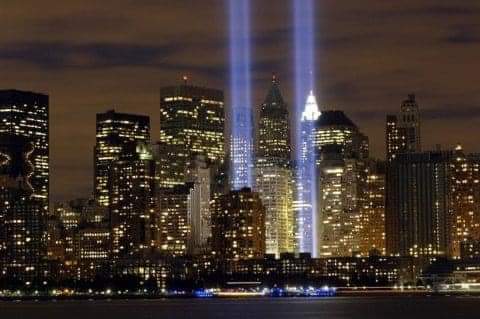
By now you know that John Ogonowski was flying that day, Senior Captain on American Airlines flight 11. He was perhaps the first to die, murdered in his cockpit by Islamist terrorist Mohammed Atta and his accomplices.
It’s a new perspective on a now-familiar story, to think of the shock and grief of those refugees from the killing fields of Pol Pot, on hearing the news that their friend and mentor had been hijacked and flown into the World Trade Tower.
The White Gate Farm closed for a week, but the Ogonowski family was determined that John’s dream would not die. Peg said it best: “This is what he was all about. He flew airplanes, he loved flying, and that provided all the money, but this is what he lived for. He was a very lucky man, he had both a vocation and an avocation and he loved them both.”
John Ogonowski had been working with the Land Trust to raise $760,000 to purchase a 34 acre farm in Dracut, previously slated to be developed into a golf course with housing. Federal funds were raised with help from two members of Congress. The “Captain John Ogonowski Memorial Preservation Farmland” project was dedicated in 2003, a living memorial to Captain John Ogonowski. The pilot, the American Patriot, and the farmer.
The Viking age lasted nearly 500 years, beginning in the late 8th century and ending only with the advent of the “Little Ice Age” in 1250. In the end, the Vikings left their mark from Newfoundland to Baghdad.
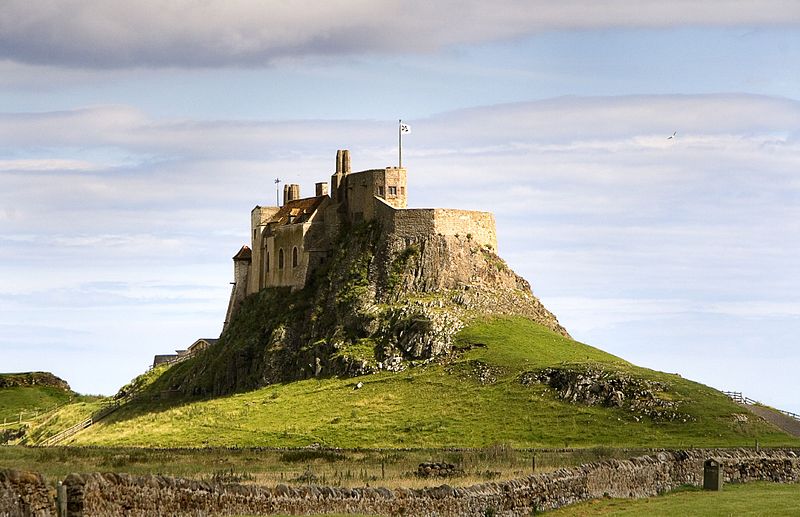
Two miles off the Northeast coast of Great Britain lies the island of Lindisfarne, just south of the Scottish border. Once, there was a monastery there.
In the 7th century, the island’s monastic cathedral was founded by the Irish monk, Aidan of Lindisfarne. Known as the Apostle of Northumbria and spreading the gospel to Anglo-Saxon nobility and slaves alike, the monk was later canonized to become Saint Aidan.
Lindisfarne Castle
Lindisfarne monastery had treasures of silver and gold, given in hopes that such gifts would find peace for the immortal soul of the giver. There were golden crucifixes and coiled shepherd’s staves, silver plates for Mass and ivory chests containing the relics of saints. Intricate tapestries hung from the walls. The writing room contained some of the most beautiful illuminated manuscripts ever made.
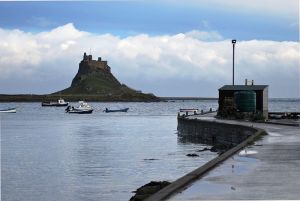
Lindisfarne Castle as seen from Harbour
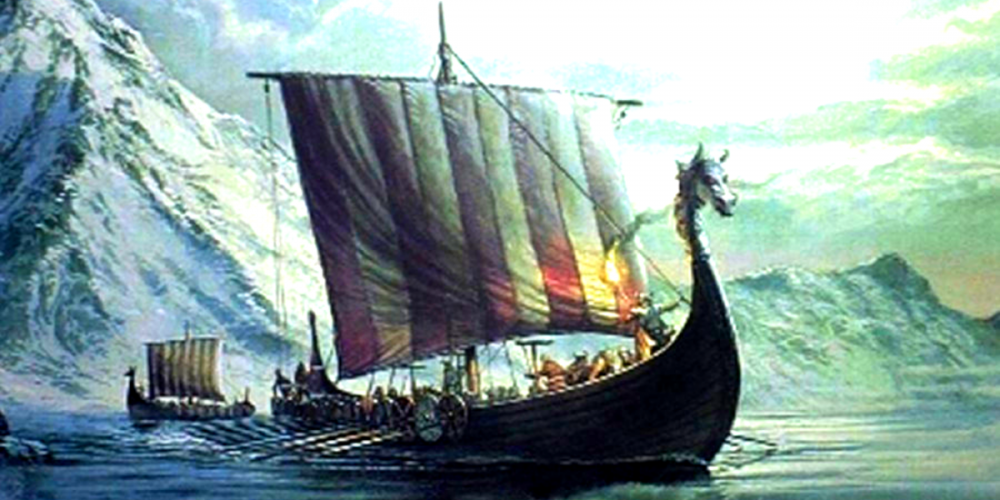
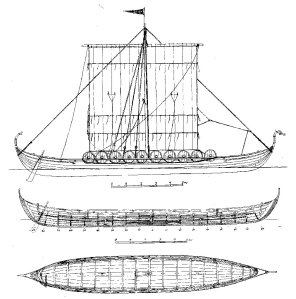
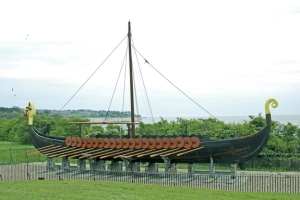
If you had looked out to sea 1,231 years ago to this day, you would have seen a strange sight. Long ships with high prow and stern were lowering square sail as oarsmen rowed the vessels directly onto the beach.
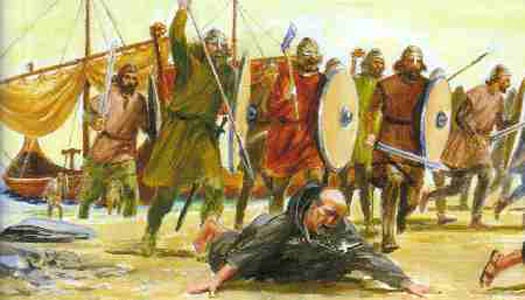
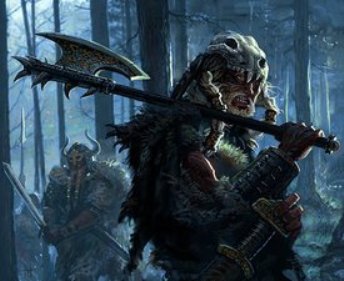
Any question you had as to their purpose would have been immediately answered, as the strangers sprinted up the beach and chased down everyone in sight. These they murdered with axe or spear, or dragged them down to the ocean and drowned them. Most of the island’s inhabitants were dead when it was over, or taken off to the ships to be sold into slavery. All of those precious objects were bagged and tossed into boats.
The raid on Lindisfarne abbey gave rise to what would become a traditional prayer: A furore Normannorum libera nos, Domine, “From the fury of the Northmen deliver us, Lord”.
The Viking Age had arrived.
Viking invasions were repeated until England was eventually bled of its wealth, and then they began to take the land.
It wasn’t just England either. The King of Francia was tormented by Viking raids in what would one day become western France. King Charles “the Simple”, so-called due to his plain, straightforward ways, offered choice lands along the western coast to these men of the north, if they would leave him alone. In 911 the Viking chieftan Rollo accepted Charles’ offer, and so created the kingdom of Normandy. They called him “Rollo the Walker”, because he was so huge that no horse to carry him, but that’s a story for another day. (Stay tuned in August)
A period of global warming during the 10th and 11th centuries created ideal conditions for the Norse raiders, with a prevailing westerly wind in the spring reversing direction in the fall to become west to east.
Viking travel was not all done with murderous intent; they are well known for colonizing westward as they farmed Iceland and possibly North America.
Many of their eastward excursions were more about trade than plunder. Middle Eastern sources mention Vikings as mercenary soldiers and caravan guards.
Viking warriors called “Varangian Guard” hired on as elite mercenary bodyguard/warriors with the eastern Roman Empire in Byzantium. Farther east, the “Rus” lent their name to what would later be called Russia and Belarus.
The 10th-century Arab traveler Ibn Fadlan described the Rus as “perfect physical specimens”, writing at the same time “They are the filthiest of all Allah’s creatures”. Tattooed from neck to fingernails, the men were never without an axe, sword, and long knife. The Viking woman “wears on either breast a box of iron, silver, copper, or gold; the value of the box indicates the wealth of the husband. Each box has a ring from which depends a knife”.
The classical Viking age ended gradually, and for a number of reasons. Christianity took hold, as the first archbishopric was founded in Scandinavia in 1103.
Political considerations were becoming national in scope in the newly formed countries of Sweden, Norway and Denmark.
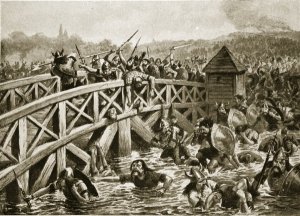
King Cnut “The Great”, the last King of the North Sea Empire of Denmark, Norway and England, together also described as the Anglo-Scandinavian Empire, died in 1035, to be replaced in England by Edward the Confessor. Edward’s successor Harold would fend off the Viking challenge of Harald Hardrada in September 1066 at a place called Stamford Bridge, only to be toppled in the Norman invasion, two weeks later.
Battle of Stamford Bridge
The Viking age lasted nearly 500 years, beginning in the late 8th century and ending only with the advent of the “Little Ice Age” in 1250.
In the end, the Vikings left their mark from Newfoundland to Baghdad.
The US chapter of Fenian Brotherhood was founded in 1858, based on the idea that Ireland should be free of English rule to become an independent, self-governing Republic. The Brotherhood traced its lineage back to 1758. By 1866, many of the membership were battle hardened veterans of the Civil War, ended only a year before.
The idea was to bring pressure on Britain to withdraw from Ireland. The attacks were directed toward British army forts, customs posts, and other targets in Canada. Fenians invaded Canada no fewer than five times between 1866 and 1871.
Irish Canadian Catholics were divided by the raids, with many feeling torn between loyalty to their new home and sympathy for the Fenians’ objectives. Canadian-Irish Protestants and French Catholics were generally loyal to the crown. Many took up arms against the raiders.
In April 1866 some 700 Fenians headed north to Campobello Island, New Brunswick, intending to seize the island. The war party became discouraged and dispersed after a show of force by the British Navy at Passamaquoddy Bay, but they would be back.
Next, a group of 1,000 to 1,300 Fenians sabotaged the US Navy side-wheeler gunboat USS Michigan, slipping across the Canadian border at the Niagara River on June 1. A Fenian ambush west of Ft. Erie led to the Battle of Ridgeway, in which 13 Canadian Militia were killed. 94 were wounded or incapacitated by disease.
Further fighting took place the following day, in which the Canadian Militia’s inexperience led to battlefield confusion. A number were taken prisoner. Realizing that they couldn’t hold their position, the Fenians released their prisoners and withdrew to Buffalo on the 3rd, but again, they would return
This seems to have been the high water mark of the Fenian uprising. President Andrew Johnson began to crack down, dispatching Generals Ulysses Grant and George Meade to Buffalo to assess the situation. Their orders on the 7th of June were to arrest anyone who even looked like a Fenian.
The Fenian “army of liberation” may have had little effect on Irish Independence, but it served to fire up Canadian Nationalism. Canada was more properly called “British North America” in those days. It seems that the Fenian raids tipped many of the more reluctant votes toward the security of nationhood, particularly in the Maritime provinces. Some historians will tell you that Ridgeway is “the battle that made Canada.” The Canadian Confederation was formed in 1867, uniting Nova Scotia, New Brunswick, Ontario and Quebec into one Dominion of Canada.
There would be several more Fenian raids over the years that followed, from Pigeon Hill and Mississquoi County in modern day Quebec, to the 1870 Pembina raid in the Dakota territory.
US authorities ultimately arrested the men and confiscated their arms, but many felt that the government had turned a blind eye to the invasions, seeing them as payback for British assistance to the Confederacy during the late Civil War.
The Fenian Brotherhood was a nation within a nation, organized for the purpose of winning Irish independence by force. A member of the British House of Commons rightly called them “a new Irish nation on the other side of the Atlantic, recast in the mould of Democracy, watching for an opportunity to strike a blow at the heart of the British Empire.”
In modern times, scores of self-styled ‘Militia’ have adopted the use of military style drill in this country, from the far-left Los Macheteros and Black Panthers, to Posse Comitatus and the far-right militia units of the nineties. And yet I believe it is accurate to say, the Fenian Brotherhood remains the only organization in United States history, to have publicly armed and drilled on this scale.
“We are the Fenian Brotherhood, skilled in the arts of war,
And we’re going to fight for Ireland, the land we adore,
Many battles we have won, along with the boys in blue,
And we’ll go and capture Canada, for we’ve nothing else to do”.
In 1676, Isaac Newton wrote to rival Robert Hooke: “…If I have seen a little further, it is by standing on the shoulders of Giants.”
On June 6, 2019, CNN reported on the alarming number of US Military service deaths in training accidents, and other “circumstances unrelated to war. “Since 2006” they wrote, “a total of 16,652 active-duty personnel and mobilized reservists have died while serving in the US armed forces. Seventy-three percent of these casualties occurred under circumstances unrelated to war”.
We would hope that those to whom we entrust the lives of our best and brightest would learn and adjust in response, that those lives not be lost in vain. War is, after all, a dangerous business.
Be that as it may no service member’s life lost in ‘circumstances unrelated to war’ is any less valuable, any less heroic, than those who died facing the adversary.
Permit me to speak then, of “Exercise Tiger.” A dress rehearsal for the largest seaborne invasion in history, gone terribly wrong. Their sacrifice taught important lessons and saved the lives of unknown legions of heroes. They, too, have earned the right to be remembered.
The largest amphibious attack in history began on June 6, 1944, on the northern coast of France. British and Canadian forces came ashore at beaches codenamed Gold, Juno and Sword. Americans faced light opposition at Utah Beach while heavy resistance at Omaha Beach resulted in over 2,000 American casualties.
By the end of day, some 156,000 Allied troops had stormed the beaches of Normandy. Within a week that number would rise to 326,000 troops, more than 50,000 vehicles and over 100,000 tons of equipment.
Overlord’s success resulted from lessons learned from the largest amphibious training exercise of the war, the six phases of “Operation Fabius”, itself following the unmitigated disaster of a training exercise that killed more Americans than the actual landing at Utah beach.
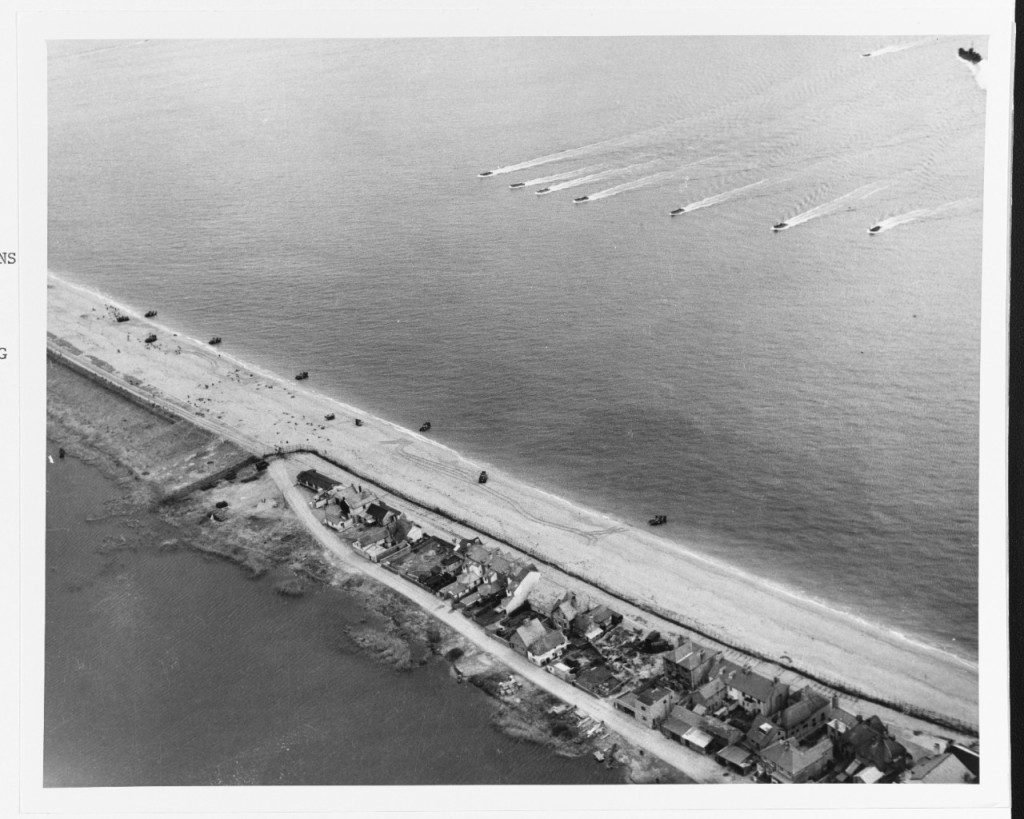
Slapton is a village and civil parish in the River Meadows of Devon County, where the southwest coast of England meets the English Channel. Archaeological evidence suggests human habitation from at least the bronze age. The “Domesday Book”, the recorded manuscript of the “Great Survey” of England and Wales completed in 1086 by order of William the Conqueror, names the place as “Sladone”, with a population of 200.
In late 1943, 750 families, some 3,000 locals, were evacuated with their livestock to make way for “Operation Tiger”, a D-Day landing rehearsal scheduled for the following spring. Some had never so much as left their home village.
Thousands of US military personnel were moved into the region during the winter of 1943-44. The area was mined and bounded with barbed wire and patrolled by sentries. Secrecy was so tight that even those in surrounding villages had no idea of what was happening.
Exercise Tiger was scheduled to begin on April 22, covering all aspects of the “Force U” landing on Utah beach and culminating in a live-fire beach landing at Slapton Sands at first light, on April 27.
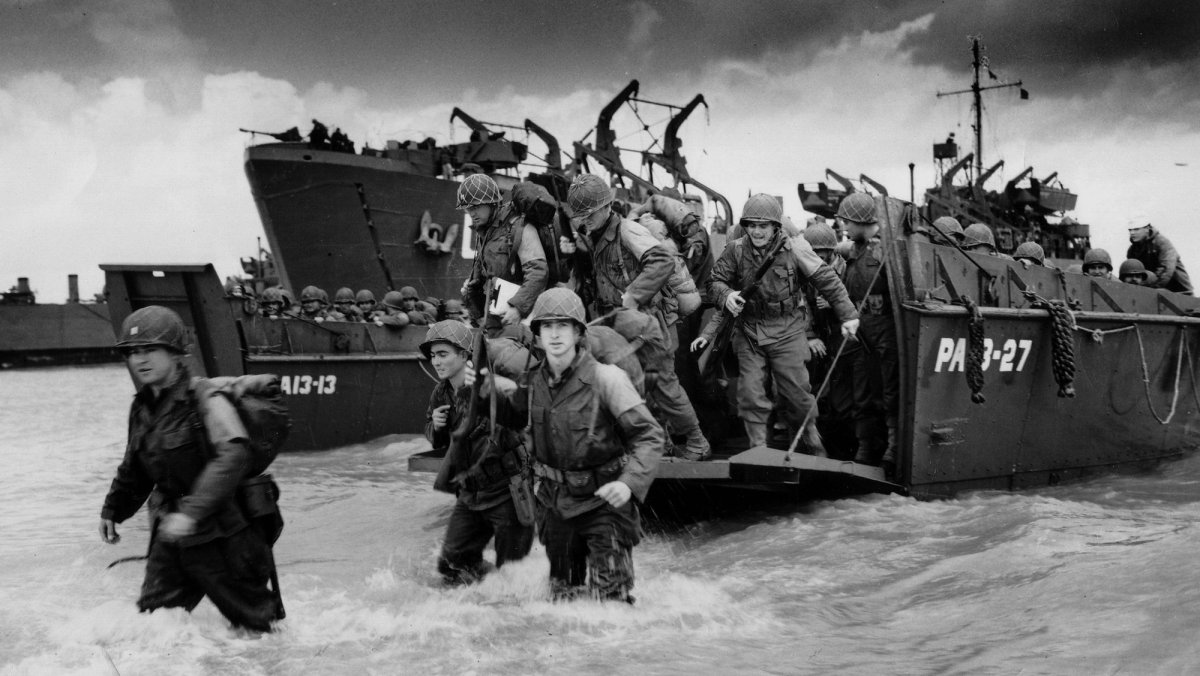
Nine large tank landing ships (LSTs) shoved off with 30,000 troops on the evening of the 26th, simulating the overnight channel crossing. Live ammunition was used in the exercise, to harden troops off to the sights, sounds and smells of actual battle. Naval bombardment was to commence 50 minutes before H-Hour, however delays resulted in landing forces coming under direct naval bombardment. An unknown number were killed in this “friendly fire” incident. Fleet rumors put the number as high as 450.
Two Royal Navy Corvettes, HMS Azalea and Scimitar, were to guard the exercise from German “Schnellboots” (“S-Boots”), the fast attack craft based out of Cherbourg.
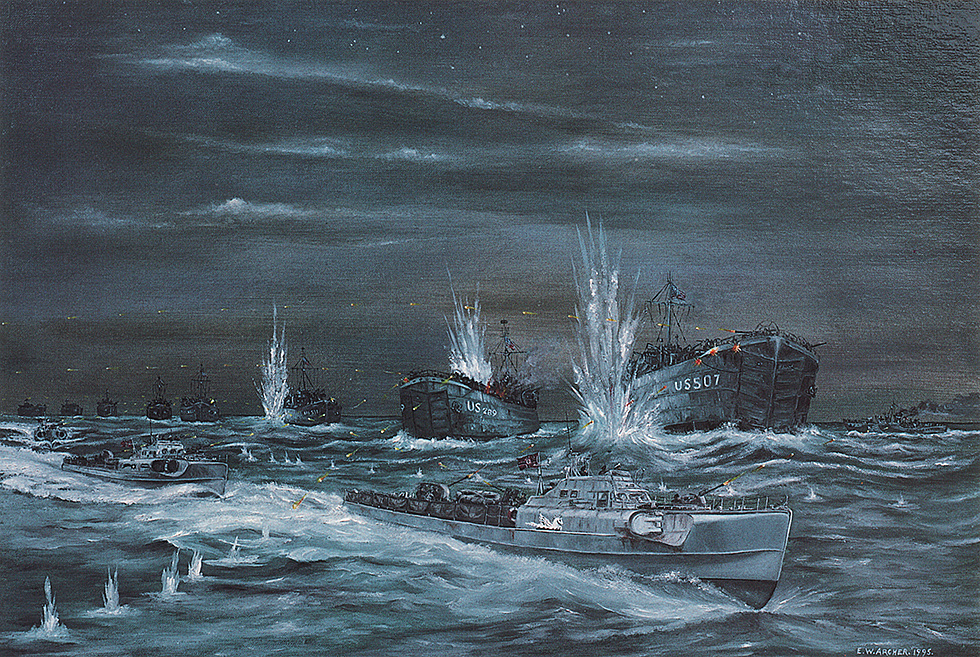
Scimitar withdrew for repairs following a collision with an LST on the 27th. In the early morning darkness of the following day, the single corvette was leading 8 LSTs carrying vehicles and combat engineers of the 1st Engineer Special Brigade through Lyme Bay, when the convoy was spotted by a nine vessel S-Boat patrol.
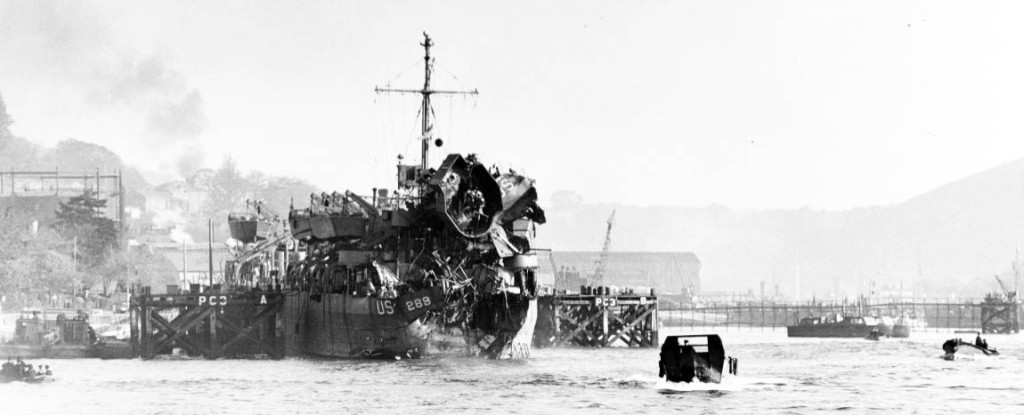
8 landing craft in single-file didn’t have a chance against fast-attack craft capable of 55mph. LST-531 was torpedoed and sunk in minutes, killing 424 Army and Navy personnel. LST-507 suffered the same fate, with the loss of 202. LST-289 made it to shore in flames, with the loss of 123. LST-511 was damaged in yet another friendly fire incident. Unable to wear their lifebelts correctly due to the large backpacks they wore, many men placed them around their waists. That only turned them upside down. That is how they died, thrashing in the water with their legs above the waves. Dale Rodman, who survived the sinking of LST-507, said, “The worst memory I have is setting off in the lifeboat away from the sinking ship and watching bodies float by.”
Survivors were sworn to secrecy due to official embarrassment, and the possibility of revealing the real invasion, scheduled for June. Ten officers with high level clearance were killed in the incident, but no one knew that for sure until their bodies were recovered. The D-Day invasion was nearly called off, because any of them could have been captured alive, revealing secrets during German interrogation and torture.
There’s a surprising amount of confusion about the final death toll. Estimates range from 639 to 946, nearly five times the number killed in the actual Utah Beach landing. Some or all the personnel from that damaged LST may have been aboard the other 8 on the 28th, and log books went down along with everything else. Many of the remains have never been found.
That number would surely have been higher, had not Captain John Doyle disobeyed orders and turned his LST-515 around, plucking 134 men from the frigid water.
Today, the Exercise Tiger disaster is all but forgotten. Some have charged official cover-ups, though information from SHAEF press releases appeared in the August edition of Stars & Stripes. At least three books contain the information. It seems more likely that the immediate need for secrecy and subsequent D-Day invasion swallowed the Tiger disaster, whole. History has a way of doing that.
Some of Slapton’s residents came home to rebuild their lives after the war, but many never returned. In the early 1970s, Devon resident and civilian Ken Small discovered an artifact of the Tiger exercise, while beachcombing on Slapton Sands. With little or no help from either the American or British governments, Small purchased rights from the U.S. Government to a submerged Sherman tank from the 70th Tank Battalion. The tank was raised in 1984 with the help of local residents and dive shops, and now stands as a memorial to Exercise Tiger. Not far away is a memorial to the villagers who never came home.
A plaque was erected at Arlington National Cemetery in 1995, inscribed with the words “Exercise Tiger Memorial”. A 5,000-pound stern anchor bears silent witness to Exercise Tiger in Mexico, Missouri, as does an M4 Sherman tank at Fort Rodman Park in New Bedford, Massachusetts.
In 1676, Isaac Newton wrote to rival Robert Hooke: “…If I have seen a little further, it is by standing on the shoulders of Giants.”
Today, we celebrate ‘The Boys of Pointe du Hoc’ and all the heroes of D-Day, for it is they who broke down the door to Fortress Europe. It is well that we should do this, and to remember. They, too, have stood on the shoulders of giants.
“Our character is what we do when we think no one is looking”. – Author Horace Jackson Brown, Jr.
Japan was an isolated, feudal island state in 1850, suffused with the Confucian notion of rigid social classes and ruled over by a military head-of-state, or Shōgun. In 1868, internal issues combined with growing pressure from western encroachment, resulting in the end of the Tokugawa Shōgunate and the restoration of the Meiji Emperor.
By the time Meiji’s son, the Taisho emperor, took the throne in 1912, Japan had become a powerful colonial power with modern institutions. The evolution from feudal state to modern colonial power was so wrenching, so rapid that one Tokyo expatriate said, it’s as if he had lived for 400 years.
The intervening period plunged the Japanese economy into recession, resulting in a “Japanese diaspora”. 3.8 million “Nikkei” emigrated between 1868 and 1912, bound for destinations from Australia to Finland, from mainland China to the Americas.
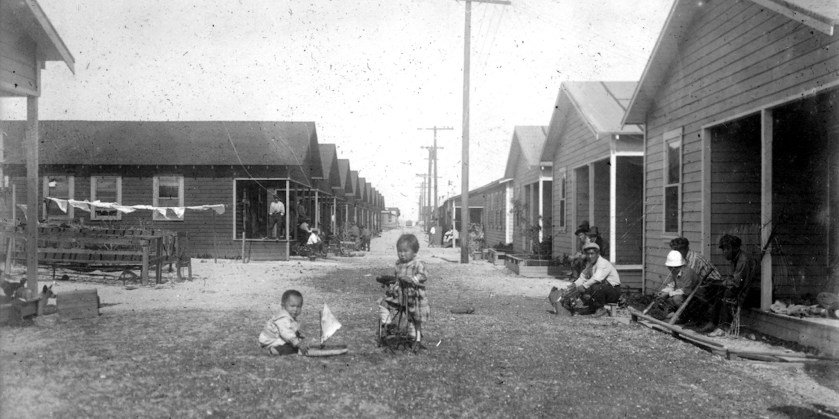
As with the Chinese laborers of an earlier era, they came to America in search of opportunity, taking manual labor jobs at canneries and farms, railroads and logging camps. In 1870, a scant 55 Japanese were recorded as living in the United States. By 1909, California alone housed some 30,000 Japanese agricultural laborers.
The first generation Issei tended to keep to themselves. Ineligible for citizenship under US law they formed kenjin-kai, social and aid organizations built around the prefecture from which they had come. Not so the second and third generations. These were the Nisei and Sansei, American-born US citizens, thoroughly assimilated and often owning the farms and businesses to which their parents and grandparents had come to work.
Reception to these newcomers was mixed. Feelings of “otherness” were exacerbated by economic competition, often congealing into outright racism. Other times, relations were characterized by cordiality and friendship.
Post WW1, national security concerns led to the Immigration Act of 1924, providing that no alien ineligible for citizenship be allowed entry into the country. The act was primarily aimed at Japanese immigration, though they were not explicitly named in the law.
In 1940, Japanese-American farmers controlled only 4 percent of agricultural land in California, while producing 10% of agricultural output. Robert “Bob” Emmett Fletcher was the agricultural inspector for Sacramento County at this time, based in Florin, California. The job brought him into regular contact with Japanese-American farmers, whom he saw as industrious and hard working. Farmers saw Fletcher as honest and fair minded.
Robert “Bob” Emmett Fletcher, Jr.
Following the Japanese attack on Pearl Harbor, a rash of fear combined with economic interests, especially on the Pacific coast. President Roosevelt signed Executive Order 9066 on February 19, 1942, dividing the west coast into “military zones” from which civilians were excluded. As with the bill signed into law in 1924 the order did not specify any particular ethnic group, but fell disproportionately on Japanese Americans.
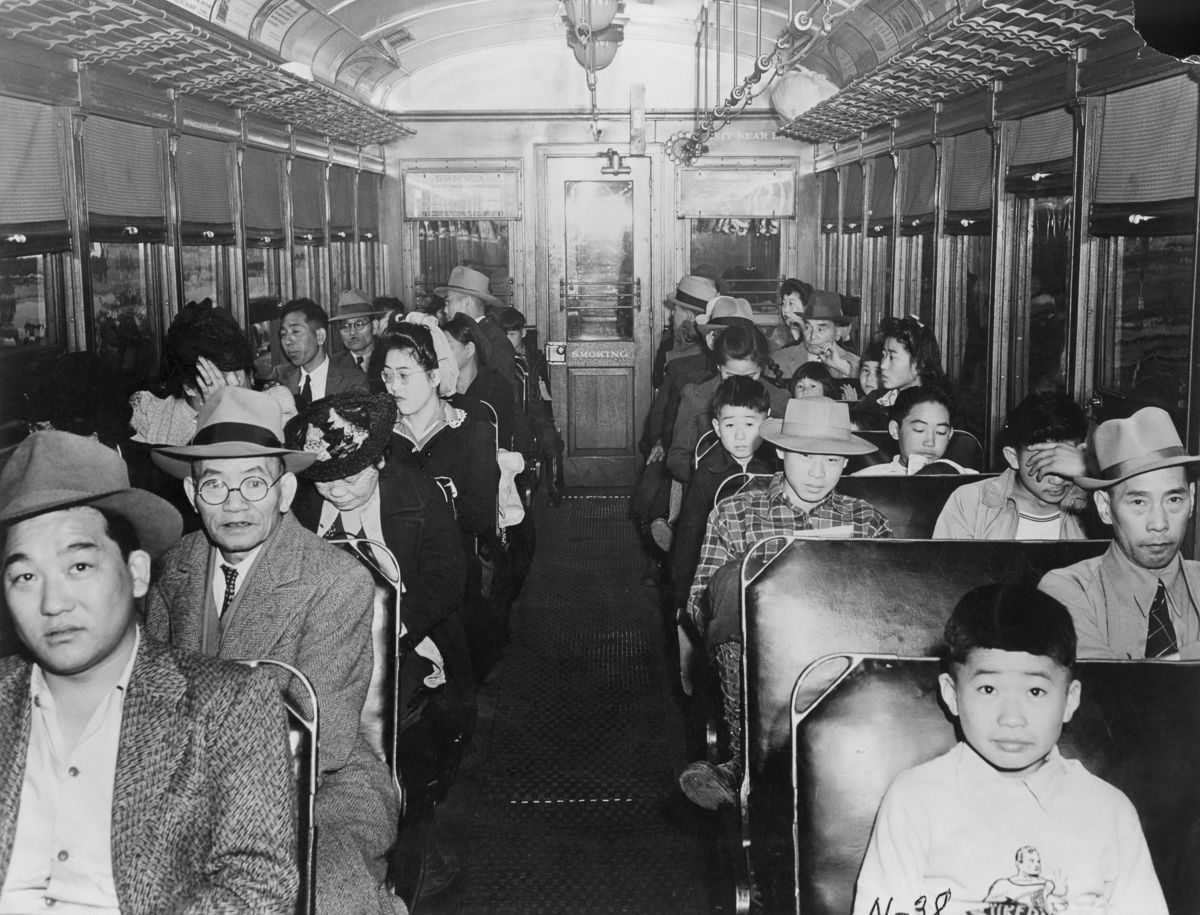
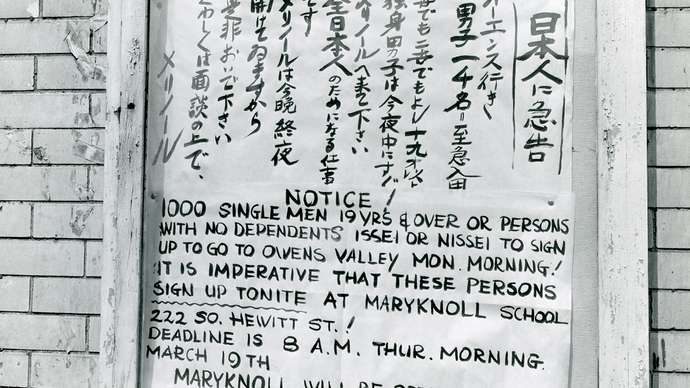
First came the curfews, followed by requests for voluntary relocation. On March 21, Congress passed Public Law No. 503, making any violation of Executive Order 9066 a misdemeanor punishable by up to one year in prison and a $5,000 fine. On March 29, Lieutenant General John L. DeWitt’s Order No. 4 began the forced relocation and detention under Army custody of West Coast Japanese residents, with 48-hours notice.
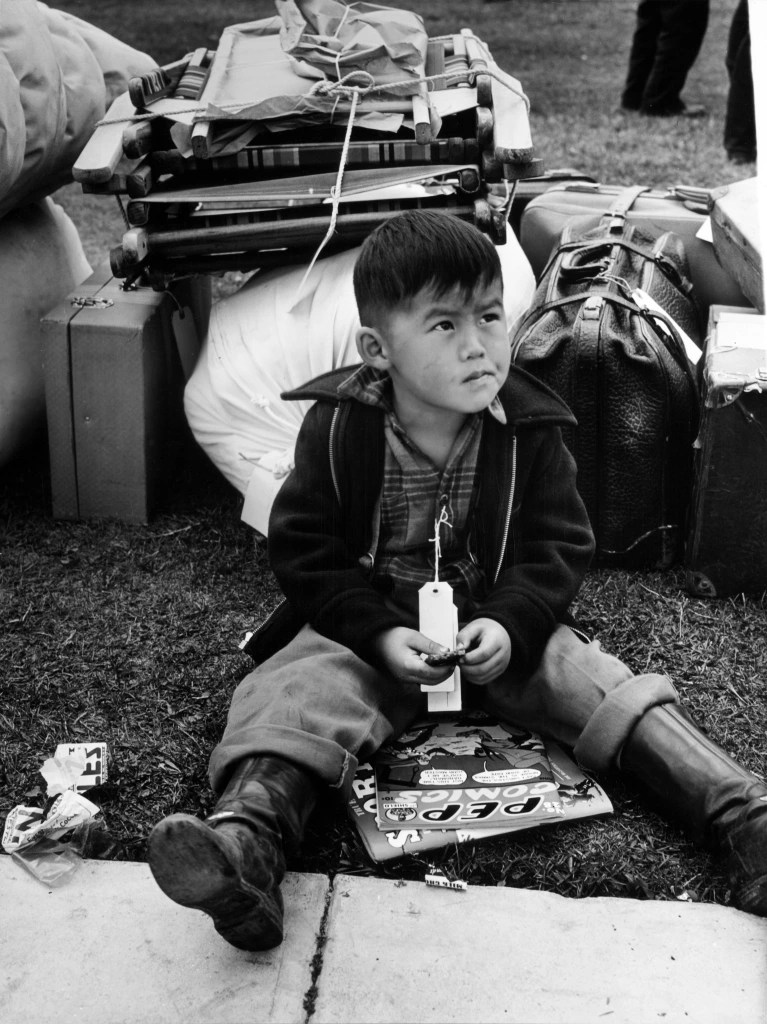
Over the following months, some 122,000 men, women and children were forcibly removed to “assembly centers”. By June 2, no Japanese or Japanese-American citizen remained within Military Area 1, an area comprising the western parts of California, Oregon, Washington and Arizona.
Al Tsukamoto was a first-generation American, his parents arriving in 1905. He approached Fletcher with a proposal. Would he look after the farms of two family friends of the Tsukamotos, one of whom was quite elderly. Fletcher would take care of the farms and pay the mortgages and taxes, in exchange for which he could keep the profits.
Fletcher accepted the offer and quit his job, working 18 hour days to pay the bills of the Okamoto and the Nitta families. Soon he was running the Tsukamoto farm as well, 90 acres in total. The offer specified that Fletcher could live in the Tsukamoto home, but no. Fletcher stayed in the bunkhouse Mr. Tsukamoto kept for migrant farm hands. When he married, Fletcher’s new wife Teresa also moved into the bunkhouse. “It’s the Tsukamoto’s house”, she said.
For that, Fletcher received considerable ostracism from the Florin community. “Jap lover”, some called him. Someone even took a shot at him one time, the rifle’s bullet narrowly missing him as he entered the Tsukamoto barn.
“I did know a few of them pretty well and never did agree with the evacuation, they were the same as anybody else. It was obvious they had nothing to do with Pearl Harbor.” – Bob Fletcher, Interview with the Sacramento Bee, 2010
Incarcerated in the camps, most of the families were unable to pay the bills and lost everything. Most of them moved away after the war. The Tsukamotos came back to find that Teresa had cleaned the house, making it ready for their return. Fletcher had kept only half the profits. He had banked the rest for the family.
“I don’t know about courage” Fletcher said in 2010, noting that other Florin residents had also helped their Japanese neighbors. Doris Takata was 12 when her family went into the camps. “My mother called him god she said at Fletcher’s 100th birthday celebration in 2011, because only god would do something like that. Fletcher said, “It took a devil of a lot of work.”
Robert Emmett Fletcher, Jr., July 26, 1911 – May 23, 2013
Roosevelt’s measure made no specific reference to ethnicity. Some 11,000 ethnic Germans and 3,000 ethnic Italians were sent away to internment camps but the vast preponderance, were of Japanese descent.
In January 1848, carpenter and sawmill operator James W. Marshall discovered gold in the foothills of the Sierra Nevada mountains, in California. Prospectors flocked to the Golden State from across the United States and abroad. The California Gold Rush had begun.
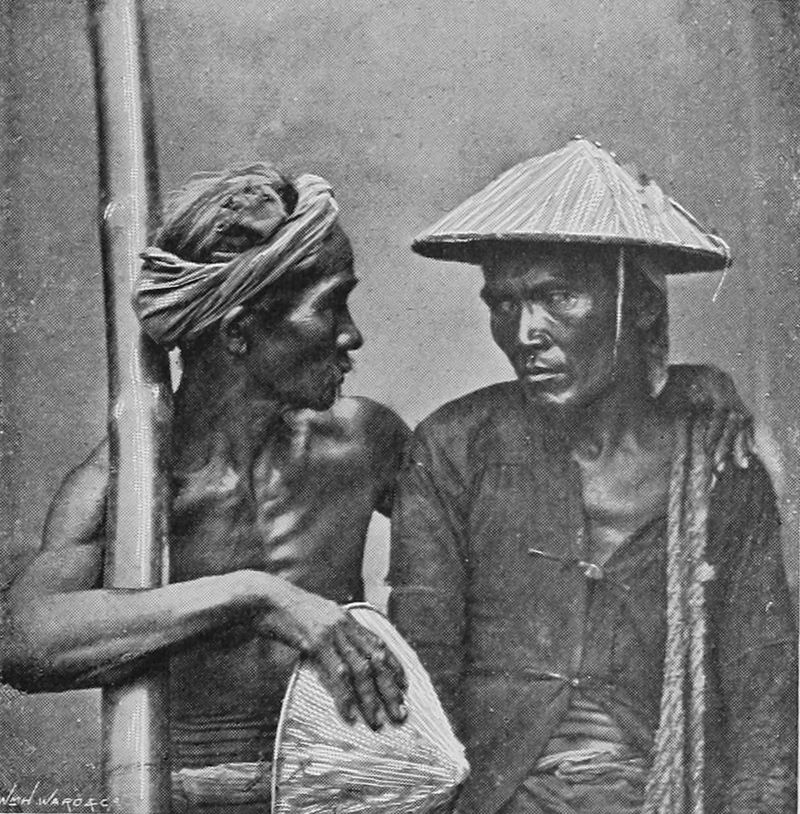
While not exactly welcoming, prospectors tolerated Chinese immigrants in the early period. Surface gold was plentiful in those days. Some even found the chopsticks and the broad conical hats of the Chinese mining camps, amusing. As competition increased, resentment began to build. Meanwhile in southern China, crop failures and rumors of the Golden Mountain, the Gam Saan, brought with it a tide of Chinese immigration. San Francisco saw a tenfold increase in 1852, alone. Now anything but amused, California lawmakers imposed a $3 per month tax on foreigners, explicitly aimed at Chinese miners.
Large labor projects like the trans-continental railroad and Canadian Pacific Railway fed the influx of Chinese “coolie” labor, eager to work for wages too small to be of interest to American laborers.
By 1870, fully 25 percent of the California state budget came from that single tax on Chinese miners. In 1882, President Chester A. Arthur signed the Chinese Exclusion Act, prohibiting the further immigration of Chinese laborers. This was the first and remains to this day the only law specifically targeted at a single ethnic group.
Meanwhile, the “gunboat diplomacy” of President Millard Fillmore determined to open Japanese ports to trade, with the west. By force, if necessary. By 1868, internal Japanese issues and the growing pressure of western encroachment had brought about the end of the Tokugawa Shōgunate and restoration of the Meiji Emperor.
The social changes wrought by the “Meiji Restoration” combined with abrupt opening to world trade plunged the Japanese economy into recession. Japanese emigrants had left the home islands since the 15th century, in pursuit of new opportunities. That was nothing compared with the new “Japanese diaspora” begun in 1868. 3.8 million “Nikkei” emigrated between 1868 and 1912, bound for destinations from Brazil to mainland China, the United States, Australia, Peru, Germany and others. Even Finland.
These were the Issei, first generation immigrants, ineligible for citizenship under US law. The immigrant generation kept to the ways of the land they had left behind forming kenjin-kai, social and aid organizations built around the prefecture from which they had come. Not so, the second generation. These were the Nisei, American-born US citizens, thoroughly assimilated to the culture to which their parents had come.
As with the earlier wave of Chinese immigrants, west coast European Americans became alarmed at the tide of Japanese immigration. Laws were passed and treaties signed, attempting to slow their number.
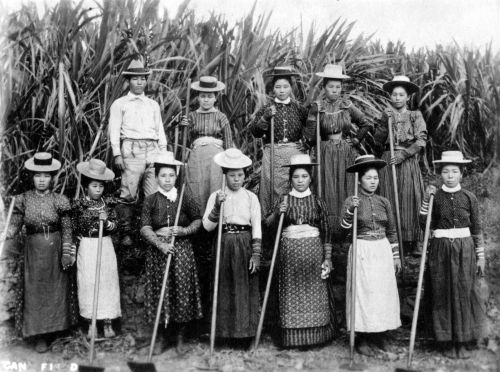
Japanese immigrants in Hawaii
In 1908, an informal “Gentleman’s agreement” between the US and Japan prohibited further immigration of unskilled migrants. A loophole allowed wives to join husbands already in the United States leading to an influx of “picture brides” – marriages arranged by friends and families and executed by proxy – many happy couples meeting for the first time, upon the arrival of the blushing bride. The immigration act of 1924 followed the example of the Chinese exclusion act of 1882, outright banning further immigration from “undesirable” countries.
By this time 200,000 ethnic Japanese lived in Hawaii, mostly laborers looking for work on the island’s sugar plantations. A nearly equal number settled on the west coast building farms, and small businesses.
From 1937, the rapid conquests of the Asian Pacific raised fears of the Imperial Japanese military. As relations soured between Japan and America, the Roosevelt administration took to surveillance of Japanese Americans. The government began to compile lists.
Following the surprise attack on Pearl Harbor, public sentiment came down largely on the side of Japanese Americans. The Los Angeles Times characterized the Nisei as “good Americans, born and educated as such”. That would change, soon enough. A member of the second attack wave on December 7, “Zero” pilot Shigenori Nishikaichi downed his crippled fighter on Ni’ihau, the westernmost island of the Hawaiian archipelago. Ignorant at first of what had taken place, Ni’hauans showed hospitality to the downed pilot. By the time it was over the whole thing turned violent, pitting the pilot and a small number of Issei and Nissei, in a deadly struggle against native Hawaiians.
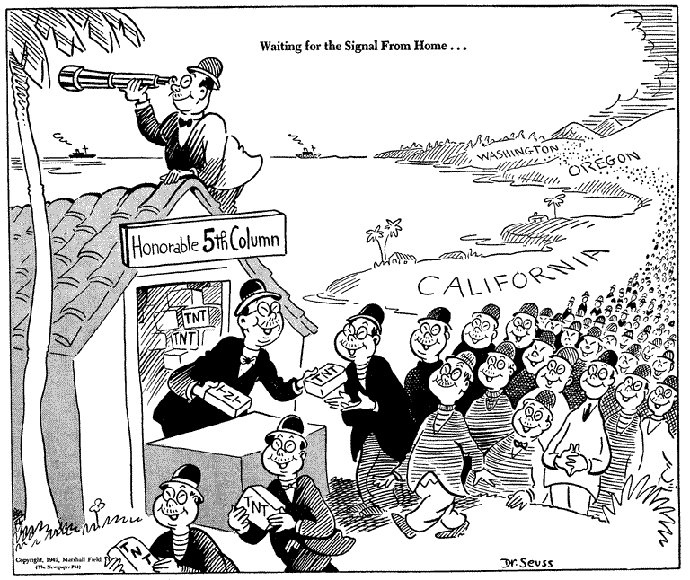
The “Ni’hau incident” combined with fears of 5th column activity to turn the tide of public opinion.
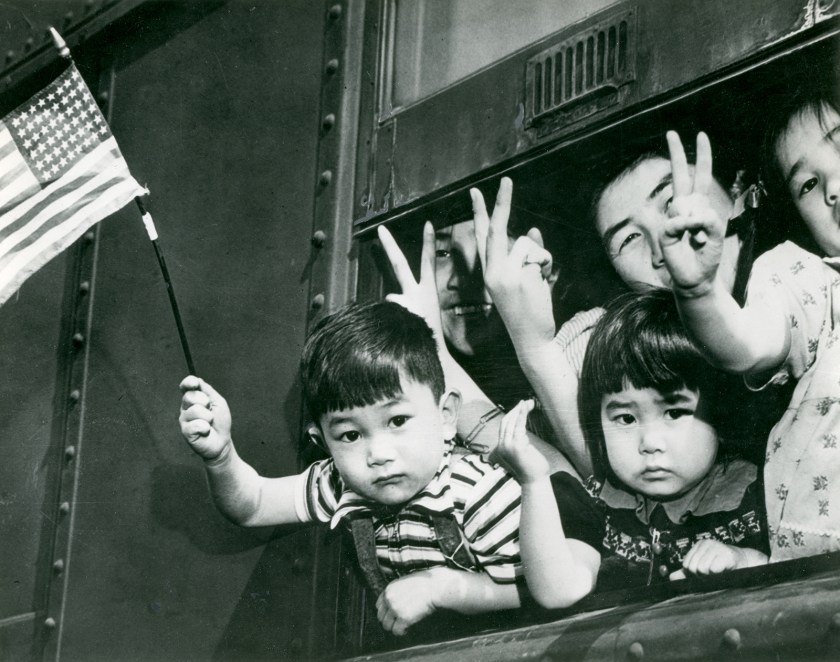
This and other images of the period leads us today, to the place where Dr. Seuss is “cancelled”.
General John Dewitt, a vocal proponent of what was to come opined: “The fact that nothing has happened so far is more or less . . . ominous, in that I feel that in view of the fact that we have had no sporadic attempts at sabotage that there is a control being exercised and when we have it it will be on a mass basis”.
On January 2, a Joint Immigration Committee of the California legislature attacked “ethnic Japanese” citizen and non-citizen alike, as “totally unassimilable”. The presidentially appointed Roberts Committee assigned to investigate the attack on Pearl Harbor accused persons of Japanese ancestry of espionage, leading up to the attack. By February, California Attorney General and future Supreme Court Justice Earl Warren was doing everything he could to persuade the federal government, to remove all people of Japanese ancestry from the west coast.
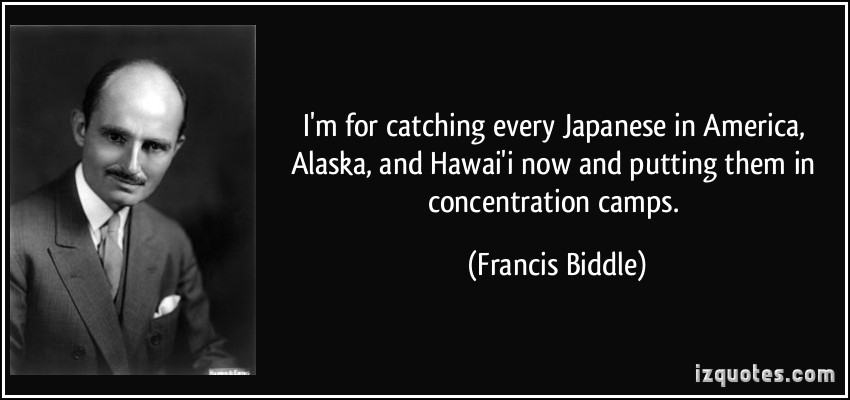
Roosevelt Attorney General Francis Beverley Biddle
On January 14, 1942, President Roosevelt signed Proclamation 2537 requiring “enemy aliens” to procure identification and carry it with them, “at all times”. The War Department, and Department of Justice were sharply divided but, no matter. Executive order 9066 signed February 19 directed the establishment of exclusion zones.
Secret Presidential commissions were appointed in early 1941 and again in 1942, to determine the liklihood of an armed uprising among Japanese Americans. Both reported no evidence of such a thing, one reporting: “the local Japanese are loyal to the United States or, at worst, hope that by remaining quiet they can avoid concentration camps or irresponsible mobs.”
That didn’t matter, either. The Senate discussed Roosevelt’s directive for an hour and the House, for thirty minutes. The President signed Public Law 77-503 on March 21 providing for enforcement, of his earlier directive.
Roosevelt’s measure made no specific reference to ethnicity. Some 11,000 ethnic Germans and 3,000 ethnic Italians were sent away to internment camps but the vast preponderance, were of Japanese descent. Throughout the west coast some 112,000 ethnic Japanese were rounded up and held in relocation camps and other confinement areas, throughout the country. Surprisingly, only a “few thousand” were detained in Hawaii itself despite a population of nearly 40% ethnic Japanese.
Japantown handbill: H/T Library of Congress
Below: “A moving van being loaded with the possessions of a Japanese family on Bush Street in San Francisco’s Japantown, April 7, 1942. At right are the offices of the Japanese American Citizens League (JACL), the oldest Asian American civil rights organization in the United States. Shortly after this photo was taken, the Wartime Civil Control Administration (WCCA) took over the JACL building and repurposed it as a Civil Control Station for the collection and processing of “people of Japanese descent” prior to their transport to detention camps”.H/T Encyclopedia Britannica
Following the events at Peal harbor, Oakland California-born Fred Korematsu attempted to enlist in the Navy. Ostensibly rejected due to stomach ulcers, Korematsu believed the real reason was his Japanese ancestry. Korematsu refused deportation orders and went into hiding. The ACLU’s northern California director Ernest Besig brought Korematsu’s case before the courts despite opposition from Roosevelt allies in the national ACLU. Korematsu lost in federal court and the US court of appeals, becoming a pariah even among fellow detainees who felt he was nothing but a troublemaker. The US Supreme Court agreed to take the case and, on December 18, 1944, upheld the lower court verdict. A 6-3 opinion penned by Justice Hugo Black opined that, though suspect, internment was justified due to national circumstances of “emergency and peril”.
“Fourteen Days to Flatten the Curve, “right?
“There is but one way in which to regard the Presidential order empowering the Army to establish “military areas” from which citizens or aliens may be excluded. That is to accept the order as a necessary accompaniment of total defense”.
Washington Post, February 22, 1942
A second decision released that same day in the case, Ex Parte Endo, unanimously declared it illegal to detain Americans, regardless of ethnicity. In effect the two rulings established that, while eviction was legal in the name of military necessity internment was not, thus paving the way to their release.
The Japs in these centers in the United States have been afforded the very best of treatment, together with food and living quarters far better than many of them ever knew before, and a minimum amount of restraint. They have been as well fed as the Army and as well as or better housed. . . . The American people can go without milk and butter, but the Japs will be supplied.
Los Angeles Times, December 8, 1942
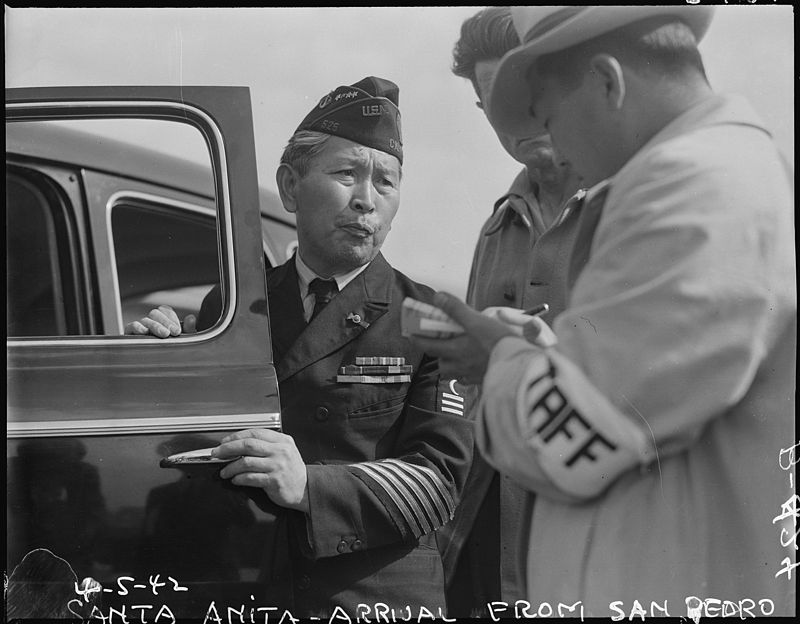
Among internment camps many were eager to prove themselves loyal Americans. Some were recruited for service in the armed forces. Many, volunteered. In April 1943 some 2,686 Japanese-Americans from Hawaii and 1,500 incarcerated in mainland camps, reported for duty at camp Shelby, in Mississippi. While many still had families in internment facilities, graduates were assigned to the segregated 442nd Regimental Combat team and sent off to fight the war, in Europe.
“Dressed in uniform marking his service in World War I, a U.S. Navy veteran from San Pedro enters Santa Anita Assembly Center (April 1942)”. H/T Wikipedia
With something to prove, every one of these guys fought like tigers. From Naples to Rome to the south of France, to central Europe and the Po Valley, the all-Nisei 442nd infantry lived up to its own motto’ “Go for Broke”. 14,000 men served in the 442nd earning over 4,000 Purple Hearts, 4,000 Silver Stars, 4,000 Bronze Medals and 21 Medals of Honor.
With 275 Texas National Guardsmen hopelessly cut off by German forces in the Vosges Mountains of France, ‘The Lost Battalion”, the 442nd infantry was sent in to get them out. In five days of savage combat, 211 of the Texas men were rescued. The Nisei of the 442nd suffered 800 casualties. Of 185 men who entered the fray from I Company only 8 emerged, unhurt. Company K sent 186 men against the Germans 169 of whom were either killed, or wounded.
For its size and length of service the 442nd became the most highly decorated unit, in US military history.
Fun fact: Ralph Lazo was so angry at the forcible relocation of his friends he voluntarily joined them, on the train. Deported to the Manzanar concentration camp in the foot of California’s Sierra Nevada mountains, he stayed there, for two years. The only non-spouse, non-Japanese-American, so detained. Nobody ever asked the man about his ethnicity (half Mexican, half Irish). Lazo was inducted into the US Army in 1944 and served as a Staff Sergeant in the South Pacific where he earned a Bronze Star for valor, in combat.
By this time, many younger Nisei had left to pursue new lives, east of the Rockies. Seven others were shot and killed, by sentries. Older internees had little to return to with former homes and business, gone. Many were repatriated to Japan, at least some, against their will. By the end of 1945, nine of the top ten War Relocation Authority ( WRA) camps were shut down. Congress passed the Japanese-American claims Act in 1948 but, with the IRS having destroyed most of the detainees 1939-’42 tax records, only a fraction of claims were ever paid out.
By the late 1980s, powerful Japanese-American members of the United States Congress such as Bob Matsui, Norm Mineta and Spark Matsunaga spearheaded a measure, for reparations. $20,000 paid to every surviving internee. President Ronald Reagan signed the measure into law on August 10, 1988. Over 81,800 qualified, receiving a total of $1.6 Billion.
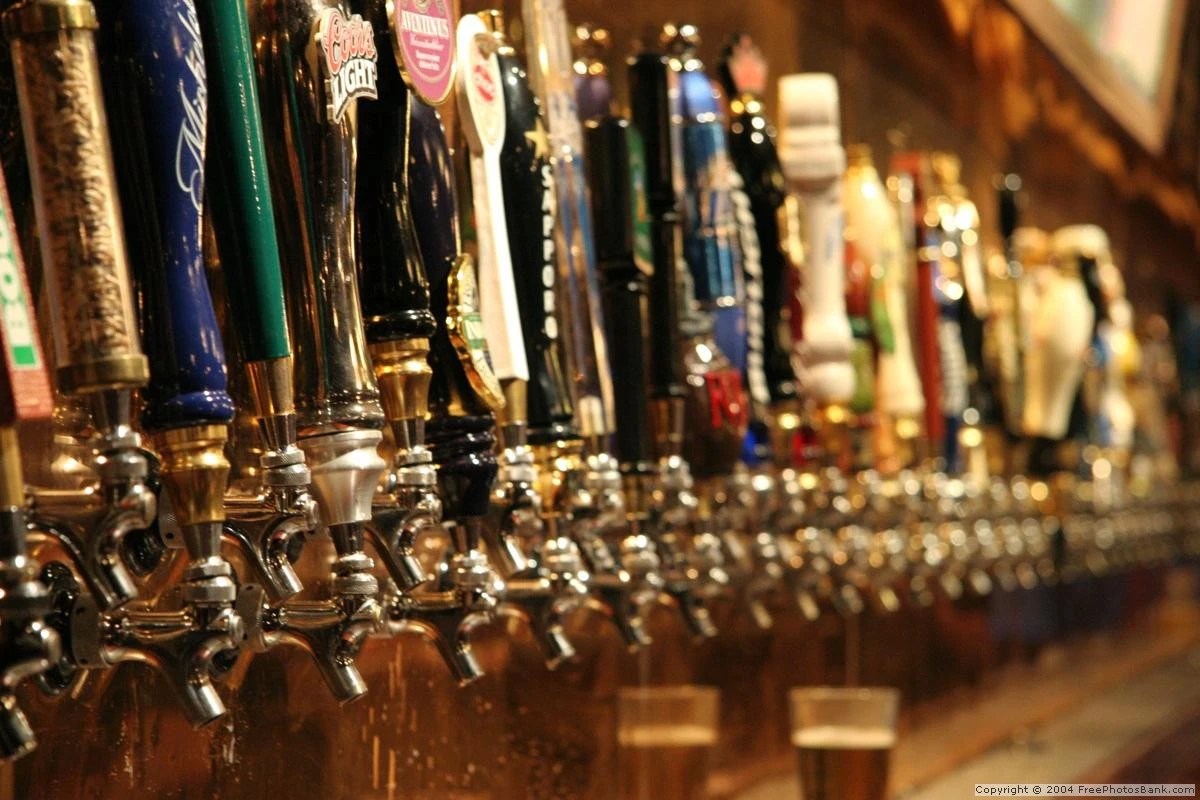
At long last, Prohibition was coming to an end on April 7. Thirsty patrons lined up the night before, waiting for their first legal beer in 13 years. So it is we remember April 6 as New Beer’s Eve.
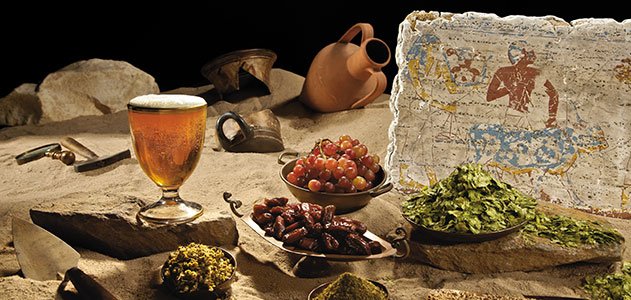
Skip to contentGiven the right combination of sugars, almost any cereal will undergo simple fermentation due to the presence of wild yeasts in the air. Our cave-dwelling ancestors likely experienced their first beer as the result of this process.
Starch dusted stones were found with the remains of doum-palm and chamomile in the 18,000-year old Wadi Kubbaniya in upper Egypt. While it’s difficult to confirm, University of Pennsylvania archaeologist Dr. Patrick McGovern asserts, “it’s very likely they were making beer there”.
Chemical analysis of pottery shards date the earliest barley beer back to 3400BC, in the Zagros Mountains of Iran.
Tacitus maligned the bitter brew of Germanic barbarians. Wine seemed better suited to the sensibilities of the Roman palate. Nevertheless, the letters of Roman cavalry commanders from the Roman Britain period, c. 97-103 AD, include requests for more “cerevisia“, for the legionaries.
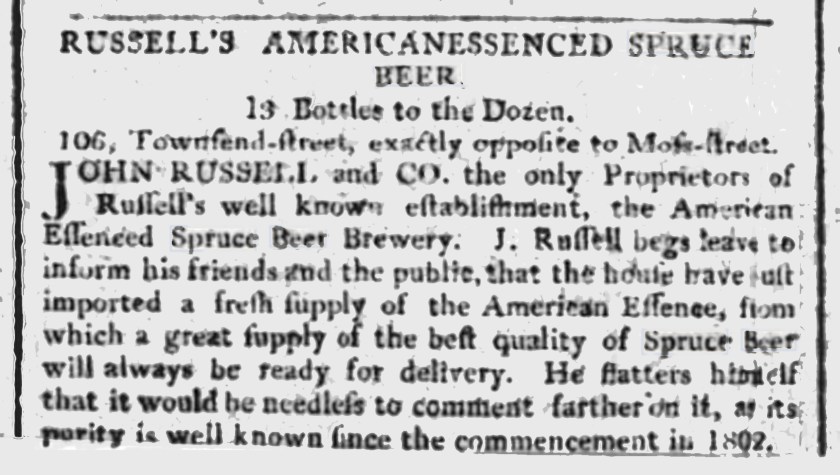
In North and South America, native peoples brewed fermented beverages from local ingredients including agave sap, the first spring tips of the spruce tree, and maize.
Pilgrimsleft the Netherlands city of Leiden in 1620, hoping not for the frozen, rocky soil of New England, but for rich farmland and a congenial climate in the New World. One Mayflower passenger wrote in his diary: “We could not now take time for further search… our victuals being much spent, especially our beer…” Lookouts spotted the wind-swept shores of Cape Cod on November 9, 1620 and may have kept going, had there been enough beer.
Prior to the drum roaster’s invention in 1817, malt was typically dried over wood, charcoal, or straw fires, leaving a smoky quality which would seem foreign to the modern beer drinker. William Harrison wrote in his “Description of England” in 1577, “For the wood-dried malt, when it is brewed, beside that the drink is higher of colour, it doth hurt and annoy the head of him that is not used thereto, because of the smoke“.
Fun fact: “God made beer because he loves us and wants us to be happy.” The quote is erroneously attributed to Benjamin Franklin. In a circa-1779 letter to the Abbé Morellet, what Franklin really said was, “Behold the rain which descends from heaven upon our vineyards; there it enters the roots of the vines, to be changed into wine; a constant proof that God loves us, and loves to see us happy.”
Smoky flavor didn’t trouble the true aficionado of the age. When the Meux Brewery casks let go in 1814 spilling nearly 400,000 gallons onto the street, hundreds of Britons hurried to scoop it up in pots and pans. Some even lapped it up off of the street, doggy-style.
1,389 unfortunates were trampled to death and another 1,300 injured in a stampede for the suds, when someone thought the beer had run out at the coronation of Czar Nicholas II, in 1896.
The 18th amendment, better known as “prohibition”, went into effect at midnight, January 16, 1920. For thirteen years it was illegal to import, export, transport or sell liquor, wine or beer in the United States.
Portable stills went on sale within a week. Organized smuggling was quick to follow. California grape growers increased acreage by over 700% over the first five years, selling dry blocks of grapes as “bricks of Rhine” or “blocks of port”. The mayor of New York City sent wine-making instructions to his constituents.
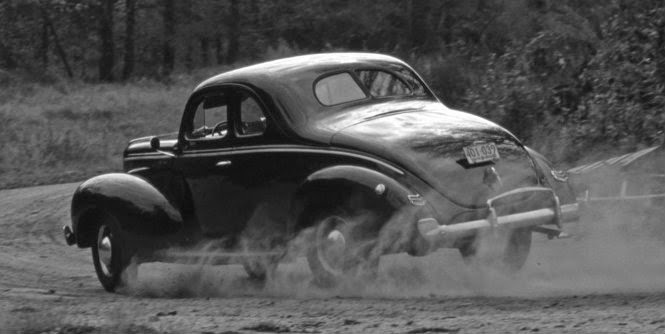
Smuggling operations became widespread, as cars were souped up to outrun “the law”. This would lead to competitive car racing, beginning first on the streets and back roads and later moving to dedicated race tracks. It’s why we have NASCAR, today.
Organized crime became vastly more powerful due to the influx of enormous sums of cash. The corruption of public officials was a national scandal.
Gaining convictions for breaking a law that everyone hated became increasingly difficult. New York alone saw over 7,000 prohibition-related arrests between 1921 and 1923. Only 27 resulted in convictions.
Federal government busybodies went so far as to deliberately poison alcohol leading to the death of hundreds, but all in vain. In the end even lifelong teetotaler John D. Rockefeller, Jr., a man who contributed $350,000 to the Anti-Saloon League, had to announce his support for repeal.
It’s difficult to compare rates of alcohol consumption before and during prohibition. If death by cirrhosis of the liver is any indication, alcohol consumption never decreased by more than 10 to 20 per cent.
FDR signed the Cullen–Harrison Act into law on March 22, 1933, commenting “I think this would be a good time for a beer.” The law went effect on April 7, allowing Americans to buy, sell and drink beer containing up to 3.2% alcohol.
A team of draft horses hauled a wagon up Pennsylvania Avenue, delivering a case of beer to the White House. This was the first public appearance of the now-famous Budweiser Clydesdales.
In 1941, “dry” leaders tried to prohibit consumption of alcohol on military bases. Authorities pushed back, claiming it was good for morale. Brewers were required to allocate 15% of total annual production to be used by the armed forces. So essential were beer manufacturers to the war effort, that teamsters striking Minneapolis breweries were ordered to end their strike. Near the end of WWII, the army developed plans to operate recaptured French breweries to ensure adequate supplies for the troops.
18 states continued prohibition at the state level, the last state finally dropping it in 1966. Nearly two out of three states adopted some form of local option, enabling residents of political subdivisions to vote for or against local prohibition. Some counties remain dry to this day.
Ironically, the home of the Jack Daniel distillery is one such dry county, though Shirl and I can tell you from personal experience. Special dispensation is given for tastings, JD being the largest taxpayer in Lynchburg County.
But I digress.
The night before Roosevelt’s law went into effect, April 6, 1933, beer lovers lined up at their favorite watering holes, waiting for the first legal beer in thirteen years. A million and a half barrels of the stuff were consumed on April 7, a date remembered today as “National Beer Day”.
So it is that, from that day to this, we celebrate April 6 as “New Beer’s Eve”. Sláinte.
For every wound, a balm. For every sorrow, cheer. For every storm, a calm. For every thirst, a beer. – Irish toast, author unknown
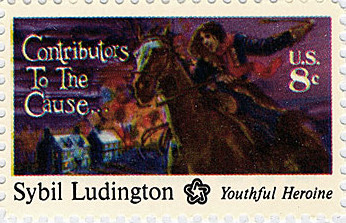
Born April 5, 1761, Sybil Ludington was barely sixteen at the time of her ride. From Poughkeepsie to what is now Putnam County and back, the “Female Paul Revere” rode across the lower Hudson River Valley, covering 40 miles in the pitch dark of night, alerting her father’s militia to the danger and urging they come out for a fight.
“Listen my children and you shall hear, Of the midnight ride of” …Sybil Ludington.
Wait…What?
Paul Revere’s famous “midnight ride” began on the night of April 18, 1775. Revere was one of two riders, soon joined by a third, fanning out from Boston to warn of an oncoming column of “regulars”, come to destroy the stockpile of gunpowder, ammunition, and cannon located in Concord.
Revere himself covered barely 12 miles before being captured, his horse confiscated to replace the tired mount of a British sergeant. Revere would finish his “ride” on foot, arriving at sunrise on the 19th to witness the last moments of the battle on Lexington Green.
Two years later, Patriot forces maintained a similar supply depot in the southwest Connecticut town of Danbury.
William Tryon was the Royal Governor of New York, and long-standing advocate for attacks on civilian targets. In 1777, Tryon was major-general of the provincial army. On April 25th, the General set sail for the Connecticut coast of Long Island Sound with a force of some 1,800, intending to destroy the small town.
Patriot Colonel Joseph Cooke’s small Danbury garrison was caught and quickly overpowered on the 26th, while attempting to remove food supplies, uniforms, and equipment. Facing little if any opposition, Tryon’s forces went on a bender, burning homes, farms, and storehouses. Thousands of barrels of pork, beef, and flour were destroyed, along with 5,000 pairs of shoes, 2,000 bushels of grain, and 1,600 tents.
Colonel Henry Ludington was a farmer and father of 12, with a long military career. A long-standing and loyal subject of the British crown, Ludington switched sides in 1773, joining the rebel cause and rising to command the 7th Regiment of the Dutchess County Militia, in New York’s Hudson Valley.
In April 1777, Ludington’s militia was disbanded for planting season, and spread across the countryside. An exhausted rider arrived at the Ludington farm on a blown horse on the evening of the 26th, asking for help. 15 miles away, British regulars and a force of loyalists were burning Danbury to the ground.
The Dutchess County Militia had to be called up. The Colonel had one night to prepare for battle, and this rider was done. The job would have to go to Colonel Ludington’s first-born, his daughter, Sybil.
Born April 5, 1761, Sybil Ludington was barely sixteen at the time of her ride. From Poughkeepsie to what is now Putnam County and back, the “Female Paul Revere” rode across the lower Hudson River Valley, covering 40 miles in the pitch dark of night, alerting her father’s militia to the danger and urging they come out for a fight. She’d use a stick to knock on doors, even using it once to fight off a highway bandit.
By the time Sybil returned the next morning, cold, rain-soaked, and exhausted, most of 400 militia were ready to march.
Arnold’s forces arrived too late to save Danbury, but inflicted a nasty surprise on the British rearguard as the column approached nearby Ridgefield. Never outnumbered by less than three-to-one, Connecticut militia was able to slow the British advance until Ludington’s New York Militia arrived on the following day. The last phase of the action saw the same type of swarming harassment as seen on the British retreat from Concord to Boston, early in the war. 35 miles to the east of Danbury, General Benedict Arnold was gathering a force of 500 regular and irregular Connecticut militia, with Generals David Wooster and Gold Selleck Silliman.
While the British operation was a tactical success, the mauling inflicted by these colonials ensured that this was the last hostile British landing on the Connecticut coast.
The British raid on Danbury destroyed at least 19 houses and 22 stores and barns. Town officials submitted £16,000 in claims to Congress, for which town selectmen received £500 reimbursement. Further claims were made to the General Assembly of Connecticut in 1787, for which Danbury was awarded land. In Ohio.
At the time, Benedict Arnold planned to travel to Philadelphia, to protest the promotion of officers junior to himself, to Major General. Arnold, who’d had two horses shot out from under him at Ridgefield, was promoted to Major General in recognition for his role in the battle. Along with that promotion came a horse, “properly caparisoned as a token of … approbation of his gallant conduct … in the late enterprize to Danbury.” For now, the pride which would one day be his undoing, was assuaged.The Keeler Tavern in Ridgefield is now a museum. The British cannonball fired into the side of the building, remains there to this day.
Henry Ludington would become Aide-de-Camp to General George Washington, and grandfather to Harrison Ludington, mayor of Milwaukee and 12th Governor of Wisconsin.
Gold Silliman was kidnapped with his son by a first marriage by Tory neighbors, and held for Nearly seven months at a New York farmhouse. Having no hostage of equal rank with whom to exchange for the General, Patriot forces went out and kidnapped one of their own, in the person of Chief Justice Judge Thomas Jones, of Long Island.
Mary Silliman was left to run the farm, including caring for her own midwife, who was brutally raped by English forces for denying them the use of her home. The 1993 made-for-TV movie “Mary Silliman’s War” tells the story of non-combatants, pregnant mothers and farm wives during the Revolution, as well as Mary’s own negotiations for her husband’s release from Loyalist captors.
General David Wooster was mortally wounded at the Battle of Ridgefield, moments after shouting “Come on my boys! Never mind such random shots!” Today, an archway marks the entrance to Wooster Square, in the East Rock Neighborhood of New Haven.
Sybil Ludington received the thanks of family and friends including that of George Washington, himself. And then it was as if she had stepped off the pages of history.
Paul Revere’s famous ride would have likewise faded into obscurity, but for the poetry of Henry Wadsworth Longfellow. Eighty-six years, later.
“Listen my children and you shall hear Of the midnight ride of Paul Revere, On the eighteenth of April, in Seventy-five; Hardly a man is now alive…..
The death rate for western prisoners in Japanese prisoner of war camps was seven times that of allied prisoners in Nazi Germany or Fascist Italy.
With increasing tensions between the Unites States and the empire of Japan, the “China Marines” of the Fourth Marine Regiment, “The Oldest and the Proudest”, departed Shanghai for the Philippines on November 27-28, 1941. The first elements arrived at Subic Bay on November 30.
A week later and 5,000 miles to the east, the radio crackled to life in the early – morning hours of December 7. “Air raid on Pearl Harbor. This is no drill!”
Military forces of Imperial Japan appeared unstoppable in the early months of WWII, attacking first Thailand, then the British possessions of Malaya, Singapore and Hong Kong, as well as US military bases in Hawaii, Wake Island, Guam and the Philippines.
On January 7, Japanese forces attacked the Bataan peninsula. The Fourth Marines, under Army command, were ordered to help strengthen defenses on the “Gibraltar of the East”, the heavily fortified island of Corregidor.
The prize was nothing less than the finest natural harbor in the Asian Pacific, Manila Bay, the Bataan Peninsula forming the lee shore and Corregidor and nearby Caballo Islands standing at the mouth, dividing the entrance into two channels. Before the Japanese invasion was to succeed, Bataan and Corregidor must be destroyed.
The United States was grossly unprepared to fight a World War in 1942. The latest iteration of “War Plan Orange” (WPO-3) called for delaying tactics in the event of war with Japan, buying time to gather US Naval assets to sail for the Philippines. The problem was, there was no fleet to gather. The flower of American pacific power in the pacific, lay at the bottom of Pearl Harbor. Allied war planners turned their attention to defeating Adolf Hitler.
General Douglas MacArthur abandoned Corregidor on March 12, departing the “Alamo of the Pacific” with the words, “I shall return”. Some 90,000 American and Filipino troops were left behind without food, supplies or support with which to fight off the onslaught of the Japanese 14th Army, under the command of Lieutenant General Masaharu Homma.
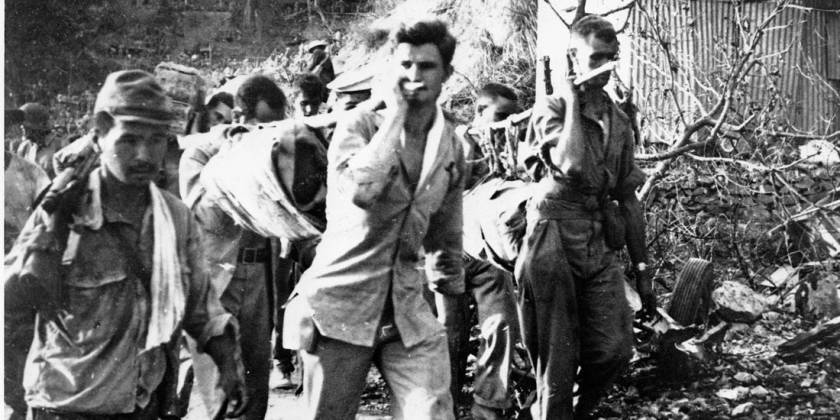
Battered by wounds and starvation, decimated by all manner of tropical disease and parasite, the 75,000 “Battling Bastards of Bataan” fought on until they could fight no more. Some 75,000 American and Filipino fighters were surrendered with the Bataan peninsula on April 9, only to begin a 65-mile, five-day slog into captivity through the unbearable heat and humidity, of the Philippine jungle.The Japanese were sadistic. Guards would beat marchers and bayonet those too weak to walk. Tormented by a thirst few among us can even imagine, men were made to stand for hours under a relentless sun, standing by a stream from which none were permitted to drink. The man who broke ranks and dove for the water was clubbed or bayoneted to death, on the spot. Japanese tanks would swerve out of their way to run over anyone who had fallen and was too slow in getting up. Some were burned alive, others buried alive. Already crippled from tropical disease and starving from the long siege of Luzon, wanton killing and savage abuse took the lives of some 500 – 650 Americans and between 5,000 – 18,000 Filipinos.
For those who survived the “Bataan Death March”, this was only the beginning of their ordeal.
United States Marine Corps 1st Lieutenant Austin Shofner came ashore back in November, with the 4th Marines. Shofner and his fellow leathernecks engaged the Japanese as early as December 12 and received their first taste of aerial bombardment, on December 29. Promoted to Captain and placed in command of Headquarters Company, Shofner received two Silver Stars by April 15 in near-constant defense against aerial attack.
For three months, defenders on Corregidor were required to resist near constant aerial, naval and artillery bombardment. All that on two scant water rations and a meager food allotment of only 30 ounces per day.
I don’t know about you, but I’ve eaten Steaks bigger than 30 ounces.
Beset as they were, seven private maritime vessels attempted to run the Japanese gauntlet, loaded with food and supplies. The MV Princessa commanded by 3rd Lieutenant Zosimo Cruz (USAFFE), was the only ship to arrive in Corregidor.
Japanese artillery bombardment intensified, following the fall of Bataan. Cavalry horses killed in the onslaught were dragged into tunnels and caves, and consumed. Japanese aircraft dropped 1,701 bombs in the tiny island during 614 sorties, armed with some 365-tons of high explosive. On May 4 alone, an estimated 16,000 shells hit the little island.
Malinta Tunnel
The final assault beginning May 5 met with savage resistance, but the outcome was never in doubt. General Jonathan Wainwright was in overall command of the defenders on Corregidor. Some 11,000 men comprised of United States Marines, Army and Navy and an assemblage of Filipino fighters. The “Malinta Tunnel” alone contained over a thousand, so sick or wounded as to be helpless. Fewer than half had even received training in ground combat techniques.
All were starved, sick, utterly exhausted. The 4th Marines was shattered, no longer an effective fighting force. With the May 6 landing of Japanese tanks, General Wainwright elected the preservation of life over continued slaughter in the defense of a hopeless position. Maine Colonel Samuel Howard ordered the regimental and national colors burned to prevent their capture, as Wainwright sent a radio message to President Roosevelt:
“There is a limit of human endurance, and that point has long been passed.”
Isolated pockets of marines fought on for four hours until at last, all was still. Two officers were sent forward with a white flag, to carry the General’s message of surrender. It was 1:30pm, May 6, 1941.Nearly 150,000 Allied soldiers were taken captive by the Japanese Empire during World War 2. Clad in unspeakably filthy rags they were fed a mere 600 calories per day of fouled rice, supplemented only by the occasional insect or bird or rodent unlucky enough to fall into desperate hands. Diseases like malaria were all but universal as gross malnutrition led to loss of vision and unrelenting nerve pain. Dysentery, a hideously infectious disease of the large intestine reduced grown men to animated skeletons. Mere scratches resulted in grotesque tropical ulcers up to a foot in length exposing living bone and rotting flesh to swarms of ravenous insects.
The death rate for western prisoners was 27.1% across 130 Japanese prison encampments. Seven times the death toll for allied prisoners in Nazi Germany, or Fascist Italy.Given such cruel conditions it’s a wonder anyone escaped at all but it did happen. One time.
Austin Schofner and his group were moved from camp to camp. Bilibid. Cabanatuan. Davao. Throughout early 1943, Schofner and others would steal away from work details to squirrel away small caches of food and tools, in the jungle. Nine fellow Marines and two Filipino soldiers were in on the scheme. On April 4, the 12 men quietly slipped away from work parties.
Over the long hours of April 5-6, the group crept through the jungle, dodging enemy patrols and managing to avoid detection, arriving on the 7th at a remote Filipino Guerrilla outpost. Guided by wild mountain tribesmen of the Ata Manobo, the Marines rejoined the 110th Division, 10th Military District, at this time conducting guerrilla operations against the Japanese occupiers.
Emaciated, sick and weak, these men had reached the end of an ordeal a year and a half in the making. It would be understandable if they were to seek out the relative safety of a submarine bound to Australia, but no. Those physically able to do so joined the guerrillas in fighting the Japanese.
Davao escapees from left to right, Maj. Stephen Mellnik, Lt. Cmdr. “Chick” Parsons, Lt. Cmdr. Melvyn McCoy, Capt. William Edwin Dyess, and Capt. Charley Smith pose for a photo before commencing their trek to rendezvous with the USS Trout. Image from nationalww2museum.org
Austin Shofner and his Marines were evacuated that November, aboard the submarine USS Narwhal. For the first time, Japanese atrocities came to light. The Death March, the torture, mistreatment and summary execution of Allied POWs. The public was outraged, leading to a change in Allied war strategy. No longer would the war in the Pacific take a back seat to the effort to destroy the Nazi war machine.
Now-Colonel Shofner volunteered to return to the Pacific where his experience helped with the rescue of 500 prisoners of the infamous POW camp at Cabanatuan on January 30, 1945.
An American military tribunal conducted after the war held Lieutenant General Homma Masaharu, commander of the Japanese invasion forces in the Philippines, guilty of war crimes. He was executed by firing squad on April 3, 1946.
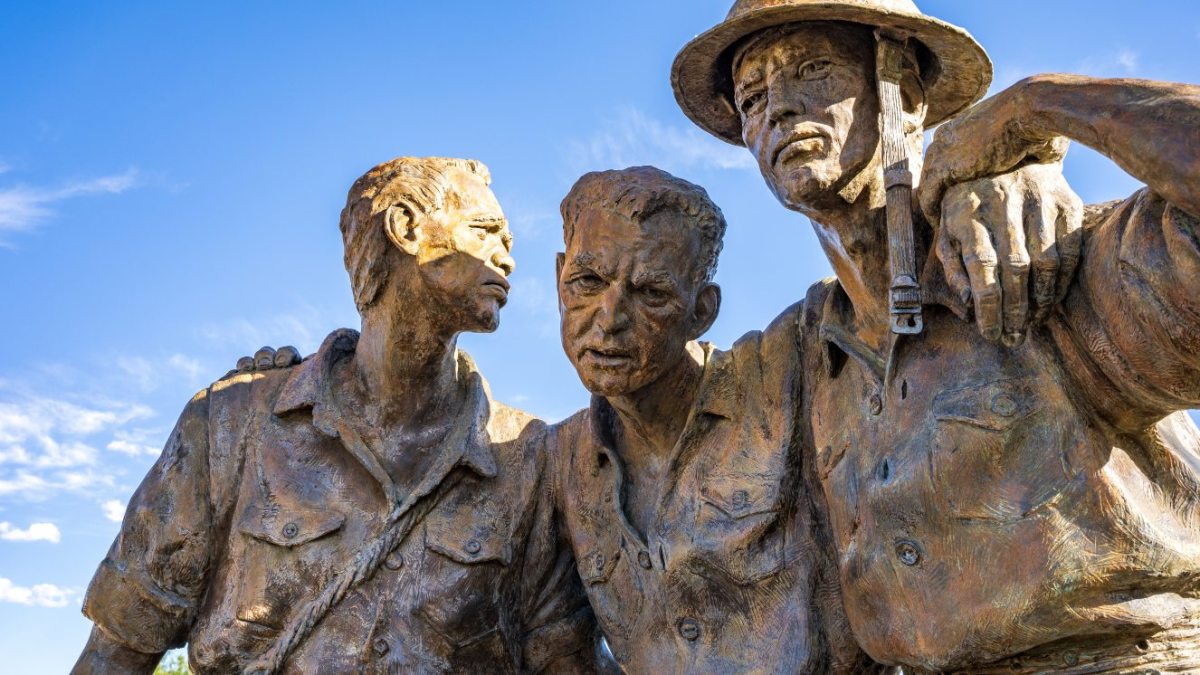
The Davao Dozen conducted the only successful escape from a Japanese Prison camp in all World War 2. They deserve that we remember their names.
The only successful escape from a Japanese Prisoner of war camp in all World War 2, The “Davao Dozen” include Here are the names of the Americans in the Davao Dozen:
Second Lieutenant Leo Boelens First Lieutenant Michiel Dobervich Captain William Edwin Dyess Second Lieutenant Samuel Grashio First Lieutenant Jack Hawkins Lieutenant Commander Melvyn McCoy Sergeant Paul Marshall Major Stephen Mellnik Captain Austin Shofner Sergeant Robert Spielman Benigno de la Crus Victorio Jumarong



















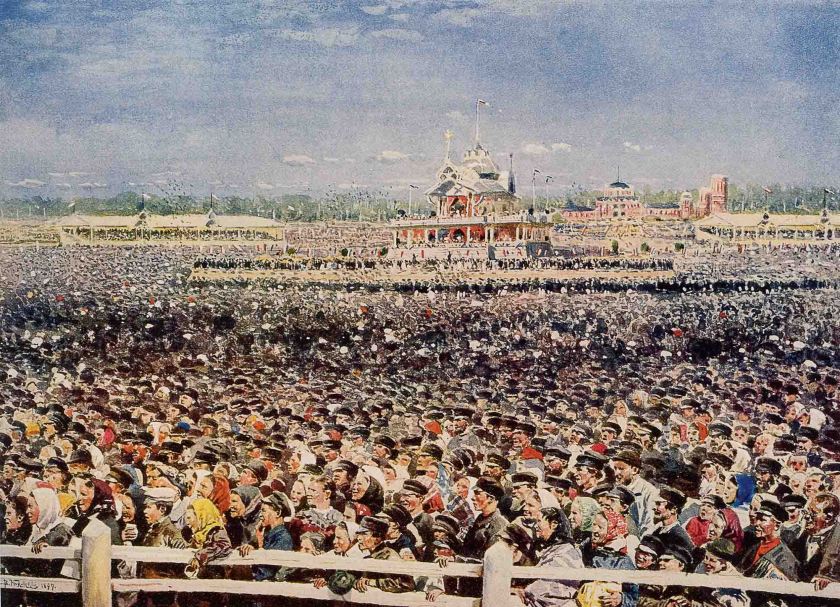





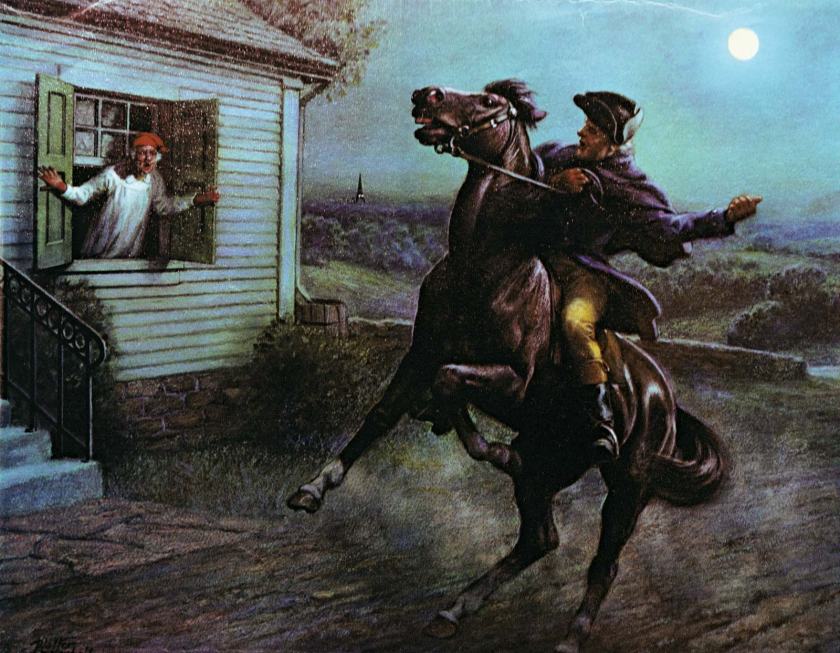 Revere himself covered barely 12 miles before being captured, his horse confiscated to replace the tired mount of a British sergeant. Revere would finish his “ride” on foot, arriving at sunrise on the 19th to witness the last moments of the battle on Lexington Green.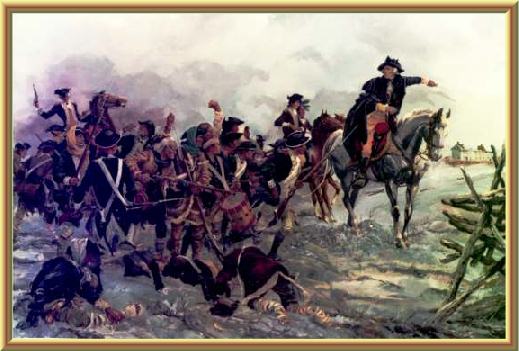


 General David Wooster was mortally wounded at the Battle of Ridgefield, moments after shouting “Come on my boys! Never mind such random shots!” Today, an archway marks the entrance to Wooster Square, in the East Rock Neighborhood of New Haven.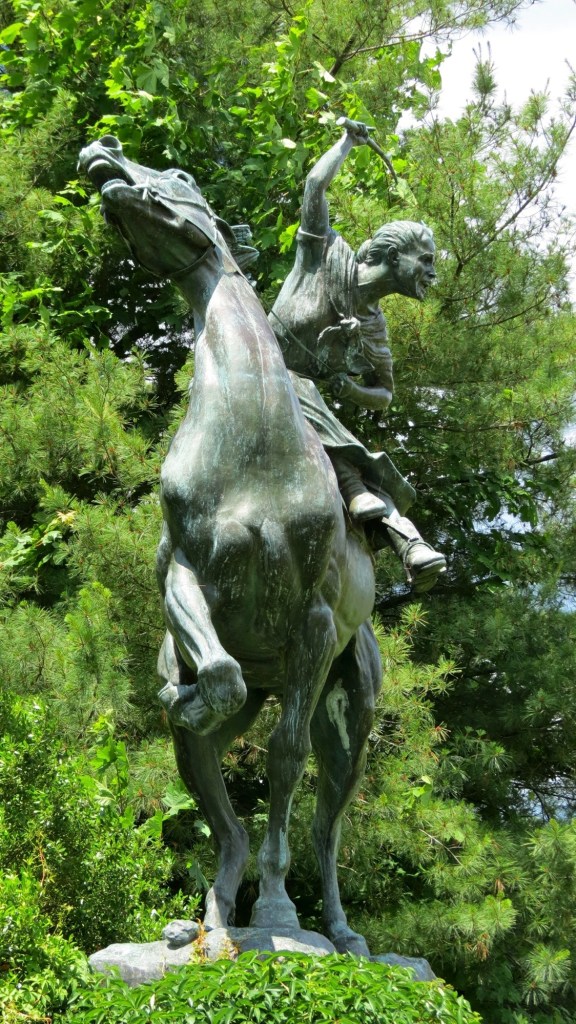

 The United States was grossly unprepared to fight a World War in 1942. The latest iteration of “War Plan Orange” (WPO-3) called for delaying tactics in the event of war with Japan, buying time to gather US Naval assets to sail for the Philippines. The problem was, there was no fleet to gather. The flower of American pacific power in the pacific, lay at the bottom of Pearl Harbor. Allied war planners turned their attention to defeating Adolf Hitler.
 The Japanese were sadistic. Guards would beat marchers and bayonet those too weak to walk. Tormented by a thirst few among us can even imagine, men were made to stand for hours under a relentless sun, standing by a stream from which none were permitted to drink. The man who broke ranks and dove for the water was clubbed or bayoneted to death, on the spot. Japanese tanks would swerve out of their way to run over anyone who had fallen and was too slow in getting up. Some were burned alive, others buried alive. Already crippled from tropical disease and starving from the long siege of Luzon, wanton killing and savage abuse took the lives of some 500 – 650 Americans and between 5,000 – 18,000 Filipinos.
  United States Marine Corps 1st Lieutenant Austin Shofner came ashore back in November, with the 4th Marines. Shofner and his fellow leathernecks engaged the Japanese as early as December 12 and received their first taste of aerial bombardment, on December 29. Promoted to Captain and placed in command of Headquarters Company, Shofner received two Silver Stars by April 15 in near-constant defense against aerial attack.
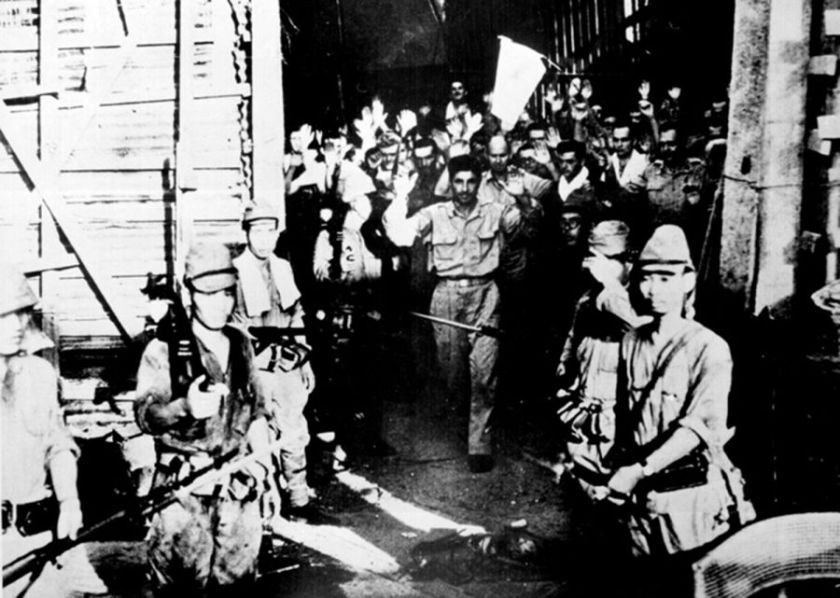 Nearly 150,000 Allied soldiers were taken captive by the Japanese Empire during World War 2. Clad in unspeakably filthy rags they were fed a mere 600 calories per day of fouled rice, supplemented only by the occasional insect or bird or rodent unlucky enough to fall into desperate hands. Diseases like malaria were all but universal as gross malnutrition led to loss of vision and unrelenting nerve pain. Dysentery, a hideously infectious disease of the large intestine reduced grown men to animated skeletons. Mere scratches resulted in grotesque tropical ulcers up to a foot in length exposing living bone and rotting flesh to swarms of ravenous insects.
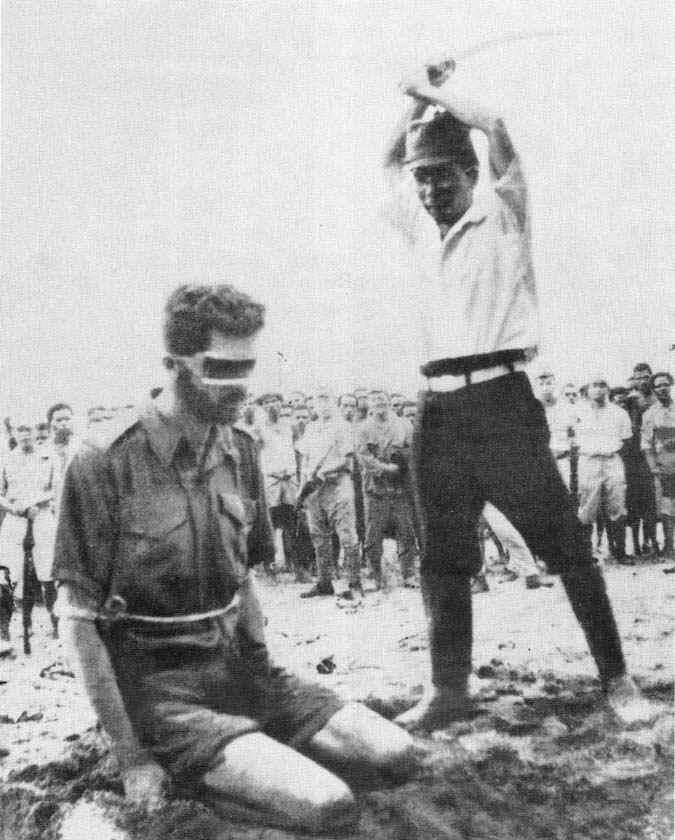 Given such cruel conditions it’s a wonder anyone escaped at all but it did happen. One time.


 Historical Easter Eggs - Today in History
You must be logged in to post a comment.