

Paul Emil von Lettow-Vorbeck was born into minor Prussian Nobility on this day in 1870. Joining the Corps of Cadets as a teenager, Lettow-Vorbeck worked his way up the German Imperial Army chain of command, becoming a general by the time of WWI.
 Stationed in German East Africa and knowing that his sector would be little more than a side show in the greater war effort, Lettow-Vorbeck determined to tie up as many of his adversaries as possible.
With a force which never exceeded 14,000 (3,000 Germans and 11,000 Askari warriors), the “Lion of Africa” tied up as many as 300,000 British, Belgian, and Portuguese troops, who wore themselves out in the pursuit.
Like the much better known Lawrence of Arabia, Lettow-Vorbeck became a master of guerilla warfare. He never lost a single battle, though it was not unheard of for combatants to break and flee a charging elephant or rhinoceros.
To his adversaries, disease and parasites were often more dangerous than enemy soldiers. In one month (July, 1916) Allied non-battle casualties ran 31 to 1 compared with battle casualties.
In 1956, Brazilian scientists attempted to cross African honey bees with indigenous varieties, in order to produce an insect better suited to the South American tropics. Today, we call the results of these failed experiments “Africanized” or “killer” bees.
At one point in the battle of Tanga (November 7-8, 1914), a British landing force and their Sepoy allies were routed and driven back to the sea by millions of African bees, disturbed by rifle and machine gun fire. There’s a story about one British radioman who held to his station, directing the evacuation from the beach while being stung to death by thousands of angry bees. He would be posthumously awarded the Victoria Cross for “gallantry under aerial attack”.
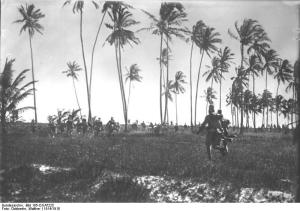
Of all German commanders in WWI, “der Löwe von Afrika” – the Lion of Africa alone remained undefeated in the field. The only German commander to successfully invade imperial British soil during the Great War.
Lettow-Vorbeck developed a deep distrust of the upstart Adolf Hitler. When then-Chancellor Hitler offered him an ambassadorship to the Court of St. James in 1935, Lettow-Vorbeck told Hitler to go “f**k himself.” Describing the interview afterward, his nephew explained “That’s right, except that I don’t think he put it that politely.”
After such a blunt refusal, Lettow-Vorbeck was kept under continual surveillance by the Nazi regime. His home and office were searched, his person subject to constant harassment. The Lion of Africa was destitute by the end of WWII. His sons both killed serving in the Wehrmacht, his home in Bremen destroyed by Allied bombs.
For a time, Vorbeck lived on food packages from British Intelligence Officer Richard Meinertzhagen and South African Field Marshal Jan Christiaan Smuts, two of his former adversaries in the East Africa campaign. It was a token of the respect these two had, for a man who had once been their enemy.
 In 1964, the year Lettow-Vorbeck died, the Bundestag voted to give back pay to former African warriors who had fought with German forces in WWI. Some 350 elderly Ascaris showed up. A few could produce certificates given them back in 1918, some had scraps of old uniforms. Precious few could prove their former service to the German Empire.
The German banker who had brought the money had an idea. As each man stepped forward, he was handed a broom and ordered to perform the German manual of arms. Not one man failed the test.
Lettow-Vorbeck formed a lifelong friendship during his time in Africa, with the Danish author Karen Blixen, best known by her pen name Isak Dinesen, author of “Out of Africa”. Years later, Blixen recalled, “He belonged to the olden days, and I have never met another German who has given me so strong an impression of what Imperial Germany was and stood for”.




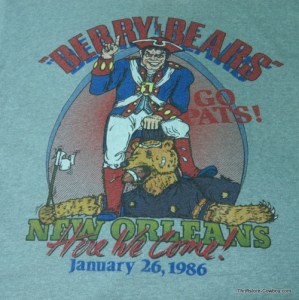 For those of us who rooted for the New England Patriots during the losing years, the 1986 Super Bowl XX was the worst moment ever. We all had our “Berry da Bears” shirts on. Life was good when New England took the earliest lead in Super Bowl history, with a field goal at 1:19.

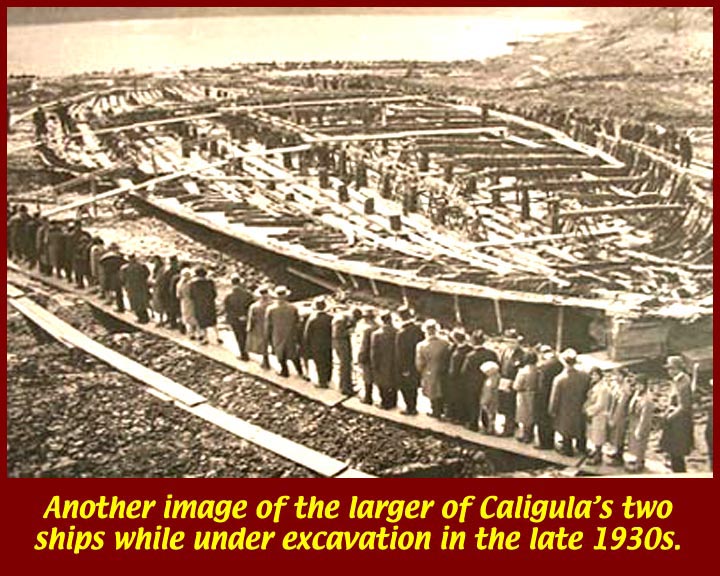
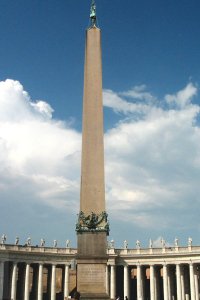 On this day in the year 37, the Roman Senate annulled the will of the Emperor Tiberius, proclaiming 24 year old Caligula, Emperor. After years of purges and treason trials, Caligula’s ascension to the throne was seen as a welcome breath of fresh air. His first two years were relatively peaceful and prosperous.
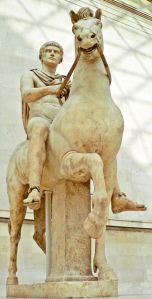 using ships as pontoons, stretching for over two miles from the resort of Baiae to the neighboring port of Puteoli. Though he could not swim, he rode his favorite horse, Incitatus, across the bridge, wearing the breastplate of Alexander the Great. The act was in defiance of a prediction by Tiberius’ soothsayer Thrasyllus of Mendes, that Caligula had “no more chance of becoming emperor than of riding a horse across the Bay of Baiae”.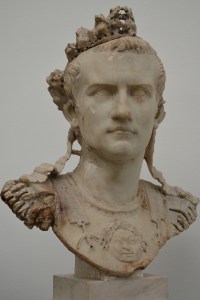


 Saint Patrick’s Day is observed on March 17, the date generally agreed to correspond with the date of his enslavement in 432, and with his death in 460. The date is celebrated in Ireland as both a liturgical and non-liturgical holiday, where in some diocese it is both a solemnity and a holy day of obligation. Outside of Ireland, the day has become a general celebration of all things Irish.
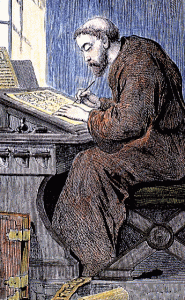 Christian Ireland, with its green color evoking rebirth and eternal life. The three leaves symbolize the “triple goddess” of ancient Ireland. Patrick is said to have taught the Irish about the Holy Trinity, using the three leaves of the shamrock to illustrate the Christian teaching of three persons in one God: the Father, the Son, and the Holy Spirit.

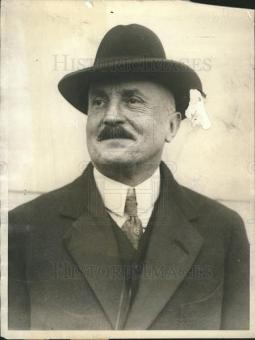
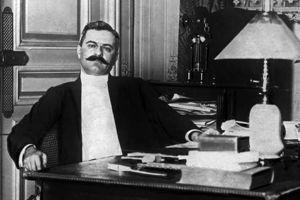
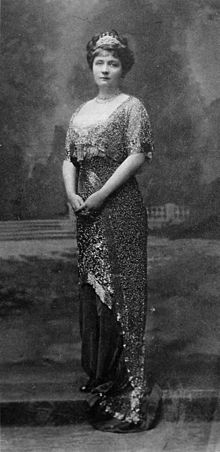
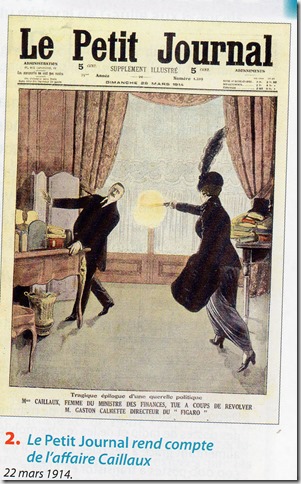 Right, the fall of the powerful, and all the salacious details anyone could ask for. Most of France was riveted by the Caillaux affair in July 1914, ignorant of the European crisis barreling down on them like the four horsemen of the apocalypse. Madame Caillaux’s trial for the murder of Gaston Calmette began on July 20.


 The partnership was doomed to fail, given the egos and animosities of the three. Crassus was killed in 52BC as Pompey became increasingly hostile to his co-ruler, who was then on campaign in Gaul. A string of military successes against Celtic and native Germanic tribes caused Caesar’s popularity to soar, posing a threat to the power of the Senate and to Pompey himself.
 Cimber presented him with a petition, as Senators crowded around. Cimber grabbed the Emperor’s shoulders and pulled down his tunic. “Ista quidem vis est!” said Caesar, “Why, this is violence!” Casca pulled a dagger and stabbed at the dictator’s neck. Caesar turned and caught him by the arm. “Casca, you villain, what are you doing?” Frightened, the Senator shouted “Help, brother!” in Greek “adelphe, boethei!” In seconds the entire group was striking at the dictator. Caesar attempted to get away but, blinded by his own blood, he tripped and fell. The men continued stabbing at him as he lay defenseless on the steps of the portico. According to Eutropius, 60 men participated in the assassination. Caesar was stabbed 23 times, though only one wound was fatal.

 As with cartoonist Charles M Shulz, those who knew Jacob Rubenstein called him “Sparky”. Some say the nickname was due to a resemblance to “Sparkplug”, the old nag with the patchwork blanket, from the Snuffy Smith cartoon strip. Rubenstein hated the nickname and was quick to fight anyone who called him that. It may have been that quick temper, that made the name stick.
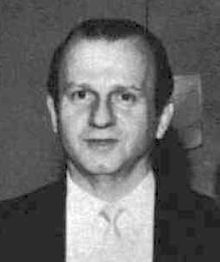 prostitution. There were rumored associations with Mafia boss Santo Trafficante. The less-than-honest part of the Dallas police force knew that Ruby was always good for free booze, prostitutes, and other favors. This was one unsavory guy.
 Part of the roof had either blown off this joint, or burned off, depending on which version you read. Jack, the owner, tore off the rest of it and kept the insurance money, calling it the “Skyline Lounge”. There was no need to pay for security, even without the roof. Jack said “Boys, this building ain’t exactly secure enough for you to leave your musical equipment unattended.” Band members were told they’d best stay overnight, with guns, lest anyone come over the wall to steal their equipment. Problem solved.
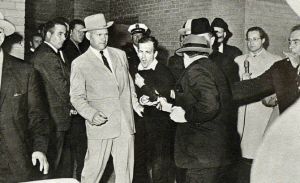 Half the country watched on live TV, as a man came out of the crowd, firing a single bullet from his .38 into the belly of Lee Harvey Oswald. Four musicians were shocked to realize the shooter was the man they had worked for months earlier, at that burned out dive bar. Jack Ruby.
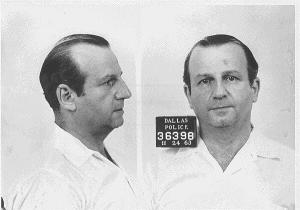 Jack Ruby was sentenced to death in the murder of Lee Harvey Oswald, on March 14, 1964. The Texas Court of Criminal Appeals overturned Ruby’s conviction in October 1966, on the grounds that the trial should have taken place in a different county than that in which his high profile crime had taken place. Ruby died of lung cancer the following January, while awaiting retrial.
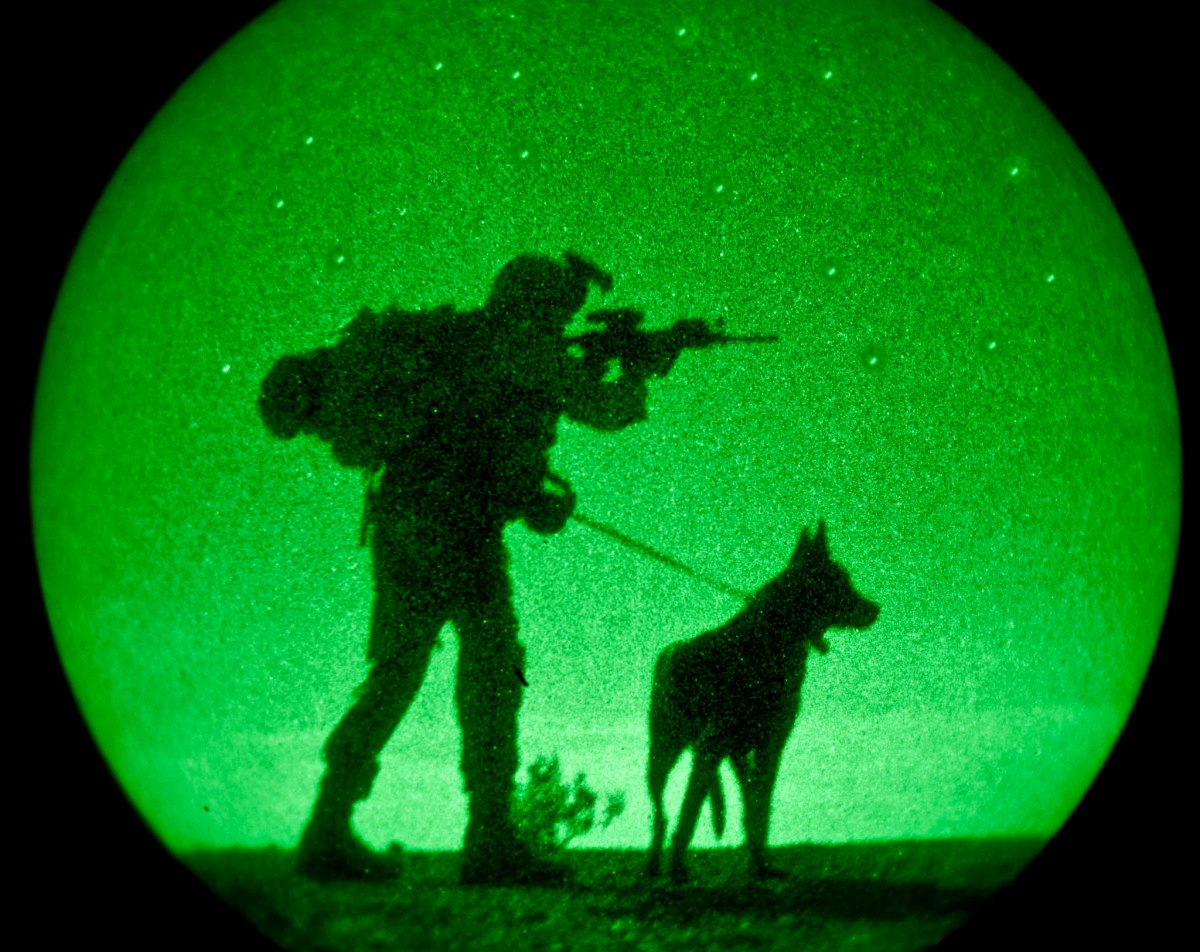
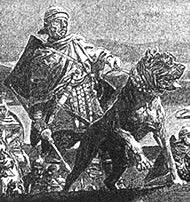 dogs of King Alyattes of Lydia killed some of his Cimmerian adversaries and routed the rest around 600BC, permanently driving the invader from Asia Minor in the earliest known use of war dogs in battle.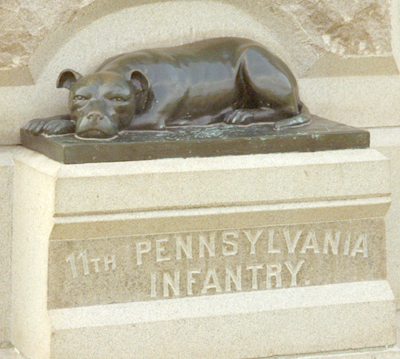

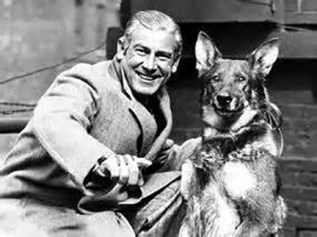
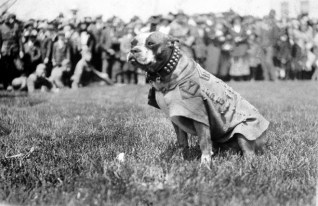
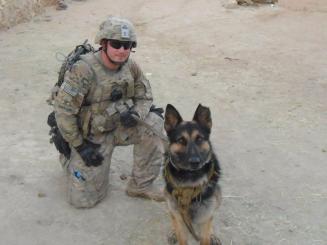
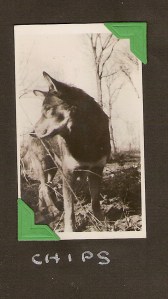 The most famous MWD of WWII was “Chips”, a German Shepherd assigned to the 3rd Infantry Division in Italy. Trained as a sentry dog, Chips broke away from his handler and attacked an enemy machine gun nest. Wounded in the process, his singed fur demonstrated the point-blank fire with which the enemy fought back. To no avail. Chips single-handedly forced the surrender of the entire gun crew.


 The most famous rivalry in the soft drink business began in the 1930s, when Pepsi offered a 12oz bottle for the same 5¢ as Coca Cola’s six ounces.
 “no sacred cows” among their products. He meant it. The company launched the top secret “Project Kansas”, to test and perfect the flavor for a new version of Coke. The company’s marketing department fanned out, holding taste tests, surveys, and focus groups.
 On an April Friday in 1985, Coke let the media know that a major announcement was coming the following Tuesday. Coca Cola officials spent a busy weekend preparing for the re-launch, while Pepsi Executives announced a company-wide holiday, taking out a full page New York Times ad proclaiming that “Pepsi had Won the Cola Wars”.


 On the morning of March 11, 1918, most of the recruits at Fort Riley, Kansas, were turning out for breakfast. Private Albert Gitchell reported to the hospital, complaining of cold-like symptoms of sore throat, fever and headache. By noon, more than 100 more had reported sick with similar symptoms.
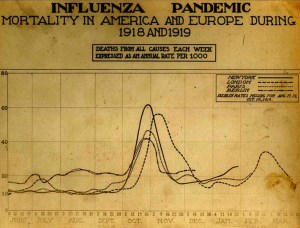 within hours of the first symptoms. There’s a story about four young, healthy women playing bridge well into the night. By morning, three were dead of influenza.
 Around the planet, the Spanish flu infected 500 million people. A third of the population of the entire world, at that time. Estimates run as high 50 to 100 million killed. For purposes of comparison, the “Black Death” of 1347-51 killed 20 million Europeans.
 Historical Easter Eggs - Today in History
You must be logged in to post a comment.