
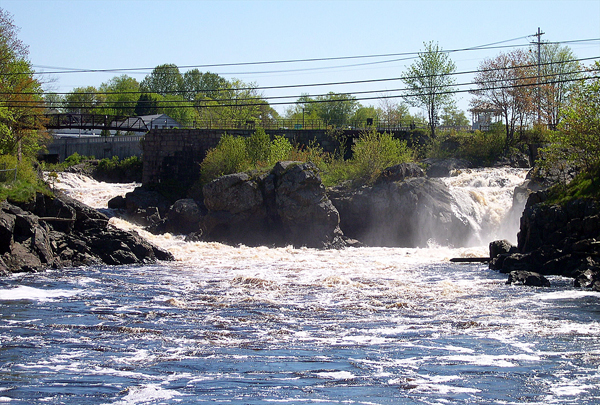
In the Passamaquoddy tongue, “Machias” roughly translates into “bad little falls”, after the river that runs through the place. Five hours and 15 minutes drive-time from Boston, Machias Maine sports a campus for the University of Maine, a municipal airport and, even today, a year-round population barely exceeding 2,000.
Not necessarily a place where you’d expect the first naval combat of the American Revolution.
In 1775, the modern state of Maine was still part of Massachusetts. Machias itself, a small fishing village on the “Down East” New England coast, was a thorn in the British side since the earliest days of the Revolution. A local pilot intentionally grounded the coastal patrol schooner HMS Halifax that February, in Machias Bay. The place also served as a base from which privateers preyed on British merchant shipping.
In April, a British foray from the occupied city of Boston had culminated in the Battle at Lexington Green. While the King’s troops held the ground in the wake of the early morning skirmish, the decision of the afternoon’s battle at nearby Concord was quite different. The colonial’s response to the column of “Regulars” was that of a swarming beehive, resulting in a Patriot victory and a British retreat under fire, all the way back to Boston.

Boston was all but an island in those days, connected to the mainland only be a narrow “neck” of land. A Patriot force some 20,000 strong took positions in the days and weeks that followed, blocking the city and trapping four regiments of British troops (about 4,000 men) inside of the city.
For General Thomas Gage, in charge of all those troops, the best hope for resupply was by water.
British Royal Navy Admiral Samuel Graves wanted the guns from the wreck of the Halifax, concerned they would otherwise fall into rebel hands. Gage wanted lumber, with which to build barracks. So it was that the wealthy merchant and Tory loyalist Ichabod Jones was enlisted to help, blissfully unaware of the dim view in which his activities were held by fellow colonials.
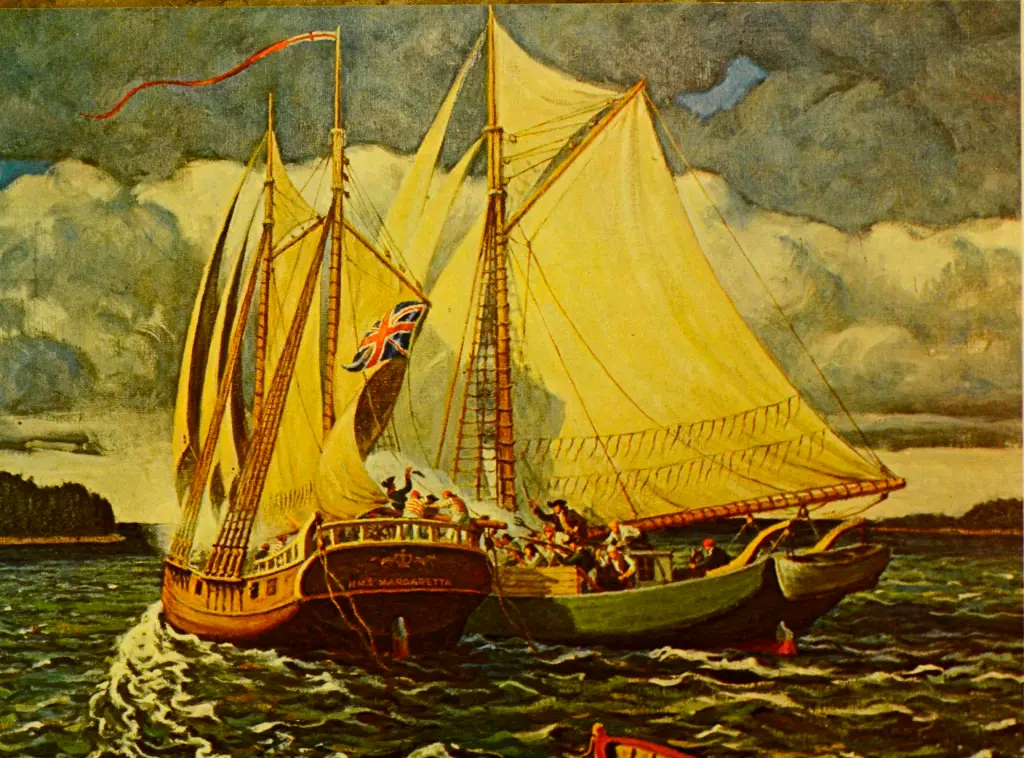
Jones arrived at Machias on June 2 aboard the merchant ships Unity and Polly, under guard of the armed schooner HMS Margaretta, commanded by Midshipman James Moore. They had come to trade food for lumber but the townspeople were split, and voted against doing business with Jones. This provoked a threat from the Margaretta, which moved into range to bombard the town. The action resulted in a second vote and the trade was approved, but Jones’ response was ham-fisted. The merchant would only do business, with those who had voted with him in the first place.
Local militia leader Colonel Benjamin Foster conceived a plan to seize the merchant, and saw his opportunity on June 11, when Jones and Moore were in church. They almost had the pair too, but Jones saw some twenty men approaching, and fled for the woods. Moore was able to get back to the Margaretta, but events soon spun out of control.
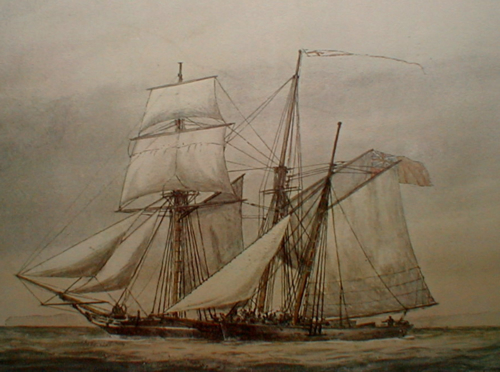
Colonel Foster and his brother, a man with the delightful name of Wooden Foster, seized the Unity. A group of thirty began to construct breastworks to serve as protection, while others commandeered the coastal packet Falmouth. There was gong to be a fight.

A group of Machias men approached Margaretta from the land and demanded her surrender, but Moore lifted anchor and sailed off in attempt to recover the Polly. A turn of his stern through a brisk wind resulted in a boom and gaff breaking away from the mainsail, crippling the vessel’s navigability. Unity gave chase followed by Falmouth.
Musket fire was exchanged from both sides and hand grenades were thrown onto the decks of the Unity. Soon, the Margaretta was boarded from both sides, the fighting hand to hand.
Called by some the “Lexington of the Sea”, the little-known episode was the first naval battle of the American Revolution and ended in victory for the Patriot side. Four Royal Navy seamen were killed outright and another ten wounded including Moore himself, who received a musket ball to the chest and died the following day.
Patriot losses amounted to ten killed and another three wounded.
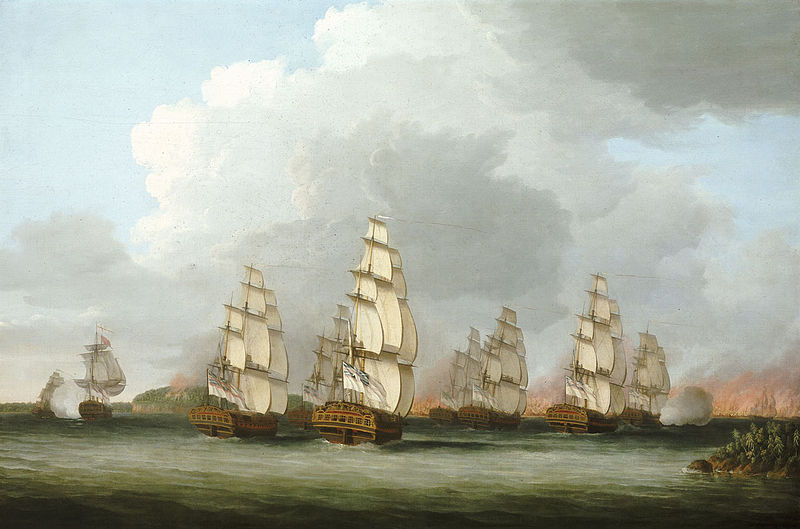
HMS Margaretta served out the remainder of the Revolution as the renamed Machias Liberty. British payback came on October 18 when Falmouth Massachusetts, the modern-site of Falmouth Maine and not to be confused with either of the modern-day towns of Falmouth Massachusetts, or Falmouth Maine, was burned to the ground.
British forces attempted a second assault on Machias, with an amphibious landing of 1,000 troops over the 13th – 14th of August, 1777. The attempt was beaten back by local militia and their Passamaquoddy and Penobscot allies, with both sides claiming victory. The nearby village of Castine would be occupied in 1779 as would Machias itself during the War of 1812. On both occasions, captured territories were re-dubbed the Crown Colony of “New Ireland”, a refuge for Loyalists and a base for future military operations.
The Crown Colonies of New Ireland survived for four years in the first instance and eight months in the second. The failed Penobscot expedition of 1779 to retake the colony would result in the most catastrophic defeat suffered by American Naval forces until the Japanese attack on Pearl Harbor 162 years later, but that must be a story for another day.










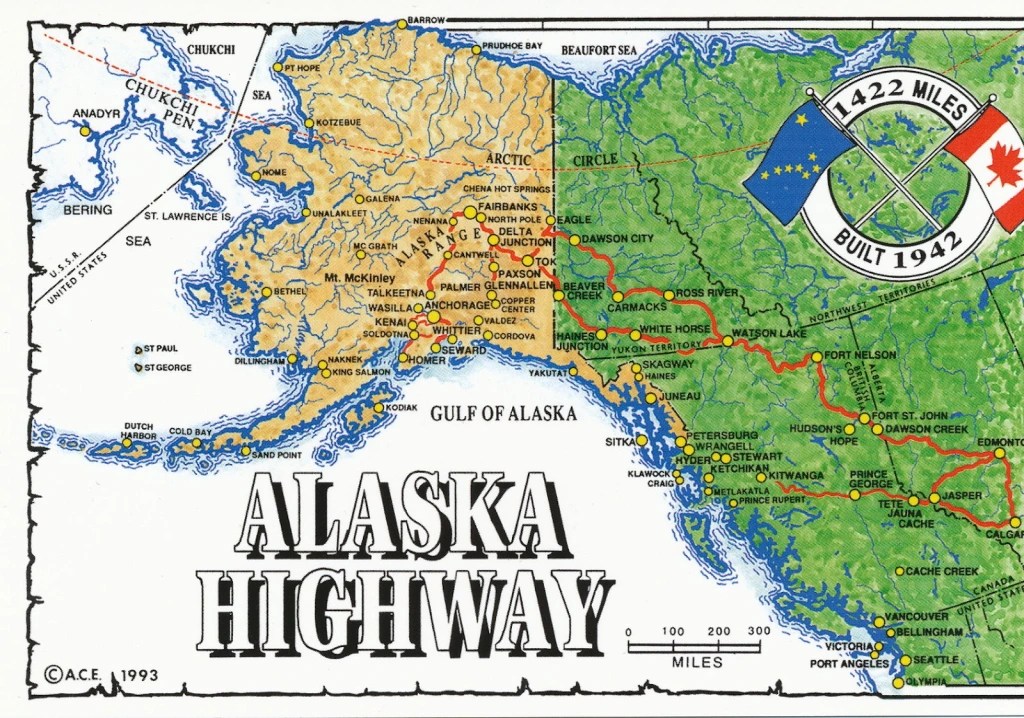


 Radios of the age didn’t work across the Rockies, and the mail was erratic. The only passenger service available was run by the Yukon Southern airline, a run which locals called the “Yukon Seldom”. For construction battalions at Dawson Creek, Delta Junction and Whitehorse, it was faster to talk to each other through military officials in Washington, DC.
 Tent pegs were useless in the permafrost, while the body heat of sleeping soldiers meant waking up in mud. Partially thawed lakes meant that supply planes could use neither pontoon nor ski, as Black flies swarmed the troops by day. Hungry bears raided camps at night, looking for food.

 NPR ran an interview about this story back in the eighties, in which an Inupiaq elder was recounting his memories. He had grown up in a world as it existed for hundreds of years, without so much as an idea of internal combustion. He spoke of the day that he first heard the sound of an engine, and went out to see a giant bulldozer making its way over the permafrost. The bulldozer was being driven by a black operator, probably one of the 97th Engineers Battalion soldiers. The old man’s comment, as best I can remember it, was a classic. “It turned out”, he said, “that the first white person I ever saw, was a black man”.

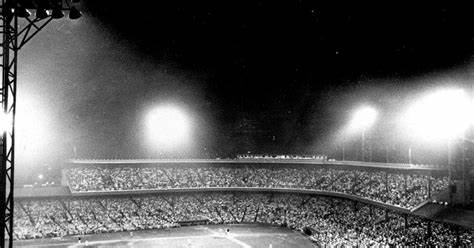

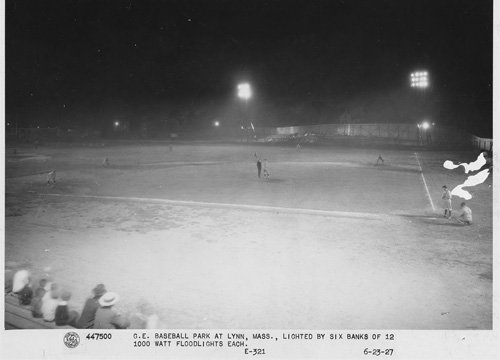 As the Great Depression descended across the land, minor league clubs folded by the bushel basket. Small town owners were desperate to innovate. The first-ever night game in professional baseball was played on May 2, 1930, when Des Moines, Iowa hosted Wichita for a Western League game.







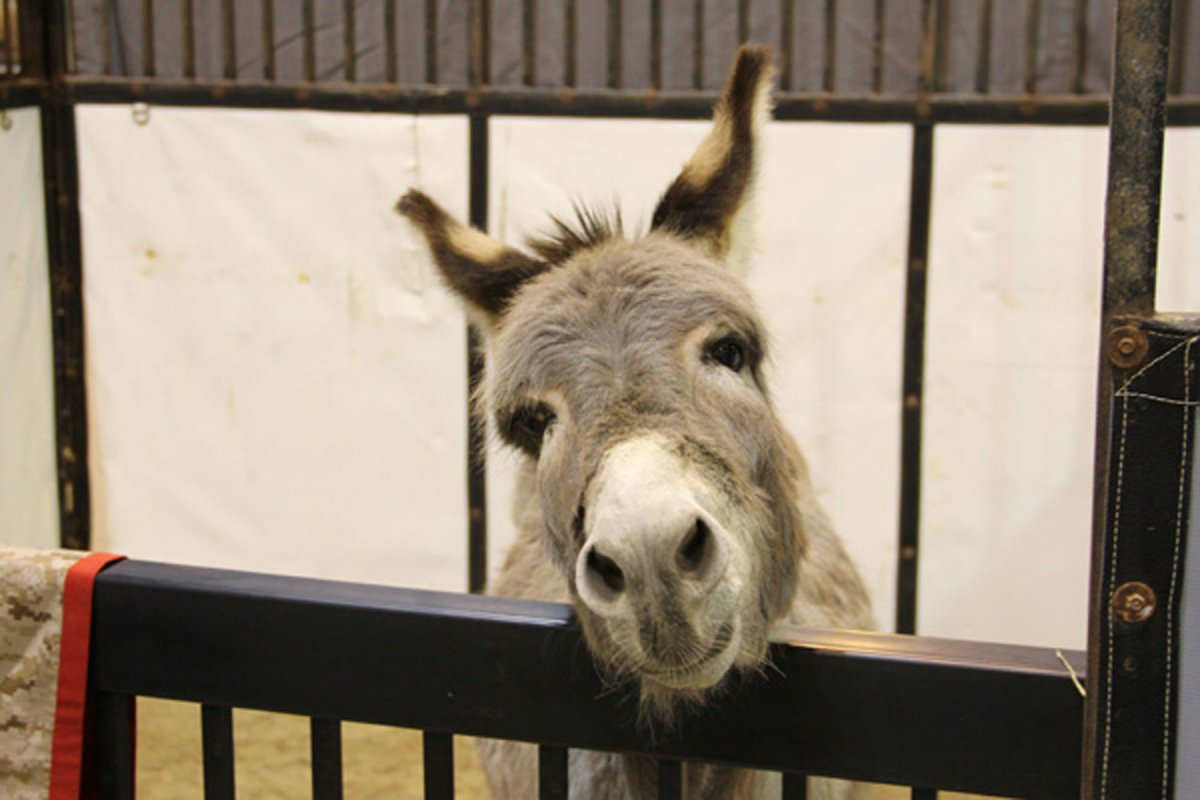

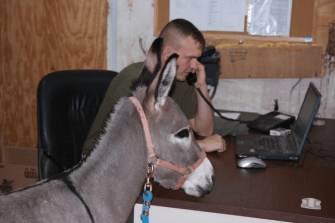
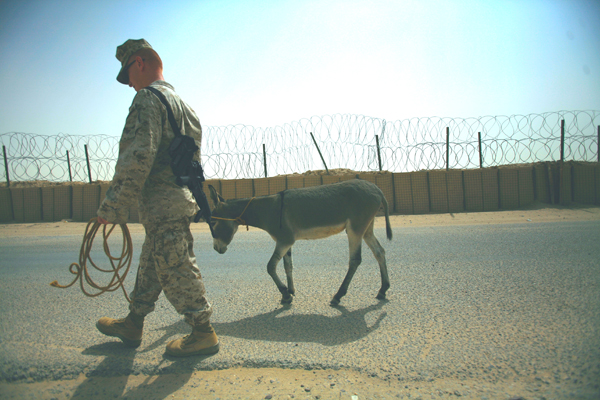 Before long, Smoke was a familiar sight around Camp Taqaddum. After long walks around the wire, Smoke learned to open doors and wander around. If you ever left a candy dish out on your desk, you were on your own.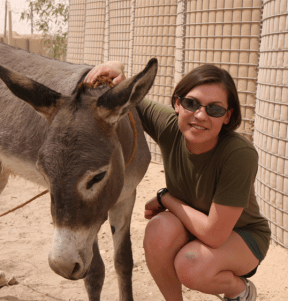

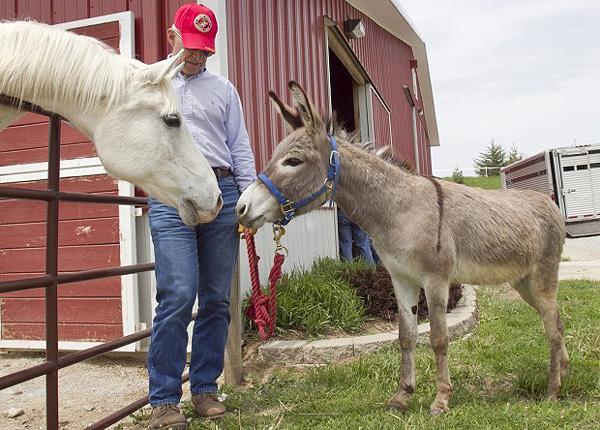
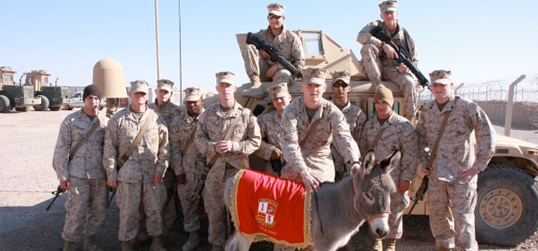 Colonel Folsom couldn’t get the little animal out of his head and, learning of his plight in 2010, determined to get him back. There were plenty of kids who had survived trauma of all kinds in his home state of Nebraska. Folsom believed this animal could do them some good, as well.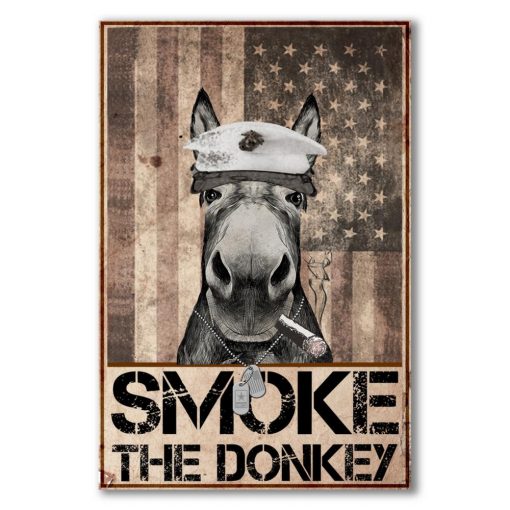




 Historical Easter Eggs - Today in History
You must be logged in to post a comment.