

Warren Harding entered office on March 4, 1920, in the midst of the sharp recession following WWI.
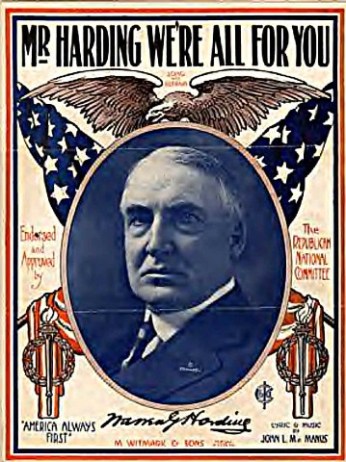 Harding’s Treasury Secretary, Andrew Mellon, believed that money was driven underground or overseas as income tax rates increased. Mellon held the heretical belief for that time, that lower tax rates led to greater levels of economic activity and that, as people had more of their own money to work with, increased activity resulted in higher tax revenues.
Based on Mellon’s advice, Harding cut taxes, starting in 1922. The top marginal rate was reduced annually in four stages from 73% in 1921 to 25% in 1925. Taxes were cut for lower incomes starting in 1923.
President Calvin Coolidge became President in August 1923, following Harding’s untimely death, by heart attack. Coolidge would follow Harding’s economic policies of low taxation and high growth, resulting in the “Roaring 20s”.
“Supply Side Economics”, was born.
Revenues to the treasury increased substantially, resulting in a 36% reduction of the national debt.

Unemployment and inflation both declined throughout the 1920s, while wages, profits and productivity, increased. The decline in what would come to be called the “Misery Index” in the Carter years, was the sharpest in history.
The twenties became a time of wealth and excess, and speculation in the stock market increased exponentially. New investors poured into the market in the belief that, like the housing market of the 2000s, prices could never go down. It was a nine-year run when the Dow Jones Industrial Average increased tenfold, peaking at 381.17 on September 3, 1929.
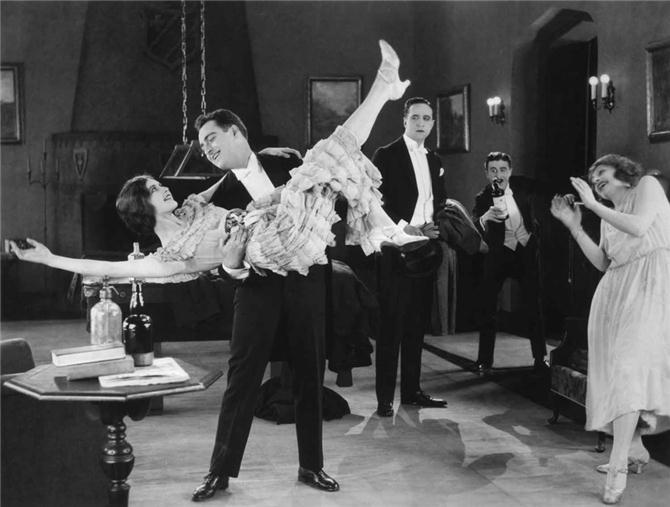
Rising share prices encouraged more people to invest, even if they didn’t have the money to do so. Brokers routinely lent investors up to two thirds of the face value of the stocks. Over $8.5 billion was hanging out on such loans, more than the entire amount of US currency in circulation, at that time.
As with 2007-’08, early tremors showed that the bubble was about to burst. Then as now, such signals were seen only in hindsight, and the rising crescendo that was 1929, continued.
There was a brief contraction in March, but the “Crash” began in earnest on “Black Thursday”, October 24, 1929. The market lost 11% at the opening bell, amidst heavy trading. To quell the frenzy, Wall Street financial firms Morgan Bank, Chase national and National City Bank of New York stepped up and bought large blocks of US Steel and other “blue chip” stocks, at prices well above where they were trading.
The tactic had the effect of stopping the slide, much as it did during the Panic of 1907. This time however, the relief would be short lived. “Black Tuesday”, October 29, saw the Dow Jones contract by 12% on a volume record which would stand unbroken for forty years. The president of the Chase National Bank said at the time “We are reaping the natural fruit of the orgy of speculation in which millions of people have indulged. It was inevitable, because of the tremendous increase in the number of stockholders in recent years, that the number of sellers would be greater than ever when the boom ended and selling took the place of buying“.
 Fears of the Smoot-Hawley tariff act fueled a further contraction in the following weeks, for apparently good reason. When President Hoover signed the protectionist measure into law in 1930, American imports and exports plunged by more than half.
Historians debate whether the stock market crash led to the Great Depression, or if the two events coincided. Only 16% of US households were actually invested in the stock market at the time, but the psychological effect was profound.
Easy credit and unbounded confidence had led to a speculative bubble which had finally burst.
Economists still argue about the interventionist policies which followed. The man who had a family to support was grateful for work on a WPA project, but every dollar spent had first to be extracted from the wealth producing part of the economy. The government doesn’t produce wealth it can only extract it. You can’t fill a swimming pool by draining one end of it, into the other.

The stock market and unemployment rates staggered throughout the 1930s. It was WWII that finally put people back to work.
Yet that was merely activity from an economic point of view. It wasn’t growth, it was more like giving the kids sugar and watching them run around the house. A convincing case may be made that the Reduction of government spending in the years following WWII, put wealth back in the pockets of the people who created it in the first place, and finally ended the Great Depression.
The Dow Jones Industrial Average, as an indicator of that wealth, wouldn’t retake the high ground of ‘29, until 1954.
“It’s not Republican, it’s not Democratic, it’s not conservative, it’s not liberal, it’s not left-wing, it’s not right-wing, it’s economics.” – Arthur B. Laffer


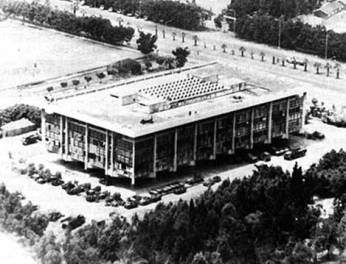



 A Lebanese cedar tree grows in the green expanse of section 59 at Arlington National Cemetery, marking the final resting place of twenty-one honored dead, among the first Americans to die in the global war against Islamist terrorism. A fight which continues, to this day.
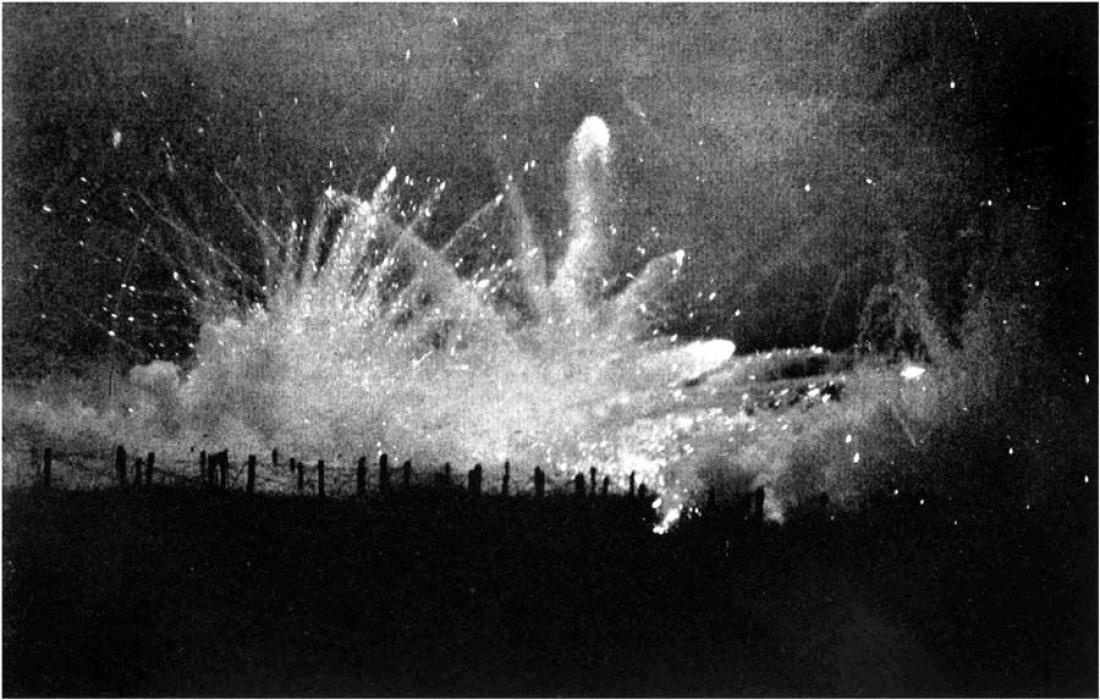


 Doubt has been cast on the “Myth of Langemarck”, and the tragic bravery of idealistic German boys, happily defending the Fatherland. The numbers of dead and maimed are real enough, but most reservists were in fact comprised of older working class men, not the fresh-faced youth, of the Kindermord. Be that as it may, a story must be told. Excuses must be made to the home team, for the crushing failure of the War of Movement, and the four-year war of attrition, to follow.




 First raised above the town square on October 19, 1774, the flag’s canton featured the Union Jack, on the blood red field of the British Red Ensign. The


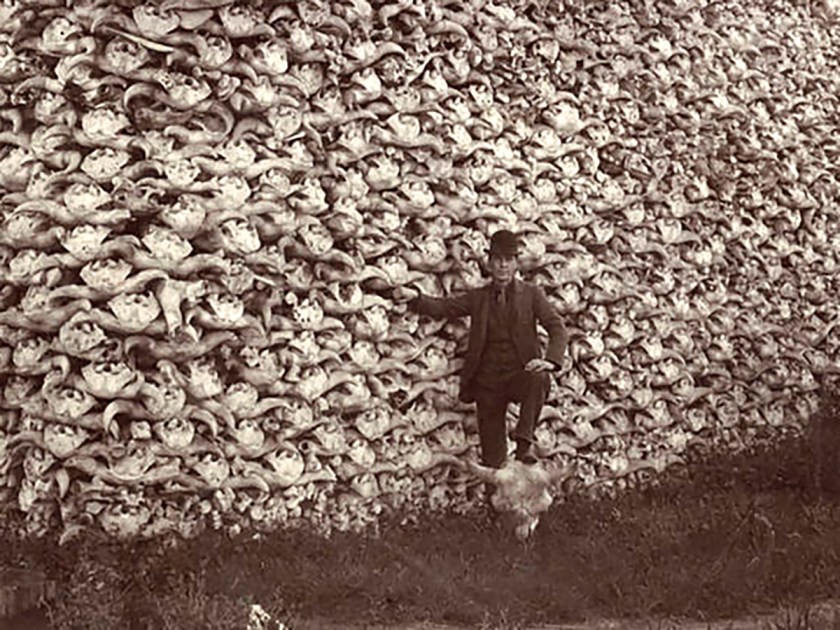


 Farmers used gunpowder, fire and water, anything they could think of, to destroy what could only be seen as a plague of biblical proportion. They smeared them with “hopperdozers”, a plow-like device pulled behind horses, designed to knock jumping locusts into a pan of liquid poison or fuel, or even sucking them into vacuum cleaner-like contraptions.
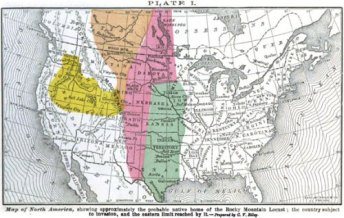 And then the locust went away, and no one is entirely certain, why. It is theorized that plowing, irrigation and harrowing destroyed up to 150 egg cases per square inch, in the years between swarms. Great Plains settlers, particularly those alongside the Mississippi river, appear to have disrupted the natural life cycle. Winter crops, particularly wheat, enabled farmers to “beat them to the punch”, putting away stockpiles of food before the pestilence reached the swarming phase.



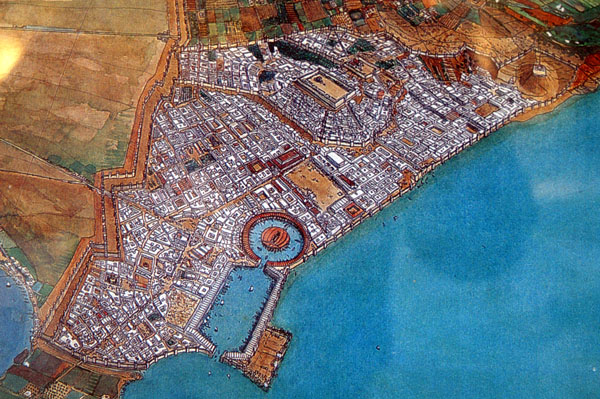
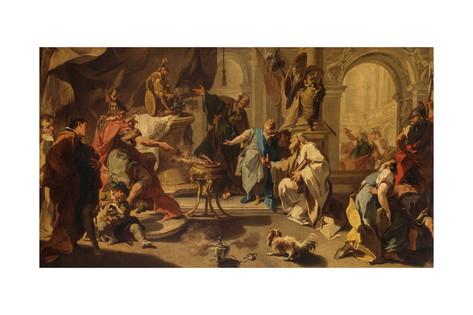
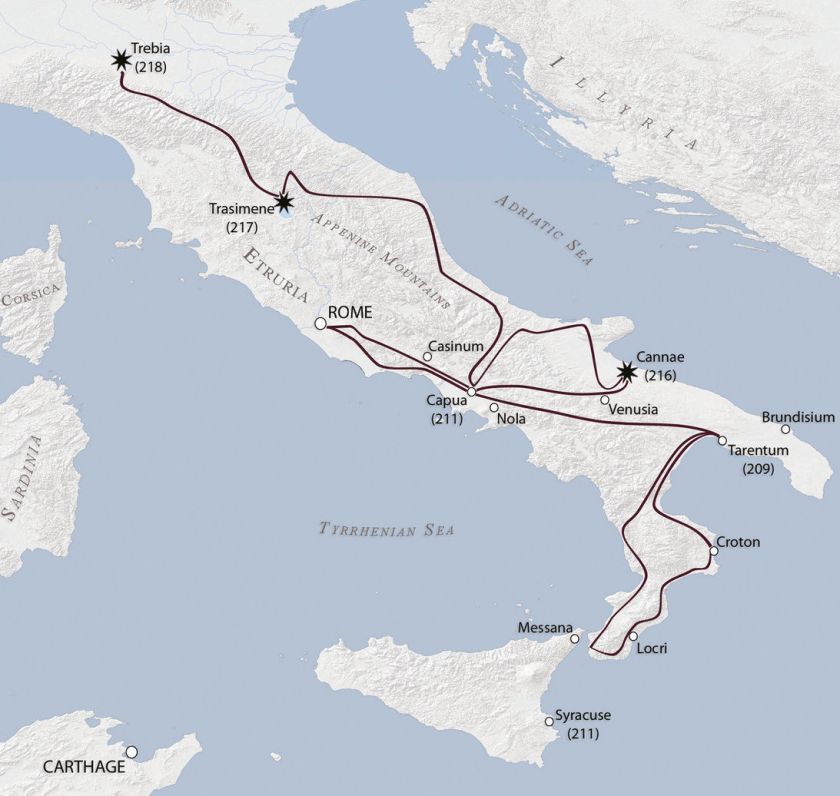


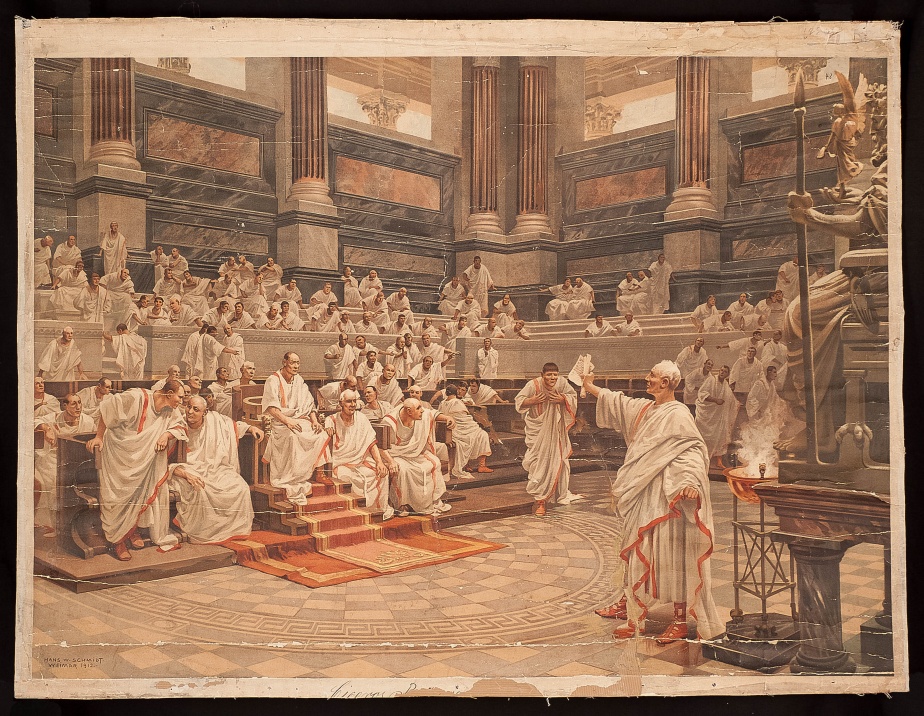
 A series of civil wars and other events took place during the first century B.C., ending the Republican period and leaving in its wake an Imperium, best remembered for its long line of dictators.


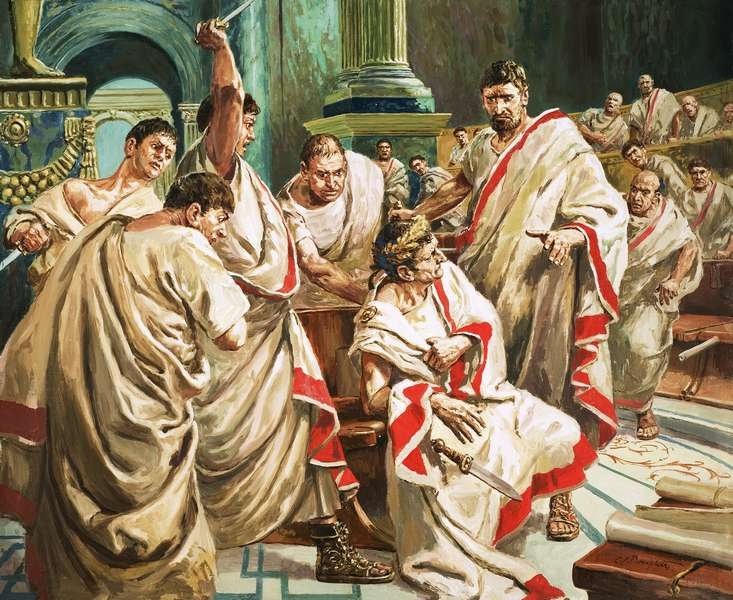
 Brutus was 41 on the 15th of March, 44 B.C. The “Ides of March”. Caesar was 56. The Emperor’s dying words are supposed to have been “Et tu, Brute?”, as Brutus plunged the dagger in. “And you, Brutus?” But that’s not what he said. Those words were put into his mouth 1,643 years later, by William Shakespeare.

 The Meux’s Brewery Co Ltd, established in 1764, was a London brewery owned by Sir Henry Meux. What the Times article was describing was a 22′ high monstrosity, held together by 29 iron hoops.
 The brewery was located in the crowded slum of St. Giles, where many homes contained several people to the room.
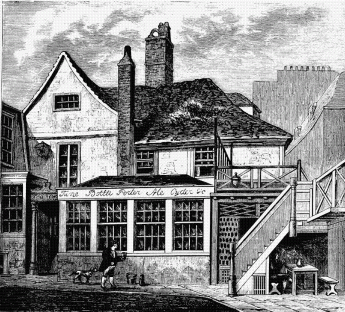 One brewery worker was able to save his brother from drowning in the flood, but others weren’t so lucky.
 In the days that followed, the crushing poverty of the slum led some to exhibit the corpses of their family members, charging a fee for anyone who wanted to come in and see. In one house, too many people crowded in and the floor collapsed, plunging them all into a cellar full of beer.


 On this day in 1987, Jessica McClure’s life was anything but normal. Frightened and alone, “Baby Jessica” was stuck twenty-two feet down, at the bottom of a well.

 The sun went down that Wednesday and rose the following day and then it set, and still, the nightmare dragged on.




 Margaretha Geertruida Zelle, “M’greet” to family and friends, was born in the Netherlands on August 7, 1876, the eldest of four children.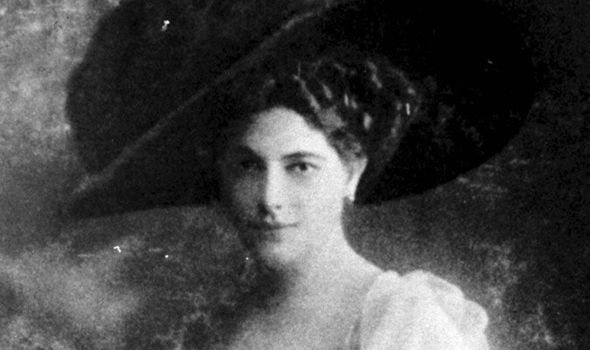
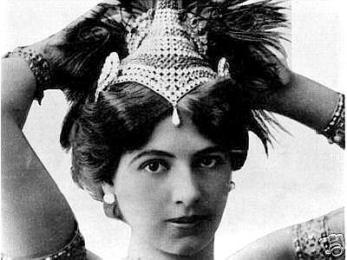 All things “Oriental” were all the rage in early 1900s Paris. Mata Hari played the more exotic aspects of her background to the hilt, projecting a bold and in-your-face sexuality that was unique and provocative for her time.
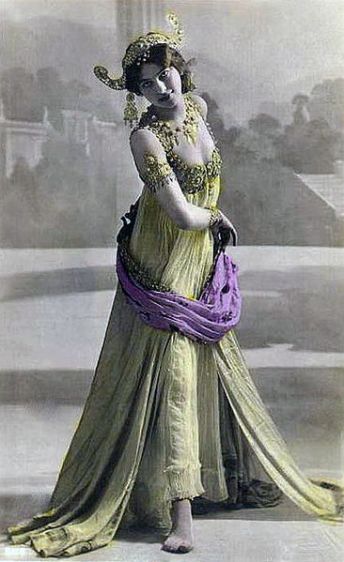 The world stood still at the beginning of World War I, but not Mata Hari. Her dancing days were over by 1914, but her neutral Dutch citizenship allowed her to move about without restriction. But not without a price. Mata Hari’s sexual conquests knew no border, naively including officers and government officials of every nationality, and both sides of the Great War.
 Mata Hari’s elderly defense attorney and former lover Edouard Clunet, never really had a chance. He couldn’t cross examine the prosecution’s witnesses, or even directly question his own.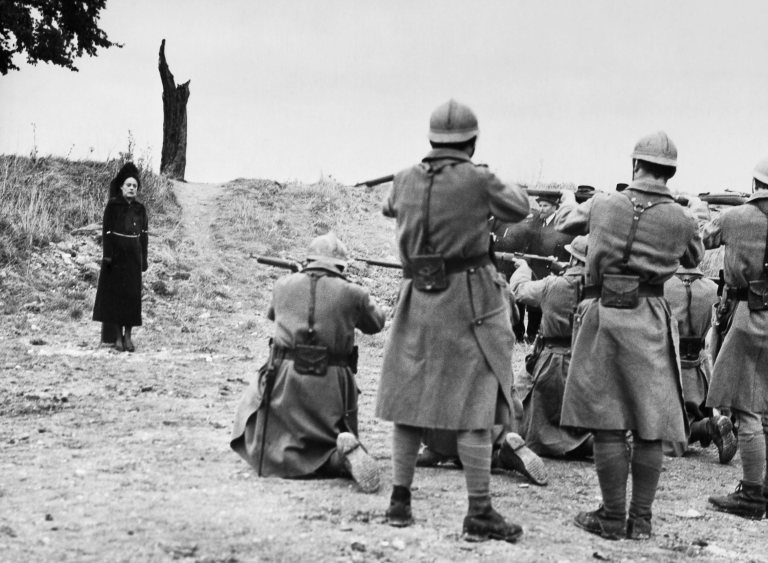

 Historical Easter Eggs - Today in History
You must be logged in to post a comment.