

In 1915, Albert Marr lived with his family and his Chacma baboon, Jackie, on Cheshire Farm, on the outskirts of Pretoria, South Africa. The Great War had begun a year earlier, when Marr was sworn into the 3rd (Transvaal) Regiment of the 1st South African Infantry Brigade, in August of that year. He was now Private Albert Marr, #4927.
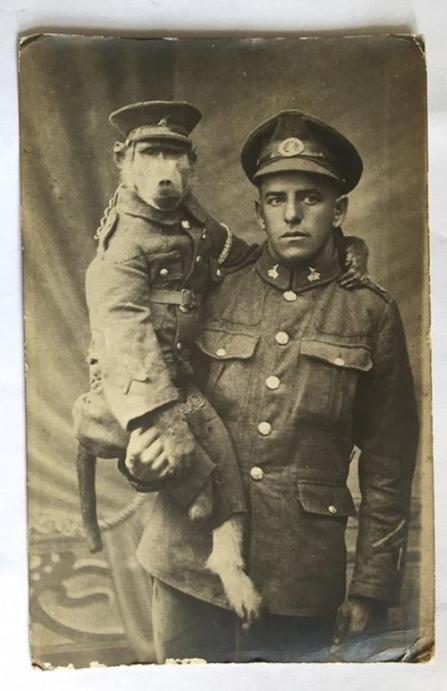 Private Marr asked for and received permission to bring Jackie along with him. It wasn’t long before the monkey became the official Regimental Mascot.
Jackie drew rations like any other soldier, eating at the mess table, using his knife and fork and washing it all down with his own drinking basin.
He drilled and marched with his company in a special uniform and cap, complete with buttons, regimental badges, and a hole for his tail.
Jackie entertained the men during quiet periods, lighting their pipes and cigarettes and saluting officers as they passed on their rounds. He learned to stand at ease when ordered, placing his feet apart and hands behind his back, regimental style.
These two inseparable buddies, Albert Marr and Jackie, first saw combat during the Senussi Campaign in North Africa. Albert took a bullet in the shoulder at the Battle of Agagia on February 26, 1916, while the monkey, beside himself with agitation, licked the wound and did everything he could to comfort the stricken man. It was this incident more than any other that marked Jackie’s transformation from pet and mascot, to a comrade to the men of the regiment.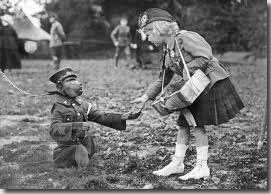
Jackie would accompany Albert at night when he was on guard duty. Marr soon learned to trust Jackie’s keen eyesight and acute hearing. The monkey was almost always first to know about enemy movements or impending attack. He would give early warning with a series of sharp barks, or by pulling on Marr’s tunic.
The pair went through the nightmare of Delville Wood together, early in the Somme campaign, when the First South African Infantry held their position despite 80% casualties. The pair experienced the nightmare of mud that was Passchendaele, and the desperate fighting at Kemmel Hill. The two were at Belleau Wood, a primarily American operation, where Marine Captain Lloyd Williams of the 2nd Battalion, 5th Marines, was informed that he was surrounded by Germans. “Retreat?” Williams retorted, “hell, we just got here.”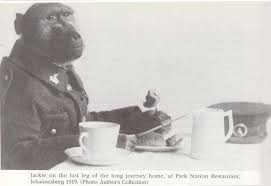
Throughout all of it, Albert Marr and Jackie had come through WWI mostly unscathed. That all changed in April, 1918.
The South African Brigade was being heavily shelled as it withdrew through the West Flanders region of Belgium. Jackie was frantically trying to build a wall of stones around himself, a shelter from flying shrapnel, while shells were bursting all around. A jagged piece of shrapnel wounded Jackie in the arm and another all but amputated the animal’s leg. He refused to be carried off by the stretcher-bearers, trying instead to finish his wall, hobbling around on what had once been his leg.
Lt. Colonel R. N. Woodsend of the Royal Medical Corps described the scene: “It was a pathetic sight; the little fellow, carried by his keeper, lay moaning in pain, the man crying his eyes out in sympathy, ‘You must do something for him, he saved my life in Egypt. He nursed me through dysentery’. The baboon was badly wounded, the left leg hanging with shreds of muscle, another jagged wound in the right arm. We decided to give the patient chloroform and dress his wounds…It was a simple matter to amputate the leg with scissors and I cleaned the wounds and dressed them as well as I could. He came around as quickly as he went under. The problem then was what to do with him. This was soon settled by his keeper: ‘He is on army strength’. So, duly labelled, number, name, ATS injection, nature of injuries, etc. he was taken to the road and sent by a passing ambulance to the Casualty Clearing Station”.
As the war drew to a close, Jackie was promoted to the rank of Corporal, and given a medal for bravery. Possibly the only monkey in history, ever to be so honored.
On his arm he wore a gold wound stripe, and three blue service chevrons, one for each of his three years’ front line service.
After the pair arrived home, Jackie became the center of attention at a parade officially welcoming the 1st South African Regiment home.
On July 31, 1920, Jackie received the Pretoria Citizen’s Service Medal, at the Peace Parade in Church Square, Pretoria.
Jackie died as the result of a fire, which destroyed the Marr family farmhouse in May 1921. Albert Marr passed away in 1973, at the age of 84. Marr had missed his battle buddy Jackie, for all the days in-between.


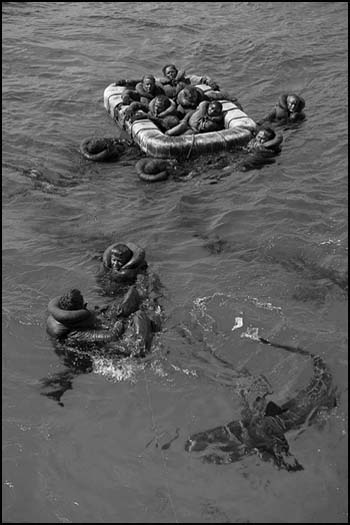
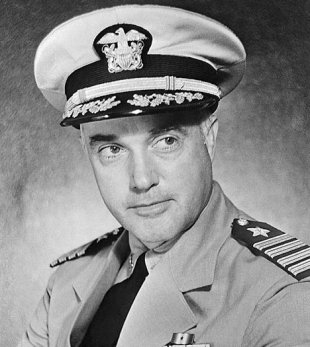
 Indianapolis made her delivery on July 26, arriving at Guam two days later and then heading for Leyte to take part in the planned invasion of Japan. She was expected to arrive on the 31st.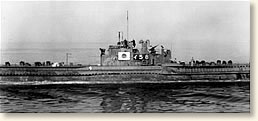


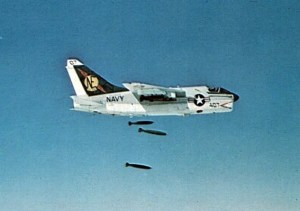




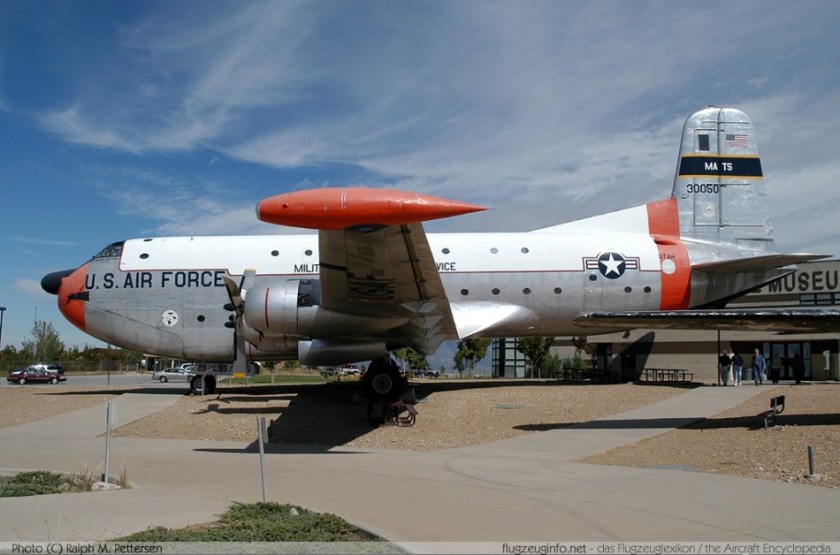
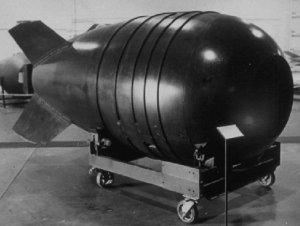
 An emergency landing on open ocean is not an option with such a large aircraft. It would have broken up on impact with the probable loss of all hands. Descending rapidly, the crew would have jettisoned everything they could lay hands on, to reduce weight. Non-essential equipment would have gone first, then excess fuel, but it wasn’t enough. With only 2,500ft and losing altitude, there was no choice left but to jettison those atomic bombs.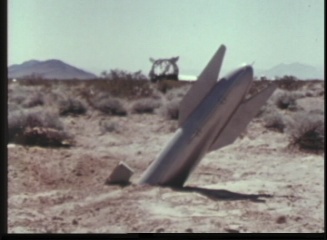


 “A Wild Hare”, directed by Tex Avery and released on this day in 1940, was the first recognizable Bugs Bunny cartoon. For the first time Elmer Fudd and Bugs Bunny are cast as hunter and tormentor, the first time Mel Blanc used that trademark Flatbush accent, and the first in which Bugs uses his catchphrase, “Ehhh, What’s up, Doc?” A Wild Hare was a huge success in theaters, receiving an Academy Award nomination for Best Animated Short Film and ensuring Bugs Bunny’s future as a stock character.
 In 1941, “Hiawatha’s Rabbit Hunt” became the second Bugs Bunny cartoon to receive an Academy Award nomination for Best Animated Short Film. It didn’t win the award, and Bugs later made fun of the award in “What’s Cookin’ Doc?”. In 1944 he demands a recount, claiming to be the victim of “sa-bo-TAH-gee”.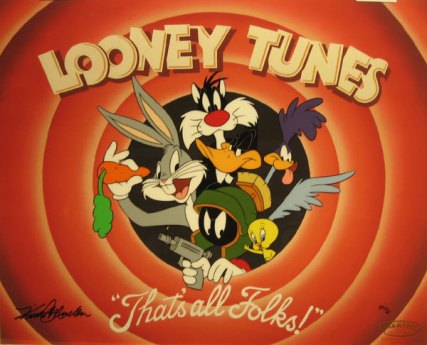


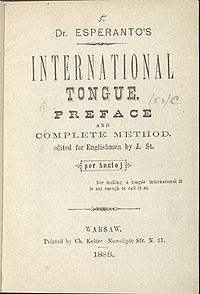 As the son of a German language teacher, Zamenhof was fluent in many languages, including Russian, German, French, Latin, Greek, Hebrew, Yiddish and English. He was reasonably proficient in Italian, Spanish and Lithuanian, as well. Zamenhof came to believe that poor relations between Białystok’s many minorities stemmed from the lack of a common language, so he set out to create an “auxiliary language” – an international second language that would help people of different ethnic and linguistic backgrounds communicate with one another.
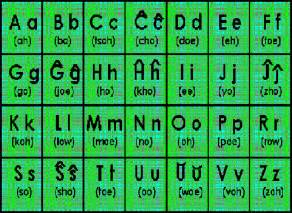 The Esperanto alphabet includes 28 letters. There are 23 consonants, 5 cardinal vowels, and 2 semivowels which combine with vowels to form 6 diphthongs. Esperanto words are derived by stringing together prefixes, roots, and suffixes. The process is regular, so that people can create new words as they speak and still be understood.



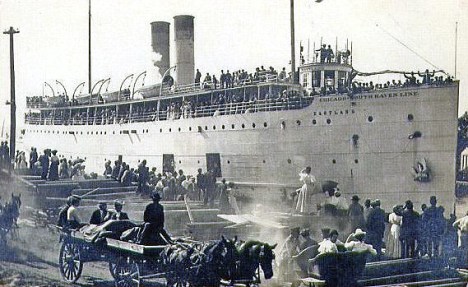
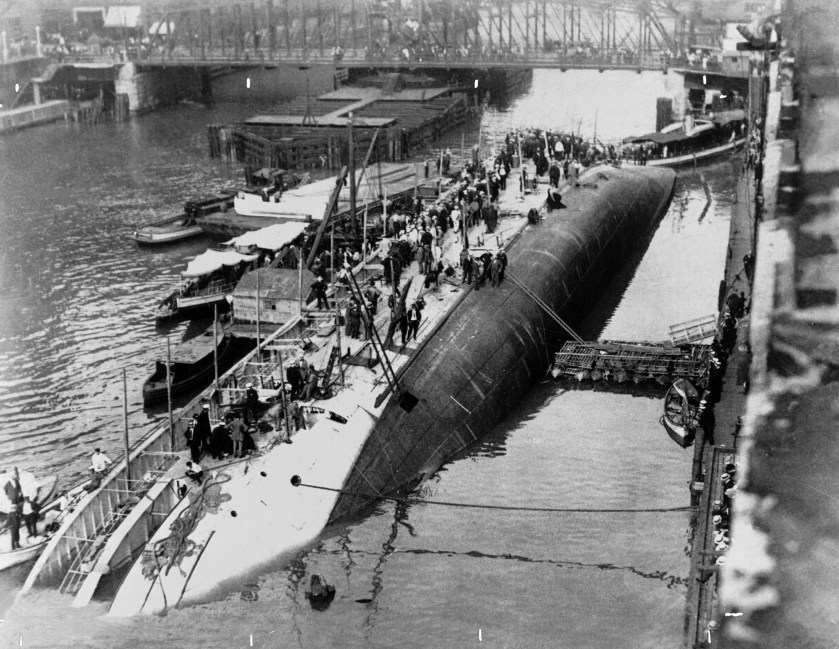
 Temporary morgues were set up in area buildings for the identification of the dead; including what is now the sound stage for The Oprah Winfrey Show, Harpo Studios, and the location of the Chicago Hard Rock Cafe.
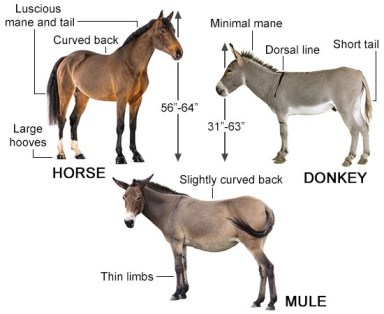 Mules are hybrid animals, the offspring of a male Equus Africanus Asinus, and a female Equus Caballus. A jackass and a mare. From the sire, the mule inherits intelligence, toughness and endurance, while the dam passes down her speed, conformation and agility.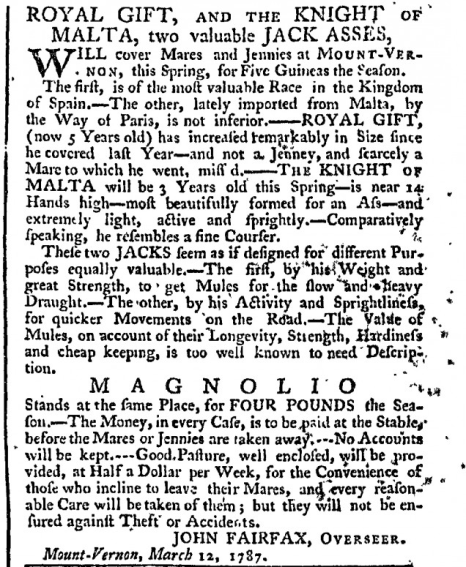


 Realist” or “Liberal” legal scholars and judges argued that the constitution was a “living document”, allowing for judicial flexibility and legislative experimentation. Supreme Court justice Oliver Wendell Holmes, Jr., a leading proponent of the Realist philosophy, said of Missouri v. Holland that the “case before us must be considered in the light of our whole experience and not merely in that of what was said a hundred years ago”.
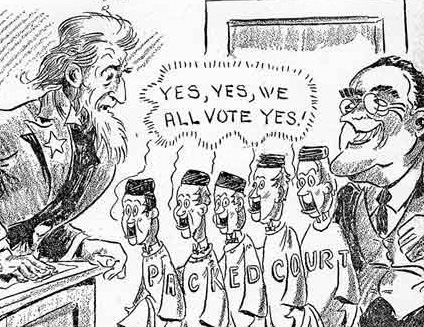 To Roosevelt, that was the answer. The age 70 provision allowed him 6 more handpicked justices, effectively ending Supreme Court opposition to his policies.
 Historical Easter Eggs - Today in History
You must be logged in to post a comment.