
Few machines have changed the course of history, like Eli Whitney’s cotton gin.
The long, hot summers of the southeastern United States have always been ideal for growing cotton, but there was a time when the stuff was extremely expensive to produce. Cotton comes out wet from the boll, its protective capsule requiring about ten man hours just to remove the seeds to produce a pound of cotton. By comparison, a cotton gin can process about a thousand pounds a day, at comparatively little expense.
In 1792, the year that Whitney invented his machine, the region exported 138,000 pounds a year to Europe and the northern colonies. Two years later that number had risen to 1,600,000 pounds. By the time of the Civil War, Britain alone was importing ¾ of the 800 million pounds they used each year, from the American south.
Enterprise, Alabama got its start when John Henry Carmichael first settled there in 1881. Within a few years the Alabama Midland Railway came to Enterprise. By the turn of the century the place was a major cotton growing hub.

Anthonomus grandis, the boll weevil, is a small beetle, about the size of your little fingernail. Indigenous to Mexico, the beetle crossed the Rio Grande near Brownsville, sometime around 1892. The insect spread rapidly, producing eight to ten generations in a single growing season and preying mainly on the young cotton boll.
Boll weevils are capable of destroying entire cotton crops, which it did in 1915, the year the insect reached Enterprise and most of Coffee County. Facing economic ruin, local farmers were forced to diversify their crops, just to recoup some of the losses caused by the beetle.
Within two years, Enterprise became one of the leading peanut producers in the country. Not only had farmers been able to stave of disaster, but they were already becoming prosperous as a result of the thriving new crop base.
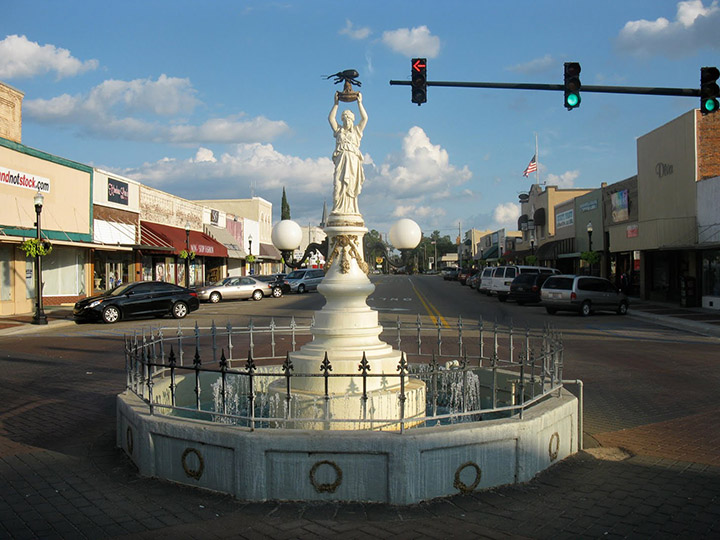
Town fathers decided to build a monument, their “herald of prosperity”, to the boll weevil. The bug that had almost ruined them.
Designed in Italy at a cost of $1,800, the monument depicts a female figure in a flowing gown, arms stretched high over her head, and holding in her hands a trophy.

The monument was dedicated on December 11, 1919 at the intersection of College and Main Street, in the heart of the town’s business district. You can’t have a Boll Weevil monument without a Boll Weevil on it. Thirty years later, Luther Baker added a big bug on top of the trophy. At the base of the monument appears this inscription: “In profound appreciation of the Boll Weevil and what it has done as the herald of prosperity this monument was erected by the citizens of Enterprise, Coffee County, Alabama.”
The original has been vandalized so many times that they moved it to a protected facility, and put a replica in its place. And that is why you can drive down the Main Street of Enterprise Alabama today, in the footsteps of my own brother Dave, and there you will find a statue of…a bug.





 problem. Roosevelt was fond of his 1939 Lincoln V12 Convertible. Roosevelt called it the “Sunshine Special,” but the car was anything but secure. Armored Presidential cars would not come into regular use for another 20 years, after the assassination of President Kennedy.
 making sure that it would safely get the Commander in Chief the few short blocks to Capitol Hill. It apparently did, because Roosevelt continued to use it until his old car could be fitted with the same features. To this day, Presidential limousines have flashing police lights hidden behind their grilles.
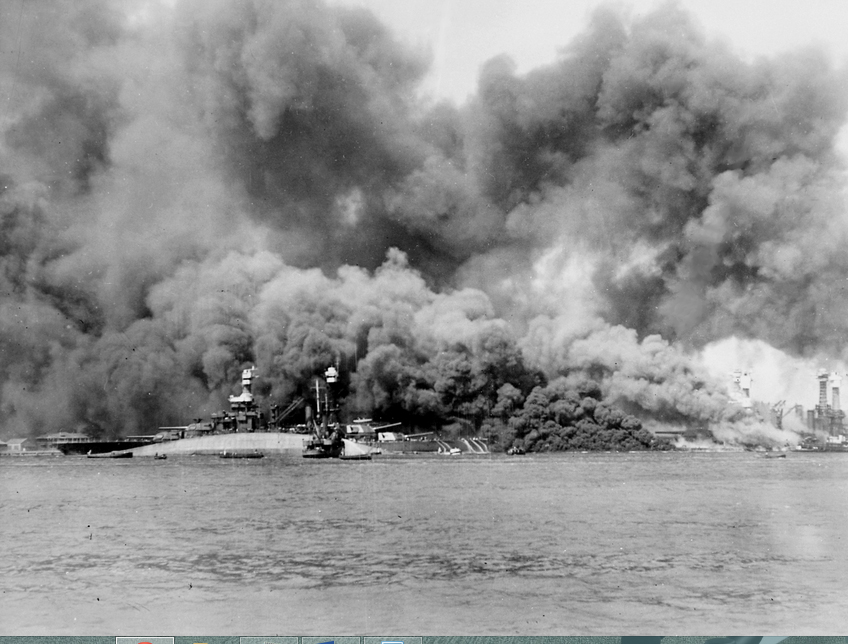
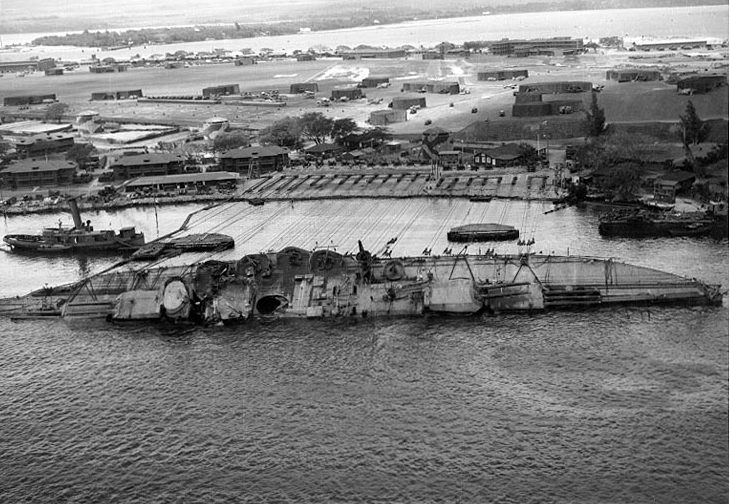 battleship USS Oklahoma was raised from the bottom, but was never repaired. In 1947 she would sink under tow to the mainland, very nearly taking two ocean going tugs to the bottom, with her.
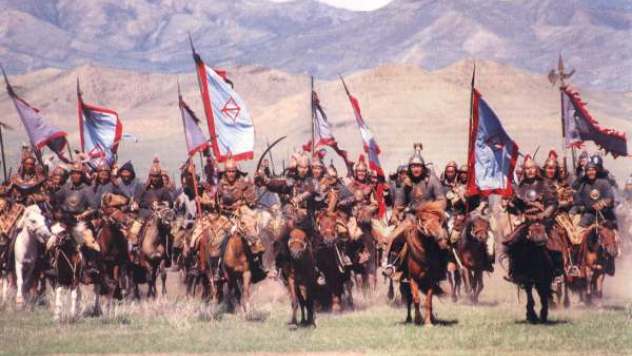
 The Steppes have long been a genetic crossroad, the physical features of its inhabitants as diverse as any in the world. The word “Rus”, from which we get Russia, was the name given to Viking invaders from earlier centuries. History does not record what Genghis himself looked like, though he’s often depicted with Asian features. There is evidence suggesting he had red hair and green eyes. Think of that beautiful young Afghan girl, the one with those killer eyes on that National Geographic cover, a few years back.
 Hungary, to parts of Austria, to Eastern Persia. Plans were being laid for the invasion of Germany, Austria and Italy in December, 1241, when news arrived informing them of the death of the Great Khan. Ögedei and Batu wanted to continue, but the Law of Yassa required that all Princes of the Blood return to Karakorum and the Kurultai, the meeting of Mongol Chieftains.


 life of his handler, and preventing further destruction of life and property. MWD Nemo was given the best of veterinary care and, on June 23 1967, USAF Headquarters directed that he be returned to the United States, the first sentry dog officially retired from active service. The C124 Globemaster touched down at Kelly Air Force Base, Texas, on July 22, 1967. Nemo lived out the seven years remaining to him in a permanent retirement kennel at the DoD Dog Center at Lackland Air Force Base.

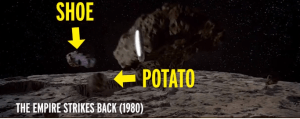


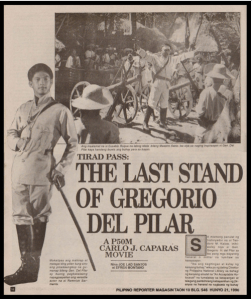

 Historical Easter Eggs - Today in History
You must be logged in to post a comment.