

 For six hundred years, the Balkan states of Southeastern and Central Europe were conquered and unwilling subjects of foreign powers. First the Ottoman, and then the Austro-Hungarian Empires.
By the dawn of the 20th century, the dream of a single state for ethnic Serbs, Croats and Slovenes had been around for some two hundred years.
The spark that started WW1 and literally changed the world was struck by the “Black Hand”, a secret society dedicated to Serbian liberation, no matter what.
The dream of sovereignty took form and shape in the wake of WW1, the six constituent republics of the Socialist Republic (SR) of Bosnia and Herzegovina, SR Croatia, SR Macedonia, SR Montenegro, SR Serbia, and SR Slovenia merging to form the “Kingdom of Serbs, Croats and Slovenes”. A creation of the treaty ending the Great War, the place was referred to as the “Versailles State“, for the first ten years. The name was officially changed to Yugoslavia in 1929, literally translating as the “Land of all South Slavic peoples“.
 Lepa Svetozara Radić was born into this world on December 19, 1925.
From her earliest student days, Lepa Radić was known for dedication and hard work, a smart and serious girl, dedicated and reading well above grade level.
Radić developed strong left-of-center political views, taking influence from uncle Vladeta Radić, a strong proponent of the labor movement.
By that age when young teenage girls are thinking of other things, Radić had joined the League of Communist Youth of Yugoslavia (SKOJ). By the time she turned fifteen in 1941, she was a member of the Yugoslavian Communist Party.
As World War 2 enveloped the continent, a group of disaffected Yugoslav Army Air Force officers plotted to overthrow the government in Belgrade. The Cvetković government signed the Vienna protocol on March 25, 1941, signalling its intention to join the Tri-Partite pact of Nazi Germany, Fascist Italy and Imperial Japan. The bloodless coup d’état of two days later overthrew the Prince Regency of Paul Karađorđević, installing the pro-western, seventeen-year-old King Peter II, with encouragement and support from the British Special Operations Executive (SOE).
Adolf Hitler was apoplectic, taking personal offense at the coup d’état. Der Fuhrer had no interest in waiting to see if the new government would declare loyalty. Hitler summoned his military advisers the same day, determined “to destroy Yugoslavia militarily and as a state” and to do so “with pitiless harshness.”
The Nazi invasion of Yugoslavia was overwhelming, simultaneously launched from bases in Germany, Hungary, Romania and Bulgaria. The Yugoslav state never had a chance. It was all over, in eleven days.

The invasion was over in April, but not the Resistance.
With the German stranglehold in tight control of the towns and roadways, a Serbian resistance was quick to form in the wild mountains of the war torn nation. Two of them really: the Chetniks, dedicated to support of the Royal government in exile and the ferociously pro-Communist Partisans, under the leadership of Josip Broz “Tito.”
For the Radić family, there was no question of loyalty. Lepa’s father Svetor and uncles Voja and Vladeta joined the Partisans in July, leading to the arrest of the entire family by the Ustashe, the fascist Nazi-puppet government of Yugoslavia.
 Resistance fighters freed the Radić family in weeks. That December, Lepa and her sister Dara officially joined the Partisans.
Though only fifteen, Lepa Radić was as fierce in her opposition to the Nazis, as any Partisan. She volunteered for the front lines, joining the 7th Partisan company of the 2nd Krajiski Detachment, transporting wounded and defenseless from the battlefield. Did I mention, she was fifteen years old.
 Lepa was found out in February 1943, coordinating the rescue of 150 women and children attempting to flee the Nazis. She fired everything she had at attacking SS forces, but never had a chance. Lepa Radić was captured and sentenced to death by hanging, tortured for three days to extract information on Yugoslavian Resistance.
She gave up the cube root of zero.
She was brought to a hastily constructed gallows on February 8, 1943, and hanged in full view of the public.
 Moments before her execution with the rope around her neck, Radić was offered a pardon. All she had to do, was give up the names of her Partisan comrades.
“I am not a traitor of my people”, she said. “Those whom you are asking about will reveal themselves when they have succeeded in wiping out all you evildoers, to the last man.”
Those were her last words.
The Swedish-American poet Carl Sandburg once wrote “Valor is a gift. Those having it never know for sure whether they have it until the test comes.”
Were I ever to be half so egregiously tested, I hope I would prove myself half the man, as that seventeen-year-old girl.


 Chariots go back to the earliest days of the Roman Republic, coming down from the ancient Greeks, by way of the Etruscan empire. The mythical abduction of the Sabine women was carried out, while the Sabine men watched a chariot race. While Romans never used them as weapons of war, chariots were used in triumphal processions, pulled by teams of horses, dogs, tigers and even ostriches.
 Modern sport has seen its share of fan passion rising to violence, but the worst “soccer hooligan” fades to docility, compared with the crowd come to watch the chariot races. In the year 69, Emperor Vitellius had commoners put to death for talking trash about the Blue faction. Ten years later, a fan threw himself on the funeral pyre, of his favorite driver. The week-long outbreak of violence known as the Nika Riots of 532 cost the lives of some 30,000 spectators. It all started, over a chariot race.


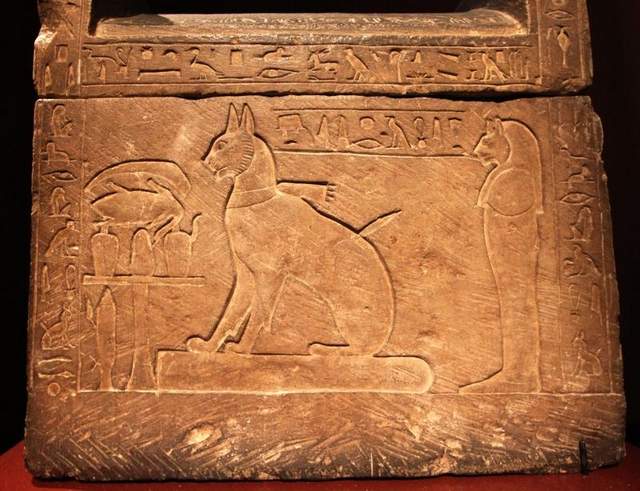


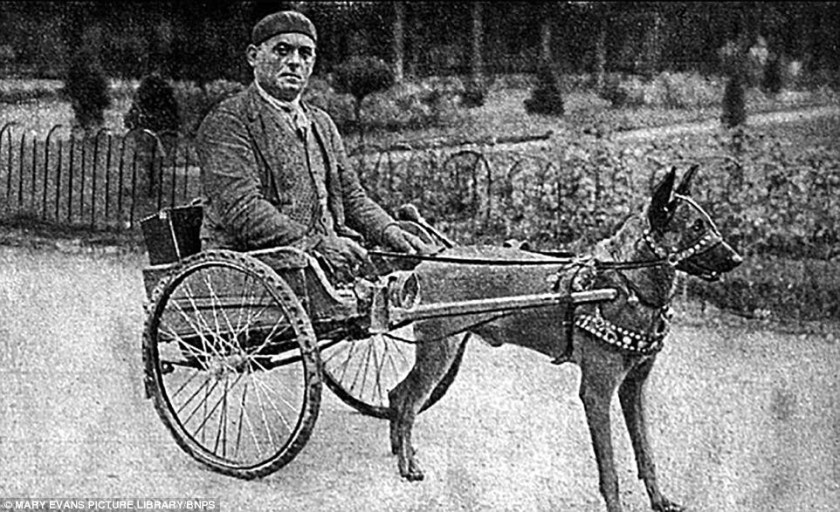


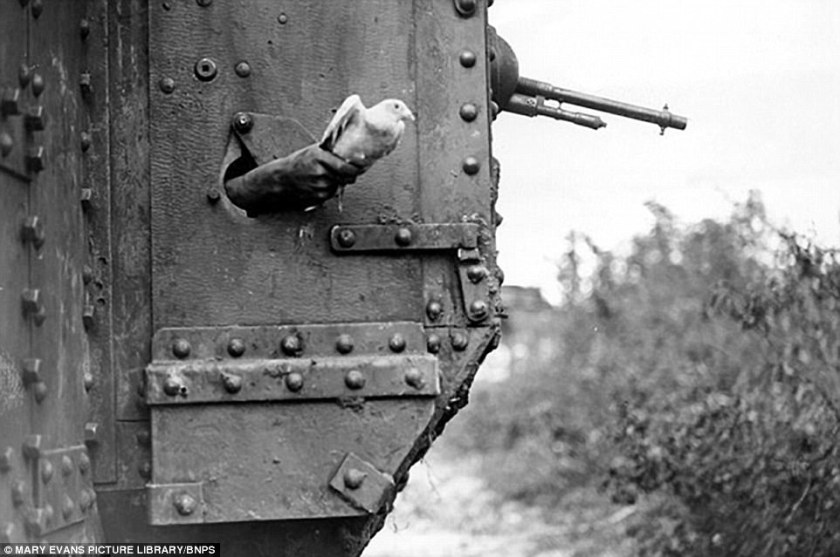
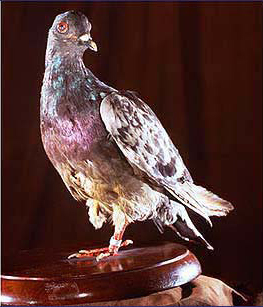
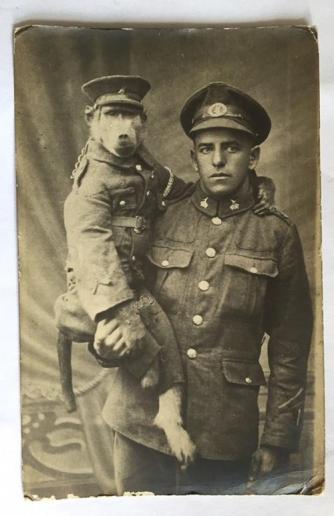 Private Albert Marr’s Chacma baboon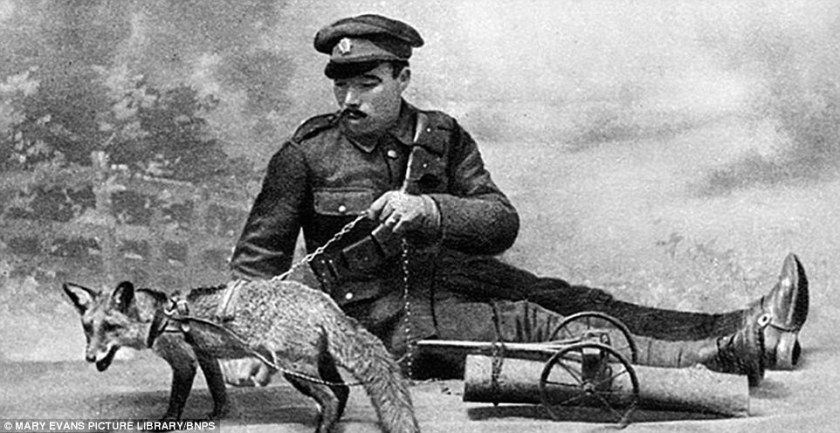


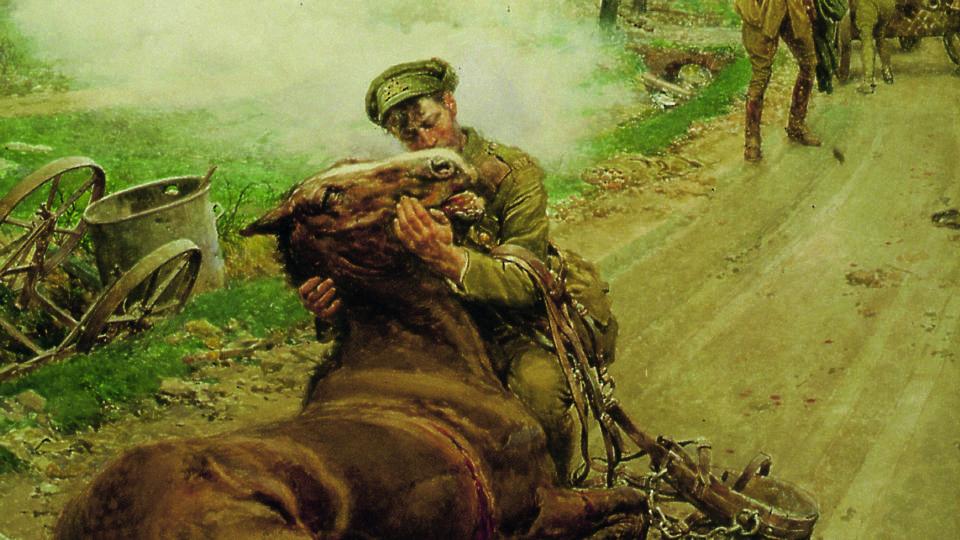
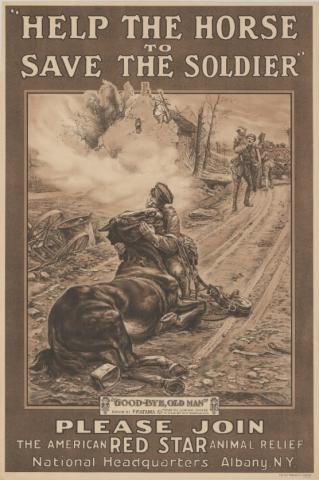
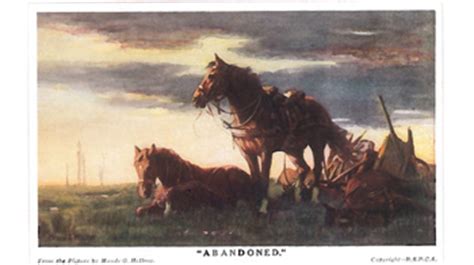 Horsepower was indispensable throughout the war from cavalry and mounted infantry to reconnaissance and messenger service, as well as pulling artillery, ambulances, and supply wagons. With the value of horses to the war effort and difficulty in their replacement, the loss of a horse was a greater tactical problem in some areas, than the loss of a man.
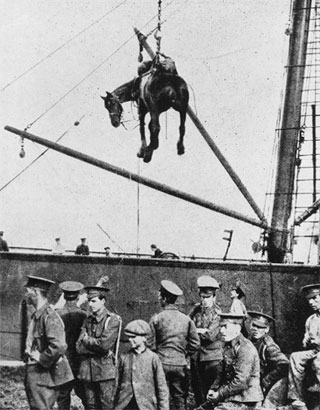 Few ever returned. An estimated three quarters died of wretched working conditions. Exhaustion. The frozen, sucking mud of the western front. The mud-borne and respiratory diseases. The gas, artillery and small arms fire. An estimated eight million horses were killed on all sides, enough to line up in Boston and make it all the way to London four times, if such a thing were possible.


 On December 21, 1898, Marie and Pierre Curie discovered the 88th element of the Periodic Table. This new and radioactive element was Radium, one of the ‘alkaline earth metals’.
 Serious physicians had early success killing cancer cells, driving a quack medicine craze where charlatans sold radium creams, salts and suppositories claiming to to cure everything from impotence to acne to insanity, rickets, tooth decay, and warts.


 Reports of illness among other women came flooding in. US Radium took to assassinating the character of these women, claiming that their symptoms resulted from syphilis.




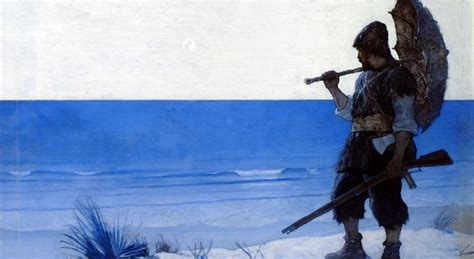

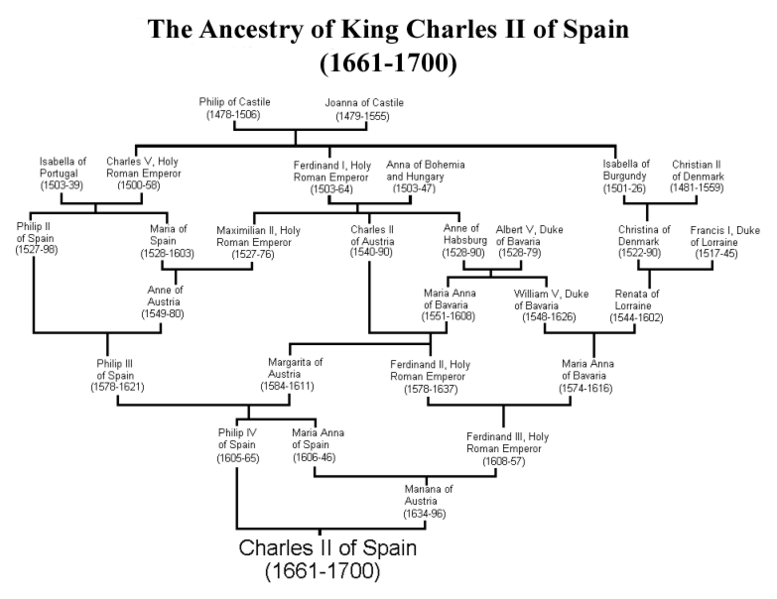 The male line of the Spanish Habsburgs came to an end on November 1, 1700, when Charles II died without heir, five days before his 39th birthday. The will named 16-year-old Philip of Anjou successor, grandson of the Bourbon King Louis XIV of France and Charles’ half-sister, Maria Theresa.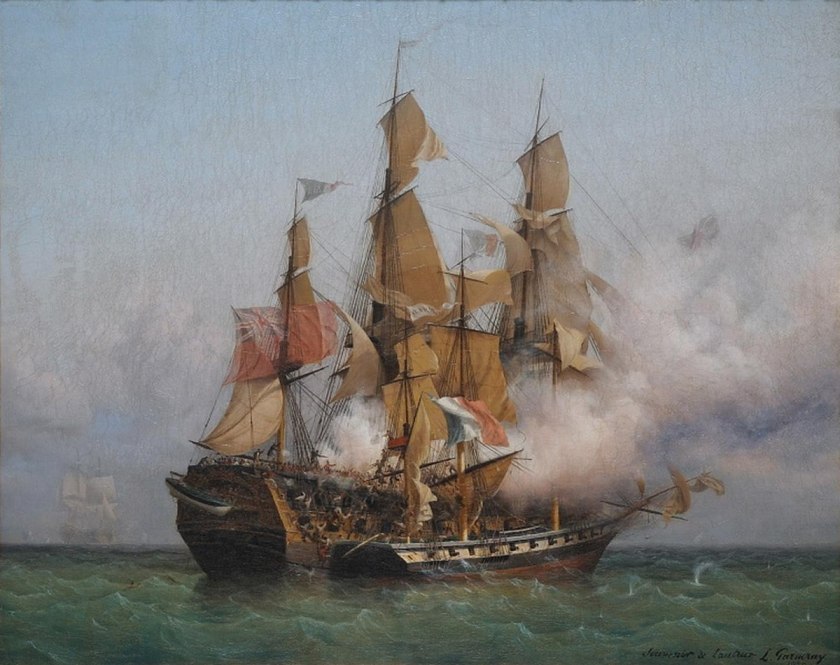


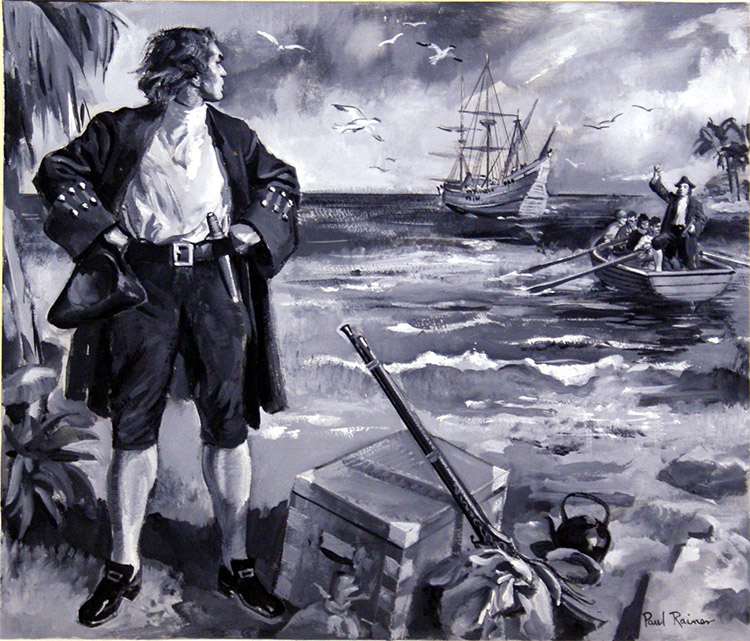

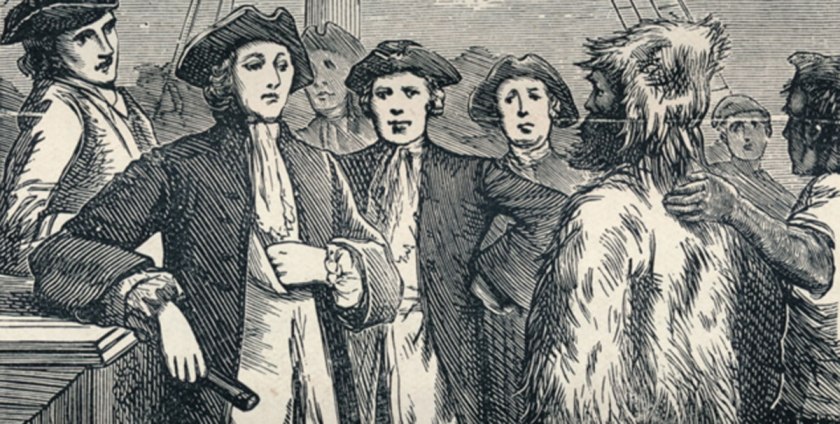
 Vessels came twice to the island, but both proved to be Spanish. A Scottish privateer could count on torture and worse at the hands of his enemy, and so he hid. Selkirk was spotted one time and chased by a Spanish search party. Several stopped for a leak under a tree in which he was hiding, but they never knew. In time they became bored, and sailed away.


 The Forgotten World War




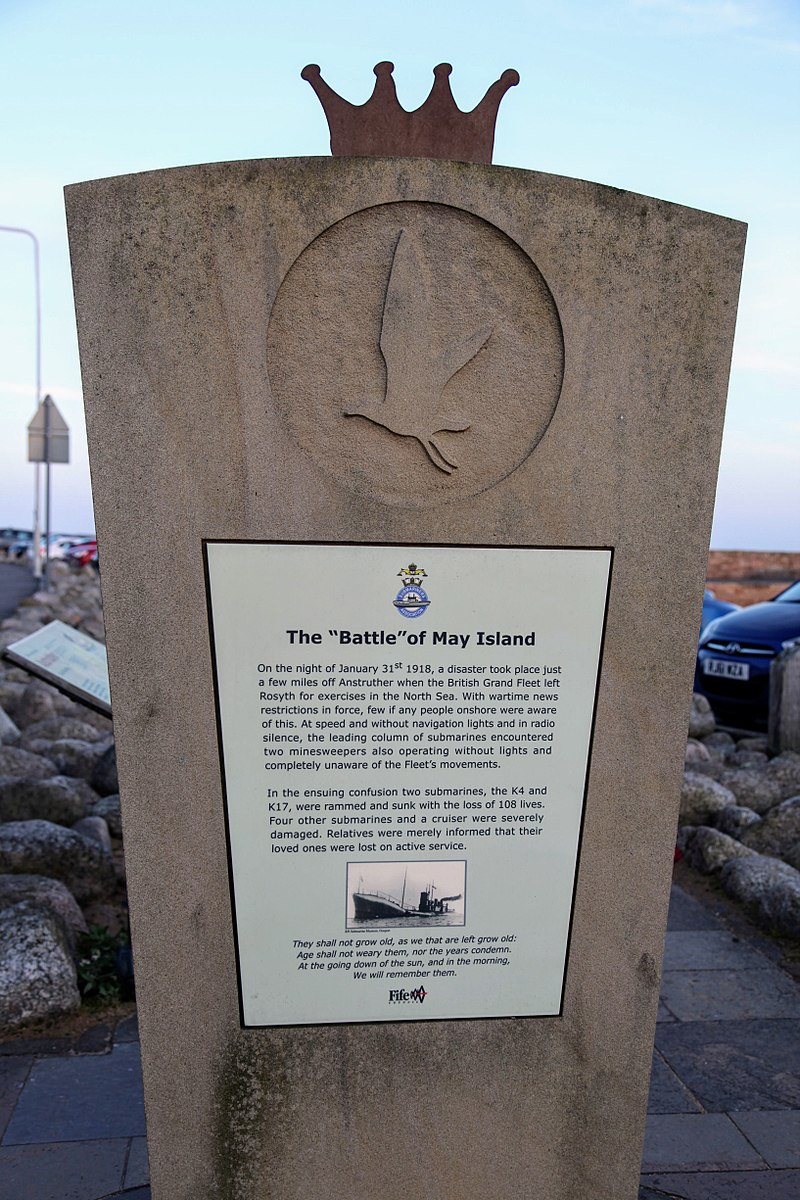
 Operation E.C.1 was a planned exercise for the British Grand Fleet, scheduled for February 1, 1918 out of the naval anchorage at Scapa Flow in the North Sea Orkney Islands.


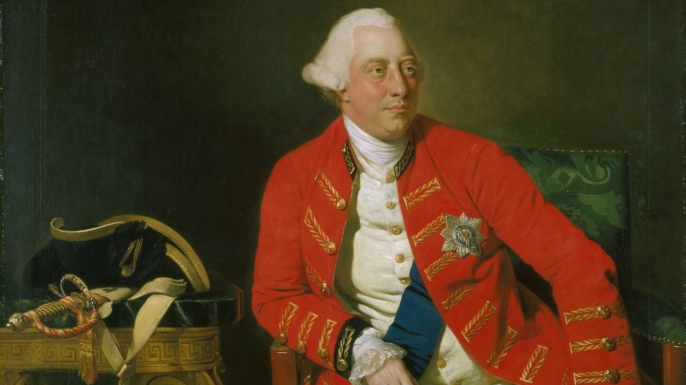

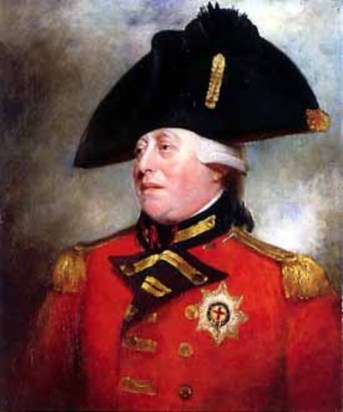 The illness seems to have afflicted George III alone however, casting doubt on an hereditary condition. George III’s medical records cast further doubt on the porphyria diagnosis, showing that he was prescribed medicine based on gentian, a plant with deep blue flowers which may turn the urine blue. He seems to have been afflicted with some kind of mental illness, suffering bouts which occurred with increasing severity and for increasing periods of time. At times he would talk until he foamed at the mouth or go into convulsions where pages had to sit on him to keep the King from injuring himself.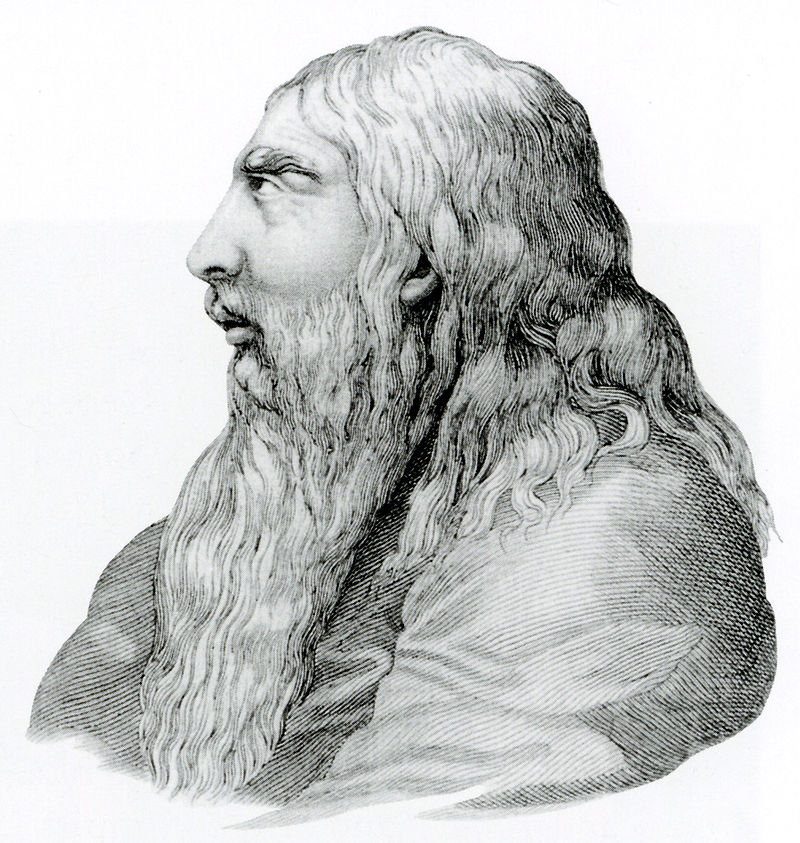

 Historical Easter Eggs - Today in History
You must be logged in to post a comment.