

The wood burning steam locomotive #171 left Jersey City, New Jersey on July 15, 1864, pulling 17 passenger and freight cars. On board were 833 Confederate Prisoners of War and 128 Union guards, heading from Point Lookout prison in Maryland, to the Union prison camp in Elmira, New York.
Engine #171 was an “extra” that day, running behind a scheduled train numbered West #23. West #23 displayed warning flags, giving the second train right of way, but #171 was running late. First delayed while guards located missing prisoners, then there was that interminable wait for the drawbridge. By the time #171 reached Port Jervis, Pennsylvania, the train was four hours behind schedule.

Telegraph operator Douglas “Duff” Kent was on duty at the Lackawaxen Junction station, near Shohola, Pennsylvania. Kent had seen West #23 pass through that morning with the “extra” flags. His job was to hold eastbound traffic at Lackawaxen until the second train passed. Kent may have been drunk that day, but nobody’s certain. He disappeared the following day, never to be seen again.
Erie Engine #237 arrived at Lackawaxen at 2:30 pm pulling 50 coal cars, loaded for Jersey City. Kent gave the all clear at 2:45. The main switch was opened, and Erie #237 joined the single track heading east out of Shohola.
Only four miles of track stood between two speeding, 30-ton steam locomotives.

The trains met head-on at “King and Fuller’s Cut”, a pass blasted out of solid rock and named after its prime engineering contractors. This section of track followed a blind curve with only 50’ visibility. Engineer Samuel Hoitt was at the throttle of #237. Hoitt would survive, having just enough time to jump before the moment of impact. One man in the lead car on #171 was thrown clear. He too would live. There would be no other survivors among the 37 men on that car.
Historian Joseph C. Boyd described what followed on the 100th anniversary of the wreck: “[T]he wooden coaches telescoped into one another, some splitting open and strewing their human contents onto the berm, where flying glass, splintered wood, and jagged metal killed or injured them as they rolled. Other occupants were hurled through windows or pitched to the track as the car floors buckled and opened. The two ruptured engine tenders towered over the wreckage, their massive floor timbers snapped like matchsticks. Driving rods were bent like wire. Wheels and axles lay broken. The troop train’s forward boxcar had been compacted and within the remaining mass were the remains of 37 men”. Witnesses saw “headless trunks, mangled between the telescoped cars” and “bodies impaled on iron rods and splintered beams.”

Pinned by cordwood against the split boiler plate and slowly scalded to death, engineer William Ingram lived long enough to speak with would-be rescuers. Frank Evans, one of the guards, remembered: “With his last breath he warned away all who went near to try and aid him, declaring that there was danger of the boiler exploding and killing them.”
Evans describes the scene. “I hurried forward. On a curve in a deep cut we had met a heavily-laden coal train, traveling nearly as fast as we were. The trains had come together with that deadly crash. The two locomotives were raised high in air, face to face against each other, like giants grappling. The tender of our locomotive stood erect on one end. The engineer and fireman, poor fellows, were buried beneath the wood it carried. Perched on the reared-up end of the tender, high above the wreck, was one of our guards, sitting with his gun clutched in his hands, dead!. The front car of our train was jammed into a space of less than six feet. The two cars behind it were almost as badly wrecked. Several cars in the rear of those were also heaped together…Taken all in all, that wreck was a scene of horror such as few, even in the thick of battle, are ever doomed to be a witness of.”
Estimates of Confederate dead are surprisingly inexact. Most sources indicate 51 killed on the spot or dying within the first 24 hours. Other sources put their number as high as 60 to 72. 17 Union guards were killed on the spot, or died within a day of the wreck. 5 prisoners appear to have escaped in the confusion.
Captured at Spotsylvania early in 1864, 52nd North Carolina Infantry soldier James Tyner was in the Elmira camp at this time. Tyner’s brother William was one of the prisoners on board #171. William was badly injured in the wreck, surviving only long enough to avoid the 76′ trench in which the Confederate dead were buried. He died in Elmira three days later, never regaining consciousness.
I’ve always wondered if the brothers saw each other that one last time. James Tyner was my twice-great Grandfather, one of four brothers who had gone to war in 1861.
We’ll never know. James Tyner died in captivity on March 13, 1865, 27 days before Lee’s surrender at Appomattox. Of the four brothers, Nicholas alone survived the war, laying down his arms when the man they called “Marse Robert” surrendered to General Ulysses S. Grant.

Afterward
Two Confederate soldiers, the brothers John and Michael Johnson, died overnight and were buried in the Congregational church yard across the Delaware river, in Barryville, New York. The remaining POWs killed immediately or shortly thereafter were buried in a common grave that night, alongside the track. Individual graves were dug for the 17 Union dead, and they too were laid alongside the track.
As the years went by, signs of all those graves were erased. Hundreds of trains carried thousands of passengers up and down the Erie Railroad, ignorant of the burial ground through which they passed.
The “pumpkin flood” of 1903 scoured the rail line uncovering many of the dead, carrying away at least some of their mortal remains, along with thousands of that year’s pumpkin crop.
On June 11, 1911, the forgotten dead of Shohola we’re disinterred, and reburied in mass graves in the Woodlawn National Cemetery, in Elmira, New York.


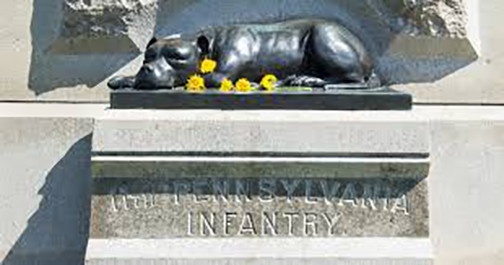
 Sallie’s first battle came at Cedar Mountain, in 1862. No one thought of sending her to the rear before things got hot, so she took up her position with the colors, barking ferociously at the adversary. There she remained throughout the entire engagement, as she did at Antietam, Fredericksburg, Chancellorsville, and Spotsylvania. They said she only hated three things: Rebels, Democrats, and Women.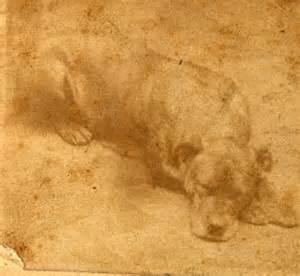

 “Sallie was a lady,




 Semmes would recover from his wounds, returning to the war ravaged South via Cuba in February, 1865. That April, he would supervise the destruction of all Confederate warships in the vicinity, following the fall of Richmond. Semmes’ former command fought on as “the Naval brigade”, Semmes himself appointed Brigadier General, though the appointment would never be confirmed. The Confederate Senate had ceased to exist.

 Fenians invaded Canada no fewer than five times between 1866 and 1871. The idea was to bring pressure on Britain to withdraw from Ireland, so these attacks were directed toward British army forts, customs posts and other targets in Canada.


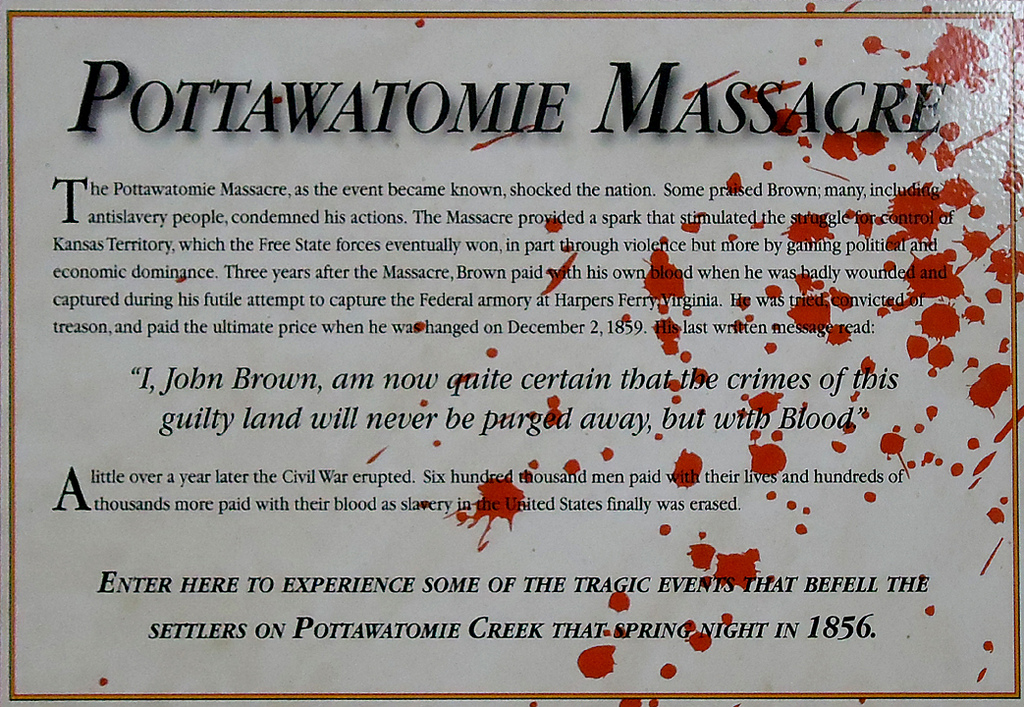
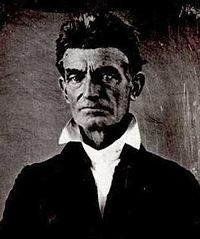
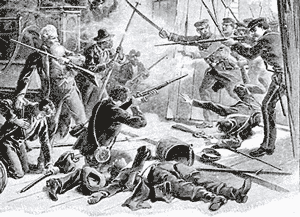 Brown would go on to participate in the Battle of Black Jack and the Battle of Osawatomie in the Kansas Territory. He would be hanged in 1859 after leading a group to the armory in Harper’s Ferry Virginia, in a hare brained scheme to capture the weapons it contained and trigger a slave revolt. The raid was ended by a US Army force under Colonel Robert E. Lee, and a young Army lieutenant named James Ewell Brown (JEB) Stuart.
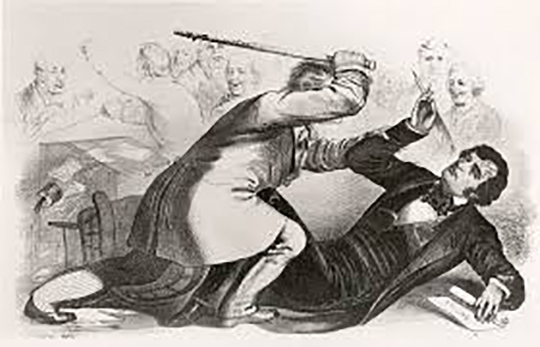
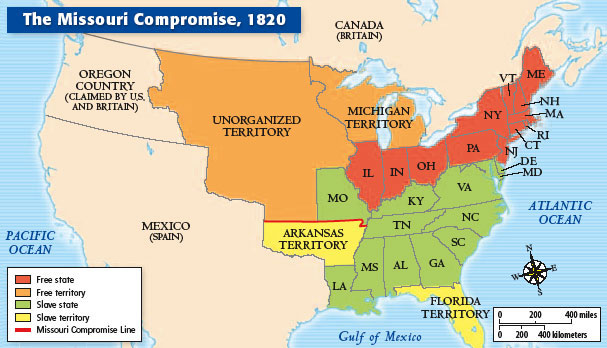

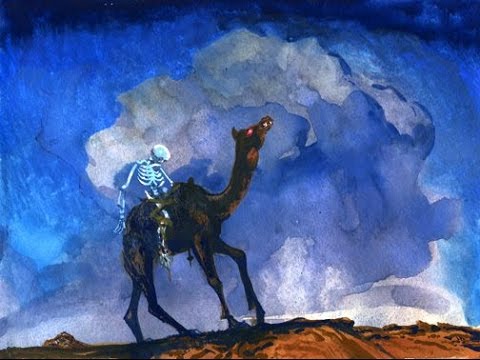


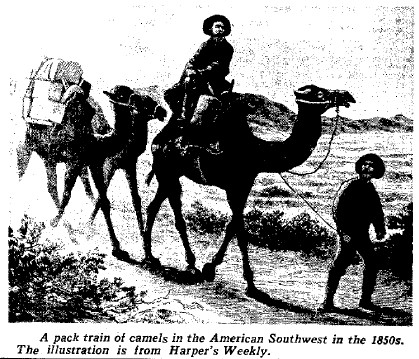
 Some of Camp Verde’s camels were sold off, one was pushed over a cliff by frustrated cavalrymen. Most were simply turned loose to fend for themselves. Their fates are mostly unknown, except for one who made his way to Mississippi in 1863, where he was taken into service with the 43rd Infantry Regiment. “Douglas the Confederate Camel” was a common sight throughout the siege of Vicksburg, until being shot and killed by a Union sharpshooter. Lieutenant Colonel Robert Bevier of the 5th Regiment, Missouri Confederate Infantry was furious, enlisting six of his best snipers to rain down hell on Douglas’ killer. Bevier later said of the Federal soldier “I refused to hear his name, and was rejoiced to learn that he had been severely wounded.”
 men to return. The pair returned that night and found the body of the other woman by the stream. She’d been trampled almost flat, with huge, cloven hoof prints in the mud around her body and a few red hairs in the brush.
 There were further incidents over the next year, mostly at prospector camps. A cowboy near Phoenix came upon the Red Ghost while eating grass in a corral. Cowboys seem to think they can rope anything with hair on it, and this guy was no exception. He lashed the rope onto the pommel of his saddle, and tossed it over the camel’s head. The angry beast turned and charged, knocking horse and rider to the ground. As the camel galloped off, the astonished cowboy could clearly see the skeletal remains of a man lashed to its back.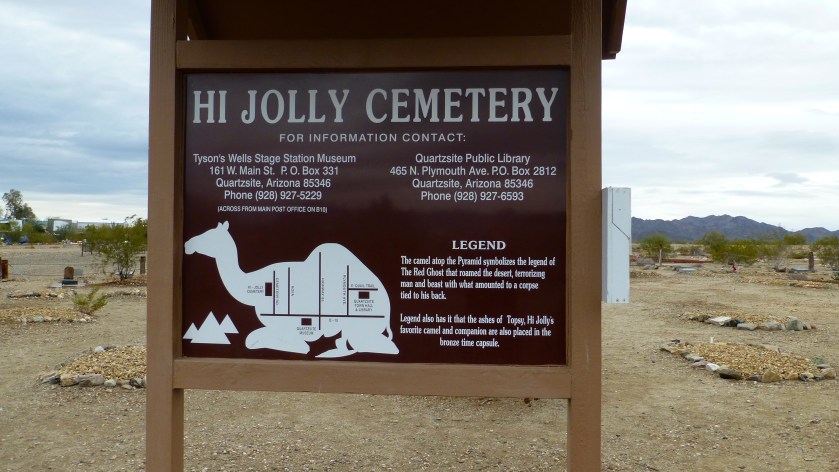


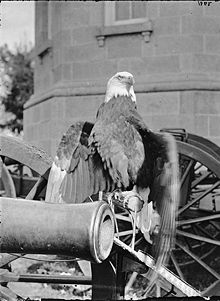 Abe became an inspirational symbol to the troops, like the battle flag carried with each regiment. Colonel Rufus Dawes of the Iron Brigade recalled, “Our eagle usually accompanied us on the bloody field, and I heard [Confederate] prisoners say they would have given more to capture the eagle of the Eighth Wisconsin, than to take a whole brigade of men.”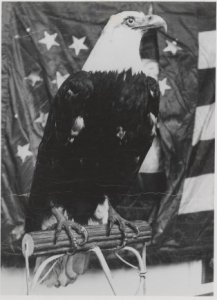


 After WWII, elements of the 101st Airborne were mobilized to Little Rock by President Eisenhower to protect the civil rights of the “Little Rock Nine”, a group of black students enrolled in Little Rock Central High School in September 1957, as the result of the US Supreme Court’s landmark ruling in the historic Brown v. Board of Education case.


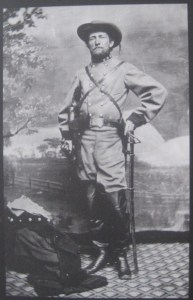 Mosby participated in the 1st Battle of Manassas (1st Bull Run) as a member of the Virginia Volunteers Mounted Rifles, later joining James Ewell Brown “Jeb” Stuart as a Cavalry Scout. A natural horseman and gifted tactician, information gathered by Mosby aided Stuart in his humiliating ride around McLellan’s Army of the Potomac in June, 1862.
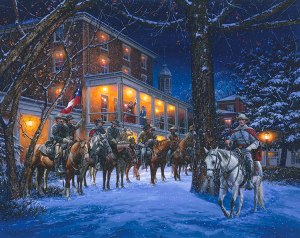 Courthouse, Virginia. Union Brigadier General Edwin H. Stoughton was sleeping in his headquarters there, some sources say he was “sleeping it off”. The Gray Ghost entered the Union General’s headquarters in the small hours of March 9, his rangers quickly overpowering a handful of sleepy guards.

 Historical Easter Eggs - Today in History
You must be logged in to post a comment.