
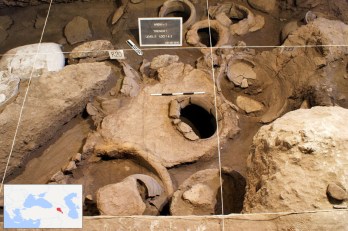
 The oldest winery for which archaeological evidence exists was established around BC4100, in present-day Armenia. The Egyptian Pharoahs were producing a wine-like substance from 3100BC for use in public ceremonies, due to its resemblance to blood.
Archaeologists discovered a 3,700 year old wine cellar in the north of Israel. Phoenecian traders plied the Mediterranean from the shores of the Middle East to Gibraltar, transporting grapevines and wine in ceramic jugs. Traders introduced wine to the ancient Greeks sometime around BC800, who then began to perfect the beverage, even naming a God of the grape harvest: Dionysus.
 Sounds like a great job, as Greek Gods go.
As the Greek city-states rose in power, viticulture and wine making traveled the eastern Mediterranean with Greek armies, into Sicily and the boot of Italy, and north toward Rome.
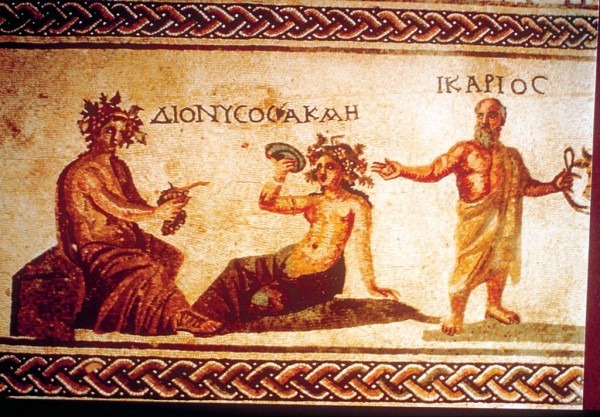
The Roman Republic built on and improved what the Greeks had begun, creating their own God of Wine and calling him Bacchus. It was the ancient Romans who first developed the concept of Terroir, “tare WAHr”, the notion that regional climate, soils and aspect (terrain) can effect the taste of wine.
 The legions of Rome expanded the Empire across Europe from modern day France and Germany into Portugal and Spain. Everywhere the Legions went, vineyards were soon to follow. To this day, some regions are said to have more ‘Terroir’, than others.
Wine seemed better suited to the sensibilities of the Roman palate, and Tacitus maligned the bitter brew of Germanic barbarians. Nevertheless, letters home from cavalry commanders of the Roman Britain period (ca AD97-103), include requests for more “cerevisia”.
Muhammad directed the “Righteous” to abstain from alcohol sometime in the seventh century, but promised “[R]ivers of water unaltered, rivers of milk the taste of which never changes, rivers of wine delicious to those who drink…” in heaven. (Surah 47.15 of the Qur’an.)
Local production of rustic beers continued well beyond the collapse of the Roman empire, while the monasteries of Europe became prime repositories of viticulture and wine making technique.
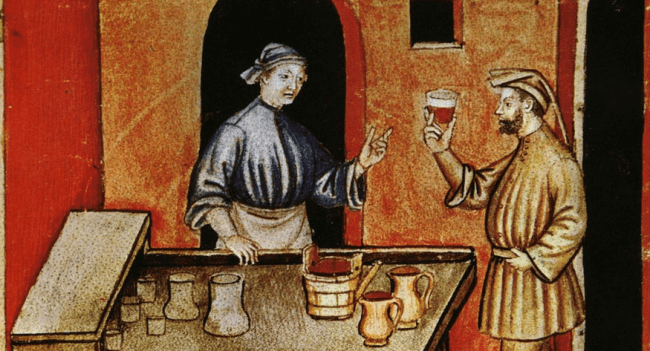
The wines of medieval and renaissance-era Europe tended to be almost universally red and almost always, still. The in-bottle refermentation that gives “sparkling” wine its ‘fizz’ was a problem. Fermentable sugars were frequently left over when weather began to cool in the fall, particularly with the white grape varietals. Refermentation would set in with the warm spring weather, converting bottles into literal time bombs. Caps would pop off and wine would spoil. Sometimes the whole batch would explode, one pressurized bottle going off in sympathetic detonation with the other.
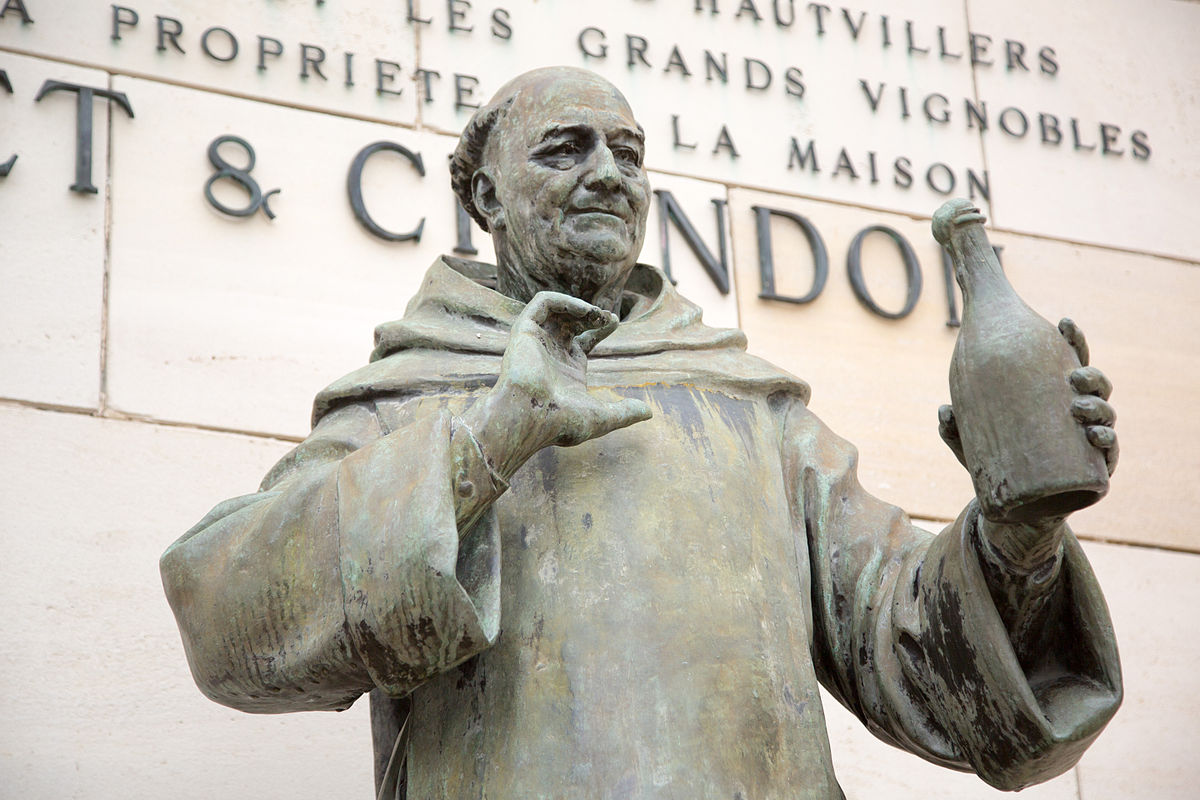
Pierre Perignon entered the Benedictine Order at the age of 19, doing his novitiate at the abbey of Saint-Vannes near Verdun and transferring to the abbey of Hautvillers in 1668.
On August 4, 1693, the date traditionally ascribed to Brother (Dom) Pérignon’s invention of Champagne, the monk is supposed to have said “Come quickly, I am drinking the stars!”.
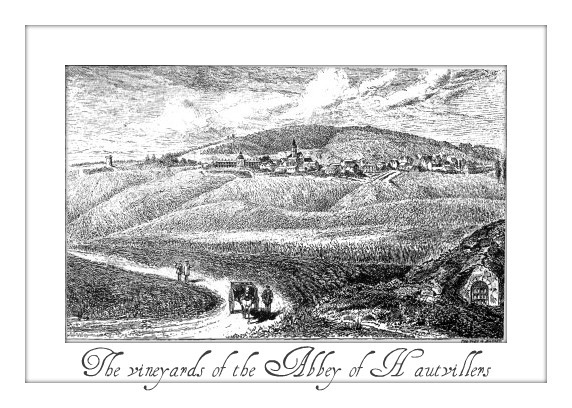 The story is almost certainly a myth, a later embellishment to the story. During his 47 year career, Pérignon went to considerable lengths to eliminate bubbles from his wine. Dom Pérignon never succeed in that goal, yet he did make bubbly wine a whole lot better, using corks for the first time to prevent the escape of carbon dioxide, and perfecting a ‘gentle’ pressing technique which left out the murkiness of the skins.
It is almost certainly Dom Pérignon who perfected the double fermentation process. He was an early advocate of natural farming methods we would call “organic”, today. Pérignon insisted on “blind” tasting, not wanting to know what vineyard a grape came from prior to selection, and strictly avoiding the addition of foreign substances, insisting that all blending take place at the grape stage.
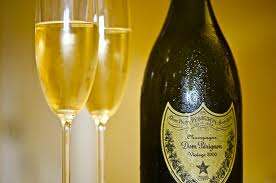 Pérignon didn’t like white grapes because of their tendency to enter refermentation. He preferred the Pinot Noir, and would aggressively prune the plants so that vines grew no higher than three feet and produced a smaller crop. The harvest was always in the cool, damp early morning hours, and Pérignon took every precaution to avoid bruising or breaking his grapes. Over-ripe and overly large fruit was always thrown out. Pérignon never permitted grapes to be trodden upon, always preferring the use of multiple presses.
In 1891, the Madrid Agreement established among the European powers, that only sparkling wines from a certain region in northeast France may be labeled “Champagne”. The principle was re-asserted in the Treaty of Versailles ending WW1, providing protections for a French wine industry which had, ironically, been saved and literally rebuilt from the ground up by grafting “inferior” American root stock onto French vines.
But that must remain a story for another day.
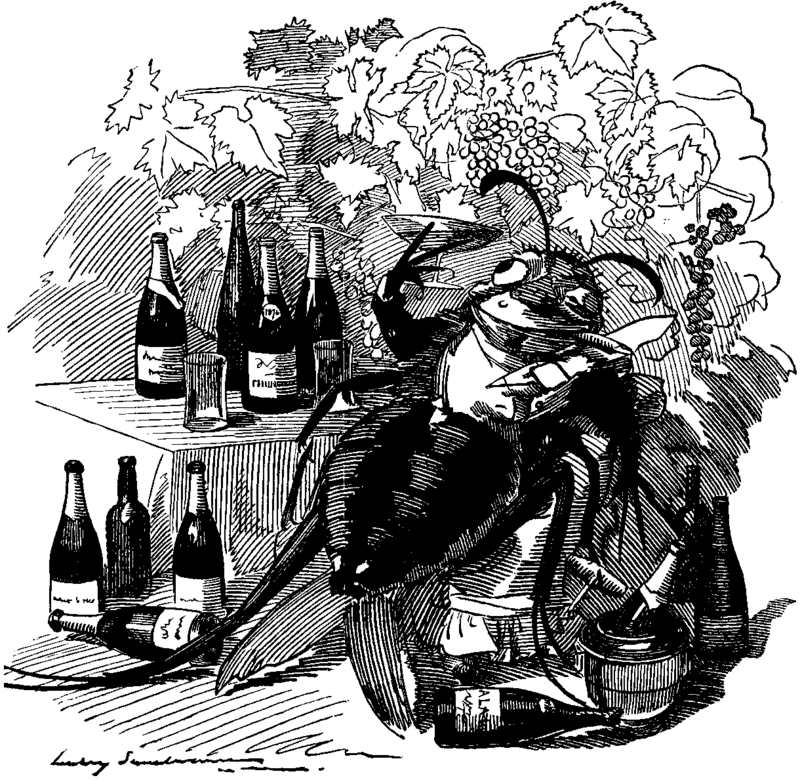
That American companies like Korbel, Cook’s and others may continue to call their bubbly wines Champagne is due to the United States’ Senate never having ratified the treaty formally ending WW1, back in 1920. The United States entered the Madrid system in 2003, but the Champagne name dispute, remains unsettled.
Benjamin Franklin, born nine years before brother Pérignon’s death in 1715, is supposed to have said “Beer is proof that God loves us and wants us to be happy.” That’s close, but the quote seems to come from a letter to André Morellet dated 1779, in which the Founding Father wrote “Behold the rain which descends from heaven upon our vineyards; there it enters the roots of the vines, to be changed into wine; a constant proof that God loves us, and loves to see us happy“.
Either way, I enthusiastically approve Mr. Franklin’s message. Cheers.




 Shorter in stature and considerably more powerful than Cro-Magnon, our direct ancestor and all but indistinguishable from ourselves, Neanderthal bodies were suited to the ice age of the early and middle Paleolithic era.


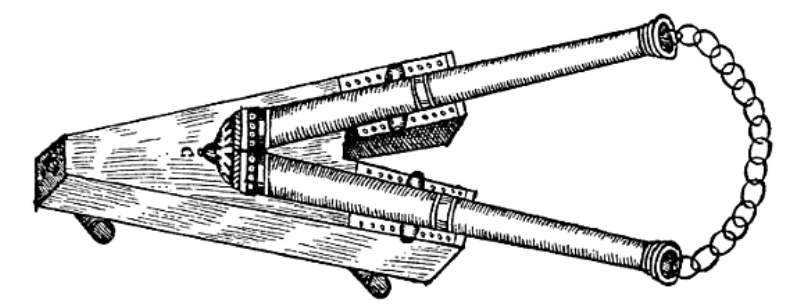
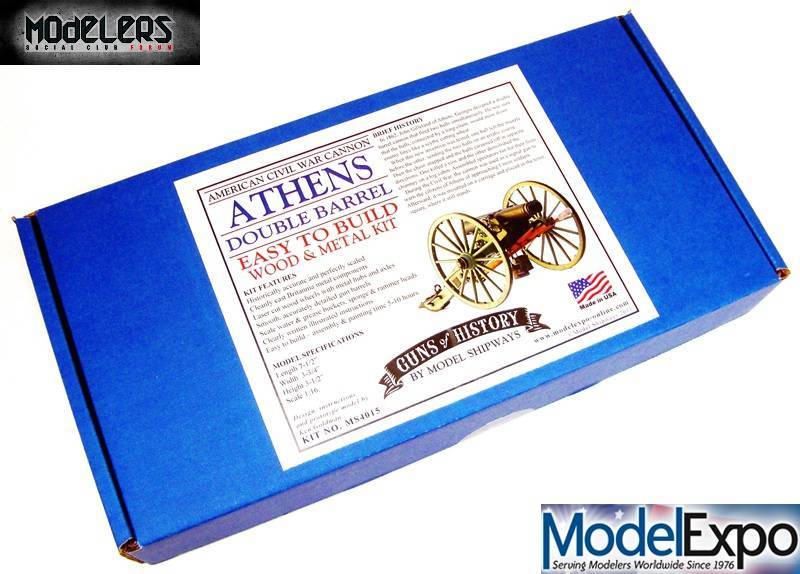
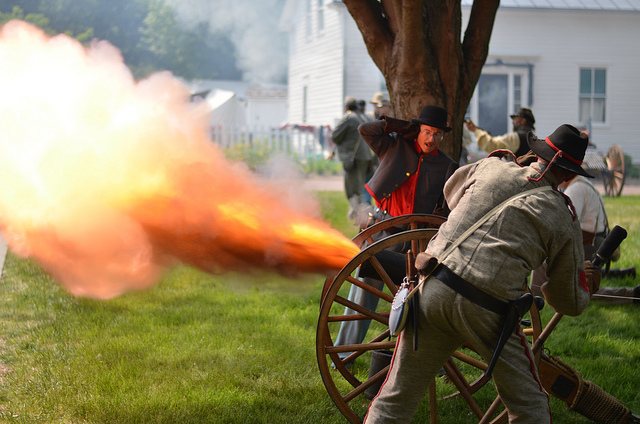
 Augustus Longstreet Hull was born 1847 in “The Classic City” of Athens Georgia, and enlisted in the Confederate Army on September 8, 1864.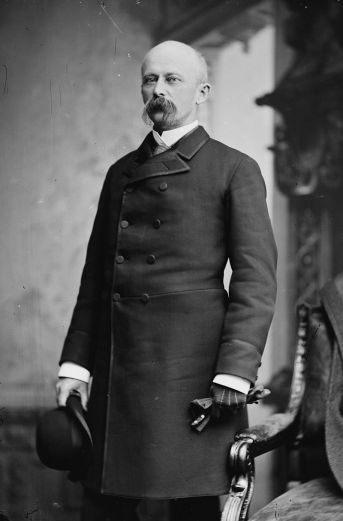


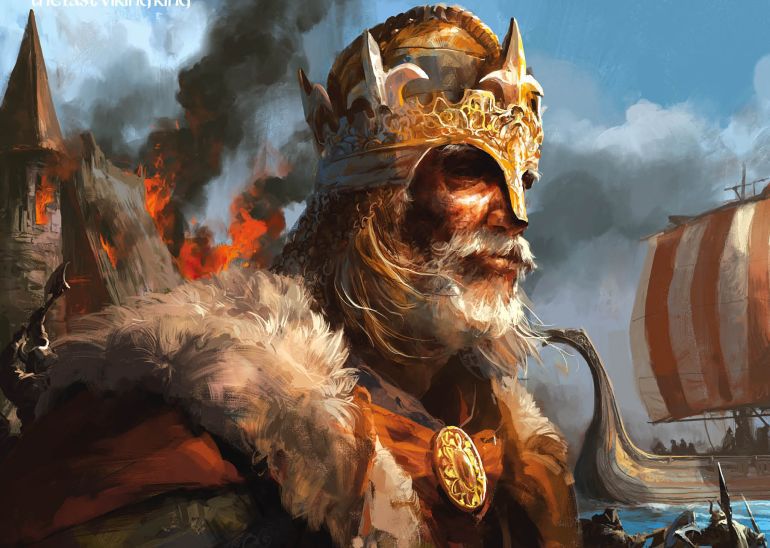
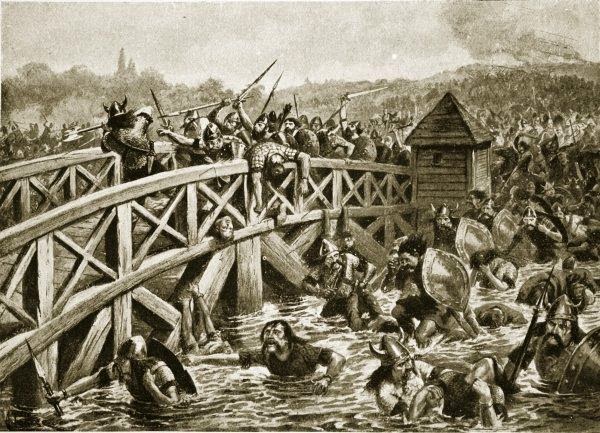
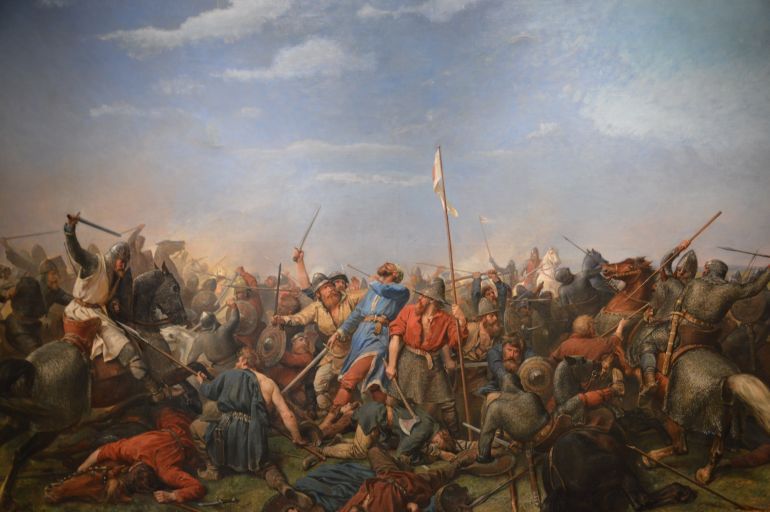
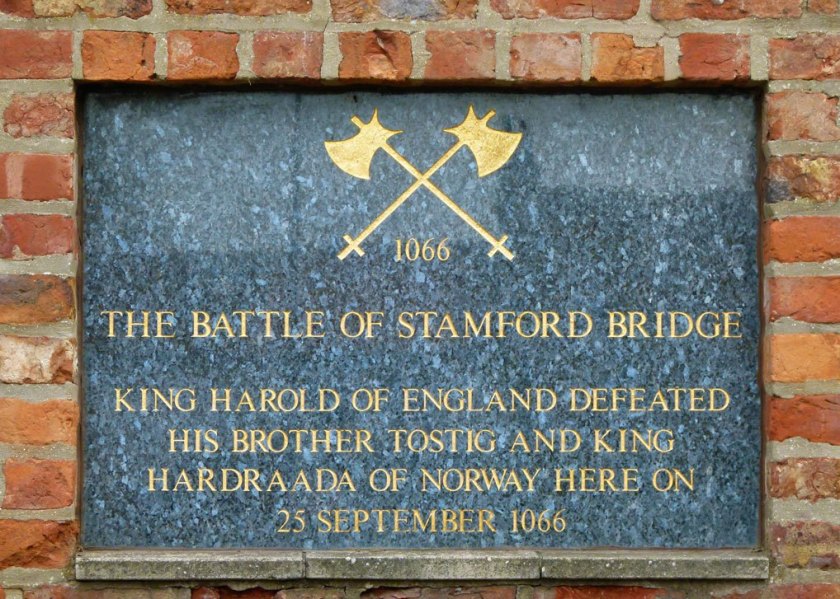
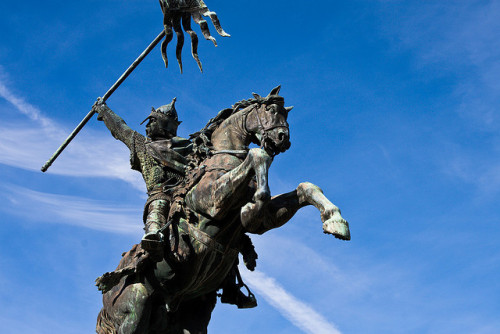 A greatly diminished Anglo Saxon army marched south, meeting the Norman invader in October, 1066. In an age of mechanized warfare, it is odd to think you could have been on a neighboring hill, and not heard a thing. History changed that day, when King Harold took an arrow to the eye, at a place called Hastings. The last of the Anglo Saxon Kings, was dead. William was crowned King of England that December. Henceforward and forever more, William the Bastard would be known as “William the Conqueror”.

 Late in the 12th century, King’s Treasurer Richard FitzNeal likened the Great Survey to the Book of Judgement, the book of “Domesday” (middle English for “Doomsday”), because its pronouncements were final and inviolate, as the Last day of Judgement.

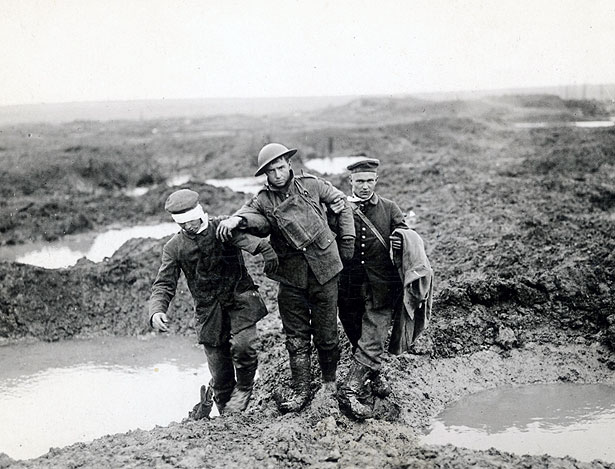
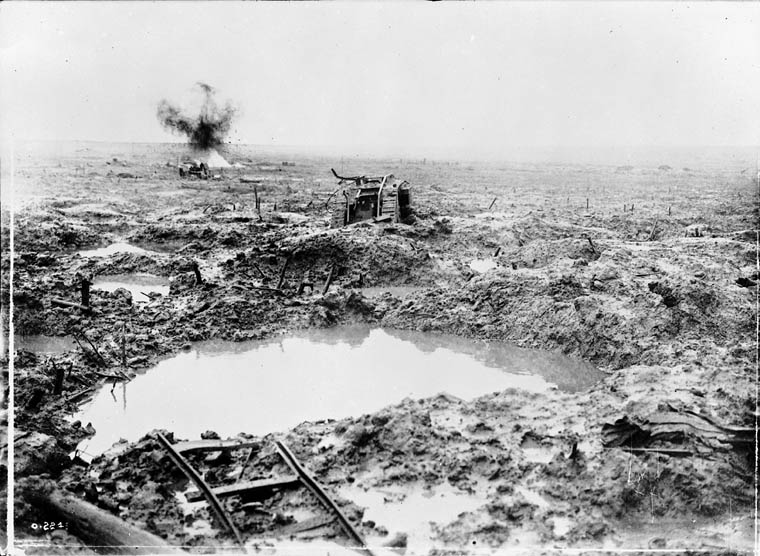
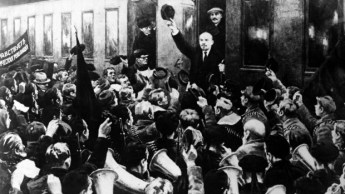 Massive French losses stemming from the failed Nivelle offensive of that same month (French casualties were fully ten times what was expected) combined with irrational expectations that American forces would materialize on the western front led to massive unrest in the French lines. Fully one-half of all French forces on the western front mutinied. It’s one of the great miracles of WW1 that the German side never knew, else the conflict may have ended, very differently.
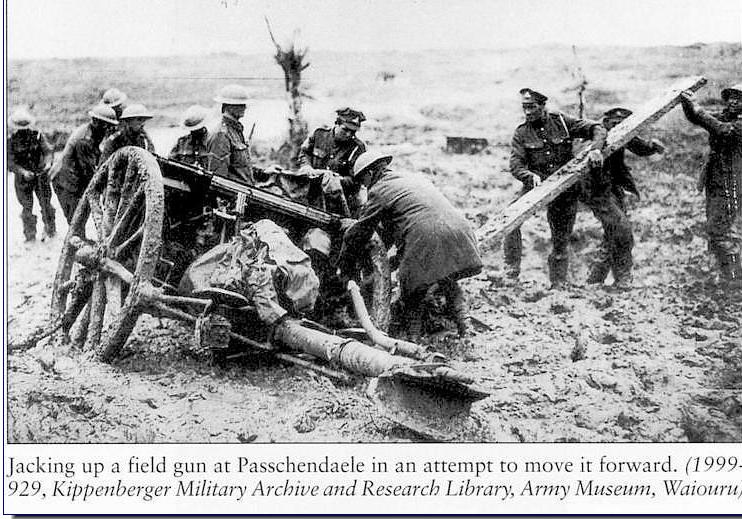 For eighteen months, British miners worked to dig tunnels under Messines Ridge, the German defensive works laid out around the Belgian town of Ypres. Nearly a million pounds of high explosive were placed in some 2,000′ of tunnels, dug 100′ deep. 10,000 German soldiers ceased to exist at 3:10am local time on June 7, in a blast that could be heard as far away, as London.
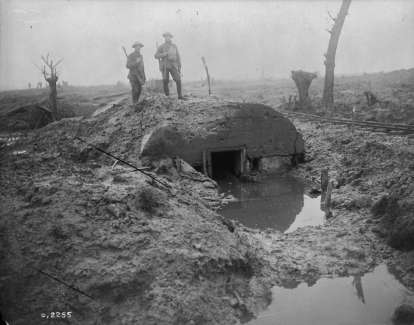
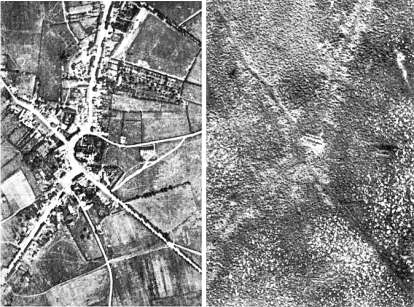
 “Squire nagged and bullied till I went to fight,
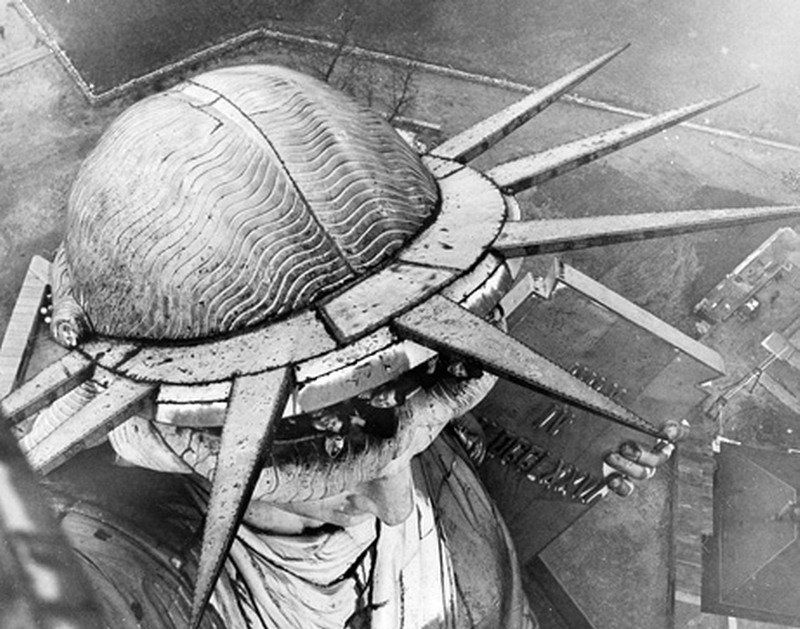
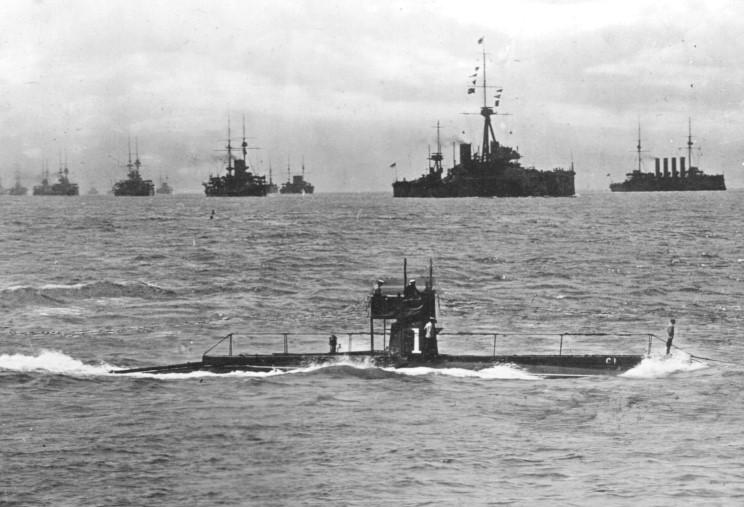 To the Central Powers, such trade had the sole purpose of killing their boys on the battlefields of Europe.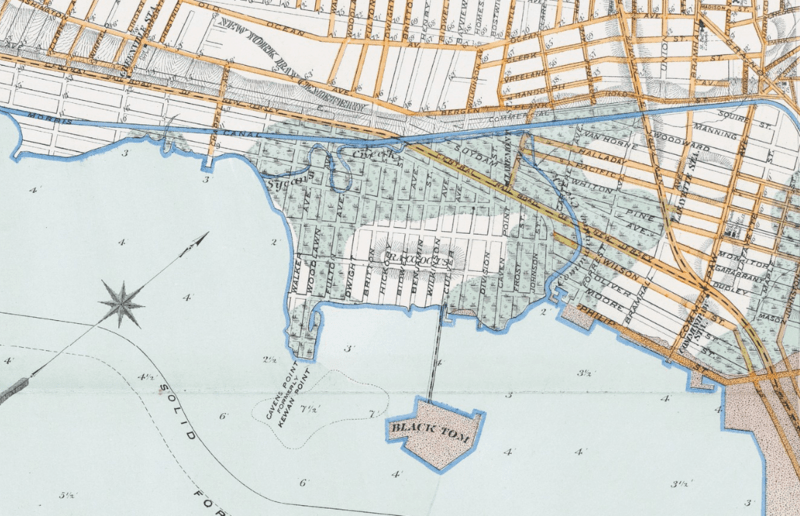
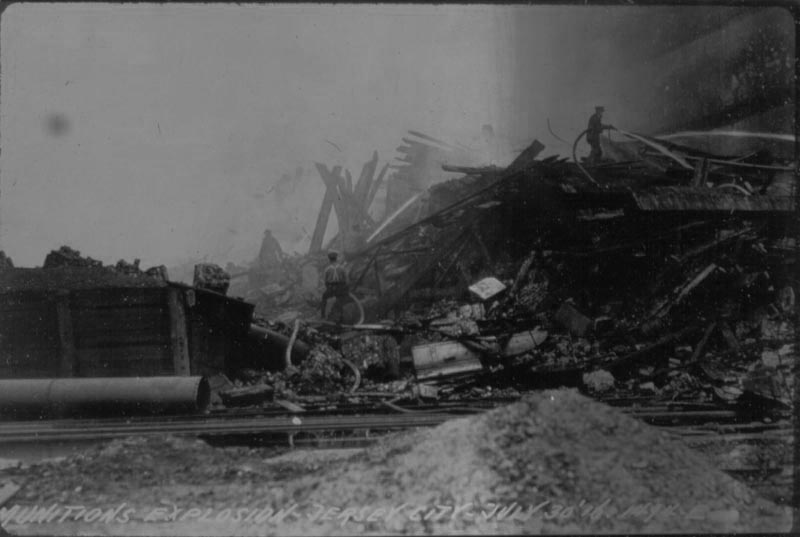
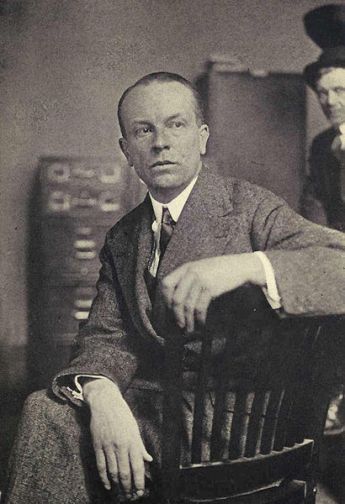
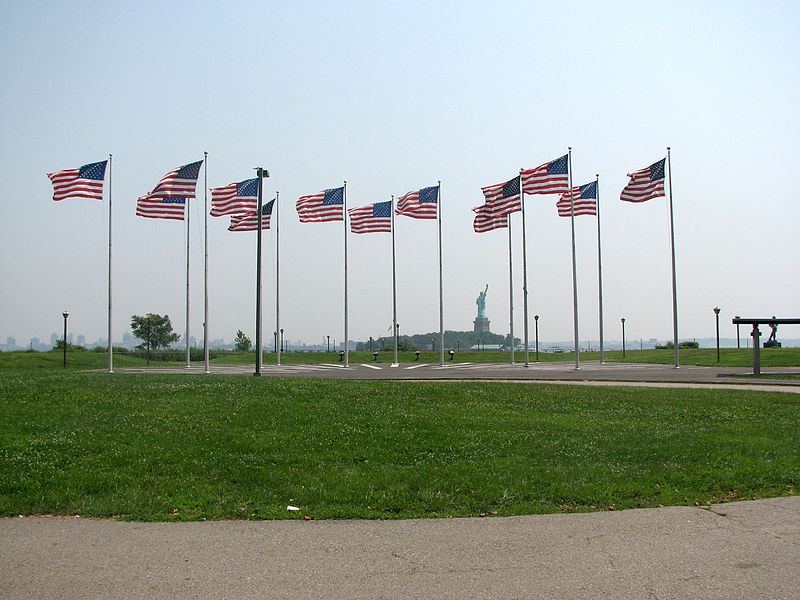
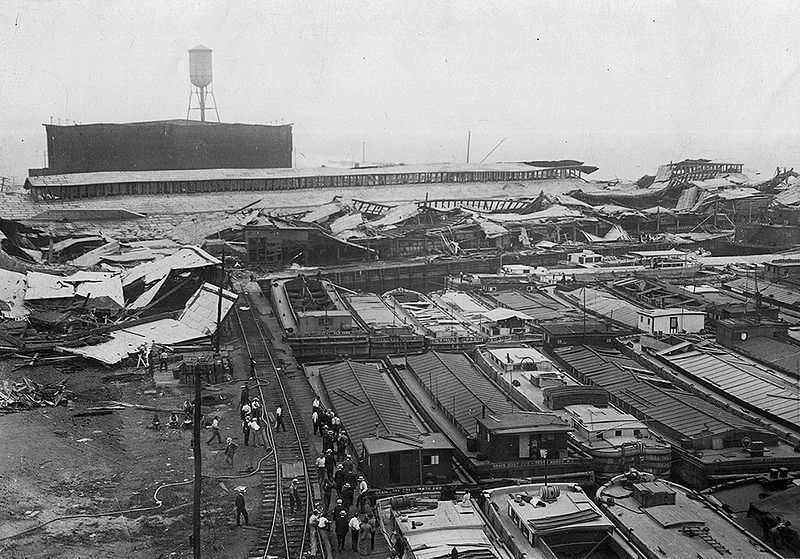 Known fatalities in the explosion included a Jersey City police officer, a Lehigh Valley Railroad Chief of Police, a ten week old infant, and the barge captain.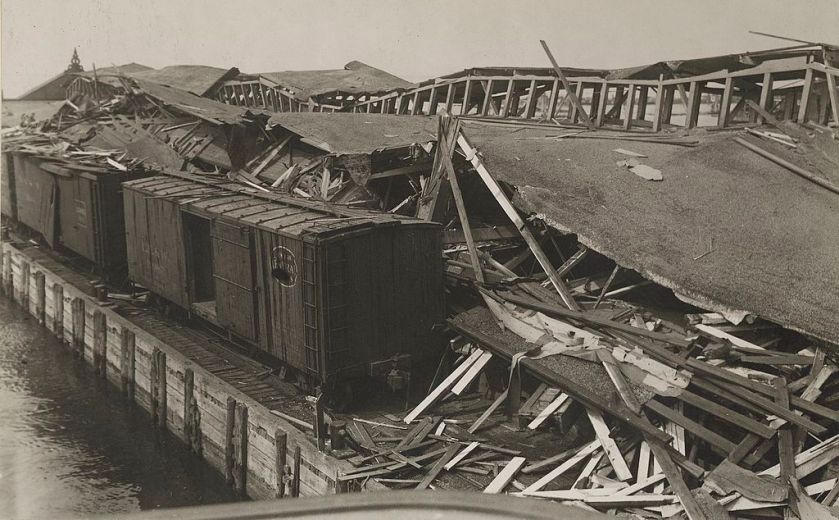

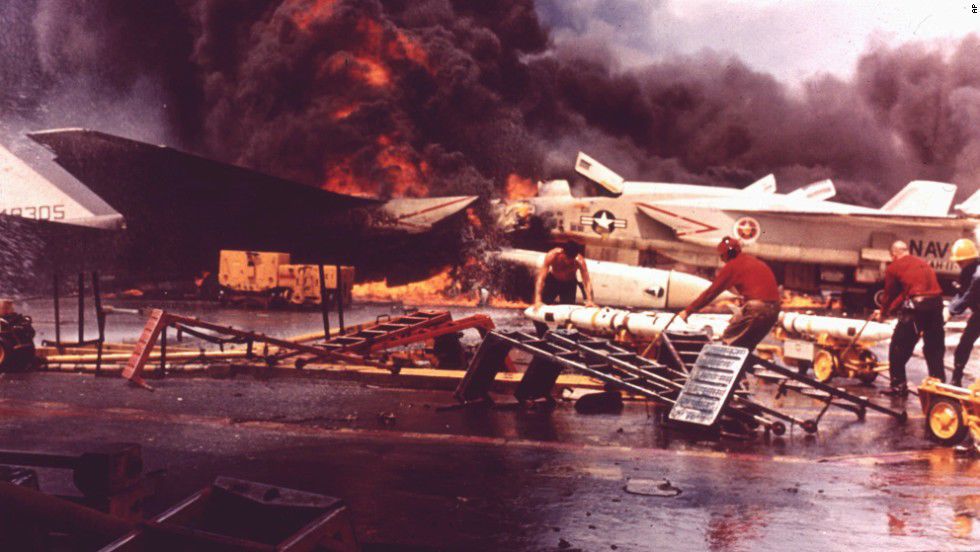
 These older bombs were way past their “sell-by” date, having spent the better part of the last ten years in the heat and humidity of Subic Bay depots. Ordnance officers wanted nothing to do with the Fat Boys, with their rusting shells leaking paraffin, and rotted packaging. Some had production date stamps as early as 1953.
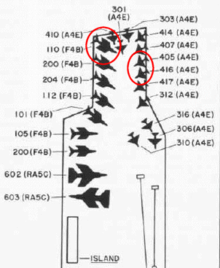 In addition to the bombs, ground attack aircraft were armed with 5″ “Zuni” unguided rockets, carried four at a time in under-wing rocket packs. Known for electrical malfunctions and accidental firing, standard Naval procedure required electrical pigtails to be connected, at the catapult.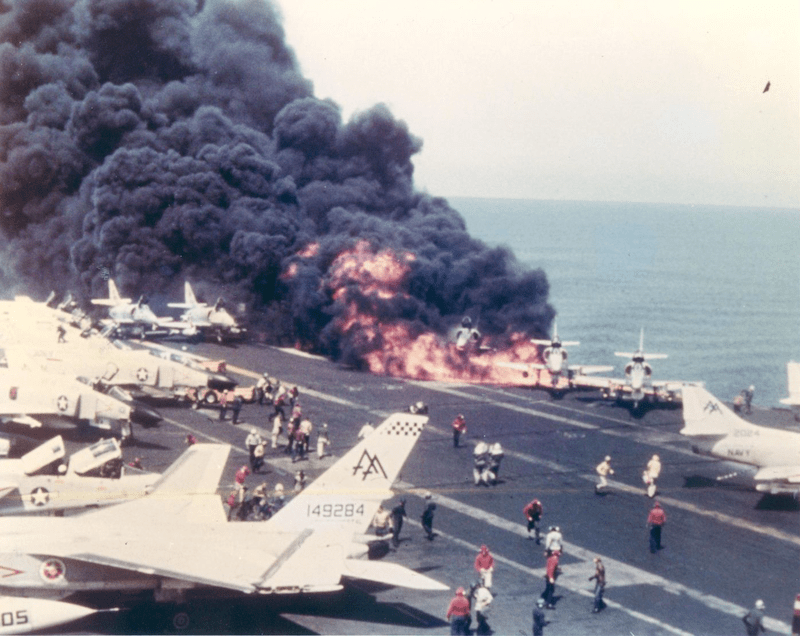




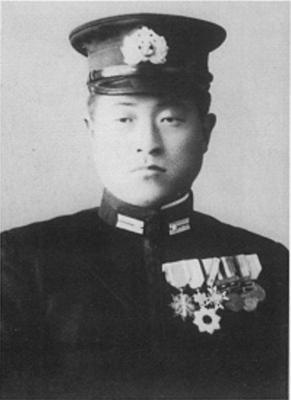
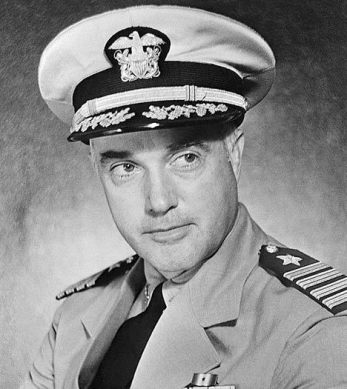
 The Japanese submarine I-58, Captain Mochitsura Hashimoto commanding, fired a spread of six torpedoes at the cruiser, two striking Indianapolis’ starboard bow at fourteen minutes past midnight on Monday, July 30. The damage was massive. Within 12 minutes, the 584-ft, 9,950-ton vessel had rolled over, gone straight up by the stern, and sunk beneath the waves.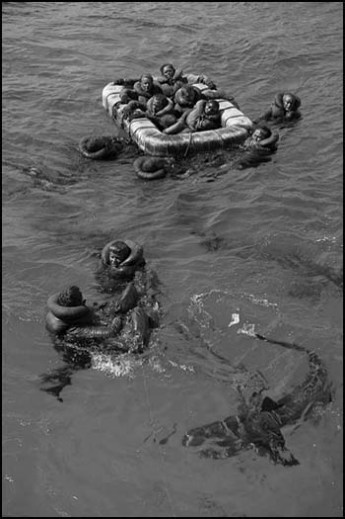
 He couldn’t let it end there. Scott began to attend Indianapolis survivors’ reunions, at their invitation, and helped to gain a commitment in 1997 from then-Representative Joe Scarborough that he would introduce a bill in Congress to exonerate McVay the following year.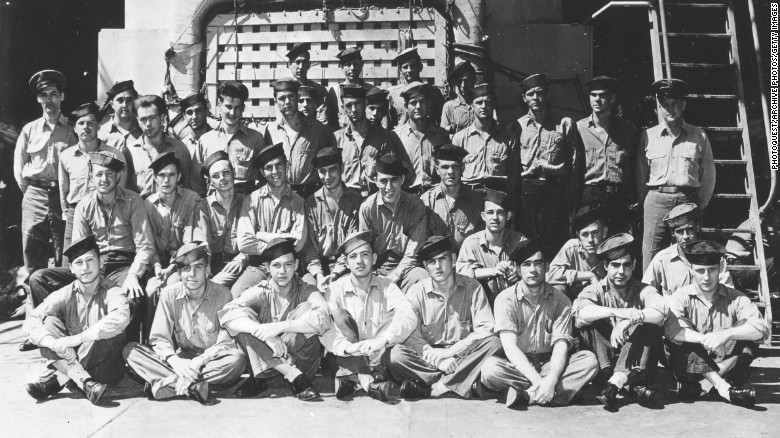


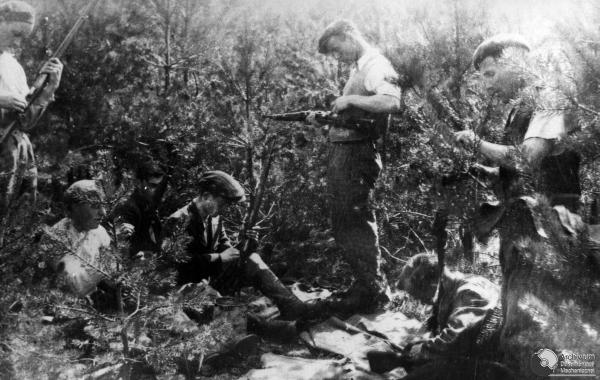

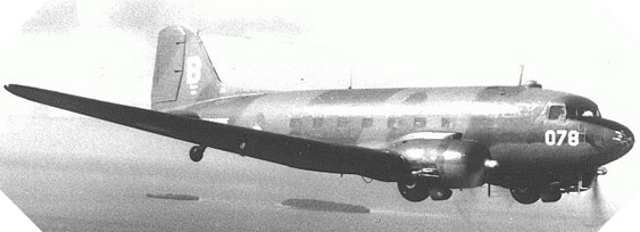 There would be 5 hours of unarmed, unescorted flight through Nazi-controlled air space and an emergency landing with no brakes, before those V2 rocket components finally made it to England.


You must be logged in to post a comment.