
By the Colonial era, Europeans had long believed that natural mineral waters held medicinal qualities, and favored the beverages over often polluted common drinking water. British chemist Joseph Priestley invented a means of carbonating water in 1772. Jacob Schweppe’s Geneva, Switzerland company was bottling the stuff by the 1780s. The first soda water manufacturer in the US was Yale University chemist Benjamin Silliman in 1807, though it was Joseph Hawkins of Baltimore who secured the first US patent in 1809.
 At first sold for their therapeutic value, consumers increasingly bought carbonated beverages for refreshment.
By the time of the Civil War, “soft drinks” were flavored with ginger, vanilla, fruits, roots, herbs, and countless other flavorings. The first cola drink appeared in 1881.
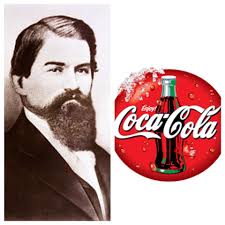
In 1865, Confederate Cavalry officer John Stith Pemberton was wounded by a saber slash across the chest at the Battle of Columbus, Georgia. Like many wounded veterans, Pemberton became addicted to the morphine given him to control the pain. Unlike many wounded veterans, he possessed the means to do something about it.
A chemist in civil life, Pemberton experimented with painkillers to take the place of opiates, landing in 1886 on a combination of the coca plant and kola nut. Vicksburg, Mississippi pharmacist Joseph Biedenharn installed bottling equipment in the back of his soda fountain, selling the first bottles of Coca Cola on March 12, 1894.
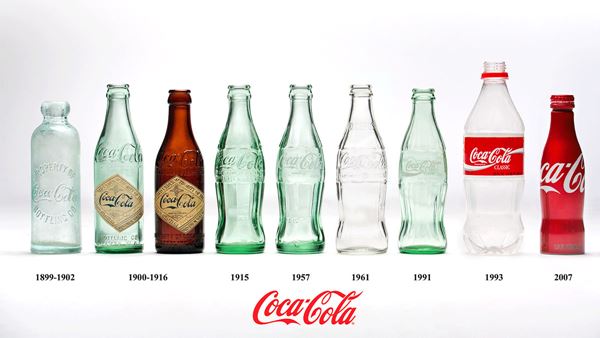 The most famous rivalry in the soft drink business began in the 1930s, when Pepsi offered a 12oz bottle for the same 5¢ as Coca Cola’s six ounces.
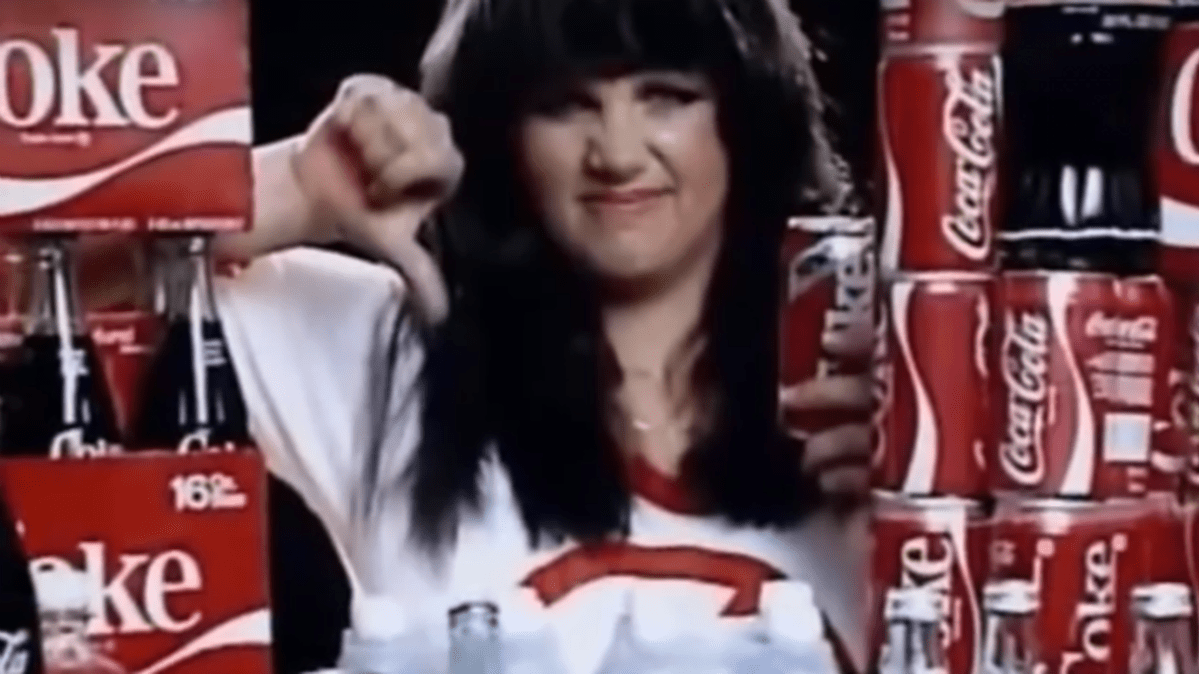
The Coca Cola Company’s flagship brand had a 60% share by the end of WWII, but that declined to less than 24% by the early 1980s, most of the difference lost to Pepsi and their “Pepsi challenge” blind taste test promotions of the late ’70s.
 By the ’80s, market analysts believed that aging baby boomers were likely to switch to diet drinks and any growth in the full calorie segment was going to come from younger consumers, who preferred the sweeter taste of Pepsi.
Roberto Goizueta came to Coca Cola Company as CEO in 1980, saying that there would be “no sacred cows” among their products. He meant it. Before long, the company launched the top secret “Project Kansas”, to test and perfect the flavor for a new version of Coke. The company’s marketing department fanned out, holding taste tests, surveys, and focus groups.
Early results were favorable, the newer, sweeter mixture overwhelmingly beating both Pepsi and Coke itself. Most tasters said they would buy the product, but a minority of 10 to 12 percent were angry and alienated at the very thought of it. This small percentage was adamant. These people would stop drinking Coke products altogether. So determined were they that this small splinter group often swayed other members of their focus groups.
The way things turned out, the company should have listened to this group a little more carefully.
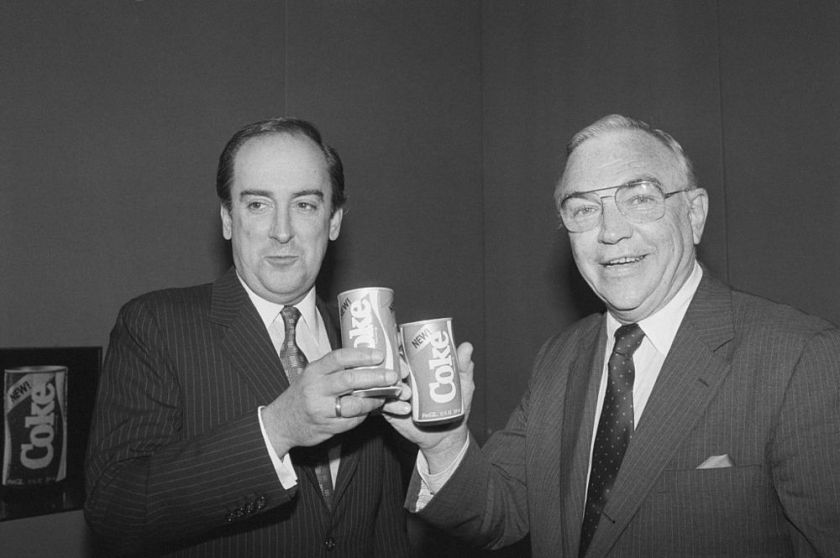
 On an April Friday in 1985, Coke let the media know that a major announcement was coming the following Tuesday. Coca Cola officials spent a busy weekend preparing for the re-launch, while Pepsi Executives announced a company-wide holiday, taking out a full page ad in the New York Times, crowing that “Pepsi had Won the Cola Wars”.
Skepticism was high on the day of the Big Announcement. Reporters were fed questions by Pepsi officials, and Goizueta fumbled the ball, refusing to state the reason for the change. He certainly wasn’t going to give Pepsi any credit for their performance in taste tests and his explanation hardly met the standards for “the Real Thing’. “[It’s] smoother”, he said, “uh, uh, rounder yet, uh, yet bolder…a more harmonious flavor”.
Yeah. That’s the ticket.
The backlash was ferocious, closely tracking results from those earlier focus groups. Atlanta based Coca Cola’s southern customers described the change as another surrender to the “Yankees”. More than 400,000 calls and letters came into company headquarters, including one addressed to “Chief Dodo, The Coca-Cola Company”. Another letter asked for Goizueta’s autograph, since the signature of “one of the dumbest executives in American business history” would surely become a valuable collector’s item. One psychiatrist hired by Coke to listen in on phone calls, told executives some people sounded as if they were discussing the death of a family member.
 Not even Max Headroom and his stuttering “C-c-c-catch the wave!” could save the company.
Ads for “New Coke” were booed at the Houston Astrodome while Pepsi ran ads in which a smiling first-time Pepsi drinker exclaimed “Now I know why Coke did it!”
Even Fidel Castro weighed in, calling the change a sign of capitalist decadence.
Company President Donald Keough realized it was over on a visit to the Mediterranean Principality of Monaco. Coming to the diner’s table, the small restaurant owner proudly proclaimed that he had “the real thing, it’s a real Coke,” offering Keough’s party a bottle of the old stuff.
 So it was that, in 1985, Coca Cola announced they’d bring back the 91-year old formula. One reporter asked Keough if the whole thing had been a publicity stunt. Keough’s answer should be taught in business schools the world over, if it isn’t already. “We’re not that dumb,” he said, “and we’re not that smart”.


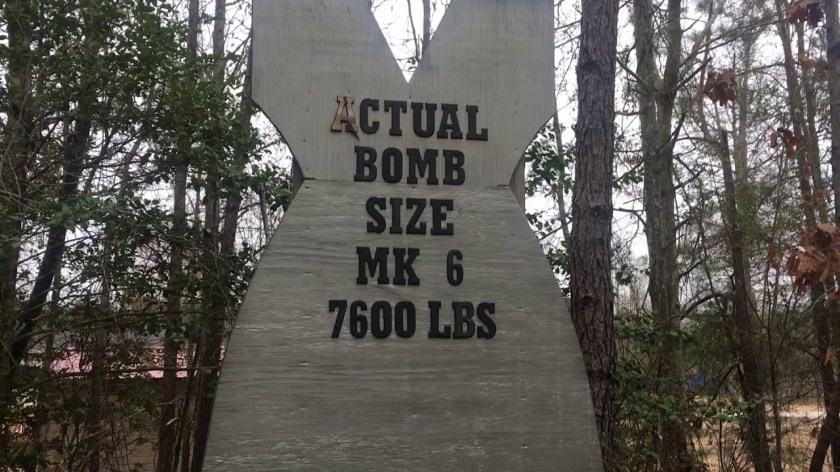 To anyone under the age of 40, the Cold War must seem a strange and incomprehensible time. Those of us who lived through it, feel the same way.
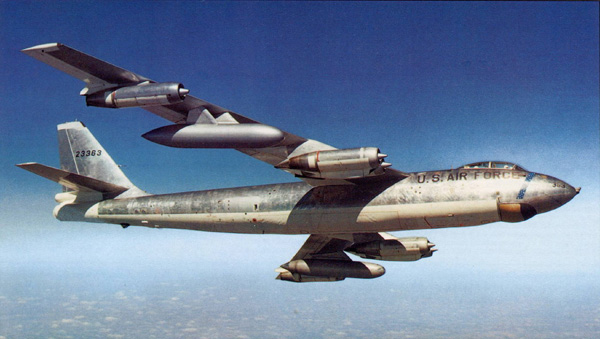 At 15,000-feet, a warning light came on in the cockpit, indicating the load wasn’t properly secured. Not wanting a thing like that rattling around in the back, Captain Earl E. Koehler sent navigator Bruce M. Kulka, to investigate. Kulka slipped and grabbed out for something, to steady himself. That “something” just happened to be, the emergency release.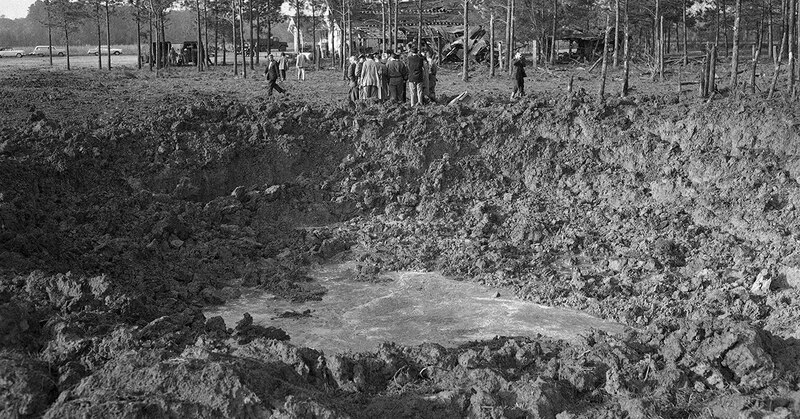
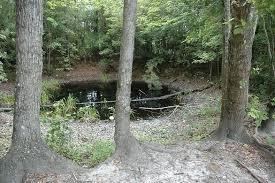
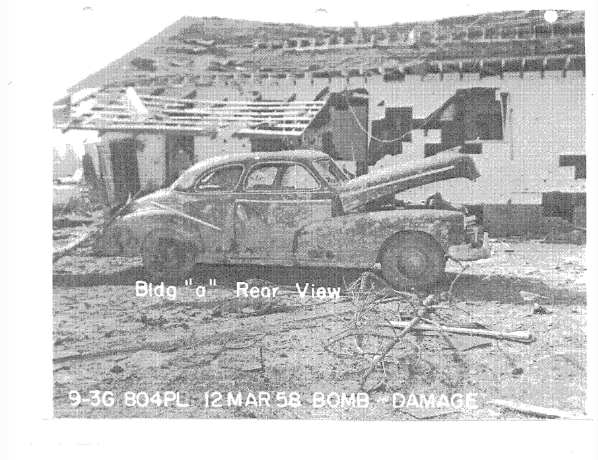 Three years later, a B-52 Stratofortress carrying two Mark 39 thermonuclear bombs broke up in the air over Goldsboro, North Carolina. Five crew members ejected from the aircraft at 9,000-feet and landed safely, another ejected but did not survive the landing. Two others died in the crash.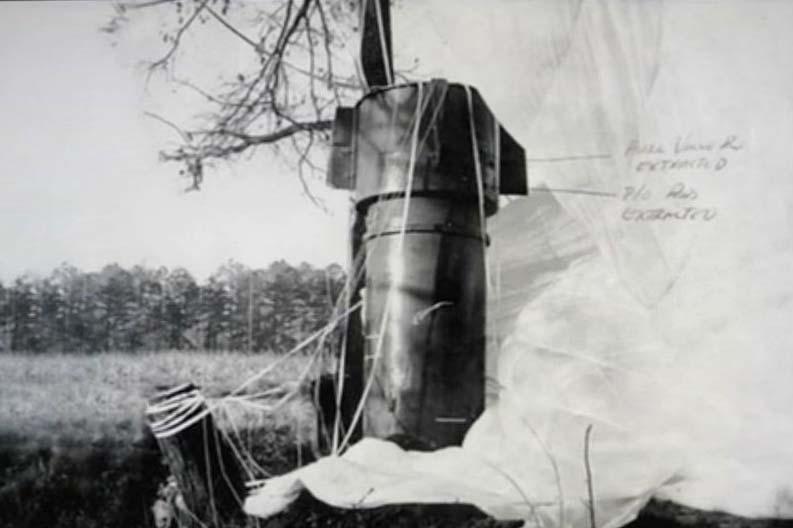
 Over the years, members of the flight crew stopped by to apologize for the episode.
 2,500 years ago, Bantu farmers on the African continent began to spread out across the land as the first Africans penetrated the dense rain forests of the equator, to take up a new life on the west African coast.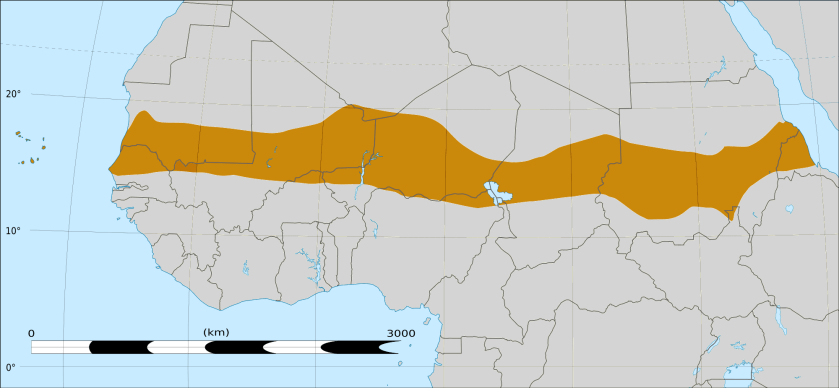
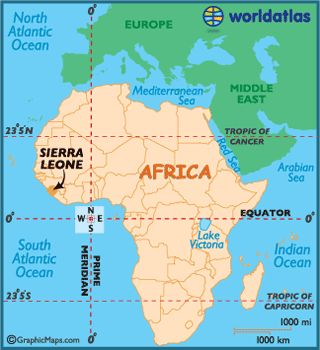 Home to one of the few safe harbors on the surf-battered “windward coast”, Sierra Leone soon became a favorite of European mariners, some of whom remained for a time while others came to stay, intermarrying with local women.
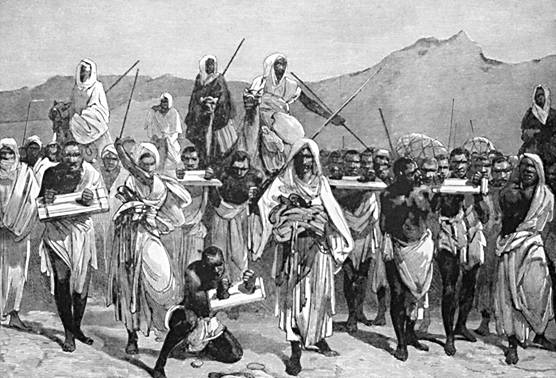 While this type of “slave” retained rudimentary rights at this time, those unfortunate enough to be captured by Dutch, English and French slavers, did not.
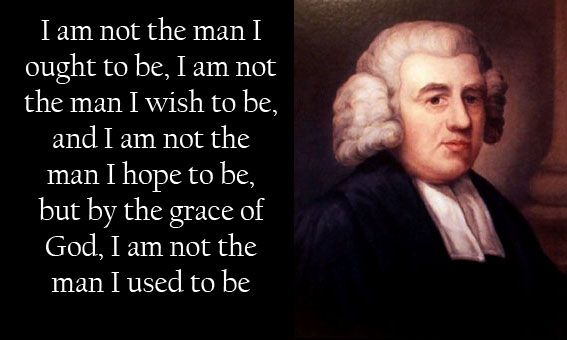
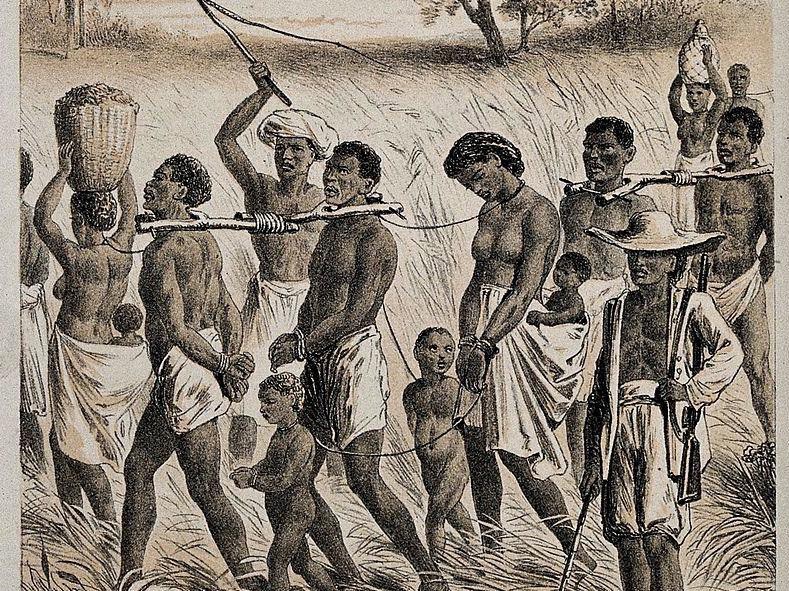 This was the world of John Newton, born July 24 (old style) 1725 and destined to a life, in the slave trade.
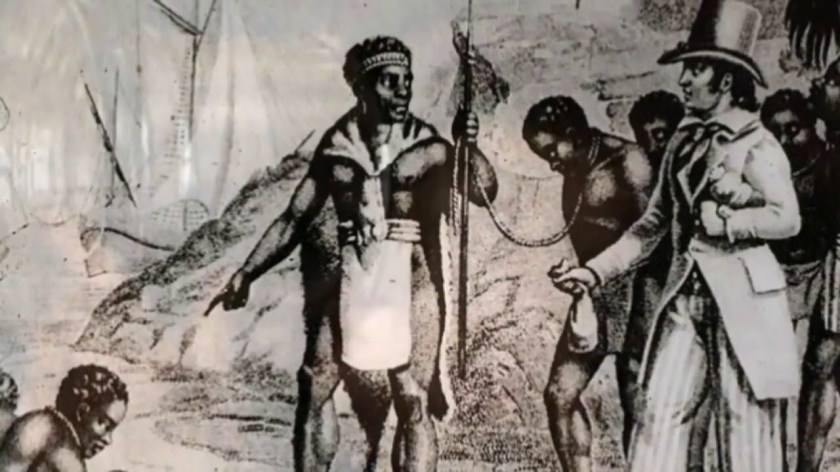 Newton hated life on the Pegasus as much as they, hated him. In 1745, they left him in West Africa with slave trader Amos Clowe. Newton was now himself a slave, given by Clowe to his wife Princess Peye of the Sherbro tribe. Peye treated Newton as horribly as any of her other slaves. Newton himself later described these three years as “once an infidel and a libertine, [now] a servant of slaves in West Africa”.
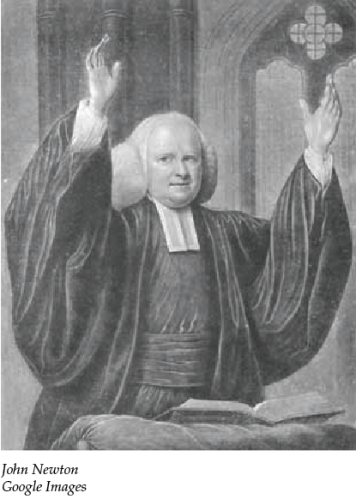 Moving to London in 1780 as the Rector of St. Mary Woolnoth church, Newton became involved with the Committee for the Abolition of the Slave Trade.
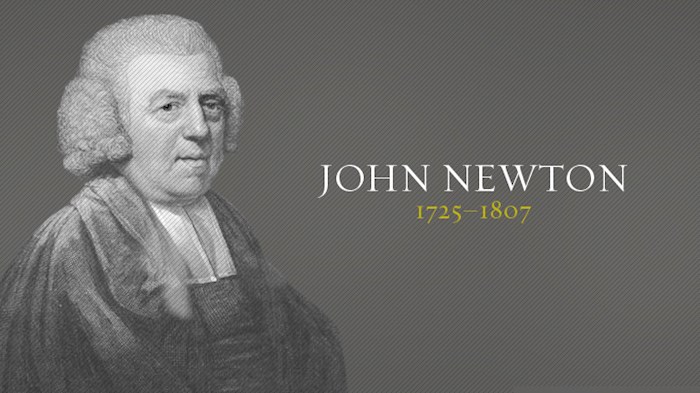 William Cowper was an English poet and hymnist who came to worship in Newton’s church, in 1767. The pair collaborated on a book of Newton’s hymns including “Glorious Things of Thee Are Spoken,” “How Sweet the Name of Jesus Sounds!,” “Come, My Soul, Thy Suit Prepare” and others.


 Radios of the age didn’t work across the Rockies, and the mail was erratic. The only passenger service available was run by the Yukon Southern airline, a run which locals called the “Yukon Seldom”. For construction battalions at Dawson Creek, Delta Junction and Whitehorse, it was faster to talk to each other through military officials in Washington, DC.
 Tent pegs were useless in the permafrost, while the body heat of sleeping soldiers meant waking up in mud. Partially thawed lakes meant that supply planes could use neither pontoon nor ski, as Black flies swarmed the troops by day. Hungry bears raided camps at night, looking for food.
 That October, Refines Sims Jr. of Philadelphia, with the all-black 97th Engineers, was driving a bulldozer 20 miles east of the Alaska-Yukon line when the trees in front of him toppled to the ground. Sims slammed his machine into reverse as a second bulldozer came into view, driven by Kennedy, Texas Private Alfred Jalufka. North had met south, and the two men jumped off their machines, grinning. Their triumphant handshake was photographed by a fellow soldier and published in newspapers across the country, becoming an unintended first step toward desegregating the US military.


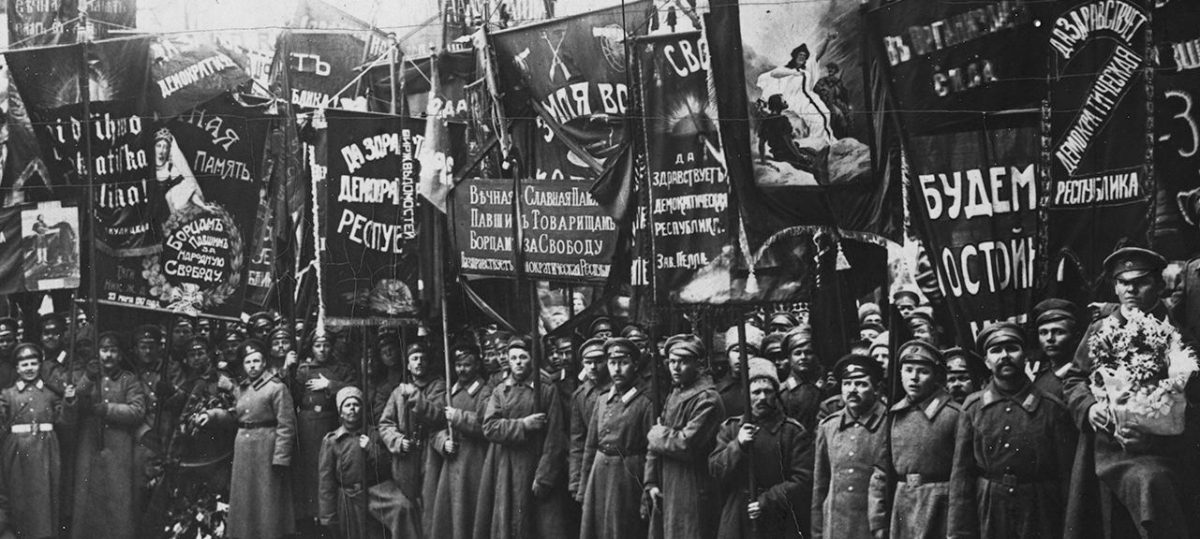
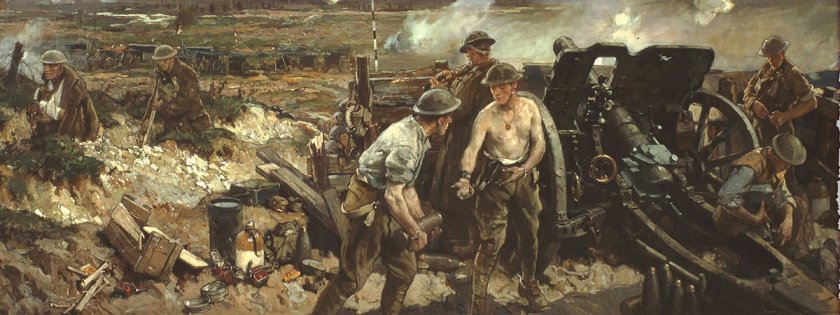 By 1916 it was generally understood in Germany that the war effort was “shackled to a corpse”, referring the Austro-Hungarian Empire where the war had started, in the first place. Italy, the third member of the “Triple Alliance”, was little better. On the “Triple Entente” side, the French countryside was literally torn to pieces, the English economy close to collapse. The Russian Empire, the largest nation on the planet, was teetering on the edge of the precipice.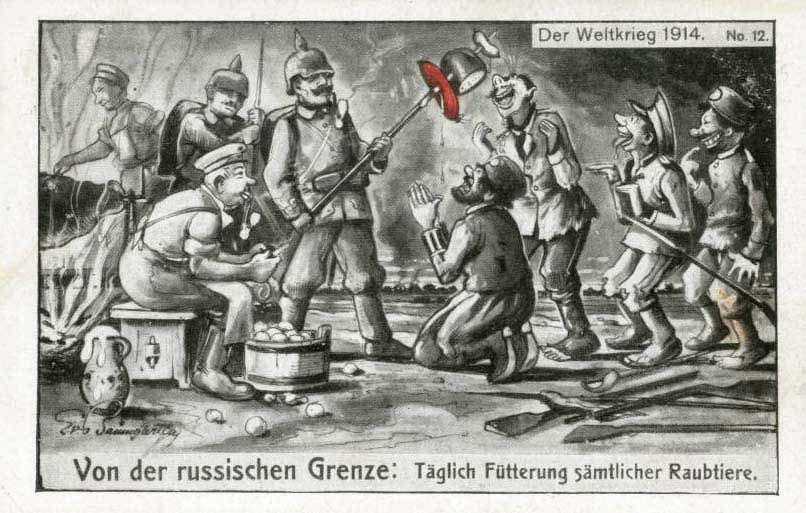

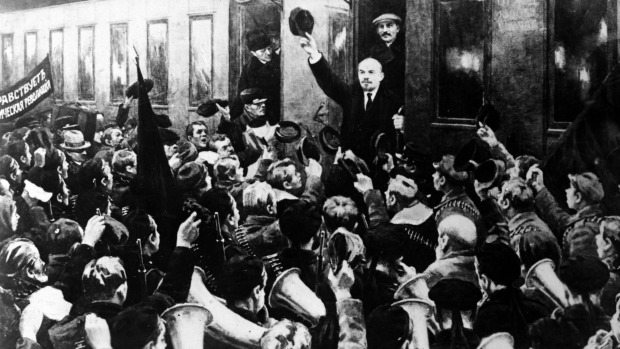 By October, Russia would experience its second revolution of the year. The German Empire could breathe easier. The “Russian Steamroller” was out of the war. And none too soon, too. With the Americans entering the war that April, Chief of the General Staff Paul von Hindenburg and his deputy Erich Ludendorff could now move their divisions westward, in time to face the arrival of the American Expeditionary Force.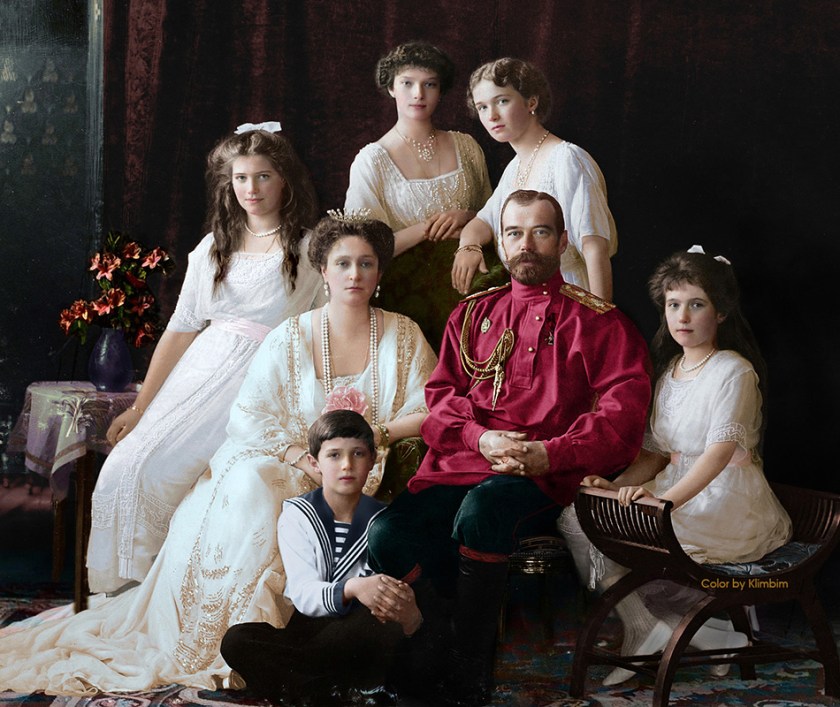


 Be that as it may, three things are certain. First, The fire burned for six days, utterly destroying three of the 14 districts of Rome and severely damaging seven others. Second, Nero used the excuse of the fire to go after Christians, having many of them arrested and executed. Third, the Domus Aurea (“Golden Palace”) and surrounding “Pleasure Gardens” emperor Nero built on the ruins, would be the death of him.

 Within forty years, most of the grounds were filled with earth and built over, replaced by the Baths of Titus and the Temple of Venus and Rome. Vespasian drained the lake and built the Flavian Amphitheatre.
 The Arch of Constantine, the last and largest of the Triumphal Arches of Rome and dedicated in AD315, was carefully positioned to align with Sol Invictus, so that the Colossus formed the dominant backdrop when approaching the Colosseum via the main arch.


 Dr. Emerson died in 1842, leaving his estate to his wife Eliza, who continued to lease the Scotts out as hired slaves.


 The fifty gun HMS Romney arrived in May, 1769. Customs officials seized John Hancock’s merchant sloop “Liberty” the following month, on allegations the vessel was involved in smuggling. Already agitated over Romney’s impressment of local sailors, Bostonians began to riot. By October, the first of four regular British army regiments arrived in Boston.
 Edward Garrick was a wigmaker’s apprentice, who worked each day to grease and powder and curl the long hair of the soldier’s wigs.
 The two sides stopped for a few seconds to two minutes, depending on the witness. Then they all fired. A ragged, ill-disciplined volley. There was no order, just the flash and roar of gunpowder on the cold late afternoon streets of a Winter’s day. It was March 5. When the smoke cleared, three were dead. Two more lay mortally wounded and another six, seriously injured.


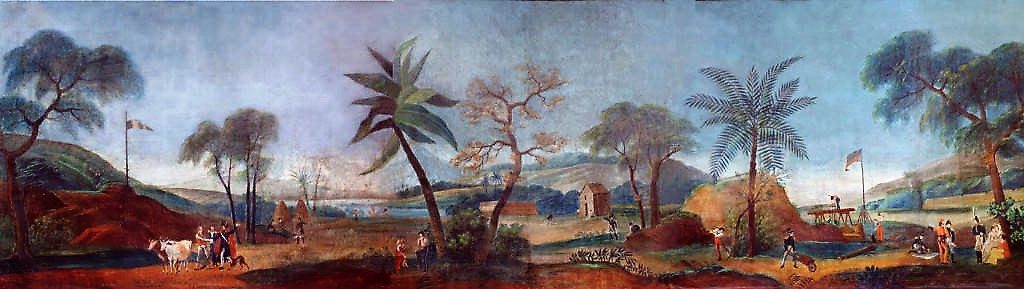
 Those first ten years of independence was a time of increasing unrest for the American’s French ally, of the late revolution. The famous
 Napoleon Bonaparte, crowned Emperor the following year, would fight (and win) more battles than Julius Caesar, Hannibal, Alexander the Great and Frederick the Great, combined.
 Jean-Simon Chaudron founded the Abeille Américaine in 1815 (The American Bee), Philadelphia’s leading French language newspaper. Himself a refugee of Santo Domingo (Saint-Domingue), Chaudron catered to French merchants, emigres and former military figures of the Napoleonic era and the Haitian revolution.
 In January 1817, the Society for the Vine and Olive selected a site near the Tombigbee and Black Warrior Rivers in west-central Alabama, on former Choctaw lands. On March 3, 1817, Congress passed an act “disposing of a tract of land to embrace four townships, on favorable terms to the emigrants, to enable them successfully to introduce the cultivation of the vine and olive.”
 General Charles Lallemand, who joined the French army in 1791, replaced Lefebvre-Desnouettes as President of the Colonial Society. A man better suited to the life of an adventurer than that of the plow, Lallemand was more interested in the wars of Latin American independence, than grapes and olives. By the fall of 1817, Lallemand and 69 loyalists had concocted a plan to sell the land they hadn’t yet paid for, to raise funds for the invasion of Texas.
 Little is left of the Vine and Olive Colony but the French Emperor lives on, in western Alabama. Marengo County commemorates Napoleon’s June 14, 1800 victory over Austrian forces at the Battle of Marengo. The county seat, also known as Marengo, was later renamed Linden. Shortened from the Napoleonic victory over Bavarian forces led by Archduke John of Austria, at the 1800 battle of Hohenlinden.


 Captain Henry Wirz, commandant of the stockade at Camp Sumter, was tried and executed after the war, only one of two men to be hanged for war crimes. Captain Wirz appeared at trial reclined on a couch, advanced gangrene preventing him from sitting up. To some, the man was a scapegoat. A victim of circumstances beyond his control. To others he is a demon, personally responsible for the hell of Andersonville prison.

 Historical Easter Eggs - Today in History
You must be logged in to post a comment.