In cold war military parlance, a “Nucflash” is the accidental detonation of an atomic weapon carrying with it, the potential for nuclear war. A “Broken Arrow” refers to a similar incident, absent the potential for war.
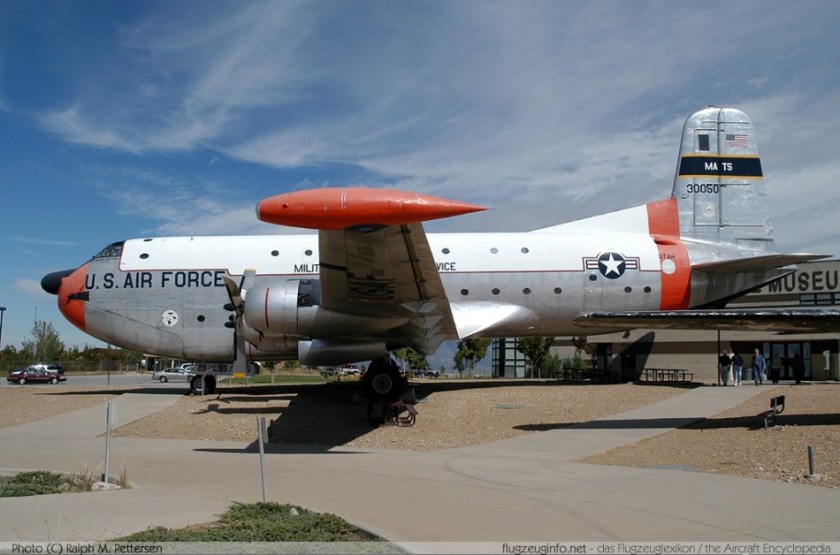
At one time, the C-124 was the world’s largest military transport aircraft. Weighing in at 175,000lbs with a wingspan of 175-feet, four 3,500 horsepower Pratt & Whitney propeller engines drive the air frame along at a stately cruising speed of 246 mph. Manufacturer Douglas Aircraft called the aircraft “Globemaster”. Airmen called the plane “Old Shaky”.
The Air Force C-124 Globemaster transport left its base in Delaware on July 28, 1957, on a routine flight to Europe. On board were a crew of seven, three nuclear bombs, and one nuclear core. The flight would routinely have taken 10-12 hours. This trip was destined to be anything but routine.
Exactly what went wrong remains a mystery, due to the sensitive nature of the cargo. Two engines had to be shut down shortly into the mission, and the aircraft turned back. The nearest suitable airfield was the Naval Air Station in Atlantic City, but that was too far. Even at maximum RPMs, the best the remaining two engines could do was slow the massive aircraft’s descent into the sea.
An emergency landing on open ocean is not an option with such a large aircraft. It would have broken up on impact with the probable loss of all hands. Descending rapidly, the crew would have jettisoned everything they could lay hands on, to reduce weight. Non-essential equipment would have gone first, then excess fuel, but it wasn’t enough. With only 2,500ft and losing altitude, there was no choice left but to jettison those atomic bombs.
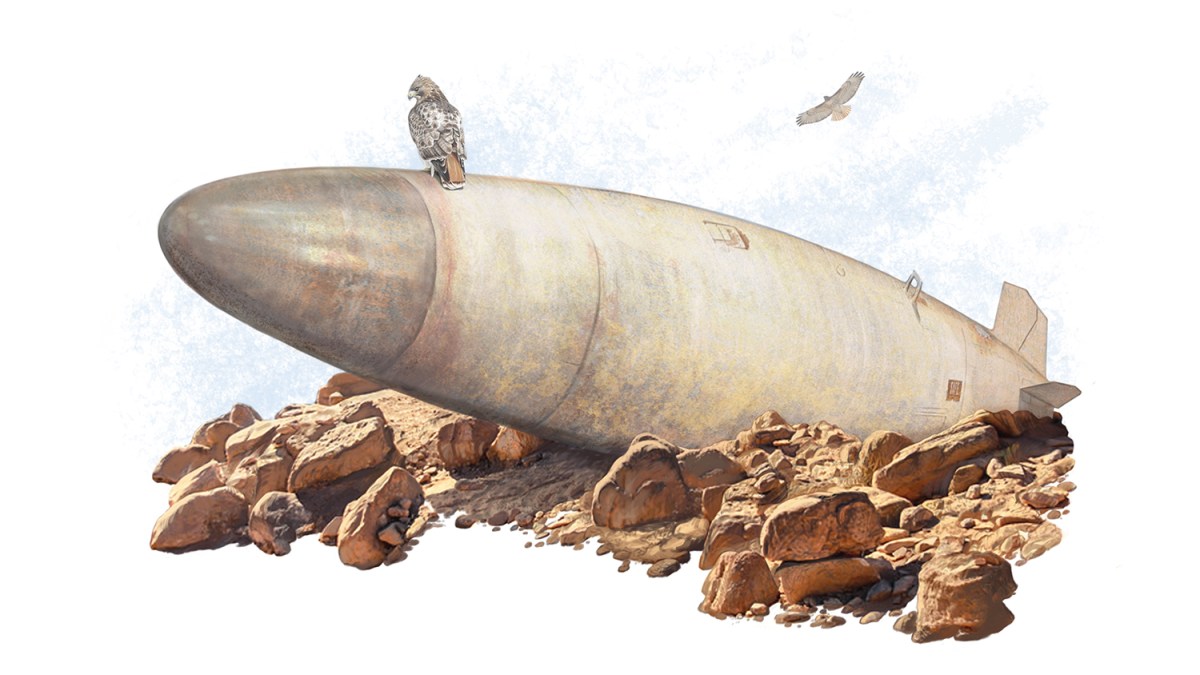
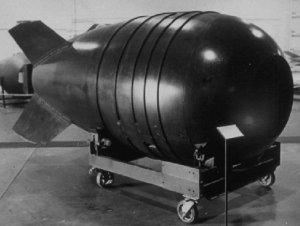
At 3,000 pounds apiece, two of the three bombs were enough to do the job, and the C-124 made it safely to Atlantic City. What became of those two atomic bombs remains a mystery. Most likely, they lie at the bottom of the ocean, 100 miles off the Jersey shore.
The United States Department of Defense has a term for accidents involving nuclear weapons, warheads or components, which do not involve the immediate risk of nuclear war. Such incidents are called “Broken Arrows”.
Broken Arrows include accidental or unexplained nuclear or non-nuclear detonation of an atomic weapon, the loss of such a weapon with or without its carrying vehicle, and the release of nuclear radiation resulting in public hazard, whether actual or potential.
The US Defense Department has reported 32 Broken Arrow incidents, since 1950. To date, six nuclear weapons remain lost, and never recovered.
If you’re interested, a handy “Short History of Nuclear Folly” may be found HERE, including details of each incident along with a handy map. It all makes for some mighty comforting bedtime reading.
Today, Google Translate supports 108 languages serving over 200 million users, daily. Esperanto became number 64 on February 22, 2012.
In the first book of the Hebrew Bible known to Christians as the Old Testament, Genesis 11:1-9 explains the origin story, of the world’s many languages. A veritable Tower of Babel.
In the late 19th century Russian town of Białystok, in what is now Poland, a Yiddish speaking majority lived side-by-side with Poles, Belarusians, Russians, Germans, Lipka Tatars and others. Relations were anything but harmonious between groups. Leyzer Leyvi Zamenhov was part of that Yiddish speaking majority and believed many of the differences, were linguistic.
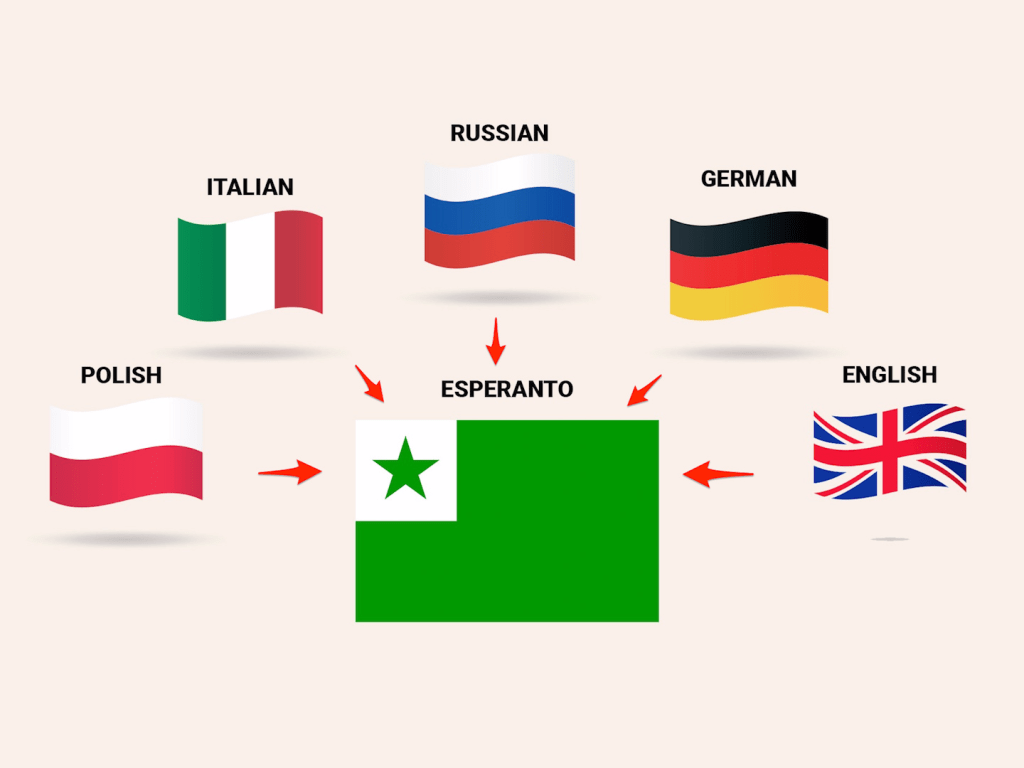
As the son of a German language teacher, Zamenhof was fluent in many languages including Russian, German, French, Latin, Greek, Hebrew, Yiddish and English. He was reasonably proficient in Italian, Spanish and Lithuanian, as well. Zamenhof came to believe that poor relations between Białystok’s many minorities stemmed from the lack of a common language, so it was he set out to create an “auxiliary language”. An international second language to foster communications, between people of different ethnic and linguistic backgrounds.
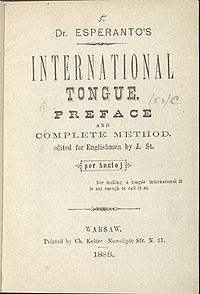
Writing under the pseudonym “Doktoro Esperanto”, Zamenhov published the “Unua Libro” (First Book) on July 26, 1887, setting forth the rules for the new tongue.
The goal was to create an easily learned, politically neutral language transcending nationality, fostering peace and international understanding between people with different regional and/or national languages.
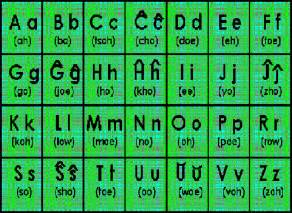
The Esperanto alphabet includes 28 letters. There are 23 consonants, 5 cardinal vowels, and 2 semivowels which combine with vowels to form 6 diphthongs. Esperanto words are derived by stringing together prefixes, roots, and suffixes. The process is regular, so that people may create new words as they speak and still be understood.
The original core vocabulary included 900 such roots, which are combined in a regular manner so that they might be better used by international speakers.
For example, the adjective “BONA” means “GOOD”. The suffix “UL” indicates a person having a given trait, and “O” designates the ending of a noun. Therefore, the Esperanto word “BONULO” translates as “A good person”. The title of Francis Ford Coppola’s 1972 movie “The Godfather”, translates as “La Baptopatro”. “Esperanto” itself translates as “one who hopes”.
Some useful English words and phrases include the following, along with Esperanto translation and International Phonetic Alphabet transcriptions:
○ Do you speak Esperanto? Ĉu vi parolas Esperanton? [ˈtʃu vi pa.ˈro.las ˌes.pe.ˈran.ton] ○ Thank you. Dankon [ˈdan.kon] ○ You’re welcome. Ne dankinde [ˌne.dan.ˈkin.de] ○ One beer, please. Unu bieron, mi petas [ˈu.nu bi.ˈe.ron, mi ˈpe.tas] ○ Where is the toilet? Kie estas la necesejo? [ˈki.e ˈes.tas ˈla ˌne.tse.ˈse.jo]
Today, Google Translate supports 108 languages serving over 200 million users, daily. Esperanto became number 64 on February 22, 2012.
Gonzatti’s fellow diver Duilio Marcante conceived an idea to honor his friend. A monument to the world beneath the waves and dedicated to those who had lost their lives at sea.
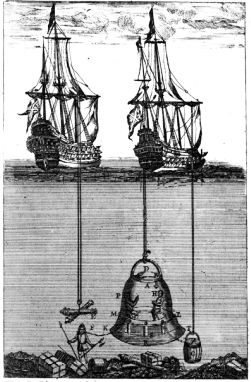
Man’s desire to enter the underwater world goes back to antiquity. Aristotle tells of Alexander the Great descending into the waters of the Mediterranean in something called a “diving bell”, as early as 332BC. The Italian polymath Leonardo da Vinci designed a similar apparatus, adding a face mask and reinforced supply hoses, to withstand the pressure of the depths.
Diving bell, 1691
The first on-demand underwater breathing valve came about in 1860s France, thanks to the work of inventors Benoît Rouquayrol, and Auguste Denayrouze. British diving engineer Henry Albert Fleuss developed the first commercially viable “rebreather” in 1878, using an air bag and rope fiber soaked in potash to “scrub” carbon dioxide from exhaled air.
The 20th century brought with it new and improved methods of pumping, and storing, compressed gas. By the 1930s every major belligerent of the coming war, had developed its own underwater breathing apparatus.
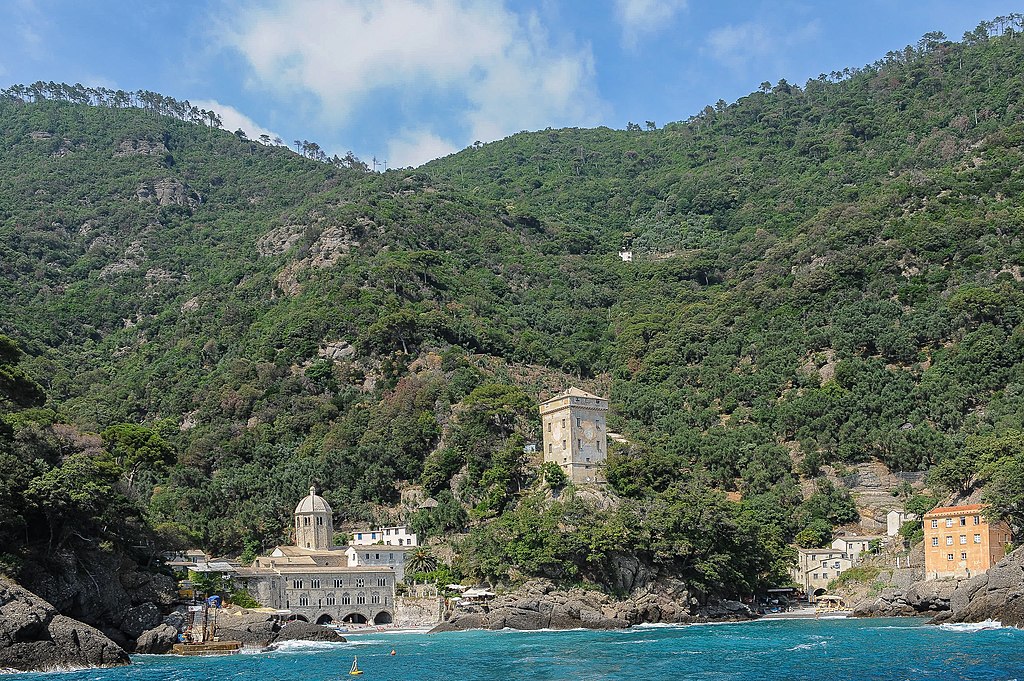
Dario Gonzatti was the first Italian to use SCUBA gear and paid for it with his life in 1947, near the village of San Fruttuoso, on the Italian Riviera.
Gonzatti’s fellow diver Duilio Marcante conceived an idea to honor his friend. A monument to a world beneath the waves and dedicated to those who had lost their lives at sea. A 2½ meter tall bronze sculpture, Il Cristo degli Abissi. Christ of the Abyss.
There followed a period of collecting the metal. Cannon and other brass objects, retrieved from wrecks. Mothers and sweethearts sent coins and medals given to sailors, who never returned.
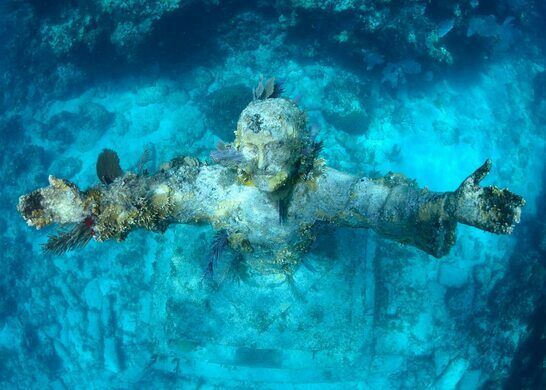
Sculptor Guido Galletti created the clay positive from which the mold was cast. A 2.5 meter (8.2 feet) likeness of Jesus Christ weighing in at 260 kg (573 pounds) without the foundation, eyes raised to the heavens and arms outstretched, in supplication. A benediction for untold numbers, lost at sea.
That first “Christ of the Abyss” was lowered in 57-feet of water on August 22, 1954, near the spot where Dario Gonzatti, lost his life.
The Cove of San Fruttuoso
Over the years, crustaceans and corrosion took their toll. A hand was broken off, by an anchor line. The statue was removed after a half-century and repaired, and re-lowered on July 17, 2004 to a newly-built foundation.
Since that first installation in 1954 two other Christ of the Abyss statues have descended into the depths, both cast from the same clay original. The first was a gift of gratitude given by the navy of Genoa, for assistance from the people of Granada in rescuing the crew of the Italian vessel MV Bianca, destroyed by fire in the port of St. George. That one was placed seven years after the original on October 22, 1961.
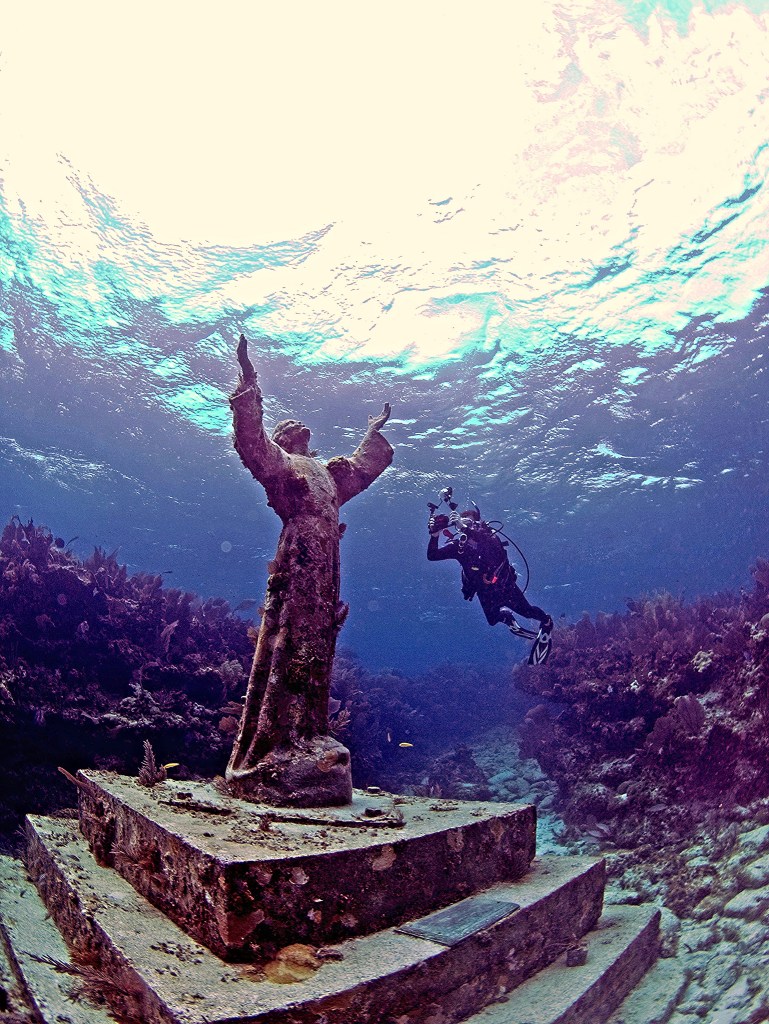
Italian dive equipment manufacturer Egidio Cressi donated a third to the Underwater Society of America, in 1962. This one was installed after much debate on August 25, 1965 in the John Pennekamp Coral Reef State Park near Key Largo, Florida, the first underwater park in the United States.
Located in only 25-feet of water with hands but 8 to ten feet below the surface, the site remains a popular destination for underwater selfies, from that day to this.
On this day in 1963 and, for that matter, every day between April 22 and August 20, the sun never seems to set in that part of Alaska. A personal friend jokes about a family trip from Fairbanks to Florida in which he learned his kids associate warmth and cold not with the change of season, but the presence or absence of light.
Anyone who served at Eielson Air Force Base in the early 1960s remembers Sergeant Ross. A man with a voice like a jackhammer, striding into the early morning stillness. The sleeping recruits. The voice let loose like the roar of a shotgun, fired over their heads.
For 20 years Ross served as a training instructor, ordering this man to drop and give him fifty, and that one to scrub the latrines.
And yet, here in the last frontier Sgt. Ross grew and nurtured a secret, softer side of himself, one that wasn’t so secret, at all. This was the land of the Midnight Sun, Alaska style, just outside of Fairbanks. Here the Orlando Florida-born 1st Sergeant learned to appreciate the beauty of a fresh fall of snow. The majesty of the Aurora Borealis and the magnificent mountains and tall trees.
Image of the Aurora Borealis from the official website, of Eielson Air Base
First came the art classes, to fill the quiet hours, off-duty. The large brush, wet-on-wet painting techniques that allowed Sgt. Ross to wolf down a sandwich and complete an entire canvas, all in a half-hour lunch. Painting gave the man a moment of joy and then it was…back to work.
COME ON LADIES, WE’RE NOT ON VACATION. LET’S GET THE LEAD…OUT!
On this day in 1963 and, for that matter, every day between April 22 and August 20, the sun never seems to set in that part of Alaska. A personal friend jokes about a family trip from Fairbanks to Florida in which he learned his kids associate warmth and cold not with the change of season, but the presence or absence of light.
So it was this human bullhorn of a man had an abundance of daylight in which to appreciate the beauty of Alaska and to hone and practice, his art. He produced hundreds of paintings during this period perhaps thousands and sold them, for a few extra dollars spending money.
”I developed ways of painting extremely fast. I used to go home at lunch and do a couple while I had my sandwich. I’d take them back that afternoon and sell them.”
Sgt. Robert Norman Ross
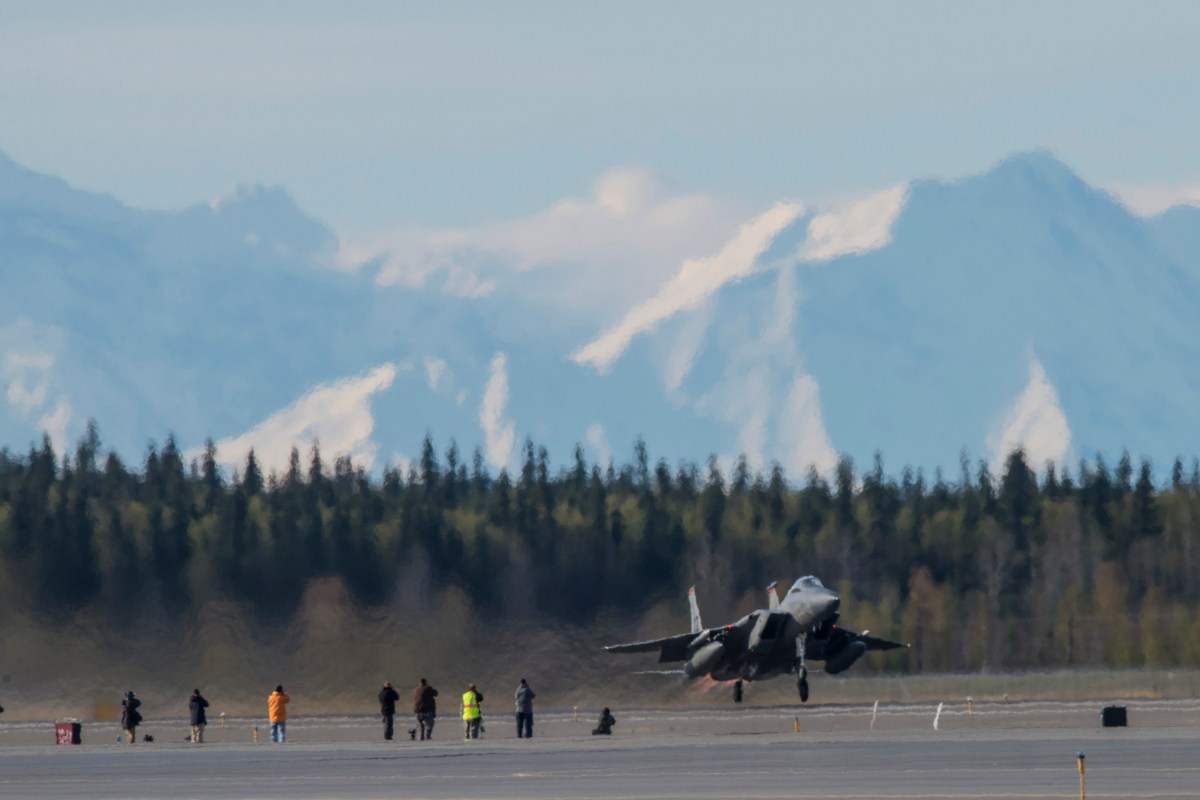
All things, must come to an end. Today, Eielson Air Base hosts the 354th Fighter Wing with a mission statement, “[T]o provide USINDOPACOM combat-ready fifth-generation airpower, advanced integration training, and strategic arctic airpower basing”.
Robert Norman Ross left the military after twenty years to pursue different interests and died too soon at the age of 52, of lymphoma. The New York times obituary said simply that the man “Was A Painter On TV.” There was no picture, nor any mention of the ugly battle that was about to break out, over his fifteen million dollar estate.
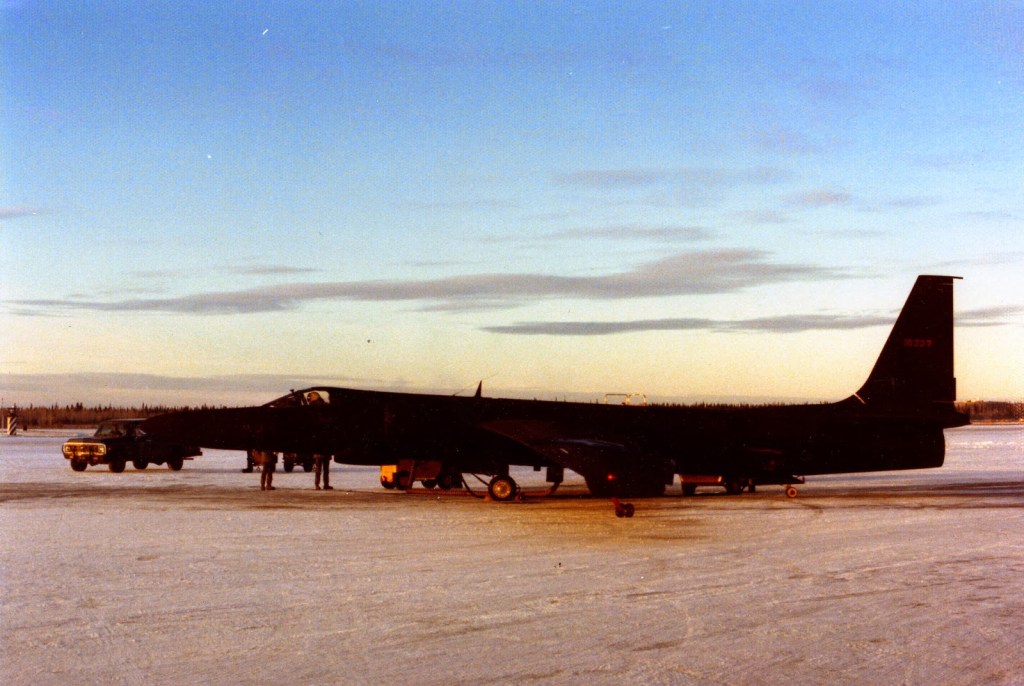
U-2 Spy Plane, Eielson AFB, Alaska
But, imagine if you will the surprise of any of those Air Force recruits from the height of the Cold War, on turning on the TV. To their favorite PBS channel to see their former drill sergeant. The man with a voice that could crack rocks sporting not the crew cut and close-shaved face of the early 1960s but a beard and an afro, the size of a basketball.
And there it was again, that oversized brush and that voice, now speaking in the soporific tones of Mr. Rogers. The cerulean reds and the burnt umbers, the tranquil almost somnolent words painting a picture, of the Joy of Painting. The happy little tree I think we’ll put…right…Here.
Hat tip to Mike Rowe and a fun podcast he calls “The Way I Heard It”, without which I would remain entirely ignorant, of this tale.
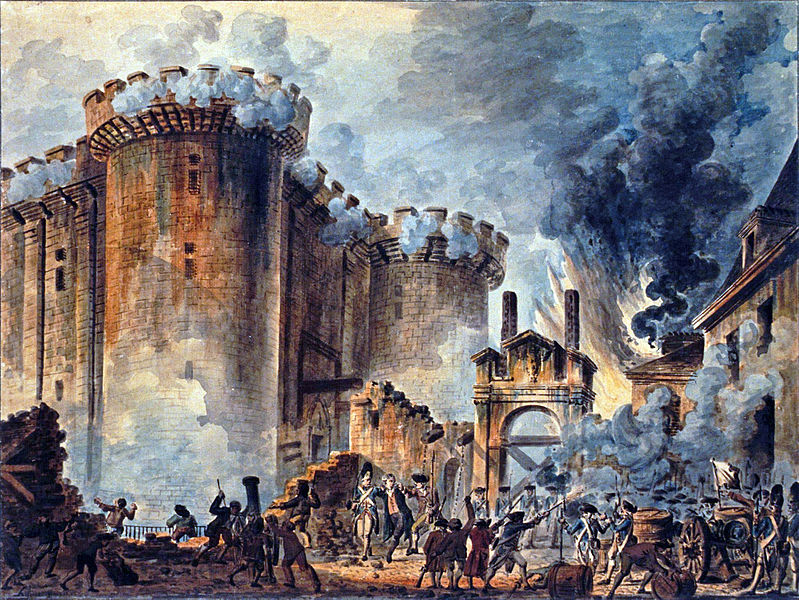
Today the French nation celebrates its own independence. A day to remember the storming of the Bastille and the Fête de la Fédération held a year later, to the day.
In medieval France, the constituent parts of French society comprised the “Three Estates”: the Clergy, the Nobility and the Commons.
In the late 18th century, all France was in a state of economic chaos. The Nobility refused the tax demands of King Louis XVI. The Commoners reconstituted themselves into a “National Assembly” in June 1789, demanding an audience with the King for the purpose of drawing up a Constitution.
The National Assembly converged on the Estates General on June 20, only to find the door locked. What followed was either hysterical or duplicitous, because the King and his family were still mourning the death of the Dauphin; the heir apparent. It was customary at that time to hold political matters, until the King came out of mourning.
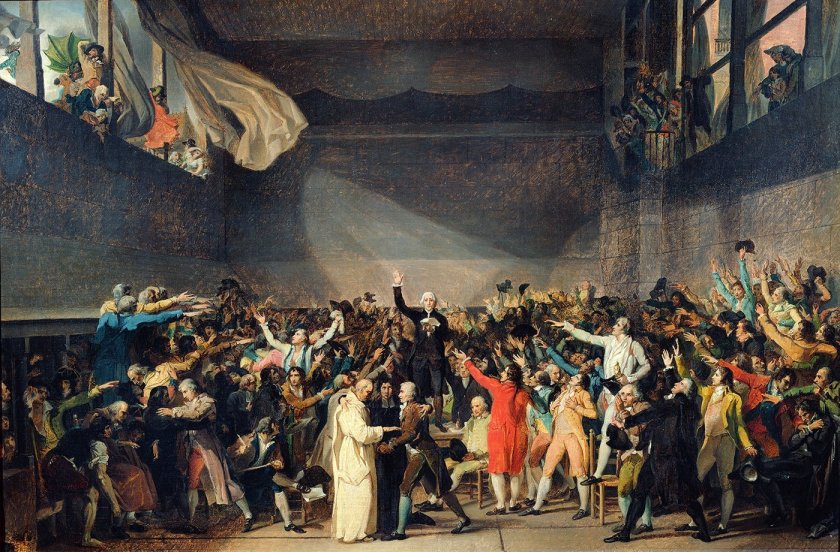
Tennis Court Oath
Be that as it may, the entire National Assembly, all 577 members, converged on an indoor tennis court. All but one put their names to a solemn vow, “The Tennis Court Oath”, swearing “not to separate, and to reassemble wherever circumstances require, until the constitution of the kingdom is established”.
The oath itself was a revolutionary act, asserting that political authority came from the people through their representatives, and not from the monarchy. The National Assembly had declared themselves supreme in the exercise of state power, making it increasingly difficult for the monarchy to operate based on “Divine Right of Kings”.
Riots followed as the left and reformist factions moved from anarchy to a coherent movement against the monarchy and the French right.
Built in 1309, the fortress and medieval prison of the Bastille had long been a focal point of the insurrection, representing royal authority in the center of the city. Donatien Alphonse François, better known as the Marquis de Sade, was one of the few remaining prisoners in the Bastille by this time. He was transferred to an insane asylum after attempting to incite a crowd outside his window, yelling: “They are massacring the prisoners; you must come and free them.”
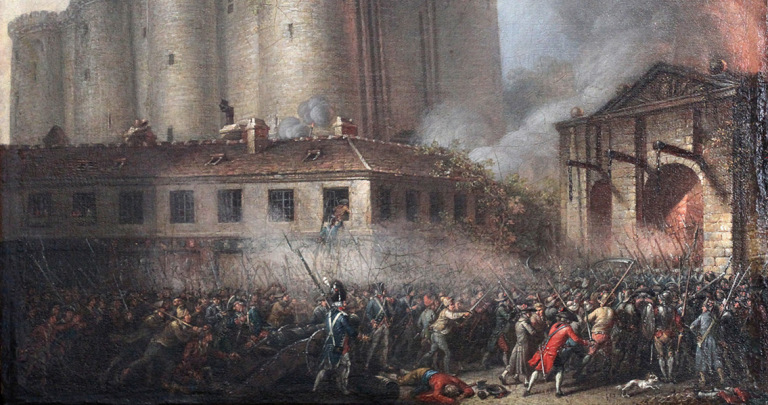
Paris was “intoxicated with liberty and enthusiasm,” when French revolutionaries converged on the Bastille on the morning of July 14, 1789. The fortress was guarded by 82 “invalides”, veteran soldiers no longer fit for service in the field, and 32 Swiss grenadiers under the command of Governor Bernard-René de Launay, the son of the previous governor and a man literally born, in the Bastille.
The attackers – vainqueurs de la Bastille – numbered 954. Negotiations dragged on until the crowd lost patience, crowding into the outer courtyard and cutting the chain holding the drawbridge. Firing broke out as the bridge slammed down, crushing one unlucky vainqueur while a nearby force of Royal Army troops did nothing to intervene. 98 attackers and one defender died in the fighting. The mob murdered another 7, after their surrender.
The mob who stormed the Bastille to free the prisoners found only seven: four counterfeiters, two mentally ill and a man sent by his own family for acts of perversion now, lost to history.
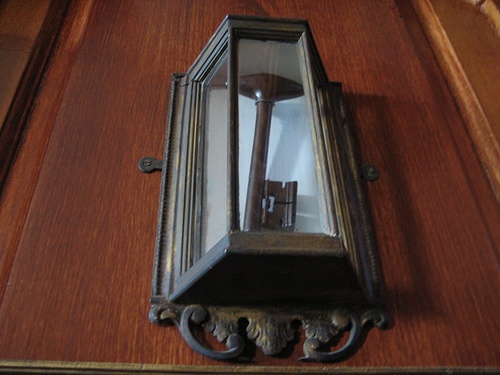
Fun fact: Little remains of the Bastille, only a few stones on the Boulevard Henri IV, in Paris. Back in 1790, the Marquis de Lafayette sent the key to the Bastille “across the pond” to his close personal friend, George Washington. Today that key may be found at the home of the first American President – Mount Vernon.
A year later many considered to the Revolution, to be over. All France it seemed gathered on July 14, 1790 to celebrate, the Fête de la Fédération. A new Republic was born. The Marquis de Lafayette led the President of the National Assemblies and all the deputies in an oath of fealty to a constitution, as yet unwritten:
We swear to be forever faithful to the Nation, to the Law and to the King, to uphold with all our might the Constitution as decided by the National Assembly and accepted by the King, and to remain united with all French people by the indissoluble bonds of brotherhood.
Oath of Loyalty to a Constitution, never meant to be. July 14, 1790
“Citizen King” Louis XVI proclaimed his own loyalty to the would-be liberal constitutional monarchy. Queen Marie Antoinette then rose and presented the 5-year-old Dauphin, the future King of France Louis XVII saying “This is my son, who, like me, joins in the same sentiments.”
It was a bright and shining future, never meant to be.
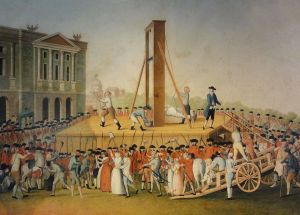
The successful insurrection at Paris had infected all of France as a “Great Fear” spread across the countryside. The absolute monarchy which had ruled for centuries was over, in three years. Louis himself lost his head to the guillotine, in 1793. 16,594 went to the guillotine during a period of national self-immolation known as the “Reign of Terror”, led by the “Committee of Safety” under the direction of Parisian lawyer Maximilian Robespierre.
Among the slain was Queen Marie Antoinette who never did say “let them eat cake”. The woman’s last words on accidentally stepping on her executioner’s toes were pardon me, sir, I meant not to do it.
Execution of Marie Antoinette
As many as 40,000 were summarily executed or died in prison awaiting trial, before the hysteria died down. Robespierre himself lost his head in 1794.
The Napoleonic Wars which followed resulted in a Corsican artillery corporal-turned Emperor, fighting (and winning), more battles than Hannibal, Caesar, Alexander the Great and Frederick the Great, combined.
The saddest part of this whole sorry story may be that of the son of Louis and Antoinette. He was Louis-Charles, the pre-adolescent Duke of Normandy. The boy was King Louis XVII in name only, thrown into a stone prison at the age of 8. He would die in that cell two years later, miserable, sick, tormented and alone. It all seems so pointless. The Bourbon Dynasty was back in power, within two decades.
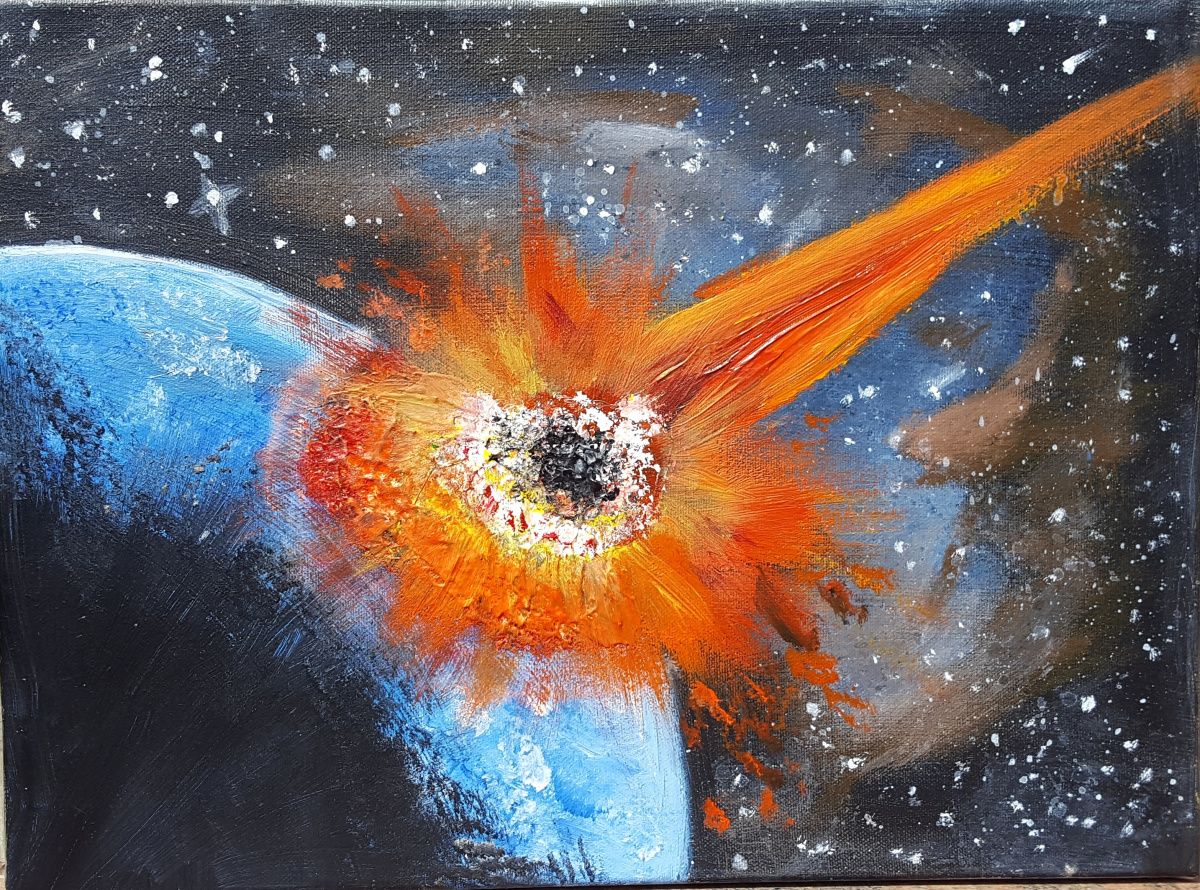
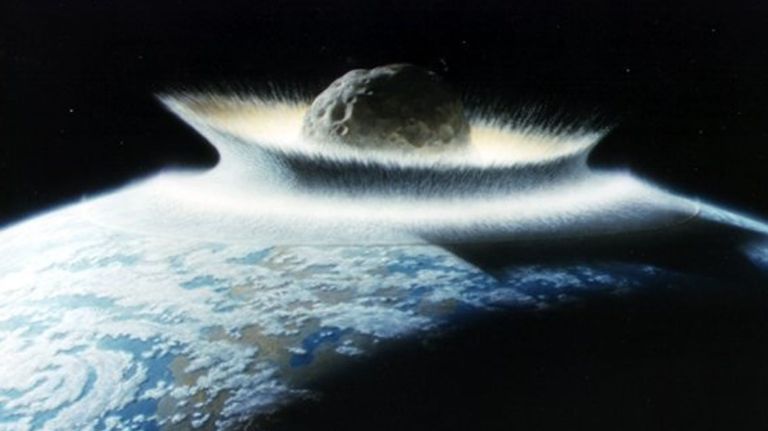
In 2018, the non-profit B612 Foundation dedicated to the study of near-Earth object impacts, reported that “It’s a 100 per cent certain we’ll be hit [by a devastating asteroid]”. Comfortingly, the organization’s statement concluded “we’re [just] not 100 per cent sure when.”
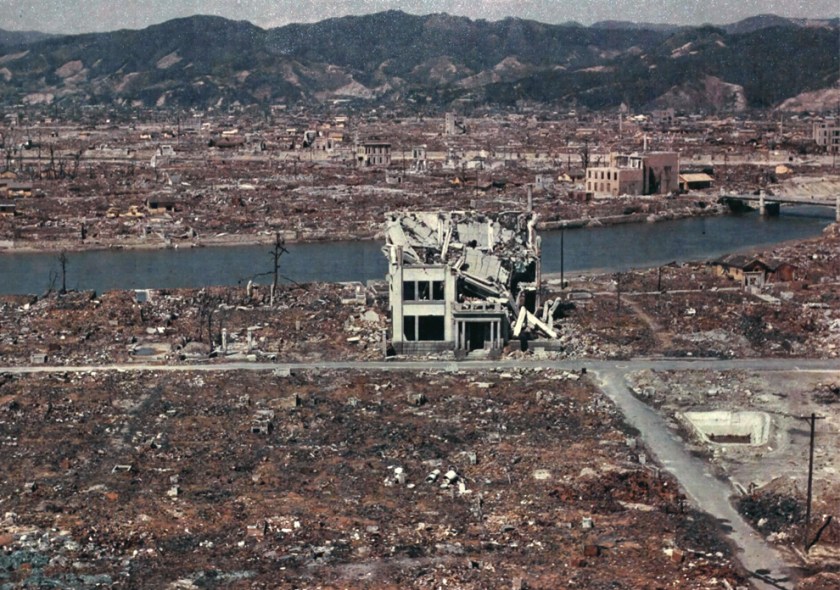
The first atomic bomb in the history of human conflict exploded in the skies over Japan on August 6, 1945. The bomb, code named “Little Boy”, reached an altitude of 1,900-feet over the city of Hiroshima at 8:15am, Japanese Standard Time.
A “gun-triggered” fission bomb, barometric-pressure sensors initiated the explosion of four cordite charges, propelling a small “bullet” of enriched uranium the length of a fixed barrel and into a sphere of the same material. Within picoseconds (1/.000000000001 of a second), the collision of the two bodies initiated a fission reaction, releasing an energy yield roughly equivalent to 15,000 tons of TNT.
66,000 were killed outright by the effects of the blast. The shock wave spread outward at a velocity greater than the speed of sound, flattening virtually everything in its path for a mile in all directions.
Thirty-seven years before, the boreal forests of Siberia lit up with an explosion 1,000 times greater than the atomic bomb dropped over Hiroshima. At the time, no one had the foggiest notion that it was coming.
The Taiga occupies the high latitudes of the world’s northern regions, a vast international beltline of coniferous forests consisting mostly of pines, spruces and larches between the high tundra, and the temperate forest. An enormous community of plants and animals, this trans-continental ecosystem comprises a vast biome, second only to the world’s oceans.
The Eastern Taiga is a region in the east of Siberia, an area 1.6 times the size of the continental United States. The Stony Tunguska River wends its way along an 1,160-mile length of the region, its entire course flowing under great pebble fields with no open water.
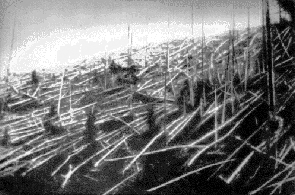
On the morning of June 30, 1908, the Tunguska River lit up with a bluish-white light. At 7:17a local time, a column of light too bright to look at with the naked eye moved across the skies above the Tunguska. Minutes later, a vast explosion knocked people off their feet, flattening buildings, crops and as many as 80 million trees over an area 830 miles, square. A vast “thump” was heard, the shock wave equivalent to an earthquake measuring 5.0 on the Richter scale. Within minutes came a second and then a third shock wave and finally a fourth, more distant this time and described by eyewitnesses as the “sun going to sleep”.
On July 13, 1908, the Krasnoyaretz newspaper reported “At 7:43 the noise akin to a strong wind was heard. Immediately afterward a horrific thump sounded, followed by an earthquake that literally shook the buildings as if they were hit by a large log or a heavy rock”.
Fluctuations in atmospheric pressure were detectable as far away as Great Britain. Night skies were set aglow from Asia to Europe for days on end, theorized to have been caused by light, passing through high-altitude ice particles.
In the United States, lookout posts from the Smithsonian Astrophysical Observatory headquartered in Cambridge, Massachusetts, to the Mount Wilson Observatory in Los Angeles recorded a several months-long decrease in atmospheric transparency, attributed to an increase in dust, suspended in the atmosphere.
The “Tunguska Event” was the largest such impact event in recorded history, but far from the first. Or the last. Mistastin Lake in northern Labrador was formed during the Eocene era 36-million years ago, cubic Zirconium deposits suggesting an impact-zone temperature of some 4,300° Fahrenheit.
That’s halfway to the temperature, of the sun.
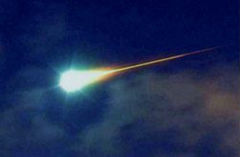
“A bolide – a very bright meteor of an apparent magnitude of &−14 or brighter” H/T Wikimedia
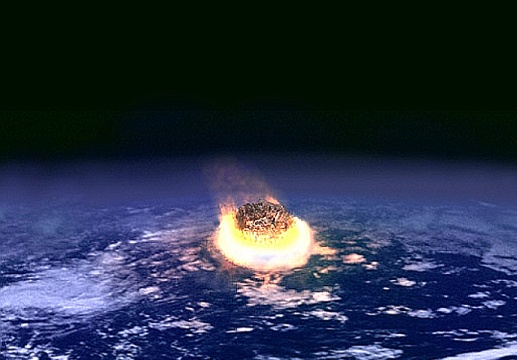
Some sixty-six million years ago, the “Chicxulub impactor” struck the Yucatan Peninsula of Mexico, unleashing a mega-tsunami of 330-feet in height from Texas to Florida. Superheated steam, ash and vapor towered over the impact zone, as colossal shock waves triggered global earthquakes and volcanic eruptions. Vast clouds of dust blotted out the sun for months on end leading to mass extinction events, the world over.
The official history of the Ming Dynasty records the Ch’ing-yang event of 1490, a meteor shower in China in which “stones fell like rain”. Some 10,000 people were killed for all intents and purposes, stoned to death.
In 2013, a twenty-meter (66-foot) space rock estimated at 13,000-14,000 tons flashed across the skies of Chelyabinsk, Russia, breaking apart with a kinetic impact estimated at 26-times the nuclear blast over Hiroshima. This Superbolide (a bolide is “an extremely bright meteor, especially one that explodes in the atmosphere”) entered the earth’s atmosphere on February 15, burning exposed skin and damaging retinas for miles around. No fatalities were reported though 1,500 were injured seriously enough to require medical attention.
The 450-ton Chicora Meteor collided with western Pennsylvania on June 24, 1938, in a cataclysm comparable to the Halifax Explosion of 1917. The good luck held, that time, the object making impact in a sparsely populated region. The only reported casualty, was a cow. Investigators F.W. Preston, E.P. Henderson and James R. Randolph remarked that “If it had landed on Pittsburgh there would have been few survivors”.
In 2018, the non-profit B612 Foundation dedicated to the study of near-Earth object impacts, reported that “It’s a 100 per cent certain we’ll be hit [by a devastating asteroid]”. Comfortingly, the organization’s statement concluded “we’re [just] not 100 per cent sure when.”
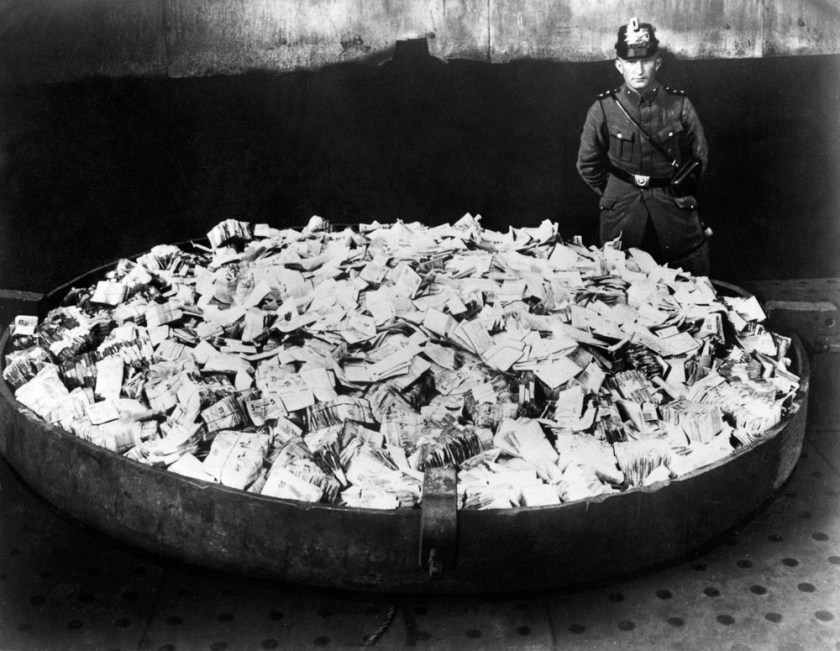
The worst hyperinflation in history peaked on July 10, 1946, when an item that cost 379 Pengö back in September, cost 1,000,000,000,000,000,000,000,000.
You’ve worked all your life. You’ve taken care of your family, paid your taxes, and paid your bills. You’ve even managed to put a few bucks aside, in hopes of a long and happy retirement. So…what if you never touched it and that “nest egg” was suddenly reduced by 10%…40%…70%.
The subject of currency devaluation is normally left to eggheads and academics. Hyperinflation is treated as an historical curiosity. But I wonder. Any economic textbook will tell you what fuels inflation. Even hyperinflation. What makes us think it couldn’t happen here?
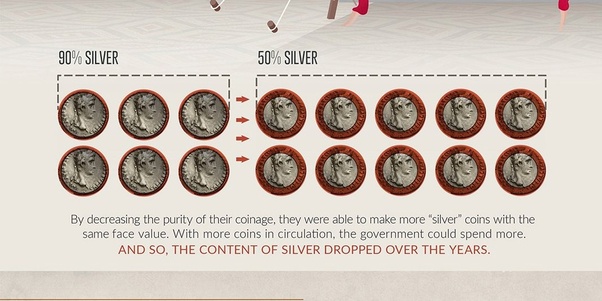
Throughout antiquity, Roman law required that coinage retain a certain silver content. Precious metal made the coins themselves objects of value, and the Roman economy remained relatively stable for 500 years. Republic morphed into Empire over the 1st century BC, leading to a conga line of Emperors minting mountains of coins in their own likenesses. Slaves worked to death in Spanish silver mines. Birds fell from the sky over vast smelting fires, yet there was never enough silver. Silver content was inexorably reduced until the currency itself collapsed, in the 3rd century reign of Diocletian. A once powerful empire and its citizens were left to barter as best they could, in a world where currency had no value.
In the waning days of the Civil War, the Confederate dollar wasn’t worth the paper it was printed on. Paper money crashed in the post-Revolution Articles of Confederation period as well, when you could buy a sheep for two silver dollars, or 150 paper “Continental” dollars. Creditors literally hid from debtors, not wanting to be repaid in worthless paper currency. For generations after our founding, a thing could be described as worthless as, not worth a Continental.
The assistance of French King Louis XIV was invaluable to Revolutionary era Americans, but French state income was only about 357 million livres at the time, with expenses of over half a billion. France descended into its own Revolution, as the government printed “assignat”, notes purportedly backed by 4 billion livres in property expropriated form the church. 912 million livres were in circulation in 1791, rising to almost 46 billion in 1796. One historian described the economic policy of the Jacobins, the leftist radicals behind the Reign of Terror: “The attitude of the Jacobins about finances can be quite simply stated as an utter exhaustion of the present at the expense of the future”.
That sounds depressingly familiar.
The Austro-Hungarian Empire was on the losing side of WW1, and was broken up after the war. Lacking the governmental structures of established states, the newly independent nation of Hungary began to experience inflation. Before the war, a US Dollar would have bought you 5 Kronen. by 1924 that number had risen, to 70,000.
Hungary replaced the Kronen with the Pengö in 1926, pegged to a rate of 12,500 to one.
Hungary became a battleground in the latter stages of WW2, between the military forces of Nazi Germany and the Union of Soviet Socialist Republics. 90% of Hungarian industrial capacity was damaged, half of it destroyed altogether. Transportation was difficult with most of the nation’s rail capacity, damaged or destroyed. What remained was either carted off to Germany or seized by the Russians, as reparations.
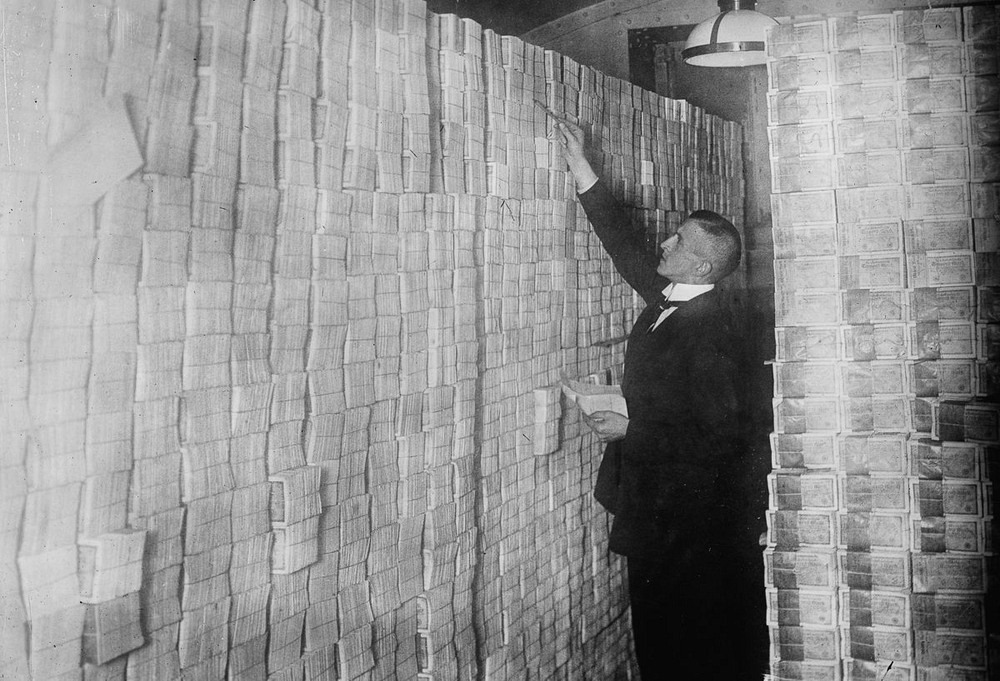
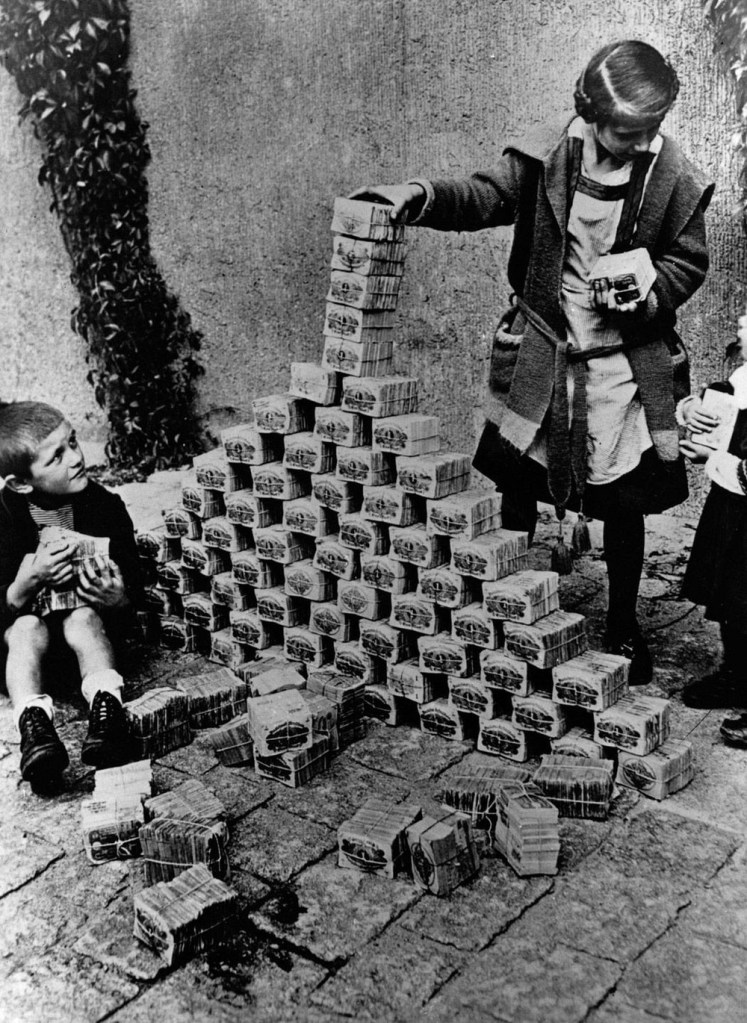
The loss of all that productive capacity led to scarcity of goods, and prices began to rise. The government responded by printing money. Total currency in circulation in July 1945 stood at 25 billion Pengö. Money supply rose to 1.65 trillion by January, 65 quadrillion and 47 septillion July. That’s a Trillion Trillion. Twenty-four zeroes.
47,000,000,000,000,000,000,000,000.00
Banks received low rate loans, so that money could be loaned to companies to rebuild. The government hired workers directly, giving out loans to others and in many cases, outright grants. The country was flooded with money, the stuff virtually grew on trees, but there was nothing to back it up.
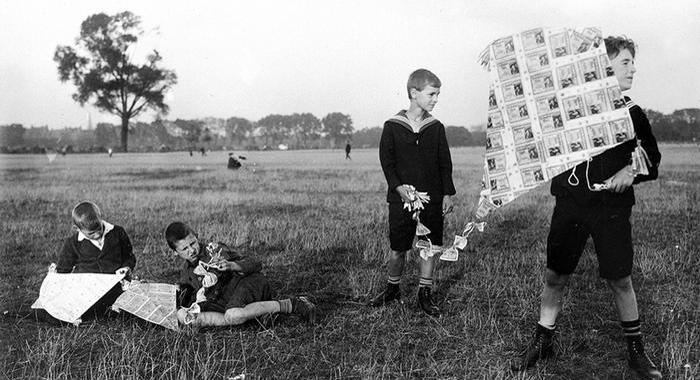
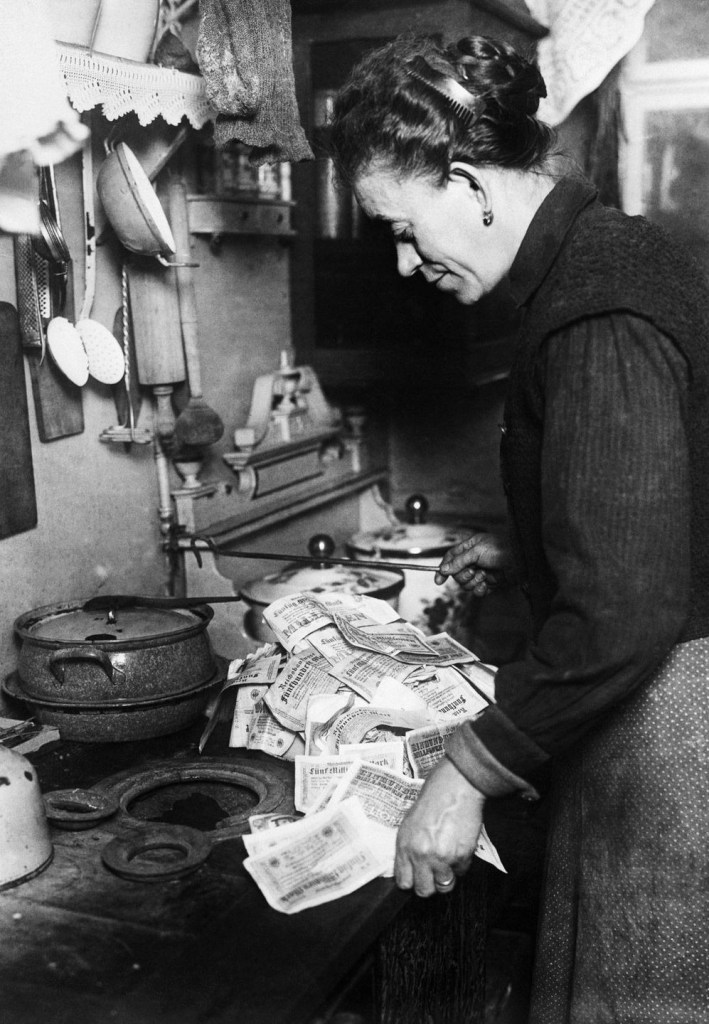
Inflation took a straight line into the stratosphere. An item that cost 379 Pengö in September 1945, cost 1,872,910 by March, 35,790,276 in April, and 862 billion in June. Inflation neared 150,000% per day as the currency became all but worthless. Massive printing of money had accomplished the cube root of zero.
The worst hyperinflation in history peaked on July 10, 1946, when that 379 Pengö item back in September, cost 1,000,000,000,000,000,000,000,000.
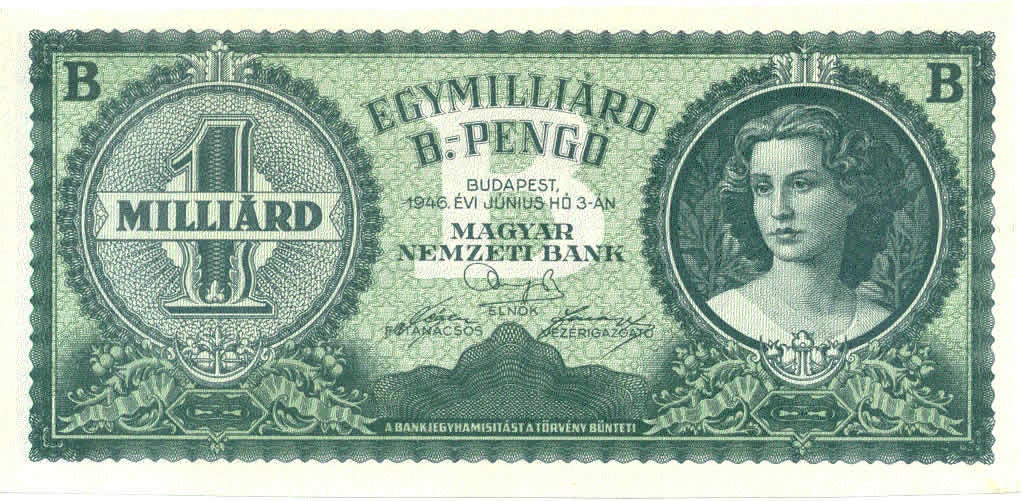
The government responded by changing the name, and the color, of the currency. The Pengö was replaced by the Milpengö (1,000,000 Pengö), which was replaced by the Bilpengö (1,000,000,000,000) and finally the (supposedly) inflation-indexed Adopengö. The spiral resulted in the largest denominated note in history: the Milliard Bilpengö. A Billion Trillion Pengö.
The thing was worth twelve cents.
One more currency replacement and all that Keynesian largesse would finally stabilize the currency, but at what price? Real wages were reduced by 80%. If you were owed money you were wiped out. The fate of the nation was sealed when communists seized power in 1949. Hungarians could now share in that old Soviet joke. “They pretend to pay us, and we pretend to work”.
The ten worst hyperinflations in history occurred during the 20th century, including Zimbabwe in 2008, Yugoslavia 1994, Germany 1923, Greece 1944, Poland 1921, Mexico 1982, Brazil 1994, Argentina 1981, and Taiwan 1949. The common denominator in all ten were government debt, and a currency with no inherent value, except the tacit agreement of a willing buyer, and a willing seller.
In 2015, Boston University economist Laurence Kotlikoff testified before the Senate Budget Committee. “The first point I want to get across” he said, “is that our nation is broke. Our nation’s broke, and it’s not broke in 75 years or 50 years or 25 years or 10 years. It’s broke today”. Kotlikoff went on to describe the “fiscal gap”, the difference between US’ projected revenue, and the obligations our government has saddled us with. “We have a $210 trillion fiscal gap at this point”, Kotlikoff said. 11.6 times GDP – the total of all goods and services produced in the United States.
US fiscal operating debt stood at 18 trillion dollars when Professor Kotlikoff testified before congress. That’s just the on-the-books stuff. We are now north of twenty-eight, seemingly hell-bent, for thirty. The printing presses are working overtime, our currency is unmoored from any objective value.
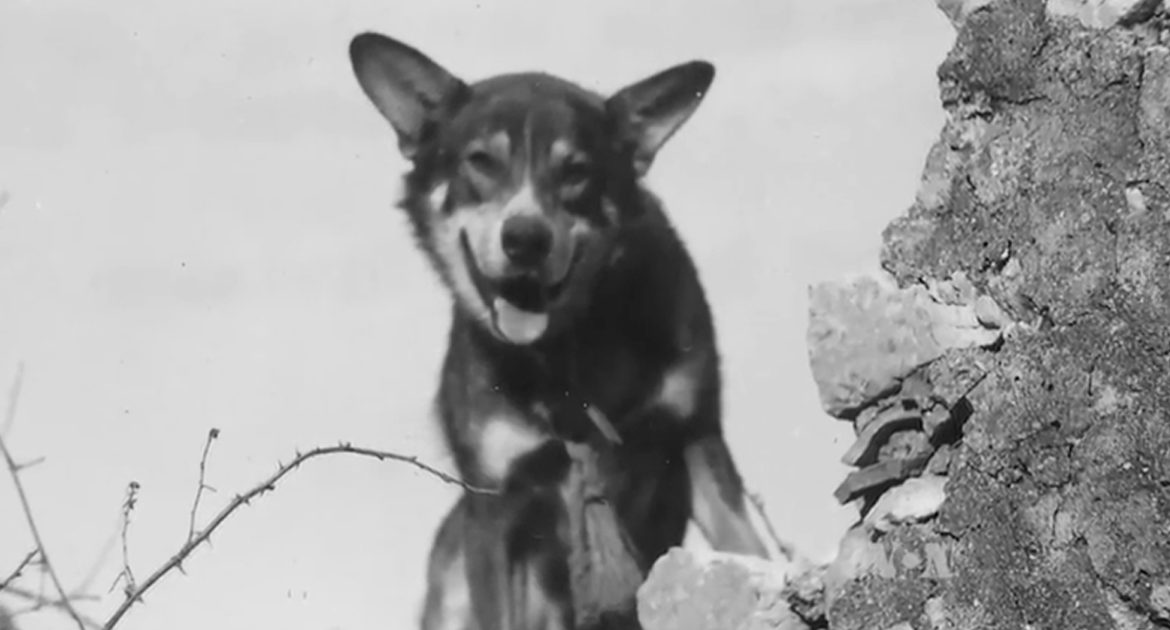
“Chips, a German shepherd, collie, husky mix, was the most famous and decorated sentry dog in World War II, one of 10,425 dogs that saw service in the Quartermaster Corps’ new “K-9 Corps.” Prior to the K-9 Corps, dogs such as Admiral Wags on the carrier Lexington and World War I canine hero Sgt. Stubby were mascots and had no official function in America’s military.” H/T Defense Media Network
By the last year of the “Great War”, French, British and Belgian armed forces employed some 20,000 dogs on the battlefield, the Germans, 30,000. General Headquarters of the American Expeditionary Forces recommended the use of dogs as sentries, messengers and draft animals in the spring of 1918. However, with the exception of a few sled dogs in Alaska, the US was the only country to take part in World War I with virtually no service dogs in its military.
US Armed Forces had an extensive K-9 program during World War II, when private citizens were asked to donate their dogs to the war effort. One such dog was “Chips”, a German Shepherd/Collie/Husky mix who ended up being the most decorated K-9 of WWII.
Chips belonged to Edward Wren of Pleasantville, NY, who “enlisted” his dog in 1942. Chips was trained at the War Dog Training Center, Front Royal Virginia, and served in the 3rd Infantry Division with his handler, Private John Rowell. Chips and his handler took part in North Africa, Italy, France and Germany. He served as a sentry dog for the Roosevelt-Churchill conference in 1943, and the team was part of the Sicily landings later that year.
The Allied invasion of Sicily was a large scale amphibious and airborne operation, beginning this day in 1943 and lasting through the 17th of August. Six weeks of land combat followed in an operation code named “Operation Husky”.
During the landing phase, private Rowell and Chips were pinned down by an Italian machine. The dog broke free from his handler, running across the beach and jumping into the pillbox. Chips attacked the four Italians manning the machine gun, single-handedly forcing their surrender to American troops. The dog sustained a scalp wound and powder burns in the process, demonstrating that they had tried to shoot him during the brawl. In the end, the score was Chips 4, Italians Zero.
Platoon commander Captain Edward Parr recommended Chips for the Distinguished Service Cross for “courageous action in single-handedly eliminating a dangerous machine gun nest and causing surrender of its crew.”
He helped to capture ten more later that same day.
Chips was awarded the Distinguished Service Cross, Silver Star, and Purple Heart but his awards, were later revoked. At that time the army didn’t permit commendations to be given to animals. His unit awarded him a Theater Ribbon with an Arrowhead for the assault landing anyway, along with eight Battle stars. One for each of his campaigns.
Chips was discharged in December, 1945, and returned home to live out his days with the Wren family in Pleasantville. In 1990, Disney made a TV movie based on his life. It’s called “Chips, the War Dog”.
Rocky planned to become a Priest of the Roman Catholic faith, and return to the country to help the orphaned children of Vietnam. His was a bright and shining future. One never meant to be.
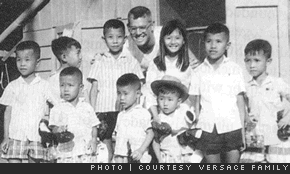
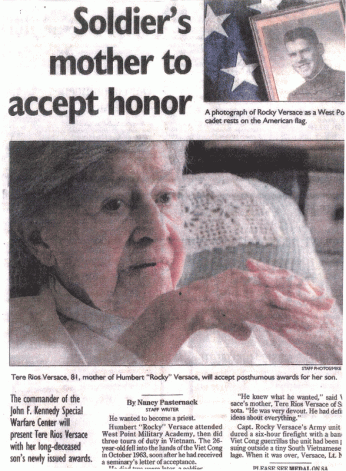
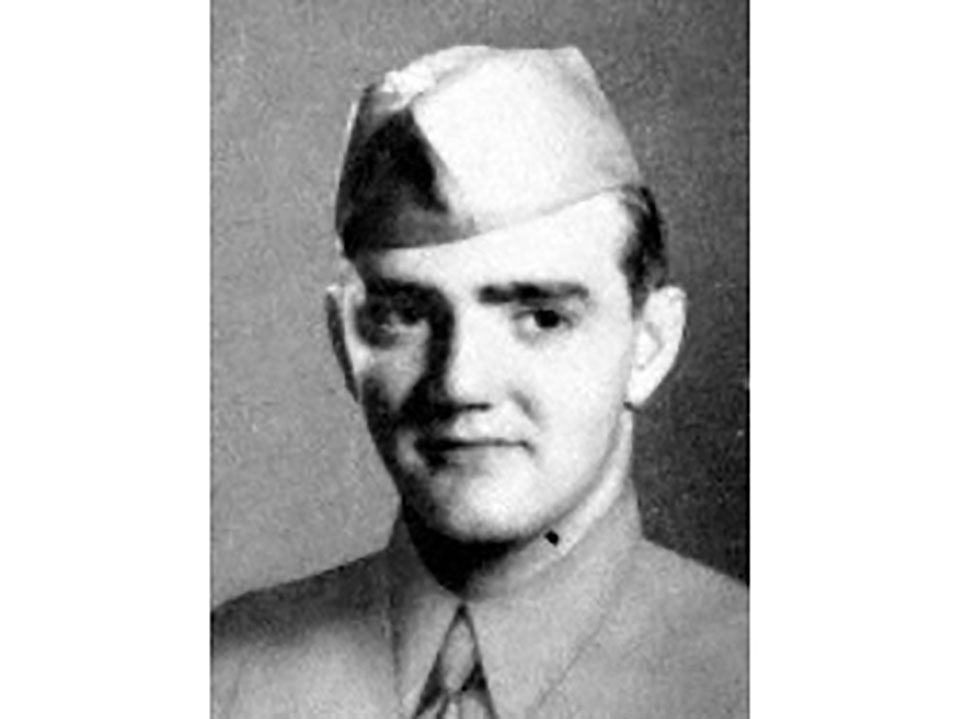
Humbert Roque Versace was born in Honolulu on July 2, 1937, the oldest of five sons born to Colonel Humbert Joseph Versace. Writer Marie Teresa “Tere” Rios was his mother, author of the Fifteenth Pelican. If you don’t recall the book, perhaps you remember the 1960s TV series, based on the story. It was called The Flying Nun.
Like his father before him, Humbert, (“Rocky” to his friends), joined the armed services out of high school, graduating from the United States Military Academy at West Point, in 1959.
Rocky earned his Ranger tab and parachutist badge the same year, later serving as tank commander with the 1st Cavalry in South Korea, then with the 3rd US Infantry – the “Old Guard”.
Rocky attended the Military Assistance Institute, the Intelligence course at Fort Holabird Maryland, and the USACS Vietnamese language Course at the Presidio of Monterey, beginning his first tour of duty in Vietnam on May 12, 1962.
He did his tour, and voluntarily signed up for another six months. By the end of October 1963, Rocky had fewer than two weeks to the end of his service. He had served a year and one-half in the Republic of Vietnam. Now he planned to go to seminary school. He had already received his acceptance letter, from the Maryknoll order.
Rocky planned to become a Priest of the Roman Catholic faith, and return to the country to help the orphaned children of Vietnam.
His was a bright and shining future. One never meant to be.
Rocky was assisting a Civilian Irregular Defense (CIDG) force of South Vietnamese troops remove a Viet Cong (VC) command post in the Mekong Delta. It was unusual that anyone would volunteer for such a mission, particularly one with his “short-timer’s stick”. This was a daring mission in a very dangerous place.
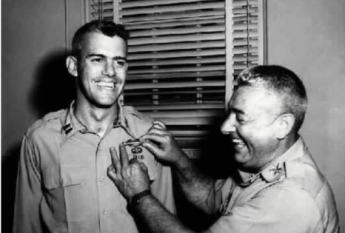
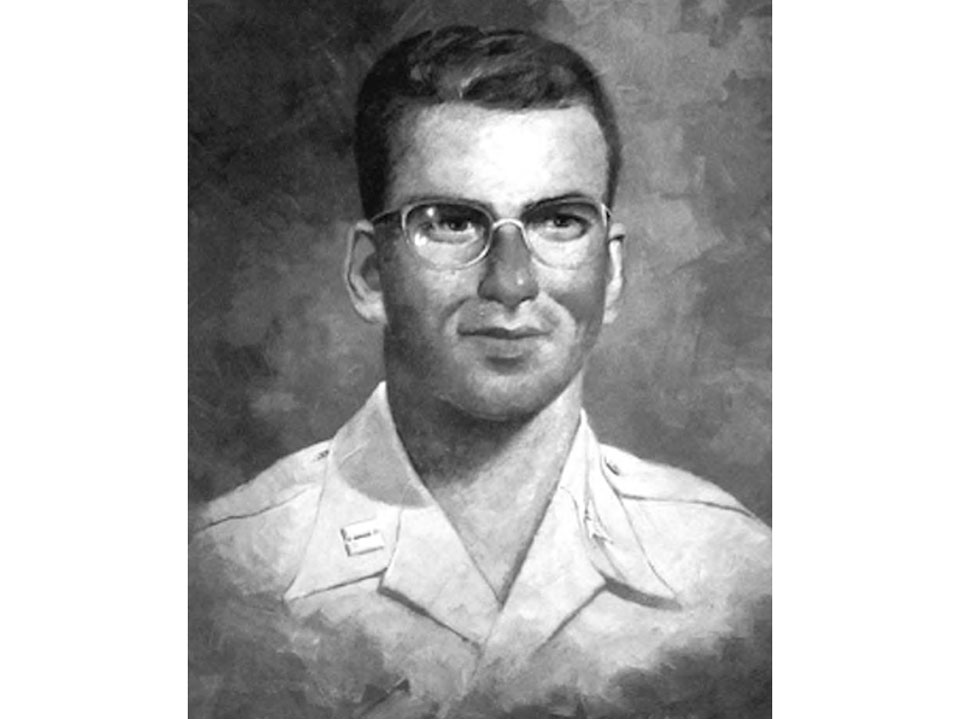
In happier times, Colonel Humbert Joseph Versace pins insignia on the uniform of his son, Captain Humbert Roque “Rocky” Versace
On October 29, an overwhelming force of Viet Cong ambushed and overran Rocky’s unit. Under siege and suffering multiple bullet and shrapnel wounds, Versace put down suppressing fire, permitting his unit to withdraw from the kill zone.
Another force of some 200 South Vietnamese arrived, too late to alter the outcome. Communist radio frequency jamming had knocked out both main and backup radio channels.
Their position overrun, Captain Versace, Lieutenant Nick Rowe and Sergeant Dan Pitzer were captured and taken to a North Vietnamese prison, deep in the jungle.
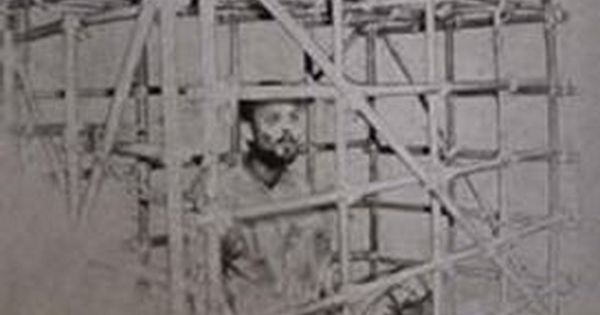
For most of the following two years, a 2’x3’x6’ bamboo cage would be their home. On nights when their netting was taken away, the mosquitoes were so thick on their shackled feet, it looked like they were wearing socks.
Years later, President George W. Bush would tell a story, about how Steve Versace described his brother. “If he thought he was right”, Steve said to audience laughter, “he was a pain in the neck. If he knew he was right, he was absolutely atrocious.”
In 1964, Vietnamese interrogators were learning what Steve Versace could have told them, if only they’d asked. His brother could not be broken. Rocky attempted to escape four times, despite leg wounds which left him no option but to crawl on his belly. Each such attempt earned him savage beatings, but that only made him try harder.
Fluent in French, Vietnamese and English, Rocky could quote chapter and verse from the Geneva Conventions and never quit doing so. He would insult and ridicule his captors in three languages, even as they beat him to within an inch of his life.
Incessant torture and repeated isolation in solitary confinement did nothing to shut him up. Communist indoctrination sessions had to be brought to a halt in French and Vietnamese, because none of his interrogators could effectively argue with this guy. They certainly didn’t want villagers to hear him blow up their Communist propaganda in their own language.
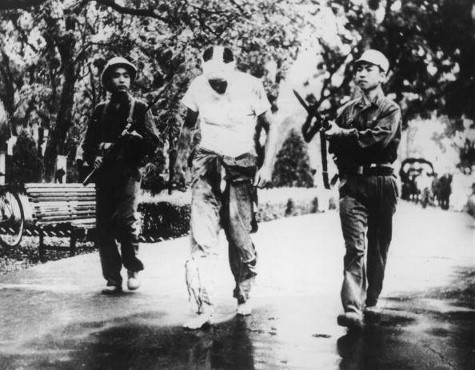
For five months in 1964, reports came back through intelligence circles, of one particular prisoner. Paraded in chains before local villagers, with hair turned snow white and face swollen and yellowed with jaundice. With hands tied behind his back and a rope around his neck, even then this man still spoke in three languages, of God, and Freedom, and American democracy.
The affect was unacceptable to his Communist tormentors. To the people of these villages, this man made sense.
In the end, Versace was isolated from the rest of the prison population, as a dangerous influence. He responded by singing at the top of his lungs, the lyrics of popular songs of the day replaced by messages of inspiration to his fellow POWs. Rocky was last heard belting out “God Bless America”, at the top of his lungs.
Humbert Roque Versace was murdered by his North Vietnamese captors, his “execution” announced on North Vietnamese “Liberation Radio” on September 26, 1965. He was twenty-eight years old.
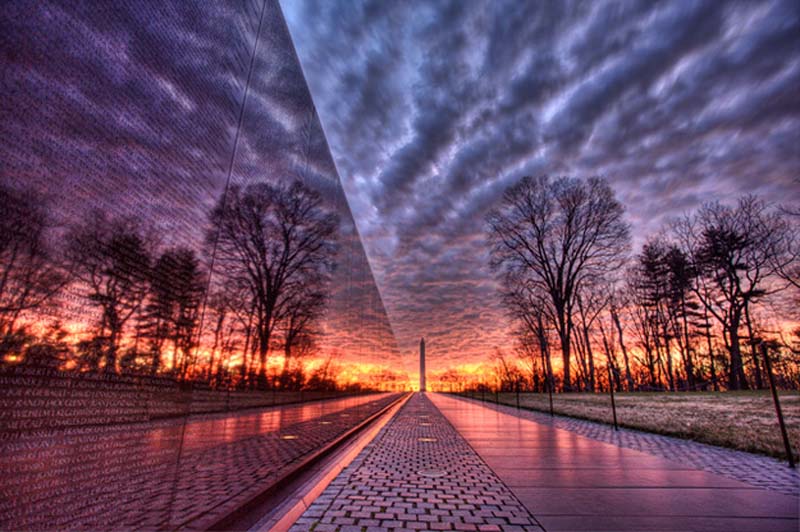
Rocky’s remains were never recovered. The headstone bearing his name in the Memorial section MG-108 at Arlington National Cemetery, stands over an empty grave. The memory of his name is inscribed on the Courts of the Missing in the Honolulu Memorial at the National Memorial Cemetery of the Pacific in Honolulu, and on Panel 1E, line 33, of the Vietnam Veterans Memorial.
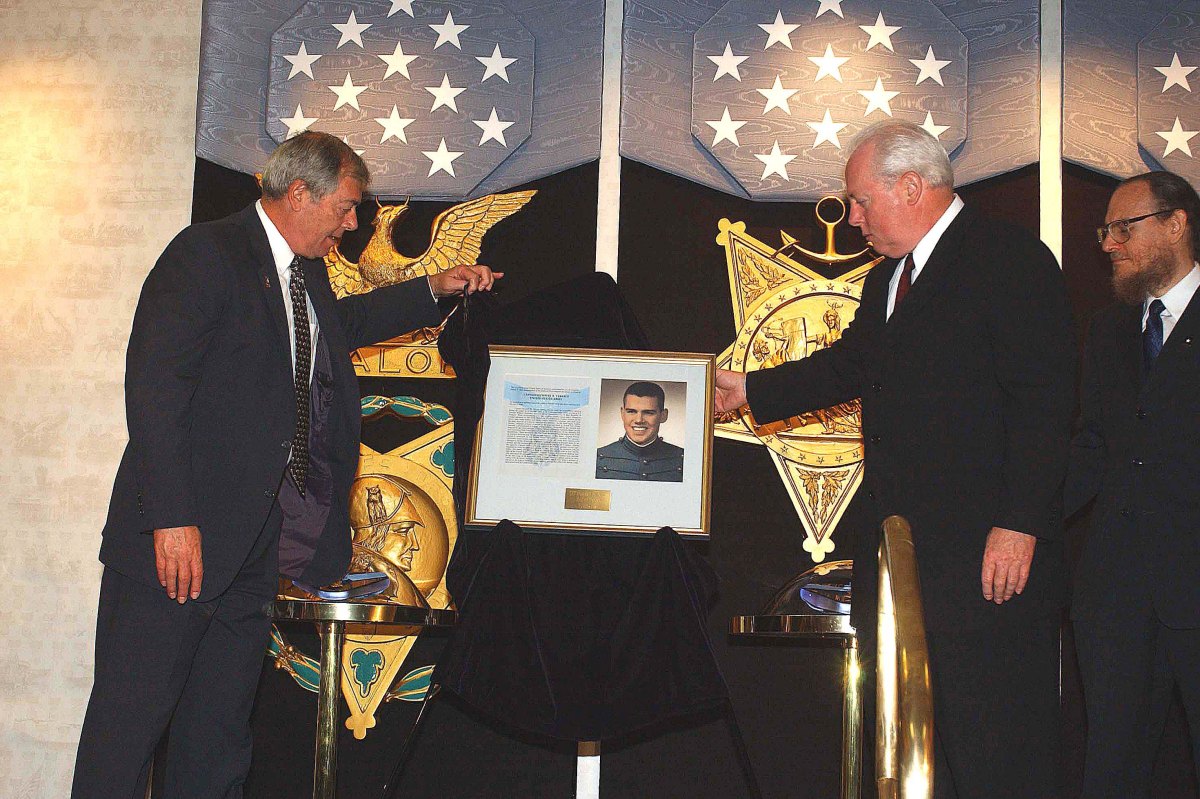
This American hero of Italian and Puerto Rican heritage was nominated for the medal of honor in 1969, an effort culminating in a posthumous Silver Star. In 2002, the Defense Authorization Act approved by the United States Congress and signed into law by President George W. Bush, awarded Versace the Medal of Honor.
In a July 8, 2002 ceremony in the East Room of the White House, the President of the United States awarded the Medal of Honor to United States Army Captain Humbert Roque “Rocky” Versace. Dr. Stephen Versace stood in to receive the award, on behalf of his brother. Never before had the nation’s highest honor for military valor been bestowed on a POW, for courage in the face of captivity.
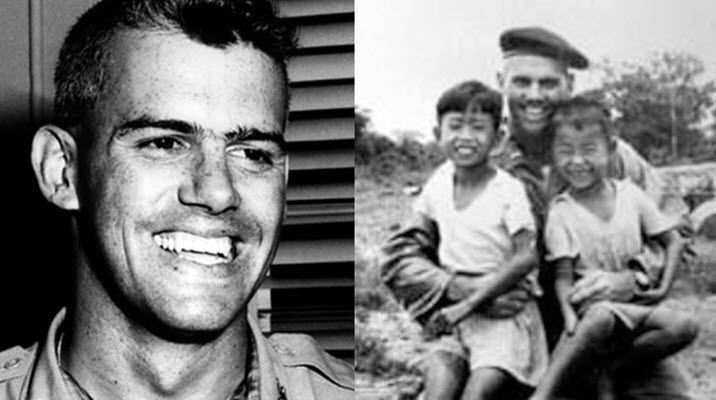
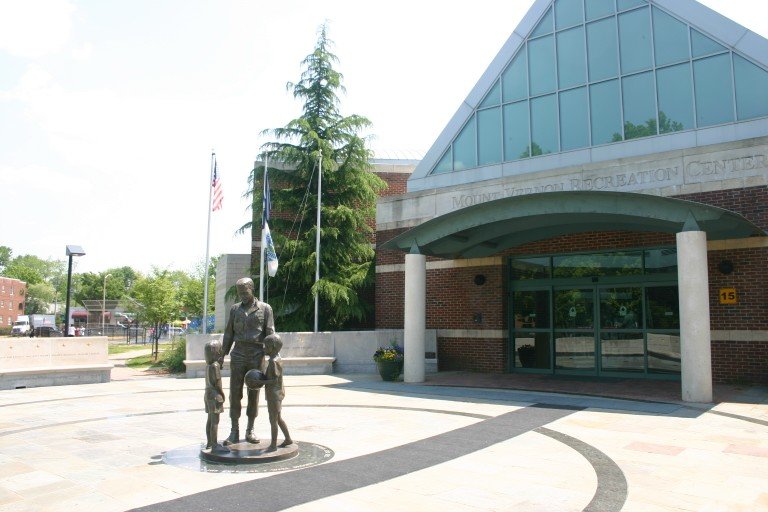
This statue of Medal of Honor recipient and Ranger Hall of Fame inductee Captain “Rocky” Versace stands in a plaza bearing his name in Alexandria, Virginia. With him are the likenesses of two Vietnamese children, along with sixty-seven gold stars, each representing one of the 67 soldiers, sailors and airmen from Alexandria who were KIA or MIA, in the war in Vietnam.
Crowded into the north end of the island, lieutenant General Yoshitsugu Saito assembled everything he had, over 4,000 hardened troops, into the largest banzai charge of World War 2.
The largest amphibious assault in history began on June 6, 1944, on the northern coast of France. By end of day, some 156,000 Allied troops had successfully stormed the beaches of Normandy. Within a week that number had risen to a third of a million troops, over 50,000 vehicles and more than 100,000 tons of equipment.
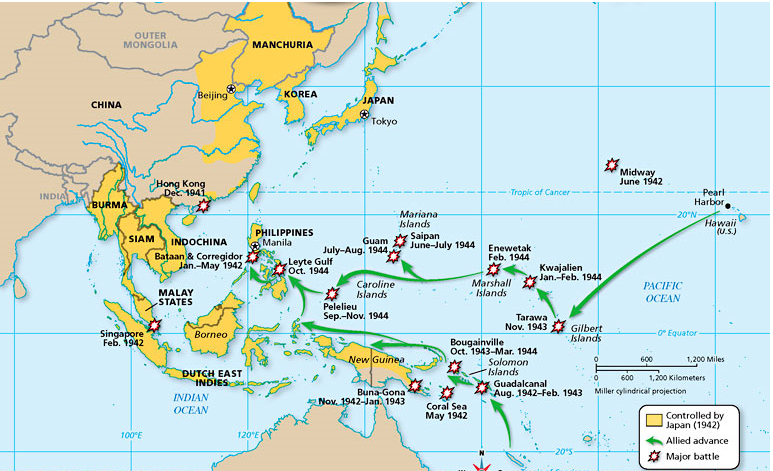
Half a world away the “D-Day of the Pacific” launched the day before and landed nearly two weeks later, to take the first of three islands in the Mariana group. Saipan.
The “leapfrog” strategy bringing US Marines onto the beaches of Saipan were nothing new. The earlier campaigns to recapture New Guinea and the Solomon Islands, clearing the way for the “island hopping” tactics of admiral Chester Nimitz, to move on the Japanese archipelago.
The Solomon Islands of Tulagi, and Guadalcanal. The heavily fortified atolls of Tarawa and Makin, in the Gilbert islands. The Marshall islands group: Majuro, Kwajalein and Eniwetok. These and more were pried from the grasp of the Japanese occupier, retaken only by an effusion of blood and treasure unheard of, in previous conflicts.
Saipan was different. Captured in 1914, the League of Nations awarded Saipan to the Empire of Japan five years later, part of the South Seas Mandate of 1919. Saipan was Japanese territory, the first not retaken since the Japanese offensives of 1941 -’42. Not only that. Allied control of Saipan put the Japanese archipelago well within range of B29 long range bombers. Control of the Marianas and Saipan in particular spelled the beginning of the end of the war in the Pacific, and both sides knew it.
Prime Minister Hideki Tōjō publicly swore the place would never be taken. This was to be the most pivotal battle, of the war in the Pacific.
We’ve all seen that hideous footage from the closing days. The cataracts of human beings hurling themselves from the cliffs of Saipan to certain and violent death, on the rocks below. Destroying themselves to avoid who-knows-what kind of atrocities the propaganda ministers of their own government, had taught them to expect at the hands of the Americans.
And those were the civilians. The ferocity of Japanese military resistance can scarcely be imagined, by the modern mind. US Marines took 2,000 casualties on the first day alone, June 16, on the beaches of Saipan.
US Army joined in the following day and, for almost four weeks, battled dug-in and fanatical Japanese soldiers for control of Saipan. Fighting was especially intense around Mount Tapotchau, the highest peak on Saipan. Names such as “Death Valley” and “Purple Heart Ridge” etched themselves in blood, onto the histories of the 2nd and 4th divisions of the United States Marine Corps and the US Army’s 27th Infantry Division.
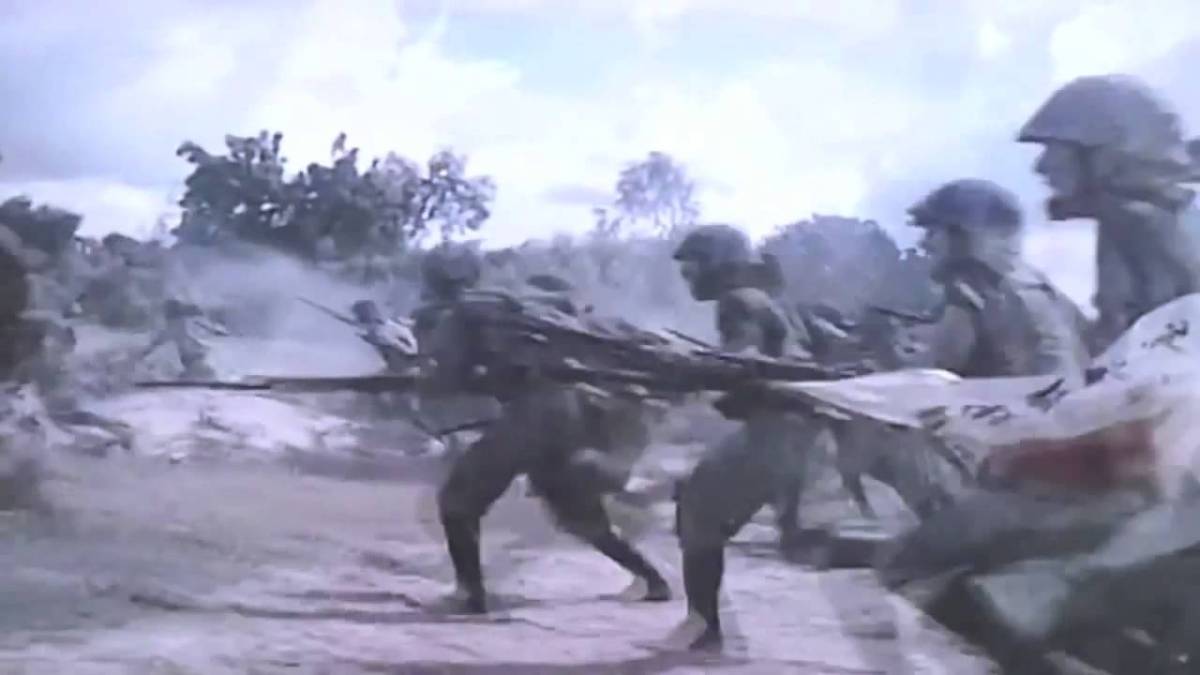
By July 6 what remained of the defenders had their backs to the sea. Crowded into the north end of the island, lieutenant General Yoshitsugu Saito assembled everything he had, over 4,000 hardened troops, into the largest banzai charge of World War 2.
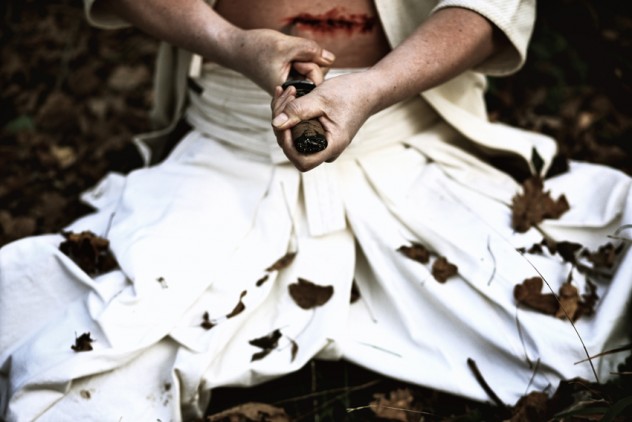
Banzai as the allies called it after the battle cry “Tennōheika Banzai” (“Long live His Majesty the Emperor”) was a massed assault, one method of gyokusei (shattered jewel) whose purpose is honorable suicide, not unlike the hideous ritual of self-disembowelment known as seppuku.
Imagine if you will, an irresistible tide of shrieking warriors, thousands of them pouring down on you bent on destroying you and everyone around you, each seeking that honorable suicide only to be had, from death in battle.
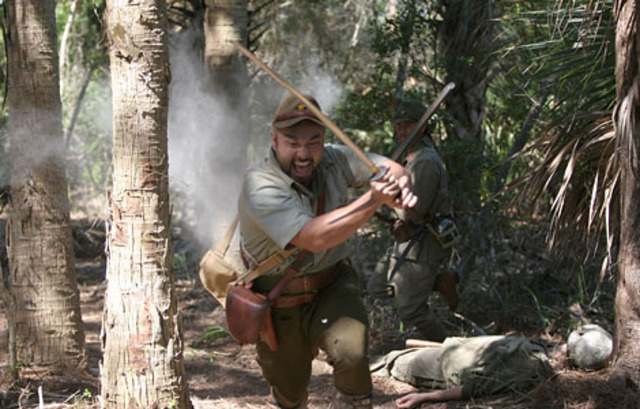
The evening of July 6 was spent immersed in beer and sake At 4:45am local time July 7, the largest banzai charge of World War 2 came screaming out of the dawn to envelop US forces. First came the officers, some 200 of them, waving their swords and screaming, at the top of their lungs. Then came the soldiers. Thousands of them, howling in the morning’s first light. Major Edward McCarthy said it was like stampeding cattle, only these, kept coming.
The tide was irresistible at first, sweeping all before it. The American perimeter was shattered leaving nothing but isolated pockets, fighting for their lives. Fighting was savage and hand to hand with everything from point-blank howitzers and anti-tank weapons to rifle butts, fists, and rocks.
The human tide advanced some 1,000 yards into the American interior before it was slowed, and then stopped. By six that evening, American armed forces had regained original positions in what was now a charnel house, of gore.
406 Americans were killed that July 7 and an another 512, maimed. 4,311 Japanese troops, lay dead. Three stories come down to us, from that day. Three stories among thousands who have earned the right, to be remembered.
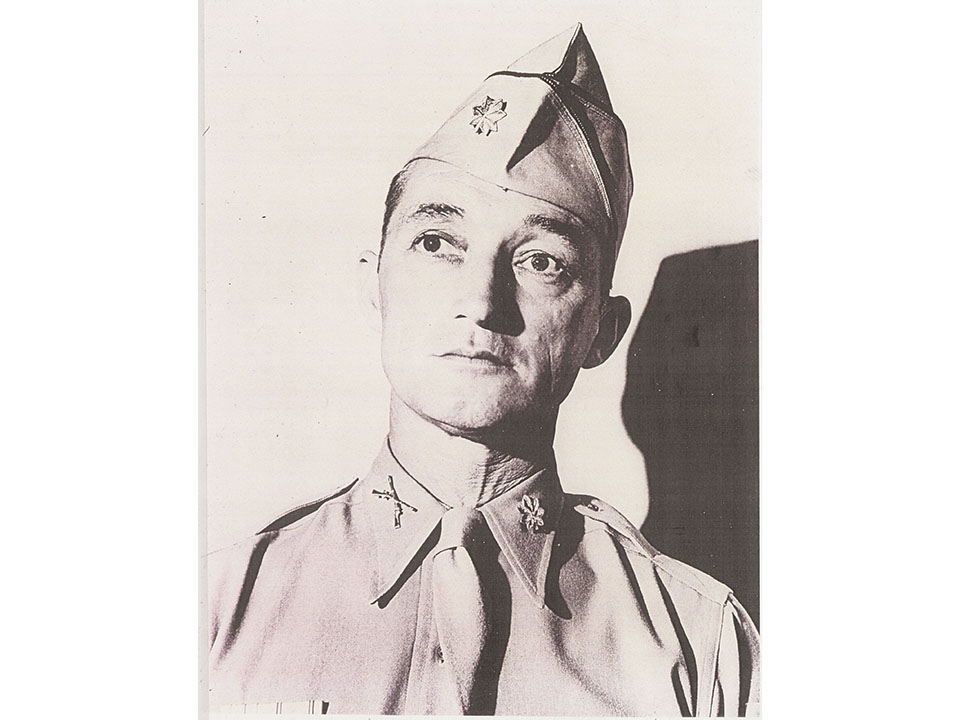
Lt. Col. William O’Brien fired two pistols into the faces of his attackers until he was out, of bullets. Receiving a severe shoulder wound in the process O’Brien leaped onto a jeep and blazed away with its .50 caliber mounted machine gun, all while shouting encouragement to his retreating comrades.
At last even that was out of ammunition. Lt. Col O’Brien was overwhelmed by his attackers his body riddled with bullets, and bayonet wounds. On retaking the position that evening American observers credited 30 dead Japanese, to O’Brien’s .50-cal.
Private Tom Baker exhausted his rifle’s ammunition before turning it, as a club. His rifle butt shattered Baker began to pull back, before he was hit. A fellow soldier began to carry him when he himself, was shot down. Baker refused further aid asking instead to be propped up against a tree facing the enemy with a cigarette, and a pistol.
He was found that afternoon, dead, the eight bullets from that pistol, spent. He was still sitting up against that tree. At his feet, were eight dead Japanese.
Captain Benjamin Salomon was a rear-echelon guy, a dentist assigned to a medical unit. Captain Salomon was treating the wounded in an aid station, when the first attacker, crawled under the tent wall. Salomon hit the man with a medical tray before killing him with a wounded soldier’s carbine.
Ordering the aid station to be evacuated of all wounded, Dr. Salomon covered their retreat with a .30-caliber water-cooled machine gun. He too was found later his body riddled with bullets, and bayonet wounds.
Seven men were awarded Medals of Honor for their actions on Saipan, all of them, posthumous. Among those were Lieutenant Colonel O’Brien, and Private Baker. Dr. Salomon did not receive the medal of honor as his final actions, involved a machine gun. The Geneva Conventions prevent medical personnel from defending themselves with anything more, than a pistol.
























 Historical Easter Eggs - Today in History
You must be logged in to post a comment.