

Boston was a two-team town in 1914, when the American League Red Sox hired 6’2″, 200lb left handed rookie George Herman “Babe” Ruth from the Baltimore Orioles. The American League hadn’t yet adopted the designated hitter rule, they wouldn’t do that until 1973. The Red Sox started Ruth as pitcher, but it was his bat that made him one of the best. Unlike most power hitters, Babe Ruth maintained his high batting average, ending his career with a .342 lifetime average.
Four years later, Red Sox owner and theatrical producer Harry Frazee sold Ruth to the arch-rival New York Yankees, to finance the production of a Broadway musical. Thus began an 86-year World Series drought, ending only in 2004. To this day, Boston-area mothers use the “Curse of the Bambino” to scare wayward children into acting right. But that’s a story for another day.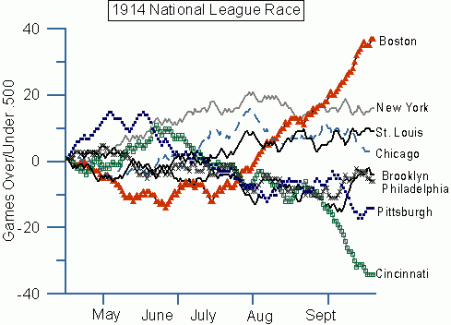
On the National League side, the Boston Braves were in dead last place in July 1914, with a record of 26 wins and 40 losses, 11½ games behind the first place Giants. As with the last ten years straight, the view this year was shaping up to be one from the basement. The Braves didn’t even have a home field advantage for the playoffs that year, they had abandoned their 43-year old home at South End Grounds that August. In post-season the Boston Braves were renting Fenway Park from their cross-town rival Red Sox.
The turnaround started on this day with a three game road trip to Redland Field, in Cincinnati, where the Braves won three consecutive games with 1-0, 6-2 and 3-2 victories over the Reds.
The Braves played 37 games through the end of the regular season, winning all but two.
They must have been underdogs going into the World Series against the Philadelphia Athletics, who had just won their fourth American League pennant in 5 years, 8½ games ahead of second place.
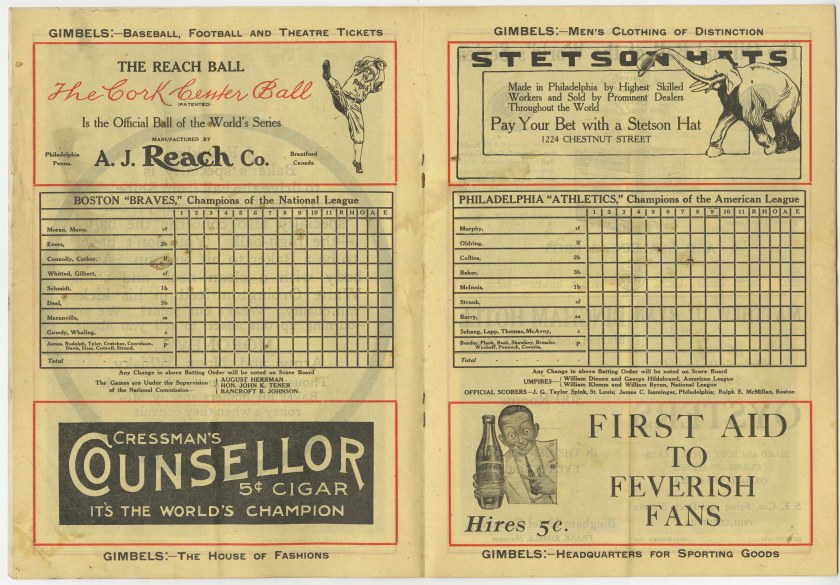
Game one in Philadelphia was a Boston Romp, ending with a 7-1 victory. Game two had to be a cliff hanger, going into the 9th inning with the score tied at 0. Infielder Charlie Deal found himself on second when A’s center fielder Amos Strunk lost the ball in the sun. Deal scored the game’s only run on Les Mann’s two-out single to center field.
Game 3 in Boston was the real thriller. The score was tied at two at the end of regulation play, with the Athletics scoring two runs in the top of the 10th. Boston came back with two runs in the bottom of the inning, and won the game in the 12th when A’s second baseman Donnie Bush threw a wild ball past third, with outfielder and pinch runner Les Mann scoring the winning run from second.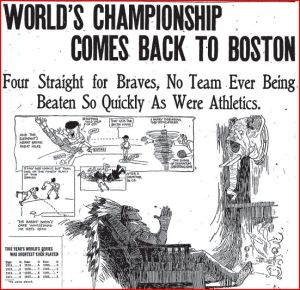
It was two outs in the 5th inning when Braves shortstop Johnny Evers hit a two-run single to center field, putting Boston ahead 3-1 in game 4. The A’s never responded.
The “Miracle Braves” had emerged from dead-last to defeat the defending World Champion Philadelphia Athletics, in the first four-game sweep in World Series history.
In 2011, a descendant of shortstop Johnny Evers consigned his ancestor’s 1914 World Series ring to auction, raising an intriguing question. Today we take team-issued Championship rings for granted, but the practice is not thought to have begun, until many years later. Prior to that and dating well back to the previous century, World Series winners were rewarded with team-issued pins.
This was the second such ring known t exist, the first issued to shortstop Walter James Vincent “Rabbit” Maranville. It may be that Evers and Maranville had the rings made for themselves, or maybe players were offered a choice of reward. Perhaps rings were offered to all players, but only at their own expense, causing most of them to pass.


Perhaps these two rings are merely the only two known to have survived. Be that as it may, at least some players had begun to associate rings with championships, long before their first official issue, in 1922.


 As of 2016, the Bluetooth Special Interest Group includes 36,000 member companies, managing a complex network of patents and technology to wirelessly connect as many as seven at a time, among tens of millions of Bluetooth compatible devices.



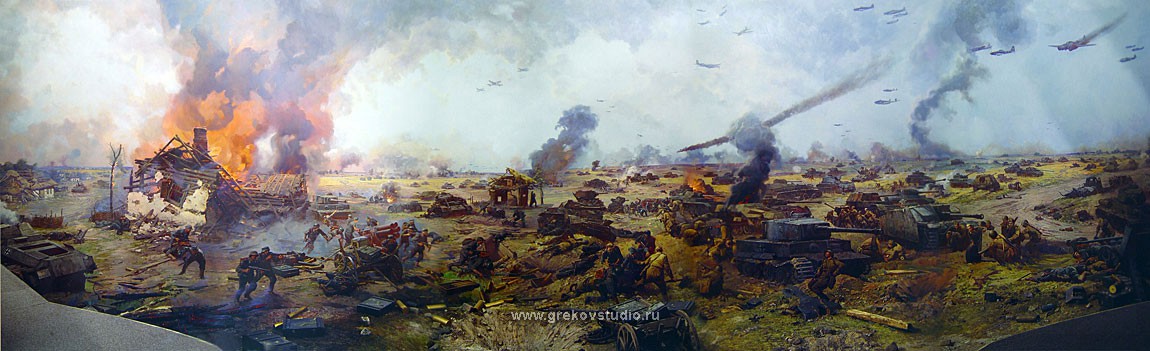
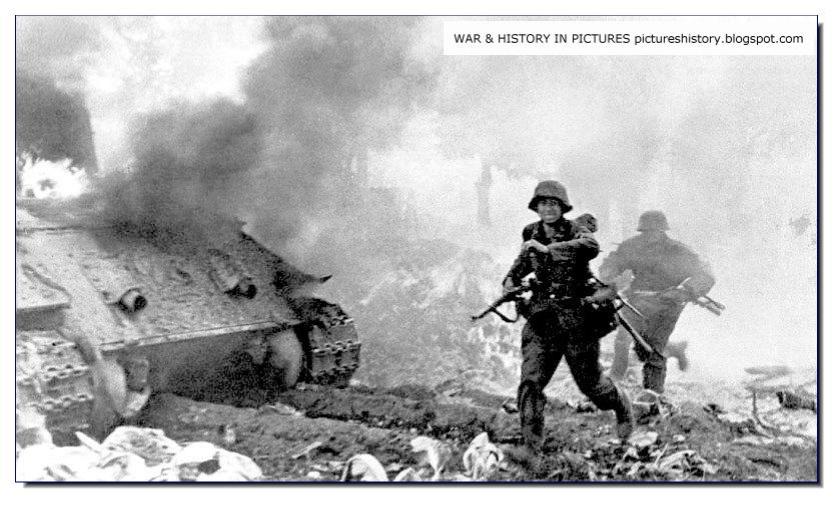
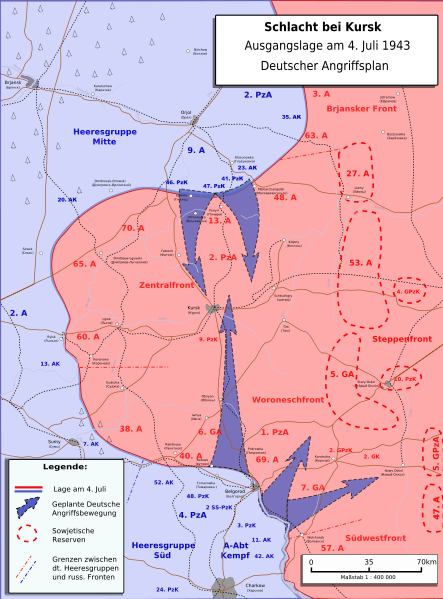 The Kursk salient was of little or no strategic value to the German war effort. Both Manstein and General Walter Model argued for a tactical defense. Even Heinz Guderian, arguably the father of modern armored tactics, argued against the offensive, but Hitler would not hear of it. Der Fuhrer was going to have his offensive.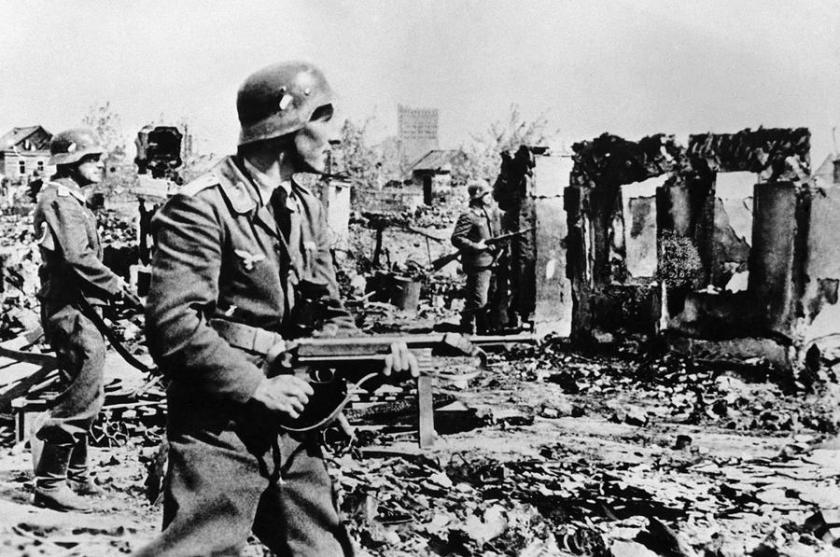


 The states turned over control of immigration to the Federal Government in 1890, and an immigration control office was opened on a Barge on the Battery at the tip of Manhattan.




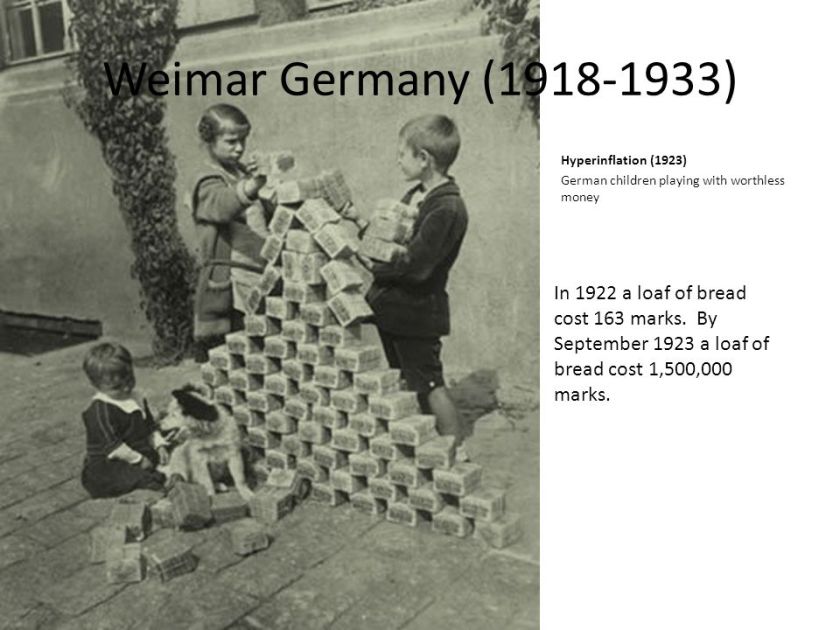
 Hungary replaced the Kronen with the Pengö in 1926, pegged to a rate of 12,500 to one.
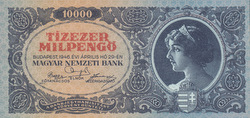
 One more currency replacement and all that Keynesian largesse would finally stabilize the currency, but at what cost? Real wages were reduced by 80% and creditors wiped out. The fate of the nation was sealed when communists seized power in 1949. Hungarians could now share in that old Soviet joke: “They pretend to pay us, and we pretend to work”.


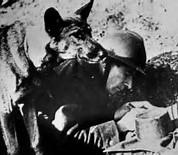 During the landing phase, private Rowell and Chips were pinned down by an Italian machine gun team. The dog broke free from his handler, running across the beach and jumping into the pillbox. Chips attacked the four Italians manning the machine gun, single-handedly forcing their surrender to American troops. The dog sustained a scalp wound and powder burns in the process, demonstrating that they had tried to shoot him during the brawl. In the end, the score was Chips 4, Italians Zero. He helped to capture ten more later that same day.


You must be logged in to post a comment.