

The Municipal Airport in Portsmouth NH was opened in the 1930s, expanding in 1951 to become a Strategic Air Command (SAC) base. The name was changed to Pease Air Force Base in 1957, in honor of Harl Pease, Jr., recipient of the Medal of Honor and Distinguished Flying Cross for heroism that led to his death in World War II.
The Japanese war machine seemed unstoppable in the early part of the war. In 1942, that machine was advancing on the Philippines.
United States Army Air Corps Captain Harl Pease was ordered to lead three battered B-17 Flying Fortresses to Del Monte field in Mindanao, to evacuate General Douglas MacArthur, his family and staff, to Australia. One of the planes was forced to abort early, while the other developed engine trouble and crashed. Pease alone was able to land his Fortress, despite inoperative wheel brakes and used ration tins covering bullet holes.

MacArthur was horrified at the sight of that beat up aircraft, and refused to put his wife and son on board. The family would wait two more days before MacArthur made his famous exit, saying, “I shall return”.
Harl Pease wasn’t supposed to go on the “maximum effort” mission against Rabaul, since his aircraft was down for repairs. But he was determined. Harl Pease and a few volunteers grabbed an old trainer aircraft on August 7, too beat up for combat service. Its engines needed overhaul, some armament had been dismounted, and the electric fuel-transfer pump had been scavenged for parts. Pease had a fuel tank installed in the bomb bay and a hand pump was rigged to transfer fuel. In fewer than three hours, he and his crew were on their way.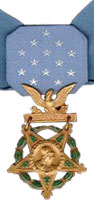
Captain Pease’ Medal of Honor citation tells the story: “When 1 engine of the bombardment airplane of which he was pilot failed during a bombing mission over New Guinea, Capt. Pease was forced to return to a base in Australia. Knowing that all available airplanes of his group were to participate the next day in an attack on an enemy-held airdrome near Rabaul, New Britain, although he was not scheduled to take part in this mission, Capt. Pease selected the most serviceable airplane at this base and prepared it for combat, knowing that it had been found and declared unserviceable for combat missions. With the members of his combat crew, who volunteered to accompany him, he rejoined his squadron at Port Moresby, New Guinea, at 1 a.m. on 7 August, after having flown almost continuously since early the preceding morning. With only 3 hours’ rest, he took off with his squadron for the attack. Throughout the long flight to Rabaul, New Britain, he managed by skillful flying of his unserviceable airplane to maintain his position in the group. When the formation was intercepted by about 30 enemy fighter airplanes before reaching the target, Capt. Pease, on the wing which bore the brunt of the hostile attack, by gallant action and the accurate shooting by his crew, succeeded in destroying several Zeros before dropping his bombs on the hostile base as planned, this in spite of continuous enemy attacks. The fight with the enemy pursuit lasted 25 minutes until the group dived into cloud cover. After leaving the target, Capt. Pease’s aircraft fell behind the balance of the group due to unknown difficulties as a result of the combat, and was unable to reach this cover before the enemy pursuit succeeded in igniting 1 of his bomb bay tanks. He was seen to drop the flaming tank. It is believed that Capt. Pease’s airplane and crew were subsequently shot down in flames, as they did not return to their base. In voluntarily performing this mission Capt. Pease contributed materially to the success of the group, and displayed high devotion to duty, valor, and complete contempt for personal danger. His undaunted bravery has been a great inspiration to the officers and men of his unit”.
Pease was presumed lost, until Father George Lepping was captured, finding him and one of his airmen languishing in a Japanese POW camp. Captain Pease was well respected by the other POWs, and even some of his Japanese guards. “You, you ah, Captain Boeing?“, they would say. Pease would stand up straight and say, “Me, me Captain Boeing.”
Japanese officers were a different story. They would beat the prisoners savagely on any provocation, or none at all.
On October 8, 1942, Captain Harl Pease, Jr. was taken into the jungle along with three other Americans and two Australian prisoners. They were given picks and shovels and forced to dig their own graves. And then each was beheaded, by sword. Captain Pease was 25.
Decades later, an elderly Japanese veteran passed away, and his family found his war diary. This man had been one of the guards ordered along, on the day of Pease’ murder.
 The diary tells of a respect this man had for “Captain Boeing”. Beaten almost senseless, his arms tied so tightly that his elbows touched behind his back, Captain Pease was driven to his knees in the last moments of his life. Knowing he was about to die, Harl Pease uttered the most searing insult possible against an expert swordsman and self-styled “samurai”. Particularly one with such a helpless victim. It was the single word, in Japanese. “Once!“.

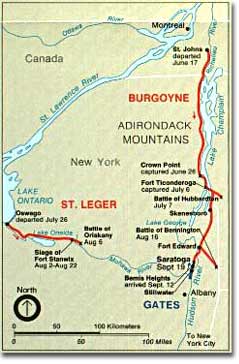 American forces selected a site called Bemis Heights, about 10 miles south of Saratoga, spending a week constructing defensive works with the help of Polish engineer Thaddeus Kosciusko. It was a formidable position: mutually supporting cannon on overlapping ridges, with interlocking fields of fire. Burgoyne knew he had no choice but to stop and give battle at the American position, or be chopped to pieces trying to bypass it.
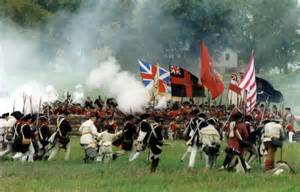 The second and decisive battle for Saratoga, the Battle of Bemis Heights, occurred on October 7, 1777.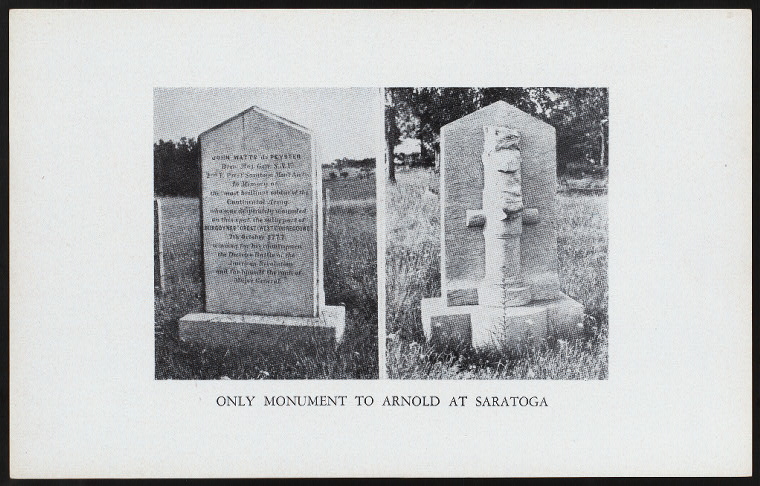
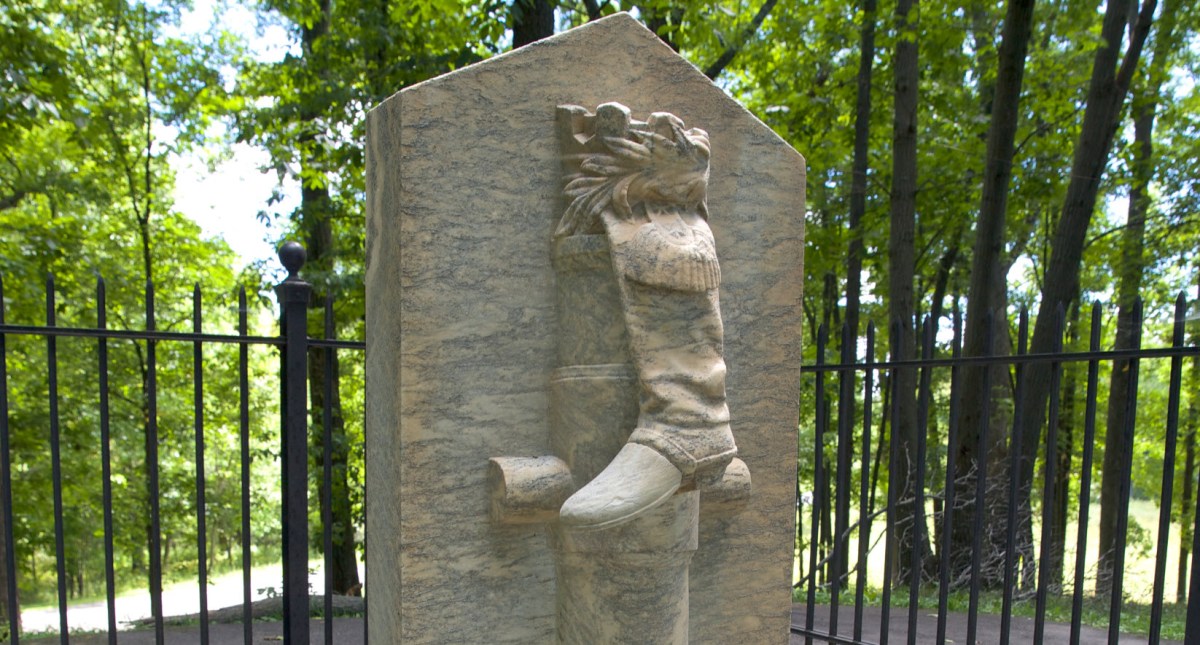
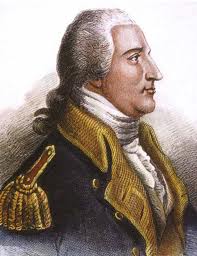
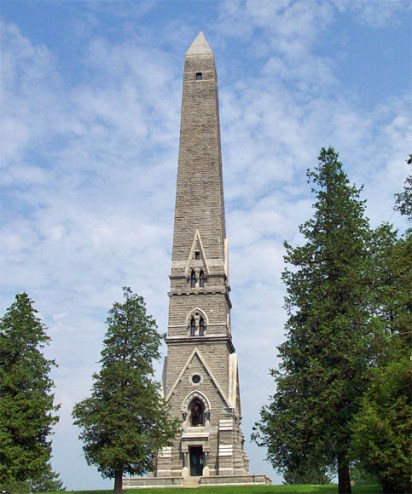 Today, the Saratoga battlefield and the site of Burgoyne’s surrender are preserved as the Saratoga National Historical Park. On the grounds of the park stands an obelisk, containing four niches.


 Once, the small dog was able to perform a task in minutes that otherwise would have taken an airstrip out of service for three days, and exposed an entire construction battalion to enemy fire. The air field at Lingayen Gulf, Luzon, was crucial to the Allied war effort, and the signal corps needed to run a telegraph wire across the field. A 70′ long, 8” pipe crossed underneath the air strip, half filled with dirt.
 Smoky toured all over the world after the war, appearing in over 42 television programs and entertaining thousands at veteran’s hospitals. In June 1945, Smoky toured the 120th General Hospital in Manila, visiting with wounded GIs from the Battle of Luzon. She’s considered to be the first therapy dog, and credited with expanding interest in what had hitherto been an obscure breed.
 Bill Wynne was 90 years old in 2012, when he was “flabbergasted” to be approached by Australian authorities. They explained that an Australian army nurse had purchased the dog from a Queen Street pet store, becoming separated in the jungles of New Guinea. 68 years later, the Australians had come to award his dog a medal.
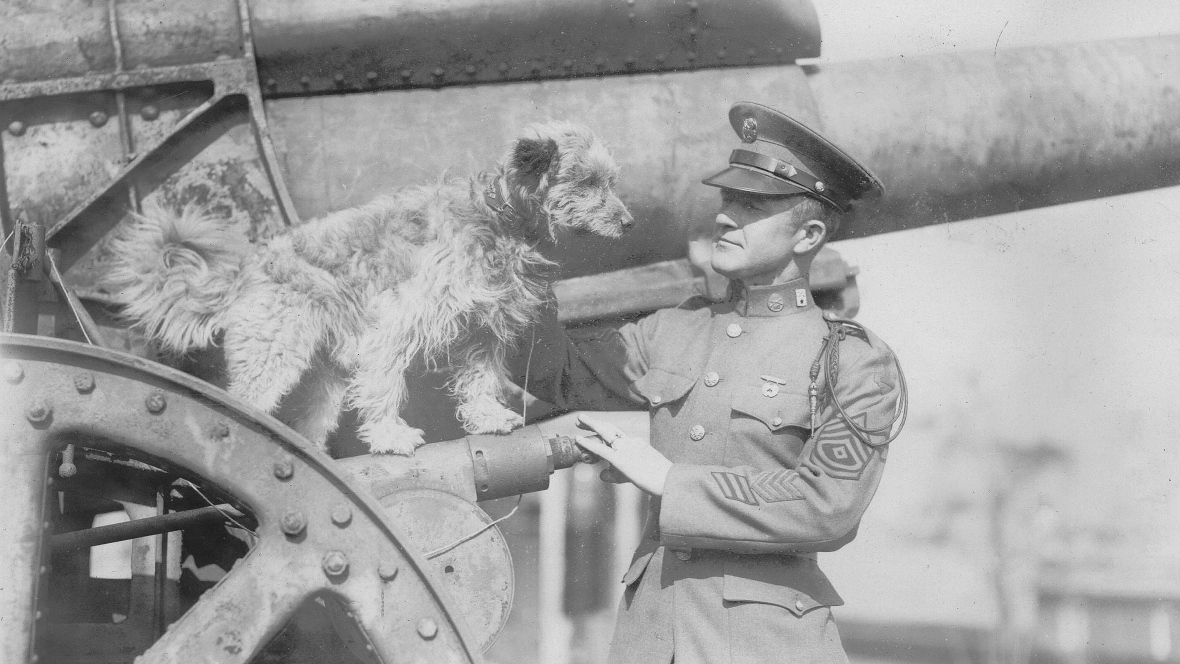
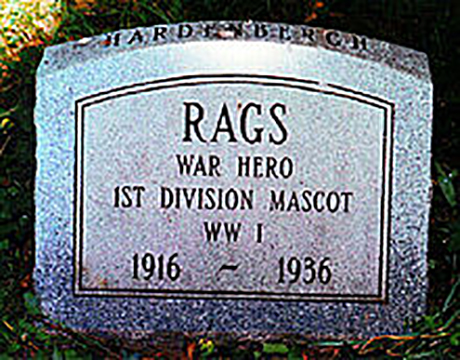
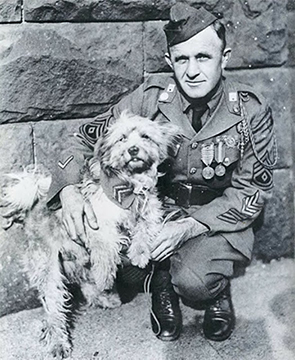 It was a small dog, possibly a Cairn Terrier mix. He looked like a pile of rags, and that’s what they called him. The dog had gotten Donovan out of a jam, now he would become the division mascot for real. Rags was now part of the US 1st Infantry Division, the Big Red One.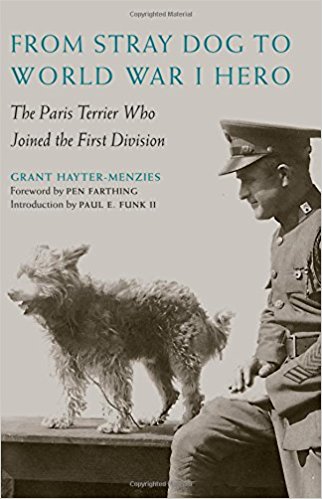


 TE, as Lawrence preferred to be called, was reading books and newspapers by the age of four. He first went to the Middle East as an archaeology student in 1909, walking 1,100 miles across Syria, Palestine, and parts of Turkey, surveying the castles of the Crusaders for his thesis. During this time he was shot at, robbed and severely beaten. Despite all of it, TE Lawrence developed an affinity for the Middle East and its people, which would last a lifetime.
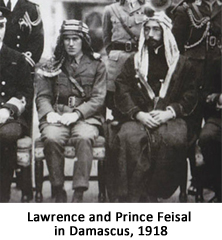 Dressing himself in the flowing Arab Thawb, Lawrence joined the forces of Ali’s son, Feisal.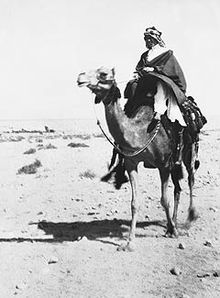
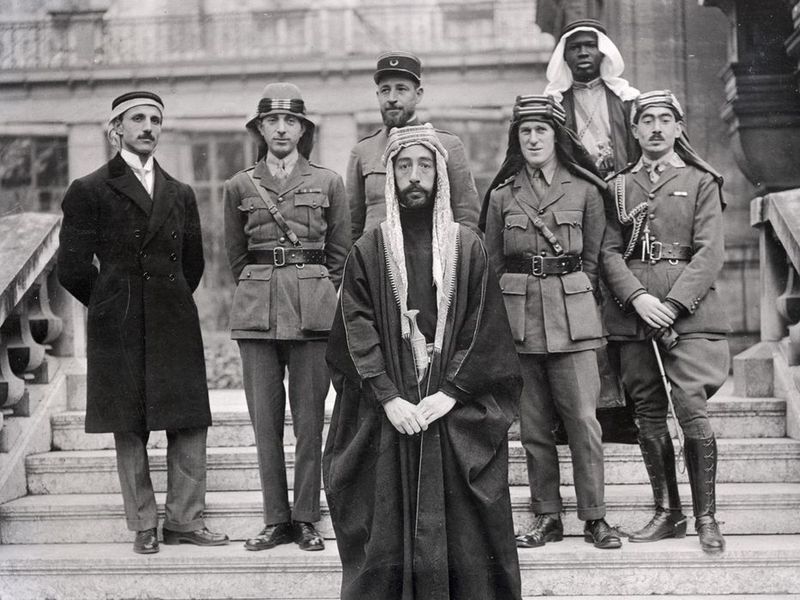
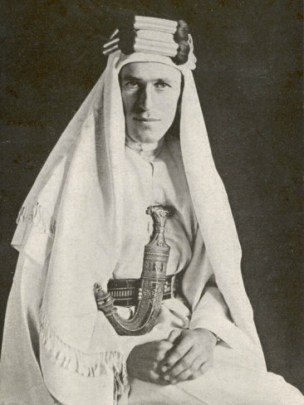
 To most of us, the desert is an inscrutable place, as is the mind, culture and history of the Middle East. Few westerners would ever get to know this part of the world like TE Lawrence.



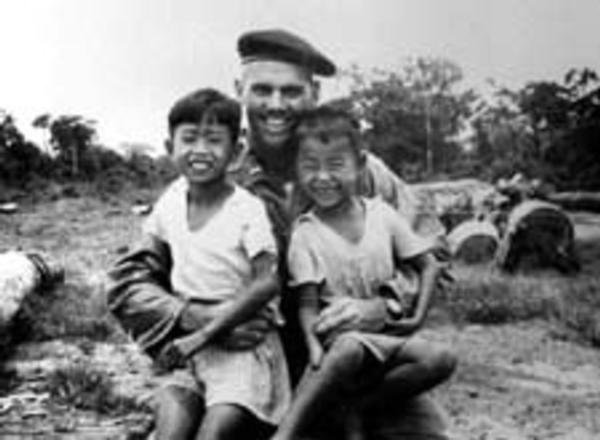

 In his spare time, this Green Beret, Army Ranger and Special Forces warrior would volunteer to work in the countless orphanages of South Vietnam.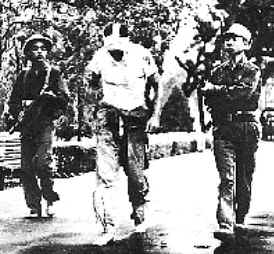
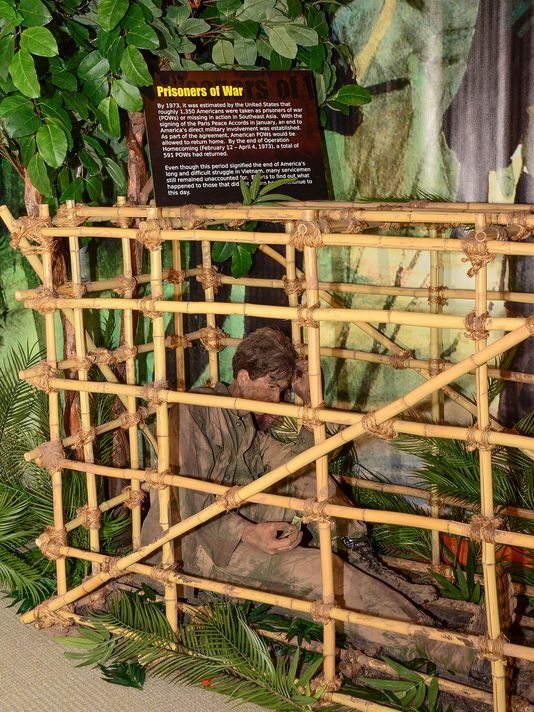
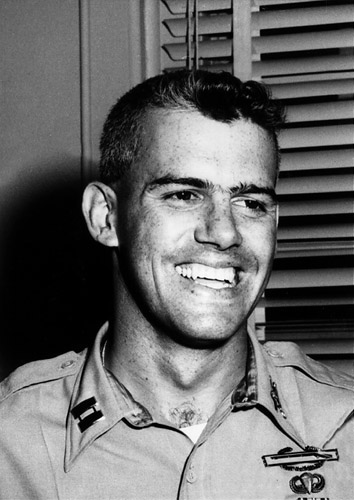 Rocky attempted to escape four times, despite leg wounds which left him no option but to crawl on his belly. Each such attempt earned him savage beatings, after which he’d only try harder.
 Rocky was murdered by his captors, his “execution” announced on North Vietnamese “Liberation Radio” on September 26, 1965. He was twenty-eight.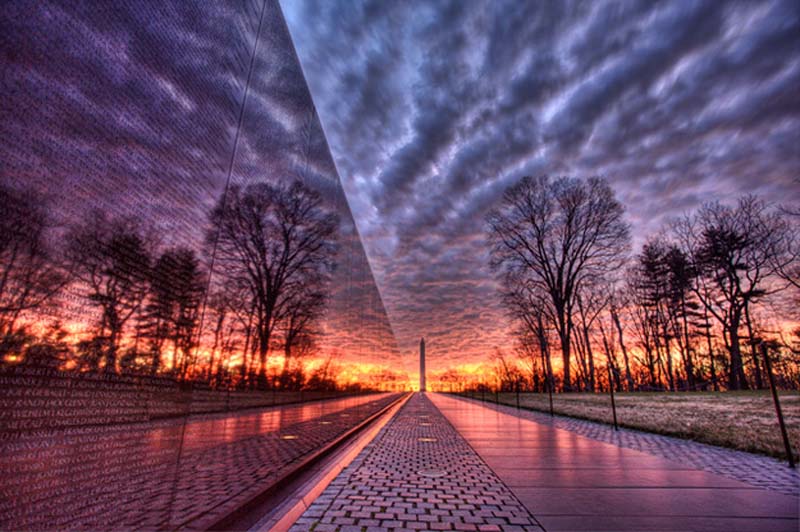


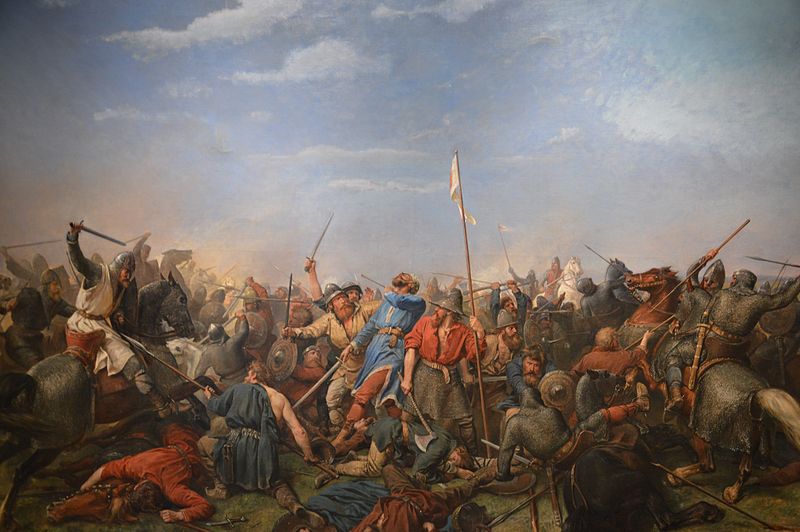
 Tostig sailed for England with King Harald and a mighty army of 10,000 Viking warriors, meeting the northern Earls Edwin and Morcar in battle at Fulford Gate, on September 20.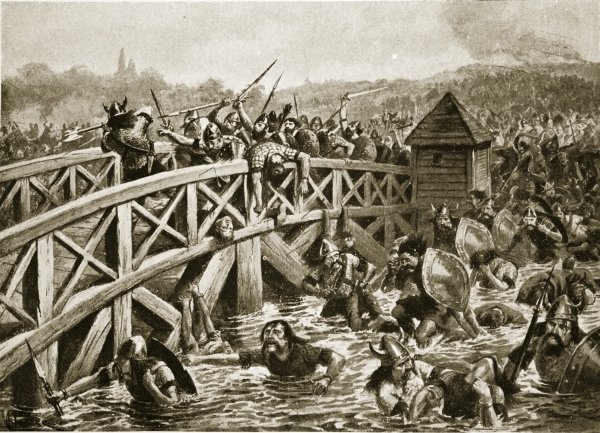


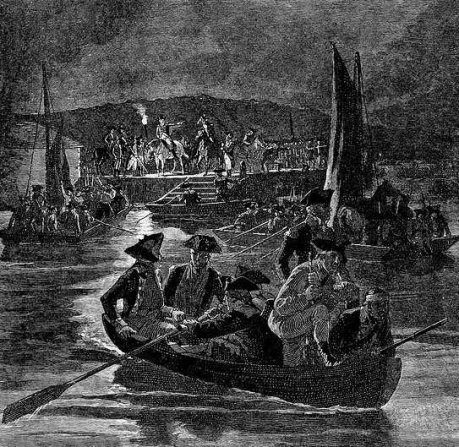
 Washington asked for volunteers for a dangerous mission, to go behind enemy lines, as a spy. Up stepped a volunteer. His name was Nathan Hale.
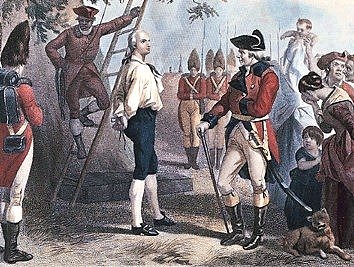 Hale took Rogers into his confidence, believing the two to be playing for the same side. Barkhamsted Connecticut shopkeeper Consider Tiffany, a British loyalist and himself a sergeant of the French and Indian War, recorded what happened next, in his journal: “The time being come, Captain Hale repaired to the place agreed on, where he met his pretended friend” (Rogers), “with three or four men of the same stamp, and after being refreshed, began [a]…conversation. But in the height of their conversation, a company of soldiers surrounded the house, and by orders from the commander, seized Captain Hale in an instant. But denying his name, and the business he came upon, he was ordered to New York. But before he was carried far, several persons knew him and called him by name; upon this he was hanged as a spy, some say, without being brought before a court martial.”
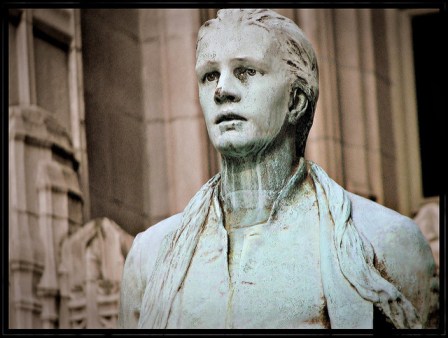 There is no official account of Nathan Hale’s final words, but we have an eyewitness statement from British Captain John Montresor, who was present at the hanging.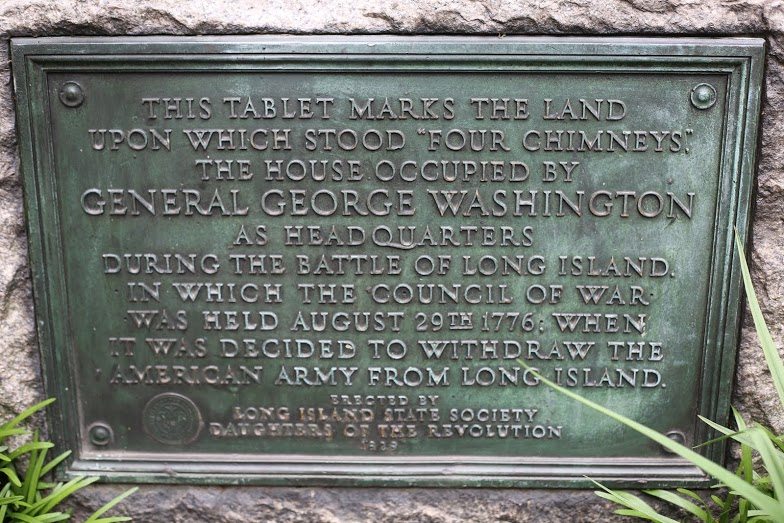

 Historical Easter Eggs - Today in History
You must be logged in to post a comment.