

During WW2, the average infantry soldier saw 40 days of combat, in 4 years. In Vietnam, the average combat infantryman saw 240 days of combat, in a year.

By 1967, the Johnson administration was coming under increasing criticism, for what many of the American public saw as an endless and pointless stalemate in Vietnam.
Opinion polls revealed an increasing percentage believed it was a mistake to send more troops into Vietnam, their number rising from 25% in 1965, to 45% by December, 1967.
The Johnson administration responded with a “success offensive”, emphasizing “kill ratios” and “body counts” of North Vietnamese and Viet Cong fighters. Vice President Hubert Humphrey stated on NBC’s Today show that November, that “We are on the offensive. Territory is being gained. We are making steady progress.”
 In Communist North Vietnam, the massive battlefield losses of 1966-’67 combined with the economic devastation wrought by US Aerial bombing, causing moderate factions to push for peaceful coexistence with the south. More radical factions favoring military reunification on the Indochina peninsula, needed to throw a “hail Mary” pass. Plans for a winter/spring offensive began, in early 1967. By the New Year, some 80,000 Communist fighters had quietly infiltrated the length and breadth of South Vietnam.
One of the largest military operations of the war launched on January 30, 1968, coinciding with the Tết holiday, the Vietnamese New Year. In the first wave of attacks, North Vietnamese troops and Viet Cong Guerillas struck over 100 cities and towns, including Saigon, the South Vietnamese capitol.
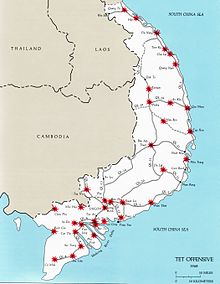 Initially taken off-guard, US and South Vietnamese forces regrouped and beat back the attacks, inflicting heavy losses on North Vietnamese forces. The month-long battle for Huế (“Hway”) uncovered the massacre of as many as 6,000 South Vietnamese by Communist forces, 5-10% of the entire city. Fighting continued for over two months at the US combat base at Khe Sanh.
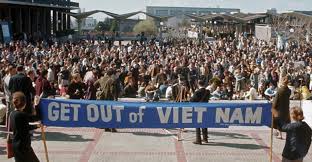
While the Tết offensive was a military defeat for the forces of North Vietnam, the political effects on the American public, were profound. Support for the war effort plummeted, leading to demonstrations. Jeers could be heard in the streets. “Hey! Hey! LBJ! How many kids did you kill today?”
Lyndon Johnson’s Presidency, was finished. The following month, Johnson appeared before the nation in a televised address, saying “I shall not seek, and I will not accept, the nomination of my party for another term as your president.”
In the early morning darkness of February 1, 1968, Nguyễn Văn Lém led a Viet Cong sabotage unit in an assault on the Armor base in Go Vap. After taking control of the camp, Nguyễn arrested Lieutenant Colonel Nguyen Tuan with his family, demanding that the officer show his guerillas how to drive tanks. The officer refused, and the Viet Cong slit his throat, along with those of his wife and six children, and his 80-year-old mother.
The only survivor was a grievously injured 10-year-old boy.
Nguyễn was captured later that morning, near the mass grave of 34 civilians. He said he was “proud” to have carried out orders to kill them.
AP photographer Eddie Adams was out on the street with NBC News television cameraman Võ Sửu, looking for something interesting. The pair saw a group of South Vietnamese soldiers dragging what appeared to be an ordinary man into the road, and filmed the event.
Adams “…followed the three of them as they walked towards us, making an occasional picture. When they were close – maybe five feet away – the soldiers stopped and backed away. I saw a man walk into my camera viewfinder from the left. He took a pistol out of his holster and raised it. I had no idea he would shoot. It was common to hold a pistol to the head of prisoners during questioning. So I prepared to make that picture – the threat, the interrogation. But it didn’t happen. The man just pulled a pistol out of his holster, raised it to the VC’s head and shot him in the temple. I made a picture at the same time.”

The man with the pistol was Nguyễn Ngọc Loan, Chief of the national police. Loan had personally witnessed the murder of one of his officers, along with the man’s wife and three small children.
Nguyễn Văn Lém was guilty of major war crimes. He was out of uniform and not involved in combat, when he murdered the General’s own subordinates and their families. The man was a war criminal and terrorist with no protections under the Geneva Conventions, legally eligible for summary execution.
Loan drew his .38 Special Smith & Wesson “Bodyguard” revolver and fired. The execution was barely a blip on his radar screen.

General Nguyễn was a devoted Patriot and South Vietnamese Nationalist. An accomplished pilot who led an airstrike on Việt Cộng forces at Bo Duc in 1967, Loan was loved and admired by his soldiers.
In February 1968, hard fighting yet remained to retake the capitol. As always, Nguyễn Ngọc Loan was leading from the front, when a machine gun burst tore into his leg.
Meanwhile, Adams’ “Saigon Execution” photograph and Võ’s footage made their way into countless papers and news broadcasts. Stripped of context, General Nguyễn came to be seen as a “bloodthirsty sadist”, the Viet Cong terrorist his “innocent victim”.

Adams was well on his way to winning a Pulitzer prize for that photograph, while an already impassioned anti-war movement, lost the power of reason.
The political outcry reached all the way to Australia, where General Nguyễn was recuperating from his amputation. An Australian hospital refused him treatment, and he traveled to America, to recover.
American politics looked inward in the years to come, as the Nixon administration sought the “Vietnamization” of the war. By January 1973, direct US involvement in the war, had come to an end.
Military aid to South Vietnam was $2.8 billion in fiscal year 1973. The US Congress placed a Billion dollar ceiling on the number the following year, cutting that to $300 million, in 1975. The Republic of Vietnam collapsed, some fifty-five days later.

General Nguyễn was forced to flee the country he had served. American immigration authorities sought deportation on his arrival, in part because of Eddie Adams’ picture. The photographer was recruited to testify against the General, but Adams spoke on his behalf.
Nguyễn was permitted to stay. He and his wife opened a pizza shop in the Rolling Valley Mall of Virginia, “Les Trois Continents”. The restaurant was a success for a time, until word got out about the owner’s identity. Knowing nothing about Nguyễn except for that image, locals began to make trouble. Business plummeted as the owner was assaulted in his own restaurant, his life threatened.
The last time Adams visited Nguyễn’s pizza parlor, the words “We know who you are, fucker“, were scrawled across a toilet wall.
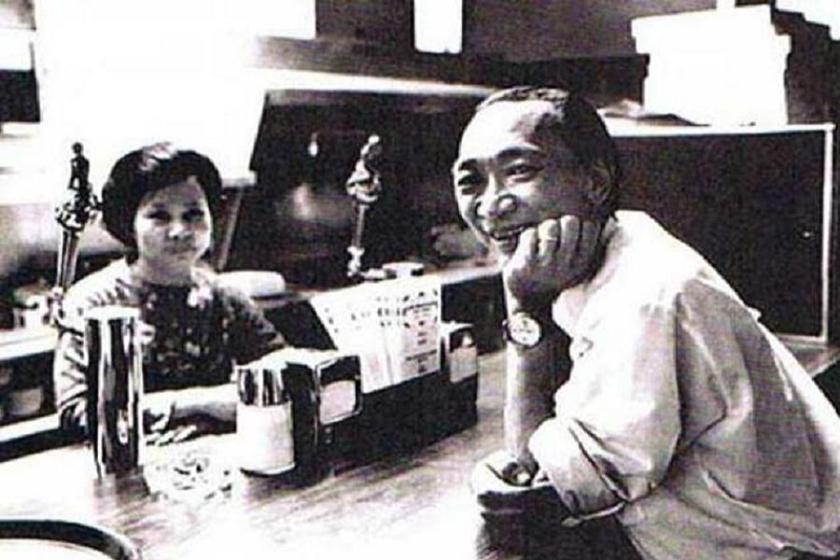
The couple was forced to close the restaurant in 1991. Nguyễn Ngọc Loan died of cancer, seven years later.
Eddie Adams won his Pulitzer in 1969, but came to regret that he had ever taken the picture. Years later he wrote in Time Magazine. ‘The general killed the Viet Cong; I killed the general with my camera. Still photographs are the most powerful weapon in the world. People believe them, but photographs do lie, even without manipulation. They are only half-truths. What the photograph didn’t say was, “What would you do if you were the general at that time and place on that hot day, and you caught the so-called bad guy after he blew away one, two or three American soldiers?”‘
Before Nguyễn died, Adams apologized to the General and his family, for what that image had done to the man’s reputation. “The guy was a hero”, he said, after his death. “America should be crying. I just hate to see him go this way, without people knowing anything about him.”


 Four additional Vietcong were discovered hiding underground, as quick reaction teams scoured the area. They found Nemo and Thornburg, both seriously wounded, together on the ground. Both would survive, though Thorneburg was shot a second time, while returning to base.
 The vast majority of MWDs who served in Vietnam, were left behind as “surplus equipment”. Left to succumb to tropical disease, to be euthanized by the South Vietnamese Army, or worse. Nemo was one of the few lucky ones. He came home.
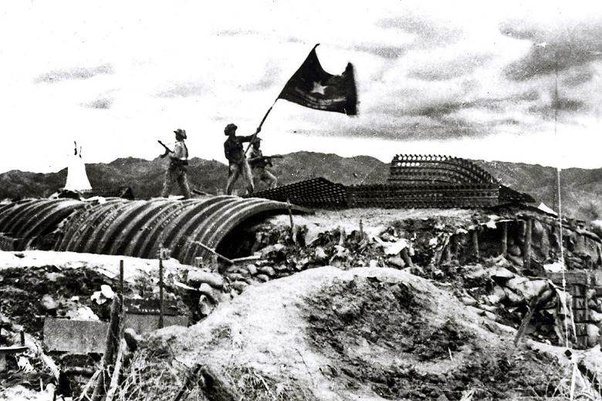
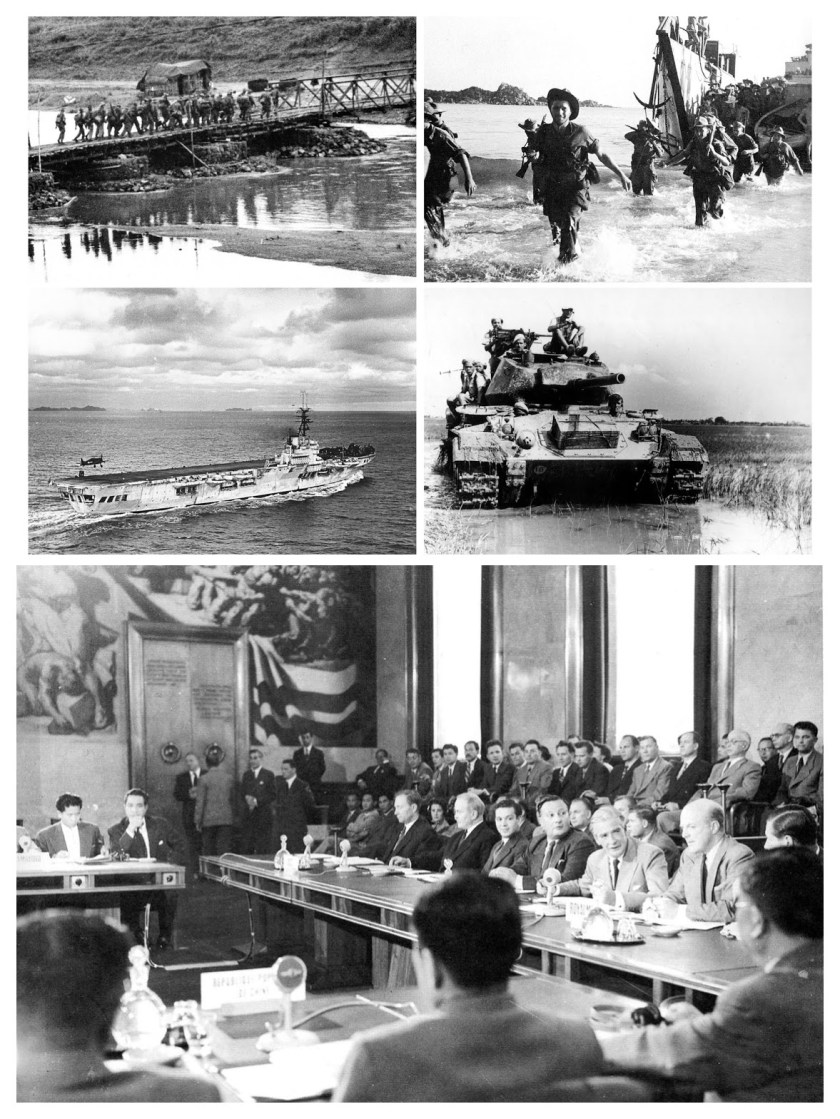 What historians call the First Indochina War, many contemporaries called “la sale guerre”, or “dirty war”. The government forbade the use of metropolitan recruits, fearing that that would make the war more unpopular than it already was. Instead, French professional soldiers and units of the French Foreign Legion were augmented with colonial troops, including Moroccan, Algerian, Tunisian, Laotian, Cambodian, and Vietnamese ethnic minorities.
 The war went poorly for the French. By 1952 they were looking for a way out. Premier René Mayer appointed Henri Navarre to take command of French Union Forces in May of that year, with a single order. Navarre was to create military conditions which would lead to an “honorable political solution”.
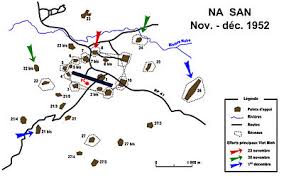
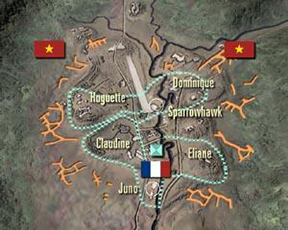 In June, Major General René Cogny proposed a “mooring point” at Dien Bien Phu, creating a lightly defended point from which to launch raids. Navarre wanted to replicate the Na San strategy, and ordered that Dien Bien Phu be taken and converted into a heavily fortified base.
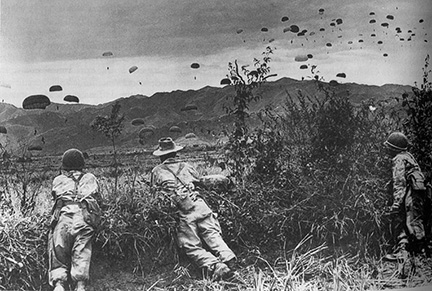 The French staff made their battle plan, based on the assumption that it was impossible for the Viet Minh to place enough artillery on the surrounding high ground, due to the rugged terrain. The communists didn’t possess enough artillery to do serious damage anyway, or so they thought.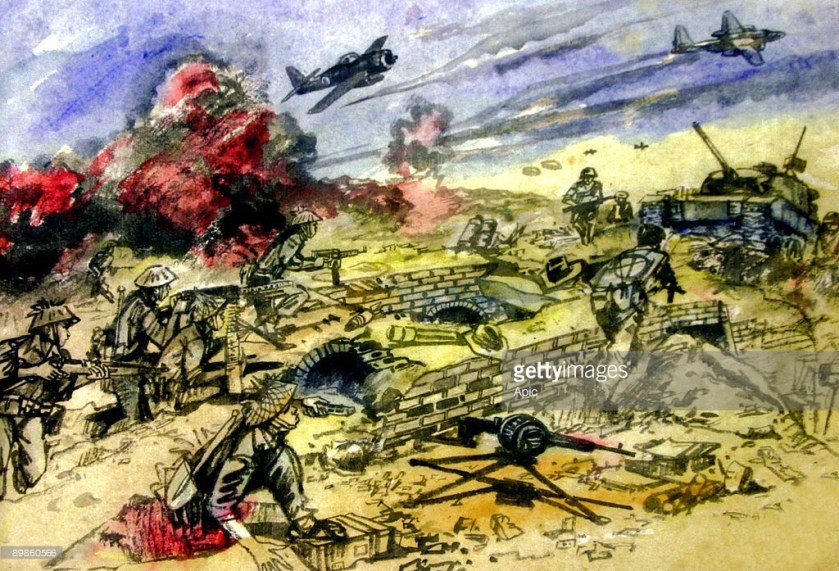


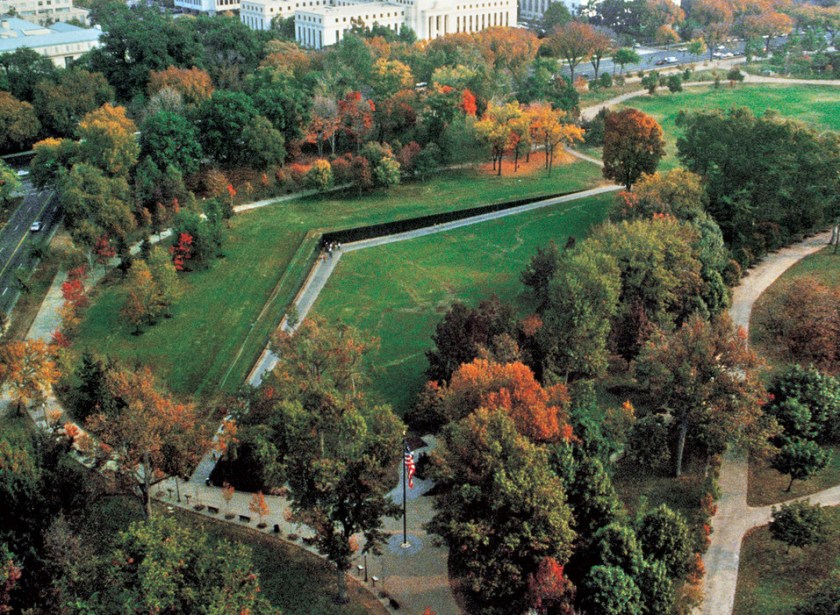
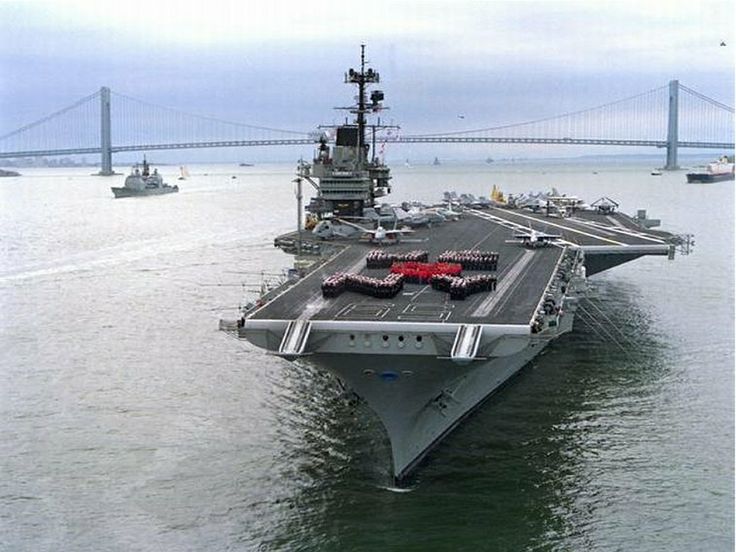
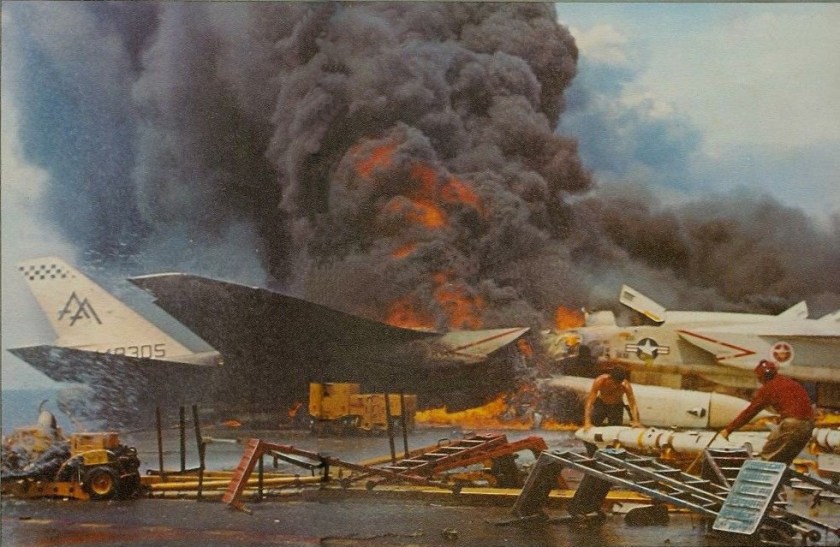
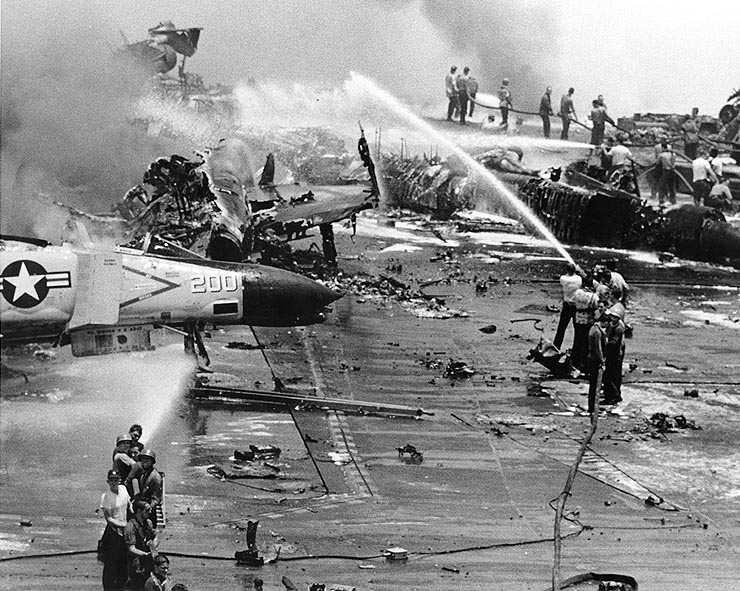
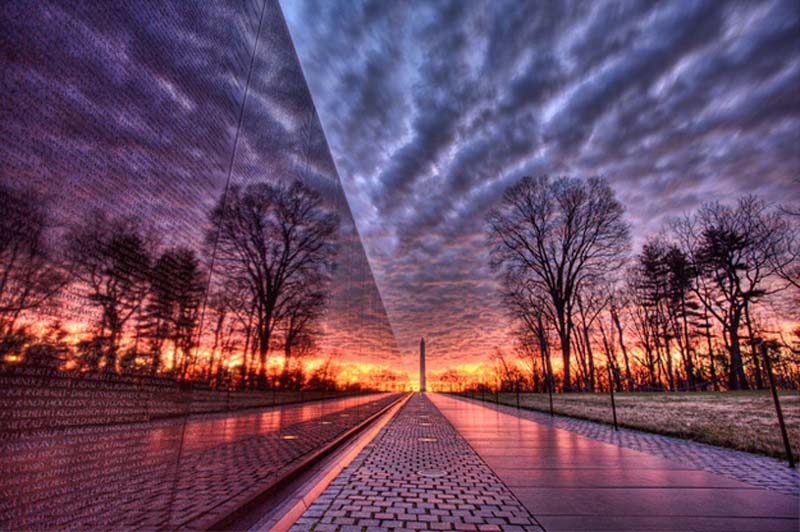
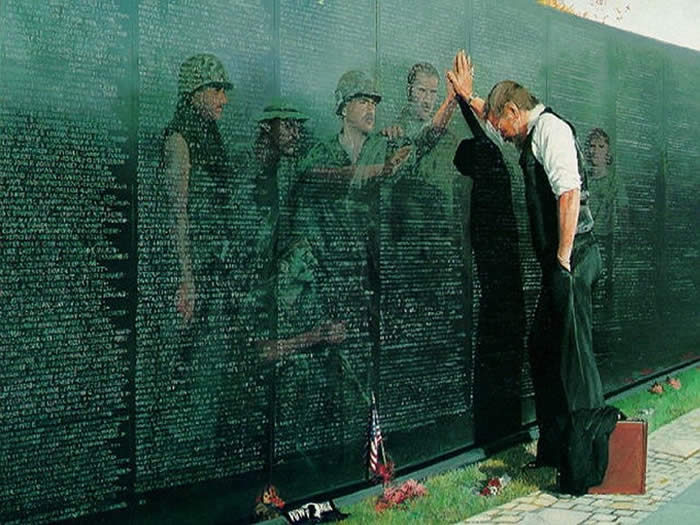
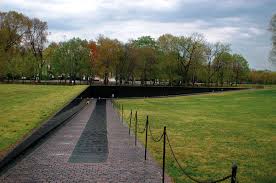 “The Wall” was dedicated on this day, November 13, 1982. 31 years later, we had come to pay respects to our Uncle Gary’s shipmates, their names inscribed on panel 24E, the 134 lost in the disaster aboard the Supercarrier USS
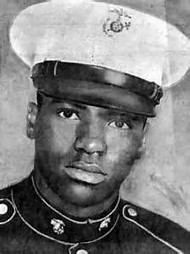


 Fifty-two years ago today, the 173rd Airborne Brigade was halfway through its year of service in Vietnam. “Operation Hump”, so named in recognition of that mid-point, was a search and destroy mission inserted by helicopter on November 5.
 There had been little contact through the evening of the 7th, when B and C Companies of the 1/503rd took up a night defensive position in the triple canopied jungle near Hill 65.
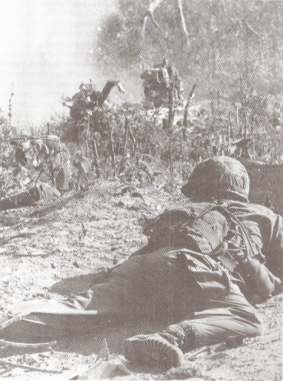 Outnumbered in some places six to one, it was a desperate fight for survival as parts of B and C companies were isolated in shoulder to shoulder, hand to hand fighting.
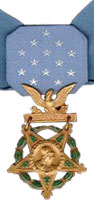 “For conspicuous gallantry and intrepidity at the risk of life above and beyond the call of duty. Specialist 5 Joel demonstrated indomitable courage, determination, and professional skill when a numerically superior and well-concealed Viet Cong element launched a vicious attack which wounded or killed nearly every man in the lead squad of the company. After treating the men wounded by the initial burst of gunfire, he bravely moved forward to assist others who were wounded while proceeding to their objective. While moving from man to man, he was struck in the right leg by machine gun fire. Although painfully wounded his desire to aid his fellow soldiers transcended all personal feeling. He bandaged his own wound and self-administered morphine to deaden the pain enabling him to continue his dangerous undertaking. Through this period of time, he constantly shouted words of encouragement to all around him. Then, completely ignoring the warnings of others, and his pain, he continued his search for wounded, exposing himself to hostile fire; and, as bullets dug up the dirt around him, he held plasma bottles high while kneeling completely engrossed in his life saving mission. Then, after being struck a second time and with a bullet lodged in his thigh, he dragged himself over the battlefield and succeeded in treating 13 more men before his medical supplies ran out. Displaying resourcefulness, he saved the life of one man by placing a plastic bag over a severe chest wound to congeal the blood. As 1 of the platoons pursued the Viet Cong, an insurgent force in concealed positions opened fire on the platoon and wounded many more soldiers. With a new stock of medical supplies, Specialist 5 Joel again shouted words of encouragement as he crawled through an intense hail of gunfire to the wounded men. After the 24 hour battle subsided and the Viet Cong dead numbered 410, snipers continued to harass the company. Throughout the long battle, Specialist 5 Joel never lost sight of his mission as a medical aid man and continued to comfort and treat the wounded until his own evacuation was ordered. His meticulous attention to duty saved a large number of
  lives and his unselfish, daring example under most adverse conditions was an inspiration to all. Specialist 5. Joel’s profound concern for his fellow soldiers, at the risk of his life above and beyond the call of duty are in the highest traditions of the U.S. Army and reflect great credit upon himself and the Armed Forces of his country“.
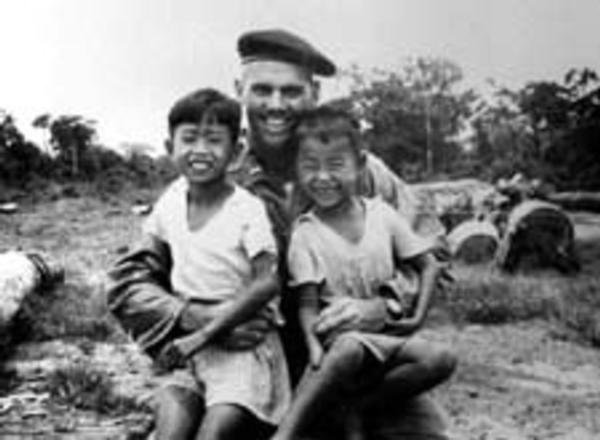

 In his spare time, this Green Beret, Army Ranger and Special Forces warrior would volunteer to work in the countless orphanages of South Vietnam.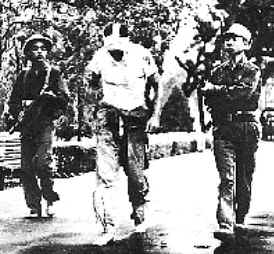
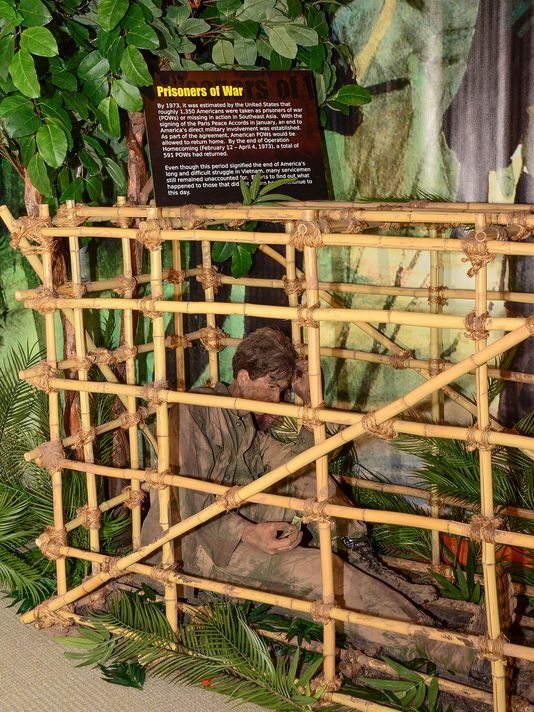
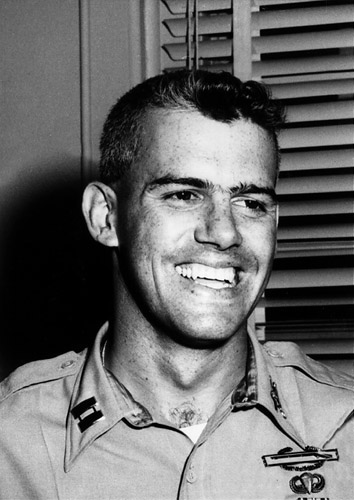 Rocky attempted to escape four times, despite leg wounds which left him no option but to crawl on his belly. Each such attempt earned him savage beatings, after which he’d only try harder.
 Rocky was murdered by his captors, his “execution” announced on North Vietnamese “Liberation Radio” on September 26, 1965. He was twenty-eight.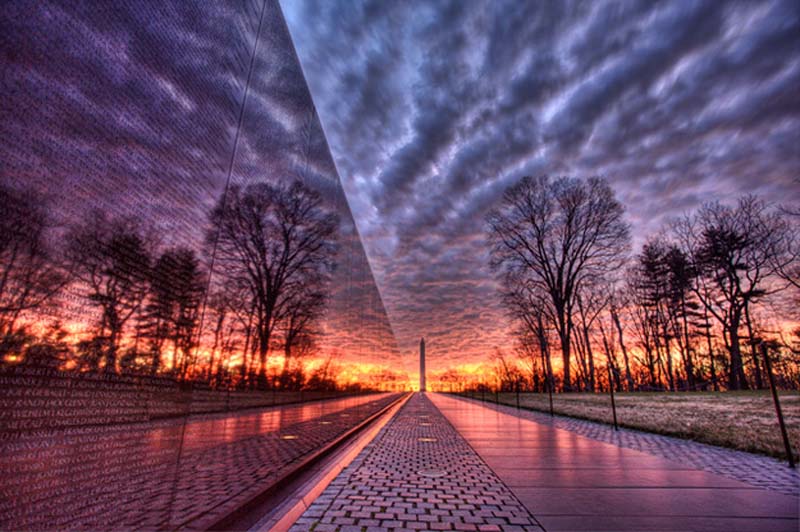




 Hathcock developed Multiple Sclerosis in his later years, and passed away on February 23, 1999. He was decorated with the Silver Star, the Purple Heart and Navy and Marine Corps Commendation Medal. The honor he would perhaps treasure most, was that of having a rifle named after him, a variant of the Springfield Armory M21 called the M25 “White Feather”.

 from Vietnam, the Geneva Convention partitioning the country into the communist “Democratic Republic of Vietnam” in the north, and the State of Vietnam in the south, led by Emperor Bao Dai and Prime Minister Ngo Dinh Diem.
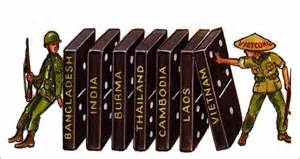 US policy makers feared a “domino” effect, and with good cause. The 15 core nations of the Soviet bloc were soon followed by Eastern Europe, as Poland, Bulgaria, Romania, Hungary and Czechoslovakia fell into the Soviet sphere of influence. Germany was partitioned into Communist and free enterprise spheres after WWII, followed by China, North Korea and so on across Southeast Asia.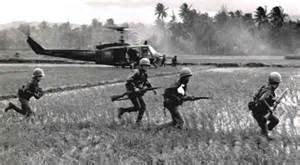
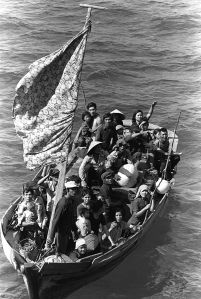
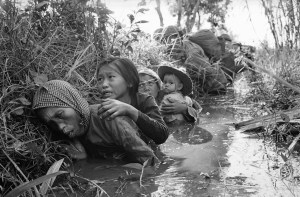 The war in Vietnam pitted as many as 1.8 million allied forces from South Vietnam, the United States, Thailand, Australia, the Philippines, Spain, South Korea and New Zealand, against about a half million from North Vietnam, China, the Soviet Union and North Korea. Begun on November 1, 1955, the conflict lasted 19 years, 5 months and a day. On March 29, 1973, two months after signing the Paris Peace accords, the last US combat troops left South Vietnam as Hanoi freed the remaining POWs held in North Vietnam.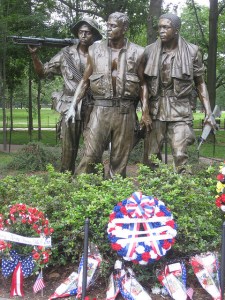

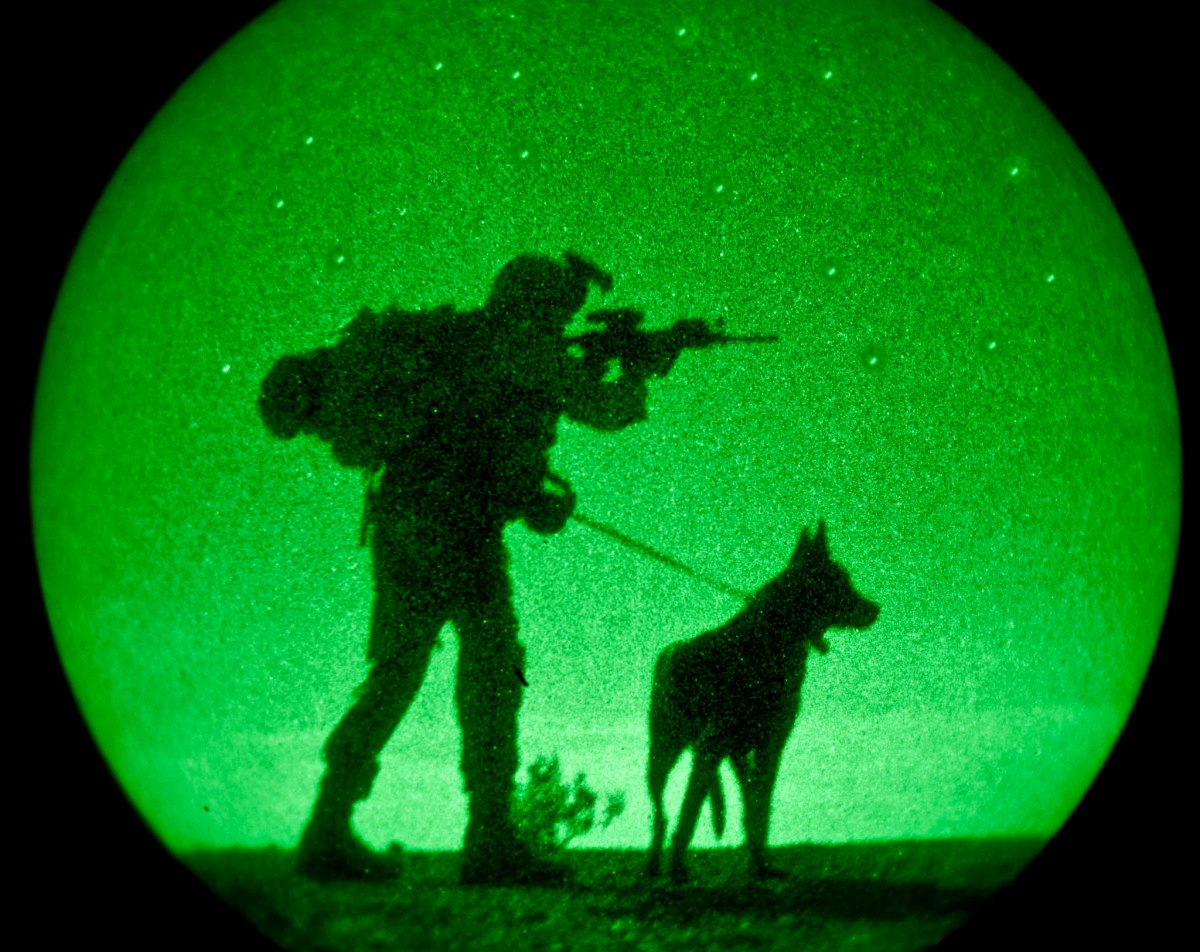
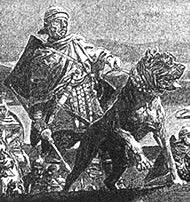 dogs of King Alyattes of Lydia killed some of his Cimmerian adversaries and routed the rest around 600BC, permanently driving the invader from Asia Minor in the earliest known use of war dogs in battle.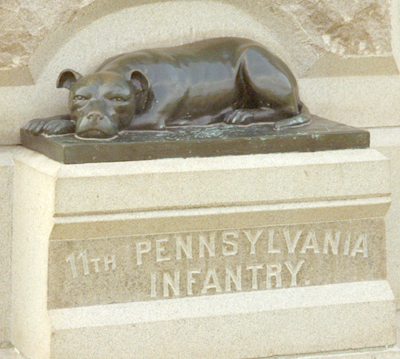

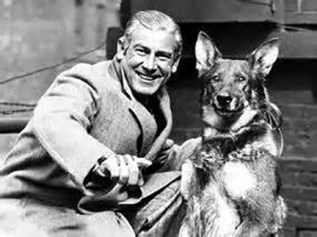
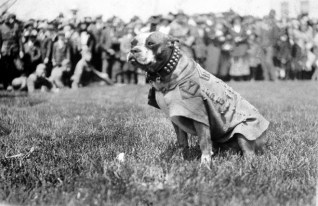
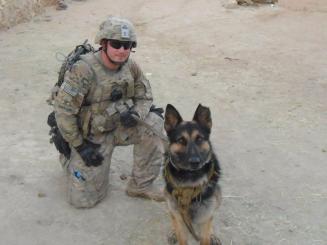
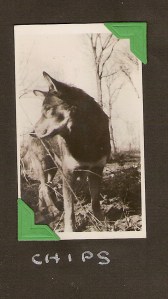 The most famous MWD of WWII was “Chips”, a German Shepherd assigned to the 3rd Infantry Division in Italy. Trained as a sentry dog, Chips broke away from his handler and attacked an enemy machine gun nest. Wounded in the process, his singed fur demonstrated the point-blank fire with which the enemy fought back. To no avail. Chips single-handedly forced the surrender of the entire gun crew.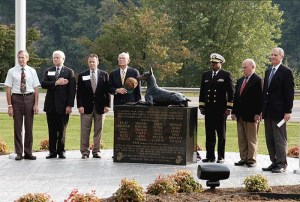

 Historical Easter Eggs - Today in History
You must be logged in to post a comment.