

Five hundred feet off the coast of Myanmar, formerly Burma, across the Bay of Bengal from the Indian sub-continent, there lies the island of Ramree, about a third the size of New York’s Long Island.
In 1942, the Imperial Japanese Army aided by Thai forces and Burmese insurgents drove the British Empire and Chinese forces out of Burma, occupying much of the Burmese peninsula and with it, Ramree island. In January 1945, the allies came to take it back.
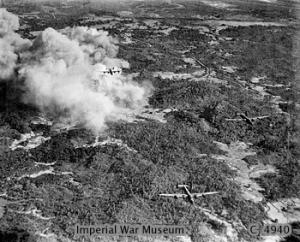
The battle started out with Operation Matador on January 14, an amphibious assault designed to capture the strategic port of Kyaupyu, and it’s nearby airfield.
By early February, a mixed force of British Royal Marines and Indian allies dislodged a force of some 980 Japanese defenders, who abandoned their base and marched inland to join a larger regiment of Japanese soldiers across the island.
 On February 7, the 71st Infantry and supporting tanks reached Ramree town where they found determined Japanese resistance. The town fell in two days. Naval forces blockaded small tributaries called “chaungs”, which retreating Japanese used in their flight to the mainland. A Japanese air raid damaged an allied destroyer on the 11th as a flotilla of small craft crossed the strait, to rescue survivors of the garrison. By February 17, Japanese resistance had come to an end.
The route took the retreating Japanese across 10 miles of marsh and mangrove swamp. Bogged down and trapped in the mire, the soldiers found themselves cut off and surrounded, alone with the snakes, the mosquitoes and the scorpions, of Ramree island.
Throughout the four-week battle for Ramree Island, the allied blockade inflicted heavy casualties on Japanese forces. The thousand men cut off in the swamp, had more immediate concerns.
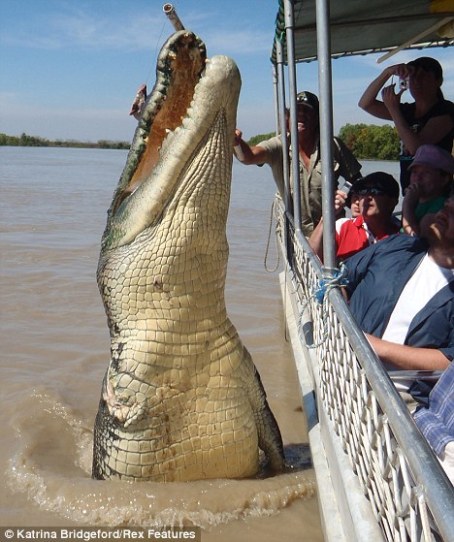
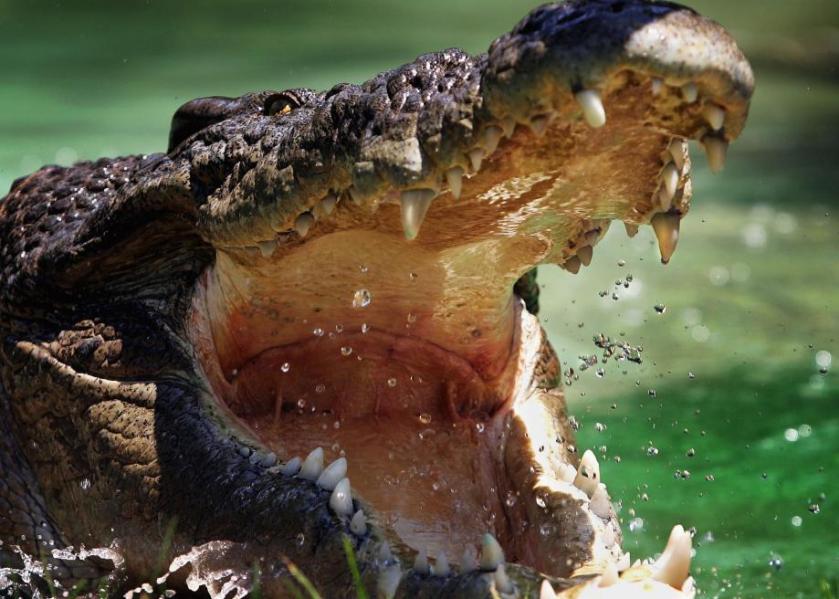
NationalGeographic.com describes the Japanese’ problem, the nightmare predator, Crocodylus porosus. The saltwater crocodile: “Earth’s largest living crocodilian—and, some say, the animal most likely to eat a human—is the saltwater or estuarine crocodile. Average-size males reach 17 feet and 1,000 pounds, but specimens 23 feet long and weighing 2,200 pounds are not uncommon.
Opportunistic predators, they lurk patiently beneath the surface near the water’s edge, waiting for potential prey to stop for a sip of water. They’ll feed on anything they can get their teeth into including water buffalo, monkeys, wild boar and even sharks. Without warning, they explode from the water with a thrash of their powerful tails, grasp their victim, and drag it back in, holding it under until the animal drowns.
British naturalist Bruce Stanley Wright participated in the battle for Ramree, and gave the following account in his book, Wildlife Sketches Near and Far, published in 1962:
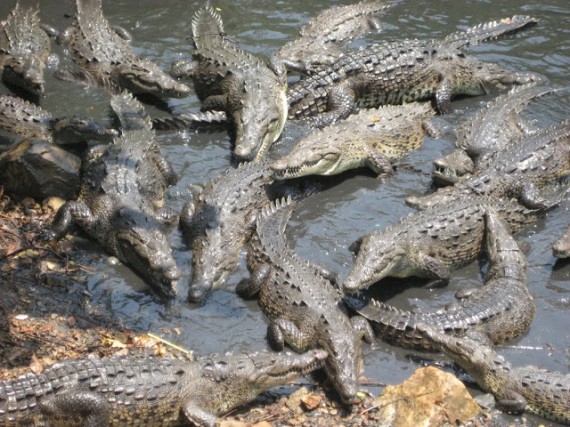
“That night [February 19, 1945] was the most horrible that any member of the M.L. [marine launch] crews ever experienced. The crocodiles, alerted by the din of warfare and the smell of blood, gathered among the mangroves, lying with their eyes above water, watchfully alert for their next meal. With the ebb of the tide, the crocodiles moved in on the dead, wounded, and uninjured men who had become mired in the mud.
The scattered rifle shots in the pitch black swamp punctured by the screams of wounded men crushed in the jaws of huge reptiles, and the blurred worrying sound of spinning crocodiles made a cacophony of hell that has rarely been duplicated on earth. At dawn the vultures arrived to clean up what the crocodiles had left…Of about 1,000 Japanese soldiers that entered the swamps of Ramree, only about 20 were found alive”.
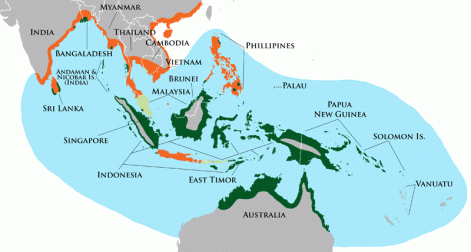
The actual numbers will never be known. Skeptics question how so many of these beasts could support themselves in such a small space but, consider this: Saltwater crocodiles are excellent swimmers and are regularly spotted miles out to sea. Individuals have even been discovered in the relatively frigid Sea of Japan – thousands of miles from their native habitat. In 2016, Australian Rangers counted 120 “salties” in a 6-kilometer (3.7 mile) stretch of the East Alligator River, in the Northern Territory.
To the human participants in this story, this is a tale of four weeks’ combat over a marginally important, tropical island. For the apex predator of the mangrove swamp, it was little more than a dinner bell.

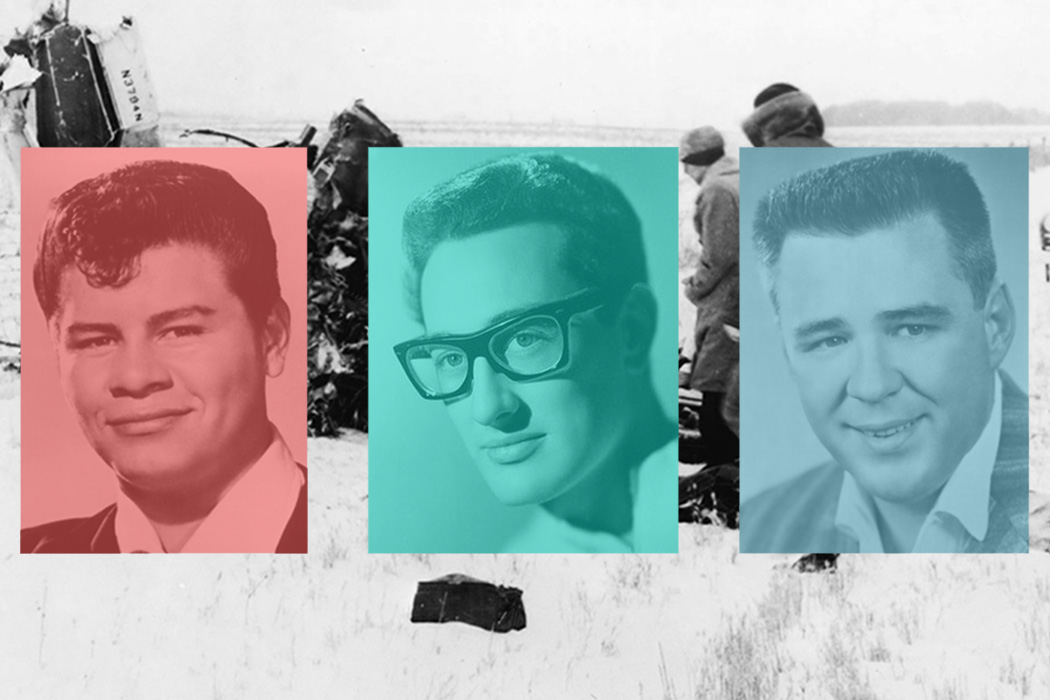
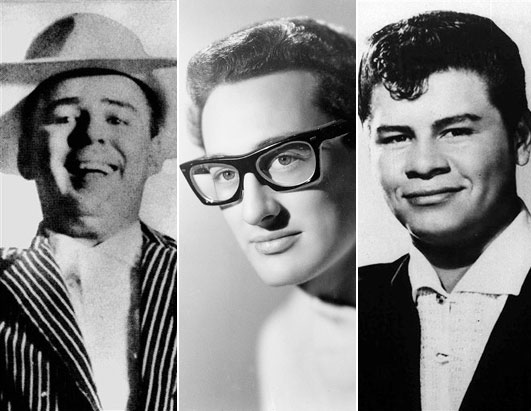 58 years ago, his name changed as the result of a misspelling in a recording contract, Buddy Holly was headliner of the “The Winter Dance Party Tour”. Richardson, performing as the “Big Bopper” and Valenzuela, professionally known as Ritchie Valens, were on the tour, along with Dion and the Belmonts, Holly’s friend from Lubbock and fellow musician Waylon Jennings, and a young Owasso, Oklahoma Rockabilly musician and former “Crickets” band member, an enrolled member of the Cherokee Nation named Tommy Allsup.
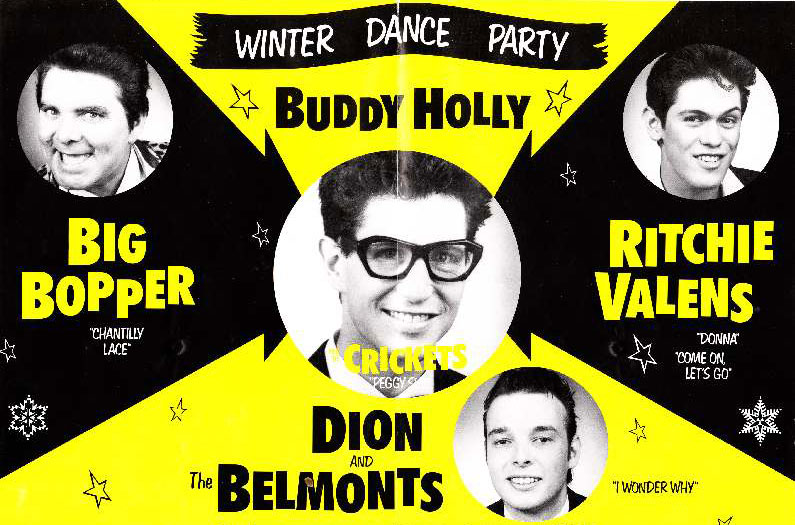 Holly was sick of it, and decided to charter a plane for himself and some of his guys. At least that would give them time to do laundry before the next performance.
 N3794N left the ground in a snowstorm, shortly after 1:00am on February 3. The pilot, Roger Peterson, may have been inexperienced with the instrumentation. He may have become disoriented in near-whiteout conditions. One wing hit the ground in a cornfield outside of Clear Lake and the aircraft corkscrewed into the ground, throwing the three musicians clear of the plane. There was no fire, barely a sound. Just a small aircraft swallowed whole, by a snow covered cornfield.
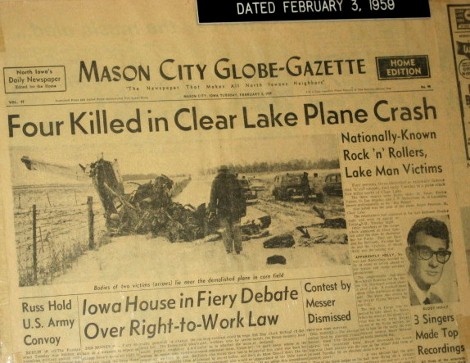 A boy named Don McLean heard about the plane crash while doing his morning paper route. One day, the future singer/songwriter would pen the words “February made me shiver, with every paper I’d deliver”.


 In the late 19th century, Europe was embarked on yet another of its depressingly regular paroxysms of anti-Semitism, when a French Captain of Jewish Alsatian extraction by the name of Alfred Dreyfus was arrested, for selling state secrets to Imperial Germany.
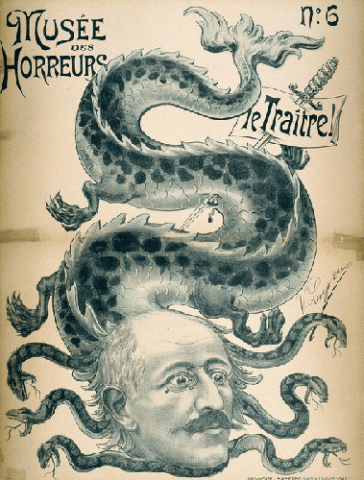 Chief Inspector Lieutenant-Colonel Charles Armand Auguste Ferdinand Mercier du Paty de Clam, himself no handwriting expert, agreed with Bertillon. With no file to go on and despite the feebleness of the evidence, de Clam summoned Dreyfus for interrogation on October 13, 1894.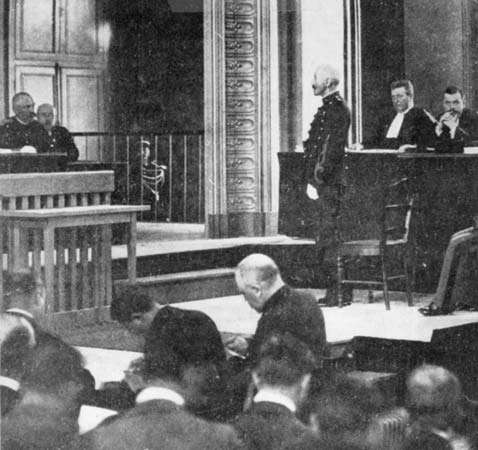
 Most of the political and military establishment lined up against Dreyfus. The public outcry became furious in January 1898 when author Émile Zola published a bitter denunciation in an open letter to the Paris press, entitled “J’accuse” (I Blame).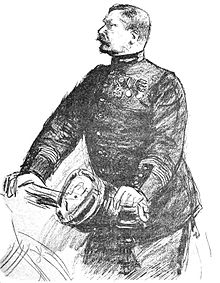
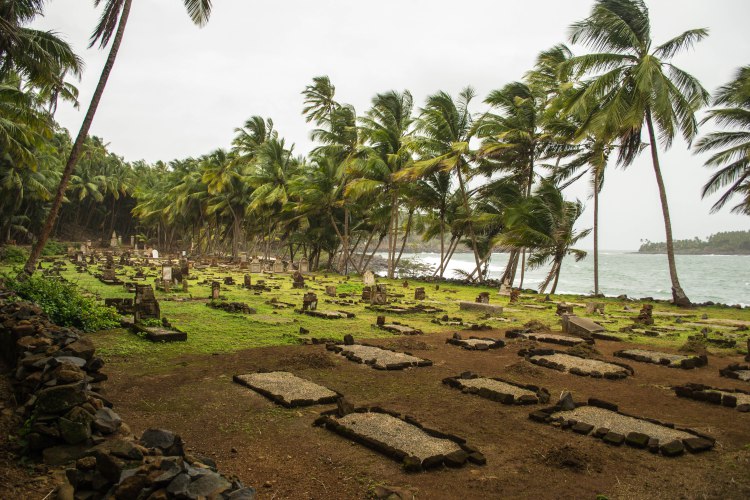

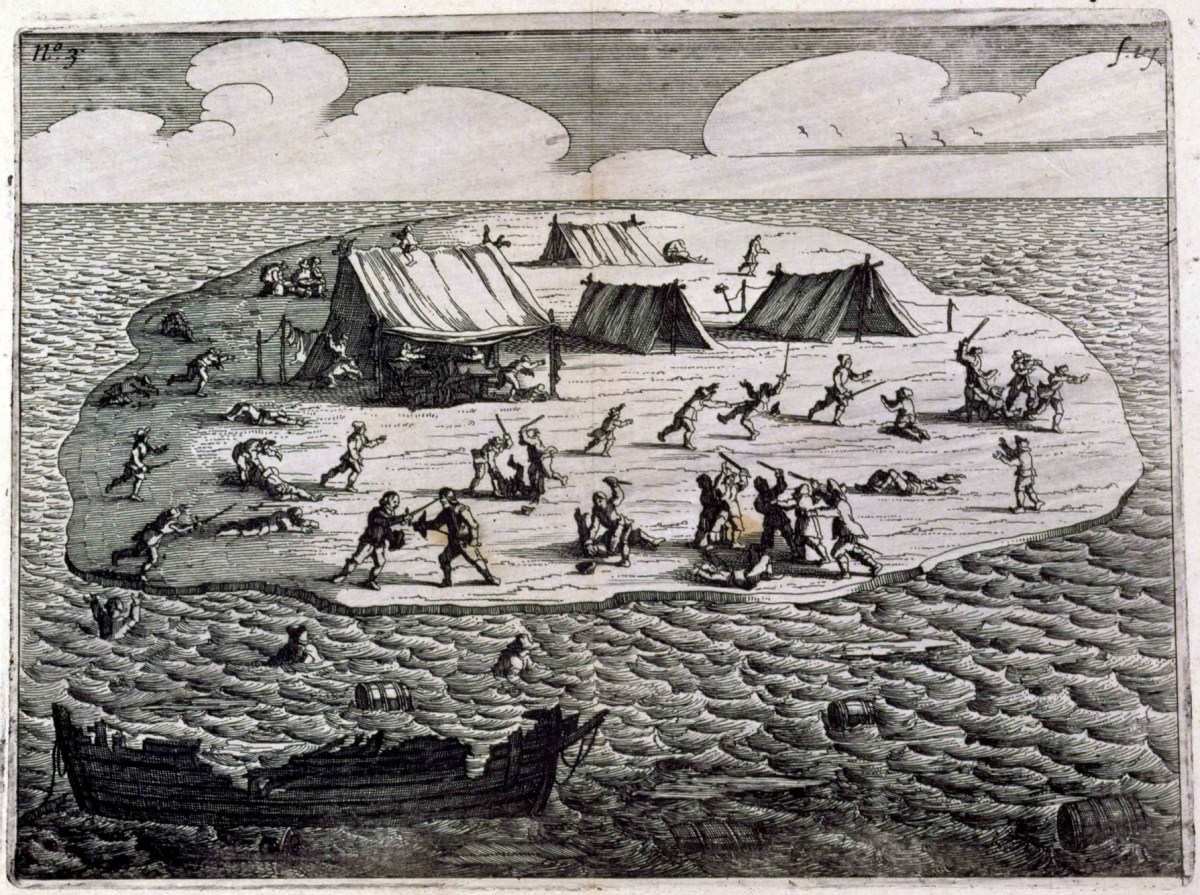

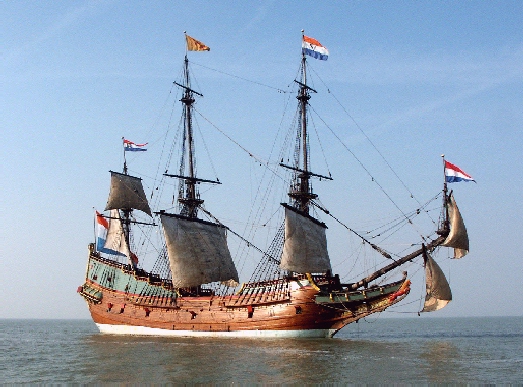
 Perhaps the man was ill at the time but, be that as it may, the die was cast. The conspirators now needed only the right set of circumstances, to put their plans in motion.


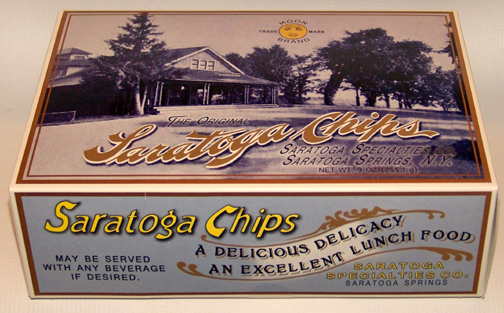
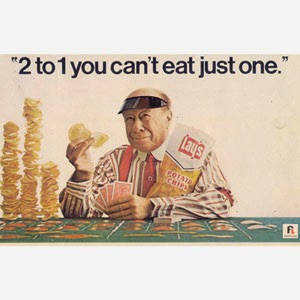 Lay became a lumberjack, a jewelry salesman, and a peanut salesman, before going to work for the Atlanta based Barrett Potato Chip Company. He traveled the Southeast during the Great Depression in his Model A Ford, selling chips to grocery stores, gas stations and soda shops. When the company’s owner died, Lay raised $60,000 and bought the company’s plants in Atlanta and Memphis.
 Lay began buying up small regional competitors at the same time that another company specializing in corn chips, was doing the same. “Frito”, the Spanish word for “fried”, merged with Lay in 1961 to become – you got it – Frito-Lay. By 1965, Lay’s was the #1 potato chip brand sold in every state.
 The biggest threat that Frito-Lay would ever experience came from the Beer giant Anheuser-Busch, when the company introduced their “Eagle” line of salty snacks in the 1970s. It made perfect sense at the time, a marketing and distribution giant expanding into such a complementary product category, what could go wrong? Frito-Lay profits dropped by 16% by 1991 and PepsiCo laid off 1,800 employees, but Eagle Snacks never turned a profit in 16 years. Anheuser-Busch put the company up for sale in 1995.
 Tom Peters wrote about Frito-Lay in his 1982 book “In Search of Excellence”. The company will spend $150 to make a $30 delivery if that’s what they need to do. Their customer is counting on them. While a transaction like that doesn’t make economic sense, the company prides itself on a 99½% on-time delivery record. Frito-Lay has the highest profit margins in the industry and a 60% market share in an “undifferentiated commodity”, in which their closest competitor has 7%.


 Indigenous nations of the time divided more along ethnic and linguistic rather than political lines, so there was no monolithic policy among the tribes. At least one British fort was taken with profuse apologies by the Indians, who explained that it was the other nations making them do it.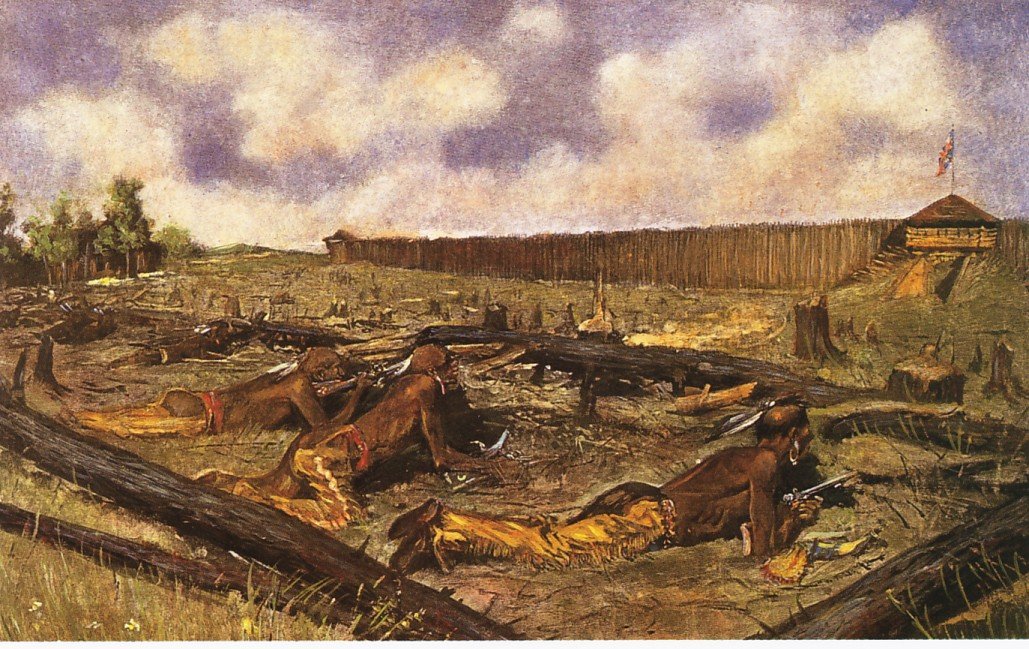
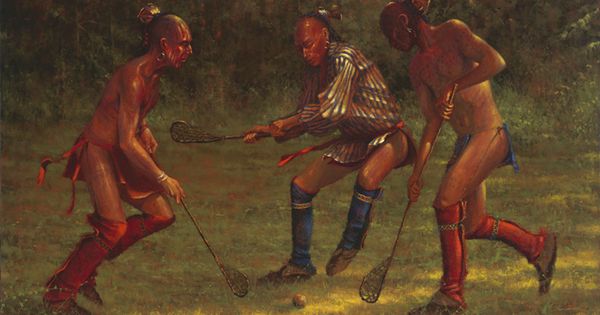
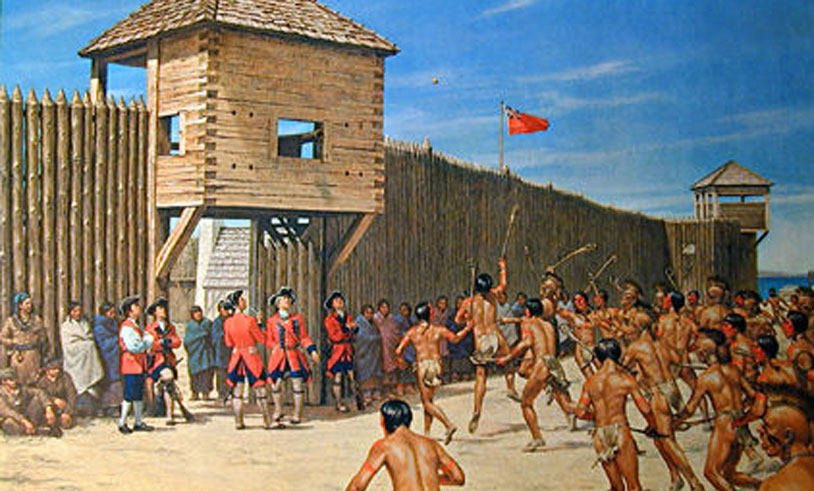
 Some sixty to eighty Ohio valley Indians died of the disease following the Fort Pitt episode, but the outbreak appears isolated. Meanwhile, Indian warriors had looted clothing from some 2,000 outlying settlers they had killed or abducted.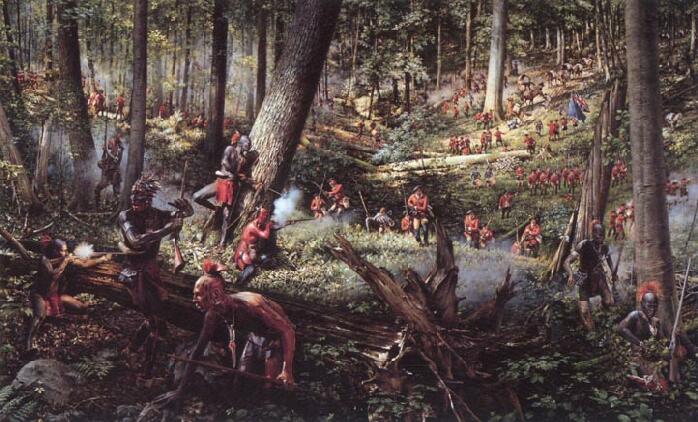
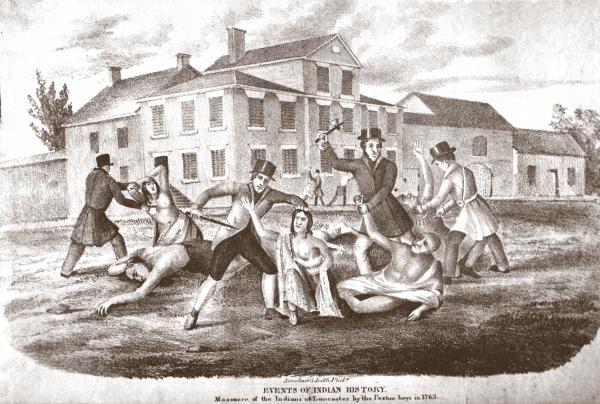
 The British Royal Proclamation of October 7, 1763, drew a line between the British colonies and Indian lands, creating a vast Indian Reserve stretching from the Appalachians to the Mississippi River and from Florida to Newfoundland. For the Indian Nations, this was the first time that a multi-tribal effort had been launched against British expansion, the first time such an effort had not ended in defeat.

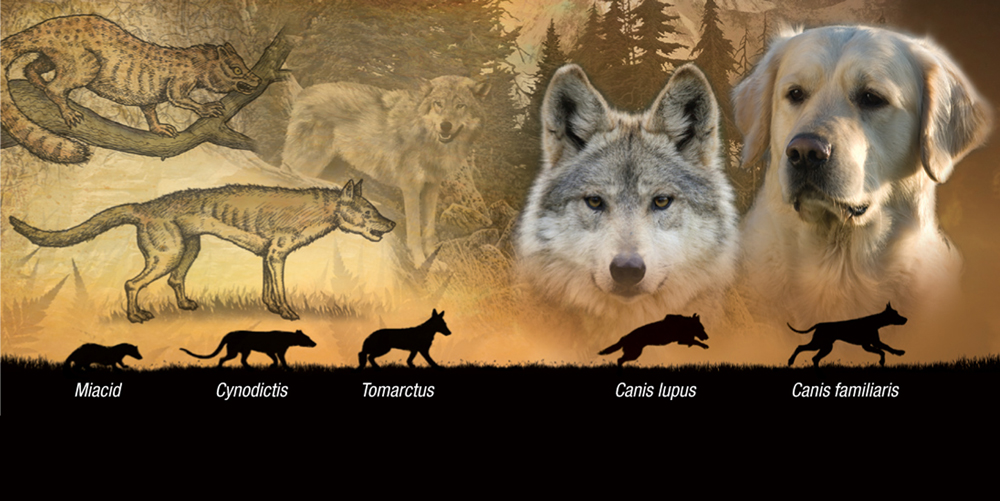 It may be hard to imagine but, Canis lupus, the wolf, is the ancestor of the modern dog, Canis familiaris. Every one of them, from Newfoundlands to Chihuahuas.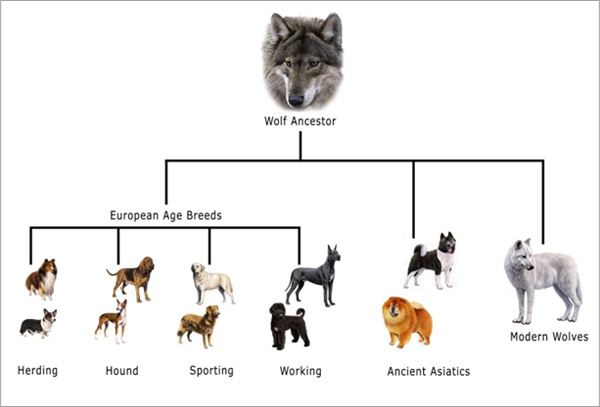
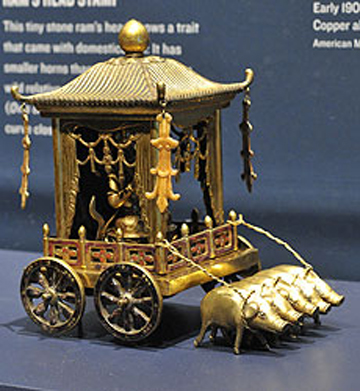 Sus scrofa (the pig) was domesticated around 6000 BC throughout the Middle East and China. Pigs were originally used as draft animals. There are stone engravings depicting teams of hogs hauling war chariots. I wonder what that sounded like.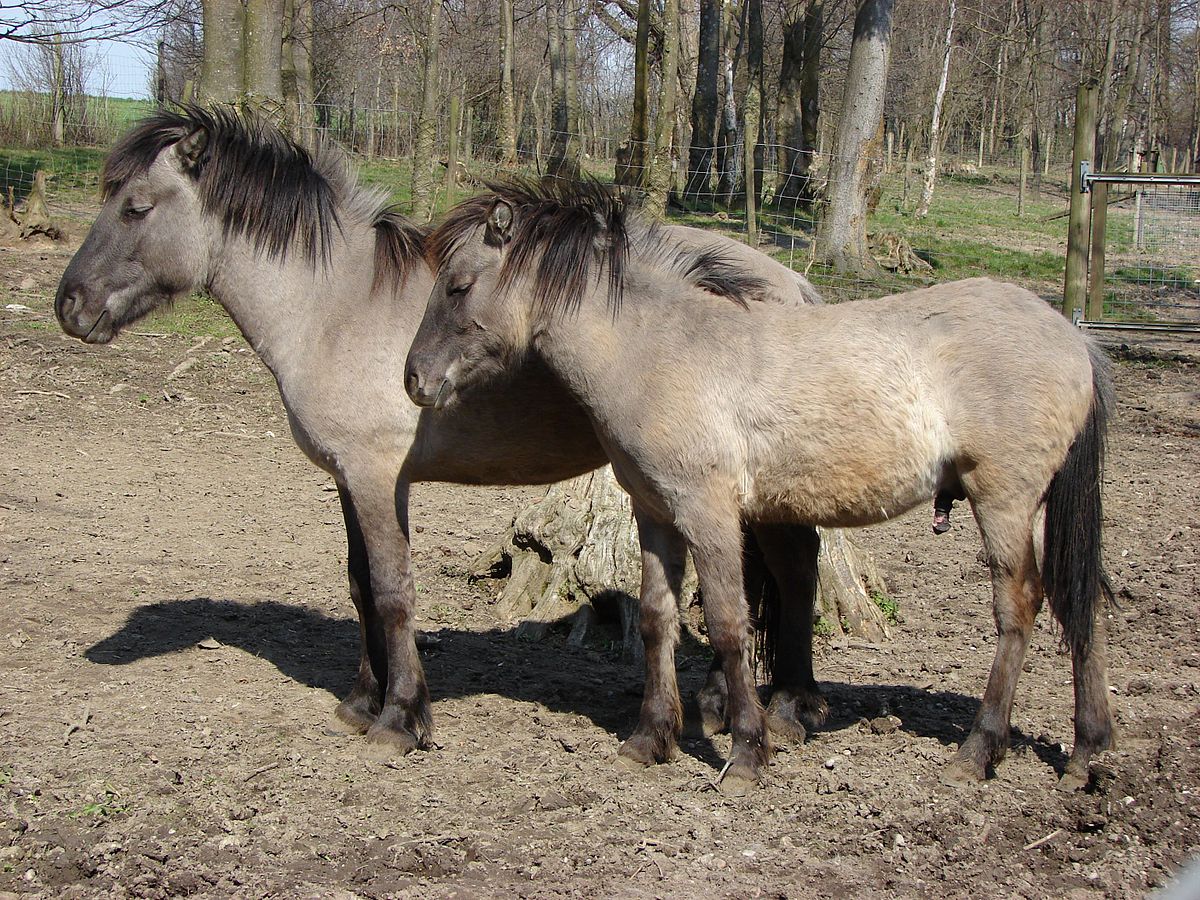
 Early camelids spread across the Bering land bridge, moving the opposite direction from the Asian immigration to America, surviving in the Old World and eventually becoming domesticated and spreading globally by humans. The first “camelids” became domesticated about 4,500 years ago in Peru: The “New World Camels” the Llama and the Alpaca, and the “South American Camels”, the Guanaco and the Vicuña.


 “Plastic” Surgery, the term comes to us from the Greek Plastikos and first used by the 18th century French surgeon Pierre Desault, has been with us longer than you might expect. Evidence exists of Hindu surgeons performing primitive ‘nose jobs’, as early as BC800-600. The Renaissance-era surgeon Gaspare Tagliacozzi (1545-1599) developed new methods of reconstruction, using the patient’s own arm skin to replace noses slashed off in swordplay.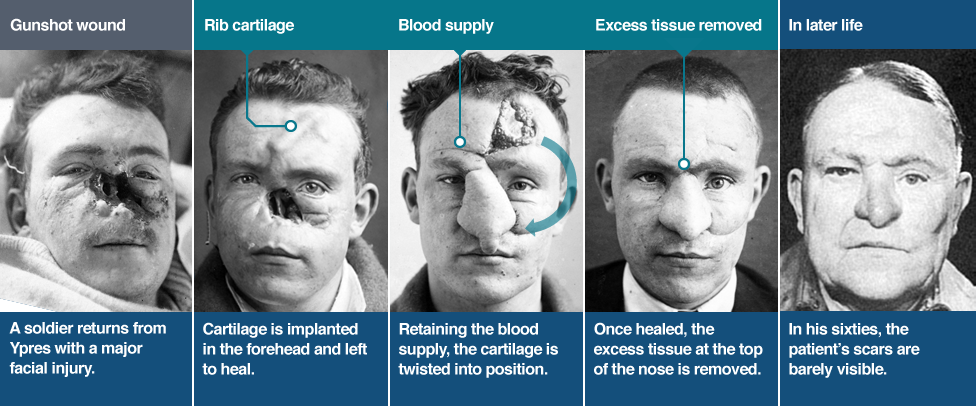
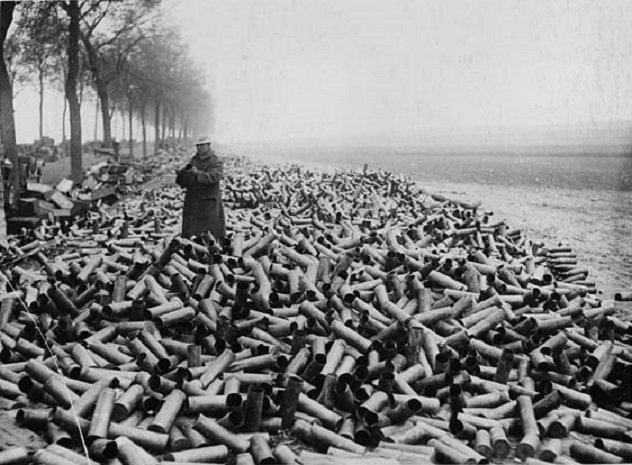
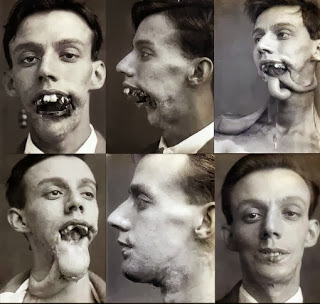
 Ladd’s prostheses were uncomfortable to wear, but her services earned her the Légion d’Honneur Croix de Chevalier and the Serbian Order of Saint Sava.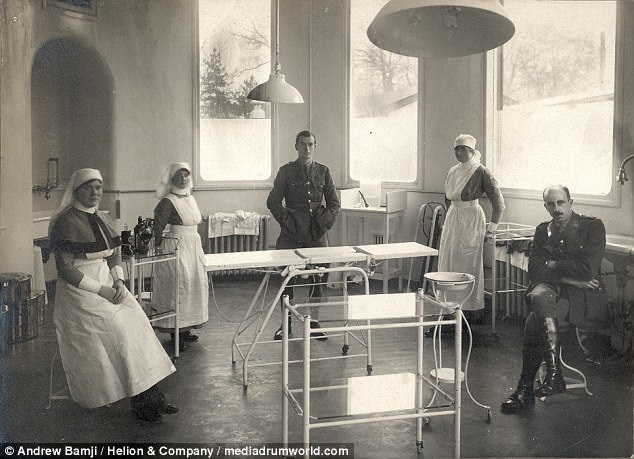


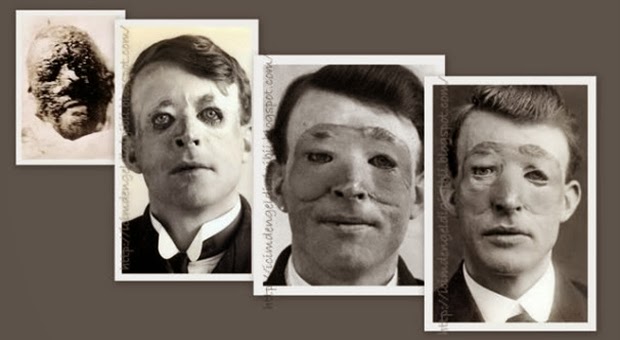
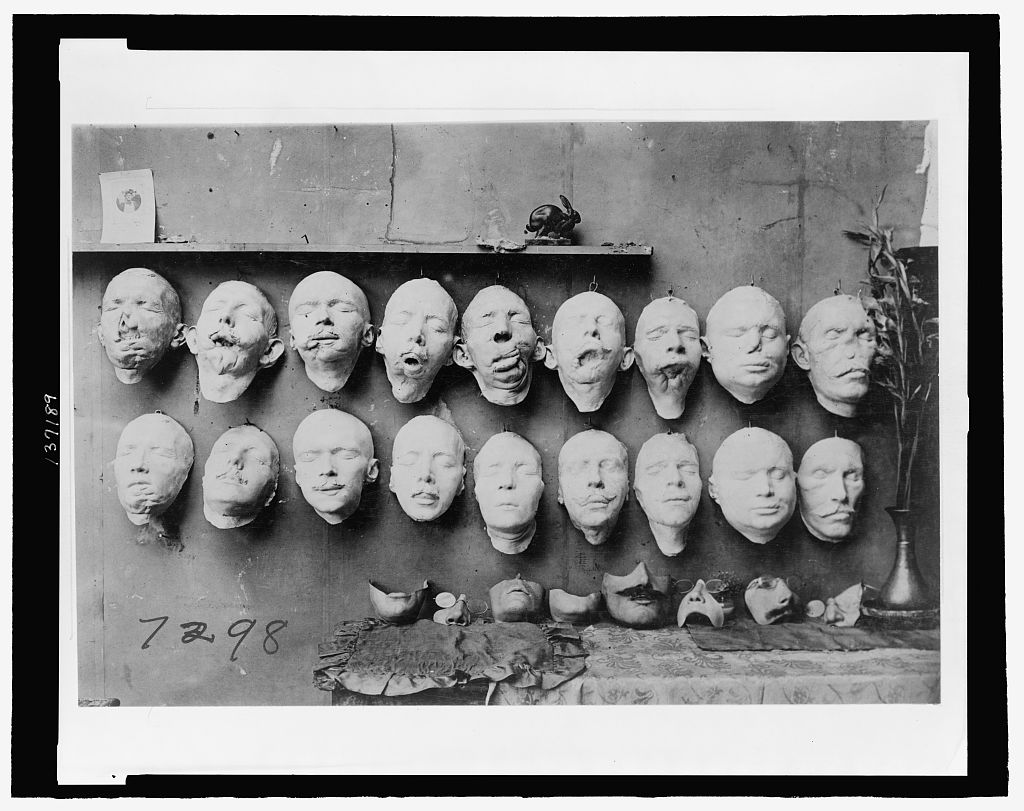
 Dr. Gillies & Co. developed surgical methods in which rib cartilage is first implanted in foreheads, and then swung down to form the foundational structure of a new nose.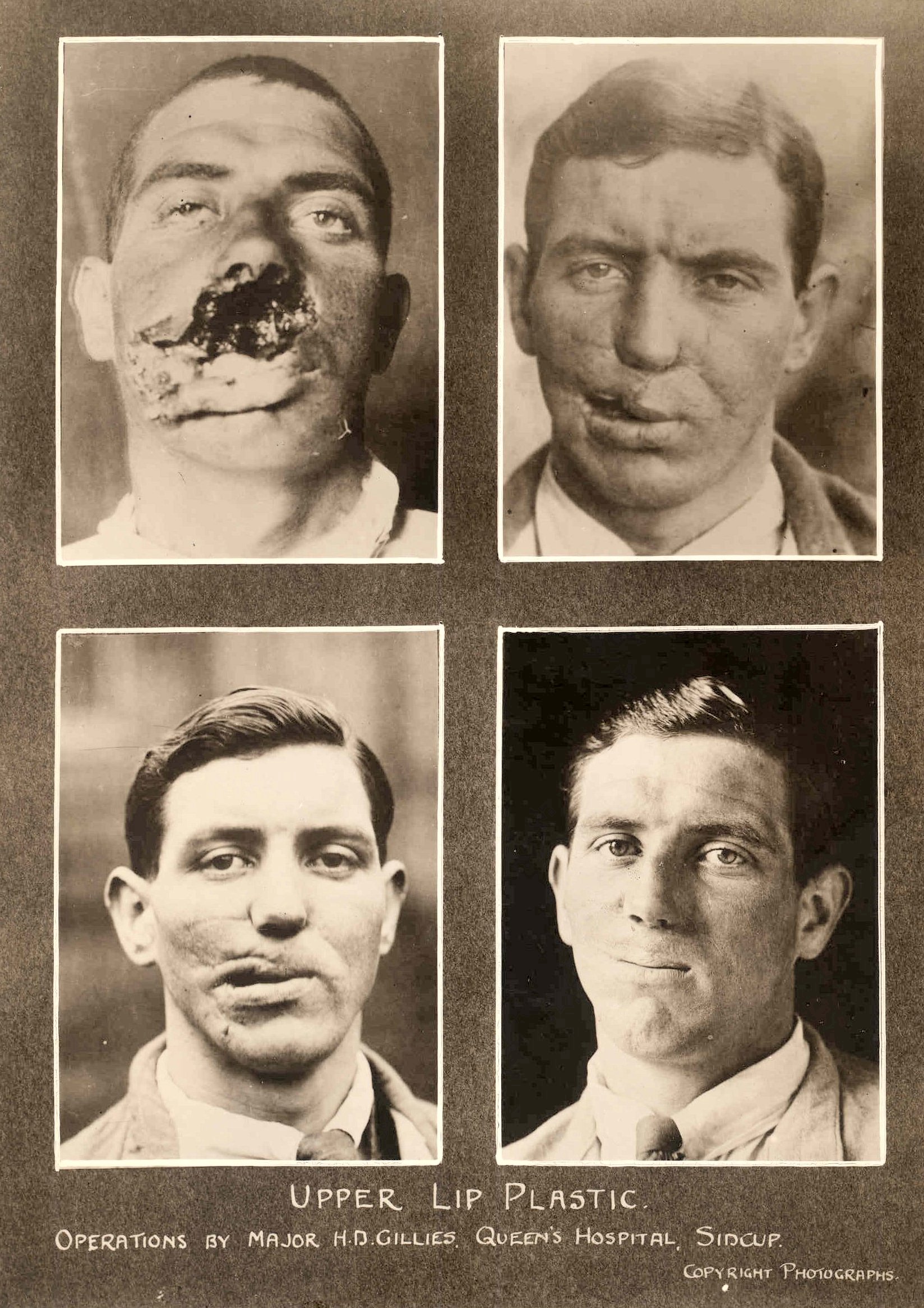


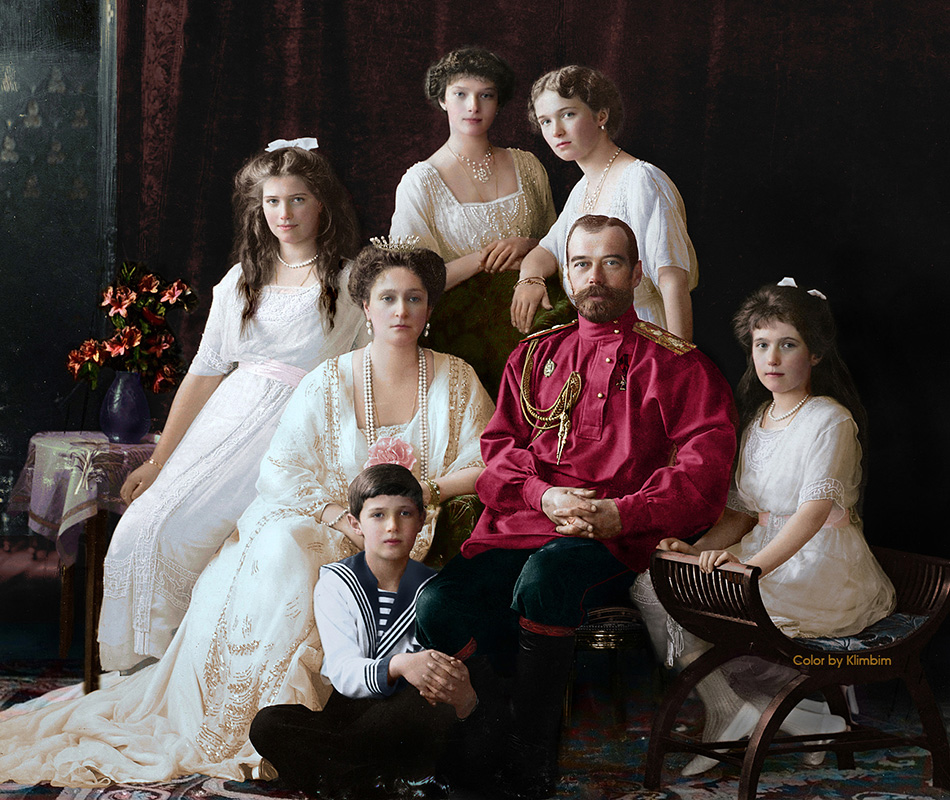
 It was customary that gifts be given to the guests of such a celebration. There were commemorative scarves and ornately decorated porcelain cups, bearing the ciphers of Nicholas and Alexandra opposite the double-headed symbol of the Imperial dynasty, the Romanov eagle.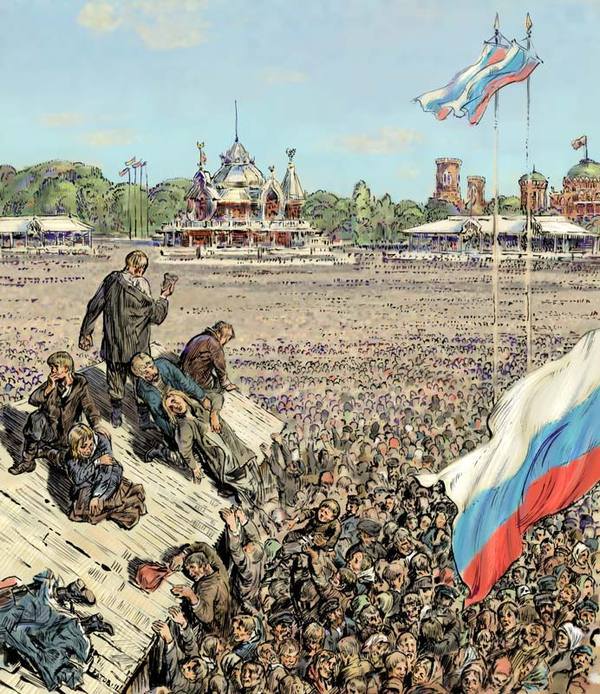
 podium was pocked and lined with trenches and pits.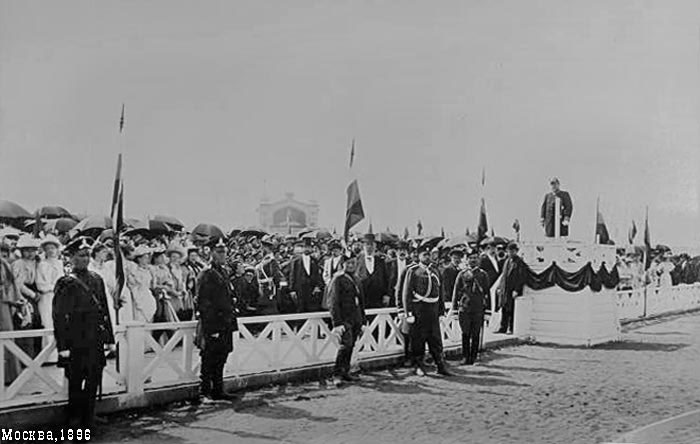
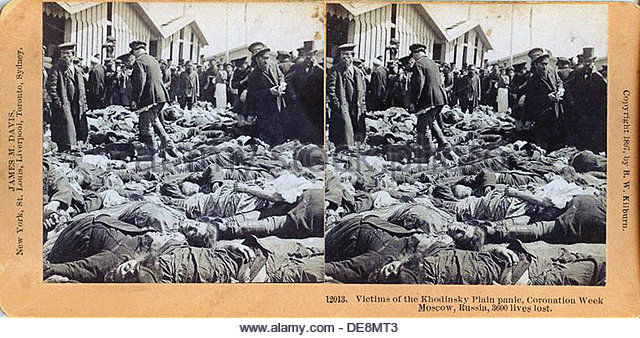


 3,662,374 military service certificates were issued to qualifying veterans, bearing a face value equal to $1 per day of domestic service and $1.25 a day for overseas service, plus interest. Total face value of these certificates was $3.638 billion, equivalent to $43.7 billion in today’s dollars and coming to full maturity in 1945.
 The Great Depression was two years old in 1932, and thousands of veterans had been out of work since the beginning. Certificate holders could borrow up to 50% of the face value of their service certificates, but direct funds remained unavailable for another 13 years.
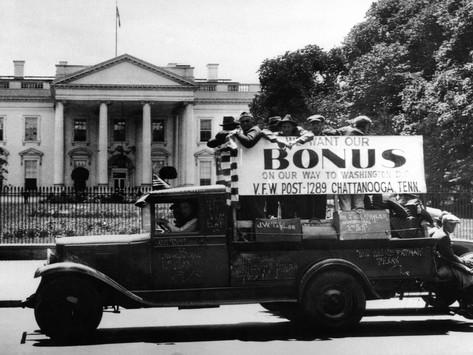 This had happened before. Hundreds of Pennsylvania veterans of the Revolution had marched on Washington in 1783, after the Continental Army was disbanded without pay.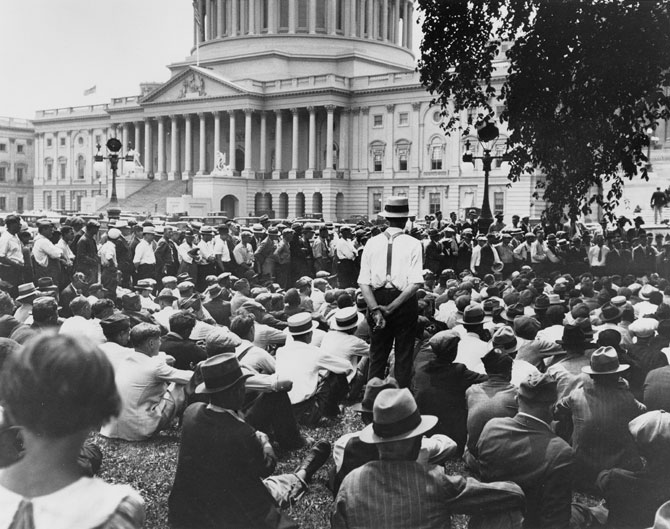
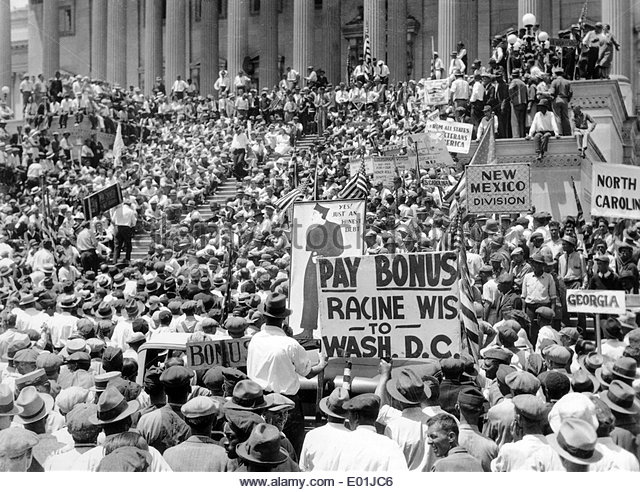 Marchers and their families were in their camps on July 28 when Attorney General William Mitchell ordered them evicted. Two policemen became trapped on the second floor of a building when they drew their revolvers and shot two veterans, William Hushka and Eric Carlson, both of whom died of their injuries.
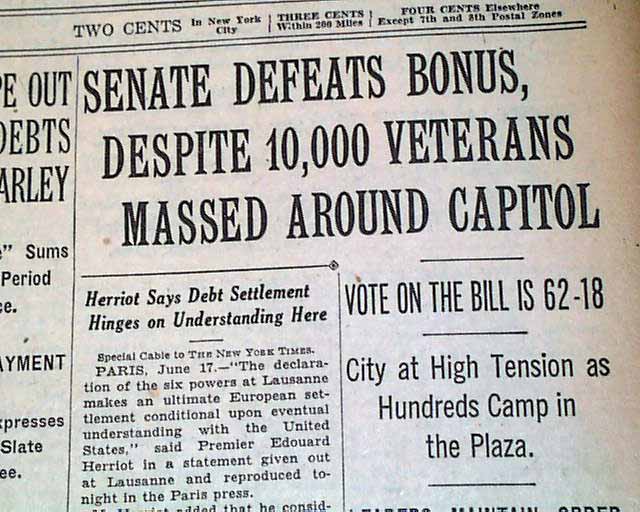 President Herbert Hoover ordered the Army under General Douglas MacArthur to evict the Bonus Army from Washington. 500 Cavalry formed up on Pennsylvania Avenue at 4:45pm, supported by 500 Infantry, 800 police and six battle tanks under the command of then-Major George S. Patton. Civil Service employees came out to watch as bonus marchers cheered, thinking that the Army had gathered in their support.
 Bonus marchers fled to their largest encampment across the Anacostia River, when President Hoover ordered the assault stopped. Feeling that the Bonus March was an attempt to overthrow the government, General MacArthur ignored the President and ordered a new attack, the army routing 10,000 and leaving their camps in flames. 1,017 were injured and 135 arrested.
 Then-Major Dwight D. Eisenhower was one of MacArthur’s aides at the time. Eisenhower believed that it was wrong for the Army’s highest ranking officer to lead an action against fellow war veterans. “I told that dumb son-of-a-bitch not to go down there”, he said.
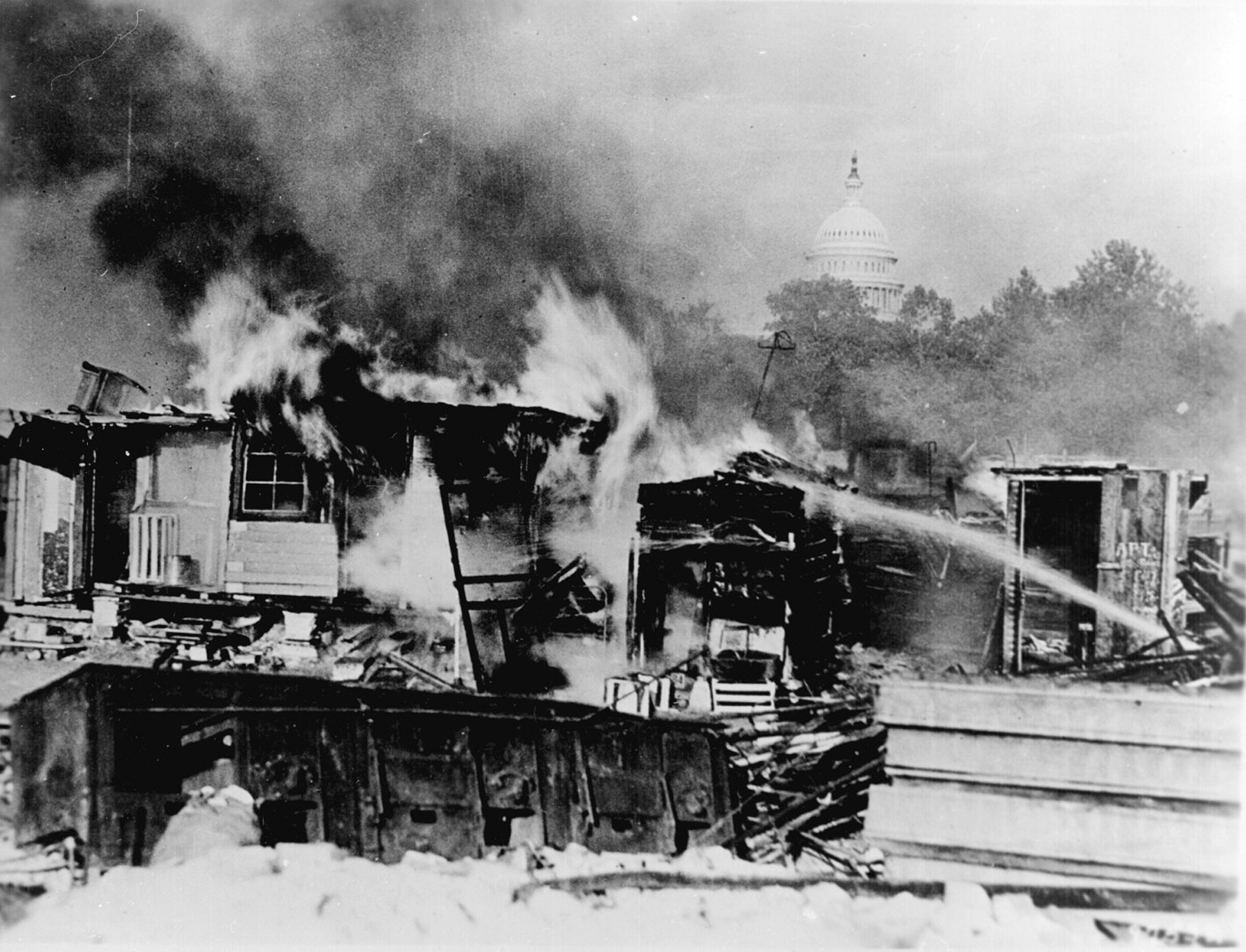 The bonus march debacle doomed any chance that Hoover had of being re-elected. Franklin D. Roosevelt opposed the veterans’ bonus demands during the election, but was able to negotiate a solution when veterans organized a second demonstration in 1933. Roosevelt’s wife Eleanor was instrumental in these negotiations, leading one veteran to quip: “Hoover sent the army. Roosevelt sent his wife”.
 Historical Easter Eggs - Today in History
You must be logged in to post a comment.