

Sometime around 1890, opportunities for promotion led Arthur Reuel Tolkien to South Africa, where the bank clerk became manager of the Bloemfontein branch of the Bank of Africa. Tolkein’s fiancée Mabel joined him in the Orange Free State in 1891, and the couple was married that April. The first of two boys arrived the following year. They called him John Ronald Reuel.
Mabel returned to England shortly after the birth of their second son, believing the climate to be healthier than that of the African continent. She may have been right. Arthur died unexpectedly in South Africa, when the older boy was four. The family’s departure left John Ronald with only “slight but vivid” memories of Africa. One of them involved an encounter with an enormous, hairy, spider.
 The family lived for a time next to a rail line, south of Birmingham. John always had an interest in languages, even before he began to invent words of his own. It must have fired the young boy’s linguistic imagination to see the Welsh coal trucks go by, with names like “Nantyglo“, “Penrhiwceiber” and “Senghenydd”, painted on their sides.
These were difficult times for the Tolkein family, which only became worse when Mabel succumbed to diabetes. Now orphaned, John Ronald Reuel was only twelve years old.
At King Edward’s school, one Father Francis looked after the boys’ spiritual and educational development. Here J.R.R. mastered Latin and Greek, while gaining competence in a number of other languages. John would make up entire languages for fun, while he and a few school chums met regularly after school as the “TCBS” (Tea Club and Barrovian Society), exchanging and criticizing one another’s literary work.
Around this time, Tolkein discovered Christ II also known as The Ascension, one of only four signed works known to survive by the 9th century Olde English poet, Cynewulf. One couplet captured the boy’s imagination: “Eálá Earendel engla beorhtast, Ofer middangeard monnum sended” – Hail Earendel brightest of angels, over Middle Earth sent to men.
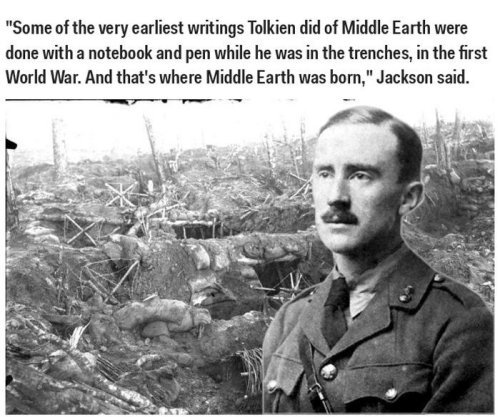
Tolkien served briefly on the Western Front of the Great War, before contracting a typhus-like infection called “trench fever”. He convalesced back in England, and served out the rest of the war on Home Duty. Most of JRR’s TCBS friends had been killed by this time, and he wrote of his experiences in their memory. “…in huts full of blasphemy and smut, or by candle light in bell-tents, even some down in dugouts under shell fire“.
It’s easy to see these early experiences in the author’s first works, the notes he called his “Legendarium”: the Deep Elves, the wars against Morgoth, the siege and fall of Gondolin and Nargothrond.
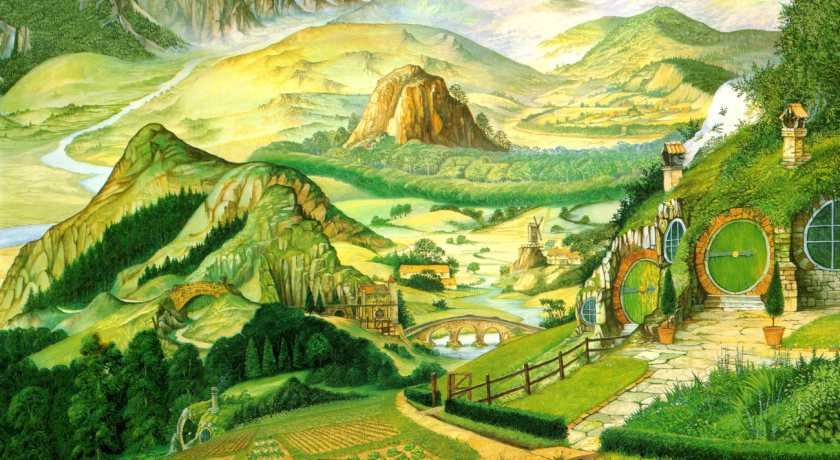
Tolkien took a professorship at Oxford after the war, where he one day found himself correcting papers. For some reason or no reason at all, one of his students had left a page blank. Who knows what possessed the professor but he wrote on the page “In a hole in the ground there lived a hobbit“.
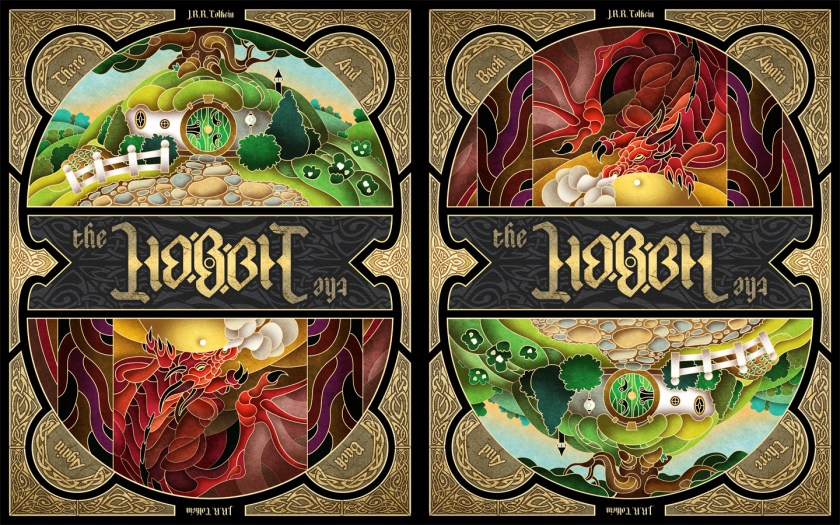
In typical Tolkien fashion, he then felt the need to discover what a “Hobbit” was, why it lived in a hole, and on, and on, and on.
Tolkien’s musings grew into a narrative tale, a story he shared with his children. It grew from there when the publishing firm George, Allen and Unwin got hands on an incomplete typescript, and encouraged the professor to finish his work. J.R.R. Tolkein’s tale was published on this day in 1937, under the title “The Hobbit“.
The Hobbit was so successful, the publisher asked if Tolkein had similar material available for release. By this time, Tolkien’s Legendarium had taken a more complete form which he was calling his “Qenya Silmarillion”. Tolkien submitted the work to mixed reviews. the prevailing sense being that the work was not commercially viable.
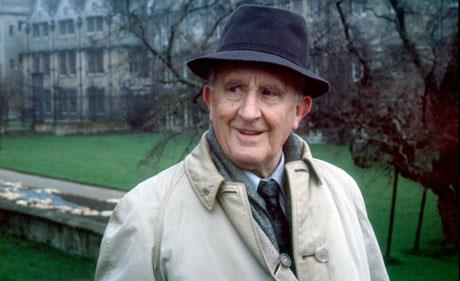
The author was disappointed by the setback, but agreed to take up the challenge of writing “The New Hobbit”. This writer was anything but hurried. It took 16 years of coaxing and prodding by the now-grown son of one of the publishers, Rayner Unwin. Tolkien even offered the work to a rival publisher at one point, but they backed off the project on realizing the scope and size of the work.
J.R.R. Tolkein’s tale grew and blossomed into far more than a children’s story, published in three parts in 1954-1955 under the title “Lord of the Rings“. Early misgivings that the project would be a financial loss, soon evaporated.
Author and publisher alike had greatly underestimated the public appeal of Tolkien’s work. As of 2017, the Lord of the Rings trilogy ranked among the top-ten selling books of all time, including the Holy Bible, the Islamic Qu’ran and the book of Mormon. Taken together, the Peter Jackson Hobbit film trilogy of 2012 achieved the highest worldwide Box Office, of all time.

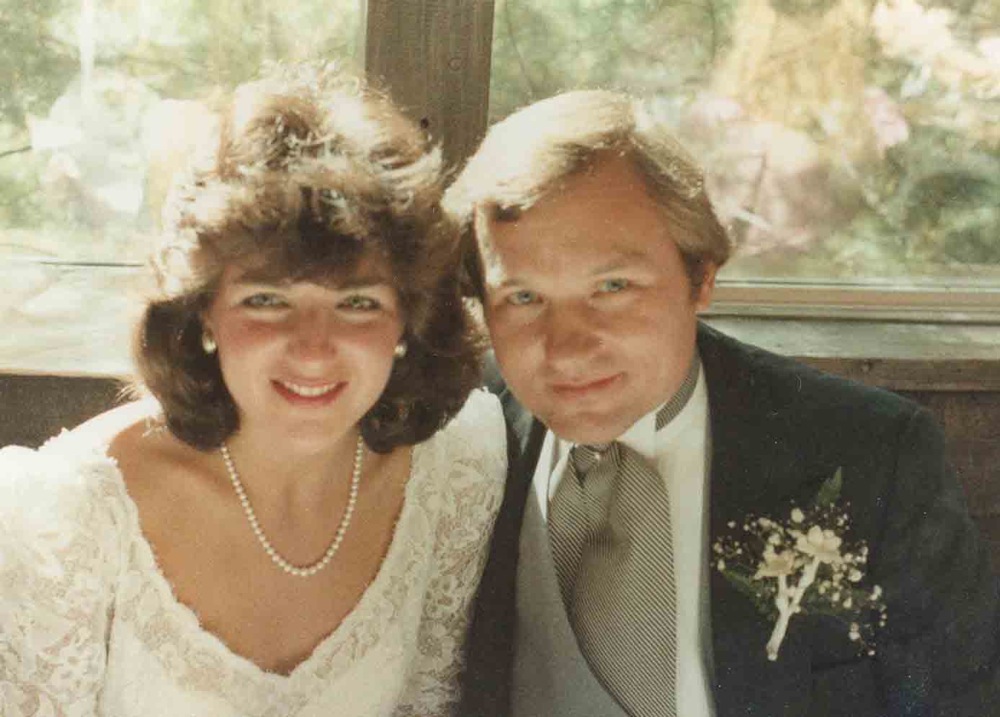
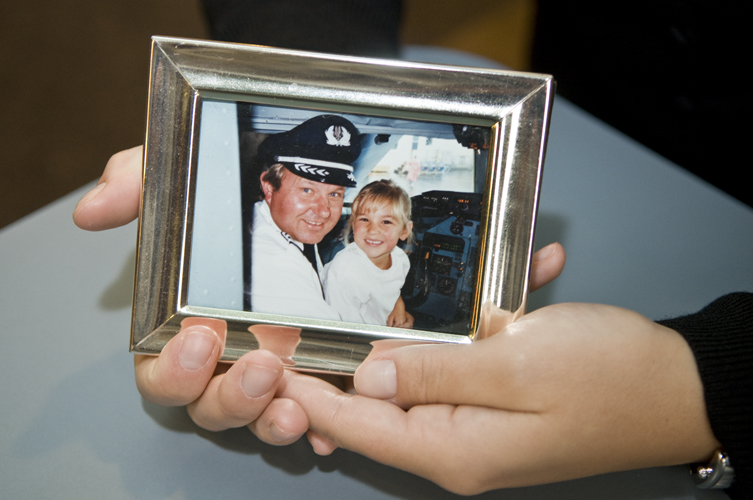
 Graduating from UMass Lowell in 1972 with a degree in nuclear engineering, John Alexander Ogonowski joined the United States Air Force. During the war in Vietnam, this farmer-turned military pilot would ferry equipment from Charleston, South Carolina to Southeast Asia, often returning with the bodies of the fallen aboard that giant, C-141 transport aircraft.
 John Ogonowski helped to create the Dracut Land Trust in 1998, working to conserve the growing town’s agricultural heritage. He worked to bring more people into farming, as well. The bumper sticker on his truck read “There is no farming without farmers”.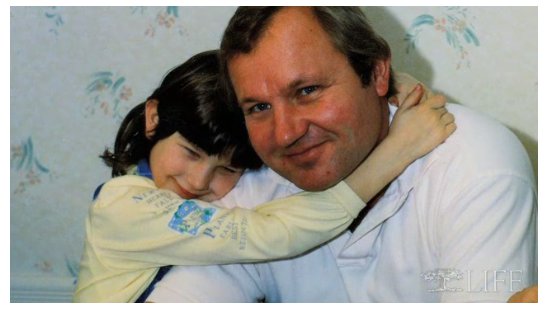
 The program was a great success. Ogonowski told The Boston Globe in 1999, “These guys are putting more care and attention into their one acre than most Yankee farmers put into their entire 100 acres.”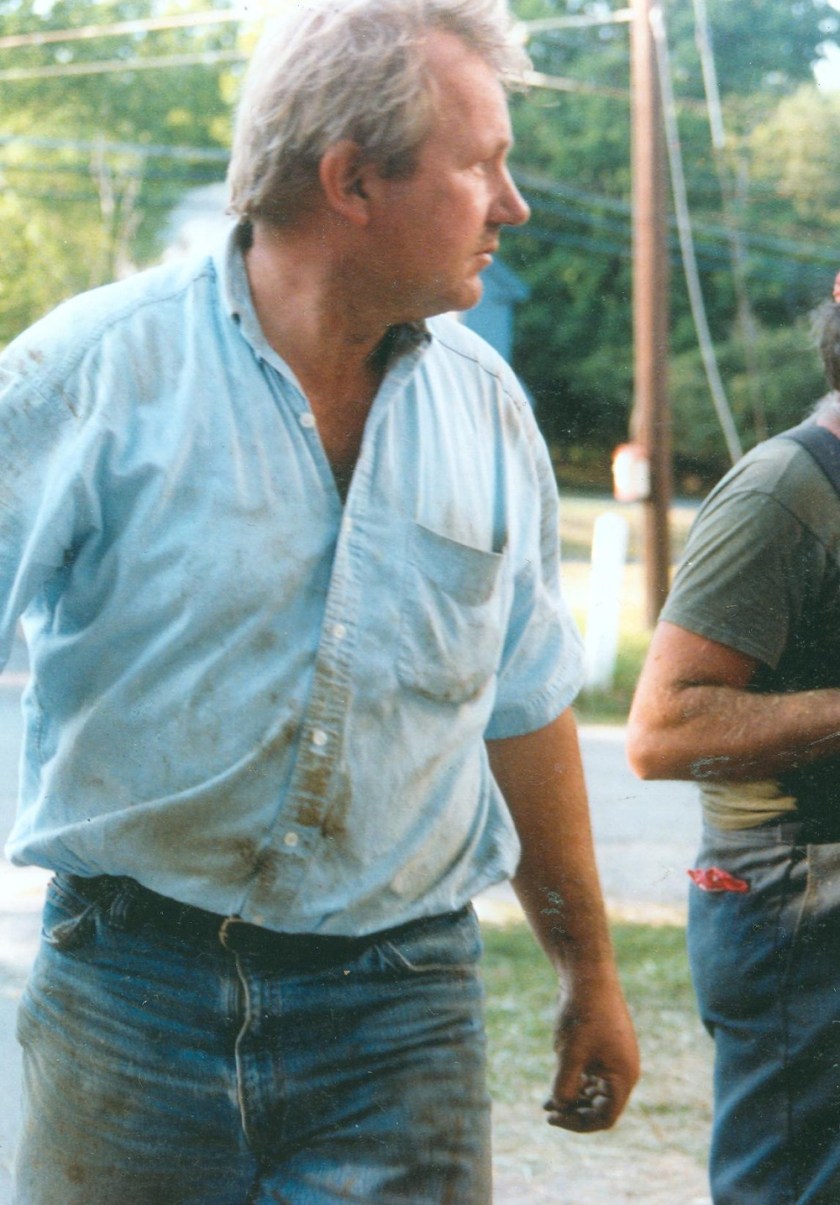



 The story may be little more than a tale told “out of school”, no better than “a guy told me at the pub” concerning a Queen whose name wasn’t ‘Victoria’ at all but Alexandrina Victoria, after her godfather Tsar Alexander I.






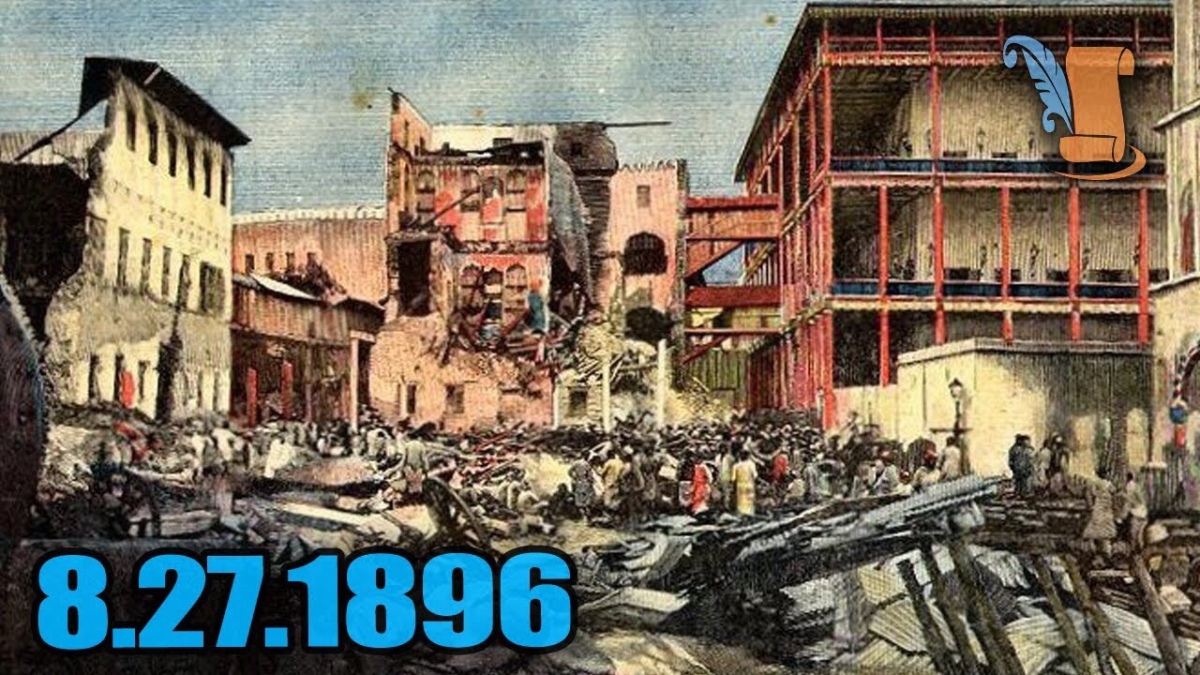
 British authorities demanded that Khalid order his forces to stand down and leave the palace. Instead, the new Sultan called up his personal security and barricaded himself inside.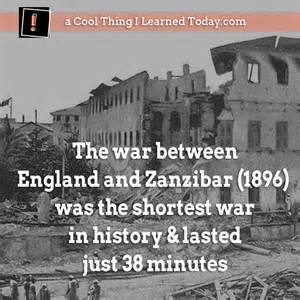

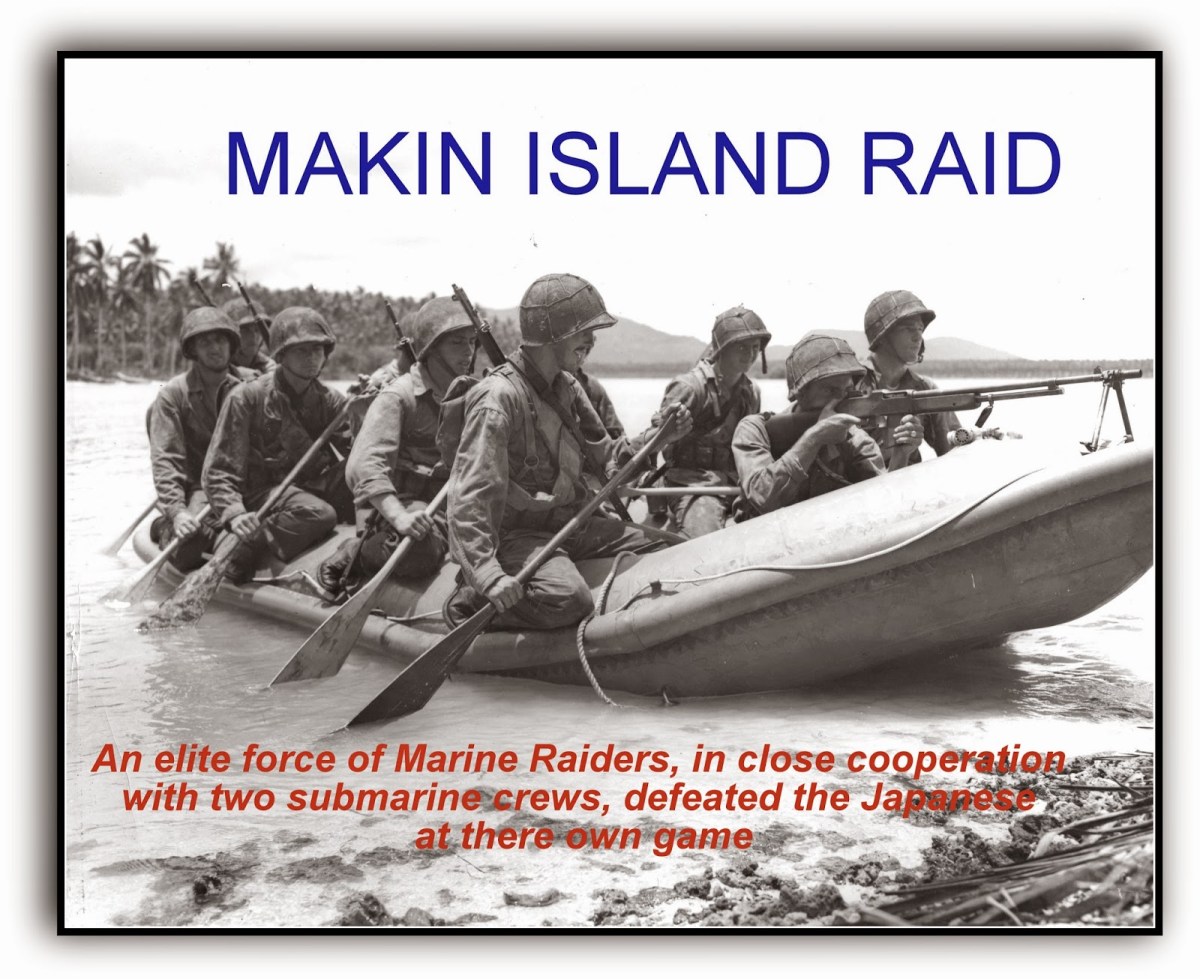
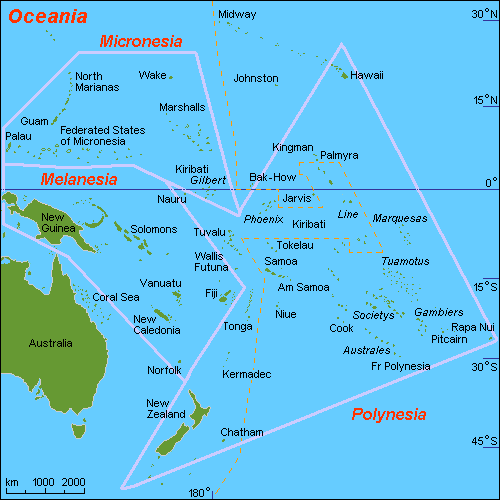
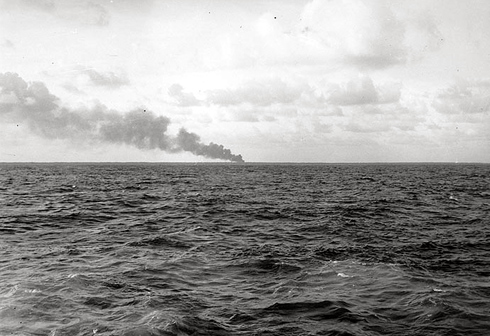
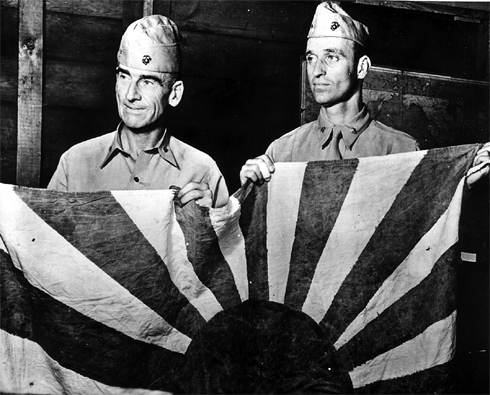
 A few minutes past 00:00 (midnight) on August 17, 1942, 211 United States Marine Corps raiders designated Task Group 7.15 (TG 7.15) disembarked from the submarines Argonaut and Nautilus, and boarded inflatable rubber boats for the landing on Makin Island. The raid was among the first major American offensive ground combat operations of WW2, with the objectives of destroying Japanese installations, taking prisoners to gain intelligence on the Gilbert Islands region, and to divert Japanese reinforcement from allied landings at Guadalcanal and Tulagi.




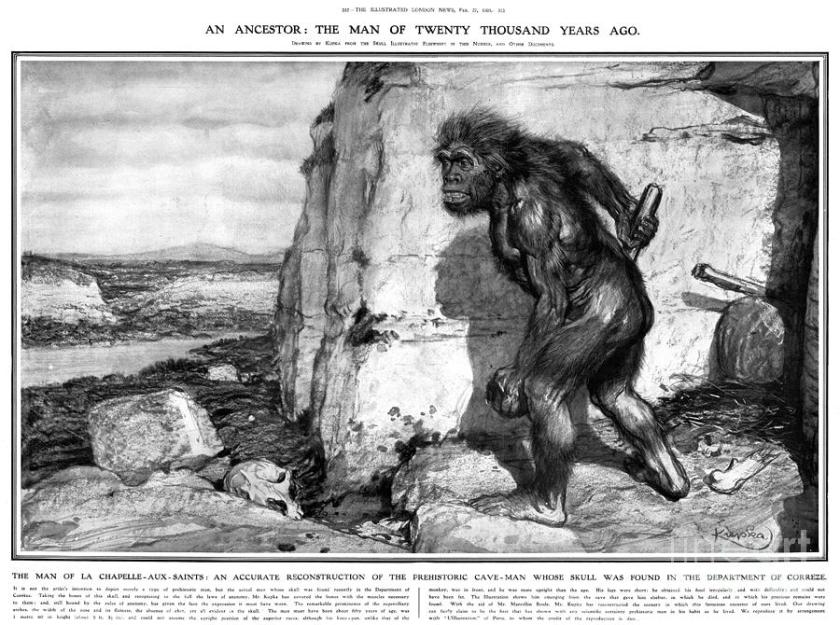
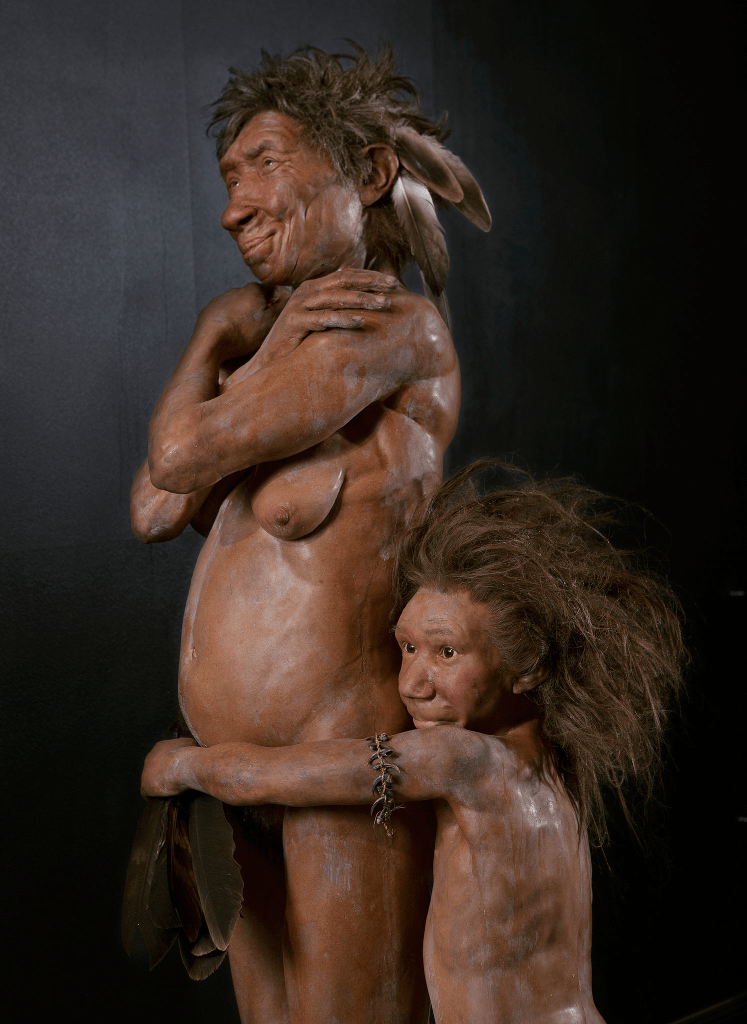
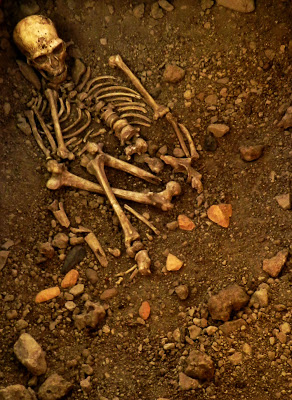
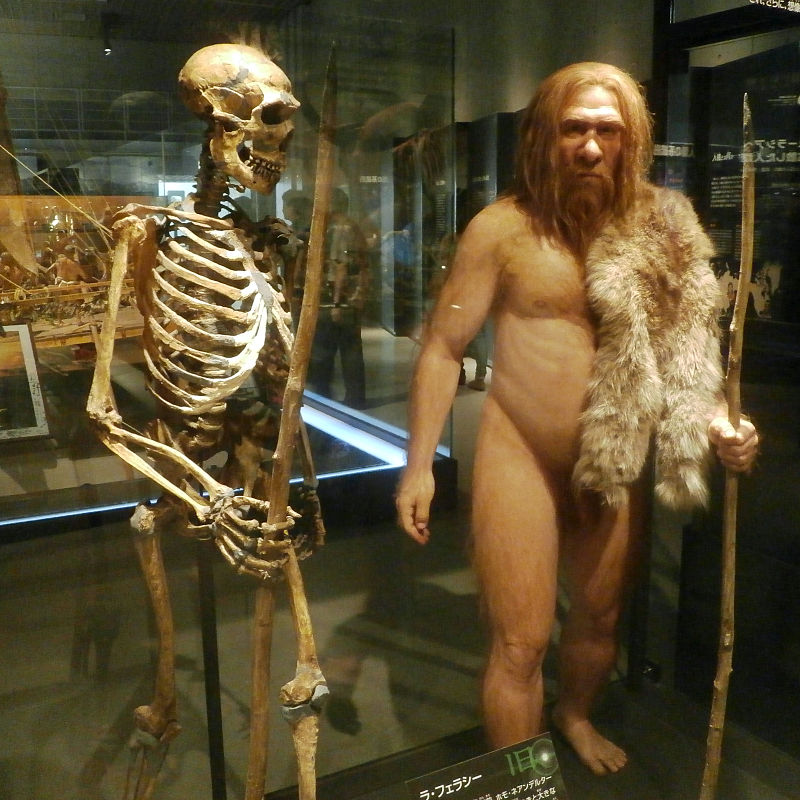
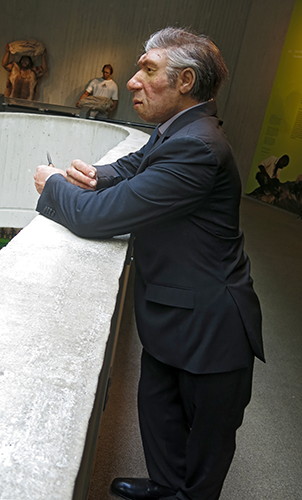
 Research suggests that we ourselves carry Neanderthal genes, those among us of Eurasian ancestry. These genes may have changed our immune systems leaving us vulnerable to diseases such diabetes and cancer.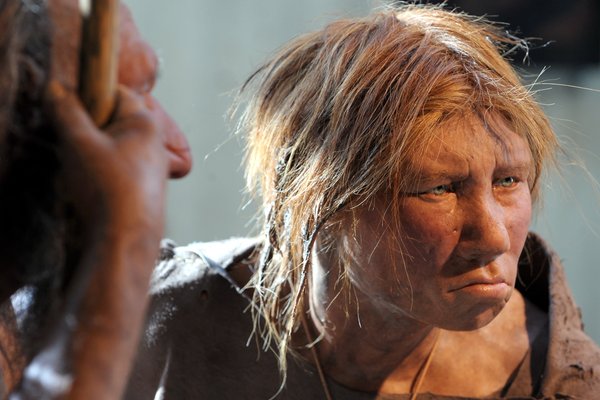





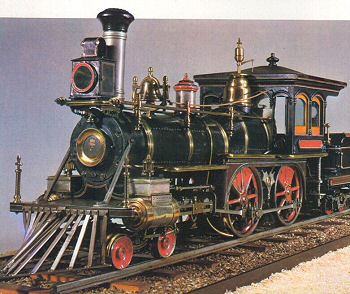
 Erie Engine #237 arrived at Lackawaxen at 2:30 pm pulling 50 coal cars, loaded for Jersey City. Kent gave the all clear at 2:45. The main switch was opened, and Erie #237 joined the single track heading east out of Shohola.
 “[T]he wooden coaches telescoped into one another, some splitting open and strewing their human contents onto the berm, where flying glass, splintered wood, and jagged metal killed or injured them as they rolled. Other occupants were hurled through windows or pitched to the track as the car floors buckled and opened. The two ruptured engine tenders towered over the wreckage, their massive floor timbers snapped like matchsticks. Driving rods were bent like wire. Wheels and axles lay broken. The troop train’s forward boxcar had been compacted and within the remaining mass were the remains of 37 men”. Witnesses saw “headless trunks, mangled between the telescoped cars” and “bodies impaled on iron rods and splintered beams.”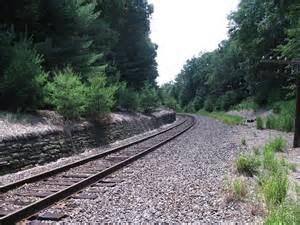
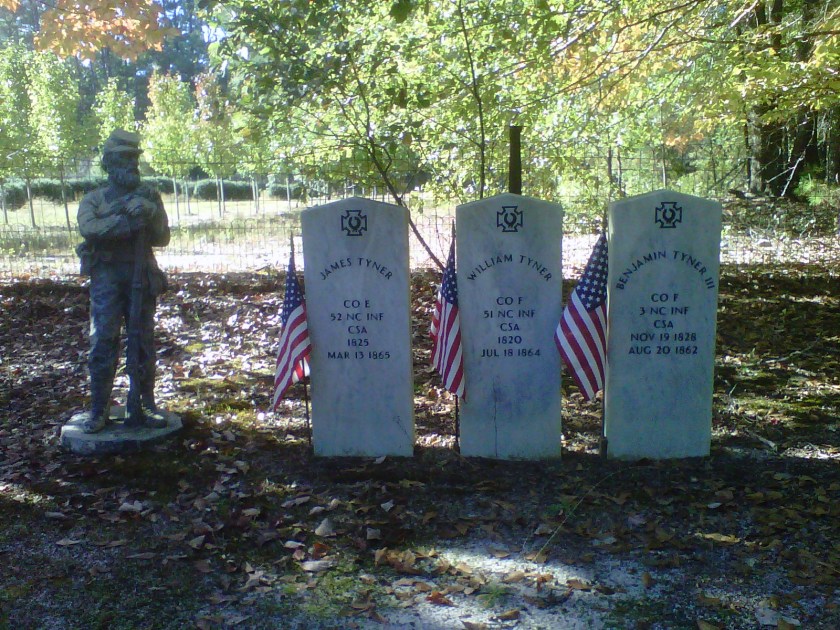
 As the years went by, signs of all those graves were erased. Hundreds of trains carried thousands of passengers up and down the Erie Railroad, ignorant of the burial ground through which they passed.

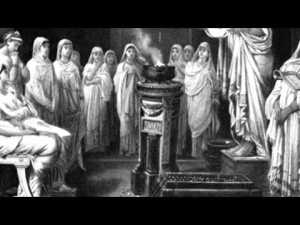
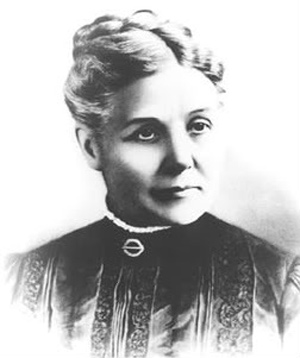

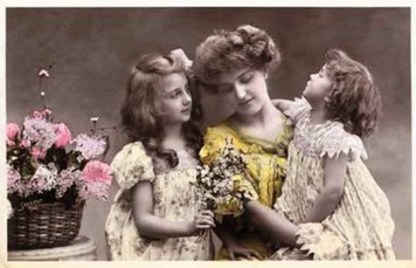 Anna Jarvis believed Mother’s Day to be a time of personal celebration, a time when families would gather to love and honor their mother.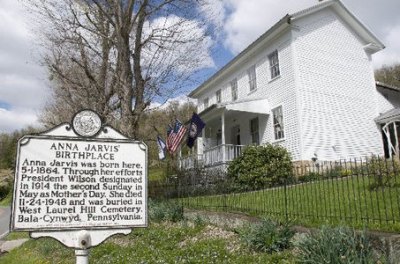



 Historical Easter Eggs - Today in History
You must be logged in to post a comment.