
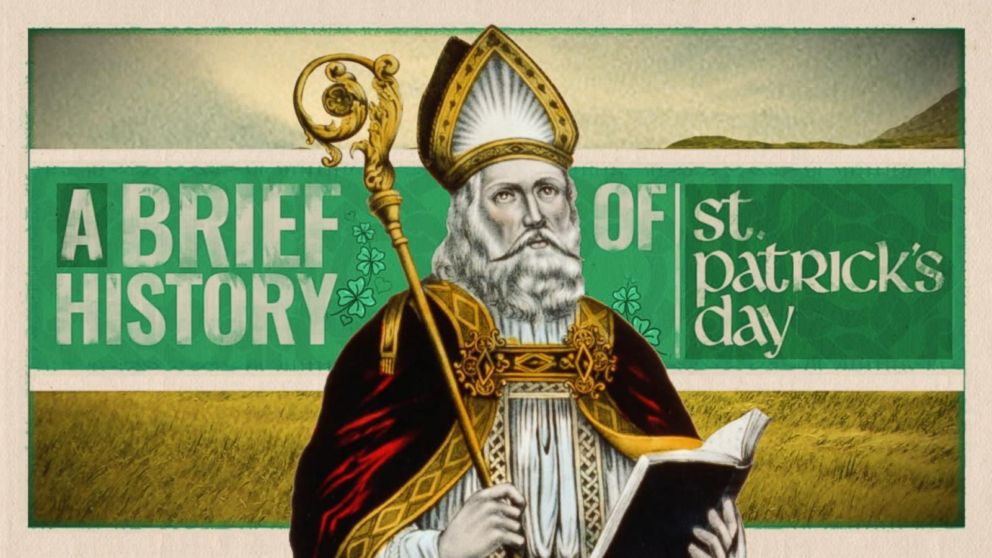
“Celtic languages are traditionally thought to have originated in central Europe and spread across vast areas of Europe, being gradually replaced by Germanic, Romance, or Slavic languages in most areas. The Continental Celtic languages, such as Gaulish, Hispano-Celtic, and Lepontic, are all now long extinct.” – Oxfordbibliographies.com
 Today, the “insular” Celtic languages are all that’s left, relegated to two sub-groups: the Goidelic (or Gaelic) spoken by Irish and Scots speakers and once on the Isle of Man, and the Brythonic or Brittonic once spoken in Wales, Brittany and Cornwall.
Today we know him as “Patrick” but his birth name was Maewyn Succat in his native Brythonic. His father was Calpornius, a Deacon of the Church and an officer in the Roman Army. As a boy, Maewyn Succat had little time for religion.
He was a late fifth-century Roman teenager living in Great Britain when he was kidnapped by pirates at the age of 16, and brought to Ireland. There he found religion during six years as a slave, tending sheep and hogs in county Antrim. He would escape in time to rejoin his family before traveling to France, to join a Monastery. In twelve years he returned to the shores of Ireland, this time as a Bishop, with the blessing of the Pope.
There he came to be known as Patricius in the Latin (“nobleman”) or Pádraig (Gaelic), a simple priest ministering to Irish Christians and converting the pagan, to Christianity. In time, “Patrick” would go on to become Bishop of all Ireland, and one of its primary Patron Saints.
 Interestingly, Patrick is listed among the 10,000 or so Roman Catholic Saints though it seems he never was actually canonized, by a pope.
Saint Patrick’s Day is observed on March 17, the date generally agreed to be the date of his enslavement in 432 and his death in 460.
The date is celebrated in Ireland as both a liturgical and non-liturgical holiday, where in some diocese it is both a solemnity and a holy day of obligation. Outside of Ireland, the day has become a general celebration of all things Irish.
The legend that St. Patrick banished the snakes likely springs from his work converting the pagans of his day, many of whom wore snake tattoos on their arms. This idea is supported by a Gallic coin of the time, which carries on its face the Druidic snake.
Be that as it may, Ireland has no snakes today, a trait it has in common with Antarctica, New Zealand, Iceland, and Greenland. Another legend involves a walking stick of ash, which Patrick carried with him wherever he went. He would thrust this stick into the ground wherever he would preach. At a place now known as Aspatria, (ash of Patrick), the message took so long to get through to the people that the stick took root.
The shamrock which came to symbolize the day was seen as sacred by many in pre- Christian Ireland, with its green color evoking rebirth and eternal life.
The three leaves symbolize the “triple goddess” of ancient Ireland. Patrick is said to have taught the Irish about the Holy Trinity, using the three leaves of the shamrock to illustrate the Christian teaching of three persons in one God: the Father, the Son, and the Holy Spirit.
Most of the rest of Europe would suffer barbarian invasion from the fifth century onward, plunging into what are known today as “The Dark Ages”. Almost alone, cloistered monks in the monasteries of Ireland, spiritual descendants of St. Patrick, acted as repository for Christian civilization, at a time when such advancement was almost extinguished elsewhere.
It’s been said of this period that the Irish saved civilization. Who knows. They may have done just that. On this day it’s said that everyone’s Irish. Here in the US some some 33 million really are according to census data, nearly seven times the population of Ireland itself.
So here we are. A parade dating back to 1737 here in Boston is canceled, as we all hide from the Wu Flu. So lift a glass to Saint Patrick, though the streets be empty and the bars be closed. “May your glass be ever full. May the roof over your head be always strong. And may you be in heaven, half an hour before the devil knows you’re dead” Sláinte.


 For 38 days, the young Caesar joined in games and exercises, with these bloodthirsty killers. As if he were their leader, instead of their prisoner. All the while, he promised these pirates. He would come back to crucify them all, and he said it with a smile.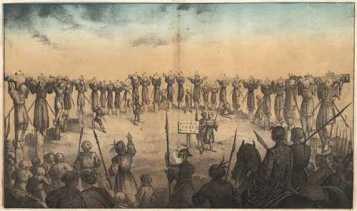
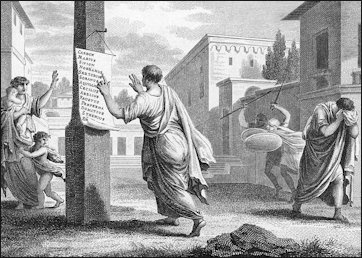
 He seems to have been a ladies’ man, fathering a son with none other than Queen Cleopatra of Egypt. One story has him being handed a note while speaking at the Senate. Caesar’s arch rival Cato (the younger) demanded to know the contents of the letter, loudly accusing him of complicity in the “Catiline Conspiracy” to overthrow the government. At last Caesar relented, reading out loud what turned out to be a love letter – a graphic one – written to him by Cato’s own half-sister Servilia Caepionis.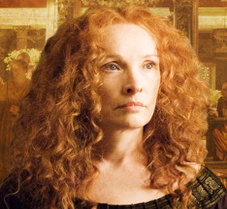
 Shortly before his assassination in BC 44, Caesar was named dictator perpetuo rei publicae constituendae, (English: “dictator in perpetuity”). It was the first time such a title had ever been made permanent. Nothing was more repugnant to traditional Roman sensibilities, than the idea of a dictator for life. Caesar’s days were numbered.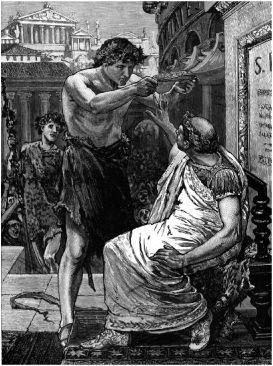
 The Roman calendar tracked the phases of the moon (or tried to), and didn’t count the days from first to last. Instead, Romans counted backward from three fixed points: the Nones (5th or 7th, depending on the length of the month), the Ides (13th or 15th), and the Kalends (1st of the following month).
 Here’s where the story becomes Really interesting. Like the apocryphal warning to “Beware the Ides of March”, Caesar’s last words, “Et tu Brute” were first introduced by William Shakespeare, 1,643 years after the fact. No eyewitness account of the assassination survives today, though a more contemporary source recorded the Greek words “Kai su, teknon?” as Brutus plunged the dagger in. “And you, my child?”


 Rubenstein hated the nickname and was quick to fight anyone who called him that. It may have been that hot temper, that made the name stick.
 Ruby was a low-rent gangster, involved in typical underworld activities like gambling, narcotics and prostitution. There were rumored associations with Mafia boss Santo Trafficante.
 Today, you may know Rick Danko, Levon Helm, Garth Hudson and Robbie Robertson as musicians who played with Bob Dylan in 1965, later going on the road as “The Band” and performing such rock & roll standards as “The Night they Drove Old Dixie Down”, “Up on Cripple Creek” and “The Weight”.
 Part of the roof had blown off this joint. Either that or it burned off, depending on which version you believed. Jack, the club owner, tore off the rest of it and kept the insurance money, calling this fine establishment, the “Skyline Lounge”.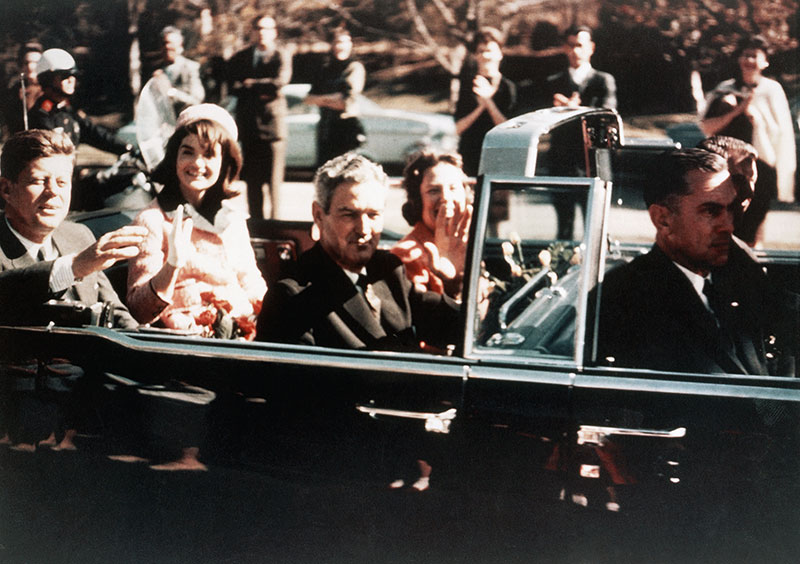
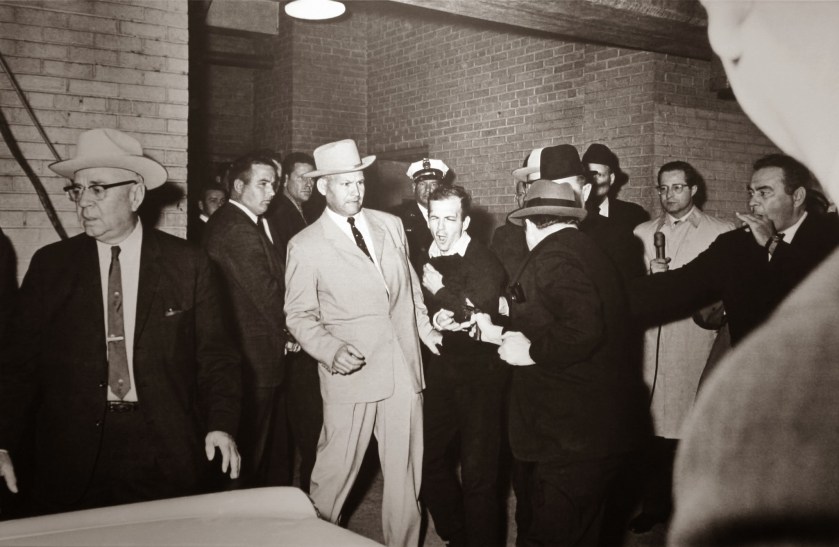
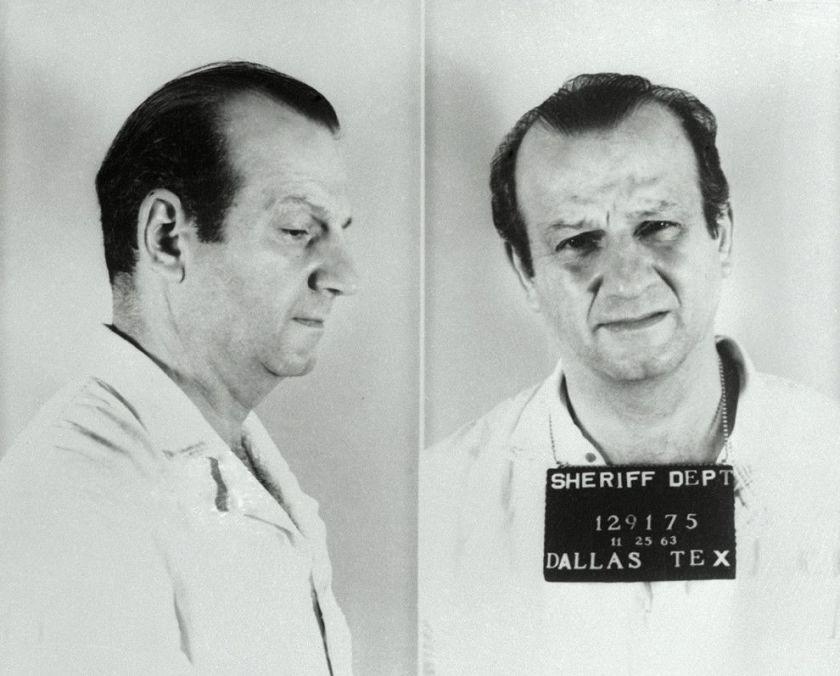 The Warren Commission found no evidence linking Jack Ruby’s murder of Lee Harvey Oswald, to any broader conspiracy to assassinate the President. What became of Jacob Leon “Sparky” Rubenstein’s Skyline Lounge, is unknown to this writer.
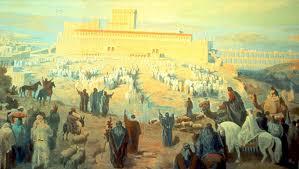 The Rashidun Caliphate captured the Holy City in 637, following a long siege. Except for one 88-year period following the first crusade in 1099, the Temple Mount in the old city remains under Islamic administration, from that day to this.
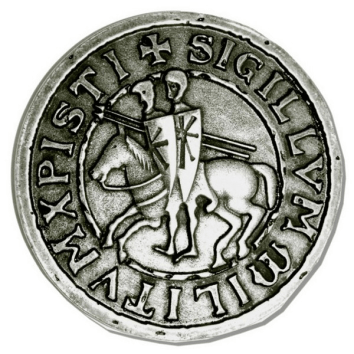 These were monks and they were warriors, “Poor Fellow-Soldiers of Christ and of the Temple of Solomon”. For 200 years, these “Knights Templar” provided for the safe passage of Christian pilgrims.
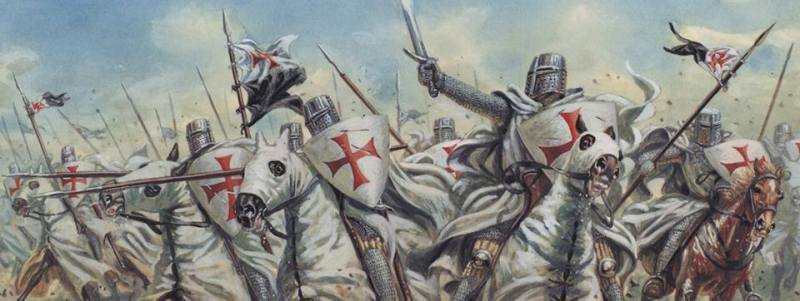 Following wars with the Flemish and with English King Edward I, King Philip IV of France found himself deeply in debt. Needing to wriggle out of it, Philip expelled the Jews of France, in 1306. The following year he came after the Knights Templar.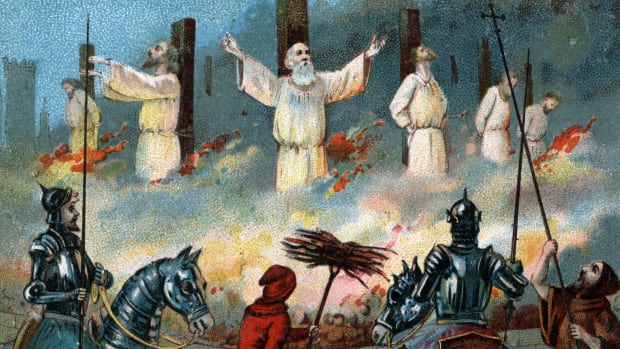
 Thousands of knights fled to areas outside Papal control. Many were burned at the stake, some absorbed into the rival Knights Hospitaller. Within a couple years, the order of the Knights Templar had ceased to exist.
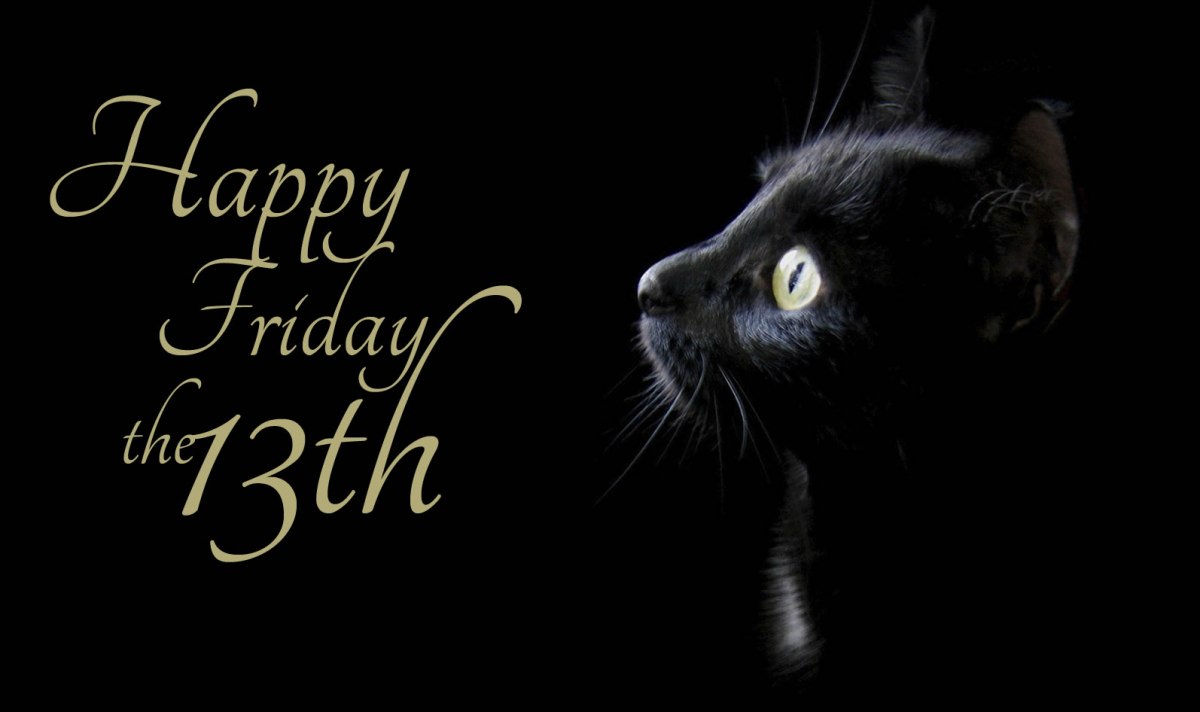
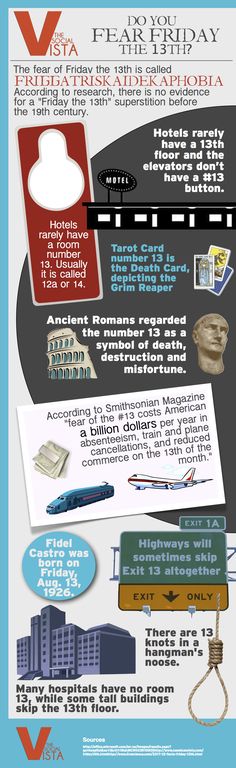
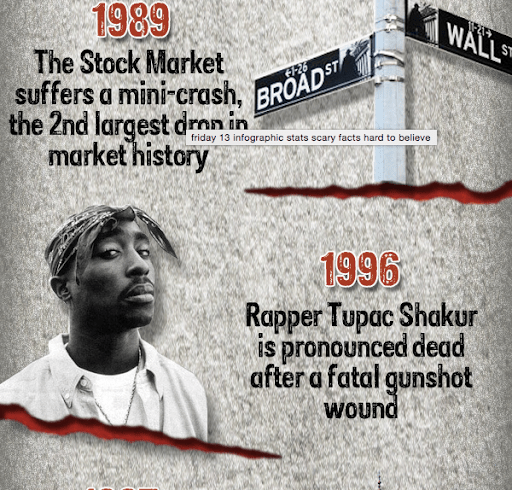 So knock on wood and cross your fingers. Watch out for black cats. Don’t look at the full moon through a pane of glass. Be sure to throw salt over your shoulder and don’t mind the Wuhan plague. You’ll be fine.

 At first sold for their therapeutic value, consumers increasingly bought carbonated beverages for refreshment.
 The most famous rivalry in the soft drink business began in the 1930s, when Pepsi offered a 12oz bottle for the same 5¢ as Coca Cola’s six ounces.
 By the ’80s, market analysts believed that aging baby boomers were likely to switch to diet drinks and any growth in the full calorie segment was going to come from younger consumers, who preferred the sweeter taste of Pepsi.
 On an April Friday in 1985, Coke let the media know that a major announcement was coming the following Tuesday. Coca Cola officials spent a busy weekend preparing for the re-launch, while Pepsi Executives announced a company-wide holiday, taking out a full page ad in the New York Times, crowing that “Pepsi had Won the Cola Wars”.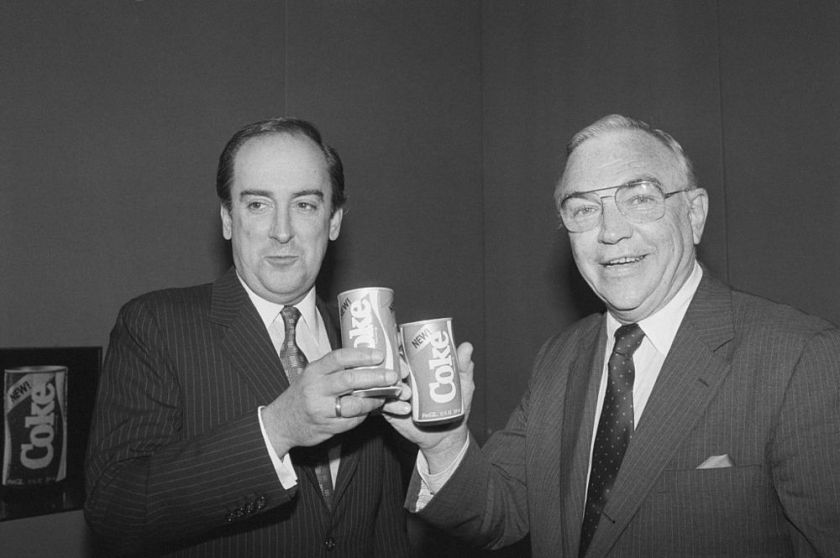
 Not even Max Headroom and his stuttering “C-c-c-catch the wave!” could save the company.
 So it was that, in 1985, Coca Cola announced they’d bring back the 91-year old formula. One reporter asked Keough if the whole thing had been a publicity stunt. Keough’s answer should be taught in business schools the world over, if it isn’t already. “We’re not that dumb,” he said, “and we’re not that smart”.

 To anyone under the age of 40, the Cold War must seem a strange and incomprehensible time. Those of us who lived through it, feel the same way.
 At 15,000-feet, a warning light came on in the cockpit, indicating the load wasn’t properly secured. Not wanting a thing like that rattling around in the back, Captain Earl E. Koehler sent navigator Bruce M. Kulka, to investigate. Kulka slipped and grabbed out for something, to steady himself. That “something” just happened to be, the emergency release.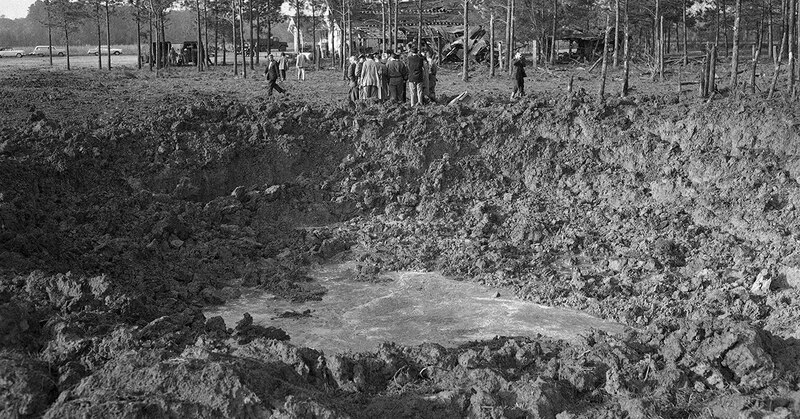
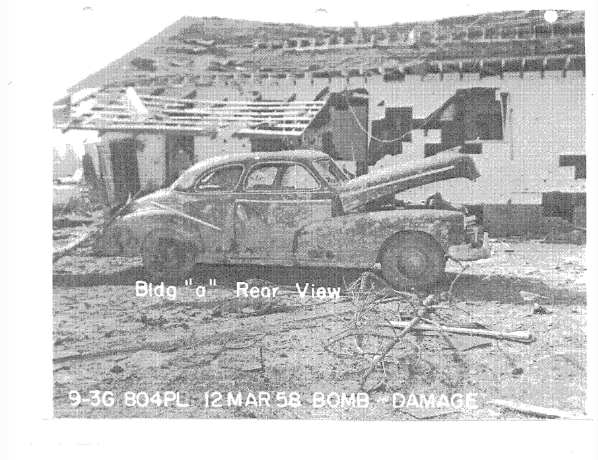 Three years later, a B-52 Stratofortress carrying two Mark 39 thermonuclear bombs broke up in the air over Goldsboro, North Carolina. Five crew members ejected from the aircraft at 9,000-feet and landed safely, another ejected but did not survive the landing. Two others died in the crash.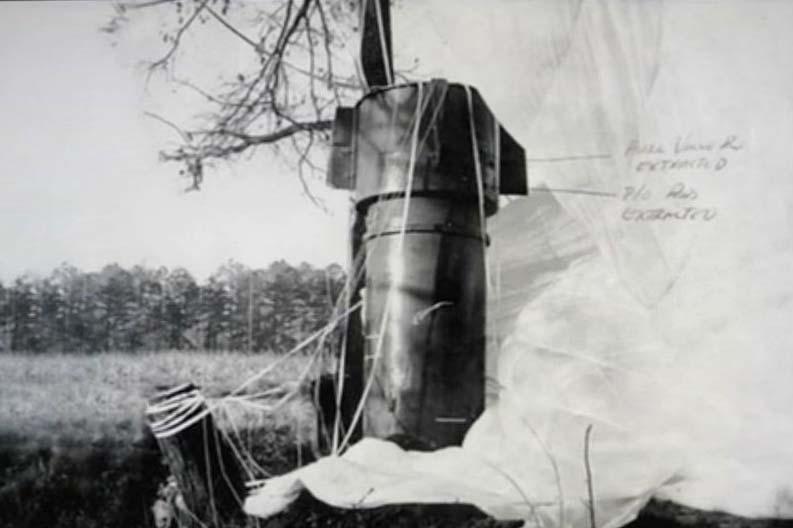
 Over the years, members of the flight crew stopped by to apologize for the episode.
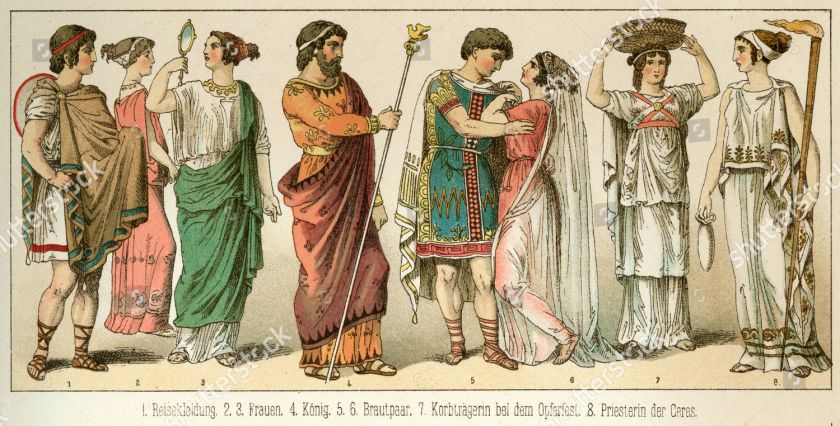 2,500 years ago, Bantu farmers on the African continent began to spread out across the land as the first Africans penetrated the dense rain forests of the equator, to take up a new life on the west African coast.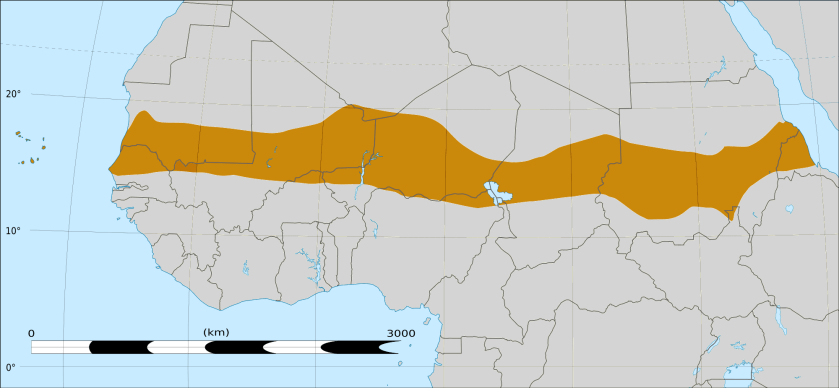
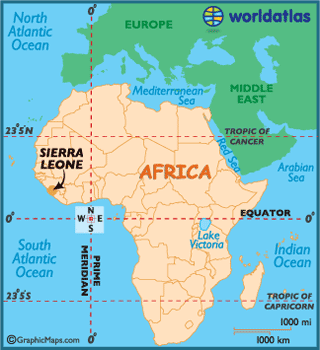 Home to one of the few safe harbors on the surf-battered “windward coast”, Sierra Leone soon became a favorite of European mariners, some of whom remained for a time while others came to stay, intermarrying with local women.
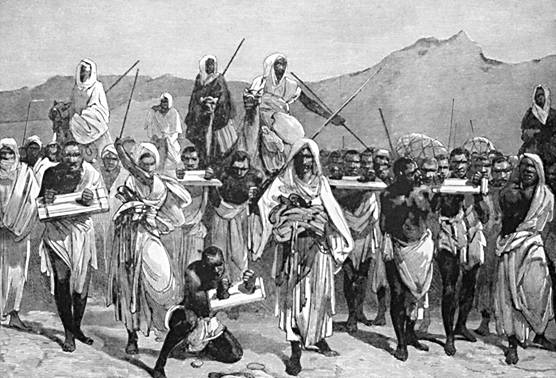 While this type of “slave” retained rudimentary rights at this time, those unfortunate enough to be captured by Dutch, English and French slavers, did not.
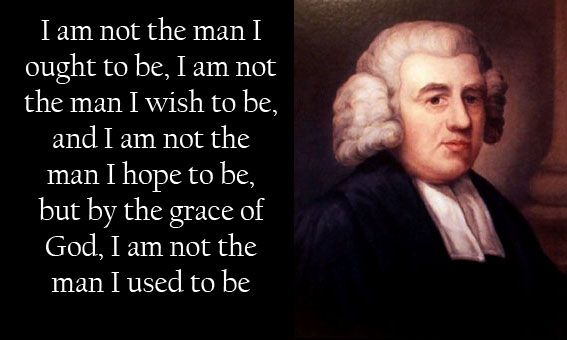
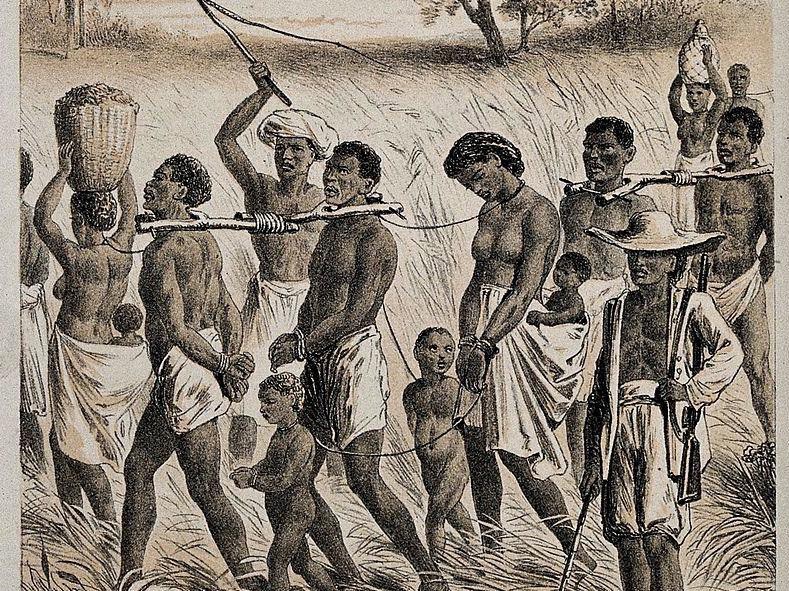 This was the world of John Newton, born July 24 (old style) 1725 and destined to a life, in the slave trade.
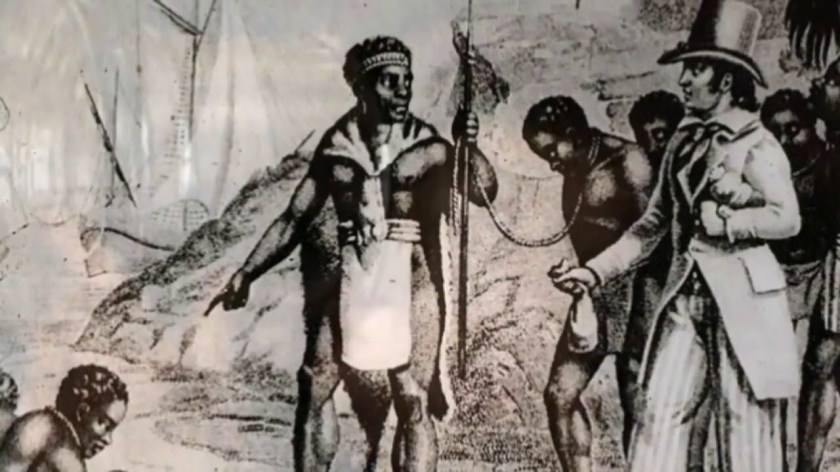 Newton hated life on the Pegasus as much as they, hated him. In 1745, they left him in West Africa with slave trader Amos Clowe. Newton was now himself a slave, given by Clowe to his wife Princess Peye of the Sherbro tribe. Peye treated Newton as horribly as any of her other slaves. Newton himself later described these three years as “once an infidel and a libertine, [now] a servant of slaves in West Africa”.
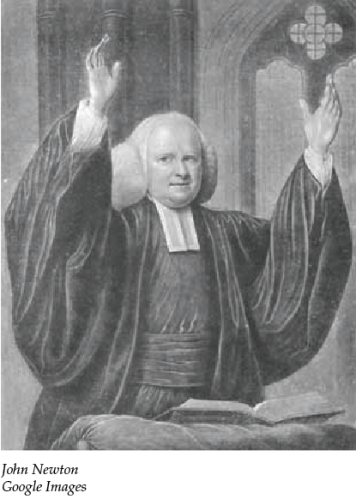 Moving to London in 1780 as the Rector of St. Mary Woolnoth church, Newton became involved with the Committee for the Abolition of the Slave Trade.
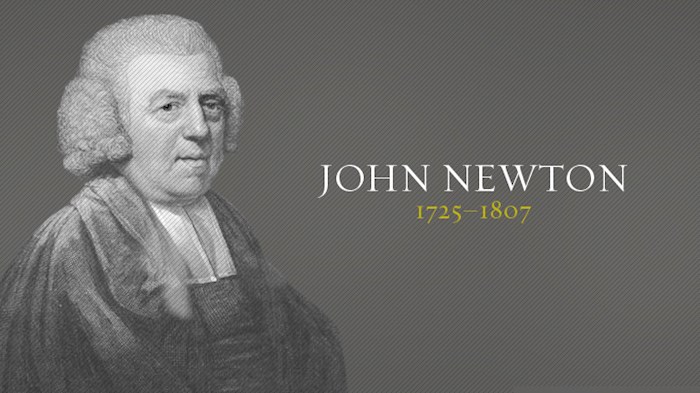 William Cowper was an English poet and hymnist who came to worship in Newton’s church, in 1767. The pair collaborated on a book of Newton’s hymns including “Glorious Things of Thee Are Spoken,” “How Sweet the Name of Jesus Sounds!,” “Come, My Soul, Thy Suit Prepare” and others.


 Radios of the age didn’t work across the Rockies, and the mail was erratic. The only passenger service available was run by the Yukon Southern airline, a run which locals called the “Yukon Seldom”. For construction battalions at Dawson Creek, Delta Junction and Whitehorse, it was faster to talk to each other through military officials in Washington, DC.
 Tent pegs were useless in the permafrost, while the body heat of sleeping soldiers meant waking up in mud. Partially thawed lakes meant that supply planes could use neither pontoon nor ski, as Black flies swarmed the troops by day. Hungry bears raided camps at night, looking for food.
 That October, Refines Sims Jr. of Philadelphia, with the all-black 97th Engineers, was driving a bulldozer 20 miles east of the Alaska-Yukon line when the trees in front of him toppled to the ground. Sims slammed his machine into reverse as a second bulldozer came into view, driven by Kennedy, Texas Private Alfred Jalufka. North had met south, and the two men jumped off their machines, grinning. Their triumphant handshake was photographed by a fellow soldier and published in newspapers across the country, becoming an unintended first step toward desegregating the US military.


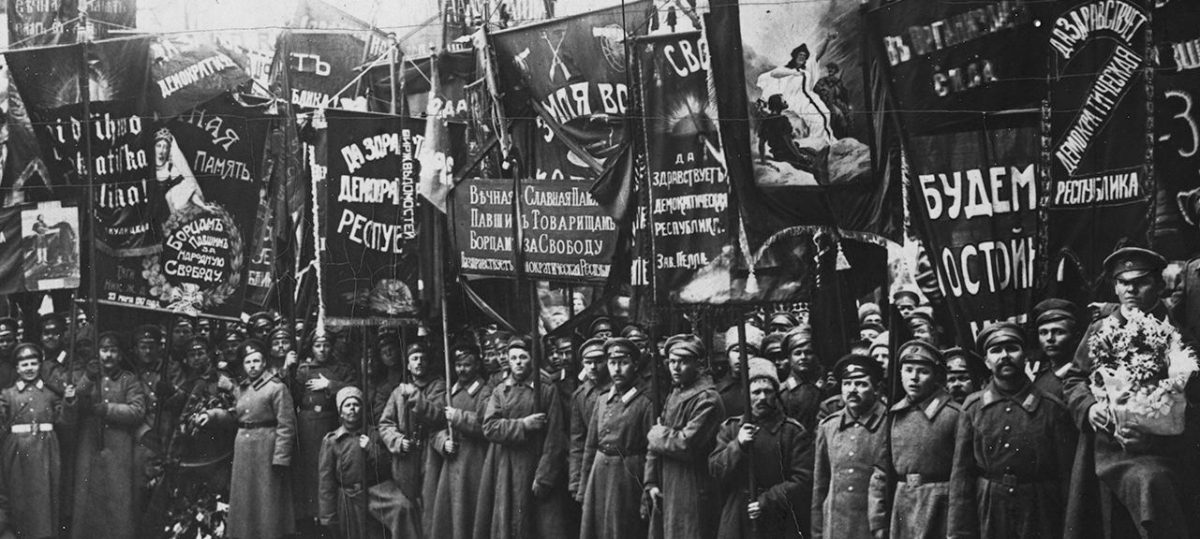
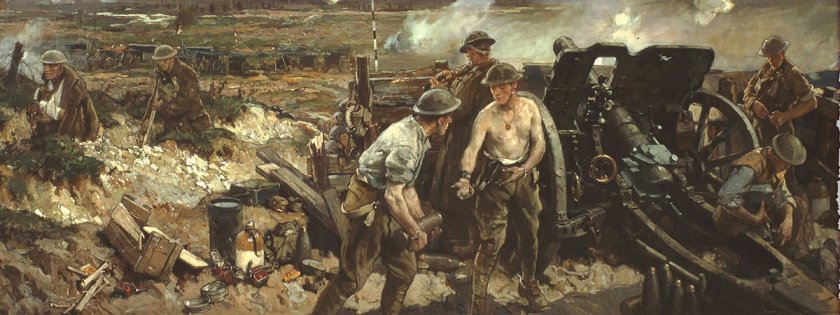 By 1916 it was generally understood in Germany that the war effort was “shackled to a corpse”, referring the Austro-Hungarian Empire where the war had started, in the first place. Italy, the third member of the “Triple Alliance”, was little better. On the “Triple Entente” side, the French countryside was literally torn to pieces, the English economy close to collapse. The Russian Empire, the largest nation on the planet, was teetering on the edge of the precipice.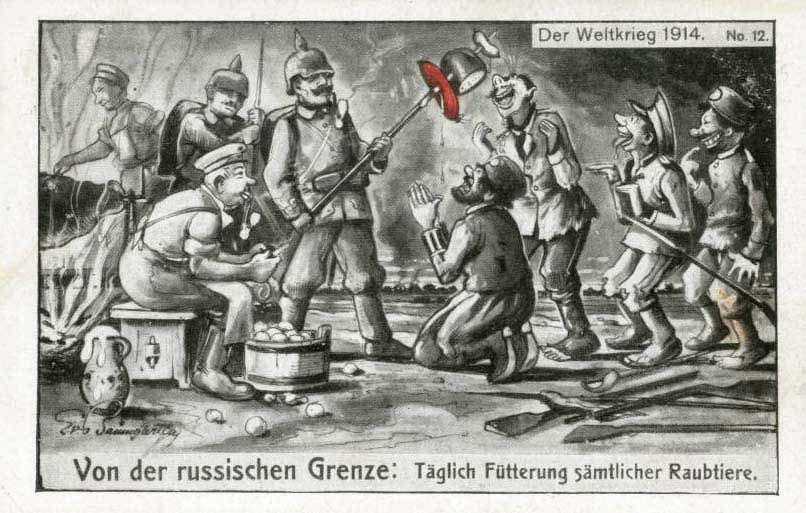

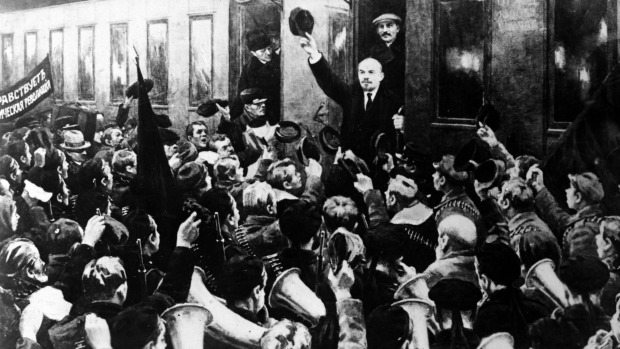 By October, Russia would experience its second revolution of the year. The German Empire could breathe easier. The “Russian Steamroller” was out of the war. And none too soon, too. With the Americans entering the war that April, Chief of the General Staff Paul von Hindenburg and his deputy Erich Ludendorff could now move their divisions westward, in time to face the arrival of the American Expeditionary Force.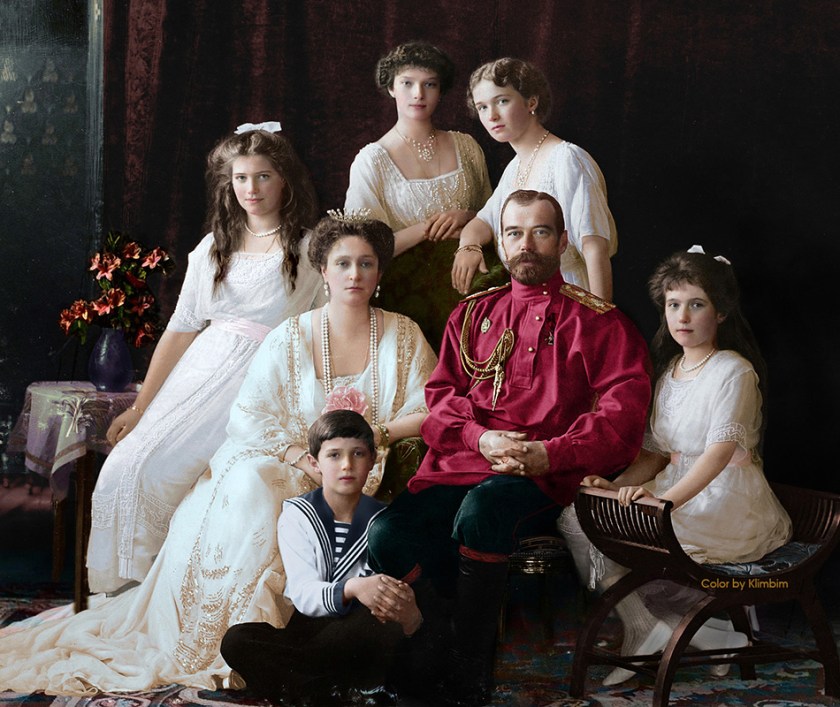


 Be that as it may, three things are certain. First, The fire burned for six days, utterly destroying three of the 14 districts of Rome and severely damaging seven others. Second, Nero used the excuse of the fire to go after Christians, having many of them arrested and executed. Third, the Domus Aurea (“Golden Palace”) and surrounding “Pleasure Gardens” emperor Nero built on the ruins, would be the death of him.

 Within forty years, most of the grounds were filled with earth and built over, replaced by the Baths of Titus and the Temple of Venus and Rome. Vespasian drained the lake and built the Flavian Amphitheatre.
 The Arch of Constantine, the last and largest of the Triumphal Arches of Rome and dedicated in AD315, was carefully positioned to align with Sol Invictus, so that the Colossus formed the dominant backdrop when approaching the Colosseum via the main arch.


You must be logged in to post a comment.