

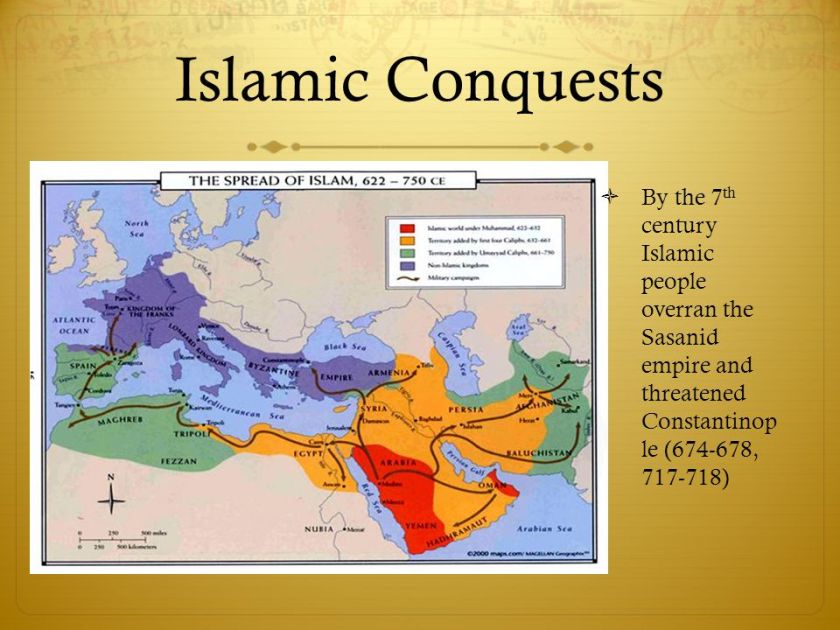
The Islamic Conquests began in the 7th century on the Arabian Peninsula. In the first 100 years of its existence, Islam established the largest pre-modern empire up to that time, stretching from the borders of China in the east, through India and Central Asia, the Middle East, North Africa, Egypt, Sicily to the Iberian Peninsula (Spain), in the west.
The Sasanid Empire in what is now Iran ceased to exist under the Muslim conquest, as did much of Byzantium, seat of the Roman Empire in the east. Europe itself narrowly escaped subjugation when Charles “The Hammer” Martel defeated the army of Abdul Rahman al Qafiqi at Poitiers (Tours) in October, 732.
 Estimates suggest that the second of four major Caliphates, that of the Umayyad based in Damascus, Syria, was over 5 million square miles, larger than any modern state with the sole exception of the Russian Federation.
The First of the Christian Crusades was launched by Pope Urban II on November 27, 1095, in response to an appeal from Byzantine Emperor Alexios I Komnenos, who was requesting help in defending Constantinople against the invading Seljuq Turks.

Such a request was nothing new. The Reconquista in Spain had not yet reached the mid-point of its 781-year effort to overthrow Muslim rule, and European knights traveled to Spain on a regular basis to assist in the effort.
Once in Anatolia (modern day Turkey), the ancillary goal of freeing the holy city of Jerusalem itself and the Holy Land soon became the principal objective, as Jerusalem had by then been under Islamic rule for 461 years. Jerusalem was recaptured on July 15, 1099, following a siege of six weeks.
The County of Edessa was the first Crusader state to be created, and the first to go, falling in 1144 and leading to the second crusade. Mostly notable for its failures, the one major success of the second crusade was when it stopped on the way to the Holy Land, helping a much smaller Portuguese army overthrow Muslim rule in Lisbon. Two kings then marched two separate armies across Europe into Anatolia, only to be soundly defeated by the Turks.

A Kurdish leader arose at this time to become Sultan, founding a dynasty which would last for eighty-nine years. His name was Salāḥ ad-Dīn Yūsuf ibn Ayyūb, better known as Saladin, a Sunni Muslim who rose to greatness in a Shi’ite world.
 No less a figure than Dante Alighieri counted Saladin a “virtuous pagan,” ranking among the likes of Hector, Aeneas, and Caesar.
While Christian leaders in the Middle East fell to squabbling among themselves, Saladin united Syria, Egypt, Mesopotamia, Yemen and parts of North Africa under the Ayyūbid dynasty.
A crusader army some 20,000 strong was caught out in the open in the desert heat of Summer, near a pair of extinct volcanoes called the “Horns of Hattin”. Parched with thirst, exhausted and demoralized, Muslim armies under Saladin captured or killed the vast majority of these Crusader forces on July 4, 1187, putting an end to Christian military power in the Middle East and opening the way to the recapture of every Crusader state, save one. Jerusalem itself fell on October 2.
Pope Urban III is said to have collapsed and died, upon hearing the news.
Within days of his election, Pope Henry VIII called for a third Crusade. King Henry II of England and King Philip II of France were at war at this time, but that was set aside and the pair began preparations to reconquer the Holy Land. An extremely unpopular tax of 10% on all revenues and movable goods was imposed by the Church, and enforced under pains of imprisonment or excommunication. This “Saladin Tithe” raised 100,000 marks of silver: about 800,000 ounces.
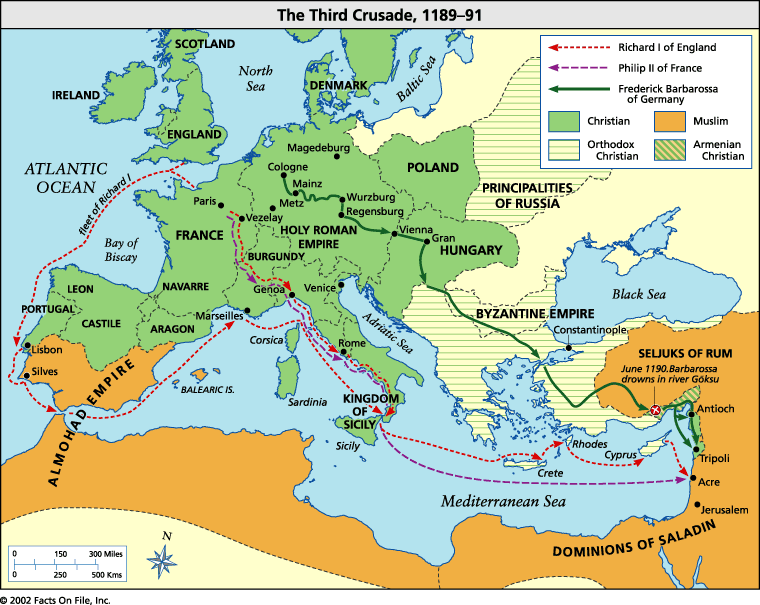 The aging Holy Roman Emperor, Frederick I “Barbarossa” (Red Beard), was the first to go, taking up the cross at Mainz Cathedral in March, 1188. Emperor Frederick drowned crossing the Saleph River in Asia Minor in June 1190, after which most of his army of 100,000 returned to Germany.
Henry II of England died in the meantime, leaving his son Richard I “Coeur de Lion” (Lion-heart) to lead the crusade with Philip in the summer of 1190.
Richard took time to conquer Sicily on the way to the Holy Lands, where King Tancred I was holding Richard’s sister Queen Joan, prisoner. He reached Cyprus that May, there pausing long enough to marry Berengaria of Navarre, thus alienating his alliance with the French King, who considered Richard betrothed to his half-sister, Alys.

Richard landed near Acre in June 1191 to find the city under Muslim occupation, and under siege by the forces of Guy de Lusignan, himself held under siege by the armies of Saladin.
The fall of Acre that July led to a number of meetings between Richard and Saladin’s brother Al-Adil, from which nothing resulted. The Crusaders lost all patience by August, believing Saladin to be dragging his feet, and decapitated 2,700 Muslim prisoners in full view of his army. Saladin retaliated by murdering every Christian captive under his control.
If the Crusaders were to retake the holy city of Jerusalem, they first had to take and hold the strategically important port city of Jaffa, some 75 distant.
Richard’s personal courage and skill as a commander was on full display on the march south. Ever mindful of the disaster at Hattin, Richard understood the need for water and the danger of heat exhaustion. The 10,000 infantry and 1,200 heavy cavalry of the Crusader army moved only in the cool hours of the early morning, the crossbowmen of the infantry corps on the landward side, with the allied fleet to their right providing resupply and succor for the wounded.
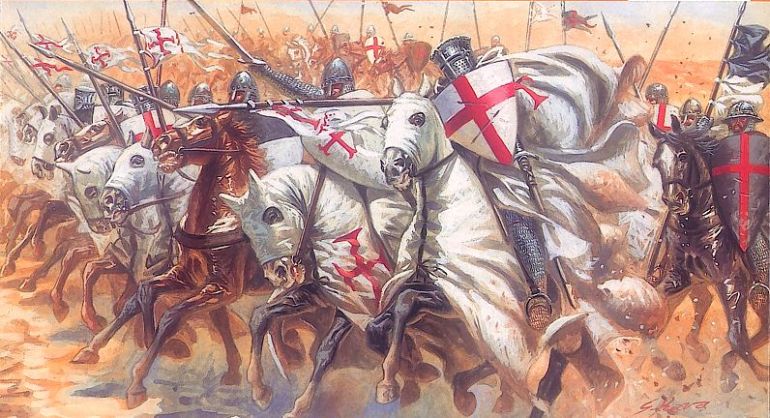
The hit & run tactics of Muslim archers were near-constant, the rearguard of the Knights Hospitaller forced to walk backward, to engage the adversary. Any spaces in the line were quickly filled by Arab horsemen, who finished the stragglers with sword or with mace. The Kurdish historian and eyewitness Baha al-Din ibn Shaddad described heavily armored knights on the march to Jaffa, seemingly unhurt despite multiple arrows, sticking out of their backs. The power of the Christian crossbow was another matter, striking down Arab horses and riders, with ease
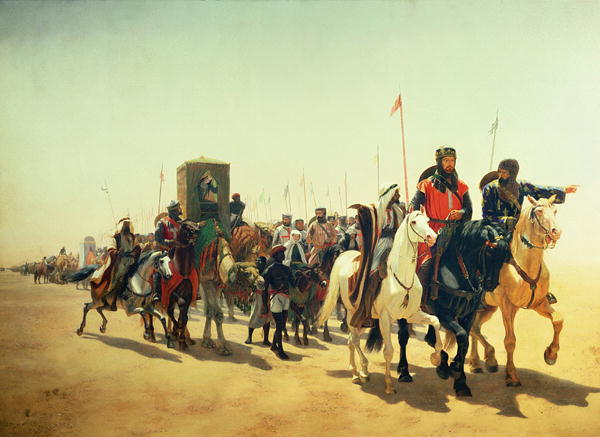
Harassing attacks gave way to pitched battle this day in 1191 near the ancient fortified city of Arsuf, proving Richard’s personal courage and skill as a commander, while putting a dent in Saladin’s reputation as the invincible warrior King.
The Latin history of the third crusade Itinerarium Regis Ricardi “There the king, the fierce, the extraordinary king, cut down the Turks in every direction, and none could escape the force of his arm, for wherever he turned, brandishing his sword, he carved a wide path for himself: and as he advanced and gave repeated strokes with his sword, cutting them down like a reaper with his sickle, the rest, warned by the sight of the dying, gave him more ample space, for the corpses of the dead Turks which lay on the face of the earth extended over half a mile.”
Two times Crusader armies came within sight of Jerusalem, never suspecting that, within the city, “Saracen” morale was so low that the city could have been theirs for the taking. Meanwhile, factions within the Crusader armies fell to bickering, with half wanting to push on to Jerusalem, the other wanting to attack Saladin’s base of power, in Mamluk Egypt.
In time, the Crusader and the Sultan came to hold a degree of respect for one another. Legend has it that, at one point in the fighting around Jaffa, Saladin even sent Richard a fresh horse, after one was killed beneath him. The pair even discussed marrying Joan off to Saladin’s brother, Al-Adil, with themselves becoming co-rulers in Jerusalem. The plan might’ve worked, too, until the Roman Church got wind and threatened excommunication if Richard carried it out.
I have not been able to learn what Joan herself, thought of the match.

Time finally ran out for Richard and Saladin, both. The Christian army was decimated by disease. Fierce quarrels between German, English (Angevin) and French contingents threatened to break up the Crusader army. Richard himself was gravely ill, near despair of ever regaining his health. On top of that, his little brother John was plotting against him, with the connivance of the French King Philip.
Richard Lion-heart no longer had the strength to challenge Saladin for Jerusalem. Saladin, for his part, had serious morale problems, after repeated defeats at the hands of the Crusaders.
With Saladin’s brother Saif adDin acting as intermediary, the King and the Sultan concluded the Treaty of Jaffa in 1192. The fortifications at Ascalon were to be dismantled, in exchange for which Christians would continue to hold the coast from Jaffa to Tyre. Jerusalem would remain in Muslim hands, while unarmed Christian pilgrims and traders would be guaranteed free passage to visit the Holy Sepulcher of the Lord in peace, without the exaction of tribute or tax. Further, Christian traders were permitted the possession objects for sale throughout the land, thus permitting such traders right of free commerce.
Sultan Salāḥ ad-Dīn Yūsuf ibn Ayyūb died of a fever the following March, and was buried in the garden outside the Umayyad Mosque in Damascus. Saladin’s kingdom and the Crusader states would remain at peace, for a period of three years.
Seven centuries later, German Emperor Wilhelm II donated a new marble sarcophagus, to the tomb of the Sultan who had reclaimed Jerusalem from the Crusaders.
Foul weather drove King Richard I ashore near Venice, where he was captured by Duke Leopold of Austria and handed over to German Emperor Henry VI and held for ransom. This time, the tithe would amount to 25%, raising about 1.2 million ounces of silver, and forever answering any questions as to what might constitute a “King’s Ransom”.
A bolt from a crossbow left Richard Coeur de Lion mortally wounded on April 6, 1199, while besieging the castle of Châlus, in central France. He was 41.
Richard was destined to be succeeded by his brother John, after all. John became such an unpopular King that his Nobles and their French and Scots allies forced him to sign the “Great Charter of the Liberties”, the Magna Carta, at a place called Runnymede.

Nearly 600 years later, the document would influence early government in the thirteen American colonies and the formation of our own Constitutional Republic, but that must be a story for another day.
If you enjoyed this “Today in History”, please feel free to re-blog, “like” & share on social media, so that others may find and enjoy it as well. Please click the “follow” button on the right, to receive email updates on new articles. Thank you for your interest, in the history we all share.


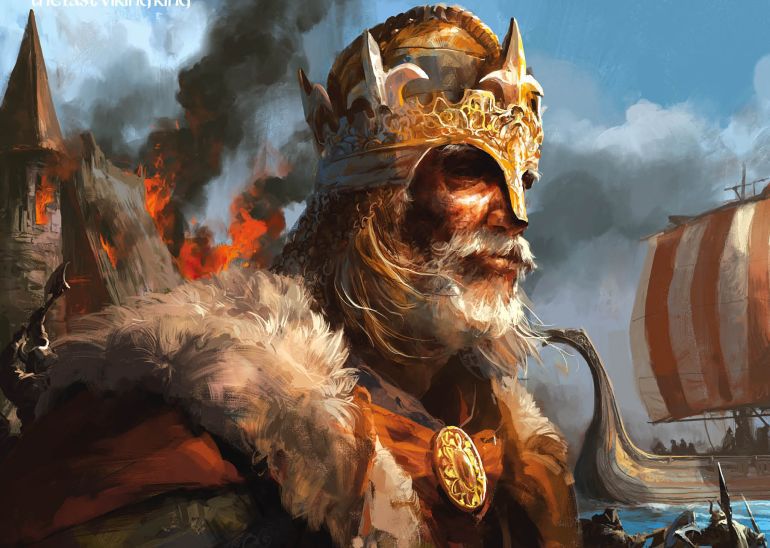
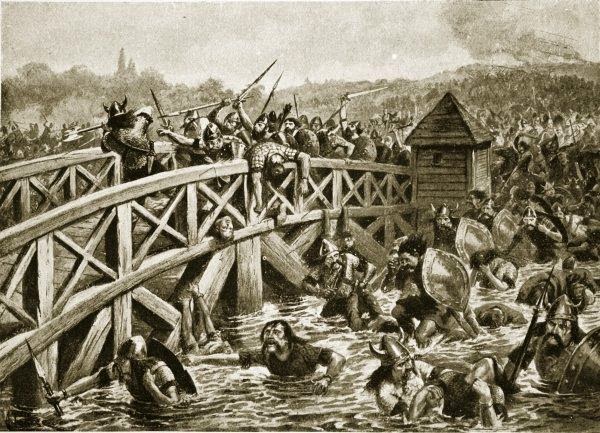
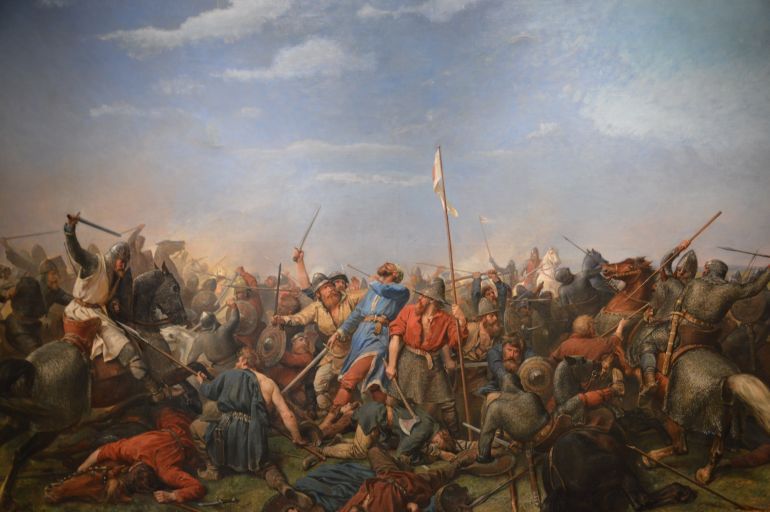
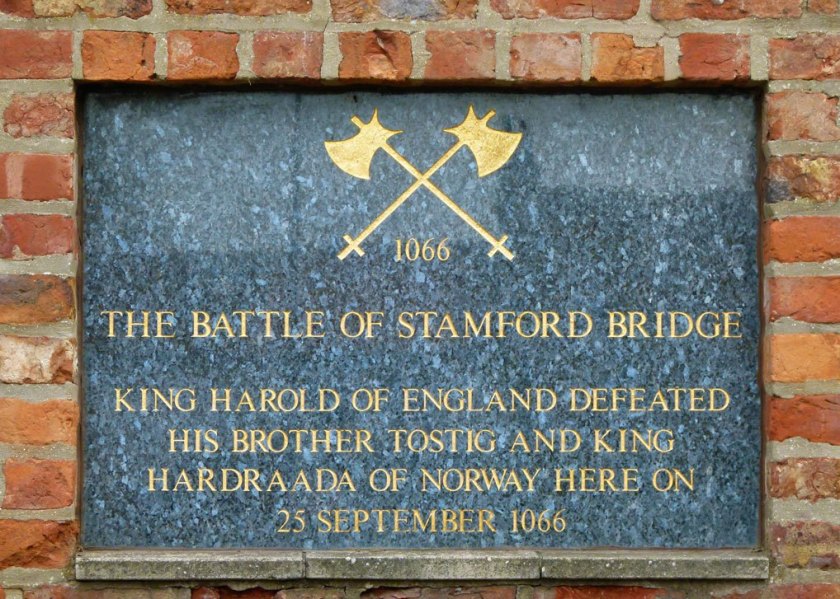
 A greatly diminished Anglo Saxon army marched south, meeting the Norman invader in October, 1066. In an age of mechanized warfare, it is odd to think you could have been on a neighboring hill, and not heard a thing. History changed that day, when King Harold took an arrow to the eye, at a place called Hastings. The last of the Anglo Saxon Kings, was dead. William was crowned King of England that December. Henceforward and forever more, William the Bastard would be known as “William the Conqueror”.

 Late in the 12th century, King’s Treasurer Richard FitzNeal likened the Great Survey to the Book of Judgement, the book of “Domesday” (middle English for “Doomsday”), because its pronouncements were final and inviolate, as the Last day of Judgement.



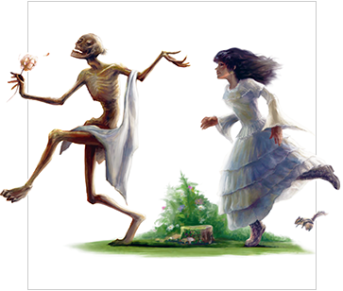 Most such outbreaks coincided with periods of extreme hardship such as crop failure, famine and floods, and involved between dozens and tens of thousands of individuals.
 Even today there is little consensus about what caused the phenomenon. Some have blamed “St Anthony’s Fire”, a toxic and psychoactive fungus of the Claviceps genus, also known as ergot. Often ingested with infected rye bread, symptoms of ergot poisoning are not unlike those of LSD, and include nervous spasms, psychotic delusions, spontaneous abortion, convulsions and gangrene resulting from severe vasoconstriction.


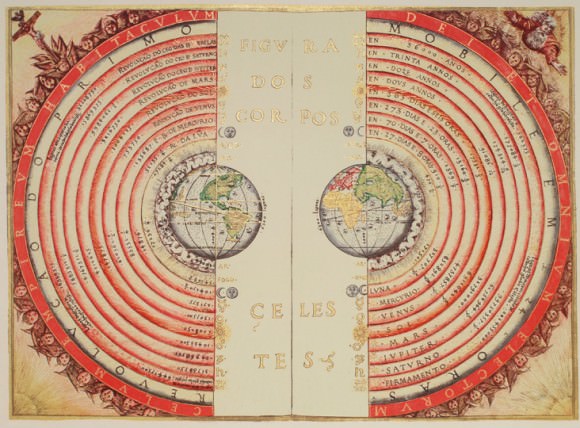

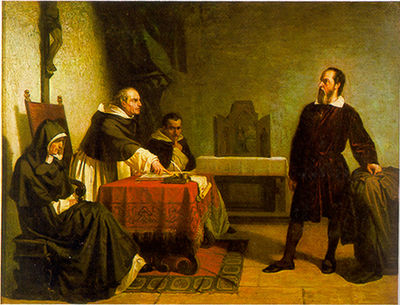
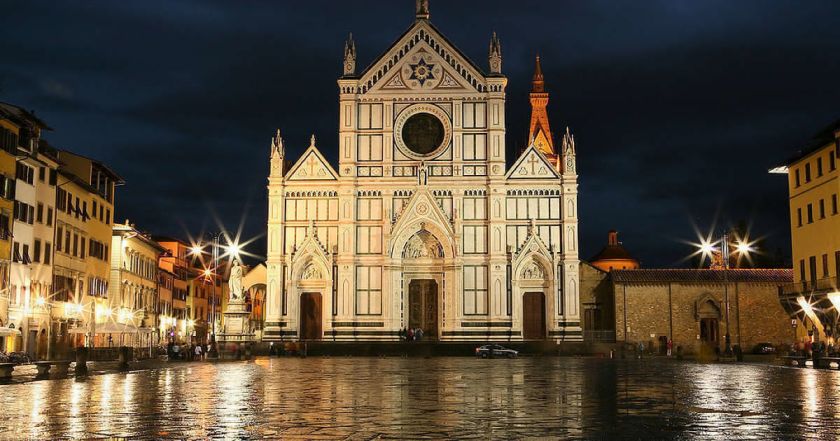
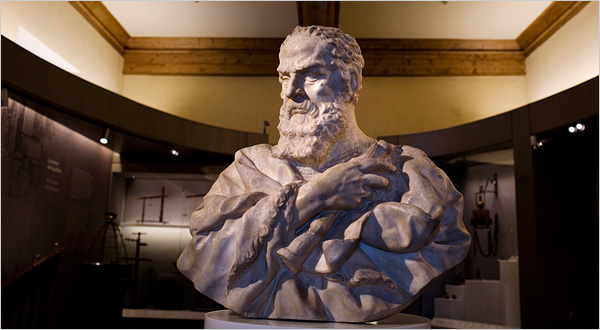
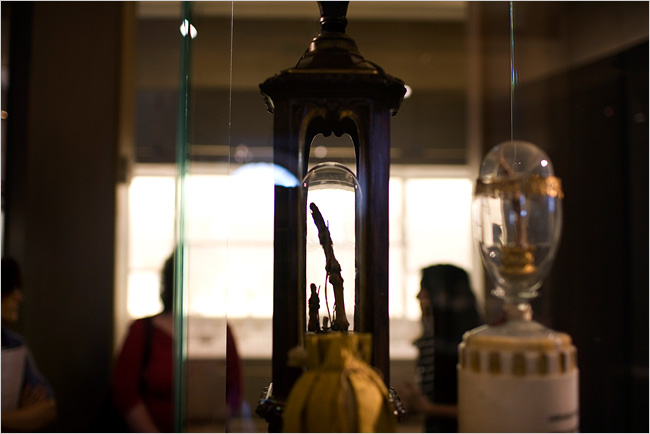 Some 100 years later, two fingers and a tooth were purchased at auction, and have since rejoined their fellow digit at the Museo Galileo. To this day, these remain the only human body parts, in a museum otherwise devoted to scientific instrumentation.

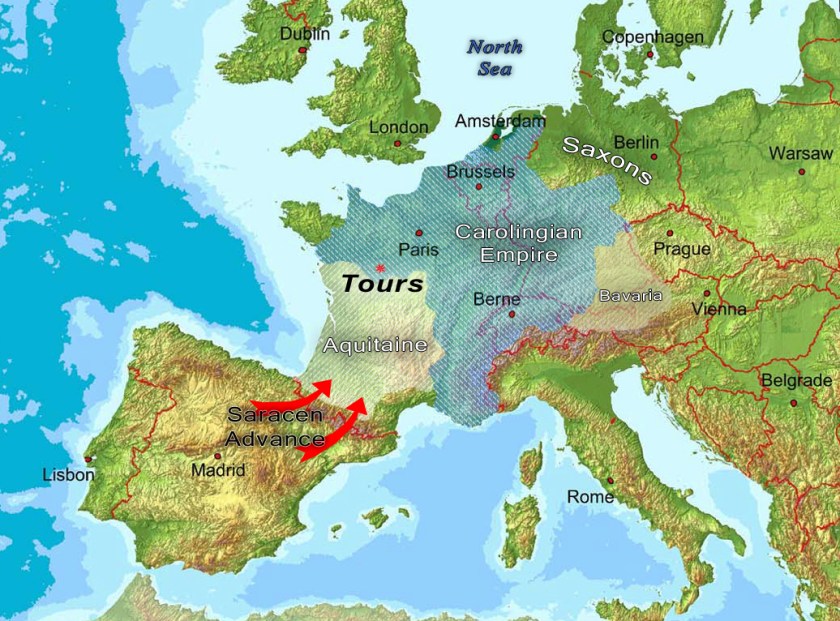
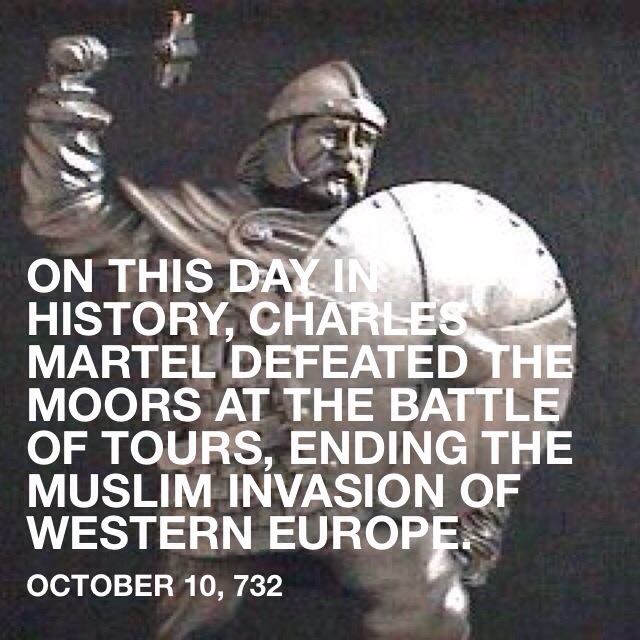
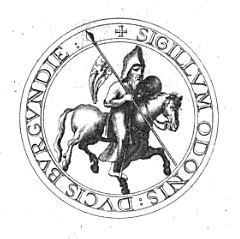
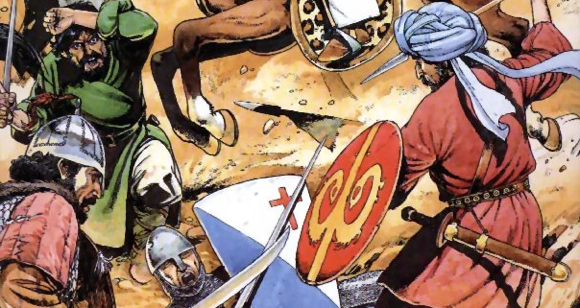
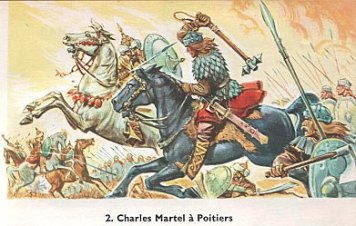 One of those to escape with his life, was a young Abd Ar-Rahman al Ghafiqi. Eleven years later in 732, the now – governor of Al-Andalus would once again cross the Pyrenees, this time at the head of a massive army of his own. Al Ghafiqi’s legions laid waste to Navarre and Gascony, first destroying Auch, and then Bordeaux. Duke Odo “The Great” would be destroyed at the River Garonne and the table set for the all-important decision of Tours.

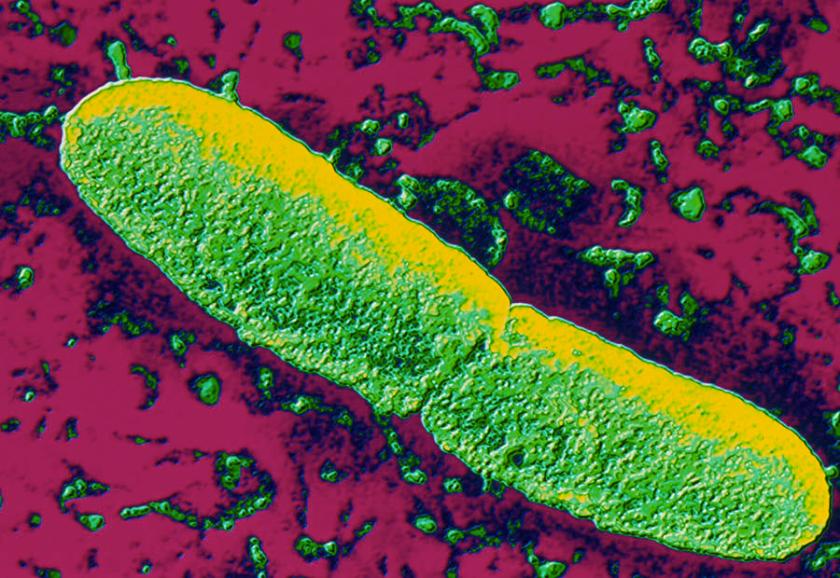
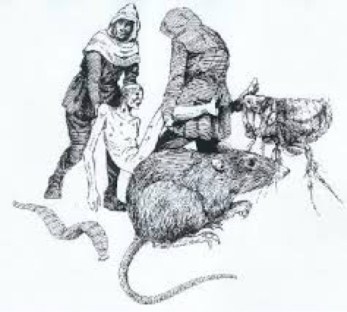
 In the early 1330s, a deadly plague broke out on the steppes of Mongolia. The gram-negative bacterium Yersinia Pestis preyed heavily on rodents, the fleas from which would transmit the disease to people, the infection then rapidly spreading to others.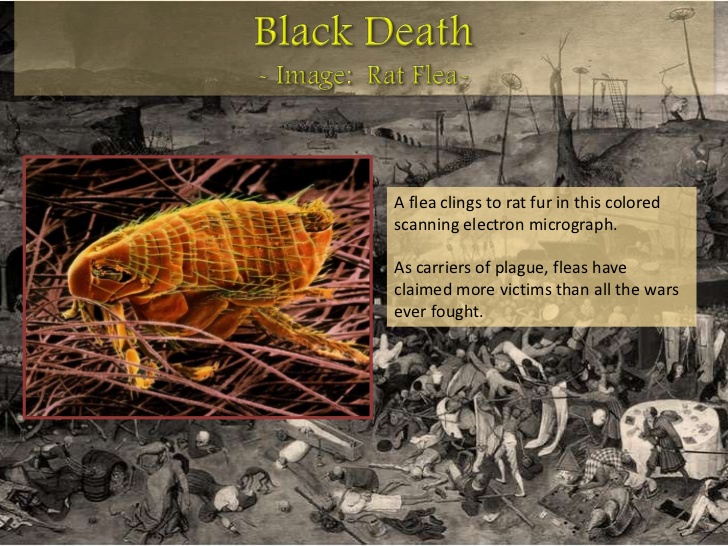
 The Black death of 1346-’53 was a catastrophe unparalleled in human history, but it was by no means the last such outbreak. The Third Pandemic began in China in 1855, spreading to Hong Kong and on to British India. In China and India alone the disease killed 12 million people. It then spread to parts of Africa, Europe, Australia, and South America.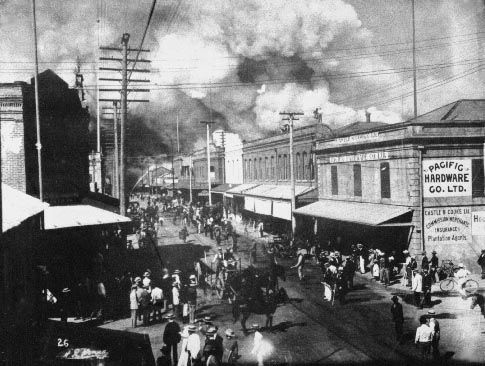
 The body of an elderly Chinese man was discovered in a Chinatown basement. An autopsy found the man to have died of plague. There were more than 18,000 Chinese and another 2,000 Japanese living in the 14-block Chinatown section of the city. Many called for a quarantine of Chinatown, but Chinese citizens objected, as did then-Governor Henry Gage, who tried to sweep the whole outbreak under the carpet. Business interests likewise objected to the quarantine. Except for the Hearst Newspapers, not much was heard about it.
 San Francisco was hit by a massive earthquake on April 18, 1906, followed by a great fire. Thousands of San Franciscans were crowded into refugee camps with an even higher number of rats. For the first time, the disease now jumped the boundaries of Chinatown.


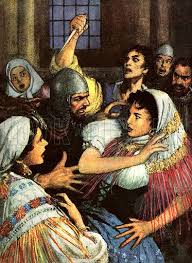 On Easter Monday, March 30, 1282, the Church of the Holy Spirit outside Palermo was just letting out after evening vespers (prayers), when a French soldier thought he’d “inspect” a Sicilian woman for weapons.
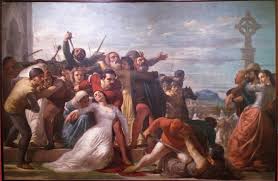 The Italian physician John of Procida had been a loyal subject of Manfred’s, fleeing to Aragon after the Anjou invasion. John proceeded directly to Sicily where he spent several weeks stirring up Sicilian resentment against the French King. Sicily then appealed to the Spanish King to intervene, while John sailed for Constantinople to procure the help of Michael VIII Palaeologus.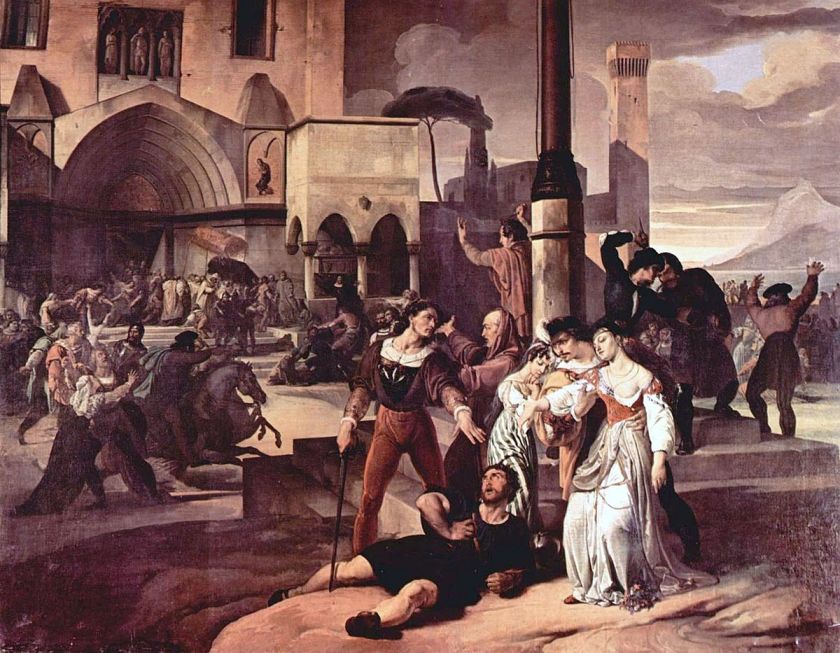


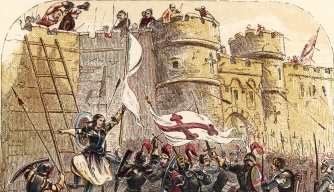
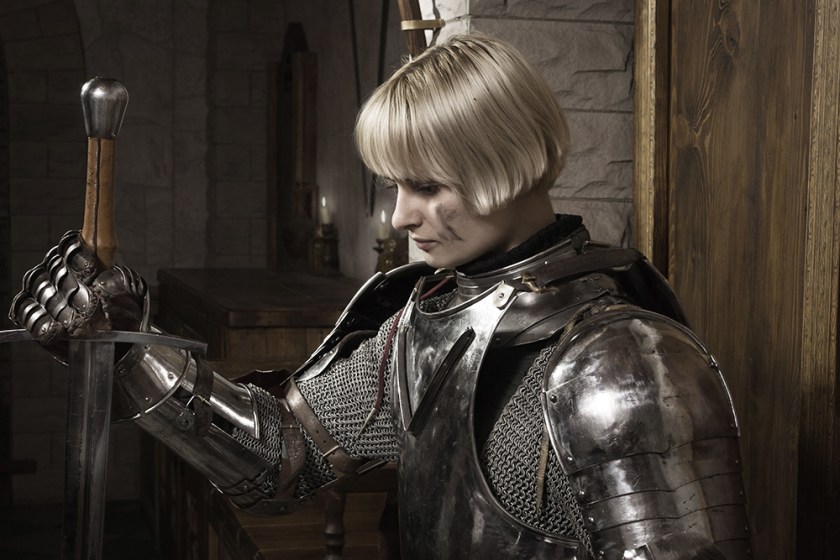
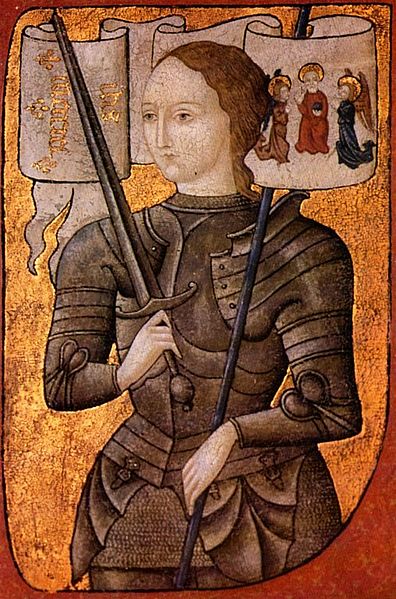 Some 70 charges were made against her by the pro-English Bishop of Beauvais, Pierre Cauchon, including witchcraft, heresy, and perjury.
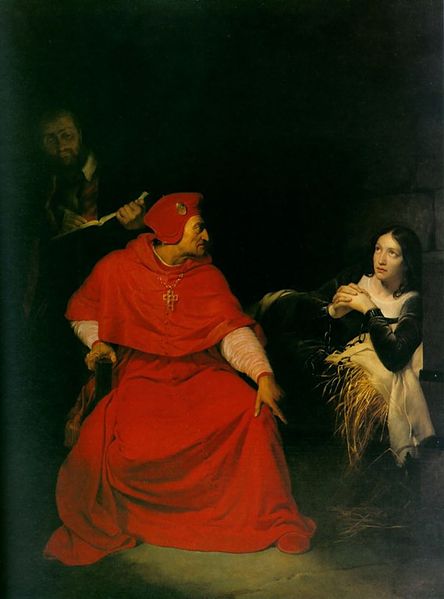 After fifteen such interrogations her inquisitors still had nothing on her, save for the wearing of soldier’s garb, and her visions. Yet, the outcome of her “trial” was already determined. She was found guilty of heresy, and sentenced to be burned at the stake.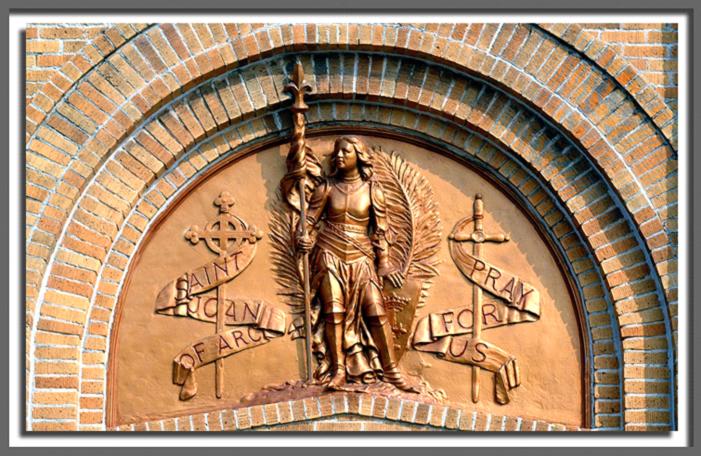

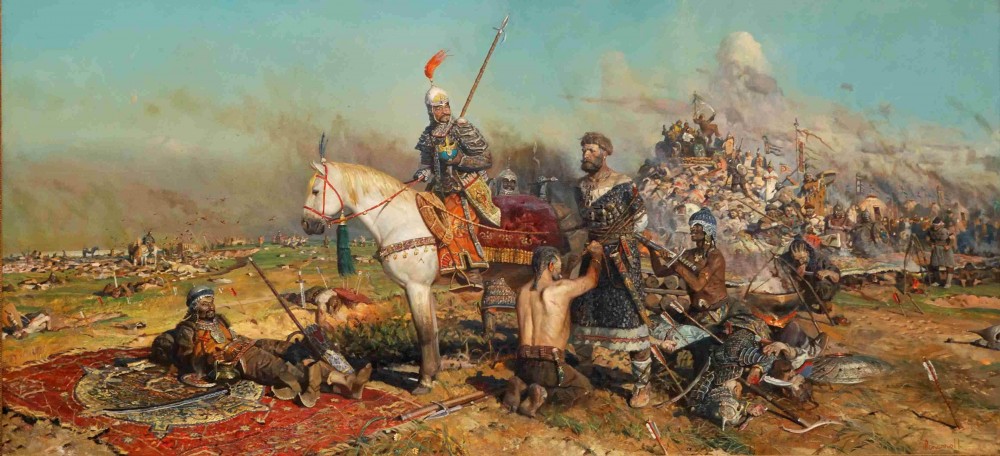
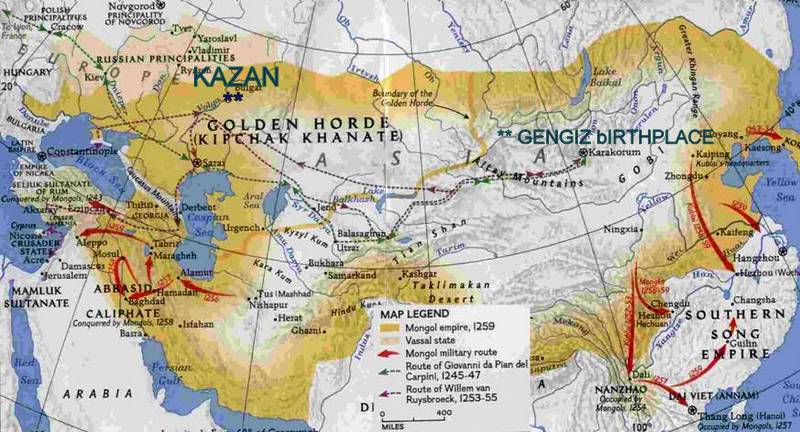
 The Steppes have long been a genetic crossroad, the physical features of its inhabitants as diverse as any in the world. The word “Rus”, from which we get Russia, was the name given to Viking invaders from earlier centuries. History does not record what Genghis himself looked like, though he’s often depicted with Asian features. There is evidence suggesting he had red hair and green eyes. Think of that beautiful young Afghan girl, the one with those killer eyes on that National Geographic cover, a few years back.
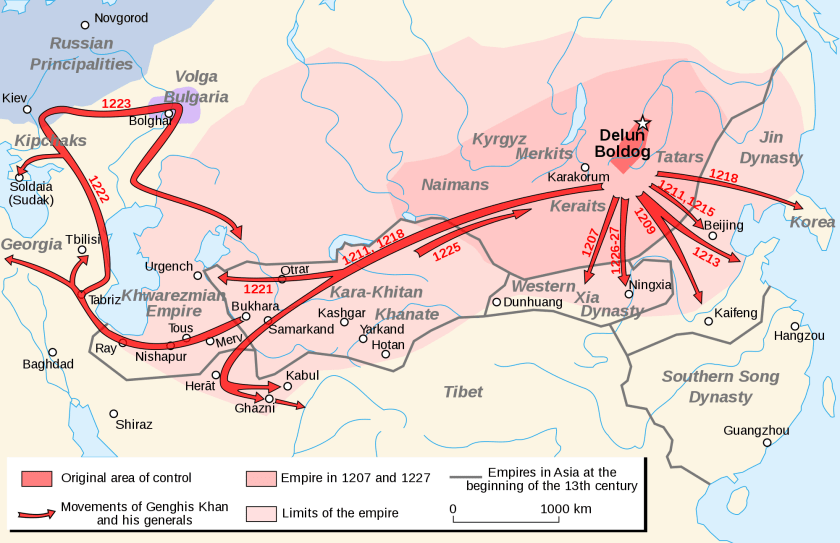
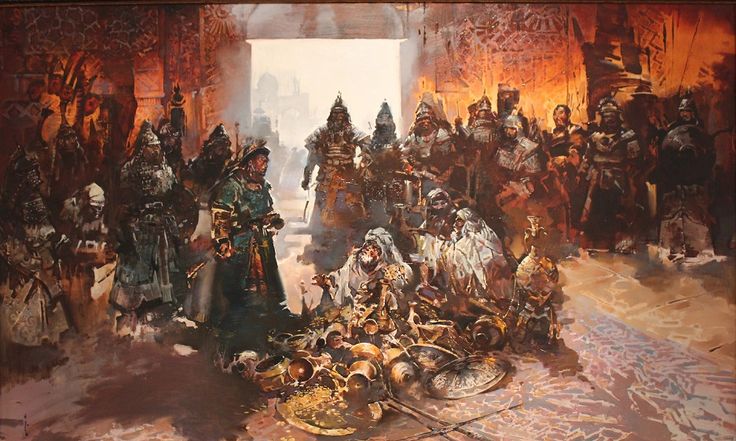
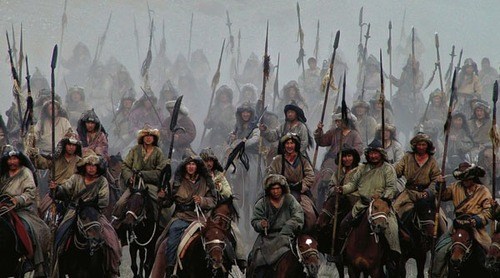
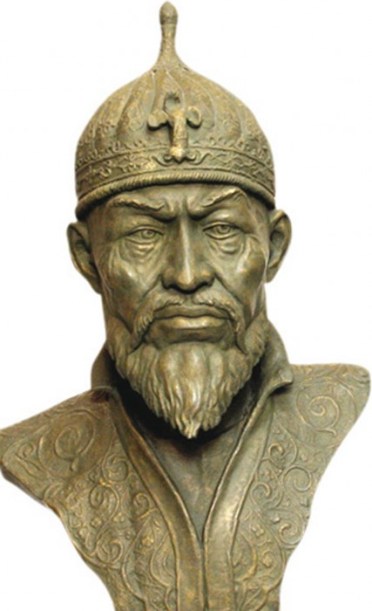
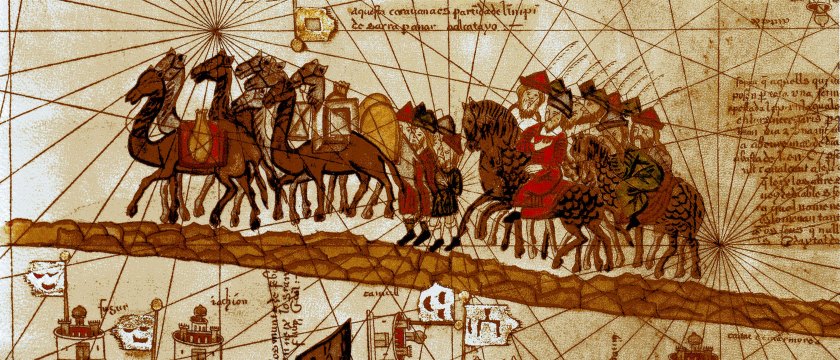
 The Mongols would never regain the lost high ground of December 1241, as chieftains fell to squabbling over bloodlines.

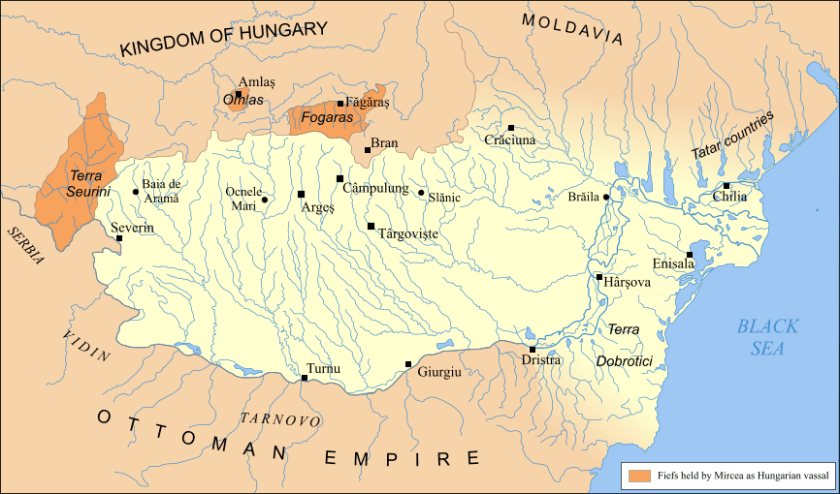
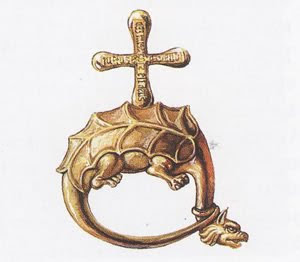 In 1436, Vlad II became voivode, (prince), of Wallachia. The sobriquet “Dracul” came from membership in the “Order of the Dragon” (literally “Society of the Dragonists”), a monarchical chivalric order founded by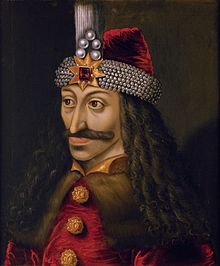
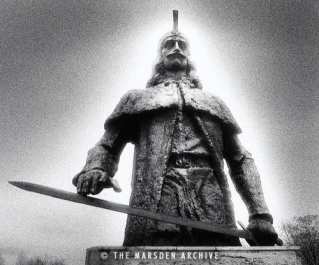 Ethnic Germans had long since emigrated to these parts, forming a distinct merchant class in Wallachian society. These Saxon merchants were allied with the boyars. It was not long before they too, found themselves impaled on spikes.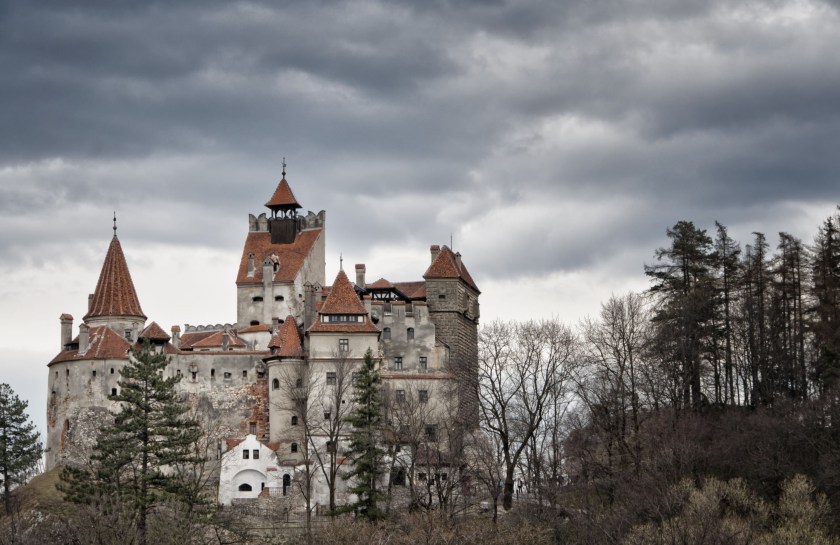



 Historical Easter Eggs - Today in History
You must be logged in to post a comment.