

The late 19th century was period of friendly but competing relations between Imperial Germany and Great Britain in Colonial East Africa, as each vied for control of territory and trade rights.
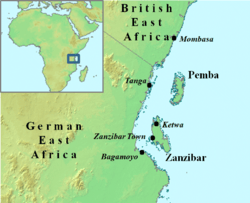
In 1886 Sultan Khalifah granted rights to the land of Kenya to Britain, and that of Tanganyika, modern day Tanzaniya, to Germany. The Heligoland-Zanzibar Treaty between Britain and Germany officially demarcated each nation’s sphere of influence in East Africa, in the process ceding Germany’s rights in the island nation of Zanzibar to the United Kingdom.
The agreement effectively ended the slave trade in much of East Africa, upsetting many among the Arab ruling classes who profited handsomely by this lucrative trade.
The shortest war in history began with the unexpected death and probable assassination of Sultan Hamad of Zanzibar, who died suddenly on August 25, 1896. Many suspected his 29-year-old nephew Khalid bin Bargash of the assassination, as he took up residence in his uncle’s palace complex.
 British authorities demanded that Khalid order his forces to stand down and leave the palace. Instead, the new Sultan called up his palace guard and barricaded himself inside.
Several English warships arrived on the 26th, as a cable was sent to Lord Salisbury that afternoon, requesting authorization to use force if necessary. The reply came back from Her Majesty’s government: “You are authorized to adopt whatever measures you may consider necessary, and will be supported in your action by Her Majesty’s Government.”
That was followed by one of history’s great examples of government butt-covering, adding: “Do not, however, attempt to take any action which you are not certain of being able to accomplish successfully”.
At 8:30 on the morning of August 27th, a message came from Khalid saying “We have no intention of hauling down our flag and we do not believe you would open fire on us”. Diplomatic Consul Basil Cave replied “We do not want to open fire, but unless you do as you are told we shall certainly do so”.
No further messages being forthcoming, General Lloyd Mathews ordered his ships to commence bombarding the palace complex at 9:00am, East Africa Time. Her Majesty’s ships Raccoon, Thrush and Sparrow opened fire at 9:02, Thrush’s first shot disabling an Arab 12-pounder cannon. 500 shells, 4,100 machine gun rounds and 1,000 rifle rounds were fired at the palace complex. By 9:40, the weapons of the 3,000 palace defenders, servants and slaves, had gone silent. The palace and attached harem were burning, the Sultan’s flag cut down. The order was given to cease fire.
A news correspondent from Reuters reported that the Sultan had “fled at the first shot with all the leading Arabs, who left their slaves and followers to carry on the fighting”.
The episode went into history as the Anglo-Zanzibar War. The whole thing lasted 38 minutes. Less time than it took me to write this story.

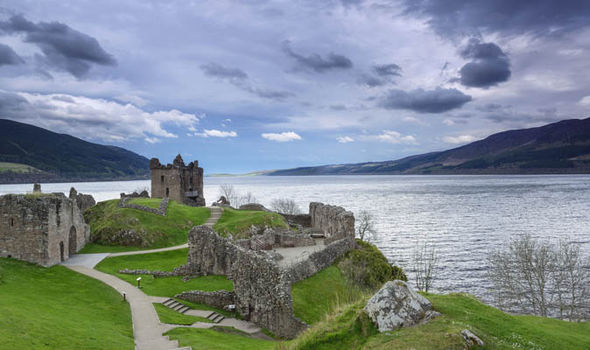
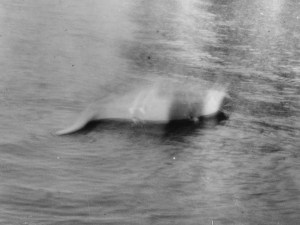 Loch Ness is formed by a 60 mile, active tectonic fault, where the hills are still rising at a rate of 1mm per year. It’s made up of 3 lochs; Loch Lochy, Loch Oich and Loch Ness, with Loch Ness being by far the largest. There is more water in Loch Ness than all the other lakes in England, Scotland and Wales, combined. It is 22½ miles long and varies from a mile to 1½ miles wide, with a depth of 754′ and a bottom “as flat as a bowling green”.
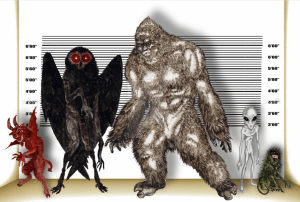 An entire study called “Cryptozoology” (literally, the study of hidden animals) has sprung up around Nessie and other beasts whose existence is never quite proven, and never completely debunked. There is Big Foot, who seems to have made it to stardom with his own series of beef jerky commercials. You have the Chupacabra, the Yeti, Ogopogo, Vermont’s own Lake Champlain monster, “Champ”, and more.
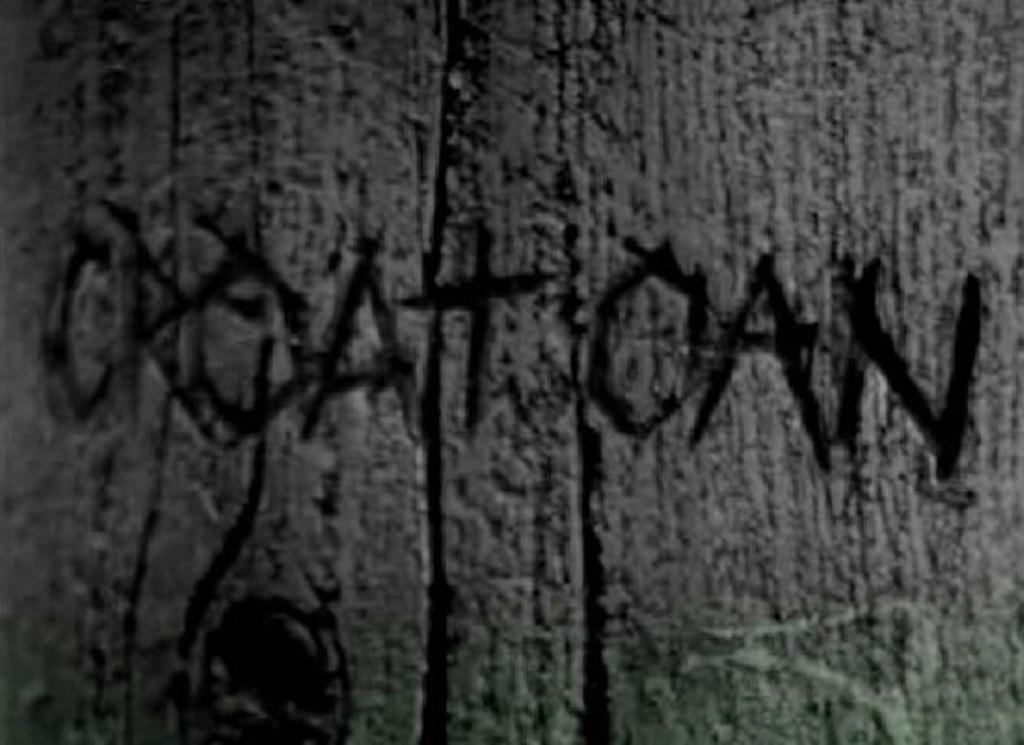

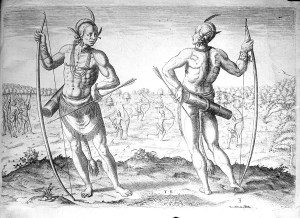
 White found himself trapped in England by the invasion of the Spanish Armada, and the Anglo-Spanish war. It would be three years before he could return to Roanoke. He arrived on August 18, 1590, three years to the day from the birth of his granddaughter. He found the place deserted, only the word “CROATOAN” carved into a fence post. The letters “CRO” were carved into a nearby tree.
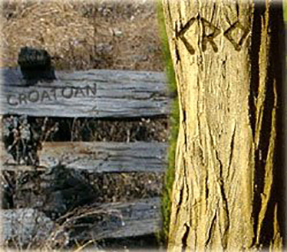 White had hopes of finding his family at Croatoan, the home of Chief Manteo’s people to the south, on modern day Hatteras Island.
 Seventeen years later, another group of colonists would apply the lessons learned in Roanoke, founding their own colony a few miles up the coast at a place called Jamestown.

 One of the more profoundly silly bits of pop culture nonsense served up in the recent past, may be the world coming to an end on 12/21/12, according to the Mayan calendar. The calendar itself isn’t silly, it’s actually a very sophisticated mathematical construct, but the end of the world part certainly was.
 The Mayans used three separate calendars, each period represented by its own glyph. The Long Count was mainly used for historical purposes, able to specify any date within a 2,880,000 day cycle, about 7,885 solar years. The Haab was a civil calendar, consisting of 18 months of 20 days, and one 5-day Uayeb, a nameless period rounding out the 365-day year. The Tzolkin was the “divine” calendar, used mainly for ceremonial and religious purposes. Consisting of 20 periods of 13 days, the Tzolkin goes through a complete cycle every 260 days. The significance of this cycle is unknown, though it may be connected with the 263 day orbit of Venus. There is no year in the Haab or Tzolkin calendars, though a Haab and Tzolkin date may be combined to specify a particular day within a 52-year cycle.
 It doesn’t really roll over to “zero”, either. The base 20 numerical system means that 12/22/12 begins the next 400 year (actually 394.3 years) period to begin the 13th Bak’tun. It will reset to zero at the end of the 20th Bak’tun, about 3,000 years from now. Please let me know how that turns out.

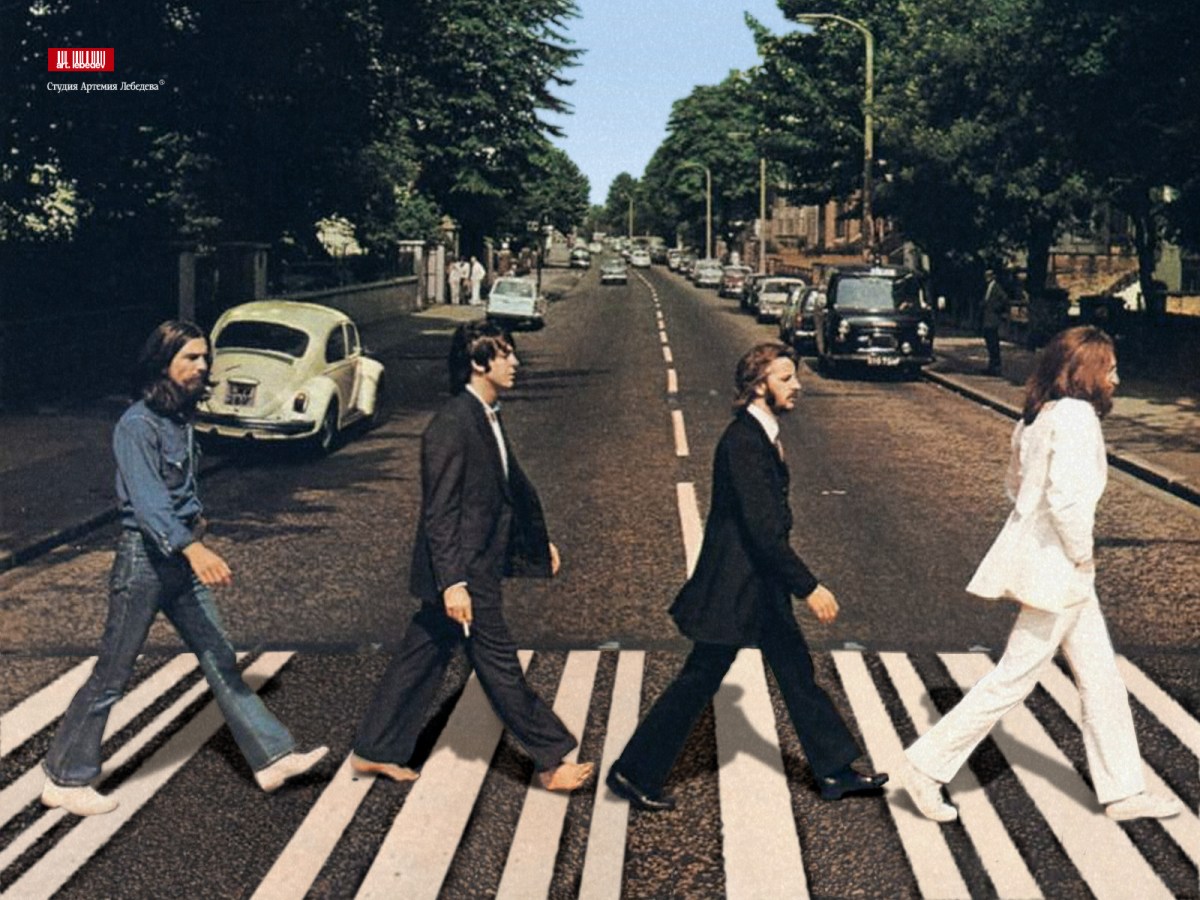


 The November 7, 1969, Life magazine interview with McCartney and his wife Linda finally put the story to rest. “Perhaps the rumor started because I haven’t been much in the press lately“, he said. “I have done enough press for a lifetime, and I don’t have anything to say these days. I am happy to be with my family and I will work when I work. I was switched on for ten years and I never switched off. Now I am switching off whenever I can. I would rather be a little less famous these days“.


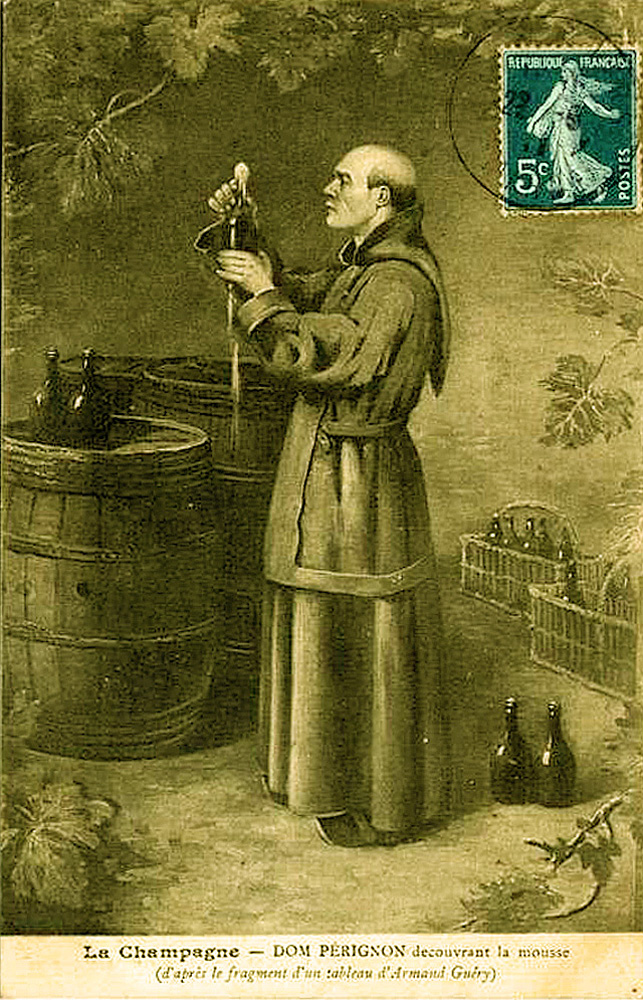


 More shooting incidents occurred in the days that followed. Objections to the whiskey tax gave way to a long list of economic grievances, as over 7,000 gathered in Braddock’s Field on August 1. They talked of secession and carried their own flag, each of its six stripes representing one of 6 Pennsylvania or eastern Ohio counties.
 The whiskey rebellion collapsed in the face of what was then an overwhelming army, with 10 of their leaders brought to Philadelphia to stand trial. Two were sentenced to hang for their role in the rebellion, but President Washington pardoned them both. The whiskey rebellion was over.

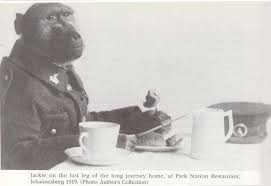
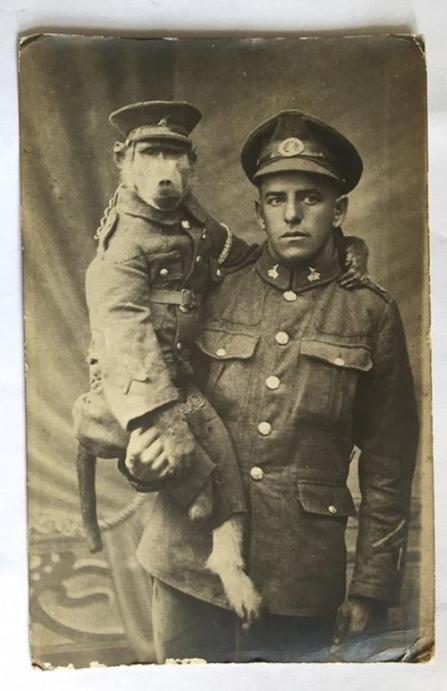 Private Marr asked for and received permission to bring Jackie along with him. It wasn’t long before the monkey became the official Regimental Mascot.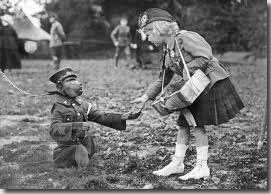


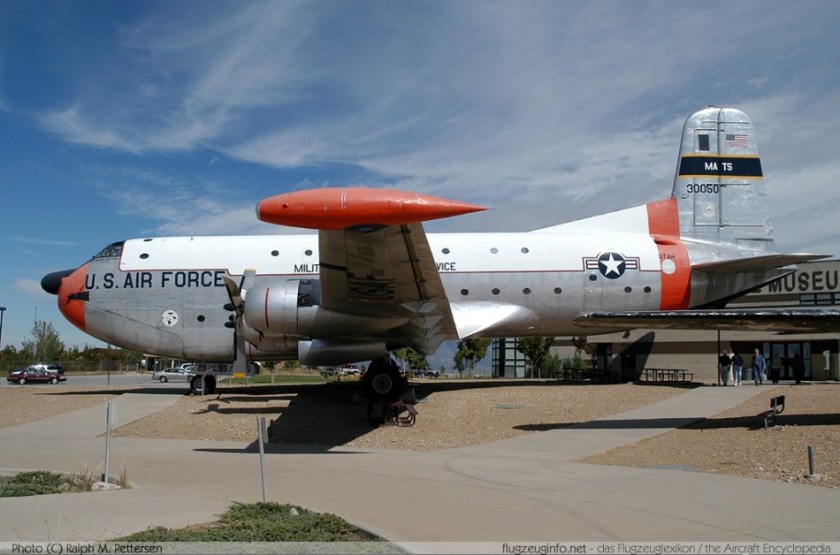
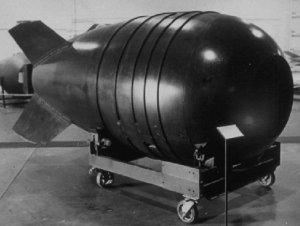
 An emergency landing on open ocean is not an option with such a large aircraft. It would have broken up on impact with the probable loss of all hands. Descending rapidly, the crew would have jettisoned everything they could lay hands on, to reduce weight. Non-essential equipment would have gone first, then excess fuel, but it wasn’t enough. With only 2,500ft and losing altitude, there was no choice left but to jettison those atomic bombs.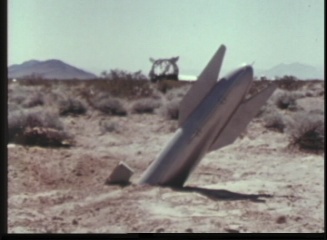


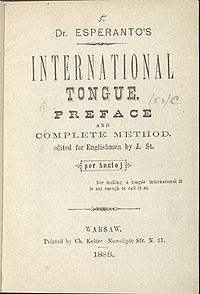 As the son of a German language teacher, Zamenhof was fluent in many languages, including Russian, German, French, Latin, Greek, Hebrew, Yiddish and English. He was reasonably proficient in Italian, Spanish and Lithuanian, as well. Zamenhof came to believe that poor relations between Białystok’s many minorities stemmed from the lack of a common language, so he set out to create an “auxiliary language” – an international second language that would help people of different ethnic and linguistic backgrounds communicate with one another.
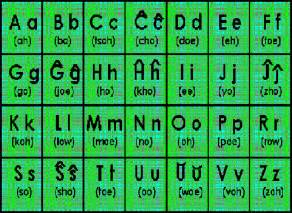 The Esperanto alphabet includes 28 letters. There are 23 consonants, 5 cardinal vowels, and 2 semivowels which combine with vowels to form 6 diphthongs. Esperanto words are derived by stringing together prefixes, roots, and suffixes. The process is regular, so that people can create new words as they speak and still be understood.
 Historical Easter Eggs - Today in History
You must be logged in to post a comment.