
For the great reference works of the English language, the beginnings were often surprisingly modest. Encyclopedia Britannica was first published on this day in 1768 in Edinburgh, Scotland: part of the Scottish enlightenment. Webster’s dictionary got its beginnings with a single infantrymen of the American Revolution, who went on to codify what would become the standardized system of spelling for “American English“. In Noah Webster’s dictionary, ‘colour’ became ‘color’, and programme’ became ‘program’, a novel concept at a time when the thought of a “correct“ way of spelling, was a new and unfamiliar idea.
Among the entire catalog of works there is no tale so queer as the Oxford English dictionary, and the convicted murderer who helped bring it into being. From an insane asylum, no less.
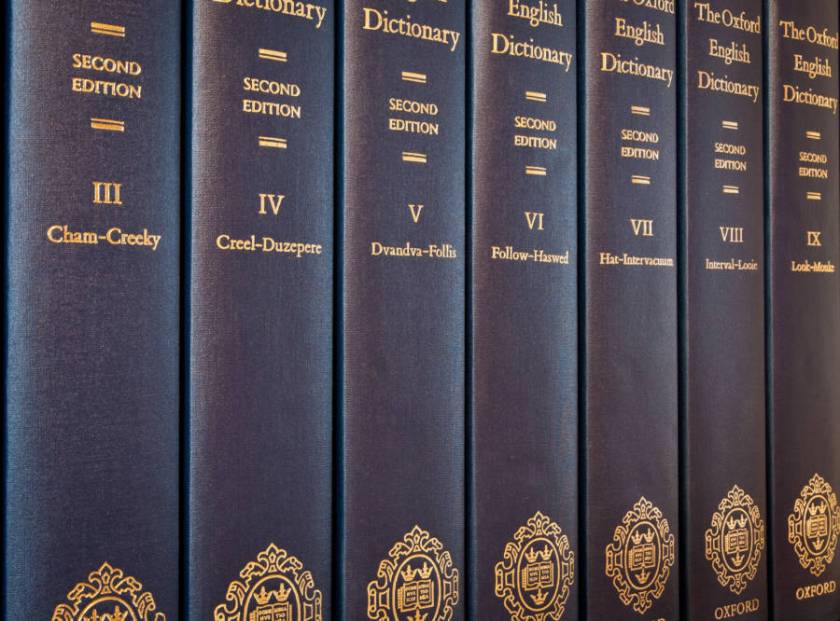
Dissatisfied with what were at that time a spare four reference works including Webster’s dictionary, the Philological society of London first discussed what was to become the standard reference work of the English language, in 1857. The work was expected to take 10 years in compilation and cover some 64,000 pages. The editors were off by sixty years. Five years into the project, the team had made it all the way to “ant“.

William Chester Minor was a physician around this time, serving the Union army during the American Civil War.
The role of this experience in the man’s later psychosis, is impossible to know. Minor was in all likelihood a paranoid schizophrenic, a condition poorly understood in his day.
As a combat surgeon, Minor saw things that no man was ever meant to see. Terrible mutilation was inflicted on both sides at the 1864 Battle of the Wilderness. Hundreds were wounded and unable to get out of the way of the brush fire, burning alive those sufferers too broken to move, before the horrified eyes of comrades and enemies, alike. One soldier would later write: It was as though “hell itself had usurped the place of earth“.
Dr. Minor was ordered to brand the forehead of an Irish deserter, with the letter “D”. The episode scarred the soldier, and left the doctor with paranoid delusions that the Irish were coming to ‘get him’.
As a child born to New England missionaries working in Ceylon, Minor was well adjusted to the idea of foreign travel, as a means of dealing with travail. He took a military pension and moved to London in 1871, to escape the demons who were by that time, closing in.
One day, Minor shot and killed one George Merritt, a stoker who was walking to work. He believed the man had broken into his room. The trial was published widely, the “Lambeth Tragedy” revealing the full extent of Minor’s delusional state, to the public.
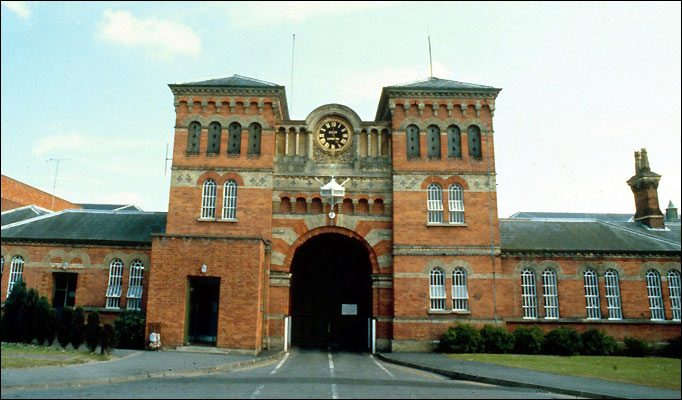
Minor was judged not guilty on grounds of insanity, and remanded “until Her Majesty’s Pleasure be known”, to the Broadmoor institution for the criminally insane. Victorian England was by no means ‘enlightened’ by modern standards, and inmates were always referred to as ‘criminals’ and ‘lunatics’. Never as ‘patients’. Yet Broadmoor, located on 290 acres in the village of Crowthorne in Berkshire was England’s newest such asylum, and a long way from previous such institutions.
Minor was housed in block 2, the “Swell Block”, where his military pension and family wealth afforded him two rooms, instead of the usual one. In time, Minor acquired so many books that one room was converted to a library. Surprisingly, it was Merritt’s widow Eliza, who delivered many of the books. The pair became friends, and Minor used a portion of his wealth to “pay” for his crime, and to help the widow raise her six kids.
Dr. James Murray assumed editorship of the “Big Dictionary” of English in 1879, and issued an appeal in magazines and newspapers, for outside contributions. Whether this seemed a shot at redemption to William Minor or merely something to do with his time is anyone’s guess, but Minor had nothing but time. And books.
William Minor collected his first quotation in 1880 and continued to do so for twenty years, always signing his submissions: Broadmoor, Crowthorne, Berkshire.
The scope of the man’s work was prodigious, he himself an enigma, assumed to be some country gentlemen. Perhaps one of the overseers, at the asylum.
In 1897, “The Surgeon of Crowthorne” failed to attend the Great Dictionary dinner. Dr. Murray decided to meet his mysterious contributor in person and finally did so, four years later. In his cell. Oh, to have been a fly on the wall, when this Oxford don was ushered into the office of Broadmoor’s director, only to learn that the man he looked for, was an inmate.
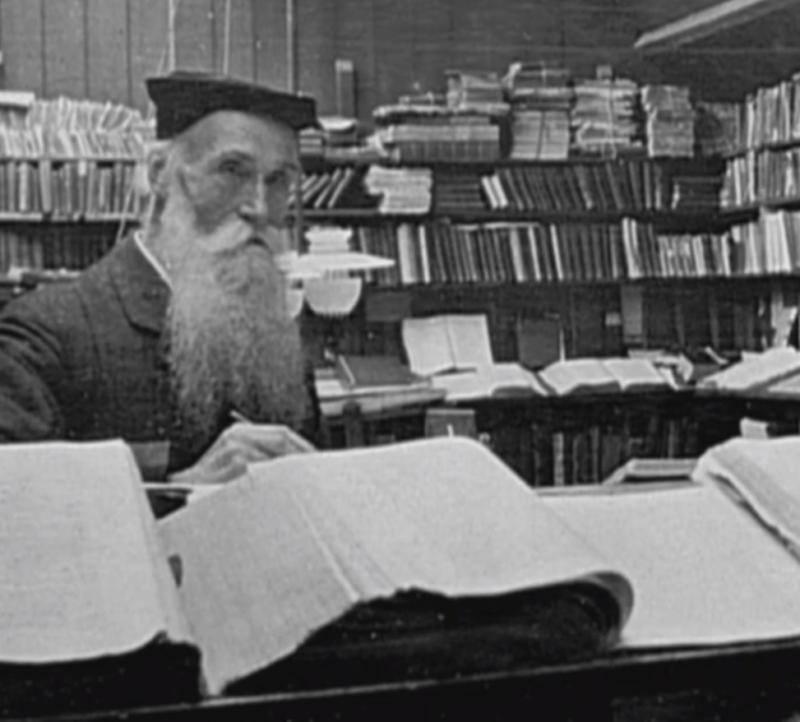
Dr. Minor would carefully index and document each entry, which editors compared with the earliest such word use submitted by other lexicographers. In this manner, over 10,000 of his submissions made it into the finished work, including the words ‘colander’, ‘countenance’ and ‘ulcerated’.
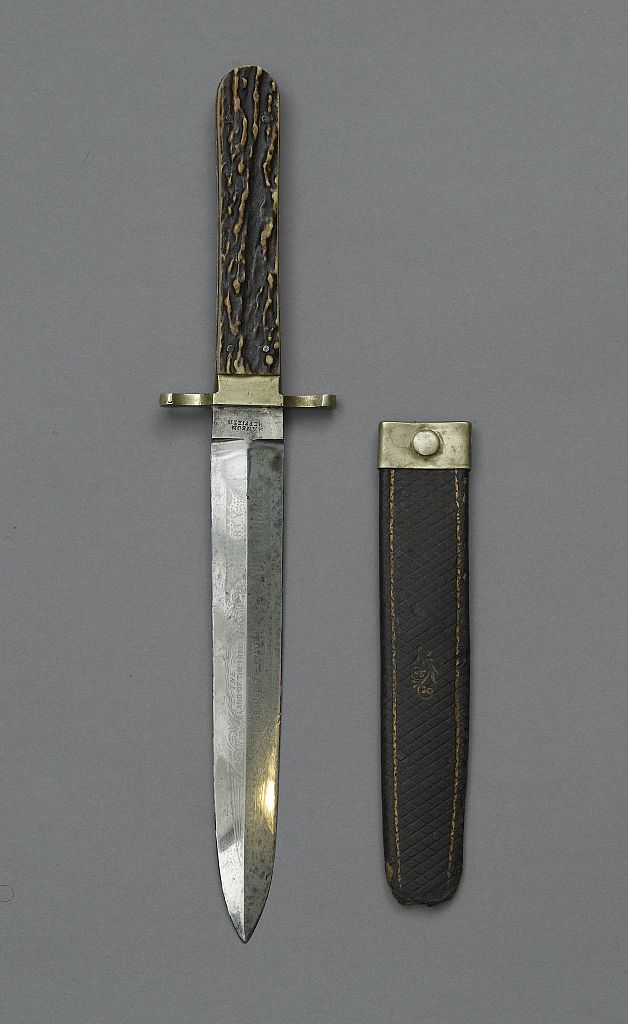
By 1902, Minor’s paranoid delusions had crowded out his mind. His submissions came to an end. What monsters lurked inside the man’s head is anyone’s guess. Home Secretary Winston Churchill ordered Minor to be removed back home to the United States, following a 1910 episode in which Minor emasculated himself, with a knife.
The madman lived out the last ten years of his life, in various institutions for the criminally insane. William Chester Minor died in 1920 and went to his rest in a small inauspicious grave, in Connecticut.
Over seventy years in compilation, only one single individual is credited with more entries to the greatest reference work in the history of the English language, than this one murderer, working from a home for lunatics.
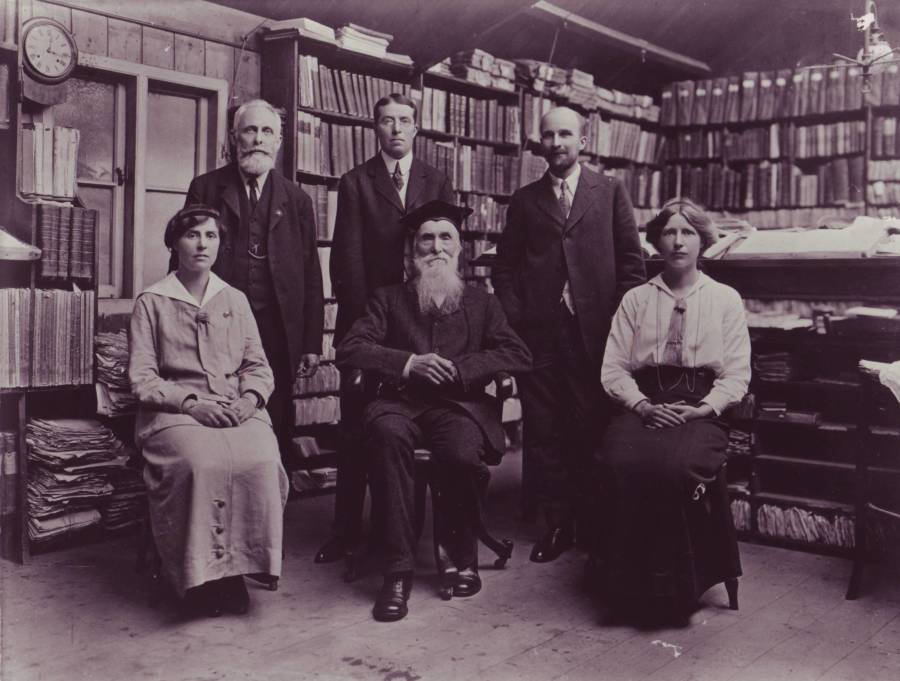
Feature image, top of page: Dr. Murray and his Oxford University editorial team, 1915. H/T allthatsinteresting.com


 At one point during this period, then-Senator Julius Caesar stepped to the rostrum to have his say. He was handed a paper and, reading it, stuck the note in his toga and resumed his speech. Cato, Caesar’s implacable foe, stood in the senate and demanded that Caesar read the note. It’s nothing, replied the future emperor, but Cato thought he had caught the hated Caesar red handed. “I demand you read that note”, he said, or words to that effect. He wouldn’t let it go.

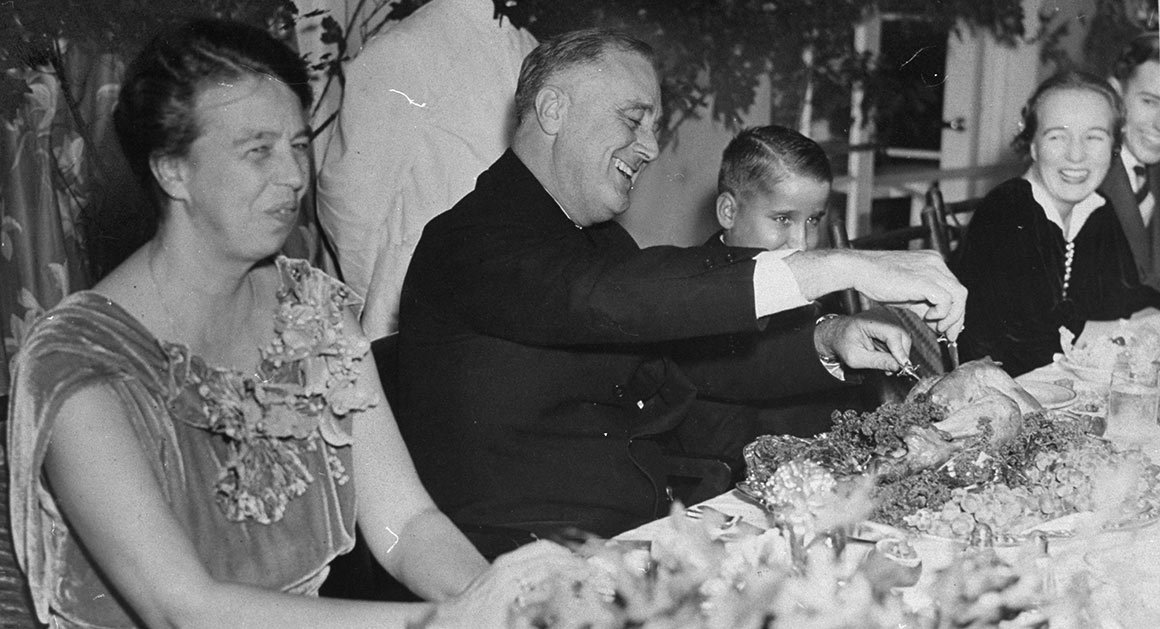
 Historian Michael Gannon writes that the “real first Thanksgiving” in America took place in 1565, when Pedro Menéndez de Avilés landed in modern-day Florida, and “had the Indians fed and then dined himself.” Likely, it was salt-pork stew with garbanzo beans. Yum.
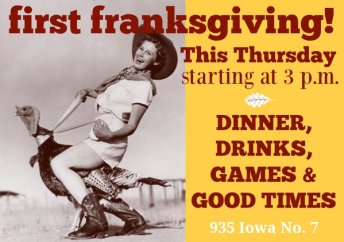 In those days, it was considered poor form for retailers to put up Christmas displays or run Christmas sales, before Thanksgiving. Lew Hahn, General Manager of the Retail Dry Goods Association, was afraid that extra week was going to cut into Christmas sales.
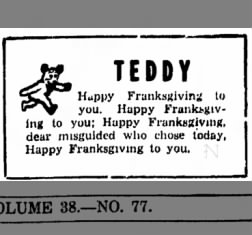 In Plymouth Massachusetts, self-described home of the “first Thanksgiving”, Chairman of the Board of Selectmen James Frasier, “heartily disapproved”.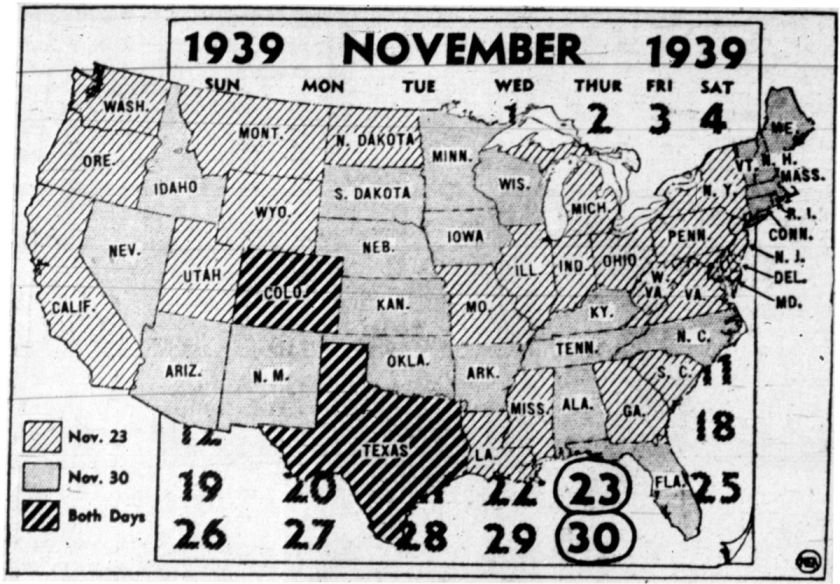

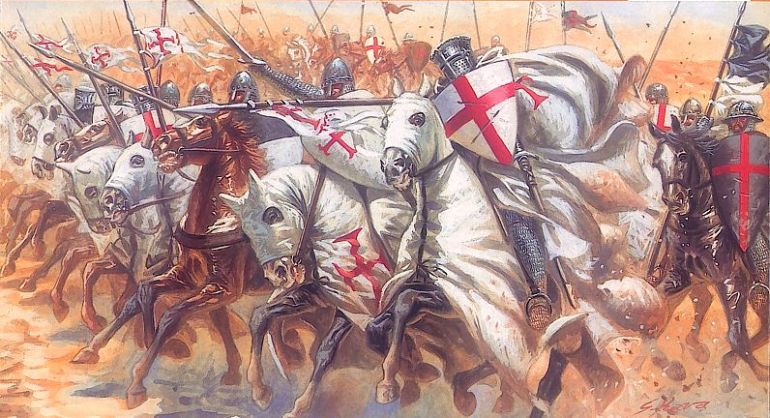
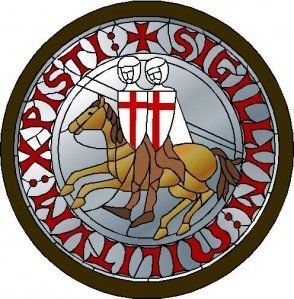 The French knight Hugues de Payens approached King Baldwin II of Jerusalem and Warmund, Patriarch of Jerusalem in 1119, with a proposal. He would create a monastic order of warrior knights to protect these pilgrims, to be headquartered in a wing of the recaptured Al Aqsa Mosque, built on the ruins of the Temple of Solomon.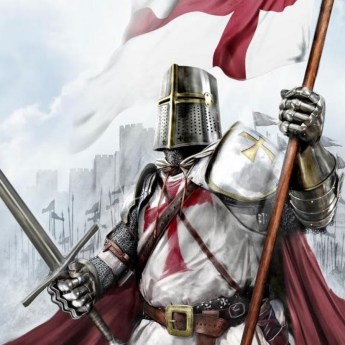
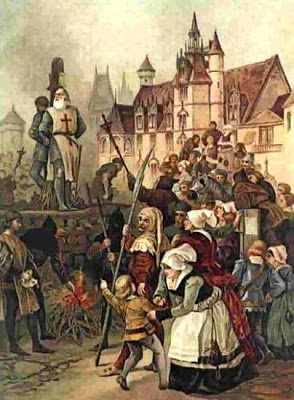 Under pressure from the French King, Pope Clement issued the bull “Pastoralis praeeminentiae” on November 22, instructing Christian monarchs throughout Europe to arrest Templar officials and seize their assets.

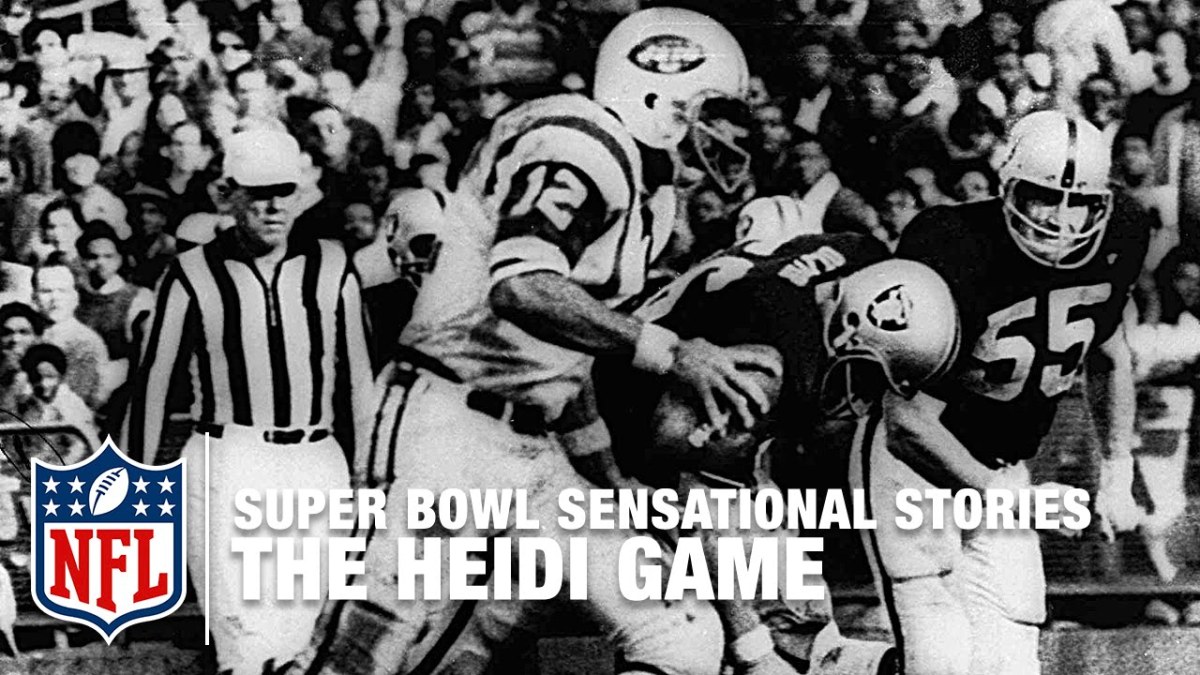
 NBC executives, were thrilled. The AFL was only eight years old in 1968 and as yet unproven compared with the older league, the NFL/AFL merger still two years in the future.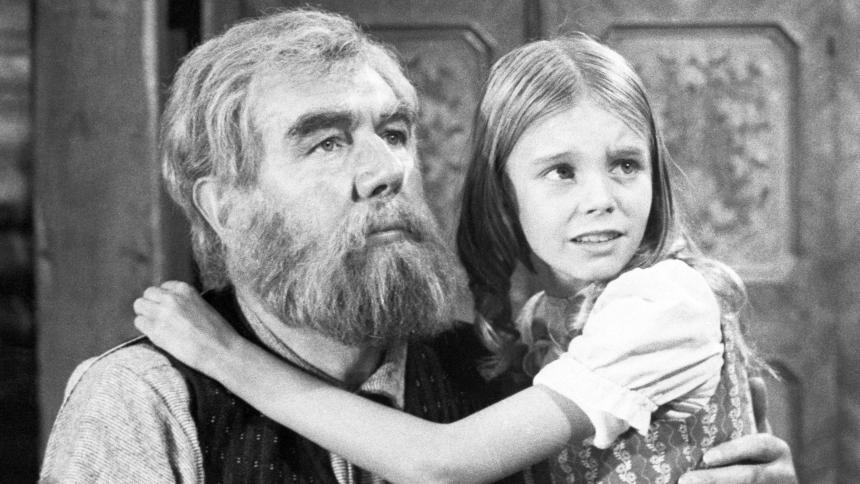
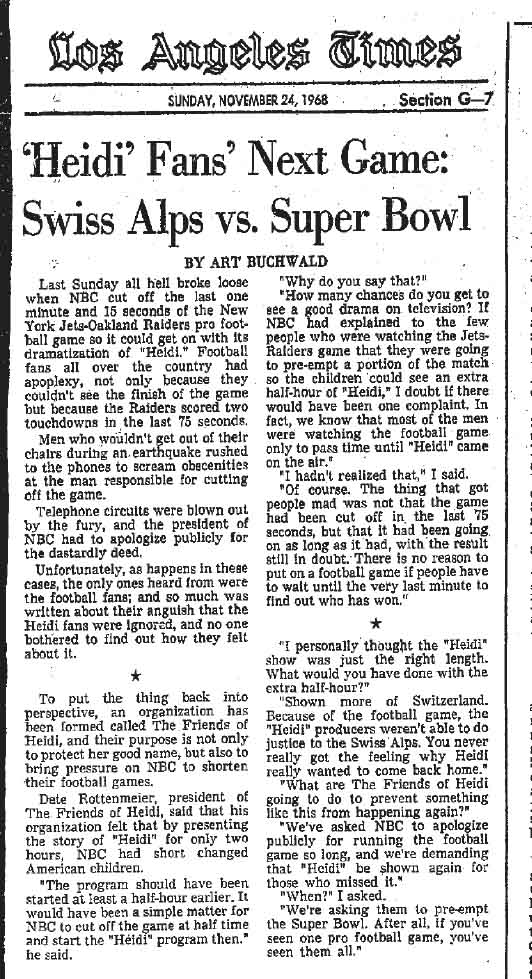
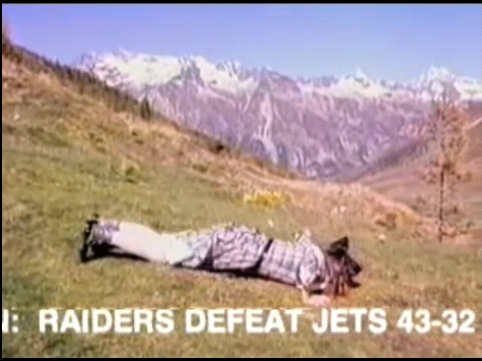 The “Heidi Bowl” was prime time news the following night, on all three networks. NBC’s Huntley-Brinkley Report aired the last sixty seconds while ABC Evening News anchor Frank Reynolds read excerpts from the movie, with clips of the Raiders’ two touchdowns cut in. CBS Evening News’ Harry Reasoner announced the “result” of the game: “Heidi married the goat-herder“.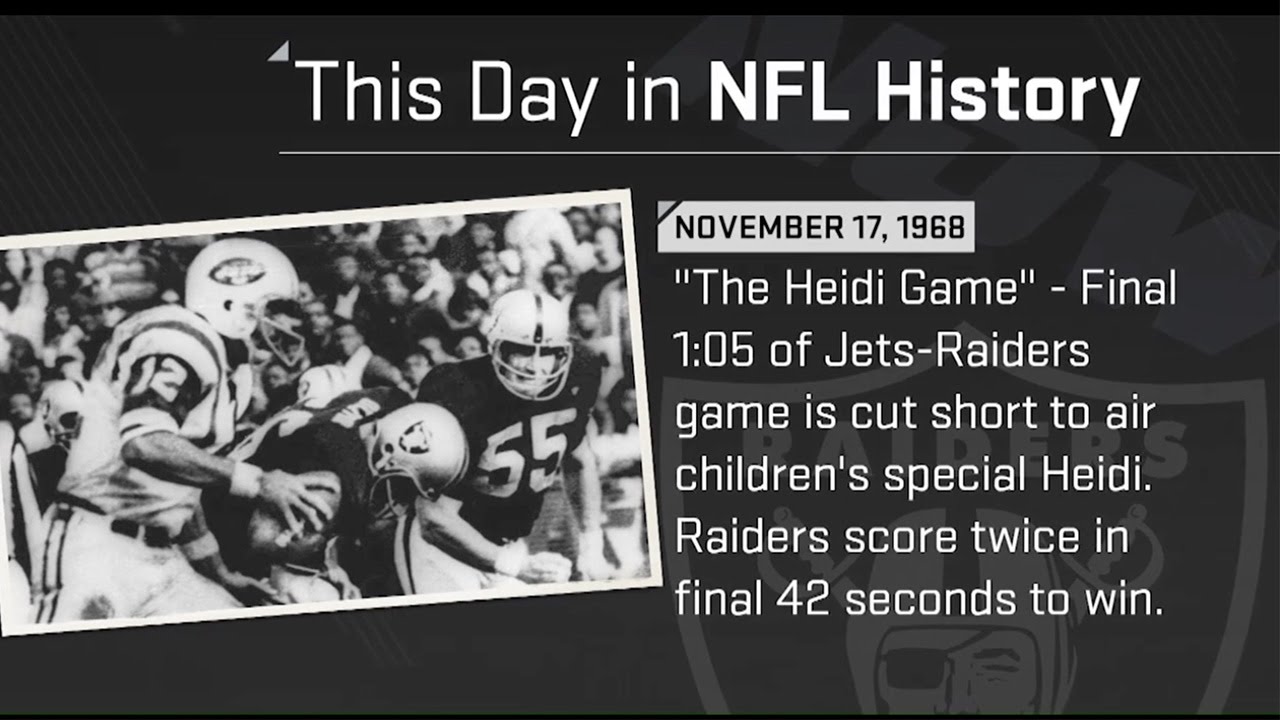


 The first living creature to enter space was the dog “




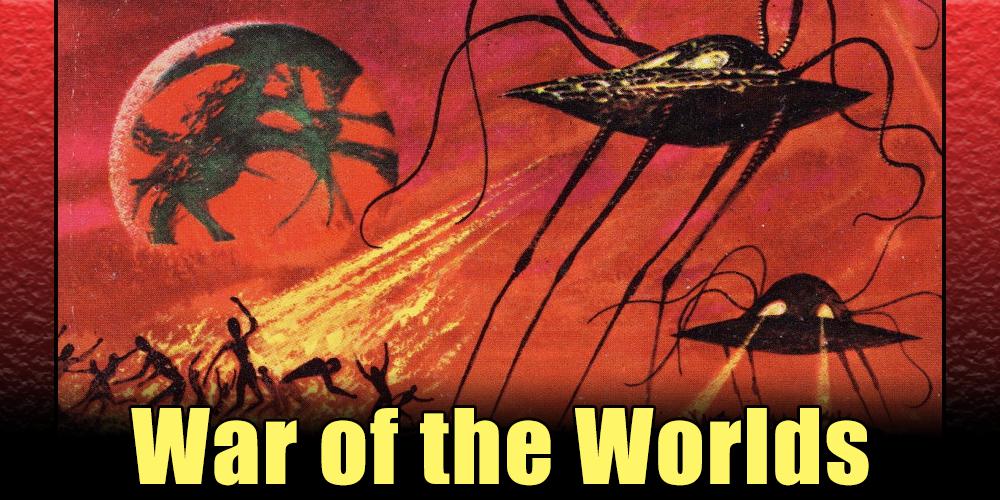
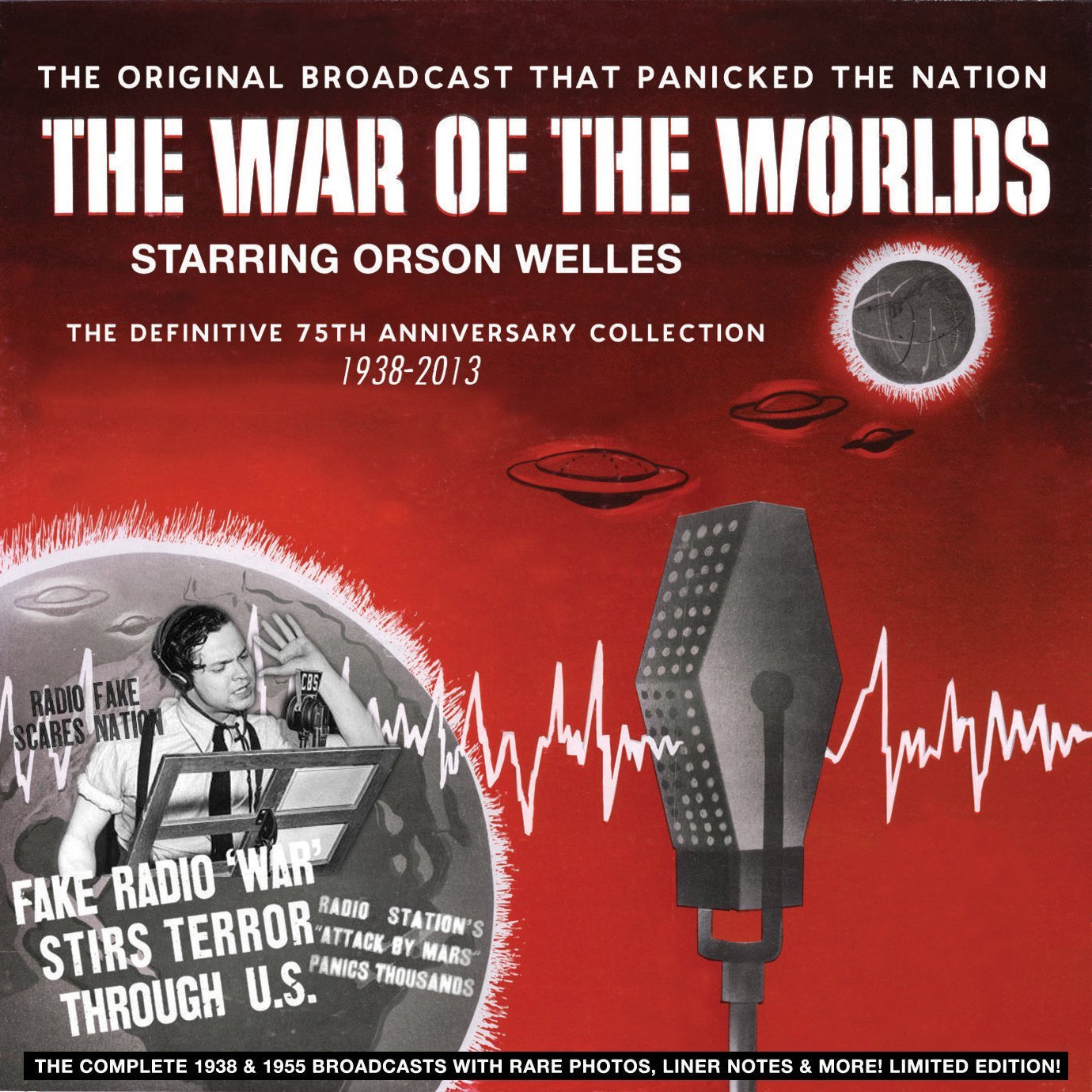
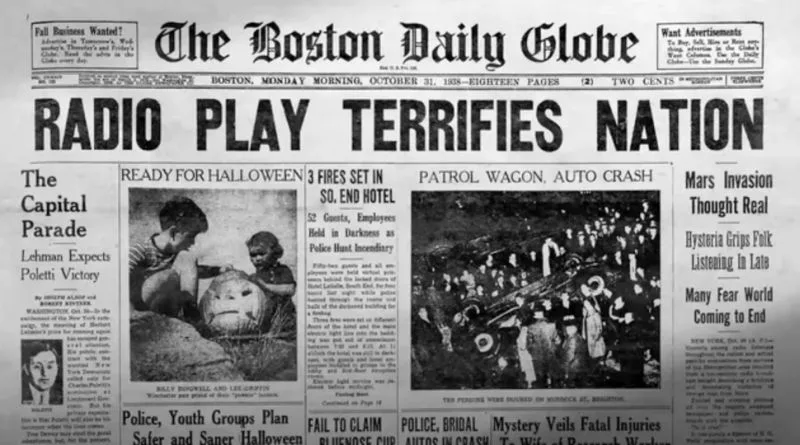
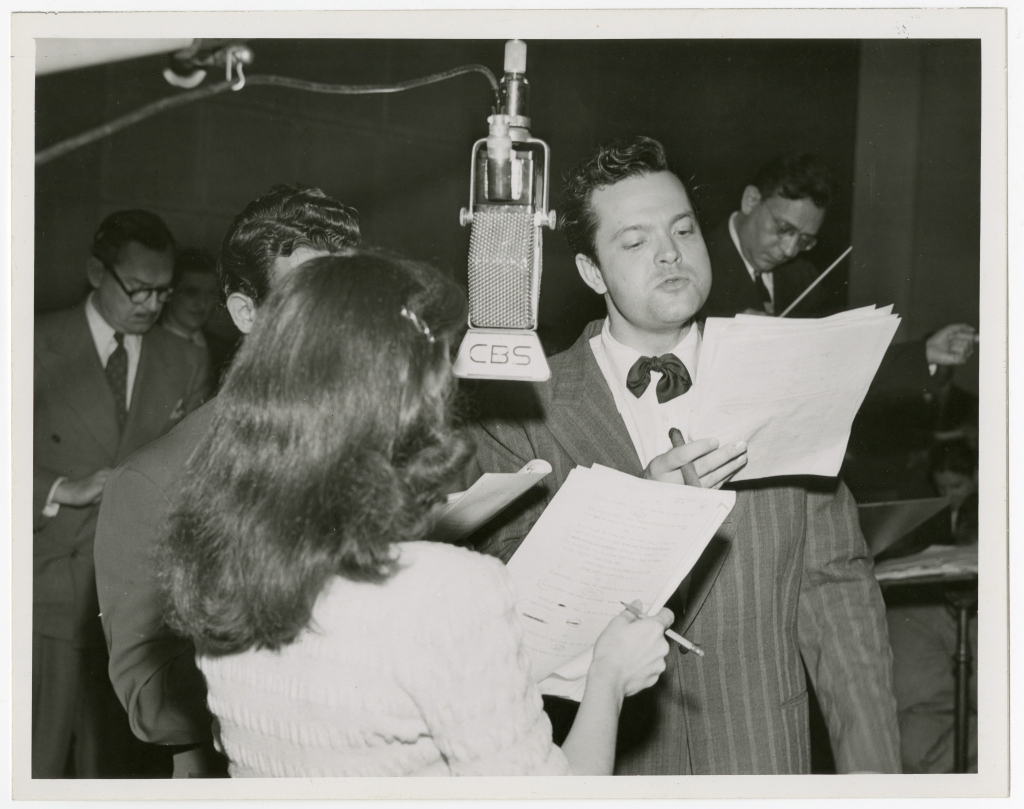 The radio drama began with a statement that, what followed, was fictional. The warning was repeated at the 40 and 55-minute mark, and again at the end of the broadcast. It began with a weather report, and then went to a dance band remote, featuring “Ramon Raquello and his orchestra”. The music was periodically interrupted by live “news” flashes, beginning with strange explosions on Mars. Producer Orson Welles made his first radio appearance as the “famous” (but non-existent) Princeton Professor Dr. Richard Pierson, who dismissed speculation about life on Mars.
 A short time later, another “news flash” reported a fiery crash in Grovers Mill, NJ. What was originally thought to be a meteorite was revealed to be a rocket machine as a tentacled, pulsating Martian unscrewed the hatch and incinerated the crowd with a death ray.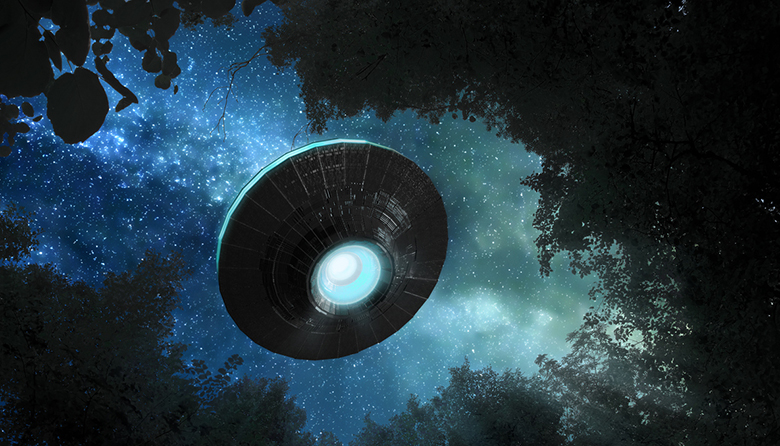

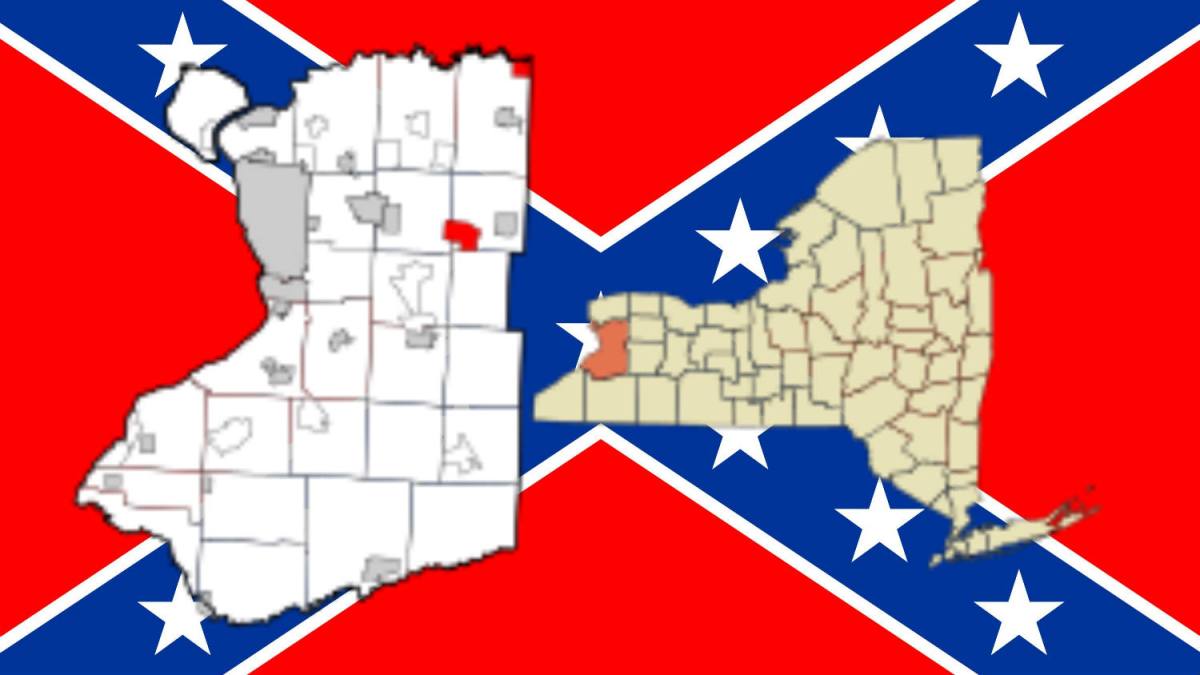
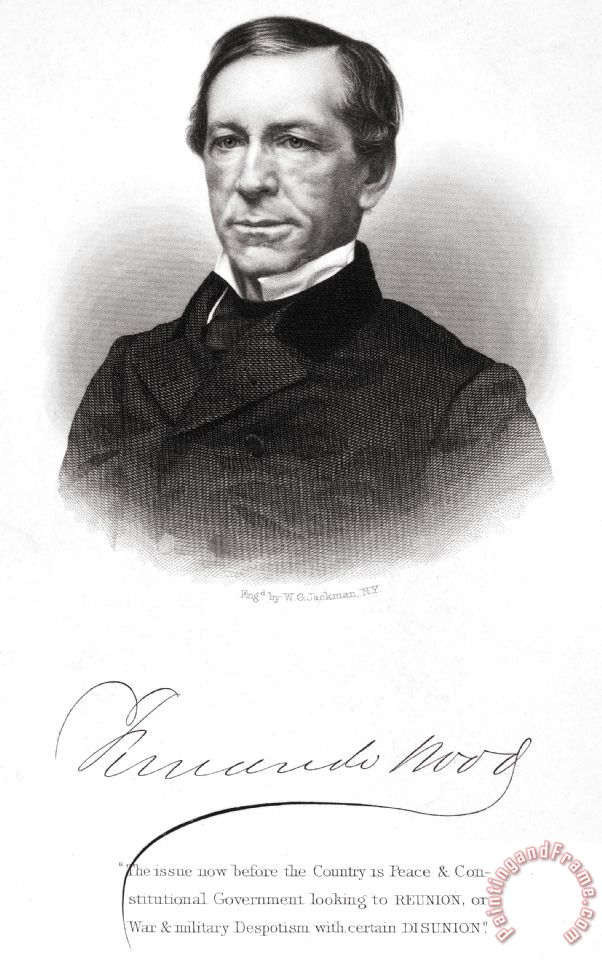 South Carolina seceded in December 1860, and the world waited to see who’d follow. New York City became the next to call for secession on January 6, when Mayor Fernando Wood addressed the city’s governing body. “When Disunion has become a fixed and certain fact”, he said, “why may not New York disrupt the bands which bind her to a venal and corrupt master…and destroyed the Confederacy of which she was the proud Empire City?”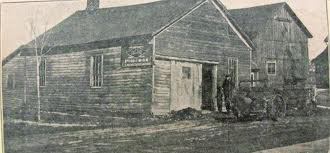
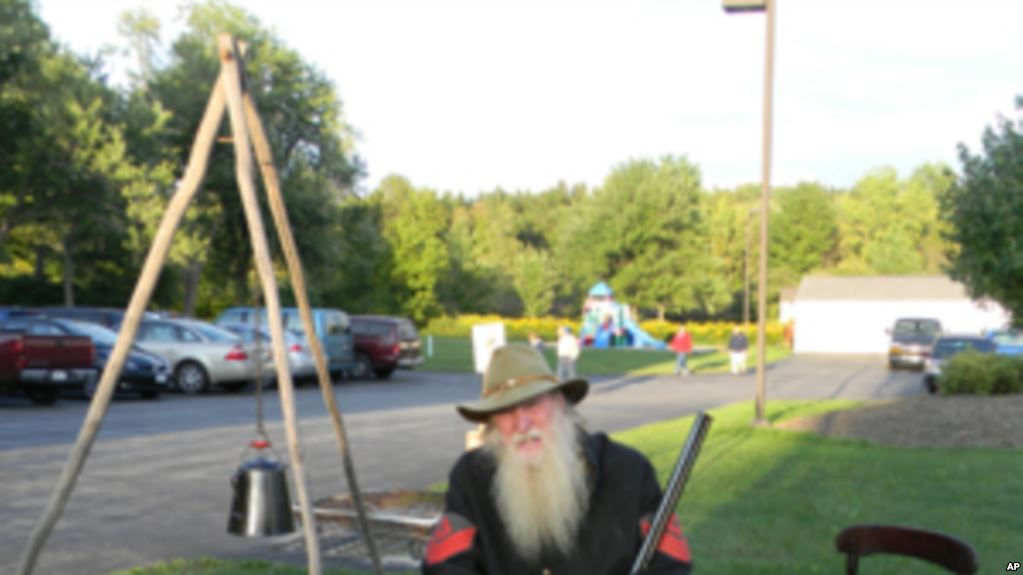
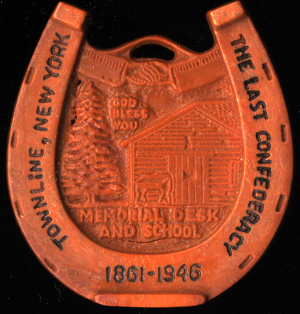 A courier express note arrived on October 7, 1945. “There are few controversies that are not susceptible to a peace time resolution” read the note, “if examined in an atmosphere of tranquility and calm rather than strife and turmoil. I would suggest the possibility of roast veal as a vehicle of peace. Why don’t you run down the fattest calf in Erie County, barbecue it and serve it with fixin’s in the old blacksmith shop where the ruckus started? Who can tell? The dissidents might decide to resume citizenship.” The note was signed “Very Sincerely Yours, Harry Truman”.
![4b4cf0f864c3dabcdb_IMG_7326[1]](https://todayinhistory.blog/wp-content/uploads/2018/10/4b4cf0f864c3dabcdb_img_73261.jpg)


You must be logged in to post a comment.