
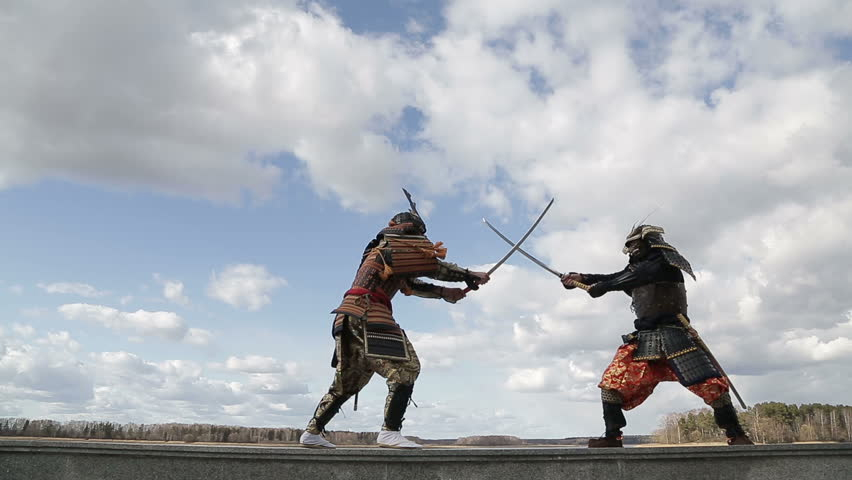
As Japan emerged from the medieval period into the early modern age, the future Nippon Empire transformed from a period of warring states and social upheaval. This “Sengoku period” came to an end on October 21, 1600 at the Battle of Sekigahara, pitting a coalition of clans led by one Ishida Mitsunari against forces loyal to the first of “Three Great Unifiers” of Japan, called Tokugawa Ieyasu.
Defection of several of these clans led to victory for the Tokugawa faction, paving to the way to a feudal military government or Shōgunate. Ruled from the Edo castle in the Chiyoda district of modern-day Tokyo, Tokugawa ruled as Shōgun over some 250 provincial domains called han.
The role of the emperor, the supreme monarch dating back to the mythical Jimmu in the year 660BC, was largely ceremonial at this time.
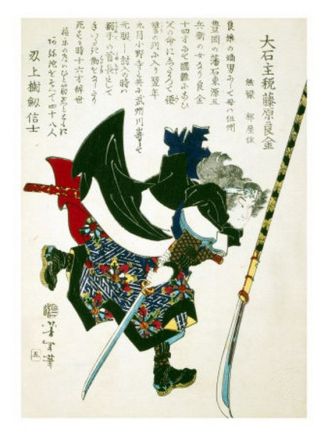
The military and governing structure of the Tokugawa or Edo period rested on a rigid and inflexible class system placing feudal lords or daimyō at the top, followed by a warrior-caste of samurai and a lower caste of merchants and artisans. At the bottom of it all stood some 80% of the population, the peasant farmer forbidden to engage in non-agricultural work and expected to provide the income to make the whole system work.
The samurai caste adopted a Confucian ethic at this time, developing a code of honor and conduct known as Bushidō, loosely analogous to the chivalric practices of European knights of an earlier era.
This code of Bushidō or “Way of the Warrior” prized fearlessness in battle. Athletic and martial skill was emphasized and personal honor, inviolate. Filial loyalty ranked high on this code of conduct, and yet not so high as the supreme obligation: that of the samurai to his lord. Even at the expense of his own parents. Or his own life.
This system paved the way for an incident, destined to become one of the great legends in Japanese history. The small han of Akō at this time was the domain of a young daimyō called Asano Naganori. In 1701, Asano was called upon to assist in ceremonial duties surrounding a visit from emissaries of the 113th monarch according to traditional order of succession, Emperor Higashiyama.
The emperor’s representative in the matter was one Kira Yoshinaka. Accounts vary as to what happened next. Kira was officious, arrogant and insistent on a bribe. Asano was young and inexperienced with the “ways “gift giving” traditions of the royal court. Be that as it may the next part, is not in dispute. Asano took offence at the official’s actions and drew his sword.
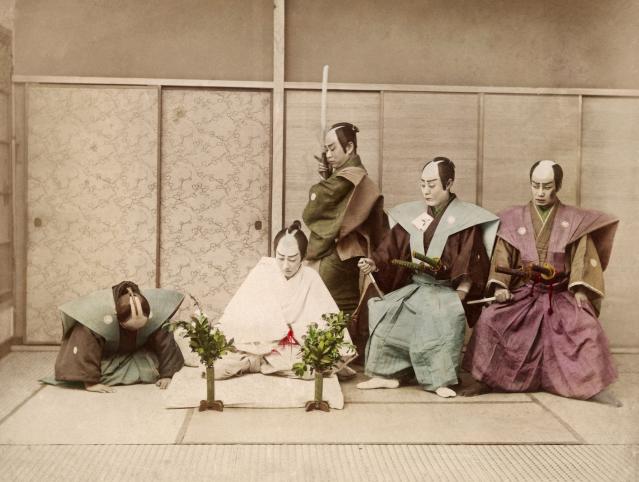
Kira survived the attack but Asano’s actions were a grave breach of protocol. The Lord of Akō was ordered to perform seppuku, on the spot. It was December 14, 1701.
Seppuku, often called hara-kiri in the west, is a grisly form of suicide by self disembowelment originated by Japan’s ancient samurai warrior caste. The event is often accompanied by ceremony including the drinking of sake, and the condemned composing a death poem. The practitioner will then plunge a short bladed sword deep into his abdomen, cutting sideways and then upward, to be sure the process is fatal. Some will complete the nightmarishly painful process only to die, slowly. Others will employ a kaishakunin or “second, whose job it is to hack off the head of the sufferer, after his honor was restored through that first cut.
Asano’s 300 Samurai retainers were now Rōnin. Samurai without a master. 47 of their number vowed to avenge the death of the daimyō led by one Ōishi Kuranosuke, even though they knew it would cost them their lives.
The 47 Rōnin broke up and went their own way. Many became monks and tradesmen. Ōishi himself carried out the life of an inebriate and frequenter of geisha houses. He even went so far as to divorce a loyal wife of twenty years and send her away, so she would not be associated with the plot.
For nearly two years the 47, carried out the ruse. While drunk and insensate one Satsuma man went so far as to kick Ōishi in the face and spit on him, for the disgrace he had brought on the samurai caste. It was a grave breach of protocol which, under ordinary circumstances, would have cost the man his life. Little did anyone suspect, least of all Kira’s spies. It was all a massive head fake.
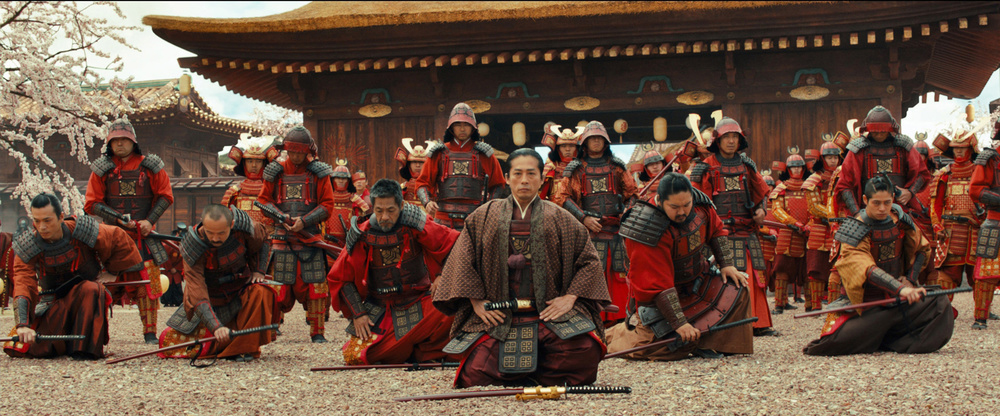
The chance for vengeance came in late January, 1703. Kira and the Shōgun’s officials had at last taken the bait and relaxed their defenses.
By this time there were 46 as the oldest, now in his eighties, dropped out of the plot. Forcing their way into Kira’s residence the official’s loyal samurai fought bravely, but were soon overwhelmed. Kira himself was found cowering in an outhouse and summarily decapitated.
The entire cohort now walked the ten or so miles past an astonished populace, to the Sengaku-ji Temple. The head was washed in a well and laid on Asano’s grave. And then they turned themselves in.
The authorities were in a quandary. These men had followed the warrior’s code and avenged the death of their master. They had also defied the will of the Shōgun. Letters of support began to arrive from an admiring public and so, it was decided. The 47 Rōnin would be spared the death by execution meted out to criminals. Shōgun Tokugawa Tsunayoshi, a man so horrified by cruelty to animals he once proclaimed it a capital offence to kill a dog, ordered the Rōnin to commit seppuku.
On March 20, 1703, 46 carried out the sentence and bared their bellies, to the blade. All were buried in death with their master in life, at the Sengaku-ji Temple. Terasaka Kichiemon alone was pardoned by the Shōgun, on account of his age. He was 15.
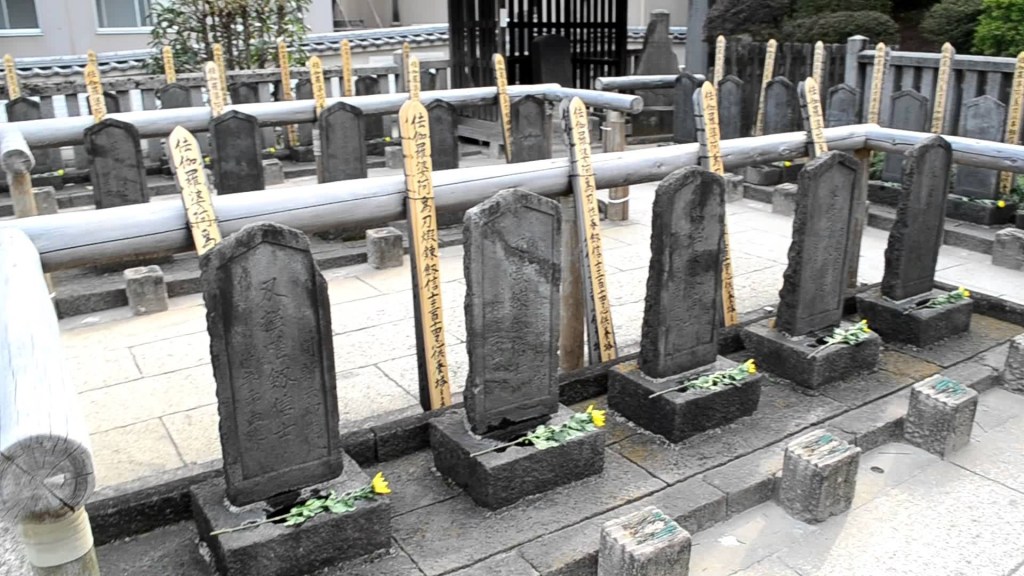
Sometime later the Satsuma man who had mocked and spat on a drunk visited Ōishi Kuranosuke’s grave and apologized, that he had ever doubted the heart of a samurai. And then he bared his belly to the blade and committed seppuku, right then and there. He too went to his rest Sengaku-ji shrine, along with the the 47 Rōnin.
Terasaka lived to the ripe old of 87 and then he too went his final rest, alongside his comrades.








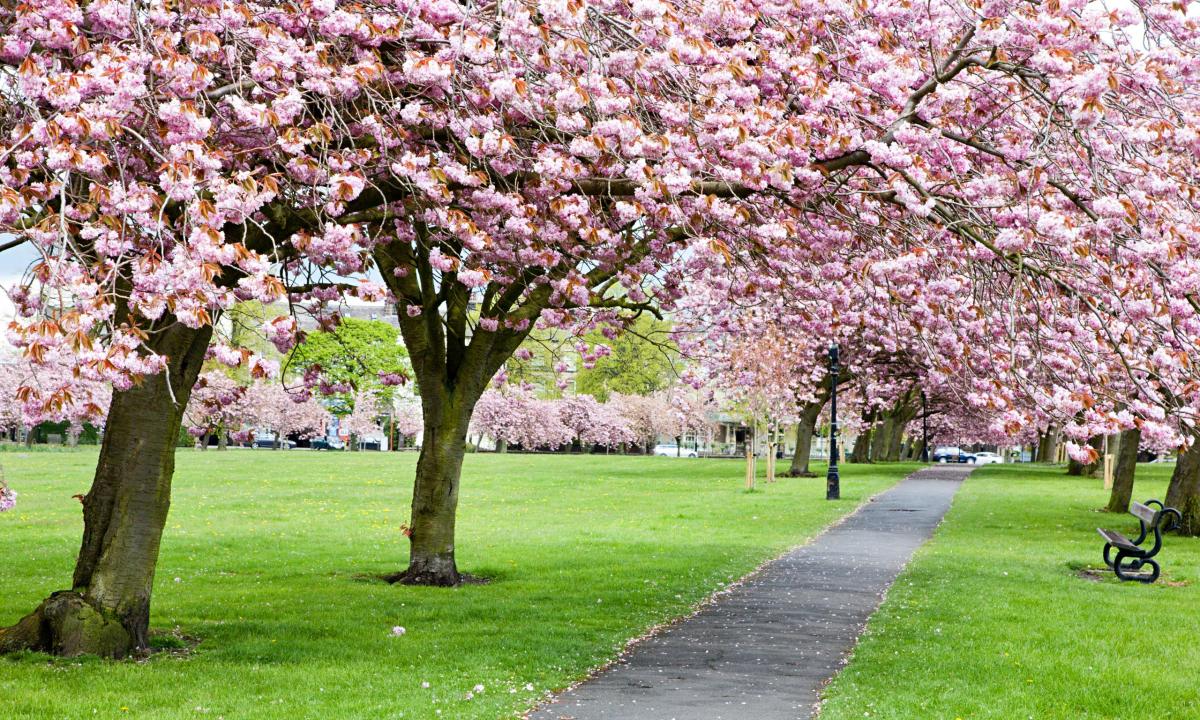
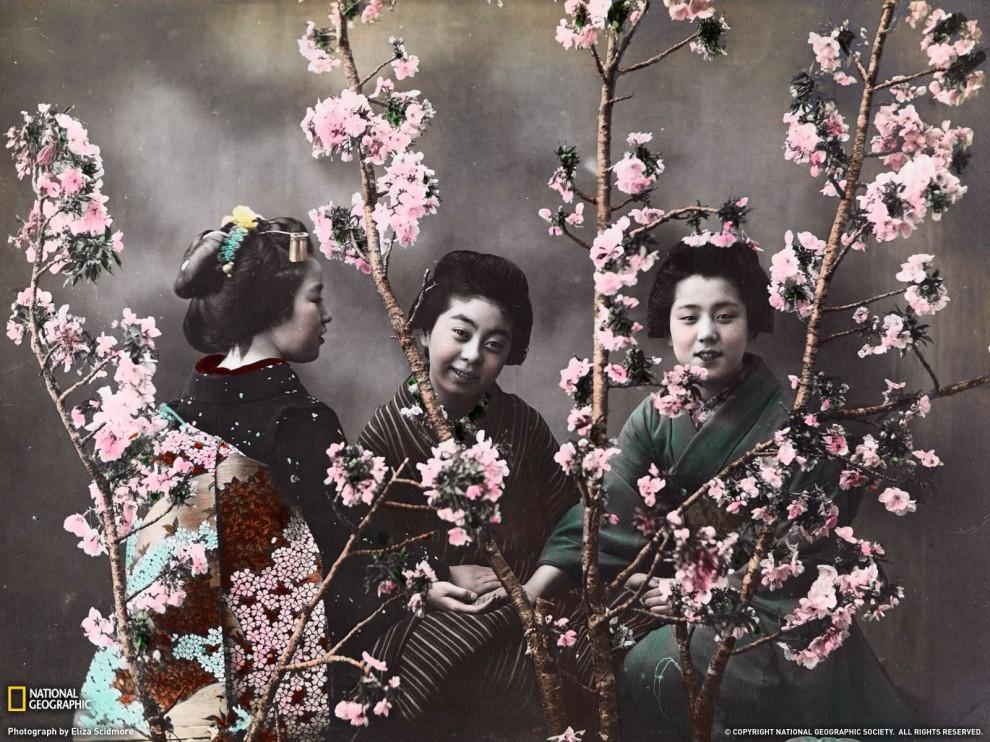 Frequent visits with her brother led to a passionate interest in all things Japanese, most especially the Japanese cherry, Prunus serrulata, commonly known as the Sakura. The Japanese blossoming cherry tree. She called them “the most beautiful thing in the world”.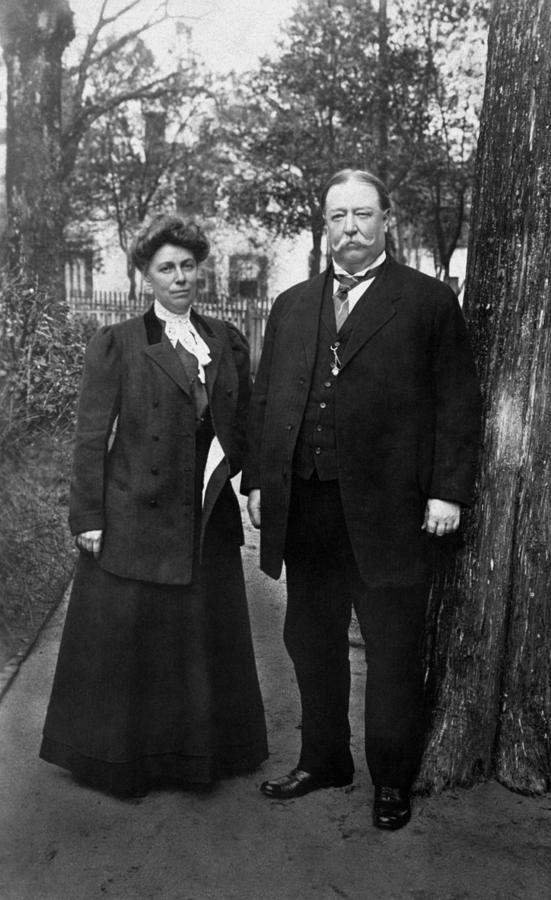
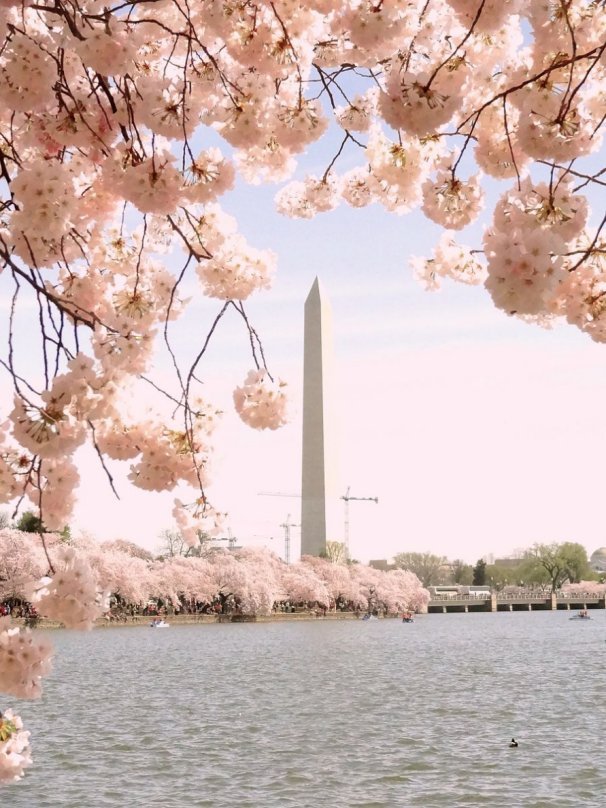 On March 27, 1912, the Viscountess Chinda, wife of the Japanese ambassador to the United States joined First Lady Helen Taft, in planting two Japanese Yoshino cherry trees on the bank of the Potomac River, near the Jefferson memorial.


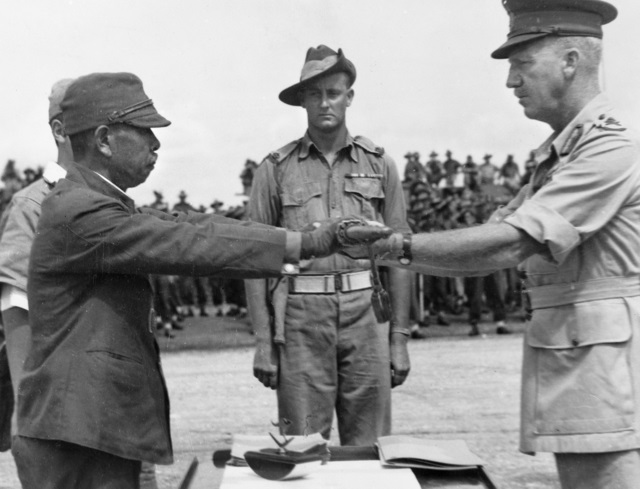
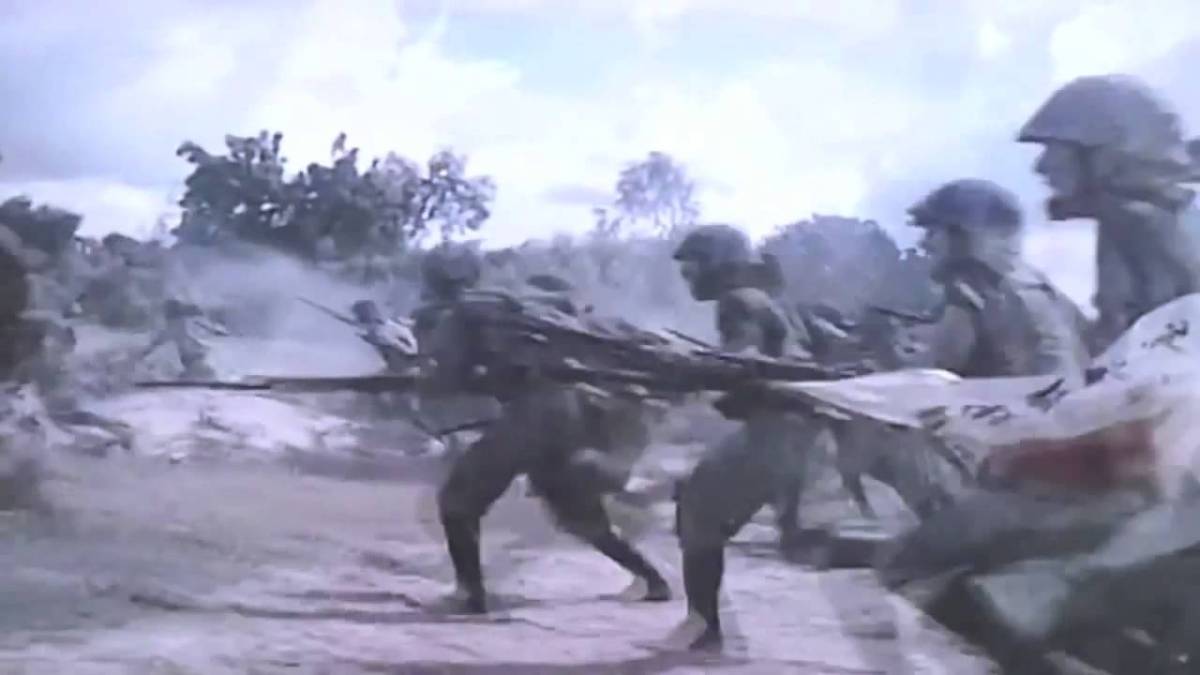
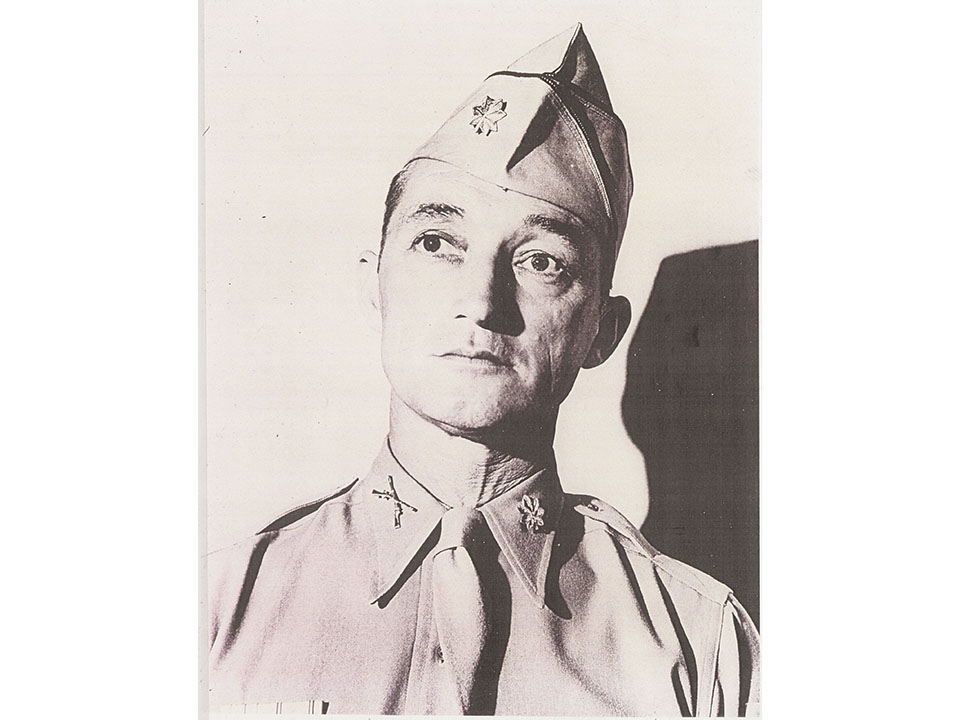
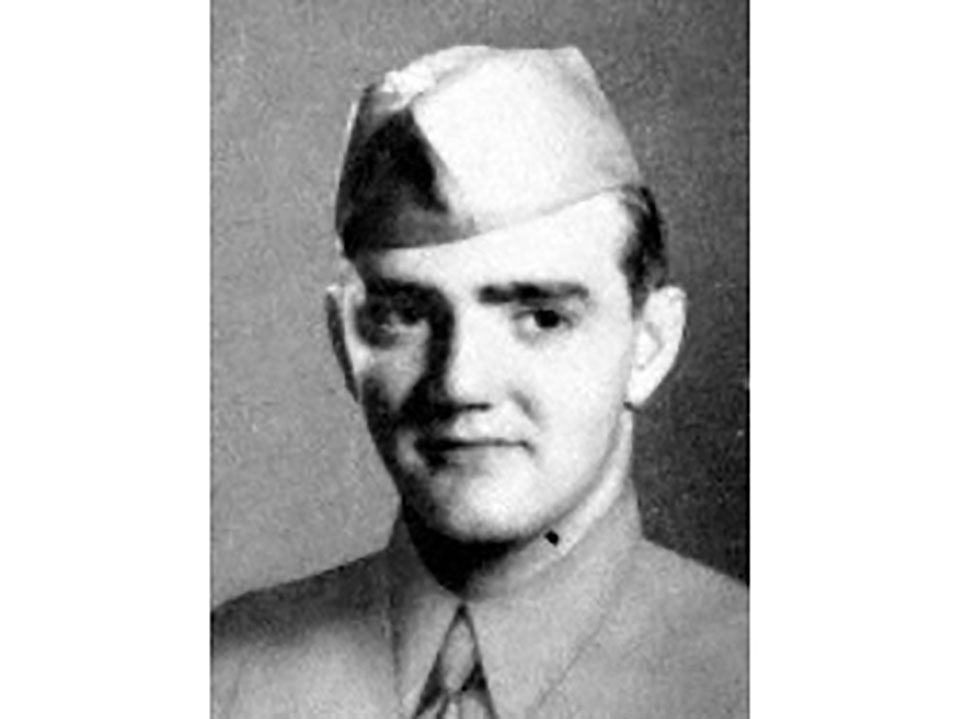
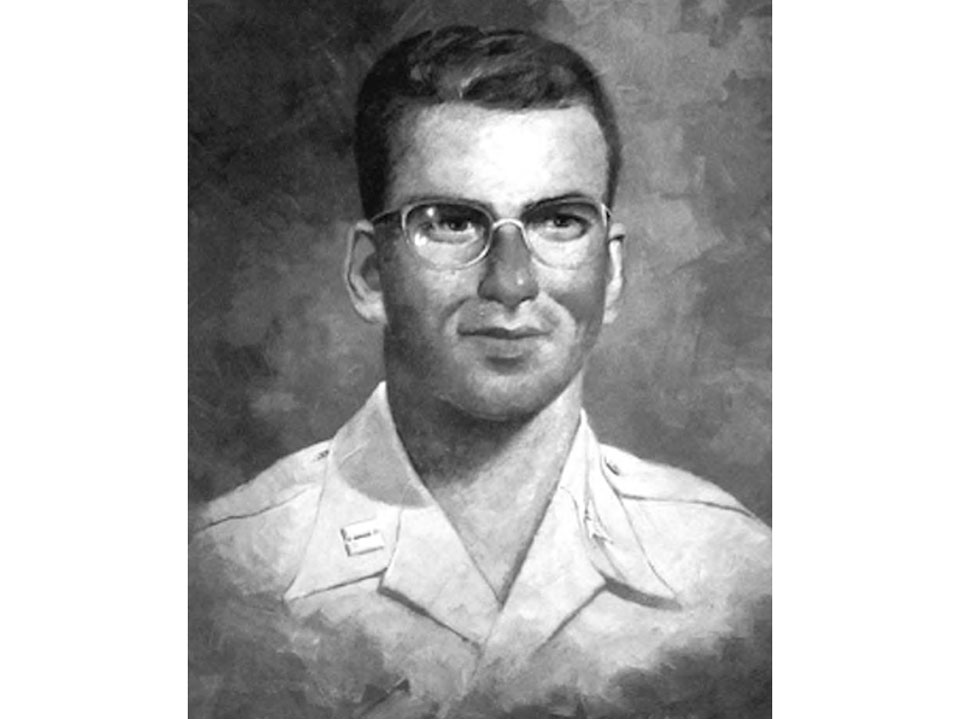
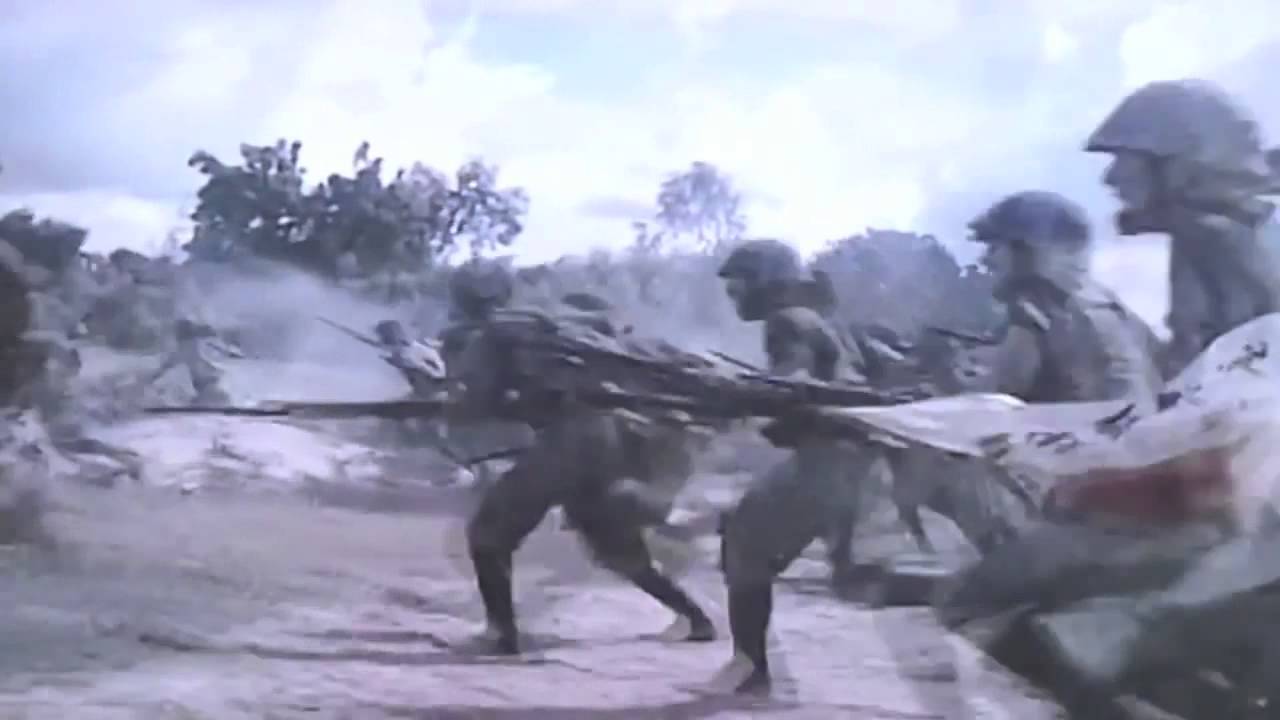 The struggle raged for fifteen hours. In terms of American casualties, the Battle for Saipan was the third costliest battle of the Pacific war, after Okinawa and Iwo Jima. Some 4,300 Japanese troops were killed in the Bonsai charge of June 7. William O’Brien of Troy, New York, Benjamin Lewis Salomon of Milwaukee Wisconsin and Thomas Alexander Baker of Troy New York all earned the Medal of Honor. Posthumously.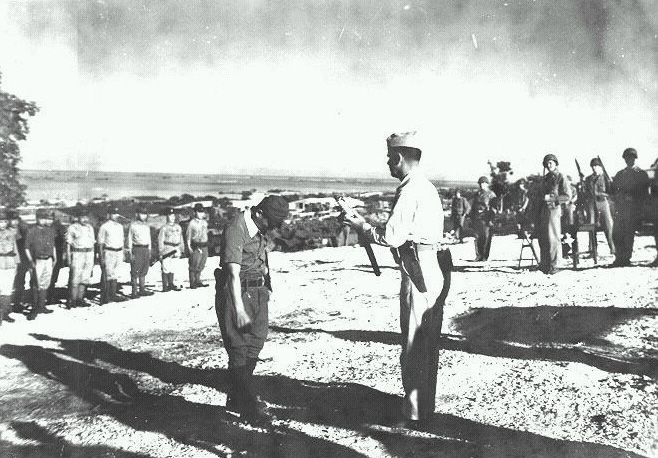
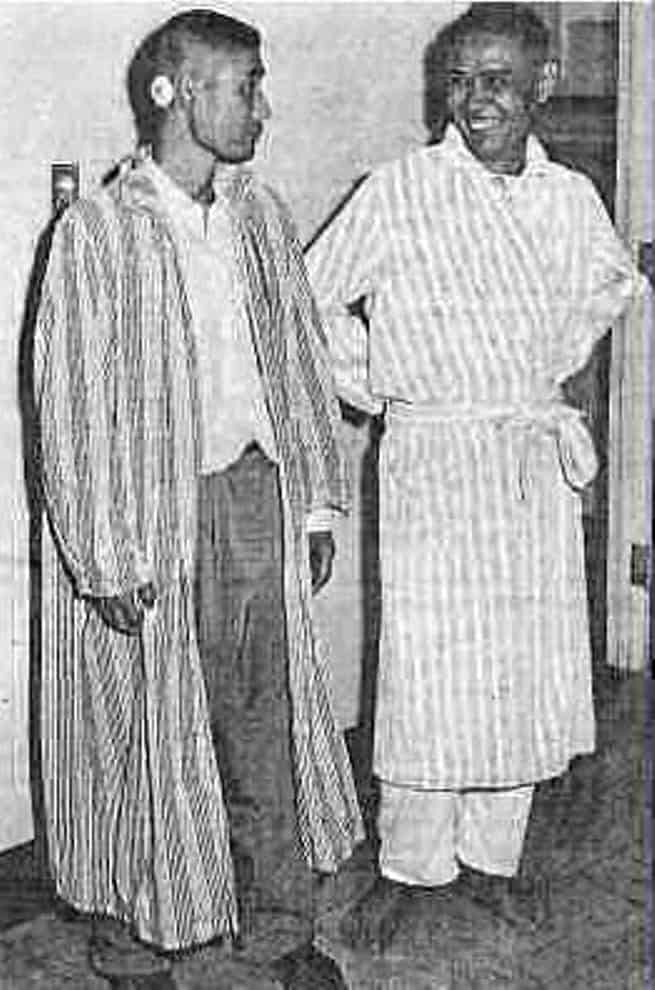
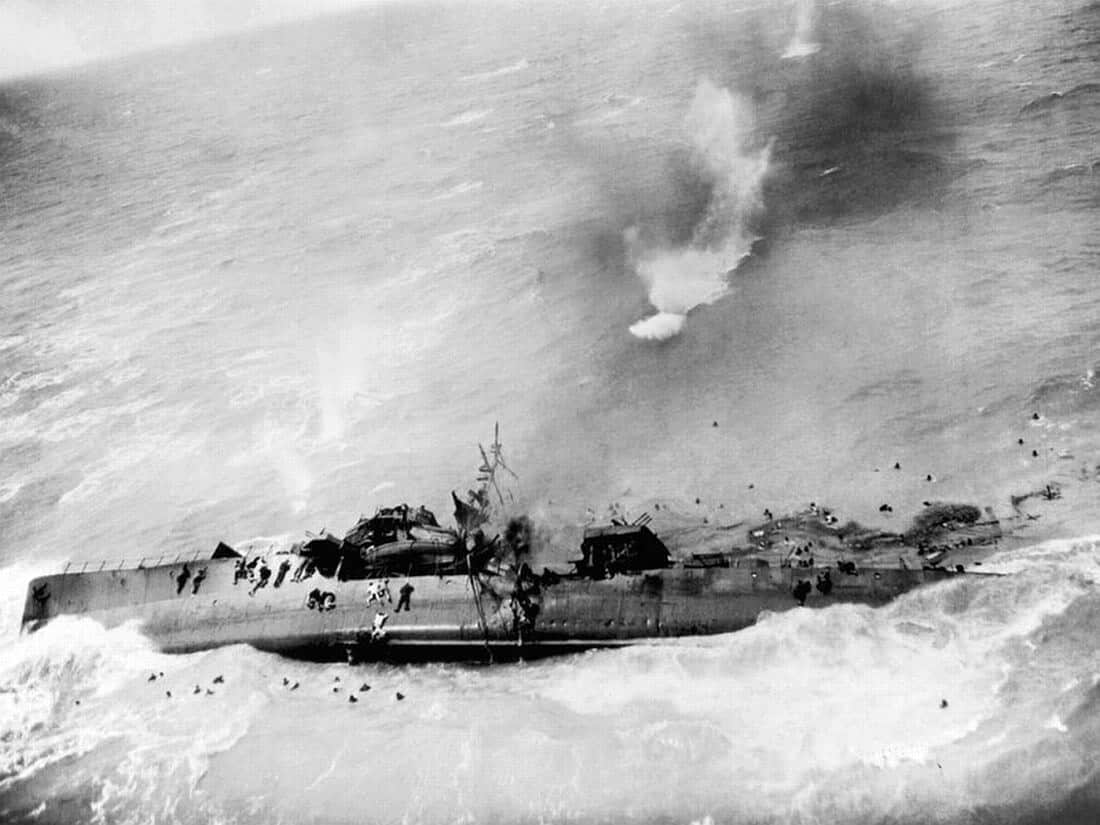
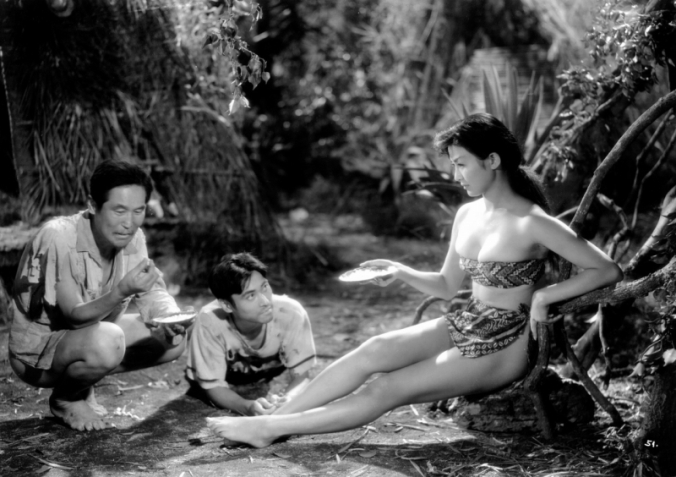
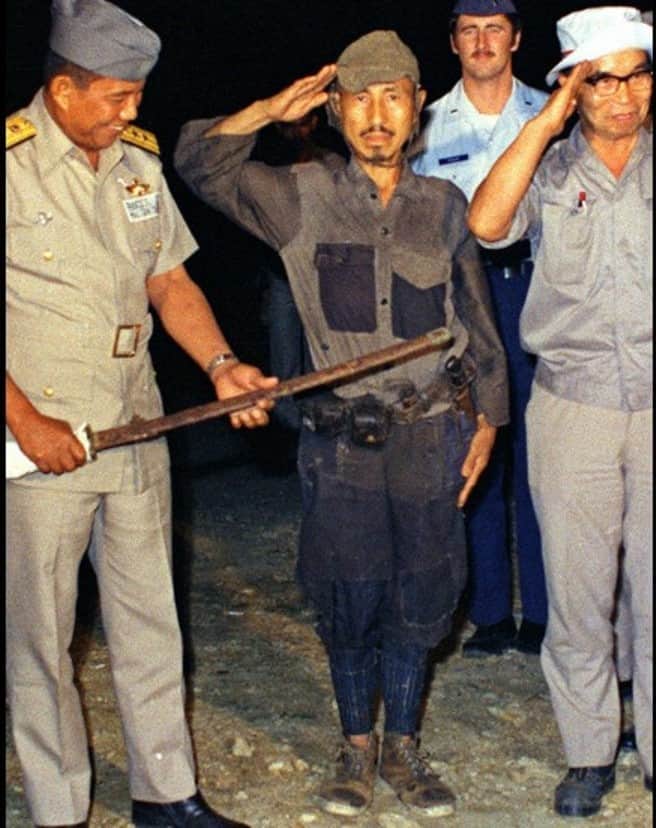
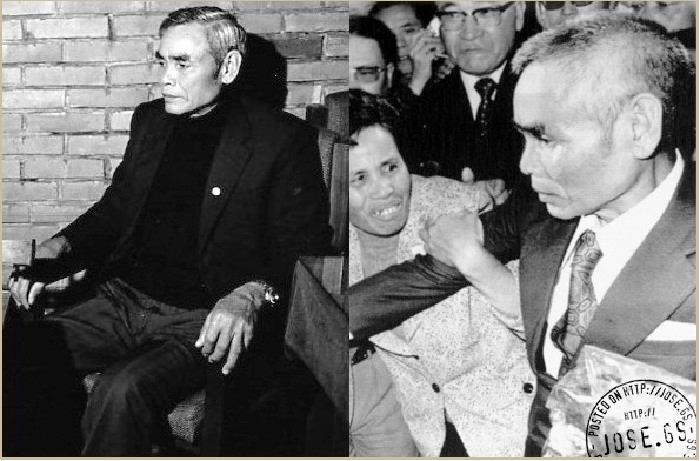
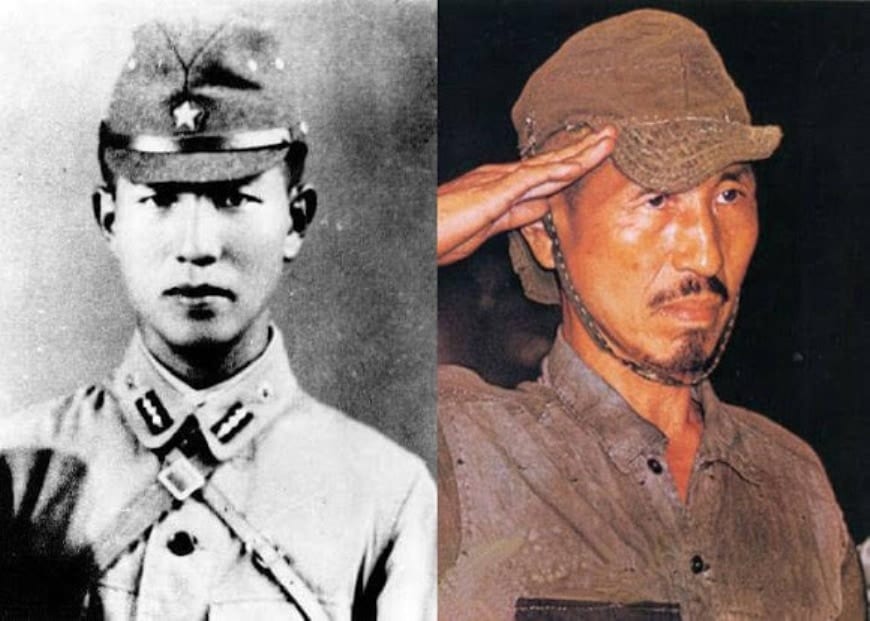
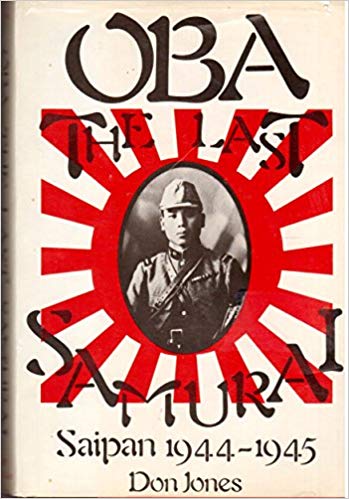 As a member of the Japanese Army, Hirō Onada received back pay and a pension equal to $160,000(US), equivalent to $850,000, today. Not so, Teuro Nakamura. As a member of a colonial army, Nakamura’s thirty-years service to the former Japanese Empire got him $1,186(US) and a trip back to Taiwan where he died of lung cancer, in 1979.
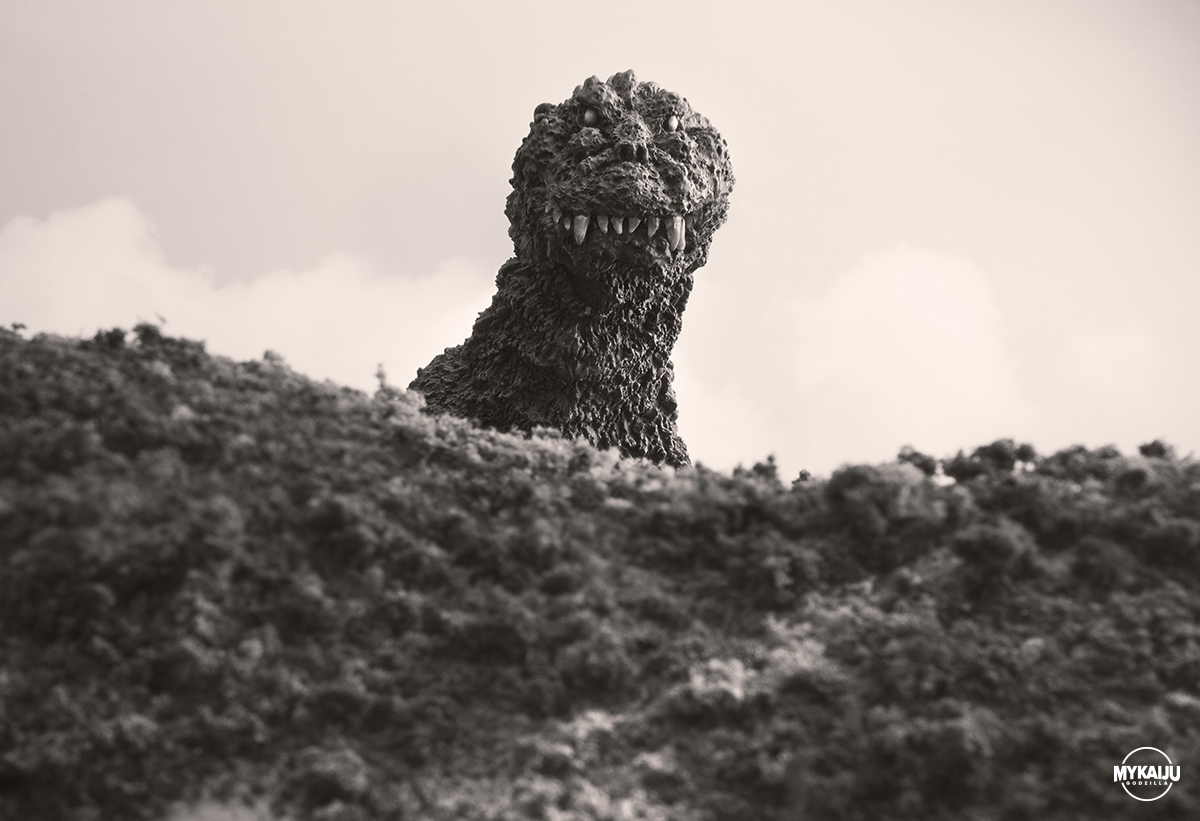
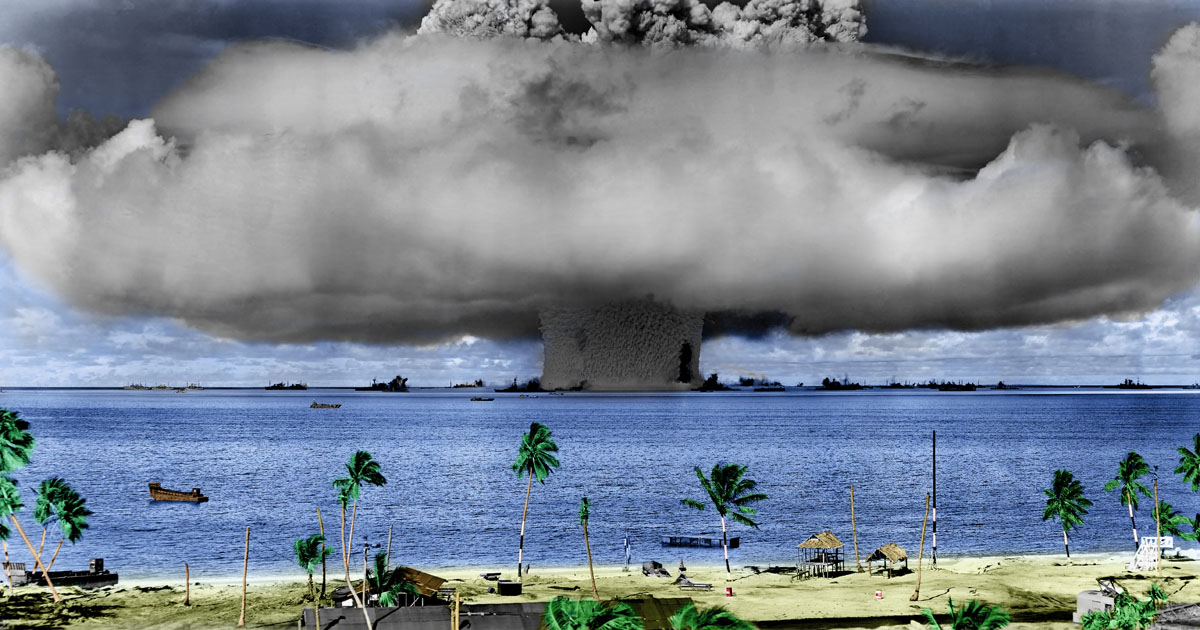


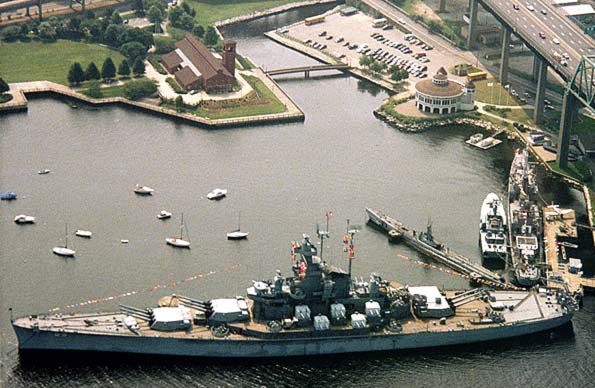
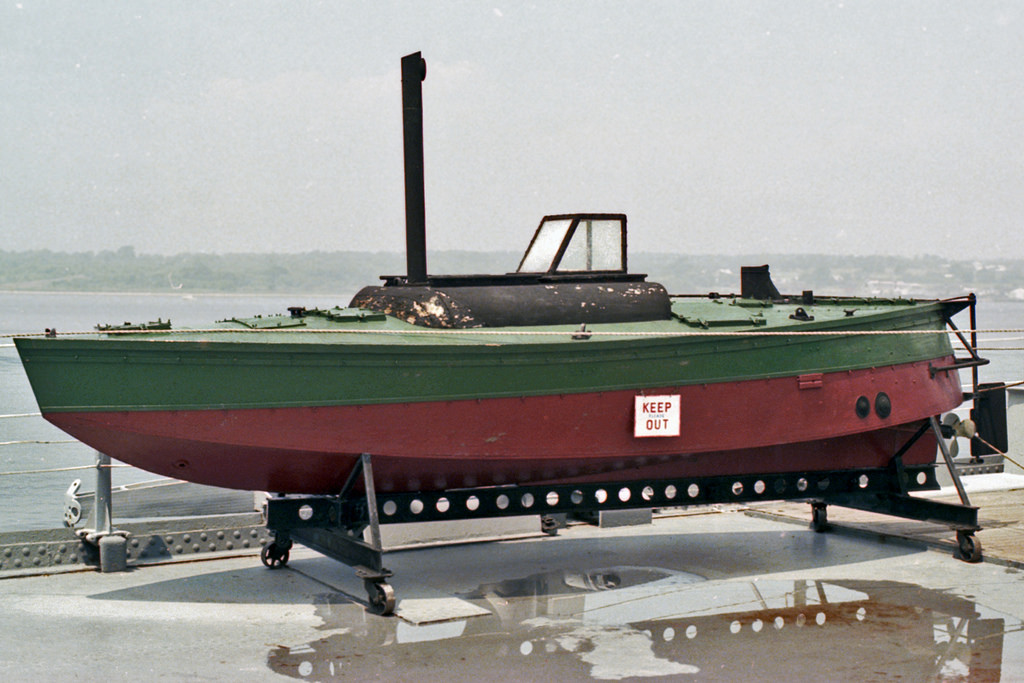
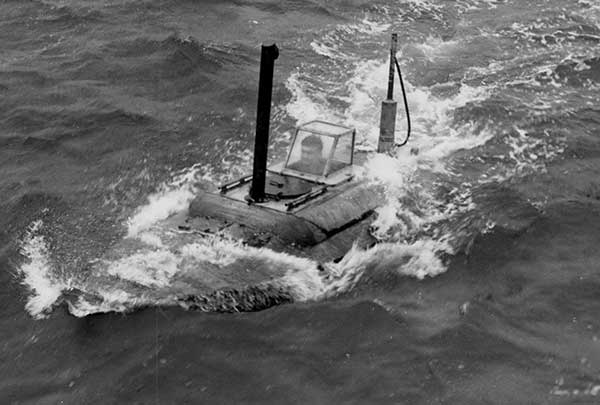 Which brings us back to that funny-looking boat. The Office of Strategic Services (OSS), predecessor to the modern Central Intelligence Agency (CIA), built two of these semi-submersibles, code named “Gimik”, part of a top-secret operation code named “NAPKO”.
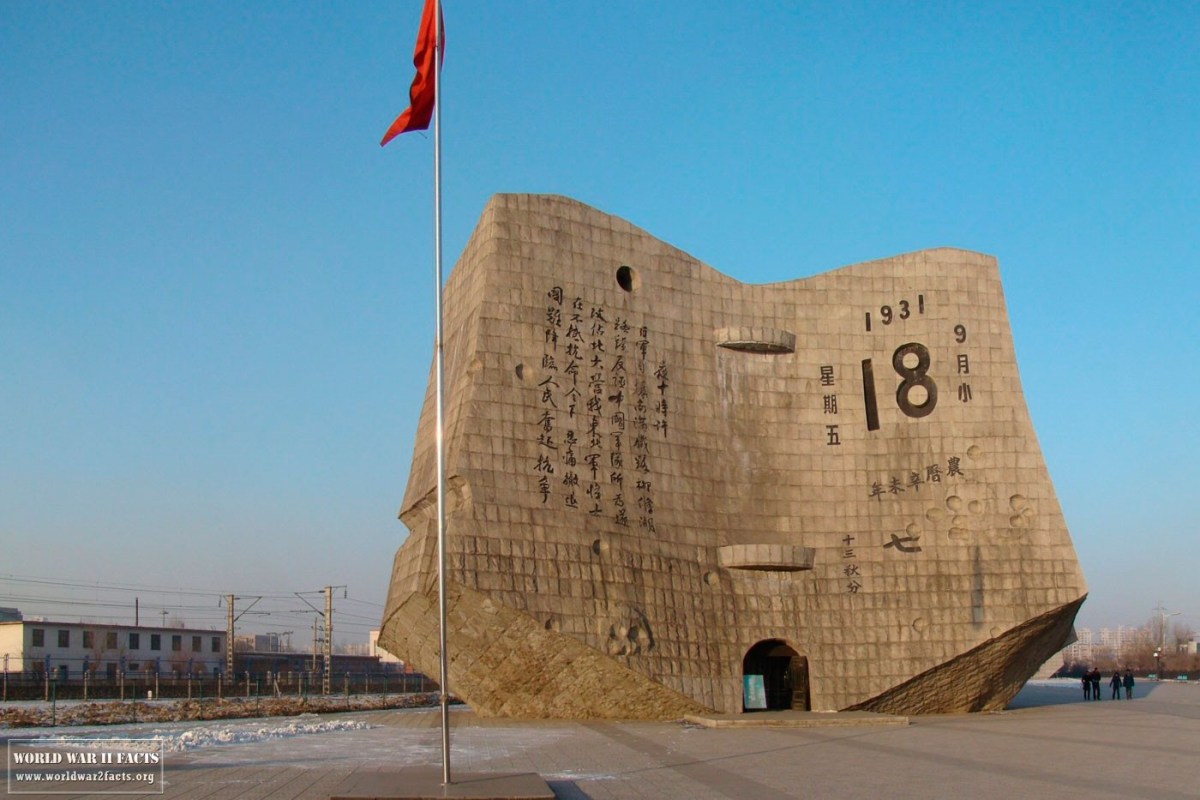
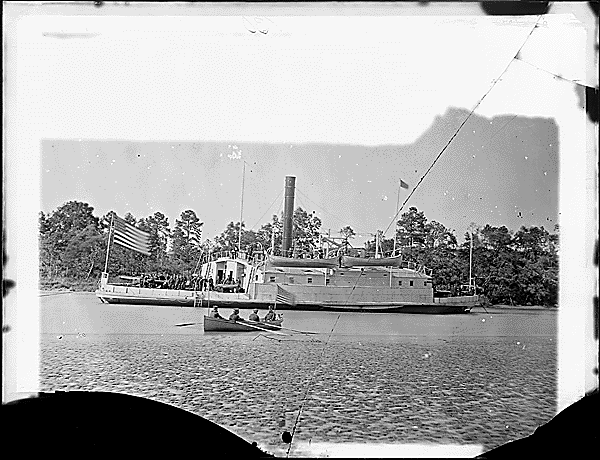
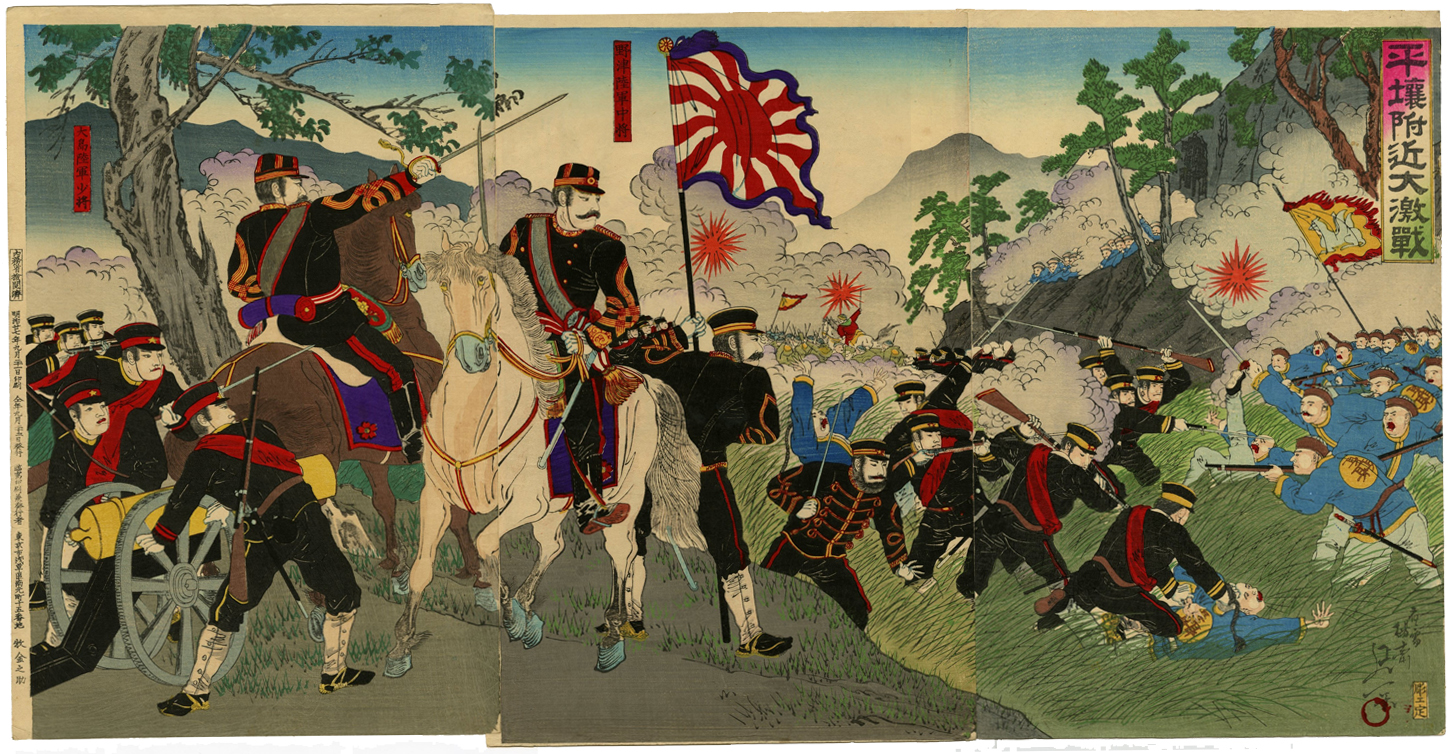 The first Sino-Japanese war of July 1894 – April 1895, was primarily fought over control of the Korean peninsula. The outcome was never in doubt, with the Japanese army and navy by this time patterned after those of the strongest military forces of the day.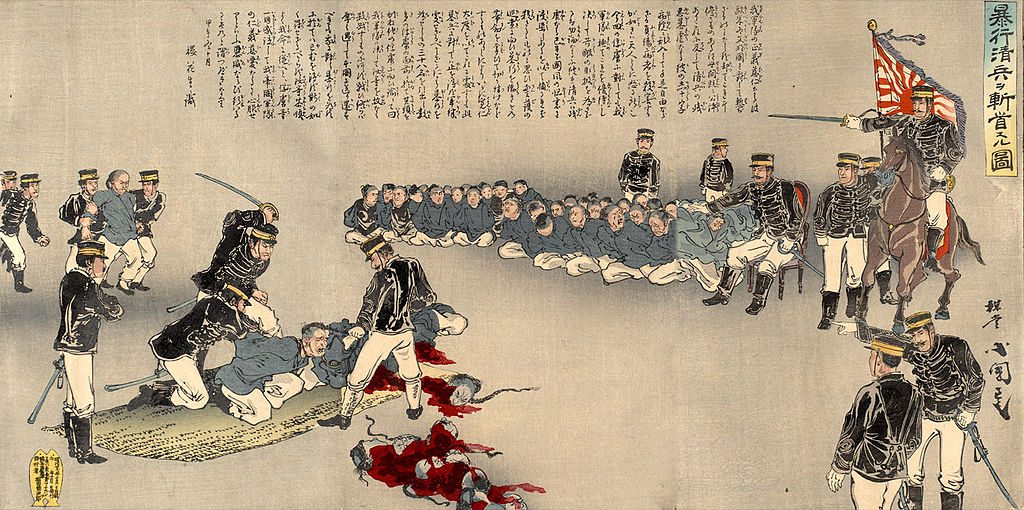
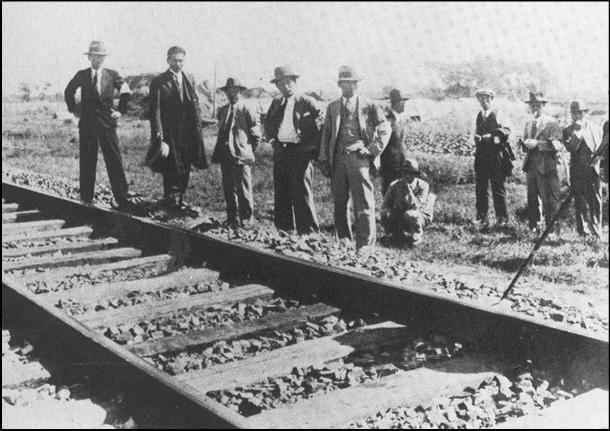
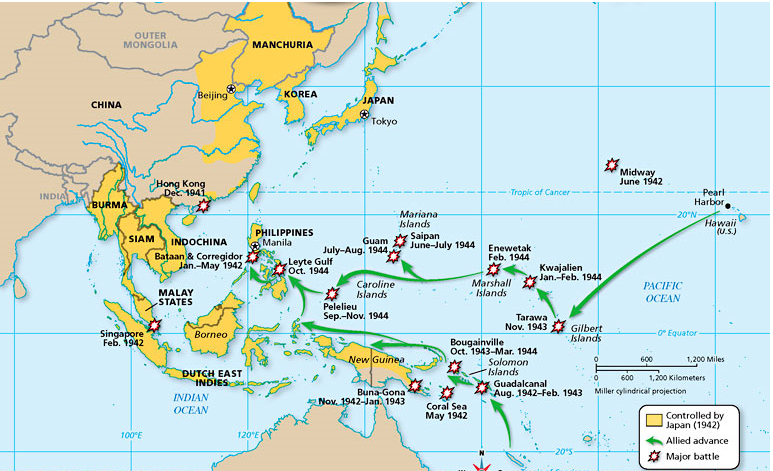
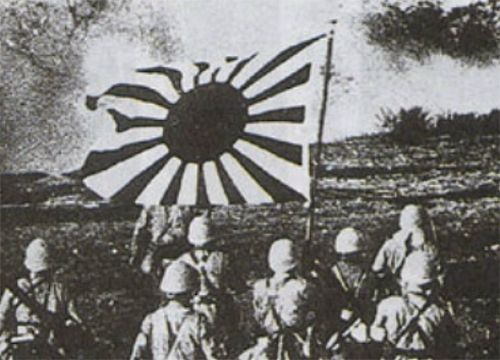 As Western historians tell the tale of WW2, the deadliest conflict in history began in September 1939, with the Nazi invasion of Poland. The United States joined the conflagration two years later, following the sneak attack on the American Naval anchorage at Pearl Harbor, by naval air forces of the Empire of Japan.
 Historical Easter Eggs - Today in History
You must be logged in to post a comment.