

In the waning years of the 13th century, Osman Gazi led a relentless conflict against the Byzantine empire centered in Constantinople, for control of western Anatolia in modern day Turkey.
In 1453 the empire founded by Osman I captured Constantinople itself, seat of the Byzantine Empire and now known as Istanbul.
At the height of its power in 1683, the Ottoman Empire under the reign of Suleiman the Magnificent ruled over an area spanning three continents. From the shores of north Africa to the gates of Vienna, east to the modern Russian Federation state, of Georgia. Nearly 4% the landmass of the entire planet, was under Ottoman rule.

In the early 19th century, the Ottoman empire entered a period of decline. Serbia went to war for independence from the Sultan in 1804, followed closely by Greece, Crete, Bulgaria and others.
As yet one of the Great Powers of the Eurasian landmass, the Ottoman Empire was now “the Sick Man of Europe”. By mid-century, many minority populations were pushing for independence.
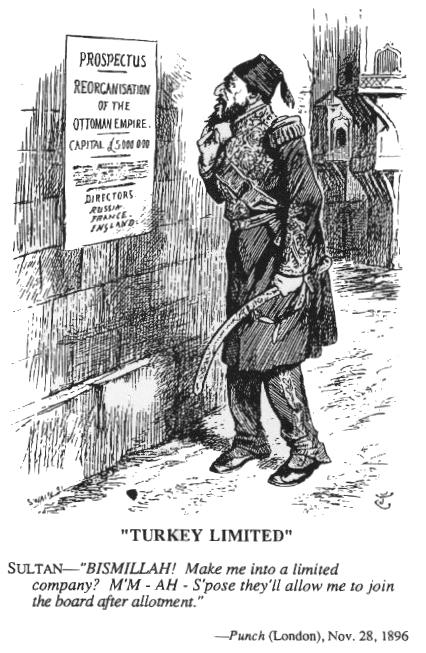
One such were the Armenians, an ancient people living in the region for some 2,000 years. Mostly Christian, Armenians were among the earliest to adopt the new faith as their own having done so, even before Rome itself.
Mid-19th century reforms such the repeal of the “Jizya”, the tax on “unbelievers,” brought about a measure of equality. Even so, non-Muslims remained second-class citizens. Without the right to testify at trial, for all intents and purposes it was open season on Armenian Christians and other religious minorities. In some locales, such treatment rose to the level of officially sanctioned public policy. By 1860, Armenians began to push for greater rights.

Where his subjects saw the righteous quest for equal rights the Sultan saw, insurrection.
Obsessed with personal loyalty to the point of paranoia, Sultan Abdul Hamid II once told a reporter that he would give his Armenian Christian minority a “box on the ear” for their impudence. The Hamidian massacres begun in 1894 and lasting until 1897 killed between 80,000 and 300,000 Armenians, leaving in their wake, 50,000 orphaned children.
It was but a prelude of what was to come.
In military planning, a “decapitation strike” is an action, designed to remove the leadership of an opposing government or group. The Ottoman pogrom began with the arrest of Armenian intellectuals, a decapitation strike intended to deprive Armenians of the Empire, of leadership.
The order came down from Minister of the Interior Talaat Pasha on April 24, 1915. “Red Sunday”. By the end of the day an estimated 235 to 270 Armenian intellectuals were arrested, in Istanbul. By the end of May, their number reached 2,345. Most, were eventually murdered.

1st row: Krikor Zohrab, Daniel Varoujan, Rupen Zartarian, Ardashes Harutiunian, Siamanto
2nd row: Ruben Sevak, Dikran Chökürian, Diran Kelekian, Tlgadintsi, and Erukhan” – H/T Wikipedia
The “Tehcir” Law of May 29, a term derived from an Ottoman Turkish word signifying “deportation” or “forced displacement”, authorized the forced removal within the empire, of such detainees.
“When the Turkish authorities gave the orders for these deportations, they were merely giving the death warrant to a whole race; they understood this well, and, in their conversations with me, they made no particular attempt to conceal the fact. . . . I am confident that the whole history of the human race contains no such horrible episode as this. The great massacres and persecutions of the past seem almost insignificant when compared to the sufferings of the Armenian race in 1915.“
US Ambassador Henry Morgenthau Sr.
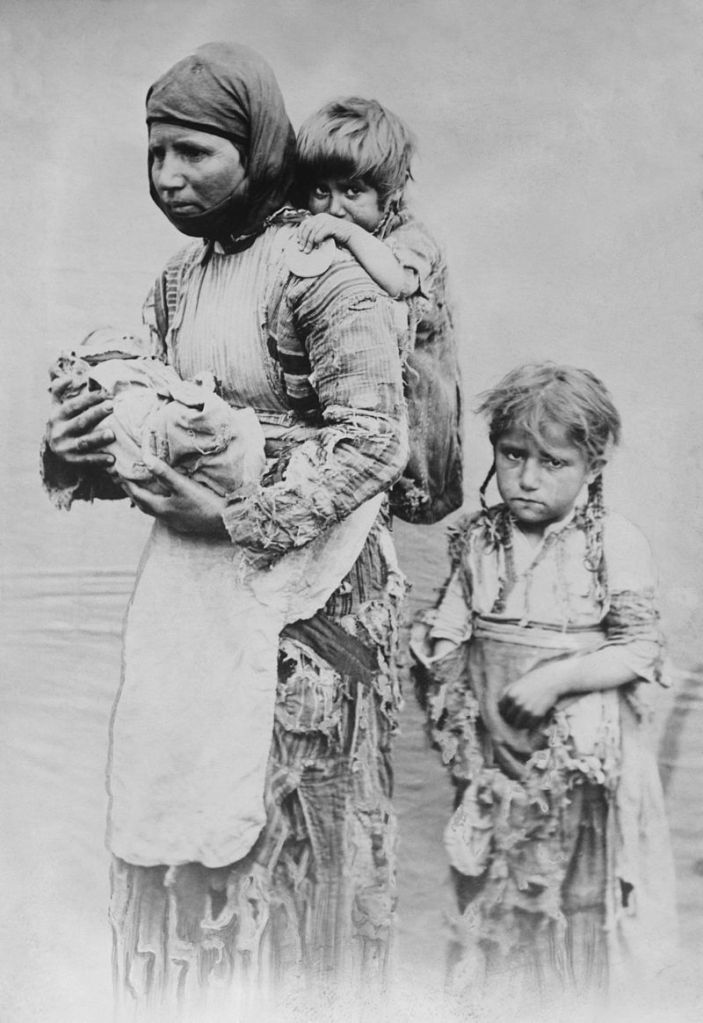
Able bodied males were exterminated outright, or worked to death as conscripted labor. Women, children, the elderly and infirm were driven on death marches to the farthest reaches of the Syrian desert. Goaded like livestock by military “escorts”, they were deprived of food and water, subjected at all times to robbery, rape, and summary execution. By the early 1920s, as many as 1.5 million of the Ottoman Empire’s 2 million Armenian Christians, were dead.
The Turkish historian Taner Akçam has examined military and court records, parliamentary minutes, letters, and eyewitness reports to write what may be The definitive history of the whole episode entitled, A Shameful Act, The Armenian Genocide and the Question of Turkish Responsibility. In it, Akçam writes of:
“…the looting and murder in Armenian towns by Kurds and Circassians, improprieties during tax collection, criminal behavior by government officials and the refusal to accept Christians as witnesses in trial.”
Taner Akçam

The Armenian spyurk, an Aramaic cognate deriving from the Hebrew Galut, or “Diaspora”, goes back some 1,700 years. Today, the number of ethnic Armenians around the world tracing lineage back to this modern-day diaspora, numbers in the several millions.
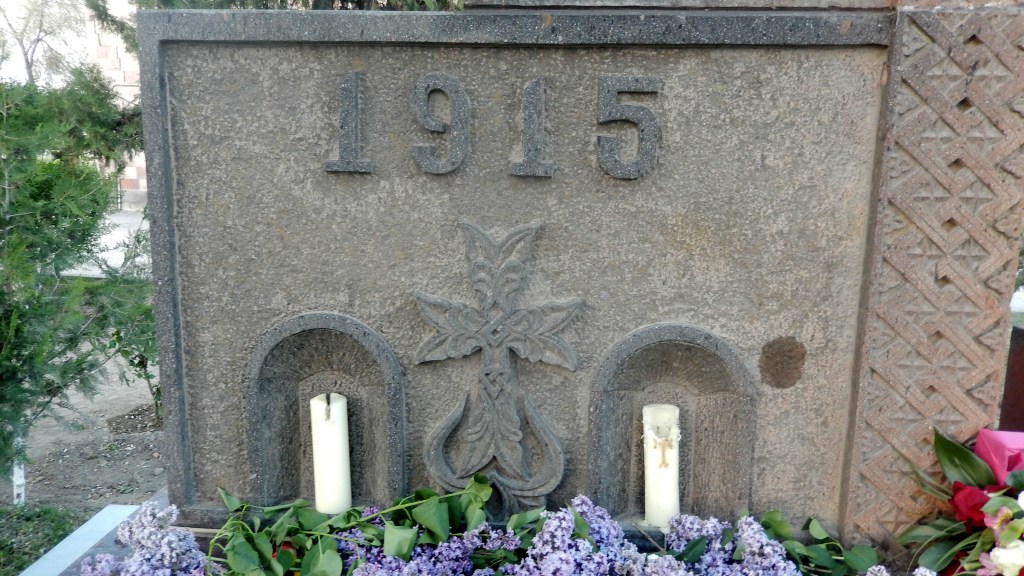
Since 1919, Armenians around the world have marked April 24 as Armenian Genocide Remembrance Day.
“Who, after all, speaks today of the annihilation of the Armenians?“
Adolf Hitler
To this day it remains illegal in Turkey, to speak of the Armenian genocide. The New York Times declined to use the term, until 2004.
In April 2019, President Donald Trump received a furious response from Turkish President Recep Tayyip Erdoğan, for this seemingly-benign statement: “Beginning in 1915, one and a half million Armenians were deported, massacred, or marched to their deaths in the final years of the Ottoman Empire. I join the Armenian community in America and around the world in mourning the loss of innocent lives and the suffering endured by so many”.











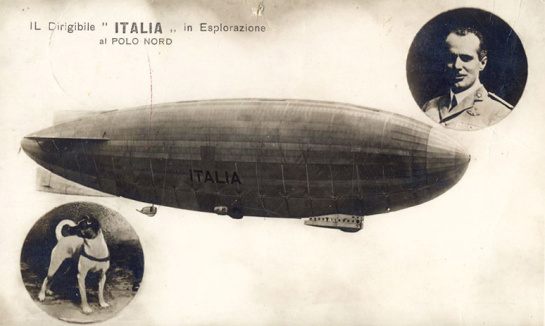
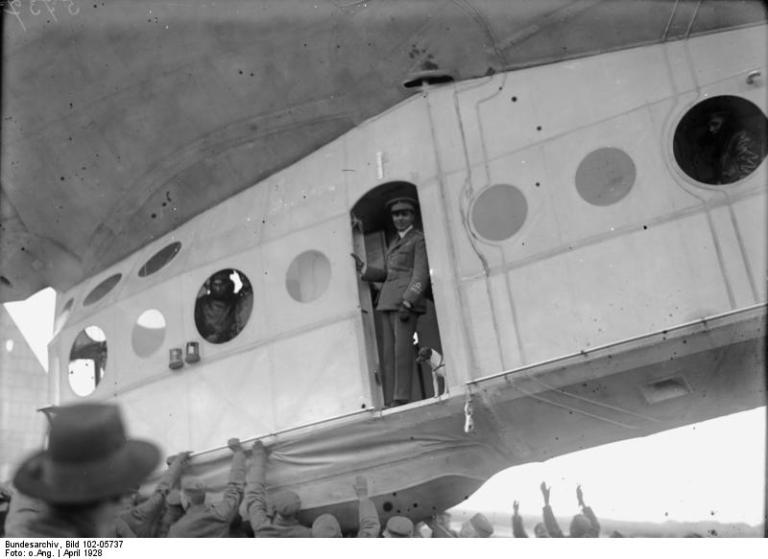
 Two years earlier, the Norge (“NOR-gay”) had demonstrated that such an airship, could reach the north pole. This time they were coming back, for further exploration.
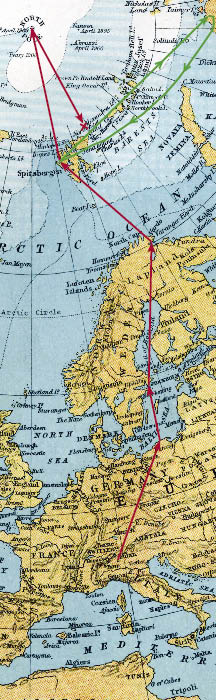 The first of five planned sorties began on May 11, before turning back only eight hours later in near-blizzard conditions. The second trip took place in virtually perfect weather conditions with unlimited visibility. The craft covered 4,000 km (2,500 miles), setting the stage for the third and final trip.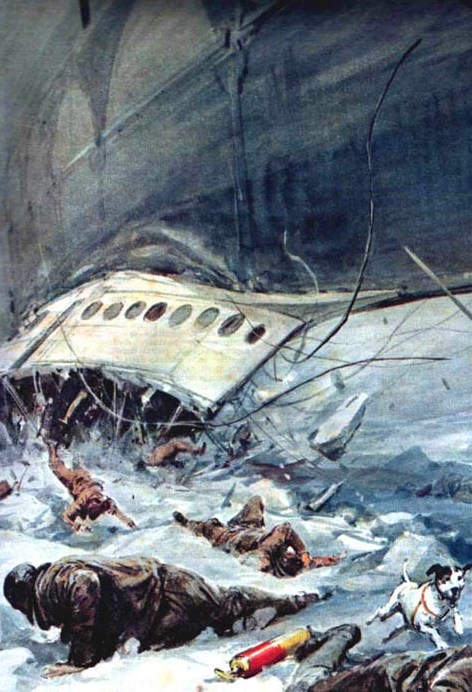

 Today, the “insular” Celtic languages are all that’s left, relegated to two sub-groups: the Goidelic (or Gaelic) spoken by Irish and Scots speakers and once on the Isle of Man, and the Brythonic or Brittonic once spoken in Wales, Brittany and Cornwall.
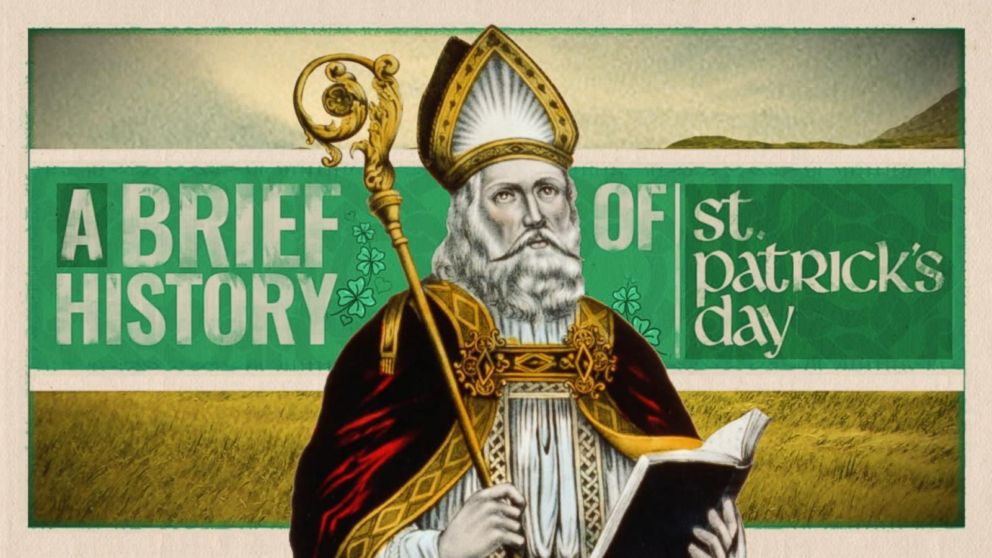
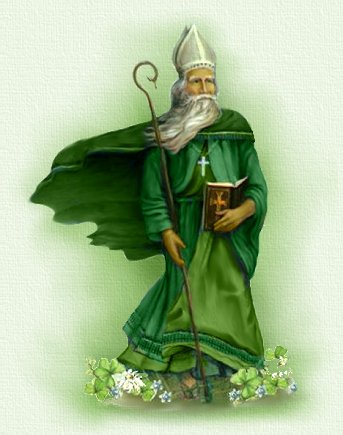 Interestingly, Patrick is listed among the 10,000 or so Roman Catholic Saints though it seems he never was actually canonized, by a pope.
 Another legend involves a walking stick of ash, which Patrick carried with him wherever he went. He would thrust this stick into the ground wherever he would preach. At a place now known as Aspatria, (ash of Patrick), the message took so long to get through to the people that the stick took root.
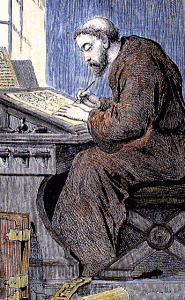 Christian Ireland, with its green color evoking rebirth and eternal life.

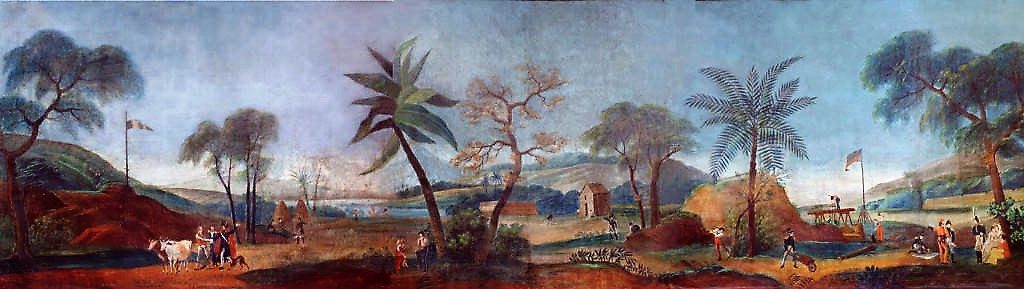
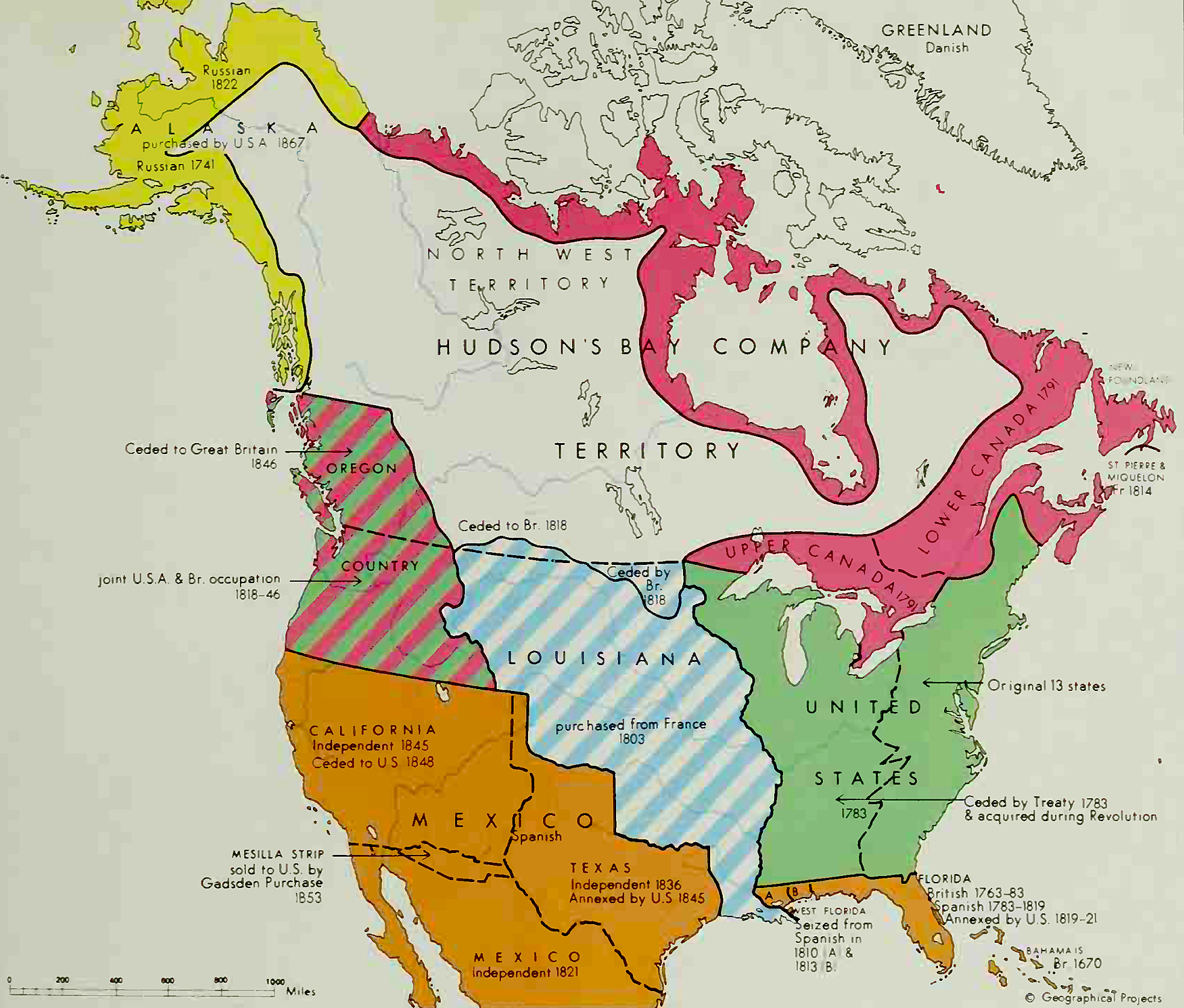 Those first ten years of independence was a time of increasing unrest for the American’s French ally, of the late revolution. The famous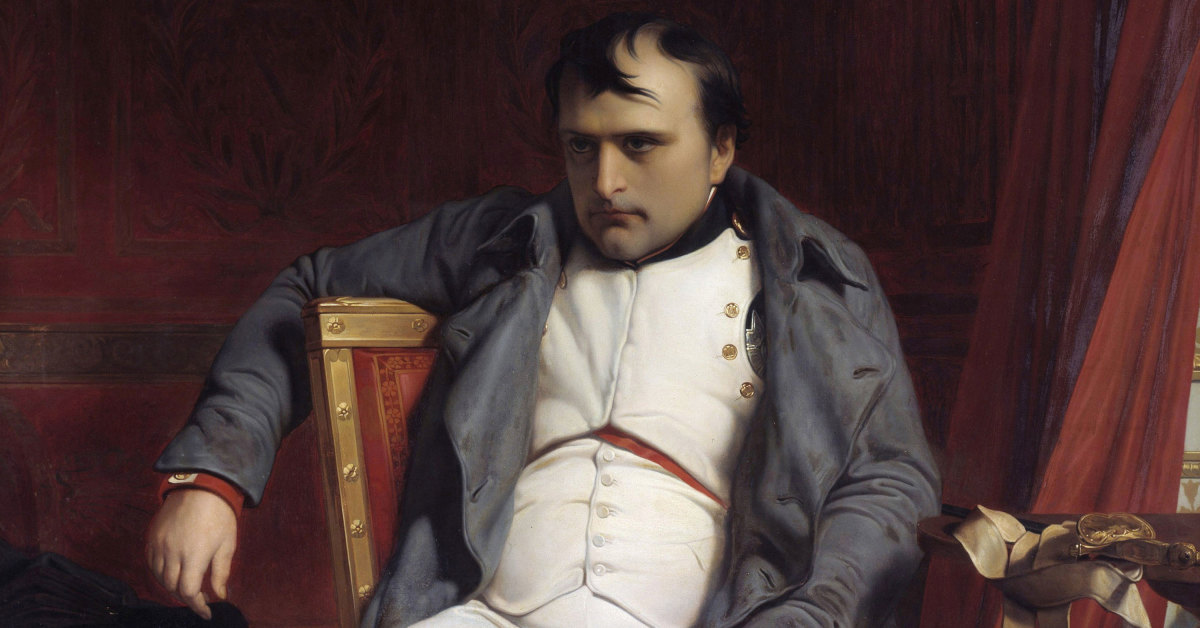
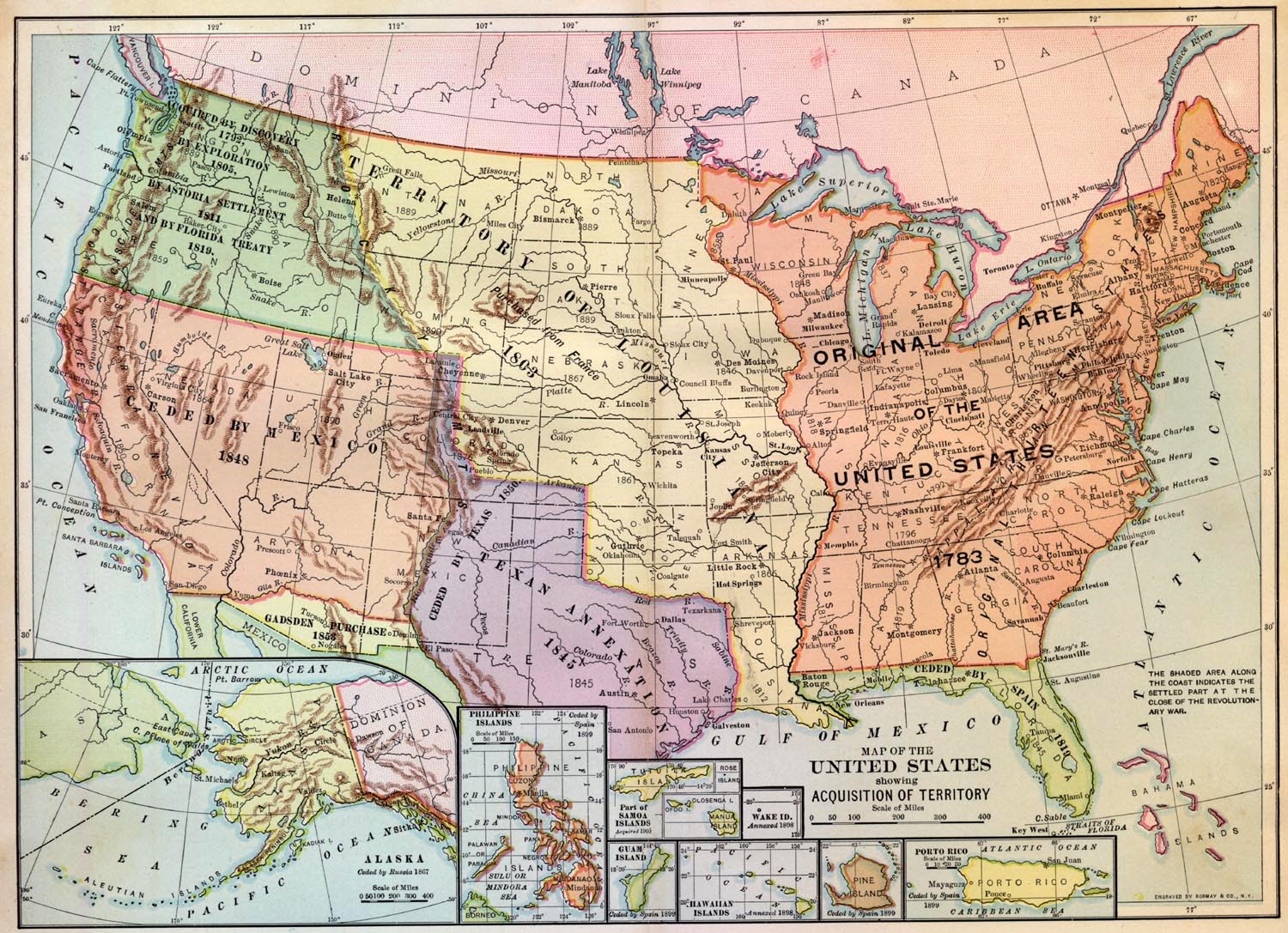 Napoleon Bonaparte, crowned Emperor the following year, would fight (and win) more battles than Julius Caesar, Hannibal, Alexander the Great and Frederick the Great, combined.
 Jean-Simon Chaudron founded the Abeille Américaine in 1815 (The American Bee), Philadelphia’s leading French language newspaper. Himself a refugee of Santo Domingo (Saint-Domingue), Chaudron catered to French merchants, emigres and former military figures of the Napoleonic era and the Haitian revolution.
 In January 1817, the Society for the Vine and Olive selected a site near the Tombigbee and Black Warrior Rivers in west-central Alabama, on former Choctaw lands. On March 3, 1817, Congress passed an act “disposing of a tract of land to embrace four townships, on favorable terms to the emigrants, to enable them successfully to introduce the cultivation of the vine and olive.”
 General Charles Lallemand, who joined the French army in 1791, replaced Lefebvre-Desnouettes as President of the Colonial Society. A man better suited to the life of an adventurer than that of the plow, Lallemand was more interested in the wars of Latin American independence, than grapes and olives. By the fall of 1817, Lallemand and 69 loyalists had concocted a plan to sell the land they hadn’t yet paid for, to raise funds for the invasion of Texas.
 Little is left of the Vine and Olive Colony but the French Emperor lives on, in western Alabama. Marengo County commemorates Napoleon’s June 14, 1800 victory over Austrian forces at the Battle of Marengo. The county seat, also known as Marengo, was later renamed Linden. Shortened from the Napoleonic victory over Bavarian forces led by Archduke John of Austria, at the 1800 battle of Hohenlinden.

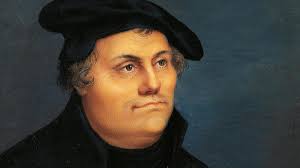 16th century Church doctrine taught that the Saints built a surplus of good works over a lifetime, sort of a moral bank account. Like “carbon credits” today, positive acts of faith and charity could expiate sin. Monetary contributions to the church could, so it was believed, “buy” the benefits of the saint’s good works, for the sinner.
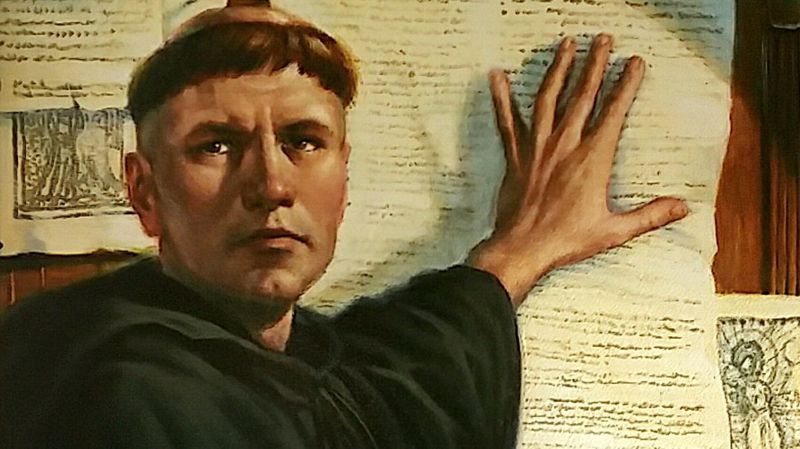 A popular story has Martin Luther nailing the document to the door of the Wittenberg Palace Church, but it may never have happened that way. Luther had no intention of confronting the Church at this time. This was an academic work, 95 topics offered for scholarly debate.
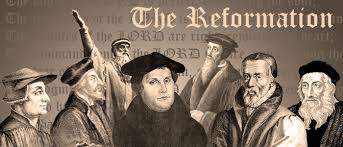 Luther stood on dangerous ground. Jan Hus had been burned at the stake for such heresy, back in 1415. On this day in 1420, Pope Martinus I called for a crusade against the followers of the Czech priest, the “Hussieten”.
 The papal bull had the effect of hardening Luther’s positions. He publicly burned it, on December 10. Twenty-four days later, Luther was excommunicated. A general assembly of the secular authorities of the Holy Roman Empire summoned Luther to appear before them in April, in the upper-Rhine city of Worms. The “Edict of Worms” of May 25, 1521, declared Luther an outlaw, stating “We want him to be apprehended and punished as a notorious heretic”. Anyone killing Luther was permitted to do so without legal consequence.

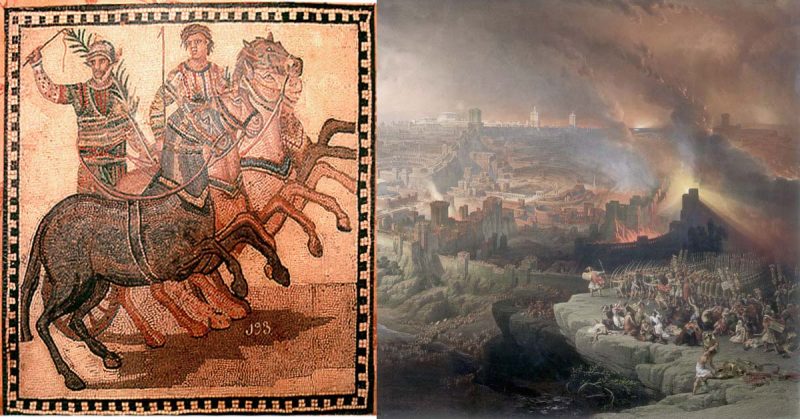
 Look up the Highest Paid Athlete of All Time and you’ll be rewarded with the knowledge that Michael Jordan amassed career earnings of $1.85 Billion, according to Forbes Magazine. Steve Forbes and Michael Jordan alike may be surprised to know. Spanish driver Gaius Appuleius Diocles amassed an astonishing 35,863,120 sesterces, equivalent to $15 Billion, today. Not bad for a man whose name suggests he probably began as a slave, freed by a guy named Gaius Appuleius.
 The age of Constantine saw enormous expansion of the city which bore his name, including enlargement of the Hippodrome to an impressive 1,476-feet long by 427-feet wide with a seating capacity of 100,000. By way of comparison, the Empire State Building is 1,454-feet from sidewalk to the very tip of the spire. Mercedes Benz Stadium in Atlanta, home of Super Bowl LIII, has a rated capacity of 71,000 spectators.
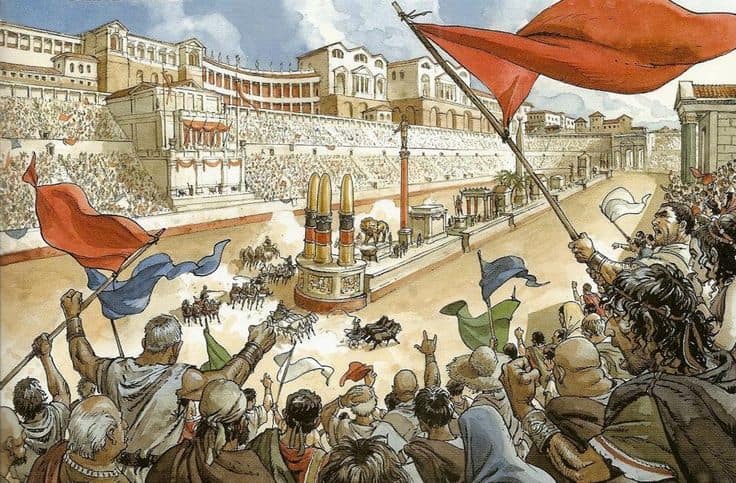 A raised median called a spina ran down the center, adorned with stone statuary and obelisks. Ganging up to drive opposing handlers into the stone median or the stands, whipping opponents and even hauling them out of their chariots was not only permitted, but encouraged.
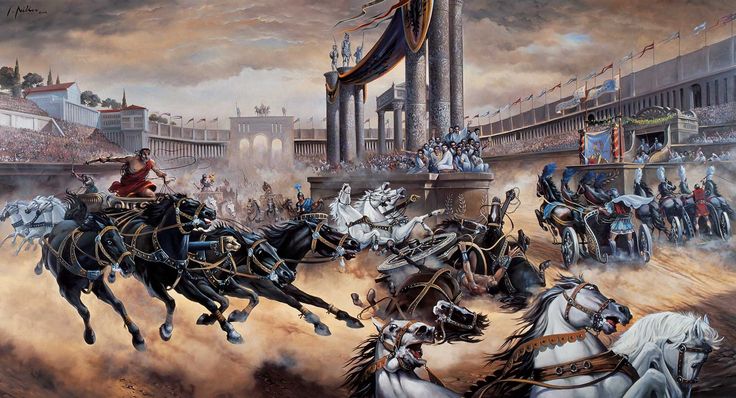 Modern sport has seen its share of fan passion rising to violence, but the worst “futbol hooligan” pales into docility, compared with the crowd come to watch the chariot races. Imagine the worst fan violence of the modern era combined with aspects of street gangs and political organizations, each faction holding positions on the issues of the day and attempting to sway public policy by shouting slogans, between races.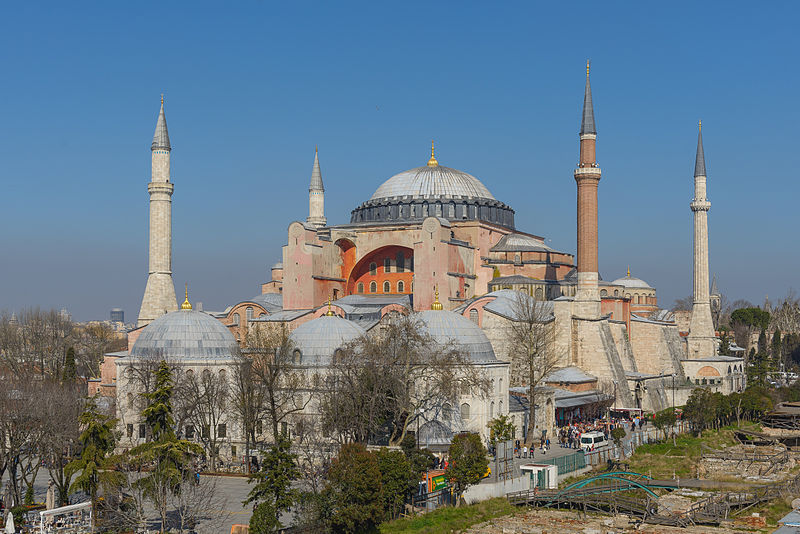
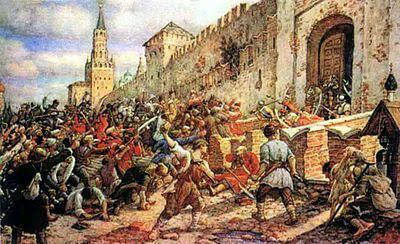 With spine thus restored, Justinian formulated a plan. The popular eunuch Narses was sent with a bag of gold, into the lion’s den. Small and slight of build, unarmed but for those coins, Narses entered the Hippodrome and went directly to the Blue section. On this day in 562 Hypatius was in the very act of coronation when the eunuch spoke. Narses reminded the Blues that Hypatius was a Green while Justinian himself, supported their team.
 Thus ends one of the great “backfires” in political history. Senator Hypatius was put to the sword and those who had supported the pretender, sent into exile. Justinian I would rule another 33 years, rebuilding Constantinople, muzzling the Senatorial Class which had caused him such grief and reconquering lost territories, in Italy.
 Historical Easter Eggs - Today in History
You must be logged in to post a comment.