

 Childhood memories of standing in line. Smiling. Trusting. And then…the Gun. That sound. Whack! The scream. That feeling of betrayal…being shuffled along. Next!
Ask anyone of a certain age and they can show you the scar, round or oblong, jagged around the edges and just a little lower than the surrounding skin.
Between 1958 and 1977, the World Health Organization conducted a great campaign, a global effort to rid the world of the great scourge, of smallpox.

Today we face a worldwide pandemic of the COVID19 virus, calculated to produce a crude mortality rate of .28% and an Infection Fatality Rate (IFR), of 1.4%. Hat Tip worldometers.info
The four Variola virus types responsible for smallpox produce a death rate between one in ten at the low end and two – three out of four with an average of 30%.
The disease is as old as history, believed to have evolved from an African rodent virus, at least 16,000 years ago. The Egyptian Pharaoh Ramses V died of smallpox in 1145, BC.
Survivors are left with severe scarring and often blinded. Josef Stalin was famously pockmarked after acquiring the illness at age 7. Other famous survivors include Abraham Lincoln, Queen Elizabeth I and Pocahontas.
 And did you know? The American Revolution was fought out, entirely in the midst of a smallpox pandemic.
How it all began, is uncertain. By the fall and winter of 1775, the disease was raging through British-occupied Boston.
In the south, escaped slaves crossed over to British lines only to contract smallpox, and die. The disease hit Texas in 1778. New Orleans was particularly hard hit with its densely populated urban areas. By 1780 it was everywhere from Mexico to the Great Plains to Alaska.
Native populations were particularly hard hit. As many as 11,000 were killed in the west of modern-day Washington state, reducing populations from 37,000 to 26,000 in just seven years. The idea of inoculation was not new. Terrible outbreaks occurred in Colonial Boston in 1640, 1660, 1677-1680, 1690, 1702, and 1721, killing hundreds, each time. At the time, sickness was considered the act of an angry God. Religious faith frowned on experimentation on the human body.
On June 26, 1721, Dr. Zabdiel Boylston in consultation with Reverend Cotton Mather, performed the first smallpox inoculations in America. Two male slaves, an adult and and a two-year-old were inoculated, along with Dr. Boylston’s 6-year-old son. All three became mildly ill but recovered, never again to be bothered by smallpox. Colonists were chary of the procedure, deeply suspicious of how deliberately infecting a healthy person, could produce a desirable outcome. John Adams submitted to the procedure in 1764 and gave the following account:
“Dr. Perkins demanded my left arm and Dr. Warren my brother’s [probably Peter Boylston Adams]. They took their Launcetts and with their Points divided the skin about a Quarter of an inch and just suffering the blood to appear, buried a thread (infected) about a Quarter of an inch long in the Channell. A little lint was then laid over the scratch and a Piece of Ragg pressed on, and then a Bandage bound over all, and I was bid go where and do what I pleased…Do not conclude from any Thing I have written that I think Inoculation a light matter — A long and total abstinence from everything in Nature that has any Taste; two long heavy Vomits, one heavy Cathartick, four and twenty Mercurial and Antimonial Pills, and, Three weeks of Close Confinement to an House, are, according to my Estimation, no small matters.”
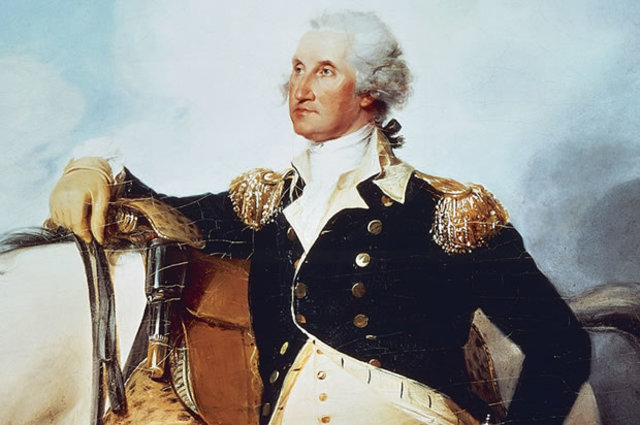
 As Supreme Commander, General Washington had a problem. An inoculated soldier would be unfit for weeks before returning to duty. Doing nothing and hoping for the best was to invite catastrophe but so was the inoculation route, as even mildly ill soldiers were contagious and could set off a major outbreak.
The northern army was especially hard hit in Quebec, with general Benedict Arnold reporting some 1,200 out of 3,200 Continentals sick in the Montreal area, most with smallpox. It was “almost sufficient to excite the pity of Brutes” he said, “Large barns [being] filled with men at the very heighth of smallpox and not the least things, to make them comfortable and medicines being needed at both Fort George and Ticonderoga.”
Major General John Thomas, Commander of the Army in Quebec was dead of the disease. John Adams complained “The smallpox is ten times more terrible than Britons, Canadians and Indians, together.”
By mid-1776, half the continentals in and around Montreal were infected. The order was given to withdraw. John Adams cited smallpox, as the cause.  In February 1777 while encamped in Morristown, Washington became convinced that the benefits outweighed the risks. Washington himself had survived the dreadful disease. Martha Washington had undergone the procedure, known as variolation. He ordered his medics to cut small incisions on the arms of his troops, and to rub the pus from infected soldiers, into the wounds. Thus inoculated, soldiers were kept under strict quarantine and issued either new or “well washed, air’d and smoaked” clothing.
The program had enthusiastic support from the likes of Jefferson, Franklin and Adams. Nearly every continental soldier was inoculated before the end of the war. Had the program begun a year earlier, the US/Canadian map might look quite different, than it does today.
In Washington’s day, the method used live virus, accounting for the long sick time and high mortality rate. In the 1790s, Doctor Edward Jenner of Berkeley, Gloucestershire, England observed milkmaids developing the signature pustules of smallpox on their hands, after touching infected udders. The Orthopoxvirus responsible for “Cowpox” is very similar to that which produces smallpox but results in far milder symptoms.  The implications were stunning. Orthopox could be administered in place of live Variola, virtually eliminating side effects and reducing the chance of smallpox outbreak, to zero.
On this day in 1796, Dr. Jenner administered the first modern smallpox vaccination. The new vaccine was soon being used around the world.
 So it was on December 9, 1979, smallpox was officially described, as eradicated. The only infectious disease ever so declared.
Few among us born after 1980, bear the scar their parents know so well. Today, stockpiles of live Variola exist only in laboratories, and military bioweapon stockpiles. Just in case of terrorism, or some rogue nation ever resorting to biological warfare.
Today we grapple with a virus, with a 98.6% recovery rate among those infected. God help us all if that other stuff ever gets out of the lab.

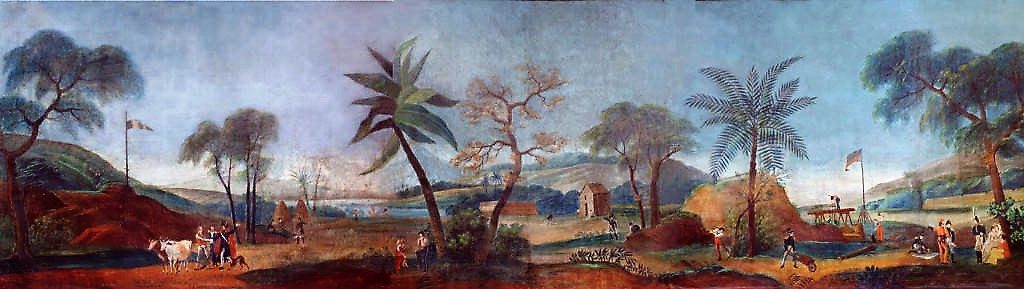
 Those first ten years of independence was a time of increasing unrest for the American’s French ally, of the late revolution. The famous
 Napoleon Bonaparte, crowned Emperor the following year, would fight (and win) more battles than Julius Caesar, Hannibal, Alexander the Great and Frederick the Great, combined.
 Jean-Simon Chaudron founded the Abeille Américaine in 1815 (The American Bee), Philadelphia’s leading French language newspaper. Himself a refugee of Santo Domingo (Saint-Domingue), Chaudron catered to French merchants, emigres and former military figures of the Napoleonic era and the Haitian revolution.
 In January 1817, the Society for the Vine and Olive selected a site near the Tombigbee and Black Warrior Rivers in west-central Alabama, on former Choctaw lands. On March 3, 1817, Congress passed an act “disposing of a tract of land to embrace four townships, on favorable terms to the emigrants, to enable them successfully to introduce the cultivation of the vine and olive.”
 General Charles Lallemand, who joined the French army in 1791, replaced Lefebvre-Desnouettes as President of the Colonial Society. A man better suited to the life of an adventurer than that of the plow, Lallemand was more interested in the wars of Latin American independence, than grapes and olives. By the fall of 1817, Lallemand and 69 loyalists had concocted a plan to sell the land they hadn’t yet paid for, to raise funds for the invasion of Texas.
 Little is left of the Vine and Olive Colony but the French Emperor lives on, in western Alabama. Marengo County commemorates Napoleon’s June 14, 1800 victory over Austrian forces at the Battle of Marengo. The county seat, also known as Marengo, was later renamed Linden. Shortened from the Napoleonic victory over Bavarian forces led by Archduke John of Austria, at the 1800 battle of Hohenlinden.

 One day, the United States Supreme Court would rule the act an unlawful taking and compensate Lee family descendants.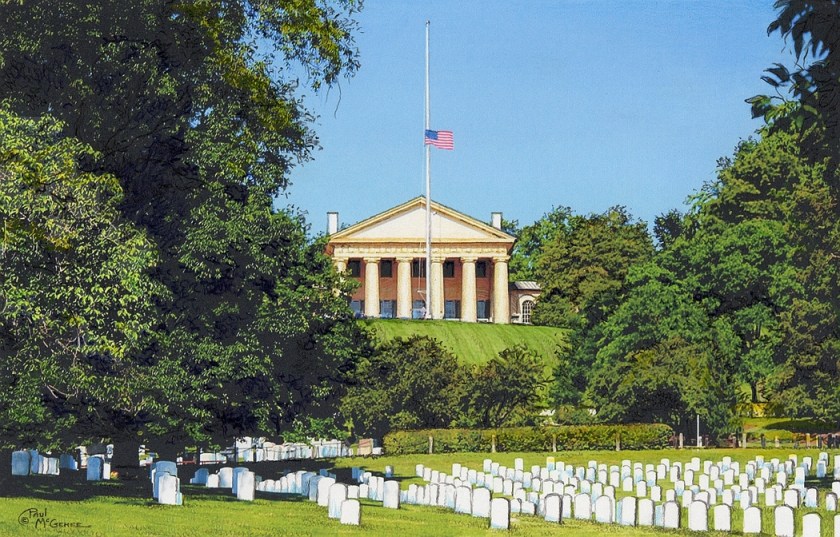
 Private Christman was the first military burial, but not the first. One had come before. When Private Christman went to his rest in our nation’s most hallowed ground, his grave joined that of Mary Randolph, laid to rest some thirty-six years earlier.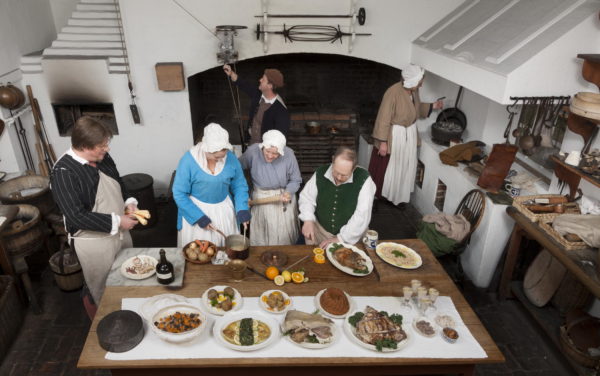
 Mary Randolph, a direct descendant of
  Mary Randolph is best known as the author of America’s first regional cookbook, “The Virginia House-wife” and known to some, as “The Methodical Cook”.
 Mary Randolph, wife of David Meade Randolph, was an early advocate of the now-common use of herbs, spices and wines in cooking.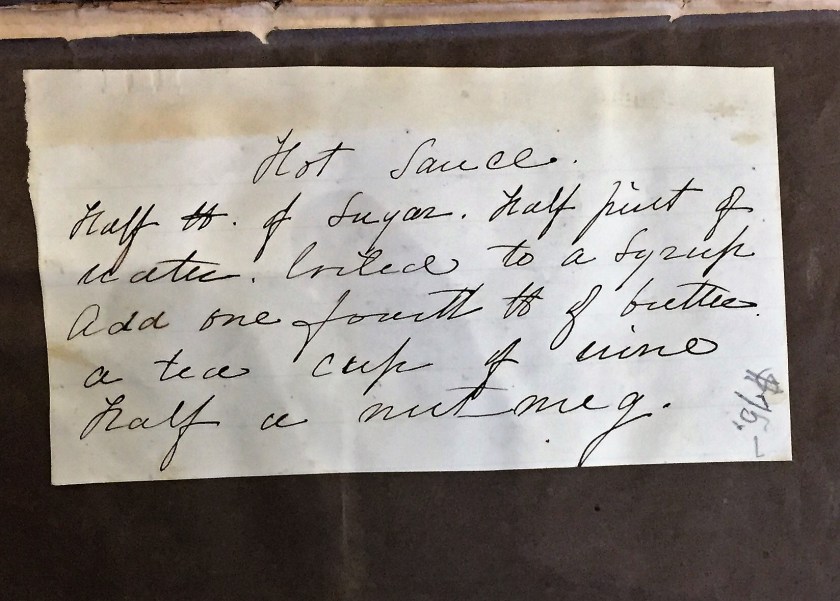


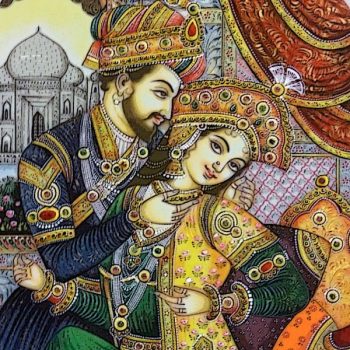 As Empress consort and beloved by the Emperor above all his wives, Arjumand was better known by the title “Mumtaz Mahal”, translating from the Persian as “the exalted one of the palace”. Jahan called her ‘Malika-i-Jahan’. She was his “Queen of the World”.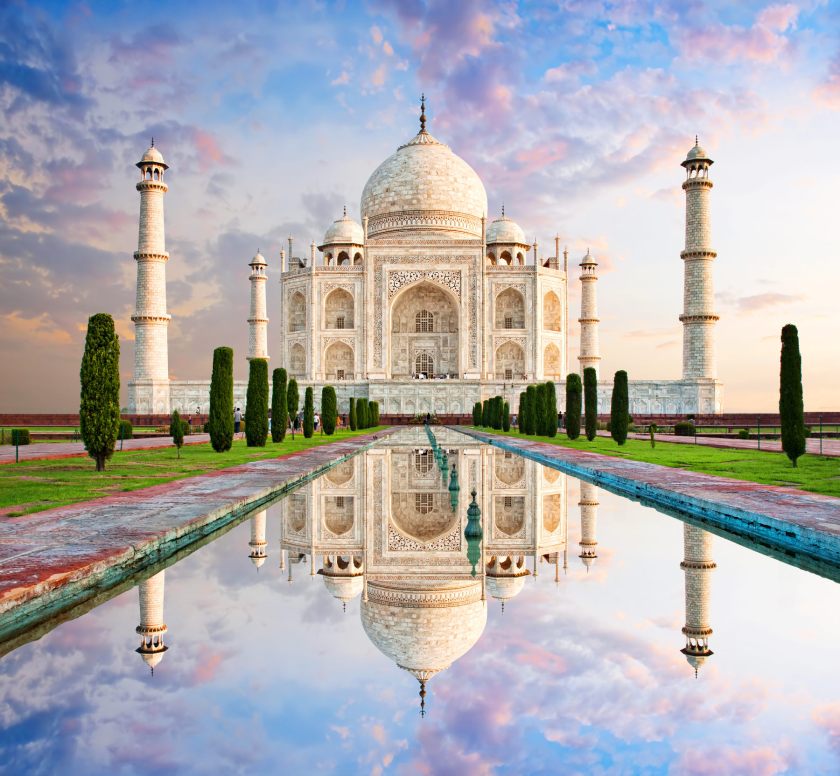
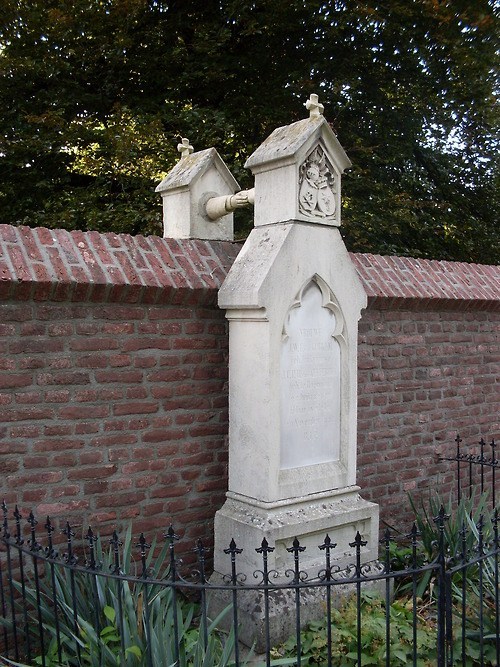
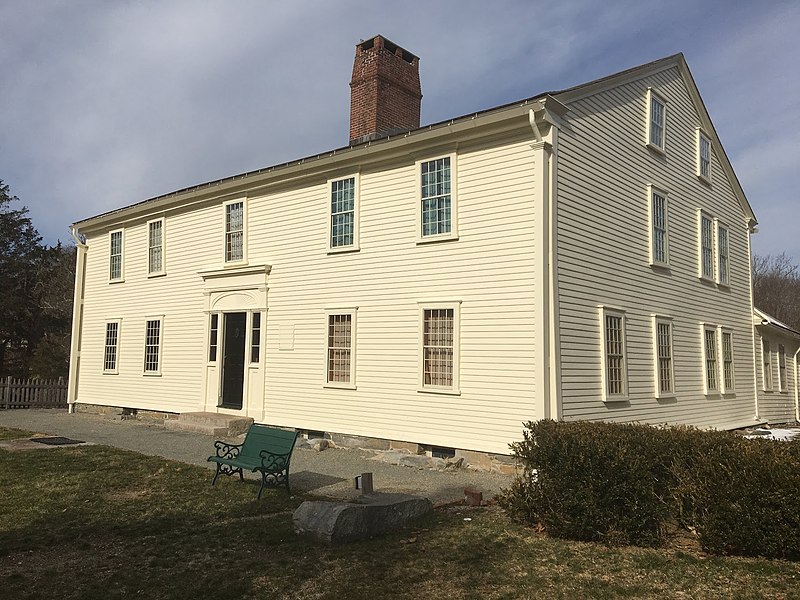



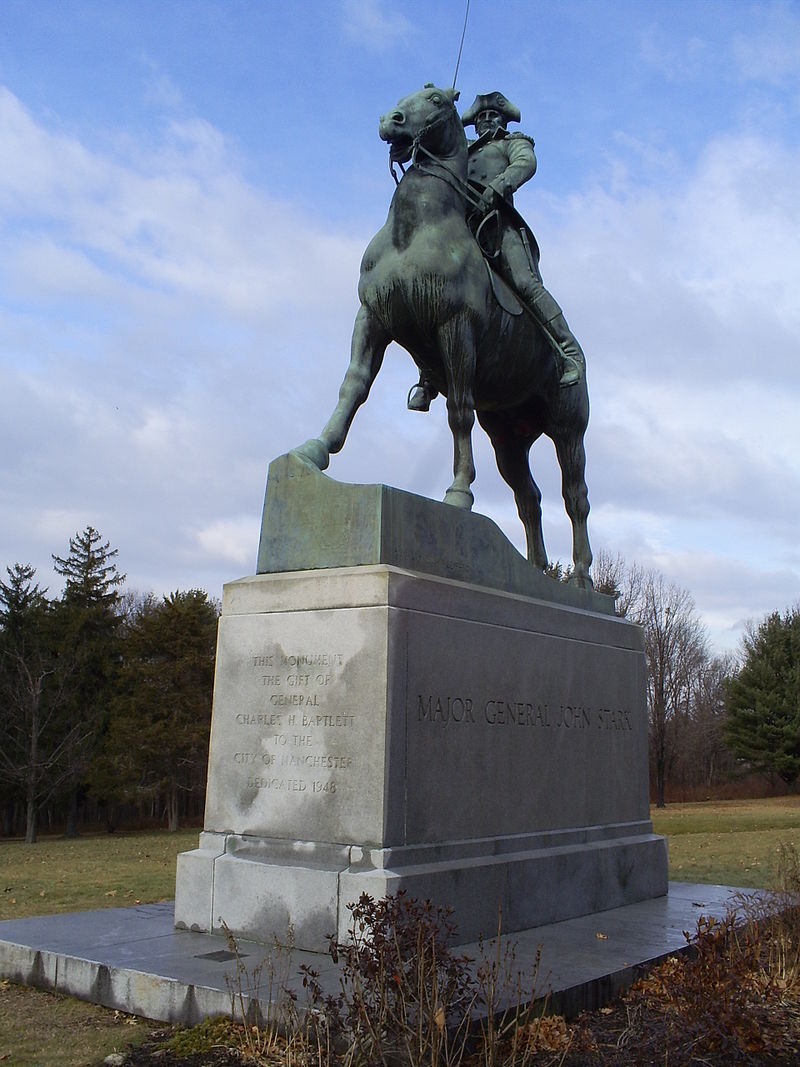
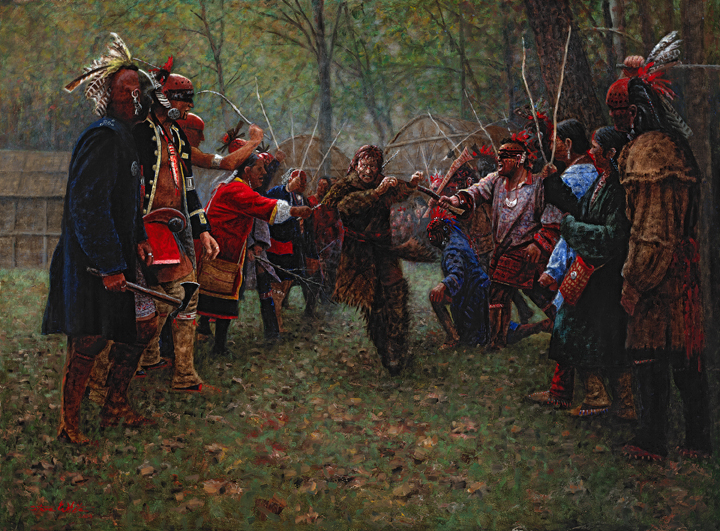
 Seven years later during the French & Indian War, Rogers’ Rangers were ordered to attack the Abenaki village with John Stark, second in command. Stark refused to accompany the attacking force out of respect for his Indian foster family, returning instead to Derryfield and his wife Molly, whom he had married the year before.



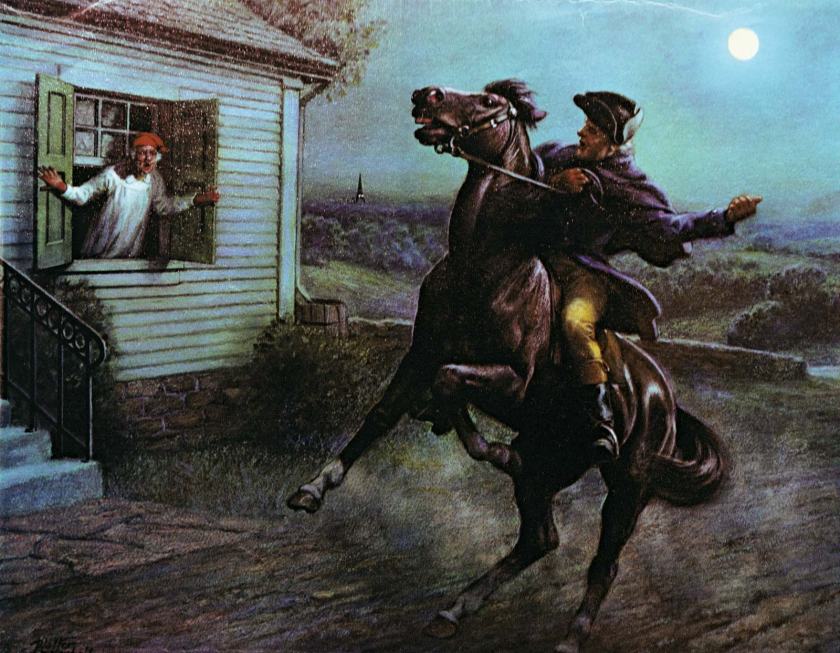 Revere himself covered barely 12 miles before being captured, his horse confiscated to replace the tired mount of a British sergeant. Revere would finish his “ride” on foot, arriving at sunrise on the 19th to witness the last moments of the battle on Lexington Green.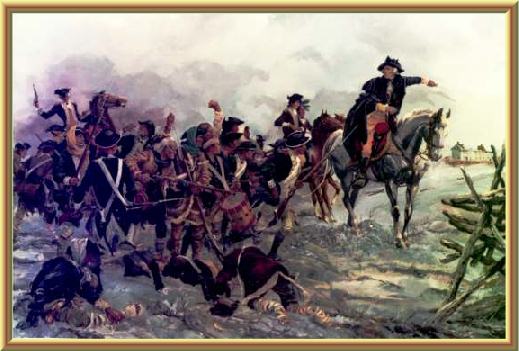
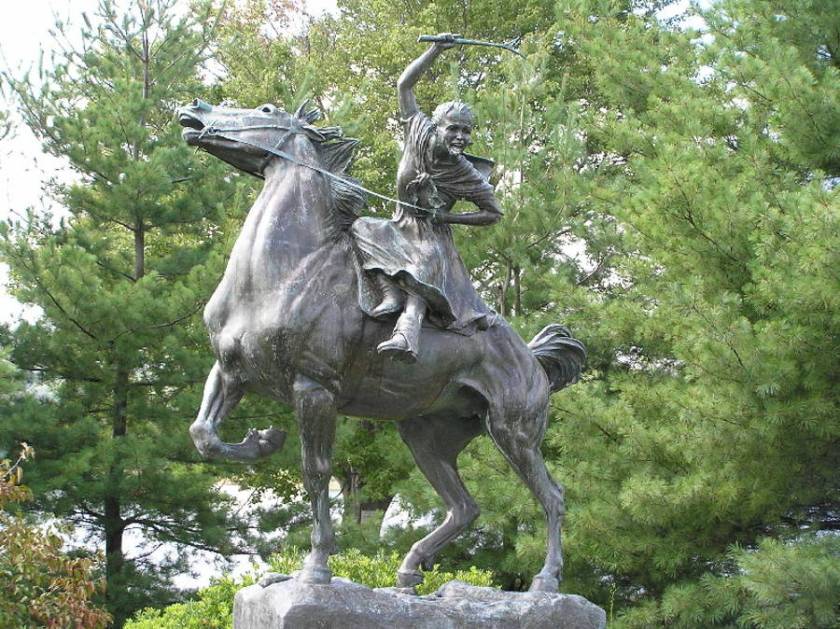
 In April 1777, Ludington’s militia was disbanded for planting season, and spread across the countryside. An exhausted rider arrived at the Ludington farm on a blown horse, on the evening of the 26th, asking for help. 15 miles away, British regulars and a force of loyalists were burning Danbury to the ground.
 At the time, Benedict Arnold planned to travel to Philadelphia, to protest the promotion of officers junior to himself, to Major General. Arnold, who’d had two horses shot out from under him at Ridgefield, was promoted to Major General in recognition for his role in the battle. Along with that promotion came a horse, “properly caparisoned as a token of … approbation of his gallant conduct … in the late enterprize to Danbury.” For now, the pride which would one day be his undoing, was assuaged.
 General David Wooster was mortally wounded at the Battle of Ridgefield, moments after shouting “Come on my boys! Never mind such random shots!” Today, an archway marks the entrance to Wooster Square, in the East Rock Neighborhood of New Haven.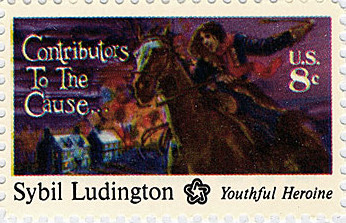


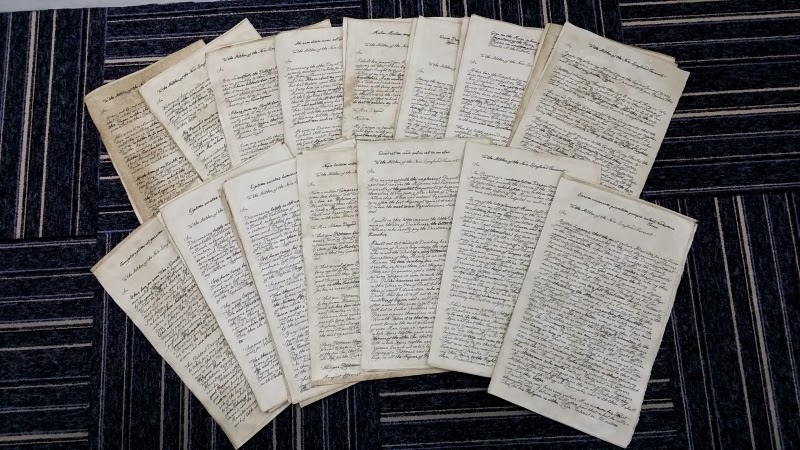
 By 1720, James Franklin began to publish The New England Courant, only the second newspaper to appear in the American colony.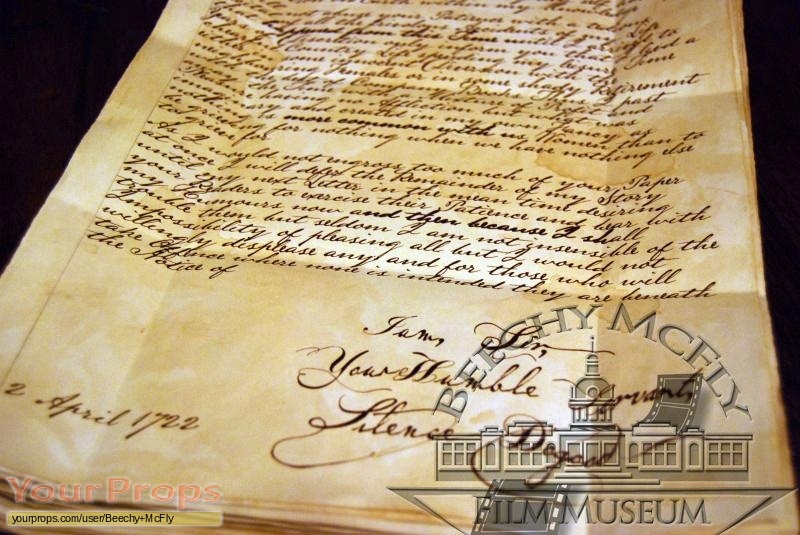
 James Franklin and his literary friends loved the letters, and published every one. All of Boston was charmed with Silence Dogood’s subtle mockery of the city’s Old School Puritan elite. Proposals of marriage came into the print shop, when the widow Dogood coyly suggested that she would welcome suitors.
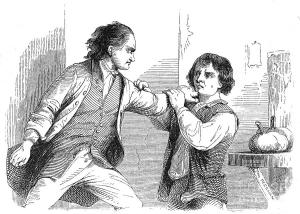 All of Boston was amused by the hoax, but not James. He was furious with his little brother, who soon broke the terms of his apprenticeship and fled to Pennsylvania.
 By then too old and frail to deliver his own speech, Franklin had someone else read his words to the deadlocked convention.
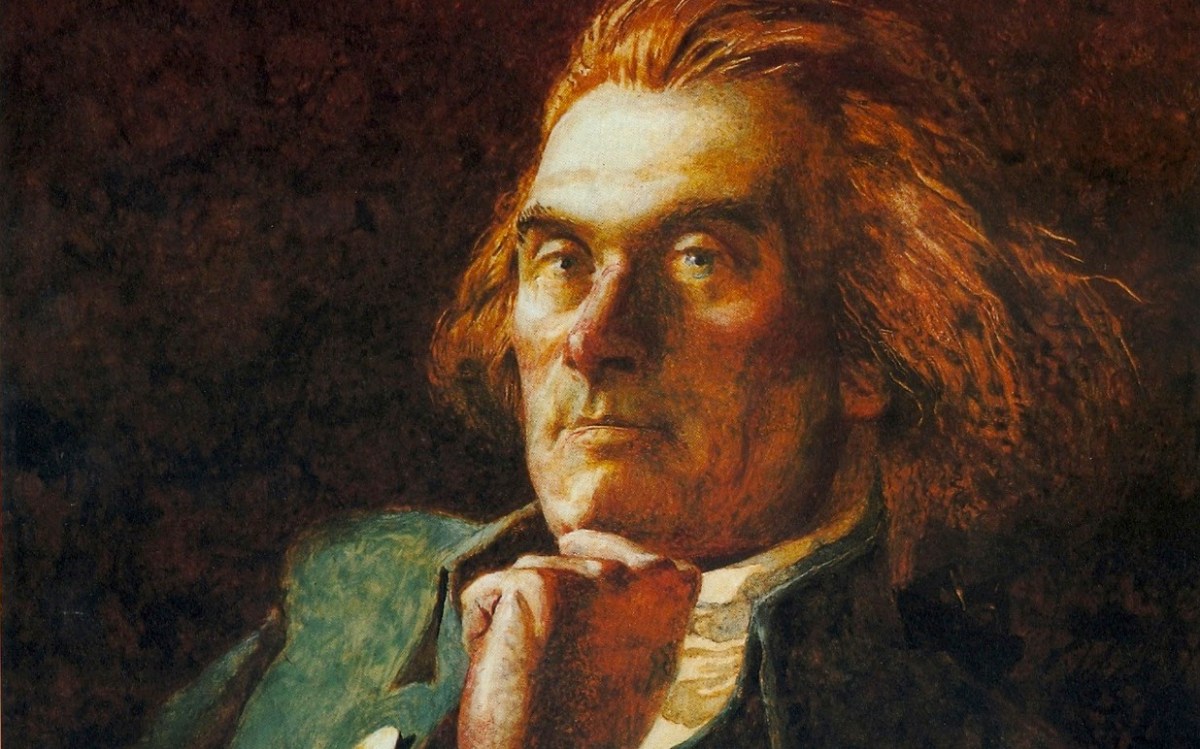
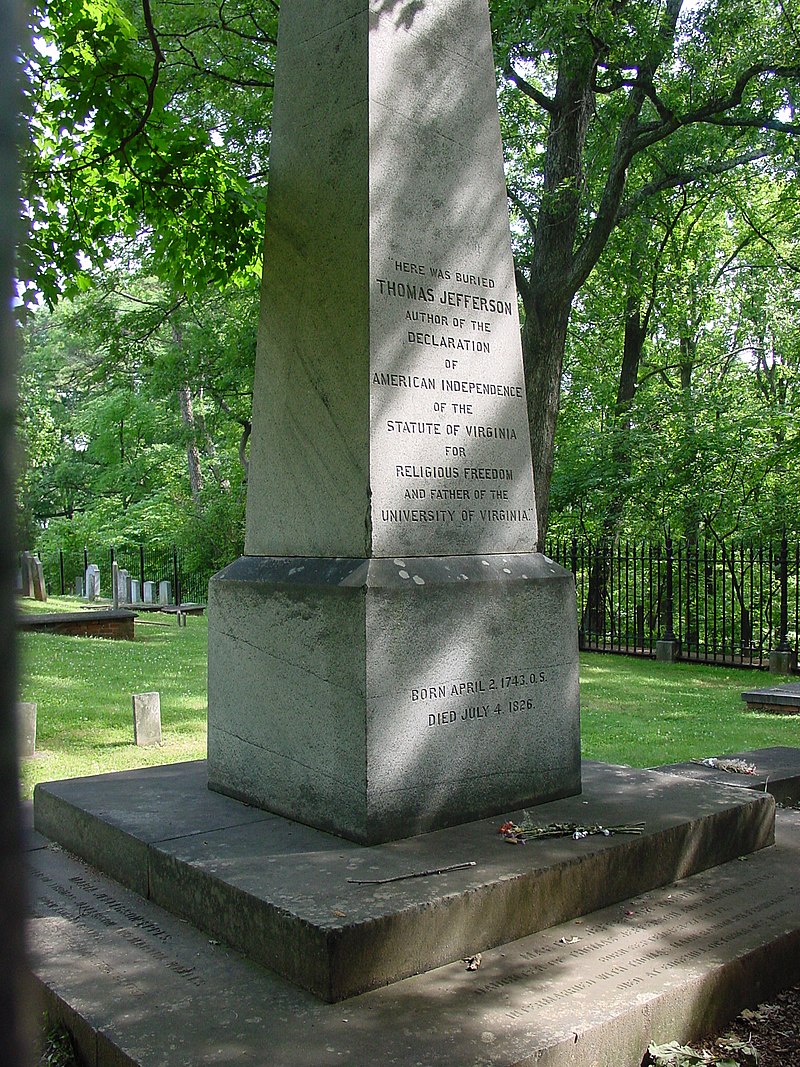
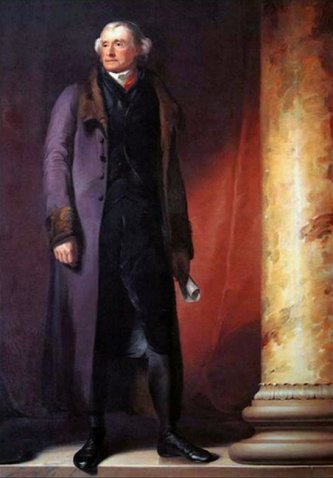
 In a time when colonists considered themselves to be Englishmen, Jefferson sought to disestablish the Anglican communion of the Church of England, seeking from the earliest days of his public career to establish a freedom from state-sponsored religion.
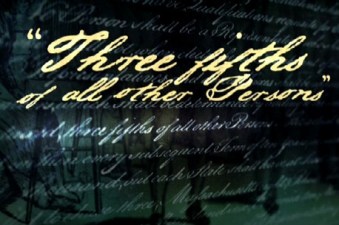 The more industrialized states to the north saw such a measure as placing a disproportionate burden of taxation, on themselves. The 3/5ths compromise kicked the can down the road, passing the Gordian knot to be settled by another generation, in rivers of blood.


 Historical Easter Eggs - Today in History
You must be logged in to post a comment.