

Imagine you consider yourself to be somewhere in the political center. Maybe a little to the left. Now imagine that, in the space of two years, national politics have shifted to the point you find yourself on the “reactionary right”, subject to execution as such by your government.
And your personal convictions have never so much as wavered.
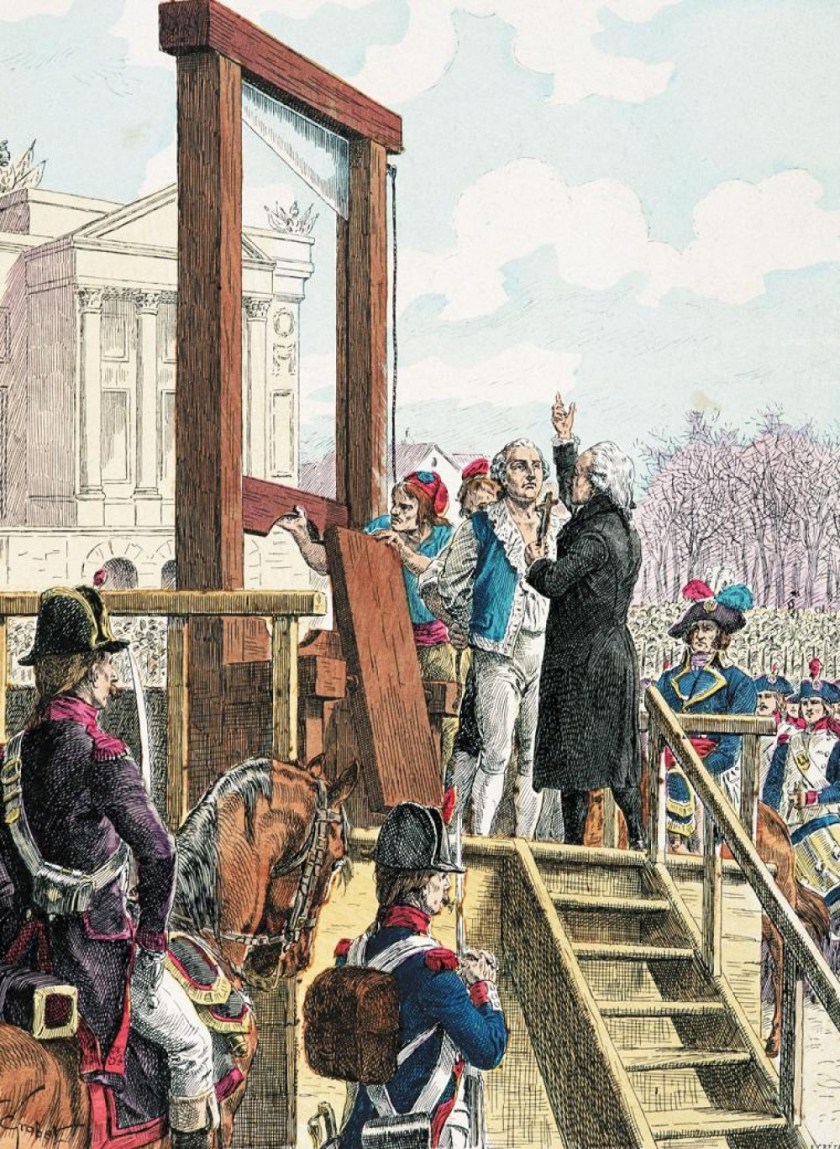
America’s strongest Revolution-era ally lost its collective mind in 1792, when France descended into a revolution of its own. 17,000 Frenchmen were officially tried and executed during the 1793-’94 “Reign of Terror” alone, including King Louis XVI and Queen consort, Marie Antoinette. Untold thousands died in prison or without benefit of trial.
 The monarchical powers of Europe were quick to intervene. For the 32nd time since the Norman invasion of 1066, England and France once again found themselves in a state of war.
France was the American patriot’s strongest supporter during America’s revolution, yet the US remained neutral in the later conflict, straining relations between the former allies. Making matters worse, America repudiated its war debt in 1794, arguing that it owed money to “l’ancien régime”, not to the French First Republic which had overthrown it and executed its King.
Both sides in the European conflict seized neutral ships in the act of trading with their adversary. The “Treaty of Amity, Commerce, and Navigation” with Great Britain, better known as the “Jay Treaty”, all but destroyed relations with the French 1st Republic. France retaliated by stepping up attacks on American merchant shipping, seizing 316 American civilian ships in one eleven-month period, alone.
In 1796, the French Republic formally broke diplomatic relations with the United States, rejecting the credentials of President Washington’s representative Ambassador Charles Cotesworth Pinckney.
The following year, President John Adams dispatched a delegation of two. They were the future Chief Justice of the Supreme Court John Marshall, and future Massachusetts Governor Elbridge Gerry, he who lends his name to the term “Gerrymander”. Their instructions were to join with Pinckney in negotiating a treaty with France, with terms similar to those of the Jay treaty with Great Britain.
The American commission arrived in Paris in October 1797, requesting a meeting with the French Foreign Minister, Charles Maurice de Talleyrand. Talleyrand, unkindly disposed toward the Adams administration to begin with, demanded money before meeting with the American delegation. The practice was not uncommon in European diplomacy of the time, but the Americans blanched.
Documents later released by the Adams administration describe Nicholas Hubbard, an English banker identified only as “W”. W introduced “X” (Baron Jean-Conrad Hottinguer) as a “man of honor”, who wished an informal meeting with Pinckney. Pinckney agreed and Hottinguer reiterated Talleyrand’s demands, specifying the payment of a large “loan” to the French government, and a £50,000 bribe to Talleyrand himself. Met with flat refusal by the American commission, X then introduced Pierre Bellamy (“Y”) to the Americans, followed by Lucien Hauteval (“Z”), sent by Talleyrand to meet with Elbridge Gerry. X, Y and Z, each in their turn, reiterated the Foreign Minister’s demand for a loan, and a bribe.
Believing that Adams sought war by exaggerating the French position, Jeffersonian members of Congress joined with the more warlike Federalists in demanding the release of the commissioner’s communications. It was these dispatches, released in redacted form, which gave the name “X-Y-Z Affair” to the diplomatic and military crisis which followed.
American politics were sharply divided over the European war. President Adams and his Federalists, always the believers in strong, central government, took the side of the Monarchists. Thomas Jefferson and his “Democratic-Republicans” found more in common with the “liberté, égalité, fraternité” espoused by revolutionaries.
In the United Kingdom, the ruling class enjoyed the chaos. One British political cartoon of the time depicted the United States, represented by a woman being groped by five Frenchmen while John Bull, the fictional personification of all England, looks on laughing from a nearby hilltop.

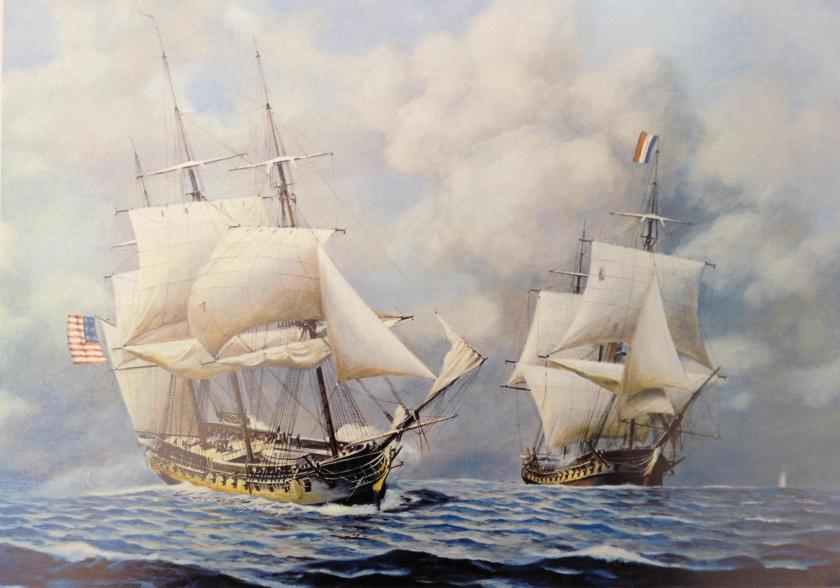
Adams’ commission left without entering formal negotiations, the failure leading to a political firestorm in the United States. Congress rescinded all existing treaties with France on July 7, 1798, the date beginning the undeclared “Quasi-War” with France. Four days later, President John Adams signed “An Act for Establishing and Organizing a Marine Corps,” permanently establishing the United States Marine Corps as an independent service branch, in order to defend the American merchant fleet.
At this point, the United States had no other means of fighting back. The government had disbanded the Navy along with its Marine contingent at the end of the Revolution, selling the last warship in 1785 and retaining only a handful of “revenue cutters” for purposes of customs enforcement. On this day in 1794, the United States Government established a permanent navy and authorized the building of six frigates.. One of them, USS Constitution, saw its first combat in the Quasi-War and remains in service to this day, the oldest commissioned warship in the United States Navy.
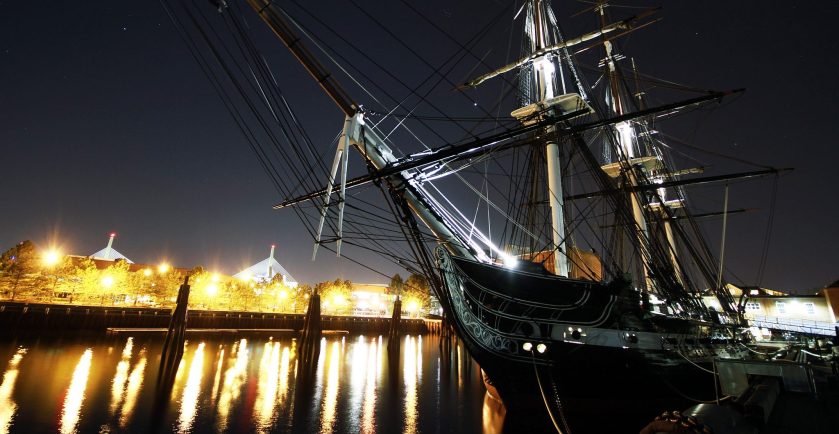
American military involvement proved decisive. Before armed intervention, the conflict with France resulted in the loss of over 2,000 merchant ships captured, with 28 Americans killed and another 42 wounded. Military escalation with the French First Republic cost the Americans 54 killed and 43 wounded, with only a single ship lost. That one, was later recaptured.
By the turn of the century, the naval power of the English speaking nations brought about a more agreeable negotiating position with the government of First Consul Napoleon Bonaparte. The Convention of 1800 ended the Quasi-War, asserting American rights and ending the alliance with France.
The entangling French alliance of 1778, was dead. The Napoleonic Wars would be fought entirely on European soil.


 Years later, Davis decided to write a book, answering the question that had dogged him, all those years: ‘Why do you hate me when you know nothing about me?’ That question had never been answered from my youth.” To satisfy his own curiosity, Davis reached out to Roger Kelly, Imperial Wizard of the KKK in Maryland. Let him tell the story:
 There are roughly a quadrillion such synapses in any given brain, meaning any given thought could wend its way through more pathways than there are molecules in the known universe.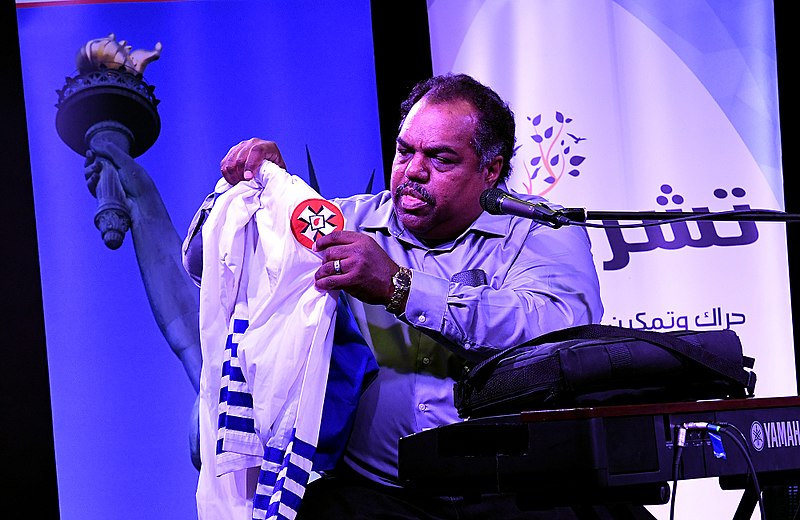








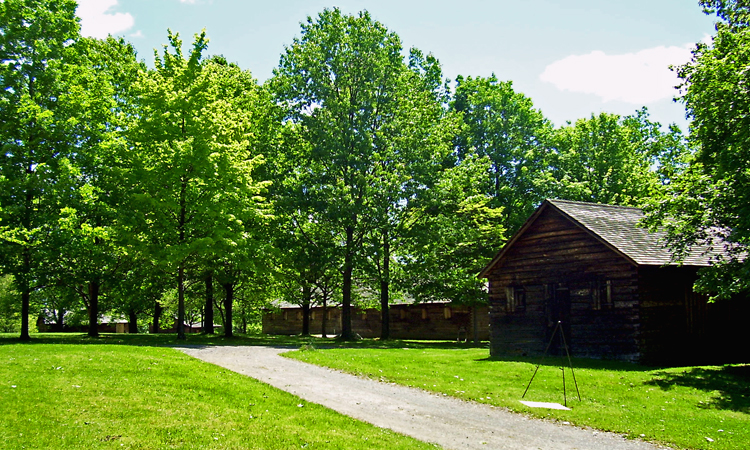


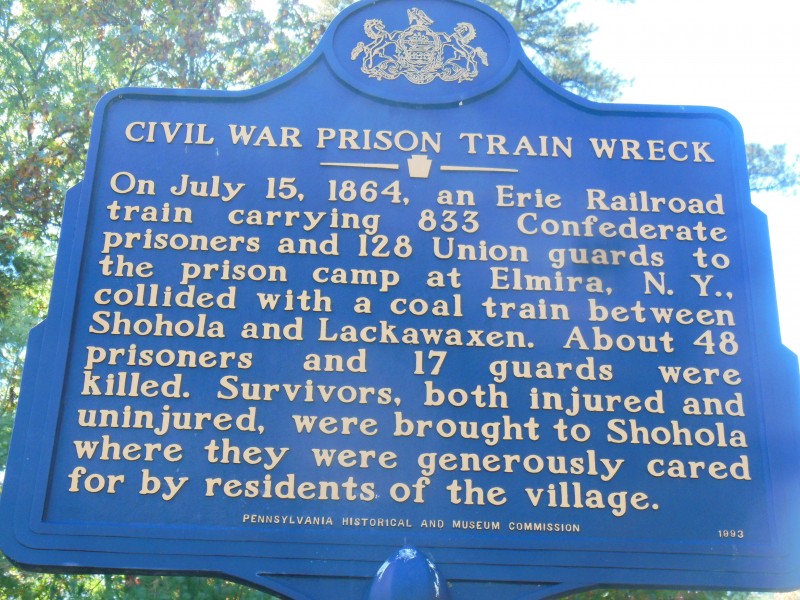


 Captured at Spotsylvania in early 1864, 52nd North Carolina Infantry private James Tyner was incarcerated at the Elmira camp at this time. Tyner’s brother William was one of the prisoners on board #171.

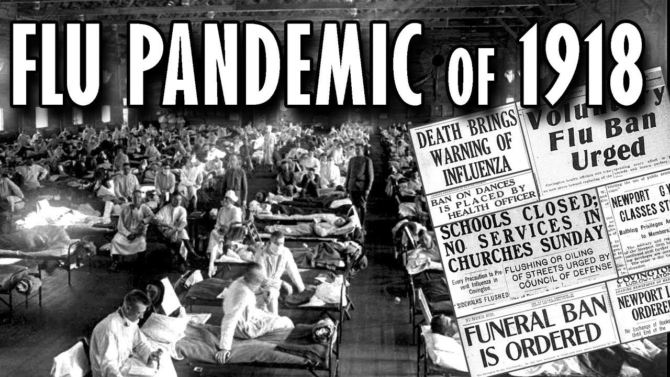
 When the “Great War” broke out in 1914, US Armed Forces were small compared with the mobilized forces of the European powers. The Selective Service Act, enacted May 18, 1917, authorized the federal government to raise an army for the United States’ entry into WWI. Two months after the American declaration of war against Imperial Germany, a mere 14,000 American soldiers had arrived “over there”. Eleven months later, that number stood at well over a million.
 On the morning of March 11, 1918, most of the recruits at Fort Riley, Kansas, were turning out for breakfast. Private Albert Gitchell reported to the hospital, complaining of cold-like symptoms of sore throat, fever and headache. By noon, more than 100 more had reported sick with similar symptoms.
 Over the next two years, this strain of flu infected one in every four people in the United States, killing an estimated 675,000 Americans. Eight million died in Spain alone, following an initial outbreak in May. Forever after, the pandemic would be known as the Spanish Flu.


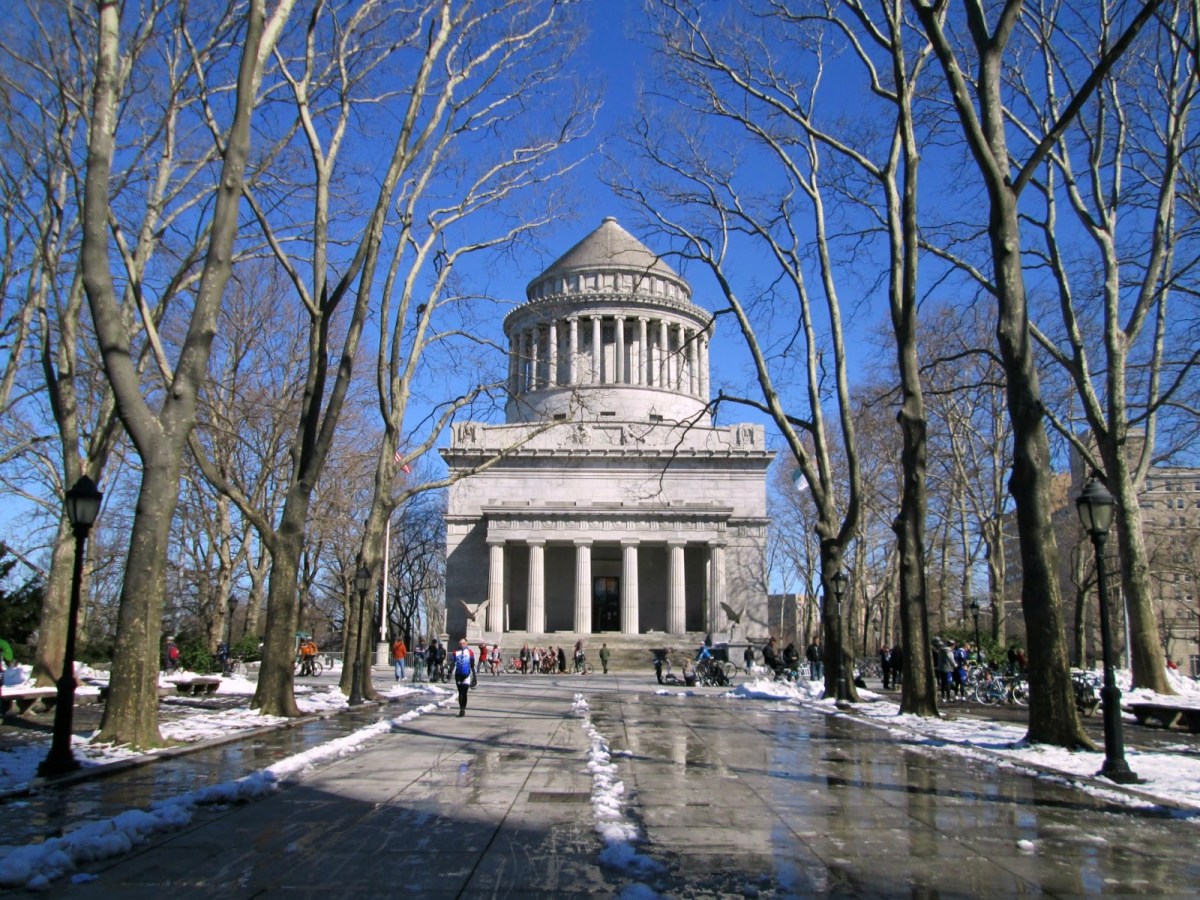

 Grant was a light smoker before Donelson, generally preferring a pipe, if anything. A reporter spotted him holding an unlit cigar during the battle, a gift from Admiral Foote. Soon, ten thousand cigars were sent to him in camp. The general gave away as many as he could, but the episode started a cigar habit which became one of his trademarks, and probably led to his death of throat cancer, in 1885.
 Grant bought a house in New York City in 1881 and invested his considerable fortune with the investment firm of Grant and Ward in which his son Ulysses, Jr., was a partner. The firm collapsed in 1884, investors fleeced and left penniless, by Ferdinand Ward.




 The struggle raged for fifteen hours. In terms of American casualties, the Battle for Saipan was the third costliest battle of the Pacific war, after Okinawa and Iwo Jima. Some 4,300 Japanese troops were killed in the Bonsai charge of June 7. William O’Brien of Troy, New York, Benjamin Lewis Salomon of Milwaukee Wisconsin and Thomas Alexander Baker of Troy New York all earned the Medal of Honor. Posthumously.


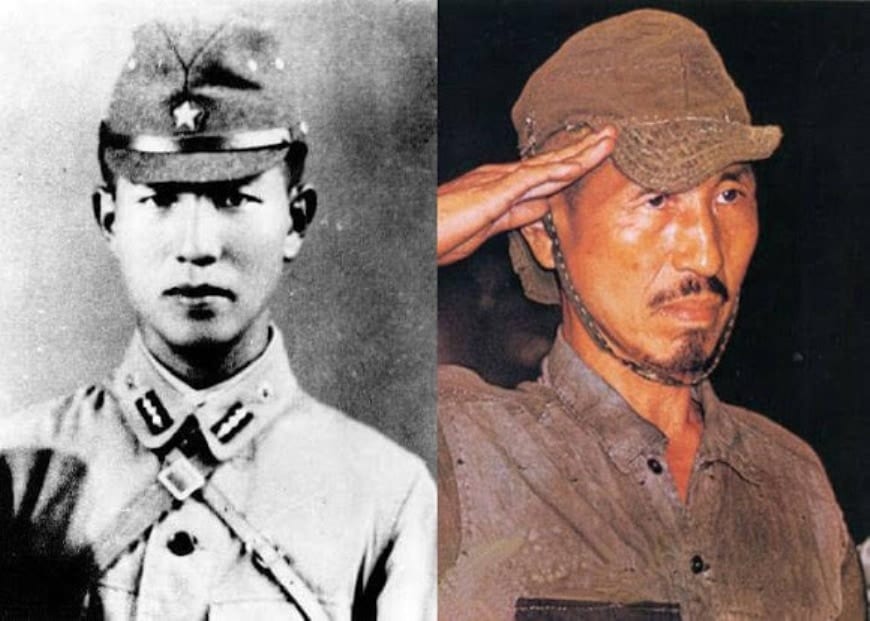
 As a member of the Japanese Army, Hirō Onada received back pay and a pension equal to $160,000(US), equivalent to $850,000, today. Not so, Teuro Nakamura. As a member of a colonial army, Nakamura’s thirty-years service to the former Japanese Empire got him $1,186(US) and a trip back to Taiwan where he died of lung cancer, in 1979.


 Historical Easter Eggs - Today in History
You must be logged in to post a comment.