

Politicians love nothing more than to divide us against one another for their own benefit, but that’s nothing new. The tyrant Theagenes of Megara destroyed the livestock of the wealthy in the late 7th century BC, in an effort to increase his support among the poor. It may have been this tactic which drove Byzas, son of the Greek King Nisos, to set out in 657BC to found the new colony of Byzantion.
The Oracle at Delphi had advised him to build his city “opposite the land of the blind”. Arriving at the Bosphorus Strait (“boos poros”, Greek for cow-ford), the narrow channel which divides Europe from Asia, they judged the inhabitants of the eastern bank city of Chalcedon to be blind if not stupid, not to recognize the advantages two miles away on the European side. There they set down the roots of what is today the second largest city on the planet, based on population living within city limits.
Byzantium city leaders made the mistake of siding with Pescennius Niger, a pretender to the Roman throne during the “Year of the Five Emperors”, 193-194AD. Laid siege and virtually destroyed in 196 by the victorious Septimius Severus, the city was rebuilt and quickly regained the wealth and status it had formerly enjoyed as a center of trade.at the crossroads of east and west,
Constantine the Great, Roman Emperor from 306 to 337, established a second residence at Byzantium in 330, officially establishing the city as “Nove Roma” – New Rome. Later renamed in his honor, “Constantinople” became the capital of the Byzantine Empire and seat of the Eastern Roman Empire.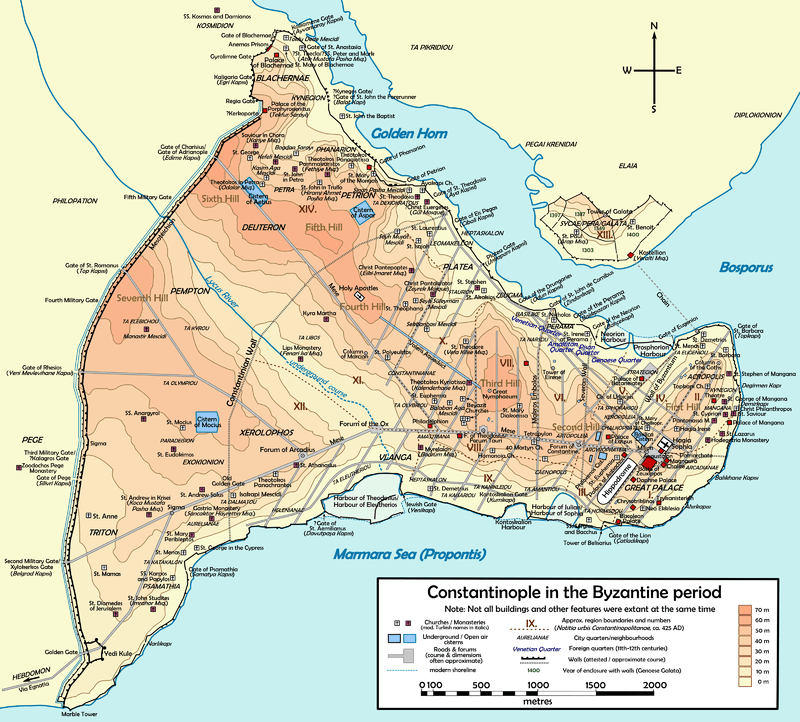
The Roman empires of the east and west would separate and reunite in a succession of civil wars and usurpations throughout the 4th century, permanently dividing in two with the death of Emperor Theodosius I in 395. The Western and Eastern Empires would co-exist for about 80 years. Increasing barbarian invasions and internal revolts finally brought the western empire to an end when Romulus Augustulus was deposed in 476.
The Ostrogothic Kingdom which came to rule all of Italy was briefly deposed, when the Byzantine General Belisarius entered Rome on December 9, 536. The Ostrogothic garrison left the city peacefully, briefly returning the old capital to its Empire. Fifty years later, there would be too little to defend against the invasion of the Lombards. By 586, the Western Roman Empire had permanently ceased to exist.
Most histories of the Roman Empire end with some event along this 476-586 timeline, but the Roman Empire in the east would live for another thousand years. With traditions, customs and language drawn more heavily from the Greek than those of the Latin, the Byzantine Empire would last almost until the age of Columbus and the discovery of the New World. Most of that time it remained one of the most powerful economic, cultural, and military forces in all of Europe.
In 413, construction began on a formidable system of defensive walls, protecting Constantinople against attack by land or sea. Called the “Theodosian Walls” after reigning Emperor Theodosius II, they were built on the orders of the Roman Prefect of the East, Anthemius, as a defensive measure against the Huns. One of the most elaborate defensive fortifications ever built, the Theodosian Walls warded off sieges by the Avars, Arabs, Rus’, Bulgars and others. This, the last great fortification of anitiquity, would fall only twice. First amidst the chaos of the 4th Crusade in 1203, and finally to the age of gunpowder.
Constantinople, one of the most heavily fortified cities on the planet, fell after a 50-day siege to an army of 150,000, and the siege cannon of Sultan Mehmed II, ruler of the Ottoman Turks.
It was May 29, 1453. Constantinople, now Istanbul, remains under Muslim rule to this day.


 problem. Roosevelt was fond of his 1939 Lincoln V12 Convertible. Roosevelt called it the “Sunshine Special,” but the car was anything but secure. Armored Presidential cars would not come into regular use for another 20 years, after the assassination of President Kennedy.
 making sure that it would safely get the Commander in Chief the few short blocks to Capitol Hill. It apparently did, because Roosevelt continued to use it until his old car could be fitted with the same features. To this day, Presidential limousines have flashing police lights hidden behind their grilles.
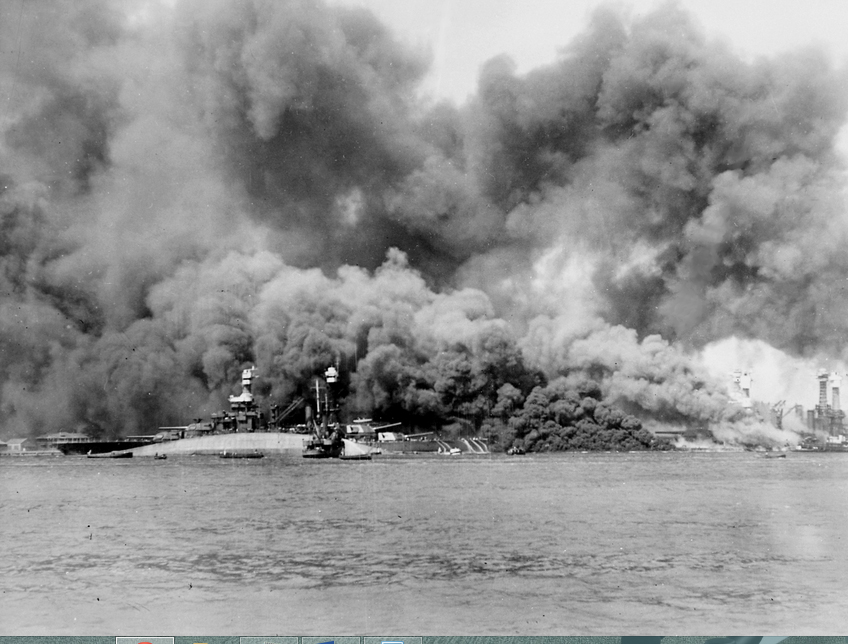
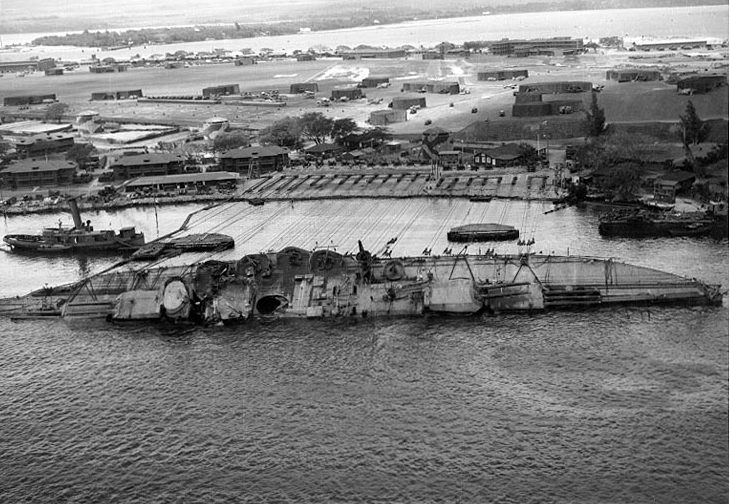 battleship USS Oklahoma was raised from the bottom, but was never repaired. In 1947 she would sink under tow to the mainland, very nearly taking two ocean going tugs to the bottom, with her.
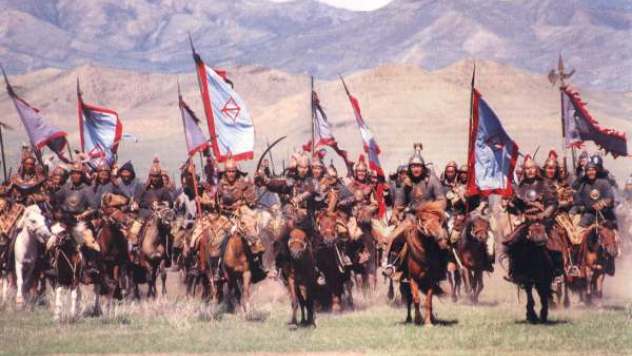
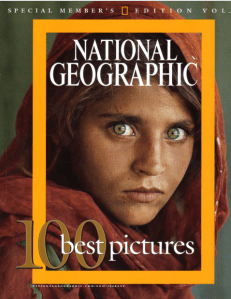 The Steppes have long been a genetic crossroad, the physical features of its inhabitants as diverse as any in the world. The word “Rus”, from which we get Russia, was the name given to Viking invaders from earlier centuries. History does not record what Genghis himself looked like, though he’s often depicted with Asian features. There is evidence suggesting he had red hair and green eyes. Think of that beautiful young Afghan girl, the one with those killer eyes on that National Geographic cover, a few years back.
 Hungary, to parts of Austria, to Eastern Persia. Plans were being laid for the invasion of Germany, Austria and Italy in December, 1241, when news arrived informing them of the death of the Great Khan. Ögedei and Batu wanted to continue, but the Law of Yassa required that all Princes of the Blood return to Karakorum and the Kurultai, the meeting of Mongol Chieftains.


 life of his handler, and preventing further destruction of life and property. MWD Nemo was given the best of veterinary care and, on June 23 1967, USAF Headquarters directed that he be returned to the United States, the first sentry dog officially retired from active service. The C124 Globemaster touched down at Kelly Air Force Base, Texas, on July 22, 1967. Nemo lived out the seven years remaining to him in a permanent retirement kennel at the DoD Dog Center at Lackland Air Force Base.





 Historical Easter Eggs - Today in History
You must be logged in to post a comment.