
Warren Harding entered office on March 4, 1920, in the midst of the sharp recession following WWI.
Harding’s Treasury Secretary, Andrew Mellon, believed that money was driven underground or overseas as income tax rates increased. Mellon held the heretical belief for that time, that lower tax rates led to greater levels of economic activity and that, as people had more of their own money to work with, the higher activity level resulting would increase tax revenues.
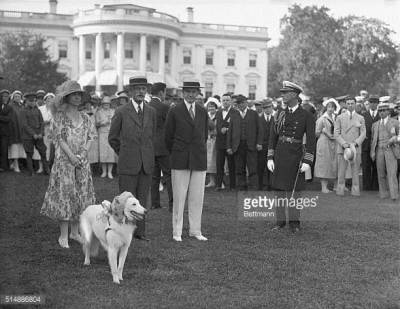
Based on Mellon’s advice, Harding cut taxes, starting in 1922. The top marginal rate was reduced annually in four stages from 73% in 1921 to 25% in 1925. Taxes were cut for lower incomes starting in 1923.
Vice President Calvin Coolidge became President in August 1923, following Harding’s untimely death. Coolidge would follow Harding’s economic policies of low taxation and high growth, the result would become the “Roaring 20s”.
Revenues to the treasury increased substantially, resulting in a 36% reduction of the national debt. President Kennedy tried the same tactic with the same result in the 1960s.
Opponents called it “Voodoo Economics” when President Reagan used the same tactic in the 1980s, but the results were the same. Same thing when President Bush the younger did it in the 2000s.
Economists and historians debate, because that’s what they do, but the results speak for themselves.
Unemployment and inflation both declined throughout the 1920s, while wages, profits and productivity increased. The decline in what Carter-era economists called the “Misery Index”, was the sharpest in history.
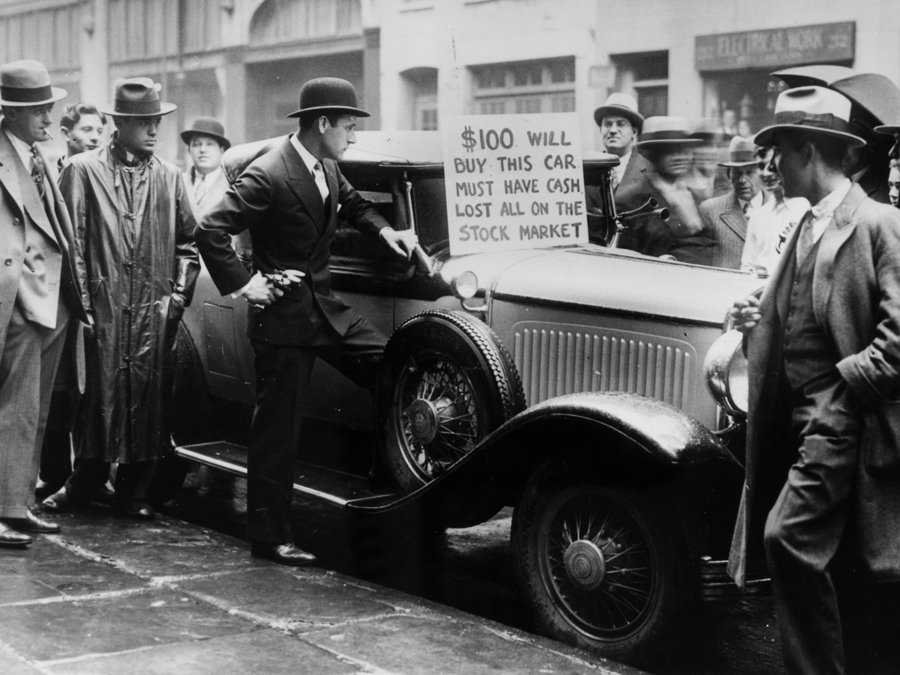
The twenties became a time of wealth and excess, and speculation in the stock market increased exponentially. New investors poured into the market in the belief that, like the housing market of the 2000s, prices could never go down. It was a nine year run when the Dow Jones Industrial Average increased tenfold, peaking at 381.17 on September 3, 1929.
Rising share prices encouraged more people to invest, even if they didn’t have the money to do so. Brokers were routinely lending investors up to two thirds of the face value of stocks. Over $8.5 billion hung out on such loans, more than the amount of currency circulating in the entire country, at that time.
As with 2007-08, there were early tremors that showed the bubble was about to burst. Then as now, such signals were seen only in hindsight, as the rising crescendo that was 1929, continued.
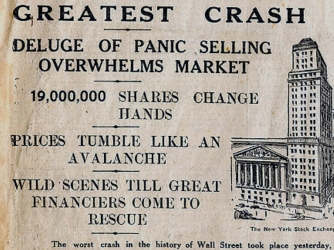 There was a brief contraction in March, but the first of the “Crash” began on “Black Thursday”, October 24, 1929. The market lost 11% at the opening bell, amidst heavy trading. To quell the frenzy, Wall Street financial firms Morgan Bank, Chase National and National City Bank of New York stepped up and bought large blocks of US Steel and other “blue chip” stocks, at prices well above where they were trading.
The tactic had the effect of stopping the slide, much as it did during the Panic of 1907. This time however, the relief would be short lived. “Black Tuesday”, October 29, saw the Dow Jones contract by 12% on a volume record which would stand unbroken for forty years. The president of the Chase National Bank said at the time “We are reaping the natural fruit of the orgy of speculation in which millions of people have indulged. It was inevitable, because of the tremendous increase in the number of stockholders in recent years, that the number of sellers would be greater than ever when the boom ended and selling took the place of buying“.
Fears of the Smoot-Hawley tariff act fueled a further contraction in the following weeks. Apparently, for good reason. When President Hoover signed the protectionist measure into law in 1930, American imports and exports shriveled by more than half.
Historians debate whether the stock market crash led to the Great Depression, or if the two events coincided. Only 16% of US households were actually invested in the stock market at the time, but the psychological effect was profound.
Easy credit and unbounded confidence had led to a speculative bubble which had finally burst.
 Economists still argue about the interventionist policies, which followed. The guy who needed to support his family was grateful to be put to work on a WPA project, but the government doesn’t produce wealth. Every dollar spent had first to be extracted from the wealth producing, or “private”, part of the economy. You can’t fill a swimming pool, by draining one end of it into the other.
The stock market and unemployment rates staggered throughout the 1930s. It was WWII that finally put people back to work.
Yet that was merely activity, from an economic point of view. War production wasn’t growth, it was more like giving sugar to the kids, and watching them run around the house. A convincing case may be made that it was the Reduction of government spending in the years following WWII, that put wealth back in the pockets of the people who created it in the first place, finally ending the Depression.
An indicator of that wealth, the Dow Jones Industrial Average, wouldn’t retake the high ground of 1929, until 1954.





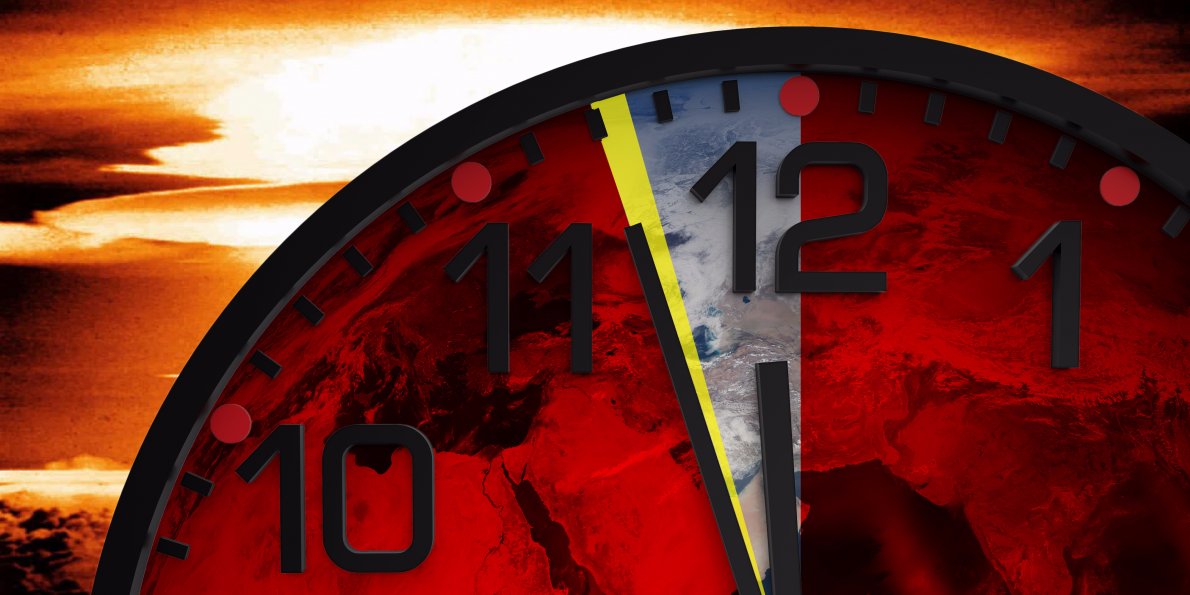
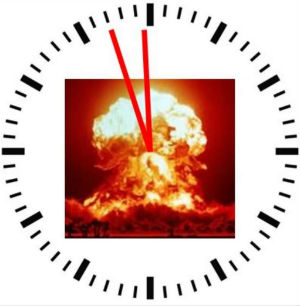 In 1947, members of the Science and Security Board of the Bulletin of Atomic Scientists envisioned a “Doomsday Clock”, a symbolic clock face, to dramatize the threat of global nuclear catastrophe. Initially set at seven minutes to midnight, the “time” has varied from seventeen minutes ’til with the 1995 collapse of the Soviet Union, to two minutes before midnight with “Operation Ivy”, the first American thermonuclear detonation, in 1952.
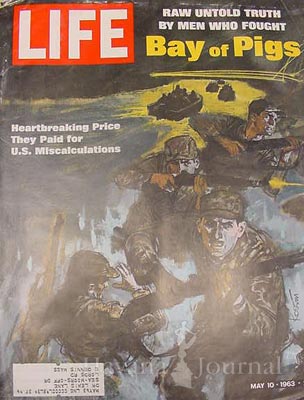 Since the Presidency of James Monroe, US foreign policy has opposed outside intervention in the American hemisphere. The government was not about to permit a communist state, 90 miles from its shore.
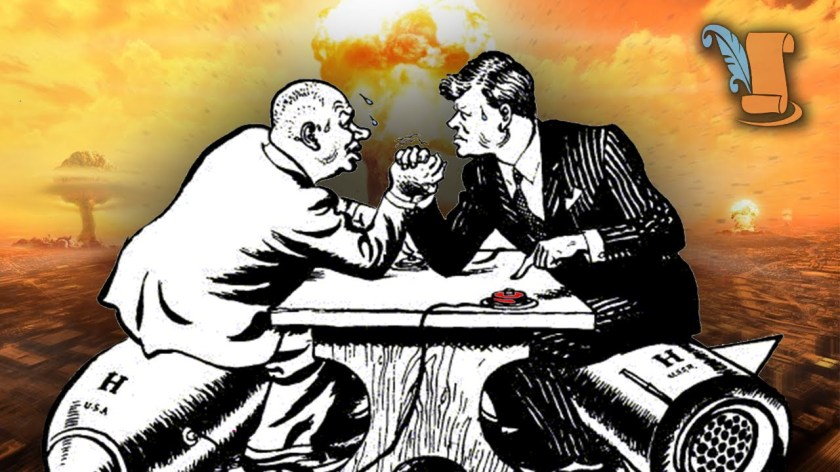
 In a televised speech on October 22, Kennedy publicly revealed the presence of Soviet missiles in Cuba, and called for their removal. A naval quarantine would close off the island, Kennedy said, until Soviet leaders agreed dismantle missile sites, and to make certain that no additional missiles were shipped to Cuba.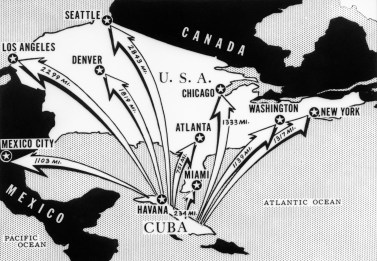



 Barbary pirates were a problem for Mediterranean shipping, and throughout parts of the Atlantic. Predominantly North African Muslims with the occasional outcast European, the Barbary pirates operated with the blessing of the Ottoman Empire, the Barbary Coast states of Algiers, Tunis & Tripoli, and the independent Sultanate of Morocco. The Barbary Corsairs had long since stripped the shorelines of Spain and Italy in search of loot and Christian slaves.
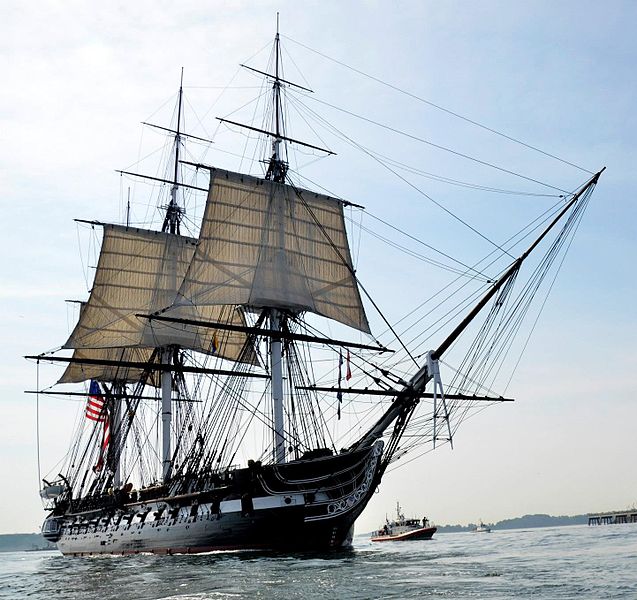 Constitution’s first duties involved the “quasi-war” with France, but this was not the France which helped us win our independence. France had been swallowed up in a revolution of its own by this time. Leftists calling themselves “Jacobins” had long since sent their Bourbon King and his Queen Consort to the guillotine. Marie-Joseph Paul Yves Roch Gilbert du Motier,
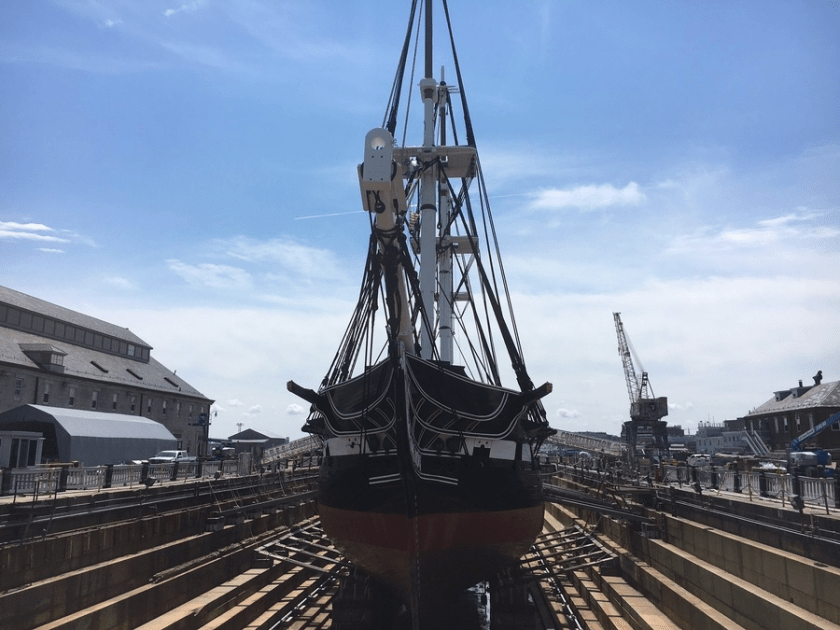
  Two months after the War of 1812 broke out in June, Constitution faced off with the 38 gun HMS Guerriere, about 400 miles off the coast of Halifax. Watching Guerriere’s shots bounce off Constitution’s 21” thick oak hull, an American sailor exclaimed “Huzzah! her sides are made of iron!” Guerriere was reduced to an unsalvageable hulk in twenty minutes, and the nickname “Old Ironsides” was born.


 The violent uprising of the early 50s was called “Mau Mau”, an anagram of Uma Uma, roughly translating as “Get out, Get out”. The first “blow against the Colonial regime” was struck on October 3, 1952, when a white woman was stabbed to death near her home in Thika, in the Kiambu County of Kenya.

 Farrokh was attending St. Peter’s boarding school at the time of the rebellion, and calling himself “Freddie”.
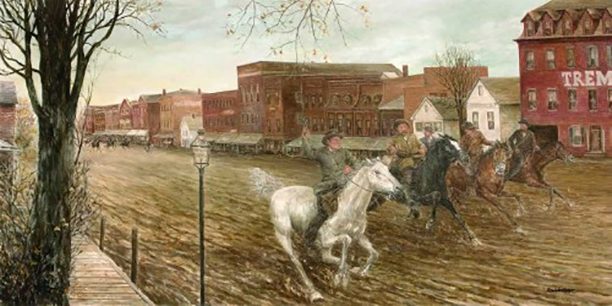
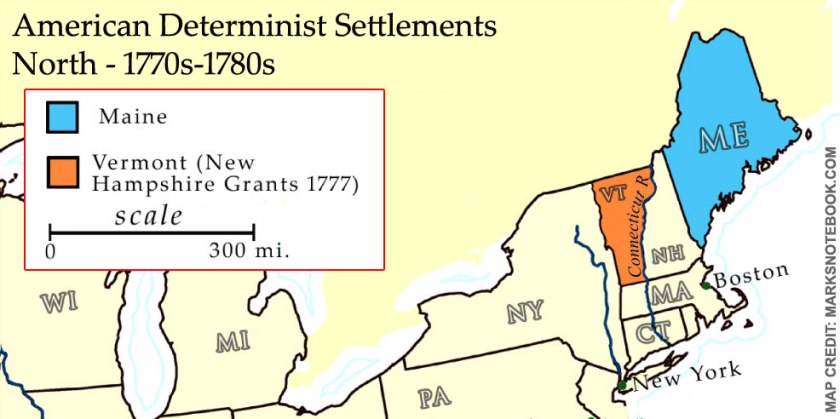

 In April 1864, President Jefferson Davis dispatched former Secretary of the Interior Jacob Thompson, ex-Alabama Senator Clement Clay, and veteran Confederate spy Captain Thomas Henry Hines to Toronto, with the mission of raising hell in the North.
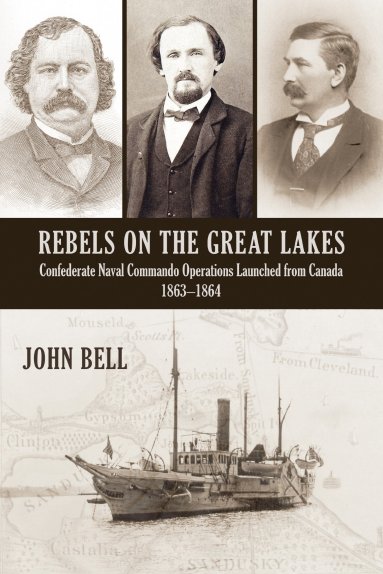 The Confederate invasion of Maine never materialized, thanks in large measure to counter-espionage efforts by Union agents.

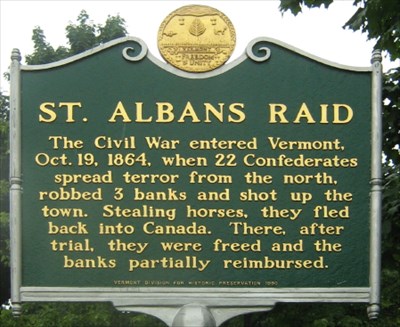 The group was arrested on returning to Canada and held in Montreal. The Lincoln administration sought extradition, but the Canadian court decided otherwise, ruling that the raiders were under military orders at the time, and neutral Canada could not extradite them to America. The $88,000 found with the raiders, was returned to Vermont.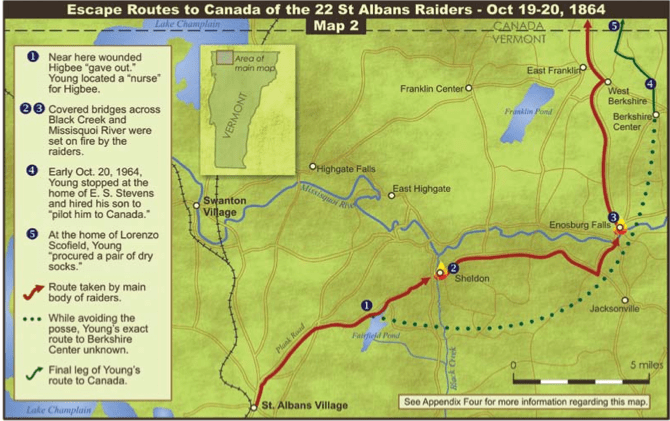


 In 132, the Roman Emperor Hadrian all but erased all sign of Jewish and Christian presence, in the old city of Jerusalem. Golgotha and the Tomb were obliterated, and a pagan temple to Venus Aphrodite was raised in their place.
 Al-Hakim bi-Amr Allah, (literally “Ruler by God’s Command”) was the 6th Caliph of the Fatimid Dynasty, coming to power in October of 996.


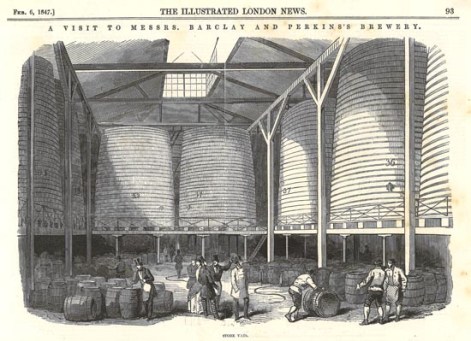 The Meux’s Brewery Co Ltd, established in 1764, was a London brewery owned by Sir Henry Meux. What the Times article was describing was a 22′ high monstrosity, held together by 29 iron hoops.
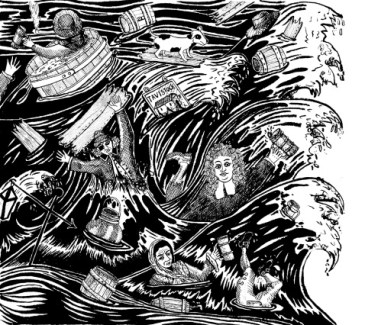 323,000 imperial gallons of beer smashed through the brewery’s 25′ high brick walls, gushing into the streets, homes and businesses of St. Giles. The torrent smashed two houses and the nearby Tavistock Arms pub on Great Russell Street, where a 14-year-old barmaid named Eleanor Cooper was buried under the rubble.
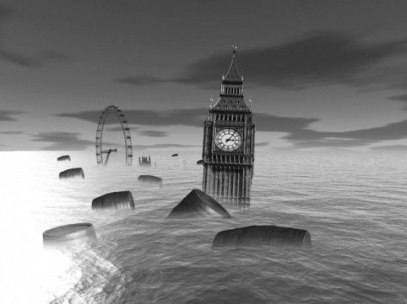 In the days that followed, the crushing poverty of the slum led some to exhibit the corpses of their family members, charging a fee for anyone who wanted to come in and see. In one house, too many people crowded in and the floor collapsed, plunging them all into a cellar full of beer.

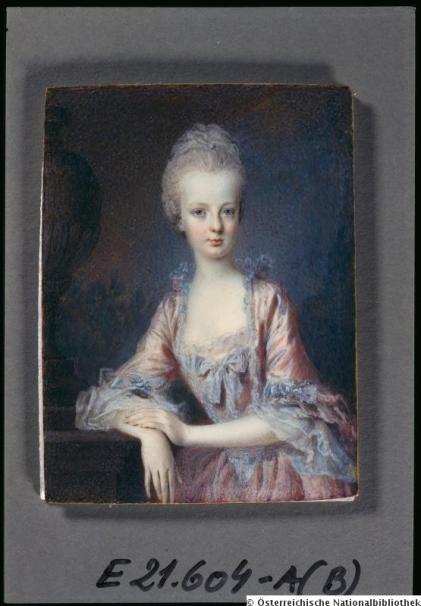 There was a second, ceremonial wedding held in May, after which came the ritual bedding. This wasn’t the couple quietly retiring to their own private space. This was the bizarre spectacle of a room full of courtiers, peering down at the proceedings, to make sure the marriage was consummated.
 Louis-Auguste was crowned Louis XVI, King of France, on June 11, 1775. Antoinette remained by his side, though she was never crowned Queen, instead remaining Louis’ “Queen Consort”.
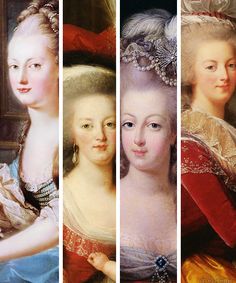 Unrest turned to barbarity as Antoinette’s friend and supporter, the Princesse de Lamballe, was taken by the Paris Commune for interrogation. She was murdered at La Force prison, her head fixed on a pike and marched through the city.
 Marie-Antoinette’s hair was cut off on October 16, 1793. She was driven through Paris in an ox cart, taken to the Place de la Révolution, and decapitated. She accidentally stepped on the executioner’s foot on mounting the scaffold. Her last words were “Pardon me sir, I meant not to do it”.

 Despite problems at home, the Dutch mail order bride found herself moving among the upper classes. She immersed herself in Indonesian culture and traditions, even joining a local dance company. It was around this time that she revealed her “artistic” name in letters home: “Mata Hari”, Indonesian for “sun” (literally, “eye of the day”), in Sanskrit.
 British reporter Henry Wales described the execution, based on an eyewitness account. Unbound and refusing a blindfold, Mata Hari stood alone to face her firing squad. After the shots rang out, Wales reported that “Slowly, inertly, she settled to her knees, her head up always, and without the slightest change of expression on her face. For the fraction of a second it seemed she tottered there, on her knees, gazing directly at those who had taken her life. Then she fell backward, bending at the waist, with her legs doubled up beneath her.”
 Historical Easter Eggs - Today in History
You must be logged in to post a comment.