January 11, 1693 Feeling Puny?

Such an event could happen tomorrow, next year or ten thousand years from now. No one knows. We are so puny when compared with the Wrath of God, or of Nature, as you please.

In his 1897 short story The Open Boat, Stephen Crane writes of the puniness of humanity, when bared and exposed to the wrath of God, or of Nature, as you please. “If I am going to be drowned — if I am going to be drowned — if I am going to be drowned, why, in the name of the seven mad gods, who rule the sea, was I allowed to come thus far and contemplate sand and trees? 

Deep in the ground beneath your feet, a rocky shell comprising an outer Crust and an inner Mantle forms a hard and rigid outer shell, closing off and containing the solid inner core of our planet. Between these hard inner and outer layers exists a solid core of material which remains viscous over geologic time, measuring approximately 1,802 miles thick and comprising some 84 percent of the volume, of planet Earth.
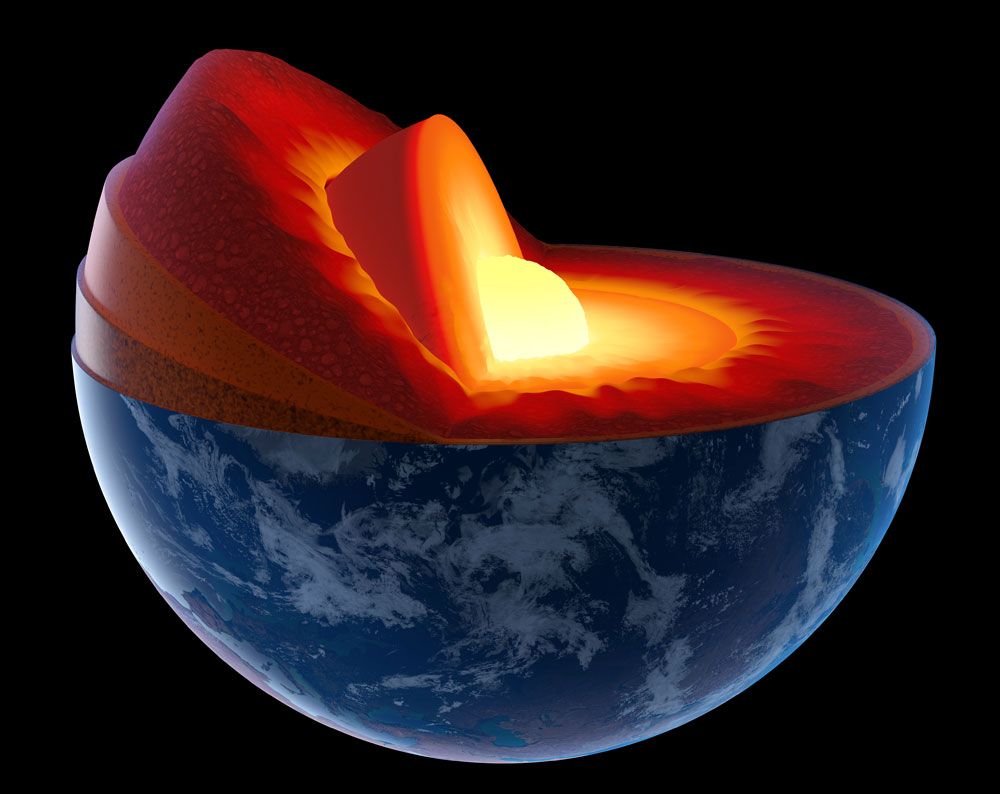
The air around us is a liquid, exerting a ‘weight’ or barometric pressure at sea level, of 14.696 pounds per square inch. Scientists estimate that pressures within this outer core generate temperatures of 1,832° Fahrenheit near the boundary with the crust, to 6,692° Fahrenheit approaching the core boundary.

As a point of reference, the surface of the sun is about 10,340°, Fahrenheit.

That rocky shell closing us off from all that is actually quite elastic, broken into seven or eight major pieces, (depending on how you define them), and several minor bits called Tectonic Plates.

Over millions of years, these plates move apart along constructive boundaries, where oceanic plates form mid-oceanic ridges. Roughly equal and opposite to these are the Subduction Zones, where one plate moves under another and down into the mantle.

The planet is literally “eating’ itself.

Sicily, the largest island in the Mediterranean and one of twenty regions of Italy, lies on the convergent boundary of two such pieces of the planet’s outer shell, where the African plate is subducting beneath the Eurasian plate.  Over time, the forces built up along these subduction zones, are nothing short of Titanic.

Sicily is also home to the terrifying Mount Etna, one of the most active volcanoes in the world. On this day in 1693, those Seven Mad Gods got together and unleashed on the puniness of humanity, the wrath of the ages.

The first foretaste of what was about to happen began at 21:00 local time, January 9, 1693. The earthquake, centered on the east Sicilian coast and felt as far away as the south of Italy and the island nation of Malta, had an estimated magnitude of 6.2 on the Richter scale with a perceived intensity on the Mercali Intensity Scale of VIII – XI: Destructive to Very Disastrous.
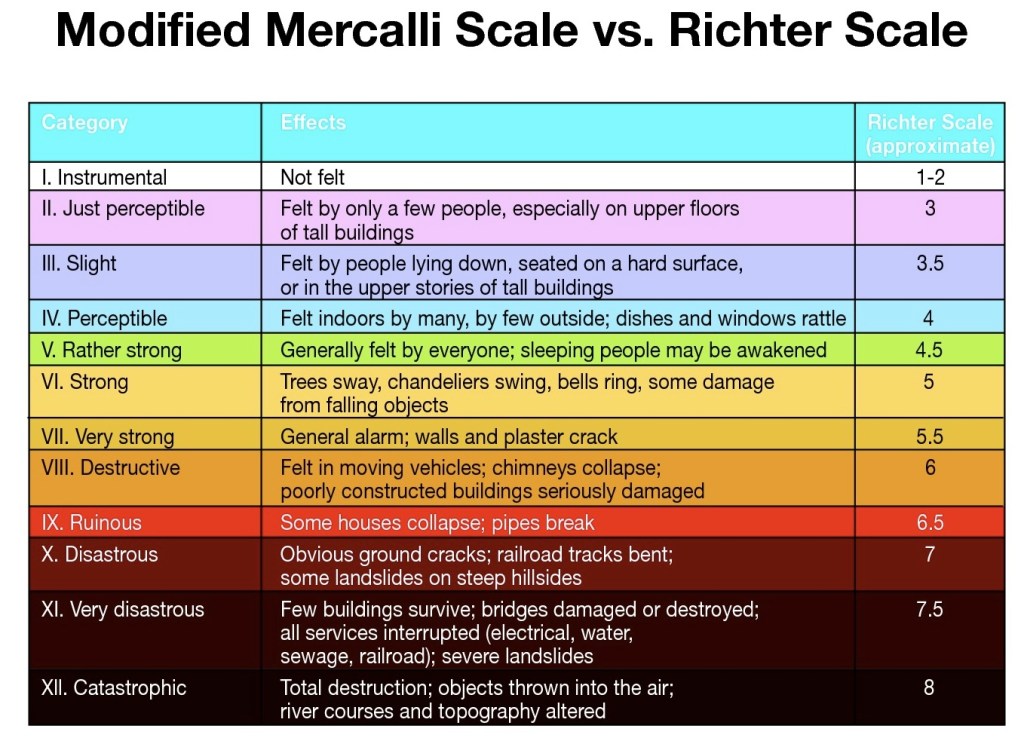
Mercali describes a Category XI earthquake: “Few, if any, (masonry) structures remain standing. Bridges damaged or destroyed. Broad fissures in ground. Underground pipe lines completely out of service. Earth slumps and land slips in soft ground. Rails bent greatly”.

This thing was only stretching and yawning.  Just getting out of bed.

The main shock of January 11 lasted four minutes with an estimated magnitude of 7.4 and a very large area reaching X on the Mercali scale and XI, in the province of Syracuse.
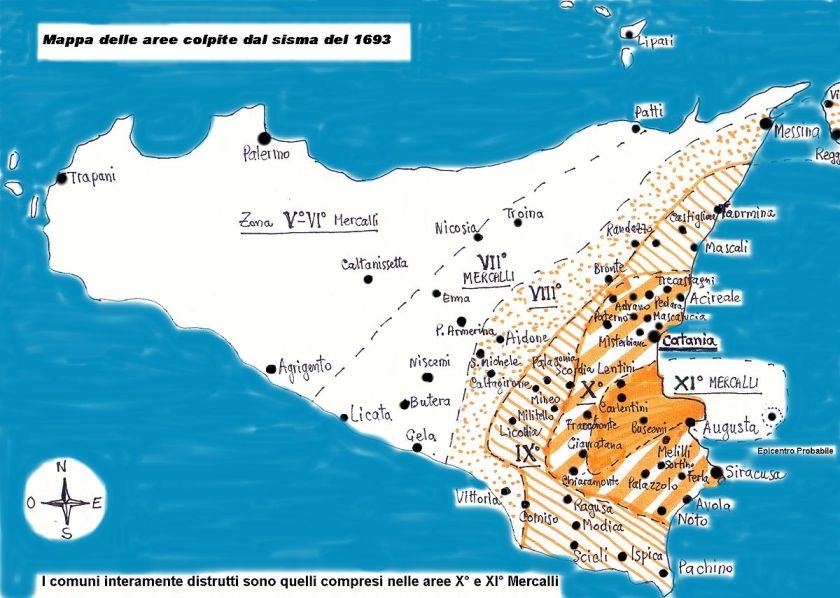
1200px-sicilia_sisma_1693

The soil beneath our feet, ordinarily so substantial and unmoving, behaves like a liquid at times like these in a process called soil liquefaction. Low density, sandy soils compress in response to applied loads while dense soils expand in volume or dilate. Saturated soils are like unto quicksand, as underground liquids are driven up to form miniature volcanoes called “sand boils, water spouting up from the ground in geysers, rising 30-feet and more.

Reflect on that for a moment, if you will. The soil. Behaving like a liquid.

The catastrophic eruption of 1669 was well within living memory and reports describe minor eruptions on this day as well.  As if even a small volcanic eruption could be called “minor”.

Several large fractures opened in the earth, one 1,600-feet long and nearly seven-feet wide.

Meanwhile the ocean withdrew from the coast as the Ionian Sea gathered itself, to strike. The initial withdrawal left the harbor dry at Augusta, damaging several Galleys owned by the Knights of Malta.   The tsunami when it came was eight meters in height (26-feet), inundating an area nearly a mile inland from the coastline.

The final death toll of as many as 60,000 is uncertain, unsurprising in light of the fact that whole regions, were blotted out. 63% of the entire population was wiped out in Catania, 51% in Ragusa. Syracuse, Noto, Augusta, Modica – all lost between one-out-of-five, and one-in-three.

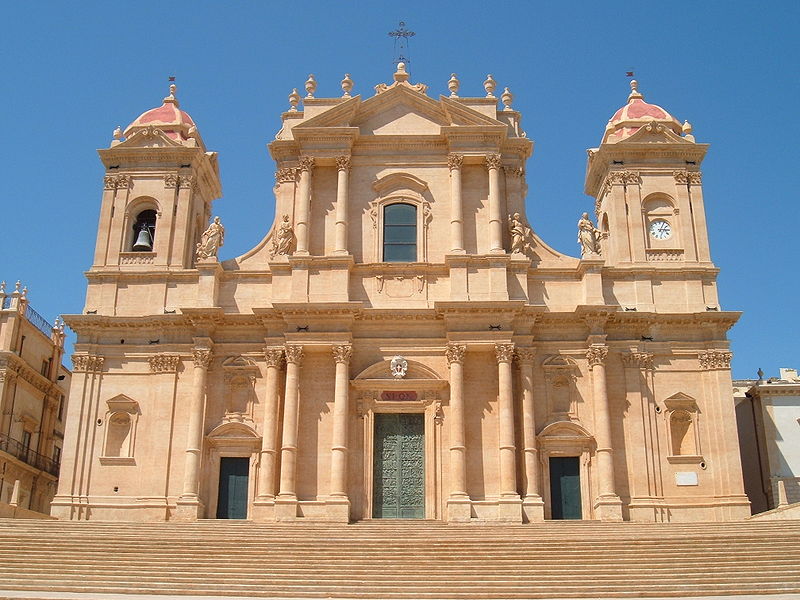
Reconstruction in the wake of the catastrophe was so extensive, as to spawn a new and unique form of art and architecture, known as Sicilian Baroque.
la_cattedrale_di_noto_restaurata
The Cathedral of Noto is one of the many buildings constructed in Sicilian Baroque style after the earthquake of 1693

Today, the colossal Mount Etna remains one of the most active volcanoes, on earth.  Sensors placed along the land and seaward flanks of the volcano reveal the alarming discovery that the volcano itself, is moving.  Mount Etna is sliding at a rate of an inch per year and sometimes more.  One eight-day period in 2008 showed a movement of two inches, raising concerns that Mount Etna may one day collapse into itself.

On May 18, 1980 Mount St. Helens erupted after a 5.1 magnitude earthquake, resulting in 57 deaths and inflation-adjusted property damage, of $3.3 Billion.  The US Geological Survey called the resulting collapse of the north face of the volcano “the largest debris avalanche on earth, in recorded history”.  Should such an event strike the Stratovolcano that is Mount Etna, the result would be felt from the Spanish coast to the shores of Israel, from North Africa to the French Riviera.

Given geologic time scales, such an event could happen tomorrow, next year, or ten thousand years from now.  No one knows.  We are so puny when compared with the Wrath of God, or of Nature, as you please.
castello_di_noto
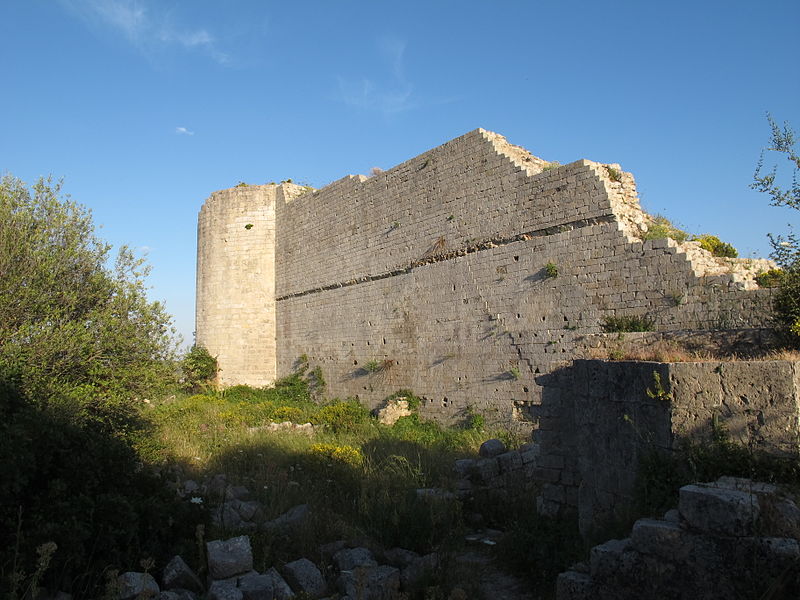
Ruins of the Norman castle in Noto Antica

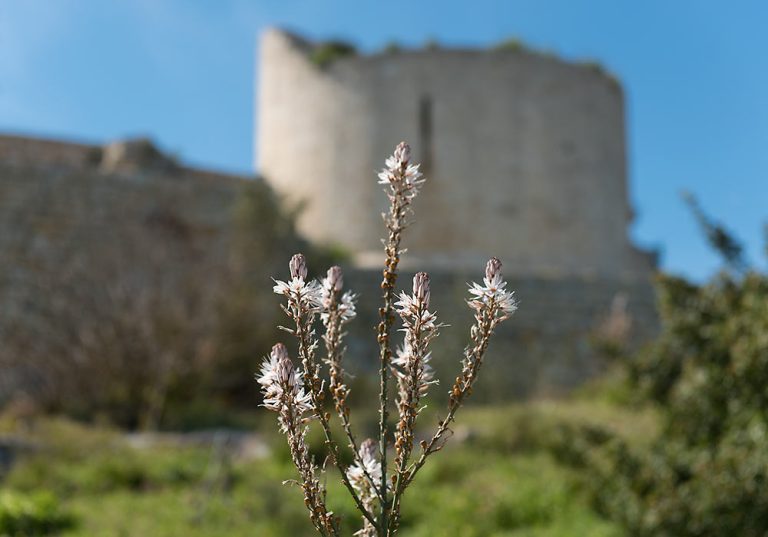
Featured image, top of page:  New life before the shattered ruins of the old city of Not (Noto Antica), destroyed on January 11, 1693.  The new city of Noto was built, eleven kilometers away

January 10, 1927 Poisoned Hooch

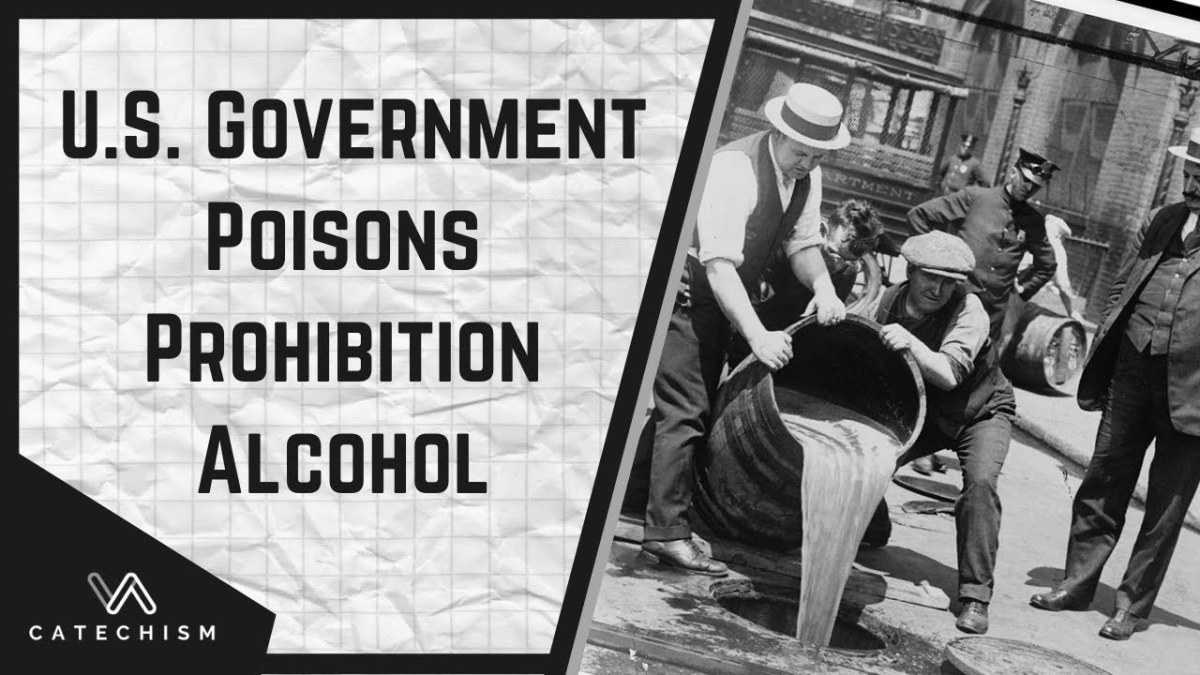
Not to be defied, federal officials poisoned industrial alcohol until the very last day, running up the tab to no fewer than 10,000 dead Americans. The government didn’t even pretend not to know, what was going on.


A French proverb comes down to us from 1742, attributed to one François de Charette: “On ne fait pas d’omelette sans casser des oeufs”. You can’t make an omelette without breaking eggs.

Irish playwright George Bernard Shaw was a big fan of socialism in his day and an enthusiastic supporter of the gulags, of Josef Stalin.“[The] unfortunate Commissar” he wrote, must shoot his own workers “so that he might the more impressively ask the rest of the staff whether they yet grasped the fact that orders are meant to be executed.”. 

Yikes

Connoisseurs of the animated series South Park will remember the Prime Directive of Mr. Garrison’s favorite third grader, Eric Cartman.  “You will respect my authoritah

All well and good for a cartoon.  Few would have guessed the real-world Federal Government would poison its own citizens. To enforce its own authoritah.

The Eighteenth Amendment establishing national prohibition of intoxicating liquors was passed out of Congress on December 17, 1917 and sent to the states, for ratification. The  “Volstead” act, so named for Chairman of the House Judiciary Committee Andrew Volstead, was enacted to carry out the will of congress.

At last ratified in January 1919, “Prohibition” went into effect at midnight, January 16, 1920. For thirteen years it was illegal to import, export, transport or sell intoxicating liquor, wine or beer in the United States.Prohibition-midnight-e1568752688531-1024x511 (1).jpg“Industrial alcohol” such as solvents, polishes and fuels were “denatured” and rendered distasteful by the addition of dyes and chemicals.  The problem was, it wasn’t long before bootleggers figured out how to “renature” the stuff.
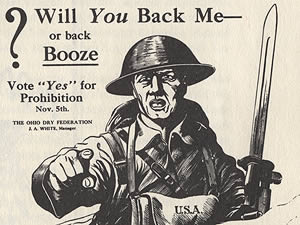
The Treasury Department, in charge of enforcement at that time, estimated that over 60 million gallons of industrial alcohol were stolen during Prohibition.

war-propaganda

Not to be defied, the federal government upped the ante.  The Parasite Leviathan, was not to be defied.

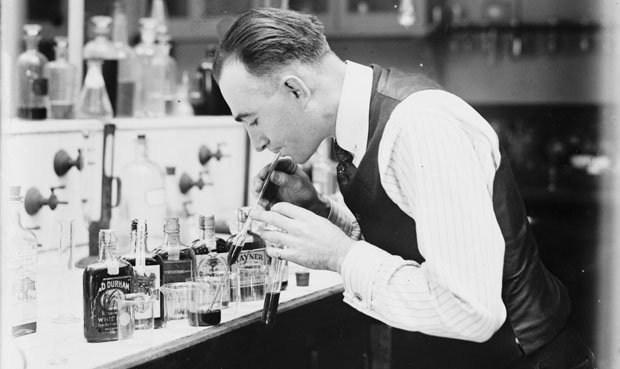
By the end of 1926, denaturing processes were reformulated with the introduction of known poisons such as kerosene, gasoline, iodine, zinc, nicotine, formaldehyde, chloroform, camphor, quinine and acetone.

Treasury officials went so far as to impose a requirement of no less than 10% by volume of methanol, a virulent toxin used in anti-freeze.

You will respect my authoritah.

You can renature this stuff ’til the cows come home.  It will kill you.

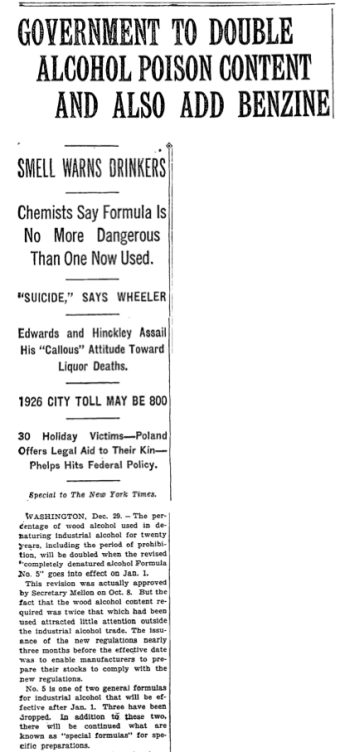
Sixty people wound up at New York’s Bellevue Hospital on Christmas eve 1926, desperately ill from contaminated alcohol.  Eight of them died.  Within two days, the death toll stood at thirty-one.  The number soared to 400 by New Year’s Day , with no end in sight.

copper-still
A copper still and bucket, like those used in the creation and renaturing of alcohol at home. H’T allthatsinteresting.com, and Chicago History Museum/Getty Images

Many who didn’t die, probably wished they had. Holiday revelers experienced hallucinations, uncontrollable vomiting, even blindness.

TIME Magazine reported a doubling in toxicity levels in the January 10, 1927 issue, compared with the old method:  “The new formula included “4 parts methanol (wood alcohol), 2.25 parts pyridine bases, 0.5 parts benzene to 100 parts ethyl alcohol”. TIME noted, “Three ordinary drinks of this may cause blindness. (In case you didn’t guess, “blind drink” isn’t just a figure of speech).”

To paraphrase Wikipedia, Pyridine is a highly flammable chemical structurally related to benzene, with the unpleasant smell of dead fish.

New York medical examiner Charles Norris was quick to understand the problem and organized a press conference to warn of the danger. “The government knows it is not stopping drinking by putting poison in alcohol.  Yet it continues its poisoning processes, heedless of the fact that people determined to drink are daily absorbing that poison. Knowing this to be true, the United States government must be charged with the moral responsibility for the deaths that poisoned liquor causes, although it cannot be held legally responsible.”

Norris pointed out that the poorest people of the city, were most likely to be victims: “Those who cannot afford expensive protection and deal in low-grade stuff”.

The towering sanctimony of the other side, is hard to believe.  Teetotalers argued the dead had “brought it on themselves”.  Long-time leader of the anti-saloon league Wayne Wheeler proclaimed “The Government is under no obligation to furnish the people with alcohol that is drinkable when the Constitution prohibits it. The person who drinks this industrial alcohol is a deliberate suicide.”

You will respect my Authoritah.

prohibition_2

In its thirteen years of existence, Prohibition was an unmitigated disaster.  Portable stills went on sale within a week of enactment and organized smuggling was quick to follow. California grape growers increased acreage by over 700% over the first five years, selling dry blocks of grapes as “bricks of Rhine” or “blocks of Port”. The mayor of New York City himself sent instructions to his constituents, on how to make wine.

Smuggling operations became widespread as cars were souped up to outrun “the law”. This lead in time to competitive car racing, beginning on the streets and back roads and later moving to dedicated race tracks. It’s why we have NASCAR, today.

alcohol_poison_passed

Organized crime muscled up to become vastly more powerful, due to the influx of enormous sums of cash. The corruption of public officials was a national scandal.

Gaining convictions for breaking a law everyone hated became increasingly difficult. The first 4,000 prohibition-related arrests resulted in only six convictions and not a single jail sentence.

It’s hard to compare alcohol consumption rates before and during prohibition but, if death by cirrhosis of the liver is any indication, alcohol consumption never went down by more than 10 to 20 per cent.

In the end, even John D. Rockefeller, Jr., a lifelong teetotaler who contributed $350,000 to the Anti-Saloon League, had to announce support for repeal.

On December 5, 1933, the state of Utah triggered the magic 2/3rds requirement to ratify the Twenty-first Amendment, repealing the Eighteenth and voiding the Volstead Act, returning control over alcohol policy to the states.

Not to be defied, federal officials poisoned industrial alcohol until the very last day, running up the tab to no fewer than 10,000 dead Americans.   The government didn’t even pretend not to know, what was going on.

You will respect my authoritah!

Assistant Secretary of the Treasury Seymour Lowman had the last word among those who would tell you, “I’m from the government.   I’m here to help”.  If deliberately poisoned alcohol resulted in a more sober nation Lowman opined, then “a good job will have been done”.