

A few short days ago, I could enjoy a nice cold brew in my favorite sports bar. As long as I didn’t mind. There were no sports. Every set in the place was running Music videos.
Now we can’t even do that as we stand on the sidewalk, looking in. Every restaurant & watering hole in the place, is shut down. So, here we are. At home, hiding from the Wu Flu, without even the distraction of a good game. The lights have gone out on every event from the Pros to March Madness to the Kentucky Derby while we who would escape the Great House Arrest of 2020, need a little diversion. A sports story. As applied to the Wide World of Sport, the term “Blowout” was first used in 1965 to describe a single 40-minute inning in which the St. Louis Cardinals scored seven unearned runs in a 12-2 romp over the Milwaukee Braves. Over the years, there have been plenty of other games that deserve such a characterization.
– In 1976, the Russian Olympic basketball team humiliated the Japanese men’s team, 129-63.
– The “Fighting Saints” of St. Francis College ended the 1996 baseball season with a run record of 71-1.
– In 1973, the American Thoroughbred racehorse Secretariat crushed the #2 horse Twice a Prince at the Belmont Stakes, by an unprecedented 31 lengths.
The most lopsided college football game ever was played in 1916, when Georgia Tech rushed for 1,650 yards and didn’t allow a single first down by Cumberland College. Final score, 222-to-zip.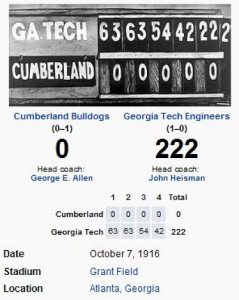
In 1927, Kansas City’s Haven High School beat Sylvia High 256-0. In a record-setting season of blowouts, the 1901 Michigan Wolverines football team defeated all opponents by a combined score of 550-0.
In 1940 Washington Redskins’ owner George Preston Marshall called the Chicago Bears “crybabies and quitters” after a 7-3 loss, in regular season. Bears coach George Halas Really knew how to piss a guy, off. He showed his players the newspaper. Chicago went on to trounce Washington 73-0 in post-season, in a game so lopsided it had to be finished with practice balls. ‘Da Bears’ had kicked all the regulation balls into the stands, kicking extra points.
The Chicago Colts of the National League defeated Louisville 36-7 in 1897. The modern Major League Baseball record for margin of victory was set in 2007, when the Texas Rangers defeated the Baltimore Orioles, 30-3. Those 30 runs are a modern-era run record for a nine-inning Major League Baseball game which stands, to this day.
On this day in 1956, the Minnesota Lakers scored one of the most lopsided round ball victories ever over the St. Louis Hawks, 133-75. The blowout was second only to the 1991 Cleveland Cavaliers trouncing of the Miami Heat, 148-80.
In 2009, Dallas’ Christian Covenant High School girls basketball skunked Dallas Academy, 100-0. The victory was widely condemned: Dallas Academy, a school for students with learning disabilities, had a team of eight out of an entire student body population of 20 girls, yet Covenant continued a full-court press with three-point shots well after taking a halftime lead of 59-0. Covenant’s administration called for a forfeit of its own win, calling it “shameful and an embarrassment.” The coach was fired after he declined to apologize.
Three players have won PGA Tour matches by 16 strokes: J.D. Edgar at the 1919 Canadian Open; Joe Kirkwood, Sr., at the 1924 Corpus Christi Open; and Bobby Locke at the 1948 Chicago Victory National Championship. Tiger Woods has the largest margin of victory in the modern era, with a 15-stroke win at the 2000 U.S. Open. The Detroit Red Wings beat the New York Rangers 15-0 in 1944, but some of the worst sports disasters ever, have been in international hockey. The 2007 Slovakia women’s team defeated Bulgaria 82-0 in a 2010 Winter Olympics qualifying tournament. At the 1998 Asia-Oceania Junior Championships, South Korea skunked Thailand 92-0. South Korean forward Donghwan Song scored 31 goals, all by himself.
For we few die-hard fans who stuck with the New England Patriots during the losing years, the 1986 Super Bowl XX was the worst moment Evah!
Don’t talk to me about six Super Bowls. These were the Losing Years. Before Brady. Before Belichik. The “Patsies” of 1985. The club hadn’t won a division championship, since the old AFL days of the early 1960s. The 1985 Patriots opened with some of the finest talent to ever play the game. All-pro linebackers Andre Tippett and Steve Nelson. John “Hog” Hannah at Left guard, voted in 1999 the second greatest offensive lineman, in NFL history. 1983 1st-round draft pick Tony Eason, at QB. There were no fewer than 9 future pro-bowlers, on both sides of the ball.
Despite all of it, the Patsies tripped out of the gate to a 2-4 record and then that disastrous game 7, with the Buffalo Bills. Eason was out with a separated shoulder. In came the veteran, Steve Grogan.
Grogan was the “old man” at this point and all but put out to pasture, but the man went on to win the next six games. Grogan went down with a broken leg in game 13 but it was enough. Eason came back with a near-perfect performance in post-season victories in the Wild Card and Divisional Championships as the 13-5 Patriots turned south to “Squish the Fish”.
Miami fans were beside themselves, with joy. The high flying Dolphins of Dan Marino would get to smash the lowly Patriots, for the AFC Championship. Armed with T-shirts and foam fingers the Patriots Faithful knew it wasn’t going to be that way. “We’re going to take the Orange Bowl apart … brick by brick!’’ That they did, the game was a Dolphins Disaster. New England controlled the ball for a full 40 minutes of smashmouth football, running 59 times for a whopping 255 yards and 10 out of 12 pass completions. The Fish was duly Squished in a 31-14 trouncing in their own home field.
Coach Raymond Berry and the Cinderella New England Patriots, were headed to Super Bowl XX.
 There we were with our “Berry da Bears” t-shirts. Delirious with Joy we could do no wrong, as New England took the earliest lead in Super Bowl history with a field goal at 1:19.
After that, the room got quiet. REAL quiet. New England was held to negative 19 yards in the first half. Game MVP went to a defensive end with the painfully perfect name of Richard Dent, as “Da Bears” set or tied Super Bowl records for sacks (7), fewest rushing yards allowed (also 7) and final score, a positively humiliating, 46-10.
It was the worst beating in Super Bowl history, until the Denver Broncos took us out of our misery with a 55-10 loss to the San Francisco 49ers, in Super Bowl XXIV.

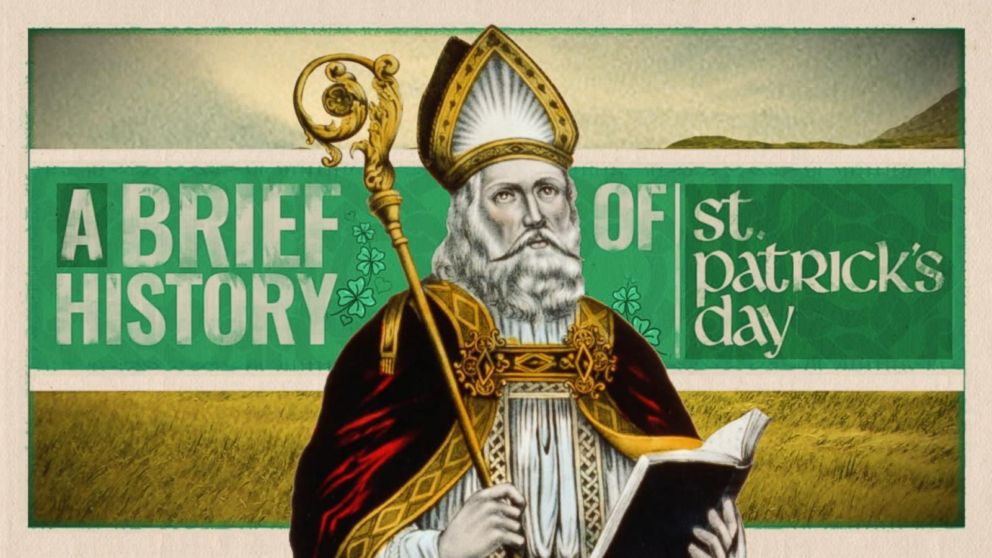
 Today, the “insular” Celtic languages are all that’s left, relegated to two sub-groups: the Goidelic (or Gaelic) spoken by Irish and Scots speakers and once on the Isle of Man, and the Brythonic or Brittonic once spoken in Wales, Brittany and Cornwall.
 Interestingly, Patrick is listed among the 10,000 or so Roman Catholic Saints though it seems he never was actually canonized, by a pope.
 Another legend involves a walking stick of ash, which Patrick carried with him wherever he went. He would thrust this stick into the ground wherever he would preach. At a place now known as Aspatria, (ash of Patrick), the message took so long to get through to the people that the stick took root.
 Christian Ireland, with its green color evoking rebirth and eternal life.


 For 38 days, the young Caesar joined in games and exercises, with these bloodthirsty killers. As if he were their leader, instead of their prisoner. All the while, he promised these pirates. He would come back to crucify them all, and he said it with a smile.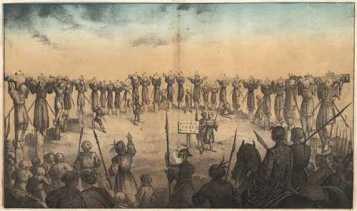
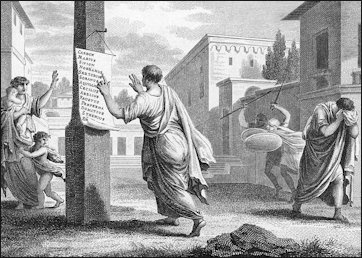
 He seems to have been a ladies’ man, fathering a son with none other than Queen Cleopatra of Egypt. One story has him being handed a note while speaking at the Senate. Caesar’s arch rival Cato (the younger) demanded to know the contents of the letter, loudly accusing him of complicity in the “Catiline Conspiracy” to overthrow the government. At last Caesar relented, reading out loud what turned out to be a love letter – a graphic one – written to him by Cato’s own half-sister Servilia Caepionis.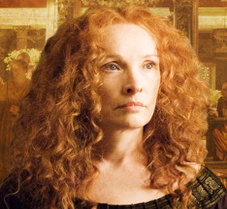
 Shortly before his assassination in BC 44, Caesar was named dictator perpetuo rei publicae constituendae, (English: “dictator in perpetuity”). It was the first time such a title had ever been made permanent. Nothing was more repugnant to traditional Roman sensibilities, than the idea of a dictator for life. Caesar’s days were numbered.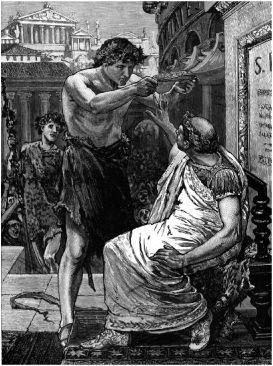
 The Roman calendar tracked the phases of the moon (or tried to), and didn’t count the days from first to last. Instead, Romans counted backward from three fixed points: the Nones (5th or 7th, depending on the length of the month), the Ides (13th or 15th), and the Kalends (1st of the following month).
 Here’s where the story becomes Really interesting. Like the apocryphal warning to “Beware the Ides of March”, Caesar’s last words, “Et tu Brute” were first introduced by William Shakespeare, 1,643 years after the fact. No eyewitness account of the assassination survives today, though a more contemporary source recorded the Greek words “Kai su, teknon?” as Brutus plunged the dagger in. “And you, my child?”


 Rubenstein hated the nickname and was quick to fight anyone who called him that. It may have been that hot temper, that made the name stick.
 Ruby was a low-rent gangster, involved in typical underworld activities like gambling, narcotics and prostitution. There were rumored associations with Mafia boss Santo Trafficante.
 Today, you may know Rick Danko, Levon Helm, Garth Hudson and Robbie Robertson as musicians who played with Bob Dylan in 1965, later going on the road as “The Band” and performing such rock & roll standards as “The Night they Drove Old Dixie Down”, “Up on Cripple Creek” and “The Weight”.
 Part of the roof had blown off this joint. Either that or it burned off, depending on which version you believed. Jack, the club owner, tore off the rest of it and kept the insurance money, calling this fine establishment, the “Skyline Lounge”.
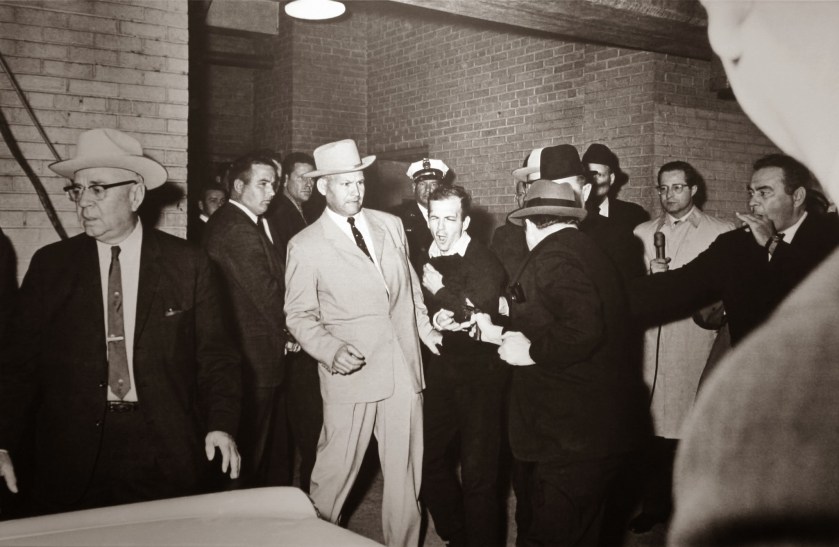
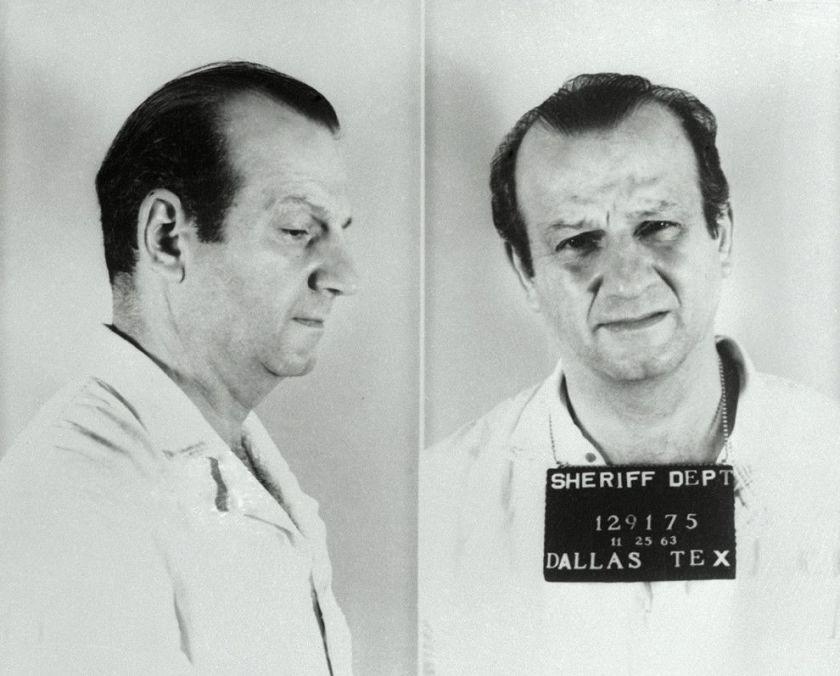 The Warren Commission found no evidence linking Jack Ruby’s murder of Lee Harvey Oswald, to any broader conspiracy to assassinate the President. What became of Jacob Leon “Sparky” Rubenstein’s Skyline Lounge, is unknown to this writer.
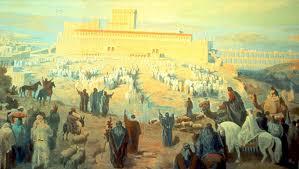 The Rashidun Caliphate captured the Holy City in 637, following a long siege. Except for one 88-year period following the first crusade in 1099, the Temple Mount in the old city remains under Islamic administration, from that day to this.
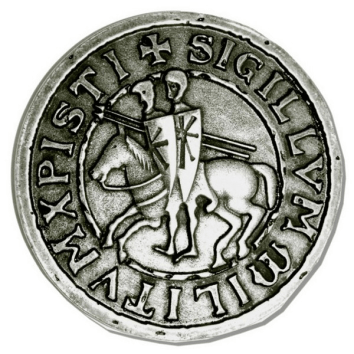 These were monks and they were warriors, “Poor Fellow-Soldiers of Christ and of the Temple of Solomon”. For 200 years, these “Knights Templar” provided for the safe passage of Christian pilgrims.
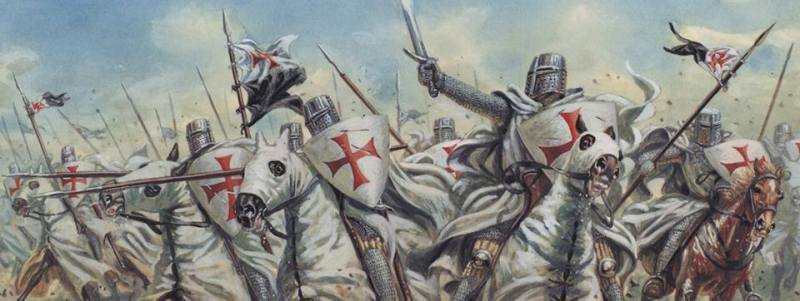 Following wars with the Flemish and with English King Edward I, King Philip IV of France found himself deeply in debt. Needing to wriggle out of it, Philip expelled the Jews of France, in 1306. The following year he came after the Knights Templar.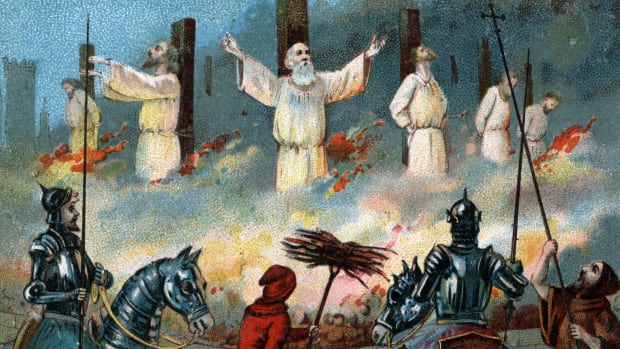
 Thousands of knights fled to areas outside Papal control. Many were burned at the stake, some absorbed into the rival Knights Hospitaller. Within a couple years, the order of the Knights Templar had ceased to exist.
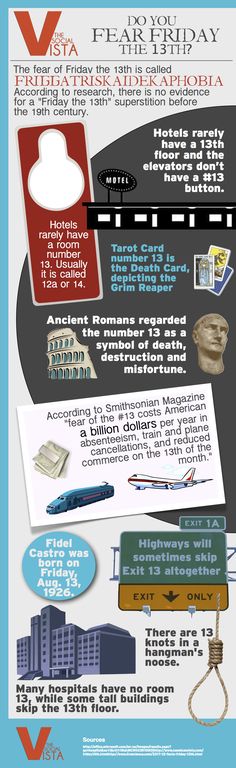
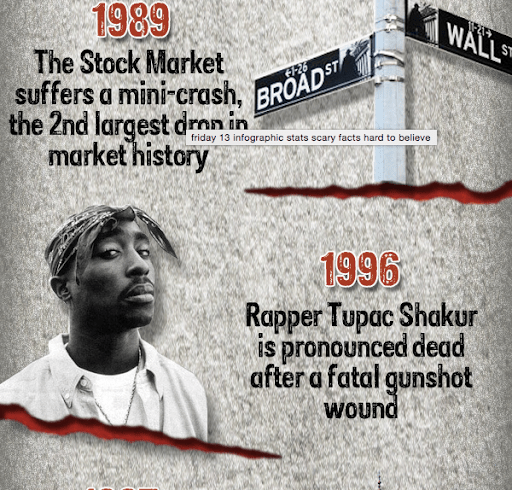 So knock on wood and cross your fingers. Watch out for black cats. Don’t look at the full moon through a pane of glass. Be sure to throw salt over your shoulder and don’t mind the Wuhan plague. You’ll be fine.

 At first sold for their therapeutic value, consumers increasingly bought carbonated beverages for refreshment.
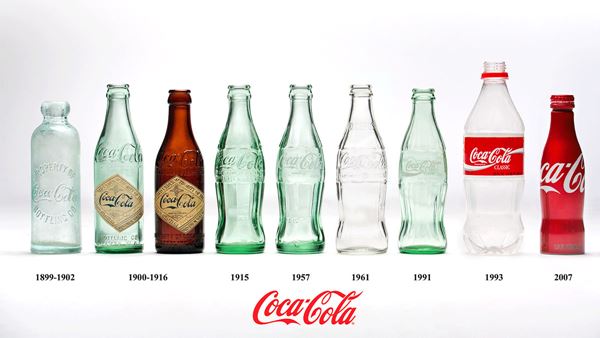 The most famous rivalry in the soft drink business began in the 1930s, when Pepsi offered a 12oz bottle for the same 5¢ as Coca Cola’s six ounces.
 By the ’80s, market analysts believed that aging baby boomers were likely to switch to diet drinks and any growth in the full calorie segment was going to come from younger consumers, who preferred the sweeter taste of Pepsi.
 On an April Friday in 1985, Coke let the media know that a major announcement was coming the following Tuesday. Coca Cola officials spent a busy weekend preparing for the re-launch, while Pepsi Executives announced a company-wide holiday, taking out a full page ad in the New York Times, crowing that “Pepsi had Won the Cola Wars”.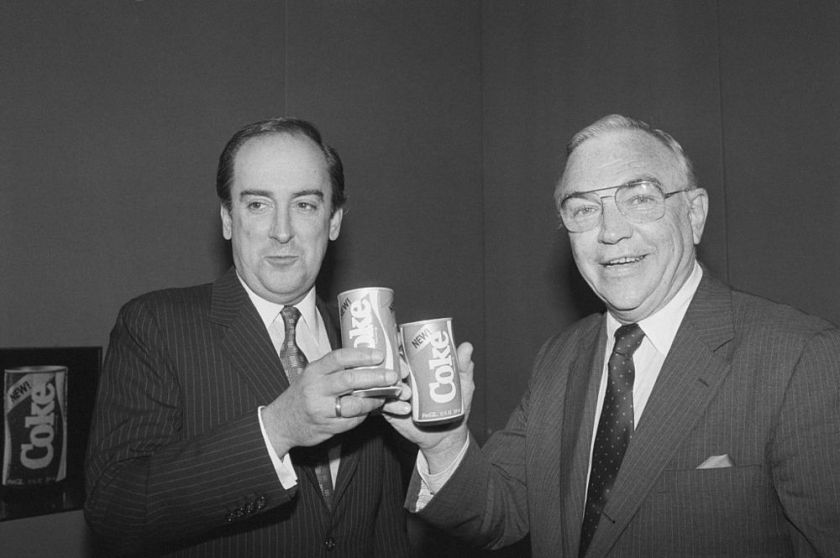
 Not even Max Headroom and his stuttering “C-c-c-catch the wave!” could save the company.
 So it was that, in 1985, Coca Cola announced they’d bring back the 91-year old formula. One reporter asked Keough if the whole thing had been a publicity stunt. Keough’s answer should be taught in business schools the world over, if it isn’t already. “We’re not that dumb,” he said, “and we’re not that smart”.

 To anyone under the age of 40, the Cold War must seem a strange and incomprehensible time. Those of us who lived through it, feel the same way.
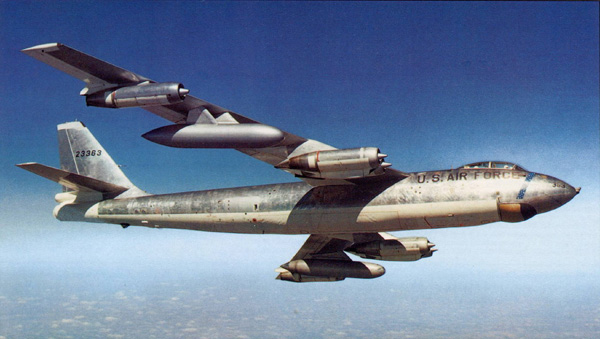 At 15,000-feet, a warning light came on in the cockpit, indicating the load wasn’t properly secured. Not wanting a thing like that rattling around in the back, Captain Earl E. Koehler sent navigator Bruce M. Kulka, to investigate. Kulka slipped and grabbed out for something, to steady himself. That “something” just happened to be, the emergency release.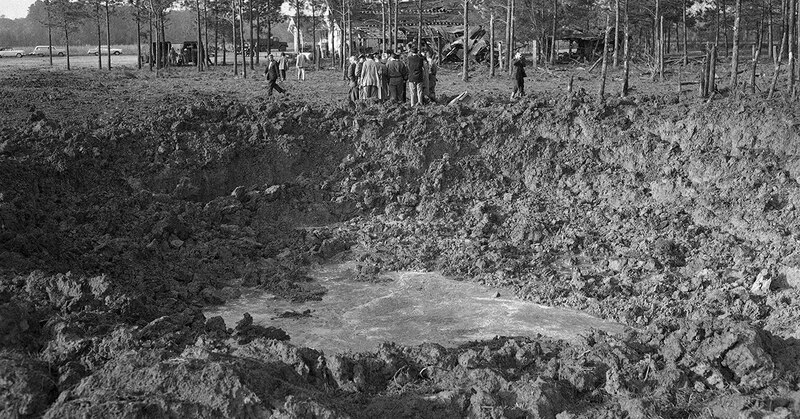
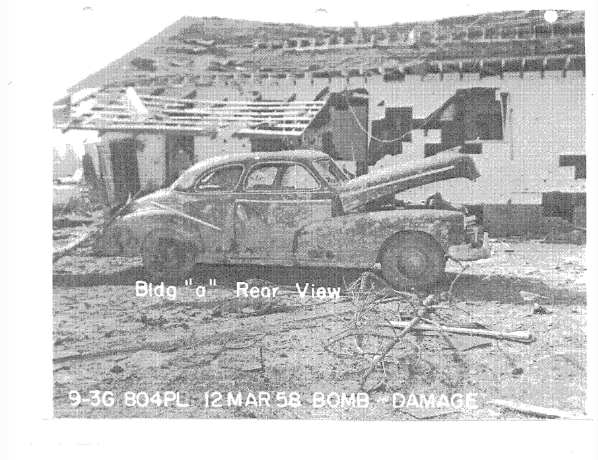 Three years later, a B-52 Stratofortress carrying two Mark 39 thermonuclear bombs broke up in the air over Goldsboro, North Carolina. Five crew members ejected from the aircraft at 9,000-feet and landed safely, another ejected but did not survive the landing. Two others died in the crash.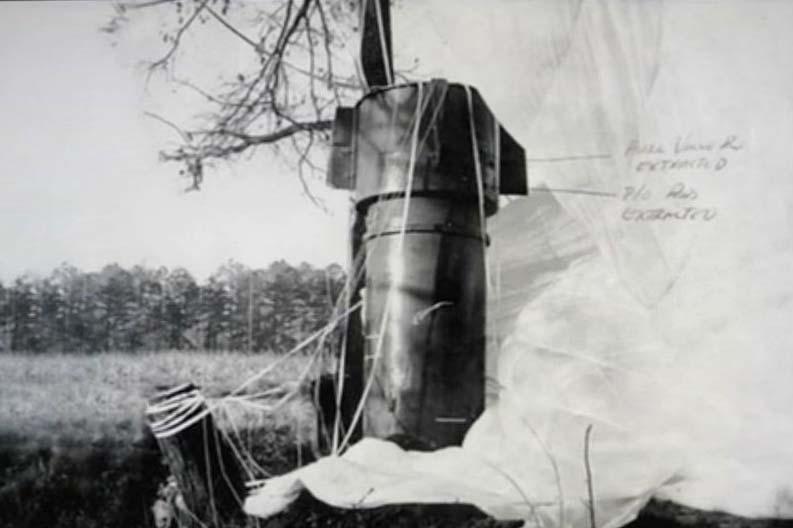
 Over the years, members of the flight crew stopped by to apologize for the episode.
 2,500 years ago, Bantu farmers on the African continent began to spread out across the land as the first Africans penetrated the dense rain forests of the equator, to take up a new life on the west African coast.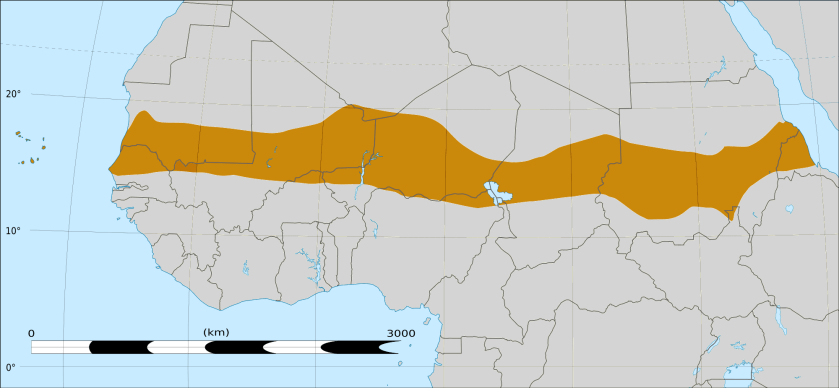
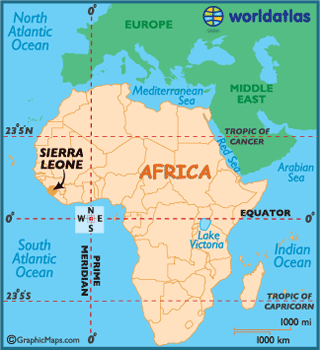 Home to one of the few safe harbors on the surf-battered “windward coast”, Sierra Leone soon became a favorite of European mariners, some of whom remained for a time while others came to stay, intermarrying with local women.
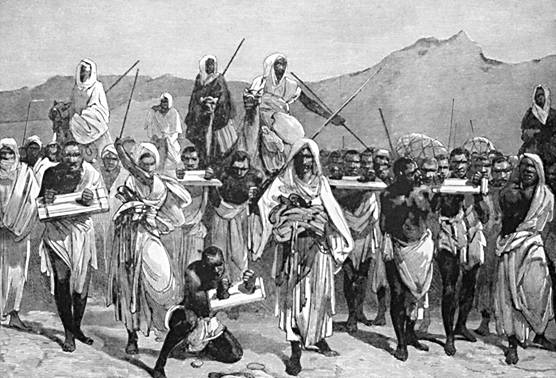 While this type of “slave” retained rudimentary rights at this time, those unfortunate enough to be captured by Dutch, English and French slavers, did not.
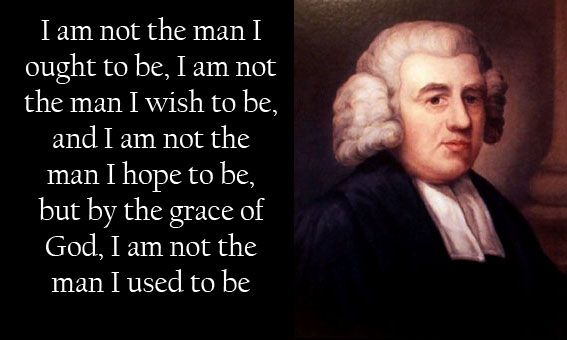
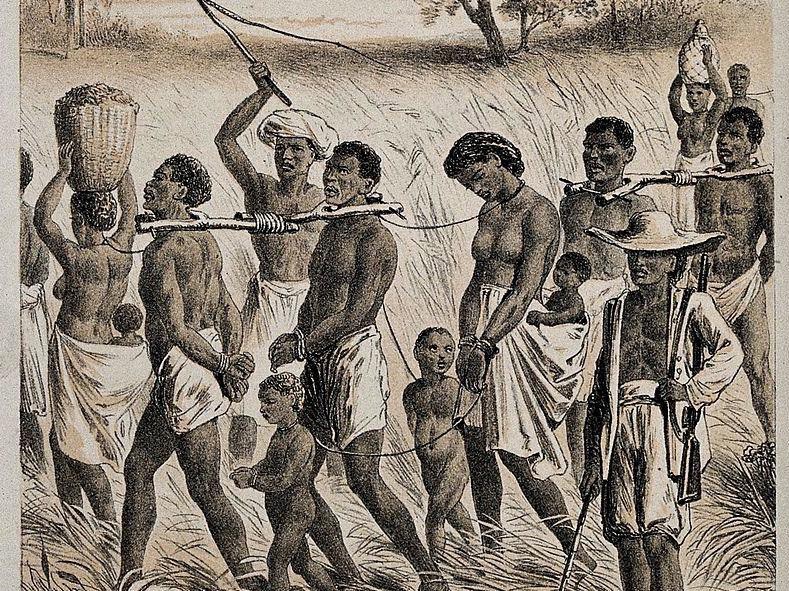 This was the world of John Newton, born July 24 (old style) 1725 and destined to a life, in the slave trade.
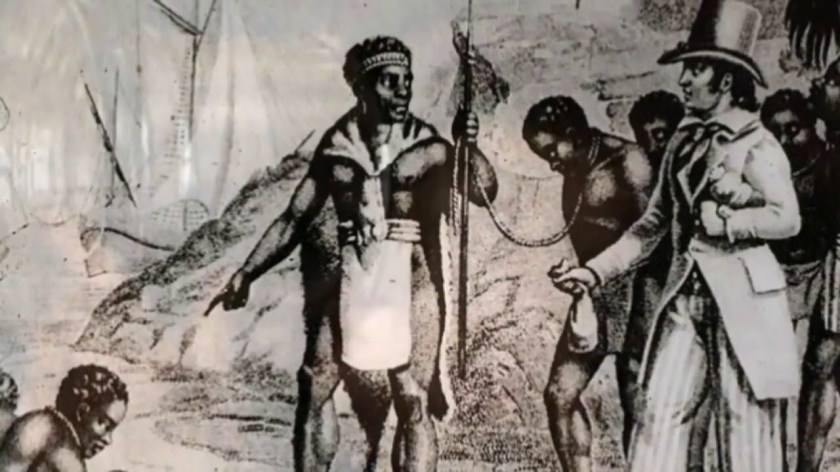 Newton hated life on the Pegasus as much as they, hated him. In 1745, they left him in West Africa with slave trader Amos Clowe. Newton was now himself a slave, given by Clowe to his wife Princess Peye of the Sherbro tribe. Peye treated Newton as horribly as any of her other slaves. Newton himself later described these three years as “once an infidel and a libertine, [now] a servant of slaves in West Africa”.
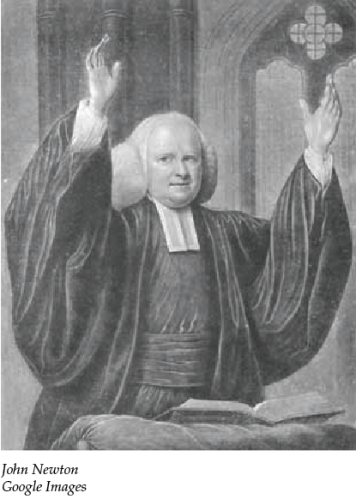 Moving to London in 1780 as the Rector of St. Mary Woolnoth church, Newton became involved with the Committee for the Abolition of the Slave Trade.
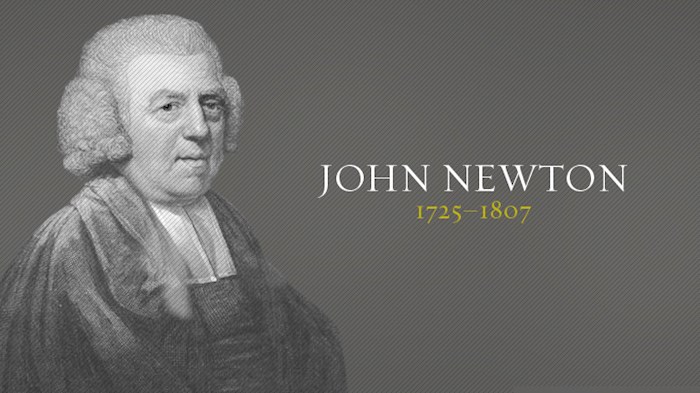 William Cowper was an English poet and hymnist who came to worship in Newton’s church, in 1767. The pair collaborated on a book of Newton’s hymns including “Glorious Things of Thee Are Spoken,” “How Sweet the Name of Jesus Sounds!,” “Come, My Soul, Thy Suit Prepare” and others.


 Radios of the age didn’t work across the Rockies, and the mail was erratic. The only passenger service available was run by the Yukon Southern airline, a run which locals called the “Yukon Seldom”. For construction battalions at Dawson Creek, Delta Junction and Whitehorse, it was faster to talk to each other through military officials in Washington, DC.
 Tent pegs were useless in the permafrost, while the body heat of sleeping soldiers meant waking up in mud. Partially thawed lakes meant that supply planes could use neither pontoon nor ski, as Black flies swarmed the troops by day. Hungry bears raided camps at night, looking for food.
 That October, Refines Sims Jr. of Philadelphia, with the all-black 97th Engineers, was driving a bulldozer 20 miles east of the Alaska-Yukon line when the trees in front of him toppled to the ground. Sims slammed his machine into reverse as a second bulldozer came into view, driven by Kennedy, Texas Private Alfred Jalufka. North had met south, and the two men jumped off their machines, grinning. Their triumphant handshake was photographed by a fellow soldier and published in newspapers across the country, becoming an unintended first step toward desegregating the US military.


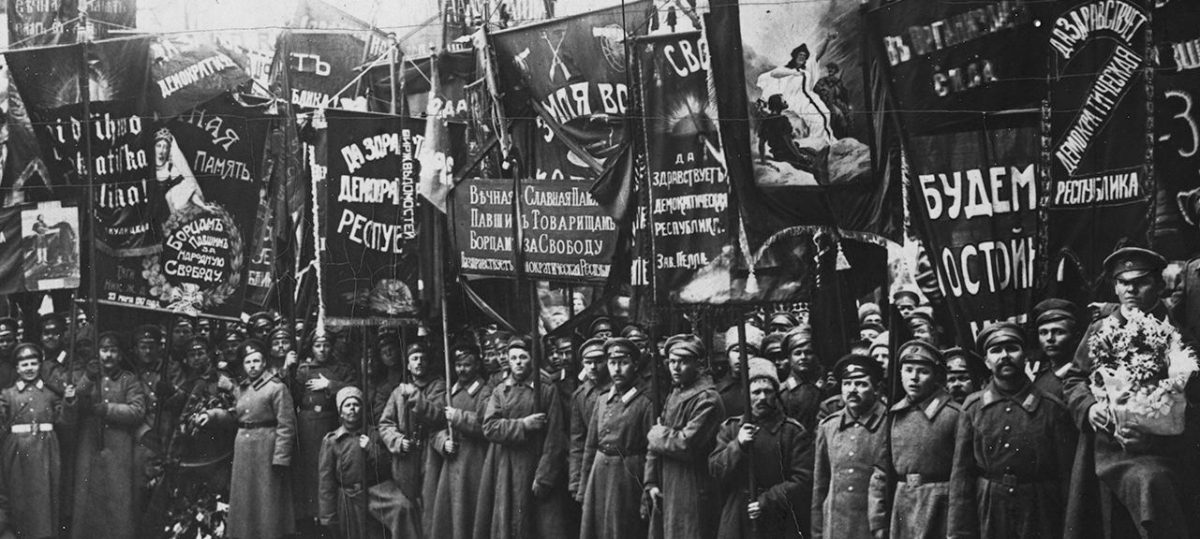
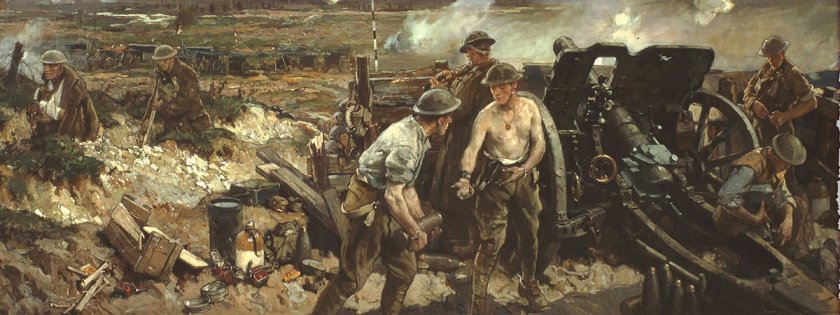 By 1916 it was generally understood in Germany that the war effort was “shackled to a corpse”, referring the Austro-Hungarian Empire where the war had started, in the first place. Italy, the third member of the “Triple Alliance”, was little better. On the “Triple Entente” side, the French countryside was literally torn to pieces, the English economy close to collapse. The Russian Empire, the largest nation on the planet, was teetering on the edge of the precipice.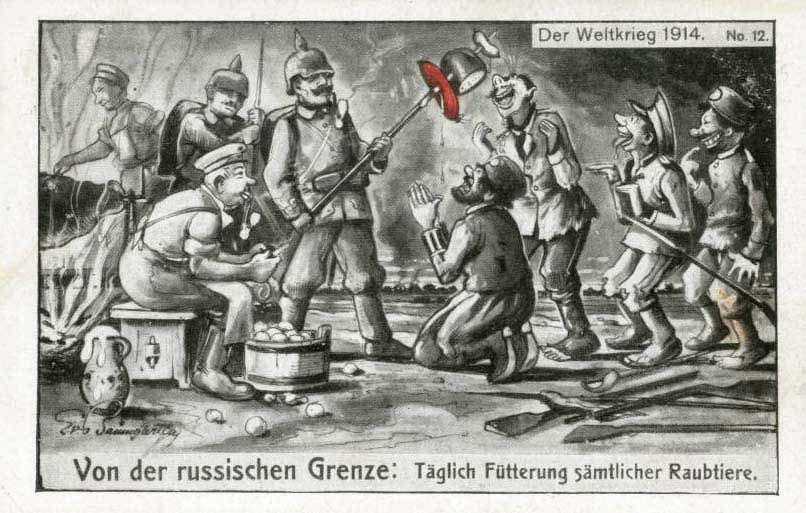

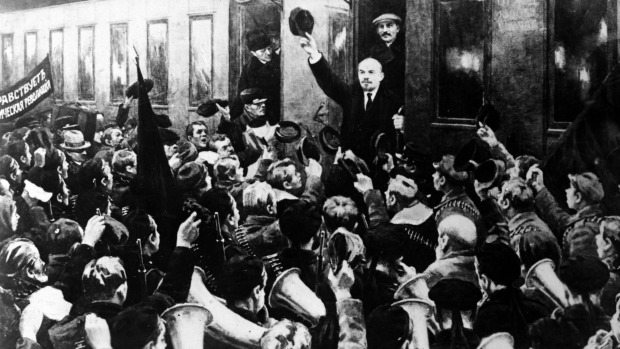 By October, Russia would experience its second revolution of the year. The German Empire could breathe easier. The “Russian Steamroller” was out of the war. And none too soon, too. With the Americans entering the war that April, Chief of the General Staff Paul von Hindenburg and his deputy Erich Ludendorff could now move their divisions westward, in time to face the arrival of the American Expeditionary Force.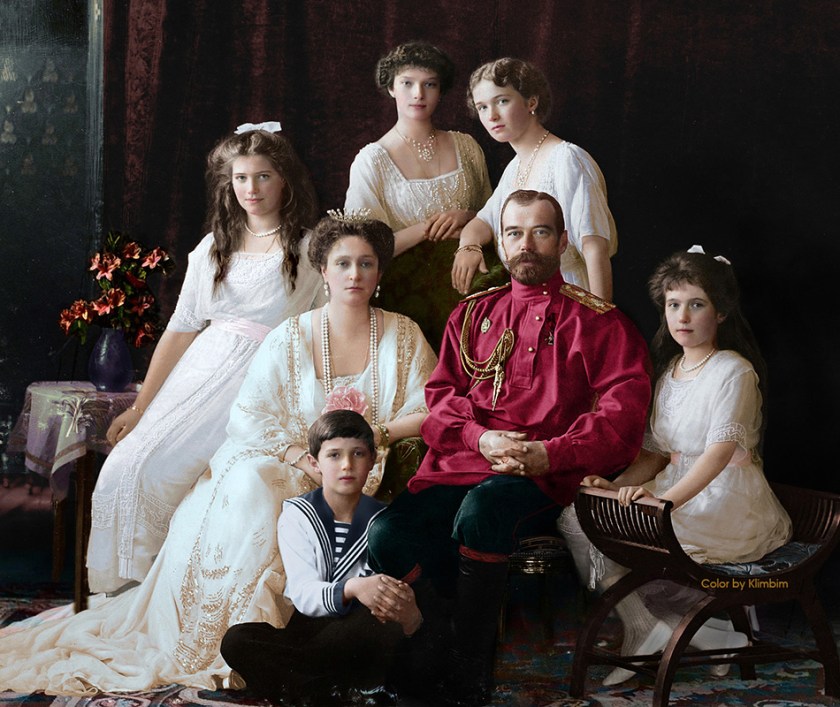

 Historical Easter Eggs - Today in History
You must be logged in to post a comment.