December 11, 1970 A Green Revolution

“The green revolution has an entirely different meaning to most people in the affluent nations of the privileged world than to those in the developing nations of the forgotten world.” – Norman Borlaug, father of the Green Revolution


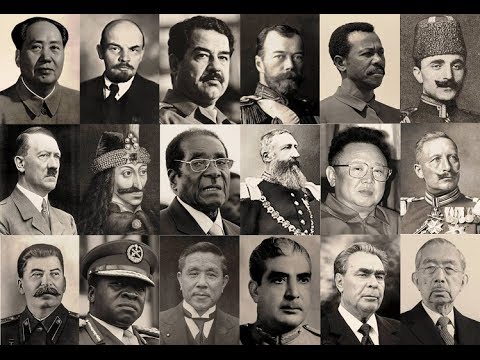
King Leopold II. Josef Stalin. Adolf Hitler. Pol Pot. Idi Amin. All too often, history is measured in terms of the monsters. The ten worst dictators of the last century-and-a-half account for the loss of nearly 150 million lives. Most of us remember their names. Most of them.

But who remembers the name of the man who Saved the lives of SEVEN times the number, of those destroyed by this whole Parade of Horribles, put together?
3fd1fec87a98191d70a45bd887bacca8

We live in a time and place where the National Institutes of Health (NIH) can report “The U.S. is one of the wealthiest countries in the world and accordingly has high obesity rates; one-third of the population has obesity plus another third is overweight”.

It wasn’t always so. In 1820, 94% of the world’s population lived in “absolute poverty.” American economic historian and scientist Robert Fogel, winner of the 1993 Nobel Prize in Economics, wrote: “Individuals in the bottom 20% of the caloric distributions of France and England near the end of the eighteenth century, lacked the energy for sustained work and were effectively excluded from the labor force.”

For the modern mind, it’s difficult to embrace the notion of “food insecurity”.  We’re not talking about what’s in the fridge. This is the problem of acute malnutrition, of epidemic starvation, of cyclical famine and massive increases in mortality due to starvation and hunger-induced disease.

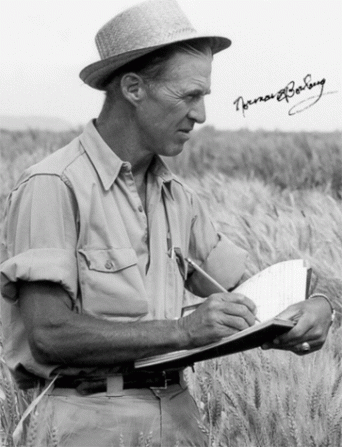
Nels Olson Borlaug once told his grandson Norman, “You’re wiser to fill your head now if you want to fill your belly later on.” An Iowa farm kid educated during the Great Depression, that same young man periodically put his studies on hold, in order to earn money.

He was Norman Ernest Borlaug. As a Civilian Conservation Corps leader working with unemployed people on CCC projects, many of his co-workers faced persistent and real, hunger. He later recalled, “I saw how food changed them … All of this left scars on me”.
norman-borlaug1

Borlaug earned his Bachelor of Science in Forestry, in 1937. Nearing the end of his undergraduate education, he attended a lecture by Professor Elvin Charles Stakman discussing plant rust disease, a parasitic fungus which feeds on phytonutrients in wheat, oats, and barley crops.

Stakman was exploring special breeding methods, resulting in rust-resistant plants. The research greatly interested Borlaug, who later enrolled at the University of Minnesota to study plant pathology, under Stakman. Borlaug earned a Master of Science degree in 1940 and a Ph.D. in plant pathology and genetics, in 1942.

Following the attack on Pearl Harbor, Borlaug attempted to enlist. His application was rejected. Uncle Sam had other plans for Norman Borlaug. He was put to work in a lab, doing research for the United States armed forces.

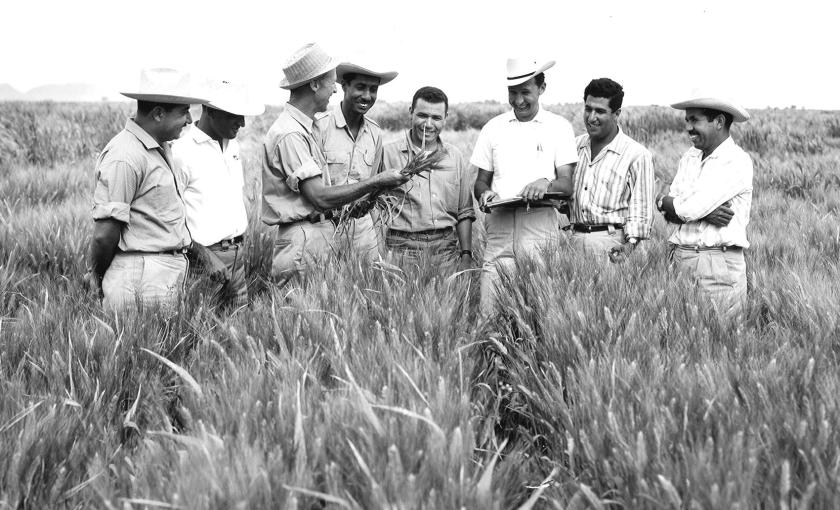
Between 1939 and ’41, Mexican farmers suffered major crop failures due to stem rust. In July 1944, Borlaug declined an offer to double his salary, traveling instead to Mexico City where he headed a new program focusing on soil development, maize and wheat production, and plant pathology.
borlaug_2

“Pure line” (genotypically identical) plant varieties possess only one to a handful of disease-resistance genes. Random mutations of rusts and other plant diseases overcome pure line survival strategies, resulting in crop failures. “Multi-line” plant breeding involves back-crossing and hybridizing plant varieties, transferring multiple disease-resistance genes into recurrent parents.

In the first ten years Borlaug worked for the Mexican agricultural program, he and his team made over 6,000 individual crossings of wheat. Mexico transformed from a net-importer of food, to a net exporter.

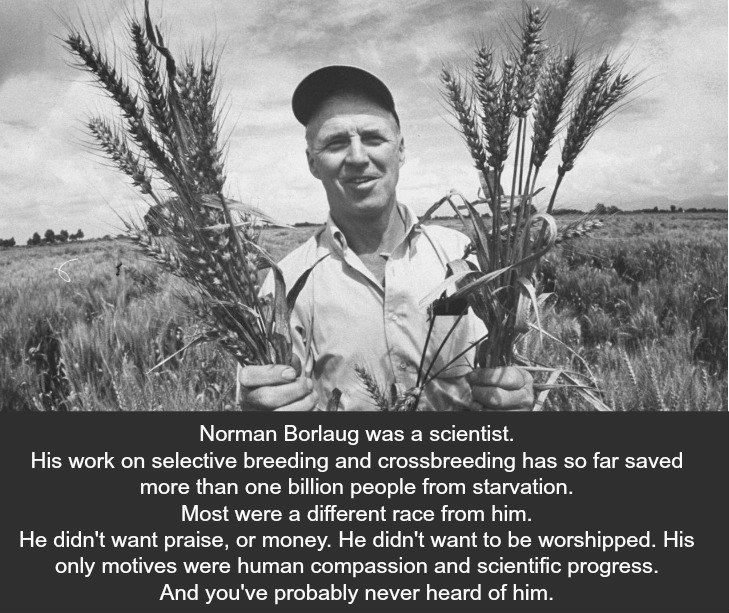
In the early sixties, Borlaug’s dwarf spring wheat strains went out for multi-location testing around the world, in a program administered by the US Department of Agriculture. In March 1963, Borlaug himself traveled to India with Dr. Robert Glenn Anderson, along with 220-pounds of seed from four of the most promising strains.
aaa

The Indian subcontinent experienced minor famine and starvation at this time, limited only by the US’ shipping 1/5th of its wheat production into the region in 1966 – ’67. Despite resistance from Indian and Pakistani bureaucracies, Borlaug imported 550 tons of seeds.

American biologist Paul Ehrlich wrote in his 1968 bestselling book The Population Bomb: “The battle to feed all of humanity is over … In the 1970s and 1980s hundreds of millions of people will starve to death in spite of any crash programs embarked upon now.” He went on: “I have yet to meet anyone familiar with the situation who thinks India will be self-sufficient in food by 1971…India couldn’t possibly feed two hundred million more people by 1980.”

The man could not have been more comprehensively wrong.
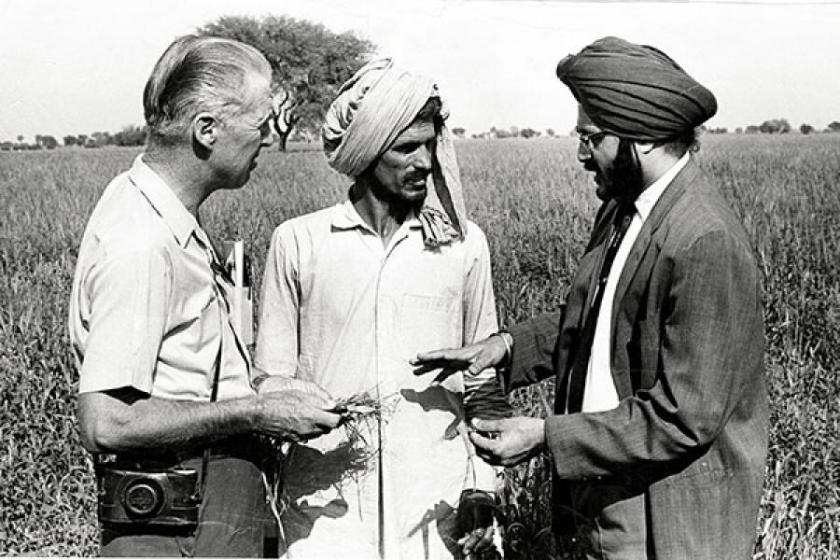
topimg_25013_dr_norman_borlaug

Borlaug’s initial yields were higher than any other crop, ever harvested in South Asia. Countries from Pakistan to India to Turkey imported 80,000 tons and more of seeds. By the time Ehrlich’s book released in 1968, massive crop yields had substituted famine and starvation, with a host of new problems. Like labor shortages at harvest and insufficient quantities of bullock carts, to haul it all to the threshing floor. Jute bags were needed along with trucks, rail cars and grain storage facilities. Local governments even closed school buildings, to use them for grain storage.

norman-borlaug-001

In three years, the world increase in cereal-grain production was nothing short of spectacular. United States Agency for International Development (USAID) Director William Gaud called it, a “Green Revolution”.   Borlaug received the Nobel Peace Prize on December 10, 1970, protesting that he himself was but “one member of a vast team made up of many organizations, officials, thousands of scientists, and millions of farmers – mostly small and humble…”

BORLAUG ATTEND QPM MAIZE FIELD IN GUIZHOU-bf3726c08c
Norman Borlaug works with Chinese agricultural leaders, 1974

As a newly crowned Nobel Laureate, Borlaug said in a December 11 lecture before the Rockefeller foundation: “[T]he first essential component of social justice is adequate food for all mankind. Food is the moral right of all who are born into this world.”

With mass starvation or widespread deforestation being the only historic alternatives, the “Borlaug Hypothesis” introduced a third option, that of increasing yields on existing farmland.  The work however, was not without critics. Environmentalists criticized what they saw as large-scale monoculture, in nations previously reliant on subsistence farming. Critics railed against “agribusiness” and the building of roads through what had once been wilderness.

David Seckler, Director General of the International Water Management Institute said “The environmental community in the 1980s went crazy pressuring the donor countries and the big foundations not to support ideas like inorganic fertilizers for Africa.”

953650D6-9A57-430E-82AE-1803733FC42E_mw1024_s_n-copy
Norman Borlaug, Nobel Prize Acceptance Speech, December 10, 1970

The Rockefeller and Ford foundations withdrew funding, along with the World Bank. Warm and well fed environmentalist-types congratulated themselves on “success”, as the Ethiopian famine of 1983-’85 killed over 400,000. Millions more were left destitute, on the brink of starvation.

Borlaug shot back, “[S]ome of the environmental lobbyists of the Western nations are the salt of the earth, but many of them are elitists. They’ve never experienced the physical sensation of hunger. They do their lobbying from comfortable office suites in Washington or Brussels. If they lived just one month amid the misery of the developing world, as I have for fifty years, they’d be crying out for tractors and fertilizer and irrigation canals and be outraged that fashionable elitists back home were trying to deny them these things.

Borlaug became involved in Africa at the invitation of Ryoichi Sasakawa, chairman of the Japan Shipbuilding Industry Foundation, who wondered why methods used so successfully in Asia, were not being employed in Africa. Since that time, the Sasakawa Africa Association (SAA) has trained over 8 million farmers in SAA farming techniques. Maize crops developed in African countries have tripled along with increased yields of wheat, sorghum, cassava, and cowpeas.

4fig7

When Ehrlich released his book in 1968, the world population stood at 3.53 billion. Today, that number is more like 7.8 billion and, when we hear about starvation, such disasters are almost exclusively, man-made. The American magician and entertainer Penn Jillette once described Norman Borlaug as “The greatest human being who ever lived…and you’ve probably never heard of him.”

Let that be the answer to the man’s smug and well-fed critics.

norman-borlaug-6

December 10, 1917 A Gift of Gratitude

So it is that, every year, the people of Nova Scotia send the official Christmas tree to the city of Boston. A gift of gratitude, between two peoples.
A few days short ago, a Christmas tree was erected on Boston Commons. Symbolizing as it does the friendship between the people of two nations, this is no ordinary tree. This tree stands in solemn remembrance of catastrophe, and the bonds between two peoples.
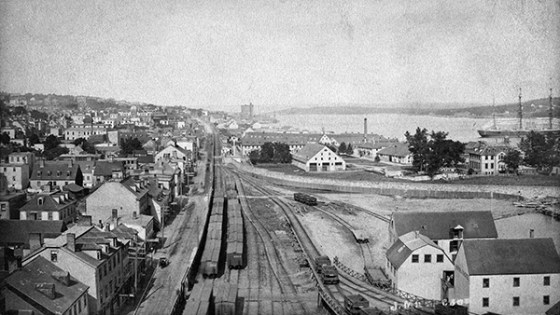
As “The Great War” dragged to the end of the third year in Europe, Halifax harbor in Nova Scotia was the bustling scene of supply, munition, and troop ships destined for “over there”.  With a population of 50,000 at the time, Halifax was the busiest port in Atlantic Canada.

Nova Scotia, ca 1900

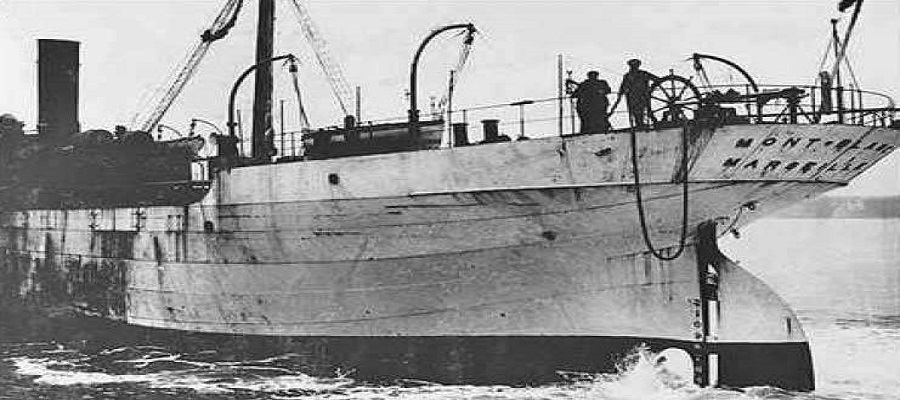
The Norwegian vessel Imo left her mooring in Halifax harbor on December 6, 1917, destined for New York City.   The French ship Mont Blanc was entering the harbor at this time, intending to join the convoy which would form her North Atlantic escort.

In her holds, Mont Blanc carried 200 tons of Trinitrotoluene (TNT), and 2,300 tons of TNP – Trinitrophenol or “Picric Acid”, a substance used as a high explosive.  In addition, the freighter carried 35 tons of high octane gasoline and 20,000 lbs of gun cotton.

Not wanting to draw the attention of pro-German saboteurs, the freighter flew no flags warning of her dangerous cargo.  Mont Blanc was a floating bomb.

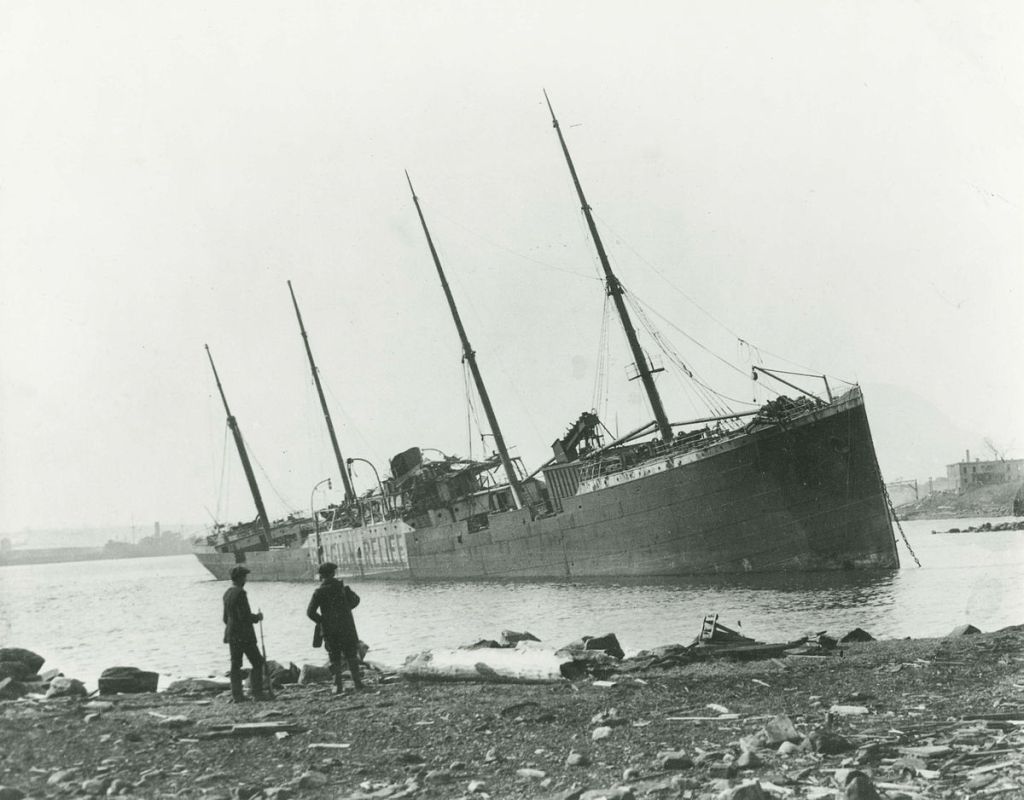
Somehow, signals became crossed as the two ships passed, colliding in the narrows at the harbor entrance and igniting TNP onboard Mont Blanc.  French sailors abandoned ship as fast as they could, warning everyone who would listen of what was about to happen.

SS Imo

As might be expected, the pyrotechnic spectacle put on by the flaming ship was too much to resist, and crowds gathered around the harbor.  The high-pitched scream emitted by picric acid under combustion is a principal feature of fireworks displays, to this day.  You can only imagine the scene as the burning freighter brushed the harbor pier setting that ablaze as well, before running herself aground.

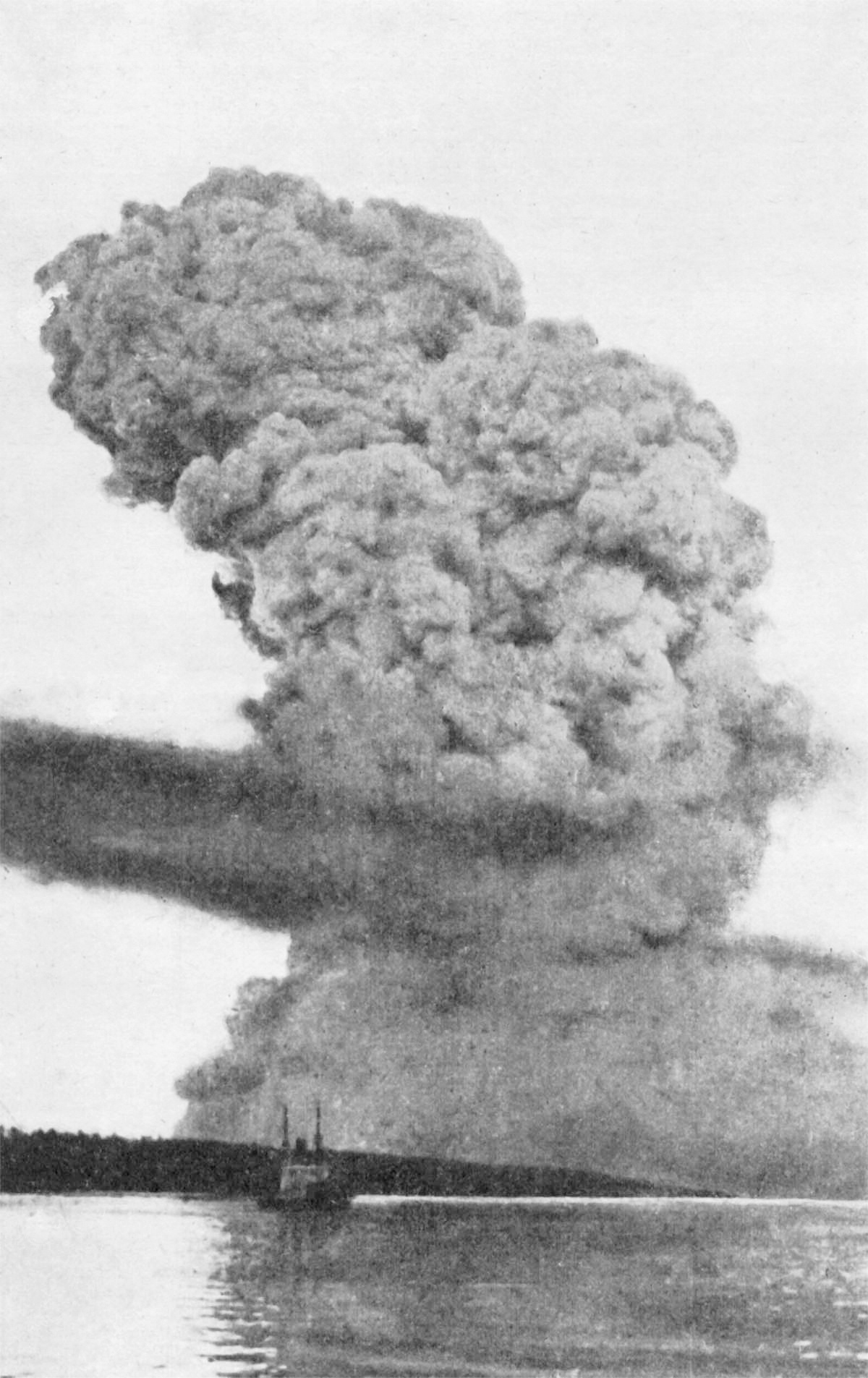
That’s when Mont Blanc exploded.

Halifax explosion, 2

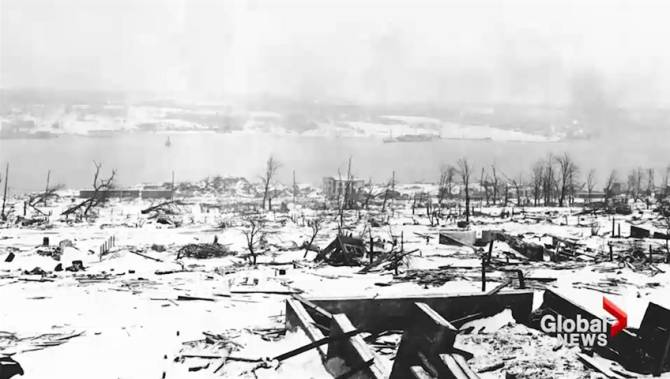
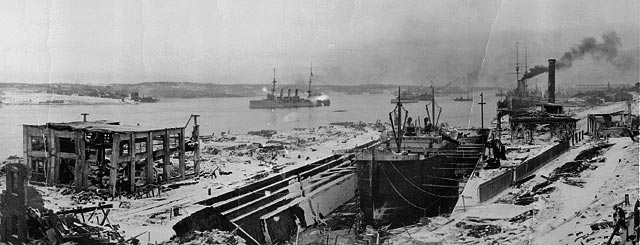
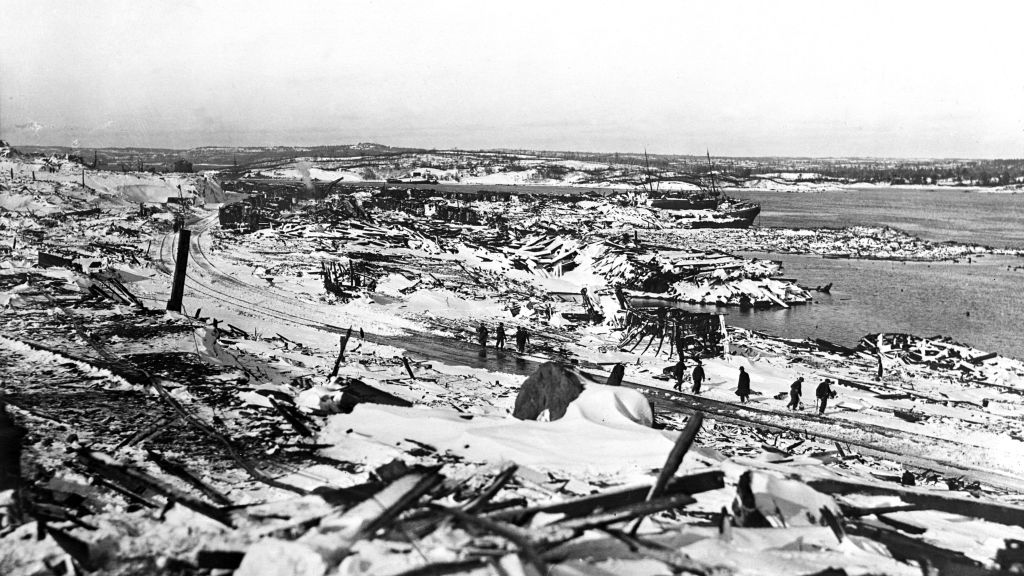
The detonation and resulting fires killed over 1,800 and wounded another 9,000, flattening the north end of Halifax and shattering windows as far as 50 miles away.

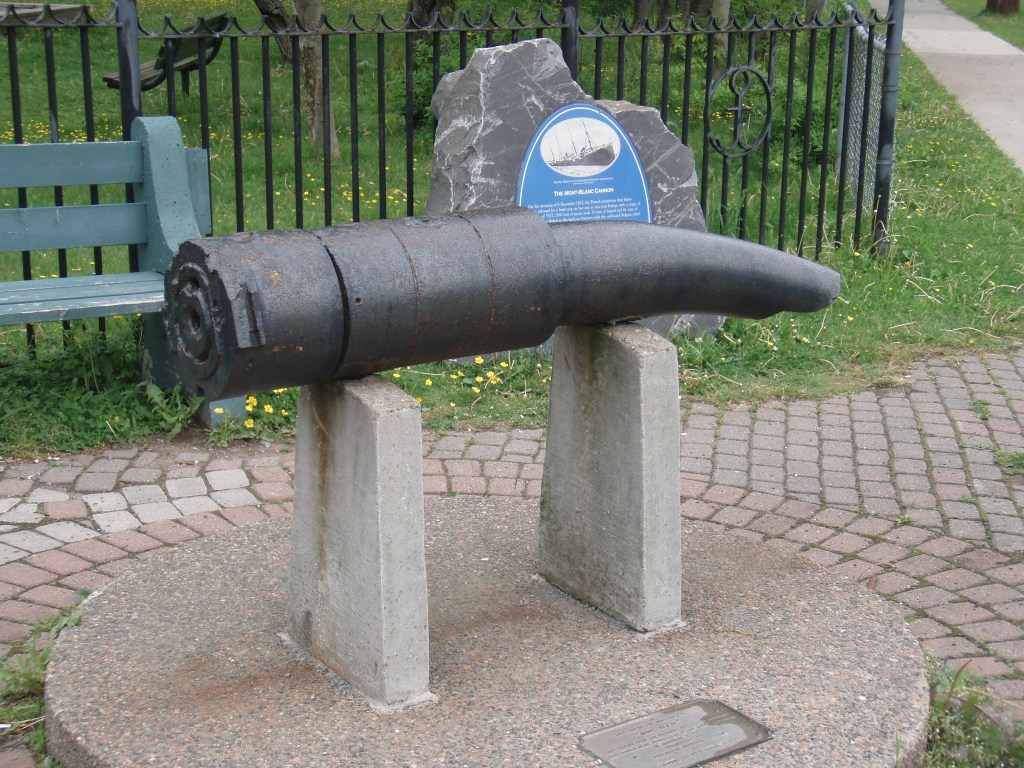
The ferocity of the blast literally tore Mont Blanc’s cannon from its mount and bent the barrel.

Mont Blanc’s Cannon

It was one of the largest man made, non-nuclear explosions in history. Mont Blanc’s anchor landed two miles away, one of her gun barrels, three.  Later analysis estimated the output at 2.9 kilotons, an explosive force greater than some tactical nuclear weapons.

Halifax explosion, 3

The first ray of light on the morning of December 7 revealed an apocalyptic scene of devastation, some 1,600 homes destroyed in the blast as a blizzard descended over Nova Scotia.

Boston Mayor James Michael Curley wrote to the US Representative in Halifax “The city of Boston has stood first in every movement of similar character since 1822, and will not be found wanting in this instance. I am, awaiting Your Honor’s kind instruction.”

Halifax explosion, 1

The man was as good as his word.  Mayor Curley and Massachusetts’ Governor Samuel McCall composed a Halifax relief Committee to raise funds and organize aid.  McCall reported that the effort raised $100,000 in its first hour, alone.

President Woodrow Wilson authorized a $30,000 carload of Army blankets sent to Halifax, a sum equivalent to some $665,000 today.

Within 12 hours of the explosion, the Boston Globe reported on the first train leaving North Station with “30 of Boston’s leading physicians and surgeons, 70 nurses, a completely equipped 500-bed base hospital unit and a vast amount of hospital supplies”.

Delayed by deep snow drifts, the train arrived on the morning of December 8, the first non-Canadian relief train to arrive on the scene.

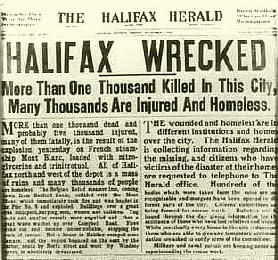
Halifax Herald

There was strong sentiment at the time, that German sabotage lay behind the disaster.  A front-page headline on the December 10 Halifax Herald Newspaper proclaimed “Practically All the Germans in Halifax Are to Be Arrested”.

$750,000 in relief aid would arrive from Massachusetts alone, equivalent to more than $15 million today.  Canadian Prime Minister Robert Borden would write to Governor McCall on December 9, “On behalf of the Government of Canada, I desire to convey to Your Excellency our very sincere and warm thanks for your sympathy and aid in the appalling calamity which has befallen Halifax”.

The following year, Nova Scotia sent the city of Boston a gift of gratitude.  An enormous Christmas tree.

In 1971, the Lunenburg County Christmas Tree Producers Association sent another tree to Boston, to promote Christmas tree exports and to once again acknowledge the support of the people and government of Boston after the 1917 disaster. The Nova Scotia government later took over the annual gift of the Christmas tree, to promote trade and tourism.

So it is that, every year, the people of Nova Scotia send the official Christmas tree to the city of Boston.  A gift of gratitude, between two peoples. More recently, the principle tree is joined by two smaller trees, donated to Rosie’s Place and the Pine Street Inn, two Boston homeless shelters.

This is no Charlie Brown shrub we’re talking about. The 1998 tree required 3,200 man-hours to decorate:  17,000 lights connected by 4½ miles of wire, and decorated with 8,000 bulbs.

In 2013, the tree was accompanied by a group of runners, in recognition of the Boston Marathon bombing earlier that year.

A monument was unveiled on Boston Commons on November 30, 2017, commemorating the 100th anniversary of the Halifax explosion.  The official 2017 Christmas tree lit up for the first time, that night.

2020 tree

This year’s tree stands 48-feet tall tall, marking 100 years since the Halifax explosion. It takes two men a day and a half to prepare for cutting, a crane holding the tree upright while the chainsaw does its work.  It’s a major media event, as the tree is paraded through Halifax on a 53’ flatbed, before boarding the ferry across the Bay of Fundy to begin its 750-mile journey south.

The trip was a little different this year as the border remains closed, due to COVID restrictions. The 2020 tree arrived by ship in Portland Maine to continue the journey south, by road.

For a small Canadian province, the annual gift is no small commitment.  In 2015 Nova Scotia spent $242,000 on the program, including transportation cutting & lighting ceremonies, and the promotions that went with it.

The 2020 tree lighting ceremony on December 3 was, like so many things in this year of years, virtual. There were televised remarks from Mayor Marty Walsh and Karen Casey, Deputy Premier of Nova Scotia, accompanied by Santa Claus and a squadron of Royal Canadian Mounted Police. The switch was thrown and and a live audience of…nobody…enjoyed the ceremonial lighting of the tree.

Thank you, Xi Jinping. You have brought so much warmth into our lives.

BOSTON, MA – DECEMBER 5: Fireworks explode around the Christmas tree on Boston Common at the conclusion of the festivities at the 78th annual tree lighting at the Boston Common on Dec. 5, 2019. (Photo by Jim Davis/The Boston Globe via Getty Images)

In 2016, Premier Stephen McNeil explained the program and why it was worth the expense:  “(It) gives us a chance to showcase our beautiful part of the world to a global community”.   Premier McNeil may have had the last word the following year, on the centennial anniversary of the Halifax catastrophe. “We had massive deaths and injuries”, he said. “It would have been far worse if the people of Boston hadn’t come and supported us.”

December 9, 1854 Into the Valley of Death

Raglan must have looked on in horror as the scene unfolded below. Instead of turning right and climbing the Causeway slopes, nearly 700 horsemen first walked, then trotted and finally charged, straight down the valley. Into the Russian guns. Into one of the Great disasters, of military history.


The Crimean war was in its second year in 1854, pitting an alliance including Great Britain, France, and the Ottoman Empire against the Russian armies of Czar Nicholas I.

The Battle of Balaclava opened shortly after 5:00am on October 25, 1854, when a squadron of Russian Cossack Cavalry advanced under cover of darkness. The Cossacks were followed by a host of Uhlans, their Polish light cavalry allies, against several dug-in positions occupied by Ottoman Turks. The Turks fought stubbornly, sustaining 25% casualties before finally being forced to withdraw.

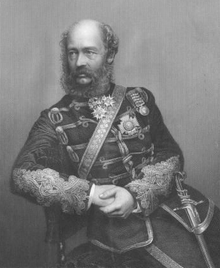
George_Bingham,_3rd_Earl_of_Lucan

For a time, the Russian advance was held only by the red coated 93rd Highland Regiment, a desperate defense remembered as the “Thin Red Line”.

Finally, the Russians were driven back by the British Heavy Brigade, led by George Bingham (left), 3rd Earl of Lucan, a man otherwise known to history for the brutality inflicted on tenants in Mayo, during the Irish potato famine.

The light cavalry of the age consisted of lightly armed and armored troops mounted on small, fast horses, usually wielding cutlass or spear. They’re a raiding force, good at reconnaissance, screening, and skirmishing. The “Heavies”, on the other hand, are mounted on huge, powerful chargers, both rider and horse heavily armored. They are the shock force of the army.

Cardigan

Lucan’s subordinate was James Brudenell, 7th Earl of Cardigan (right), in command of the Light Brigade.

There could not have been two worse field commanders.

Though possessed of physical courage, both men were prideful, mean spirited and petty. What’s worse, they were brothers-in-law, and each man detested the other, thoroughly.

raglan

Field Marshal Fitzroy James Henry Somerset, 1st Baron Raglan (left), was in overall command of the allied armies. Raglan occupied a high spot where he could see the battle unfolding before him, but didn’t seem to realize that his subordinates below couldn’t see what he could see. Spotting a small Russian detachment trying to get away with captured cannon, Raglan issued an order to Lucan, in overall command of his Cavalry. “Lord Raglan wishes the Cavalry to advance rapidly to the front, follow the enemy, and try to prevent the enemy carrying away the guns.” As Staff Officer Louis Nolan left to deliver the message, Raglan shouted “Tell Lord Lucan the cavalry is to attack immediately“.

The Light Brigade was well suited to such a task, but the men below had no idea what Raglan meant by such a poorly worded order. The only guns they could see were dug in Russian artillery a mile away, at the other end of the valley. When Nolan brought the order, Lucan demanded to know what guns. With a contemptuous sweep of his arm, Nolan pointed down the valley.   “There, sir, are your guns“.

The order that came down from Lucan to Cardigan called for a suicide mission, even for heavy cavalry. The “Lights” were being ordered to ride a mile down an open valley, with enemy cannon and riflemen lining both sides, into the muzzles of dug in, well sighted, heavy artillery.

Nose to nose and glaring, neither man blinked in the contest of wills. In the end, Cardigan did as ordered. 674 horsemen of the Light Brigade mounted up, drew their swords, and rode into the valley of death.

Louis Nolan should have gone back to Raglan but rode out instead, in front of the Light Brigade. He was almost certainly trying to redirect the charge and could have saved the day, but it wasn’t meant to be. Louis Nolan, the only man in position to change history that day, was the first man killed in the raid.

Private James Wightman of the 17th Lancers, describes Nolan’s last moments.  “I saw the shell explode of which a fragment struck him. From his raised sword-hand dropped the sword. The arm remained upraised and rigid, but all the other limbs so curled in on the contorted trunk as by a spasm, that we wondered how for the moment the huddled form kept the saddle. The weird shriek and the awful face haunt me now to this day, the first horror of that ride of horrors“.

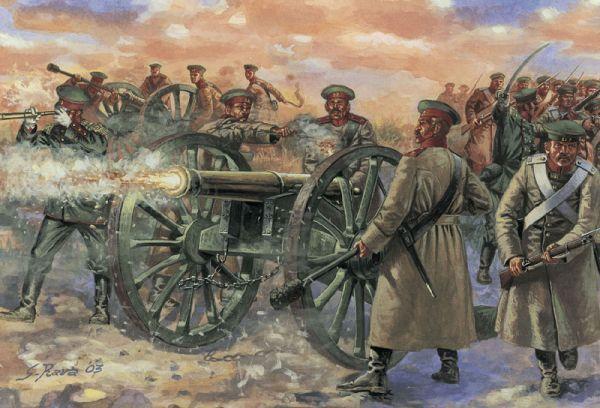
Crimean-War-Russian-Artillery-Battery
Russian Artillery Battery of the Crimean War

Raglan must have looked on in horror at the scene unfolding below. Instead of turning right and climbing the Causeway slopes, nearly 700 horsemen first walked, then trotted and finally charged, straight down the valley. Into the Russian guns. Into one of the Great disasters, of military history.

Captain Thomas Hutton of the 4th Light Dragoons said “A child might have seen the trap that was laid for us. Every private dragoon did“.

Charge, Russian Perspective
Charge of the Light Brigade, from the Russian perspective.

It took the Lights a full seven minutes to reach the Russian guns. Cannon fire tore great gaps out of their lines the whole time, first from the sides and then from the front. Shattered remnants of the Light Brigade actually managed to overrun the Russian guns, but had no means of holding them. Survivors milled about for a time, and then back they came, blown and bleeding horses carrying mangled men back through another gauntlet of fire.

Captain Nolan’s horse carried his dead, broken body all the way down, and all the way back.

Louis Nolan
Death of Captain Nolan or The Charger of Captain Nolan … by Thomas Jones Barker (1855)

When it was over 110 men were dead, 130 wounded and 58 missing or captured. 335 horses were dead or so grievously wounded as to be euthanized, upon their return. 40% losses in an action that had lasted 20 minutes.

Cardigan and Lucan each pointed the finger of blame at the other, for the rest of their lives. Both laid blame for the disaster on Nolan, who wasn’t there to defend himself.

The Battle of Balaclava is mostly forgotten today, but for a stanza in the Alfred Lord Tennyson poem: The Charge of the Light Brigade:

“…Theirs not to make reply,
Theirs not to reason why,
Theirs but to do and die…”

first published on December 9, 1854.

“…Cannon to right of them,
Cannon to left of them,
Cannon in front of them
Volleyed and thundered
Stormed at with shot and shell,
Boldly they rode and well,
Into the jaws of Death,
Into the mouth of hell,
Rode the six hundred…”

Aftermath-of-the-Charge-of-the-Light-Brigade
Aftermath

The Crimean War itself may be remembered as a waste of blood and treasure, for all it accomplished. But for the efforts of one woman, who all but invented the modern profession of nursing. The soldiers knew her as “The Lady with the Lamp” for her late night rounds of compassion, caring for the wounded.

History remembers this “Ministering Angel”, as Florence Nightingale.

December 8, 1941 A Declaration of War

World War 2 was a time of few restrictions on submarine warfare. Belligerents attacked military and merchant vessels alike with prodigious loss of civilian life, but WW1 didn’t start out that way.

In the early months of the “Great War”, the British Royal Navy imposed a surface blockade on the German high seas fleet.  Even food was treated as a “contraband of war”,  a measure widely regarded as an attempt to starve the German population.   With good reason.  One academic study performed ten years after the war, put the death toll by starvation at 424,000 in Germany alone. The German undersea fleet responded with a  blockade of the British home islands, a devastating measure carried out against an island adversary dependent on massive levels of imports.

1200px-Willy_Stöwer_-_Sinking_of_the_Linda_Blanche_out_of_Liverpool
Sinking of the Linda Blanche out of Liverpoole, by Willy Stöwer

World War 2 was a time of few restrictions on submarine warfare.  Belligerents attacked military and merchant vessels alike with prodigious loss of civilian life, but WW1 didn’t start out that way.

Wary of antagonizing neutral opinion, German Chancellor Theobald von Bethmann Hollweg argued against a “shoot without warning”policy but, strict adherence to maritime prize rules risked U-Boats and crews alike.  By early 1915, Germany declared the waters surrounding the British home Isles a war zone where even the vessels of neutral nations were at risk of being sunk.

shq-ship-gun-dropped
“Q-Ship with gun. The hidden gun emerges as the cover and sides, masquerading as a deck structure, are dropped. From “Q” Boat Adventures: The Exploits of the Famous Mystery Ships by a “Q” Boat Commander, by Harold Auten, published by Herbert Jenkins Ltd” – Hat Tip HistoricEngland.org.uk

Desperate to find an effective countermeasure to the German “Unterseeboot”, Great Britain introduced heavily armed merchant ships with concealed weaponry in 1915, phony merchantmen designed to lure submarines into making surface attacks. Britain called these secret countermeasures “Q-ships”, after their home base in Queenstown, in Ireland.

German sailors called them U-Boot-Fälle. “U-boat traps”.

Lusitania warning
Notices taken out in the New York Times and others, specifically warned the Lusitania was vulnerable to attack

The “unprovoked” sinking of noncombatant vessels, including the famous Lusitania in which 1,198 passengers lost their lives, became a primary justification for war.  The German Empire, for her part, insisted that many of these vessels carried munitions intended to kill German boys on European battlefields.

Underwater, the submarines of WWI were slow and blind, on the surface, vulnerable to attack.  In 1916, German policy vacillated between strict adherence to prize rules and unrestricted submarine warfare.  It was a Hobbesian choice. The first put their own people and vessels at extreme risk, the second threatened to bring neutrals like the United States and Brazil,  into the war.

In 1916, President Woodrow Wilson won re-election with the slogan “He kept us out of war”: a conflict begun in Europe, two years earlier.

In a January 31, 1917 memorandum from German Ambassador Count Johann von Bernstorff to American Secretary of State Robert Lansing, the Ambassador stated that “sea traffic will be stopped with every available weapon and without further notice”, effective the following day. The German government was about to resume unrestricted submarine warfare.

Anticipating this resumption and expecting the decision to draw the United States into the war, German Foreign Secretary Arthur Zimmermann delivered a message to the German ambassador in Mexico, Heinrich von Eckardt. The telegram instructed Ambassador Eckardt that, if the United States seemed likely to enter the war, he was to approach the Mexican Government with a proposal for military alliance, promising “lost territory” in Texas, New Mexico, and Arizona in exchange for a Mexican declaration of war against the United States.

“We intend to begin on the first of February unrestricted submarine warfare. We shall endeavor in spite of this to keep the United States of America neutral. In the event of this not succeeding, we make Mexico a proposal of alliance on the following basis: make war together, make peace together, generous financial support and an understanding on our part that Mexico is to reconquer the lost territory in Texas, New Mexico, and Arizona…”. Signed, ZIMMERMANN

zimmerman-note

The “Zimmermann Telegram” was intercepted and decoded by British intelligence and revealed to the American government on February 24. The contents of the message outraged American public opinion and helped generate support for the United States’ declaration of war.

In the end, the German response to anticipated US action, brought about the very action it was trying to avoid.

President Woodrow Wilson delivered his war message to a joint session of Congress on April 2, stating that a declaration of war on Imperial Germany would make the world “Safe for Democracy”. Congress voted to support American entry into the war on April 6, 1917. The “Great War”, the “War to end all Wars”, had become a World War.

At the time, a secondary explosion within the hull of RMS Lusitania caused many to believe the liner had been struck by a second torpedo.  In 1968, American businessman Gregg Bemis purchased the wreck of the Lusitania for $2,400, from the Liverpool & London War Risks Insurance Association.   In 2007 the Irish government granted Bemis a five-year license to conduct limited excavations at the site.

causes-of-ww1

Twelve miles off the Irish coast and 300-feet down, a dive was conducted on the wreck in 2008.   Remote submersible operators discovered some 4 million rounds of Remington .303 ammunition in the hold, proof of the German claim that Lusitania was, in fact, a legitimate target under international rules of war.  The UK Daily Mail quoted Bemis:  “There were literally tons and tons of stuff stored in unrefrigerated cargo holds that were dubiously marked cheese, butter and oysters’”.

American historian, author and journalist Wade Hampton Sides accompanied the expedition.  “They are bullets that were expressly manufactured to kill Germans in World War I” he said, “bullets that British officials in Whitehall, and American officials in Washington, have long denied were aboard the Lusitania.‘”

Lusitania, ammunition

Montana Republican Jeannette Pickering Rankin, a life-long pacifist and the first woman elected to the United States Congress, would be one of only fifty votes against entering WWI.  Congresswoman Rankin was elected to a second and non-consecutive term in 1940. Just in time to be the only vote against entering World War 2, in response to President Franklin Delano’s address to a joint session of Congress, December 8, 1941.

Tally sheet for the congressional declaration of war on Japan, December 8, 1941

December 7, 1941 A Game that Never Was

What started that day as an away game, ended, in World War 2

In the age of COVID-19, we’ve all become accustomed to sudden and unexpected changes of plans. The world of College football is no exception.

Millions of college football fans eagerly await the playoffs, just around the corner. Now it appears, some games may not happen. Wisconsin and Minnesota have played every year, for 113 years. For the first time since 1907, the game’s been canceled. If Ohio State misses one more game, the team won’t be eligible to play in the Championships. The Mountain West and C-USA conferences have seen the most cancellations and/or postponements in all of college football, with three apiece.

It must be particularly frustrating for the San Jose State crowd, locked down after the best start, since 1955.

And yet, there’s more than one way to skin the proverbial cat. The San Jose Spartans flew 2,400 miles west to defeat the Rainbow Warriors of Hawaii, 35-24.

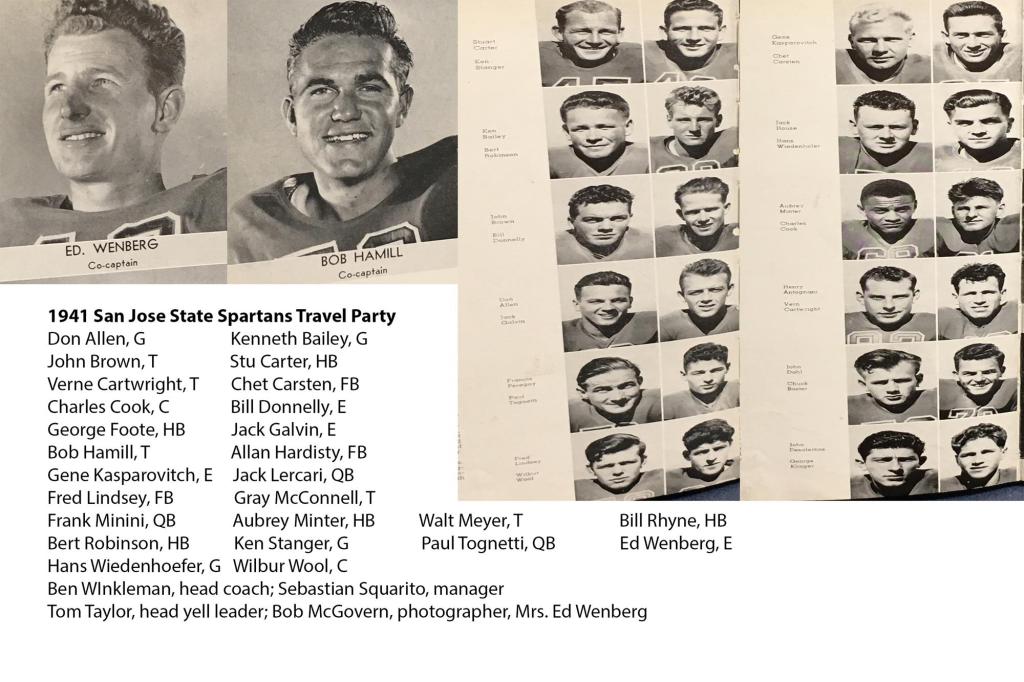
In December 1941, the Spartans were scheduled to play three games in the Aloha state. San Jose and the Willamette Bearcats, of Oregon. They were college kids. On the road to enjoy a few days in paradise and to play the game they all loved. What could be better than that?

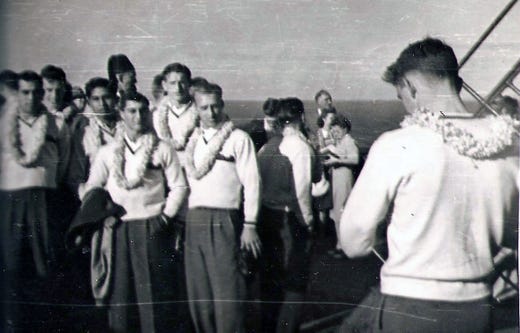
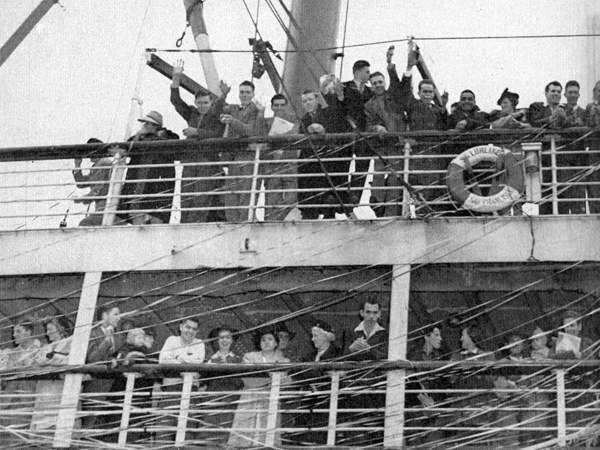
The two teams departed November 27 aboard the SS Lurline, along with an entourage of fans, dignitaries and coaching staff. Hawaii defeated Willamette 20-6 on Saturday, December 6. The Warriors were scheduled to play San Jose State on December 13. Then the Spartans were to play the Bearcats December 16 before sailing home, on the 19th.

An outing like that was once in a lifetime. Unforgettable. The trip would be that and more, but not for the reason anyone expected.

A great sucker punch came out of the southeast on December 7, 1941. 353 Imperial Japanese warplanes attacked Hickam Air Field and the US Pacific Naval anchorage at Pearl Harbor, lying at peace in the early morning sunshine of a Sunday morning. The sneak attack carried out 79 years ago today destroyed more American lives than any foreign enemy attack on American soil, until the 2001 Islamist terrorist attack, of September 11, 2001.

The President of the United States would address a joint session of Congress the following day requesting a declaration of war, against the Empire of Japan.

Back on the mainland, the families of players stranded in Hawaii, received no word. There were no communications. None could know with certainty, that brothers and sons were alive and well. Hawaii was locked down, under Martial Law.

Meanwhile, the visiting teams were mobilized to perform wartime duties. San Jose state players began working with Federal authorities and the Honolulu police department to round up Japanese, Italian and German citizens, and to enforce wartime blackout orders.

Willamette players were assigned WW1-vintage Springfield rifles and tin hats, and ordered to string barbed wire, on the beaches. Two days later, the Punahou school was taken over by Army engineers. For the next ten days Willamette players stood 24-hour guard, around the school.

If you think you’ve heard the name Punahou it probably involves the school’s most famous alum, future President Barack Obama.

Shirley McKay Hadley, a Willamette student accompanying her father, then serving as state Senator, joked many years later, “They were lucky they didn’t shoot each other.”

Female members of the entourage, were assigned nursing duties.

Spartan Guard Ken Stranger delivered a baby, on December 7.

On December 19, players received two-hours notice. It was time to go. The civilian liner SS President Coolidge had been commandeered to transport gravely wounded service members. This would be the kids’ ride home complete with Naval escort, to protect against Japanese submarine attack.

Seven San Jose players stayed behind and joined the Honolulu police force , for which each was paid $166 a month. Willamette coach Roy “Spec” Keene refused to let any of his players stay behind. None had been able to speak with their parents, first.

Nearly every member of both squads went on to fight for the nation. Willamette Guard Kenneth Bailey was killed over Bari Italy in 1943 and awarded the Purple Heart, posthumously.

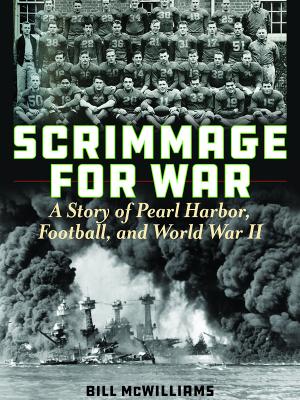
Bill McWilliams served 27 years in the United States Air Force, as a fighter bomber pilot. He’s written a book about 12 of these guys, who went on to fight the conflict, of the “Greatest Generation”.

The book came out in 2019 and it’s still in print, if you’re interested.

It looks like one hell of a story.

Andy Rogers played for the Willamette squad that day and went on to serve for the duration of the war, with the 3rd division of the United States Marine Corps. Mr. Rogers is 98 today and lives in Napa Valley, California. The only living member of either traveling squad who would have played that day, in the game that never was.

December 6, 1768 The Murderer’s Dictionary

Over seventy years in compilation, only a single individual is credited with more entries in the greatest reference work in the history of the English language than this one murderer, working from a cell in a mental institution.

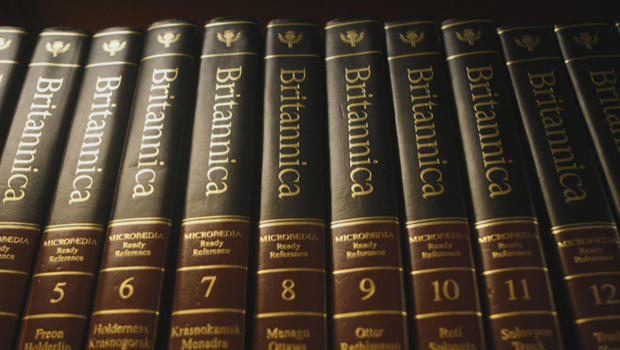
For the great reference works of the English language, the beginnings were often surprisingly modest. The outpouring of intellectual and scientific accomplishment known as the Scottish Enlightenment produced among other works the Encyclopedia Britannica, first published on December 6, 1768 in Edinburgh, Scotland.

Webster’s dictionary got its beginnings with a single infantrymen of the American Revolution, who went on to codify what would become the standardized system of spelling for “American English“.  In Noah Webster’s dictionary, ‘colour’ became ‘color’, and programme’ became ‘program’. It was a novel concept at a time when the very thought of a “correct“ way of spelling, was new and unfamiliar.

Among the entire catalog of works there is no tale so strange as the Oxford English dictionary, and the convicted murderer who helped bring it to life. 

No, really. From an insane asylum, no less.

Dissatisfied with what were at that time a spare four reference works including Webster’s dictionary, the Philological society of London first discussed what was to become the standard reference work of the English language, in 1857.

The work was expected to take 10 years in compilation and cover some 64,000 pages.  The editors were off, by about sixty years.  Five years into the project the team had made it all the way up, to “ant“.

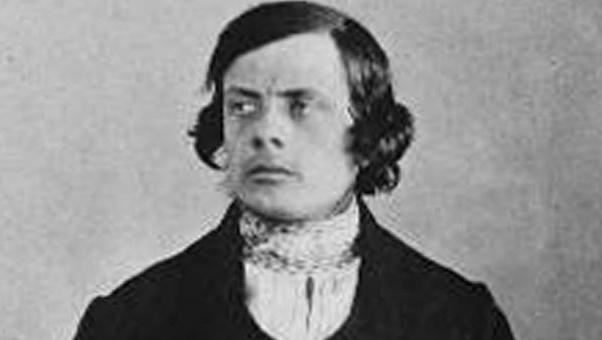
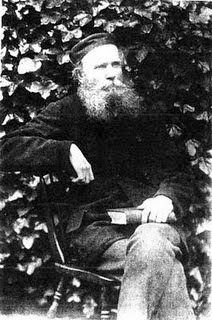
William Chester Minor was a physician around this time, serving with the Union army during the American Civil War.   

The role of this experience in the man’s later psychosis, is impossible to know.  Minor was in all likelihood a paranoid schizophrenic, a condition poorly understood in his day.

As a combat surgeon, Minor saw things no man was ever meant to see.  Terrible mutilation was inflicted on both sides at the 1864 Battle of the Wilderness.  Hundreds were wounded and unable to get out of the way of the brush fire, burning alive before the horrified eyes of comrades and foe alike, those poor unfortunate sufferers too broken to move.  One soldier would later write:  It was as though “hell itself had usurped the place of earth“.

William Chester minor

At one point, Dr. Minor was ordered to brand the forehead of an Irish deserter with the letter “D”.  The episode scarred the soldier, and left the doctor with paranoid delusions. The Irish were coming to ‘get him’. He Knew they were.

In his paranoid delusions, the faceless form of man would slither out of the attic at night and watch Minor as he slept, in his hands a tray of metal biscuits, slathered in poison. The Fenian Brotherhood was out to Get him. He could almost hear their dark whispered conversations, on gaslit streets.

As a child born to New England missionaries working in Ceylon, (now Sri Lanka), Minor was comfortable with the idea of foreign travel as a means of dealing with difficulty. He took a military pension and moved to London in 1871, to escape the demons who were by that time, closing in.

Minor’s tormentors followed. He would lie in his bed at night frozen with fear and each night, his tormenter would return. Regular visits to Scotland Yard would result in little more than polite thanks, and a few useless notes scribbled on paper. Dr. Minor would have to deal with this himself. He took to sleeping with a loaded Colt .38, beneath his pillow.

On February 17, 1862, Minor woke to find the shadow of a man, standing over him. The apparition dove for the window and Minor followed him, into the street.

It was 2:00 in the morning and hardly anyone was out, save for one man. George Merrett was a father of 6 with a pregnant wife, who worked at the Red Lion Brewery, as a coal stoker. He was walking to work. 

Minor’s nighttime apparitions were nothing but the paranoid delusions, of a broken mind. The three or four bullets he fired at a man walking to work, were very real. George Merrett was dead before the police got there.

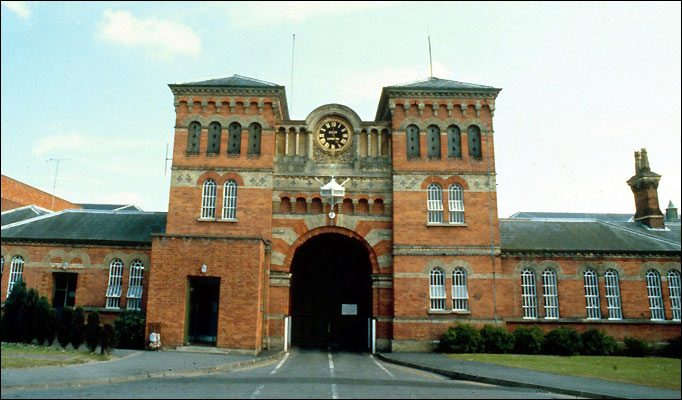
Broadmoor-outside
Broadmoor asylum for the criminally insane

Minor was tried and found not guilty by reason of insanity, and remanded “until Her Majesty’s Pleasure be known” to the Broadmoor institution for the criminally insane. Victorian England was by no means ‘enlightened’ by modern standards, and inmates were always referred to as ‘criminals’ and ‘lunatics’. Never as ‘patients’. Yet Broadmoor, located on 290 acres in the village of Crowthorne in Berkshire was England’s newest such asylum, and a long way from previous such institutions.

Minor was housed in block 2, the “Swell Block”, where his military pension and family wealth afforded him two rooms instead of the usual one.

Minor would acquire books, so many over time that one room was converted to a library. 

Surprisingly, it was Merritt’s widow Eliza, who delivered many of his books.  The pair became friends and Minor used a portion of his wealth to “pay” for his crime, and to help the widow raise her six kids.

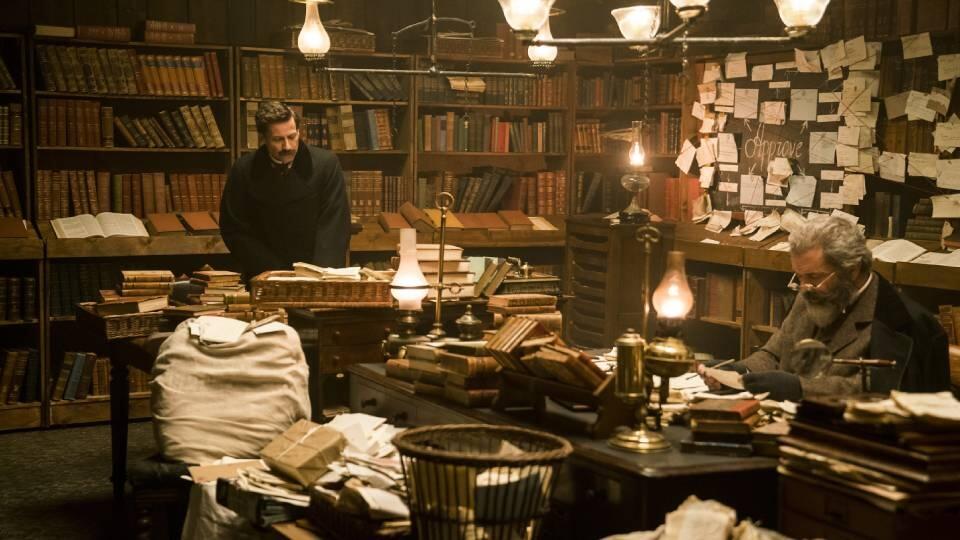
Dr. James Murray assumed editorship of the “Big Dictionary” of English in 1879, and issued an appeal in magazines and newspapers, for outside contributions. Whether this seemed a shot at redemption to William Minor or merely something to do with his time is anyone’s guess, but Minor had nothing but time. And books.

William Minor collected his first quotation in 1880 and continued to do so for twenty years, always signing his submissions: Broadmoor, Crowthorne, Berkshire.

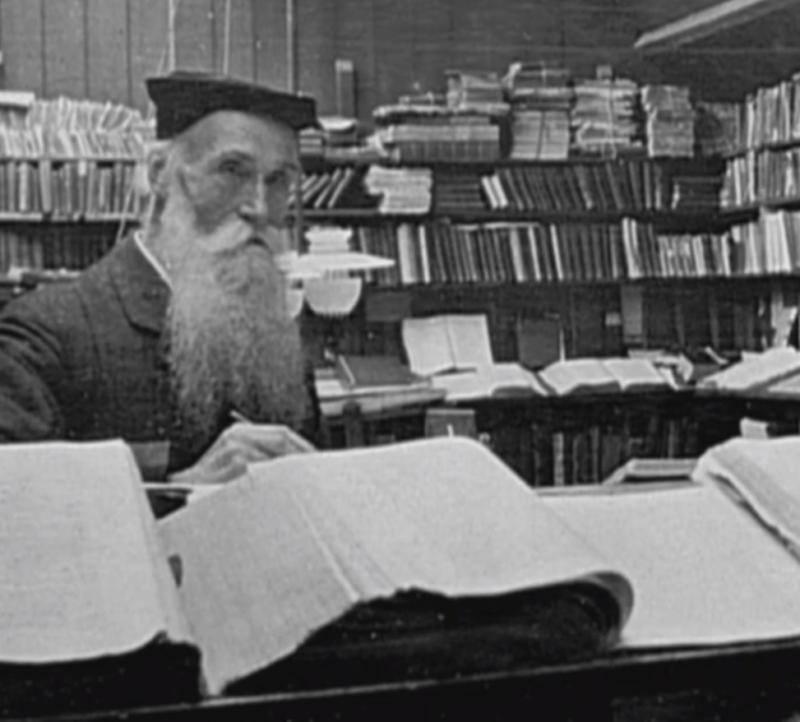
murray-at-work-scriptorium
Dr. “Murray at work in his scriptorium, a dedicated room filled with books, at Oxford University (date unknown)”. H/T allthatsinteresting.com

The scope of the man’s work was prodigious, he himself an enigma, assumed to be some country gentlemen.  Perhaps one of the overseers, at the asylum.

In 1897, “The Surgeon of Crowthorne” failed to attend the Great Dictionary dinner.  Dr. Murray decided to meet his mysterious contributor in person and finally did so, in 1901.  In his cell.

Oh, to have been a fly on the wall when this Oxford don was ushered into the office of Broadmoor’s director, only to learn the man he was searching for, was an inmate.

Dr. Minor would carefully index and document each entry, which editors compared with the earliest such word use submitted by other lexicographers. In this manner over 10,000 of his submissions made it into the finished work including the words ‘colander’, ‘countenance’ and ‘ulcerated’.

By 1902, Minor’s paranoid delusions had crowded out what remained, of his mind.    He believed he was being kidnapped and spirited away to Istanbul where he was sexually abused and forced to commit such abuse, himself.  His submissions came to an end. Home Secretary Winston Churchill ordered Minor deported back to the United States, following a 1910 episode in which the man emasculated himself, with a knife.

The madman lived out the last ten years of his life in various institutions for the criminally insane. William Chester Minor died in 1920 and went to his rest in a small and inauspicious grave, in Connecticut.

Over seventy years in compilation, only a single individual is credited with more entries in the greatest reference work in the history of the English language than this one murderer, working from a cell in a mental institution.

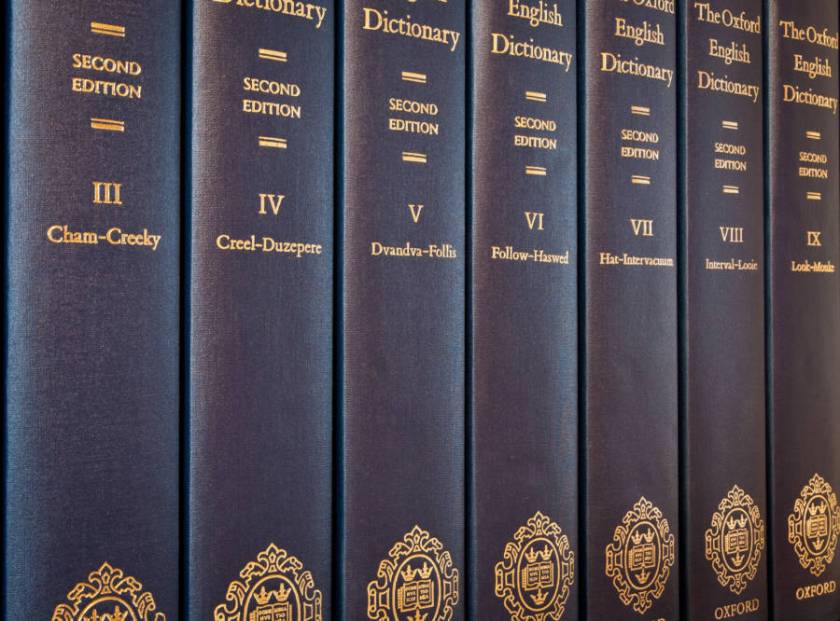
oed-volumes
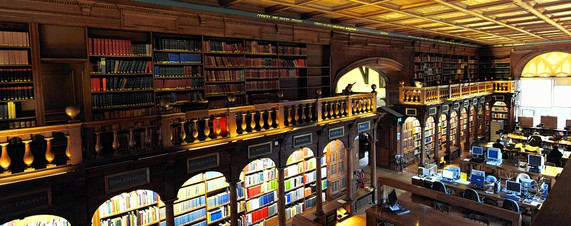
Oxford English Dictionary

December 5, 1941 Henry Breault

It is a searing act of imagination, merely to contemplate those 17 days. Trapped and disoriented inside that black, upside down hell, waiting and desperately hoping for a rescue that would come, too late. A searing act, merely of the imagination. What would it be to enter such a place, as an act of free will.

December 5, 1941 was a Friday. The conflict destined to be known as World War 2 was still, “over there”. The United States was neutral, and at peace. The aircraft carrier USS Lexington and five heavy cruisers leave the US Pacific naval anchorage at Pearl Harbor, unaware that only yesterday, Emperor Hirohito approved the attack to be carried out, in two days.

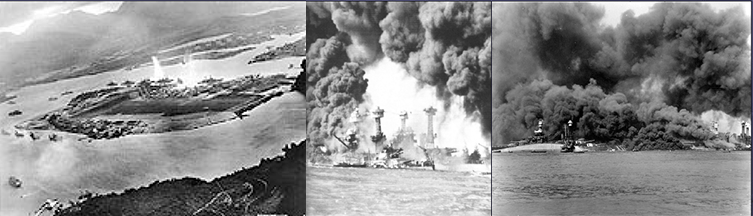
It was literally “out of the blue”, when the first wave of enemy aircraft arrived at 7:48 local time, December 7, 1941. 353 Imperial Japanese warplanes approached in two waves out of the southeast, fighters, bombers, and torpedo planes, across Hickam Air Field and over the waters of Pearl Harbor. Tied in place and immobile, the eight vessels moored at “Battleship Row” were easy targets.

In the center of the Japanese flight path, sailors and Marines aboard the USS Oklahoma fought back furiously. She didn’t have a chance. Holes as wide as 40-feet were torn into the hull in the first ten minutes. Eight torpedoes crashed into her port side, each striking higher up as the Battleship slowly rolled over.

Bilge inspection plates had been removed for a scheduled inspection that Monday, making counter-flooding to prevent capsize, impossible. Oklahoma rolled over and died as the ninth torpedo slammed home. Hundreds scrambled out across the rolling hull, jumping overboard into the oil covered, flaming waters of the harbor, or crawling out on mooring lines in the attempt to reach USS Maryland in the next berth.

Nine Japanese torpedoes struck Oklahoma’s port side, in the first ten minutes.

The damage was catastrophic. Once the pride of the Pacific fleet, all eight battleships were damaged, four sunk. Nine cruisers, destroyers and other ships were damaged and another two sunk. 347 aircraft were damaged, most while still on the ground. 159 of those were destroyed altogether. 2,403 were dead or destined to die from the attack, another 1,178 wounded.

Frantic around the clock rescue efforts began almost immediately, to get at 461 sailors and Marines trapped within the hull of the Oklahoma. Tapping could be heard as holes were drilled to get to those trapped inside. 32 of them were delivered from certain death. 14 Marines and 415 sailors lost their lives on board Oklahoma, either immediately, or in the days and weeks to come. Bulkhead markings would later reveal that, at least some of the doomed would live for another seventeen days in the black, upside-down hulk of that ship. The last such mark was drawn by the last survivor on Christmas Eve.

It is a searing act of imagination, merely to contemplate those 17 days. Trapped and disoriented inside that black, upside down hell, waiting and desperately hoping for a rescue that would come, too late.

A searing act, merely of the imagination. What would it be to enter such a place, as an act of free will.

Let’s rewind. To 1914.

Early attempts had failed, to build a sea-level canal across the 50-mile isthmus of Panama. It was decided instead, the canal would be comprised of a system of locks. The giant crane barges Ajax and Hercules were ordered in 1913, to handle the locks and other large parts, in building the canal. The two cranes arrived in Cristóbal, Colón, Panama on December 7, 1914.

Ajax crane barge at work in the canal zone, 1914

Much of the world was at war at this time while the United States, remained neutral. Henry Breault was born to be a sailor and at sixteen, enlisted in the British Royal Navy. For four years, the Connecticut-born Vermonter served under the White Ensign. When his four-year tour ended in 1921, he joined the US Navy.

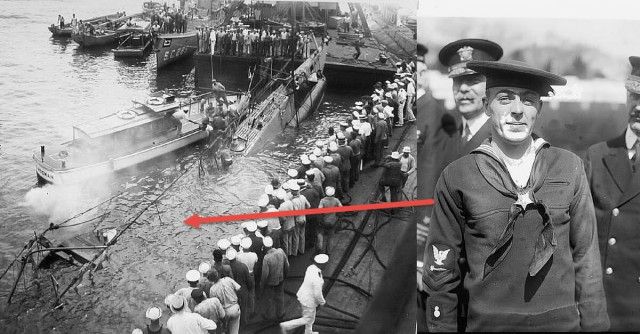
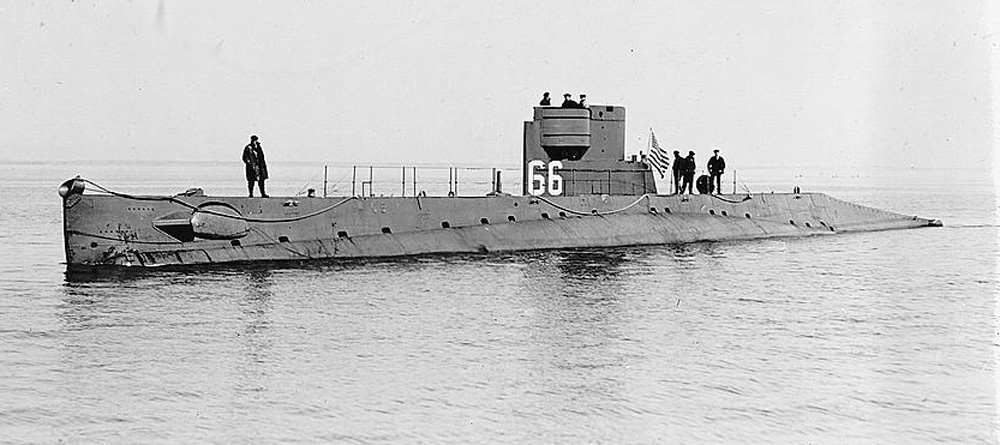
In 1923, now-torpedoman First Class Henry Breault was assigned to the O-Class submarine USS O-5 (SS-66). On October 28, O-5 under the command of Lieutenant Harrison Avery was leading a column of submarines across Limon Bay, toward the canal entrance.

The steamship SS Abangarez, owned by the United Fruit Company, was underway and headed for dock 6, at Cristobal. There were navigational errors and miscommunications and, at about 0630, Abangarez collided with the submarine, tearing a ten-foot opening on her starboard side.

USS O-5

The main ballast tank was breached. O-5 was doomed. As the submarine rolled sharply to port and then to starboard, Avery gave the order to abandon ship. Breault was a few short steps to safety when he realized. Chief Electrician’s Mate Lawrence T. Brown was still below, sleeping. As the bow was going under, Breault shut the deck hatch over his head, and went below.

Brown was awake by this time, but unaware of the order to abandon ship. The pair headed aft toward the control hatch, but it was too late. With the dying sub rapidly filling with water, Breault and Brown made their way to the torpedo room, and dogged the main hatch. Seconds later the battery shorted, and exploded. The two men were trapped under 42-feet of water with no food, no water and only a single flashlight, to pierce the stale air of that tiny, pitch black compartment. It was all over, in about a minute.

Salvage efforts were underway almost immediately, from nearby submarine base, Coco Solo. By 10:00, divers were on the bottom, examining the wreck. Divers hammered on the hull starting aft and working forward, in a search for survivors. On reaching the torpedo room they were answered, by hammer blows from the inside. Somebody’s still alive in that thing.

There were no means of rescue in those days, save for physically lifting the submarine with pontoons, or crane. There were no pontoons within 2,000 miles but the giant crane barges Ajax and Hercules were in the canal zone, working to clear a landslide from Gaillard Cut. (Now known as the Culebra cut).

“The Culebra Cut. An artificial valley along the Pacific Ocean to Gatun Lake (ahead) and eventually the Caribbean Sea.. Water level here is 85 feet above sea level…Contractor’s Hill is on the left and Gold Hill is on the right.” H/T Wikipedia

A simple excavation now became a frantic effort to clear enough debris for Ajax, to squeeze itself through the cut.

Divers worked around the clock to dig a tunnel under the sub, through which to snake a cable. Sheppard J. Shreaves, supervisor of the Panama Canal’s salvage crew and himself a qualified diver, explained: “The O-5 lay upright in several feet of soft, oozing mud, and I began water jetting a trench under the bow. Sluicing through the ooze was easy; too easy, for it could cave in and bury me. … Swirling black mud engulfed me, I worked solely by feel and instinct. I had to be careful that I didn’t dredge too much from under the bow for fear the O-5 would crush down on me.”

Ajax arrived around midnight and by early morning the tunnel had been dug, the cables run and attached to Ajax’ hook. Cables strained as the lift began and then…disaster. The cable snapped.

Inside, the headaches were terrific from the pressure and the stale air but all around them, they could hear it. The scraping sounds that meant, rescue was on the way.

Sheppard Shreaves and his team of exhausted divers were now in their suits for nearly 24 hours, working to snake a second set of cables under the bow. Again the strain, as Ajax brought up the slack. Again…disaster. The second set of cables, snapped.

Midnight was approaching on the 29th when the third attempt began, this time with buoyancy added, by blowing air into the flooded engine room. O-5 broke the surface just after midnight. For the first time in 31 hours, two men were able to take in a breath of fresh air. The pair were rushed to the base at Coco Solo for medical examination, and to decompress.

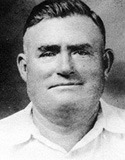
Henry Breault presented the Medal of Honor by President Calvin Coolidge.

Henry Breault received the Medal of honor for what he did that day. Sheppard Shreaves received the Congressional Life Saving Medal, personally presented by Henry Breault and Lawrence Brown along with a gold engraved watch, a gift from the grateful submariners, of Coco Solo.

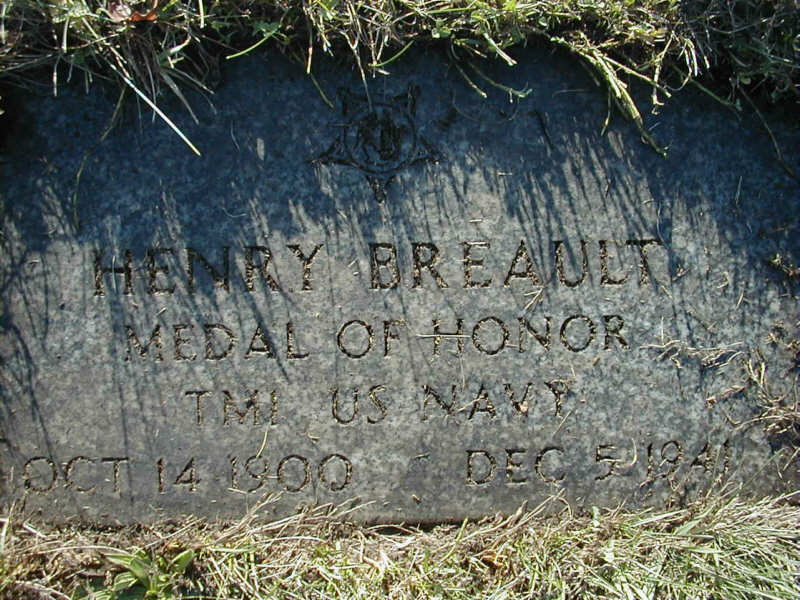
Henry Breault served 20 years with the US Navy and later became ill, with a heart condition. He passed away on this day in 1941 at the age of 41, and went to his rest in St. Mary’s cemetery, in Putnam Connecticut. To this day the man remains the only enlisted submariner in history, to receive the Medal of Honor.

December 4, 1875 A Blizzard of Bacon

A hundred years ago, Ambrose Bierce described politics as “A strife of interests masquerading as a contest of principles. The conduct of public affairs for private advantage“.


Before the first Europeans arrived in the “new world”, descendants of the Nanticoke inhabited a region from Delaware north through New Jersey and southern New York, and eastern Pennsylvania. The Europeans called them “Delaware”.  These indigenous Americans called themselves “Lenni-Lenape” literally translating as “Men of Men”, but is translated to mean “Original People.” (Hat tip, http://www.nanticoke-lenape.info).

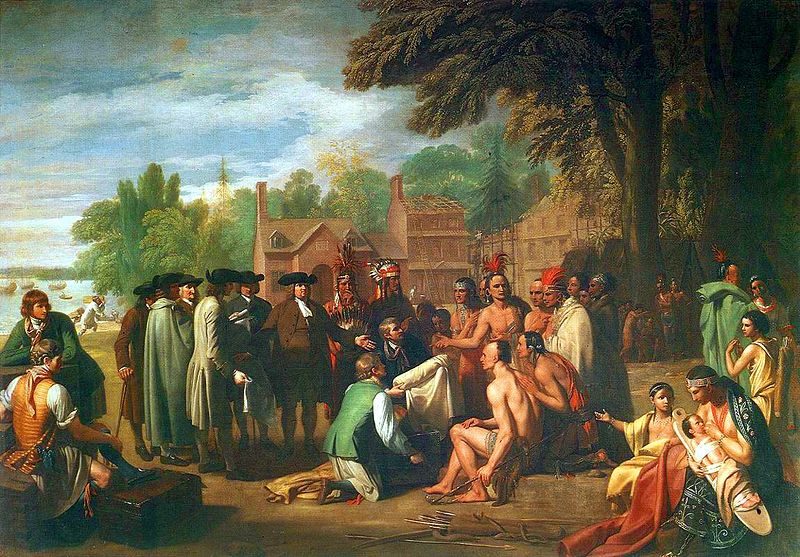
In the early 1680s, Chief Tammamend (“The Affable”) of the Lenni-Lenape nation took part in a meeting with English colonists. He is supposed to have said that his people and the newcomers would “live in peace as long as the waters run in the rivers and creeks and as long as the stars and moon endure.”

Treaty_of_Penn_with_Indians_by_Benjamin_West
Treaty of Penn with Indians, by Benjamin West

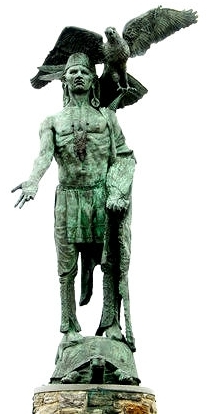
“Tammany” to the settlers, Chief Tammamend became a living symbol of peace and friendship, between the two peoples. He died in 1701, but his legend lived on. Tammany societies would spring up over the next hundred years, from Georgia to Rhode Island.

8-22-Tamanend

Tammany Societies adopted native terms with leaders calling themselves Grand Sachems and meeting in halls called “Wigwams”. The most famous of these, was New York.

By the turn of the 19th century, what had begun as social a club had morphed into a political machine. Tammany helped Aaron Burr counter Alexander Hamilton’s Society of the Cincinnati when Burr went on to win New York’s two electoral votes in 1800.

Without help from “Tammany Hall”, historians believe John Adams would have been re-elected.

After Andrew Jackson’s victory in 1828, the Tammany machine all but owned government in New York: city and state, alike.

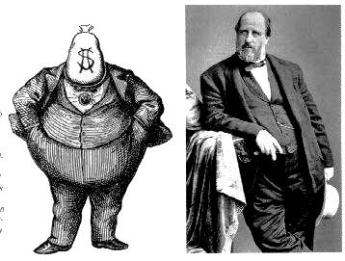
Boss_Tweed

The 19th century was a time of massive immigration, providing an ever-expanding base of political and financial support for urban politicians. Political machines helped new arrivals with jobs, housing and citizenship, a veritable model “constituent service”. Under the surface dwelled a dark underbelly of graft and corruption.

In those days, volunteer fire companies were closely associated with street gangs, with strong ethnic ties. Rivalries were so potent that buildings were known to burn, as opposing fire companies brawled on the streets below.

William Magear Tweed dropped out of school at 11 to learn his father’s chair-making trade and later apprenticed, to a saddler. A brief stint as member of volunteer fire co. Engine 12, brought the man to the attention of democrat party leaders. Apparently there was something appealing about a man, willing to wade into his adversaries with an axe.

While still in his early twenties, Tweed joined forces with the “forty thieves”, a group of aldermen known as some of the most corrupt politicians, in the city’s history.

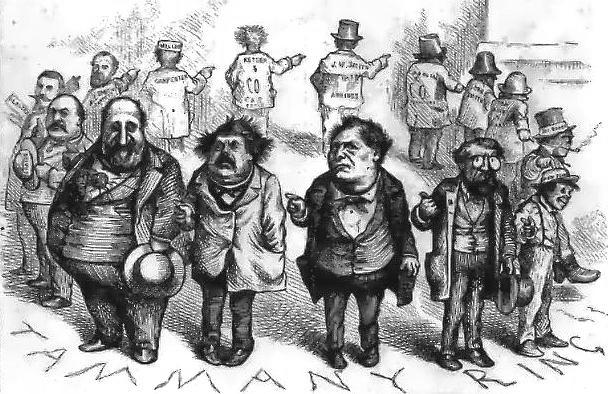
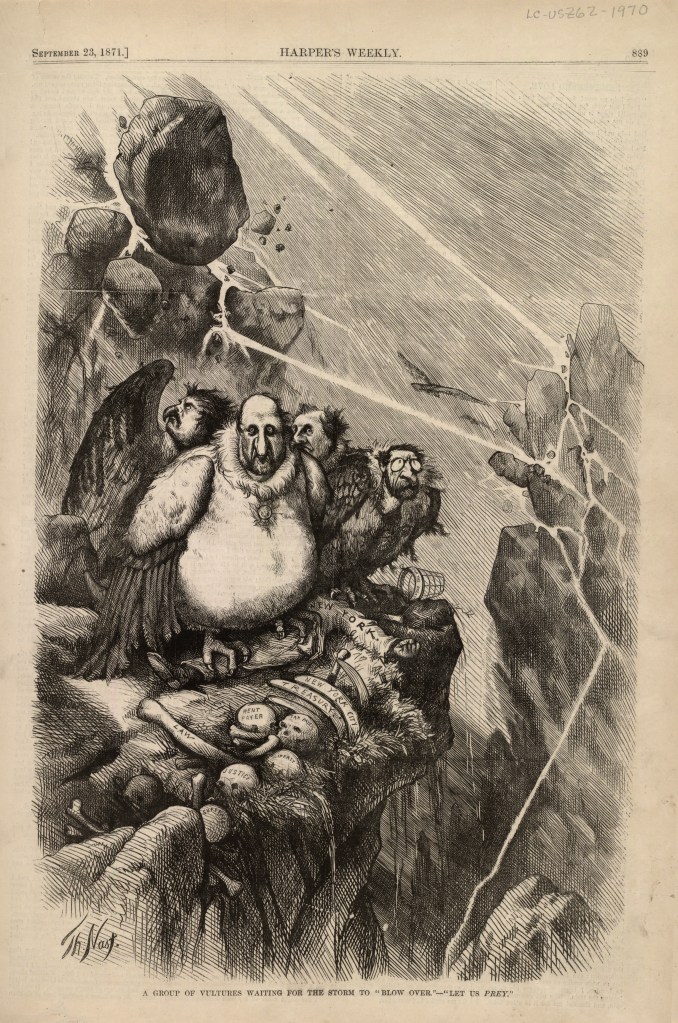
Harper’s Weekly editorial cartoonist Thomas Nast was a vehement opponent of the Tammany Hall machine, here in an 1871 cartoon entitled, :Let us prey”.

By the 1860s, now “Boss” Tweed had established a new standard in public corruption. Biographer Kenneth Ackerman wrote: “The Tweed ring at its height was an engineering marvel, strong and solid, strategically deployed to control key power points: the courts, the legislature, the treasury and the ballot box. Its frauds had a grandeur of scale and an elegance of structure: money-laundering, profit sharing and organization“.

Contractors were instructed to multiply invoices. Checks were cashed through a go-between, settling with the contractor and dividing the rest between Boss Tweed and his cronies. The system inflated the cost of the New York County Courthouse to nearly $13 million at a time the Alaska purchase, went for $7.2 million. That’s about $125 million, today.

One carpenter billed $360,751 for a month’s work. One month. A plasterer got $133,187 for two days. Tweed orchestrated $65,000 in bribes to aldermen alone, to secure the bond issue for the Brooklyn Bridge.

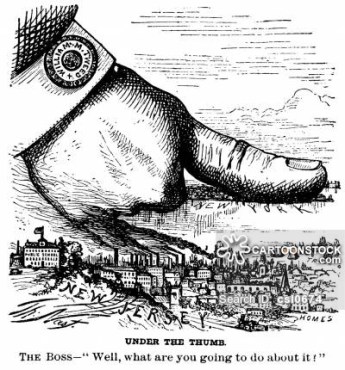
New York Corruption - New York Under Tweed's Thumb

Some among the self-styled “Uppertens”, the top 10,000 amid New York’s socioeconomic strata, fell in with the self-dealing and corruption of the Tammany Hall machine. Others counted on an endless supply of cheap immigrant labor.

The system worked while Tweed’s Machine kept “his people” in line until the “Orange Riots” of 1870-71 broke out between Irish Catholics and Protestants, killing 70.

Tweed’s downfall began in 1871 when city auditor James Watson was killed in a sleigh accident. Ring members frantically attempted to destroy Watson’s records but it was too little, too late. The New York Times, back when it was a newspaper, had a feast. Boss Tweed was arrested on October 27, 1871, and tried on charges of public corruption.

There were mistrials and retrials and, in the end, Boss Tweed was sentenced to 12 years. He escaped on December 4, 1875 and fled to Spain where he worked for a time, as a common seaman. Unfortunately for him he was recognized from one of Nast’s cartoons and returned home on the USS Franklin, to finish his sentence.

Now a broken man, Tweed agreed to testify before a board of aldermen. Having done so, Democrat governor Samuel J. Tilden reneged on the deal and sent the man back to prison. Former State Senator, former Member of the United States Congress, one of the largest property owners in New York city, William Magear Tweed contracted pneumonia and died in prison on April 12, 1878. Mayor Smith Ely refused to permit the flag, to be lowered to half-staff.

An 1877 aldermen’s committee estimated that Boss Tweed’s graft cost New York taxpayers between $25 and $45 million. New York Times estimated $200 million, equivalent to an astonishing $2.8 Billion, today.

Boss Tweed was gone. The reeking sewer of corruption of which he was part, moved on. By the end of the 19th century, ward Boss Richard Croker ran a system of graft and corruption the likes of which Boss Tweed could have only dreamed.

Nast-Tammany_crop
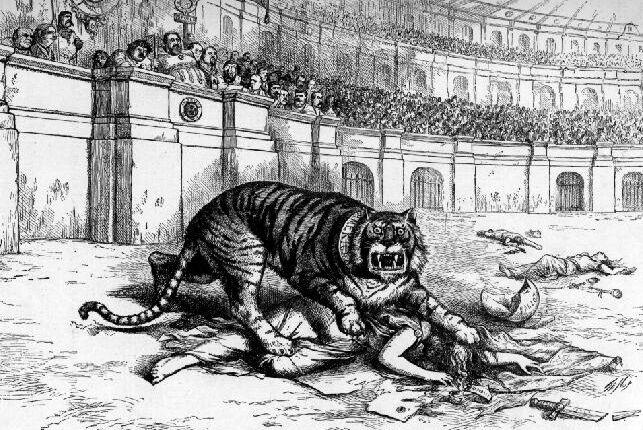
Cartoonist Thomas Nast denounced the Tammany machine as a ferocious tiger, devouring democracy.

In the end, three things killed the Tammany Hall system. Early Irish arrivals had been primary beneficiaries and major supporters of Tammany’s patronage system, but there are only so many favors to go around. Continued immigration diluted Tammany’s base, and later arriving Irish, Italian and eastern European immigrants found themselves frozen out.

Next is the spoils system, itself. To this day, too many think it’s government’s job to “Bring home the Bacon”, not seeming to realize that they themselves, are the hogs. The Roosevelt administrations’ efforts to fix the Great Depression resulted in a blizzard of bacon from an increasingly Nationalized federal government, separating the local machines from local bases of support.

y9AfutFuWoQMH-GAzYj6wjl72eJkfbmt4t8yenImKBVvK0kTmF0xjctABnaLJIm9

Last came “reformers” such as New York governor and future President of the United States Franklin Delano Roosevelt, who occasionally built enough steam to hurt the Tammany machine.

Manhattan District Attorney Thomas E. Dewey, he of the famous “Dewey Wins!” photograph, managed to put several Tammany Hall leaders in jail, along with such unsavory supporters as “Lucky Luciano”.

Republican Fiorello La Guardia served three terms as New York mayor between 1934-’45, the first anti-Tammany mayor, ever re-elected. A brief resurgence of Tammany power in the 1950s met with Democratic party resistance led by the likes of Eleanor Roosevelt, and party politician Herbert Lehrman. By the mid-1960s, the Tammany Hall system was dead.

Tammany Hall was a local manifestation of a disease afflicting the entire country. Boston, Chicago, Cleveland, Kansas City, Philadelphia, St. Louis and others:  all suffered their own local outbreak.

Tammany_Hall_Union_Square
Tammany Hall, Union_Square

The Ward Boss lives on in places like Chicago but, like the Jeffersons, the corruption has “moved on up”. Today, rent seekers and foreign powers pay tens of millions in “speaking fees” and other “pay-for-play” schemes. Sound familiar?

Like a certain vice President bragging on camera, about withholding a Billion dollars in foreign aid. Unless an ally fires the prosecutor looking into the “business dealings” of a 47-year mediocrity, and his son. I bet that sounds familiar, too.

A hundred years ago, Editor-in-Chief of the New York Evening Post E.L. Godkin wrote, “A villain of more brains would have had a modest dwelling, and guzzled in private. His successors here will not imitate him in this. But that he will have successors, there is no doubt”. Ambrose Bierce (my favorite curmudgeon) described politics as “A strife of interests masquerading as a contest of principles. The conduct of public affairs for private advantage“.  Boss Tweed could tell you.   It’s as true today as it was in his time.

Featured image, top of page: Nast cartoon, “Who stole the people’s money?…twas him”.

December 3, 1586 A Food Fit for Peasants, and Livestock

Among other virtues, the potato provides more caloric energy per acre of cultivation than either maize or grain and, being below ground, is likely to survive calamities that would flatten other crops. Taters quickly became staple foods in northern and eastern Europe, while in other areas remaining the food of peasants and livestock.

In time of plenty, it is an act of conscious will to imagine the process of starvation. Not the hunger of the mind nor even the body but that sustained state of deprivation which brings with it, the slow and agonizing end of life.

The first phase. The body turns inward converting glycogen stored in the liver, into fuel. Glucose. The process lasts only a few hours and then comes the breakdown of fats, and proteins.

The second phase can last for weeks as the liver metabolizes fatty acids into ketone bodies, used for energy. Proteins not essential for survival, are consumed.

These first two phases take place, even during moderate periods of dieting and fasting. The third phase begins only after prolonged periods of starvation. The body’s fat reserves are now depleted. Muscle tissue is consumed, for fuel. Cell function degenerates as the sufferer becomes withdrawn, listless, increasingly vulnerable to disease and infection. Some experience distended liver and massive edema seen particularly in children…the swollen belly, the cruel and superficial illusion that such youngsters are in fact, well fed. Few die directly from starvation but rather collapse of organ function or cardiac arrhythmia brought about by severe imbalance. Or opportunistic infection, afflicting a body no longer able to defend itself.

The process is over in as little as three weeks or as long as seventy days.

“Marasmus, a form of protein-energy malnutrition occurring chiefly among very young children in developing countries, particularly under famine conditions, in which a mother’s milk supply is greatly reduced. Marasmus results from the inadequate intake of both protein and calories; persons with a similar type of protein-energy malnutrition, kwashiorkor, do not obtain enough protein but still consume a moderate number of calories”. H/T Britannica

Massive hunger events are as old as recorded history, when our early ancestors first abandoned hunter-gatherer lifestyles to build agricultural settlements. Scientists believe the 100-year drought beginning in 2200BC may well have collapsed the old order from Egypt to the Akkadian Empire in Mesopotamia to the Indus Valley and the Indian sub-continent. Evidence of an intense and sustained period of aridity may be found from Andean glacier ice to Italian cave flowstone to the Kilimanjaro ice sheet.

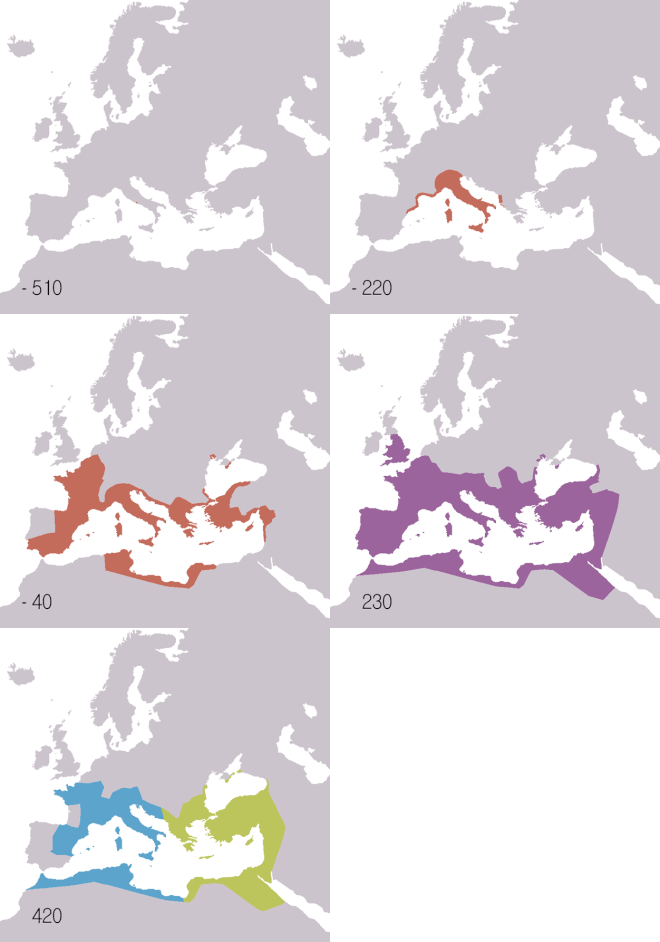
The final collapse of the Roman Empire in Italy brought about by the sack of Rome in 476, led to a sustained period of plague and famine. The population of Rome itself fell by some 90 percent.

The next 800 years saw no fewer than 40 worldwide starvation events. The Great Famine of 1315-’17 killed 7.5 million in Europe alone, at a time when worldwide population is estimated, at 450 million.

Enter, the lowly spud.

The Inca of Peru appear to have been the first to cultivate potatoes, around 8,000BC.

Wild potatoes contain toxins to defend themselves against fungi and bacteria, toxins unaffected by the heat of cooking.  In the Andes, mountain people learned to imitate the wild guanaco and vicuña, licking clay before eating the poisonous plants. In this manner, toxins pass harmlessly through the digestive tract. Mountain people dunk wild potatoes in “gravy” made of clay and water, accompanied with coarse salt. Eventually, growers developed less toxic tubers, though the poisonous varieties are still favored for their frost resistance.  Clay dust is sold in Peruvian and Bolivian markets, to this day.

Spanish Conquistadors arriving in Peru in 1532 eventually brought potatoes home to Spain.  The first written mention of the tuber comes from a delivery receipt dated November 28, 1567, between the Grand Canaries and Antwerp.

The English expedition destined to end in the Lost Colony of Roanoke began in 1585, financed by Sir Walter Raleigh and led by Sir Ralph Lane. On board was the Oxford trained mathematician and astronomer Sir Thomas Herriot who returned to the British Isles this day in 1586, with Columbian potatoes.

Among other virtues, the potato provides more caloric energy per acre of cultivation than either maize or grain and, being below ground, is likely to survive calamities that would flatten other crops.  Taters quickly became staple foods in northern and eastern Europe, while in other areas remaining the food of peasants and livestock.

French army pharmacist Antoine-Augustin Parmentier was captured by Prussians during the seven years war, learning in captivity to appreciate the gustatorial delights of the potato.  Primarily used as hog feed in his native country, Parmentier was determined to bring respectability to the lowly tuber.  It must have been a tough sell. Many believed that potatoes caused leprosy. 

The Paris Faculty of Medicine declared potatoes edible in 1772, thanks largely to Parmentier’s efforts.  He would host dinners featuring multiple potato dishes, inviting such luminaries as Benjamin Franklin and Antoine Lavoisier.  Franklin was enormously popular among the French nobility.  Before long King Louis XVI himself, was wearing the purple potato flower in his lapel.  Marie Antoinette wore them in her hair.

Sir Walter Raleigh introduced potatoes to Ireland in 1589.  The crop occupied one third of arable land in Ireland within two generations, due to landless laborers renting tiny plots from landowners interested only in raising cattle or producing grain for market. An acre of potatoes and the milk of a single cow was enough to sustain a family.  Even poor families could grow enough surplus to feed a pig which could then be sold, for cash.

Calamity struck in 1845 in the form of a blight so horrific, that US military authorities once considered stockpiling the stuff as a biological weapon.  Seemingly overnight, Ireland’s staple food crop, tragically based on but a single strain, collapsed into a black, stinking ooze.  The seven years’ “an Gorta Mór”, “the Great Hunger”, killed over a million Irish and reduced the population by 20-25% through death and emigration. 

Today, many see the effects of the absentee landlord system and the penal codes as a form of genocide.  At the time, already strained relations with England were broken, giving rise to Irish republicanism and leading to Irish independence in the following century.

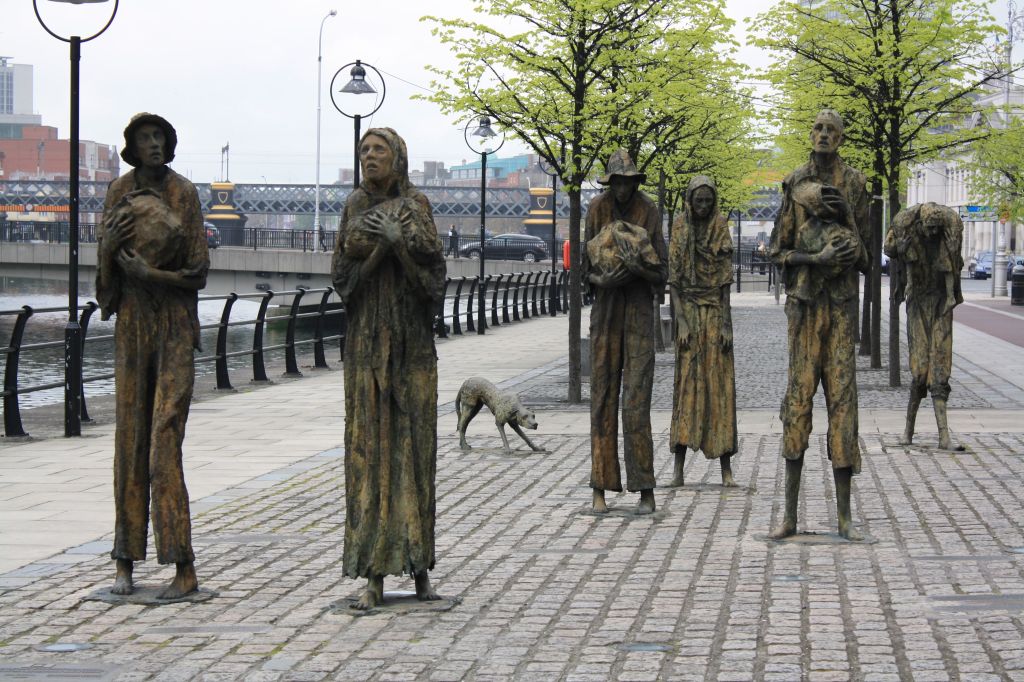
Dublin Memorial remembers the Irish potato famine of 1845

Until Nazis tore the thing down, there was a statue of Sir Francis Drake in Offenburg, Germany, giving him credit for introducing the potato. The explorer’s right hand rested on the hilt of his sword, his left gripping a potato plant. The inscription read “Sir Francis Drake, disseminator of the potato in Europe in the Year of Our Lord 1586. Millions of people who cultivate the earth bless his immortal memory”.

Not until the “Green Revolution” of Norman Borlaug, could cereal grains even compete. Today, potatoes are the 5th largest crop on the planet following rice, wheat, maize and sugar cane.  Almost 5,000 varieties are preserved in the International Potato Center, in Peru.

Scientists have created genetically modified potatoes to ward off pests.  The “New Leaf”, approved in 1995, incorporated a bacterial gene rendering the plant resistant to the Colorado potato beetle, an “international superpest” so voracious that some give the critter credit for creating the modern pesticide industry. 

Other varieties were genetically modified to resist phytophthora infestans, the cause of the Irish potato famine.  Seeming to prefer insecticides and anti-fungal sprays, “food activists” decry such varieties as “Frankenfoods”.  Each time, the improved variety has been hounded out of business.

In 2014, the J.R. Simplot Company received approval for their “Innate” potato.  Rather than “transgenic” gene splicing, the introduction of genome sequences from unrelated species, the innate variety uses a “silencing” technique on the tuber’s own genes, to resist the bruising and browning that results in 400 million pounds of waste and a cost to consumers of $90 million.

The Innate potato produces less acrylamide, a known carcinogen produced by normal potatoes in the high heat of fryers.  Approved for human consumption in 2015, the Innate might actually be the first genetically modified variety to succeed in the marketplace. McDonald’s, possibly the largest potato user on the planet, announced that “McDonald’s USA does not source GMO potatoes, nor do we have current plans to change our sourcing practices.”

In October 2018, the “Non-GMO Project” classified the J.R. Simplot product as “High-Risk”. You can never underestimate the power of hysterical people in large groups.

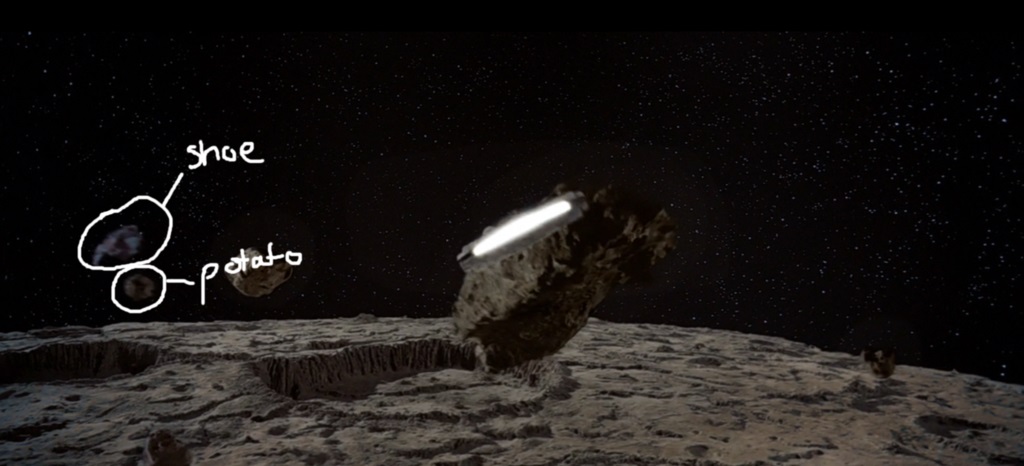
Fun fact: Some of the “asteroids” filmed in Star Wars Episode V The Empire Strikes Back were, in fact, potatoes.

December 2, 1943 The Surprising Origins of Chemotherapy

In the 12th century, Bernard of Chartres described a process of finding truth, in building on previous discoveries. The concept is best remembered in the words of Sir Isaac Newton, in 1675: “If I have seen further it is by standing on the shoulders of Giants”.


Ancient Greek mythology depicts Hercules, poisoning arrows with the venom of the Hydra. Both sides in the battle for Troy used poisoned arrows, according to the Iliad and the Odyssey of Homer.   Alexander the great encountered poison arrows and fire weapons in the Indus valley of India, in the fourth century, BC.  Chinese chronicles describe an arsenic laden soul-hunting fog produced by the burning of toxic vegetation, used to disperse a peasant revolt in AD178.

“Soul-hunting fog”.

Yikes

The French were the first to use poison weapons in the modern era in August 1914, firing tear gas grenades containing xylil bromide against German forces in the first month of the Great War.

Imperial Germany was first to give serious study to chemical weapons

of war, early experiments with irritants taking place at the battle of Neuve-Chapelle in October 1914, and with tear gas at Bolimów on January 31, 1915 and again at Nieuport, that March.

The first widespread use of poison gas, in this case chlorine, came on April 22, 1915, at the second battle of Ypres.

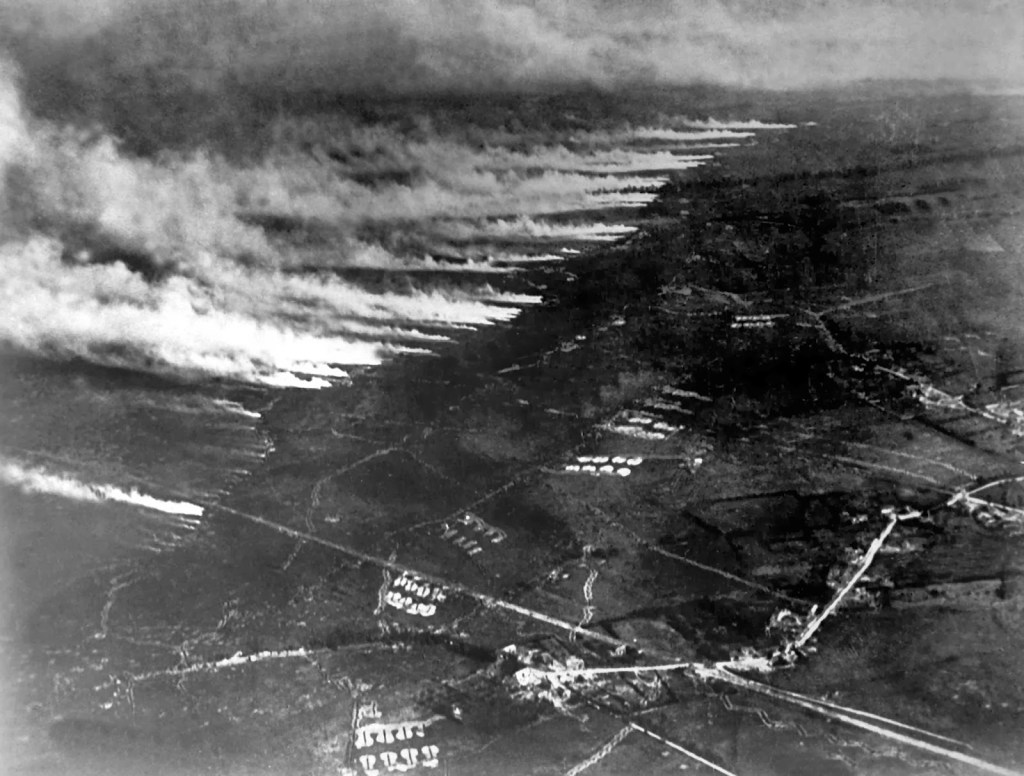
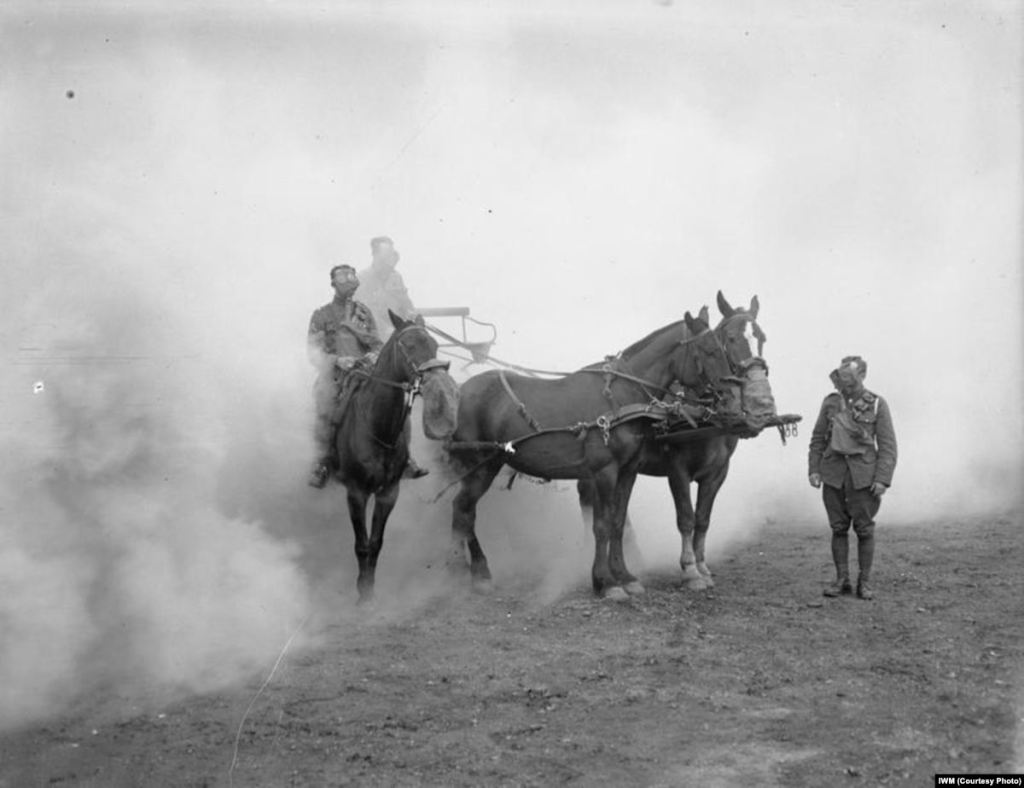
The story of gas warfare is inextricably linked with that of WW1.  124,000 tons of the stuff was produced by all sides by the end of the war, accounting for 1,240,853 casualties, including the agonizing death of 91,198.

WW1 gas attack in Flanders

Had the war continued into 1919, technological advances promised new and fresh hell, unimaginable to the modern reader.

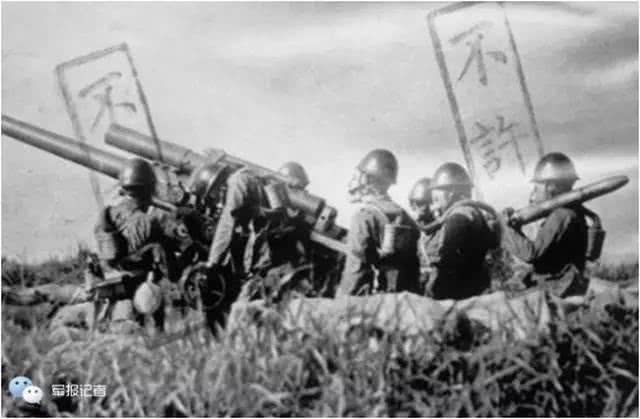
Today we think of chemical agents in WW2 as being limited to the death camps of the Nazis, but such weapons were far more widespread.  The Imperial Japanese military frequently used vesicant (blister) agents such as Lewisite and mustard gas against Chinese military and civilians, and in the hideous “medical experiments” conducted on live prisoners at Unit 731 and Unit 516.  Emperor Hirohito personally authorized the use of toxic gas during the 1938 Battle of Wuhan, on no fewer than 375 occasions.

Japanese, Gas Artillery

The Italian military destroyed every living creature in its path during the 1936 Colonial war with Ethiopia, in what Emperor Haile Selassie called “a fine, death-dealing rain”.

Nazi Germany possessed some 45,000 tons of blister and nerve agents, though such weapons were rarely used against western adversaries.  The “Ostfront” – the battle on the eastern front – was a different story.  Russian resistance fighters and Red Army soldiers were attacked, most notably during the assault on the catacombs of Odessa in 1941, the 1942 siege of Sebastopol, and the nearby caves and tunnels of the Adzhimuskai quarry, where “poison gas was released into the tunnels, killing all but a few score of the (3,000+) Soviet defenders”.

russian-soldier-in-a-rubber-gas-mask-on-the-eastern-front-russia-during-K07NJ9

None of the western allies resorted to chemical warfare in WW2, despite having accumulated over twice the chemical stockpile as that of Nazi Germany.  The policy seems to have been one of “mutually assured destruction”, where no one wanted to be first to go there, but all sides reserved the option.  Great Britain possessed massive quantities of mustard, chlorine, Lewisite, Phosgene and Paris Green, awaiting the retaliatory strike should Nazi Germany resort to such weapons on the beaches of Normandy. 

General Alan Brooke, Commander-in-Chief of the Home Forces, said he “[H]ad every intention of using sprayed mustard gas on the beaches” in the event of a German landing on the British home islands.

The official American policy toward chemical weapons was enunciated by President Franklin Roosevelt, in 1937: “I am doing everything in my power to discourage the use of gases and other chemicals in any war between nations. While, unfortunately, the defensive necessities of the United States call for study of the use of chemicals in warfare, I do not want the Government of the United States to do anything to aggrandize or make permanent any special bureau of the Army or the Navy engaged in these studies. I hope the time will come when the Chemical Warfare Service can be entirely abolished”.

The Geneva Protocols of 1925 banned the use of chemical weapons, but not their manufacture, or transport.  By 1942, the U.S. Chemical Corps employed some 60,000 soldiers and civilians and controlled a $1 Billion budget.

In August 1943, Roosevelt authorized the delivery of chemical munitions containing mustard gas, to the Mediterranean theater. Italy surrendered in early September, changing sides with the signing of the armistice of Cassibile.

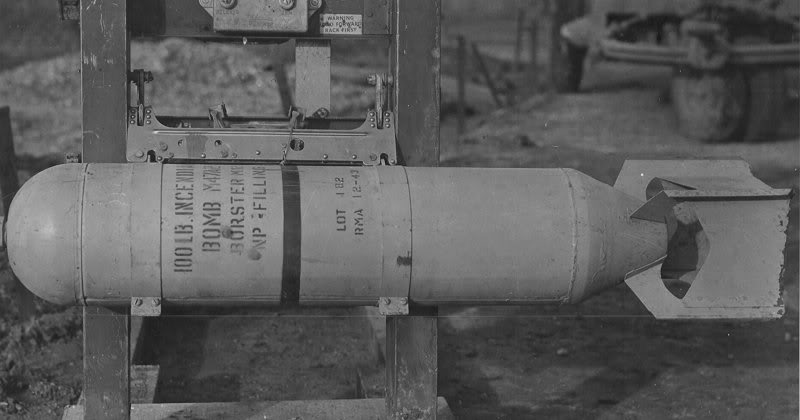
The liberty ship SS John Harvey arrived at the southern Italian port of Bari in November, carrying 2000 M47A1 mustard gas bombs, each containing 60 to 70-pounds of sulfur mustard.

Bari was packed at the time, with ships waiting to be unloaded.  It would be days before stevedores could get to her. Captain John Knowles wanted to inform port authorities of his deadly cargo and request that it be unloaded immediately, but secrecy prevented him from doing so. As it was, John Harvey was still waiting to be unloaded, on December 2.

For Luftwaffe Generalfeldmarschall Albert Kesselring, the traffic jam at Bari was an opportunity to slow the advance of the British 8th army on the Italian peninsula.

gettyimages-3276829-612x612
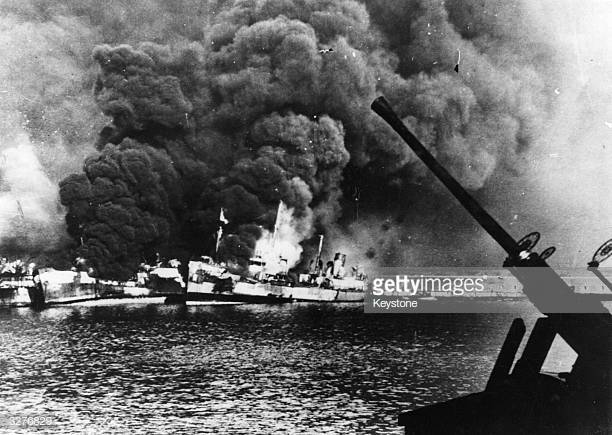
Air raid on Bari, December 2, 1943

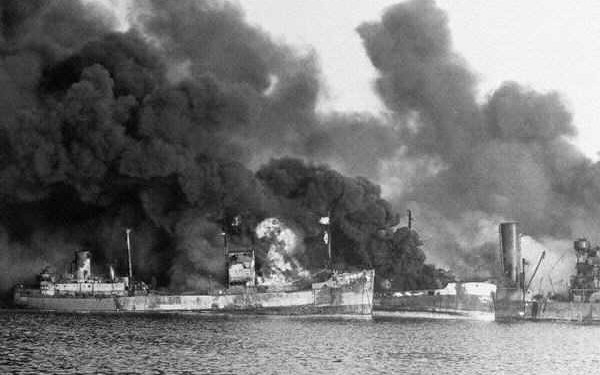
The “Little Pearl Harbor” began at 7:25PM when 105 Junkers JU-88 bombers came out of the East.   The tactical surprise was complete, and German pilots were able to bomb the harbor with great accuracy. Two ammunition ships were first to explode, shattering windows 7 miles away. A bulk gasoline pipeline was severed, as a sheet of burning fuel spread across the harbor, igniting those ships left undamaged.

43 ships were sunk, damaged or destroyed including John Harvey, which erupted in a massive explosion.  Liquid sulfur mustard spilled into the water, as a cloud of toxic vapor blew across the port and into the city.

bari_burning-ships

Mustard gas is a cytotoxic agent, capable of entering the system via skin, eyes and respiratory tract and attacking every cell type with which it comes into contact. First comes a garlic odor as the yellow-brown, heavier-than-air cloud creeps along the ground.  Contact results in redness and itching at first, resulting 12-24 hours later in excruciating, untreatable blisters on exposed areas of the skin.  Sufferers are literally burned inside and out as mucous membranes are stripped away from the eyes, nose and respiratory tract.

Death comes in days or weeks.  Survivors are likely to develop chronic respiratory disease and infections. DNA is permanently altered, often resulting in certain cancers and birth defects. To this day there is no antidote.

A thousand or more died outright in the bombing.  643 military service personnel were hospitalized for gas symptoms.  83 of those were dead, by the end of the month.  The number of civilian casualties is unknown.  The whole episode was shrouded in secrecy and remains to this day, one of the lesser-known chapters of World War 2.

At the time, the nature of the chemical disaster at Bari was uncertain.  Everyone with any knowledge of John Harvey’s secret cargo was killed in the explosion.  Lieutenant-Colonel Stewart Francis Alexander, an American physician from New Jersey, was sent by the Deputy Surgeon General of the US Army to find out what happened.

800px-Sidney_Farber_nci-vol-1926-300

It was Dr. Alexander who figured out the responsible agent was mustard, and where the stuff had come from.   In the process of testing, Dr. Alexander noticed the unknown agent first went after rapidly dividing cells, such as white blood cells.

Alexander wondered if it might be useful in going after other rapidly dividing cells. Like cancer.

Based on Dr. Alexander’s field work, Yale pharmacologists Louis Goodman and Alfred Gilman developed the first anti-cancer chemotherapy drug, in the treatment of lymphoma. 

In the 12th century, Bernard of Chartres described a process of finding truth, in building on previous discoveries. The concept is best remembered in the words of Sir Isaac Newton, in 1675: “If I have seen further it is by standing on the shoulders of Giants”.

Dr. Sidney Farber of Boston built on this earlier work, producing remission in children with acute Leukemia using Aminopterin, an early precursor to Methotrexate, a chemotherapy drug still in use, today.

Writers have labeled SS John Harvey a Savior of Millions, due to the vessel’s role in the pioneering era of modern chemotherapy drugs.

The claim may be a bit of an exaggeration, but not entirely so.  The American Cancer Society today estimates cancer survivors in the range of 16.9 million.