
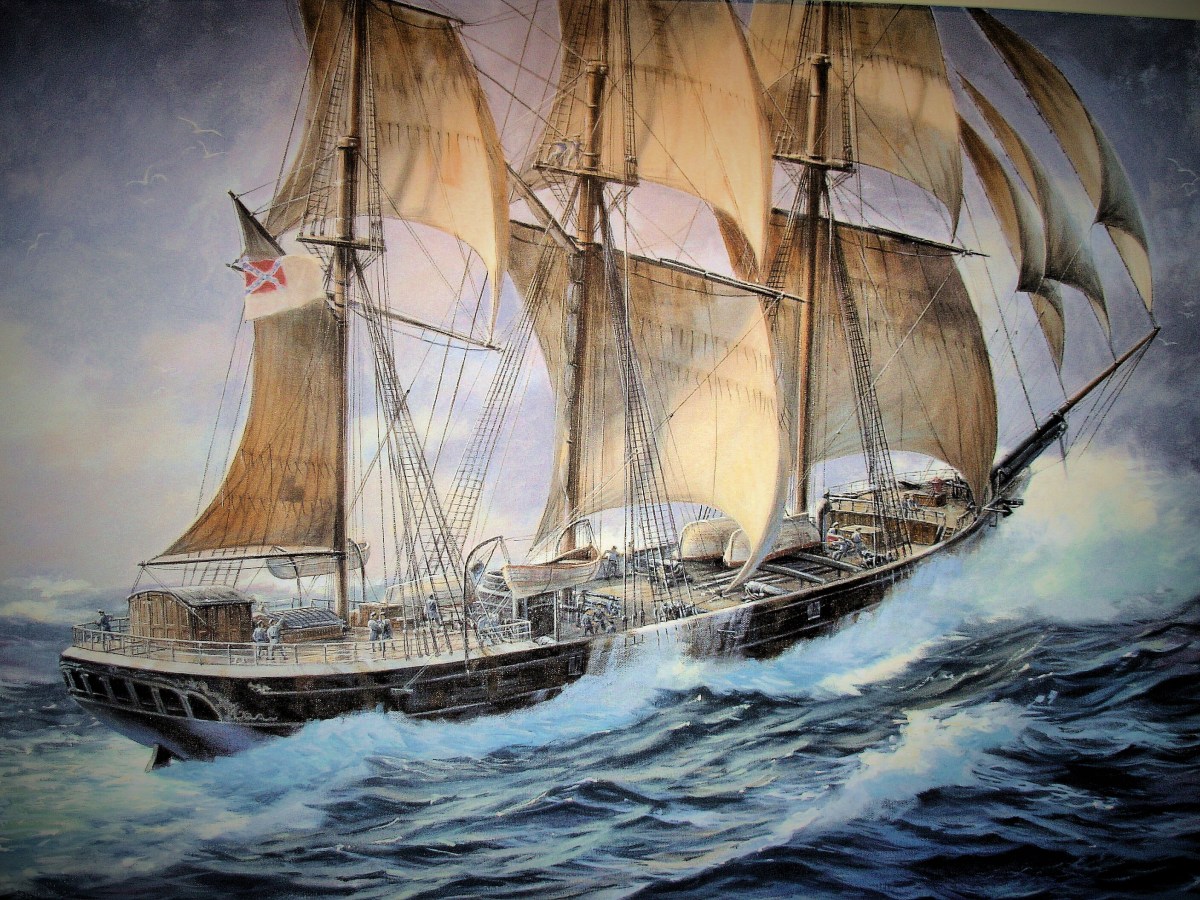
The last shot of the Civil War was fired on this day in 1865, but it might not have happened the way you thought.
General Robert E. Lee surrendered the Army of Northern Virginia on the 9th of April, President Lincoln was assassinated on the 14th, and Confederate President Jefferson Davis was captured on the 10th of May.
The last fatality of the war occurred at the Battle of Palmito Ranch, Brownsville, TX over May 12–13, ending the life of Private John J. Williams of 34th Indiana. The last man killed in the Civil War.
General Joseph E. Johnston surrendered the remains of three Confederate Armies to General William Tecumseh Sherman at Bennett Place on April 26. Organized resistance came to a full stop when Confederate General E. Kirby Smith surrendered his forces to General E. R. S. Canby in New Orleans on May 26.
Yet that final shot was still almost a month away.
Both sides had long practiced economic warfare. The Union’s “Anaconda Plan” sought to strangle the economy of the South, while Confederate commerce raiders roamed the oceans of the world, destroying the other side’s shipping.
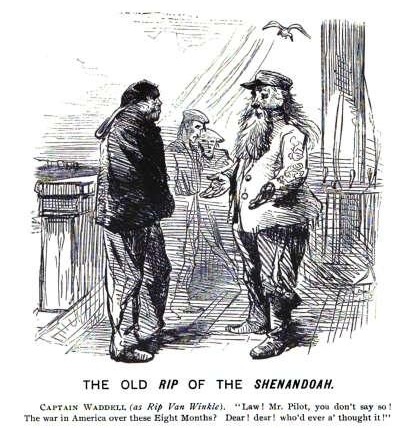
The Confederate raider CSS Shenandoah, Lieutenant James Iredell Waddell Commanding, was in the Bering Sea hunting prizes at this time, between the coasts of Alaska and Siberia.
It must have been a sight, to see a wooden hulled Union whaler, laden with oil, burned to the waterline under starlit skies amidst the ice floes of the Bering Sea.
On June 22, the last shot of the Civil War was a warning shot, fired across the bows of a whaler off the Aleutian Islands.
Waddell learned of Lee’s surrender on June 23, along with Jeff Davis’ proclamation that the “war would be carried on with re-newed vigor”. Waddell elected to continue hostilities, capturing 21 more whalers in the waters just below the Arctic Circle. The last 11 were captured in the space of 7 hours.
The only Confederate ship to circumnavigate the globe, Shenandoah had traversed 58,000 miles in 12 months and 17 days at sea, capturing or sinking 38 merchant vessels. Mostly whale ships. The voyage had taken 1,000 prisoners, without a single battle casualty on either side.
Waddell was on the way to attack San Francisco on August 2, when he learned in a chance meeting with the British Barque Barracouta, that the war was over.
Believing they would all be hanged as pirates, Captain Waddell aimed to surrender to neutral England. He took down his battle flag and put CSS Shenandoah through a radical alteration at sea. She was dismantled as a man-of-war; her battery dismounted and struck below, her hull repainted to resemble an ordinary merchant vessel.
There followed a 9,000 mile race down the coast of Mexico, around Cape Horn and across the Atlantic, with American vessels in constant pursuit. CSS Shenandoah made it to English territorial waters outside the Mersey, when the pilot refused to take the ship into Liverpool. He needed to know, under which flag this vessel sailed. The crew raised the Stainless Banner, the third and last official flag of the Confederacy.
CSS Shenandoah sailed up the River Mersey, her flag fully flying, spectators lining both sides of the river. Captain Waddell surrendered to Captain James A. Paynter of HMS Donegal. The Stainless Banner was lowered for the last time at 10:00am on November 6, 1865, in front of CSS Shenandoah’s officers and crew, and the Royal Navy detachment who’d boarded her.
The last act of the Civil War occurred later that morning, when Captain Waddell walked up the steps of Liverpool Town Hall, presenting the letter by which he surrendered his vessel to the British government.
The officers and crew were unconditionally released following investigation, as they had done nothing to justify their further detention. CSS Shenandoah was returned to the United States, where the Government sold her to Majid bin Said, the first Sultan of Zanzibar. He renamed her El Majidi in honor of himself. She was blown ashore and wrecked in a hurricane, in 1872.
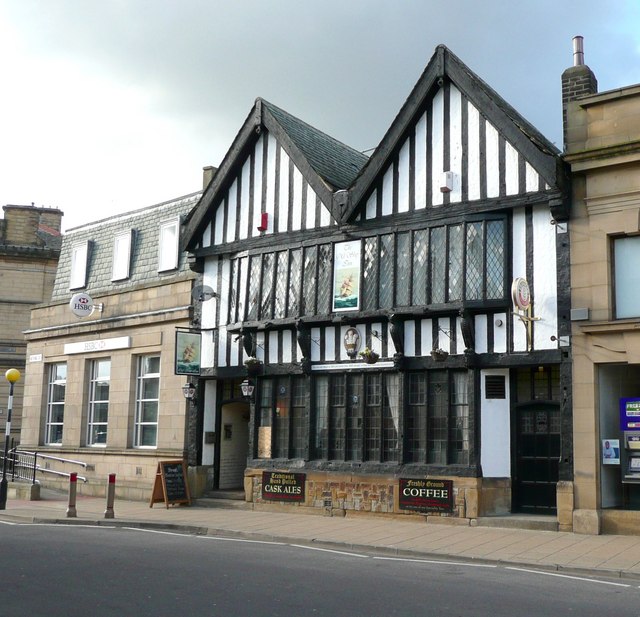
HMS Donegal survived longer than any other player in this story. Launched in 1858, she remained in service to the British Crown until 1925, when she was sold and broken up for scrap. Some of Donegal’s timbers formed the front of the Prince of Wales public house in Brighouse, which today operates as the Old Ship pub.


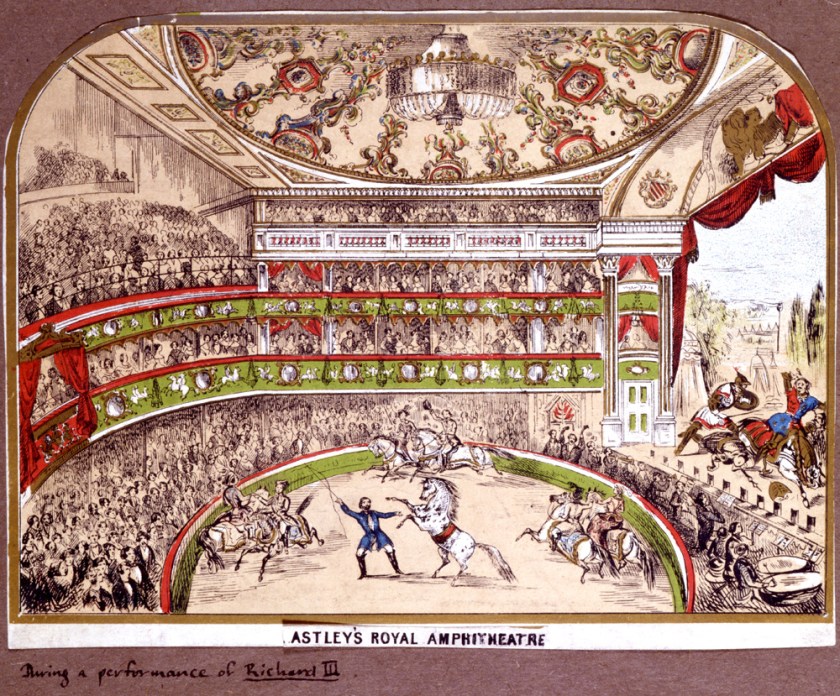 The father of the modern circus is the British Sergeant-Major turned showman, Philip Astley. A talented horseman, Astley opened a riding school near the River Thames in 1768, where he taught in the morning and performed ‘feats of horsemanship’ in the afternoon.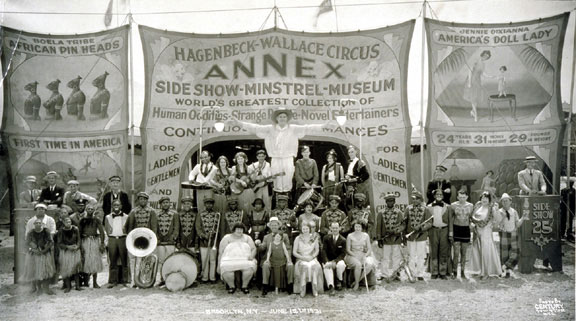







 Semmes would recover from his wounds, returning to the war ravaged South via Cuba in February, 1865. That April, he would supervise the destruction of all Confederate warships in the vicinity, following the fall of Richmond. Semmes’ former command fought on as “the Naval brigade”, Semmes himself appointed Brigadier General, though the appointment would never be confirmed. The Confederate Senate had ceased to exist.

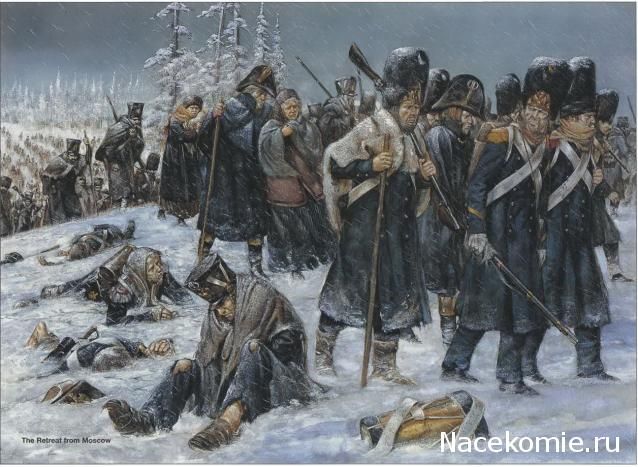 Finally there was no choice for the Grand Armée, but to turn about and go home. Starving and exhausted with no winter clothing, stragglers were frozen in place or picked off by villagers or pursuing Cossacks. From Moscow to the frontiers you could follow their retreat, by the bodies they left in the snow. 685,000 had crossed the Neman River on June 24. By mid-December there were fewer than 70,000 known survivors.
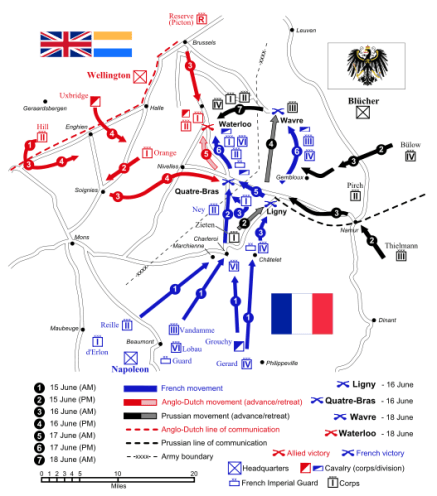 The Congress of Vienna declared Napoleon an outlaw on March 13, 1815. Austria, Prussia, Russia and the UK bound themselves to put 150,000 men apiece into the field to end his rule.





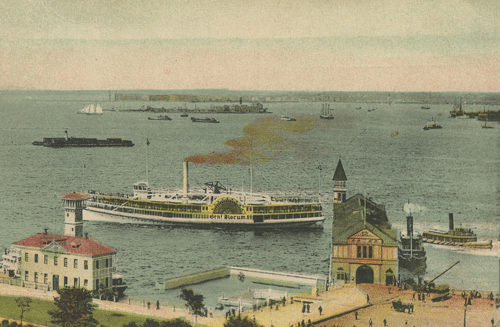
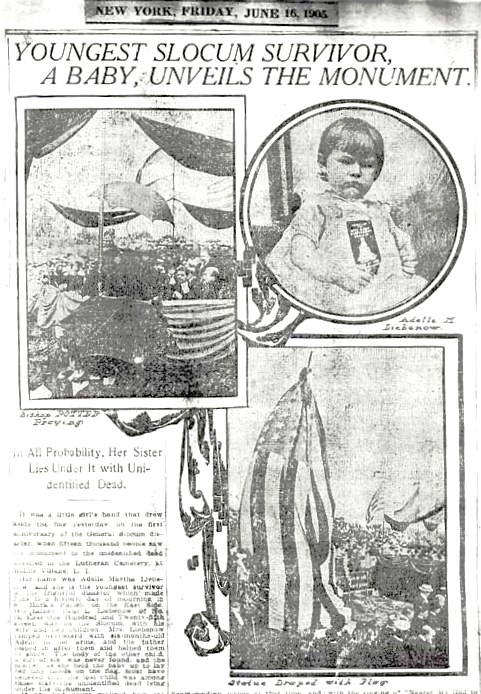
 It was 9:30 on a beautiful late spring morning when the sidewheel passenger steamboat General Slocum, left the dock and steamed into New York’s East River.




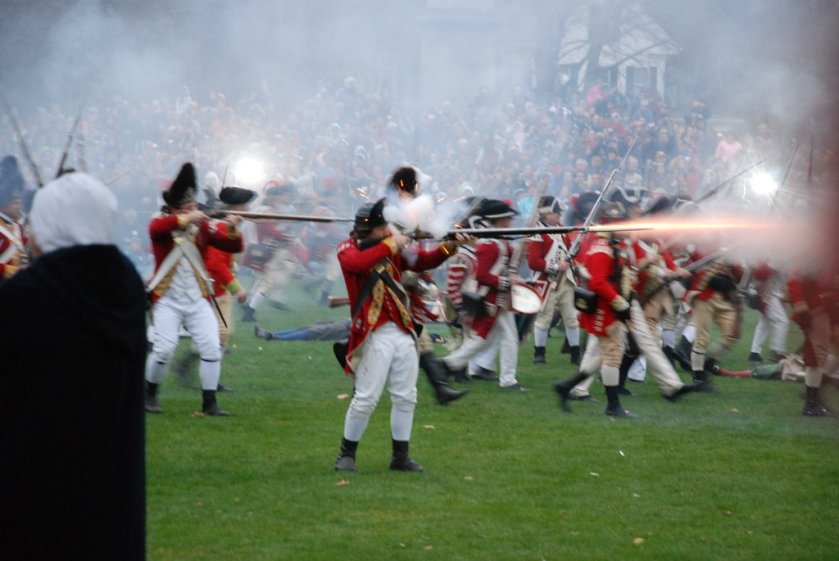
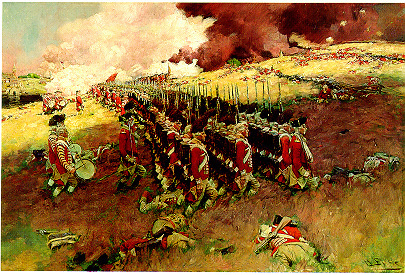
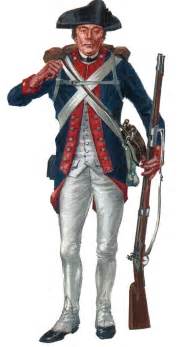 The Continental Congress established the ‘American Continental Army’ on June 14, 1775, authorizing 10 companies of ‘expert riflemen,’ to serve as light infantry in the siege of Boston. The next day the Congress unanimously selected George Washington to be General and Commander in Chief of all continental forces.

 Historical Easter Eggs - Today in History
You must be logged in to post a comment.