

In 1879, 18-year-old Sarah Lawrence arrived at Killua Castle in Tremadog, Wales, the estate of Sir Thomas Chapman and his wife, Edith. Sarah had come to work as governess for their four daughters, but would soon become more than a mere employee.
The affair between the Victorian Aristocrat and the domestic servant produced a son, born in secret in 1885. When the scandal was discovered, Chapman left his wife and moved his new mistress to England. Edith never did grant a divorce, so the couple adopted Sarah’s last name and pretended to be husband and wife. The couple’s second of five children, Thomas Edward Lawrence, learned the true identity of his parents only after his father’s death in 1919.
 TE, as Lawrence preferred to be called, was reading books and newspapers by the age of four. He first went to the Middle East as an archaeology student in 1909, walking 1,100 miles across Syria, Palestine, and parts of Turkey, surveying the castles of the Crusaders for his thesis. During this time he was shot at, robbed and severely beaten. Despite all of it, TE Lawrence developed an affinity for the Middle East and its people, which would last a lifetime.
In 1914, the British government sent Lawrence on an expedition across the Sinai Peninsula and Negev desert. Ostensibly an archaeological expedition, this was in reality a secret military survey, of lands then controlled by the Ottoman Turks.
Lawrence joined the Army after WWI broke out that August, taking a desk job as an intelligence officer in Cairo.
You may picture the man as 6’3” Peter O’Toole, especially if you’ve seen the movie. In reality, Lawrence was always self-conscious about his 5’5” stature. It irritated him to have a safe desk job, while millions were dying on the front. The guilt must have become overwhelming when two of his younger brothers were killed in 1915.

The Ottoman Empire was in decline at this time, the “Sick Man of Europe”, though still one of the Great Powers. The Hashemite Kingdom of the Arabs had long chafed under Ottoman rule, particularly following the “Young Turk” coup of 1908, when secular, Turkish nationalism replaced the formerly pan-Islamic unity of the Caliphate.
Seeing his chance to break away and unify the Arab Lands and trusting in the honor of British officials who promised support, Sharif Hussein bin Ali, Emir of Mecca and King of the Arabs, saw his chance and launched the Arab Revolt against the Ottoman Empire, in 1916.
Despite having zero military training, Lawrence took to the field at the outbreak of hostilities.
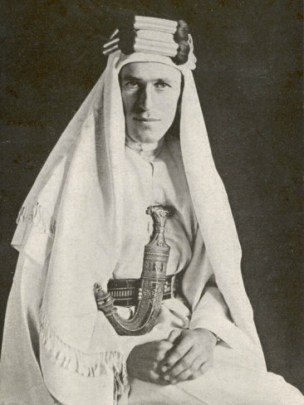
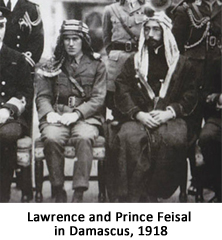 Dressing himself in the flowing Arab Thawb, Lawrence joined the forces of Ali’s son, Feisal.
In theory, the Hejaz Railway could take you from the Ottoman capital at Constantinople to the Arab city of Medina, some 1,800 miles distant, without your feet ever touching the ground. In reality, the rail line was a ripe target for attackers. By his own count, TE Lawrence “scientifically” destroyed 79 bridges, a method of his own perfection by which bridges were destroyed but left standing, requiring Turkish workmen to dismantle the wreckage before repairs could begin.
Lawrence was captured in 1916, subjected to beatings, torture, and homosexual rape by the Governor of Daraa, Hajim Bey, a man he described as an “ardent pederast”.
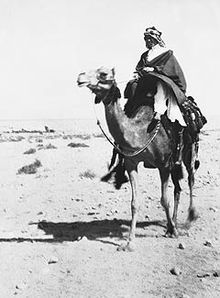
Lawrence escaped, though shattered by the experience, joining the desert guerilla war against the Turk. He would take risks that he would not order on his followers, spying behind enemy lines, leading camel charges, blowing up trains and enduring the hardships of the desert. Lawrence would suffer dozens of bullet and shrapnel wounds, in raids that tied up thousands of Ottoman troops and undermined their German ally.
By the summer of 1918, there was a price on his head. One officer wrote “Though a price of £15,000 has been put on his head by the Turks, no Arab has, as yet, attempted to betray him. The Sharif of Mecca [King of the Hedjaz] has given him the status of one of his sons, and he is just the finely tempered steel that supports the whole structure of our influence in Arabia“.
2,000 years after the Apostle Paul’s dramatic conversion on the Road to Damascus, “Lawrence of Arabia” entered the defeated city on October 1, 1918. Like many, Lawrence saw Damascus as the future capital of a united Arab state. Lawrence tried to convince his superiors that Arab independence was in their own best interest, but found himself undermined by the Sykes-Picot agreement, negotiated in secret between French and British authorities with the backing of the Russian government, back in May 1916.
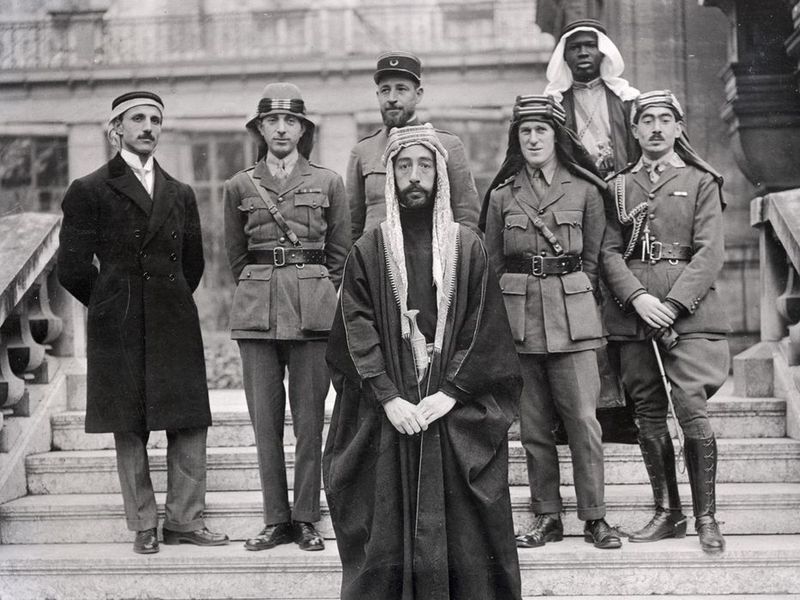
Lawrence was furious, believing that what had been won by Arab arms, should remain in Arab hands. Interrupting the praise of his own exploits at a war cabinet meeting, Lawrence snapped ‘Let’s get to business. You people don’t understand yet the hole you have put us all into.’ He refused a knighthood personally given him by King George V, thinking instead that he’d been summoned to discuss Arab borders.
In the end, the pan-Arab kingdom of the Hashemites was never meant to be. The Middle East was carved into zones of English and French influence, and Lawrence never did come to terms with the betrayal.
Today, Lawrence of Arabia is the subject of three major motion pictures, and at least 70 biographies. A prolific writer himself, author of countless letters and at least twelve major works, Lawrence seems to have disliked the fame which had come his way. “To have news value”, he would say, “is to have a tin can tied to one’s tail”. TE Lawrence would go on to serve under a series of assumed names, his latest being TE Shaw, possibly a nod to his close friend, the Irish playwright and noted polemicist, George Bernard Shaw.
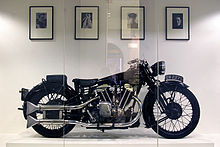
An avid motorcyclist, Lawrence would ride 500-700 miles a day, once even racing a Sopwith Camel biplane. He owned several Brough (rhymes with rough) motorcycles, the last a Brough Superior SS100. This thing came with a certificate, guaranteeing that it would do 0-100 within ¼ mile.
There is a roadside memorial in Dorset, marking the spot where TE Lawrence went over the handlebars, trying to avoid two boys on bicycles. He was forty-six. Mourners at his funeral would include Winston and Clementine Churchill, novelist EM Forster, and his last surviving brother, Arnold.
 To most of us, the desert is an inscrutable place, as is the mind, culture and history of the Middle East. Few westerners would ever get to know this part of the world like TE Lawrence.
Lawrence taught us a bit about all of it, when he said “Men have looked upon the desert as barren land, the free holding of whoever chose; but in fact each hill and valley in it had a man who was its acknowledged owner and would quickly assert the right of his family or clan to it, against aggression”.

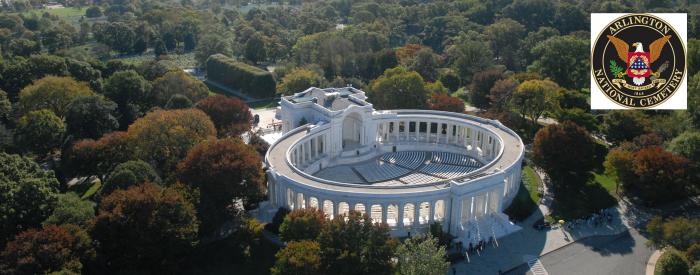
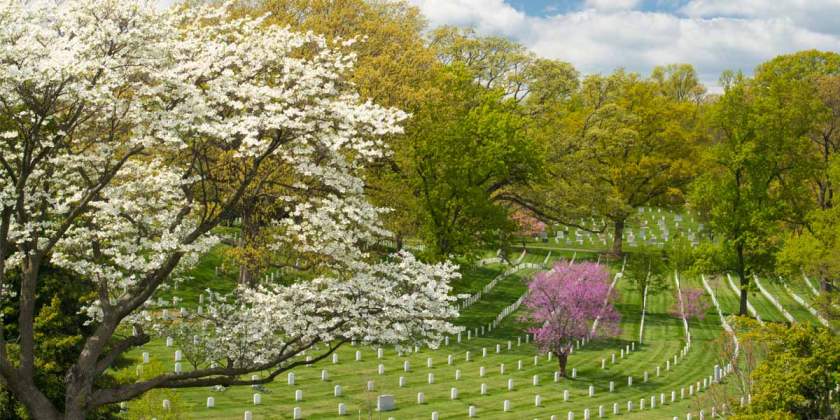
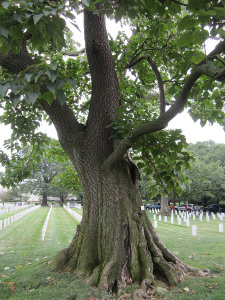
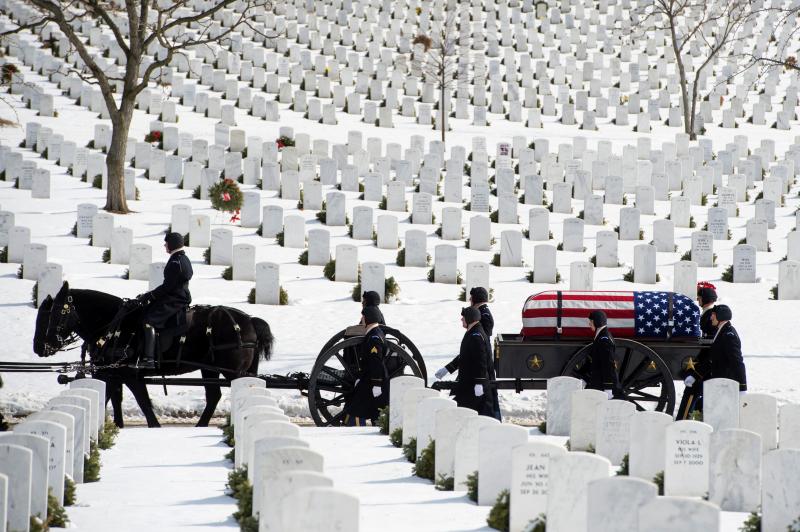

 Other tree ancestors include the Water Oak next to the Brown Chapel African Methodist Church in Selma, where Reverend Martin Luther King, Jr. delivered his “We Shall Overcome” speech, before setting out on the 50-mile march to Montgomery. The George Washington American Holly was grown from seeds gathered at Mount Vernon. Helen Keller climbed the 100-year-old Water Oak, as a child. The Overcup Oak descends from a tree which shaded the birthplace of the 16th President of the United States, Abraham Lincoln.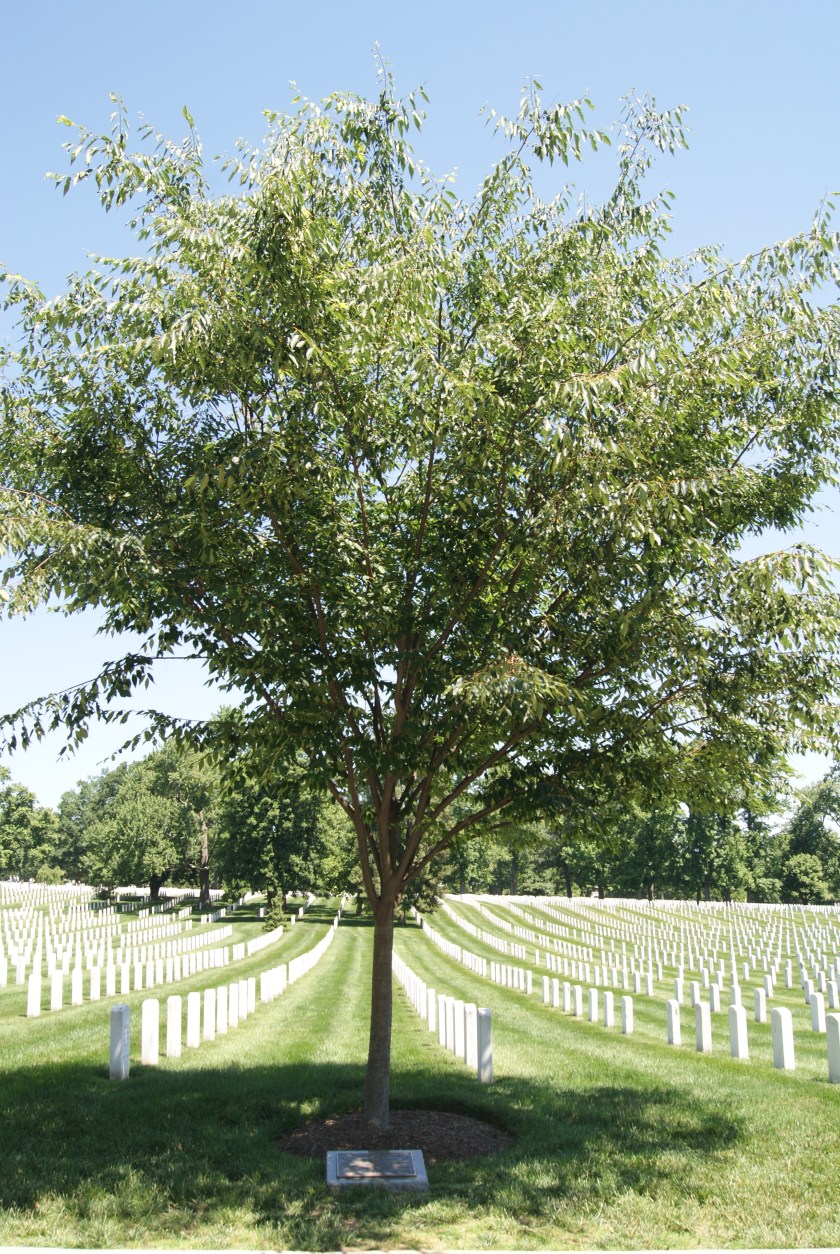




 Pitchers Eddie Cicotte and Claude “Lefty” Williams, along with outfielder Oscar “Hap” Felsch, and shortstop Charles “Swede” Risberg were all principally involved with fixing the series. Third baseman George “Buck” Weaver was at a meeting where the fix was discussed, but decided not to participate. Weaver handed in some of his best statistics of the year during the Series.
 Rumors were flying when the series started on October 2. So much money was on Cincinnati that the odds were flat. Gamblers complained that nothing was left on the table. Williams lost his three games in the best-out-of nine series, which I believe stands as a World Series record to this day. Cicotte became angry, thinking that gamblers were trying to renege, and he bore down, the White Sox winning game 7.
 Ironically, the 1919 scandal would lead to a White Sox crash in the 1921 season, beginning the “Curse of the Black Sox”. It was a World Series championship drought that lasted 88 years, ending only in 2005, with a sweep of the Houston Astros. Exactly one year after the Boston Red Sox ended their own 86-year drought, the “Curse of the Bambino”.




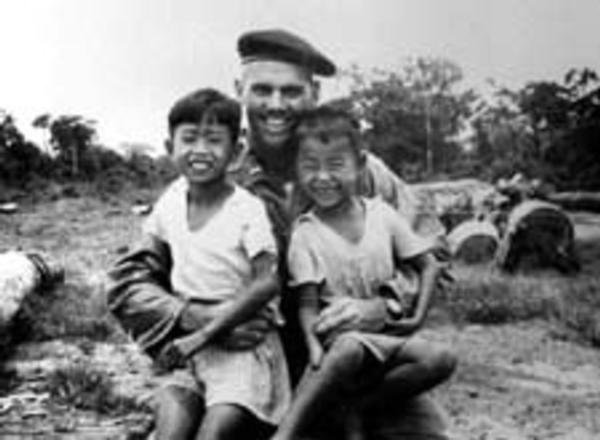

 In his spare time, this Green Beret, Army Ranger and Special Forces warrior would volunteer to work in the countless orphanages of South Vietnam.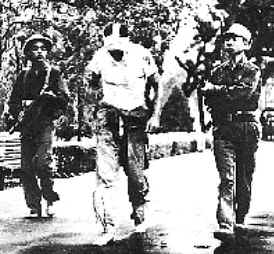
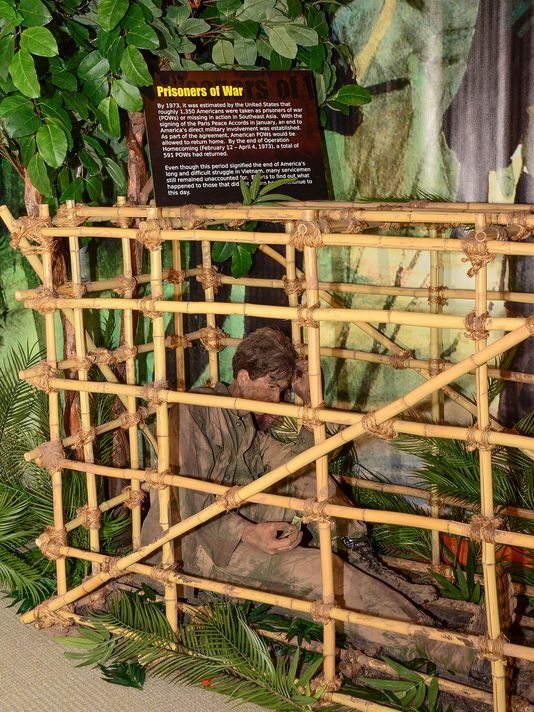
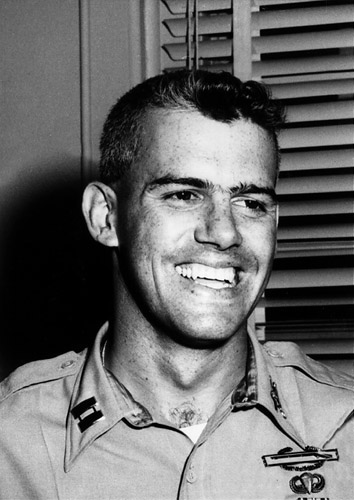 Rocky attempted to escape four times, despite leg wounds which left him no option but to crawl on his belly. Each such attempt earned him savage beatings, after which he’d only try harder.
 Rocky was murdered by his captors, his “execution” announced on North Vietnamese “Liberation Radio” on September 26, 1965. He was twenty-eight.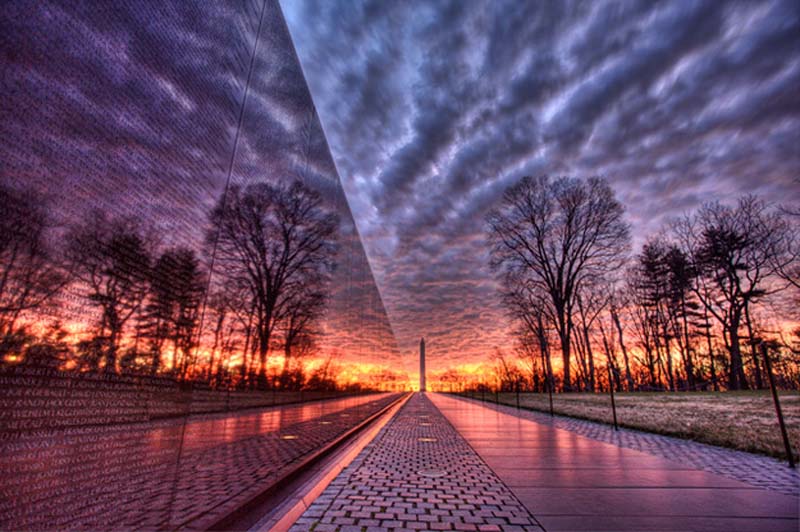


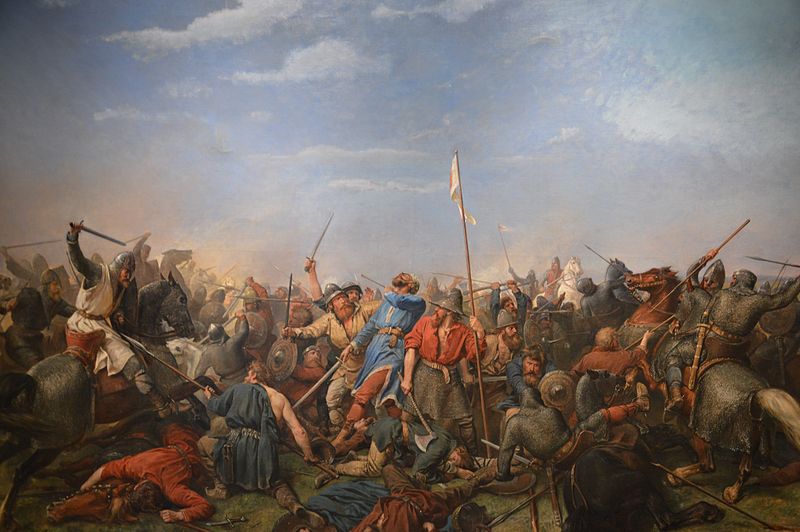
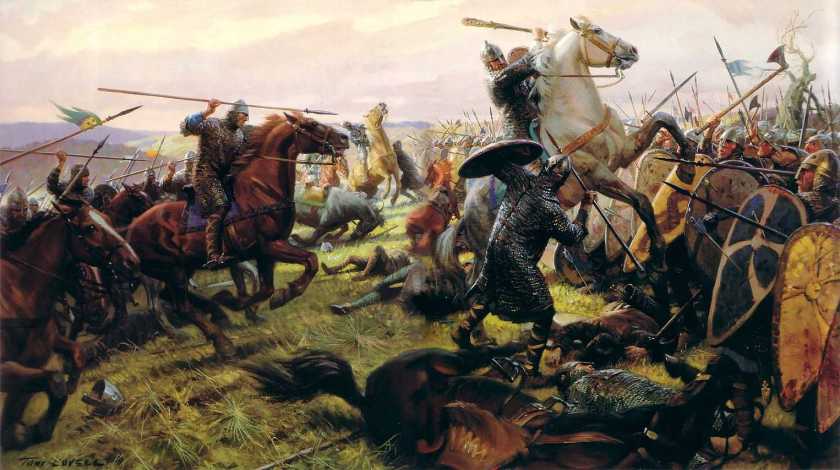
 Tostig sailed for England with King Harald and a mighty army of 10,000 Viking warriors, meeting the northern Earls Edwin and Morcar in battle at Fulford Gate, on September 20.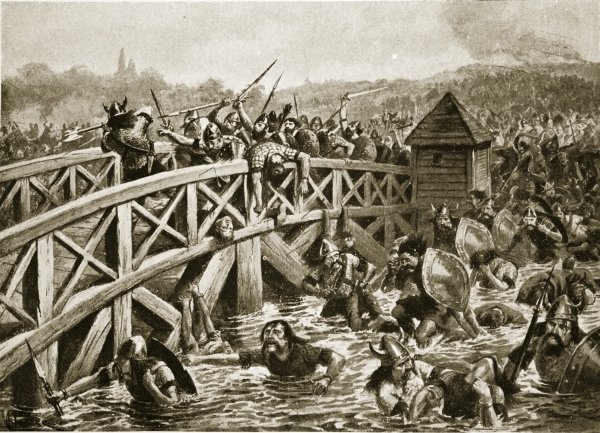


 The incoming Jefferson administration sought to block the appointments. Jefferson ordered then-Secretary of State James Madison to hold those commissions as yet undelivered, thus invalidating the appointments. One of the appointees, William Marbury, took the matter to Court.
 Intimidated by the Roosevelt administration’s aggressive and illegal “
 The framers gave us a Constitutional Republic with co-equal branches of government, with power diffused and limited by a comprehensive set of checks and balances.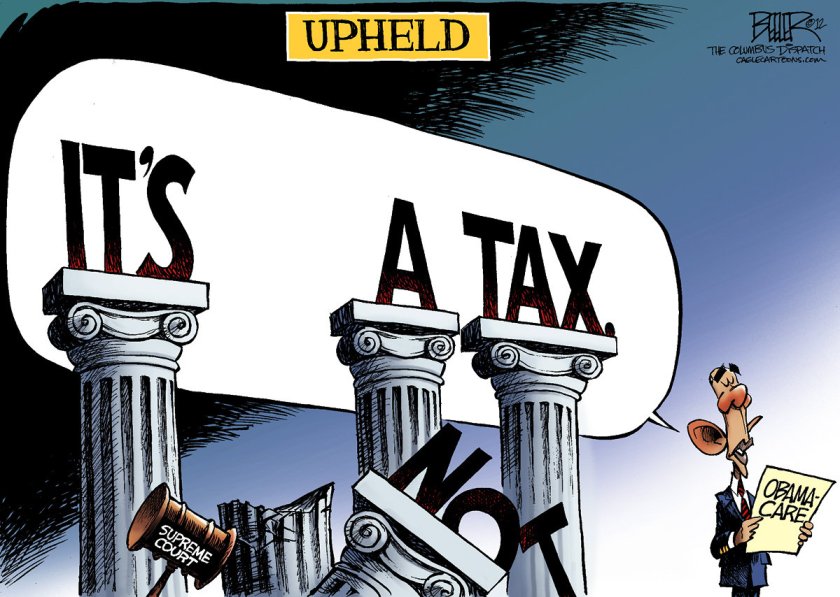


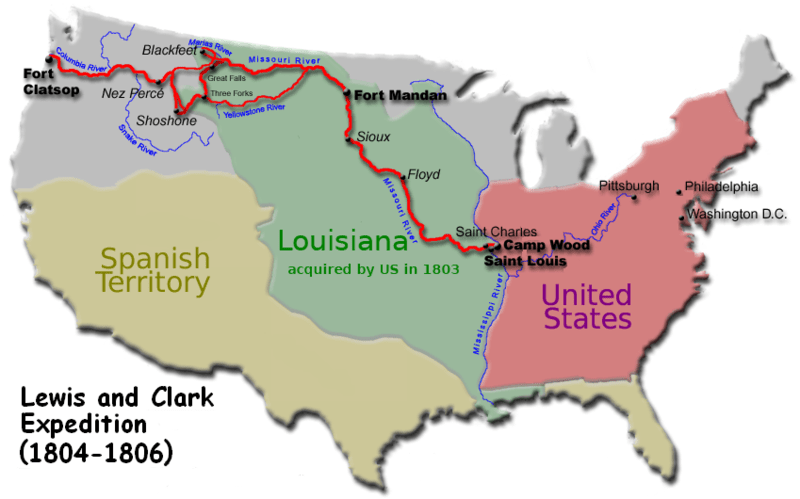
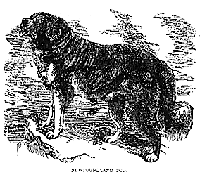 Most of 1803 was spent in planning and preparation, Lewis and Clark joining forces near Louisville that October. After wintering in the Indiana territory base camp in modern day Illinois, the 33-man expedition departed on May 14, 1804, accompanied by “Seaman”, a “Dogg of the Newfoundland breed”.
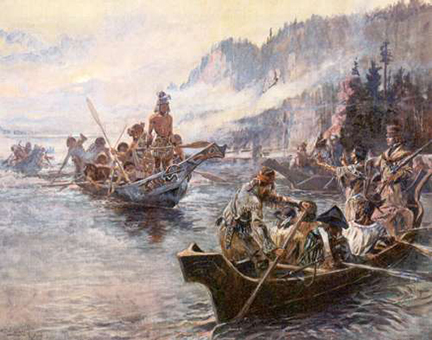 Discovery established friendly relations with at least 24 indigenous tribes, without whose help they may have become lost or starved in the wilderness. Most were more than impressed with Lewis’ state-of-the-art pneumatic rifle, which could silently fire up to 20 rounds after being pumped full of compressed air.
 The Corps of Discovery reached the Pacific Ocean in November 1805, and set out their second winter camp in modern-day Oregon.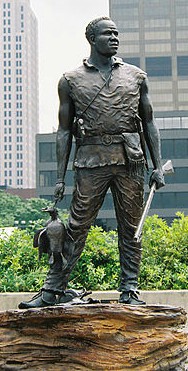


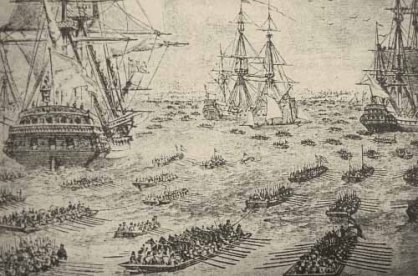
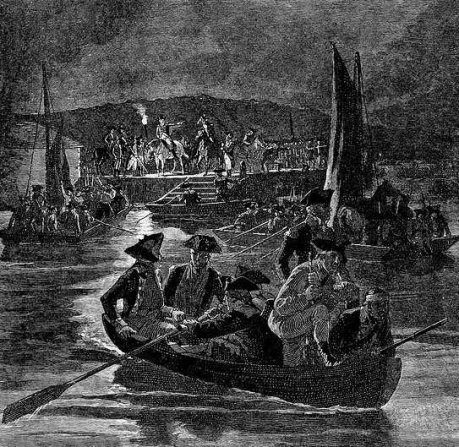
 Washington asked for volunteers for a dangerous mission, to go behind enemy lines, as a spy. Up stepped a volunteer. His name was Nathan Hale.
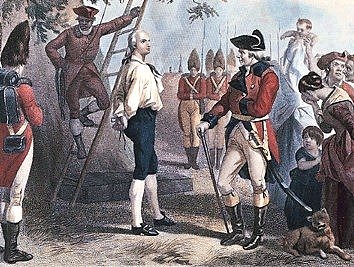 Hale took Rogers into his confidence, believing the two to be playing for the same side. Barkhamsted Connecticut shopkeeper Consider Tiffany, a British loyalist and himself a sergeant of the French and Indian War, recorded what happened next, in his journal: “The time being come, Captain Hale repaired to the place agreed on, where he met his pretended friend” (Rogers), “with three or four men of the same stamp, and after being refreshed, began [a]…conversation. But in the height of their conversation, a company of soldiers surrounded the house, and by orders from the commander, seized Captain Hale in an instant. But denying his name, and the business he came upon, he was ordered to New York. But before he was carried far, several persons knew him and called him by name; upon this he was hanged as a spy, some say, without being brought before a court martial.”
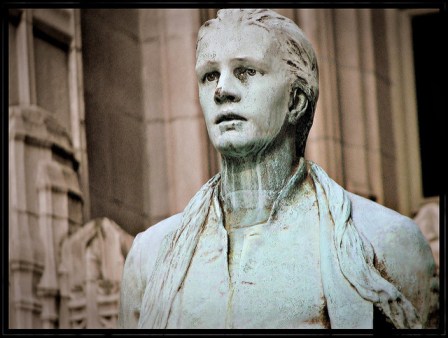 There is no official account of Nathan Hale’s final words, but we have an eyewitness statement from British Captain John Montresor, who was present at the hanging.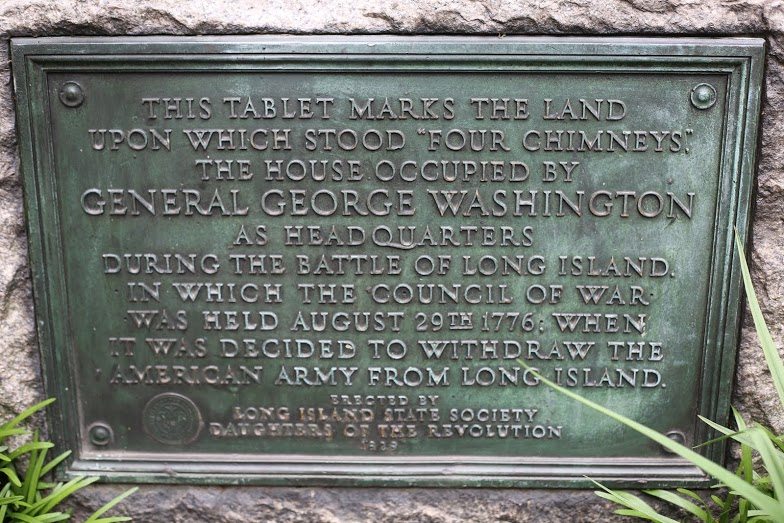

 Historical Easter Eggs - Today in History
You must be logged in to post a comment.