
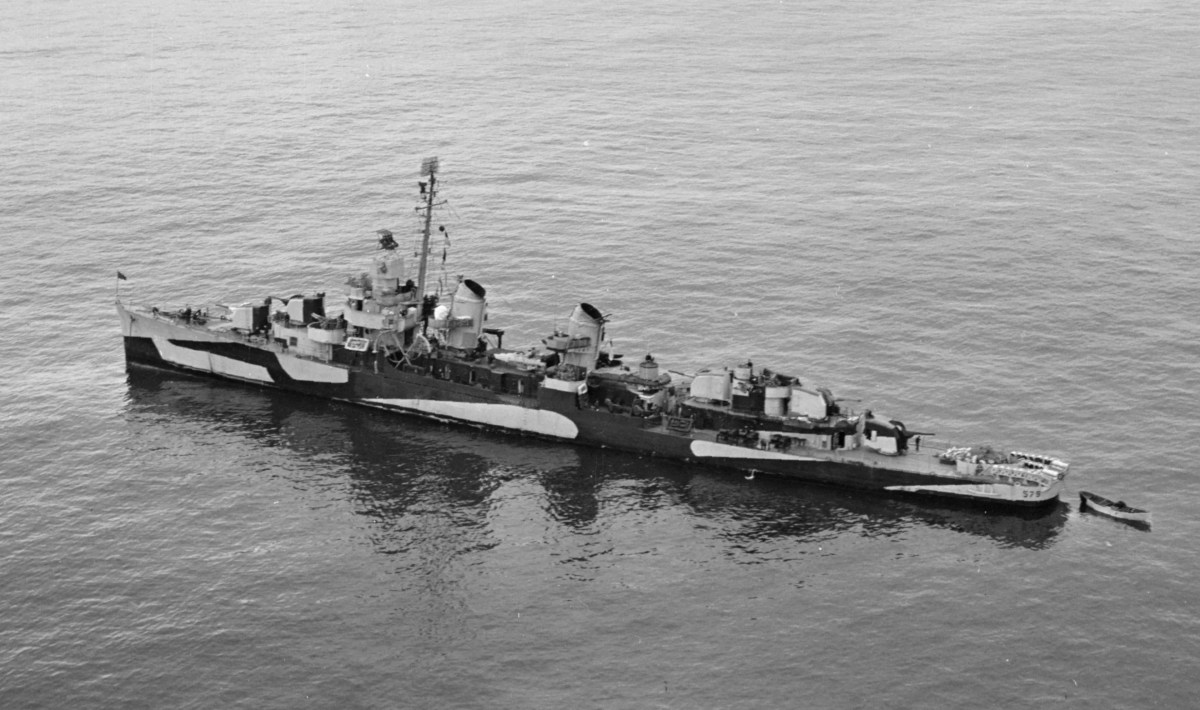
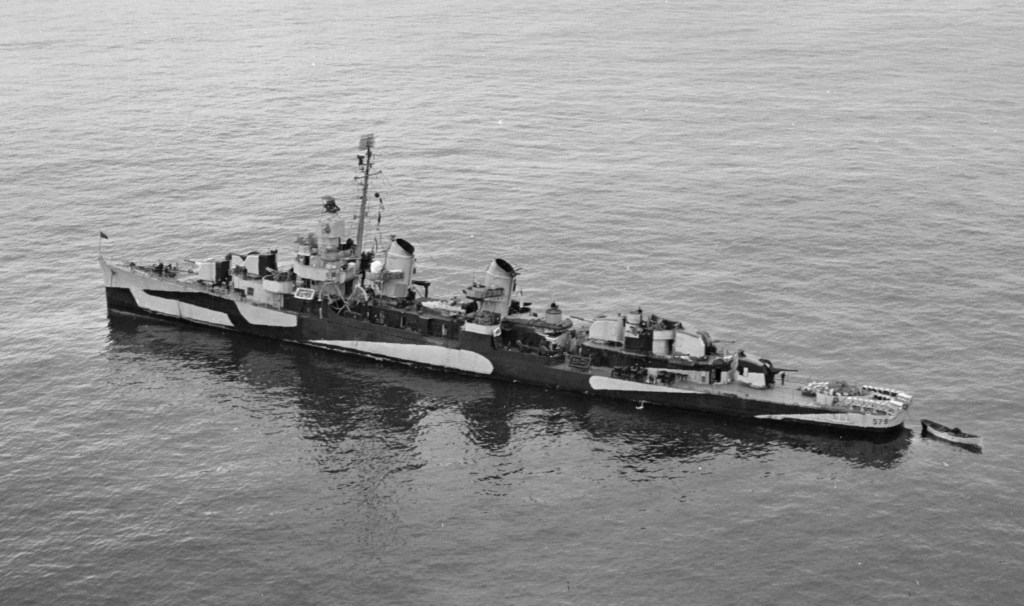
The Fletcher class destroyer DD-579 was built by the Consolidated Steel Corporation of Orange, Texas, the 11th such vessel built for service in World War 2. Commissioned on July 6, 1943 she was christened USS William D. Porter in honor of the Civil War admiral. To the sailors who served on her decks, she was “Willy Dee”.
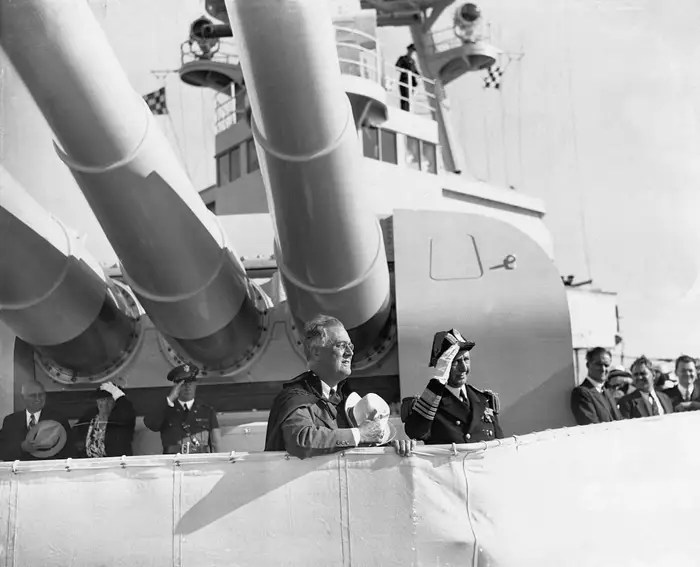
On November 12, 1943, the Porter departed Charleston for Norfolk to rendezvous with a fleet, departing Norfolk. On board the flagship USS Iowa was the President of the United States, Franklin Delano Roosevelt.
If sailors are a superstitious lot, perhaps it’s for good reason. Problems began even while leaving port. Willy Dee improperly raised an anchor, tearing off the railing and lifeboat mount from a neighboring vessel.
The following day an explosion caused the entire fleet to take evasive maneuvers from German submarines, lurking below. But no. There was no submarine. Willy Dee had accidentally dropped a live depth charge.
On the afternoon of November 14th, President Roosevelt requested a demonstration of Iowa’s anti-aircraft capabilities. Balloons were released for the purpose, most of which were shot down by the battleship’s gunners. Some that “got away” were shot down by other vessels, including USS William D. Porter.
Now in an unprecedented third term with a fourth less than a year away, the most successful figure in the history of American party politics was heading to Cairo and Tehran for top level meetings with Allied leaders.
Escort ships then commenced a torpedo demonstration. That’s when it all went off the rails. The simulated release of a torpedo requires that a launch primer be disarmed. Porter “fired” one, then two…so far so good…but nobody’d disarmed #3.
Oops.
A fully armed torpedo was now in the water and closing fast on the president of the United States. Not only the chief executive but virtually every senior military staff member then conducting the war was on that boat, including Secretary of State Cordell Hull, Chief of Staff Admiral William D. Leahy, Chief of Staff of the Army General George C. Marshall, Chief of Naval Operations Ernest King, Commanding General of the U.S. Army Air Forces Henry “Hap” Arnold, Secretary of Commerce Harry Hopkins, and many other high ranking officials.
Gun shy about breaking radio silence after the depth charge incident, frantic messages were sent via signal light, resulting in the unlikely misunderstanding that Porter was backing up at full speed.
With the situation rapidly going from bad to worse Porter at last broke radio silence, communicating the situation as it was. President Roosevelt heard what was happening and asked his secret service detail to wheel his chair to the rail. He wanted to watch.
Iowa turned hard and the torpedo exploded harmlessly, some 3,000 feet astern of the battleship. The episode took less than 5 minutes.
Porter was ordered to Bermuda for investigation of the “assassination plot” against the president. In the end, torpedoman Lawton Dawson was court-martialed and sentenced to 14 years hard labor. President Roosevelt gave the man a full pardon, as no harm was done.
The William D. Porter served in the Pacific for much of 1944 without incident, but that no longer mattered. For the rest of her days left afloat, other vessels would hail the Willy Dee “Don’t shoot, we’re Republicans!”
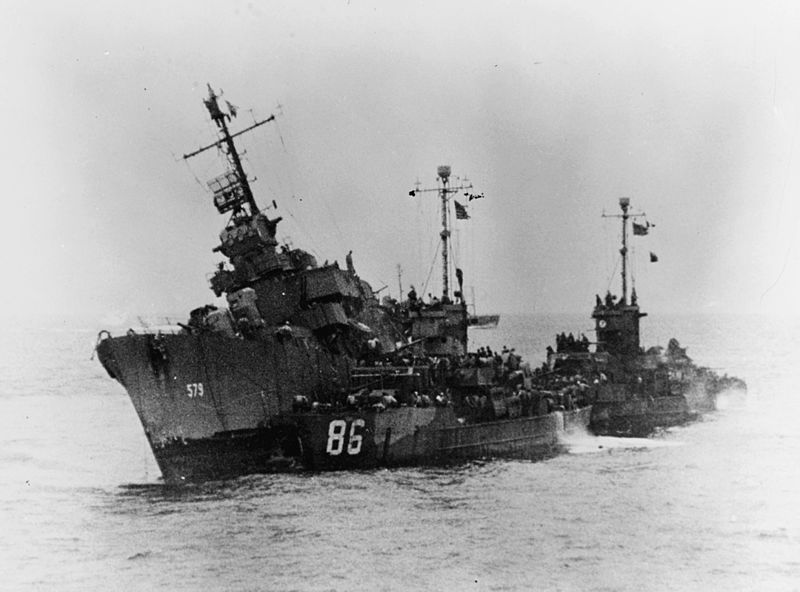
Willy Dee met her final stroke of bad luck at the battle of Okinawa, managing to shoot down a kamikaze who exploded beneath her hull. Not a single sailor was lost, but this was the end for the Willy Dee. Three hours later she rolled and sank by the stern. The unluckiest ship in the American Navy, was gone.

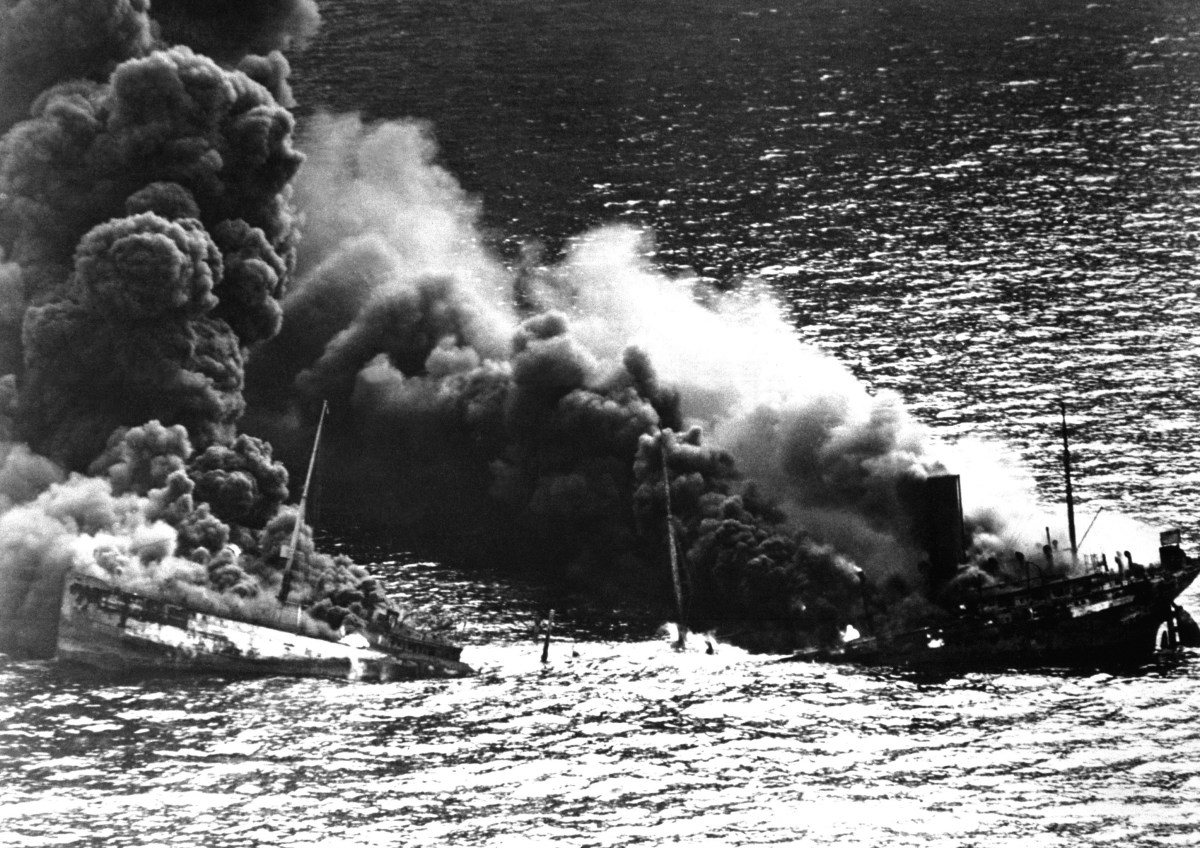
 Atlantic. On the 25th the Polish-British Common Defense Pact was added to the Franco-Polish Military Alliance. Should Poland be invaded by a foreign power, England and France were now committed to intervene.
 ship encounters unfolding across a theater thousands of miles wide. According to
 Norway, for repairs after running aground in the Kiel Canal. The sub was able to clear the island of Fedje off the Norway coast undetected on February 6. By this time British MI6 had broken the German Enigma code. They were well aware of Operation Caesar.
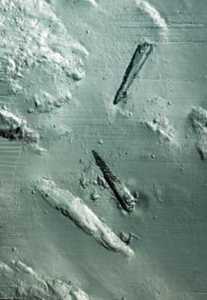 A four dimensional firing solution accounting for time, distance, bearing and target depth was theoretically possible, but had rarely been attempted under combat conditions. Plus, there were unknown factors which could only be approximated.
 Historical Easter Eggs - Today in History
You must be logged in to post a comment.