
In geologic time, the Holocene epoch refers roughly to the last 11,700 years, a time delineated by the retreat of massive formations which, together, constitute the last of eight glacial periods to occur over the last 740,000 years.
The north of Africa was once wetter than it is now, a vast, green savannah of grasses, lakes and trees with abundant herds of ungulates. The geologic record reflects some of the earliest attempts at agriculture and animal husbandry in this region sometime around the sixth millennium, BC.
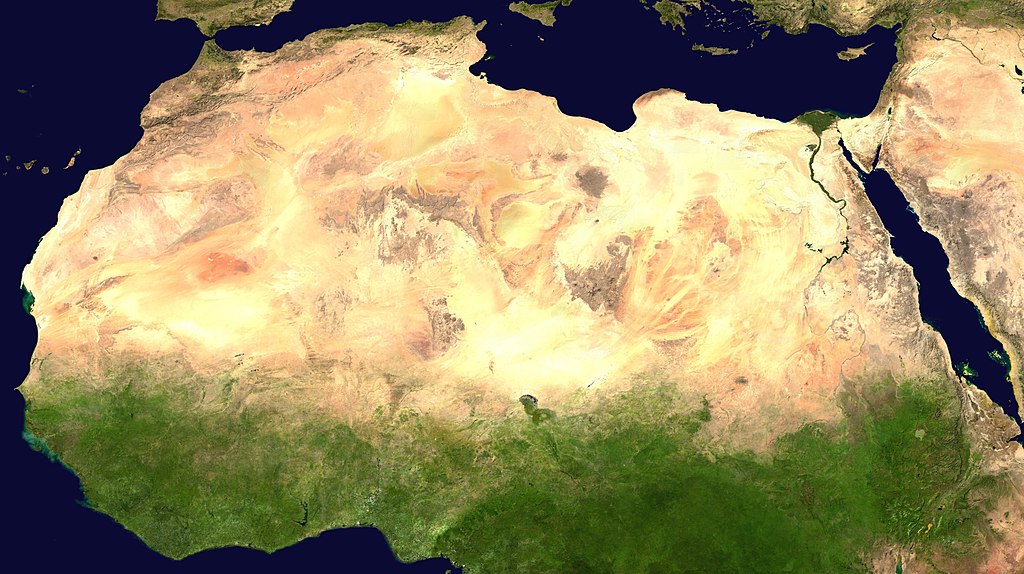
The gradual end of this “African humid period” led great numbers of small nomadic and tribal cultures to settle in the fertile Nile River valley where predictable, seasonal flooding supported a cessation of hunter/gatherer sustenance and increased reliance on the growing of food and the raising of domesticated livestock.
This inevitably led to trade among and competition between the various tribes and the growth of some, often at the expense of others. And then at last, there were two.
In the third century BC the Egyptian priest Manetho grouped a long succession of Kings over a period of thirty dynasties, beginning with the mythical King Menes. It is he who united what was then the two kingdoms of upper and lower Egypt.
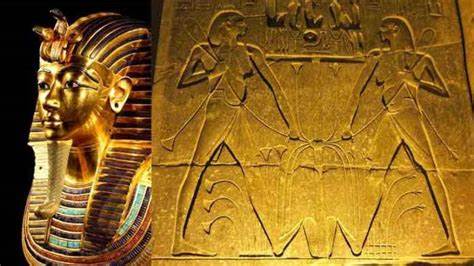
This early dynastic period gave way to the first of three relatively stable periods in ancient Egypt, separated by long intermediate periods of chaos. These were the Old, Middle and New Kingdoms.
Taken as a whole, ancient Egypt created a system of mathematics, the earliest known peace treaty and a lasting legacy of art, and literature. Innovations in quarrying and construction led to monumental temples, pyramids and statuary inspiring scientific and archeological investigation which lasts, to this day.

It is often forgotten or overlooked in the modern era that, since the time of Alexander, the Ptolemaic rulers of ancient Egypt, were Greek. Ptolemy V rose to power at the age of six (r. 205-180BC) on the death of his father, Ptolemy IV.
The most successful of several violent uprisings against this foreign rule began in upper Egypt in 206BC and lasted for 20 years under the leadership of the last of the Egyptian Pharoahs, Hyrgonaphor (Haronnophris) and Chaonnophris.
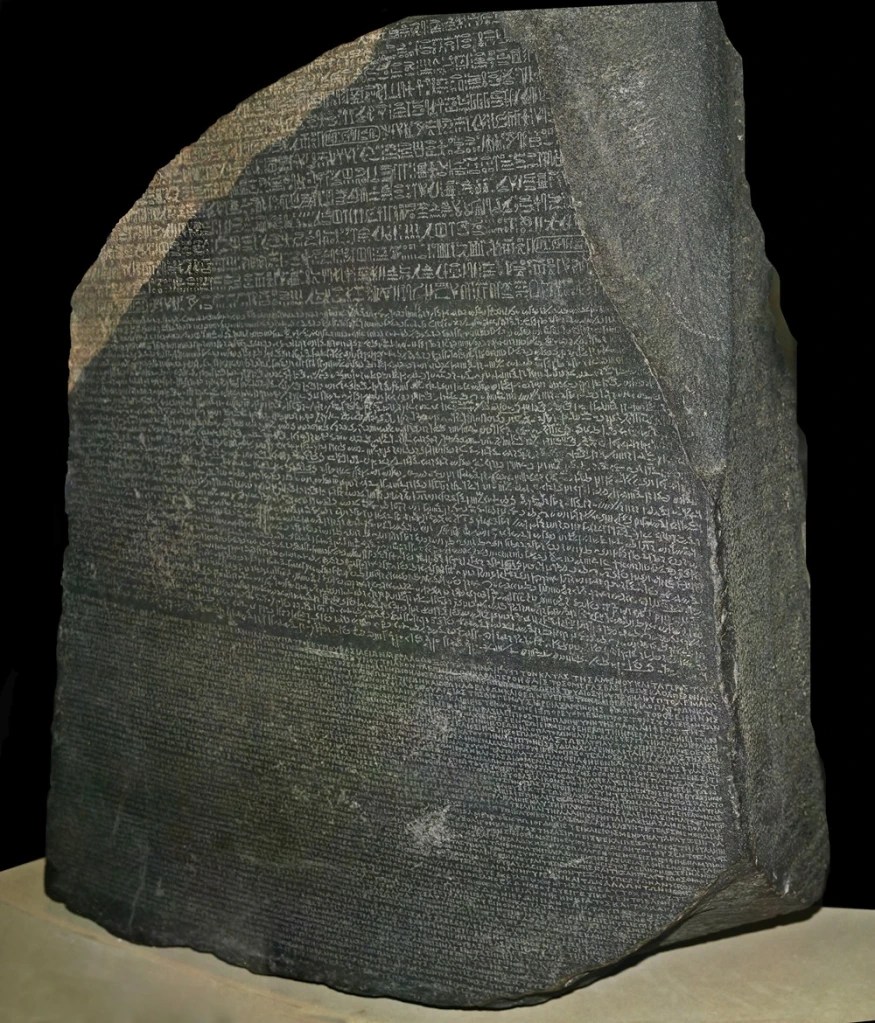
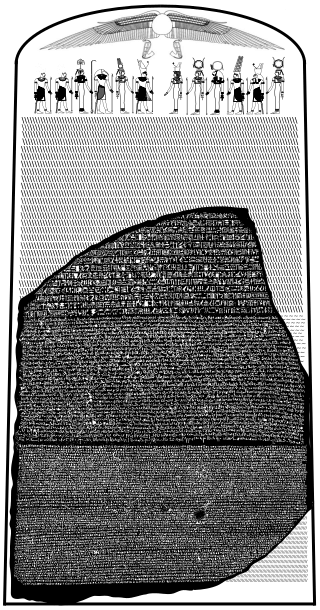
Full restoration of the Ptolomaic dynasty occurred around 196BC, when Ptolomy V was only fourteen. A royal decree was issued by the high priests of Memphis, proclaiming the glorious victory of the young ruler and proclaiming the royal cult of King Ptolomy V Epiphanes. This Memphis Decree was inscribed on a black stone slab believed to measure some 4-feet 11-inches in length, one of several such carved stone stelas erected throughout the region, of the late revolt. Three renditions of the proclamation were carved into the granodiorite stela, the same text rendered in Hieroglyphic, Greek and Demotic script, the ‘language of the people’ itself derived from the much older, Hieratic script.
The Ptolomaic dynasty came to an end with the death of Cleopatra, the Macedonian queen who spoke Egyptian, along with several other languages. There followed in Egypt nearly 700 years of Roman and later Byzantine rule, ending with the Arab Conquests of 639 – 646.
Within three hundred years or so the old language, was dead. These were the Heiratic cursive script most often drawn out with brush and ink on papyrus and the Hieroglyphic system comprising some 900 symbols representing words and sentences most often used for permanent inscription, on stone. The scholar viewing the ancient texts throughout much of the first 2,000 years of the modern era, had no idea what he was looking at.
French forces led by Napoleon Bonaparte invaded the Ottoman territories of Egypt and Syria in 1798, with an ultimate intention of joining forces with the Indian ruler Tipu Sultan to drive the British from the Indian subcontinent. It was the French Captain Pierre-François Bouchard who discovered this first among a handful of bilingual Hieroglyphic scripts on July 15, 1799 near the ancient city of Rashid (Rosetta) from which the stele derives its name.
The long work of translation began with that of Antoine Isaac Silvestre de Sacy who first deciphered the 32 lines of Demotic script, in the middle.
The work was performed thanks to a knowledge of the Coptic language derived from the ancient Egyptian tongue, and fortified by reference to readily identifiable aspects of the ancient Greek text.

On September 27, 1822, French scholar Jean-François Champollion announced the successful translation, of the Rosetta Stone.
Today, large pieces of the original stele are broken away. Much of the original text is lost. Other bilingual and even trilingual inscriptions have since been discovered but this was the first time western scholars were able to peep through that small keyhole into one of the great civilizations, of antiquity.
Two centuries later the term “Rosetta Stone“ still describes that first clue, leading to new levels of human understanding.

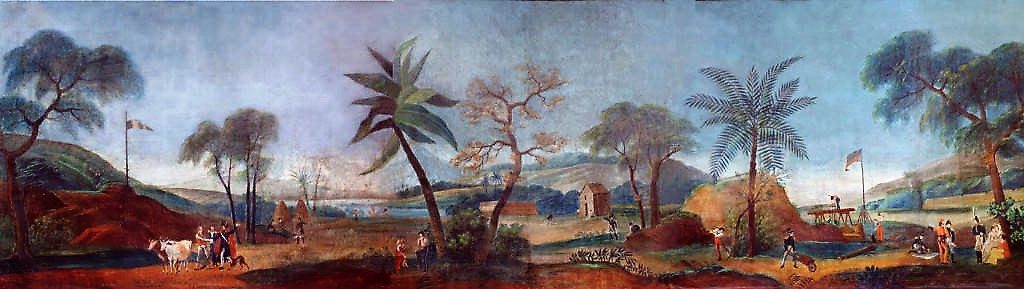
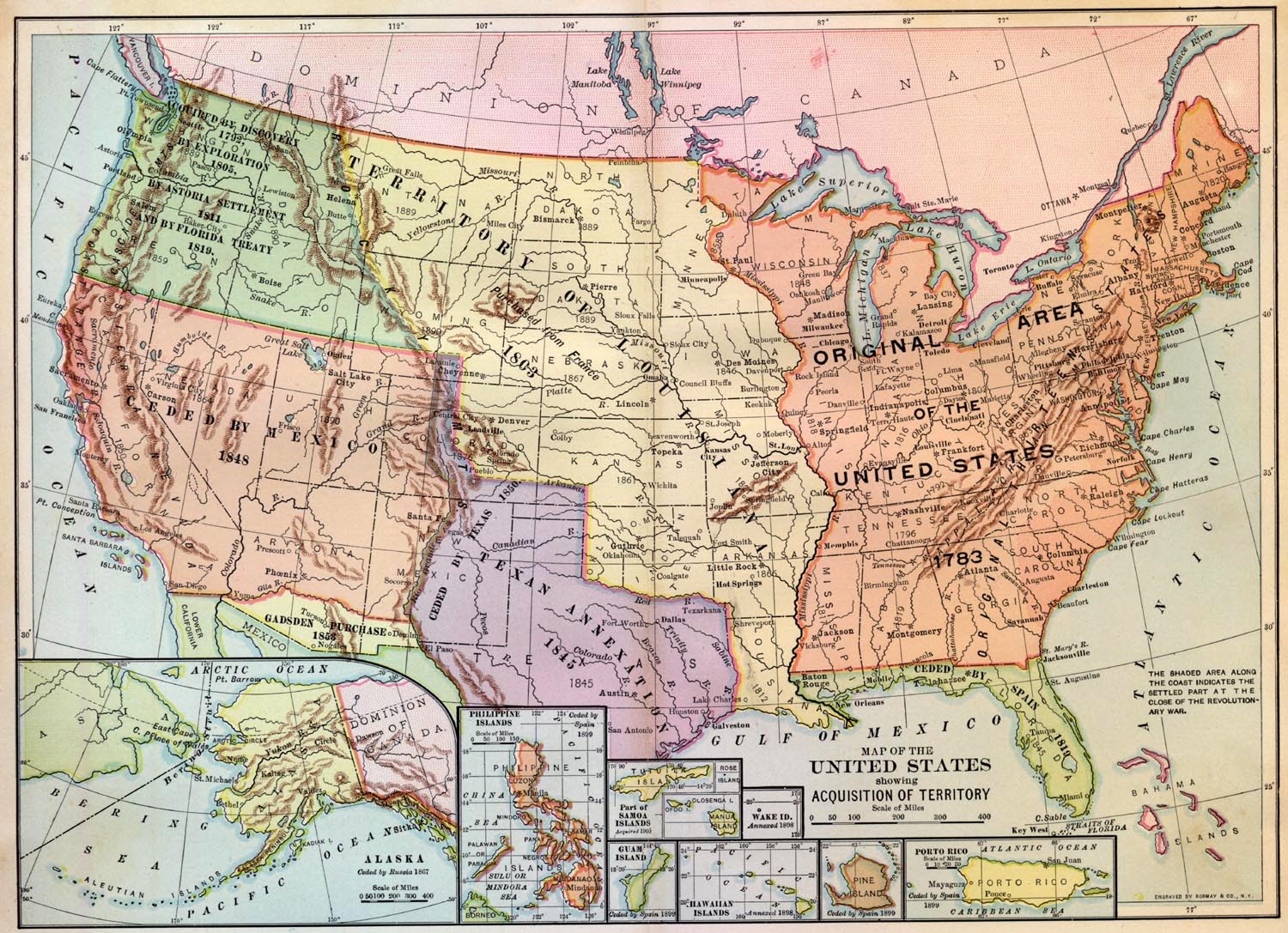
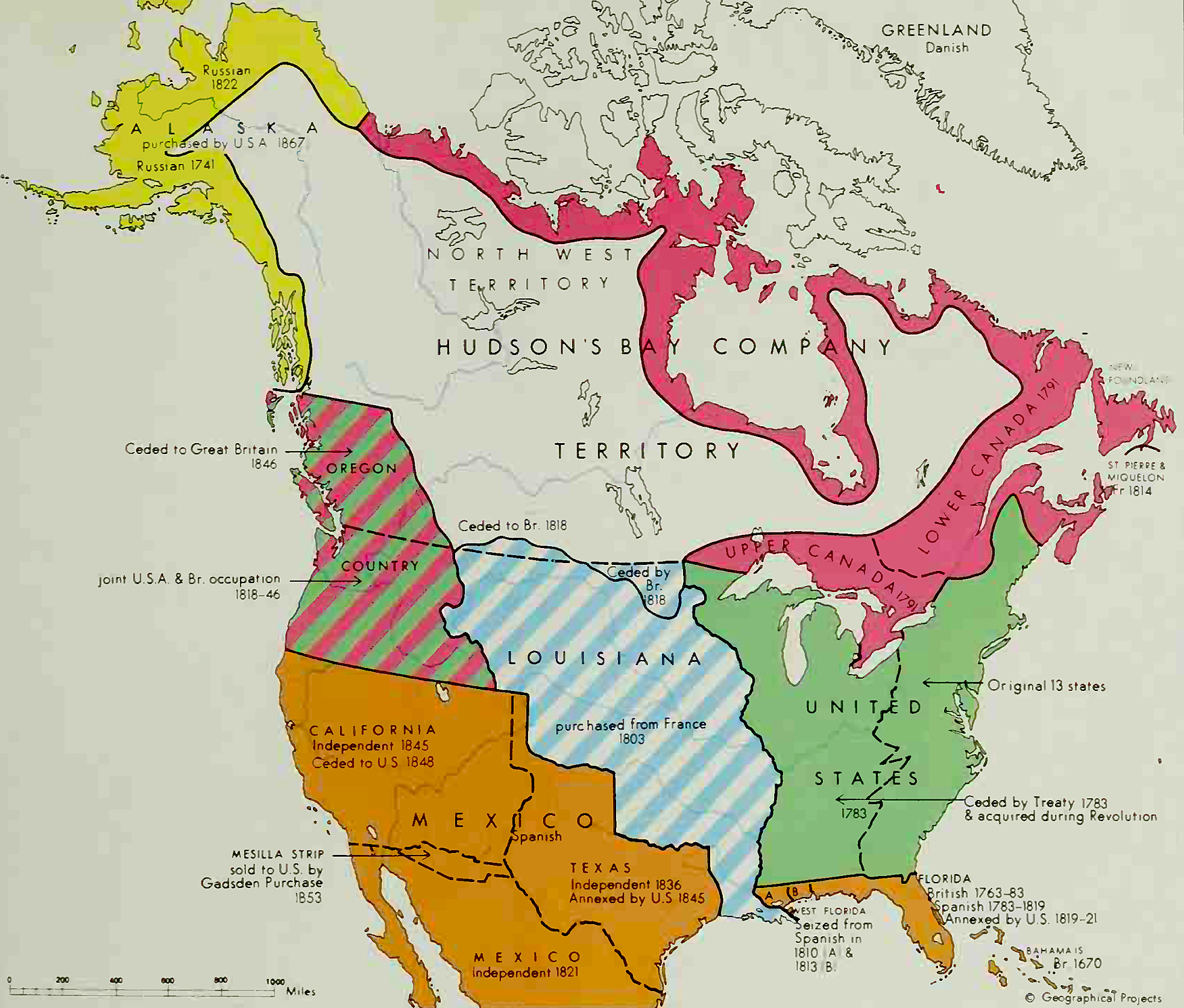 Those first ten years of independence was a time of increasing unrest for the American’s French ally, of the late revolution. The famous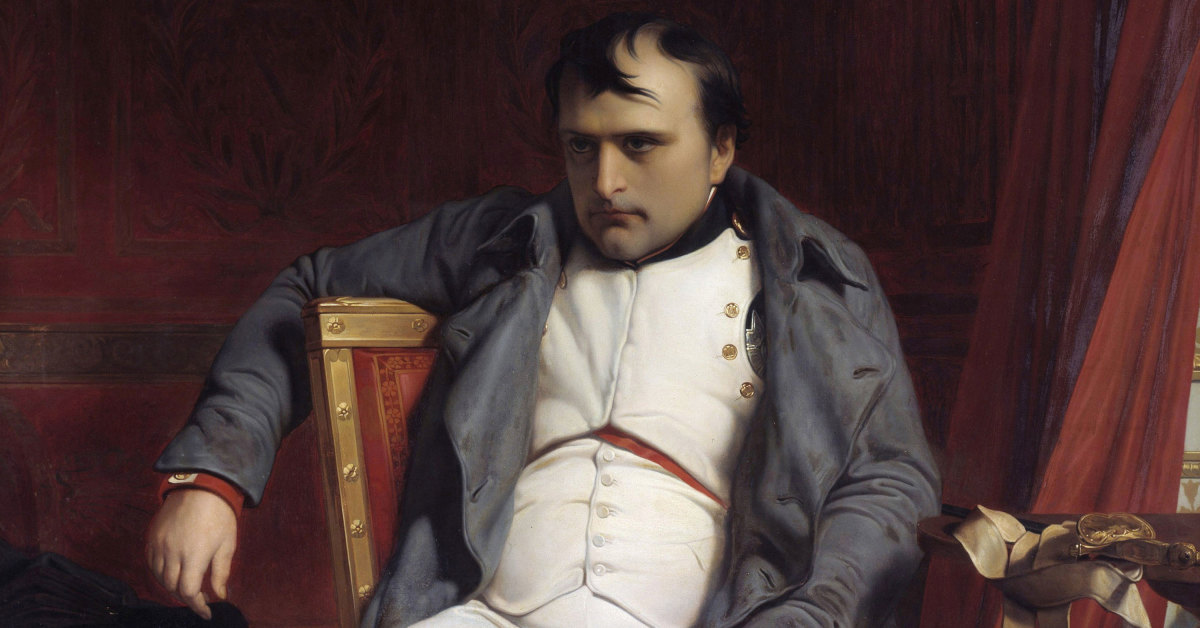
 Napoleon Bonaparte, crowned Emperor the following year, would fight (and win) more battles than Julius Caesar, Hannibal, Alexander the Great and Frederick the Great, combined.
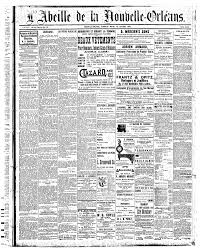 Jean-Simon Chaudron founded the Abeille Américaine in 1815 (The American Bee), Philadelphia’s leading French language newspaper. Himself a refugee of Santo Domingo (Saint-Domingue), Chaudron catered to French merchants, emigres and former military figures of the Napoleonic era and the Haitian revolution.
 In January 1817, the Society for the Vine and Olive selected a site near the Tombigbee and Black Warrior Rivers in west-central Alabama, on former Choctaw lands. On March 3, 1817, Congress passed an act “disposing of a tract of land to embrace four townships, on favorable terms to the emigrants, to enable them successfully to introduce the cultivation of the vine and olive.”
 General Charles Lallemand, who joined the French army in 1791, replaced Lefebvre-Desnouettes as President of the Colonial Society. A man better suited to the life of an adventurer than that of the plow, Lallemand was more interested in the wars of Latin American independence, than grapes and olives. By the fall of 1817, Lallemand and 69 loyalists had concocted a plan to sell the land they hadn’t yet paid for, to raise funds for the invasion of Texas.
 Little is left of the Vine and Olive Colony but the French Emperor lives on, in western Alabama. Marengo County commemorates Napoleon’s June 14, 1800 victory over Austrian forces at the Battle of Marengo. The county seat, also known as Marengo, was later renamed Linden. Shortened from the Napoleonic victory over Bavarian forces led by Archduke John of Austria, at the 1800 battle of Hohenlinden.


 Austrian military history professor Erik Durschmied wrote in his excellent book`

 In all the annals of warfare, there may be nothing more ironic, than the time a naval force was defeated by men mounted on horseback.
 At least one source will tell you that this event never occurred, or at least it’s an embellished version, as retold by the hussars themselves. I guess you can take your pick. A number of 19th century authors have portrayed the episode as unvarnished history, as have a number of paintings and sketches.
 Historical Easter Eggs - Today in History
You must be logged in to post a comment.