September 21, 1780 André

He asked not that his life be spared, but only that he be executed by firing squad. A death considered worthy of a gentleman of the age and not hanging, an end reserved for thieves and scoundrels.

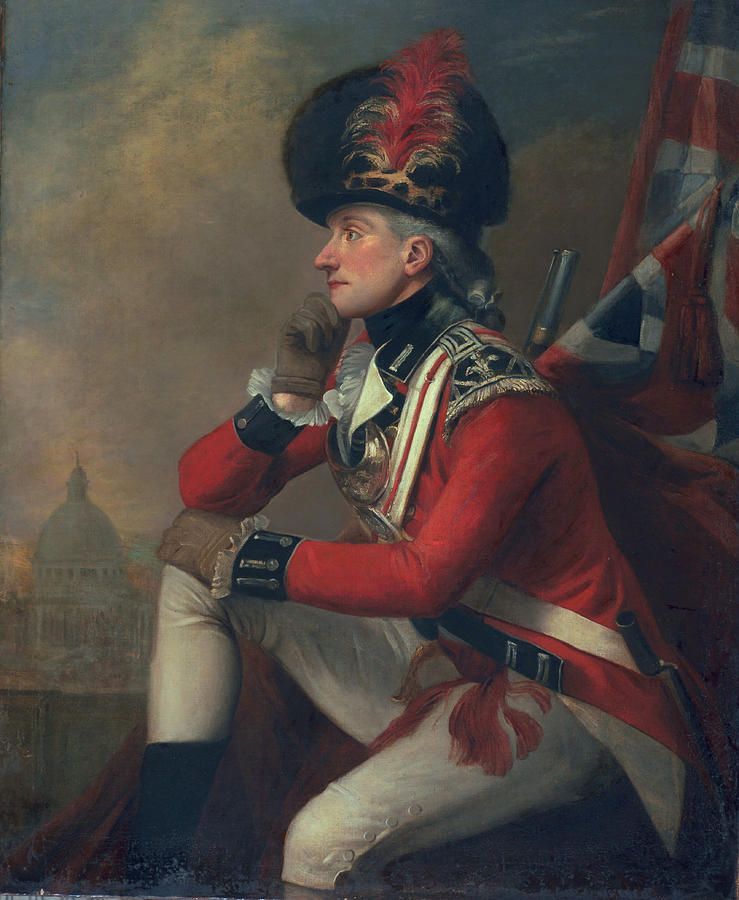
In an age before radio or television, John André was an interesting man to be around. A gifted storyteller with a great sense of humor he could draw, paint and cut silhouettes. He was an excellent writer, he could sing, and he could write verse.  John André was a British Major at the time of the American Revolution, who took part in his army’s occupations of Philadelphia and New York.

John André was a spy.

A favorite of colonial era loyalist society, Major André dated Peggy Shippen for a time, the daughter of a prominent Philadelphia loyalist. Shippen went on to marry Benedict Arnold in 1779, forming a link between the spy and an important general in the cause of American independence.

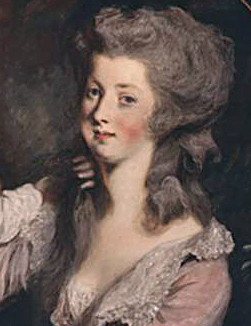
Hat tip artist Dale Watson for this image of Peggy Shippen

The relationship nearly changed the outcome of the American revolution.

Arnold was the Commandant of West Point at the time, the future location of one of our great military academies. A prominence overlooking the Hudson River, West Point was a fortified position offering decisive military advantage to the side holding the position. The British capture of West Point would have split the colonies in half.

The author (left) on a 2022 “history ramble” weekend with family members. It doesn’t take a military strategist to understand the importance of West Point’s commanding position over the Hudson River.

The Sloop of War HMS Vulture sailed up the Hudson River on September 20, 1780, Major André meeting with General Arnold on the river’s banks the following day. Dressed in civilian clothes, John André struck a bargain with the patriot general. Arnold would receive £20,000, over a million dollars today, in exchange for which he would give up West Point.

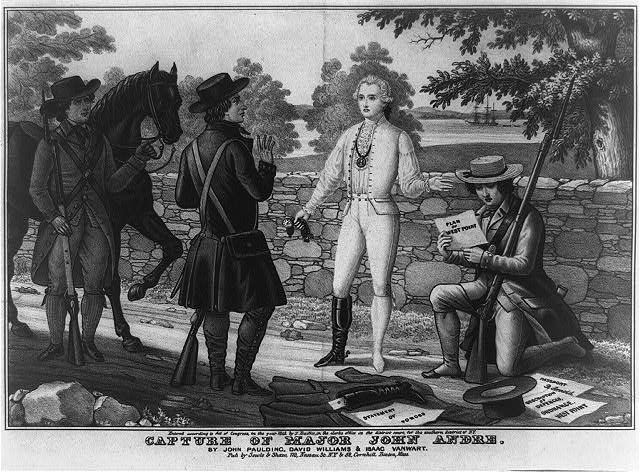
Tasked with returning the signed papers to British lines, Major André was stopped by three Patriot Militiamen two days later. They were John Paulding, David Williams and Isaac Van Wart. One of the three wore a Hessian overcoat, making André believe they might be loyalists. “Gentlemen”, he said, “I hope you belong to our party”. “What party”, came the reply, and André said “The lower (British) party”. “We do”, they said, to which André replied that he was a British officer and must not be detained. That was as far as he got.

You need not be a military strategist to recognize the importance of the commanding heights at West Point. The discovery of those papers brought Benedict Arnold’s treachery to light. Arnold immediately fled on hearing of André’s arrest, even as George Washington was headed to his place for a meeting over breakfast.

John André was tried and sentenced to death as a spy. He asked if he could write a letter to General Washington.  In it he asked not that his life be spared, but that he be executed by firing squad, a death more worthy of a gentleman than hanging, an execution at that time commonly reserved for criminals.

General Washington believed that Arnold’s crimes to be far more egregious than those of John André. Furthermore, he was impressed with the man’s courage.  Washington wrote to General Sir Henry Clinton asking for an exchange of prisoners.

Having received no reply, Washington wrote in his General Order of October 2 “That Major André General to the British Army ought to be considered as a spy from the Enemy and that agreeable to the law and usage of nations it is their opinion he ought to suffer death. The Commander in Chief directs the execution of the above sentence in the usual way this afternoon at five o’clock precisely.”

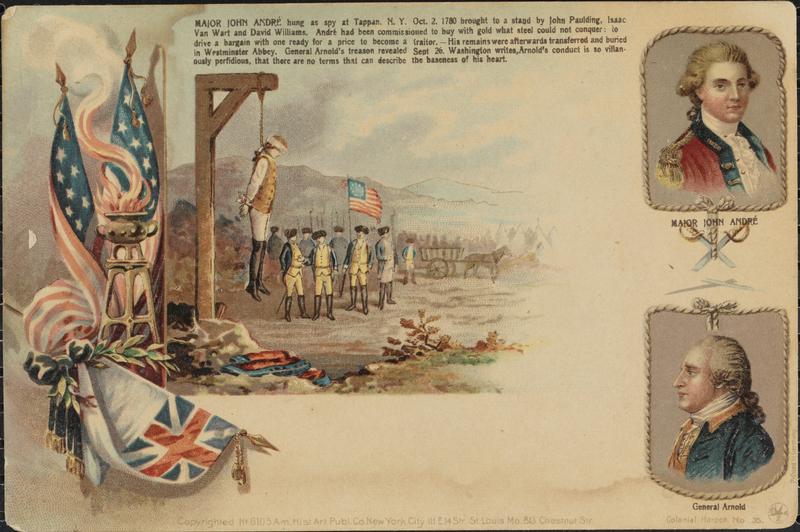
John André was executed by hanging in Tappan, New York. He was 31.

A vintage postcard illustration depicting the execution of Major John Andre, hung as a spy for aiding and abetting General Benedict Arnold during the American Revolutionary War in Trenton, New Jersey on 2nd October 1780, published in New York, circa 1903. Andre’s body was later disinterred from American soil and buried in Westminster Abbey, London. (Photo by Paul Popper/Popperfoto via Getty Images)

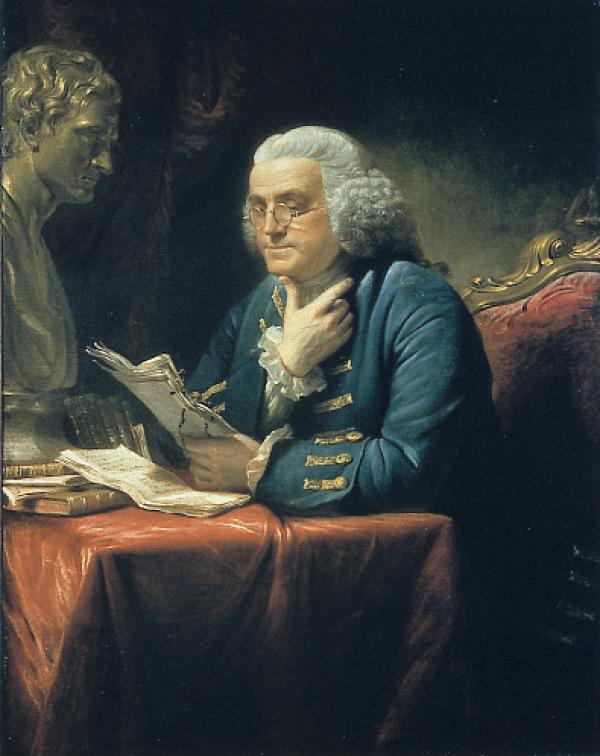
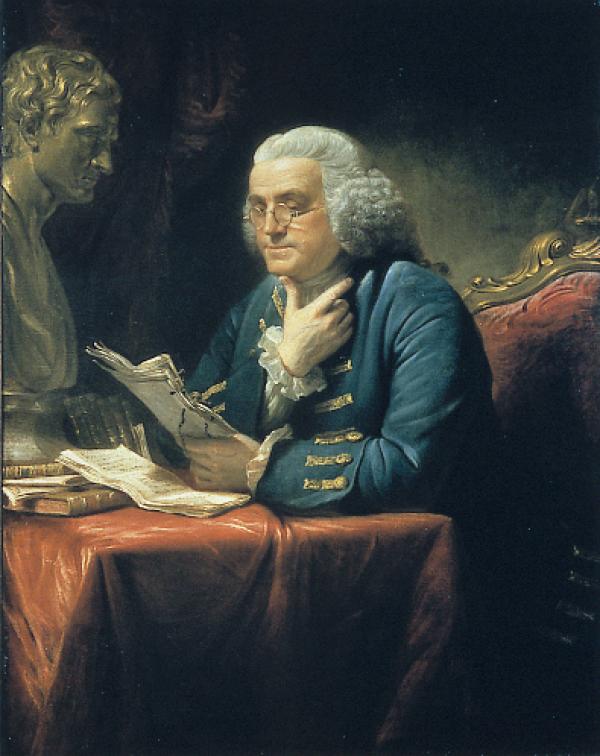
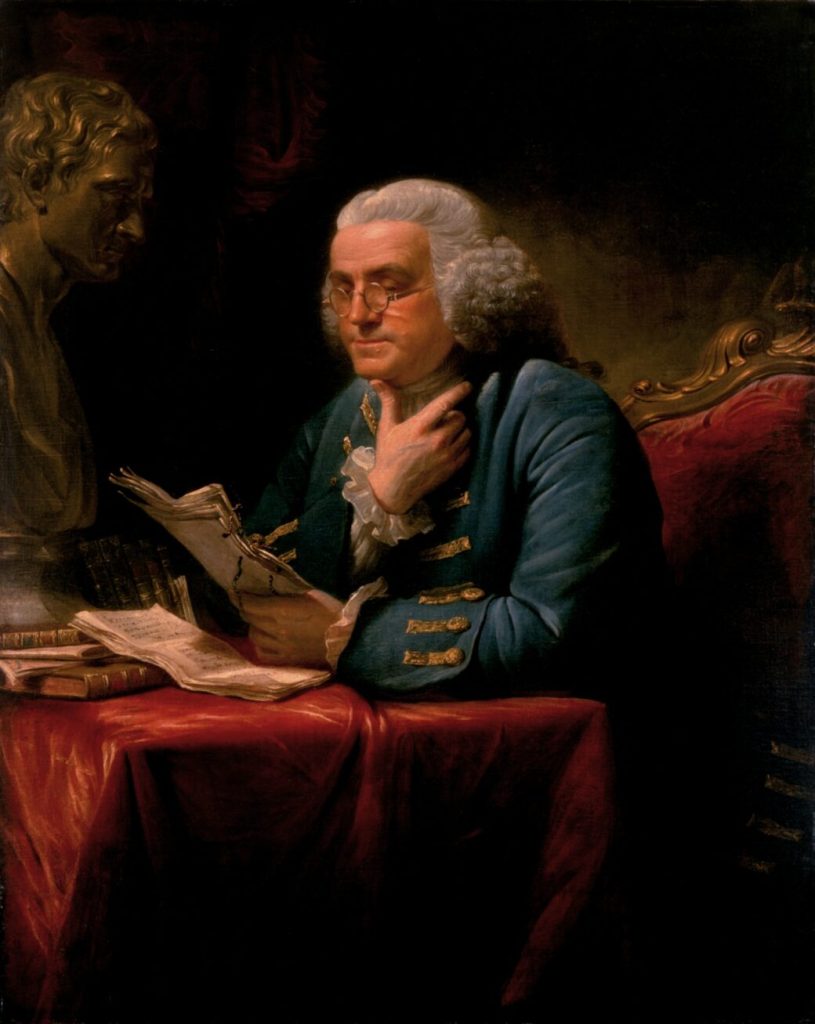
John André lived for a time in Benjamin Franklin’s house back in 1777-’78, during the British occupation of Philadelphia. As he was packing to leave, Geneva-born American patriot and portrait artist Pierre-Eugène Du Simitiere came to say goodbye. The officer was always known as a gentleman. Simitiere was shocked to find André stoop to looting the home of such a prominent patriot. For a man known for extravagant courtesy, this was way out of character. André was packing books, musical instruments and scientific apparatus, even an oil portrait of Franklin, offering not so much as a response to Simitiere’s protests.

Nearly two hundred years later, the descendants of Major-General Lord Charles Grey returned the painting to the United States, explaining that André had probably looted Franklin’s home under direct orders from the General himself. A Gentleman always, it would explain the man’s inability to defend his own actions.

Today that oil portrait of Benjamin Franklin hangs in the White House.
Benedict Arnold went on to lead British forces against his former comrades. As the story goes, Arnold once asked one of his officers what the Americans might do should he (Arnold) be captured. The officer replied: “They will cut off the leg which was wounded when you were fighting so gloriously for the cause of liberty, and bury it with the honors of war, and hang the rest of your body on a gibbet.”

The story refers to a grievous injury the turncoat general received at the Battle of Saratoga, heroically leading patriot infantry against a position remembered as Breymann redoubt. It was the second time a bullet had shattered the general’s leg in service to the Revolution. Arnold walked with a pronounced limp for the rest of his life.

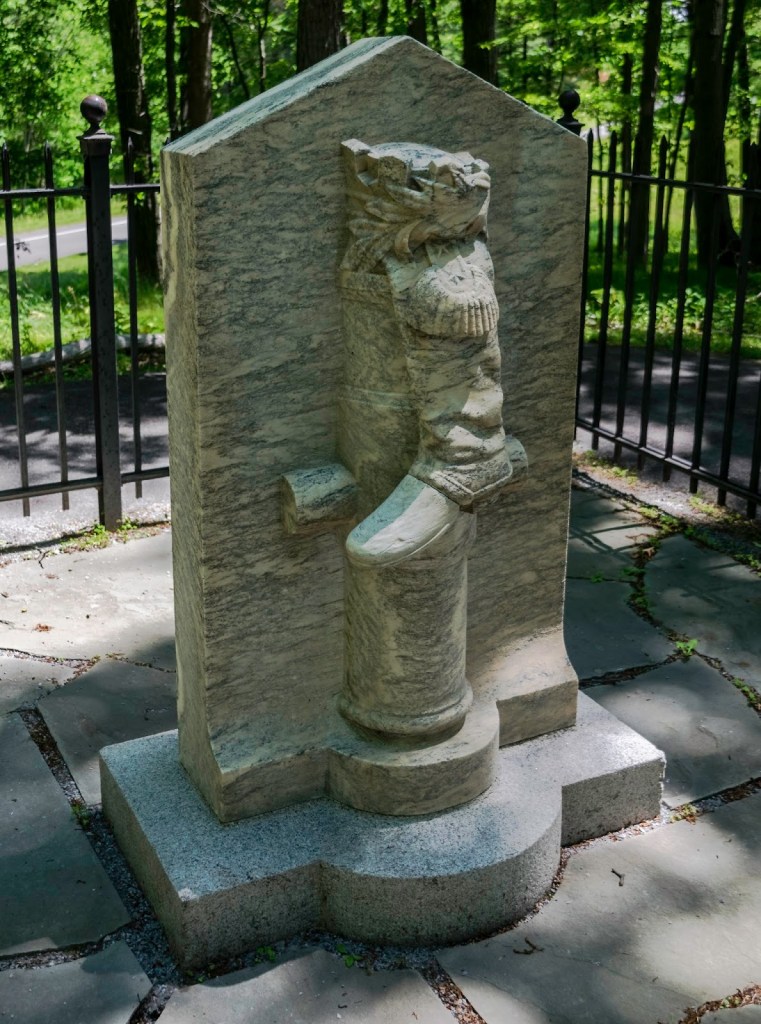
On the grounds near the battlefield at Saratoga there stands the statue of a cannon’s barrel, and a leg. An officer’s boot, really, dedicated to a Hero of the Revolution. The cannon’s barrel is pointed down as a sign of dishonor. The monument declines to give this hero a name.

It is one of the most forlorn places I have ever seen.
September 29, 1780 A Gentleman Always

He asked not that his life be spared, but only that he be executed by firing squad, a more worthy death for a gentleman, than hanging.

In an age before radio or television, John André was an interesting man to be around. A gifted story teller with a great sense of humor he could draw, paint and cut silhouettes. He was an excellent writer, he could sing, and he could write verse.  John André was a British Major at the time of the American Revolution, who took part in his army’s occupations of Philadelphia and New York.

Andre
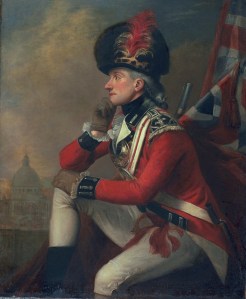
Adjutant General John André

He was also, a spy.

Major André was a favorite of Colonial-era Loyalist society. For a time he dated Peggy Shippen, the daughter of a prominent Philadelphia loyalist. She married an important Patriot General in 1779, a relationship which would later provide the connection between the British spy and a man who should have gone into history as one of the top tier, of American founding fathers.

Until that is, this man turned his coat. Today the stone monument erected to the man’s greatness near a place called Saratoga, declines to mention his name.  

Peggy-Shippen
Peggy Shippen

Peggy Shippen’s husband was Benedict Arnold.

Arnold was Commandant of West Point at the time, the future location of one of our great military academies. At the time, West Point was a strategic fortification on high ground, overlooking the Hudson River. The British capture of West Point would have split the colonies in half.

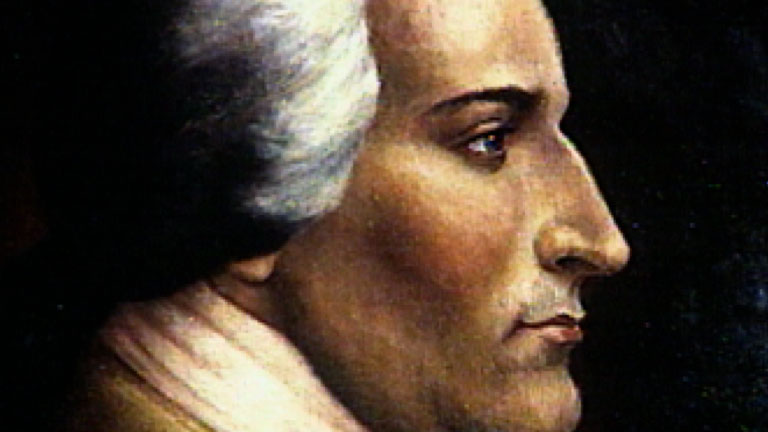
Benedict Arnold
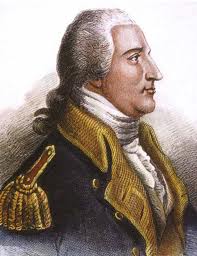
General Benedict Arnold

John André struck a bargain with Benedict Arnold which would turn a Hero of the Revolution into a name synonymous with “Traitor”.  General Arnold would receive £20,000, over a million dollars today, in exchange for which he would give up West Point.

André sailed up the Hudson River in the Sloop of War HMS Vulture on September 20, 1780. Dressed in civilian clothes, Major André was returning to his own lines on the 23rd, six papers written in Arnold’s hand hidden in his sock.

Major André was stopped by three Patriot Militiamen; John Paulding, David Williams and Isaac Van Wart. One of them was wearing a Hessian overcoat, and André thought they were Tories. “Gentlemen”, he said, “I hope you belong to our party”. “What party”, came the reply, and André said “The lower (British) party”. “We do”, they said, to which André replied that he was a British officer and must not be detained. That was as far as he got.

You need not be a military strategist to recognize the importance, of the commanding heights at West Point.

The discovery of those papers brought Benedict Arnold’s treachery to light. Arnold immediately fled on hearing of André’s arrest, even as George Washington was headed to his place for a meeting over breakfast.

John André was tried and sentenced to death as a spy, and jailed on September 29. He asked if he could write a letter to General Washington.  In it he asked not that his life be spared, but that he be executed by firing squad, a more worthy death for a gentleman, than hanging.

General Washington believed that Arnold’s crimes to be far more egregious than those of John André. Furthermore he was impressed with the man’s bravery.  So he wrote to General Sir Henry Clinton, asking for an exchange of prisoners.

Having received no reply, Washington wrote in his General Order of October 2, “That Major André General to the British Army ought to be considered as a spy from the Enemy and that agreeable to the law and usage of nations it is their opinion he ought to suffer death. The Commander in Chief directs the execution of the above sentence in the usual way this afternoon at five o’clock precisely.”

John André was executed by hanging in Tappan, New York on October 2, 1780. He was 31.
Andre Postcard

John André had lived in Benjamin Franklin’s house during a nine month stay in Philadelphia, while the British army occupied the city. As they were packing to leave, a Swiss-born citizen named Pierre Du Simitiere came to say goodbye. He was shocked to find such a Gentleman as John André looting the home of Benjamin Franklin. For a man known for extravagant courtesy, this was way out of character. He was packing books, musical instruments, scientific apparatus and an oil portrait of Franklin, all while offering no explanation nor even response, to Simitiere’s protests.

Nearly two hundred years later, the descendants of Major-General Lord Charles Grey returned the painting to the United States, explaining that André had probably looted Franklin’s home under direct orders from the General himself. A Gentleman always, it would explain the man’s inability to defend his own behavior.

Today that oil portrait of Benjamin Franklin, hangs in the White House.

September 29, 1780 André

In an age before radio or television, John André was a fun and interesting guy to be around. He was a gifted story teller with a great sense of humor. He could draw, paint and cut silhouettes. He was an excellent writer, he could sing, and he could write verse.

In an age before radio or television, John André was a fun and interesting guy to be around. A gifted story teller with a great sense of humor, Major André was a favorite of Colonial Loyalist society.  He could draw, paint and cut silhouettes. He was an excellent writer, he could sing, and he could write verse.

John André was a British Major at the time of the American Revolution, taking part in his army’s occupations of New York and Philadelphia.  He was also, a spy.

albany16172503056541
Portrait drawn by Major John André, 1776

Peggy Shippen was the daughter of a prominent Philadelphia Tory and, for a time, enjoyed a dating relationship with Major André.  Following the French entry into the war on the American side, British General William Howe removed his command from Philadelphia, including Major André.

Peggy-Shippen
Peggy Shippen

In 1778, Peggy Shippen met an important officer in the Patriot cause, a hero of Valcour Island, and the Battle of Saratoga.  On April 8, 1779, the couple was married in the Shippen townhouse on Fourth Street   The relationship provided the connection between the British spy and a man who could have gone into history among the top tier of American founding fathers, had he not switched sides.  Peggy Shippen’s new husband, was General Benedict Arnold.

Arnold was Commandant of West Point at the time, the future location of one of our great military academies. At the time, West Point was a strategic fortification on high ground overlooking the Hudson River. The British capture of West Point would have split the colonies in half.

John André struck a bargain with Benedict Arnold which would turn a Hero of the Revolution into a name synonymous with “Traitor”. Arnold would receive £20,000, equivalent to over a million dollars today, in exchange for which he would give up West Point.

Arnoldpicture1
General Benedict Arnold

Major André sailed up the Hudson River in the Sloop of War HMS Vulture on September 20, 1780. Dressed in civilian clothes, he was returning to his lines on the 23rd. Six papers written in Arnold’s hand were hidden in his sock when three members of the New York militia:  John Paulding, David Williams and Isaac Van Wart stopped him.  Paulding was wearing a Hessian overcoat, and André thought they were Tories. “Gentlemen”, he said, “I hope you belong to our party”. “What party”, came the response and André replied “The lower (British) party”. “We do”, they said, to which André announced himself to be a British officer who must not be detained. That was as far as he went.

The discovery of these papers brought Benedict Arnold’s treachery to light.  Unaware that General Arnold himself was the culprit, Lt. Col. John Jameson dispatched letters to General George Washington and Benedict Arnold, warning the two of the plot.   Washington was literally on the way to a breakfast meeting with Arnold, when the General received the note.  Thus forewarned, Arnold slipped out a side door and escaped to a British ship, waiting nearby.

Capture_of_John_andre1

John André was tried and sentenced to death as a spy, and jailed on September 29. He asked if he could write a letter to General Washington. In it he asked not that his life be spared, but that he be executed by firing squad, considered to be a more “gentlemanly” death than hanging.

General Washington believed that Arnold’s crimes were far more egregious than those of John André, and he was impressed with the man’s bravery.  Washington wrote to General Sir Henry Clinton, asking for an exchange of prisoners.

Having received no reply by October 2, Washington wrote in his General Order of the day, “That Major André General to the British Army ought to be considered as a spy from the Enemy and that agreeable to the law and usage of nations it is their opinion he ought to suffer death. “The Commander in Chief directs the execution of the above sentence in the usual way this afternoon at five o’clock precisely.”

John André was hanged in Tappan New York on October 2, 1780.  He was 31.

M3Y60817

During his nine-month stay in Philadelphia, John André lived in Ben Franklin’s home, while the British army occupied the city. As they were packing to leave, Swiss born Pierre Du Simitiere came to say goodbye. He was shocked to find such a fine Gentleman as André, looting the Franklin residence. The man had always been known for extravagant courtesy, and this was completely out of character. He was packing books, musical instruments, scientific apparatus, and an oil portrait of Franklin, offering no defense or even explanation, in response to Simitiere’s protests.

Portrait of Ben TNLong afterward, in the early 20th century, the descendants of Major-General Lord Charles Grey returned the painting to the United States, indicating that André had probably looted Franklin’s home under orders from General Grey, himself. A Gentleman always, it would explain the man’s inability to defend his own actions. Today, that oil portrait of Benjamin Franklin hangs in the White House.

If you enjoyed this “Today in History”, please feel free to re-blog, “like” & share on social media, so that others may find and enjoy it as well. Please click the “follow” button on the right, to receive email updates on new articles.  Thank you for your interest, in the history we all share.

September 29, 1780 John André

In an age before radio or television, John André was an interesting guy to be around. He was a gifted story teller with a great sense of humor. He could draw, paint and cut silhouettes. He was an excellent writer, he could sing, and he could write verse.   John André was a spy.

In an age before radio or television, John André was an interesting guy to be around. He was a gifted story teller with a great sense of humor. He could draw, paint and cut silhouettes. He was an excellent writer, he could sing, and he could write verse.  André was a British Major at the time of the American Revolution, taking part in his army’s occupations of Philadelphia and New York.

Andre
Adjutant General John André

John André was a spy.

Major André was a favorite of Colonial-era Loyalist society. For a time, André dated Peggy Shippen, the daughter of a prominent Philadelphia loyalist. She married an important Patriot General in 1779, a relationship which provided the connection between the British spy and a man who could have gone into history as one of the top tier of our founding fathers.

Had he not turned his coat.  Peggy Shippen’s husband was Benedict Arnold.

Arnold was Commandant of West Point at the time, the future location of one of our great military academies. At the time, West Point was a strategic fortification on high ground, overlooking the Hudson River. The British capture of West Point would have split the colonies in half.

John André struck a bargain with Benedict Arnold that would turn a Hero of the Revolution into a name synonymous with “Traitor”.  General Arnold would receive £20,000, over a million dollars today, in exchange for which he would give up West Point.

Benedict Arnold
General Benedict Arnold

André sailed up the Hudson River in the Sloop of War HMS Vulture on September 20, 1780. Dressed in civilian clothes, Major André was returning to his own lines on the 23rd, six papers written in Arnold’s hand hidden in his sock. André was stopped by three Patriot Militiamen; John Paulding, David Williams and Isaac Van Wart. One of them was wearing a Hessian overcoat, and André thought they were Tories. “Gentlemen”, he said, “I hope you belong to our party”. “What party”, came the reply, and André said “The lower (British) party”. “We do”, they said, to which André replied that he was a British officer and must not be detained. That was as far as he went.

The discovery of those papers brought Benedict Arnold’s treachery to light. Arnold immediately fled on hearing of André’s arrest, even as George Washington was headed to his place for a meeting over breakfast.

John André was tried and sentenced to death as a spy, and jailed on September 29. He asked if he could write a letter to General Washington.  In it he asked not that his life be spared, but that he be executed by firing squad, considered to be a more “gentlemanly” death than hanging.

Peggy-Shippen
Peggy Shippen

General Washington thought that Arnold’s crimes were far more egregious than those of André, and he was impressed with the man’s bravery.  Washington wrote to General Sir Henry Clinton, asking for an exchange of prisoners.

Having received no reply by October 2, Washington wrote in his General Order of the day, “That Major André General to the British Army ought to be considered as a spy from the Enemy and that agreeable to the law and usage of nations it is their opinion he ought to suffer death. The Commander in Chief directs the execution of the above sentence in the usual way this afternoon at five o’clock precisely.”

John André was executed by hanging in Tappan, New York, on October 2, 1780. He was 31.
Andre Postcard

John André had lived in Benjamin Franklin’s house during his nine month stay in Philadelphia, while the British army occupied the city. As they were packing to leave, a Swiss-born citizen named Pierre Du Simitiere came to say goodbye. He was shocked to find a Gentleman such as André looting the Franklin residence. The man had always been known for extravagant courtesy, and this was completely out of character. He was packing books, musical instruments, scientific apparatus, and an oil portrait of Franklin, offering no explanation or response to Du Simitiere’s protests.

Long afterward, in the early 20th century, the descendants of Major-General Lord Charles Grey returned the painting to the United States, indicating that André had probably looted Franklin’s home under orders from the General himself. A Gentleman always, it would explain the man’s inability to defend his own actions. Today, the oil portrait of Benjamin Franklin hangs in the White House.

obj_331_672_lrg
Benjamin Franklin, Oil on canvas, by David Martin, 49″ x 40″