
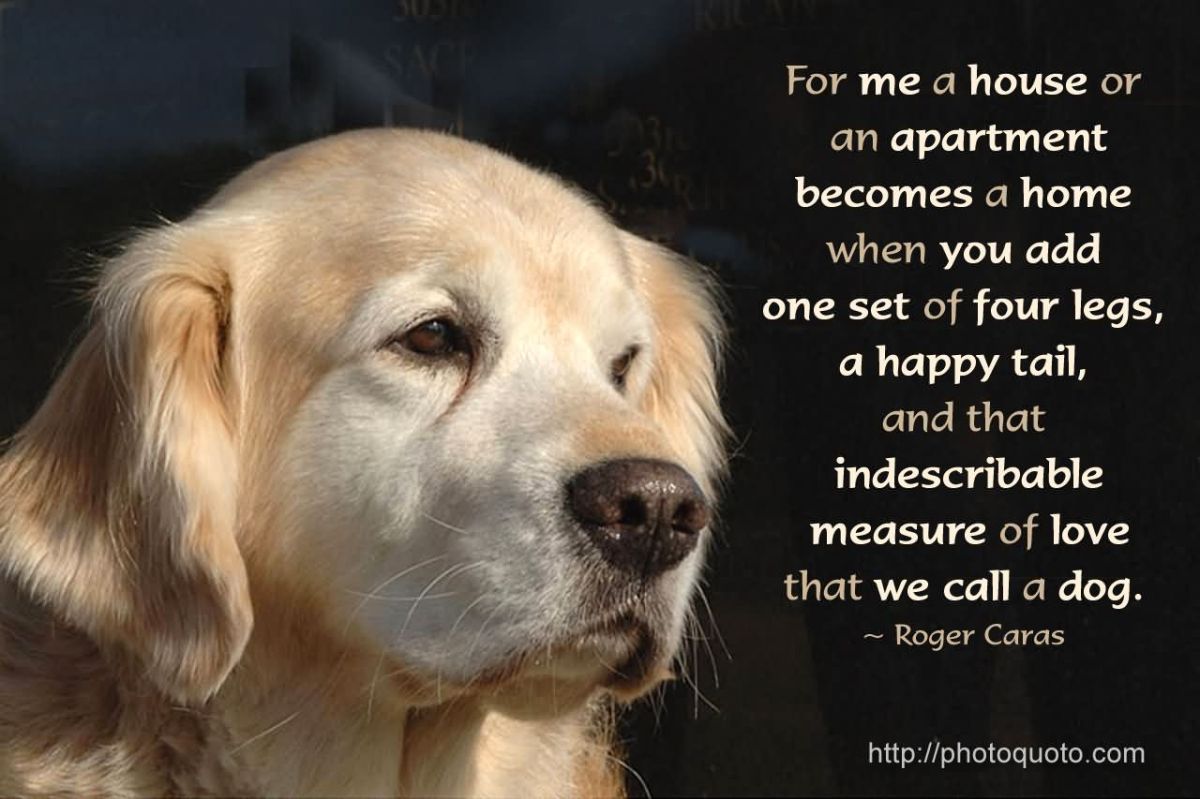
According to National Geographic, “Wolves were the first animal to be domesticated, sometime between 33,000 and 11,000 years ago“. The first wolf may have approached some campfire, looking for a morsel. Maybe someone took in a sick or injured pup. Wolf packs may have shadowed human hunting parties, the two groups learning to work together for their mutual benefit. The facts are lost to history, but one thing is certain. When it comes to loyalty, it’s hard to beat the love of a dog.
Miguel Guzmán of Cordoba Argentina, died in 2006. The following day Capitán, the family’s German Shepherd, disappeared. Mrs. Guzmán and the couple’s son searched all day, until the dog arrived at the cemetery. Forty-five minutes away. No one knows how he got there. The family claims they didn’t bring him. Cemetery director Hector Baccega remembers when he first saw the dog: ‘He turned up here one day, all on his own, and started wandering all around the cemetery until he eventually found the tomb of his master”.
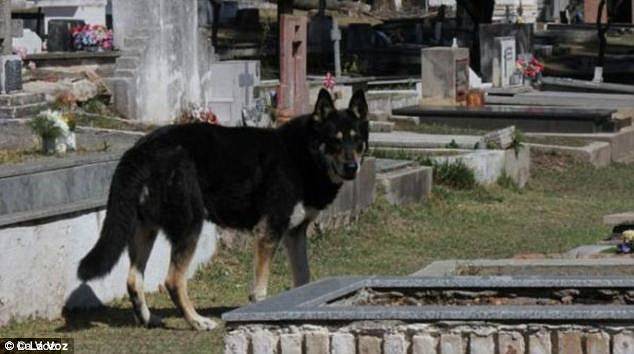
Capitán was brought home but he was back, the following day. Baccega describes what has since become, routine: “During the day he sometimes has a walk around the cemetery, but always rushes back to the grave. And every day, at six o’clock sharp, he lies down on top of the grave [and] stays there all night”.
Capitán lived to fifteen or sixteen, old for a large breed, and died in February 2018, in the cemetery in which he had lived. He was crippled and mostly blind when he went to join his “Dad”. Who knows. I certainly don’t. Maybe they really Are together again.
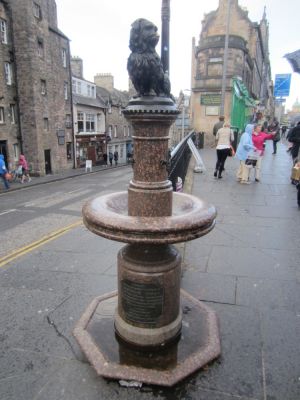
“Greyfriar’s Bobby” was a Skye Terrier in 19th-century Edinburgh, who waited 14 years by the grave of his owner, Police nightwatchman, John Gray. He died there in 1872 and was buried in the Greyfriars Kirkyard, not far from where his master lay.
Artist William Brodie created a life-sized likeness atop the Greyfriars Bobby Fountain in Edinburgh. Paid for by local aristocrat Baroness Burdett-Coutts, the memorial was dedicated on this day, in 1873
Hachikō, an Akita known to Japanese children as chūken Hachikō (“faithful dog Hachikō”), used to tag along with his owner Hidesaburō Ueno, a professor of agriculture at Tokyo University. Ueno would commute to work and every evening, Hachikō would wait at the Shibuya Station, for the professor’s return. Hidesaburō stopped coming home in May 1925, when a cerebral hemorrhage took him away, while delivering a lecture. Every day for nine years, nine months and fifteen days, the golden colored Akita appeared at Shibuya Station, precisely on time for that evening train.
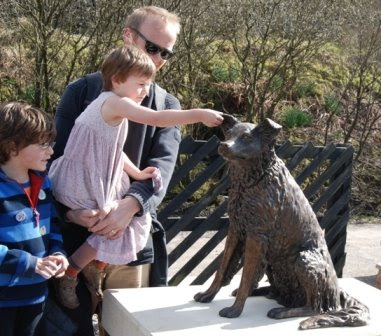
Ruswarp was a fourteen-year old Border Collie who went hiking with Graham Nuttall on January 20, 1990 in the Welsh Mountains, near Llandrindod. On April 7, a hiker discovered Nuttall’s body near a mountain stream. The dog had been standing guard, for eleven weeks. Ruswarp was so weak he had to be carried off the mountain and died, shortly thereafter. Today there’s a small monument in his memory, on a platform near the Garsdale railway station.
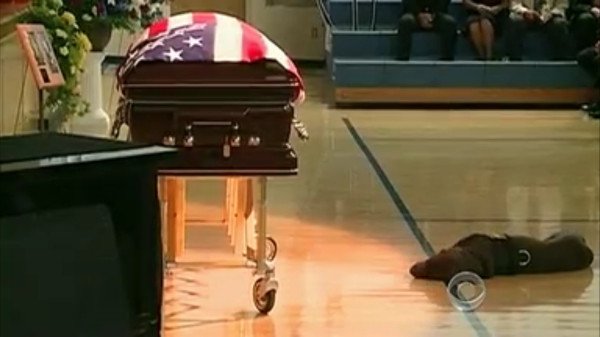
In the early morning hours of August 6, 2011, 30 American military service members including 22 US Navy SEALs were killed along with eight Afghans, SEAL Team 6 handler John “Jet Li” Douangdara and his Military Working Dog (MWD) “Bart”. The Chinook helicopter in which they were riding, was shot down by a rocket-propelled grenade in the Kunar Province, of Afghanistan.
To anyone around at that time, the images of “Hawkeye”, together for the last time with slain Navy SEAL Jon Tumilson, are hard to forget.
In 1936 there was a sheep dog called “Shep” belonging to a herder whose name is lost to history. It was near Fort Benton, in Montana.
The man fell ill and was taken, to a local hospital. For over a week, Shep waited at the hospital, for his master to return. On the 11th day the man died, his casket taken to the local train station and placed in the cargo hold, to be returned home for burial.
Shep was there throughout and watched the train chug away with the body of his “Dad”. He’d return to that hospital door where a kindly nun would feed him a scrap, but every time he heard that train whistle, there was a sheepdog waiting at the station.
In those days, there were four trains a day. For nearly six years, Shep returned to the station, every time he heard that whistle. He even dug a den for himself, near the track.
Passengers took the Havre to Great Falls rail line just to see the dog. Shep received so much fan mail, the Great Northern Railroad assigned a secretary to write responses.
In time, the dog wasn’t quite so fast as he used to be, his hearing not so good. On January 12, 1942, “Forever Faithful” Shep was struck and killed on the tracks, waiting for a man who could never return.

Stories such as these are enough to fill a book, if not a library. I see a bumper sticker sometimes, in traffic. I’m not a big one for those things but, if I were. This would be my first: “Lord, make me half the man my dog thinks I am“.

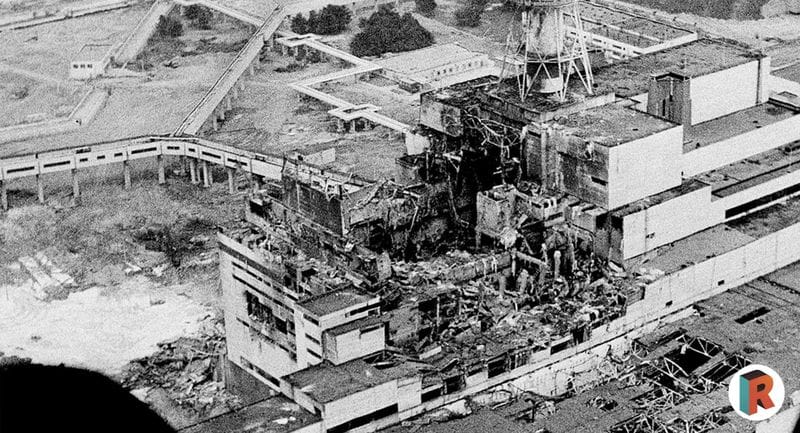
 An estimated 4,000 to 93,000 died in the aftermath of the accident, many of whom, were children.
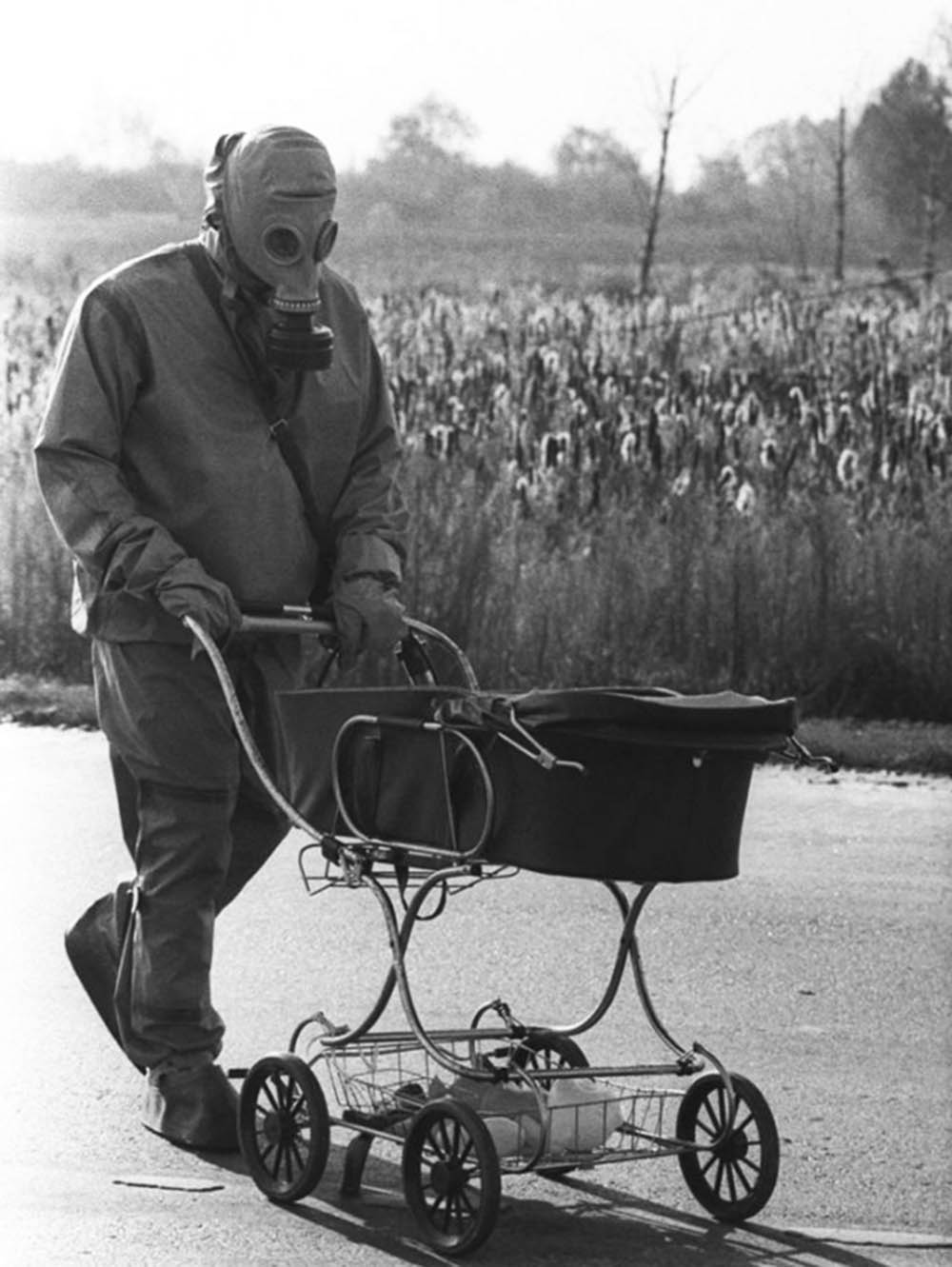 Officials of the top-down Soviet state first downplayed the disaster. Asked by one Ukrainian official, “How are the people?“, acting minister of Internal Affairs Vasyl Durdynets replied there was nothing to be concerned about: “Some are celebrating a wedding, others are gardening, and others are fishing in the Pripyat River.”
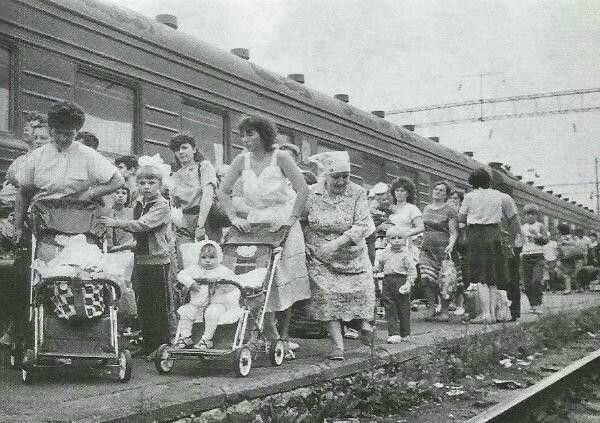 The chaos of these forced evacuations, can scarcely be imagined. Confused adults. Crying children. Howling dogs. Shouting soldiers, barking orders and herding now-homeless civilians onto waiting trains and vehicles by the tens of thousands. Dogs and cats, beloved companion animals and lifelong family members, were abandoned to fend for themselves.
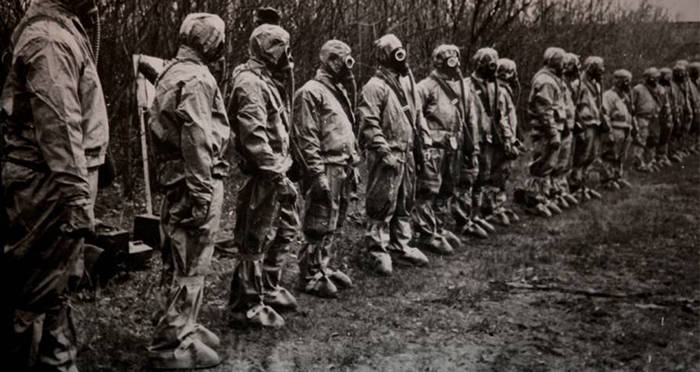 There were countless and heartbreaking scenes of final abandonment, of mewling cats, and whimpering dogs. Belorussian writer Svetlana Alexievich compiled hundreds of interviews into a single monologue, an oral history of the forgotten. The devastating Chernobyl Prayer tells the story of: “dogs howling, trying to get on the buses. Mongrels, Alsatians. The soldiers were pushing them out again, kicking them. They ran after the buses for ages.”
  There was no mercy. Squads of soldiers were sent to shoot the animals, left behind. Heartbroken families pinned notes to their doors: “Don’t kill our Zhulka. She’s a good dog.” Most of these abandoned pets, were shot. Some escaped notice, and survived.
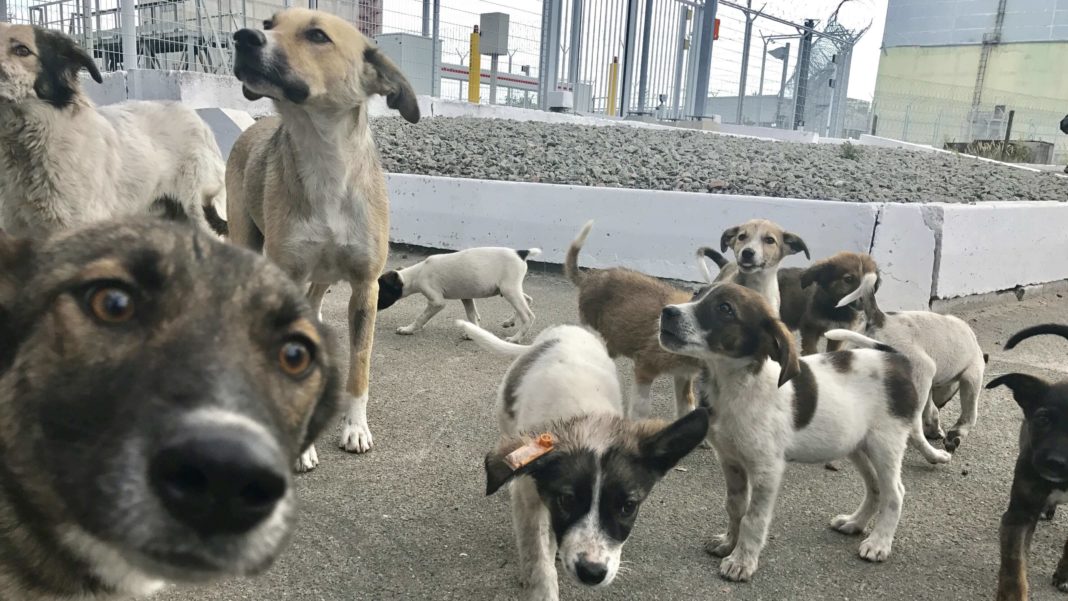 Later on, plant management hired someone, to kill the 1,000 or so dogs still remaining. The story is, the worker refused.
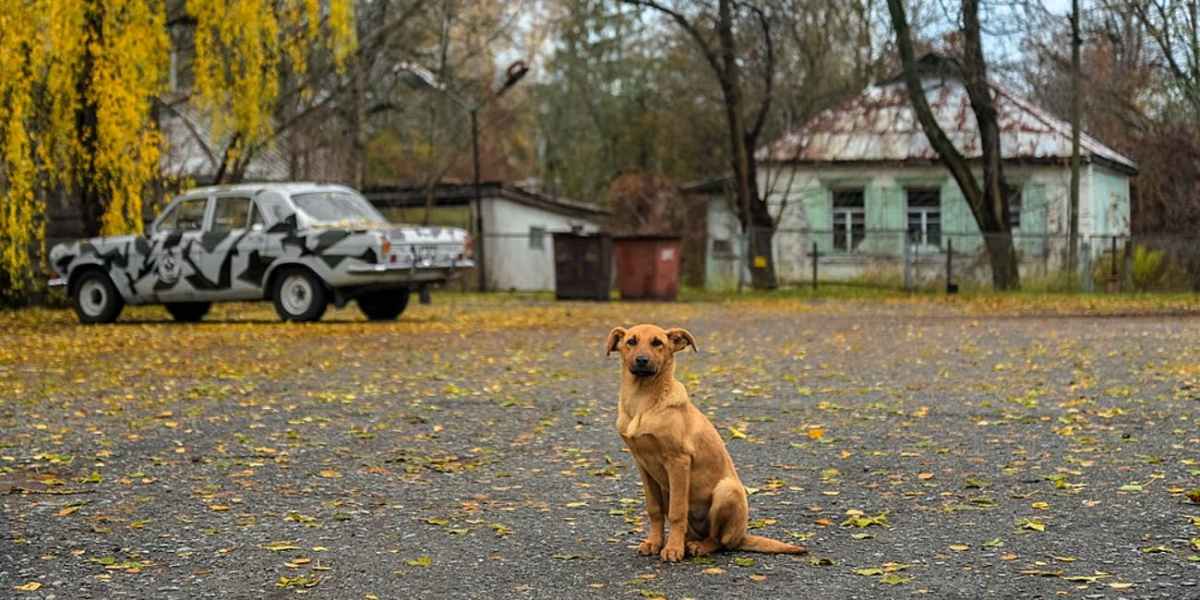
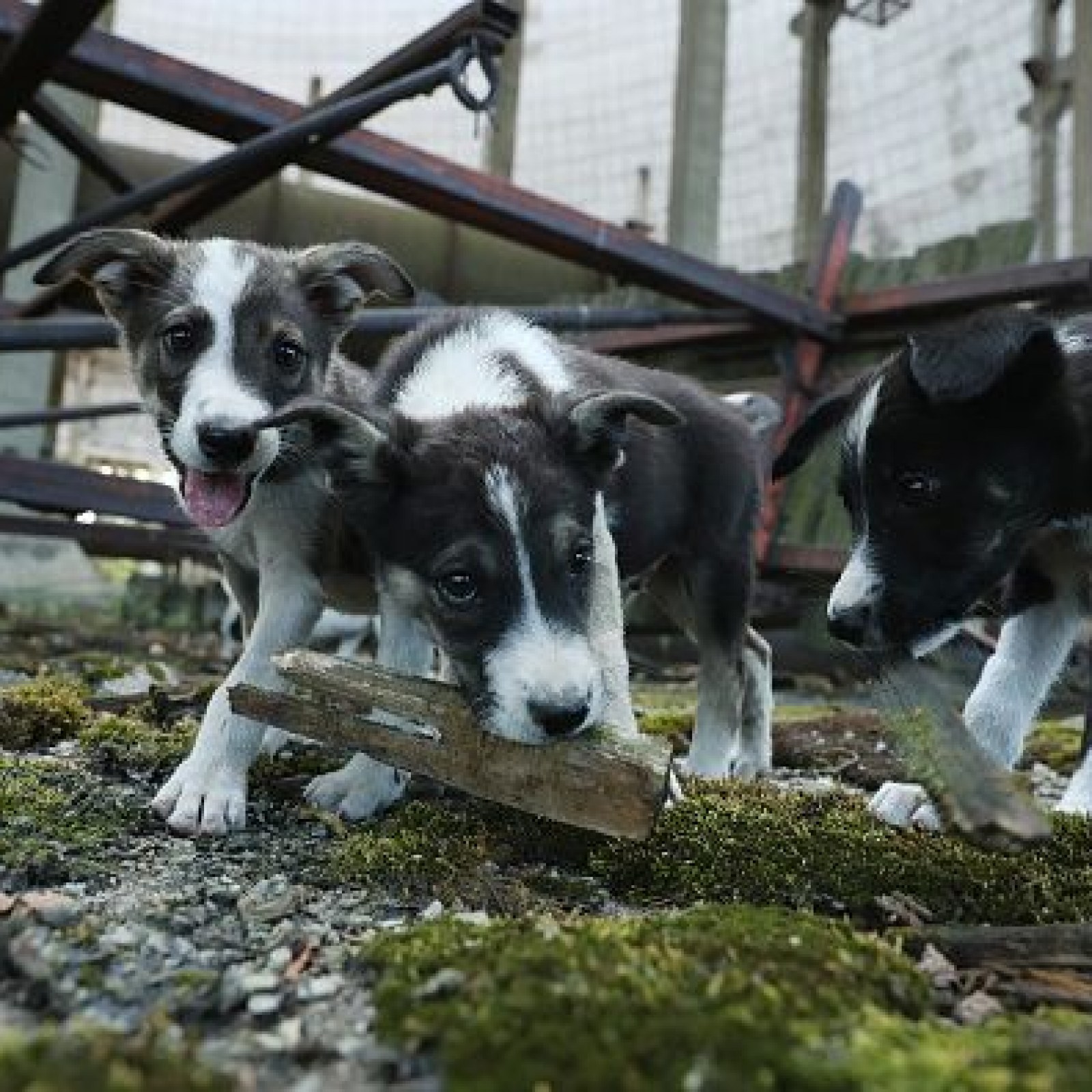
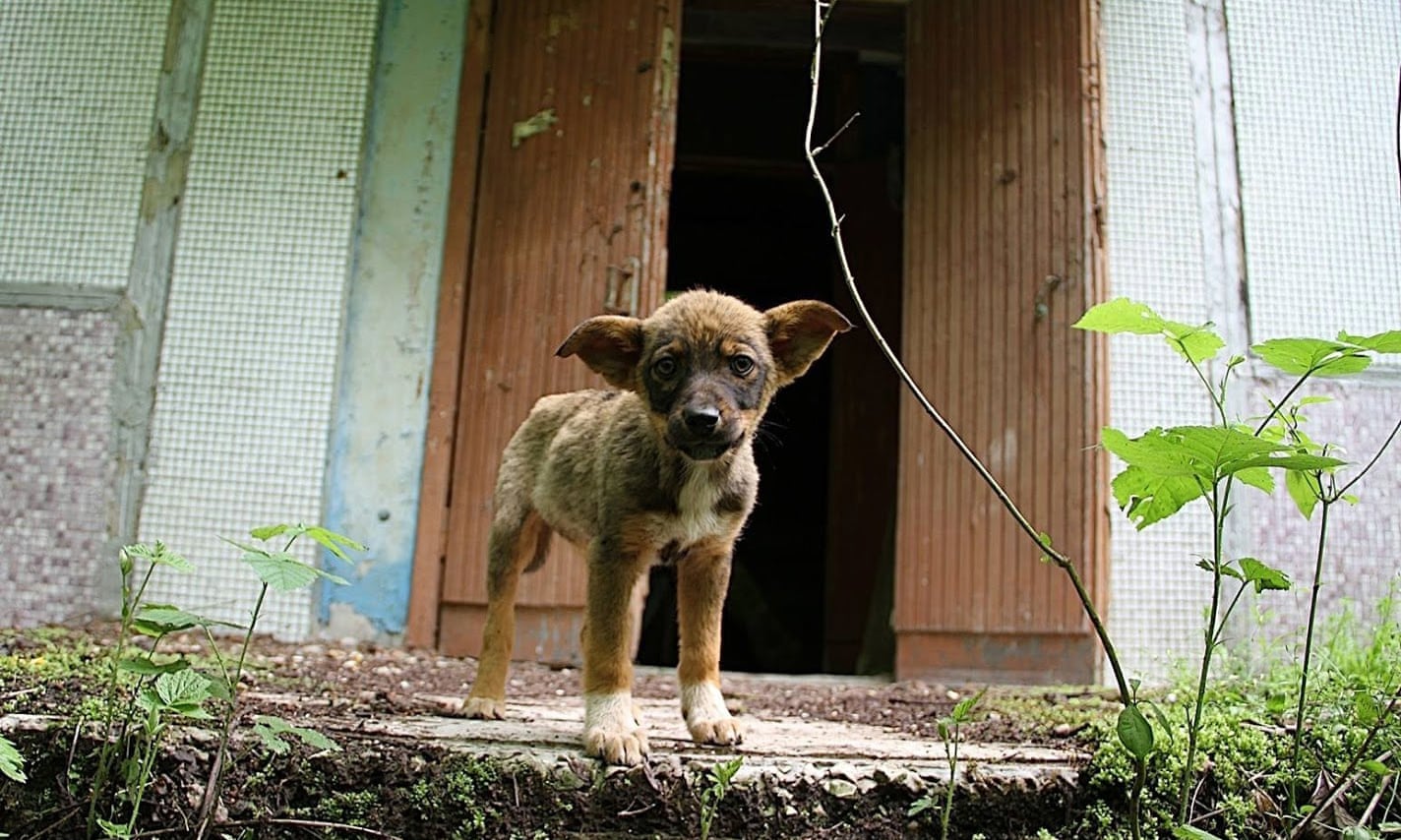 Today, untold numbers of stray dogs live in the towns of Chernobyl, Pripyat and surrounding villages. Descendants of those left behind, back in 1986. Ill equipped to survive in the wild and driven from forests by wolves and other predators, they forage as best they can among abandoned streets and buildings, of the 1,000-mile exclusion zone. For some, radiation can be found in their fur. Few live beyond the age of six but, all is not bleak.
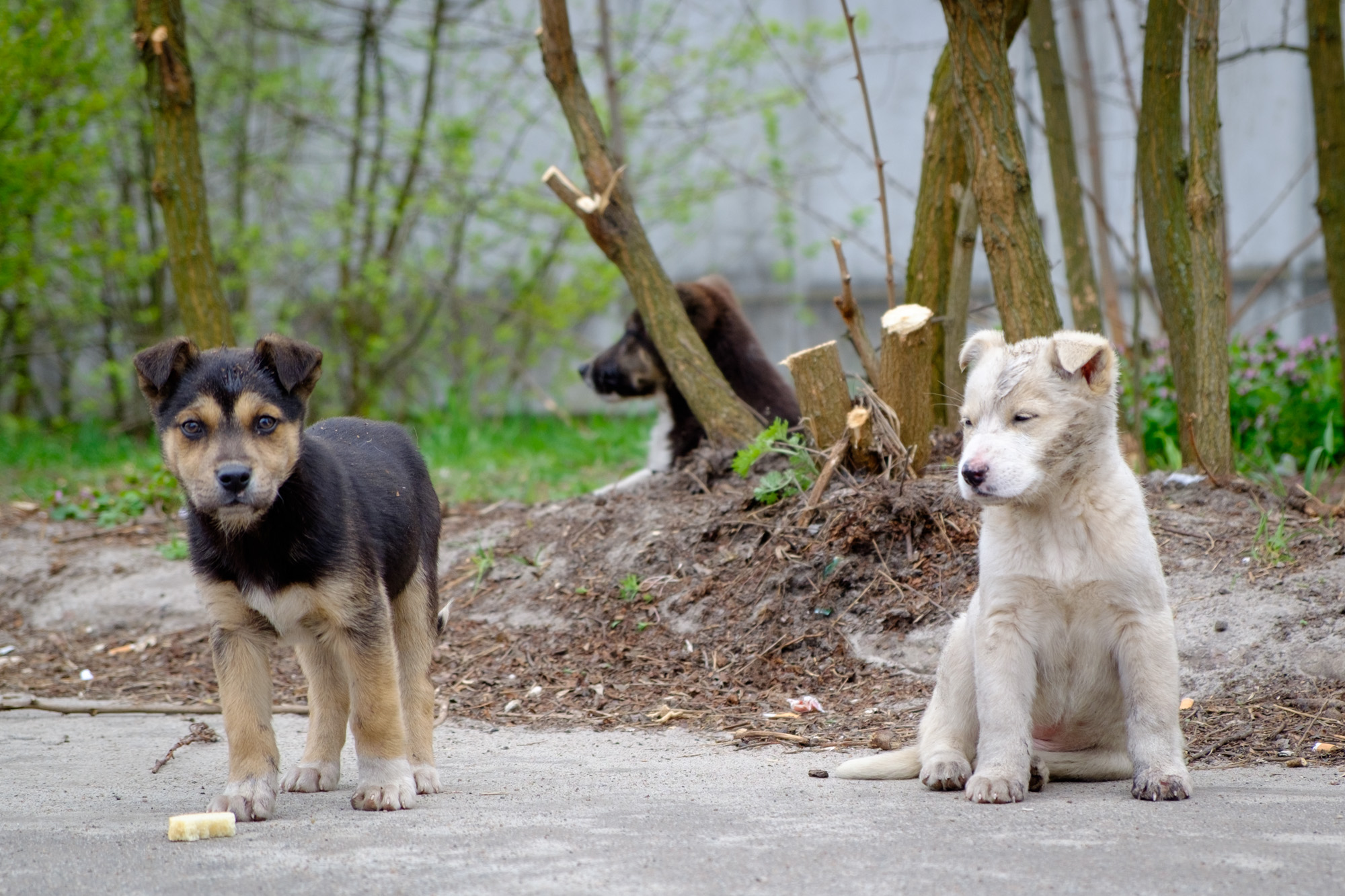 Since September 2017, a partnership between the SPCA International and the US-based 501(c)(3) non-profit
 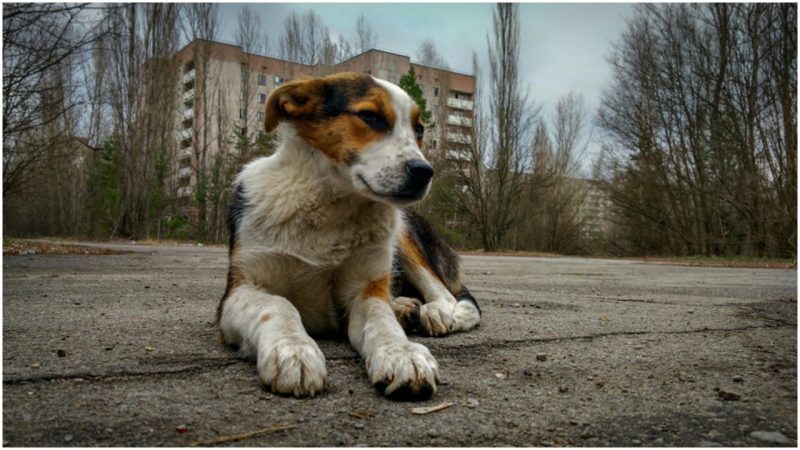 Some have been successfully decontaminated and socialized for human interaction. In 2018, the first batch became available for adoption into homes in Ukraine and North America, some forty puppies and dogs.
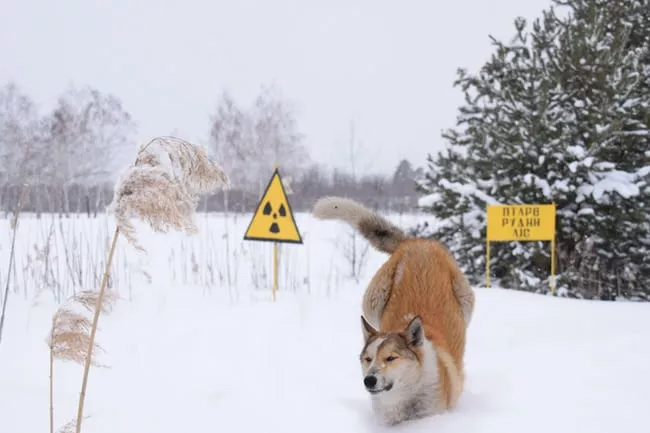 Believe it or not there are visitors to the area. People actually go on tours of the region but they’re strictly warned. No matter how adorable, do not pet, cuddle nor even touch any puppy or dog who has not been through rigorous decontamination.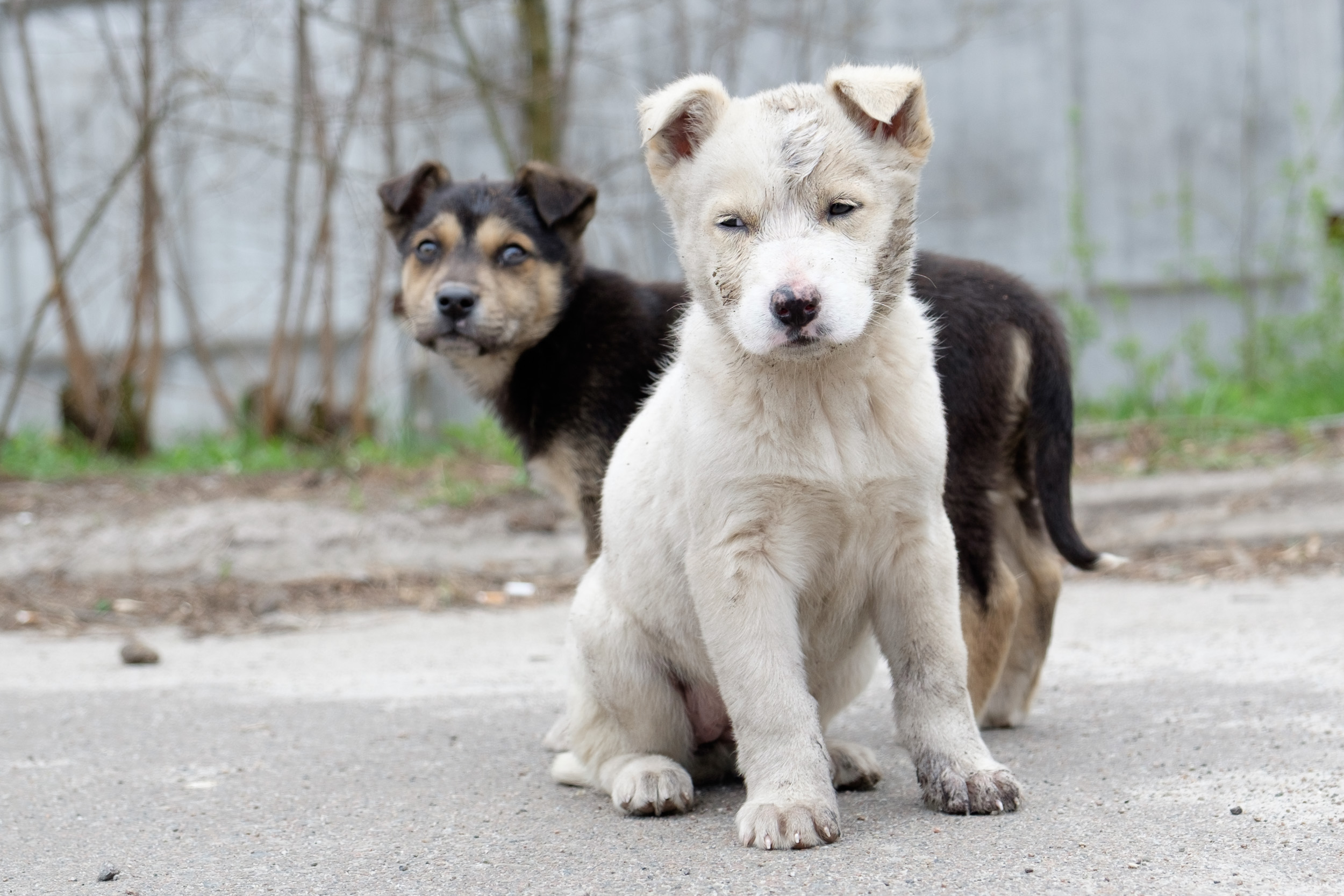

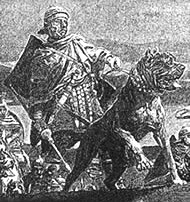 dogs of King Alyattes of Lydia killed some of his Cimmerian adversaries and routed the rest around 600BC, permanently driving the invader from Asia Minor in the earliest known use of war dogs in battle.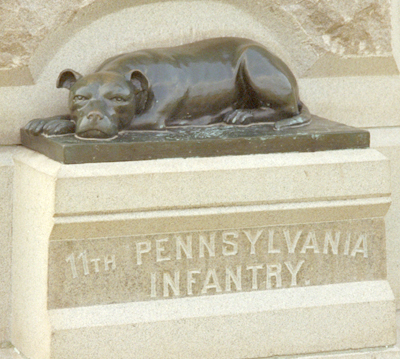
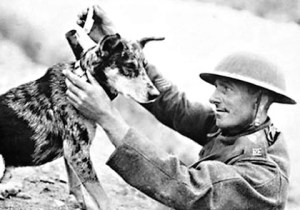

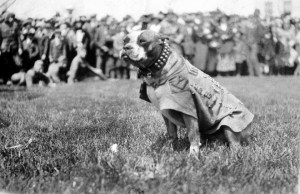
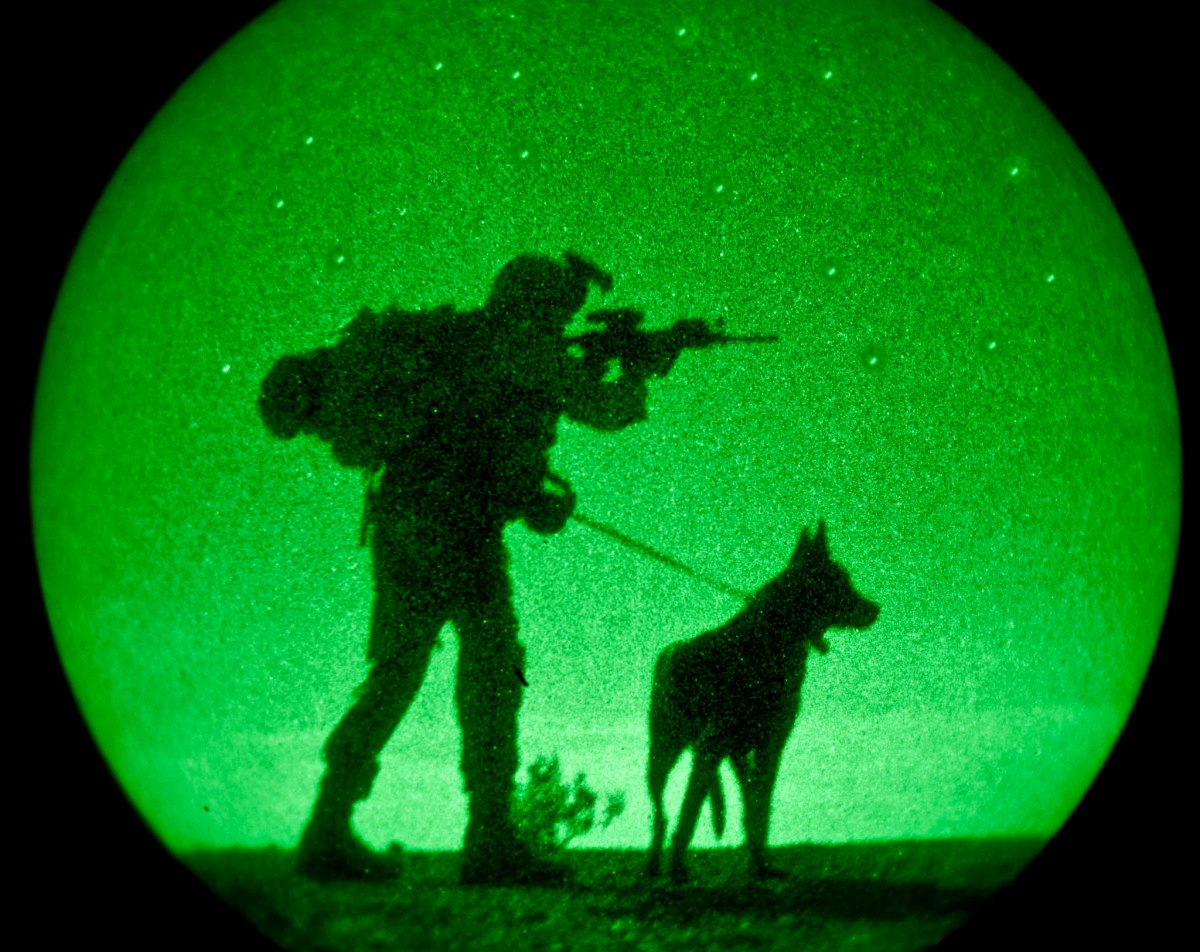
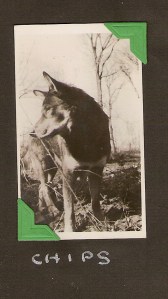 The most famous MWD of WWII was “Chips”, a German Shepherd assigned to the 3rd Infantry Division in Italy. Trained as a sentry dog, Chips broke away from his handler and attacked an enemy machine gun nest. Wounded in the process, his singed fur demonstrated the point-blank fire with which the enemy fought back. To no avail. Chips single-handedly forced the surrender of the entire gun crew.


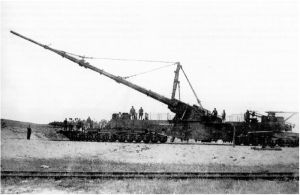 At 256 tons with a barrel of 111′ 7″, the “Paris Gun” hurled 38″ shells into the city from a range of 75 miles. If you were in Paris in 1918, you may never have heard of the German “super gun”. You’d have been well acquainted with the damage it caused. You never knew you were under attack until the explosion. The lucky ones were those who lived to see the 4’ deep, 10’-12’ wide crater.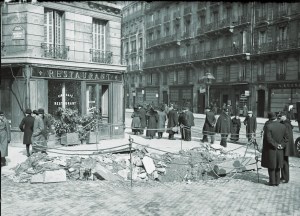
 These little yarn dolls had names. They were Nénette and Rintintin.
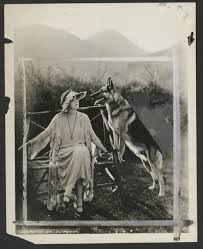
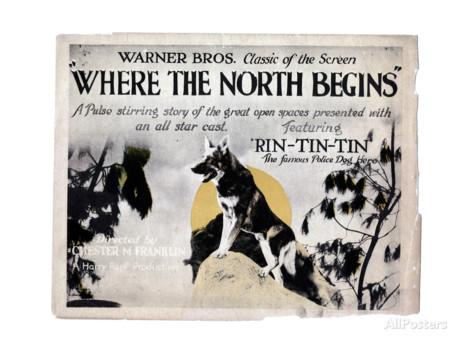 Walking the dog on “Poverty Row”, 1920s slang for B movie studios, did the trick. Rin Tin Tin got his first film break in 1922, replacing a camera shy wolf in “The Man from Hell’s River”. His first starring role in the 1923 “Where the North begins”, is credited with saving Warner Brothers Studios from bankruptcy.
 Rin Tin Tin appeared in 27 feature length silent films, 4 “talkies”, and countless commercials and short films. Regular programming was interrupted to announce his passing on August 10, 1932, at the age of 13. An hour-long program about his life was broadcast the following day.
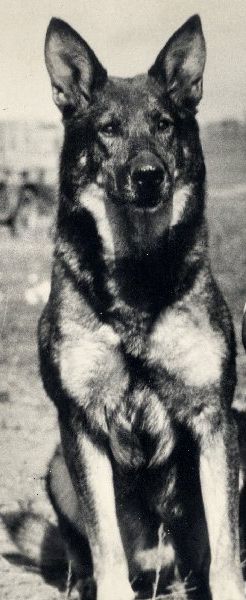 bloodlines. Rin Tin Tin and Nanette II produced at least 48 puppies. Duncan may have been obsessive about it, at least according to Mrs. Duncan. When she filed for divorce, she named Rin Tin Tin as co-respondent.
 Historical Easter Eggs - Today in History
You must be logged in to post a comment.