
We hear a lot this pre-election season, about “Left” and “Right”. “Liberal” and “Conservative”.
The terms have been with us a long time, originating in the early days of the French Revolution. In those days, National Assembly members supportive of the Monarchy sat on the President’s right. Those favoring the Revolution, on the left. The right side of the seating arrangement began to thin out and disappeared altogether during the “Reign of Terror”, but re-formed with the restoration of the Monarchy, in 1814-1815. By that time it wasn’t just the “Party of Order” on the right and the “Party of Movement” on the left. Now the terms began to describe nuances in political philosophy, as well.
Imagine you are there, from the beginning. The year is 1789. Your politics are middle of the road, maybe a little to the left. Now imagine that, in the space of two years, your nation’s politics have shifted so radically that you find yourself on the “reactionary right”, subject to execution by your government.
And your personal convictions have never changed.
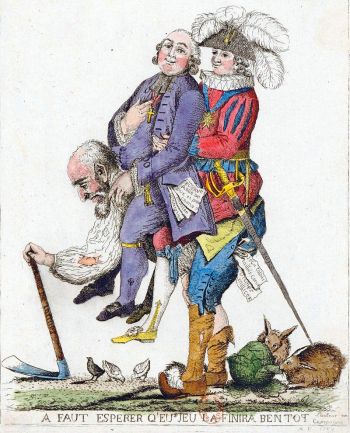
In medieval France, major constituent parts of French society broke into “Three Estates” being the Clergy (1st), the Nobility (2nd) and a 3rd Estate encompassing common women and men.
French society of the late 18th century found itself at a crossroads of tectonic events, any one of which carried with it the potential for societal upheaval.
Culturally, the “Age of Enlightenment” brought with it an elevation of “Reason” at the expense of tradition, and a diminution of the Monarchy and the Catholic Church.
Politically, the “Commons” had evolved into a caste of its own, with its own goals and a desire for parity, with the 1st and 2nd Estates.
Economically, the French state carried massive debt at this time, a condition made worse by French support of the American Revolution of a decade earlier. The Nobility refused to accede to the tax demands of King Louis XVI.
The situation was precarious for the King that May, when Louis XVI summoned the Estates-General. Having reached an impasse, the Commoners reconstituted themselves into a “National Assembly” that June, demanding a personal audience with the King, for the purpose of drawing up a Constitution.
The National Assembly converged on the Estates General on June 20, only to find the door locked. What followed was hysterical, duplicitous or both, as the King and the Royal Family were in formal mourning at this time, following the death of the Dauphin; the heir apparent to the french throne. Traditionally, political matters were held at such times, until the King came out of mourning.
It was yet another custom, about to be thrown out the window.
Finding the chamber locked and under guard, all 577 members of the National Assembly converged on an indoor tennis court. All but one put their names to a solemn oath, the “Tennis Court Oath”, swearing “not to separate, and to reassemble wherever circumstances require, until the constitution of the kingdom is established”.
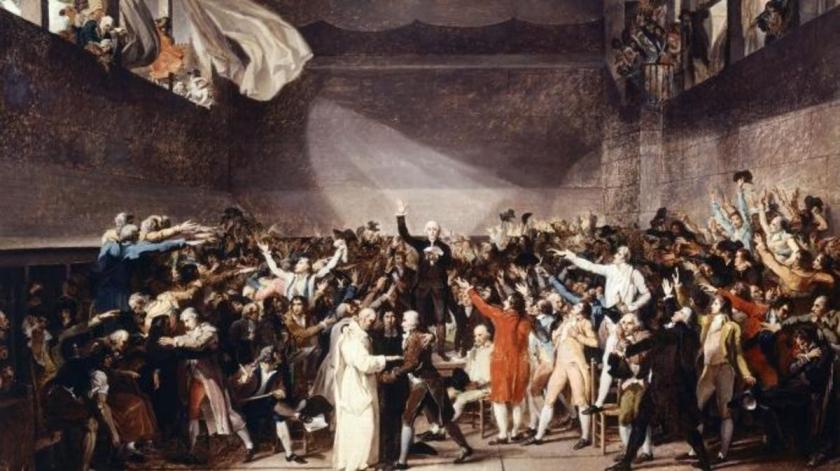 The oath itself was a revolutionary act. Unlike the English Parliament, the Estates-General were little more than an advisory body, whose authority was not required for Royal taxation or legislative initiatives. The oath taken that day asserted that political authority came from the people and their representatives, not from the monarchy. The National Assembly had declared itself supreme in the exercise of state power, making it increasingly difficult for the monarchy to operate based on “Divine Right of Kings”.
Riots followed as Leftist and reformist factions coalesced from anarchy to a coherent movement against the monarchy and the French Right.
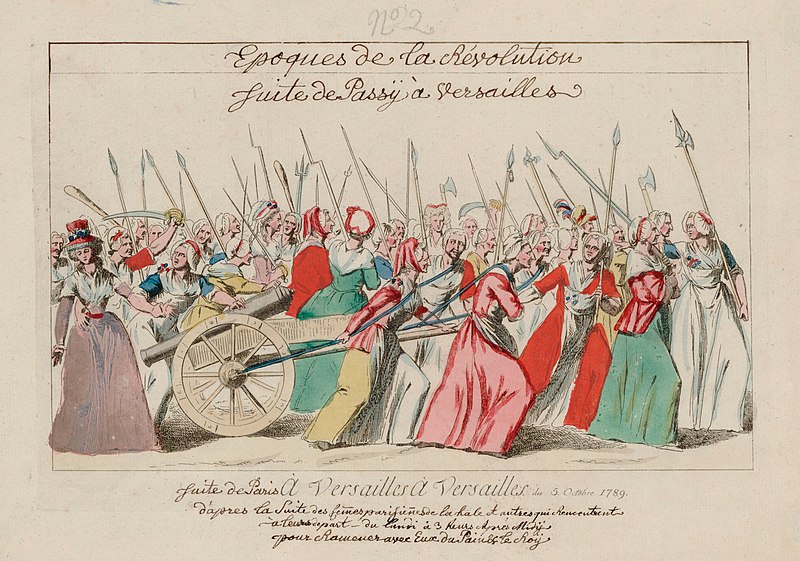
Paris was “intoxicated with liberty and enthusiasm,” in July, when French revolutionaries converged on that age-old and hated symbol of the monarchy: the Bastille. The fortress was guarded at this time by 82 “invalides”, veteran soldiers no longer fit for service in the field, and 32 Swiss grenadiers under the command of Governor Bernard-René de Launay, son of the previous governor.
The attackers – vainqueurs de la Bastille – numbered 954. Negotiations dragged on until the crowd lost patience, crowding into the outer courtyard and cutting the chain that held the drawbridge. Firing broke out as the bridge slammed down, crushing one unlucky vainqueur, while a nearby force of Royal Army troops did nothing to intervene. 98 attackers and one defender died in the fighting. The mob murdered another 7, after their surrender.
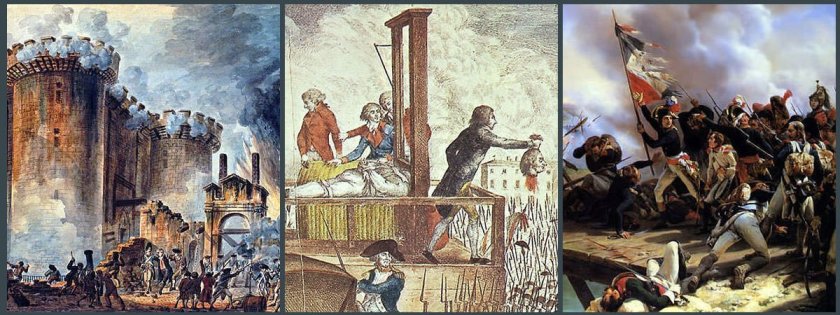
On this day in 1789, hundreds of French women ransacked the markets of Paris, angry over the scarcity and the high price, of bread. Encouraged and egged on by revolutionary agitators, these market women and not a few men, plundered the city’s armories for weapons and marched on the Hôtel de Ville (the City Hall of Paris) carrying kitchen blades, farm implements and anything else which would serve as a weapon. The mob swelled to as many as 10,000, before turning to the royal palace at Versailles, some thirteen miles distant.
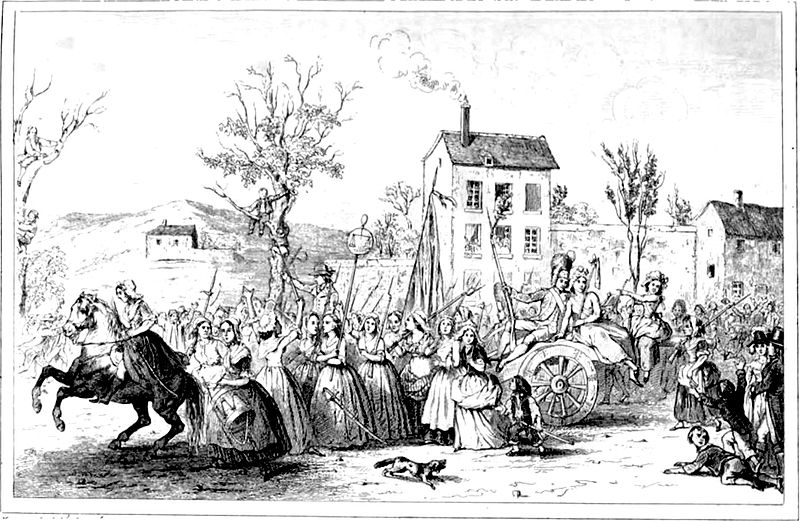
Arriving soaking wet from a driving rain, the angry mob converged on Versailles demanding political reforms and a constitutional monarchy. The confrontation was ugly, violent. Marie Antoinette herself narrowly escaped destruction, fleeing down a secret passage to the King’s chambers.
The King himself agreed to address the crowd, from his balcony. “My friends,” he began, “I will go to Paris with my wife and my children.” It was a fatal error.
The insurrection at Paris raced across all of France as the “Great Fear” spread across the countryside. The absolute monarchy which had ruled for centuries was over within three years. Louis himself lost his head to the guillotine in January, 1793. 16,594 went to the guillotine under “the Reign of Terror”, led by the “Committee of Safety” under the direction of Parisian lawyer Maximilian Robespierre. Among them was Queen Marie Antoinette herself, who never did say “let them eat cake”. The Queen’s last words on mounting the scaffold were pardon me, sir, I meant not to do it. She had accidentally stepped on her executioner’s toes.
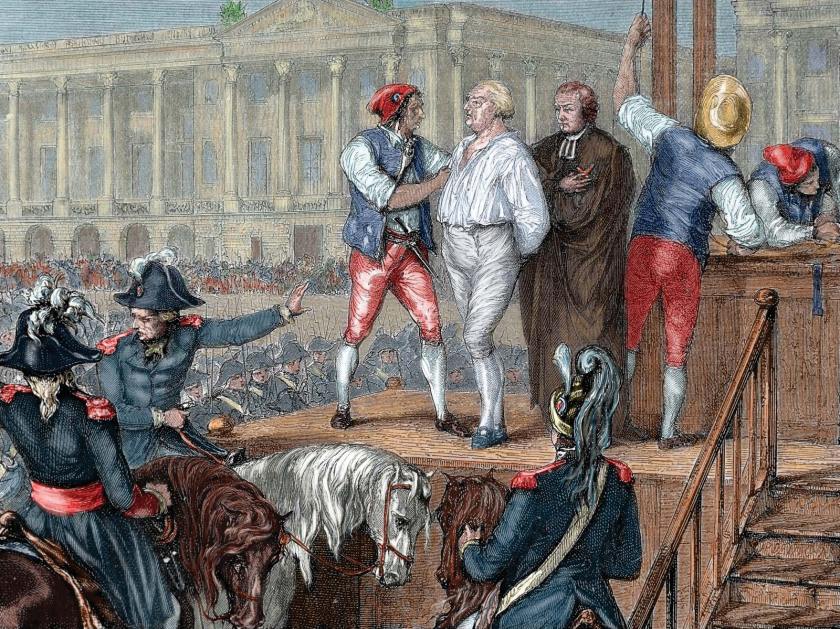
As many as 40,000 were summarily executed or died in prison awaiting trial before the hysteria died down. Robespierre himself lost his head in 1794.
The Napoleonic Wars which followed resulted in a Corsican artillery corporal-turned Emperor, fighting (and winning), more battles than Hannibal, Caesar, Alexander the Great and Frederick the Great, combined.
The saddest part of the whole sad story, may be the son of Louis and Antoinette, Louis-Charles, Duke of Normandy. The boy was King Louis XVII in name only, thrown into a stone prison cell at the age of 8. He would die there, miserable, sick and alone, at the age of 10.
The whole exercise, seems pointless. The Bourbon Dynasty was back in power, within twenty years.


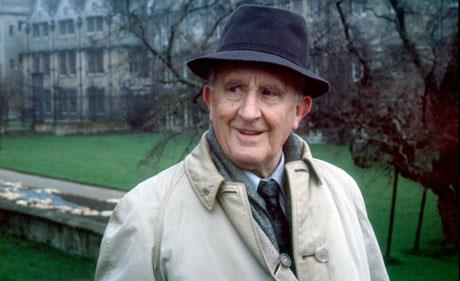
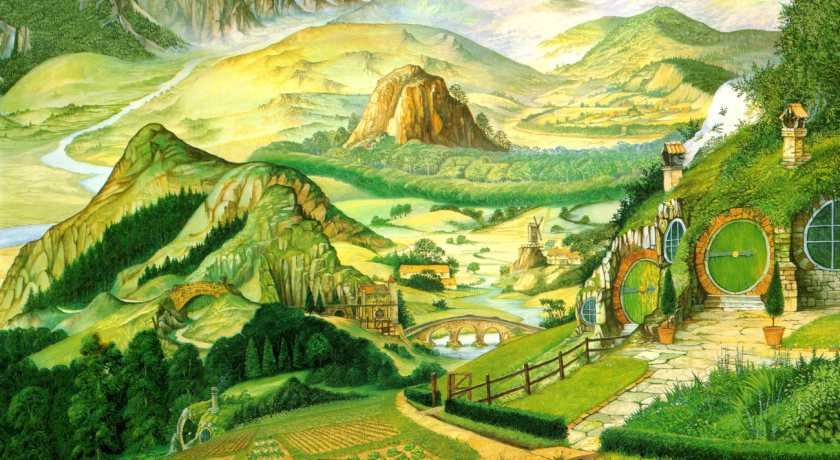
 The family lived for a time next to a rail line, south of Birmingham. John always had an interest in languages, even before he began to invent words of his own. It must have fired the young boy’s linguistic imagination to see the Welsh coal trucks go by, with names like “Nantyglo“, “Penrhiwceiber” and “Senghenydd”, painted on their sides.


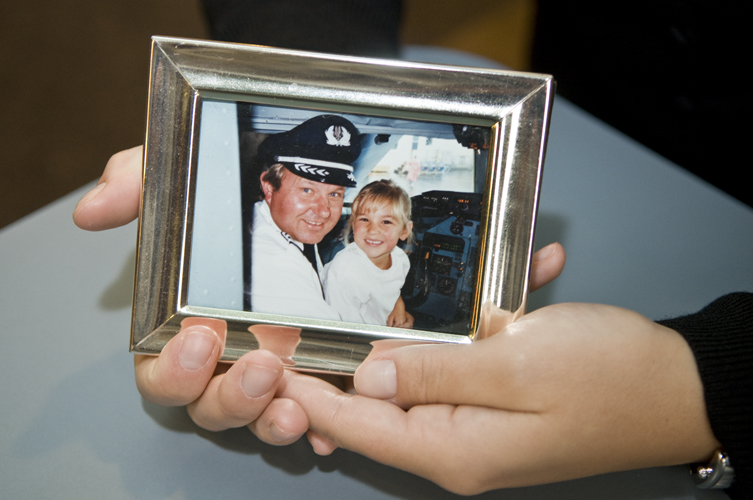
 Graduating from UMass Lowell in 1972 with a degree in nuclear engineering, John Alexander Ogonowski joined the United States Air Force. During the war in Vietnam, this farmer-turned military pilot would ferry equipment from Charleston, South Carolina to Southeast Asia, often returning with the bodies of the fallen aboard that giant, C-141 transport aircraft.
 John Ogonowski helped to create the Dracut Land Trust in 1998, working to conserve the growing town’s agricultural heritage. He worked to bring more people into farming, as well. The bumper sticker on his truck read “There is no farming without farmers”.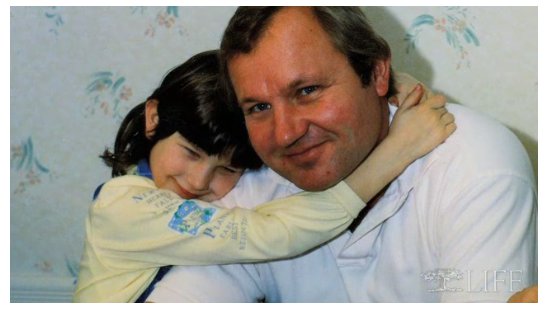
 The program was a great success. Ogonowski told The Boston Globe in 1999, “These guys are putting more care and attention into their one acre than most Yankee farmers put into their entire 100 acres.”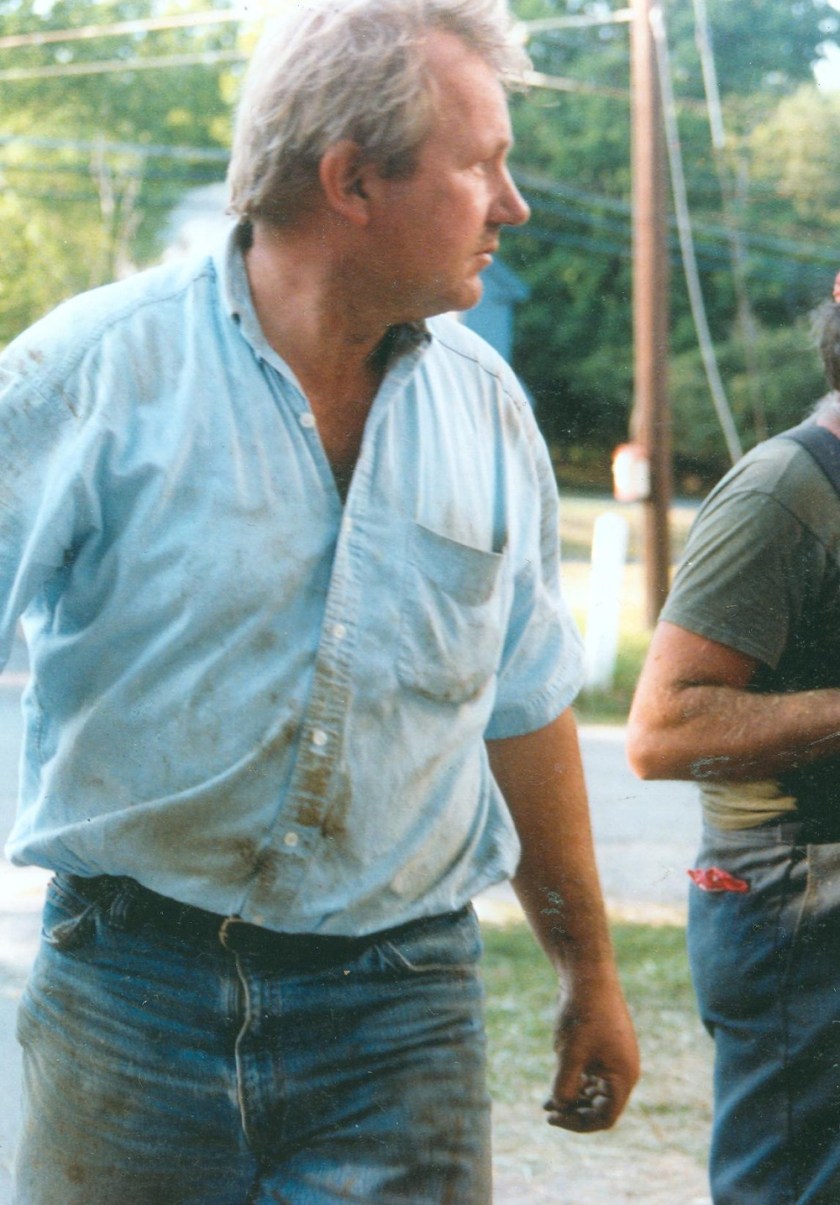


 The story may be little more than a tale told “out of school”, no better than “a guy told me at the pub” concerning a Queen whose name wasn’t ‘Victoria’ at all but Alexandrina Victoria, after her godfather Tsar Alexander I.






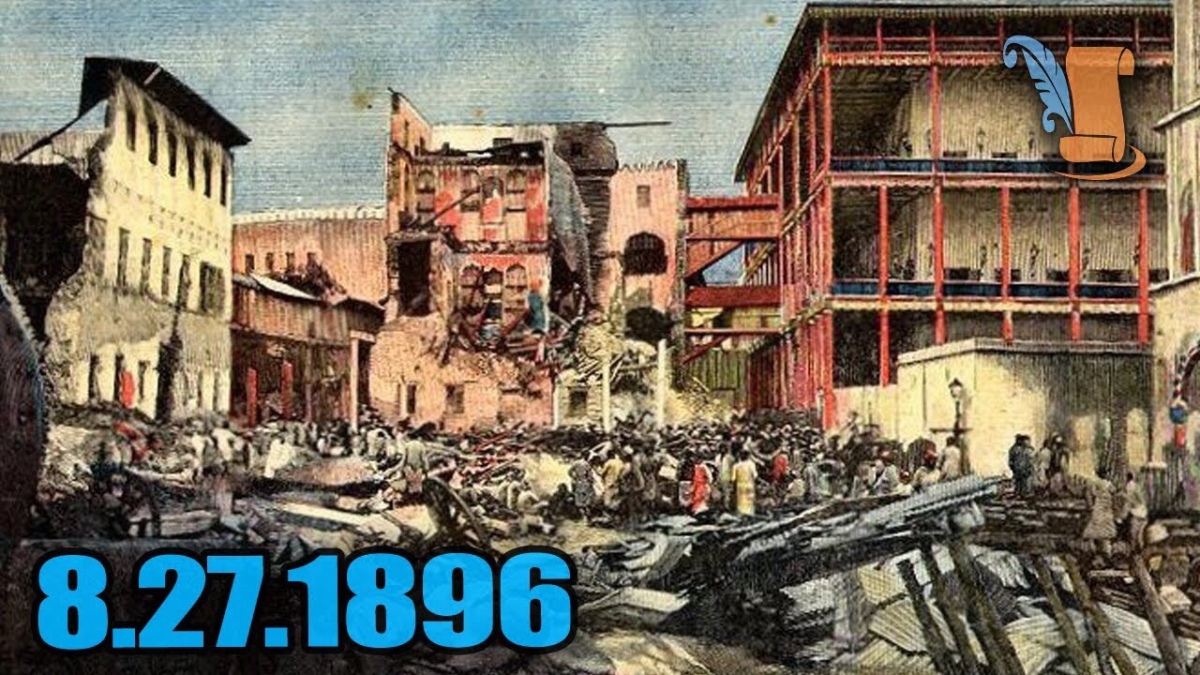
 British authorities demanded that Khalid order his forces to stand down and leave the palace. Instead, the new Sultan called up his personal security and barricaded himself inside.

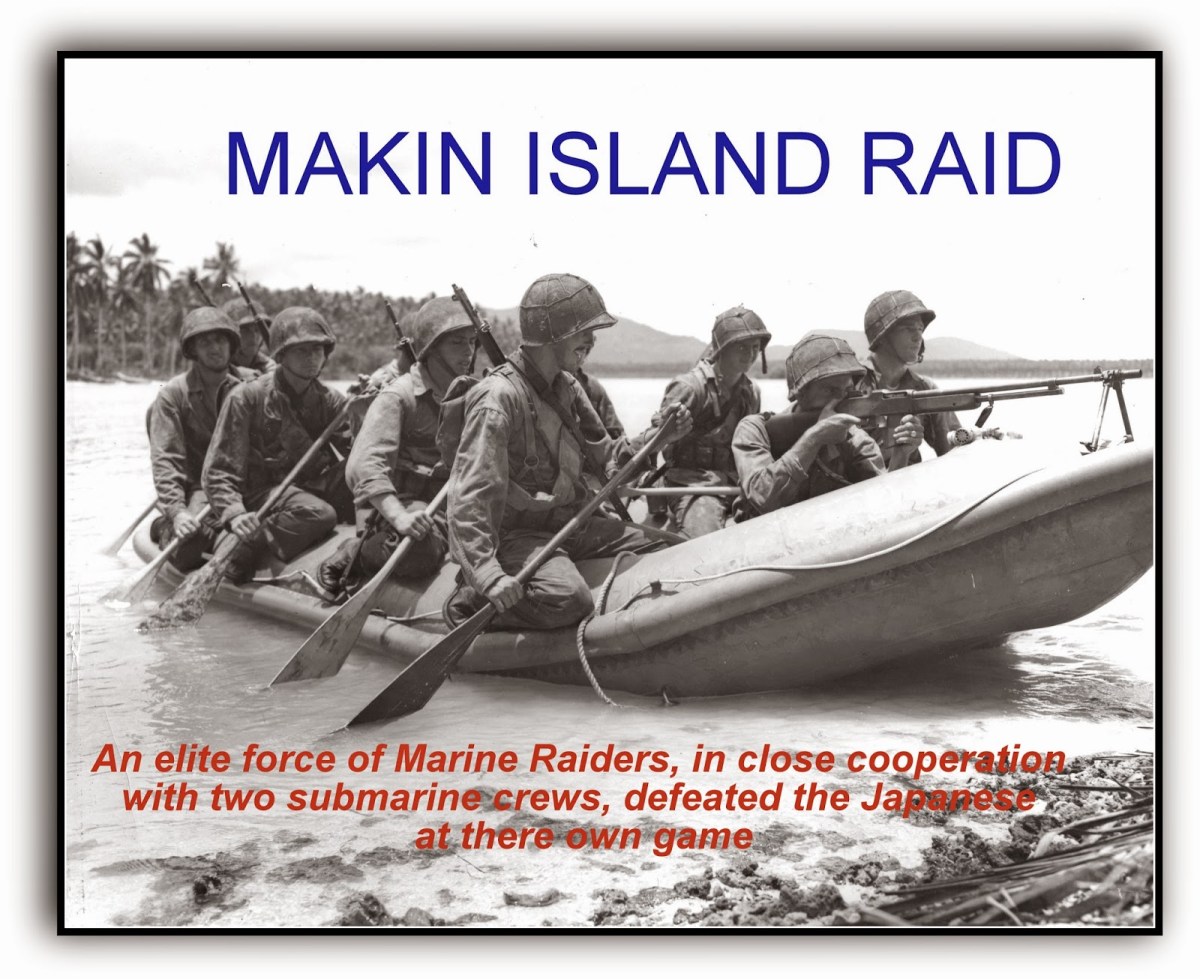
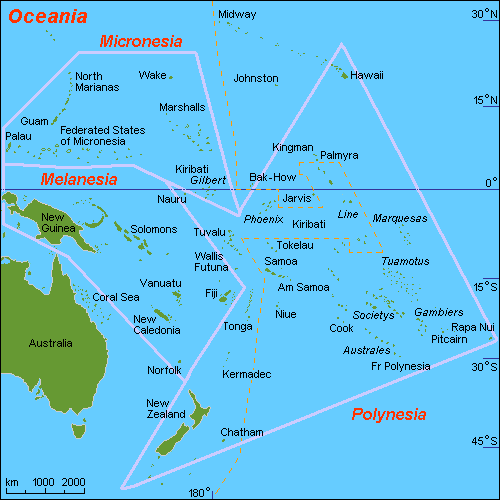
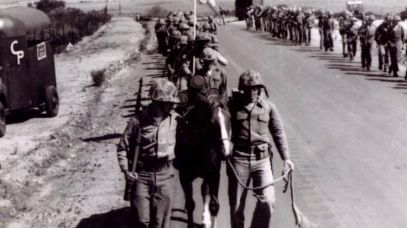
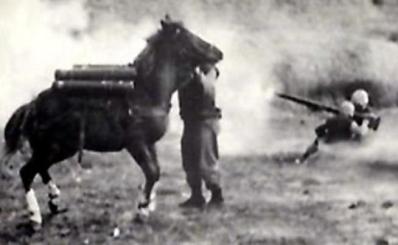
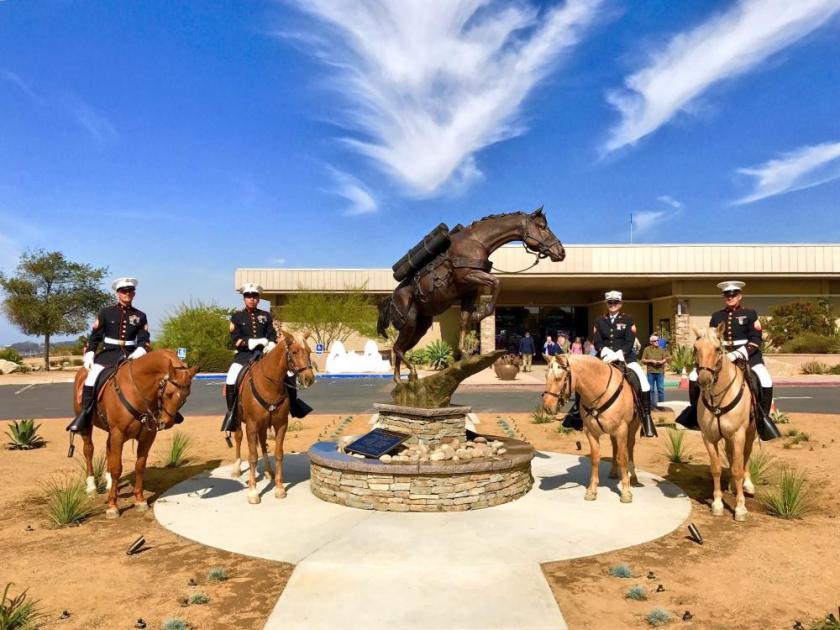
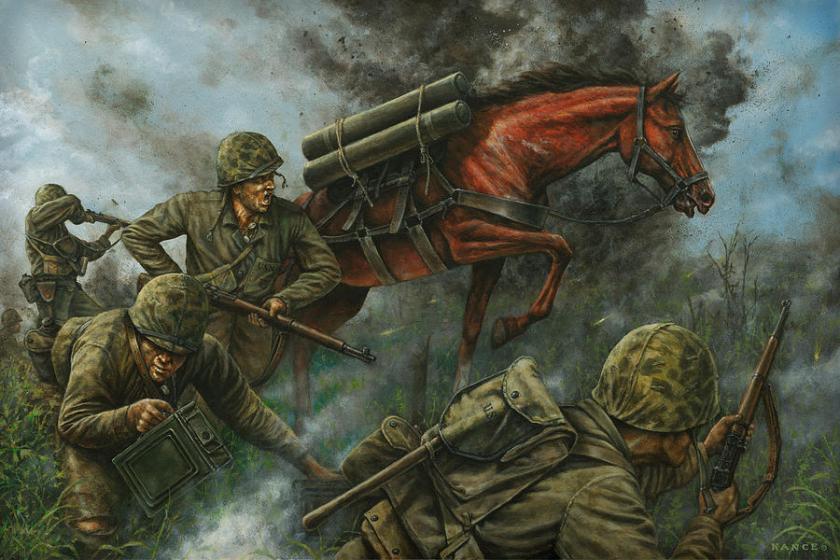
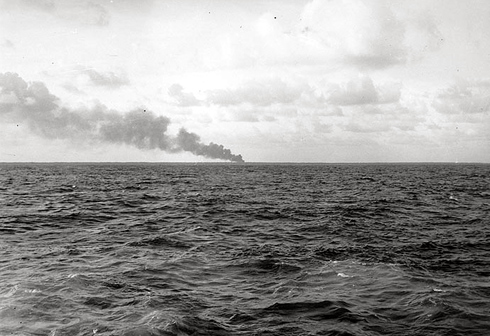
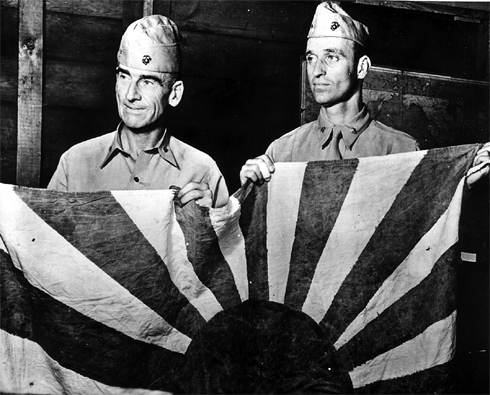
 A few minutes past 00:00 (midnight) on August 17, 1942, 211 United States Marine Corps raiders designated Task Group 7.15 (TG 7.15) disembarked from the submarines Argonaut and Nautilus, and boarded inflatable rubber boats for the landing on Makin Island. The raid was among the first major American offensive ground combat operations of WW2, with the objectives of destroying Japanese installations, taking prisoners to gain intelligence on the Gilbert Islands region, and to divert Japanese reinforcement from allied landings at Guadalcanal and Tulagi.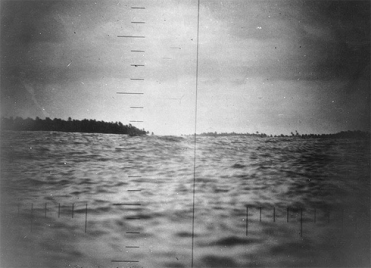




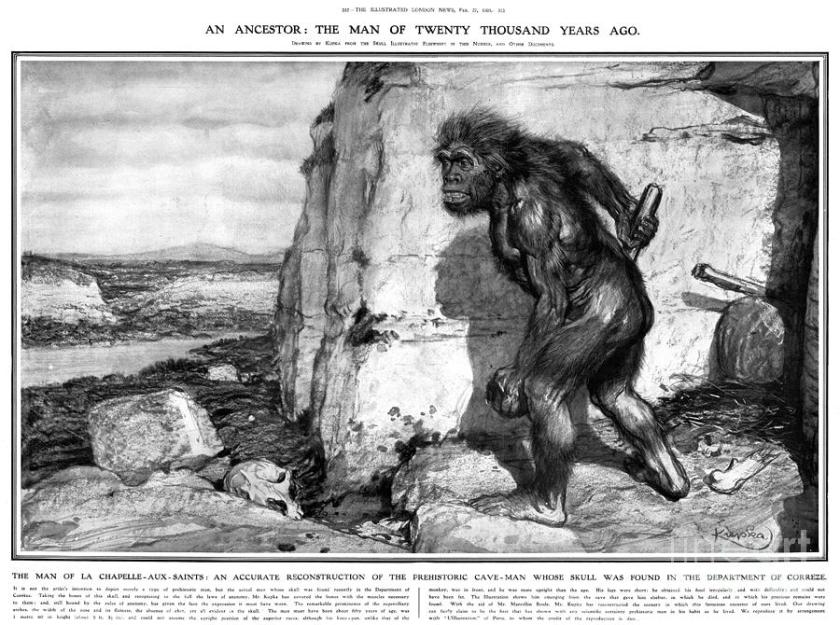
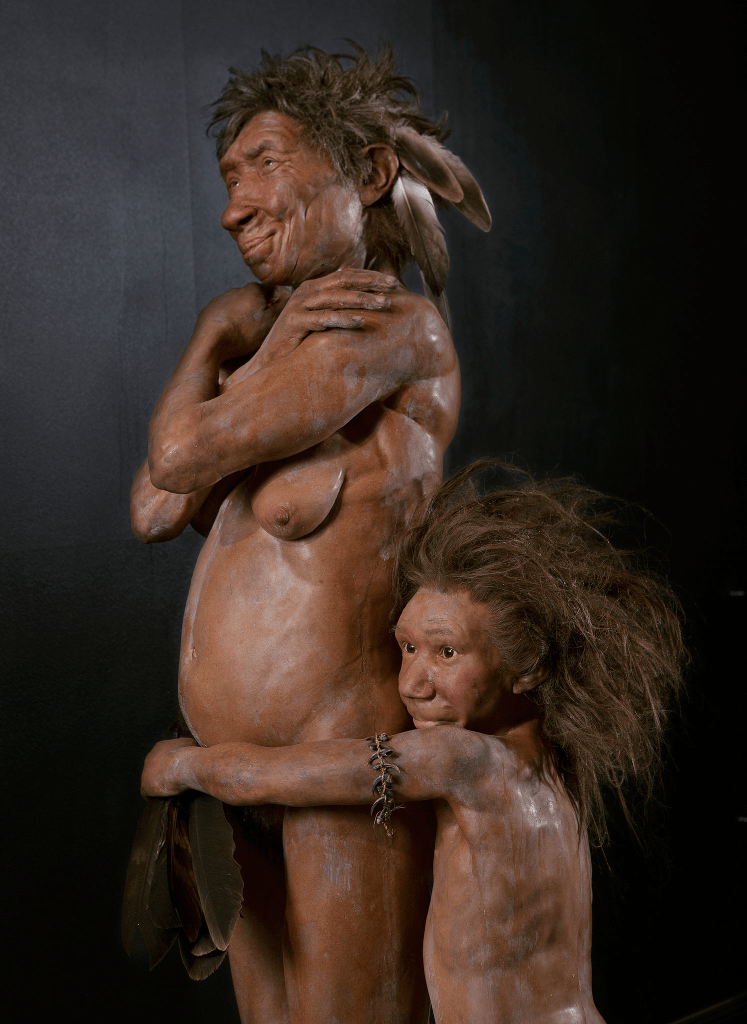
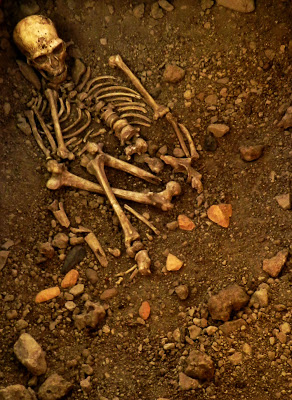
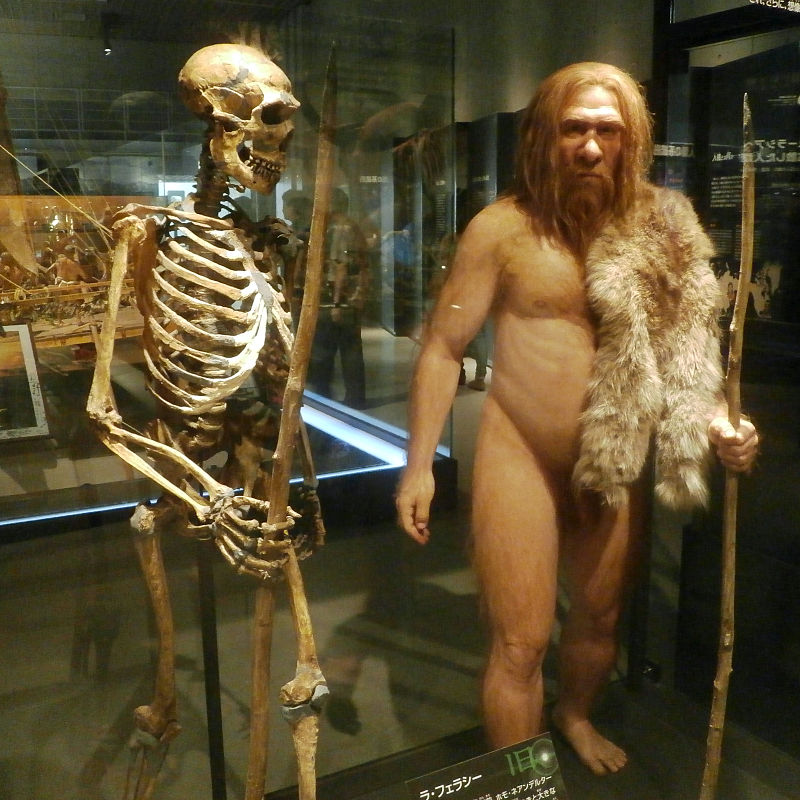
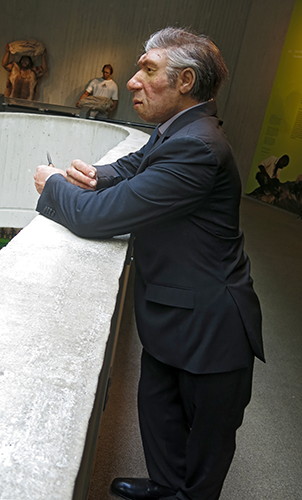
 Research suggests that we ourselves carry Neanderthal genes, those among us of Eurasian ancestry. These genes may have changed our immune systems leaving us vulnerable to diseases such diabetes and cancer.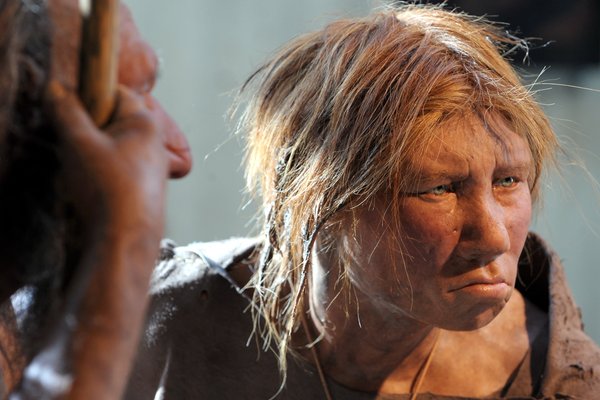







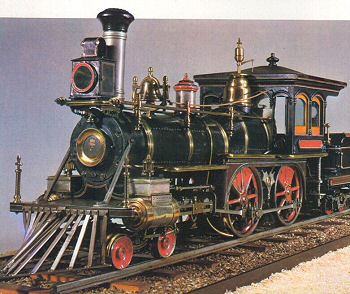
 Erie Engine #237 arrived at Lackawaxen at 2:30 pm pulling 50 coal cars, loaded for Jersey City. Kent gave the all clear at 2:45. The main switch was opened, and Erie #237 joined the single track heading east out of Shohola.
 “[T]he wooden coaches telescoped into one another, some splitting open and strewing their human contents onto the berm, where flying glass, splintered wood, and jagged metal killed or injured them as they rolled. Other occupants were hurled through windows or pitched to the track as the car floors buckled and opened. The two ruptured engine tenders towered over the wreckage, their massive floor timbers snapped like matchsticks. Driving rods were bent like wire. Wheels and axles lay broken. The troop train’s forward boxcar had been compacted and within the remaining mass were the remains of 37 men”. Witnesses saw “headless trunks, mangled between the telescoped cars” and “bodies impaled on iron rods and splintered beams.”
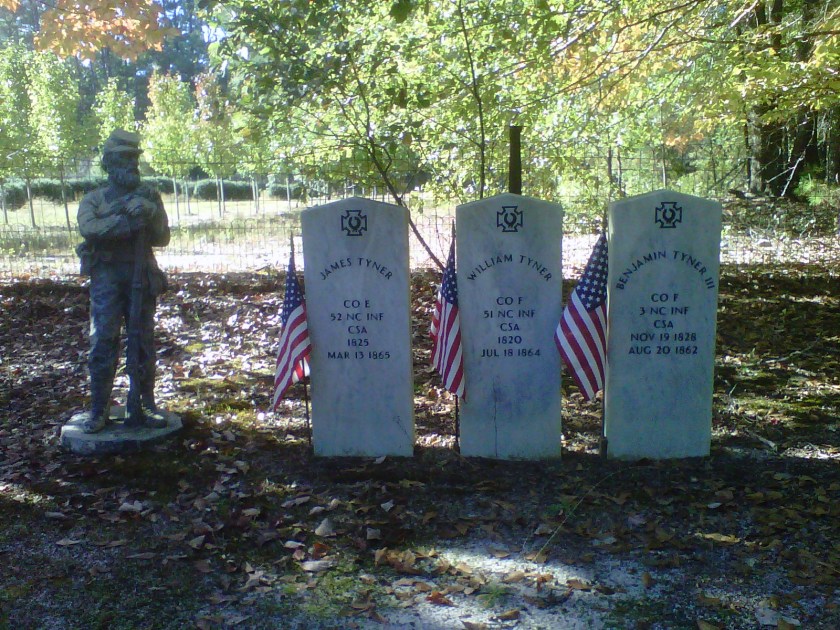
 As the years went by, signs of all those graves were erased. Hundreds of trains carried thousands of passengers up and down the Erie Railroad, ignorant of the burial ground through which they passed.
 Historical Easter Eggs - Today in History
You must be logged in to post a comment.